
Saying No Gracefully: A Practical Guide to Shrinking Your Wedding Guest List
One of the most stressful parts of wedding planning isn't choosing a venue or a dress — it's deciding who gets a seat at the table. Whether you're working with a tight budget, a small venue, or simply a vision of an intimate celebration, trimming your guest list is almost always necessary. The good news: it can be done kindly, fairly, and without lasting damage to your relationships.
Start With a Clear "Why" Before You Cut Anyone
Before you start crossing names off a list, get aligned with your partner on the real constraints. Is it budget? Venue capacity? A desire for intimacy? Having a concrete reason — "our venue holds 75 people" or "we're keeping it under $15,000" — gives you an honest, defensible answer if anyone asks why they weren't invited. It also helps you make consistent decisions instead of emotional ones in the moment.
Write down your hard cap number first. Then build your list from scratch in tiers rather than trimming an inflated one. It's much easier to add people than to remove them.
Use Consistent Rules — and Stick to Them
The most effective way to cut your list without hurt feelings is to apply rules that apply to everyone equally. Consider these tried-and-true boundaries:
- The two-year rule: If you haven't spoken to someone in two or more years, they don't make the cut.
- No coworkers (or all coworkers): Pick a lane and stay in it. Inviting three colleagues but not a fourth is a recipe for office tension.
- No plus-ones for guests who aren't in serious relationships. Define "serious" the same way for every guest — engaged, living together, or together for over a year, for example.
- Children-free reception: A blanket no-children policy is one of the fairest and most accepted ways to reduce headcount significantly.
- Immediate family only: If you're going very small, limit it to parents, siblings, and grandparents — full stop.
When rules are consistent, guests are far less likely to take exclusion personally. It feels like a policy, not a personal slight.
How to Handle the Conversation When Someone Asks
Even with the best planning, someone will find out they weren't invited and reach out. Keep your response warm, brief, and honest:
- "We had to keep it really small because of our venue — we wish we could have had everyone there."
- "We made the difficult decision to limit it to immediate family only. It was hard to leave out so many people we care about."
Don't over-explain or apologize excessively — that can make things more awkward. Acknowledge their feelings, keep it brief, and pivot to something forward-looking: "We'd love to celebrate with you after the honeymoon." A post-wedding dinner or backyard party for a wider circle is a genuinely lovely way to include people who couldn't be at the wedding itself.
What you should never do: tell an uninvited guest that you "had to keep it small" while posting photos of 200 people on social media. Be mindful of what you share publicly in the weeks around your wedding date.
Manage the "B-List" With Care
Many couples keep a backup list — people they'd love to invite if RSVPs come back with regrets. This is completely normal and practical. The key is timing and discretion. Send your second-round invitations early enough that guests don't feel like an afterthought, and never mention the B-list out loud. If someone asks why they received their invitation later than others, a simple "We sent invitations in a few batches as we finalized details" is perfectly acceptable.
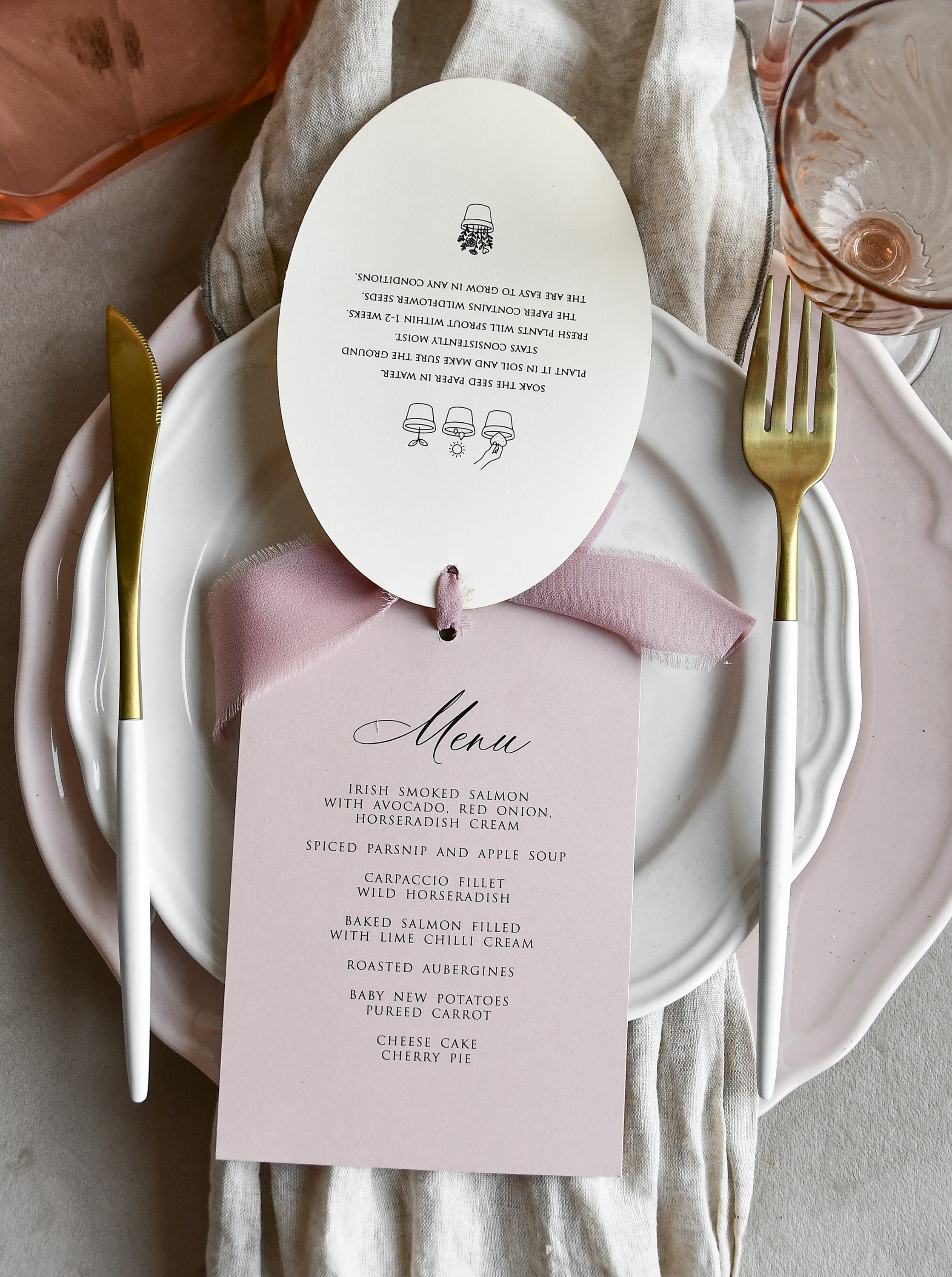
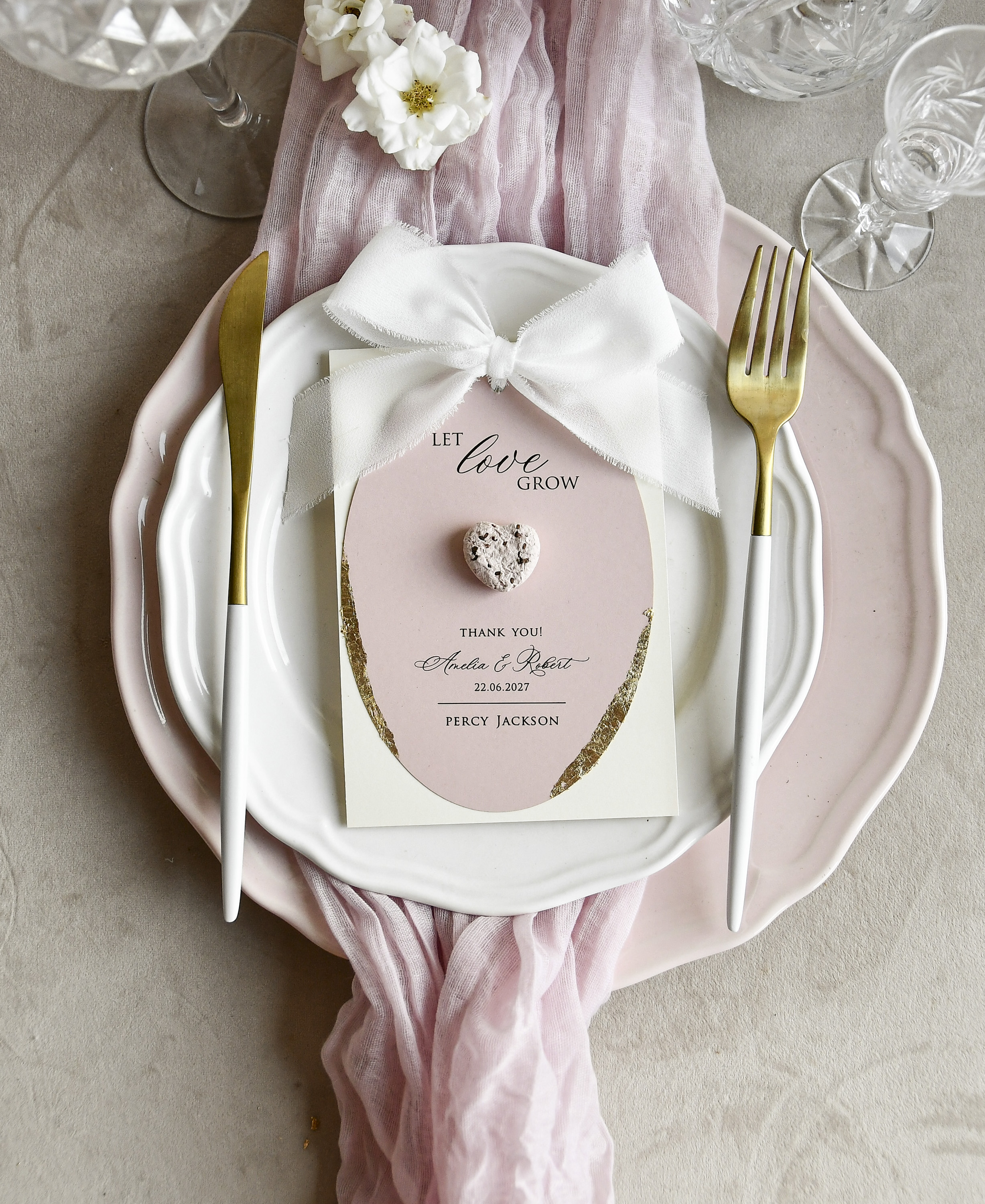
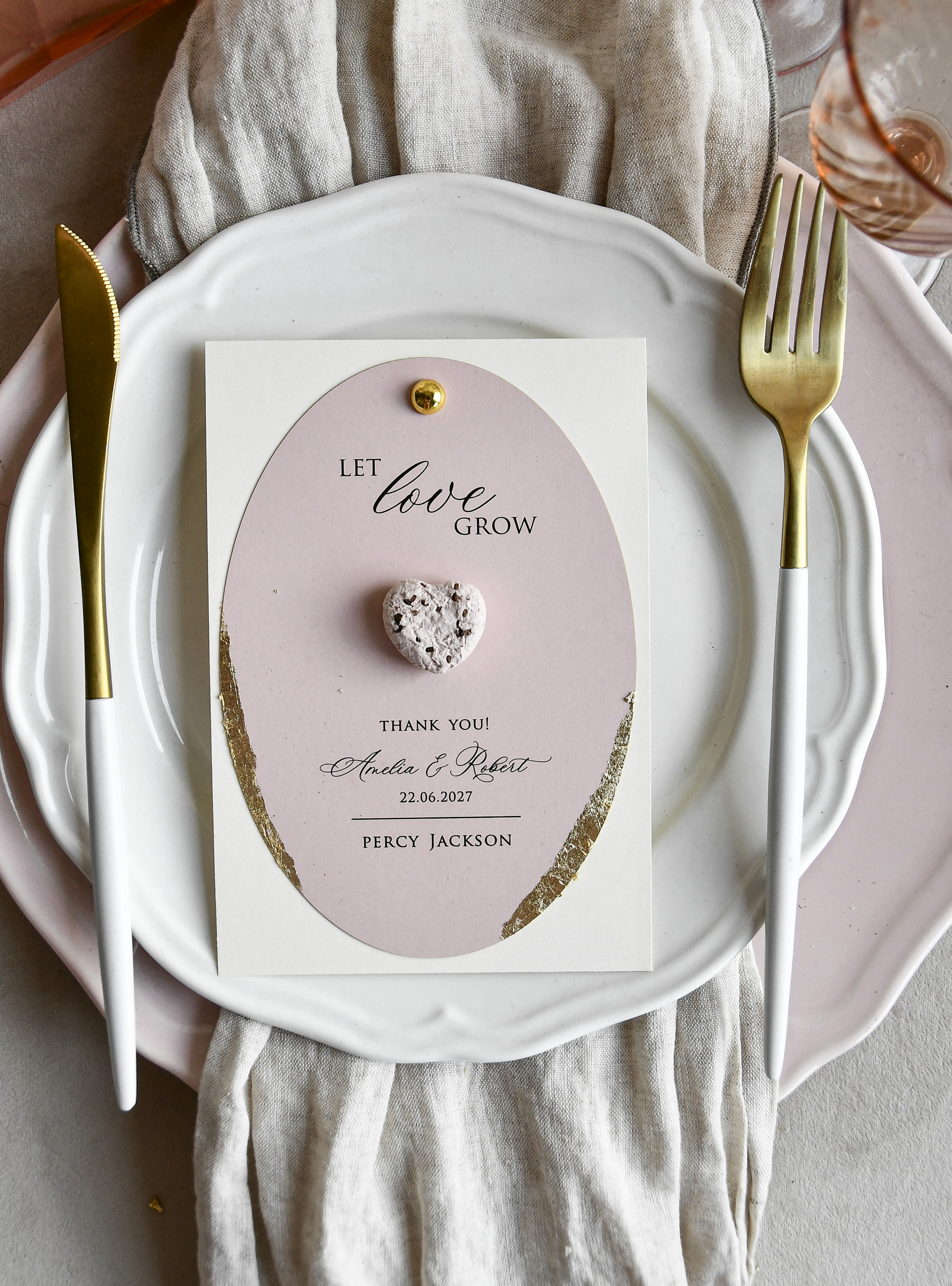
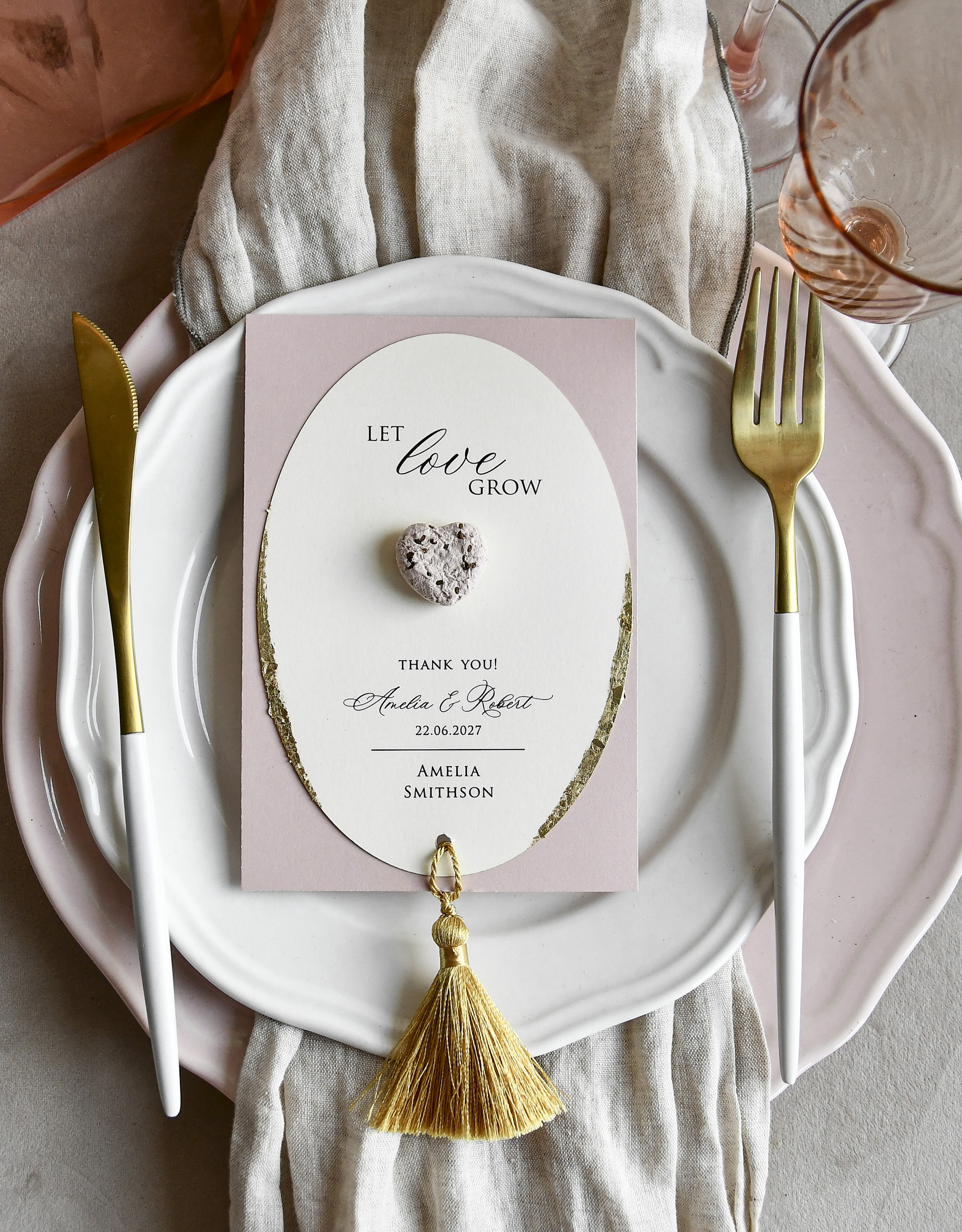
When you're ready to send those invitations, make sure every detail is just as thoughtful as the first round. A beautifully designed menu and program — like the romantic 01/3in1/m from Margo&Bees — ensures every guest feels equally celebrated once they arrive, regardless of when their invitation landed.
Give Yourself Permission to Prioritize Your Vision
Here's the truth no one says out loud: your wedding is one of the few events in your life where you get to design the guest list entirely around what matters to you. Not your parents' social obligations, not office politics, not the cousin you met twice at family reunions.
A smaller wedding often means a more meaningful one — longer conversations, a relaxed atmosphere, and a day that actually reflects who you are as a couple. When every seat at your table is filled by someone who truly belongs there, even the smallest details feel intentional. That's when thoughtful touches like a coordinated menu and program really shine, because every guest in the room is someone you genuinely wanted there.
Be kind in your communication, be consistent in your rules, and then let yourself enjoy the process of planning a wedding built around the people who matter most.
Frequently Asked Questions
Not at all — small and intimate weddings are completely accepted today. The key is applying your rules consistently across both families so no one side feels singled out. A brief, warm explanation goes a long way toward preserving those relationships.
You don't need to proactively tell people they weren't invited, but don't be evasive if someone asks directly. A short, honest answer delivered with warmth is always better than a vague excuse that can feel dismissive.
Set expectations early — ideally before you start sending invitations — by sharing your total headcount and how it's being divided. If parents are contributing financially, it's fair to give them a set number of invites, but make clear that the final list is yours and your partner's decision.
Address it clearly on your wedding website and, if needed, on an insert in your invitation suite. Phrase it positively — "adult reception" rather than "no children" — and give parents plenty of notice so they can arrange childcare.
This is generally considered poor etiquette in the US, as the reception is seen as the main celebration. If you need to limit numbers, it's better to not invite someone at all than to invite them only to the ceremony.
Send invitations 8–10 weeks before the wedding. Ask guests to RSVP 4–5 weeks out, which gives you a 2–3 week window to reach out to B-list guests before your final headcount is due to the venue and caterer.
See This Design Up Close


You May Also Like
More Wedding Planning Guides
- → Boss, Colleagues, and Your Wedding: A Practical Guide to Inviting Work Connections
- → How Far in Advance Should Wedding Invitations Go Out?
- → Ceremony Without the Dinner: How to Handle Partial Wedding Guest Lists
- → When Your Aunt Remarries Before Your Wedding: Navigating the Plus-One Question
- → Uninvited Plus-Ones and Tag-Alongs: How to Keep Your Guest List Intact
- → When Family Feuds Threaten Your Wedding Plans: A Practical Peacekeeper's Guide
- → Inviting an Estranged Brother or Sister: Finding Clarity Before You Seal the Envelope
- → Cousins, Invites, and Hard Choices: A Practical Guest List Guide