
Distant Relatives on Your Wedding Guest List: How to Decide Who Makes the Cut
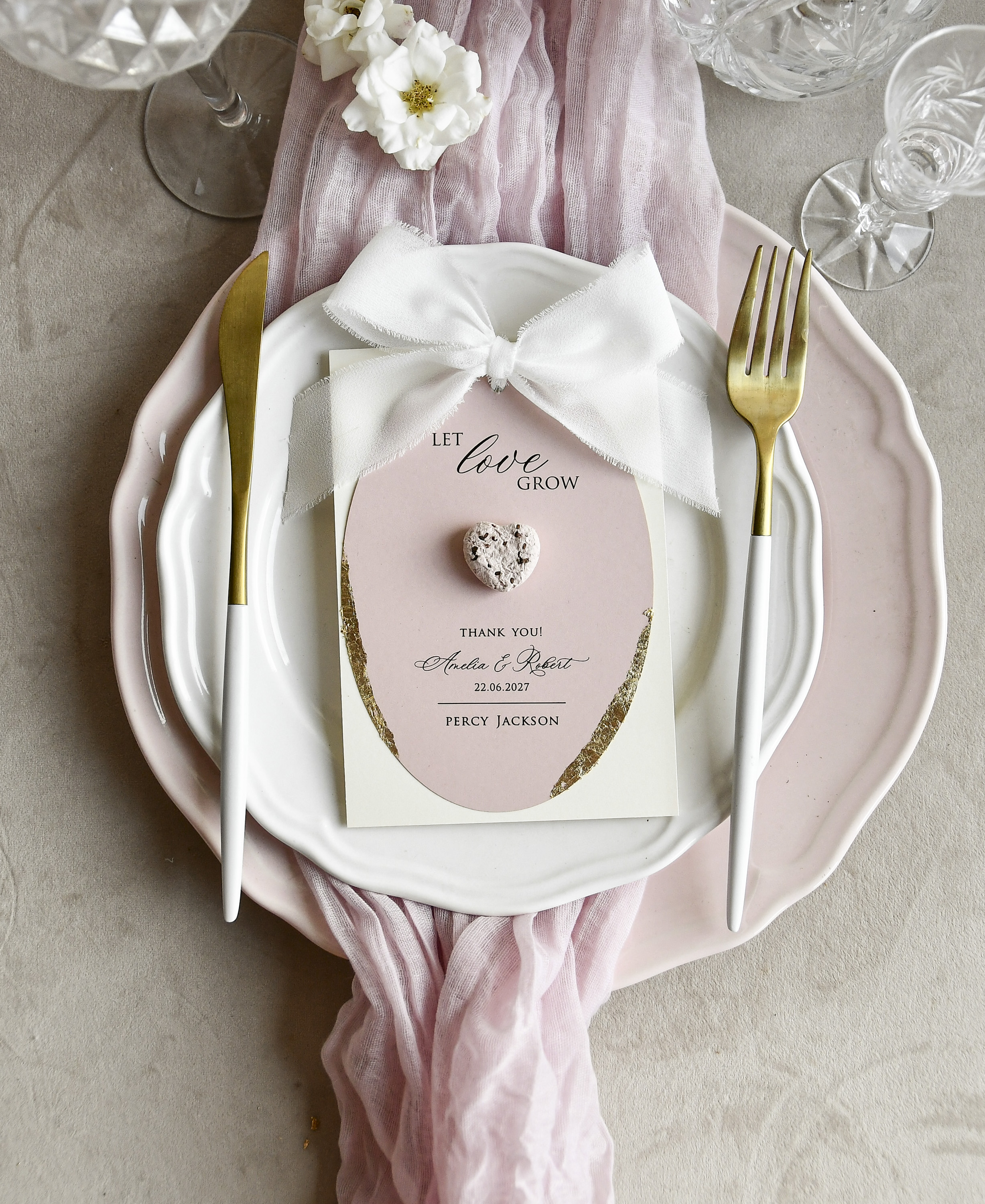
Every engaged couple hits the same wall: somewhere between the close friends and the obvious must-invites sits a murky middle zone of aunts you haven't spoken to in a decade, cousins you barely recognize, and family members your parents keep mentioning. Should they come? The honest answer is—it depends. But with a clear framework and a little boundary-setting, you can build a guest list that feels right for your marriage, not just your family tree.
Start With Your 'Why'—Not Your Guilt
The most important question isn't who to invite—it's why you'd invite them. There's a big difference between these two scenarios:
- You genuinely want to reconnect. Your wedding is a meaningful milestone, and having this person there feels right, even if you've been out of touch.
- You feel obligated. You're worried about offending a parent, avoiding gossip, or keeping the peace at future holidays.
Obligation alone is rarely a good enough reason to add someone to your guest list. Weddings are expensive—often $150–$300 per guest when you factor in catering, seating, and stationery—and more importantly, the people in the room set the emotional tone of your day. Invite people you'd be genuinely glad to see in your wedding photos twenty years from now.
The Practical Test: Apply a Simple Filter
When you're on the fence about a specific family member, run them through these three questions:
- Have you spoken in the last two years? If yes—even briefly—they're probably not truly estranged, just distant. Consider inviting them.
- Would their absence cause lasting damage to an important relationship? If skipping an uncle means your mother won't speak to you for a year, that's worth weighing honestly.
- Is there active conflict or harm? If this person has been hurtful, abusive, or toxic, no amount of family pressure justifies their presence on your wedding day. Full stop.
Use this filter as a starting point, then trust your gut. If thinking about them sitting at a table during dinner makes you anxious rather than happy, that's data worth listening to.
Managing Parental Pressure and Family Politics
Parents often push hardest for distant relatives to be included—sometimes because they're footing part of the bill, sometimes out of genuine family loyalty, sometimes out of habit. Here's how to handle it gracefully:
- Set a guest count early. Agreeing on a firm number before anyone starts naming names gives you a neutral, logistical reason to limit the list. "We're capped at 120 guests" is harder to argue with than "we just don't want them there."
- Offer a compromise. If your parents feel strongly about certain relatives, consider letting them allocate a small number of "parent picks" from their side. This gives them ownership without handing over your entire list.
- Be consistent. If you're not inviting one set of distant cousins, don't invite the other side's equivalent. Consistency is your best defense against accusations of favoritism.
Remember: you can acknowledge someone's feelings without changing your decision. "I understand you're disappointed" is a complete sentence.
When You Do Invite Distant Family, Make Them Feel Welcome
If you decide to include relatives you rarely see, a little extra thoughtfulness goes a long way toward making the day feel warm rather than awkward. Seat them near family members they do know well, and consider a brief personal note tucked into their invitation acknowledging that you're glad they'll be there.
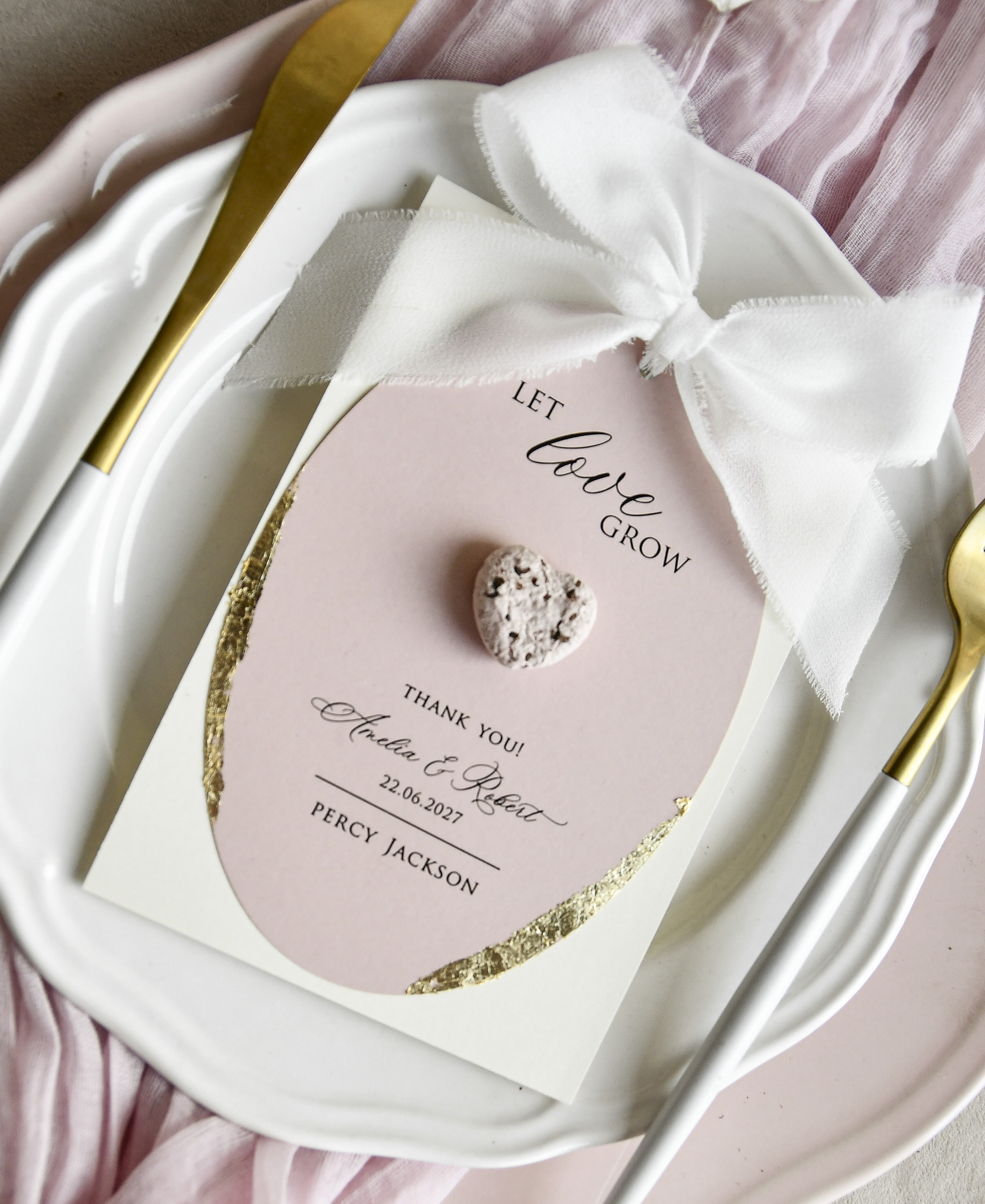
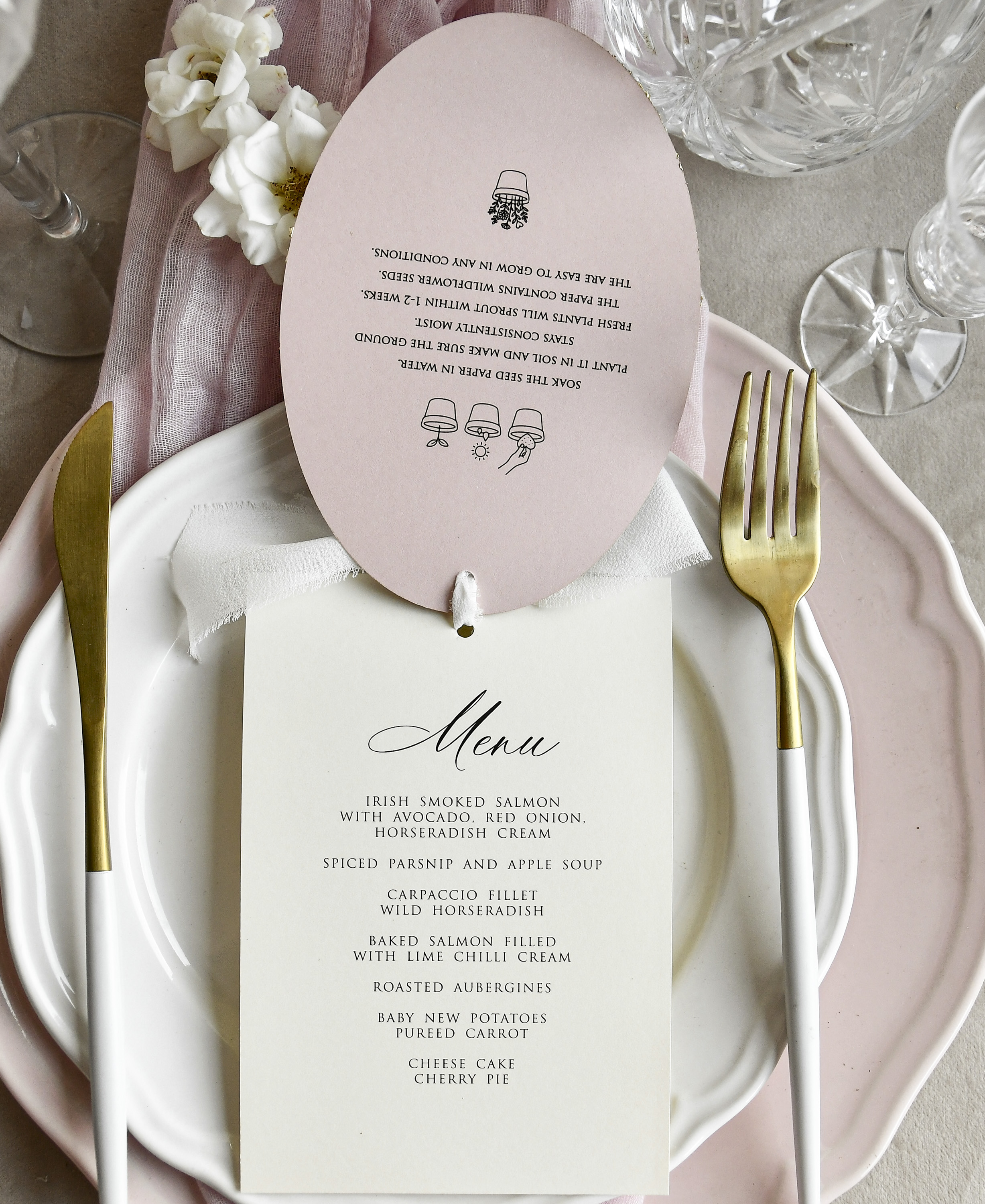
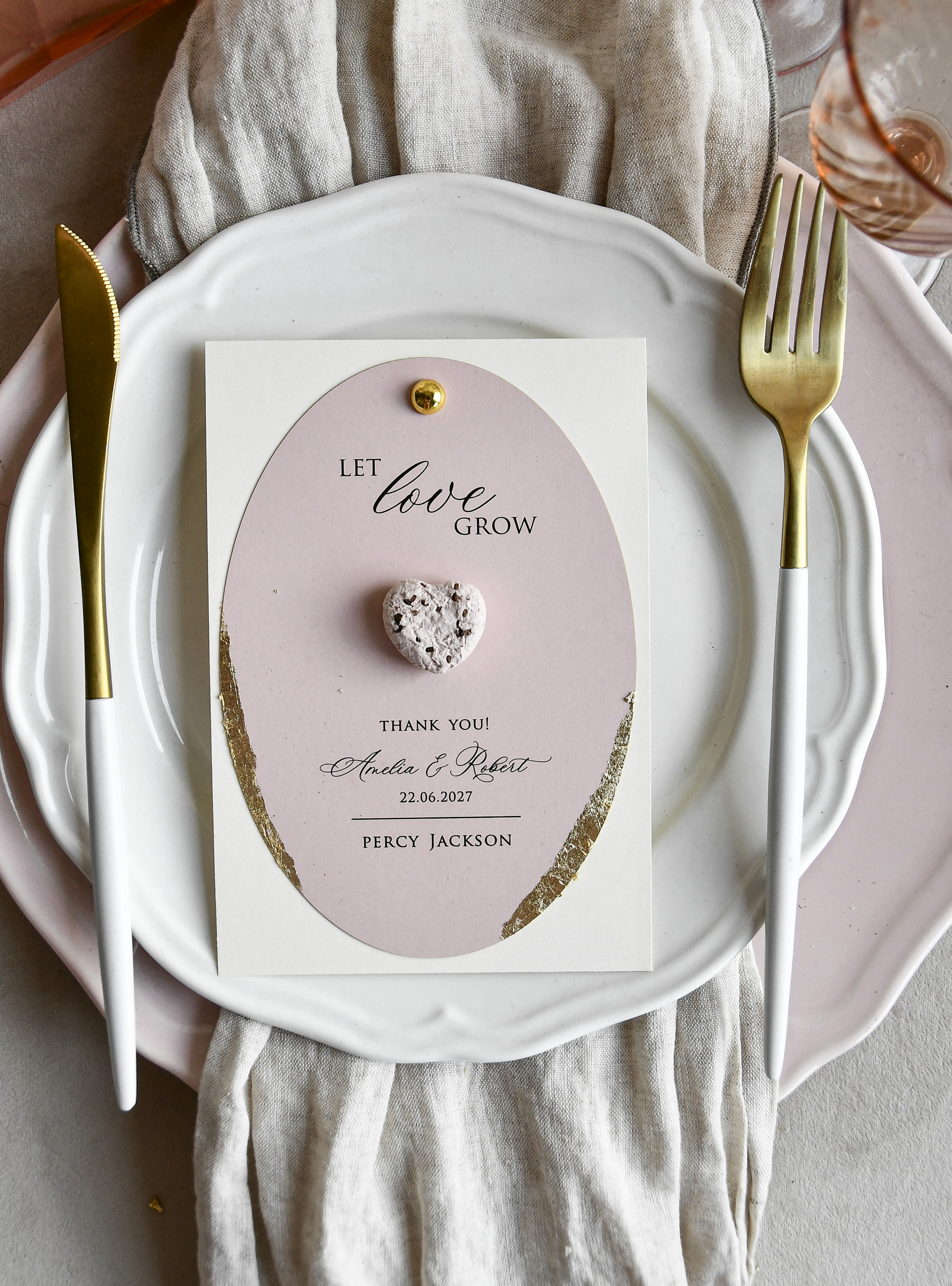
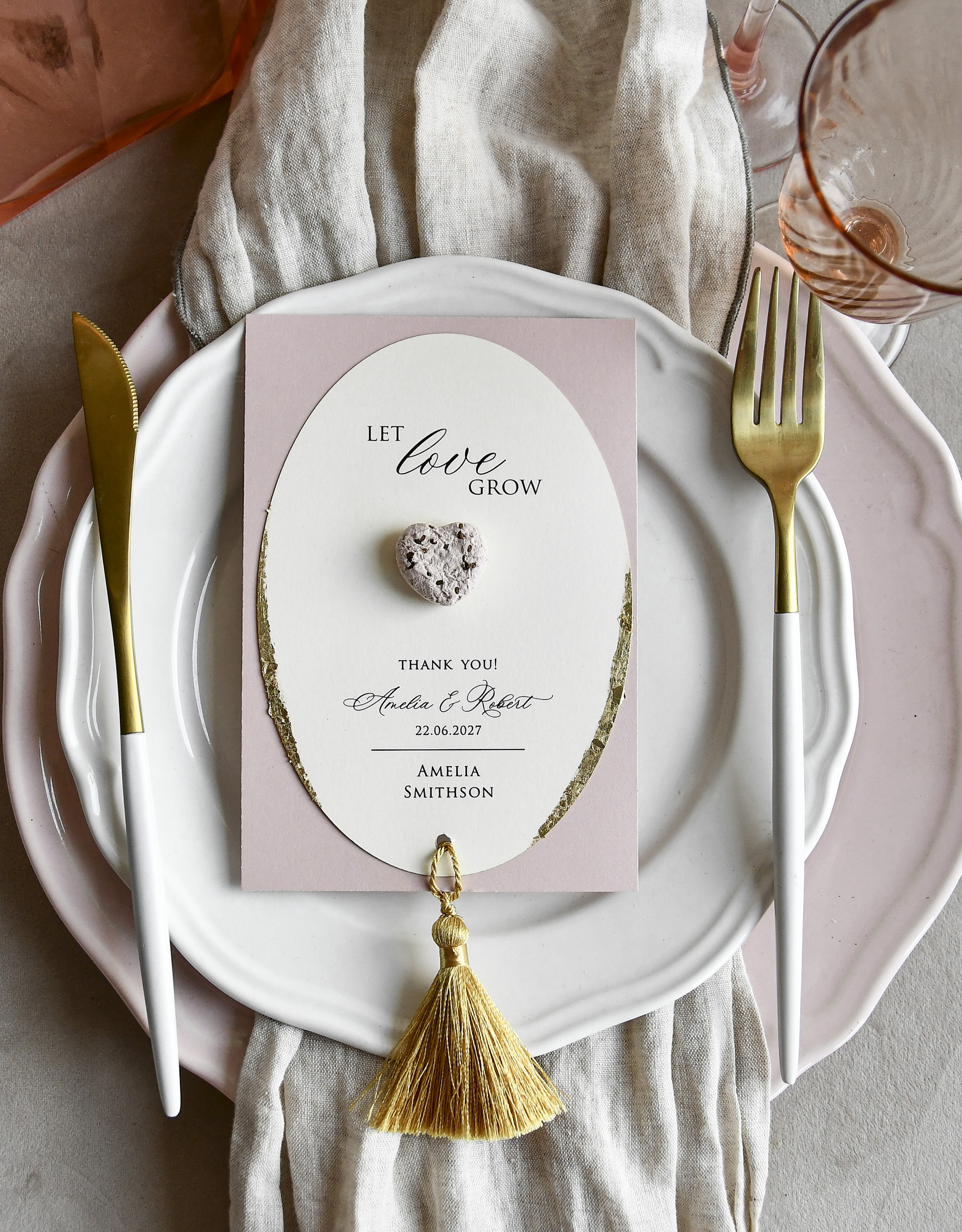
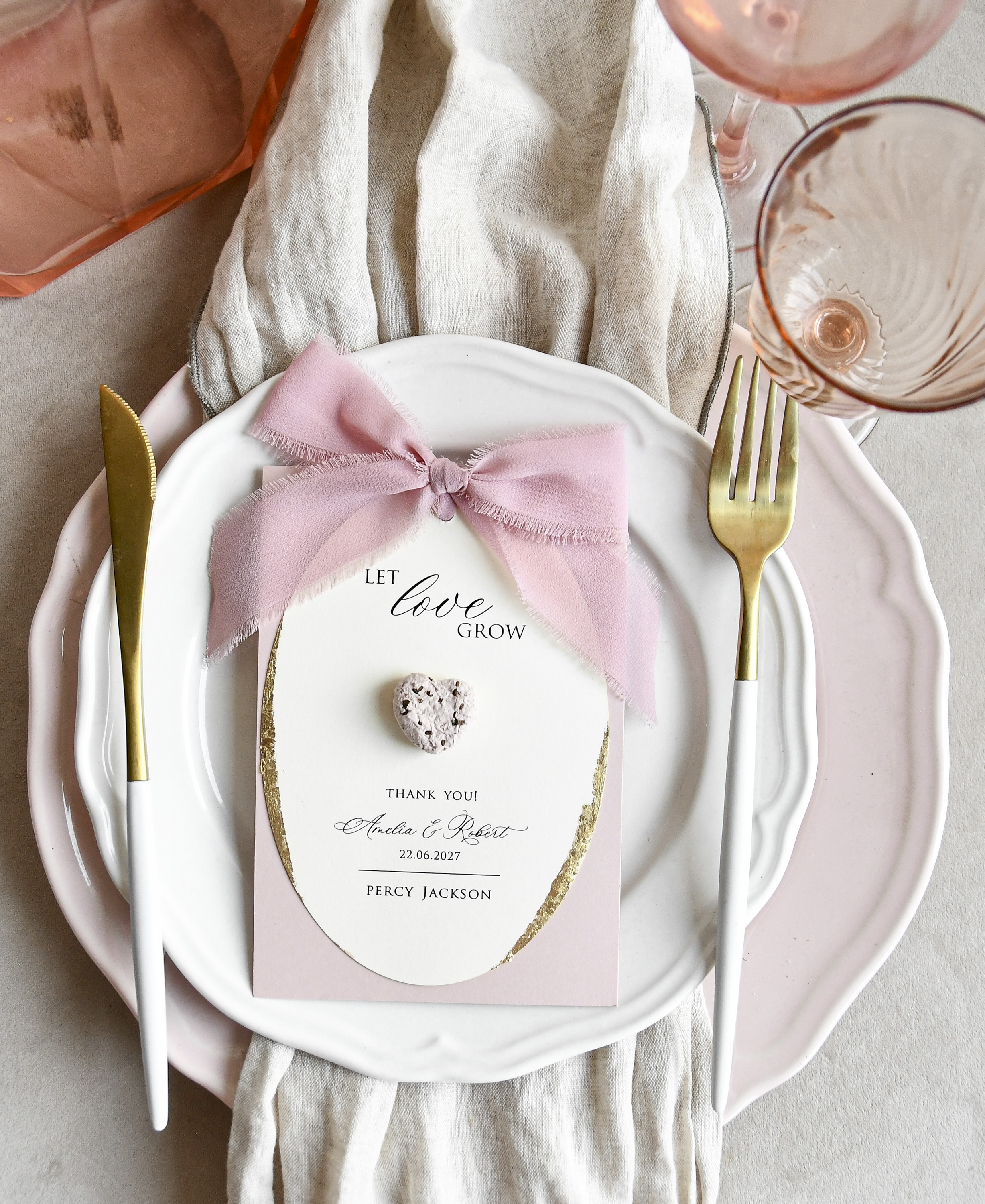
On the day itself, your wedding program is a quiet but powerful tool for helping all guests—especially those who don't know your partner's side—feel oriented and included. A beautifully designed program like the 05/3in1/m from Margo&Bees' romantic menu and programs collection does double duty: it guides guests through the ceremony and serves as a keepsake that makes everyone feel like an intentional part of your celebration, not an afterthought.
Small gestures signal to distant relatives that their presence genuinely matters to you—which, if you've chosen to invite them, it should.
What If You Regret the Decision Later?
Here's the reassuring truth: most couples who thoughtfully work through this process don't regret their choices. The ones who do tend to fall into two camps—those who invited someone out of pure guilt and felt uncomfortable all day, and those who excluded someone and faced ongoing family tension.
If you're truly torn, lean toward inclusion for relatives where there's no active harm or conflict. A wedding is one of the few occasions that genuinely does bring people back together, and sometimes the reconnection is worth it. But if your hesitation is rooted in safety, past trauma, or deep incompatibility, protect your peace. You are allowed to have a guest list that reflects the life you're building—not just the family you were born into.
Frequently Asked Questions
It can feel awkward, but it's acceptable if you have a clear, consistent rule—like inviting only first cousins, or only cousins you've seen in the last five years. The key is applying the same standard across both sides of the family so no one group feels singled out.
Be honest but kind: explain that you had a limited guest count and made difficult choices. Avoid over-explaining or apologizing excessively, as that can make the conversation more painful than necessary. If appropriate, you might invite them to a post-wedding celebration or brunch instead.
Financial contributions do come with some reasonable input, but they don't give parents full control over the guest list. Have an honest conversation early about how decisions will be made, and consider offering a set number of "parent choice" seats as a fair compromise.
An invitation is not a demand—it's an offer. If you genuinely want them there, invite them and let them decide. Many people are touched to be remembered and included, even if they ultimately can't attend.
Yes, this is a common and socially accepted approach, especially for larger families. It allows you to keep your ceremony intimate while still honoring broader family connections at the celebration afterward.
Aim to have your guest list finalized at least 4–5 months before your wedding date, so you can send save-the-dates on time. For destination weddings, push that to 6–8 months to give guests adequate travel planning time.
See This Design Up Close


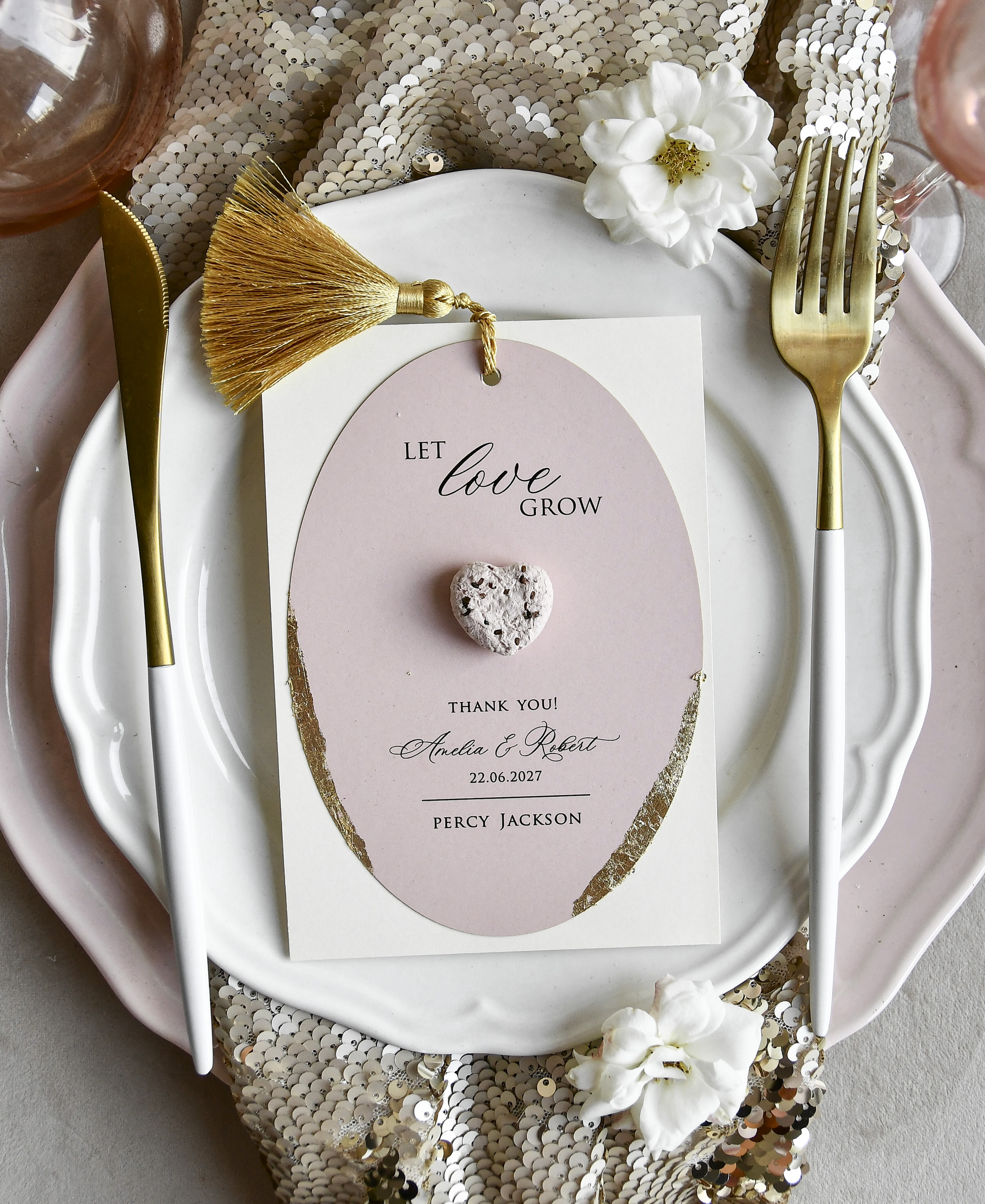
You May Also Like
More Wedding Planning Guides
- → The First Names to Remove When Your Wedding Guest List Gets Too Long
- → Guest Count vs. Wedding Quality: How to Find Your Perfect Balance
- → Are Digital Wedding Invitations a Real Option for Your Big Day?
- → How to Address Wedding Invitations the Right Way
- → Uninvited Plus-Ones and Tag-Alongs: How to Keep Your Guest List Intact
- → When Family Feuds Threaten Your Wedding Plans: A Practical Peacekeeper's Guide
- → Inviting an Estranged Brother or Sister: Finding Clarity Before You Seal the Envelope
- → Cousins, Invites, and Hard Choices: A Practical Guest List Guide