
Save the Date or Wedding Invitation? Here's Exactly What Each One Is For
When you first start planning your wedding stationery, the difference between a save the date and a wedding invitation can feel surprisingly fuzzy. They both announce your wedding — so why do you need two separate pieces? The short answer: they serve completely different purposes, arrive at different points in your planning, and carry different information. Understanding the distinction helps you communicate clearly with guests, stay organized, and avoid costly last-minute scrambles.
What a Save the Date Actually Does
A save the date is an early heads-up — nothing more, nothing less. It tells your guests, "We're getting married. Block off this date." It goes out months before the formal invitation, giving people time to request time off work, book travel, and arrange childcare. It is not a formal invitation, and it does not include RSVP details or ceremony logistics.
Typically, a save the date includes:
- Your names
- The wedding date
- The city and state (full venue details aren't required yet)
- A note that a formal invitation will follow
- Your wedding website URL, if you have one
Save the dates are especially important for destination weddings, holiday weekends, or weddings where many guests are traveling from out of town. For a local Saturday wedding with mostly nearby guests, they are still a thoughtful touch — but the lead time matters less.
What a Wedding Invitation Actually Does
The wedding invitation is the official, formal request for your guest's presence. It carries the full logistical details and sets the tone for your event. By the time your invitations go out, your venue is booked, your ceremony structure is finalized, and you're ready to collect RSVPs.
A complete wedding invitation suite typically includes:
- The invitation itself (names, date, time, venue name and address)
- A reception card if the reception is at a different location
- An RSVP card with a reply-by date and return envelope
- Any enclosures such as accommodation cards, directions, or a details card with your wedding website
The invitation also communicates the formality of your wedding through its design, paper weight, typography, and wording. A black-tie dinner feels different from a garden party brunch — your stationery signals that difference before guests ever arrive.
When to Send Each One
Timing is one of the clearest ways to tell these two pieces apart. Here's a practical guide:
- Save the dates: Send 6–8 months before the wedding for a local event; 9–12 months out for a destination wedding or a date that falls on a major holiday weekend.
- Wedding invitations: Send 6–8 weeks before the wedding. This gives guests enough time to respond while keeping your RSVP deadline close enough to finalize your headcount for catering and seating.
A common mistake is sending save the dates too late — especially if you have guests who need to book flights. If your venue is confirmed and your date is locked, send your save the dates as soon as possible. Don't wait until your full stationery suite is designed.
Do You Have to Send Both?
Not always — but for most weddings, yes. If your wedding is very small (an intimate elopement with just immediate family, for example) or you are planning with a very short timeline of three months or less, you can skip the save the date and go straight to invitations. In that case, send invitations as early as possible — 10–12 weeks out instead of the standard 6–8.
For any wedding with out-of-town guests, a guest list over 30 people, or a date near a major holiday, save the dates are genuinely helpful and reduce the chance that key people miss your wedding due to scheduling conflicts.
How Your Day-of Stationery Fits In
Once your guests have arrived, a third category of stationery takes over: day-of pieces. These include ceremony programs, menus, place cards, and table numbers. They are separate from both save the dates and invitations, and they serve the guests once they are already in the room.
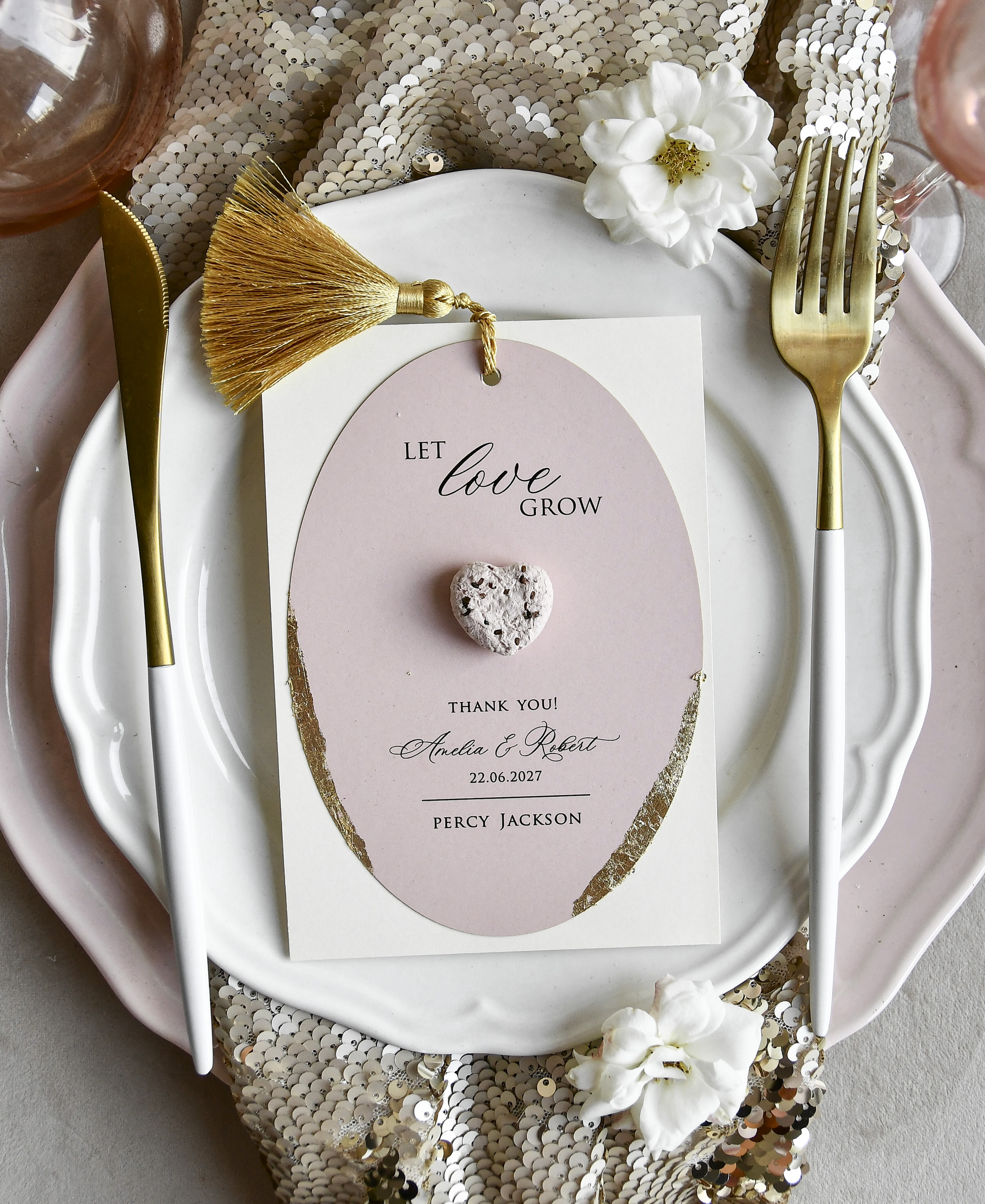
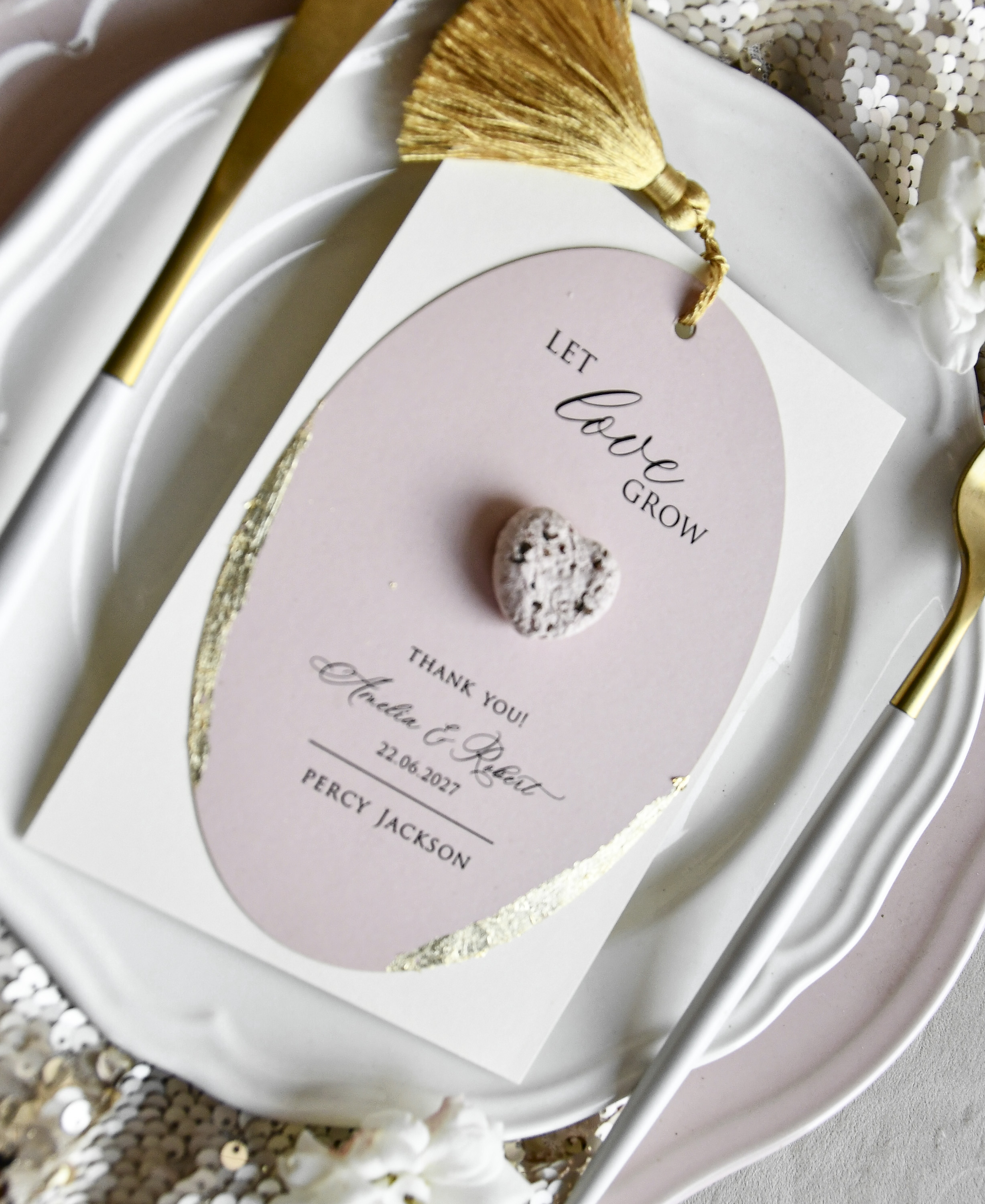
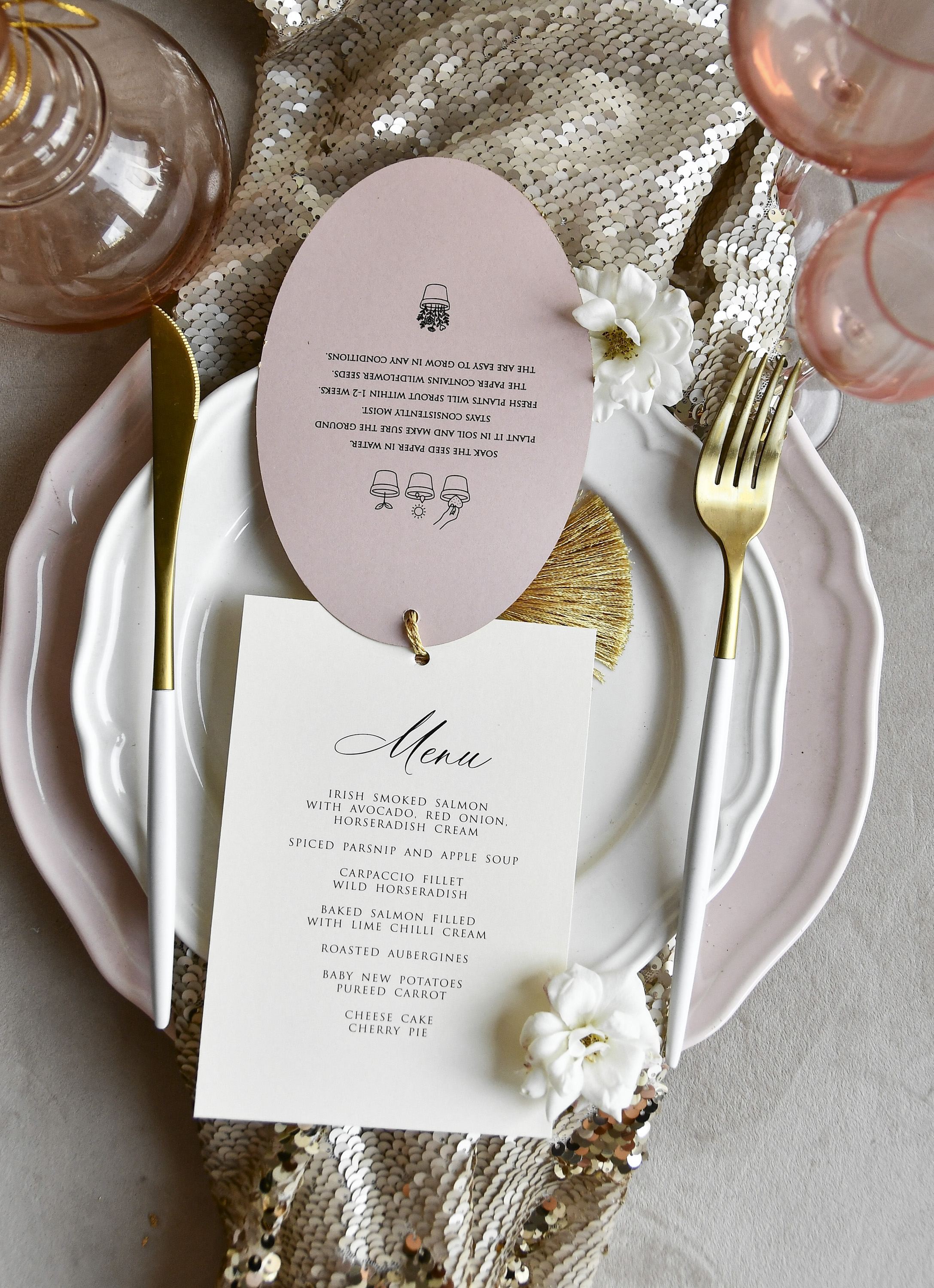
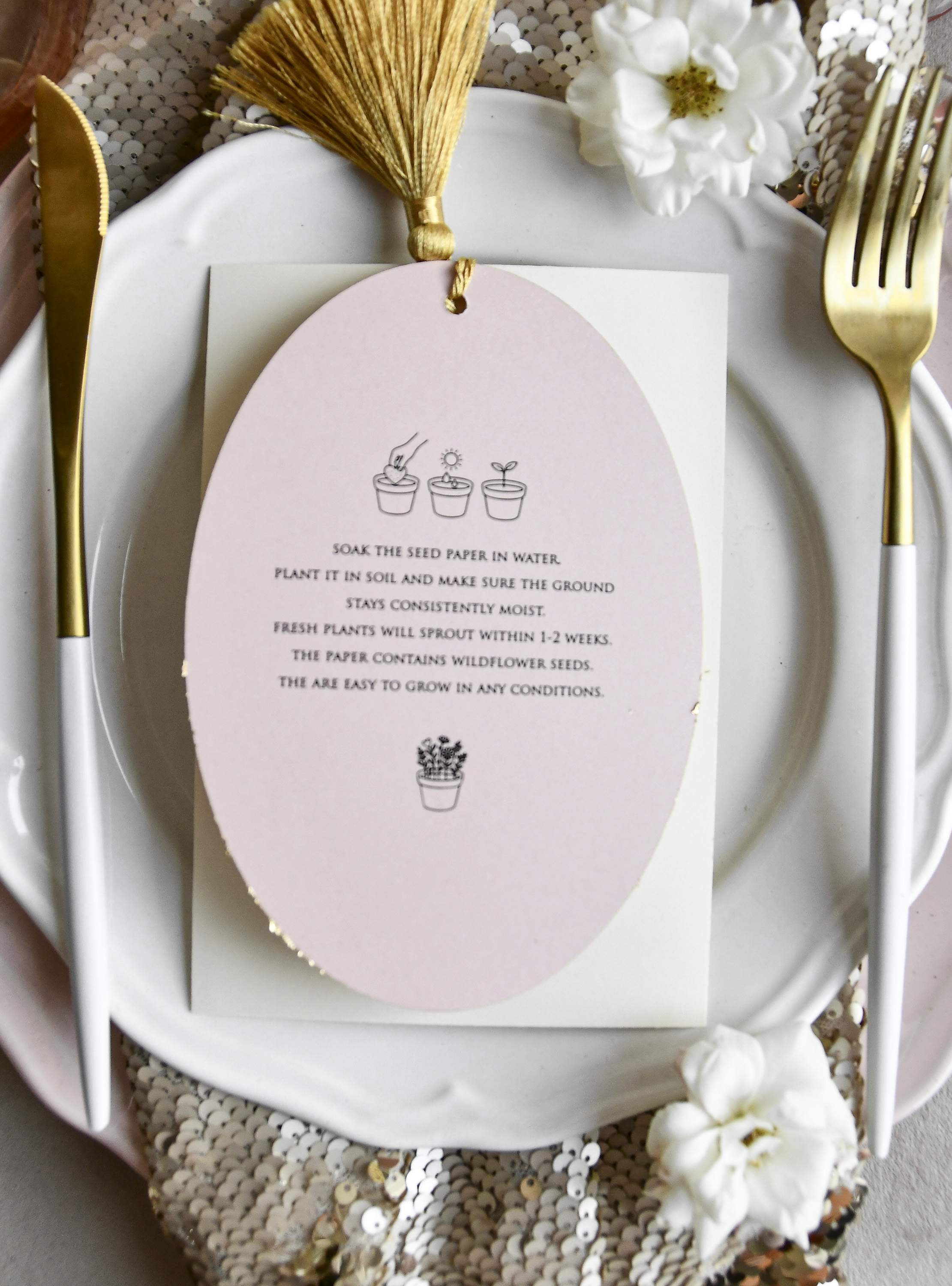
If you want a cohesive look across your entire wedding, consider coordinating your day-of pieces with your invitation suite. For example, a romantic menu and program card like the 06/3in1/m from Margo&Bees can carry the same aesthetic through to the reception, tying your full stationery story together from the first mailer to the last course.
Frequently Asked Questions
It's best to wait until your date and venue are locked in before sending save the dates. If you send one and then have to change the date, you'll need to notify all those guests individually, which creates confusion and extra work.
They don't have to match exactly, but a coordinated look is a nice touch. Many couples use a similar color palette or design motif across both pieces to create a consistent feel from the very first communication.
Yes — a save the date is a commitment. Once someone receives one, they reasonably expect a formal invitation to follow. Only send them to guests who are confirmed on your list.
Your RSVP deadline is the date by which you ask guests to respond — typically 3–4 weeks before the wedding. Your wedding date is the event itself. Set your RSVP deadline early enough to give your caterer and venue a final headcount in time.
Digital save the dates are perfectly acceptable, especially as a budget-friendly or eco-conscious choice. That said, printed save the dates tend to feel more special and are more likely to end up on a refrigerator as a physical reminder — which helps guests actually remember the date.
Leave off RSVP requests, registry details, and full ceremony or reception logistics — those belong on the formal invitation. Putting too much information on a save the date can overwhelm guests and blur the purpose of each piece.
See This Design Up Close
You May Also Like
More Wedding Planning Guides
- → Adults-Only Wedding: How to Communicate the Message Clearly and Kindly
- → Children at Your Wedding: A Practical Guide to Making the Call
- → Last-Minute RSVP Flip-Flops: Your Practical Game Plan
- → Uninvited Plus-Ones and Tag-Alongs: How to Keep Your Guest List Intact
- → When Family Feuds Threaten Your Wedding Plans: A Practical Peacekeeper's Guide
- → Inviting an Estranged Brother or Sister: Finding Clarity Before You Seal the Envelope
- → Cousins, Invites, and Hard Choices: A Practical Guest List Guide