
Online RSVPs Are Totally Valid — Here's How to Pull It Off Gracefully

Mailed RSVP cards are a classic wedding tradition — but they're also one of the biggest sources of wedding-planning headaches. Lost cards, missing stamps, illegible handwriting, and guests who simply forget to send them back are all too common. The good news? Online RSVPs are completely acceptable at modern weddings, and when done thoughtfully, they can actually make your guest experience smoother and your planning a whole lot easier.
Why Couples Are Switching to Online RSVPs
Online RSVPs have gone from a niche workaround to a mainstream wedding planning tool. Here's why so many couples are choosing them:
- Real-time responses: You can see who has responded the moment they submit, instead of waiting for mail to trickle in over weeks.
- No lost cards: Digital submissions don't get eaten by the postal service or buried under junk mail.
- Easier meal tracking: Most RSVP platforms let you collect entrée choices, dietary restrictions, and song requests all in one form.
- Cost savings: Skipping the reply card and return envelope can meaningfully reduce your stationery budget.
That said, online RSVPs work best when you communicate the process clearly on your invitation — which is where thoughtful wording and design really matter.
How to Direct Guests to Your RSVP Website
The key to a seamless online RSVP experience is making the instructions impossible to miss. On your invitation, include a line like:
"Kindly reply by June 1st at OurWeddingWebsite.com"
Keep the URL short and easy to type — most wedding website platforms (Zola, The Knot, Squarespace) let you choose a custom address. Avoid URLs with long strings of numbers or characters that guests might mistype.
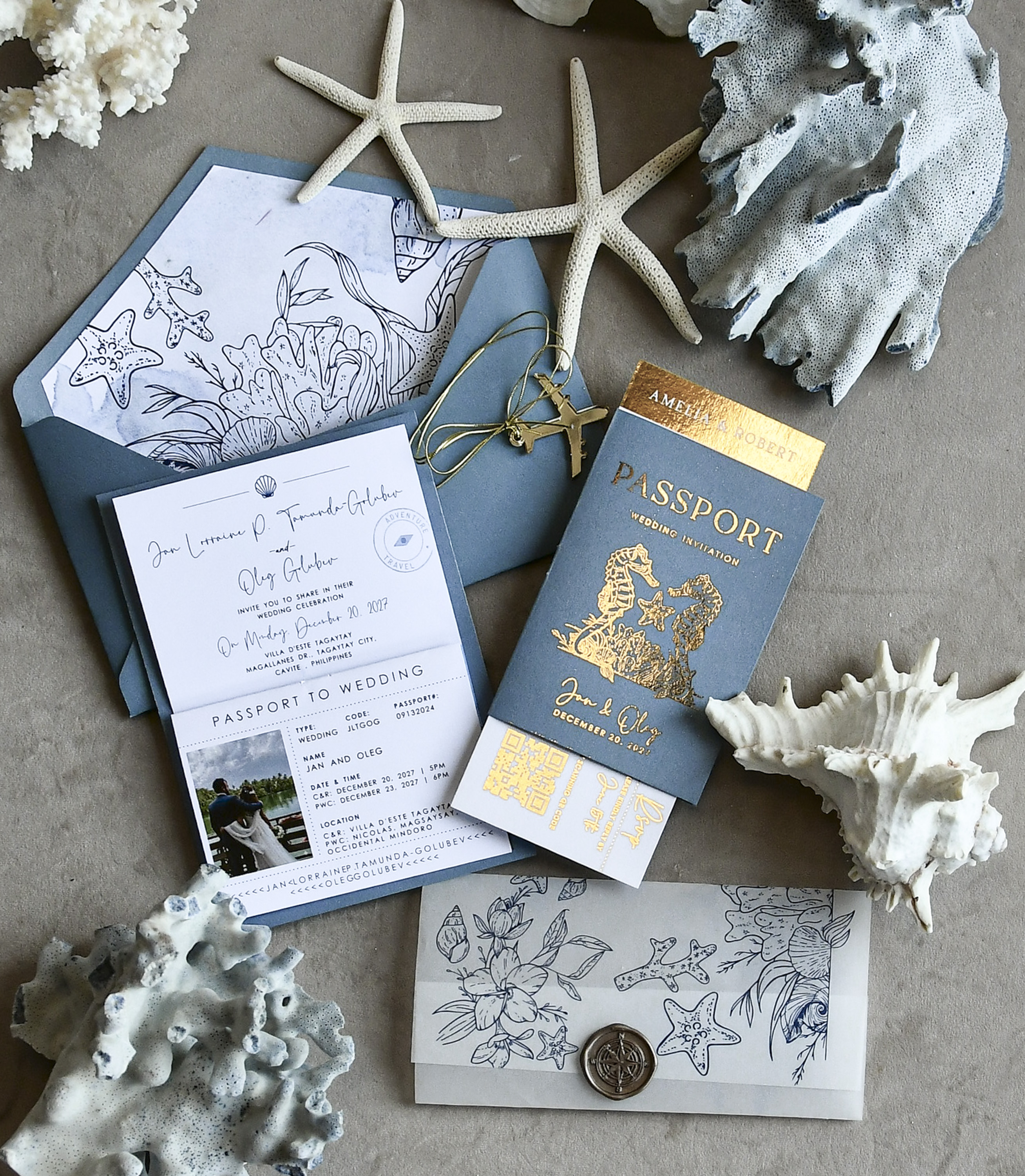
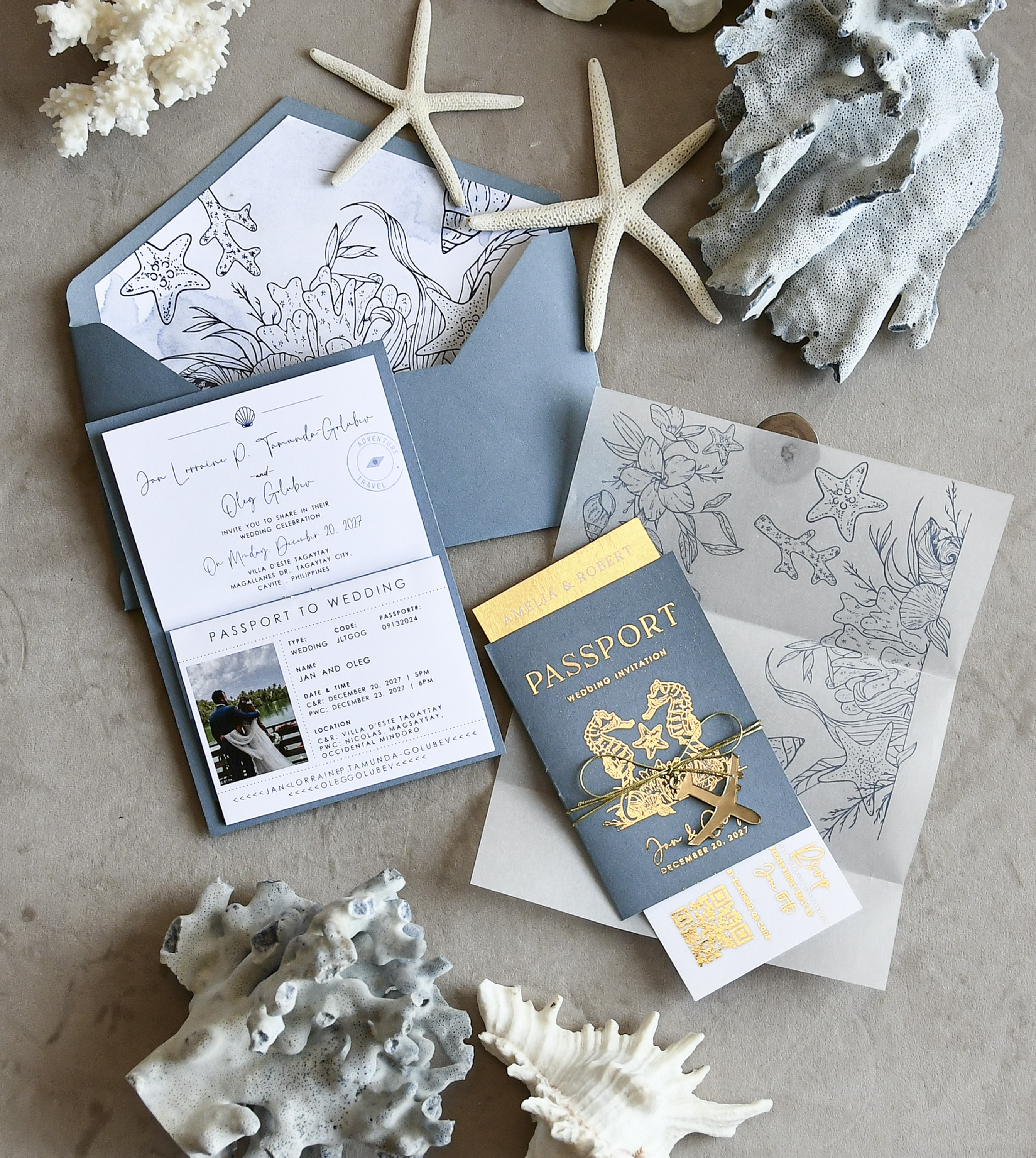
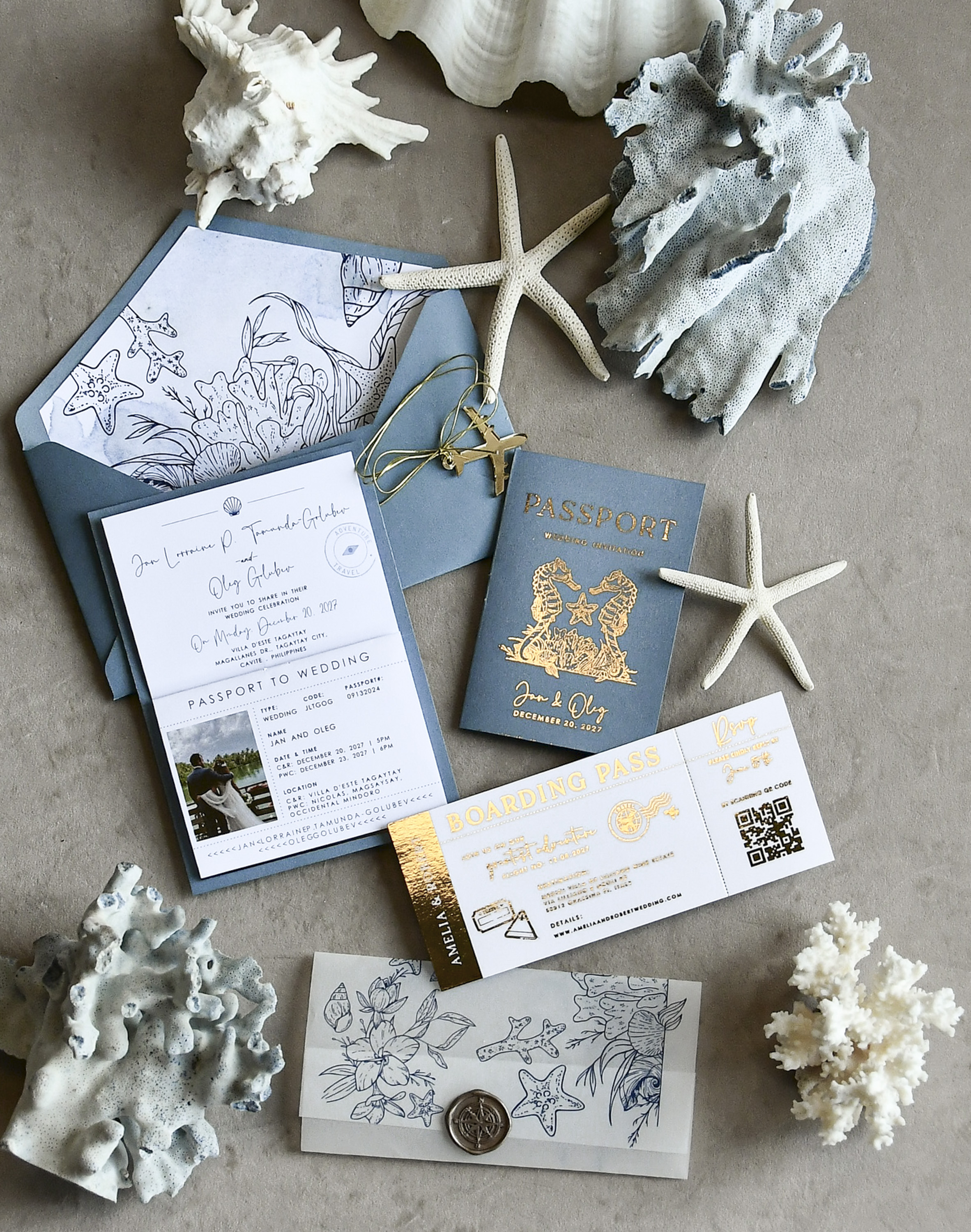
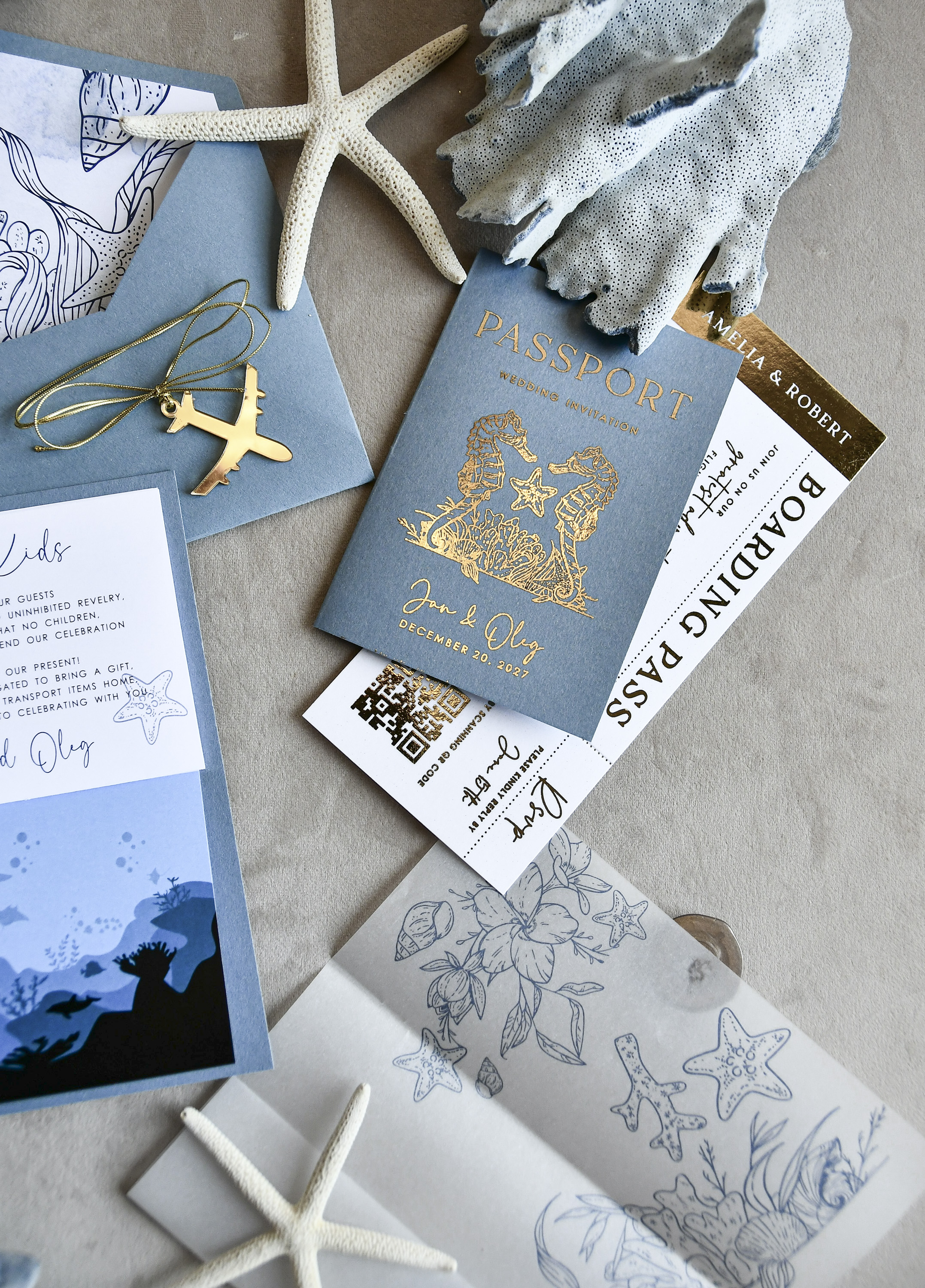
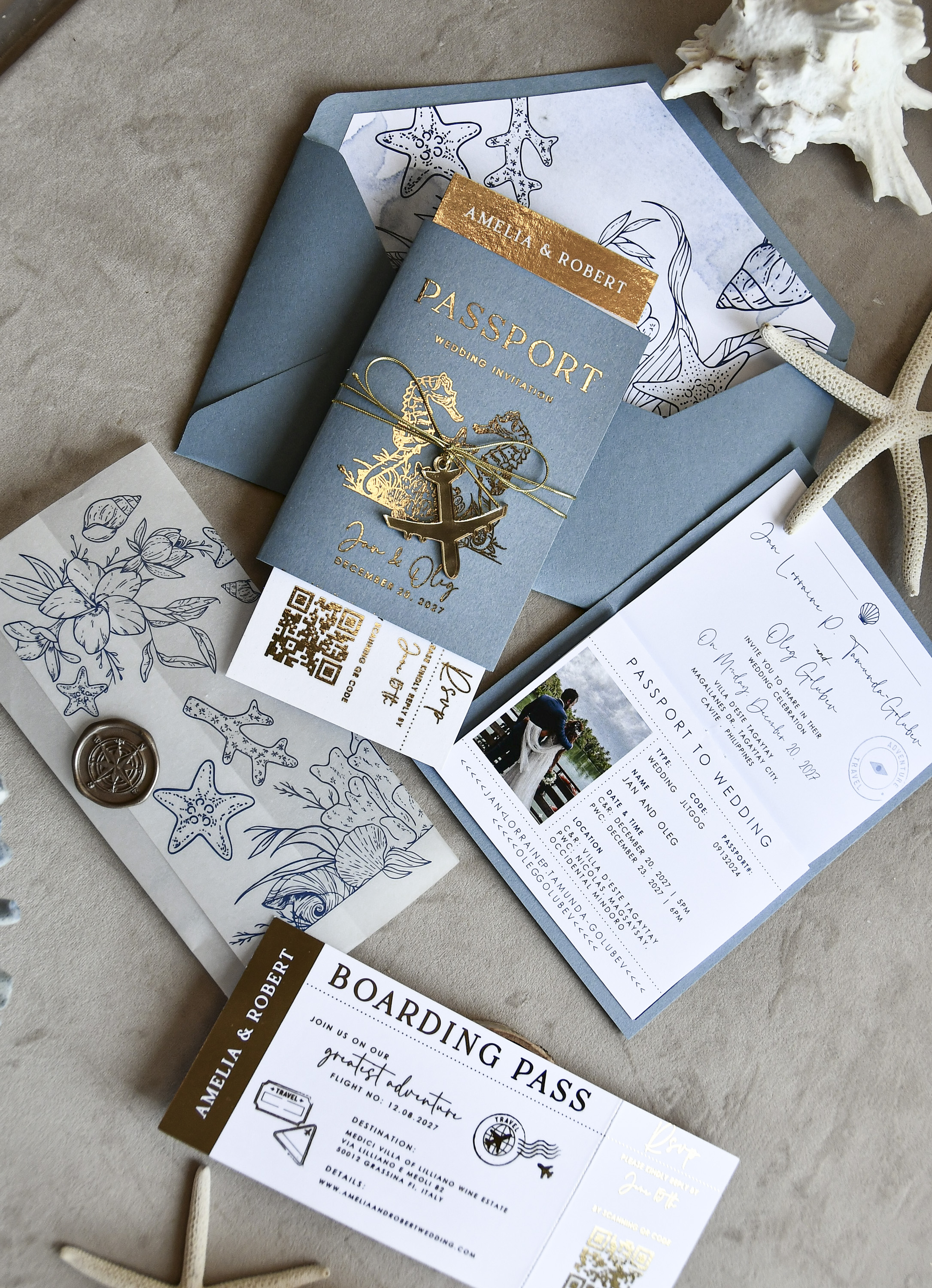
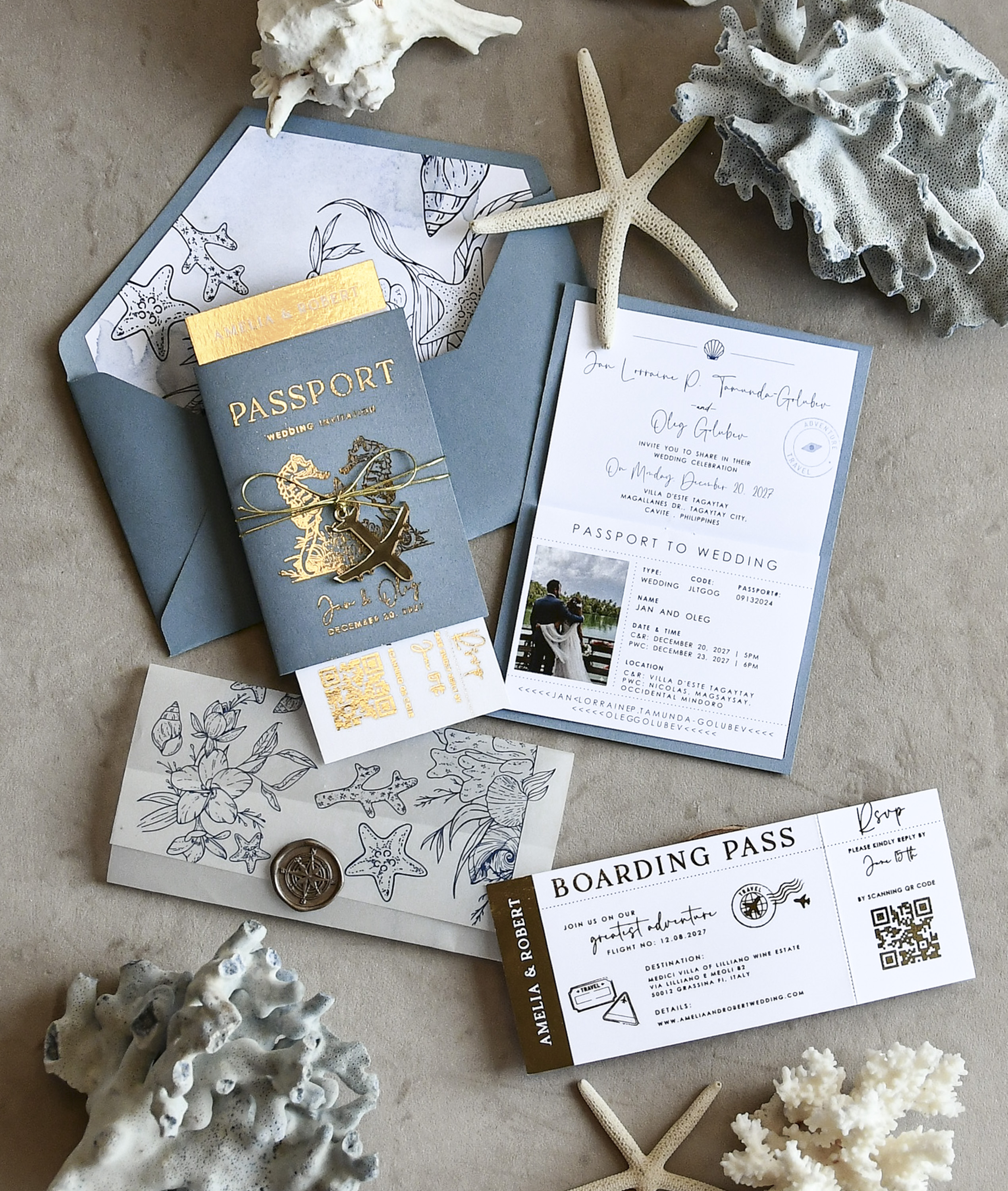
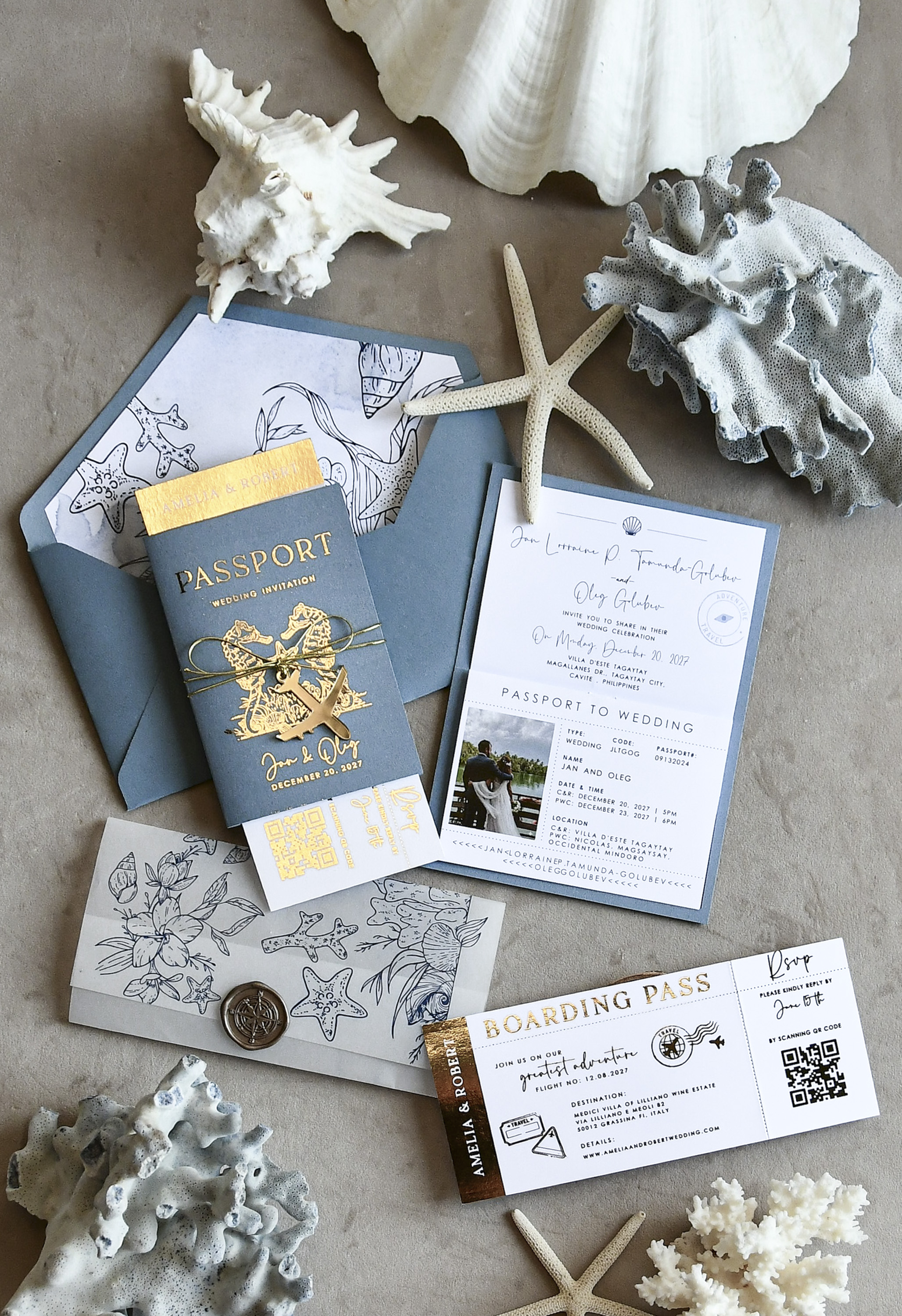
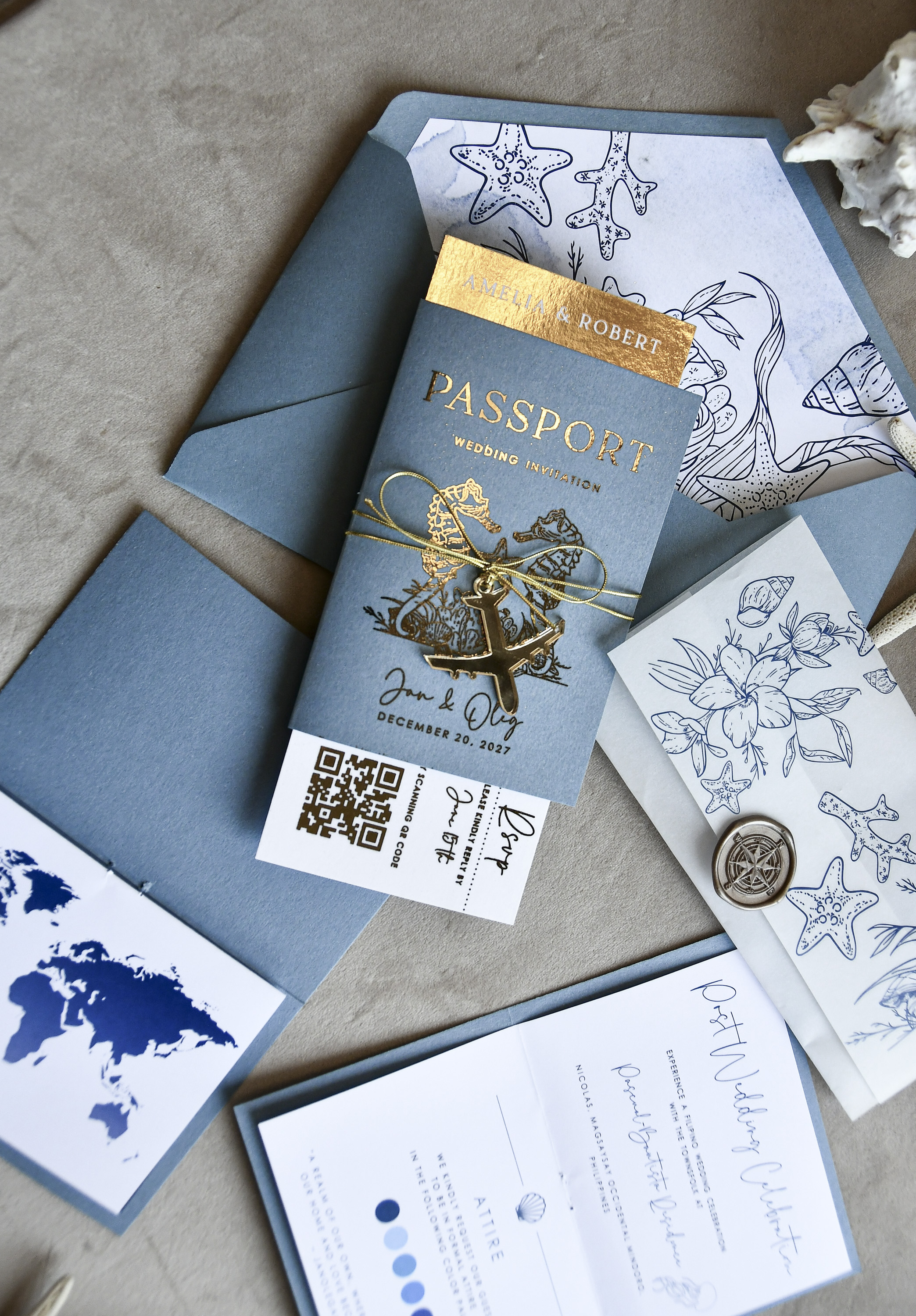
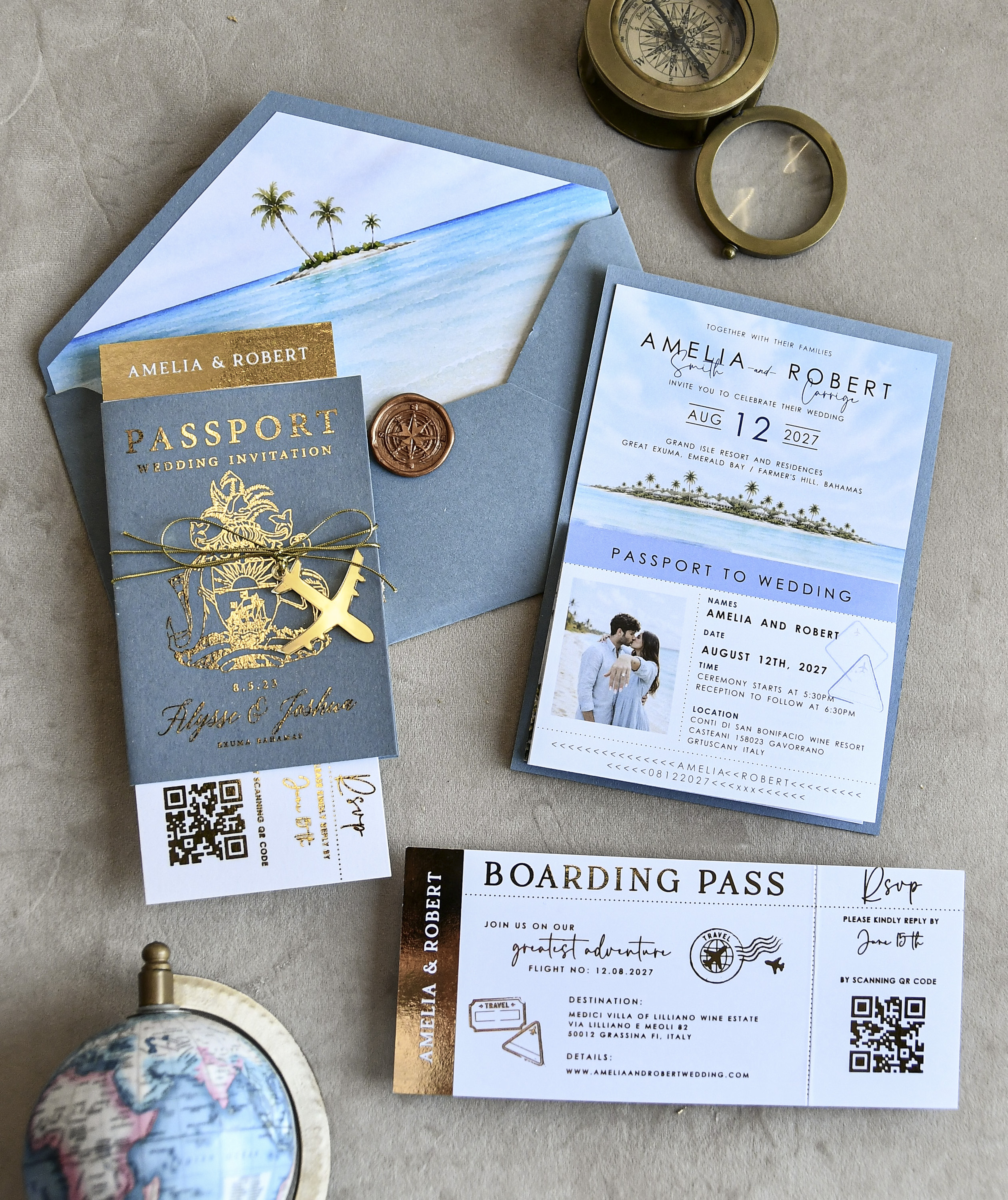
If you're using a beautifully designed invitation like the 01/passBeach/z from our Passport to Love beach wedding collection, you have plenty of elegant space to work in a website line without it feeling tacked on. The design does the heavy lifting, and the RSVP details fit naturally into the layout.
A few practical tips for your website wording:
- Include your RSVP deadline prominently — guests need a clear due date.
- Ask guests to enter their names exactly as written on the envelope so you can match responses to your list.
- Add a note that each guest in a household should RSVP individually if your platform requires it.
What About Older Guests Who Aren't Tech-Savvy?
This is the most common concern couples raise about going digital — and it's a fair one. The solution is simple: offer a backup option without making a big deal of it.
You can add a small line to your invitation or wedding website that says something like: "Prefer to respond by phone? Call or text us at (555) 000-0000." This covers your bases without implying that online RSVPs are difficult or unwelcoming.
Alternatively, you can send a small printed RSVP card only to guests you know are unlikely to go online — grandparents, older relatives — while using the digital route for everyone else. This hybrid approach is completely acceptable and widely used.
Timeline: When to Set Your RSVP Deadline
Whether you go digital or paper, your RSVP deadline should be set strategically. Here's a general timeline that works for most US weddings:
- Send invitations: 6–8 weeks before the wedding (10–12 weeks for destination weddings).
- RSVP deadline: 3–4 weeks before the wedding — this gives you time to chase non-responders and finalize your headcount.
- Final headcount to caterer/venue: Typically 1–2 weeks before the wedding.
Build in a buffer. Even with the convenience of online RSVPs, you will have guests who don't respond by the deadline. Plan to spend a few days after your cutoff making follow-up calls or texts to stragglers — it's an unavoidable part of wedding planning regardless of the format.
Etiquette: Is It Rude to Skip the Paper RSVP Card?
Not at all — but context matters. For a casual, modern, or outdoor wedding, ditching the reply card entirely is perfectly fine and widely accepted. For a very formal black-tie affair, some traditionalists may still expect a physical card, so you might choose to include one.
The most important etiquette rule is clarity: whatever method you choose, make it effortless for your guests. If you're designing a destination or beach wedding suite — like the 01/passBeach/z passport-style invitation — the playful, travel-inspired aesthetic pairs naturally with a modern digital RSVP approach. The overall vibe of your stationery sets guest expectations, and a relaxed, creative design signals that a website response is perfectly welcome.
Bottom line: online RSVPs are not a shortcut or a compromise. They're a smart, guest-friendly choice that can make your planning process significantly less stressful.
Frequently Asked Questions
No, you don't need to include a physical card if you're directing guests online. Simply include your wedding website URL and RSVP deadline on the invitation itself. If you have older guests who may struggle with technology, consider offering a phone or text option as a backup.
Popular options include Zola, The Knot, Squarespace, and Joy — all of which offer customizable RSVP forms. Look for a platform that lets you collect meal choices and dietary restrictions in the same form to save yourself extra follow-up work.
A clean, simple line works best: "Kindly reply by [Date] at [YourWebsite.com]." You can also add "Please include the names of all guests in your party" to avoid confusion when matching responses to your guest list.
Plan to spend two to three days after your deadline following up by phone or text with non-responders — this is true whether you use digital or paper RSVPs. It helps to assign this task to a trusted friend or family member so it doesn't fall entirely on you.
Yes, though very formal weddings sometimes still include a printed reply card for traditionalists. If your wedding is black-tie or ultra-formal, you might include both a reply card and a website option so guests can choose their preferred method.
Offering both is perfectly fine and can actually improve your response rate since guests can choose what's easiest for them. Just be clear on the invitation which method to use, or note that either is welcome, to avoid confusion.
See This Design Up Close







You May Also Like
More Wedding Planning Guides
- → Should You Invite New Partners to Your Wedding? Here's How to Decide
- → The Right Age to Send Children Their Own Wedding Invitation
- → Hand Delivery vs. Mailing Your Wedding Invitations: A Practical Guide
- → Navigating the Cousin Question: Your Guest List, Your Rules
- → Navigating the Office Guest List: Who at Work Deserves a Wedding Invite?
- → Who Actually Gets a Say in Your Wedding Guest List?
- → No RSVP, No Problem? How to Handle Guests Who Go Silent
- → Extra Wedding Guests: Who Foots the Bill?
- → Adults-Only Wedding: The Right Words to Tell Guests, Kindly and Clearly
- → Parents Want to Invite Their Friends to Your Wedding? Here's How to Set Boundaries and Stay Sane
- → How to Handle Kids at Your Wedding: Childcare vs. Entertainment Explained
- → Child-Free Weddings: The Honest Etiquette Guide for Couples
- → RSVP Silence: How Long to Wait and What to Do Next
- → To Invite or Not: Making the Kids-at-Your-Wedding Decision With Confidence
- → Surprise Plus-Ones: How to Protect Your Guest List Without Losing Your Cool
- → Uninvited Plus-Ones and Tag-Alongs: How to Keep Your Guest List Intact
- → When Family Feuds Threaten Your Wedding Plans: A Practical Peacekeeper's Guide
- → Inviting an Estranged Brother or Sister: Finding Clarity Before You Seal the Envelope
- → Cousins, Invites, and Hard Choices: A Practical Guest List Guide