
How to Handle Plus-One Requests Without the Guilt
Short answer: yes, you absolutely can say no to a guest's plus one. Your wedding, your guest list, your call. But how you handle it — and how consistently you apply your rules — makes all the difference between a smooth RSVP season and a round of hurt feelings. Here's everything you need to know to set a fair plus-one policy and stick to it with confidence.
You're Not Obligated to Offer Everyone a Plus One
There is no etiquette law that requires every guest to receive a plus one. The traditional guideline is simple: engaged, married, or cohabitating couples should be invited together. Beyond that, plus ones are a courtesy — not a right. If your venue holds 80 people and your families alone fill 60 seats, you have every reason to be selective.
The key is to build a clear, consistent policy before you address a single envelope. Common approaches include:
- Couples only: Plus ones go exclusively to guests who are married, engaged, or living together.
- Tiered system: Close family and wedding party get plus ones; coworkers and distant relatives do not.
- Single-status rule: Any guest who has been in a relationship for six months or longer gets a plus one.
Pick one framework and apply it uniformly. Consistency is what keeps feelings from getting hurt.
How to Say No Politely (and Firmly)
Once your policy is set, the hardest part is communicating it. The best approach is to be proactive rather than reactive. Address the plus-one situation directly on your invitation rather than waiting for guests to ask.
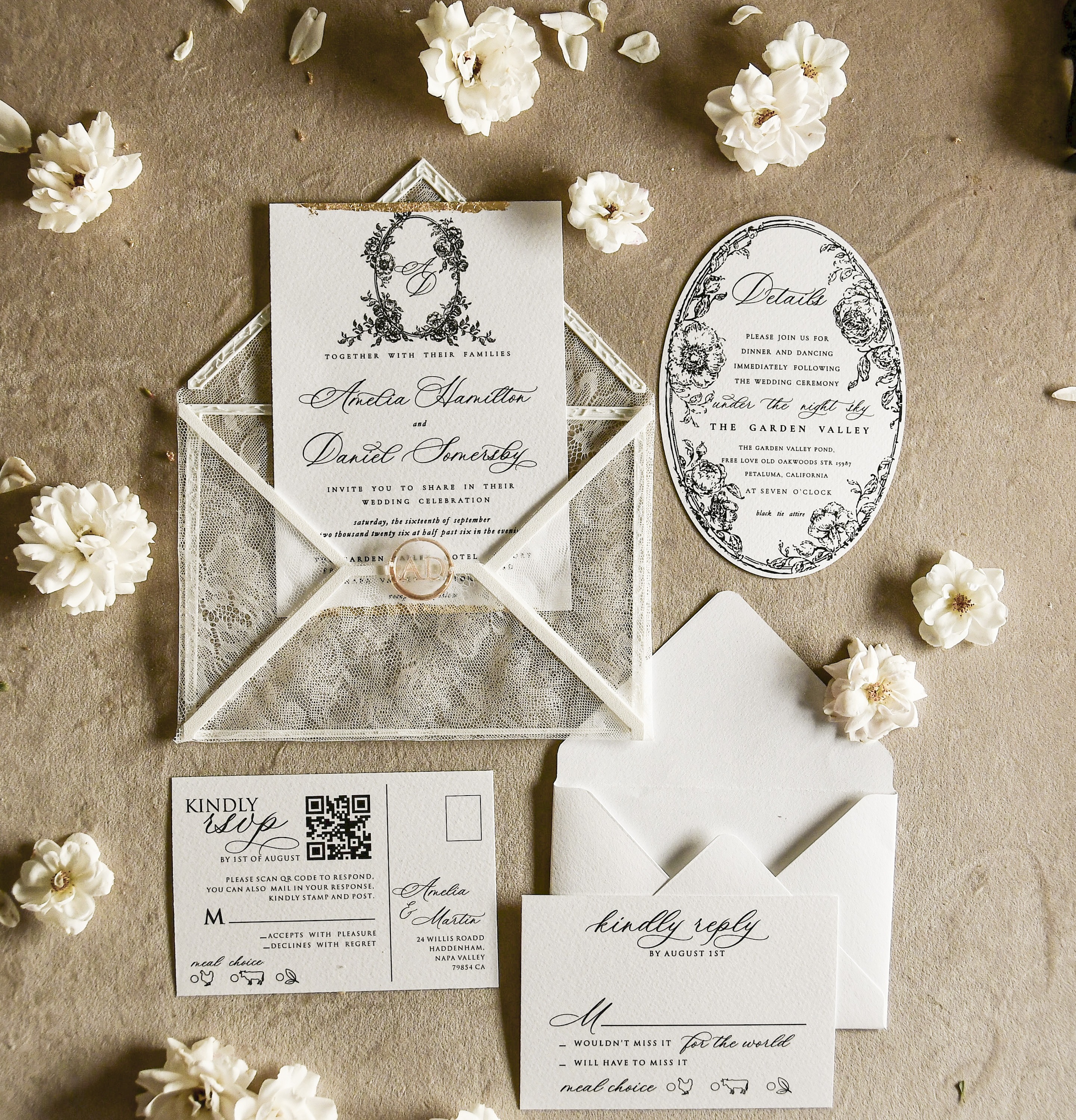
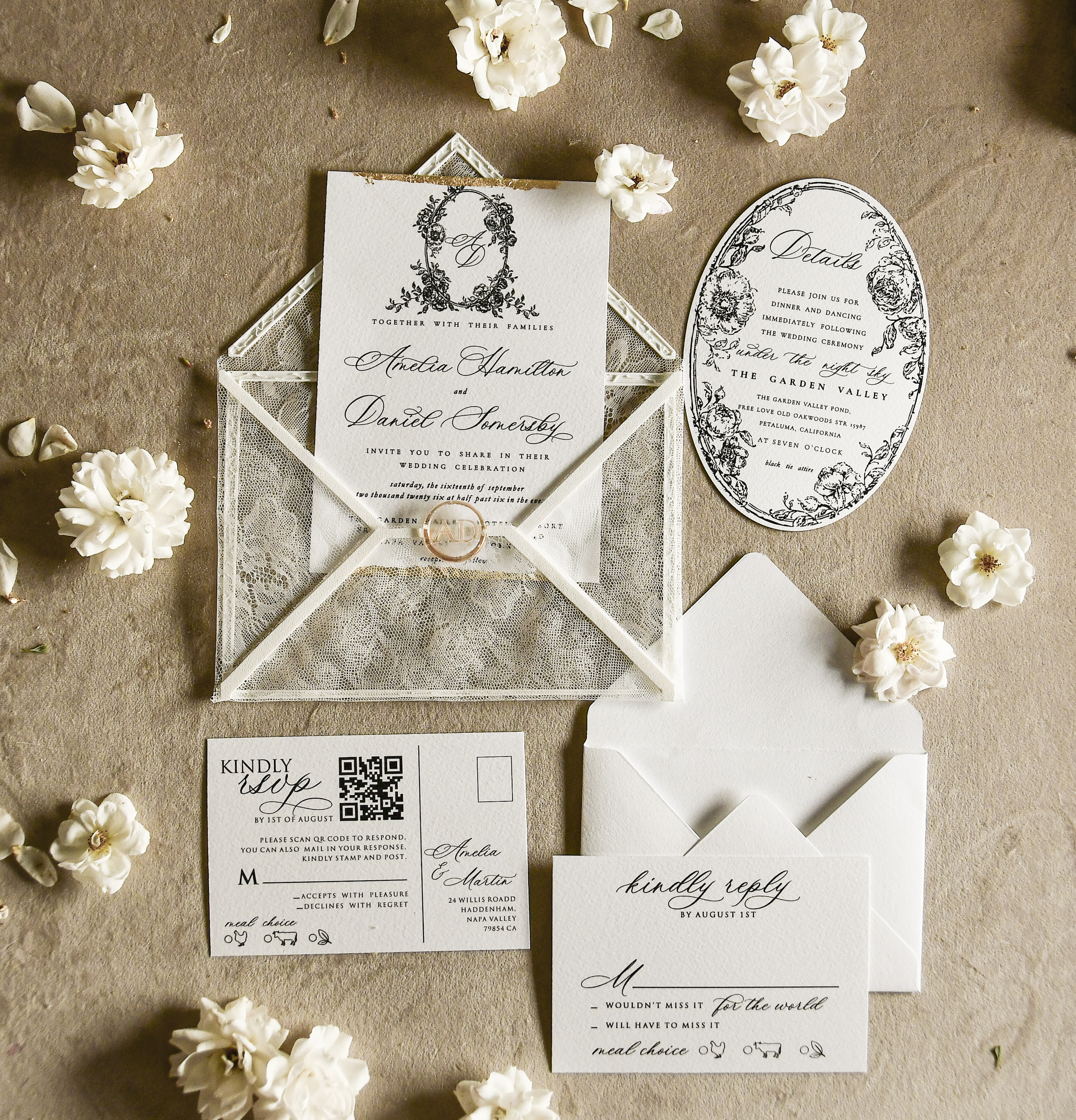
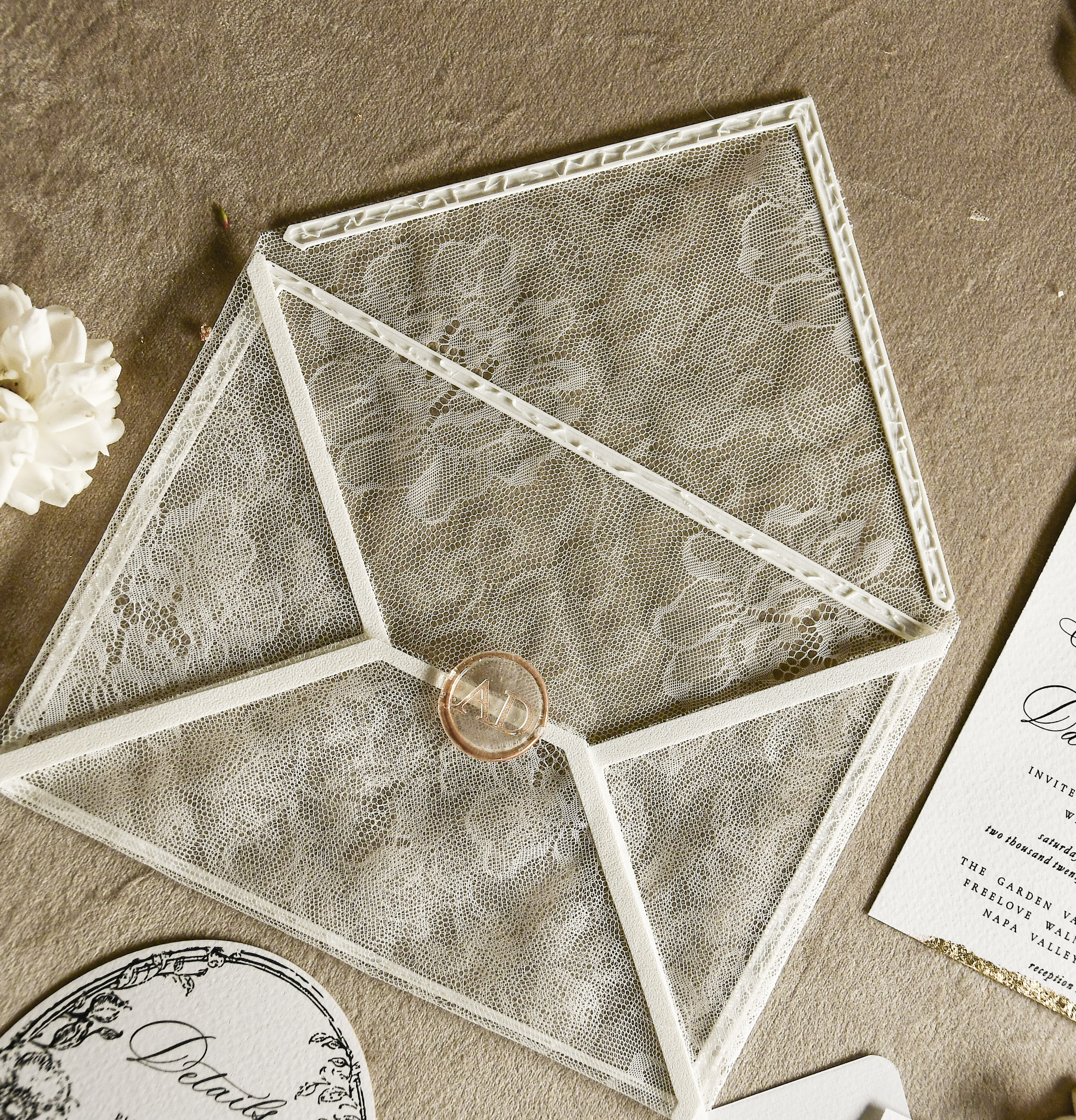
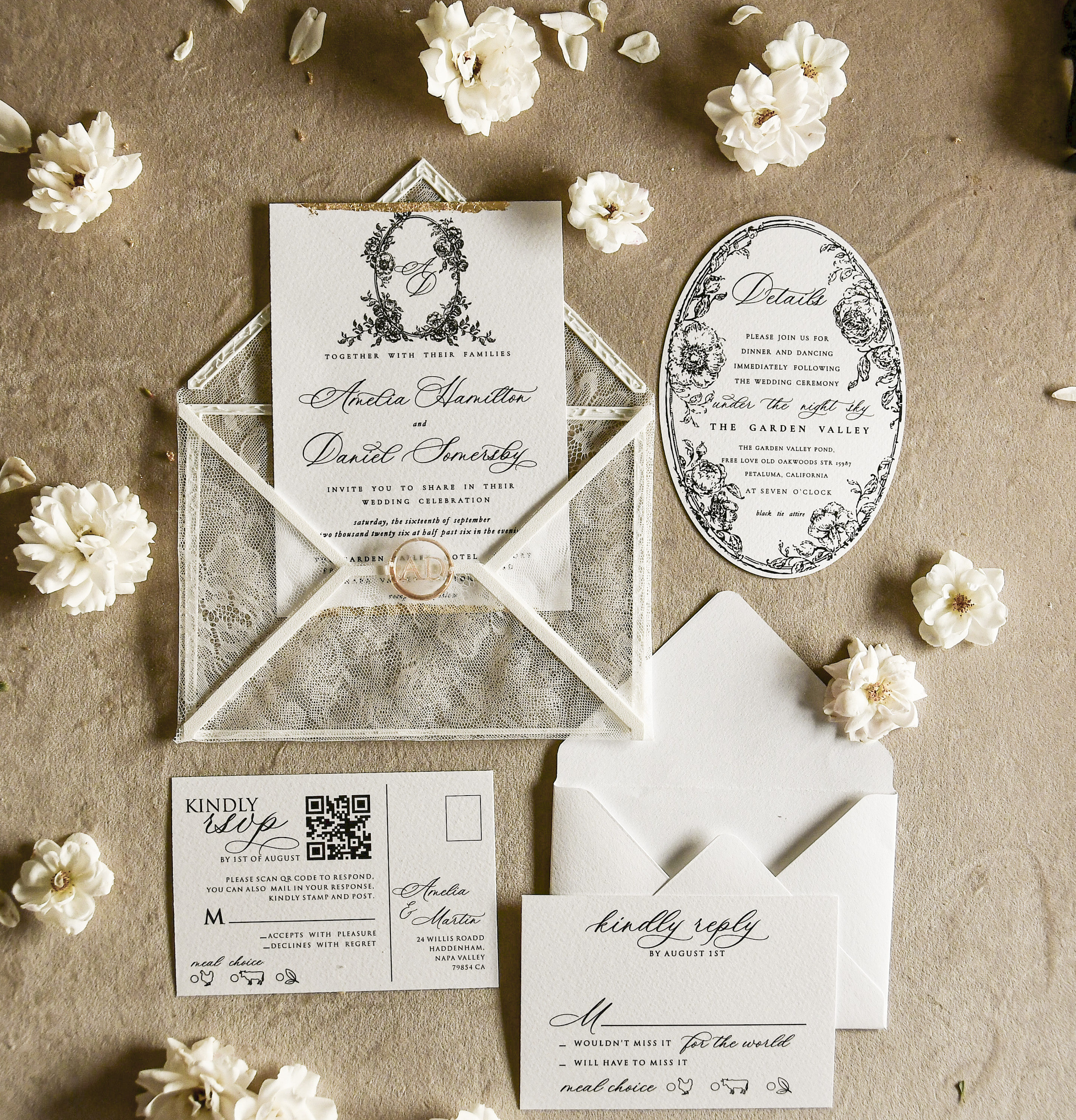
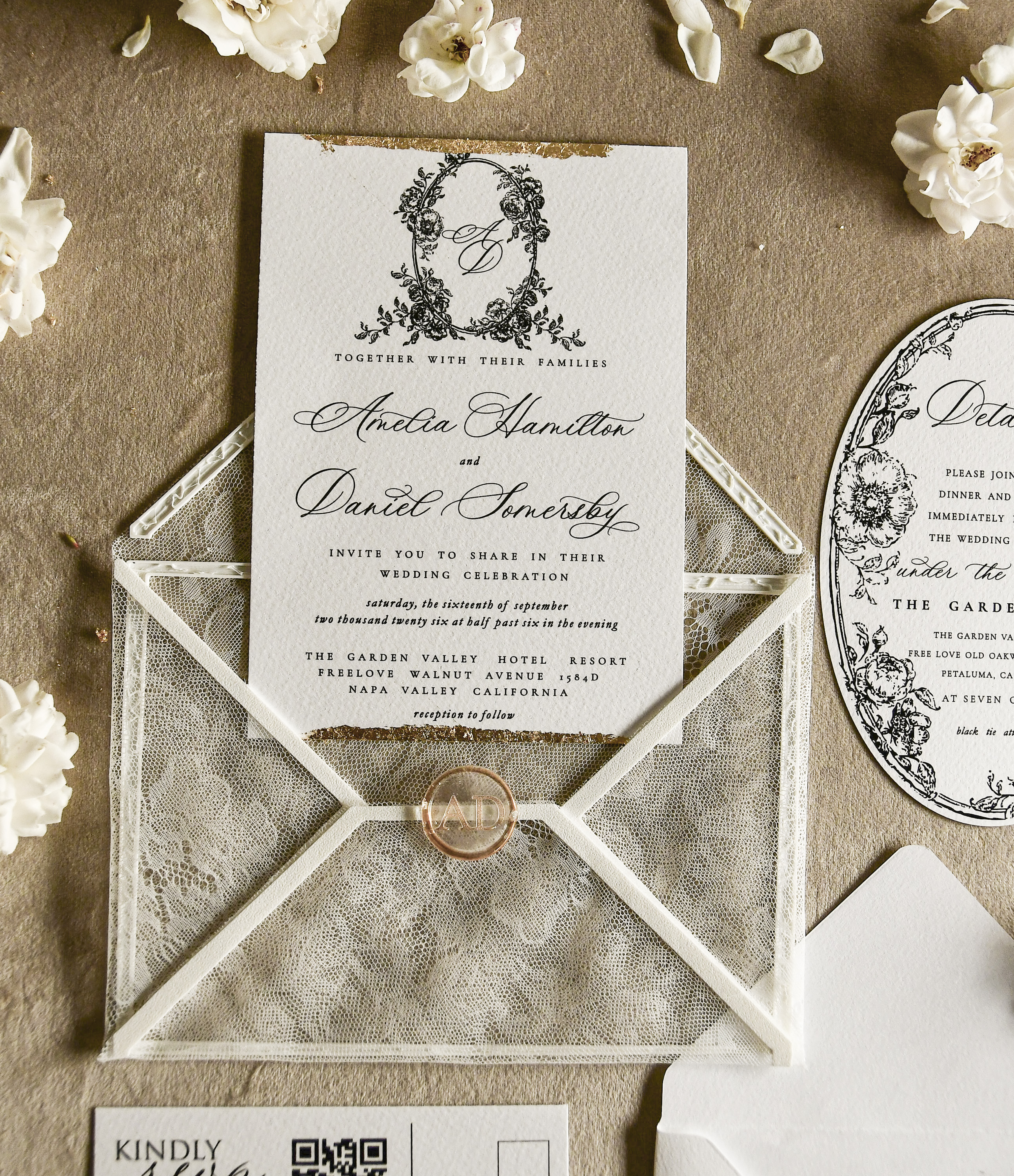
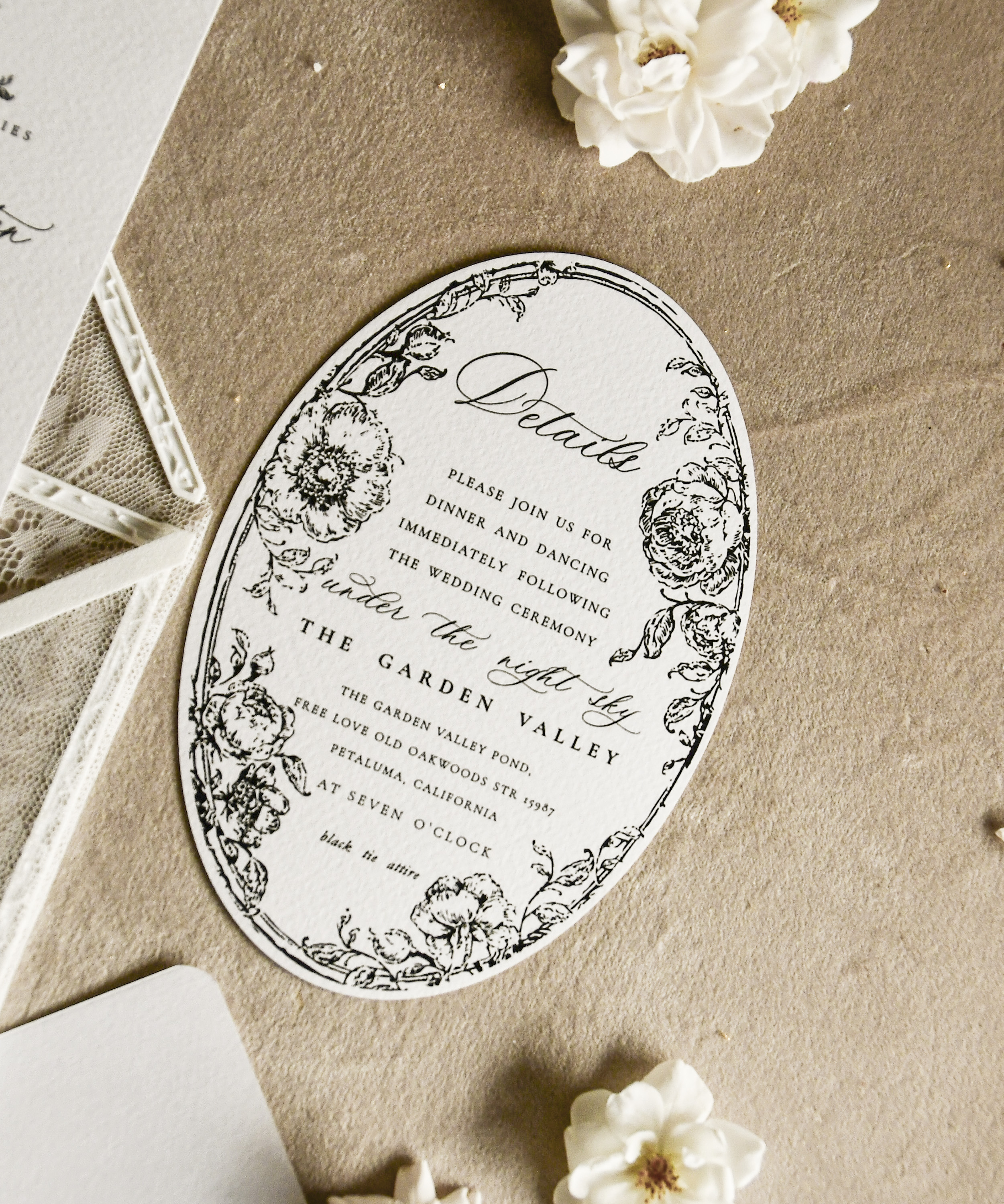
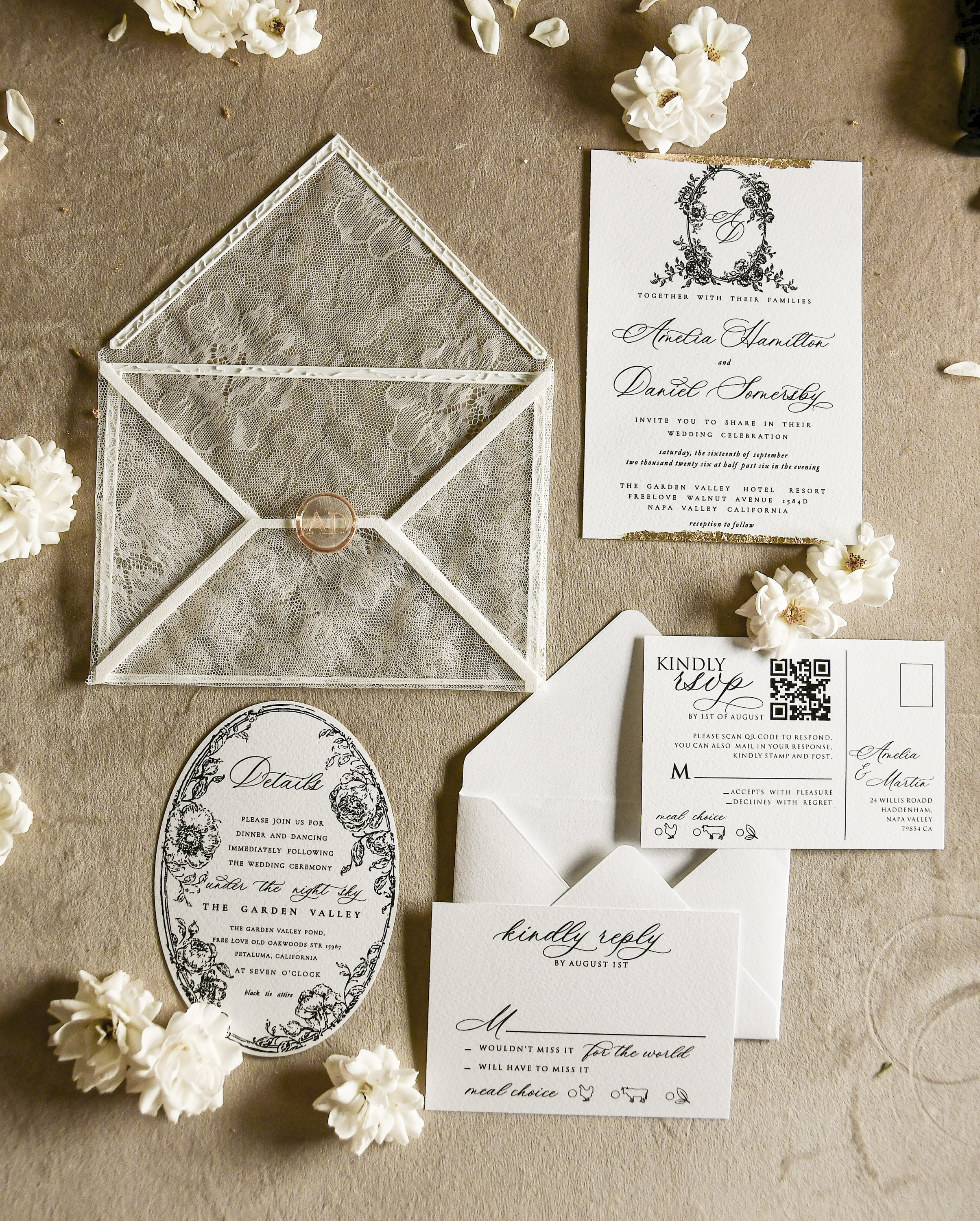
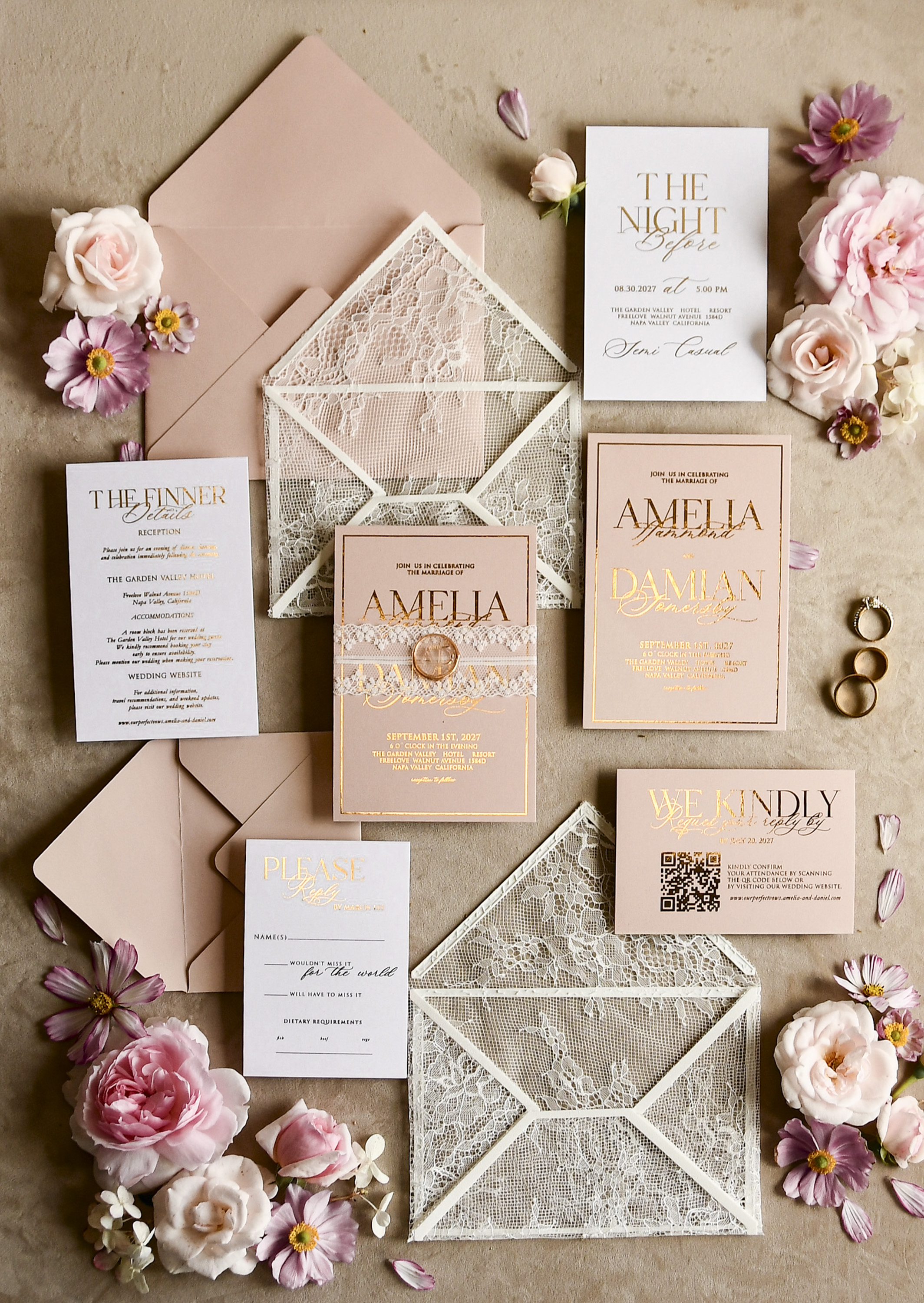
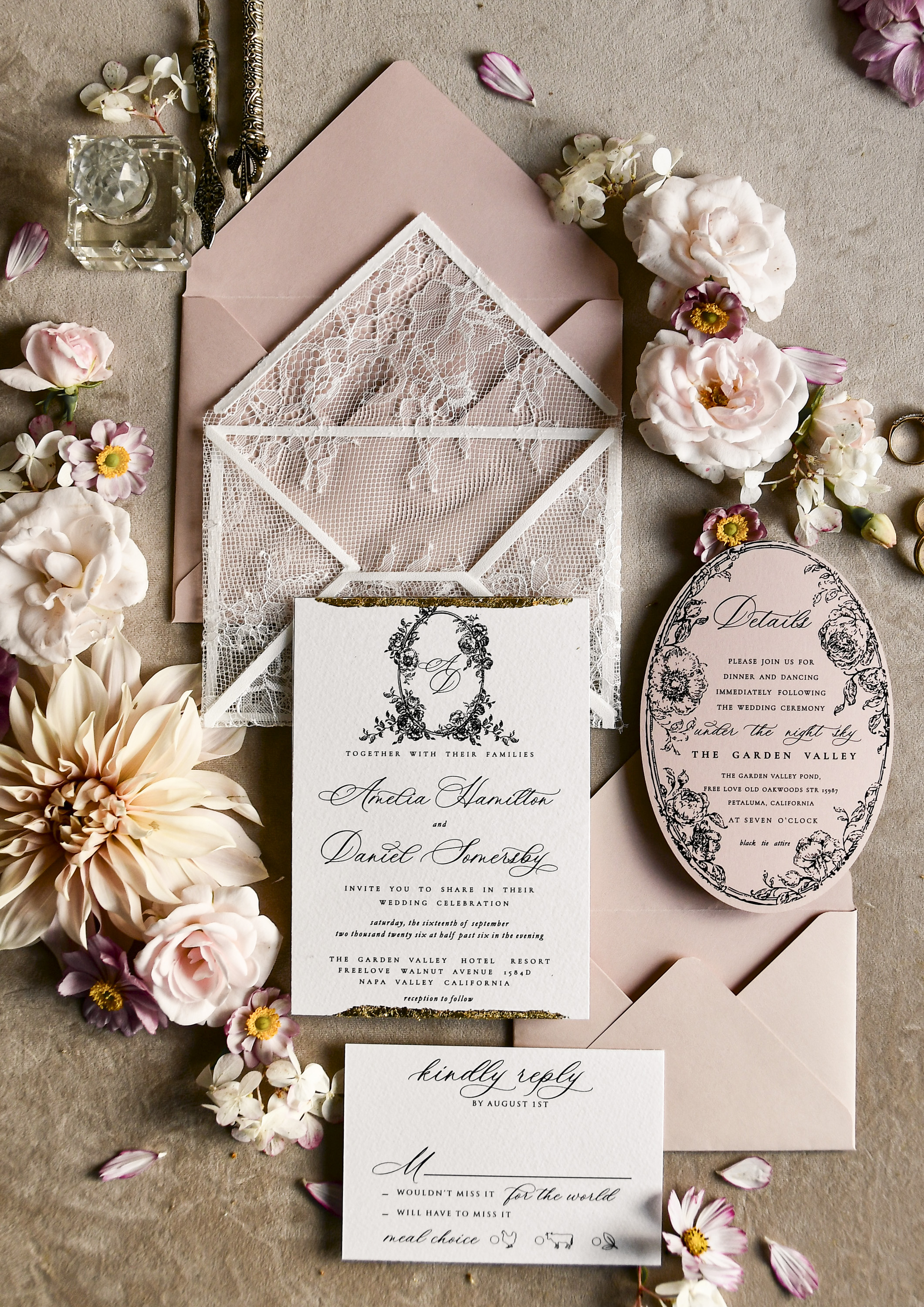
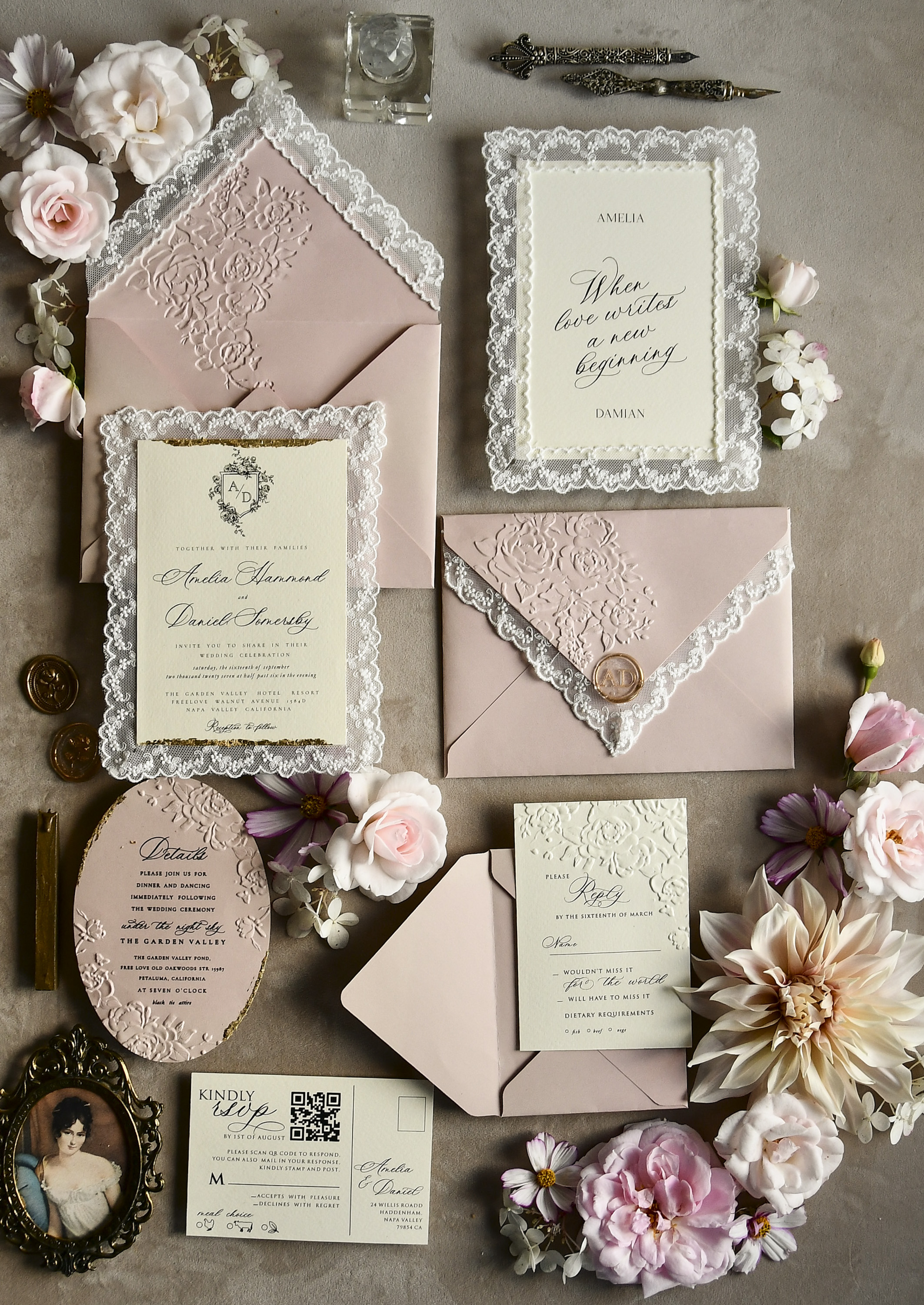
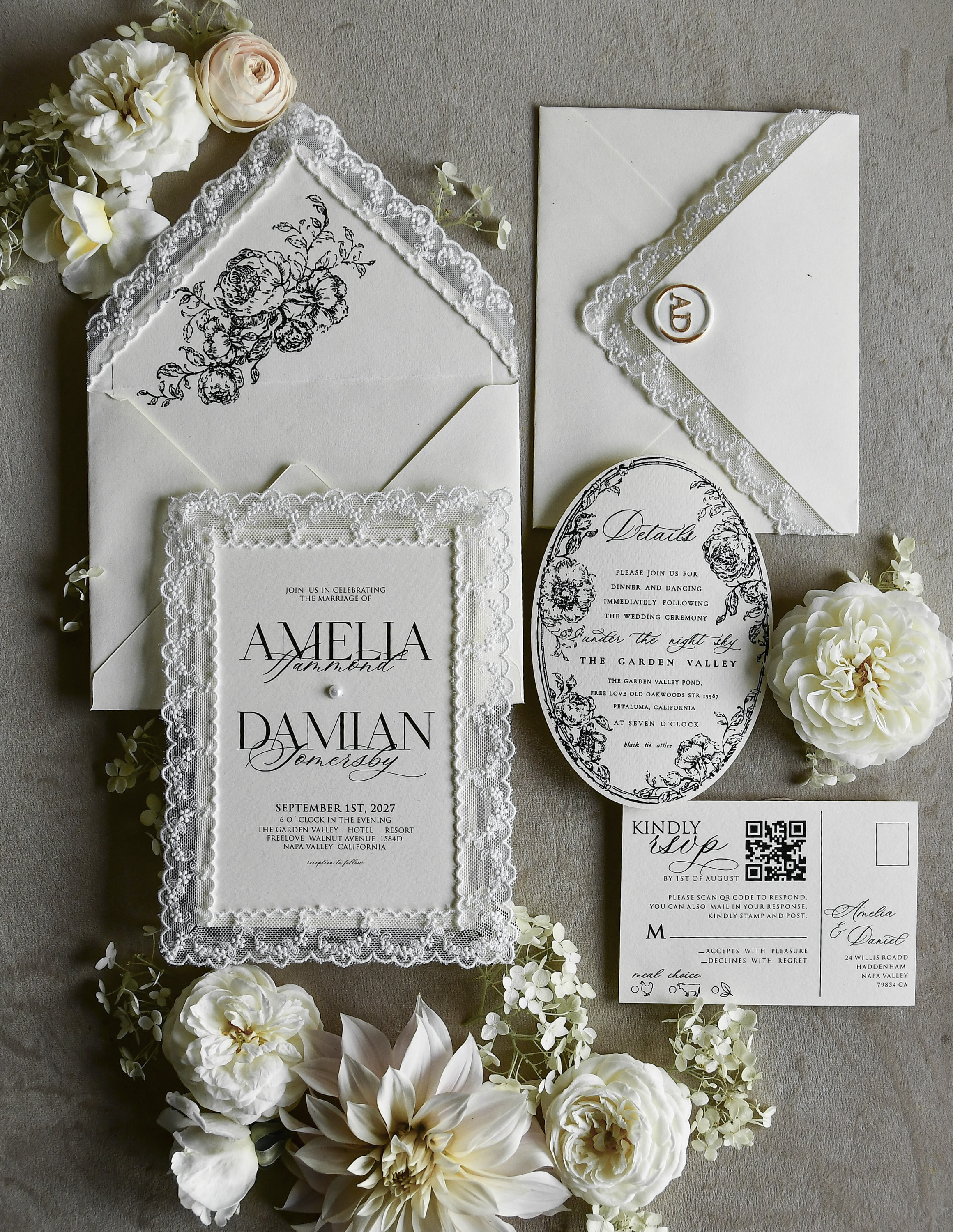
On your invitation or inner envelope, address it only to the people who are invited. For example, write "Ms. Jordan Ellis" rather than "Ms. Jordan Ellis and Guest." This signals clearly — and gracefully — that the invitation is for one person. Beautifully addressed stationery, like a vintage lace wedding invitation from our 02/lacenvD/z collection, sets an elegant tone that makes even a limited guest list feel intentional and special.
If a guest calls or emails to ask about bringing someone, a kind but clear response works well:
- "We're working with a strict venue capacity and unfortunately can't accommodate additional guests. We're so glad you'll be there!"
- "We've kept our guest list to immediate family and close friends to keep the day intimate — we hope you understand."
You don't owe an elaborate explanation. Warmth and brevity are your best tools.
When It Gets Complicated: Navigating Pushback
Some guests will push back, and that's okay. The most common scenarios:
- "But they won't know anyone there." Acknowledge the concern, then hold your boundary. You can promise to seat them with fun, welcoming guests.
- "We've been together for two years." If the relationship doesn't meet your policy threshold, stay consistent. Making one exception opens the door to many more.
- "My family always brings guests to weddings." Cultural expectations are real, but so is your budget. A calm, empathetic response goes a long way: "We completely understand — this was a really hard call for us."
The golden rule: never make an exception for one person unless you're prepared to make it for everyone in a similar situation. Inconsistency is what causes real resentment.
Timing Matters: When to Communicate Your Policy
The earlier you set expectations, the easier everything becomes. Here's a simple timeline to follow:
- 6–8 months out: Finalize your guest list and plus-one policy before save the dates go out.
- Save the dates (5–6 months out): Address them only to invited guests — this is the first signal of your policy.
- Invitations (8–10 weeks before the wedding): Use precise addressing on envelopes and inner envelopes. Your RSVP card should list names explicitly, not leave a blank line for "and guest."
- RSVP deadline (3–4 weeks before): Follow up with non-responders and confirm final headcount with your venue.
Addressing your invitations thoughtfully — whether with formal calligraphy or a clean printed style — signals that every detail has been considered. It quietly communicates that your guest list is intentional, not accidental.
The Bottom Line on Plus Ones
Saying no to a plus one is not rude. It is honest, budget-conscious, and completely within your rights as a couple. What matters most is that your policy is fair, consistent, and communicated early. Most guests, when they understand the constraints, will respect your decision — especially if you've made them feel genuinely valued in how you invited them in the first place.
A beautifully designed invitation, like those in our 02/lacenvD/z vintage lace collection, does a lot of quiet work here. When guests receive something that feels considered and personal, they're far more likely to receive your limitations with grace.
Frequently Asked Questions
No — it's only considered poor etiquette if you separate established couples (married, engaged, or cohabitating). For all other guests, plus ones are a courtesy, not a requirement. As long as your policy is applied consistently, most guests will understand.
It's a common courtesy to offer plus ones to your wedding party since they're investing significant time and money in your day. That said, if your wedding party member is single and your policy doesn't extend to single guests, you can make a judgment call — just be consistent across the entire wedding party.
Address your invitations and save the dates only to the invited guests by name. If a guest asks, respond warmly but briefly, citing venue capacity or an intimate guest list. You don't need to over-explain.
Reach out promptly and kindly — the sooner the better. Explain that due to venue capacity, you're only able to accommodate the originally invited guests. Most people will understand once it's addressed directly.
Travel distance alone isn't typically a reason to override your plus-one policy. However, if a long-distance guest is in a serious relationship that meets your policy criteria, apply the same rules you would for any other guest.
Yes, as long as your criteria are clear and defensible — for example, immediate family gets plus ones but coworkers do not. The risk is that guests talk, so make sure you can explain your reasoning if asked.
See This Design Up Close
You May Also Like
More Wedding Planning Guides
- → The Exact Number of Wedding Invitations to Order (Without Running Short or Wasting Money)
- → Navigating Plus-Ones for Teen Guests at Your Wedding
- → Keeping the Peace: How to Navigate Family Conflicts in the Weeks Before Your Wedding
- → Small Weddings Are More Than Okay — Here's Why They Work
- → Uninvited Plus-Ones: How to Handle Guests Who Show Up With Extra People
- → Uninvited Plus-Ones and Tag-Alongs: How to Keep Your Guest List Intact
- → When Family Feuds Threaten Your Wedding Plans: A Practical Peacekeeper's Guide
- → Inviting an Estranged Brother or Sister: Finding Clarity Before You Seal the Envelope
- → Cousins, Invites, and Hard Choices: A Practical Guest List Guide