
Navigating In-Law Guest List Pressure Without the Drama

One of the most common guest list headaches engaged couples face isn't about their own friends at all — it's about the people their future in-laws want to invite. Whether it's their book club, their old neighbors, or their entire office, you may be wondering: do you actually have to include them? The short answer is no — but the real answer is a little more nuanced than that.
The Short Answer: You Are Not Obligated
There is no etiquette rule — traditional or modern — that requires you to invite your in-laws' personal friends to your wedding. Your guest list should reflect the people who are meaningful to you as a couple, not an extended social obligation to every relationship your families have ever maintained. A wedding is not a networking event, and it is not your responsibility to host your future mother-in-law's tennis partner simply because she asked.
That said, weddings rarely happen in a vacuum. Family dynamics, financial contributions, and long-term relationships all play a role in how these conversations unfold — and a little strategic thinking goes a long way.
When It Might Be Worth Saying Yes
There are situations where accommodating a few of your in-laws' friends genuinely makes sense:
- They are contributing significantly to the wedding costs. If your future in-laws are helping fund the event, it is reasonable to give them a portion of the guest list as their own to fill. A common approach is to divide the list into thirds: one-third for the couple, one-third for each set of parents.
- The friends are people you will see regularly. If these are family friends you will encounter at every holiday and milestone, starting the relationship with an invitation can be a goodwill investment.
- Your venue has capacity to spare. If you have flexibility in your headcount and the addition is low-stress, it may be easier to include a few extra names than to manage the fallout.
How to Hold Your Ground Gracefully
If you have decided your guest list is firm, the key is to communicate that clearly and kindly — without over-explaining or apologizing. Try language like: "We are keeping our wedding very intimate, so we are only able to include immediate family and our closest friends. We really appreciate your understanding."
Avoid leaving the door open with phrases like "we'll see" or "maybe if someone cancels" — that only prolongs the pressure. A clear, consistent answer from both partners is the most effective approach. Make sure you and your future spouse are aligned before any conversation with parents happens, so you present a unified front.
If your in-laws are feeling left out of the celebration, consider offering them a meaningful role instead — like helping choose the menu or being involved in a rehearsal dinner where their friends can be included without affecting your wedding headcount.
Setting a Guest List Policy That Works for Everyone
One of the most effective ways to avoid ongoing negotiation is to establish a clear guest list policy early and apply it consistently. For example:
- Decide on your total headcount first, based on venue capacity and budget.
- Divide that number fairly between the couple and both sets of parents.
- Communicate that each family's allocation is theirs to fill as they choose — but it cannot exceed their share.
This approach removes the emotion from individual decisions. If your in-laws have 15 slots and they want to use them all on their friends, that is their choice. If they have already used their allocation on family, there is simply no room — and the policy, not you, becomes the boundary.
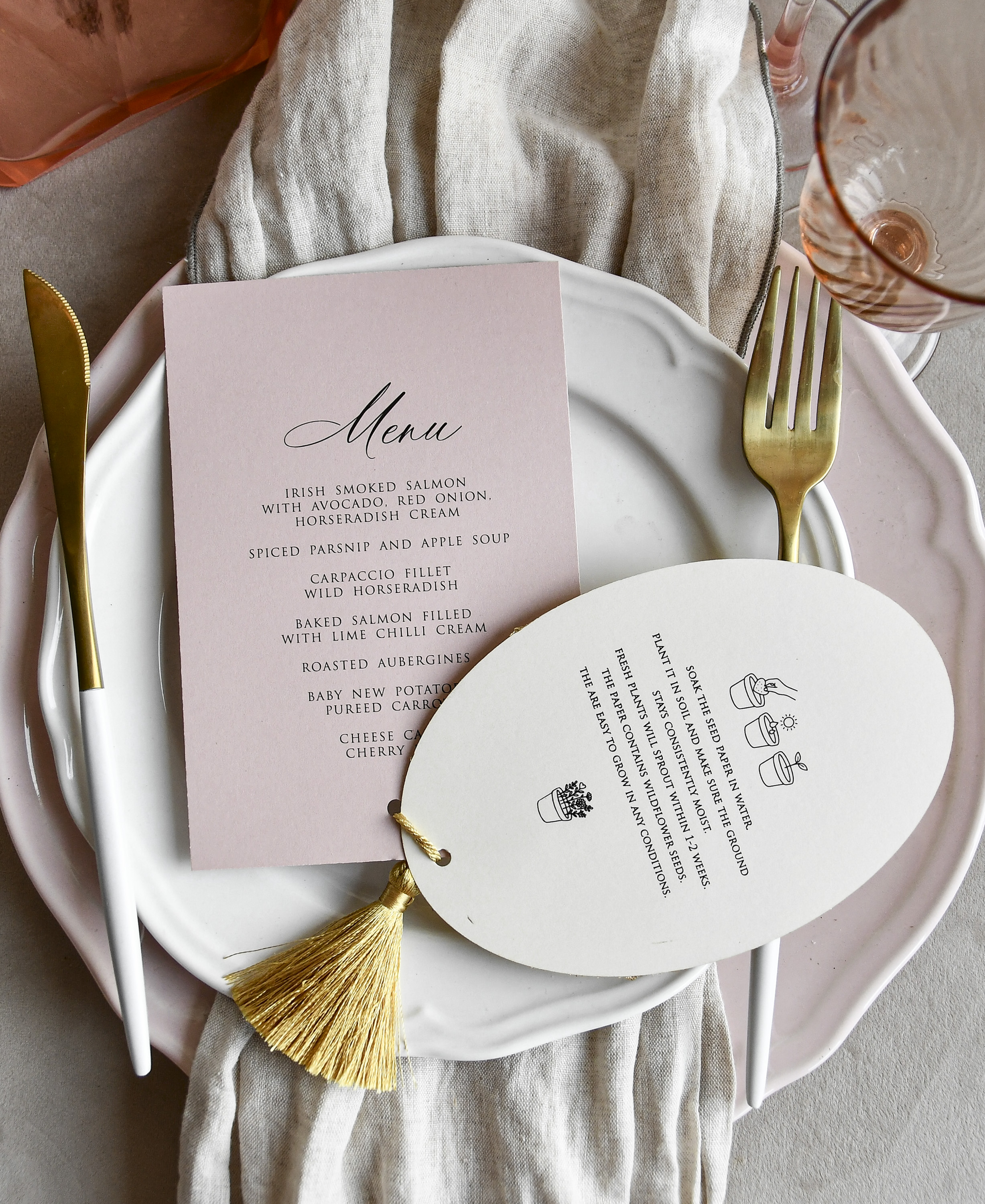
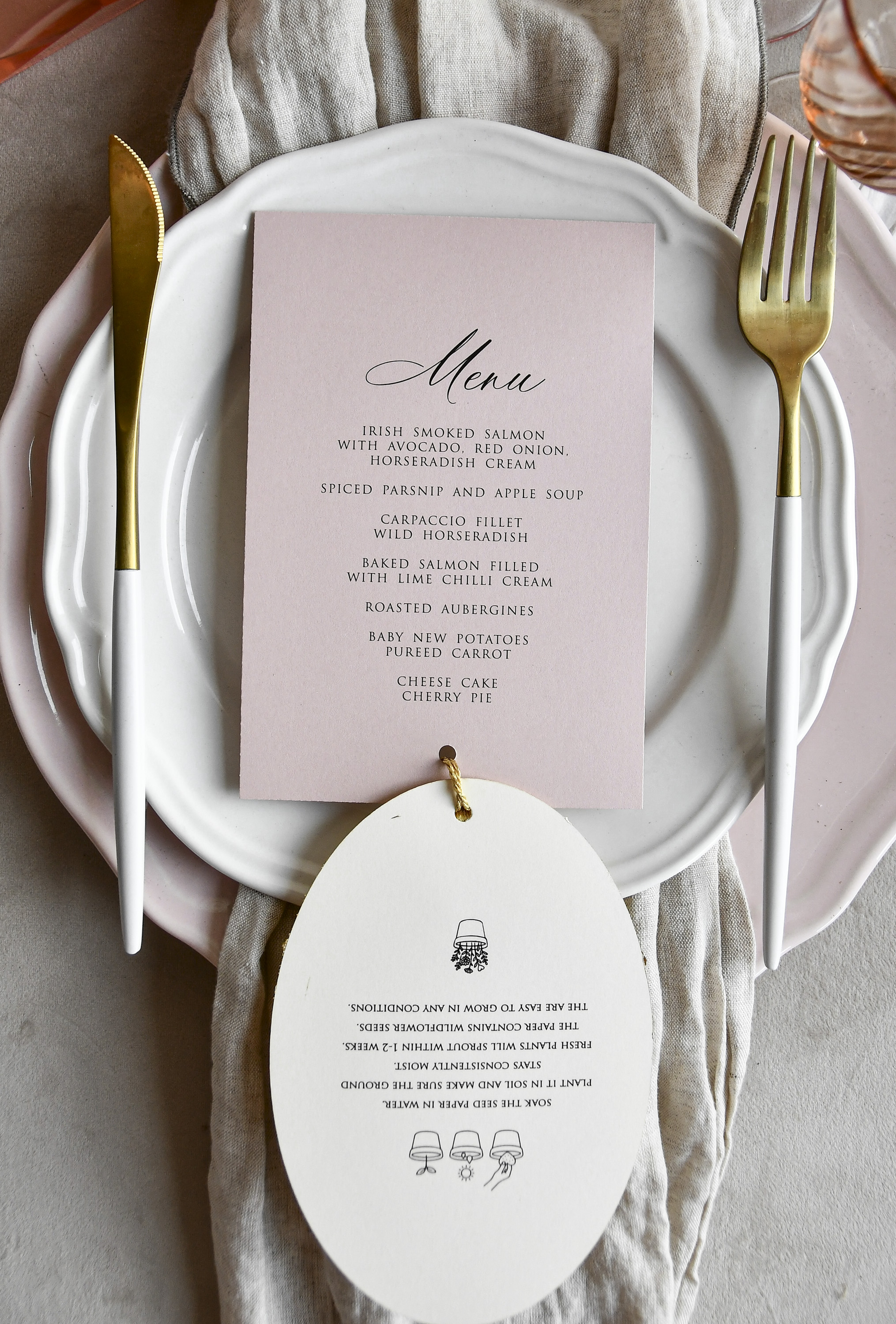
Once your final headcount is locked in, details like your 01/3in1/m wedding programs and menus become much easier to plan, since you will know exactly how many guests to design for.
The Bigger Picture: Start Your Marriage on Solid Ground
How you handle guest list pressure early on sets a tone for how you will navigate family dynamics throughout your marriage. Being firm but kind — and doing it together as a couple — is genuinely good practice. You do not have to be harsh or combative to hold a boundary; you just have to be consistent.
Remember: your wedding day is a celebration of your relationship. Every seat at that table represents someone who matters to your story. There is nothing wrong with protecting that intentionally.

Frequently Asked Questions
If your in-laws are contributing financially, it is generally considered fair to give them a portion of the guest list to use as they wish. The key is to agree on the number upfront rather than leaving it open-ended, so expectations are clear on both sides.
Acknowledge their feelings without reversing your decision — something like, "I understand it's disappointing, and I'm sorry this is hard" goes a long way. Stay consistent and let your partner take the lead in conversations with their own parents whenever possible.
Tiered invitations — ceremony plus reception for some, reception only for others — were more common historically but can feel awkward today. If you go this route, be aware that some guests may find a reception-only invitation a bit impersonal, so use it sparingly.
Go back to your agreed-upon policy and remind them kindly but firmly that the list is closed. Having a written or clearly communicated headcount limit makes it much easier to say no without it feeling personal.
Yes — this is the most effective approach. Each partner should take the lead with their own family, which reduces tension and ensures the message is delivered with the right context and tone. It also reinforces that you are making decisions together as a couple.
A common approach is to split the total headcount into thirds: one-third for the couple, one-third for each set of parents. Adjust based on who is contributing financially or who has a larger extended family, but make sure the allocation is agreed upon before invitations go out.
See This Design Up Close
You May Also Like



More Wedding Planning Guides
- → Wedding Childcare Options: Finding the Right Setup for Your Little Guests
- → Wedding Invitation Quantities: A Practical Guide to Ordering Just Enough
- → Missing RSVPs: A Calm, Practical Plan for Every Couple
- → Uninvited Plus-Ones and Tag-Alongs: How to Keep Your Guest List Intact
- → When Family Feuds Threaten Your Wedding Plans: A Practical Peacekeeper's Guide
- → Inviting an Estranged Brother or Sister: Finding Clarity Before You Seal the Envelope
- → Cousins, Invites, and Hard Choices: A Practical Guest List Guide