
Wedding Invitation Quantities: A Practical Guide to Ordering Just Enough
One of the most common (and costly) mistakes couples make is ordering wedding invitations based on their guest count rather than their household count. If you're inviting 150 people, you almost certainly don't need 150 invitations. But you also don't want to run out and pay rush fees for a second print run. Here's exactly how to calculate the right number—and build in the right buffer—so you order with confidence.
Start With Households, Not Heads
Wedding invitations are addressed to households, not individuals. A married couple living together gets one invitation. A family with three kids at the same address? Still one invitation. This single rule dramatically changes your quantity.
Here's a simple way to estimate:
- Divide your total guest count by roughly 1.5 as a starting baseline. A 120-person wedding often needs only 75–85 invitations.
- Go through your guest list address by address to get the most accurate number. A spreadsheet with one row per household is the clearest method.
- Remember that college-age children living at school or young adults with their own apartments each get their own invitation—they're a separate household.
Once you have your per-household count, that's your working number before any extras.
Always Order a Buffer—Here's How Much
Print minimums, addressing mistakes, and late additions to the guest list all eat into your supply faster than you'd expect. Plan for extras from the start.
- Add 15–20 extra invitations above your household count as a baseline buffer.
- If your guest list is still evolving, bump that buffer to 25.
- Order at least 10 extra envelopes beyond even that—calligraphy errors, printing smudges, and coffee spills happen.
- Keep 2–3 complete sets pristine for keepsakes or scrapbooks.
Ordering extras upfront is almost always cheaper than a second print run, which typically triggers a new setup fee plus rush shipping. A few extra dollars now saves real stress later.
Account for Every Piece in the Suite
Your invitation suite may include more than just the main card. Each component needs its own quantity calculation—and they don't always match.
- Main invitation card: one per household
- RSVP cards and envelopes: one per household (same quantity as invitations)
- Details or enclosure cards: one per household, plus your buffer
- Inner envelopes: one per household if you're using them
- Outer envelopes: household count plus a generous extra buffer for addressing errors
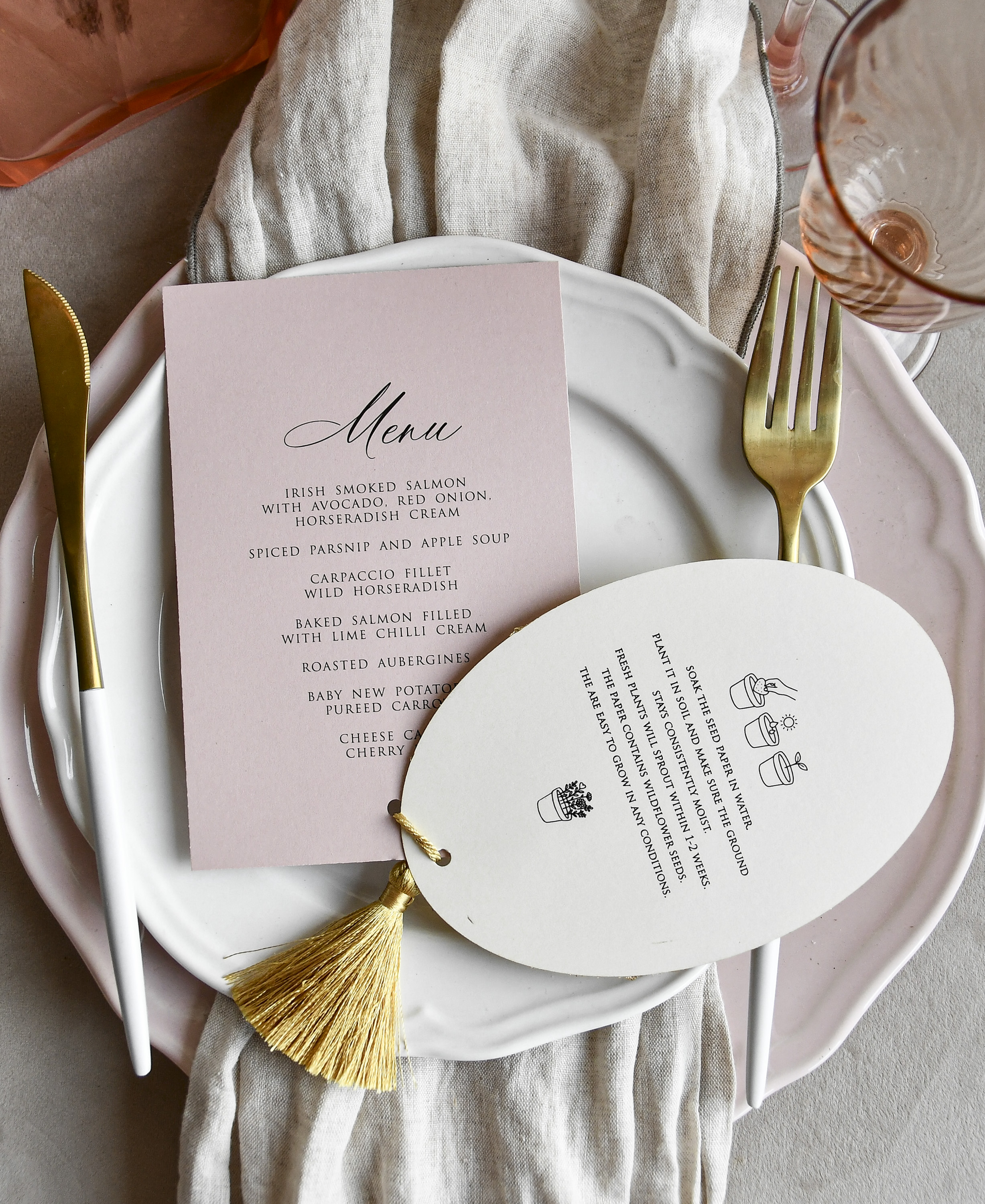
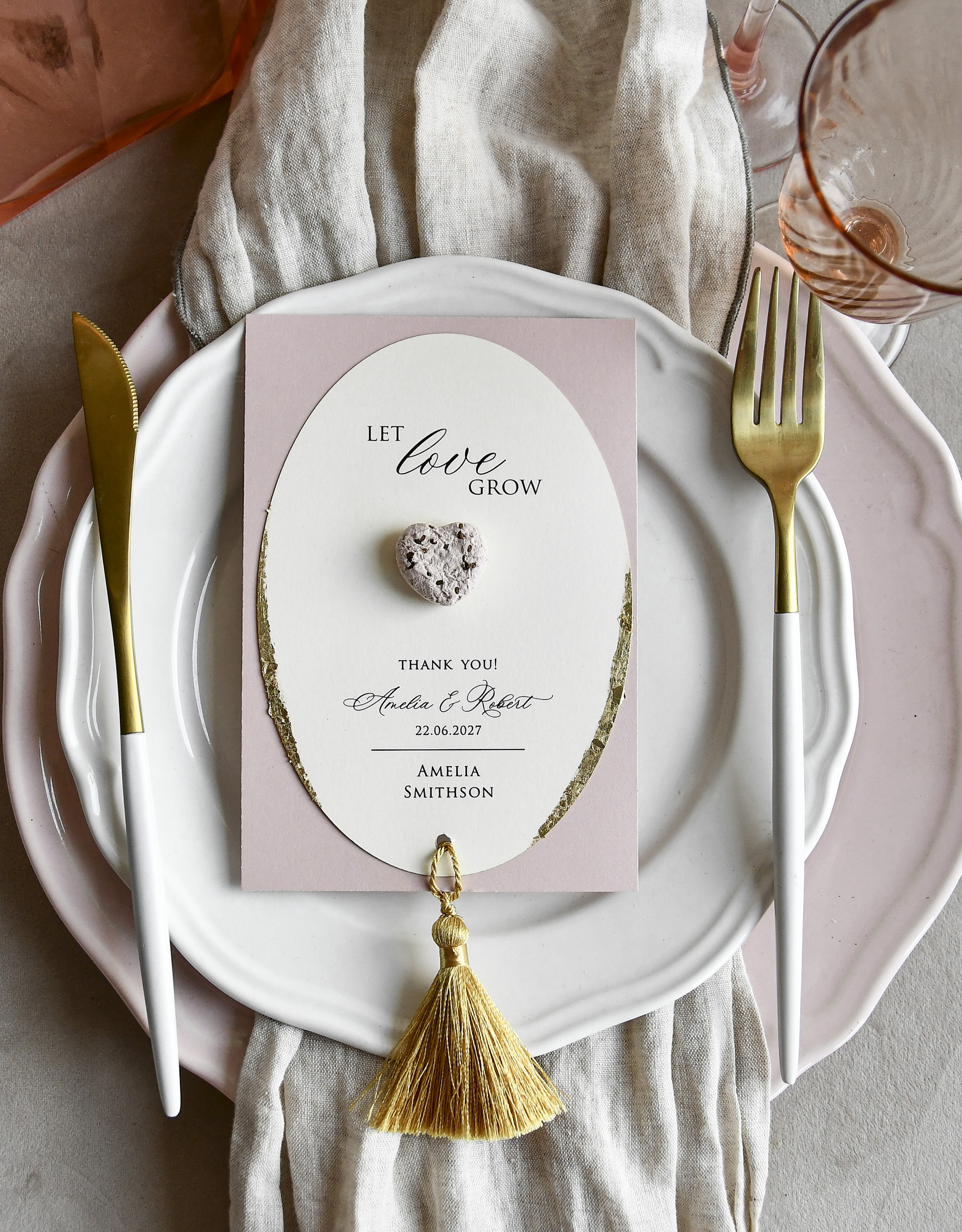
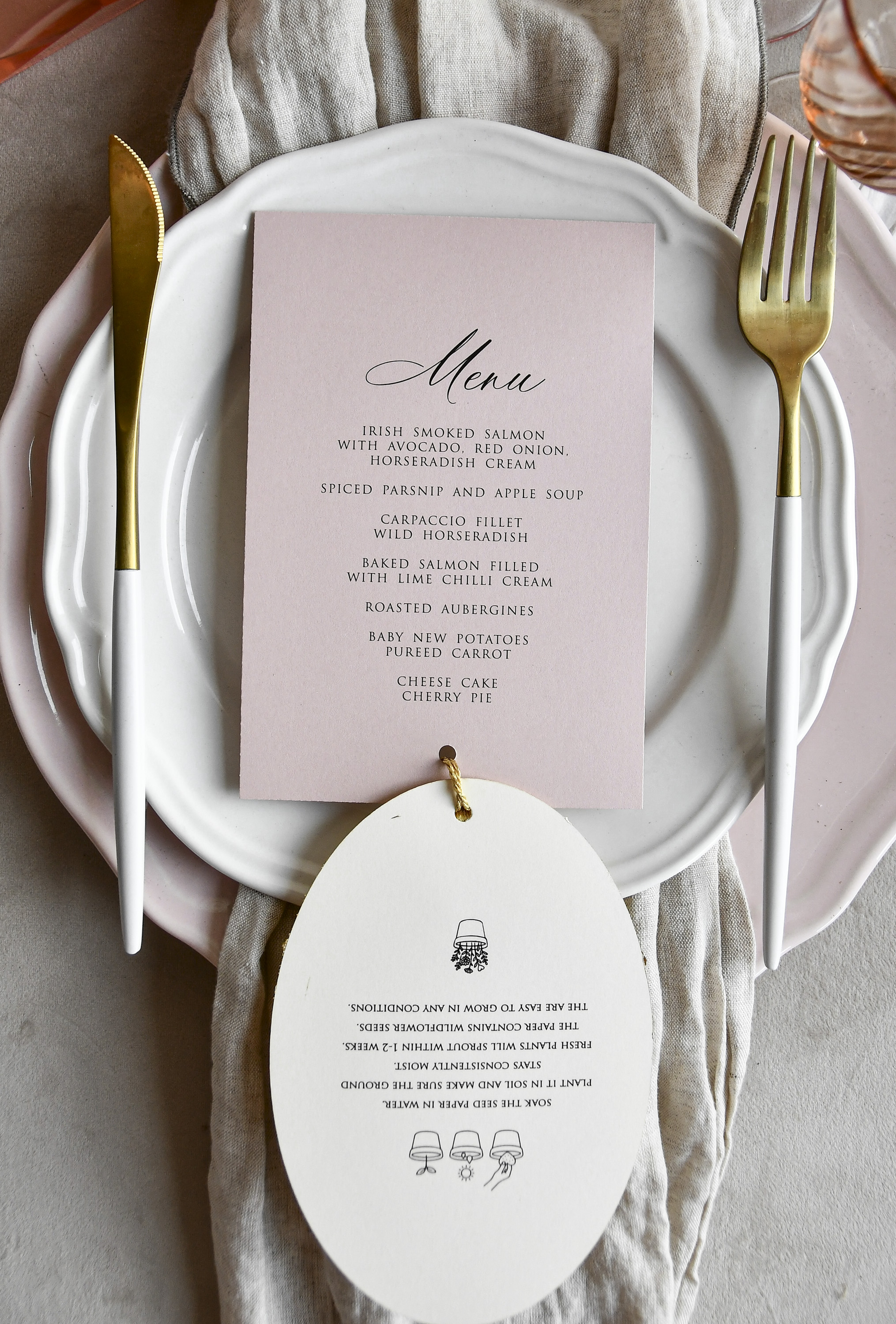
If you're also planning day-of stationery—menus, programs, escort cards—those quantities follow a different logic entirely. For example, our 01/3in1/m menu card (starting at $4.50) is ordered per seat, not per household, so you'll want one for every guest attending the reception.
Special Situations That Change Your Count
A few scenarios can push your numbers higher than the standard formula suggests:
- Large families spread across multiple addresses: Adult siblings who've moved out each get their own invitation, even if they're all coming together.
- International guests: Order a handful of extras—international mail can get lost, and re-sending is far easier if you have spares on hand.
- B-list guests: If you plan to send a second wave of invitations after RSVPs come in from the first round, factor those households into your original print run. It's the same design; you just mail them later.
- Vendors who need a copy: Some photographers and planners appreciate having an invitation for styling shoots or their portfolio. Budget in 2–3 for this purpose.
A Quick Reference Formula
Pull this out when you're ready to place your order:
- Count total households on your guest list.
- Add 15–20 for your buffer (or 25 if the list is still growing).
- Add extra envelopes separately—at least 10 beyond your invitation count.
- Add any B-list households you plan to invite in a second wave.
- Add 2–3 for keepsakes and vendor copies.
That final number is what you submit to your stationer. Double-check it before you hit confirm—most print runs cannot be adjusted after production begins, and reprints are almost always more expensive per piece than ordering a slightly larger quantity upfront.
Frequently Asked Questions
One invitation per household is the standard etiquette. A couple living together receives one invitation addressed to both of them. Only guests with separate addresses—including adult children living on their own—need their own invitation.
You'll likely need to place a reprint, which almost always comes with a new setup fee plus expedited shipping costs if you're on a tight timeline. This is why ordering a 15–20 piece buffer upfront is strongly recommended—it's almost always cheaper than a second run.
Yes, RSVP cards follow the same per-household count as your main invitation. Order the same quantity (plus your buffer), since each household needs exactly one RSVP card to respond.
Plan to have your invitations in hand 8–10 weeks before the wedding so you can address, assemble, and mail them 6–8 weeks out. Order from your stationer at least 3–4 months before the wedding to allow for design proofing and production time.
No—day-of pieces like menus and programs are ordered per guest attending, not per household. If 120 people are coming to your reception, you'll want approximately 120 menu cards, plus a small buffer for last-minute additions or damaged pieces.
Rarely. The per-piece cost difference between ordering 75 and ordering 95 is usually small, but a reprint can cost significantly more per piece due to setup fees. Ordering a comfortable buffer upfront is almost always the more cost-effective choice.
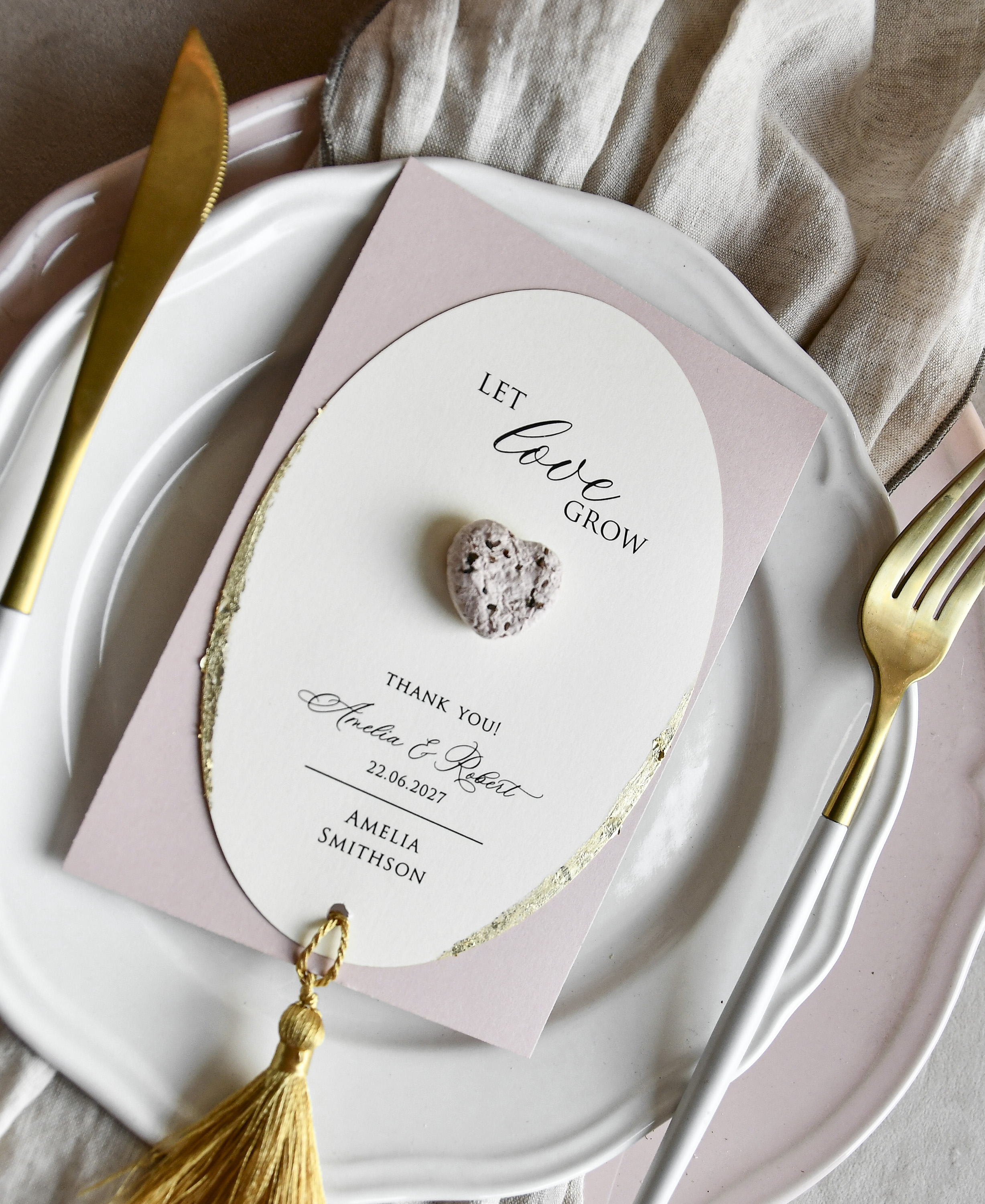
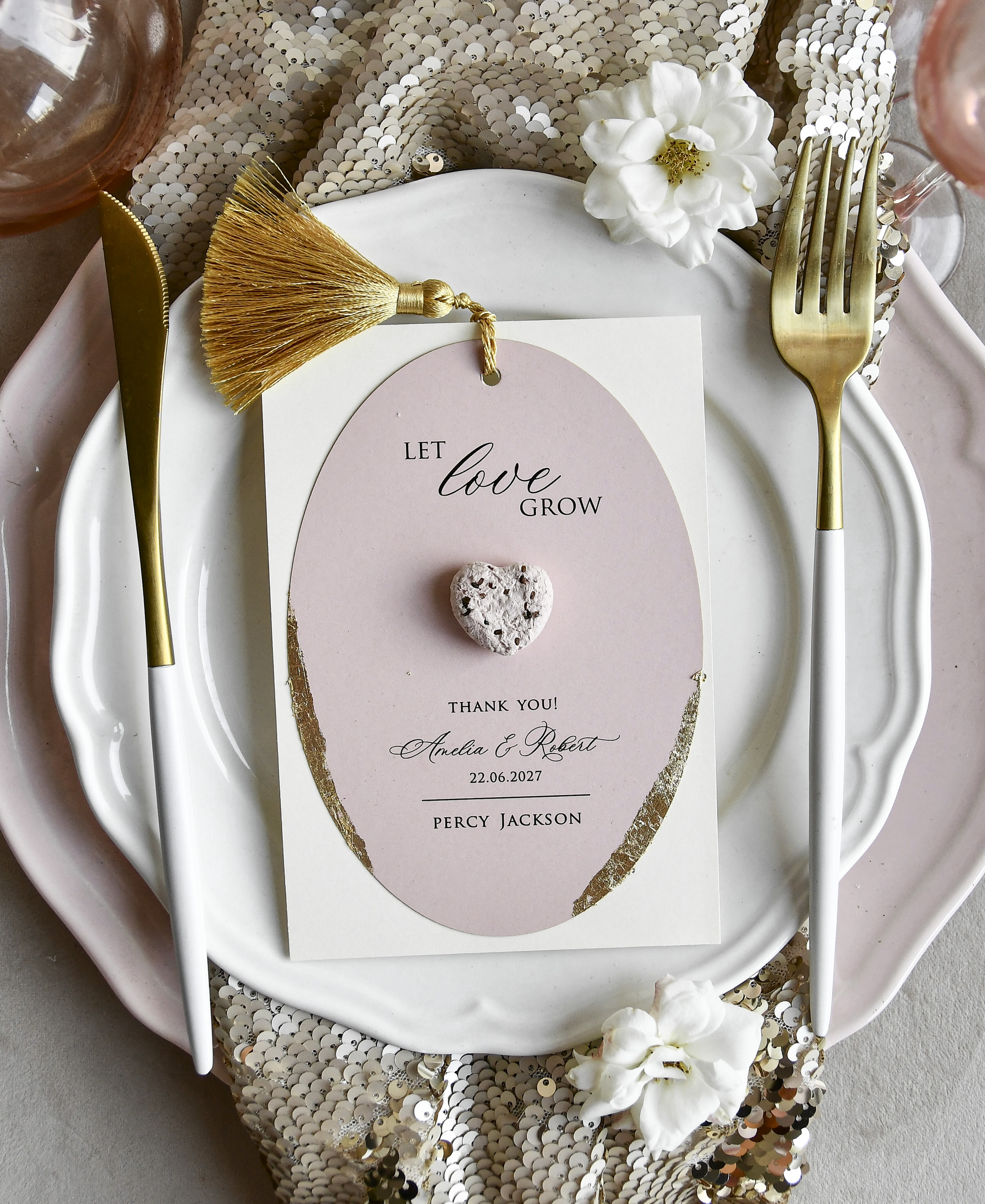
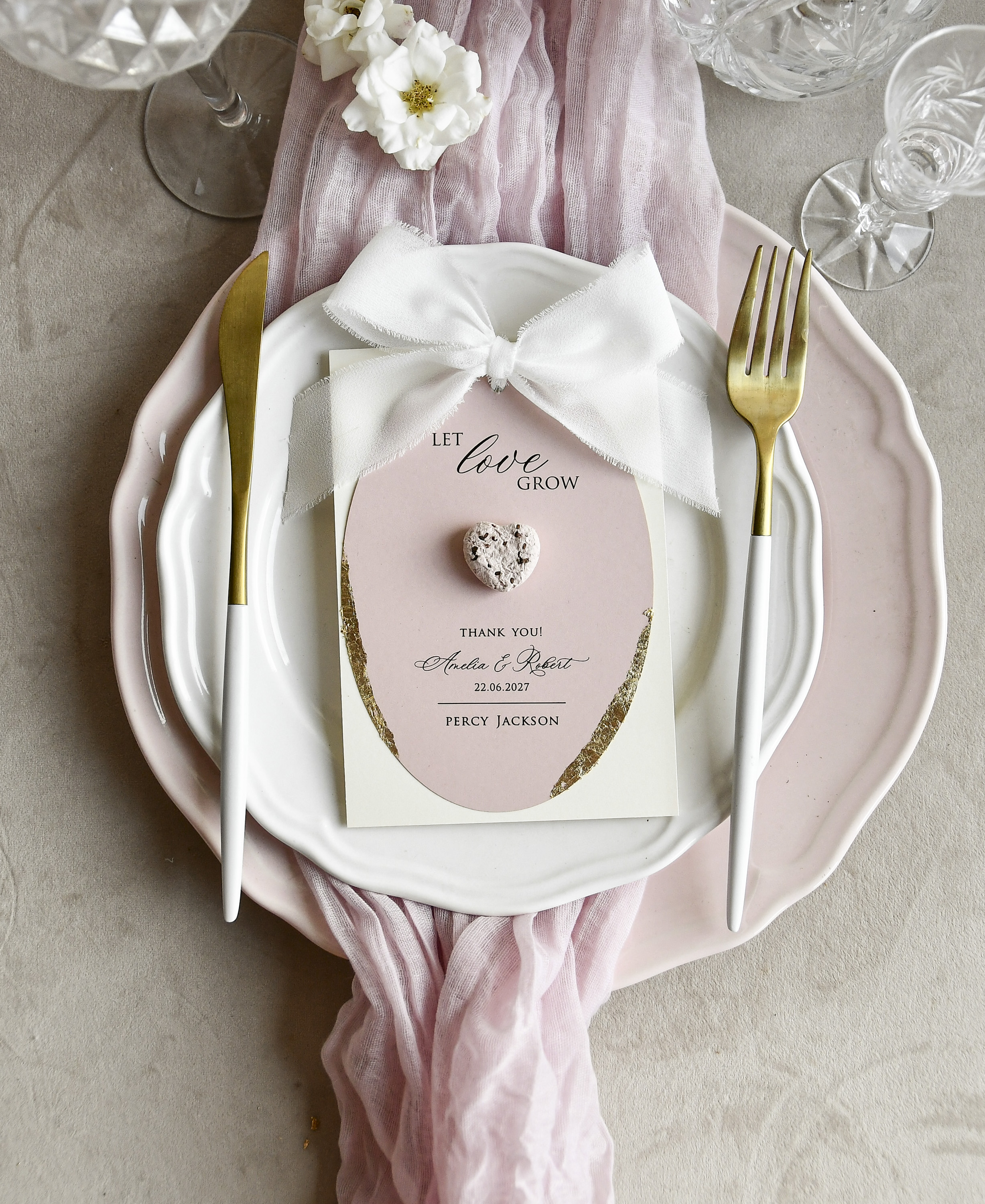
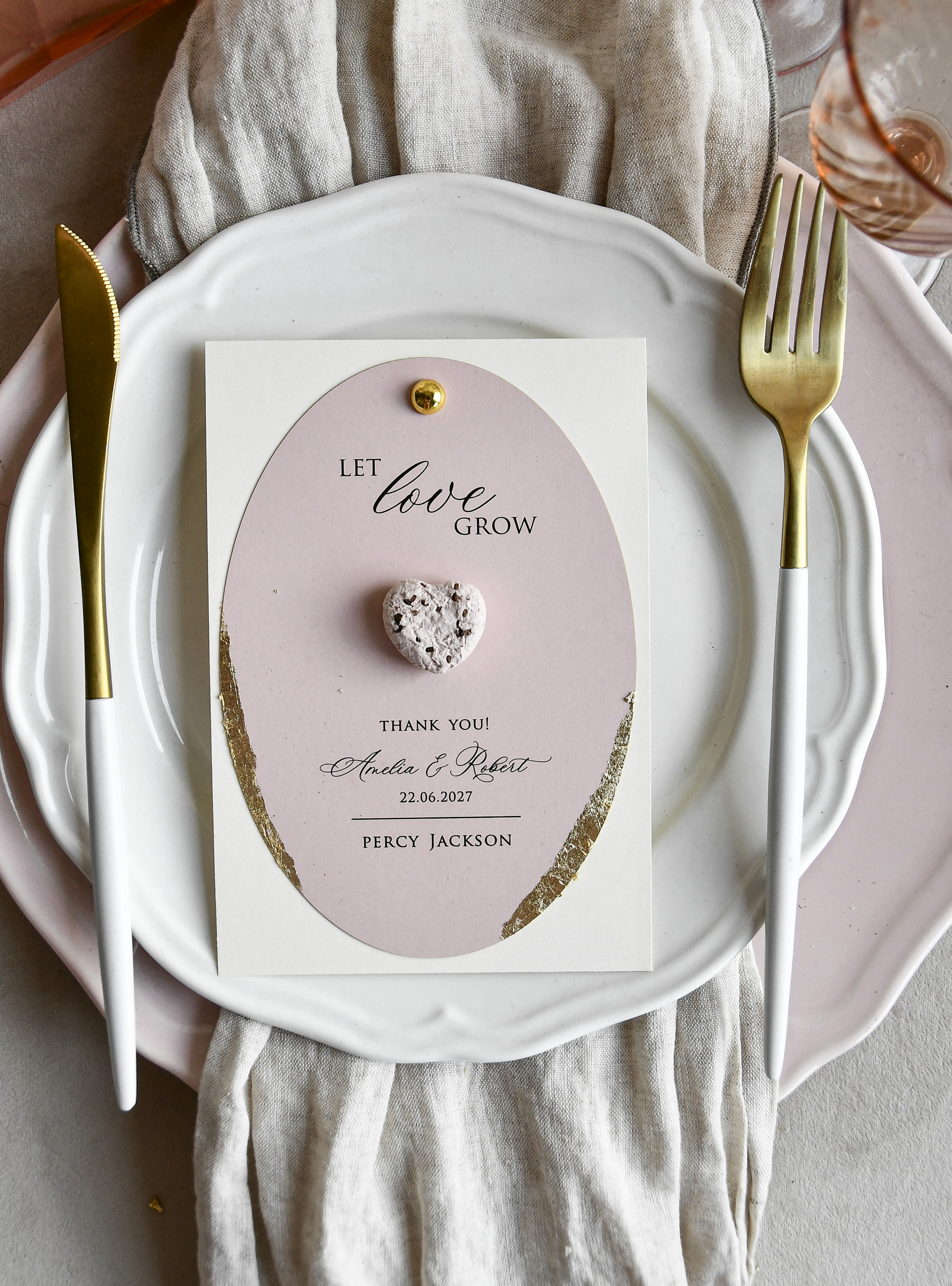
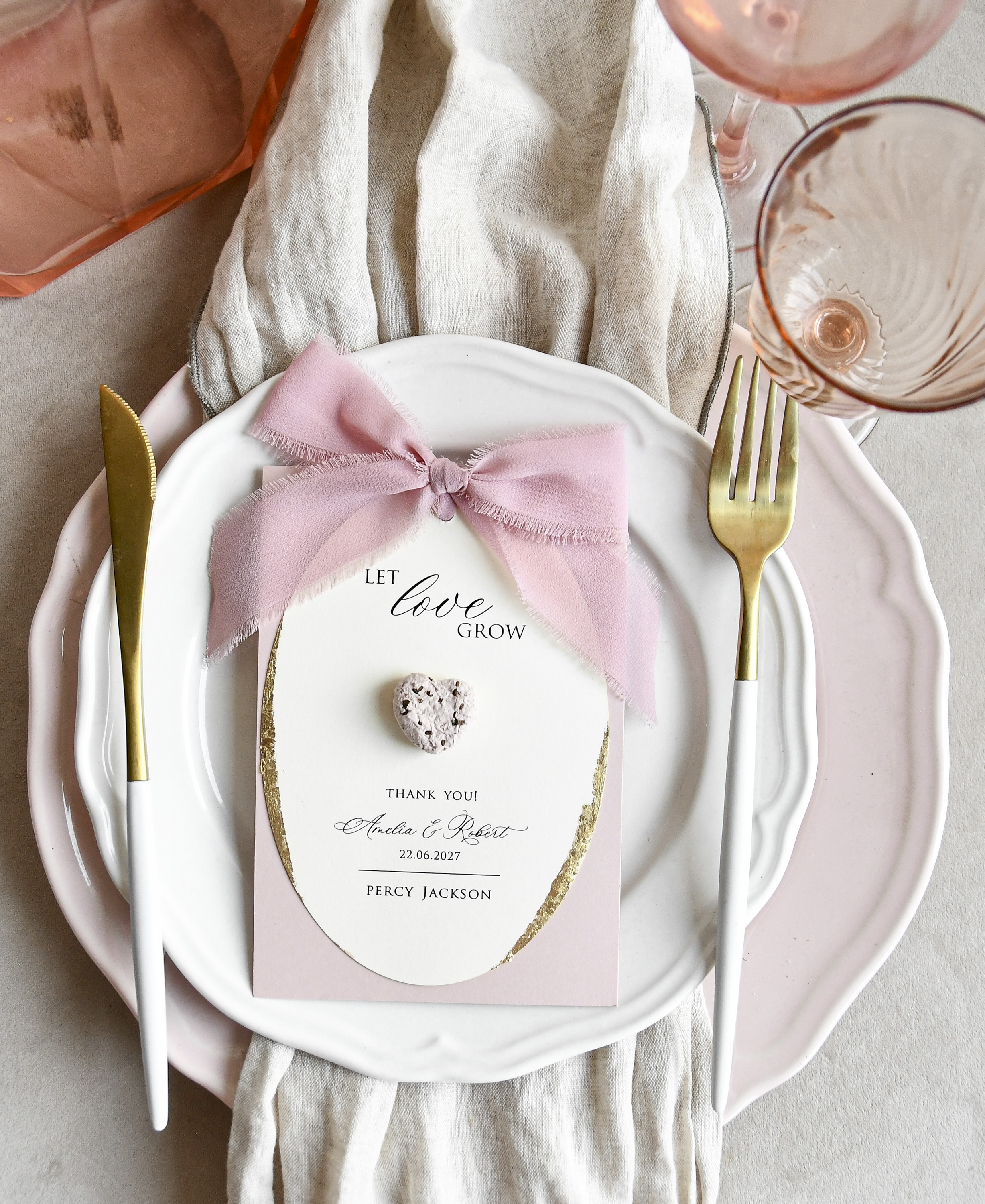
See This Design Up Close
You May Also Like
More Wedding Planning Guides
- → Wedding Childcare Options: Finding the Right Setup for Your Little Guests
- → Navigating In-Law Guest List Pressure Without the Drama
- → Missing RSVPs: A Calm, Practical Plan for Every Couple
- → Uninvited Plus-Ones and Tag-Alongs: How to Keep Your Guest List Intact
- → When Family Feuds Threaten Your Wedding Plans: A Practical Peacekeeper's Guide
- → Inviting an Estranged Brother or Sister: Finding Clarity Before You Seal the Envelope
- → Cousins, Invites, and Hard Choices: A Practical Guest List Guide