
How to Handle Wedding Invitations When Stepparents Are Involved
Blended families are wonderfully common — and wonderfully complicated. When you're finalizing your wedding guest list, the question of whether to invite a stepparent (yours or your partner's) can feel loaded with history, loyalty, and emotion. The short answer: there's no single right answer, but there is a thoughtful way to approach it. Here's how to work through it.
Start With Your Actual Relationship, Not Obligation
The most important factor isn't biology or legal status — it's the real relationship you have today. Ask yourself honestly: Does this stepparent feel like family? Have they been present, supportive, or meaningful in your life? If the answer is yes, the invitation is usually a no-brainer.
If the relationship is distant, strained, or even nonexistent, you're not obligated to invite someone simply because they married your parent. A wedding guest list is a reflection of the people who matter to you now, not a legal document of family ties. Give yourself permission to make that distinction without guilt.
Consider the Ripple Effects on Other Family Members
Stepparent situations rarely exist in isolation. Inviting or not inviting a stepparent can affect how your biological parent feels, how stepsiblings respond, and whether certain family dynamics play out smoothly on your wedding day. Think through these scenarios before you decide:
- If you invite the stepparent but have a tense relationship: Will the awkwardness affect your enjoyment of the day? Can you seat them thoughtfully to minimize friction?
- If you don't invite the stepparent: Is your biological parent okay attending without their spouse? Have an honest conversation with them first — don't let them be blindsided.
- If divorced parents are both attending: Logistics like seating, ceremony roles, and photo arrangements need extra planning, regardless of whether stepparents are included.
There's no drama-free formula, but anticipating these ripple effects helps you plan proactively rather than reactively.
Have the Honest Conversation Early
If you're unsure, talk to the people most affected — typically your biological parent — before the invitations go out. A simple, private conversation goes a long way: "I want to be thoughtful about this and make sure you feel comfortable. Can we talk about the guest list?"
Avoid making promises you can't keep or letting others pressure you into decisions that don't feel right. It's also worth having this conversation well before save-the-dates are sent — ideally 10 to 12 months before your wedding if you're having a larger celebration. Changing course after someone has already received a save-the-date is far more painful for everyone involved.
If tensions are high, consider looping in a family therapist or trusted mutual friend to help facilitate the conversation. This isn't overreacting — it's smart planning.
How to Handle It Gracefully If You Decide Not to Invite Them
If you decide a stepparent won't be on the guest list, handle it with directness and kindness. Don't make up excuses about venue capacity if that's not the real reason — adults can usually tell, and it creates more resentment. Instead, keep it simple and warm: acknowledge the situation without over-explaining.
You might also consider whether there's another way to include or honor them — a pre-wedding dinner, a heartfelt note, or a role in a post-wedding celebration. These gestures aren't consolation prizes; they can be genuinely meaningful ways to acknowledge a relationship on your own terms.
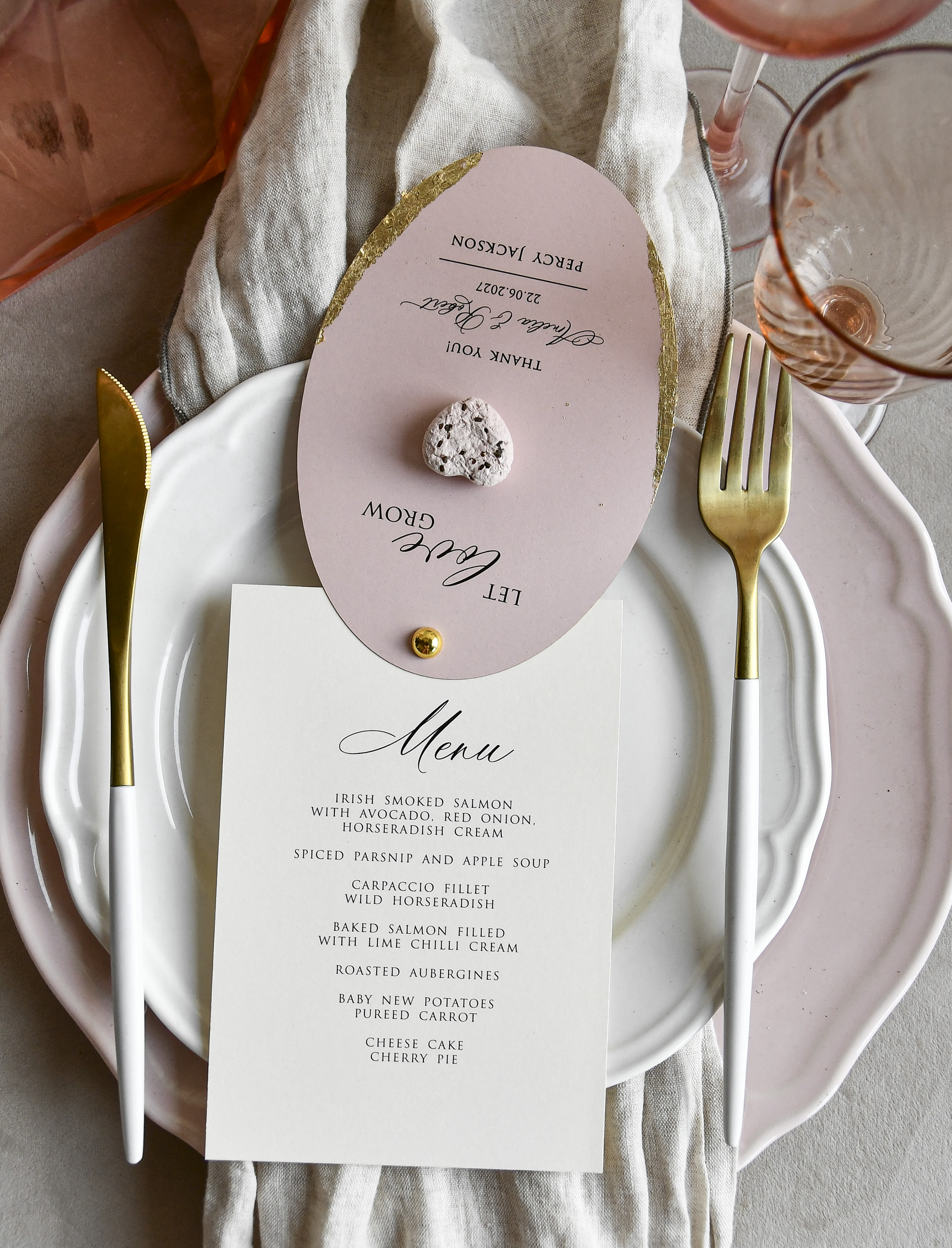
For the guests who are attending, thoughtful day-of details make everyone feel welcome. A beautifully designed program — like our 04/3in1/m from the romantic collection — helps guests follow along with the ceremony and signals that you've put care into every element of the day, which matters especially in blended family settings where people may not know each other well.
When the Stepparent Is Your Partner's, Not Yours
Don't forget: your partner may be navigating the same question on their side of the family. Make sure you're aligned as a couple before any decisions are communicated. It's easy to inadvertently apply different standards — being more lenient with your own family's complexity than your partner's. Check in with each other, and present a united front when talking to family members. This is your wedding as a couple, and the guest list should reflect both of your values and comfort levels equally.
Frequently Asked Questions
No — there's no etiquette rule that requires you to invite a stepparent simply because of their legal relationship to your parent. If you have little to no relationship with them, it's entirely reasonable to keep your guest list to people you're genuinely close to. Just be prepared to communicate your decision kindly to your biological parent.
Have a private, empathetic conversation as early as possible — ideally before save-the-dates go out. Acknowledge your parent's feelings without reversing a decision you feel strongly about. Most parents, given time, will prioritize being present at your wedding over the guest list dispute.
This is entirely up to you and should be discussed with your photographer in advance. Many couples do a mix — formal family portraits with the people they were raised by, plus additional shots with blended family groupings. Your photographer has likely navigated this before and can offer practical suggestions.
Technically yes, but proceed carefully — it can feel like a pointed distinction and may cause more hurt feelings than a straightforward decision either way. If you're considering it, think about whether the gesture will actually feel inclusive or simply highlight the complicated dynamic.
Seat divorced parents on opposite sides of the aisle or at separate tables to minimize awkwardness. If stepparents are attending, seat them with their spouse rather than separating them. A detailed seating chart shared with your venue coordinator ahead of time prevents day-of confusion.
If you're inviting them, include them on the invitation addressed to your parent. For example: "Mr. James Carter and Ms. Linda Carter" if they share a last name, or using both full names if not. If your parent is divorced and remarried, address each household separately with their own invitation.
See This Design Up Close
You May Also Like
More Wedding Planning Guides
- → Navigating the Awkward 'Why Wasn't I Invited?' Moment With Confidence
- → Should Single Guests Get a Plus-One? A Practical Guide for Couples
- → Uninvited Plus-Ones and Tag-Alongs: How to Keep Your Guest List Intact
- → When Family Feuds Threaten Your Wedding Plans: A Practical Peacekeeper's Guide
- → Inviting an Estranged Brother or Sister: Finding Clarity Before You Seal the Envelope
- → Cousins, Invites, and Hard Choices: A Practical Guest List Guide