
Should Single Guests Get a Plus-One? A Practical Guide for Couples
The plus-one question is one of the most debated decisions in wedding planning. Give too many and your venue hits capacity; give too few and you risk hurt feelings. The truth is, there's no single right answer — but there is a thoughtful way to work through it. Here's how to decide what makes sense for your guest list, your budget, and your relationships.
Why the Plus-One Decision Matters More Than You Think
Every plus-one you extend adds a real cost — venue space, catering, florals, and even a personalized place setting or menu card. At an average of $150–$300 per head at US weddings, even five extra guests can add $750–$1,500 to your bill. Beyond money, it shapes the entire feel of your day. A wedding filled with strangers you've never met can dilute the intimacy you're going for, while a guest forced to sit alone among couples may feel genuinely uncomfortable.
The goal is to be consistent, compassionate, and clear — so no one feels singled out or slighted.
A Tiered Approach: Who Typically Gets a Plus-One
Most etiquette experts and wedding planners recommend using a tiered system based on relationship status and closeness. Consider the following framework:
- Married, engaged, or cohabiting guests: Always invite their partner. No exceptions — this is a firm etiquette rule.
- Guests in long-term relationships (6+ months, or someone you've met): Strongly consider extending a plus-one, especially for bridal party members and close family.
- Single guests you're very close to: Use your judgment. A best friend who's recently gone through a breakup may appreciate having a companion; a coworker you invited out of obligation probably doesn't need one.
- Single guests you're less close to: It's entirely acceptable to not extend a plus-one here, as long as you're consistent across this tier.
The key word is consistent. If you give a plus-one to one single coworker, you should give one to all single coworkers at the same level of closeness. Inconsistency is what causes hurt feelings — not the decision itself.
Practical Scenarios and How to Handle Them
Real guest lists are messy. Here are a few common situations and how to navigate them:
- Your college friend just started dating someone new: You're not obligated to invite someone you've never met if the relationship is brand new. A polite way to handle this is to address the invitation to your friend only. If they ask, be honest: "We're keeping the guest list really tight, but I can't wait to meet them soon!"
- A single bridesmaid or groomsman: Bridal party members almost always warrant a plus-one — they've invested significant time and money in your day, and it's a long event to navigate solo.
- Single guests who don't know anyone else: If someone is traveling from out of town and won't know a single person at your wedding, consider offering a plus-one or at minimum seating them thoughtfully near people they might click with.
- A divorced parent: If they're dating someone seriously, invite the partner. If they're newly single, check in privately — some appreciate the option, others prefer to come alone.
How to Communicate Your Decision Gracefully
Once you've made your decisions, your stationery does the heavy lifting. Address invitations precisely — "Ms. Jordan Blake" signals one seat; "Ms. Jordan Blake and Guest" signals two. Never leave it ambiguous. If you're using inner envelopes (a classic formal touch), list only the names of those invited.
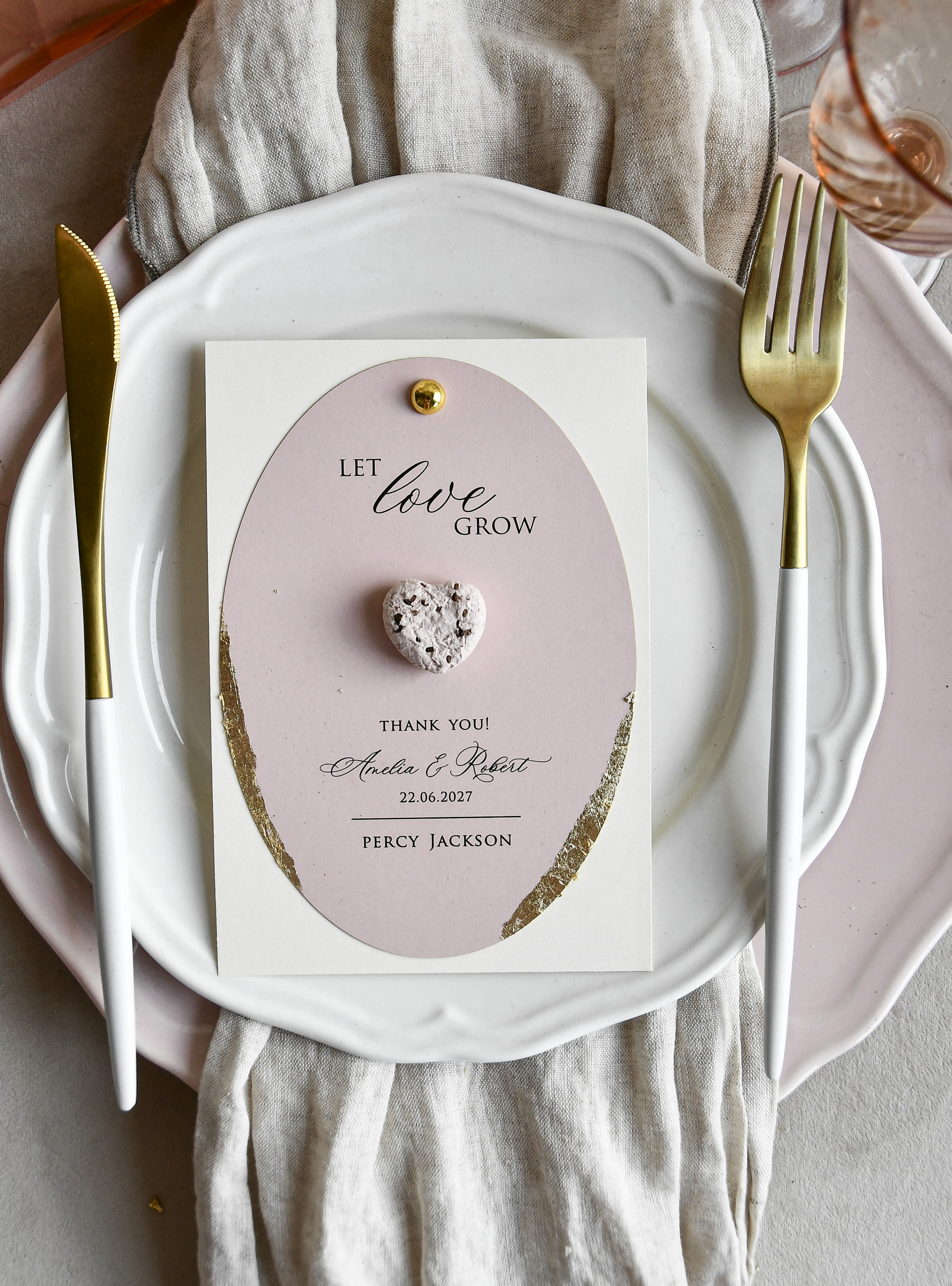
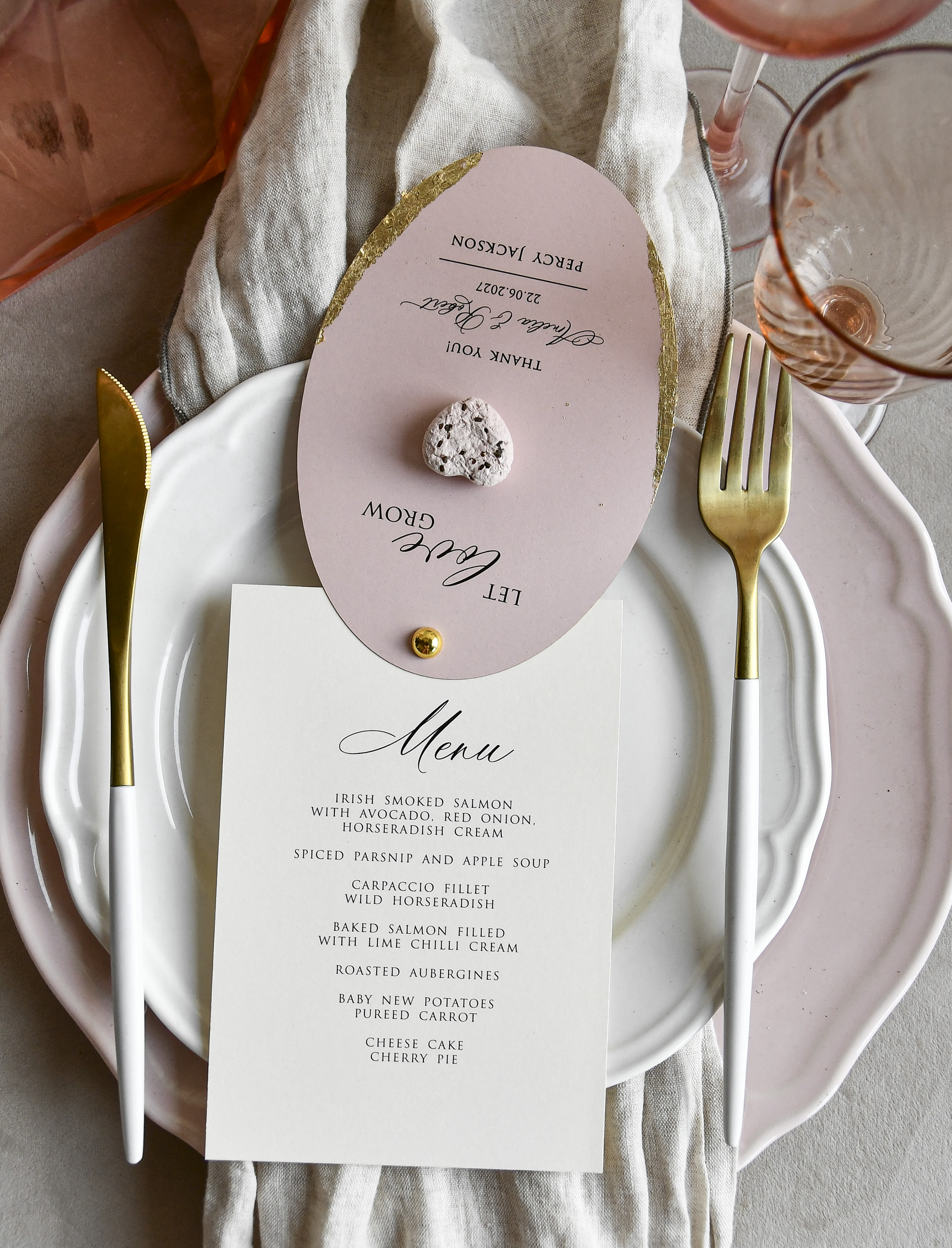
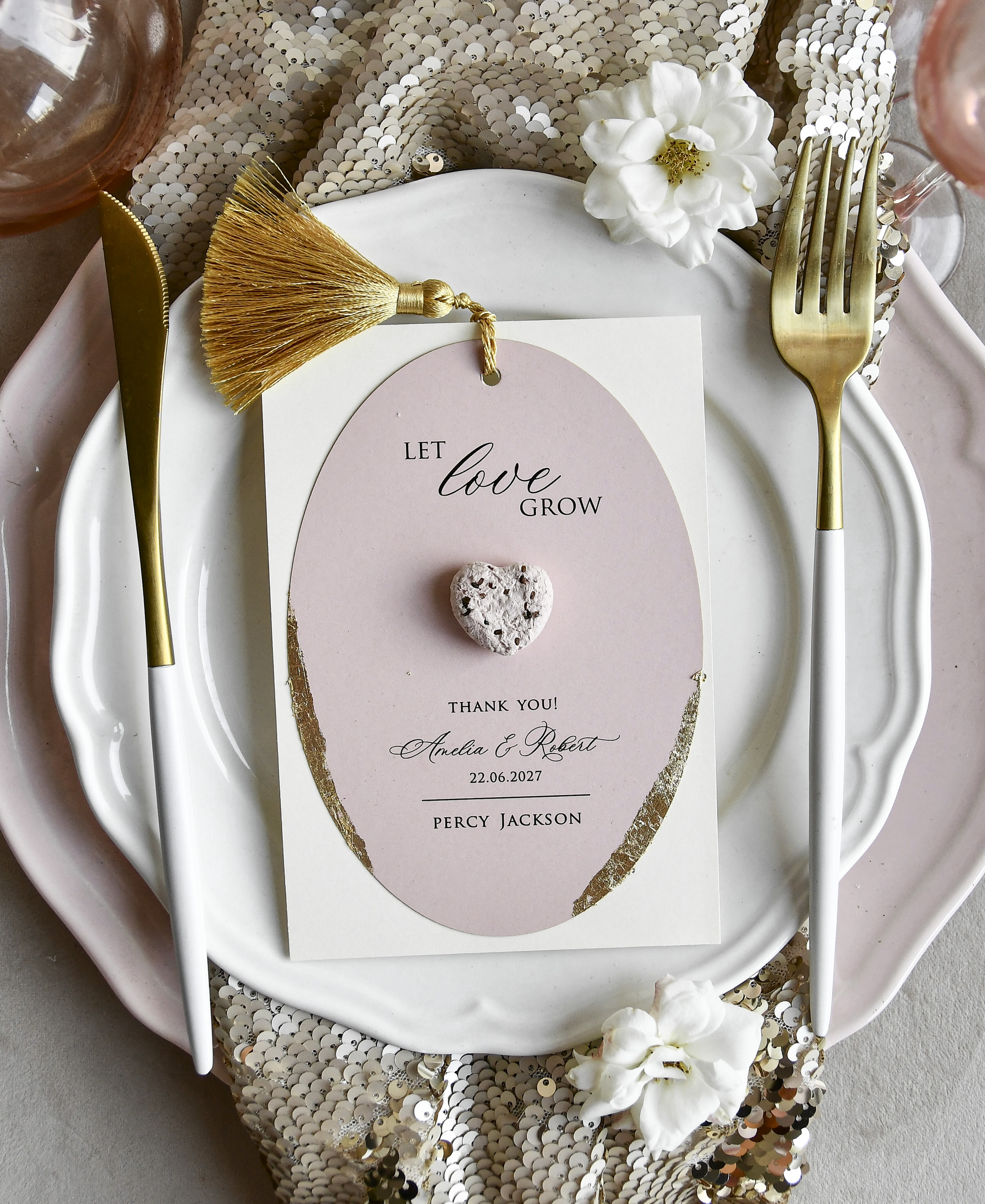
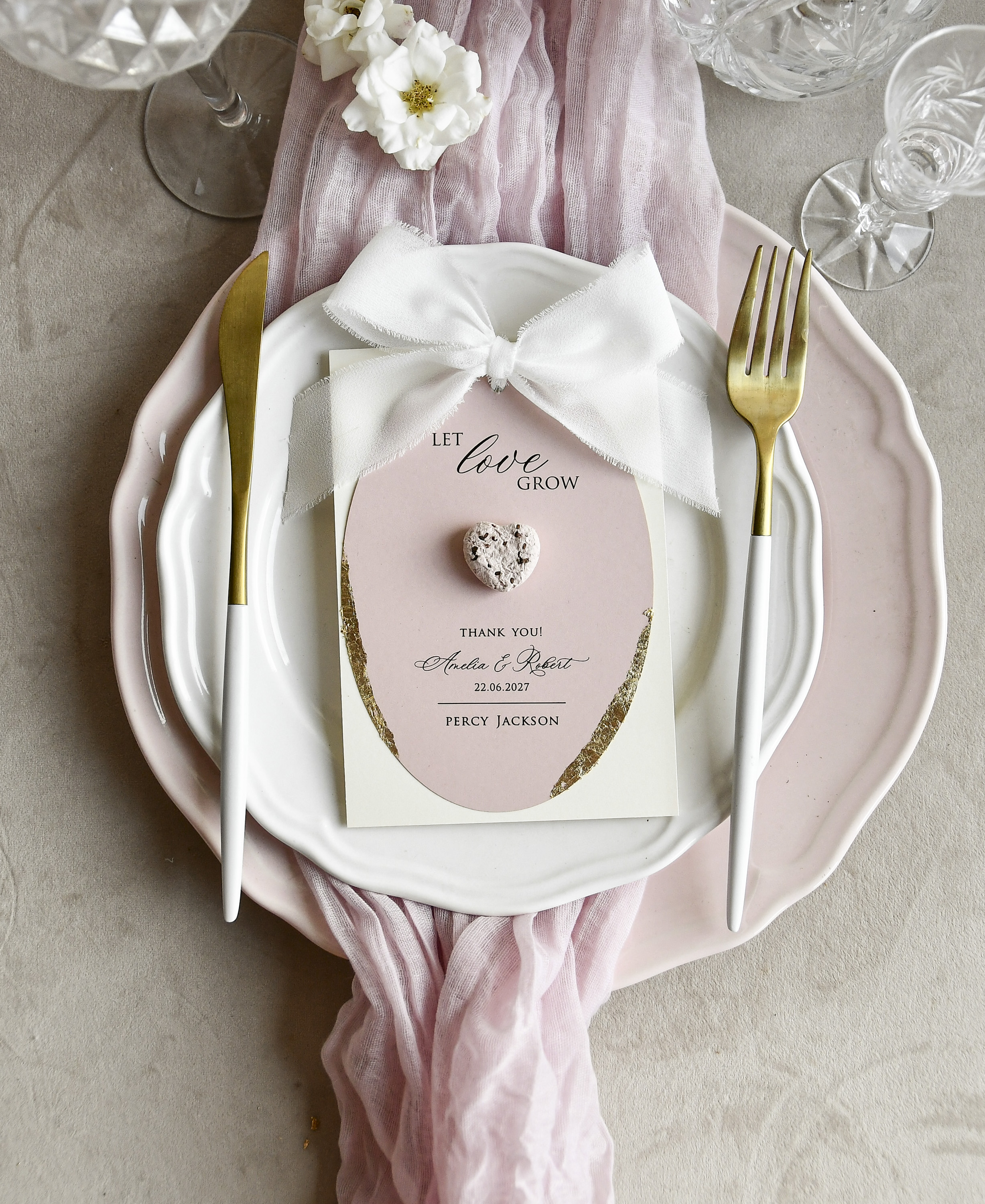
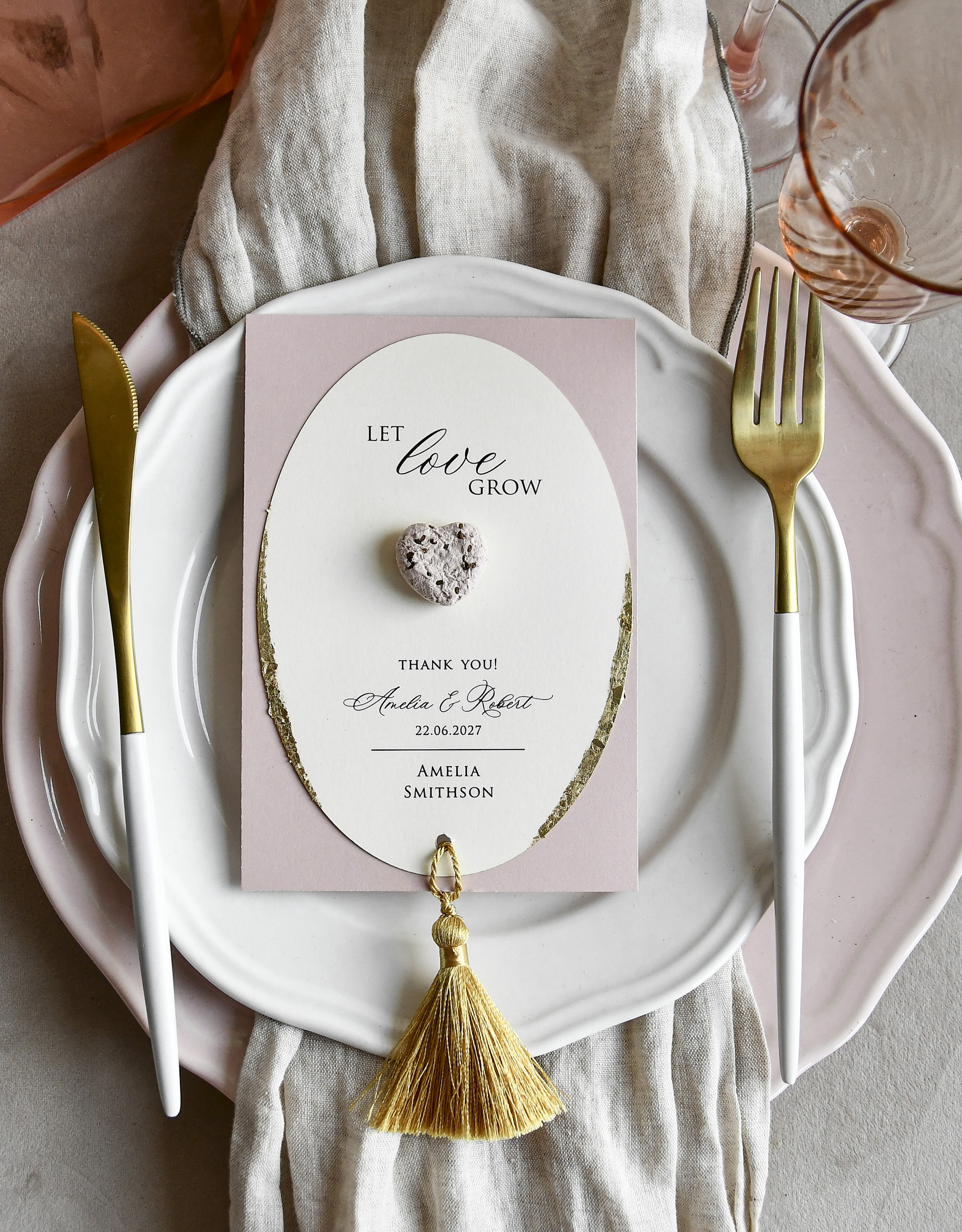
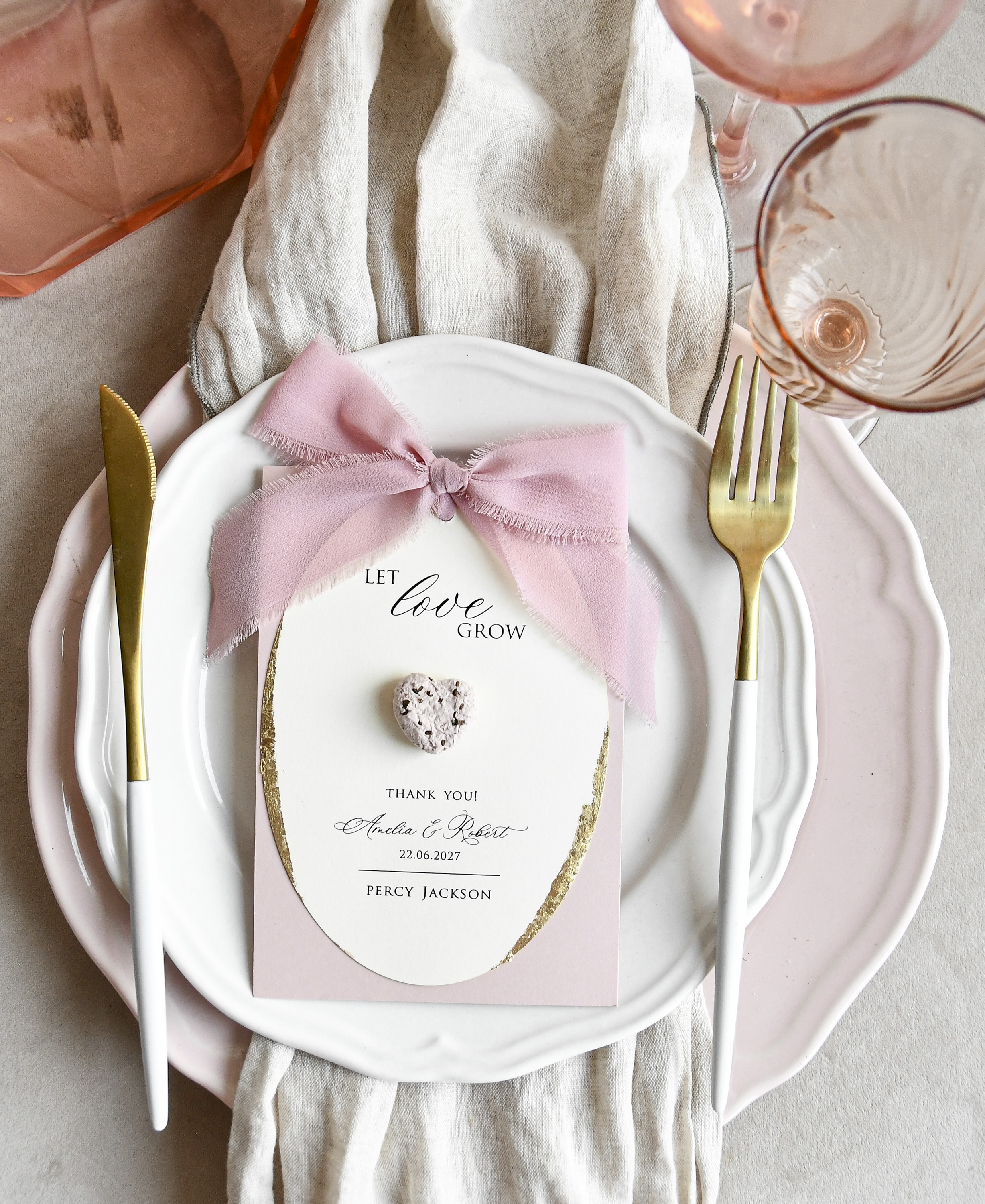
For couples who want every detail to feel cohesive and intentional, a beautifully designed menu card like the 04/3in1/m from Margo&Bees' romantic collection helps each place setting feel personal and considered — whether a guest is seated solo or with a date. Starting from $3.50, it's an easy way to add a polished, welcoming touch to every seat at the table.
If a guest calls to ask whether they can bring someone, it's okay to hold your ground kindly: "We're at our venue maximum, but I'm so excited to celebrate with you." Most guests will understand.
Setting Your Rule and Sticking to It
The best plus-one policy is one you can apply evenly and explain without guilt. Write out your tiers before you build your guest list, get alignment with your partner (and both sets of parents if they're contributing financially), and then commit. Revisiting the policy for every individual request is exhausting and leads to inconsistency.
Remember: guests who truly love you want you to have the wedding that works for your life — budget, venue, and vision included. A thoughtful, consistent approach is always more appreciated than an arbitrary one.
Frequently Asked Questions
Not at all, as long as you apply your policy consistently across comparable relationships. The etiquette rule that's non-negotiable is inviting the partners of married, engaged, or cohabiting guests — beyond that, it's genuinely your call.
Address the envelope to the guest by name only — for example, "Ms. Taylor Reyes" rather than "Ms. Taylor Reyes and Guest." You can also include an RSVP card that lists the exact number of seats reserved, which removes any ambiguity.
Reach out promptly and politely — the sooner the better. Say something like, "We're so glad you're coming! I want to make sure your RSVP is correct — we have one seat reserved for you." Most guests will apologize and correct it.
Yes, this is widely considered standard etiquette. Your wedding party has invested considerable time, money, and energy, and they'll be on their feet most of the day — having a familiar face at the reception table matters a lot to them.
Yes, but base the distinction on a clear, defensible criterion — like closeness of relationship or whether they know other guests — rather than on a case-by-case whim. Guests compare notes, so a consistent rule protects you from awkward conversations.
If budget allows, a plus-one is a kind gesture. If it doesn't, thoughtful seating can go a long way — place them near guests who share common interests or backgrounds, and introduce them personally when you make your rounds during the reception.
See This Design Up Close
You May Also Like
More Wedding Planning Guides
- → How to Handle Wedding Invitations When Stepparents Are Involved
- → Navigating the Awkward 'Why Wasn't I Invited?' Moment With Confidence
- → Uninvited Plus-Ones and Tag-Alongs: How to Keep Your Guest List Intact
- → When Family Feuds Threaten Your Wedding Plans: A Practical Peacekeeper's Guide
- → Inviting an Estranged Brother or Sister: Finding Clarity Before You Seal the Envelope
- → Cousins, Invites, and Hard Choices: A Practical Guest List Guide