
The Single Guest Plus-One Question: What Every Couple Should Know

The plus-one question is one of the most emotionally charged decisions in wedding planning. Single guests occupy a unique gray zone: they don't have an established partner, but they may feel awkward or isolated attending alone — especially if they don't know many other guests. There's no universal right answer, but there is a smart, fair way to think it through. Here's how to make a decision you'll feel good about on your wedding day.
Start With Your Budget and Headcount, Not Your Feelings
Before you let sentiment drive the decision, get concrete. Every additional guest carries a real cost — typically $75 to $250 per person depending on your venue and catering format. If you have 10 single guests and extend a plus-one to each, you could be adding $750 to $2,500 or more to your total bill, for people you may never have met.
Ask yourself these questions first:
- Is your venue at or near capacity?
- Does your catering package charge per head?
- Would adding unknown guests push you over budget in a meaningful way?
If the answer to any of these is yes, it's completely reasonable — and common — to limit or decline plus-ones for single guests. Budget is not a selfish reason; it's a practical one.
Create a Clear, Consistent Policy — Then Stick to It
The biggest mistake couples make is applying the plus-one rule unevenly. Giving a plus-one to your college roommate but not to your coworker (both single, both in similar situations) creates hurt feelings and awkward conversations. Whatever you decide, apply it consistently across comparable groups.
Common approaches that hold up well:
- Blanket no plus-ones for single guests: Simple and fair. No one is singled out.
- Plus-ones for single guests in the wedding party only: Rewards those with a bigger role and is easy to justify.
- Plus-ones for single guests in long-term relationships (6+ months): Reasonable, though harder to verify.
- Plus-ones for single guests who won't know anyone else at the wedding: Compassionate, but opens the door to judgment calls.
Pick one policy and apply it across the board. Exceptions breed resentment — even when they come from a good place.
How to Communicate the Policy on Your Invitation
Your invitation is the clearest way to signal who is — and isn't — invited. The most important rule: address the envelope to exactly the people who are invited. If a single guest is not receiving a plus-one, address the envelope to their name only. Do not write "and Guest" unless you mean it.
On the inner envelope or RSVP card, list names explicitly. A well-designed RSVP card might read: "We have reserved ___ seat(s) in your honor" with the number pre-filled. This removes ambiguity entirely and prevents the awkward "can I bring someone?" follow-up call.
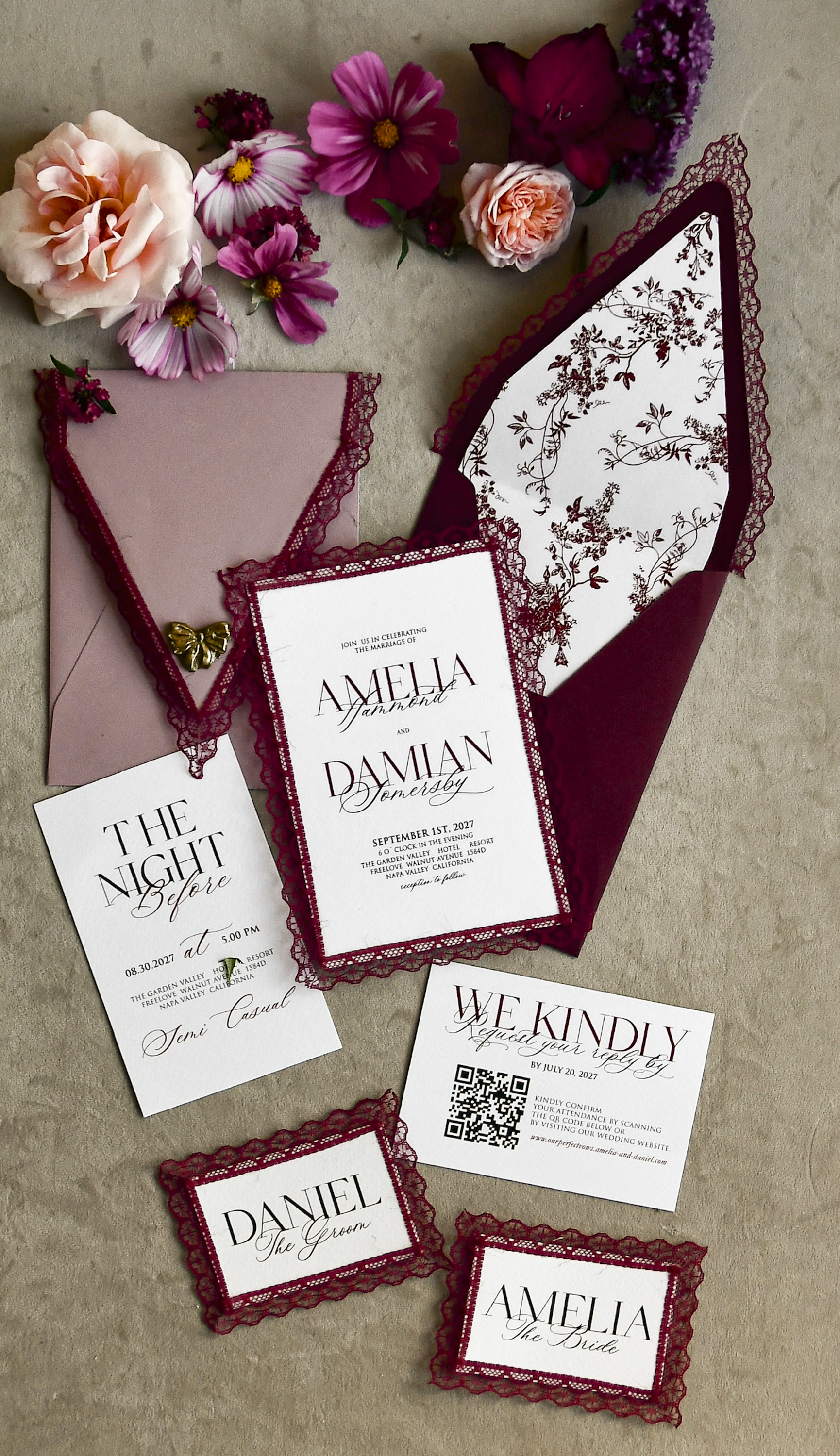
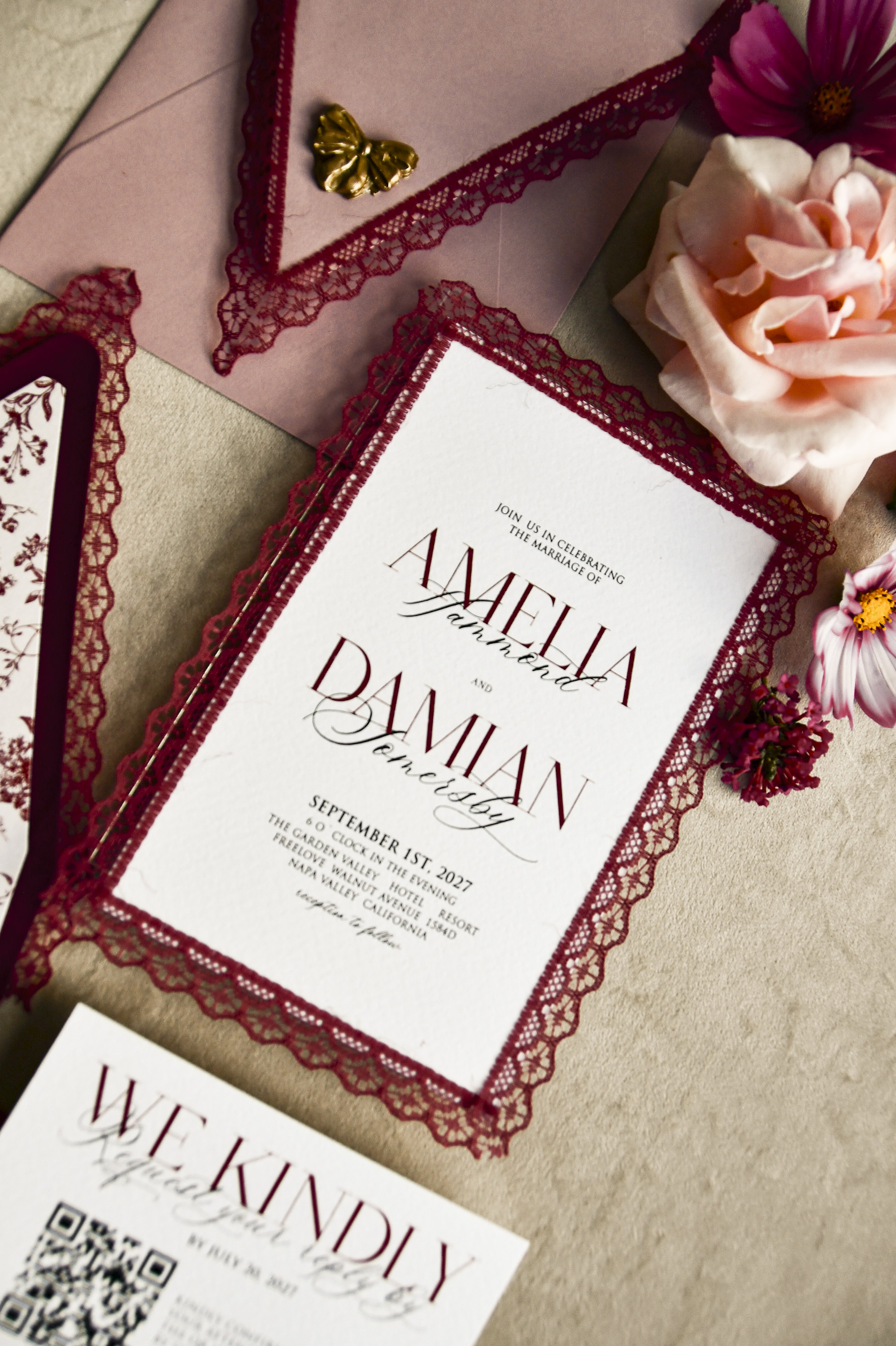
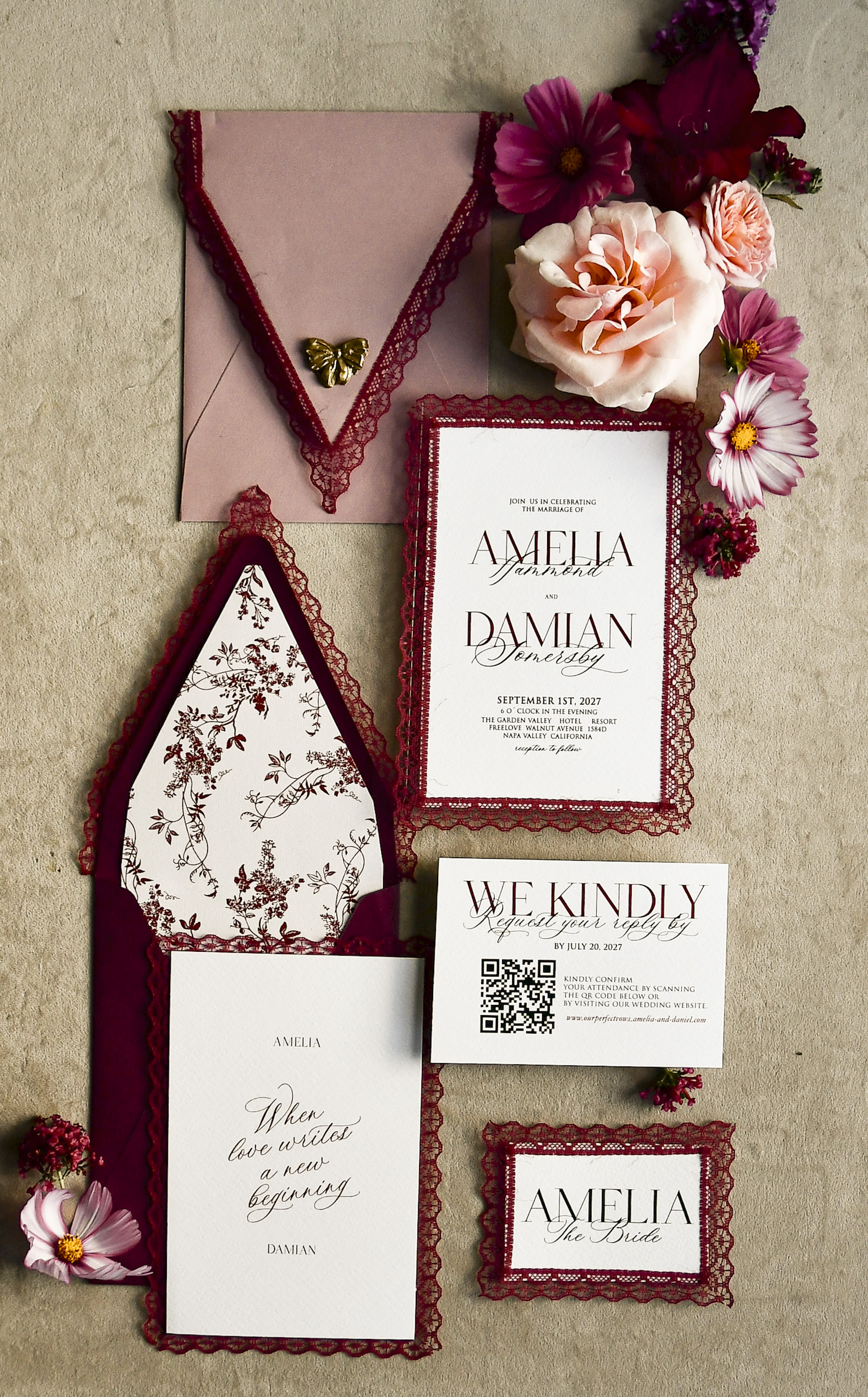
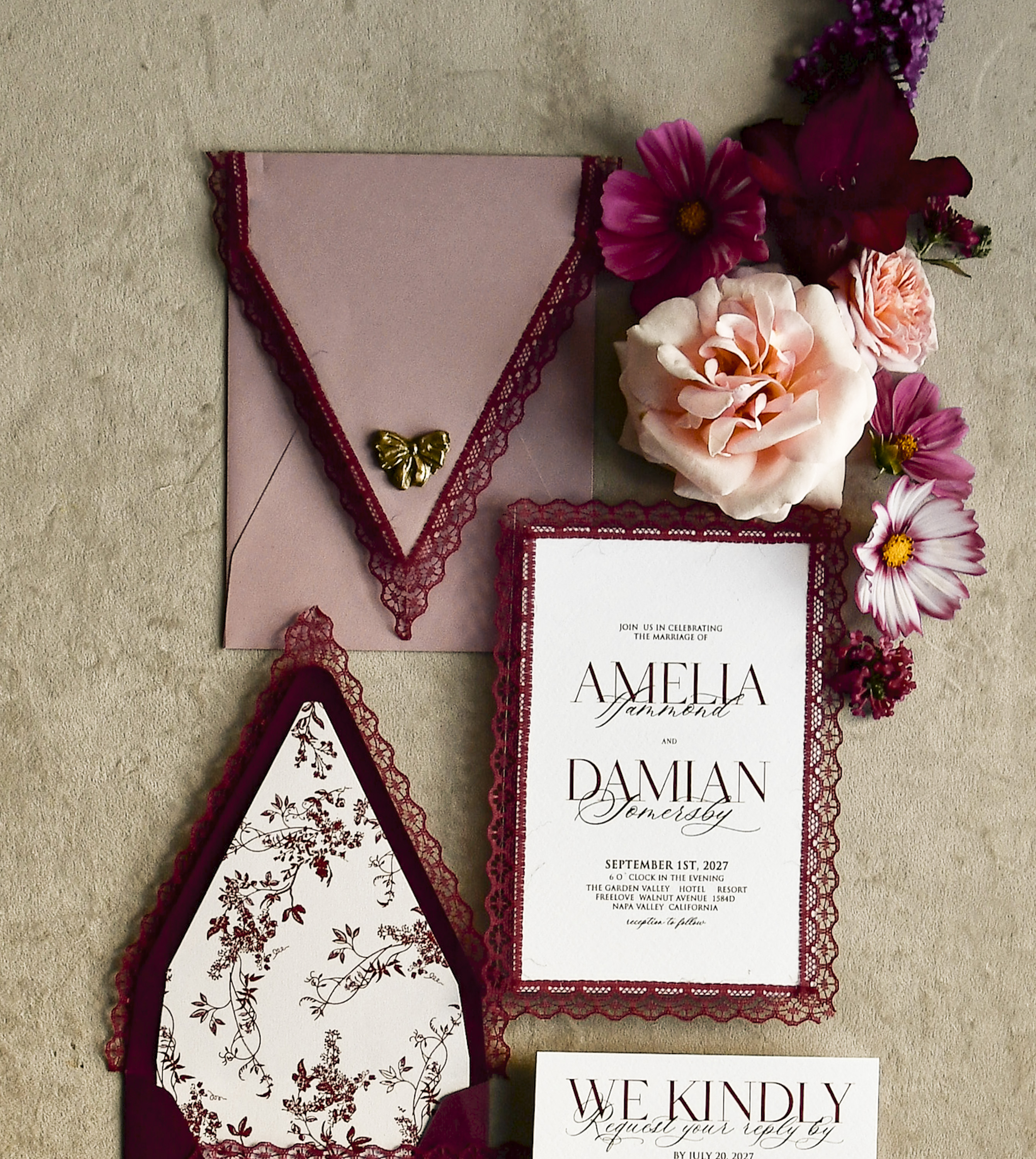
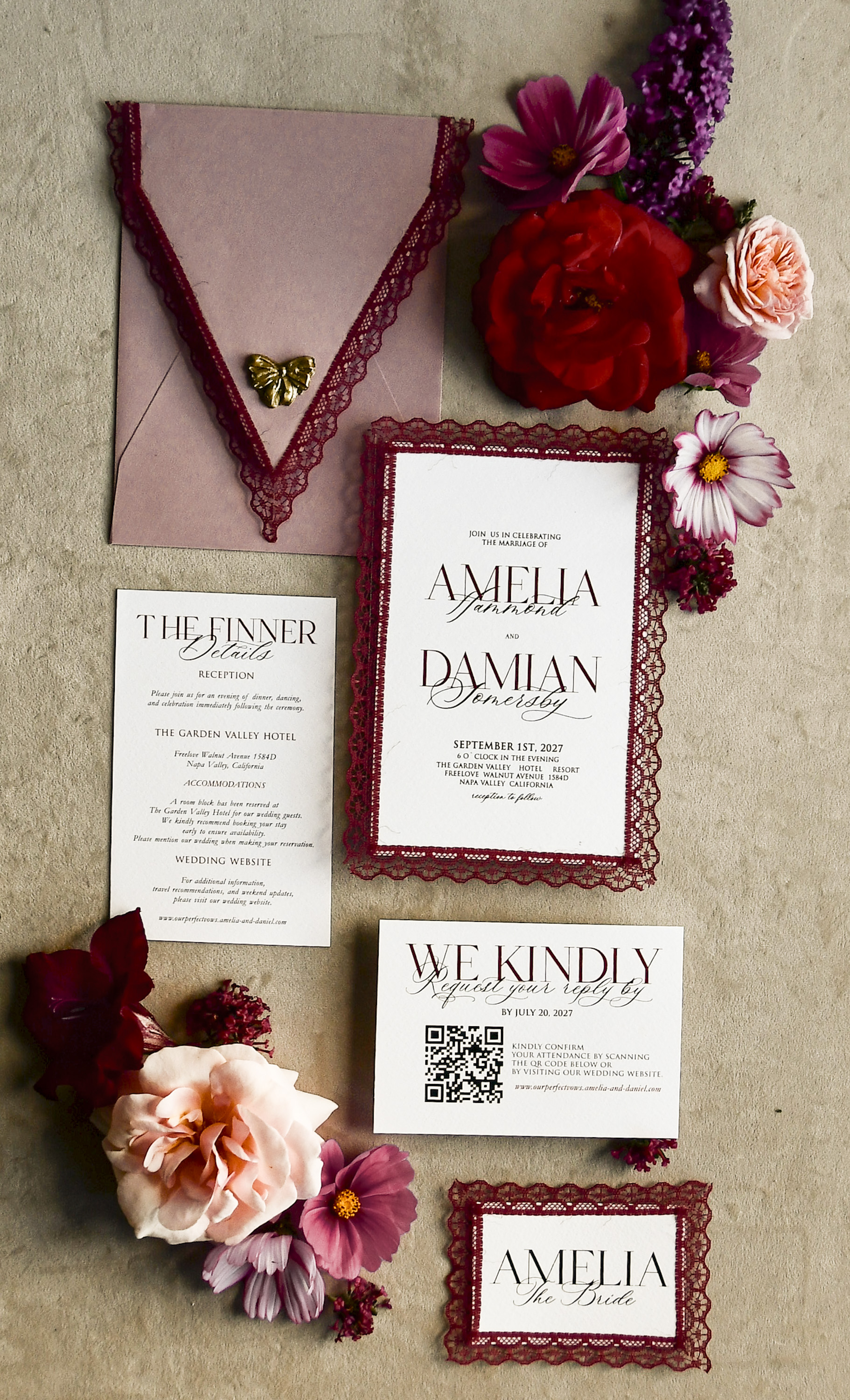
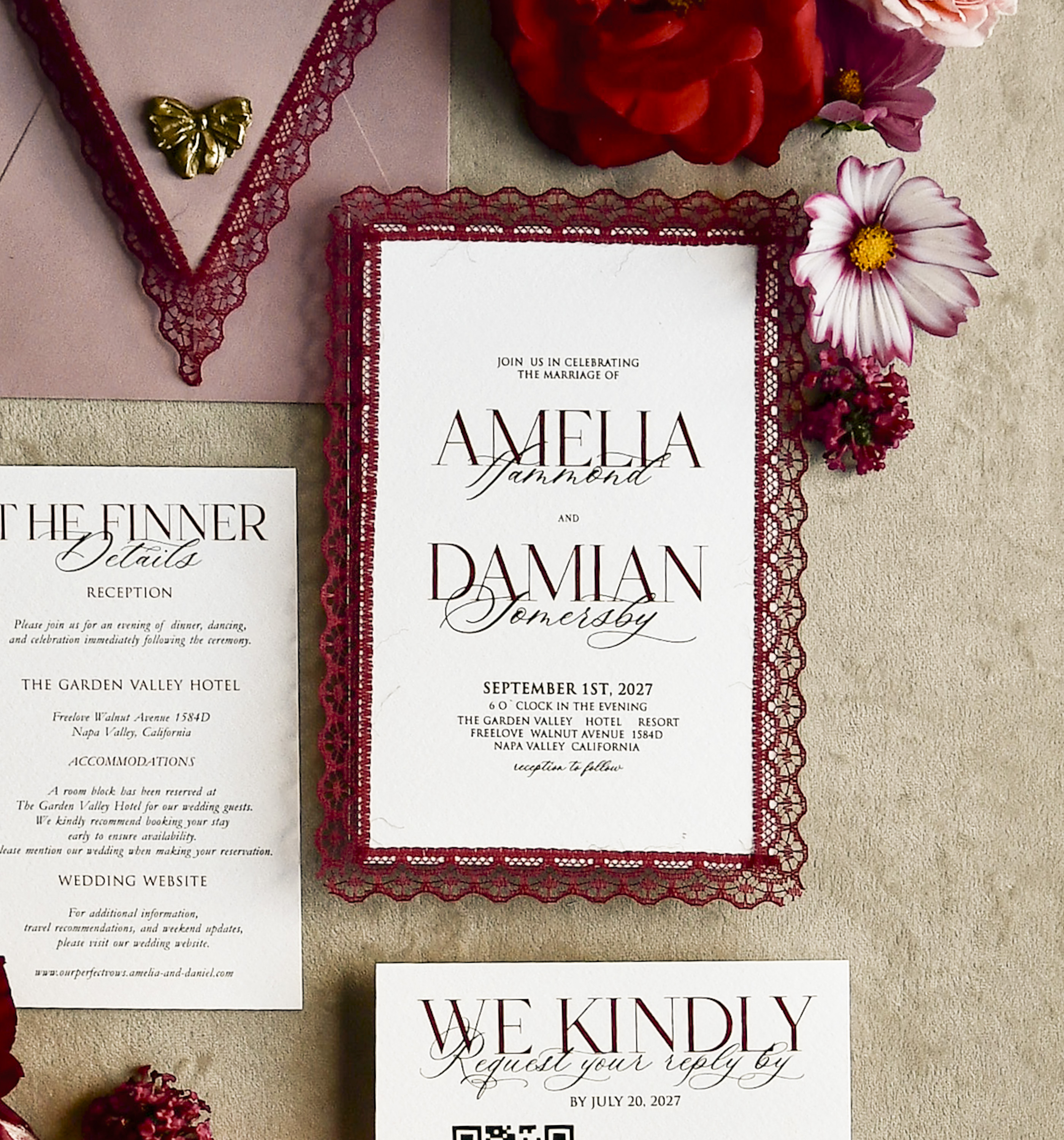
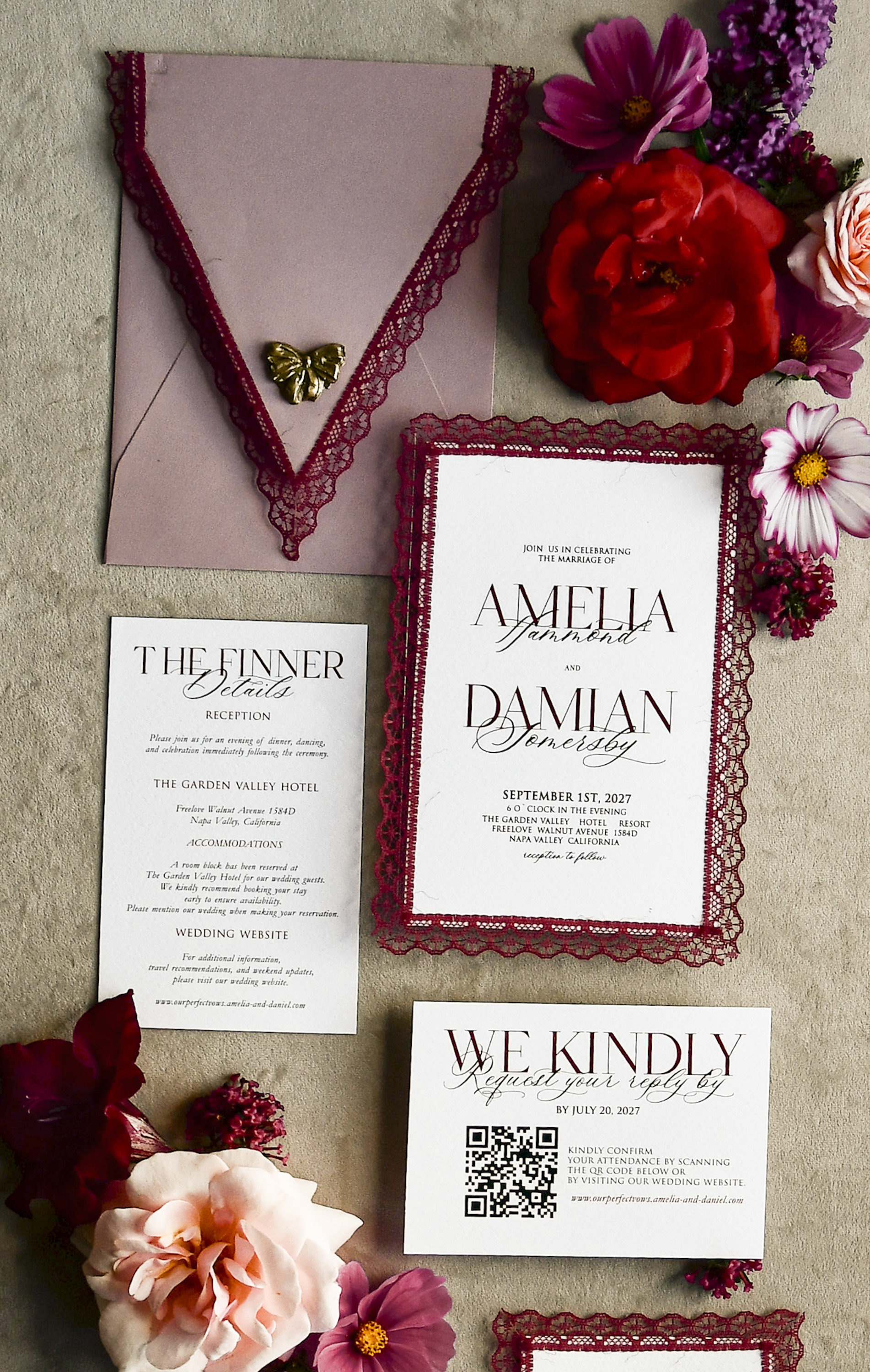
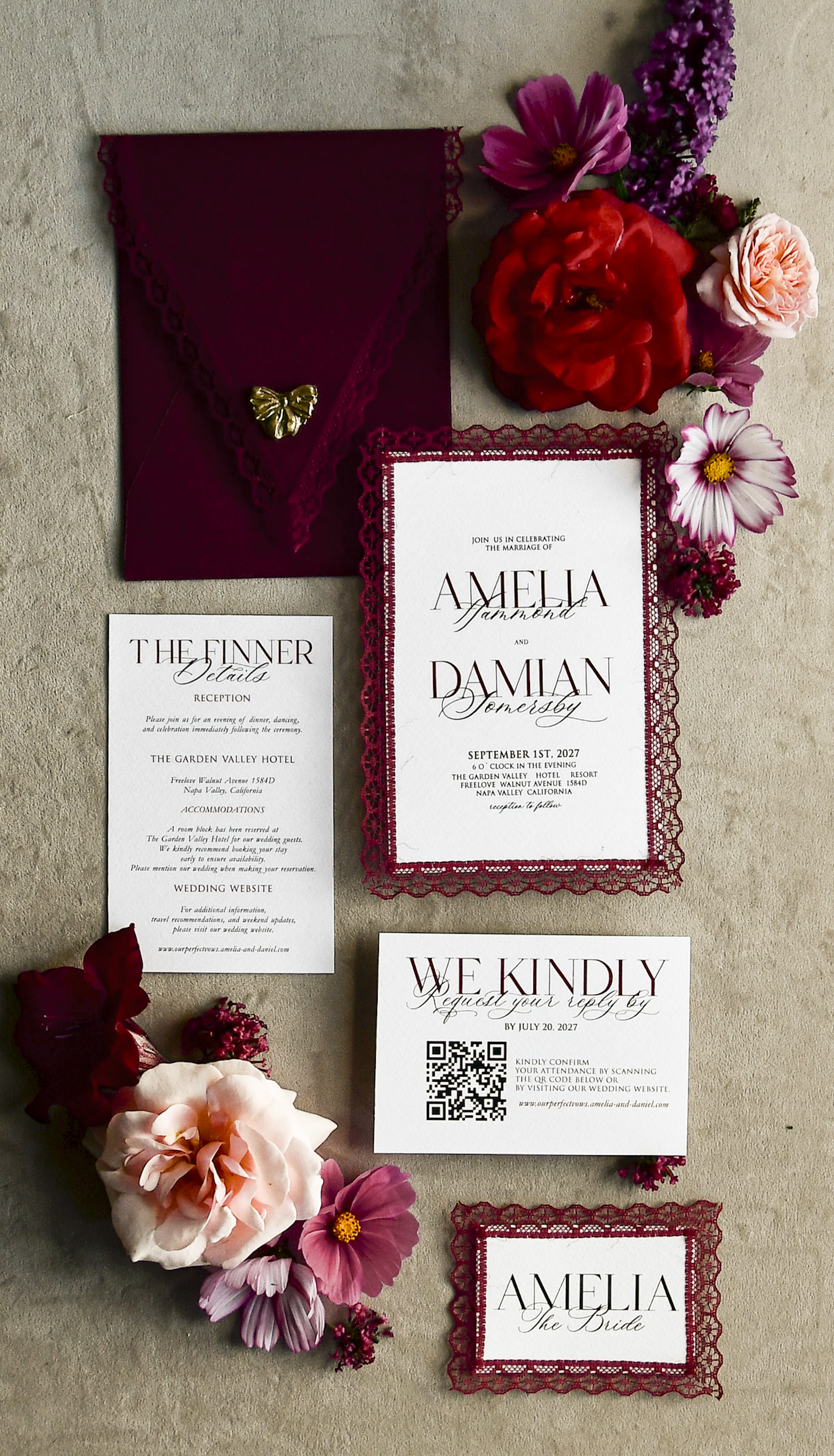
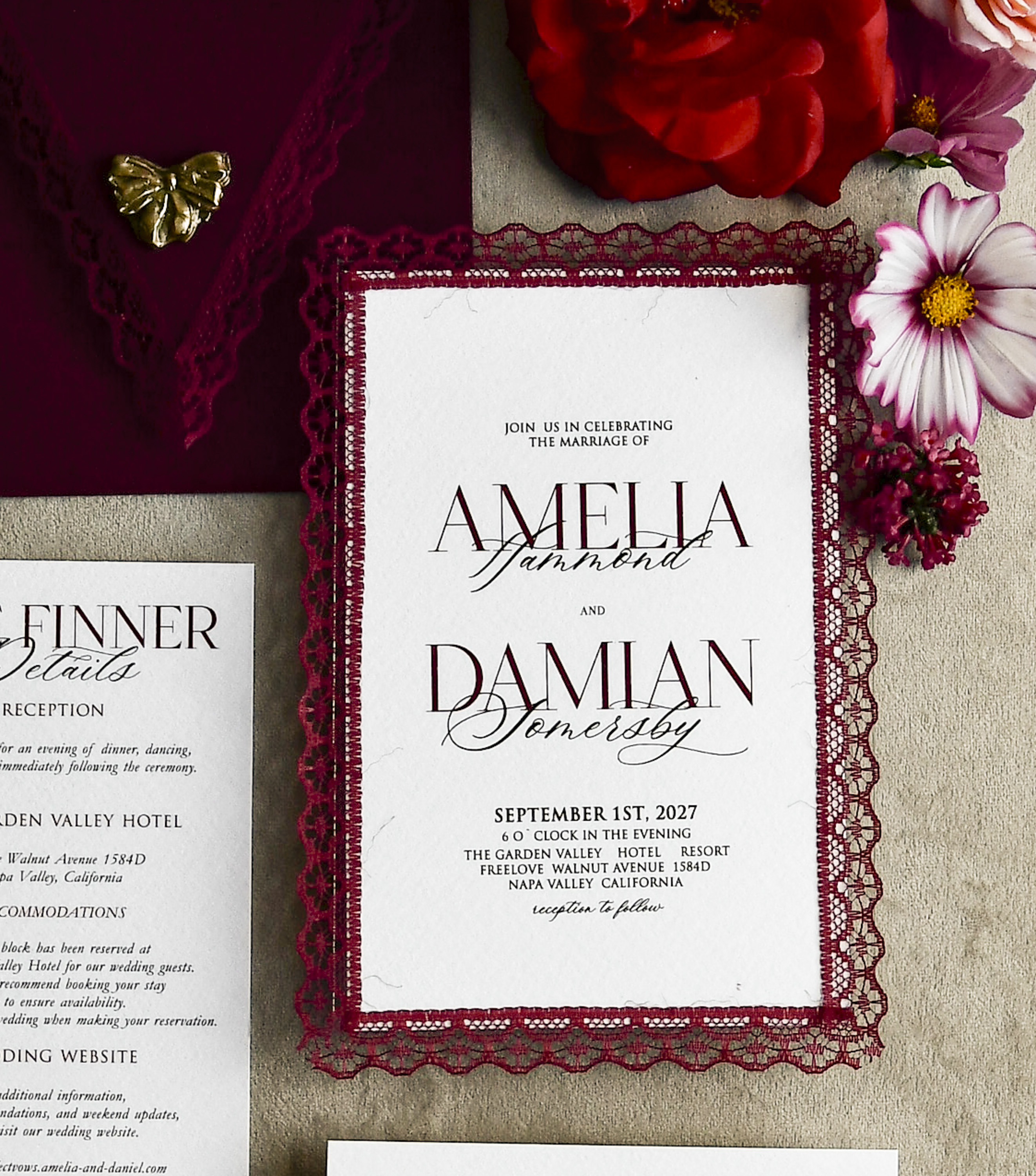
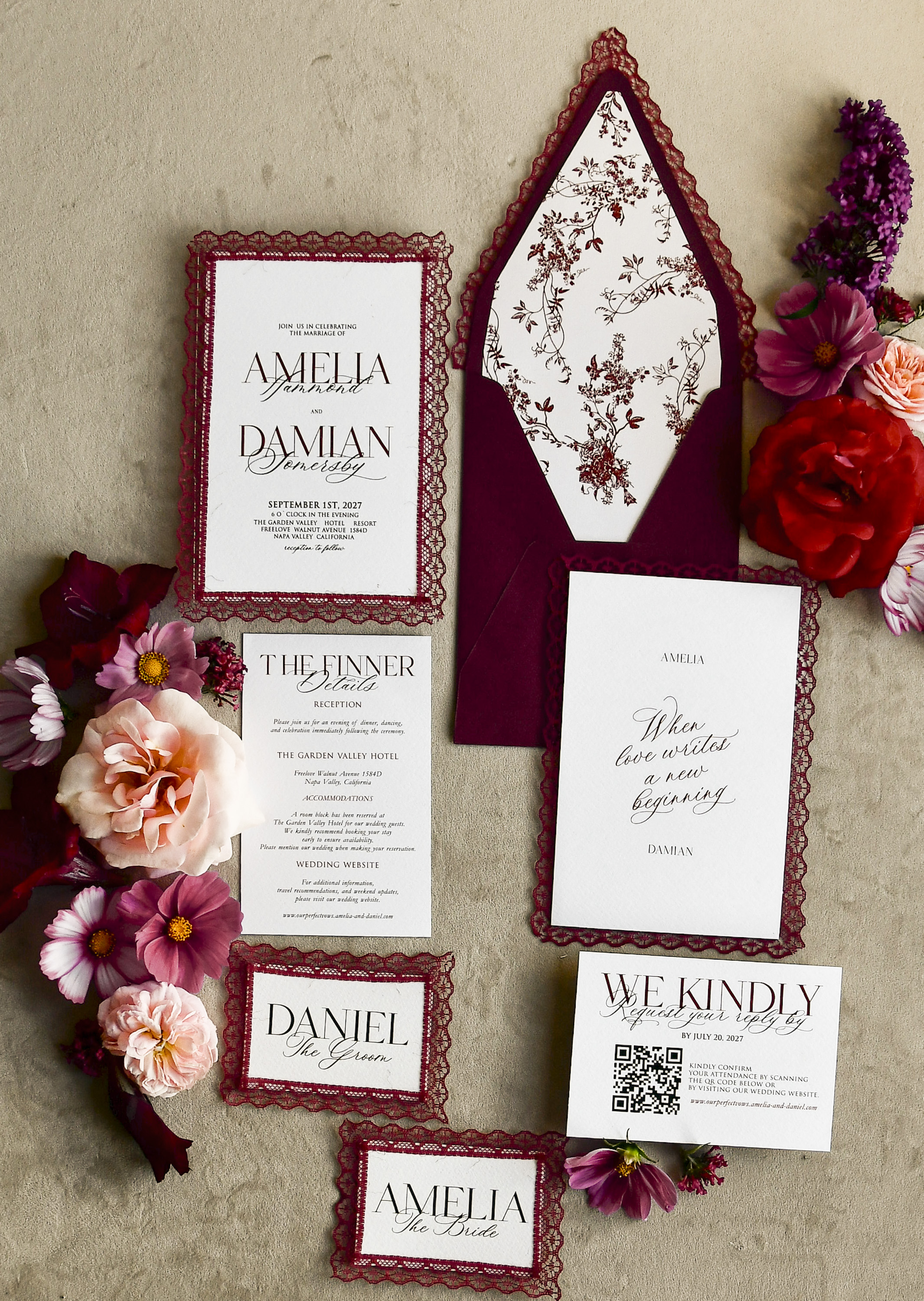
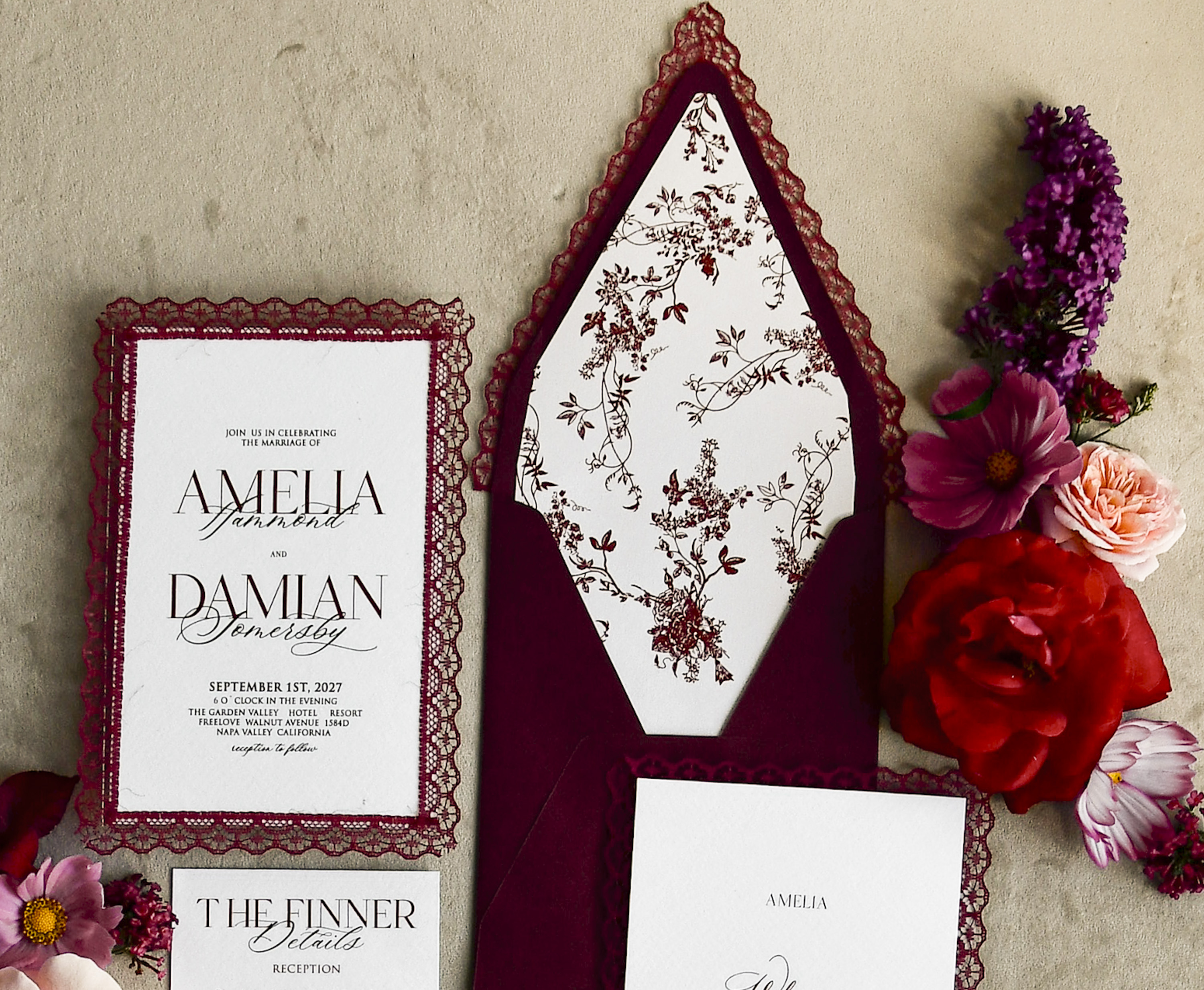
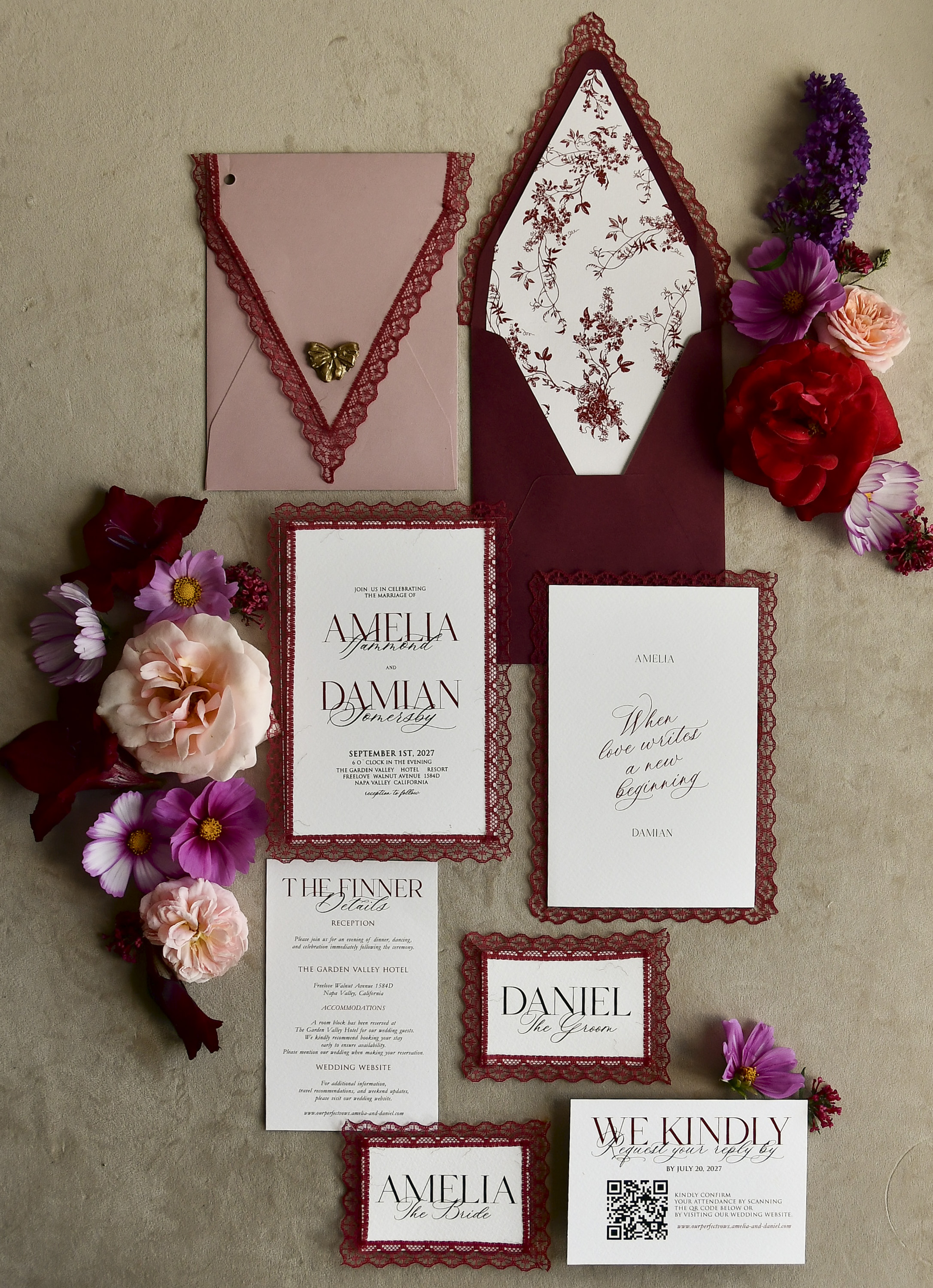
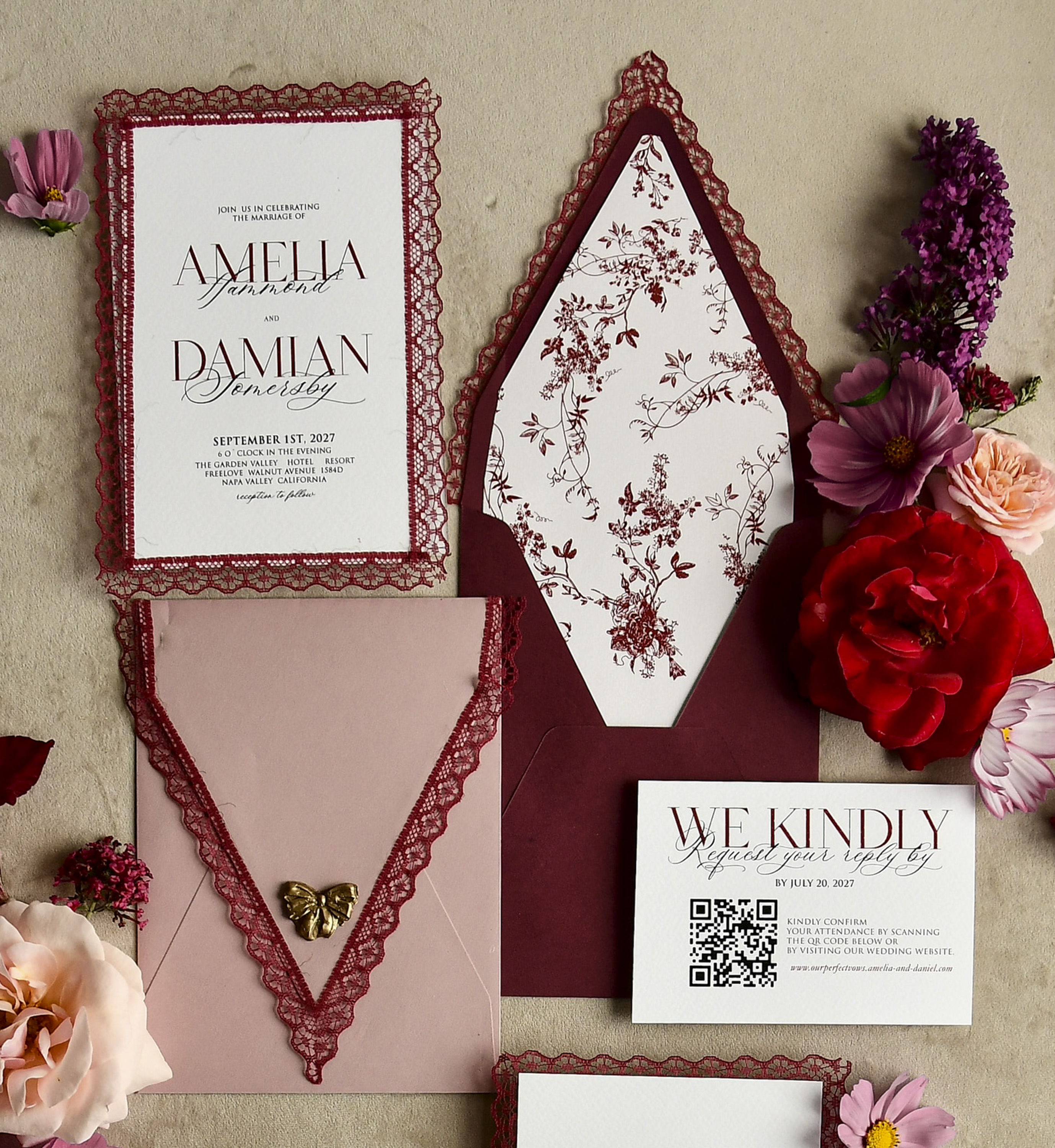
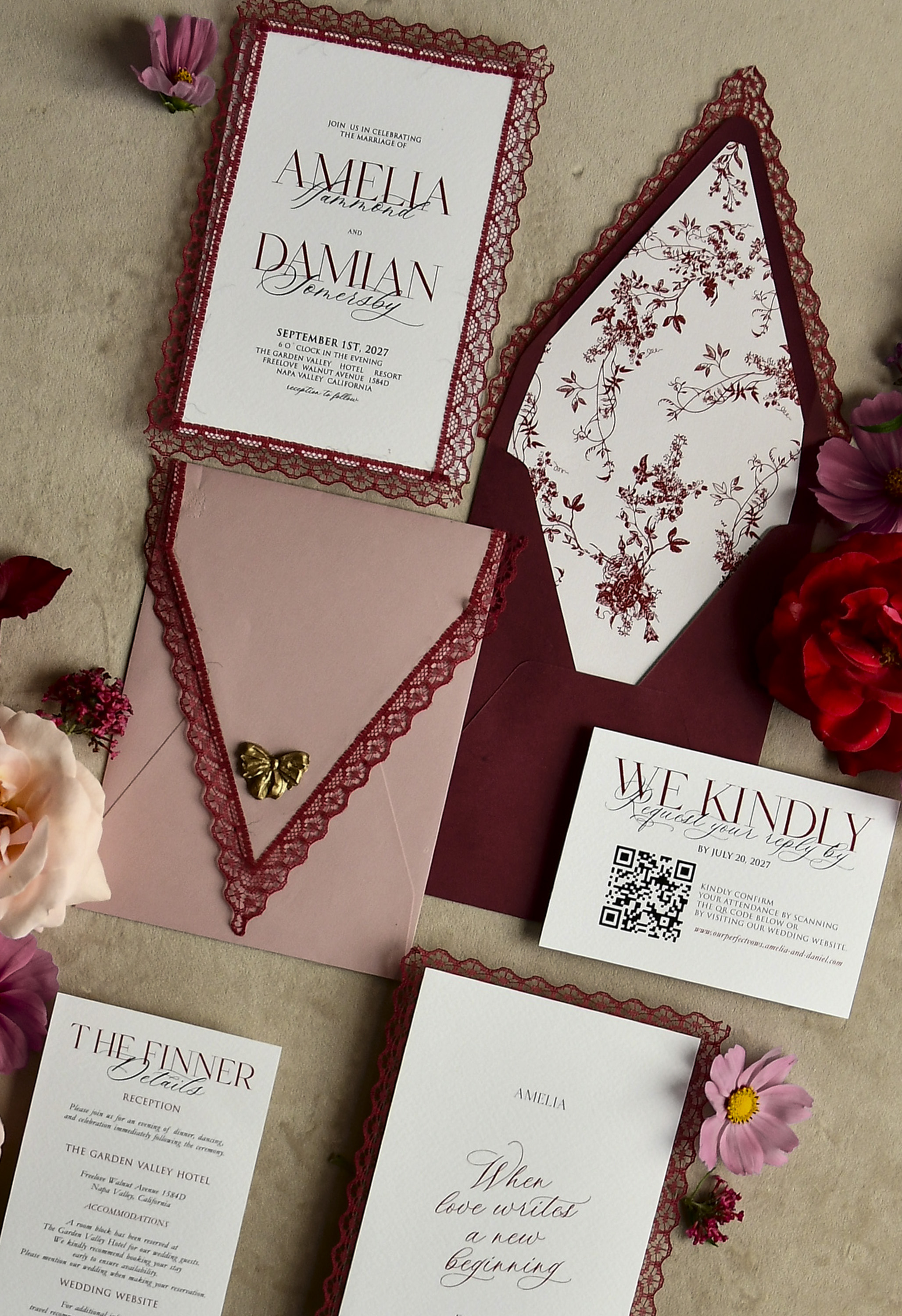
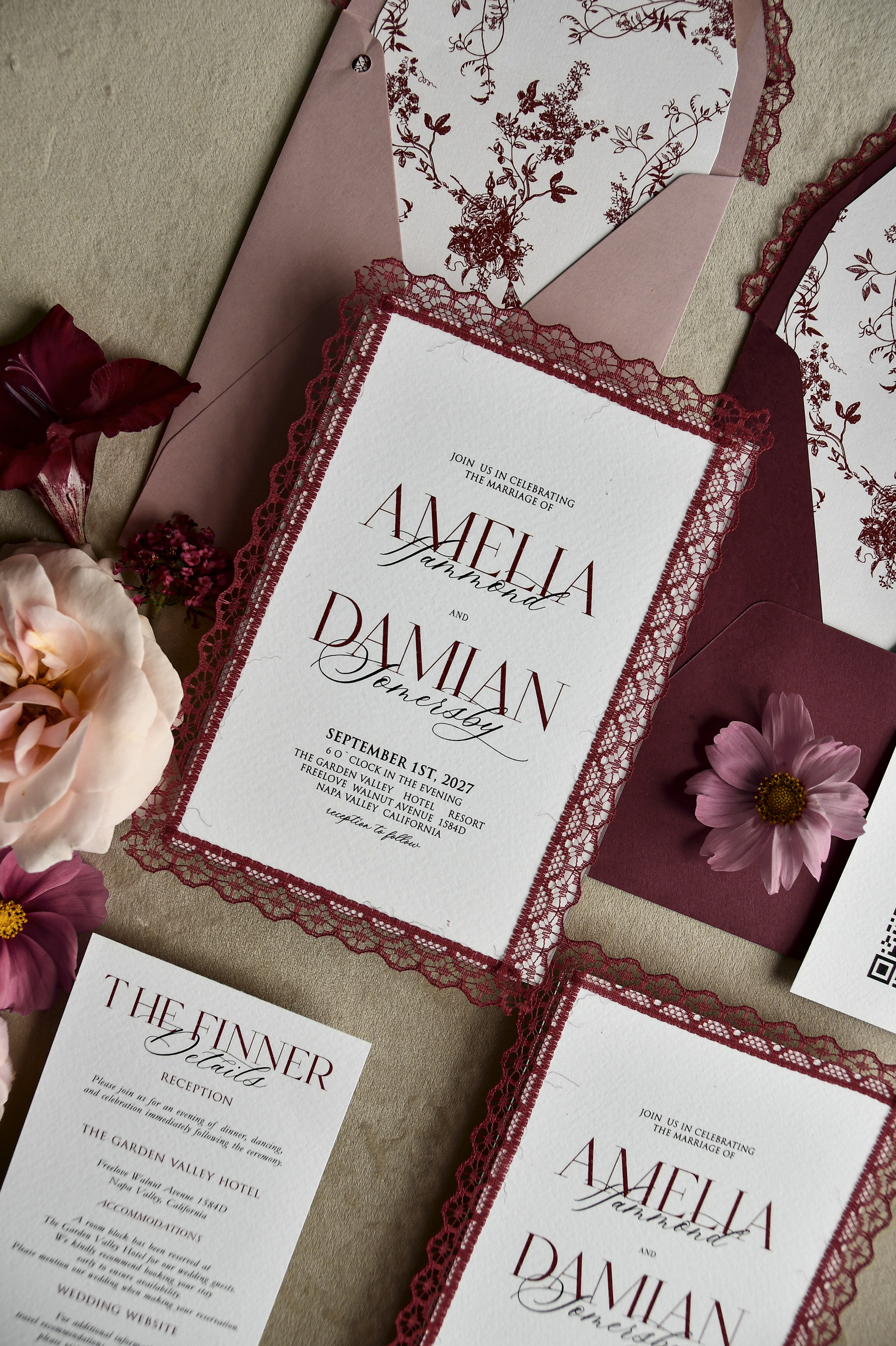
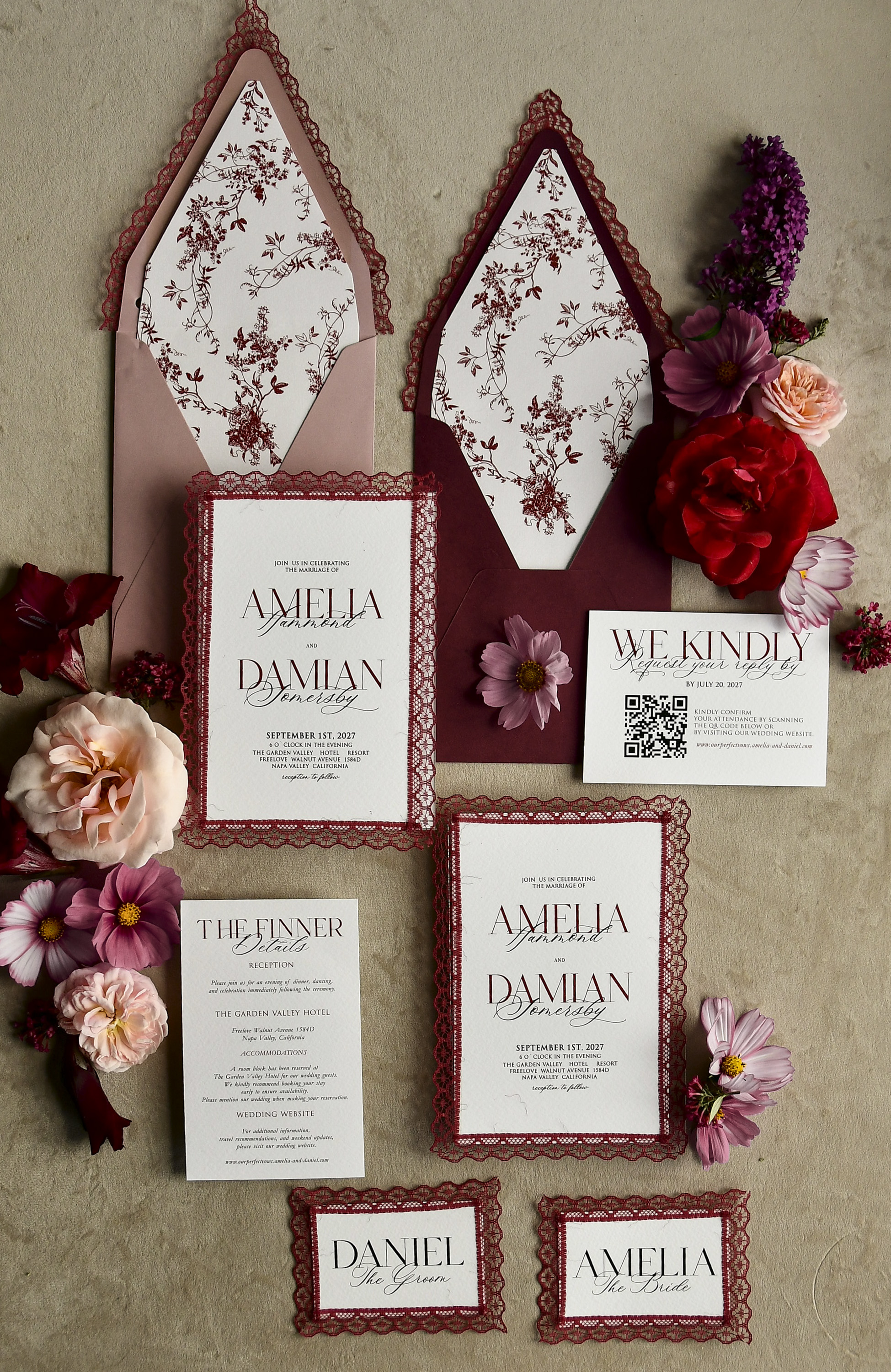
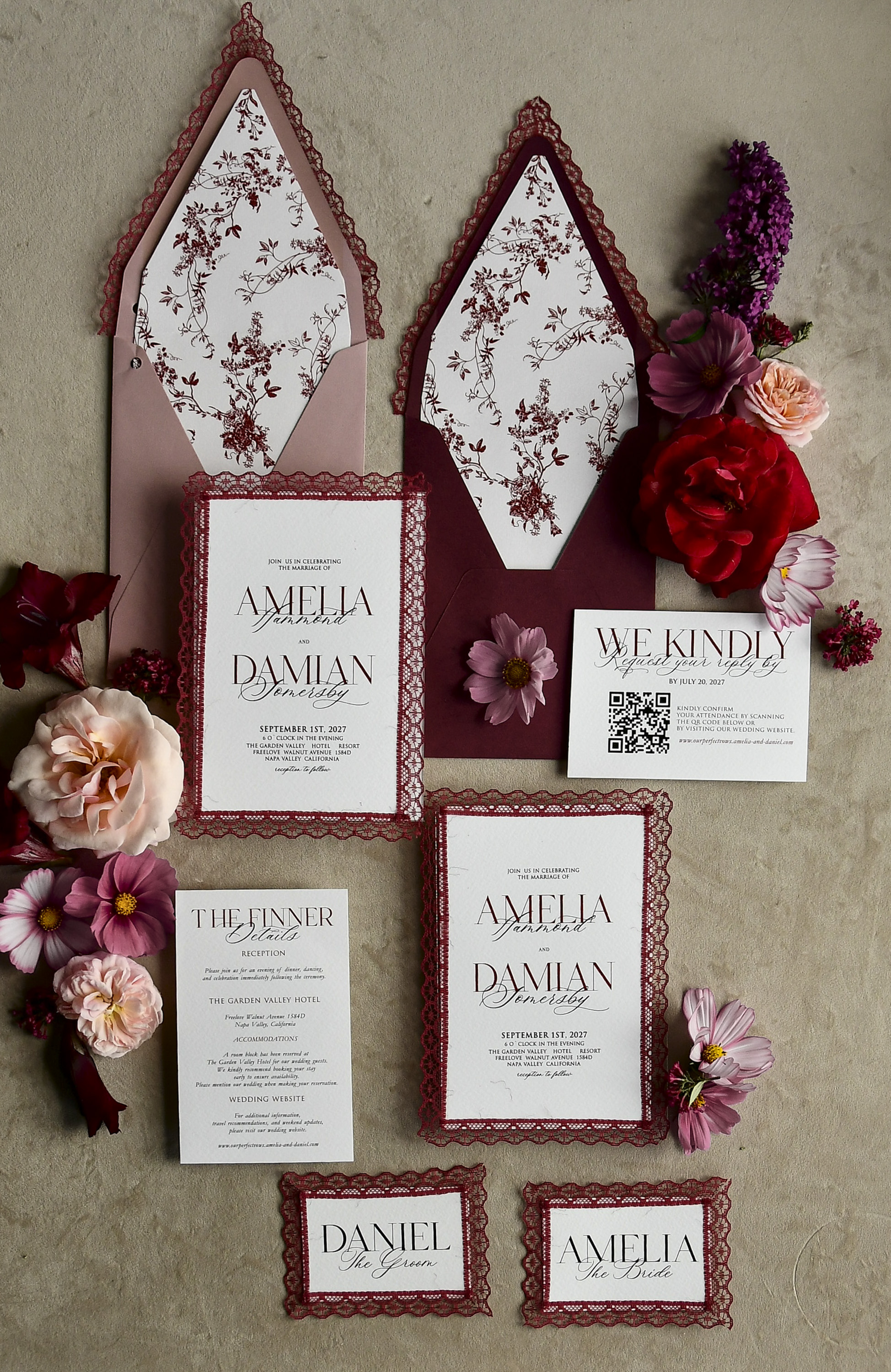
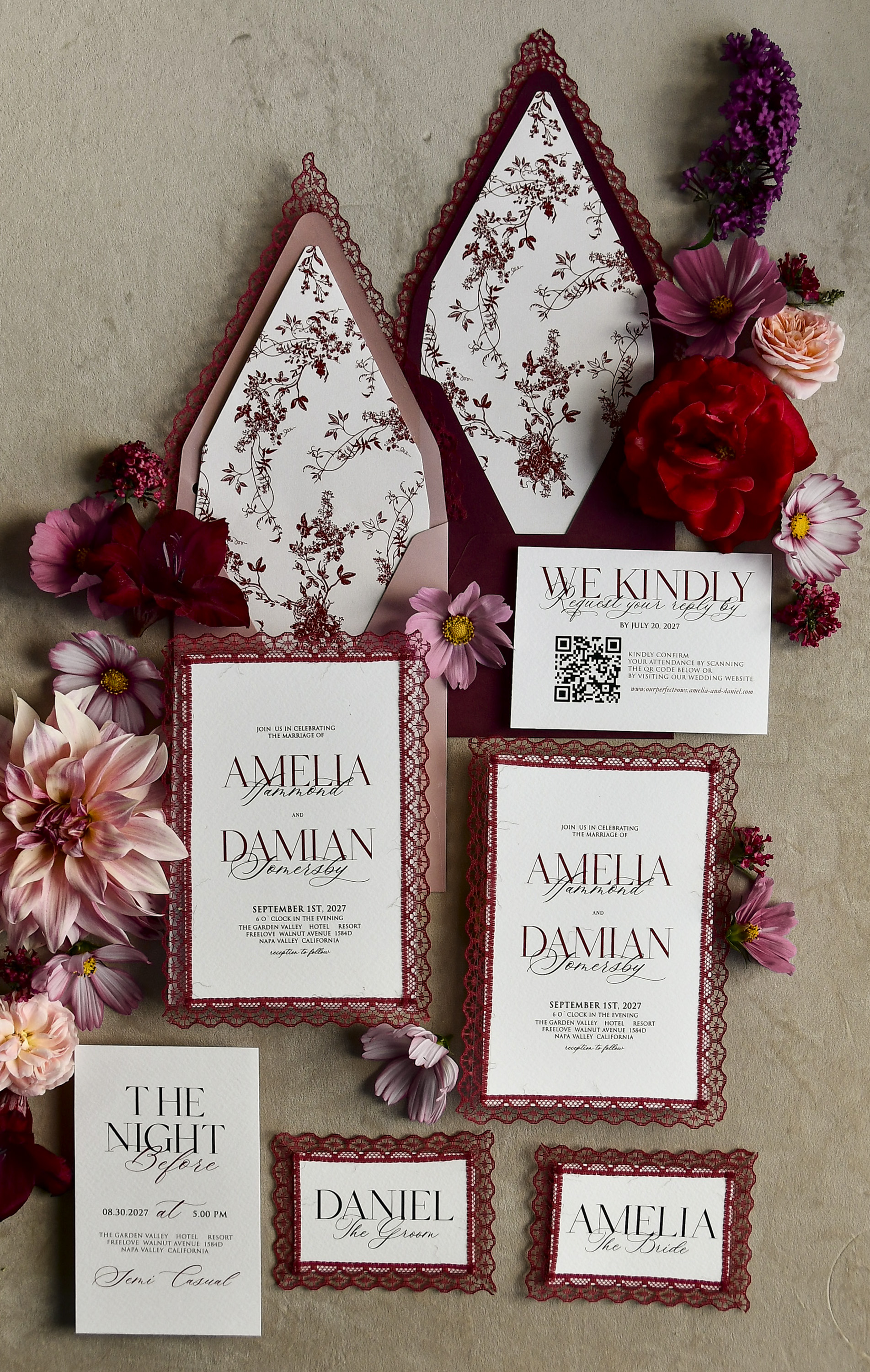
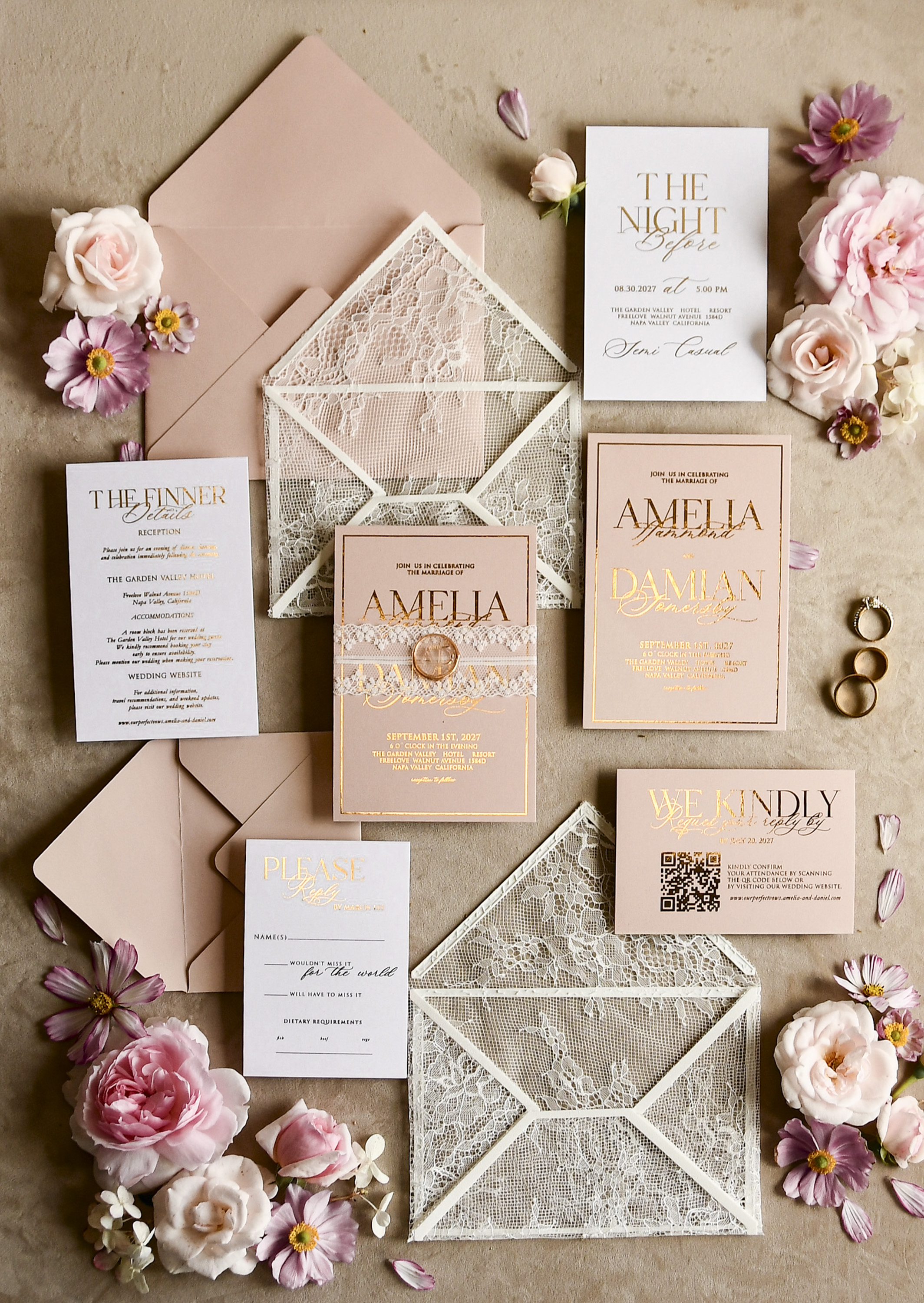
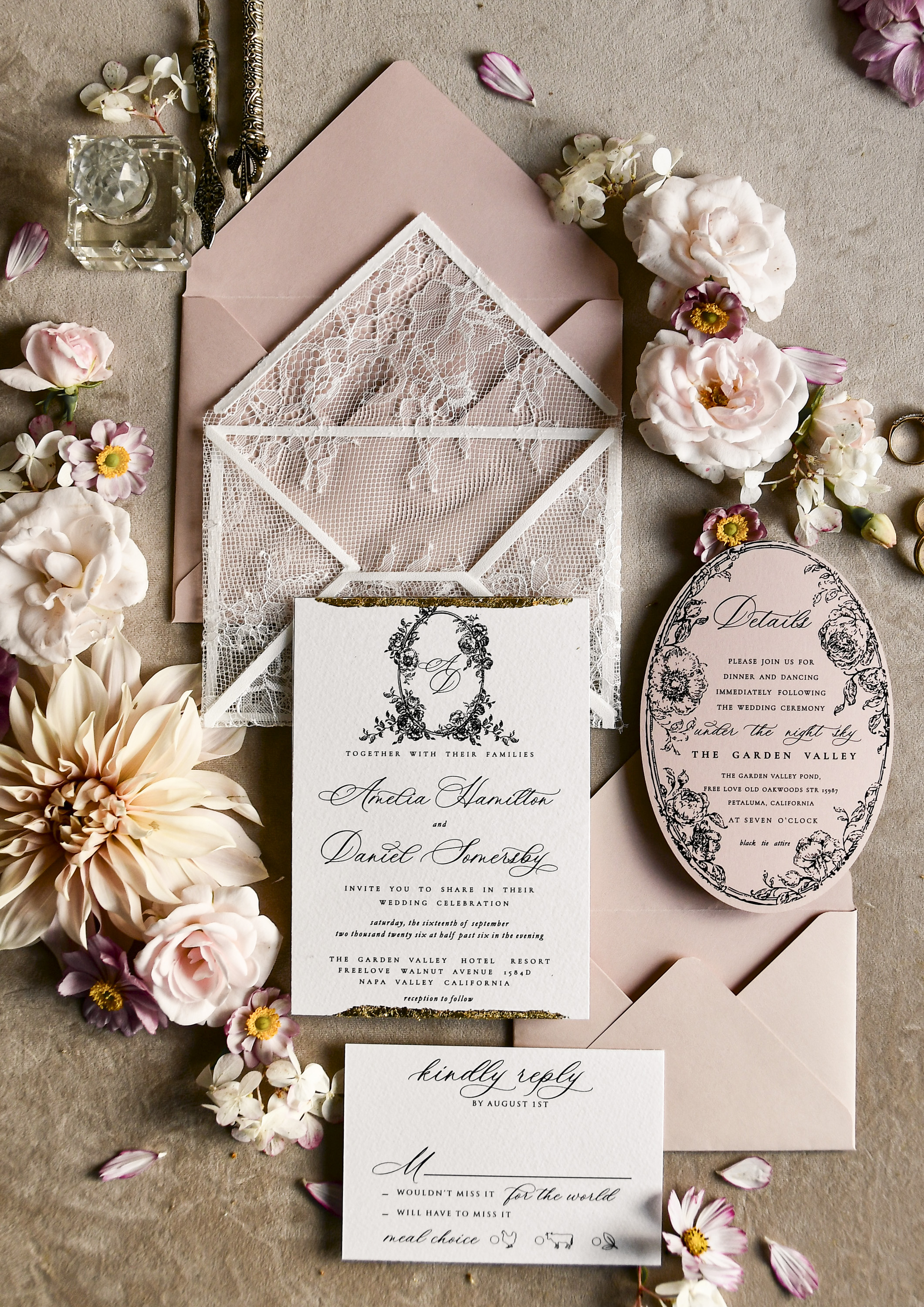
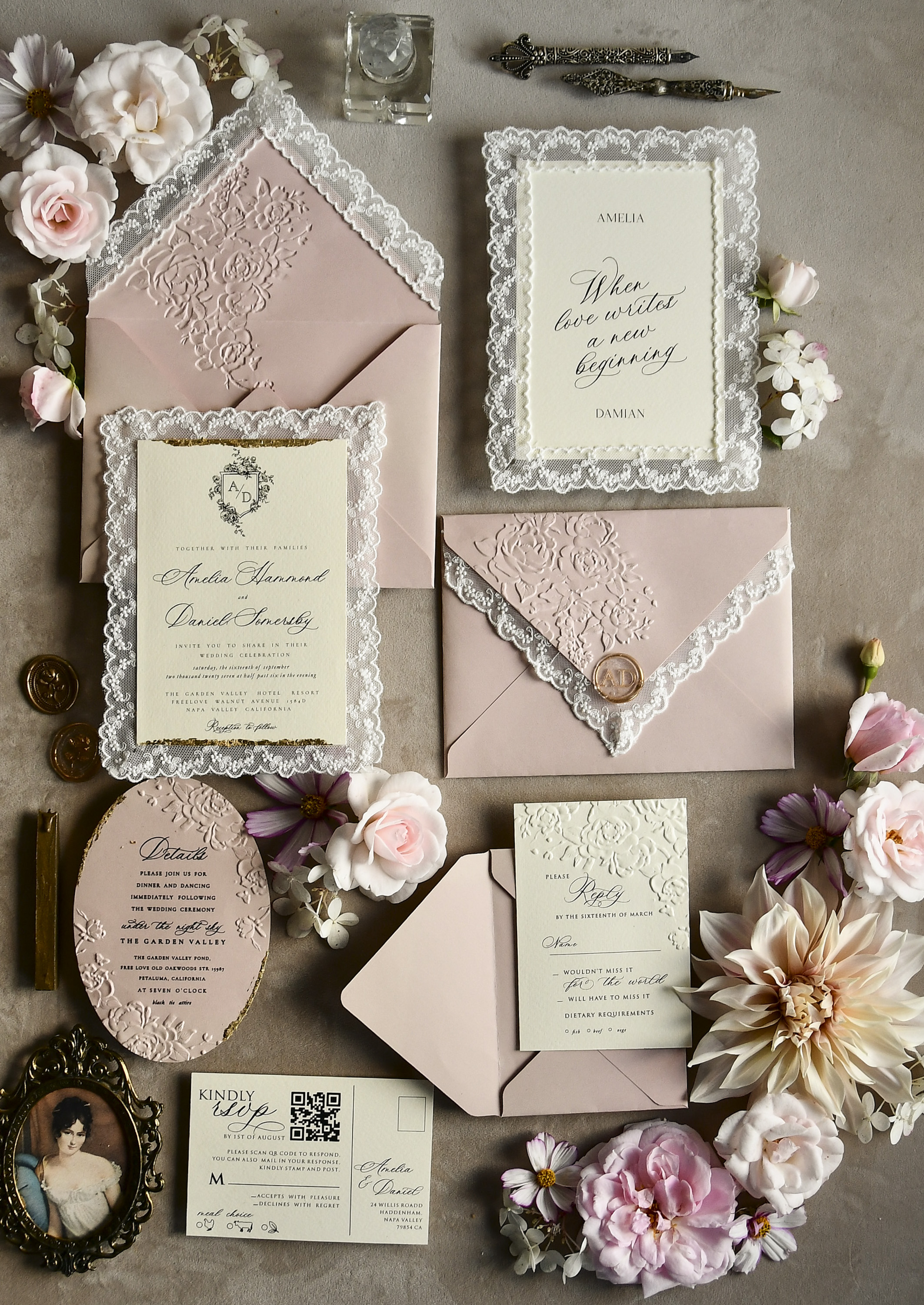
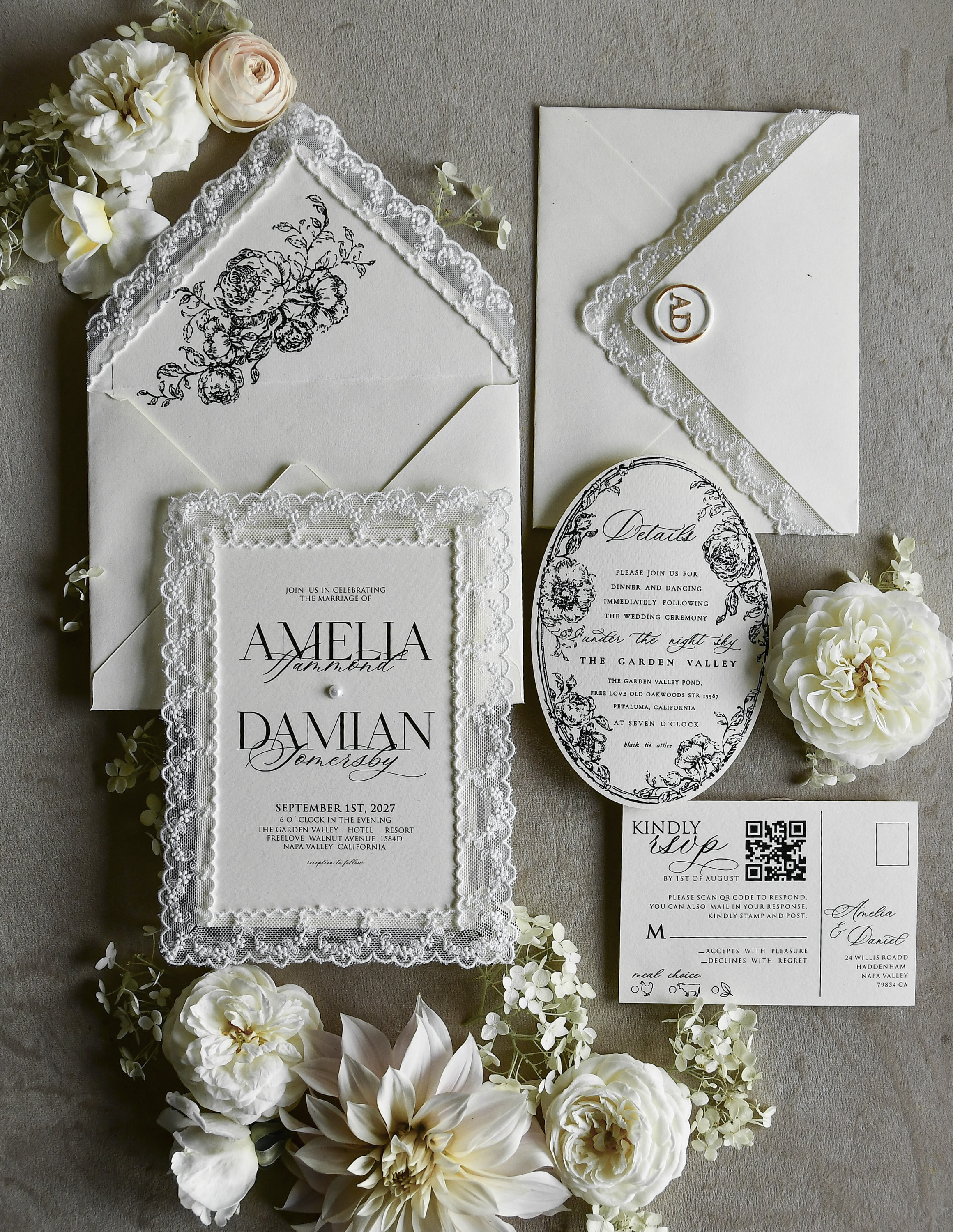
If you're using a beautifully crafted invitation suite — like the vintage-inspired 03/laceD/z from Margo&Bees — the formal, elegant aesthetic naturally sets a tone of intention and care, which helps guests understand that every detail, including the guest list, has been thoughtfully considered.
What to Say When a Guest Asks Anyway
Even with perfectly worded invitations, some guests will ask. Have a kind but firm script ready:
"We're keeping the wedding very intimate, so we weren't able to extend plus-ones to single guests — we hope you understand! We'd love to have you there and know you'll have a wonderful time."
You don't owe a lengthy explanation. A warm, consistent response delivered with confidence usually ends the conversation gracefully. If a guest says they won't attend without a plus-one, that's their choice — and it tells you something important about their expectations.
For close friends or family members who you know will genuinely struggle attending solo, it's okay to make an individual exception — just keep it quiet and don't advertise it to others.
Think About the Guest Experience Too
Pure logistics aside, consider your guests' comfort. If you're hosting a large wedding where single guests will be surrounded by couples they don't know, an evening of dancing and toasts can feel lonely. A few ways to help without extending plus-ones:
- Seat single guests together at a lively, fun table with people they'll click with.
- Make intentional introductions during cocktail hour.
- Keep the energy high with great music and programming so no one feels like a wallflower.
Thoughtful seating and hosting go a long way. A single guest who feels welcomed and included is far more likely to have a great time than one who brought a stranger as a buffer. The 03/laceD/z invitation suite pairs beautifully with detailed enclosure cards where you can share the evening's schedule — helping all guests, coupled or solo, feel oriented and excited from the moment they open the envelope.
Frequently Asked Questions
No — it's a normal and widely accepted practice, especially when budget or venue capacity is a factor. As long as you apply the rule consistently and communicate it clearly through your invitation, most guests will understand and respect your decision.
Many couples extend plus-ones specifically to wedding party members as a thank-you for their larger role. This is a well-recognized exception that's easy to explain and generally accepted without issue by other guests.
Address the outer envelope to that person's name only — for example, "Ms. Sarah Chen" rather than "Ms. Sarah Chen and Guest." On the RSVP card, pre-fill the number of seats reserved so there's no confusion about who is invited.
Call or message them directly and kindly clarify: let them know you weren't able to extend plus-ones and that their seat is reserved for them alone. Keep your tone warm but be clear — don't let it slide and then scramble on the day.
Some couples do make exceptions for guests traveling a significant distance, since attending solo from far away can feel more isolating. If you go this route, be discreet about it and apply it consistently to all long-distance guests, not just some.
Be honest and straightforward — let them know you're keeping the guest list tight and aren't able to offer plus-ones to single guests. It's better to set expectations early than to let someone assume they'll be bringing a date.
See This Design Up Close
You May Also Like
More Wedding Planning Guides
- → How to Handle a Guest List Ultimatum Without Losing Your Mind (or Your Wedding)
- → Your Fiancé Doesn't Want Your Family at the Wedding — Here's How to Navigate It
- → Wedding Invitation Addressing: Who Gets What Line and Why
- → Should You Invite Someone Just Because Mom Asked? Here's How to Decide
- → Should You Mail or Hand-Deliver Your Wedding Invitations? A Couple's Guide
- → Handling the 'Why Wasn't I Invited to Your Wedding?' Question
- → Save the Dates vs. Wedding Invitations: A Clear Guide to What Goes Out When and Why
- → Uninvited Plus-Ones and Tag-Alongs: How to Keep Your Guest List Intact
- → When Family Feuds Threaten Your Wedding Plans: A Practical Peacekeeper's Guide
- → Inviting an Estranged Brother or Sister: Finding Clarity Before You Seal the Envelope
- → Cousins, Invites, and Hard Choices: A Practical Guest List Guide