
Save the Dates vs. Wedding Invitations: A Clear Guide to What Goes Out When and Why

If you're newly engaged and starting to think about stationery, you've probably heard both terms thrown around: save the date and wedding invitation. They're both mailed to guests, they both involve your wedding — so what's actually the difference? Quite a lot, it turns out. Each piece has a distinct job, a specific send window, and its own set of etiquette rules. Here's everything you need to know to get it right.
What a Save the Date Actually Is
A save the date is a heads-up, not a formal invitation. Its sole purpose is to alert guests that your wedding is happening on a specific date so they can block their calendars early — especially important if you're planning a destination wedding, a holiday weekend event, or expecting guests to travel from out of town.
Save the dates are intentionally light on detail. A typical card includes:
- Your names
- The wedding date
- The city and state (full venue address isn't required yet)
- A note that a formal invitation will follow
That's it. No RSVP card, no meal choices, no ceremony program. Think of it as a friendly announcement, not a logistical document. Because it's low-stakes and often more casual in design, many couples use save the dates to show off their personality before the formal stationery arrives.
What a Wedding Invitation Is (and What It Must Include)
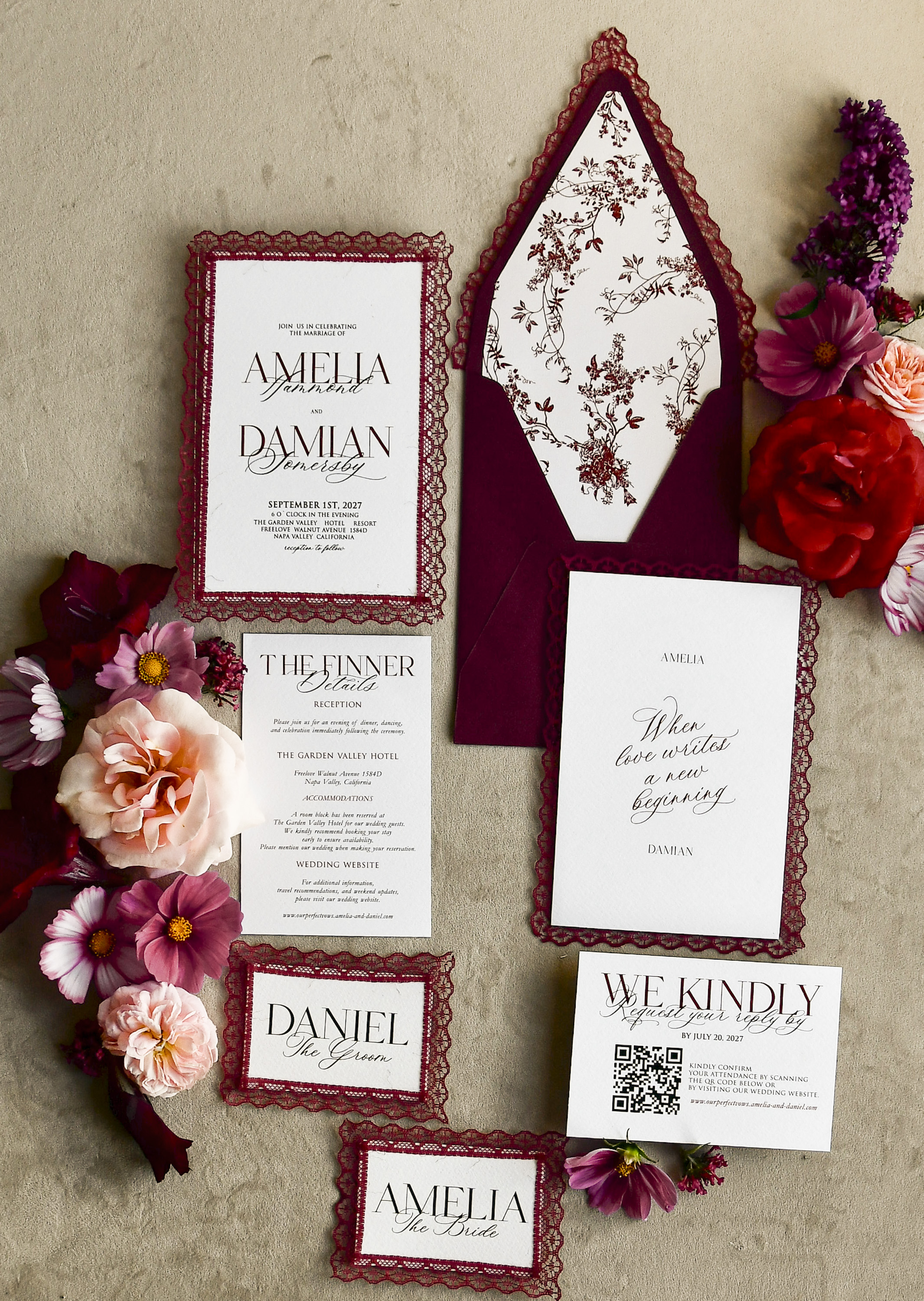
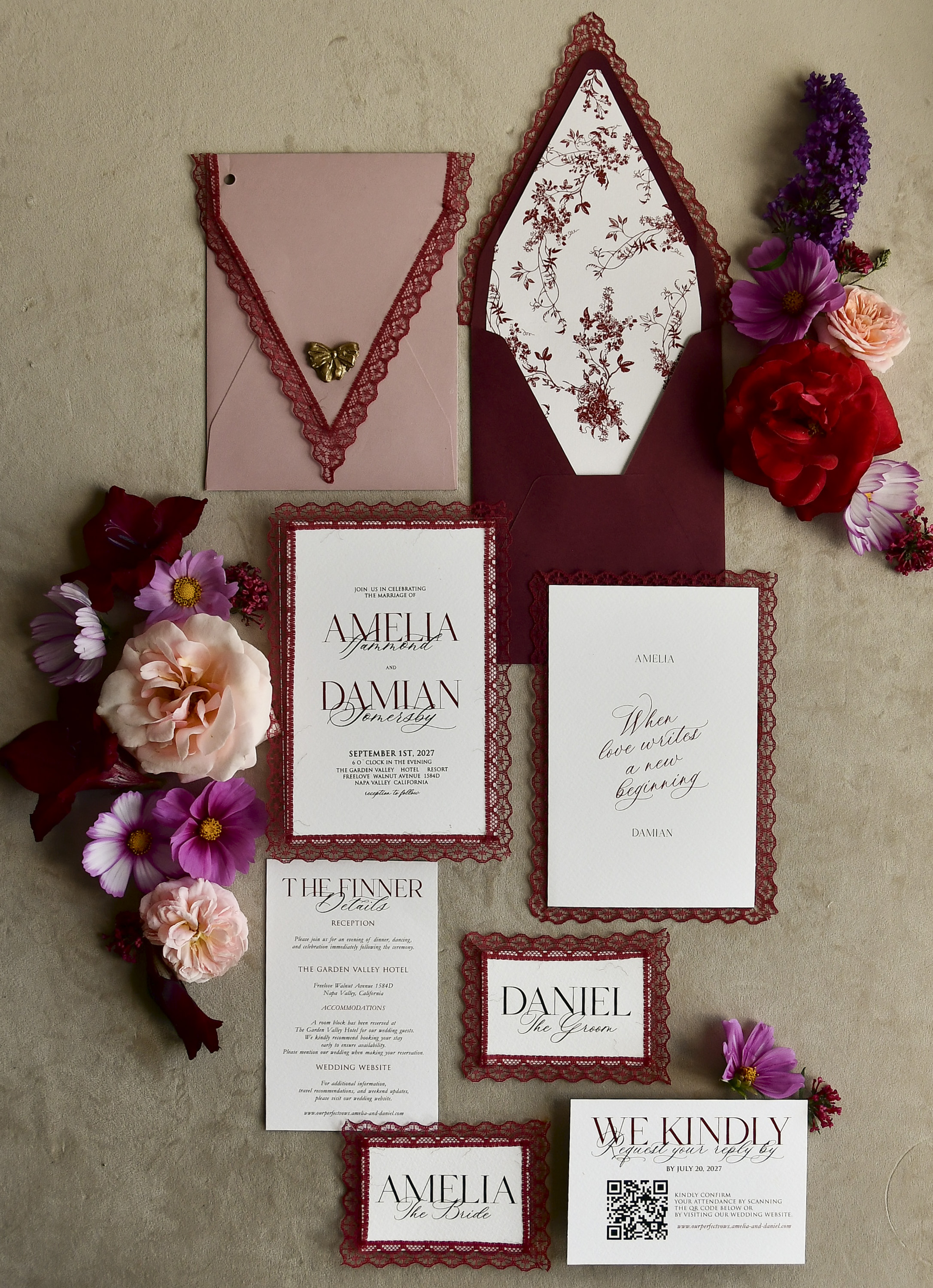
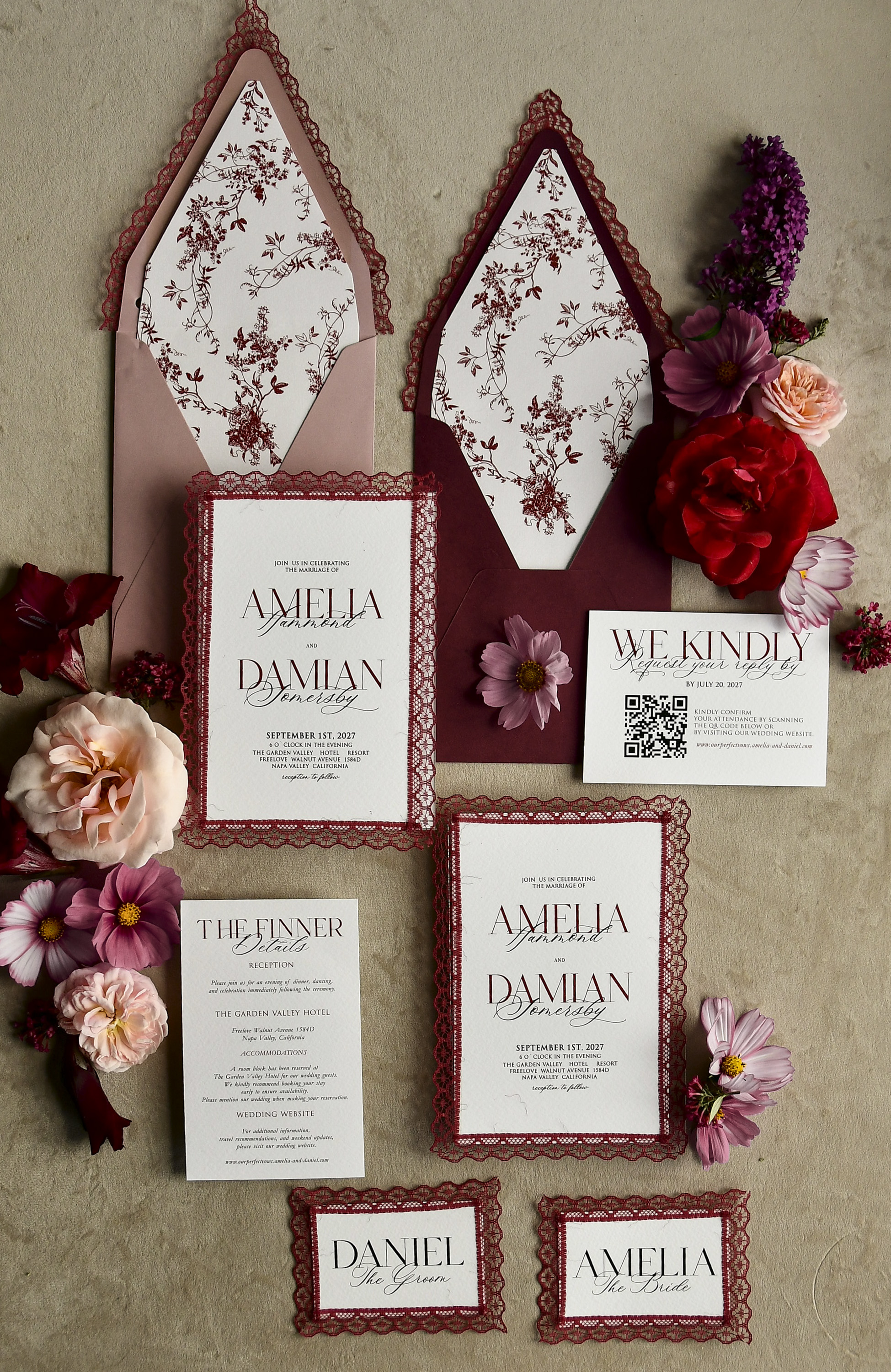
A wedding invitation is the official, formal request for your guests to attend your wedding. It carries all the logistical information someone needs to actually show up and celebrate with you. A complete wedding invitation suite typically includes:
- The invitation itself — names, date, time, full venue name and address, dress code if applicable
- RSVP card and envelope — with a response deadline, usually 3–4 weeks before the wedding
- Details card — hotel room blocks, shuttle info, reception venue if different from the ceremony
- Outer and inner envelopes — properly addressed to every invited guest by name
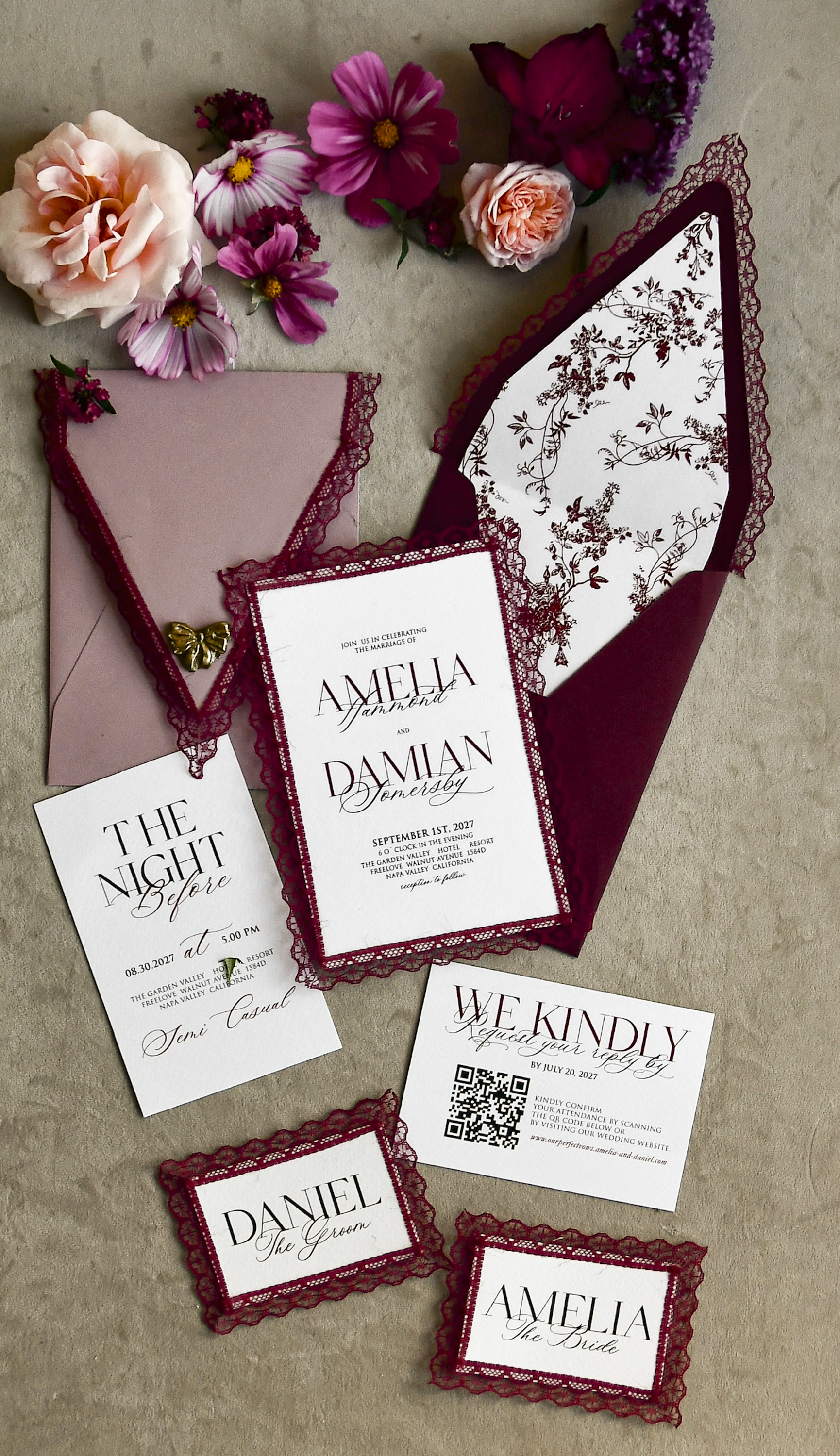
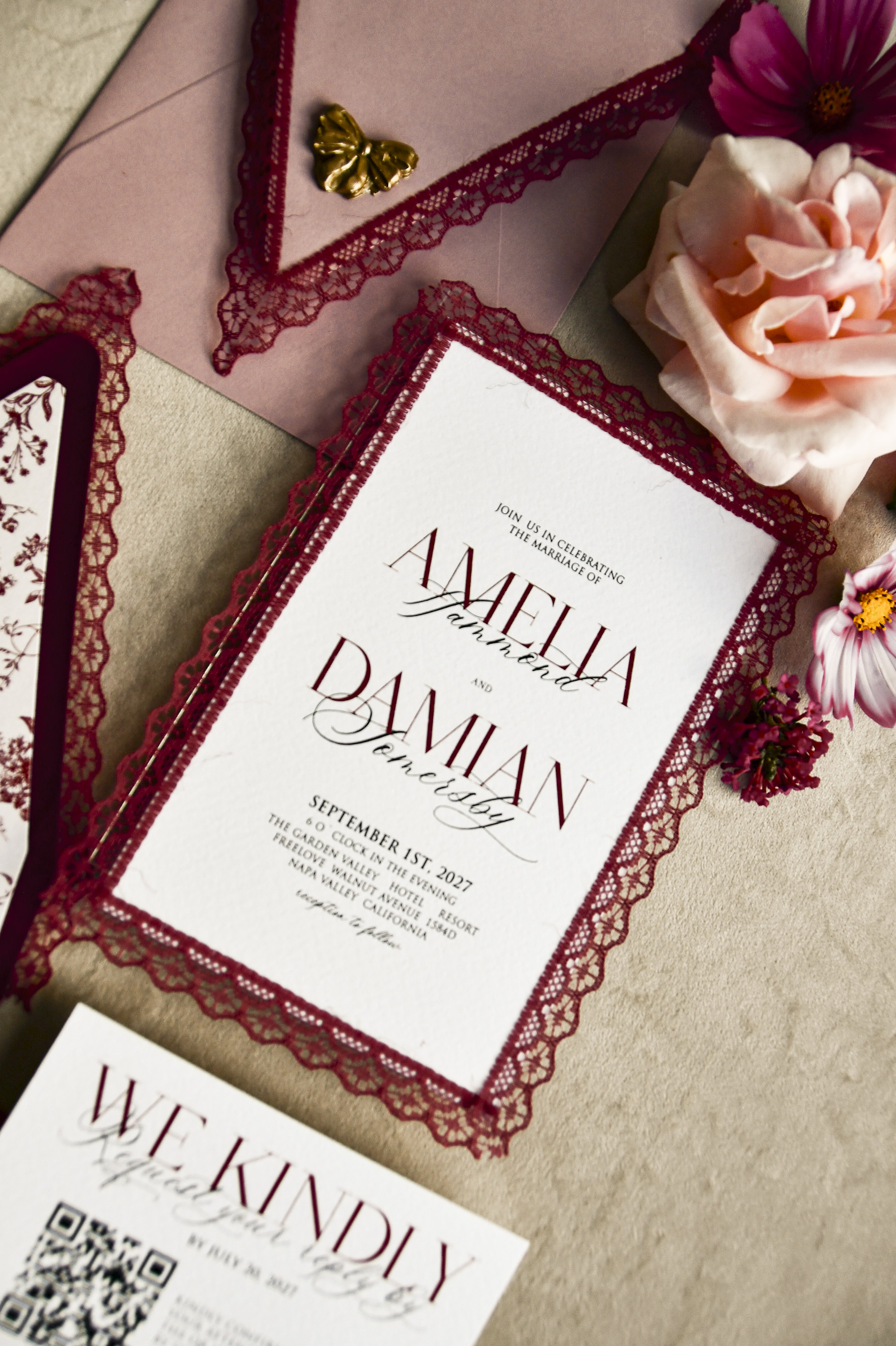
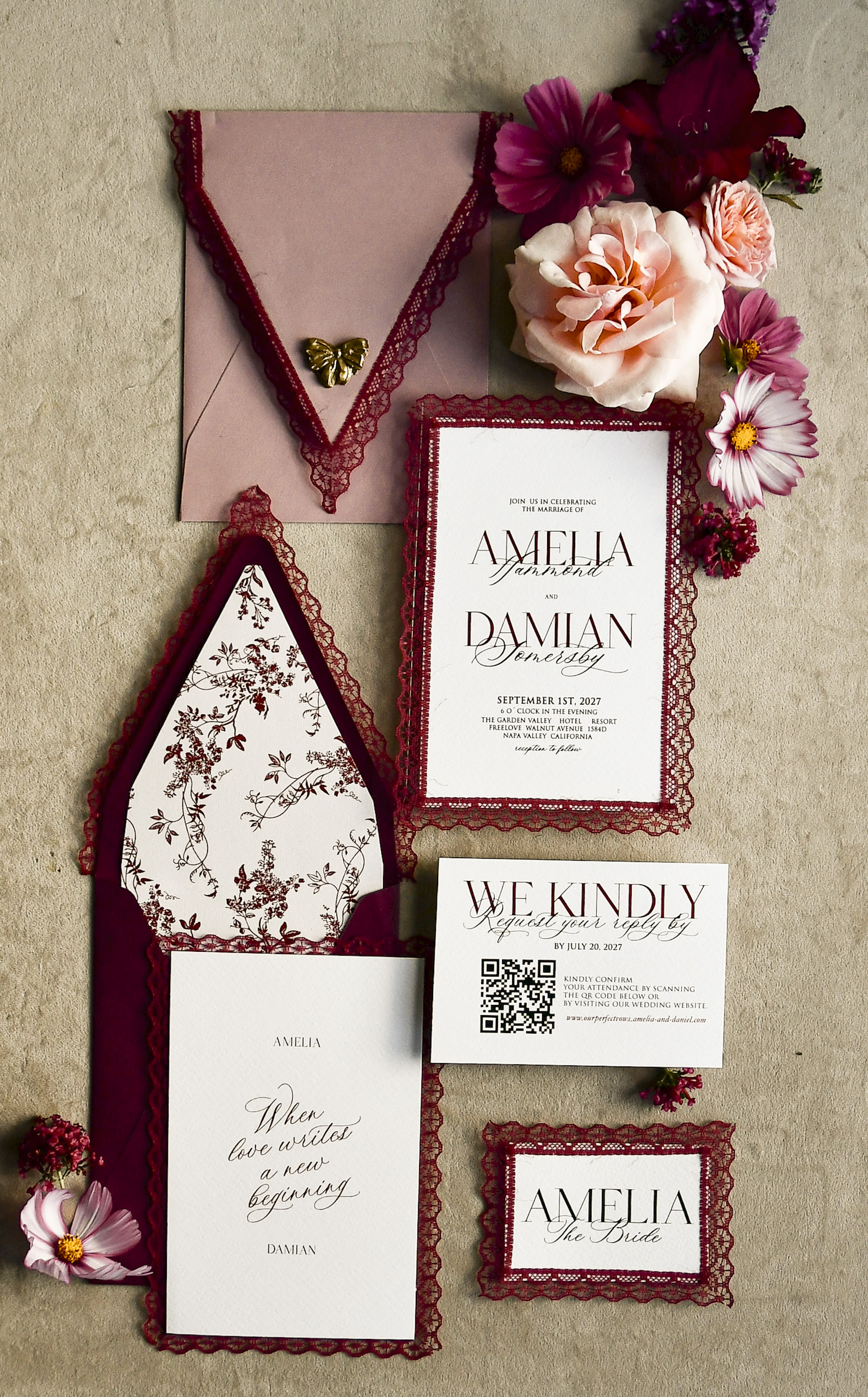
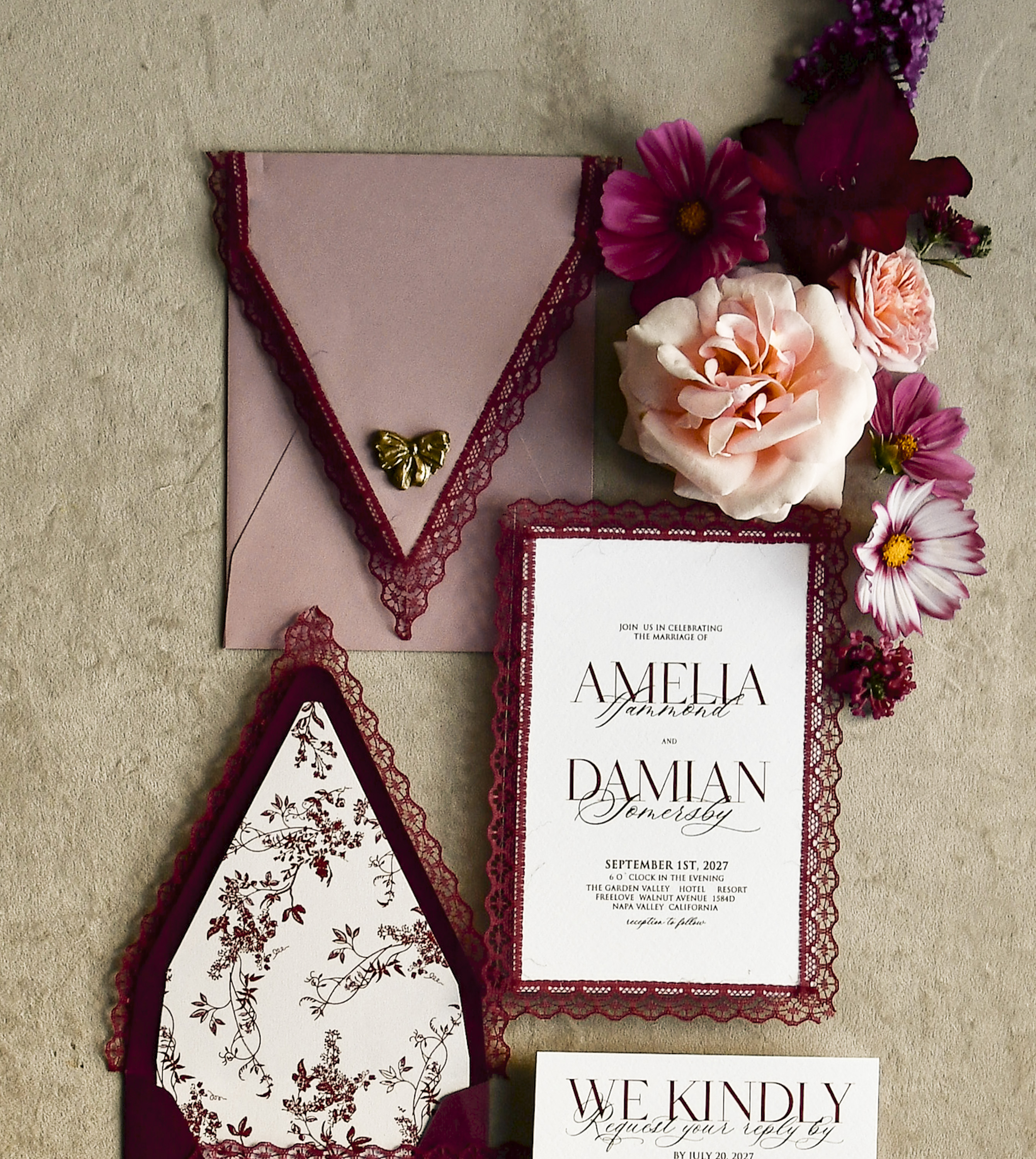
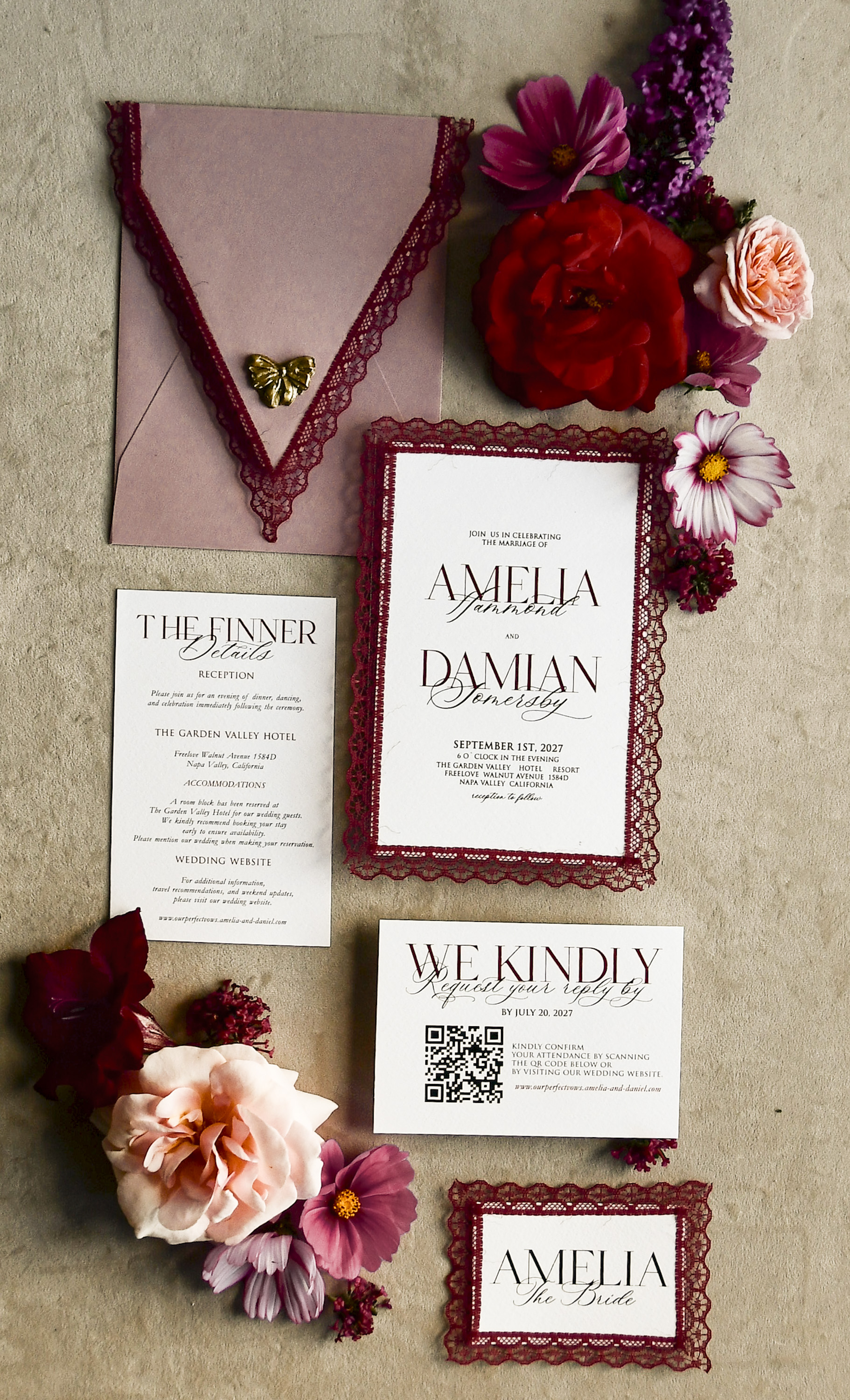
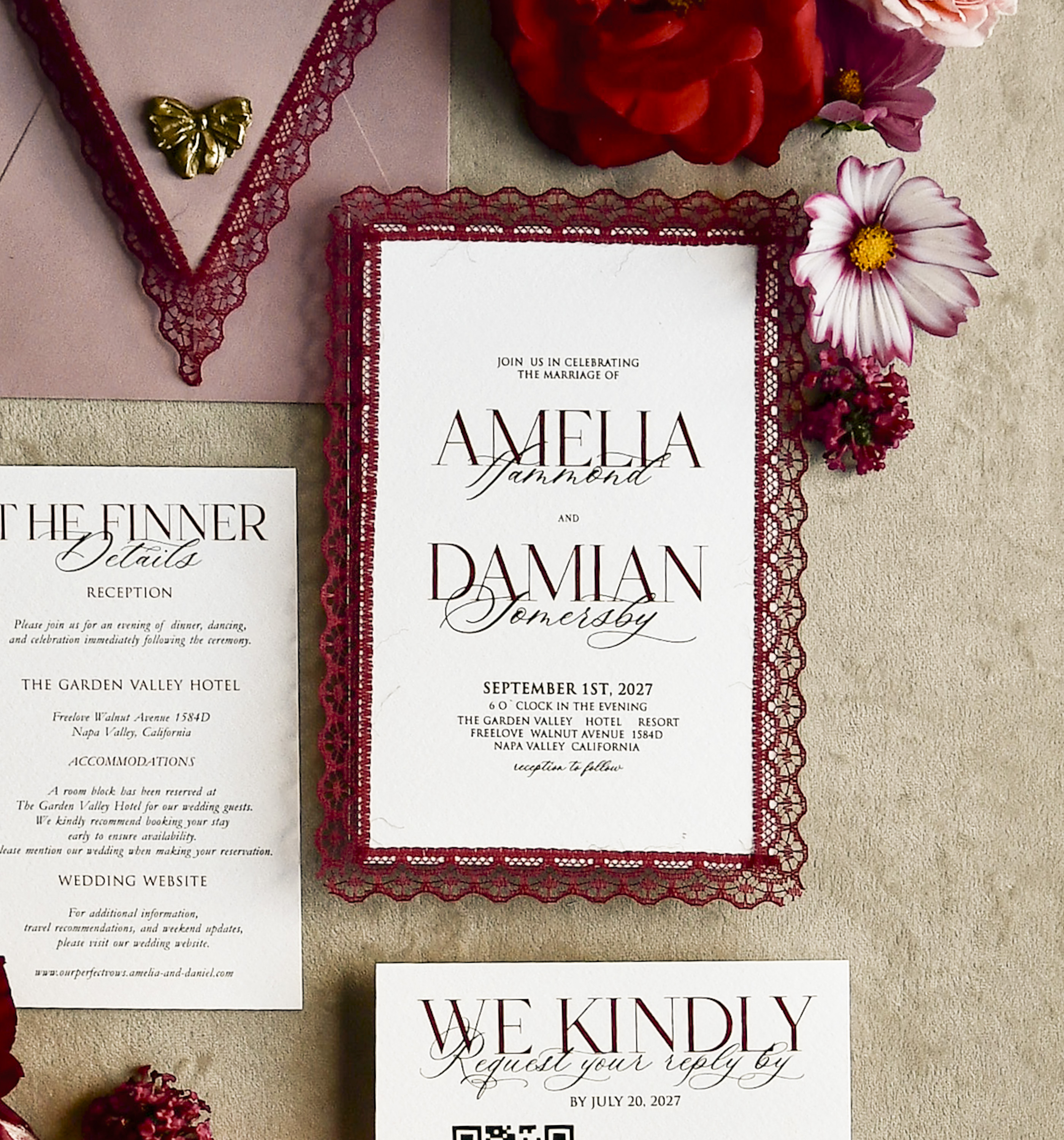
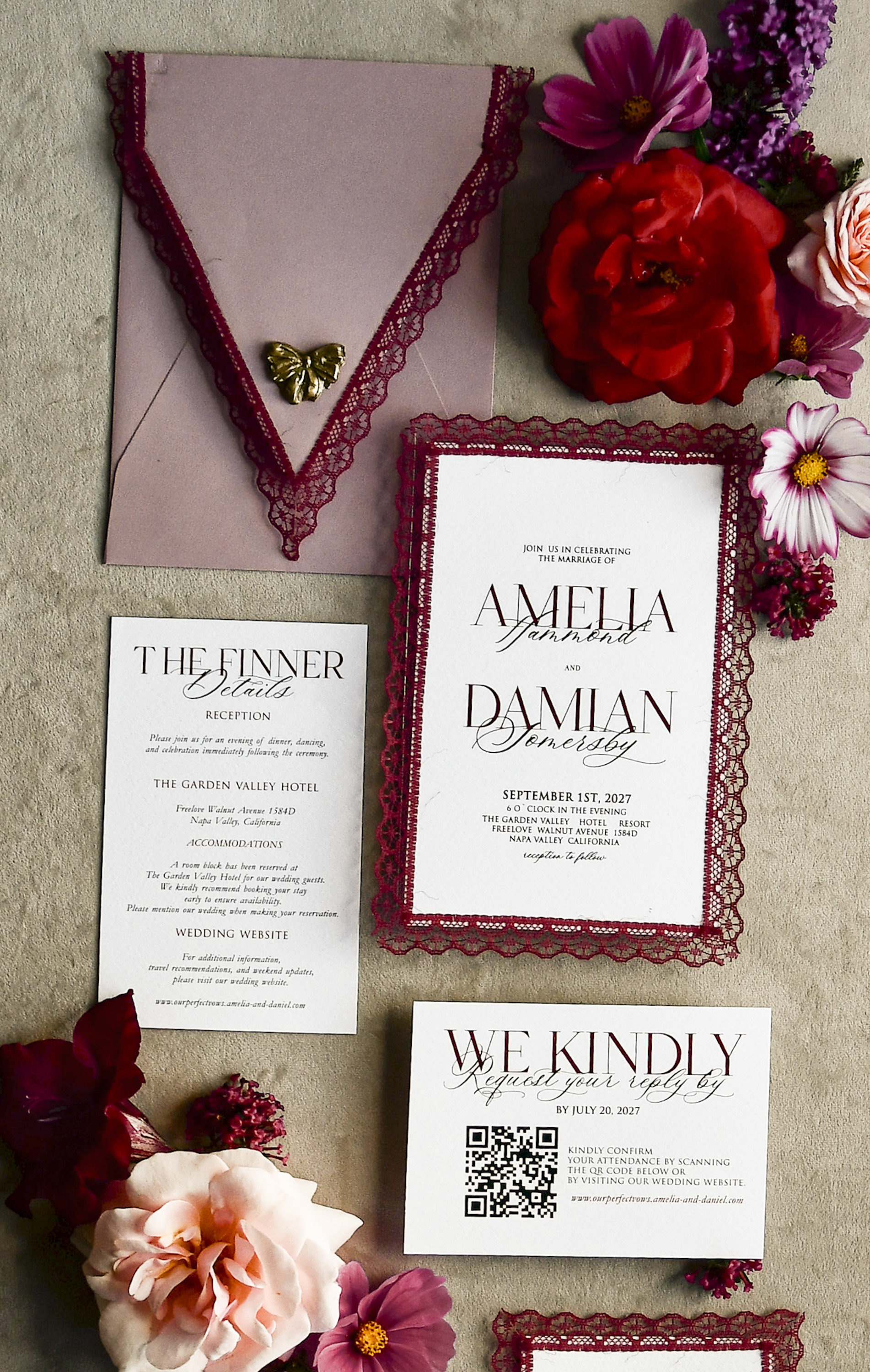
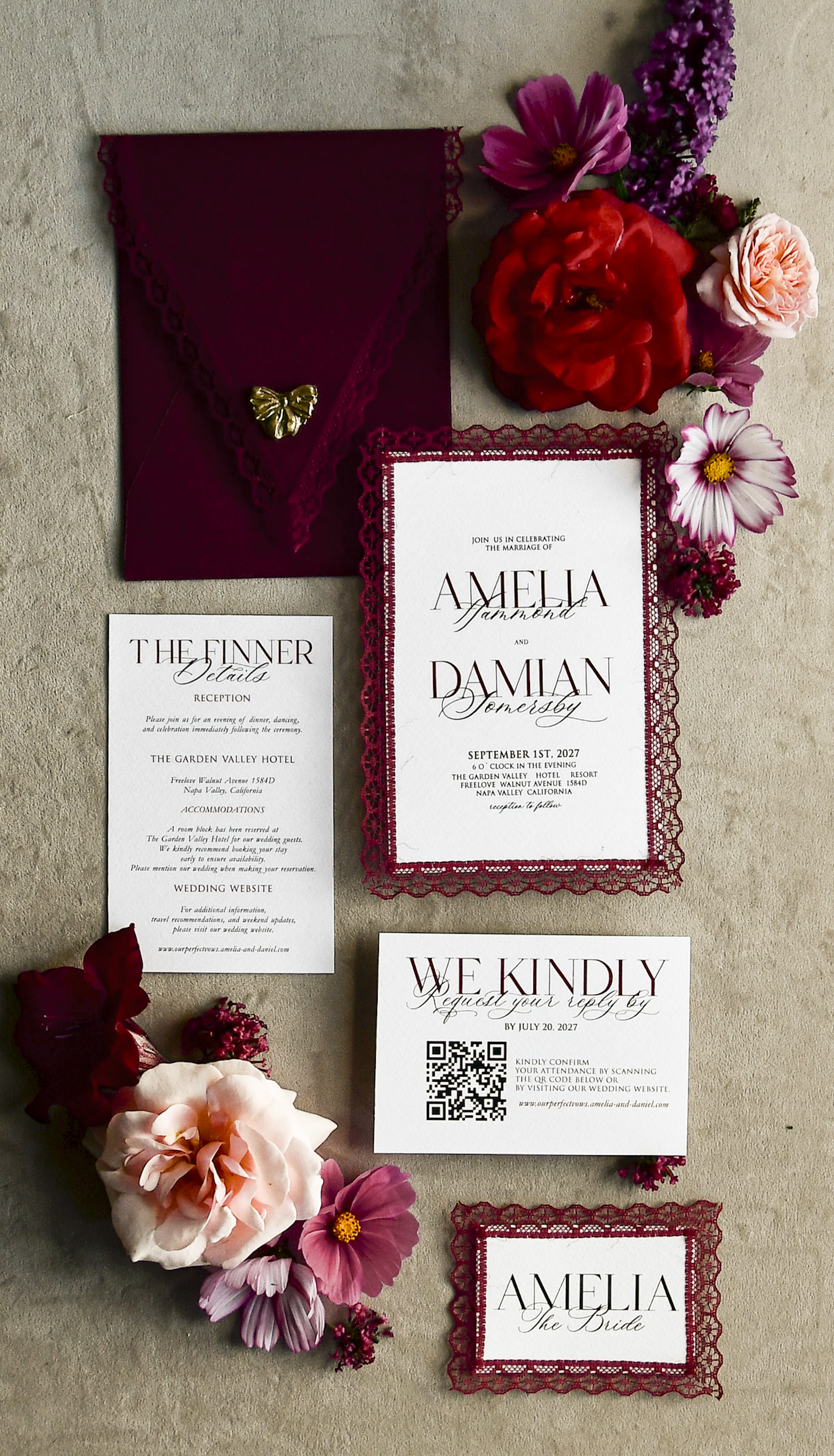
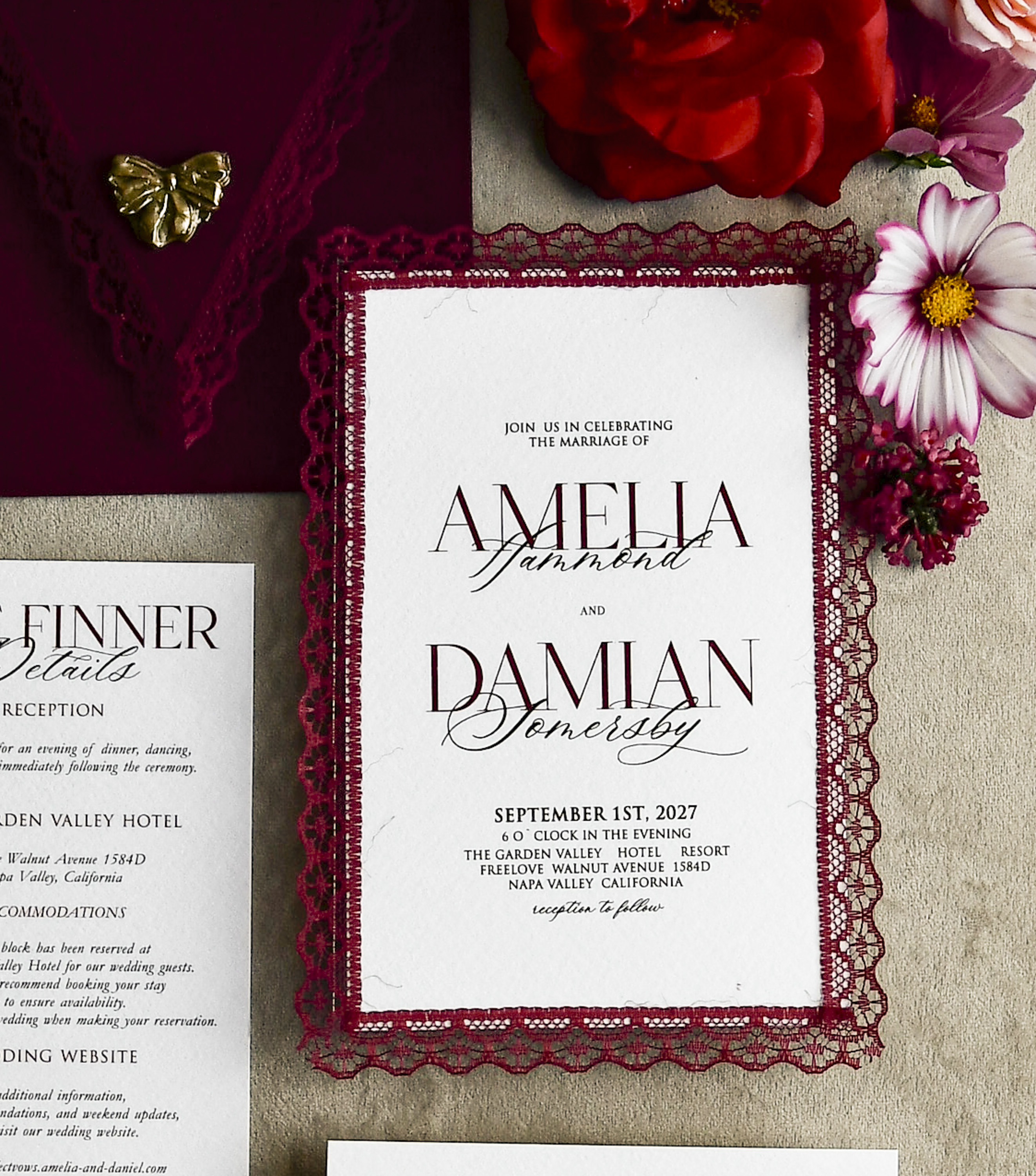
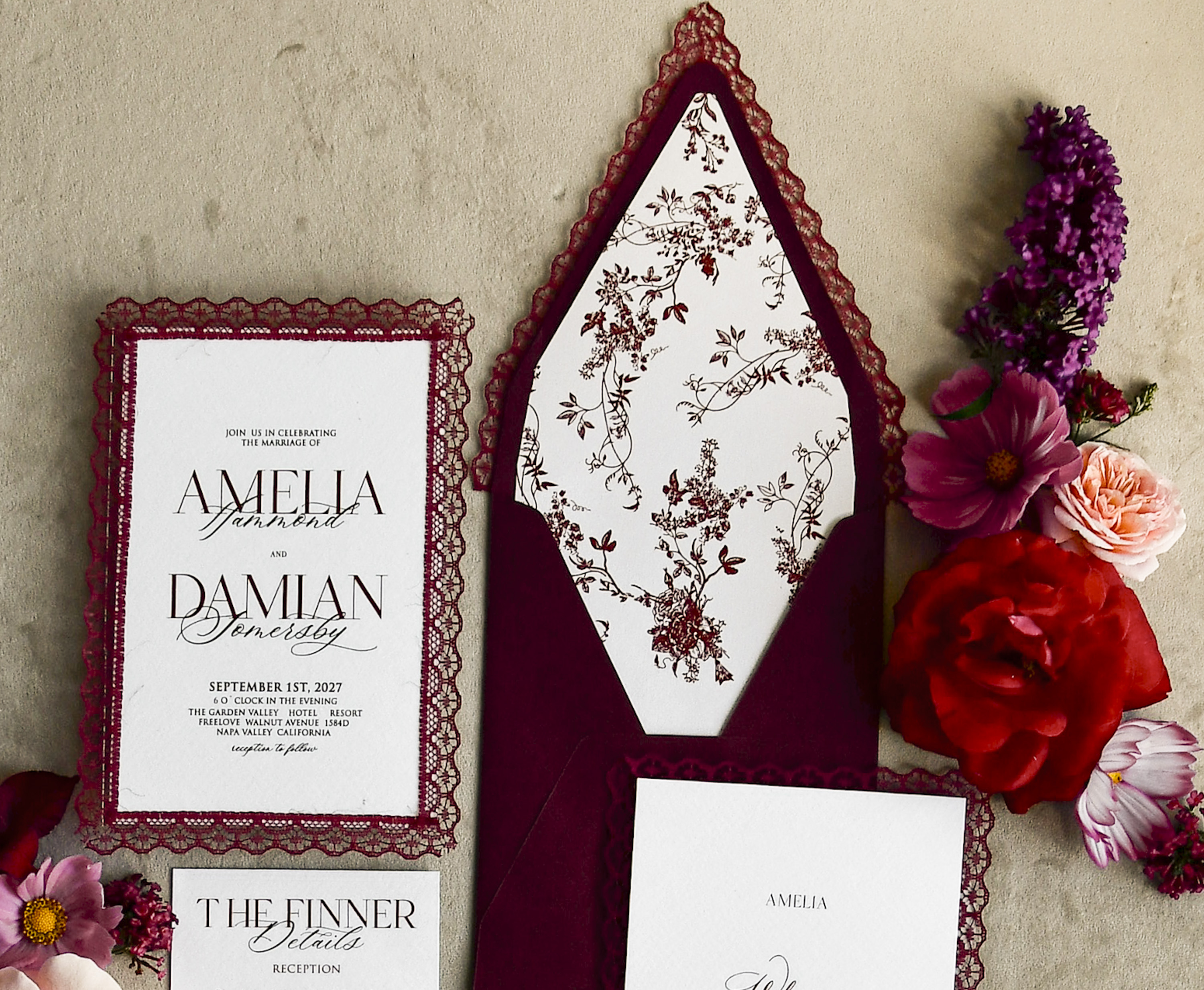
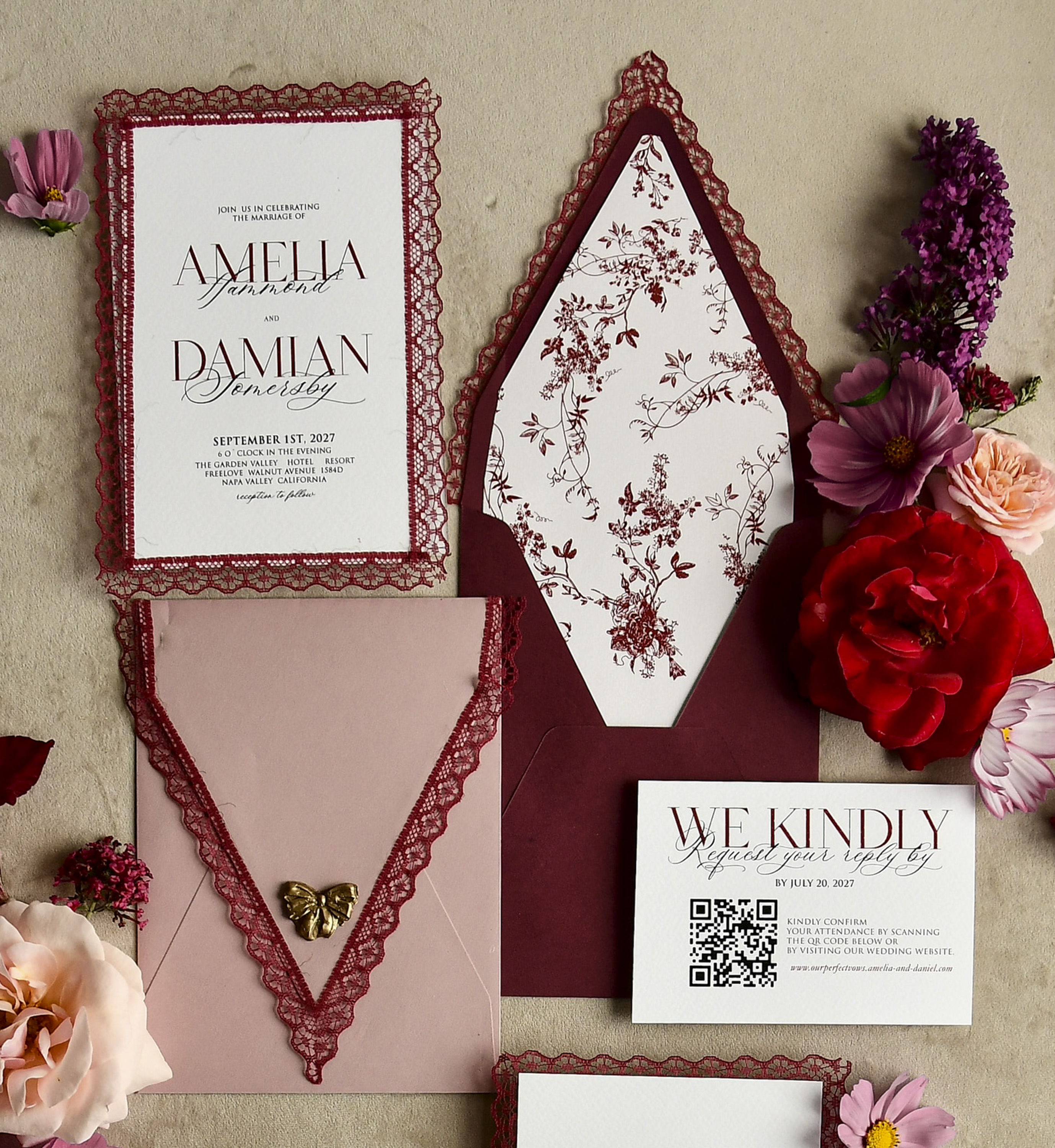
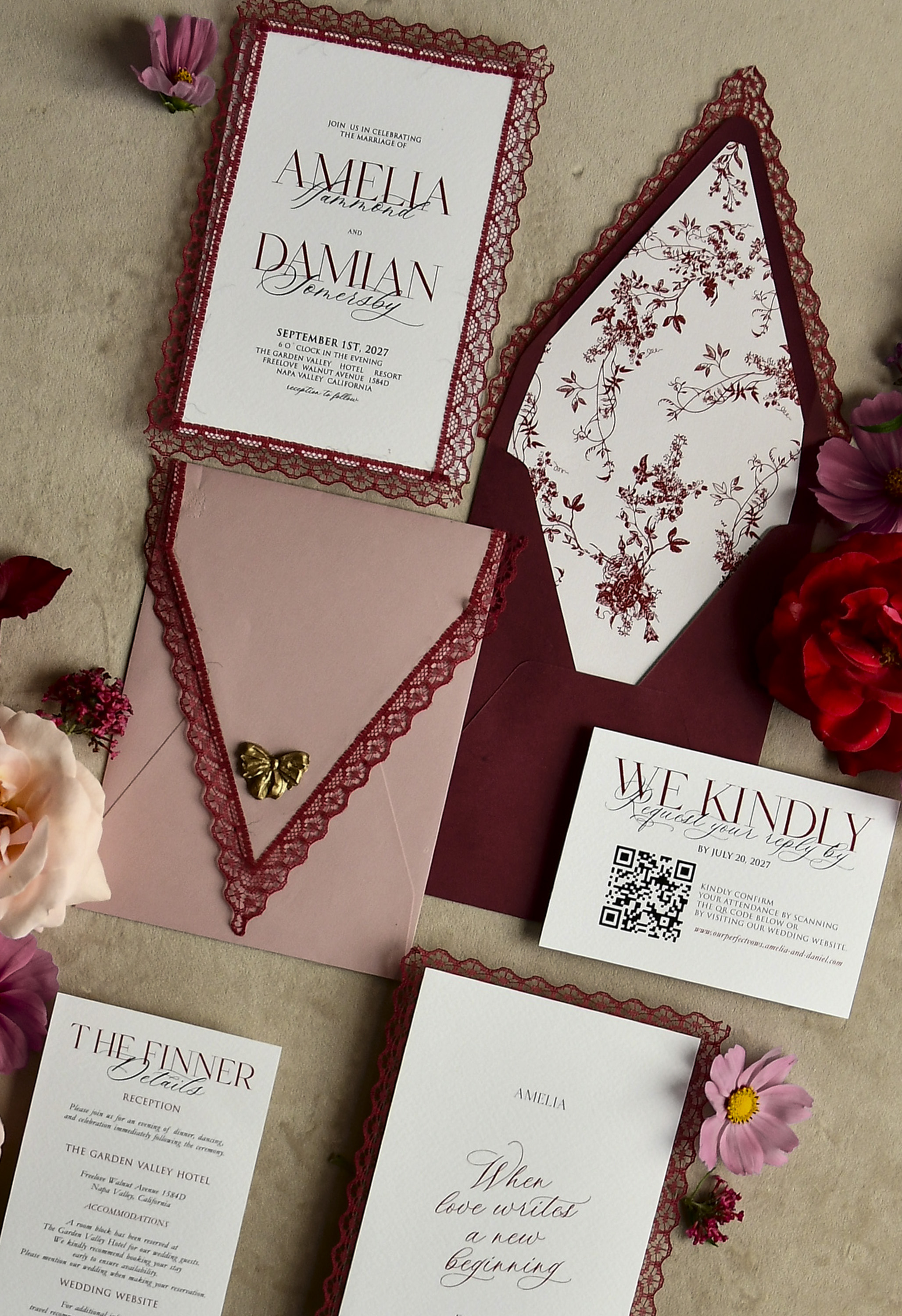
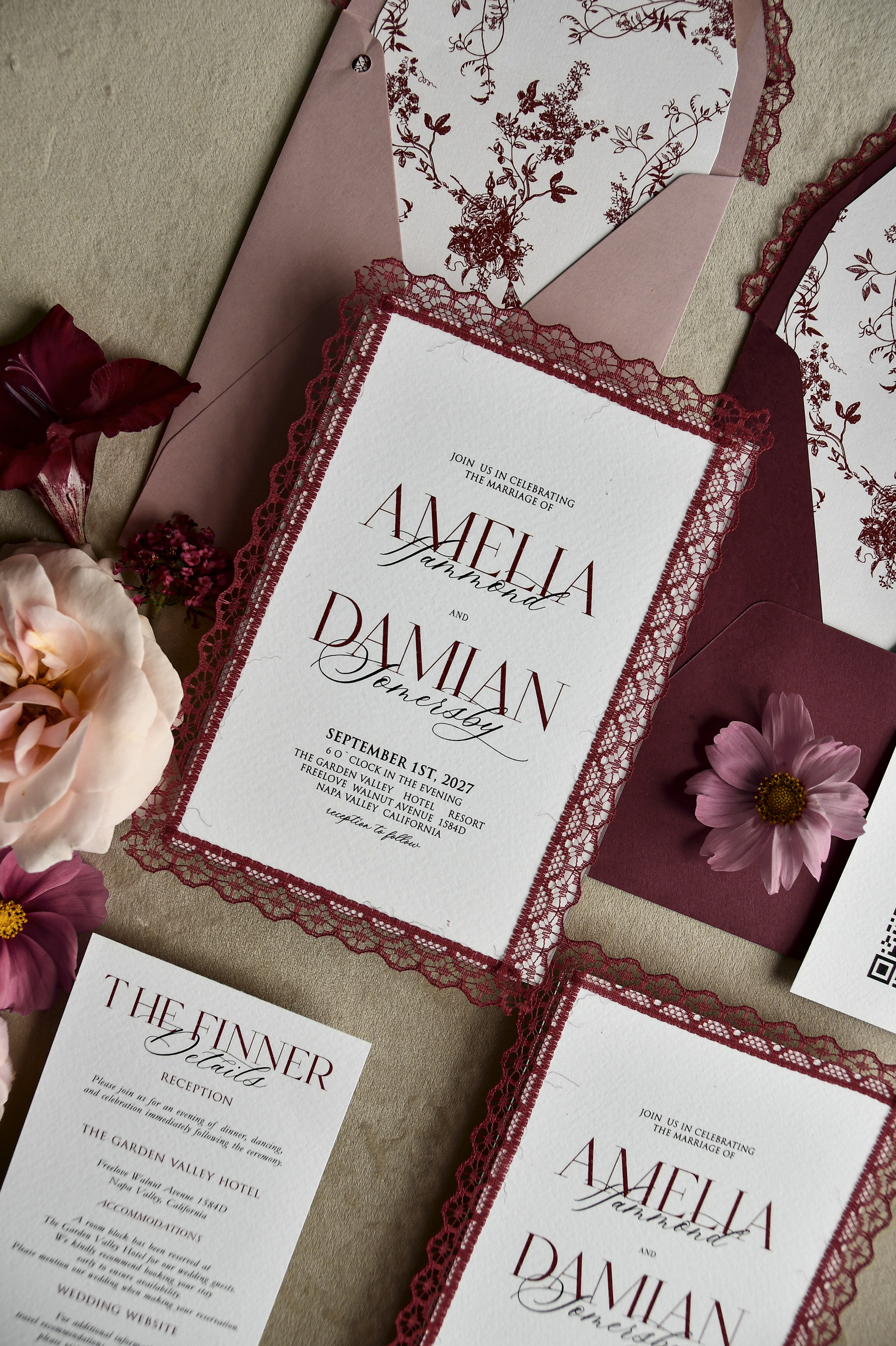
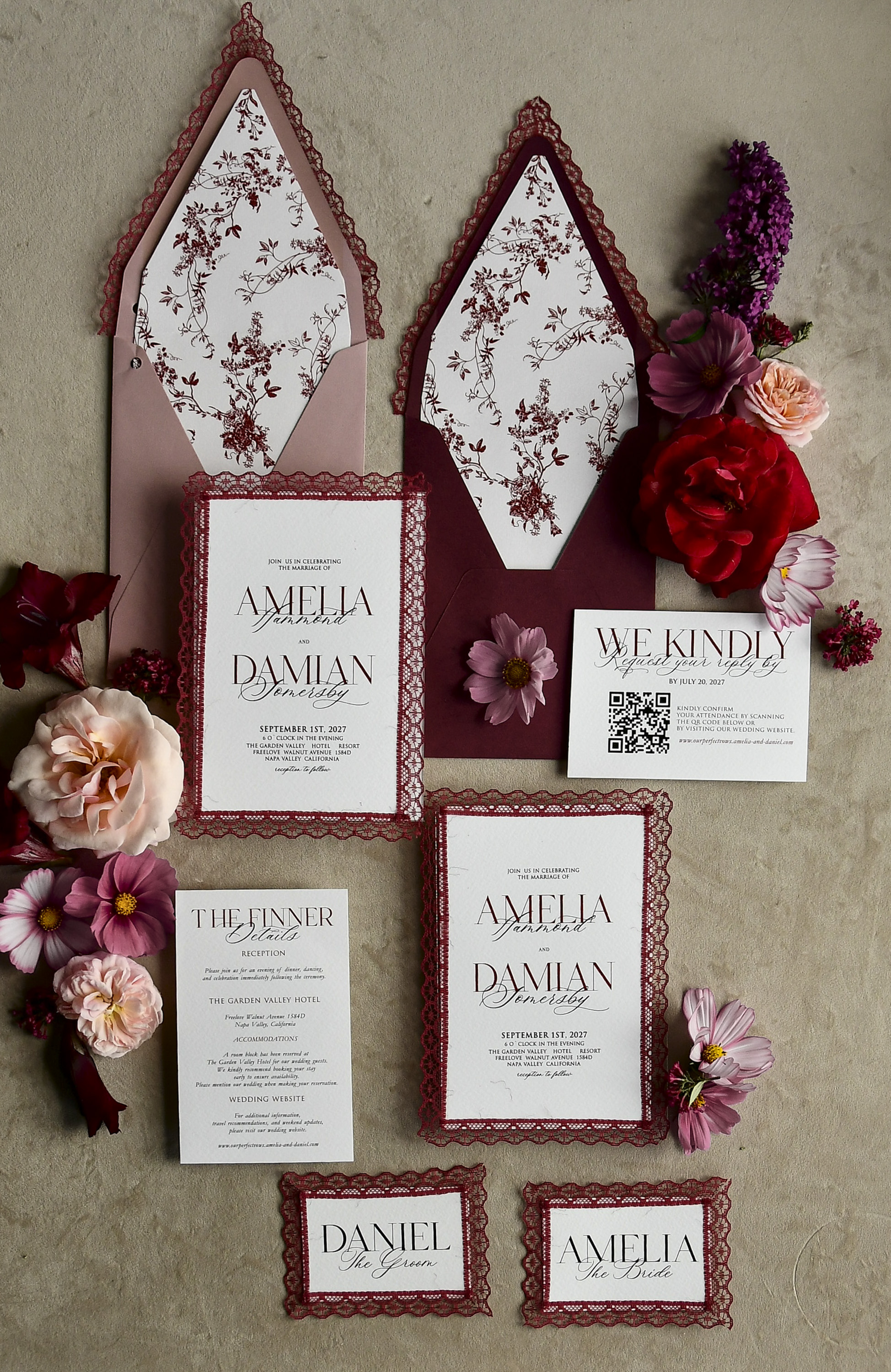
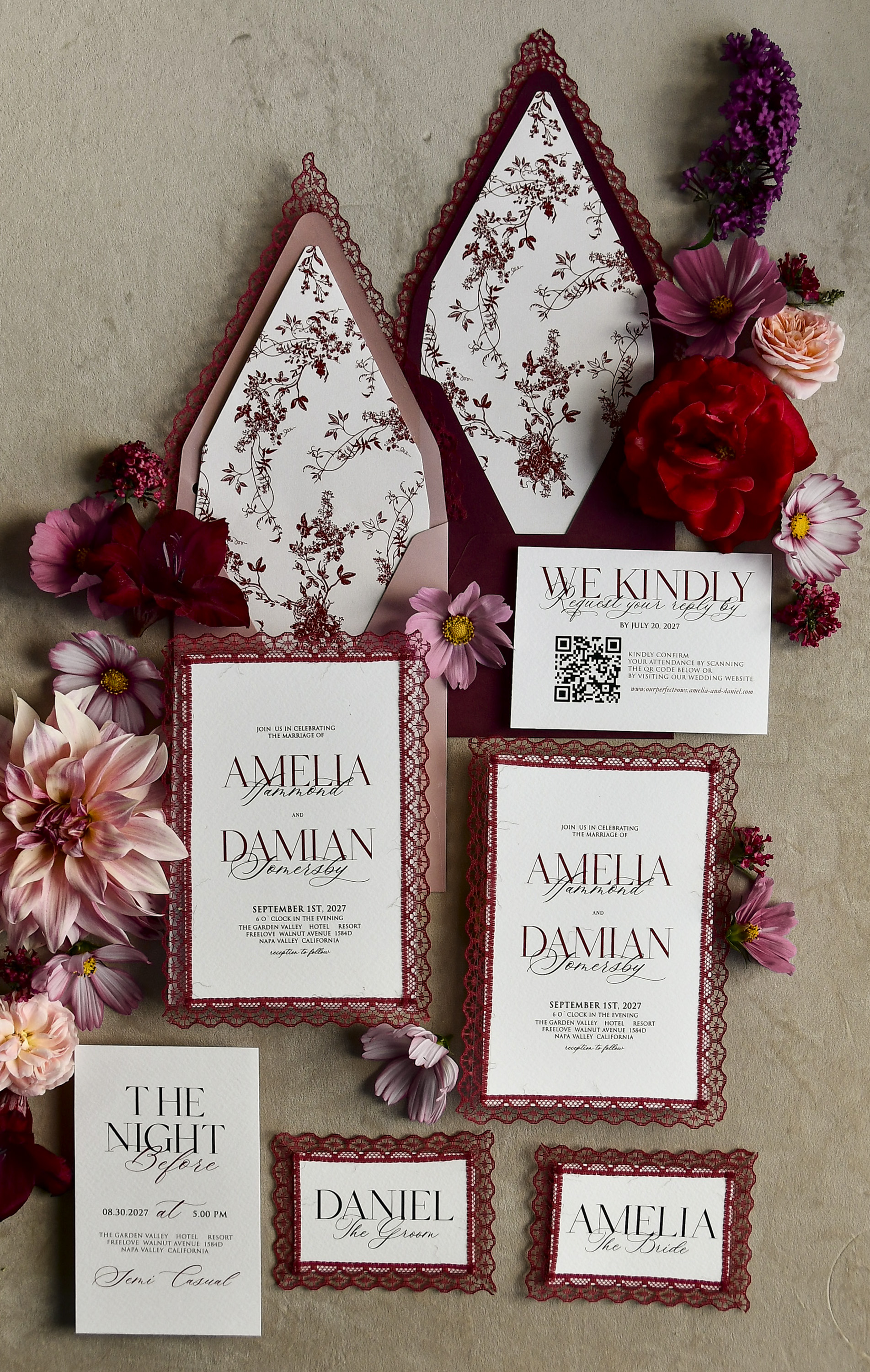
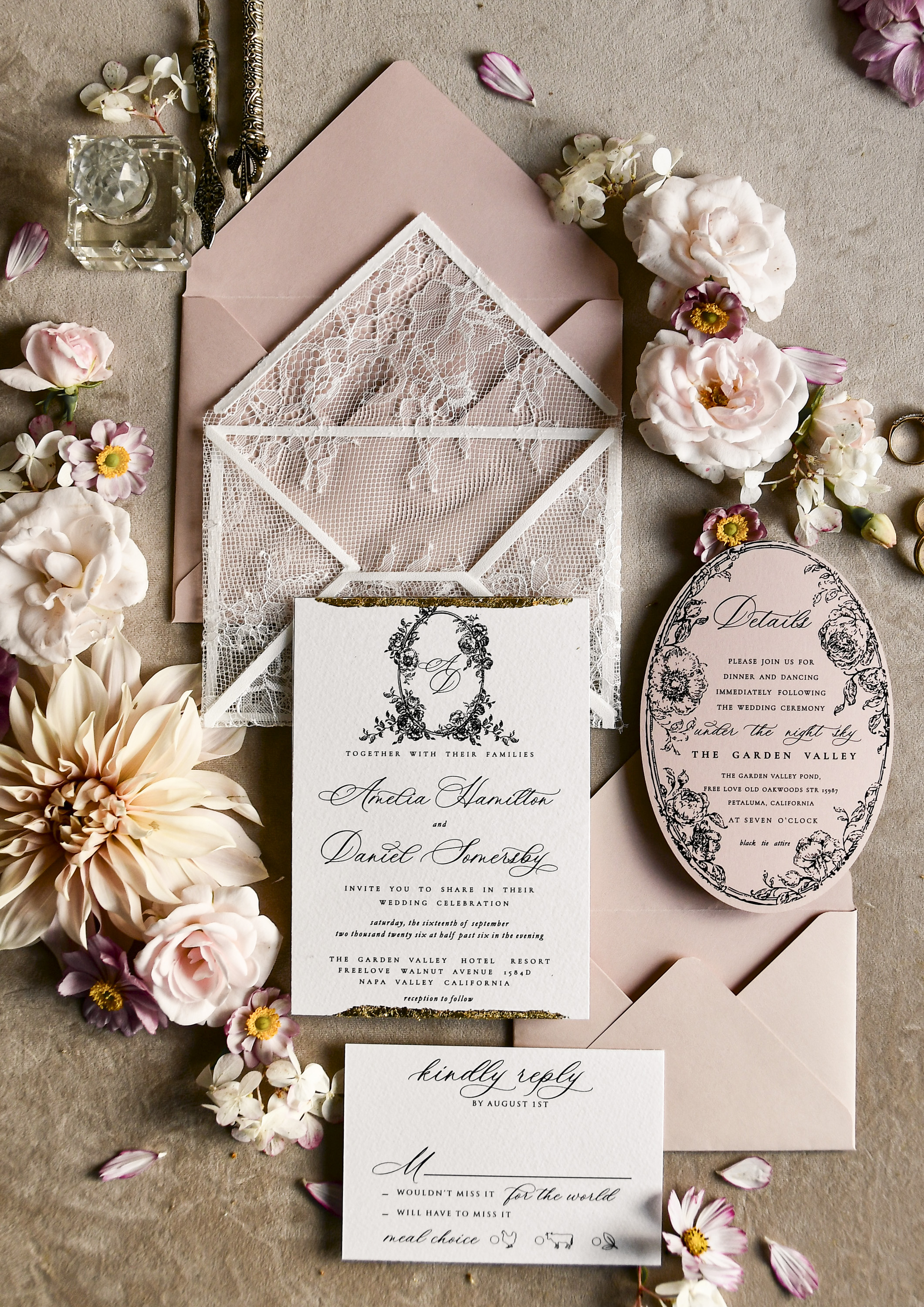
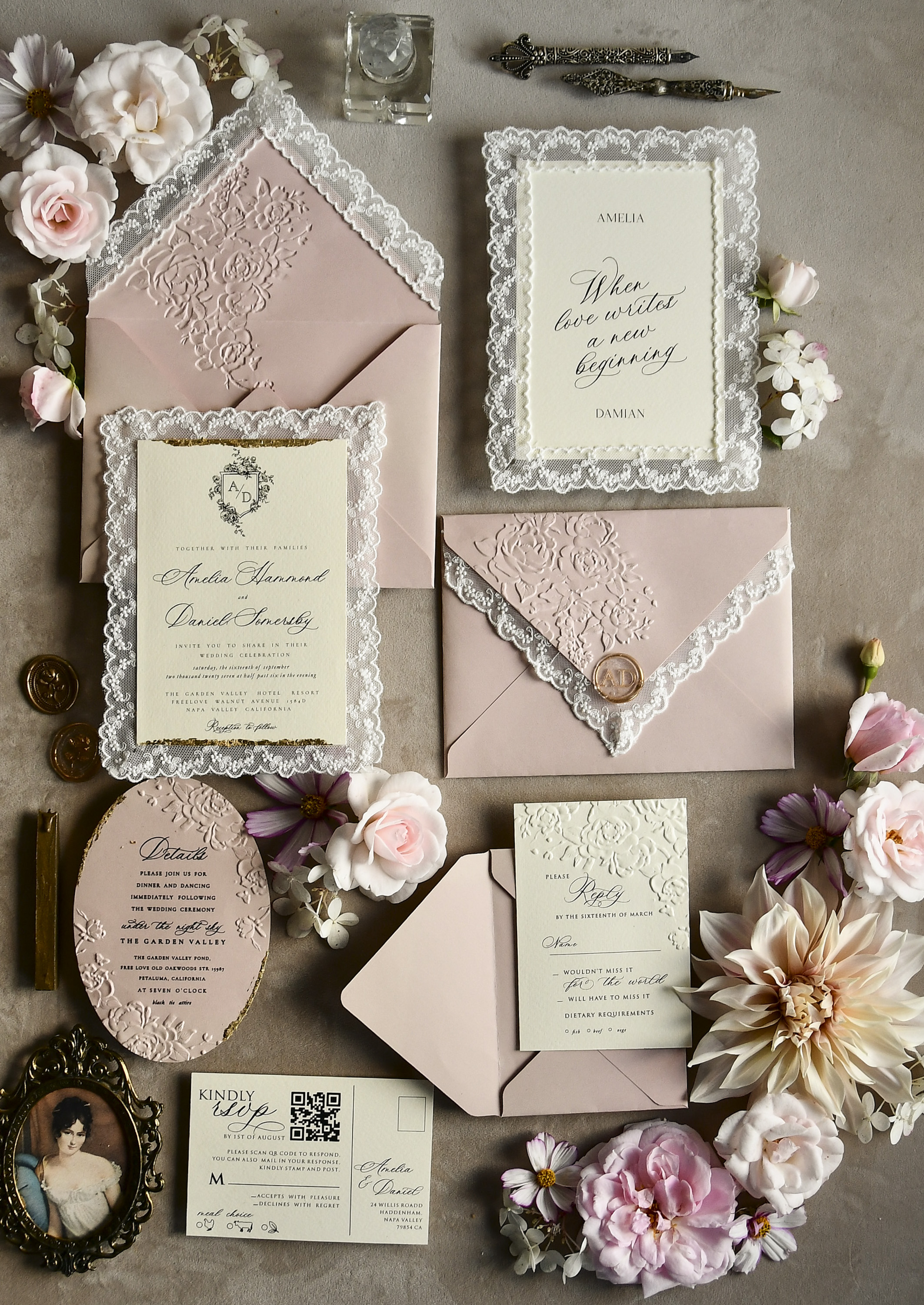
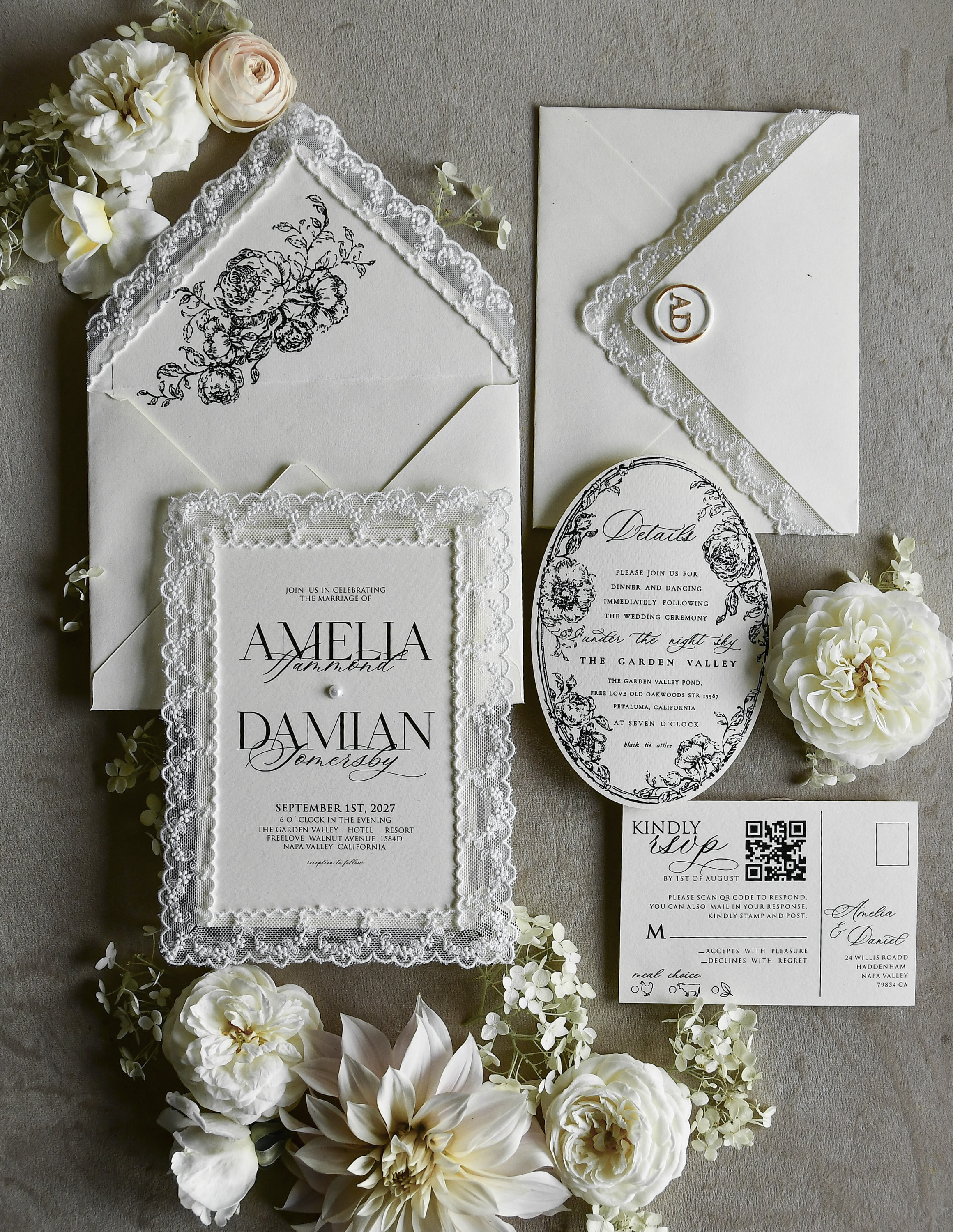
Design matters here too. Your invitation suite sets the tone for the entire event. A vintage-inspired wedding, for example, calls for something with texture and elegance — like the 03/laceD/z wedding invitation, a beautifully detailed lace design starting from $7.50 that works perfectly for rustic barn weddings, garden parties, or romantic outdoor ceremonies.
When to Send Each One
Timing is where couples most often go wrong. Here's the standard US timeline:
- Save the dates: Send 6–8 months before the wedding. For destination weddings or holiday weekends, push that to 10–12 months so guests can arrange travel and accommodations.
- Wedding invitations: Mail 6–8 weeks before the wedding date. This gives guests enough time to RSVP while keeping the details current and relevant.
Never send a wedding invitation before a save the date — the order matters. And don't wait so long on invitations that guests feel anxious. If your RSVP deadline is 3 weeks before the wedding and you mail invitations only 5 weeks out, you've left very little room for follow-up on non-responders.
Key Etiquette Differences Between the Two
Beyond timing and content, there are a few etiquette distinctions worth knowing:
- Guest list flexibility: Only send save the dates to people you are certain you want to invite. Unlike invitations, save the dates carry a strong implied commitment — it's considered poor etiquette to send one and then not follow up with an invitation.
- Plus-ones: If a guest is getting a plus-one, their save the date should reflect that (e.g., "and guest"). Don't promise a plus-one on the save the date and then take it back on the invitation.
- Formality level: Save the dates can be playful — magnets, postcards, photos — while invitations generally call for more polish and intention, especially for formal or semi-formal weddings.
- Envelope addressing: Both should be hand-addressed or printed with full guest names. Avoid "and family" on invitations — list every invited person by name so there's no ambiguity.
Do You Actually Need Both?
Not always — but usually yes. If your wedding is local, small (under 50 guests), and you have a long engagement, you might be able to skip the save the date and go straight to invitations mailed early. But for most couples, save the dates are genuinely useful. They reduce last-minute conflicts, help out-of-town guests plan, and build excitement before the formal stationery arrives.
If you do send both, make sure the designs feel cohesive. They don't need to be identical, but they should feel like they belong to the same wedding. The 03/laceD/z invitation suite pairs beautifully with simpler lace-accented save the dates for a consistent, romantic look from first announcement to final RSVP.
Frequently Asked Questions
Yes, absolutely. If your wedding is local or your guest list is small, you can skip the save the date and simply mail invitations 8–10 weeks out instead of the standard 6–8. Just make sure you give guests enough time to make arrangements.
Digital save the dates are perfectly acceptable, especially for casual weddings or eco-conscious couples. However, if you're sending formal paper invitations later, a printed save the date creates a more cohesive experience and tends to be taken more seriously by guests.
You can add guests to your invitation list who didn't receive a save the date — that's fine. What you should avoid is sending a save the date and then not inviting that person, as it comes across as a withdrawal of the invitation.
They don't need to be identical, but a shared color palette, font style, or design element (like lace motifs or floral patterns) creates a cohesive feel. Guests will appreciate the visual continuity across your stationery.
If children are invited, you can address the save the date to "The [Family Name] Family" to signal that kids are welcome. If the wedding is adults-only, address it only to the adults — this sets expectations early and avoids awkward conversations later.
Order by household, not by guest count. Two guests at the same address get one save the date and one invitation. Always order 10–15% extra to account for last-minute additions, damaged pieces, and keepsakes for yourselves.
See This Design Up Close
You May Also Like
More Wedding Planning Guides
- → How to Handle a Guest List Ultimatum Without Losing Your Mind (or Your Wedding)
- → Your Fiancé Doesn't Want Your Family at the Wedding — Here's How to Navigate It
- → Wedding Invitation Addressing: Who Gets What Line and Why
- → Should You Invite Someone Just Because Mom Asked? Here's How to Decide
- → The Single Guest Plus-One Question: What Every Couple Should Know
- → Should You Mail or Hand-Deliver Your Wedding Invitations? A Couple's Guide
- → Handling the 'Why Wasn't I Invited to Your Wedding?' Question
- → Uninvited Plus-Ones and Tag-Alongs: How to Keep Your Guest List Intact
- → When Family Feuds Threaten Your Wedding Plans: A Practical Peacekeeper's Guide
- → Inviting an Estranged Brother or Sister: Finding Clarity Before You Seal the Envelope
- → Cousins, Invites, and Hard Choices: A Practical Guest List Guide