
When 'I Won't Come If They're Invited' Lands in Your Wedding Planning

You're deep in wedding planning mode — venues, florals, stationery — and then it happens. A family member pulls you aside (or sends a text at 11 p.m.) and delivers the ultimatum: "If so-and-so is invited, I won't be there." It's stressful, it's unfair, and unfortunately it's more common than most couples expect. Here's how to handle it with grace, firmness, and your sanity intact.
Understand What's Really Being Said
Before reacting, take a breath and recognize what an ultimatum like this actually is: one person asking you to prioritize their comfort over your autonomy as a couple. That's worth naming clearly, even if only to yourself.
There's a difference between a relative sharing a genuine concern — say, a history of conflict that could create real tension at the reception — and someone using your wedding as leverage in an ongoing family dispute. Ask yourself:
- Is there a safety concern? If two people have a genuinely volatile relationship, that's worth taking seriously.
- Is this a long-standing feud? If so, your wedding didn't create it, and uninviting someone won't solve it.
- Is this person used to getting their way in the family? Caving to an ultimatum often sets a precedent you don't want.
Understanding the motivation helps you respond thoughtfully rather than reactively.
Have a Direct, Calm Conversation — Once
You don't owe anyone repeated negotiations about your guest list, but one honest conversation is worth having. Keep it brief and kind. You might say something like: "We love you and we want you there. We've made our guest list decisions carefully, and we're not in a position to change them. We hope you'll choose to celebrate with us."
A few things to keep in mind during this conversation:
- Don't over-explain or justify your guest choices. The more you explain, the more room you give for debate.
- Avoid asking the other invited guest to step back unless there is a serious, documented reason to do so.
- Make clear that the decision is final — and then stick to it.
If the relative escalates or brings other family members into it, resist the urge to keep relitigating. Say your piece once, warmly and firmly, then let them sit with their choice.
Decide as a Couple — and Present a United Front
This is one of the most important moments to function as a team. If the ultimatum involves your partner's family, let your partner take the lead in the conversation. If it's your family, you take point. Whoever speaks, make sure you've aligned privately first so you're not sending mixed signals.
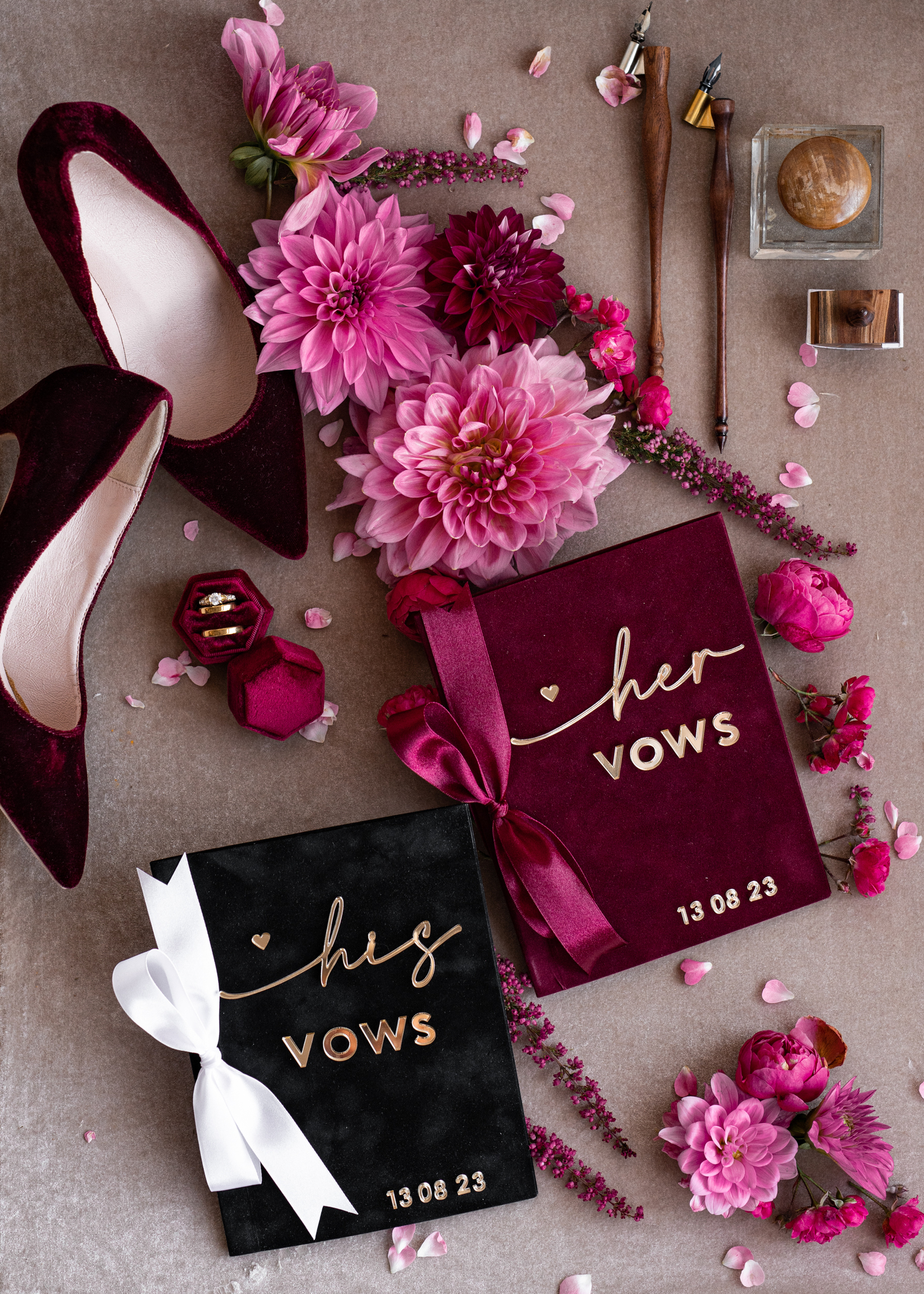
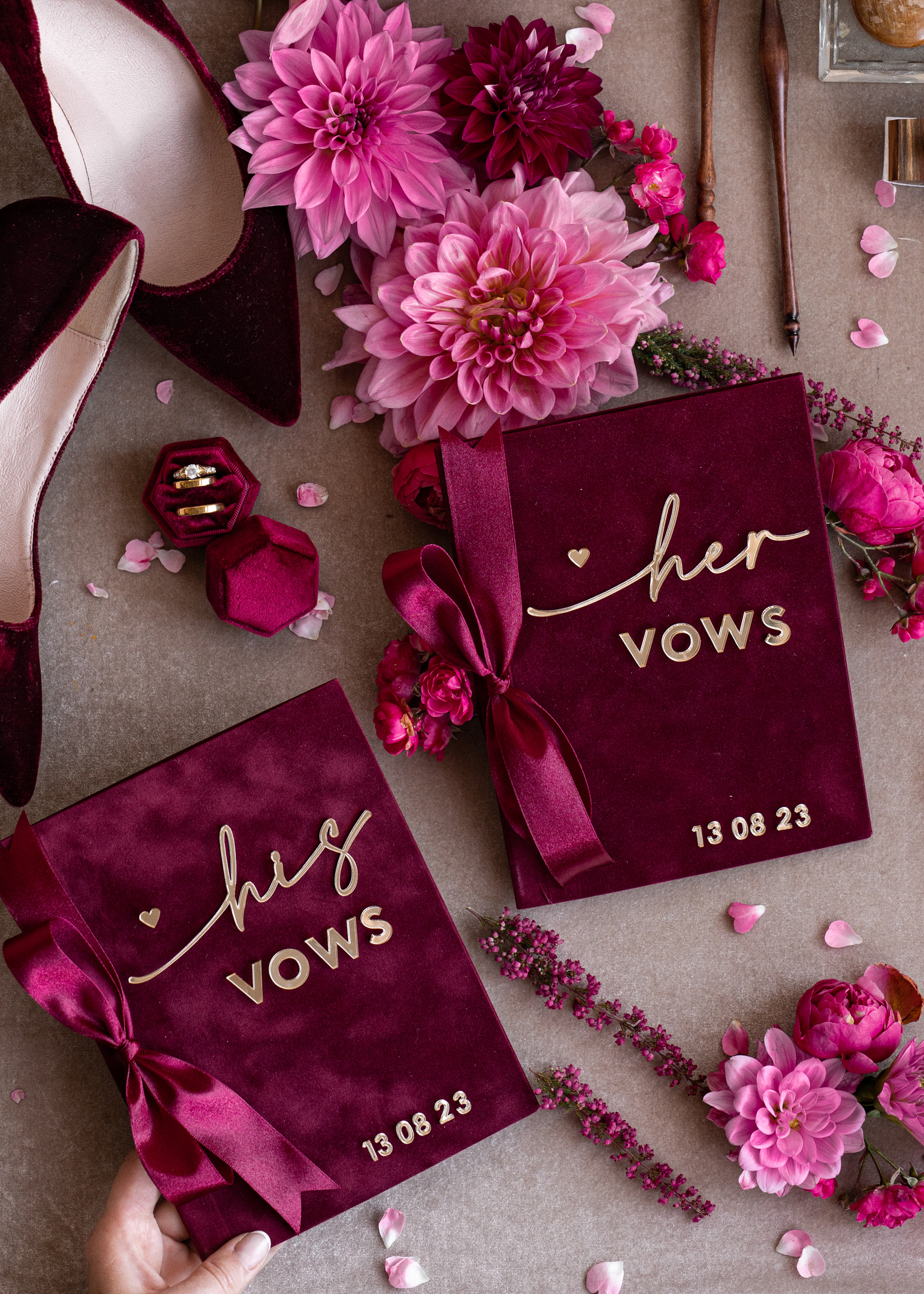
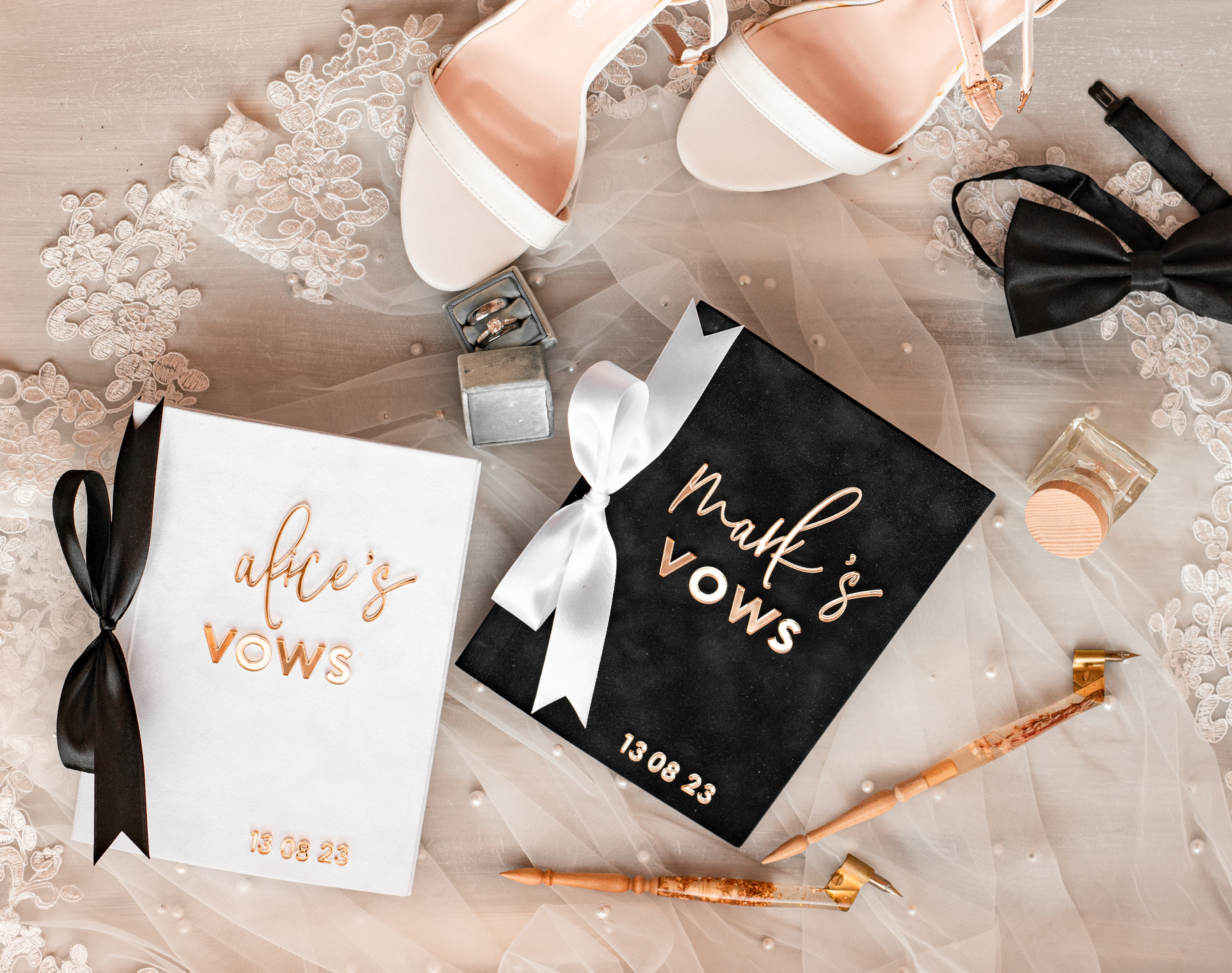
It can help to remind yourselves what your wedding is actually about. You're making lifelong promises to each other — the kind of vows worth preserving beautifully, the way our 01/kor/Vwov acrylic vow keepsake is designed to do. Your wedding day should reflect your values as a couple, not be held hostage by someone else's grievances.
If extended family starts taking sides, resist being pulled into the middle. A simple "We've spoken with [relative] directly and we hope they'll join us" is enough of a response for anyone who asks.
Prepare for Both Outcomes — and Make Peace With Them
There are really only two ways this ends: the relative comes, or they don't. Either way, your wedding happens and your marriage begins.
If they choose not to attend, that is their choice — not something you did to them. You can feel sad about it without feeling responsible for it. Don't leave their seat symbolically empty or make their absence a topic of conversation on the day itself.
If they decide to come, great — but keep an eye on seating arrangements. Strategic table placement (distance, buffer guests, separate cocktail-hour timing) can go a long way toward keeping the peace without anyone feeling managed.
Either way, consider writing out your personal vows ahead of the wedding. The process of putting your commitment into words — and preserving them in something like the 01/kor/Vwov acrylic keepsake — can be a grounding reminder of what the day is truly for.
Protect Your Joy in the Lead-Up to the Wedding
Family drama has a way of expanding to fill whatever space you give it. Set limits on how much time and emotional energy you spend on this situation. A few practical boundaries:
- Designate one person (a parent, a wedding planner, a trusted friend) to field any further family complaints so they don't reach you directly.
- Avoid venting about the situation on social media or in large group chats — it tends to amplify rather than resolve things.
- Check in with each other regularly. Wedding planning stress plus family conflict is a lot; make sure you're supporting each other.
Your job right now is to build a marriage, not manage a family conflict that predates your engagement. Stay focused on that, and let the rest sort itself out.

Frequently Asked Questions
Only if there is a genuine safety or wellbeing concern — not simply to satisfy one person's preference. Uninviting someone to appease a relative almost always creates more resentment than it resolves, and it sets a difficult precedent for future family decisions.
The stakes feel higher, but the approach is the same: one calm, direct conversation, a united front with your partner, and a firm but loving boundary. If it's a parent, consider whether a private meeting with just the two of you might help them feel heard before you restate your decision.
Keep your response brief and consistent: you've spoken with the person directly and you hope they'll be there. Avoid sharing details of the dispute with extended family, as it tends to deepen divisions rather than resolve them.
This changes the calculus significantly. If there's a legal order or documented history of harassment, you may need to make a different guest list decision for the safety of your guests and the tone of your event. Consult with your venue on their protocols as well.
Absolutely — it is an unfair position to be put in. Acknowledge that feeling privately or with your partner, but try not to let it drive your response to the relative. Decisions made in anger rarely reflect what you actually want.
Generally, no. The fewer people who know the details, the less fuel there is for ongoing conflict. If guests notice an absence on the day, a simple "we're so glad you're here" redirects the conversation without inviting speculation.
See This Design Up Close


You May Also Like

More Wedding Planning Guides
- → The Missing RSVP Problem: How to Handle Non-Responding Guests
- → Why a Small Wedding Might Be the Best Decision You Make
- → How to Firmly (and Kindly) Communicate That Your Guest List Is Closed
- → New Relationships, New RSVPs: Navigating Plus-Ones for Recent Couples
- → Should Your Aunt's New Husband Get a Wedding Invitation?
- → Uninvited Plus-Ones and Tag-Alongs: How to Keep Your Guest List Intact
- → When Family Feuds Threaten Your Wedding Plans: A Practical Peacekeeper's Guide
- → Inviting an Estranged Brother or Sister: Finding Clarity Before You Seal the Envelope
- → Cousins, Invites, and Hard Choices: A Practical Guest List Guide