
New Relationships, New RSVPs: Navigating Plus-Ones for Recent Couples

You've just sent your guest list to the printer and then it hits you — your brother has been dating someone for six weeks, your college roommate just started seeing a guy she's obsessed with, and your cousin's new girlfriend has already met the whole family. Do any of them get a seat at your reception? The question of whether to invite new boyfriends and girlfriends is one of the trickiest guest-list decisions couples face, and there's no single right answer. What there is is a clear framework to help you decide — and stick to your decision without guilt.
Set a Relationship Length Threshold — and Apply It Consistently
The most practical approach is to pick a minimum relationship length and apply it to every guest, no exceptions. Common benchmarks are six months or one year. If a couple has been together longer than your threshold by the time your wedding date arrives, they get a plus-one. If not, they don't.
Why does consistency matter so much? Because the moment you make one exception — say, for your maid of honor's new flame — every other guest who didn't get the same courtesy will notice. Worse, you may feel pressure to keep bending the rule. Choose your threshold early, write it down, and let it do the heavy lifting for you.
A good rule of thumb: if you've never met the person your guest is dating, that's a strong signal they probably don't need a seat at your wedding.
Consider the Practical Realities of Seating a Stranger
Every additional guest has a real cost — typically $75 to $200 per head depending on your venue and catering package. Beyond money, a brand-new partner who knows nobody at the wedding can actually be more of a burden than a comfort for your guest. They may spend the evening feeling awkward while your guest spends it playing host instead of celebrating with you.
On the flip side, if a guest is an introvert or is traveling from out of town, having a familiar face beside them genuinely helps them relax and enjoy the day. Weigh both sides before deciding.
Communicate Your Decision Kindly and Early
Once you've set your policy, share it with close family members — parents, siblings, wedding party — before invitations go out. A simple, warm explanation goes a long way: "We're keeping plus-ones to established couples and people who are living together, so we can keep the guest list manageable." Most people respect honesty delivered with kindness.
When you address your invitations, be precise. If a guest is not receiving a plus-one, address the envelope to them alone. Don't write "and Guest" and then try to walk it back later. Your stationery sets expectations from the very first moment the envelope lands in the mailbox.
When It Makes Sense to Make an Exception
There are a handful of situations where flexibility is genuinely warranted:
- The relationship is clearly serious, even if it's new — they're engaged, living together, or the family already treats them as part of the unit.
- Your guest won't know a single other person at the wedding and traveling solo would be a real hardship.
- The new partner is already close to your family — they've been at holidays, group trips, or other events where you've built a real connection.
If you do make an exception, own it. Don't try to hide it from other guests who didn't receive the same treatment. Simply be prepared to explain your reasoning warmly if asked.
Make Your Wedding Day Feel Intentional, Not Crowded
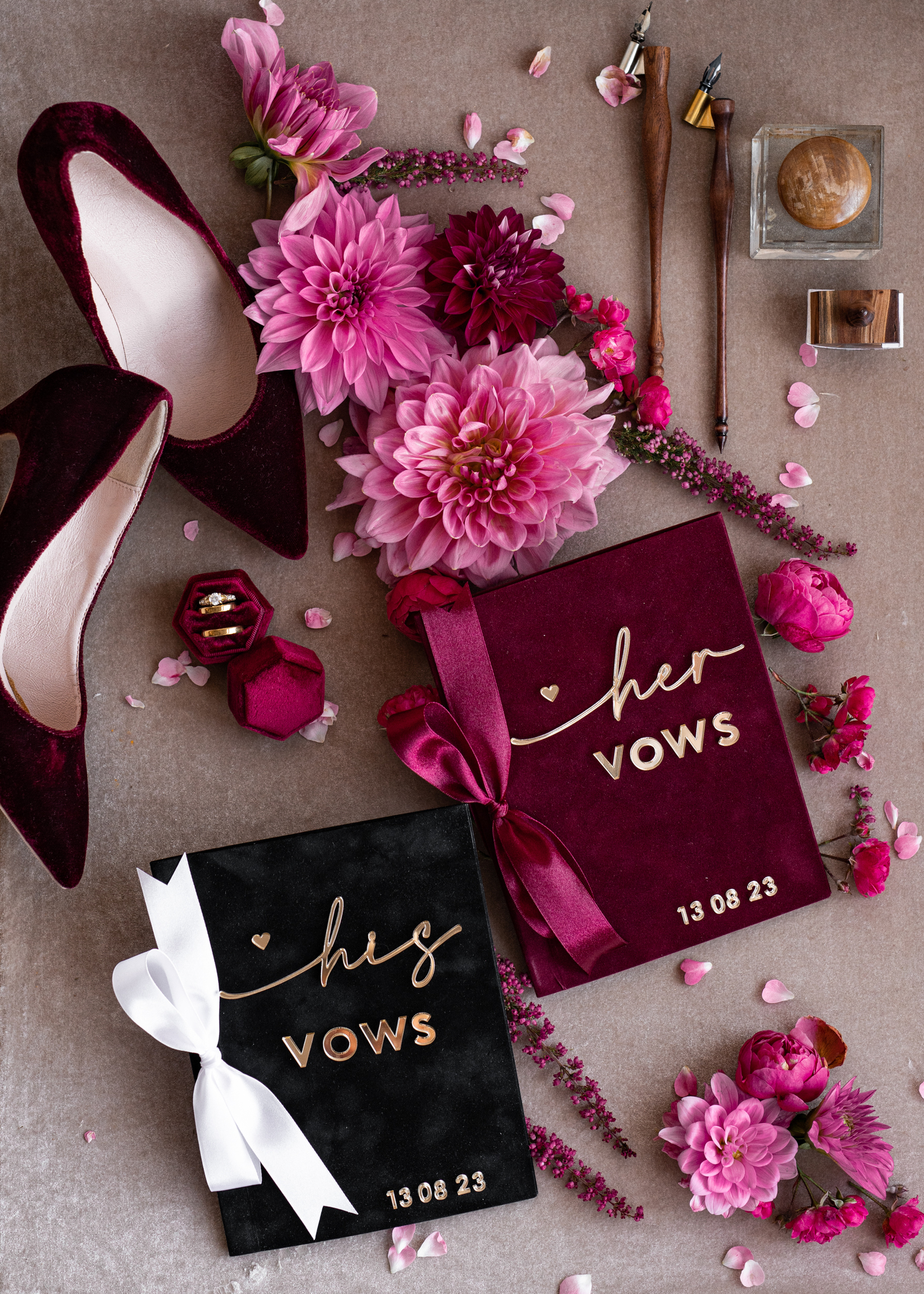
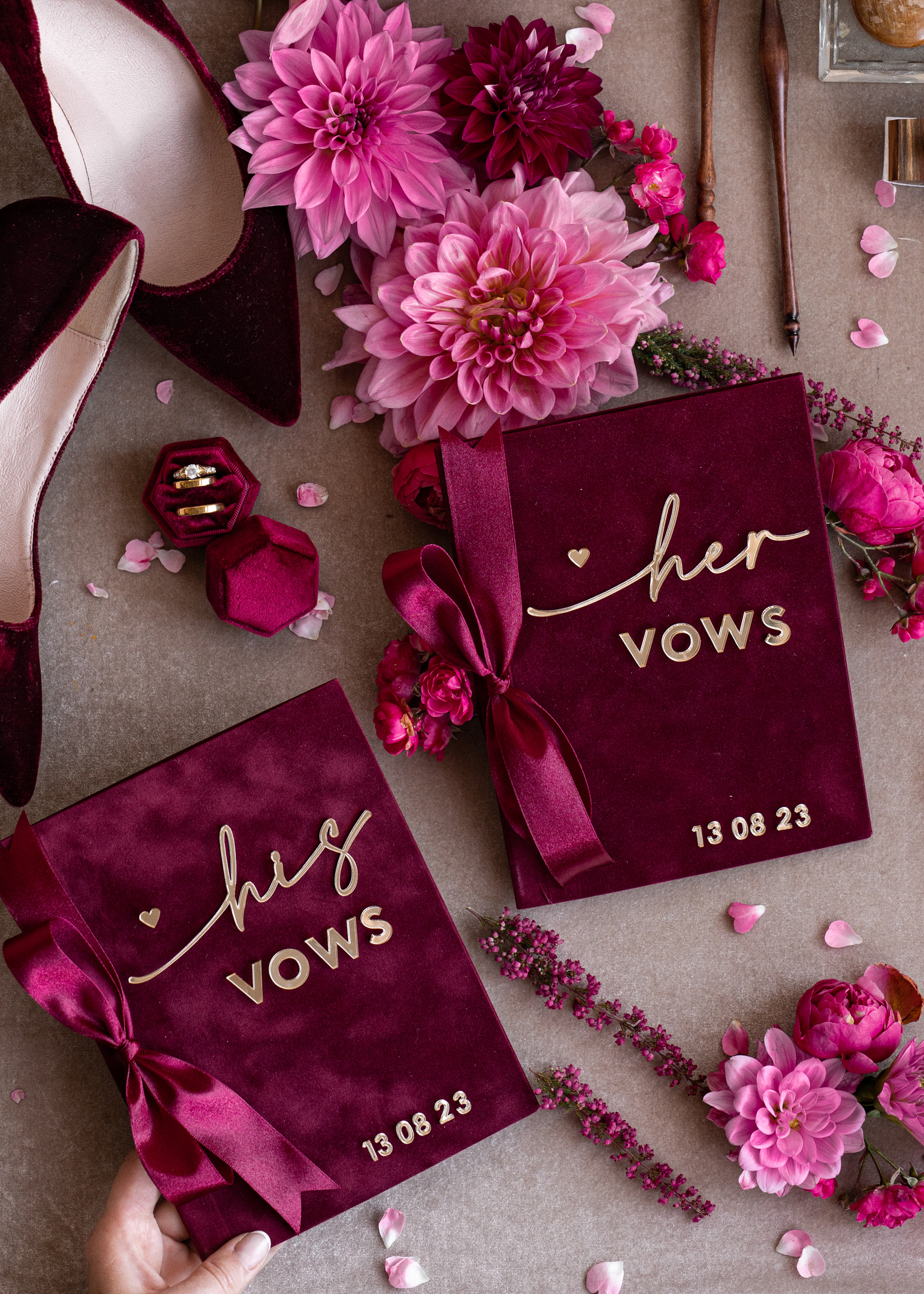
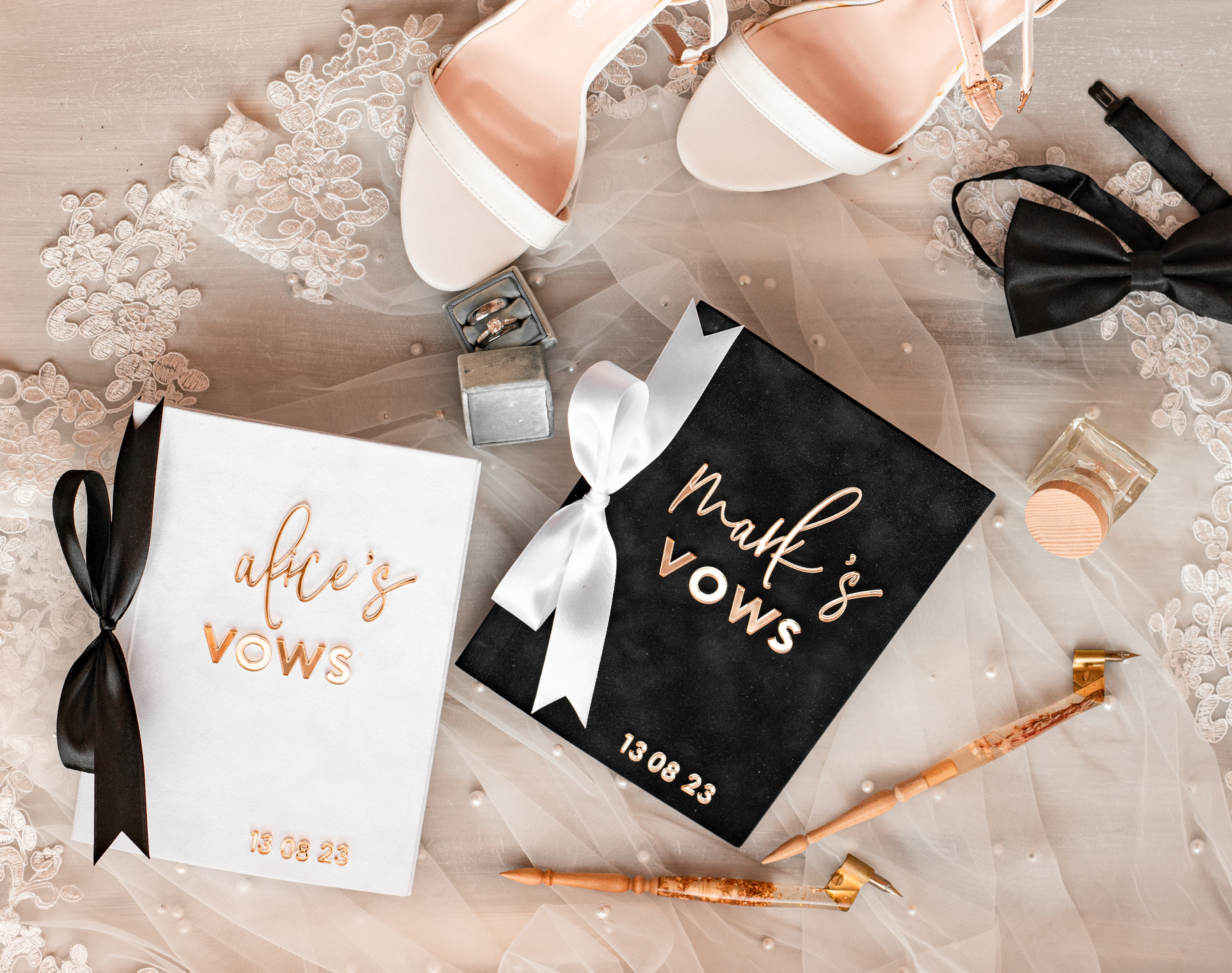
At the end of the day, your guest list should reflect the people who are truly part of your life and your love story. That's also the philosophy behind every detail of your wedding — from the venue down to the vows. If you're looking for a way to make your ceremony feel even more personal and intentional, our 01/kor/Vwov Acrylic Clear Gold vow cards are a beautiful way to hold your words on one of the most important days of your life. A guest list built with care deserves a ceremony to match.
Remember: a smaller, more intimate wedding where every guest genuinely belongs is almost always more memorable than a packed room full of people you've never met. Trust your instincts, be consistent, and don't apologize for protecting the atmosphere you've worked so hard to create.

Frequently Asked Questions
Not at all, as long as you apply the same standard to every guest. Most people understand that weddings have budget and space constraints. A kind, early explanation of your plus-one policy will prevent most hurt feelings.
Acknowledge their feelings without changing your policy — something like, "I completely understand, and I hope you'll still have a wonderful time celebrating with us" goes a long way. Holding firm on a consistent rule is far less awkward than making exceptions that ripple through the whole guest list.
Living together is generally considered a meaningful milestone that warrants an invitation, even if the relationship is under a year old. Many couples treat cohabitation as their threshold for offering a plus-one regardless of relationship length.
Address the envelope and inner envelope to that person only — no "and Guest." This is the clearest, most polite signal that the invitation is for them alone, and it avoids any awkward conversations about a misunderstanding later.
Reach out promptly and warmly: "We're so glad you're coming! I want to make sure there's no confusion — we weren't able to extend plus-ones to everyone, so your seat is reserved just for you." Most people will be gracious once they understand it wasn't personal.
You can, but it's risky — "seriousness" is subjective and hard to explain without someone feeling judged. A clear, time-based threshold is much easier to defend and far less likely to cause lasting hurt feelings among your guests.
See This Design Up Close


You May Also Like

More Wedding Planning Guides
- → The Missing RSVP Problem: How to Handle Non-Responding Guests
- → Why a Small Wedding Might Be the Best Decision You Make
- → When 'I Won't Come If They're Invited' Lands in Your Wedding Planning
- → How to Firmly (and Kindly) Communicate That Your Guest List Is Closed
- → Should Your Aunt's New Husband Get a Wedding Invitation?
- → Uninvited Plus-Ones and Tag-Alongs: How to Keep Your Guest List Intact
- → When Family Feuds Threaten Your Wedding Plans: A Practical Peacekeeper's Guide
- → Inviting an Estranged Brother or Sister: Finding Clarity Before You Seal the Envelope
- → Cousins, Invites, and Hard Choices: A Practical Guest List Guide