
The Graceful Way to Tell Wedding Guests the Guest List Is Final
You've counted every seat, confirmed your catering numbers, and finally — finally — your guest list is locked. Then an RSVP card comes back with an extra name scrawled in, or a well-meaning aunt calls to ask if she can bring her new boyfriend. It happens at almost every wedding, and it puts couples in an awkward spot. The good news: you can handle it with warmth and zero guilt. Here's exactly how to communicate a firm guest list without hurting feelings or starting family drama.
Set Clear Expectations Before Anyone Even Asks
The most effective strategy is prevention. When your invitations go out, address them with surgical precision. Only write the names of the people who are actually invited — if a couple is invited without their children, address the envelope to Mr. and Mrs. James Carter, not The Carter Family. If a single guest has a plus-one, write both names if you know the partner, or Sarah Mitchell and Guest if you don't.
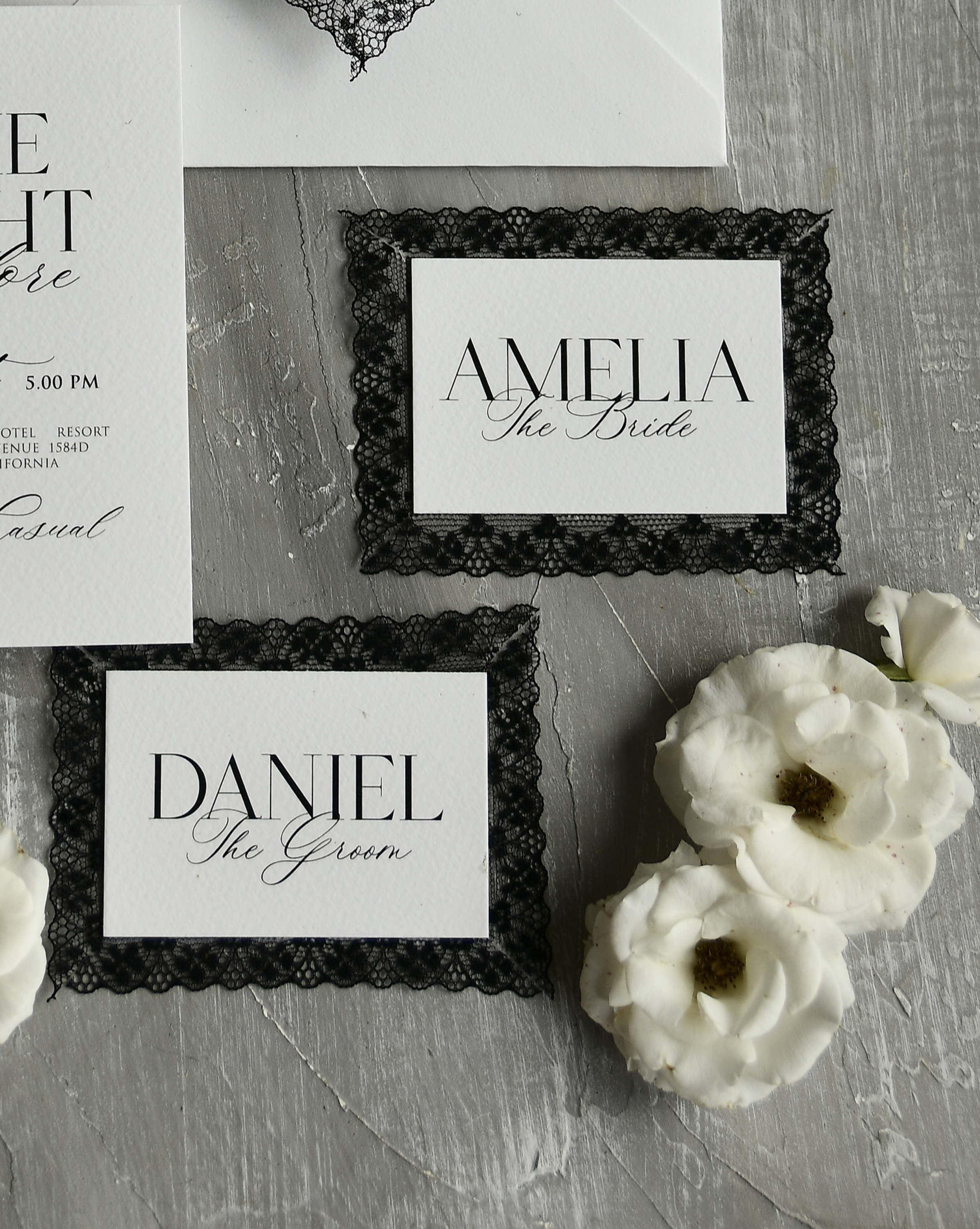
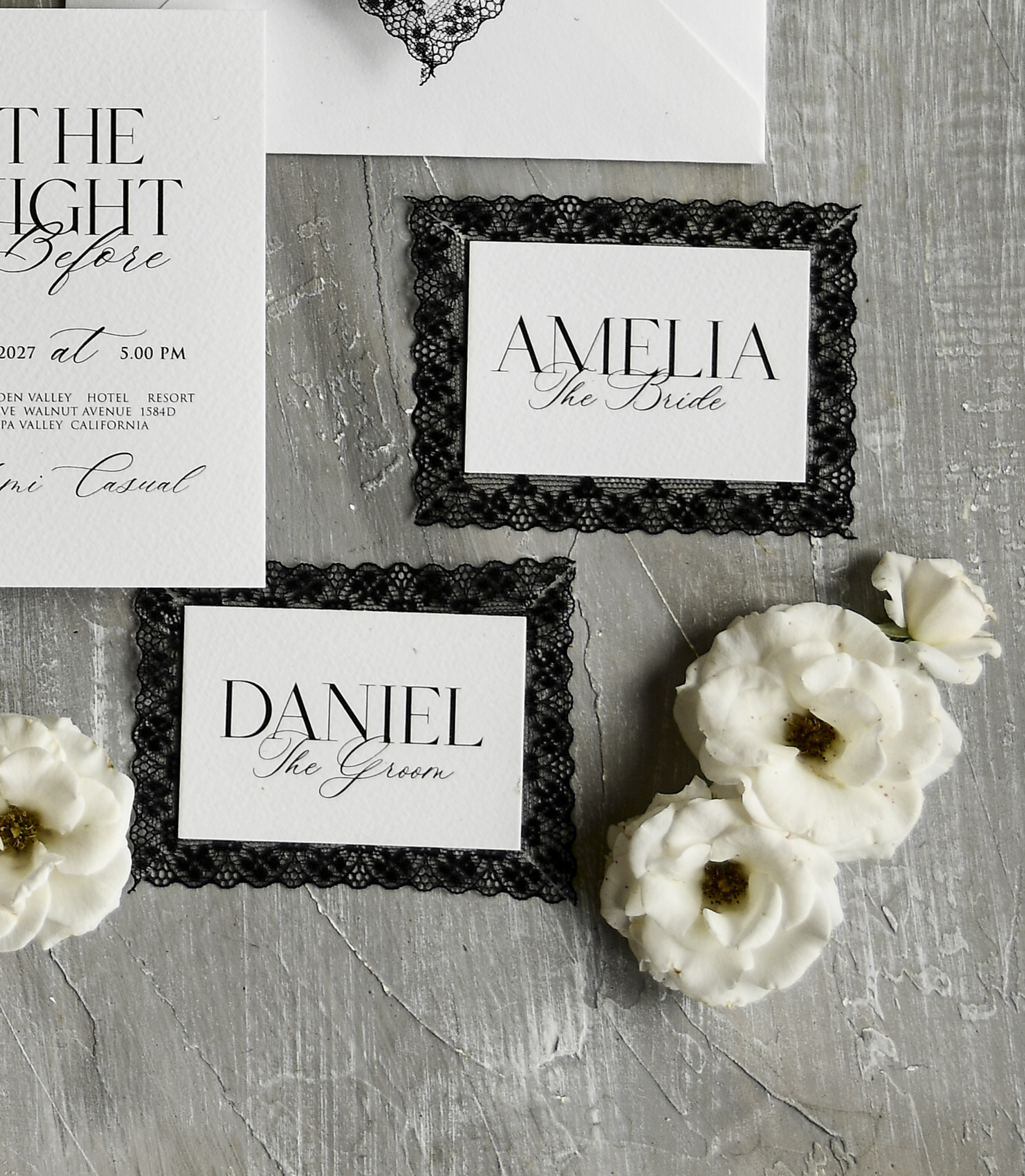
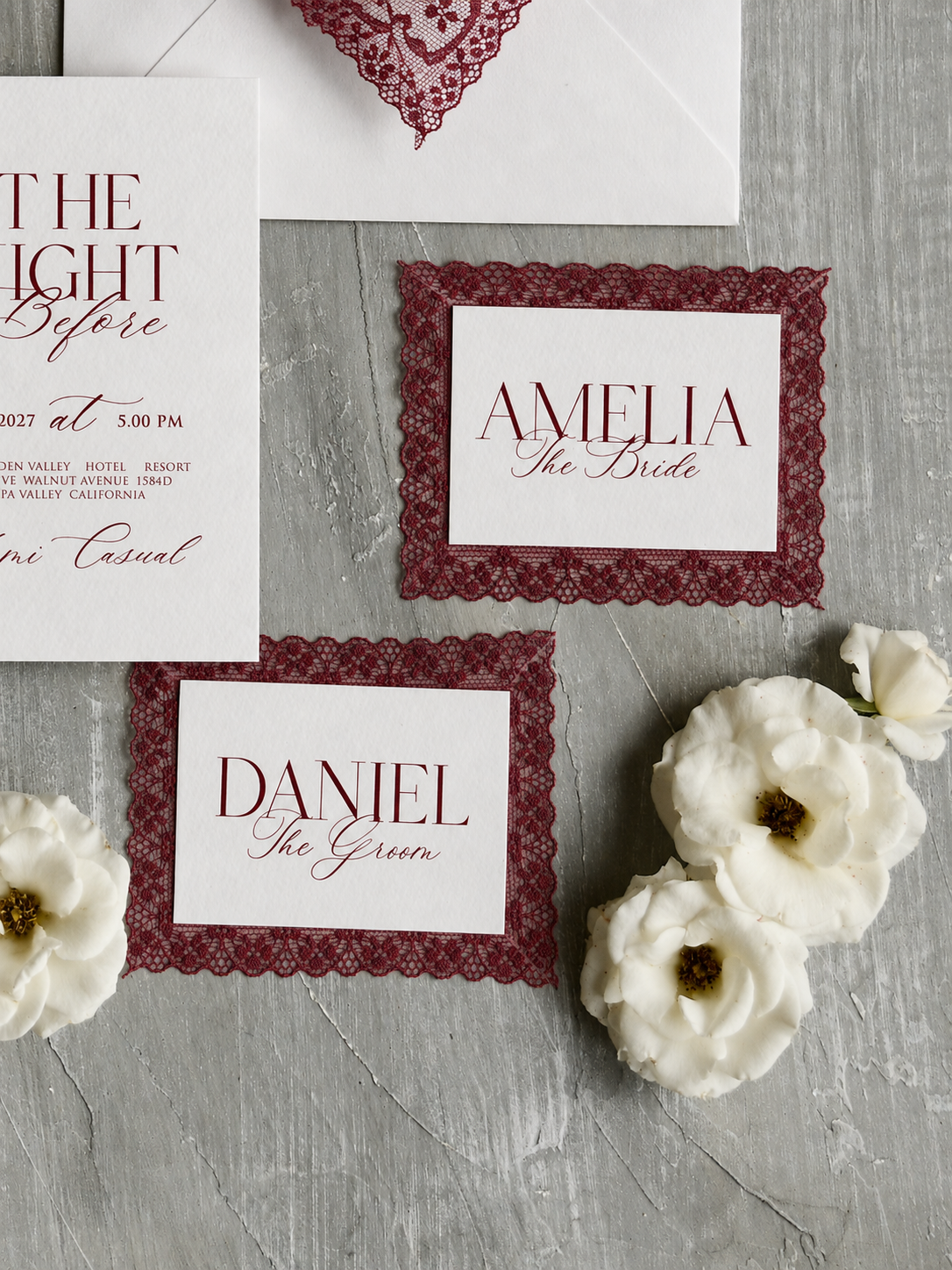
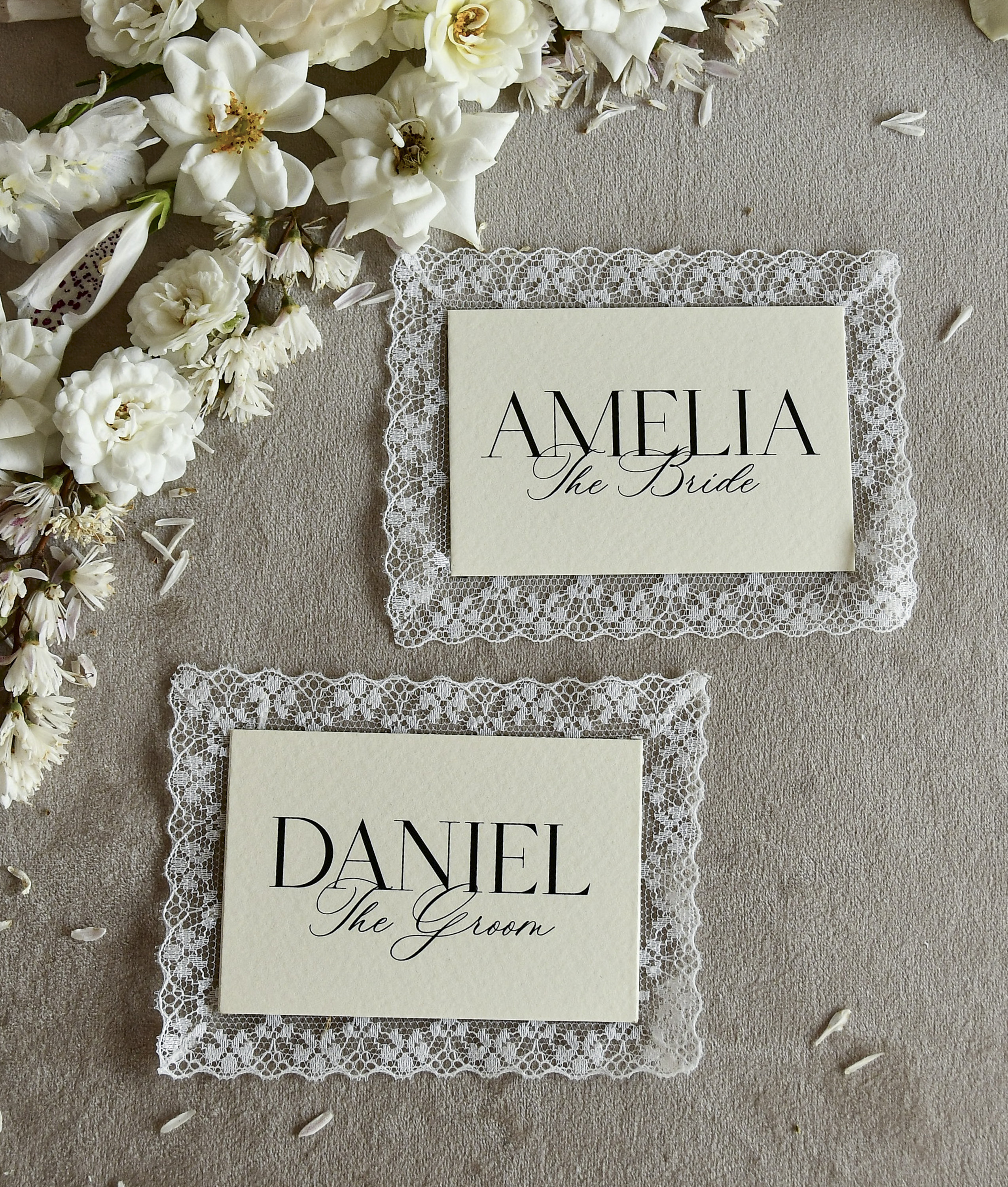
Your RSVP card can also do quiet but powerful work. Pre-printing guest names on the RSVP — something you can do beautifully with place card suites like the 04/laceD/W — signals that you already know exactly who is coming. When a guest sees their name printed rather than a blank line, they're far less likely to assume there's room to add someone.
What to Say When Someone Asks for an Extra Seat
Despite your best efforts, someone will ask. Keep your response brief, warm, and final. You don't need to over-explain — that only opens the door to negotiation. Here are a few scripts you can adapt:
- For a plus-one request: "We're so touched you want to bring someone! Unfortunately, we've had to keep our guest list very tight due to our venue's capacity, so we aren't able to extend plus-ones beyond what's on the invitation. We can't wait to celebrate with you though!"
- For extra children: "We've made the decision to keep our wedding adults-only so every parent can relax and enjoy the night. We completely understand if that makes it tricky to attend, and we'll miss you if you can't make it!"
- For a guest who adds names to their RSVP card: "Thank you so much for your RSVP! I wanted to check in — it looks like a couple of extra names were included, and I want to make sure I have the right count. We're unfortunately at capacity, so the invitation covers [names] only. Hope that makes sense!"
Notice the pattern: acknowledge, explain briefly, hold the line, end warmly. You never need to apologize for knowing your own guest list.
Handling Pushback Without Caving
Some guests will push back, especially close family members who feel entitled to bring whoever they please. Stay consistent. If you make one exception, word travels fast and you'll be fielding five more calls by the weekend.
A few principles to keep you steady:
- Blame the venue. "Our venue has a strict capacity of 80 guests" is easier for people to accept than "we just don't want them there." It's also usually true.
- Don't rank guests. Avoid saying "only close family gets plus-ones" — it invites debate about who counts as close. Instead, keep it simple: "We aren't offering plus-ones to anyone outside of established couples."
- Let a parent or trusted family member run interference. If your future mother-in-law is the one fielding calls from her side of the family, loop her in so she can back you up consistently.
Using Your Stationery to Reinforce the Message
Your paper goods are your first line of communication, and thoughtful details make a real difference. A wedding website with a clear FAQ section — "Our venue has limited capacity; invitations are non-transferable" — handles questions before they reach you. Including a polite note on your details card, such as "Due to venue capacity, we are only able to accommodate the guests named on your invitation," is completely acceptable and increasingly common.
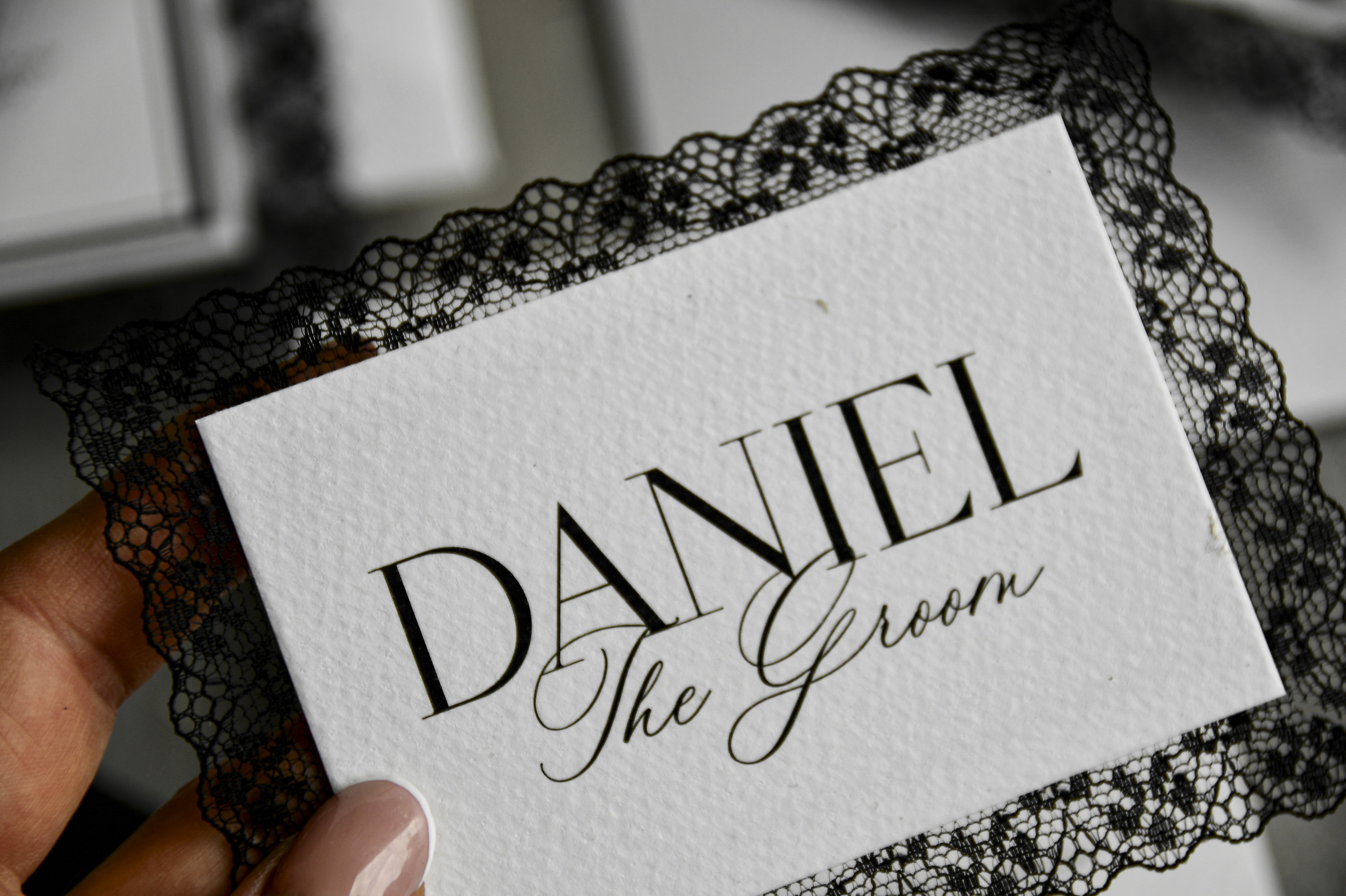
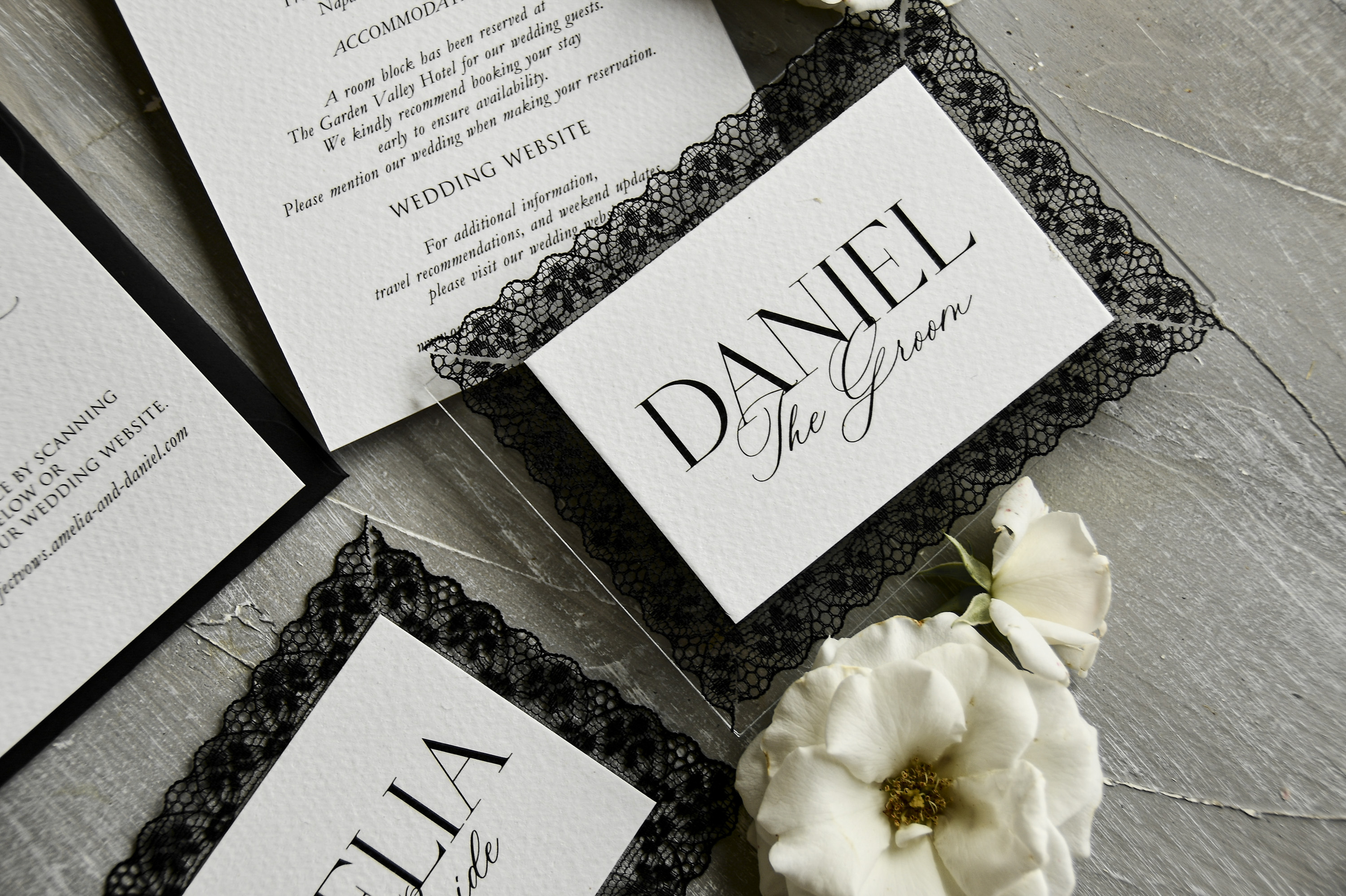
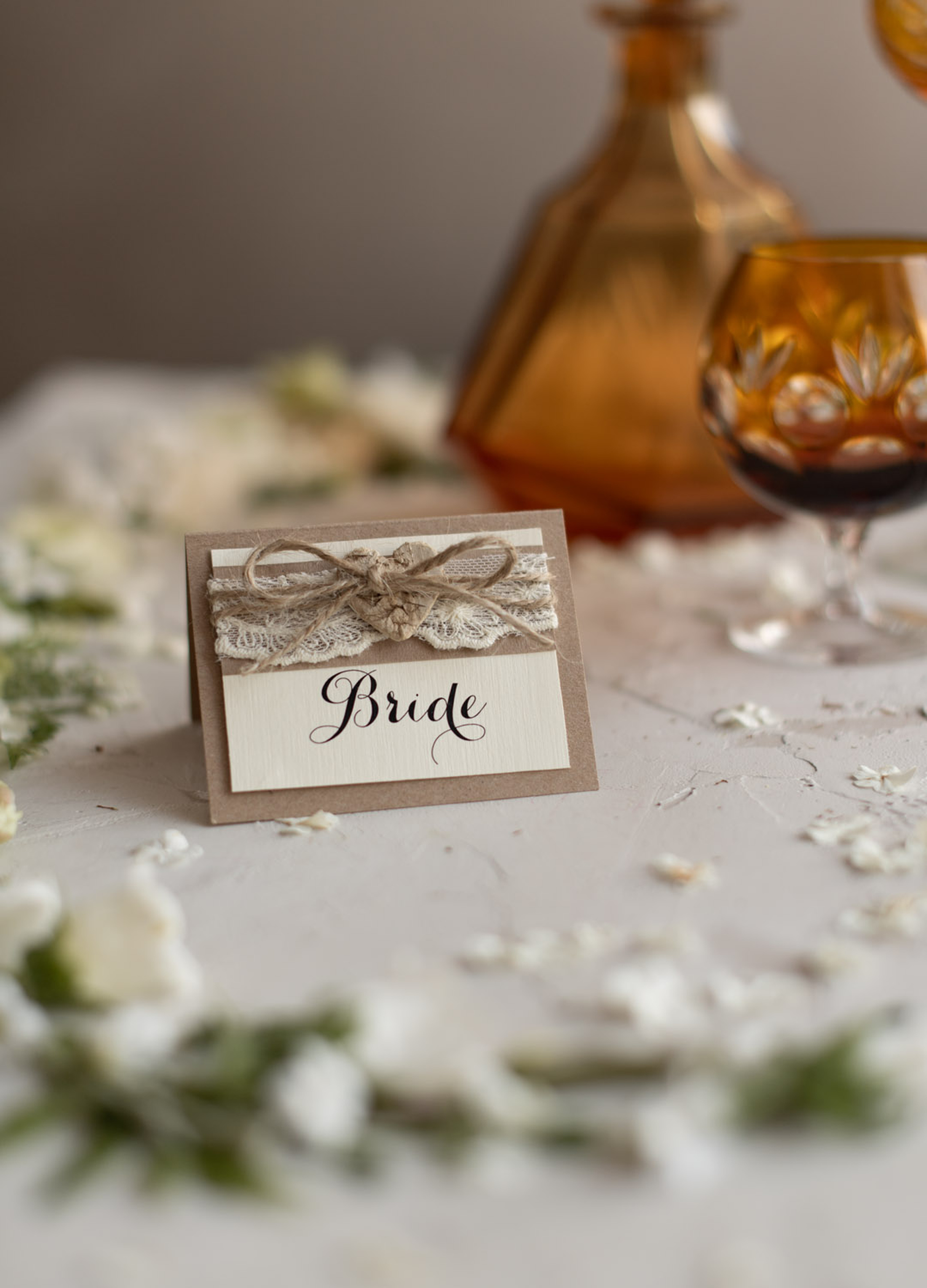
At the reception itself, personalized place cards eliminate any ambiguity about who belongs at which table. The 04/laceD/W place cards give every seat an intentional, designated feel — guests arriving without an assigned card will quickly understand the seating was carefully planned. It's a gentle, elegant way to reinforce what your invitation already communicated.
A Few Things Worth Remembering
Keeping your guest list intact is not selfish — it's responsible. You've made financial and logistical commitments based on a specific headcount, and honoring those commitments is part of planning a wedding well. Most guests, when addressed kindly and directly, will understand completely.
The couples who struggle most are those who hint rather than say it plainly, or who apologize so profusely that guests sense there might be wiggle room. Be kind, be clear, and be consistent. Your wedding day will be exactly what you planned — and the people there will be exactly who you wanted.
Frequently Asked Questions
Not at all — plus-ones are a courtesy, not an obligation. It's perfectly acceptable to reserve plus-ones for guests in long-term or live-in relationships. Just be consistent across your guest list so no one feels singled out.
Reach out quickly and kindly, framing it as a clarification rather than a confrontation. Something like "I want to make sure I have your count right" works well. Correct the record before you submit final numbers to your caterer.
A short line on your details card — such as "seating is limited to invited guests only" — is widely accepted and saves awkward conversations later. Keep the wording neutral and matter-of-fact rather than defensive.
That's genuinely unfortunate, but it's not your responsibility to absorb. Sympathize sincerely, hold your line, and if possible help them find a solution — like suggesting they still attend the ceremony even if the reception is full. You are not obligated to add a seat.
Yes, and sometimes that's the wisest move — especially when the request comes from a relative on your partner's side. A parent or close family member who knows the situation can convey the same message with added credibility and less awkwardness for you.
Ideally both. Mention it to close family before invitations mail so they can set expectations on your behalf. Then let the invitation addressing and any details card language handle the broader guest list. Follow up individually only when someone asks directly.
See This Design Up Close

You May Also Like
More Wedding Planning Guides
- → When Guests Change Their RSVP at the Last Minute: How to Handle It Gracefully
- → Should Children Get Their Own Wedding Invitation? Here's How to Decide
- → Babysitter vs. Kids' Entertainment at Your Wedding: How to Decide
- → Your Parents Want to Invite Their Friends — Here's How to Handle It Gracefully
- → Uninvited Plus-Ones and Tag-Alongs: How to Keep Your Guest List Intact
- → When Family Feuds Threaten Your Wedding Plans: A Practical Peacekeeper's Guide
- → Inviting an Estranged Brother or Sister: Finding Clarity Before You Seal the Envelope
- → Cousins, Invites, and Hard Choices: A Practical Guest List Guide