
When Guests Change Their RSVP at the Last Minute: How to Handle It Gracefully
You've collected every RSVP, finalized your headcount, and submitted numbers to your caterer — then your phone buzzes. A guest wants to change their answer. Whether someone who said yes suddenly can't make it, or an unexpected plus-one appears out of nowhere, last-minute RSVP changes are one of the most common (and most stressful) surprises of wedding planning. Here's exactly how to handle them without losing your cool.
Can Guests Legally or Etiquette-Wise Change Their RSVP?
There's no rule that prevents a guest from changing their mind — but there are real consequences for you as a couple, and it's completely reasonable to communicate those boundaries. Etiquette-wise, changing an RSVP after your stated deadline is considered inconsiderate, especially when catering, seating, and stationery have already been finalized. That said, life happens: illnesses, family emergencies, and last-minute travel disruptions are genuine reasons someone might need to back out or add themselves.
The key distinction is why the change is happening and when. A guest calling two weeks before the wedding to say they can no longer attend is very different from a text the morning of your big day.
Setting a Clear RSVP Policy Before the Wedding
The best defense against last-minute chaos is a clear policy communicated upfront. When you send your invitations, include a firm RSVP deadline — typically 3 to 4 weeks before the wedding — and make it clear that changes after that date may not be possible to accommodate. You can add a gentle note on your wedding website, such as:
- "Due to catering and venue requirements, we're unable to guarantee accommodations for changes made after [date]."
- "Final headcounts are submitted to our caterer by [date]. Please let us know as soon as possible if your plans change."
Being transparent early prevents awkward conversations later and sets realistic expectations for your guests.
How to Handle a Guest Who Drops Out Last Minute
When someone cancels close to the wedding, your first call should be to your caterer. Most venues lock in final numbers 5 to 14 days before the event, and many require payment for the confirmed headcount regardless of last-minute no-shows. This means you may still be paying for that plate — and that's okay to acknowledge honestly if a guest asks.
Your response to the guest should be warm but practical. Express understanding, confirm you've received their message, and let them know you'll miss them. You don't need to offer a refund for any monetary gift, and you're not obligated to make up for the cost they've caused. If you have a B-list of guests you'd love to invite if space allows, this is the moment to reach out to them — just be honest about the timing and keep your message gracious.
When Someone Wants to Add a Guest Last Minute
This scenario can feel even trickier. A guest who originally said yes now wants to bring a partner, a child, or a friend. Before you respond, check two things: your venue's capacity and your catering contract. If there is genuinely no room or budget, it is completely acceptable — and appropriate — to say so kindly.
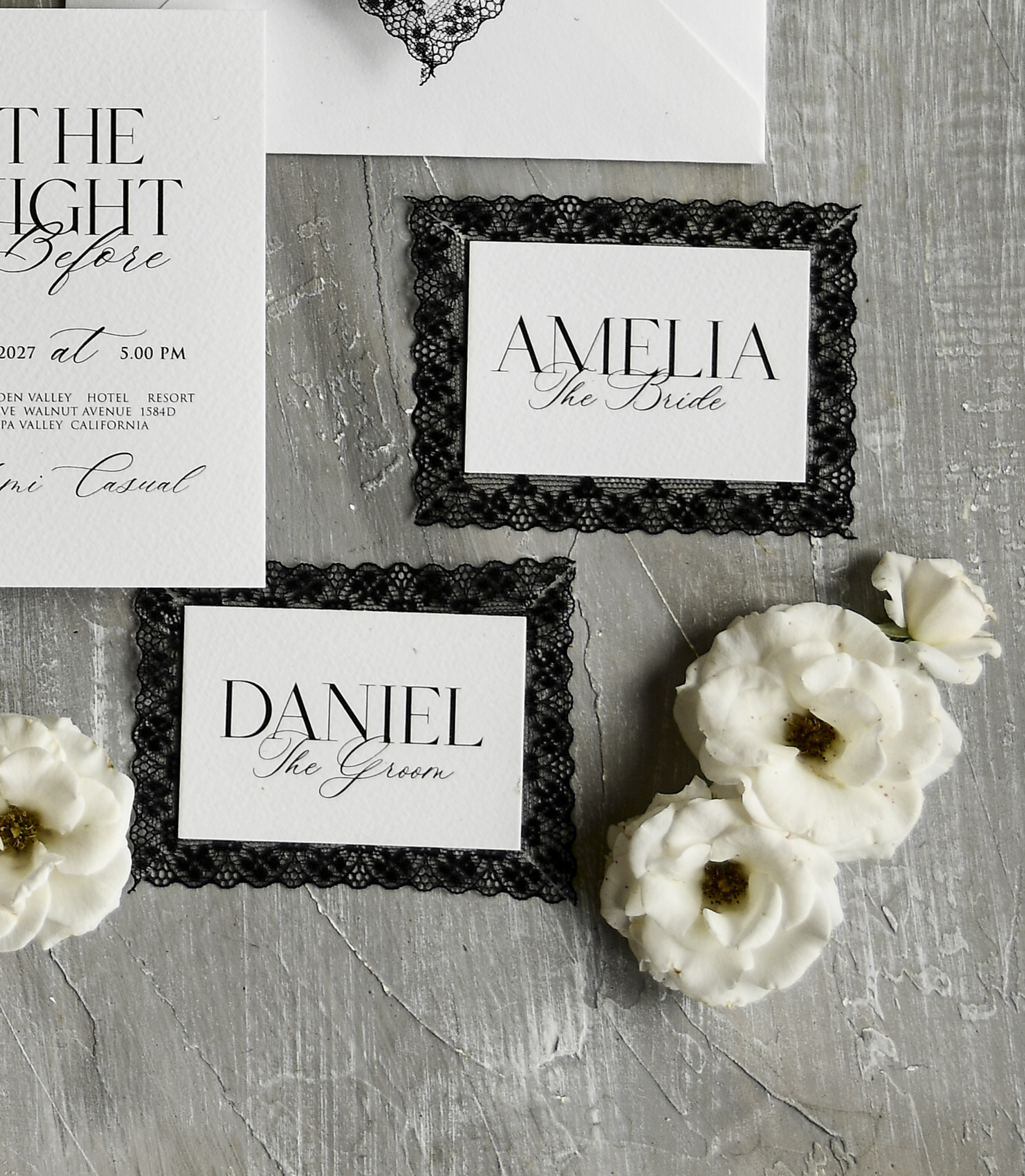
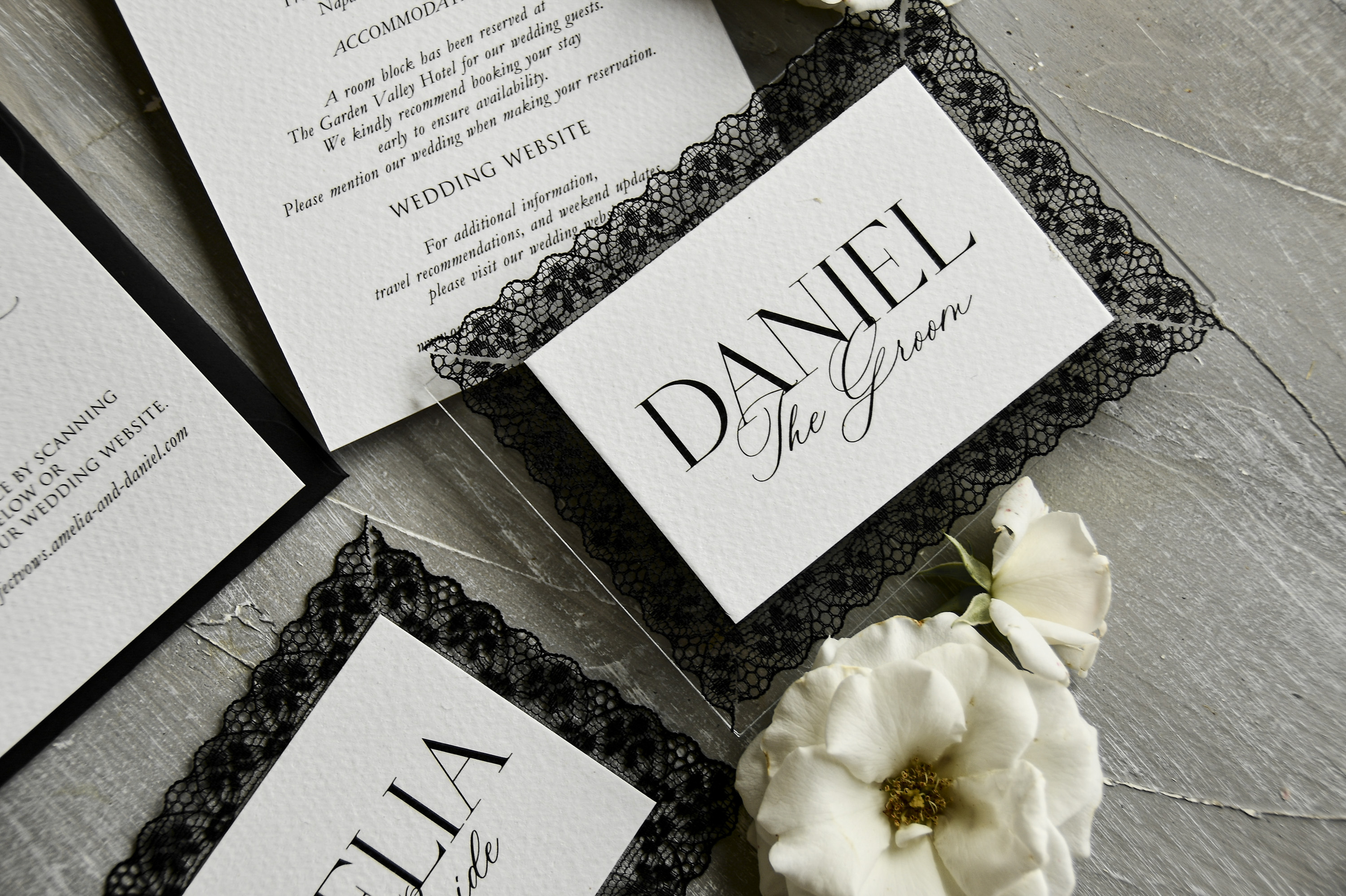
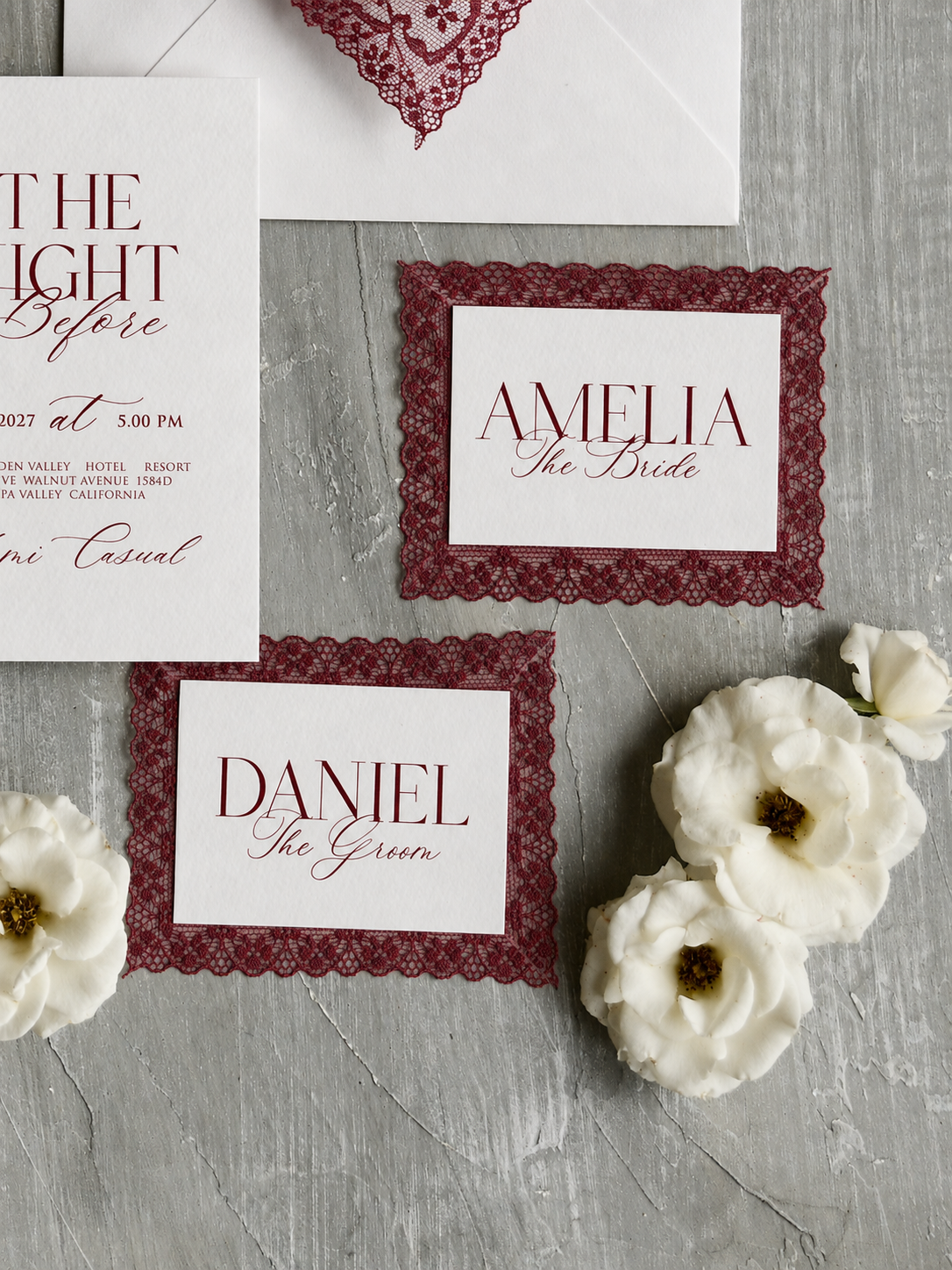
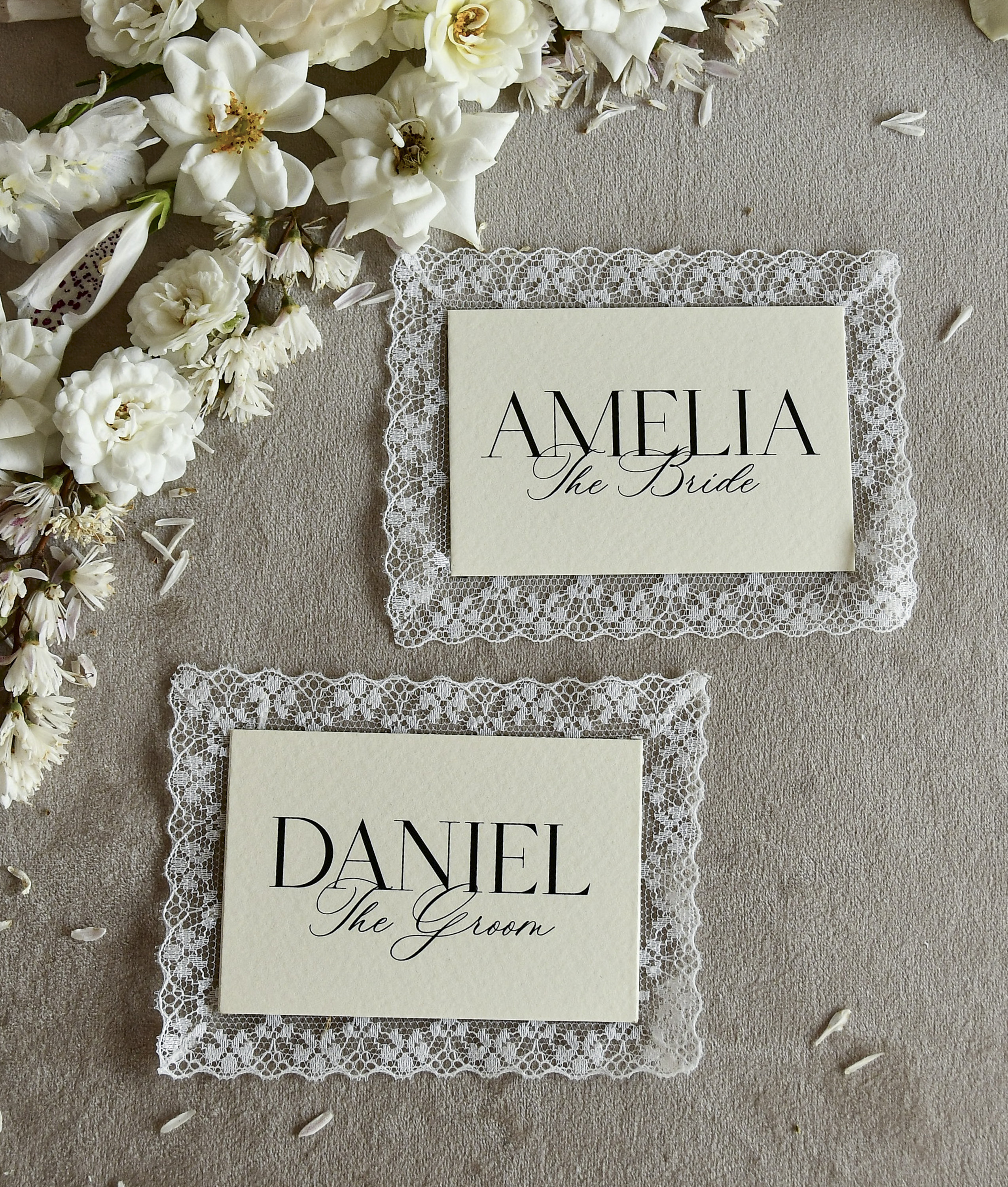
If you can accommodate the addition, you'll need to update your seating chart and your place card order. This is where having a flexible stationery option saves the day. Our 04/laceD/W place cards are a beautiful, affordable choice (from $3.00 each) that let you add names elegantly without overhauling your entire table design. Having a few extras on hand before the wedding is a smart move for exactly this kind of situation.
If you cannot accommodate the addition, a simple script helps: "We're so sorry — our final numbers are locked in with the venue and we're at capacity. We can't wait to celebrate with [guest's name] and hope to see you both soon after the wedding."
Protecting Your Seating Plan and Your Sanity
Once your RSVP deadline has passed, designate one person — ideally your wedding planner, maid of honor, or a trusted family member — as the point of contact for any last-minute changes. This keeps you focused on enjoying your wedding week instead of fielding texts. Give that person a printed copy of your seating chart and a small stash of blank 04/laceD/W place cards so they can make quick adjustments on the day if needed.
Build a small buffer into your catering order if your budget allows — ordering for 5% more guests than your confirmed count means a surprise addition won't derail your reception dinner. And remember: a seat or two going empty is far less stressful than you imagine it will be on the day. Guests mingle, tables shift, and your celebration will be beautiful regardless.

Frequently Asked Questions
Acknowledge their message kindly and let them know you'll do your best, but be honest that changes after the deadline may not be possible to accommodate due to catering and venue contracts. You are not obligated to rearrange your plans at significant cost or stress to yourself.
In most cases, yes — caterers charge per the confirmed headcount submitted before the wedding, regardless of no-shows. This is a standard part of catering contracts, so it's worth budgeting a small cushion for this possibility.
No, it is not rude — it is completely appropriate to hold your guest list boundaries, especially when venue capacity and catering numbers are finalized. A polite, warm explanation is all that's needed, and most guests will understand.
Set your RSVP deadline 3 to 4 weeks before your wedding date, which gives you time to follow up with non-responders and submit final numbers to your caterer. Most caterers require final headcounts 1 to 2 weeks before the event.
Absolutely — ordering a few extra place cards when you place your original order is one of the smartest things you can do. It gives you flexibility to accommodate a surprise addition or correct a name without a rush reorder.
Assign a trusted person — your wedding planner, maid of honor, or a organized family member — to be the point of contact for any day-of seating issues. Brief them on the seating chart and give them any spare materials they might need so you can focus on celebrating.
See This Design Up Close


You May Also Like

More Wedding Planning Guides
- → The Graceful Way to Tell Wedding Guests the Guest List Is Final
- → Should Children Get Their Own Wedding Invitation? Here's How to Decide
- → Babysitter vs. Kids' Entertainment at Your Wedding: How to Decide
- → Your Parents Want to Invite Their Friends — Here's How to Handle It Gracefully
- → Uninvited Plus-Ones and Tag-Alongs: How to Keep Your Guest List Intact
- → When Family Feuds Threaten Your Wedding Plans: A Practical Peacekeeper's Guide
- → Inviting an Estranged Brother or Sister: Finding Clarity Before You Seal the Envelope
- → Cousins, Invites, and Hard Choices: A Practical Guest List Guide