
The Plus-One Question: How to Handle Teenage Guests at Your Wedding
You've finalized your guest list, you're deep in seating chart math, and then it hits you: what do you do about the teenagers? Specifically, do you give them a plus one? It's one of those quietly tricky wedding etiquette questions that doesn't get nearly enough attention. The short answer is: usually no — but as with most wedding decisions, context matters a lot. Here's how to think it through so you can make a call you feel good about.
The General Rule: Teenagers Typically Don't Get Plus Ones
Standard wedding etiquette does not extend plus ones to teenage guests. A plus one is traditionally offered to adults — typically guests 18 and older — who are in a committed relationship or who would otherwise be attending solo with no one they know at the event. Teenagers, by contrast, are almost always coming with their parents or family members, which means they already have a built-in social anchor at your wedding.
Unless a teen is 17 or 18 and in a serious, long-term relationship (think: a high school senior who has been dating someone for two years), there's no real etiquette obligation to offer them a guest. Extending a plus one to every teenager on your list can quickly add 10–15 unexpected guests and a significant bump to your catering bill.
When It Does Make Sense to Offer a Teen a Plus One
There are genuine exceptions worth considering:
- Older teens in serious relationships: If your 17- or 18-year-old niece has been with her partner for a year or more, inviting that partner is a kind gesture — especially if the couple is well known to your family.
- Teens attending without parents: If a teenager is coming to your wedding independently — say, a college-aged younger sibling who lives away from home — treating them more like an adult guest makes sense.
- Small, intimate weddings: At a micro-wedding of 20 people, a teenager sitting alone while everyone else is paired up can feel awkward. In that case, offering a plus one shows extra thoughtfulness.
- Teens who know no one else: If a 16-year-old cousin is flying in from out of state and won't know a single other guest, a plus one can ease the social pressure.
The key question to ask yourself: will this teenager be genuinely isolated without a guest, or will they be comfortable with the family members already attending?
How to Address the Invitation — and What to Write
How you address your invitations does a lot of the communicating for you. If you're not offering a plus one to a teenage guest, simply address the envelope to the household or to the individuals invited by name. For example: Mr. and Mrs. James Holloway and Family or, if you want to be specific, list each invited family member by name on the inner envelope.
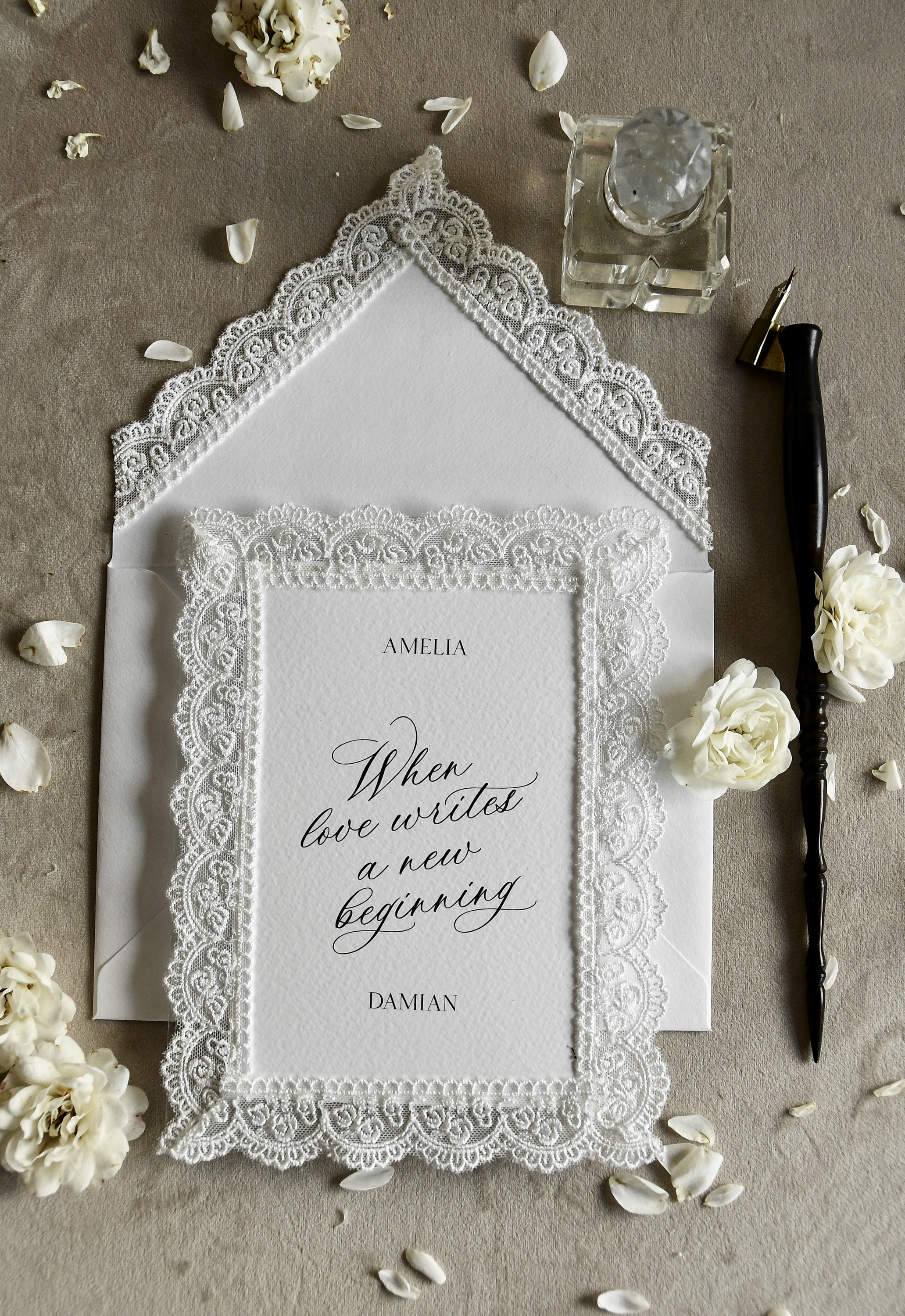
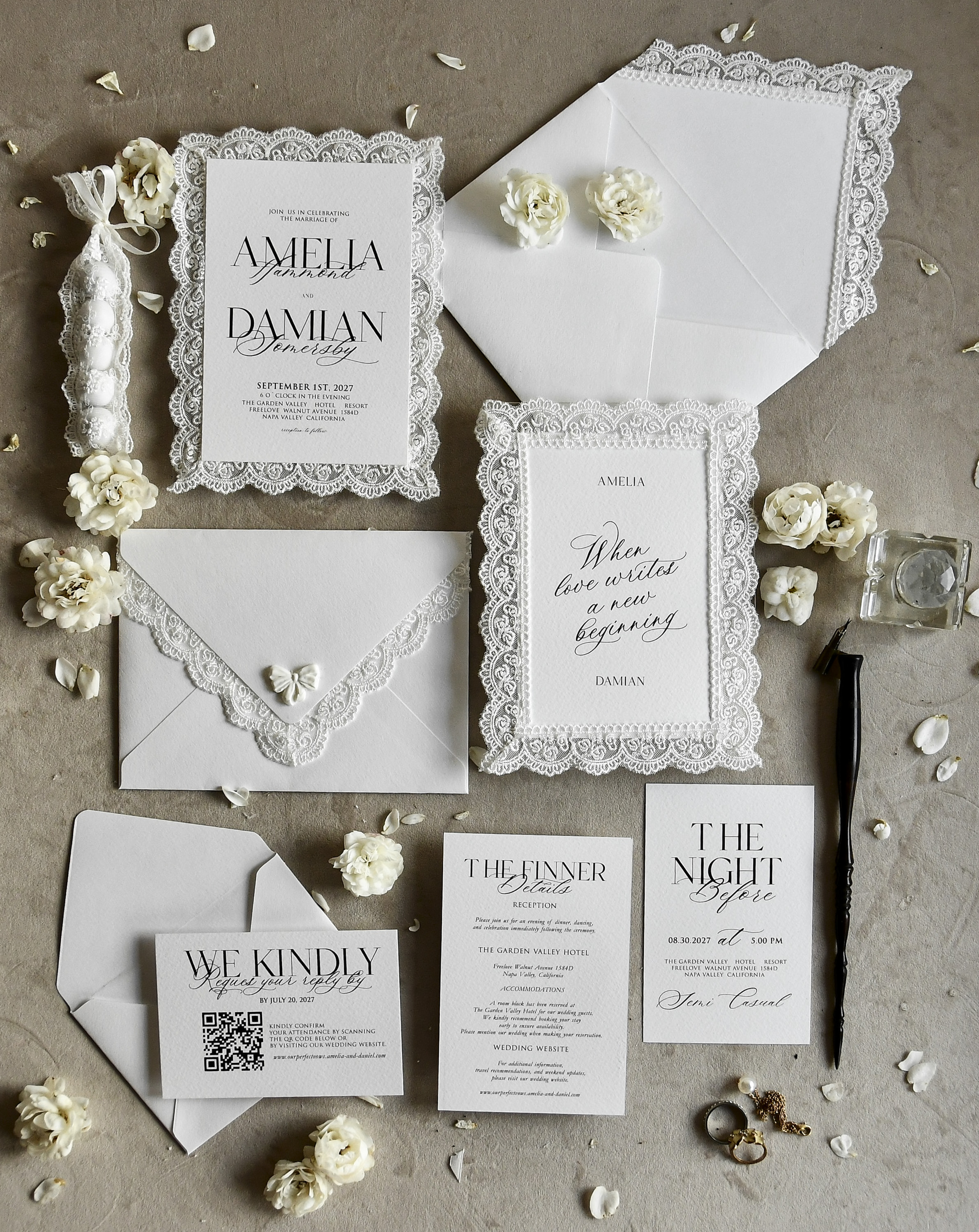
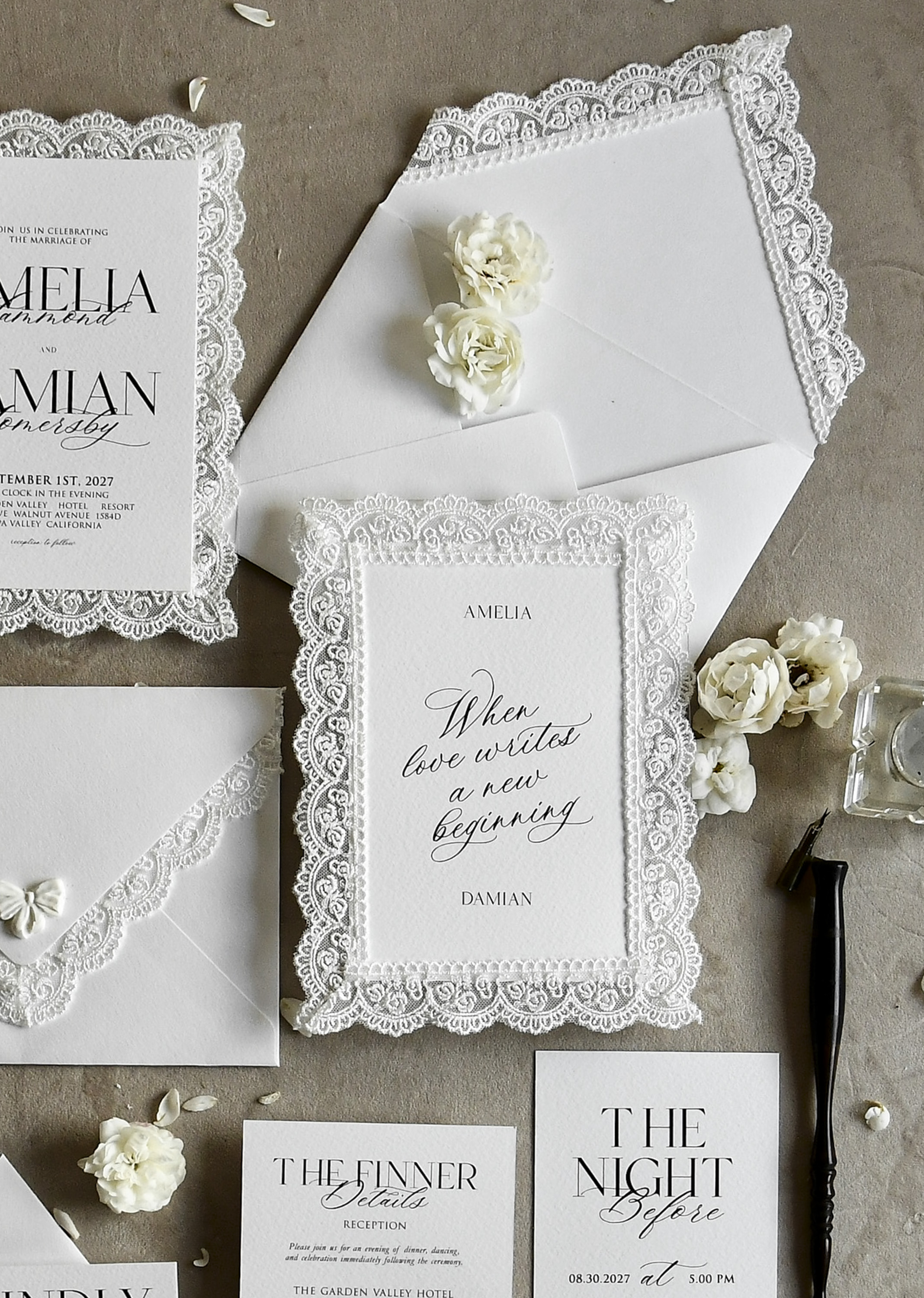
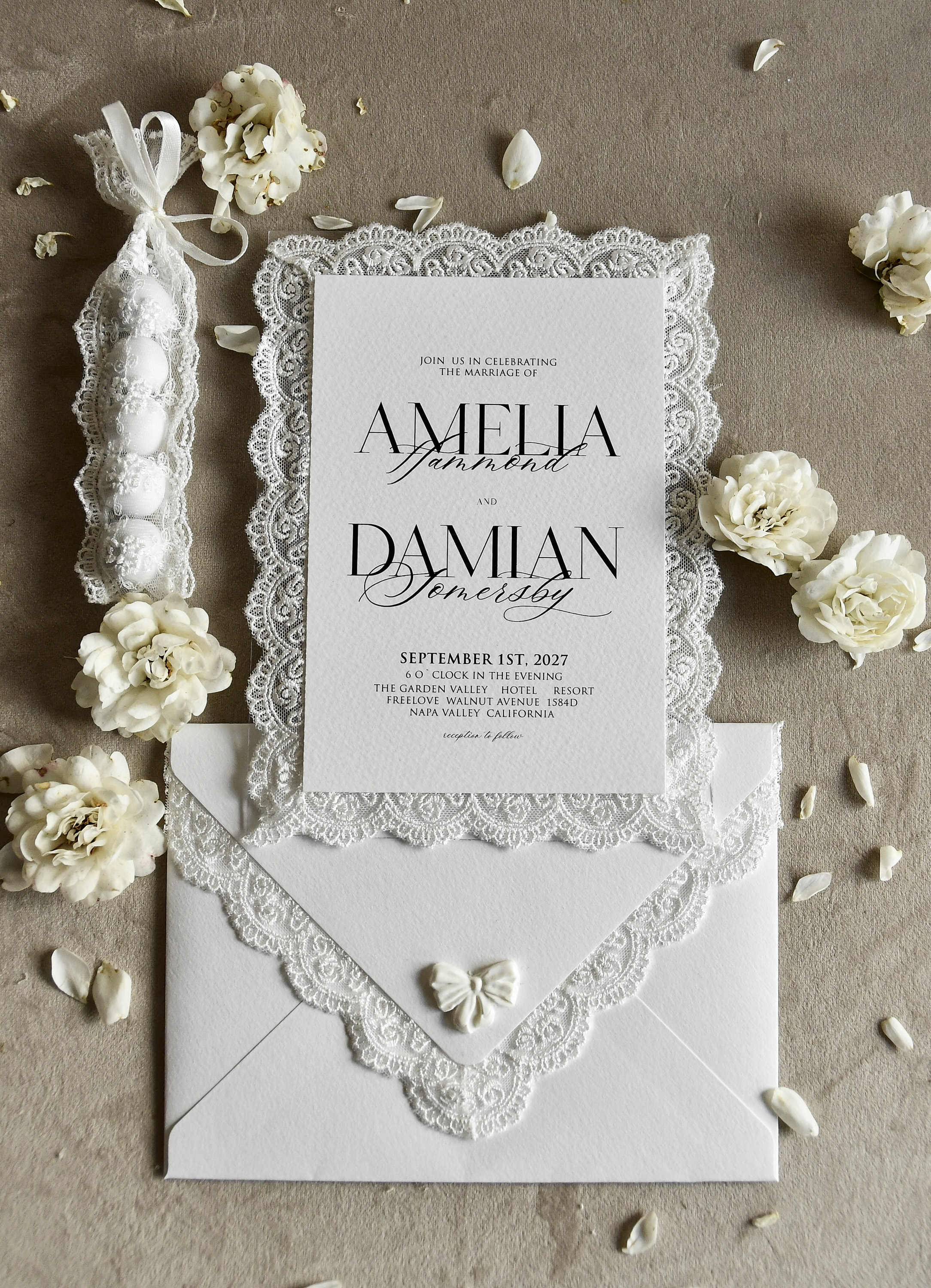
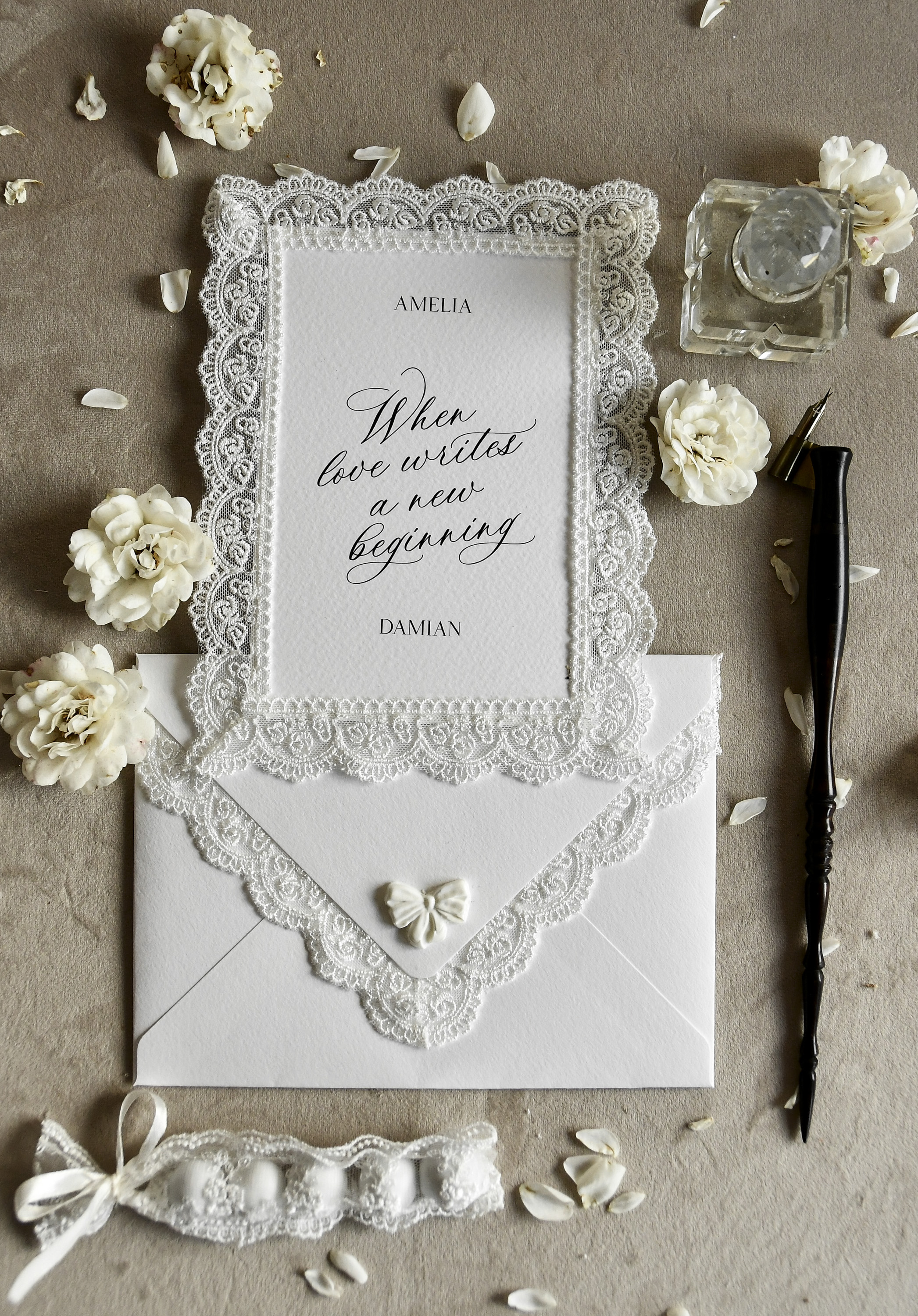
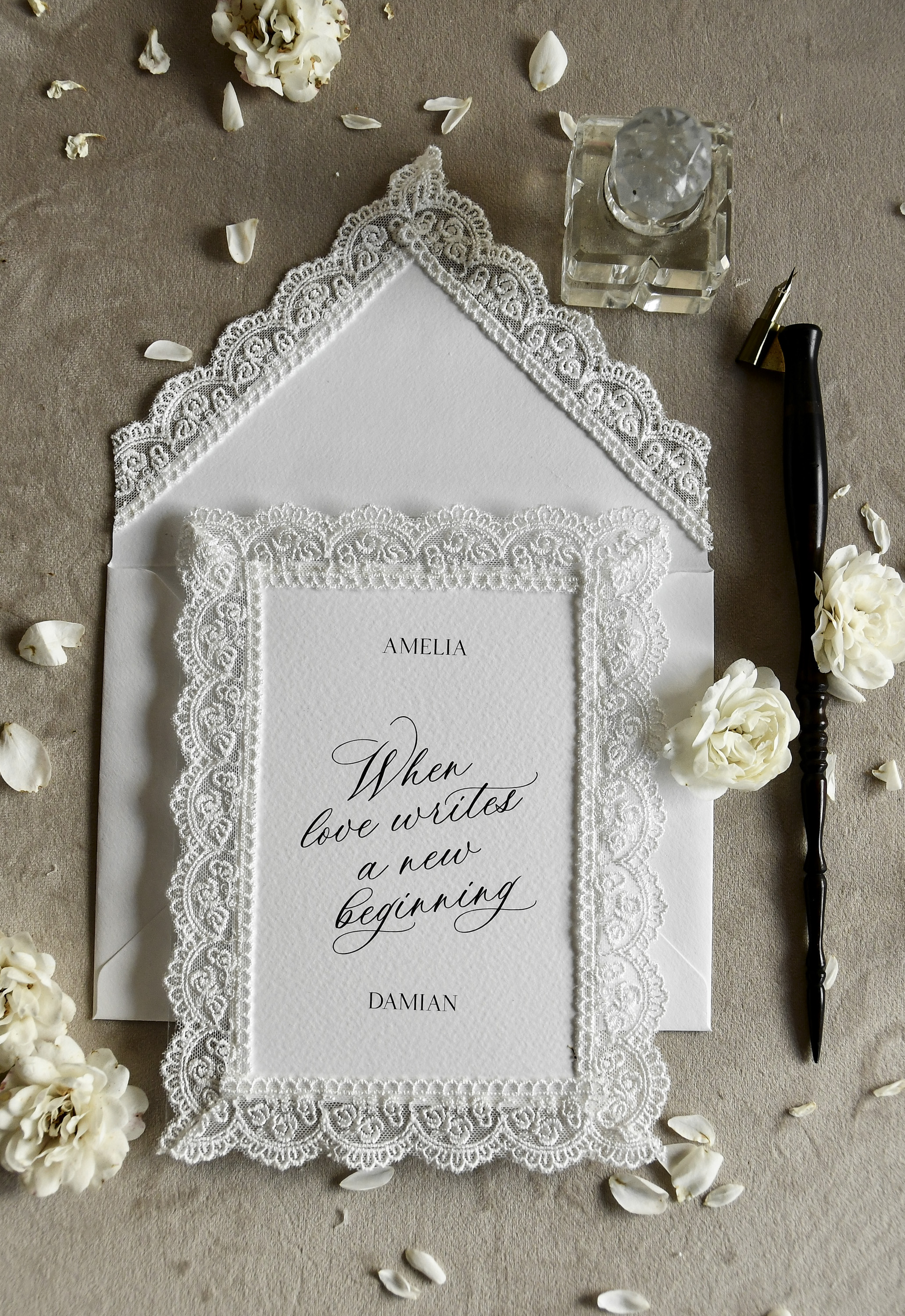
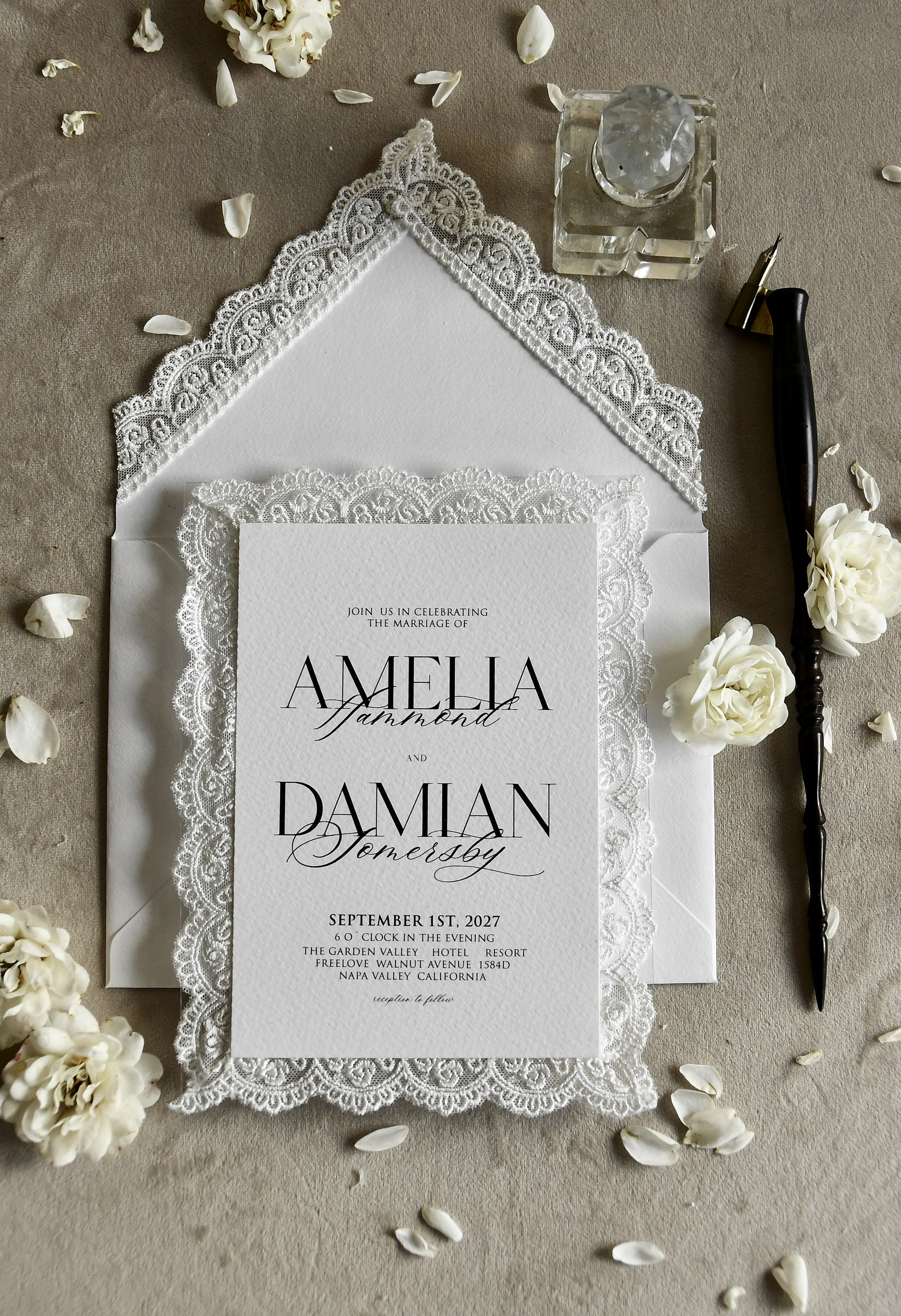
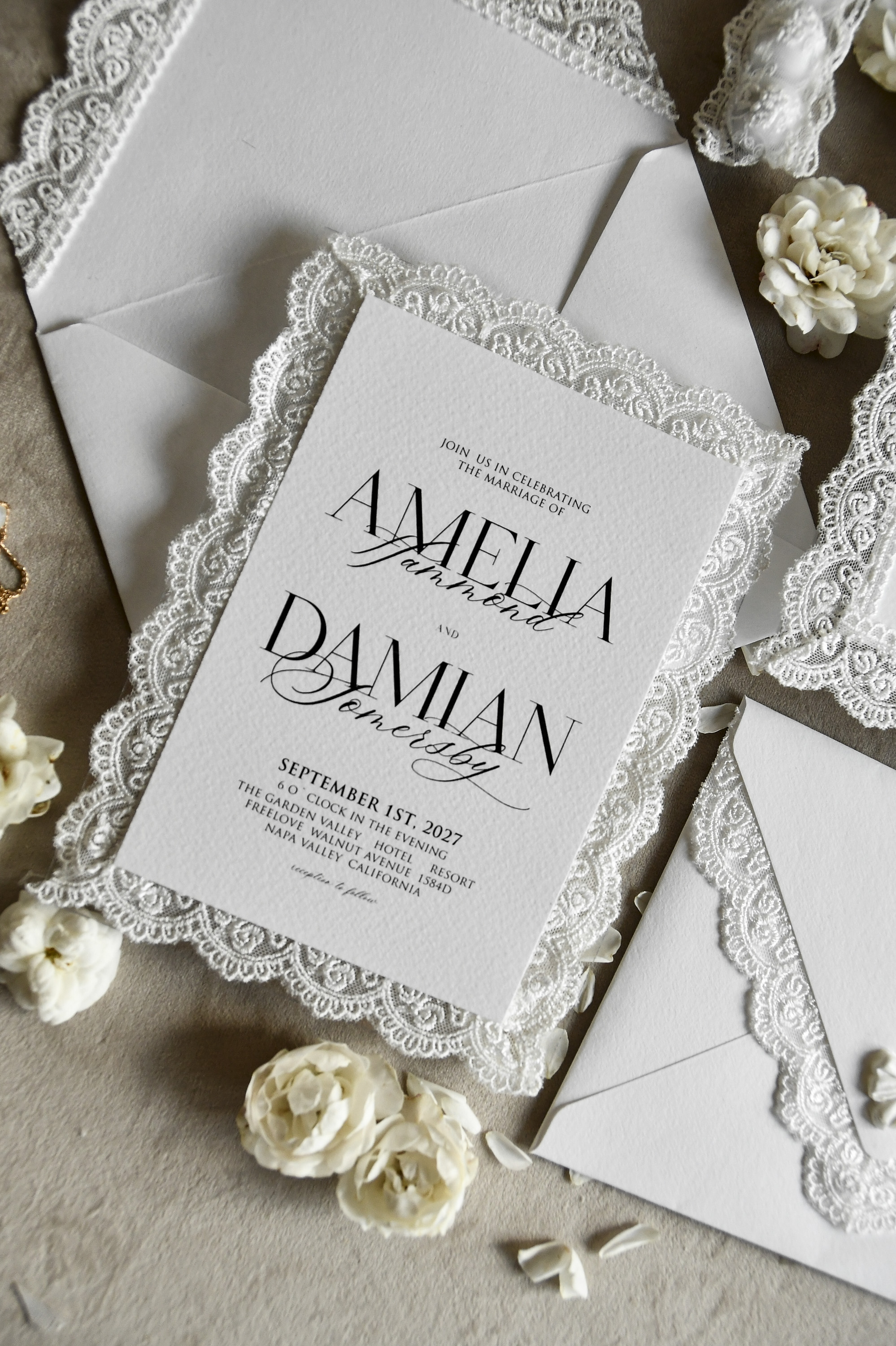
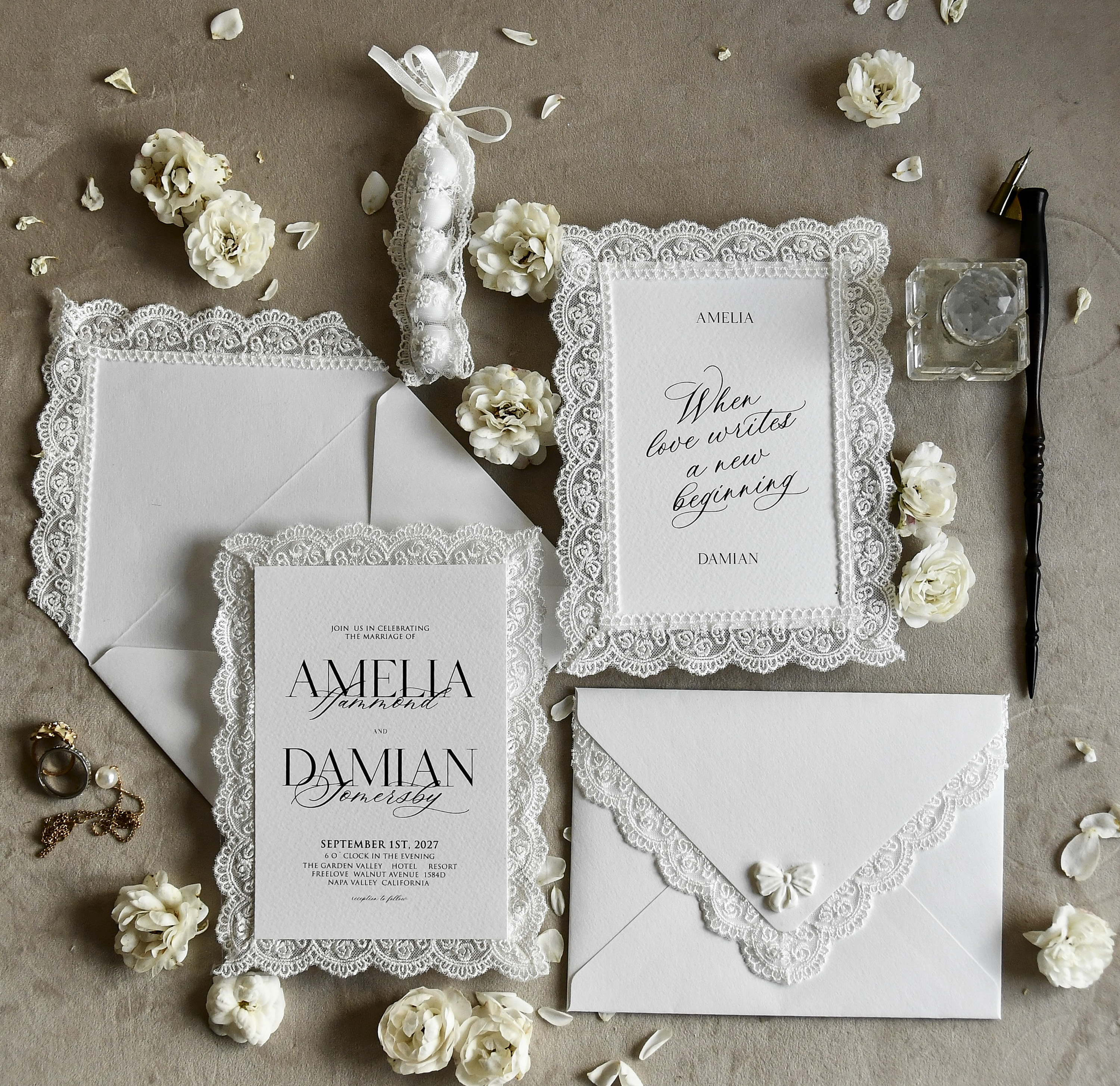
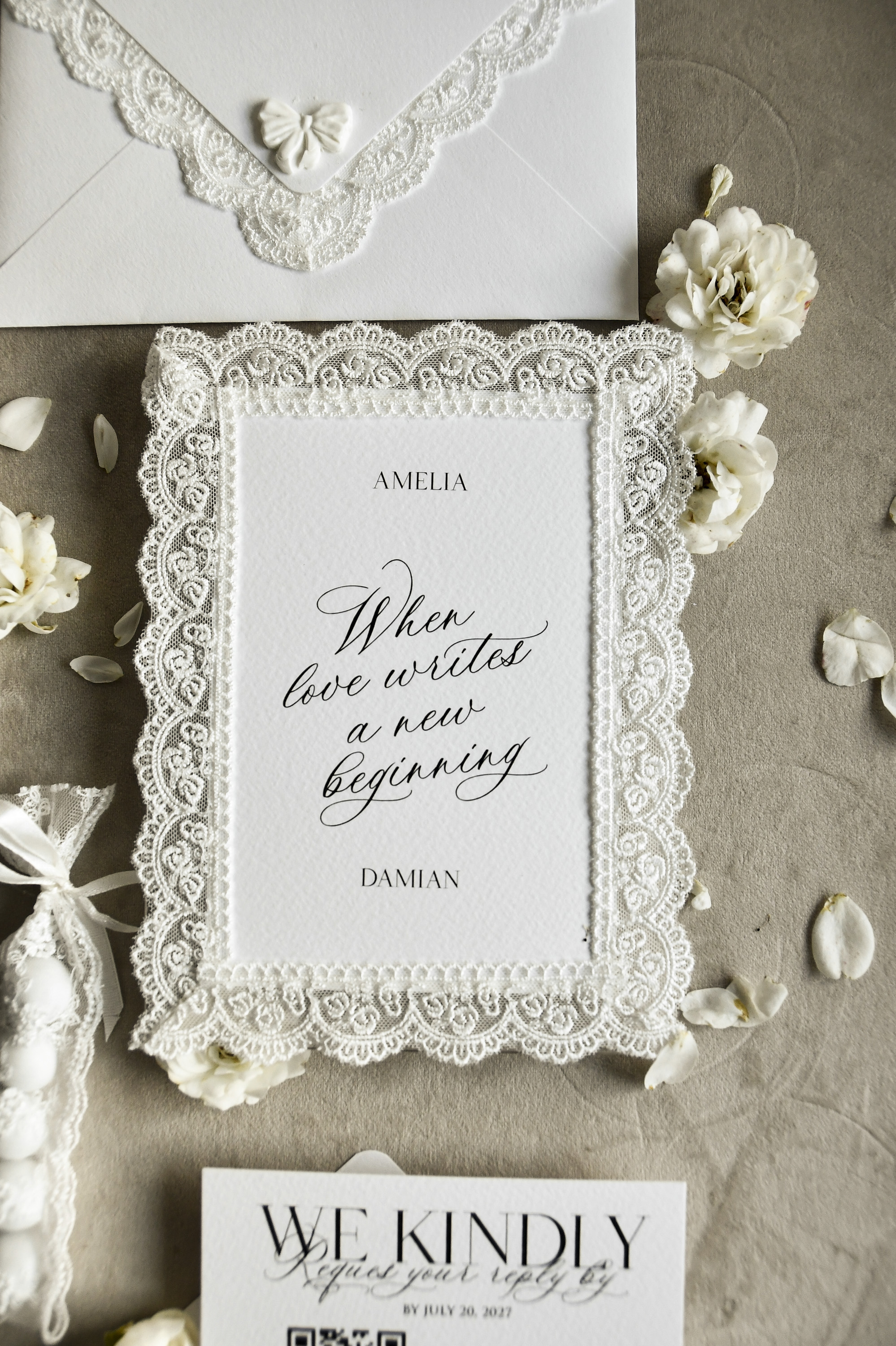
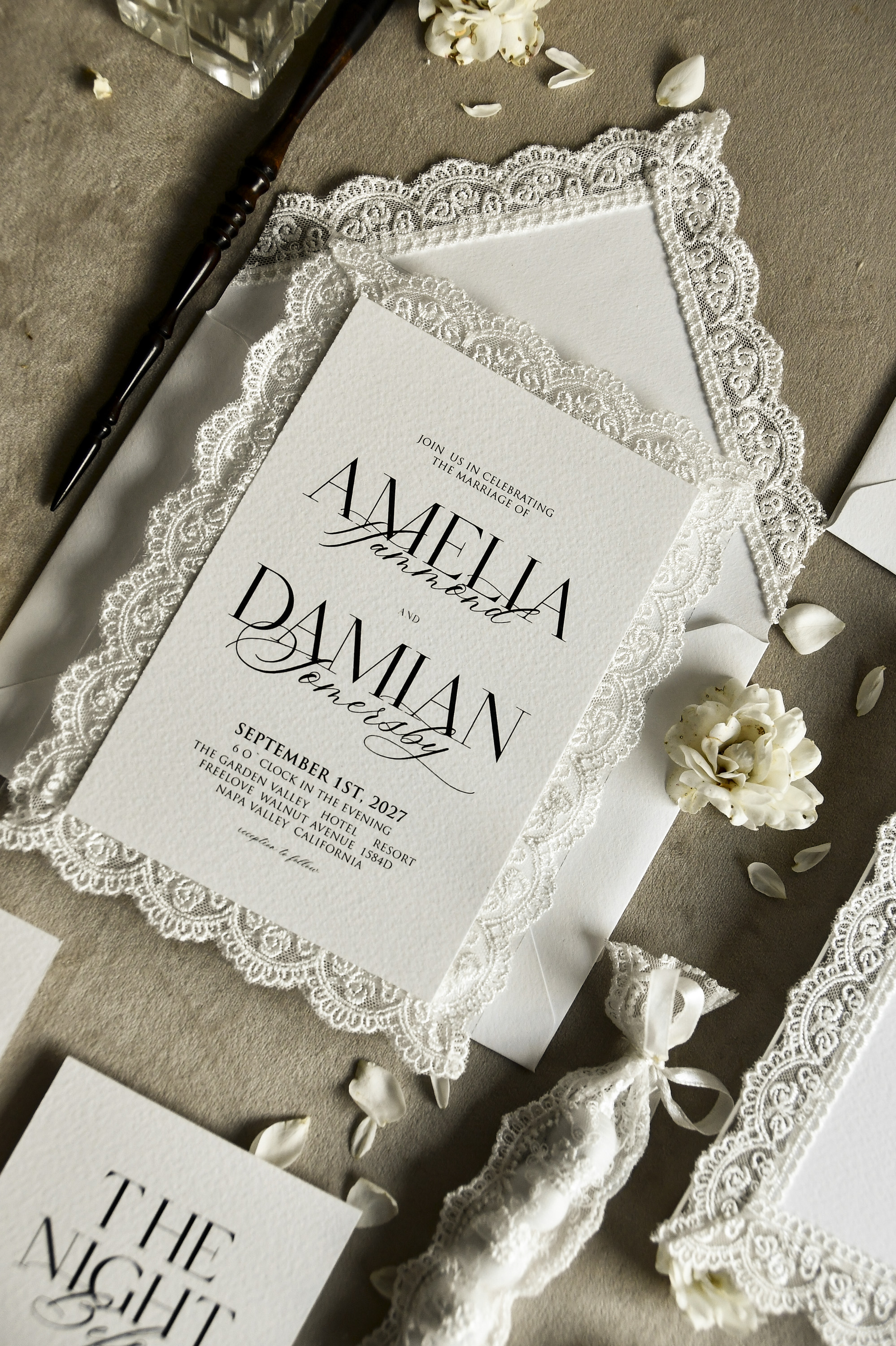
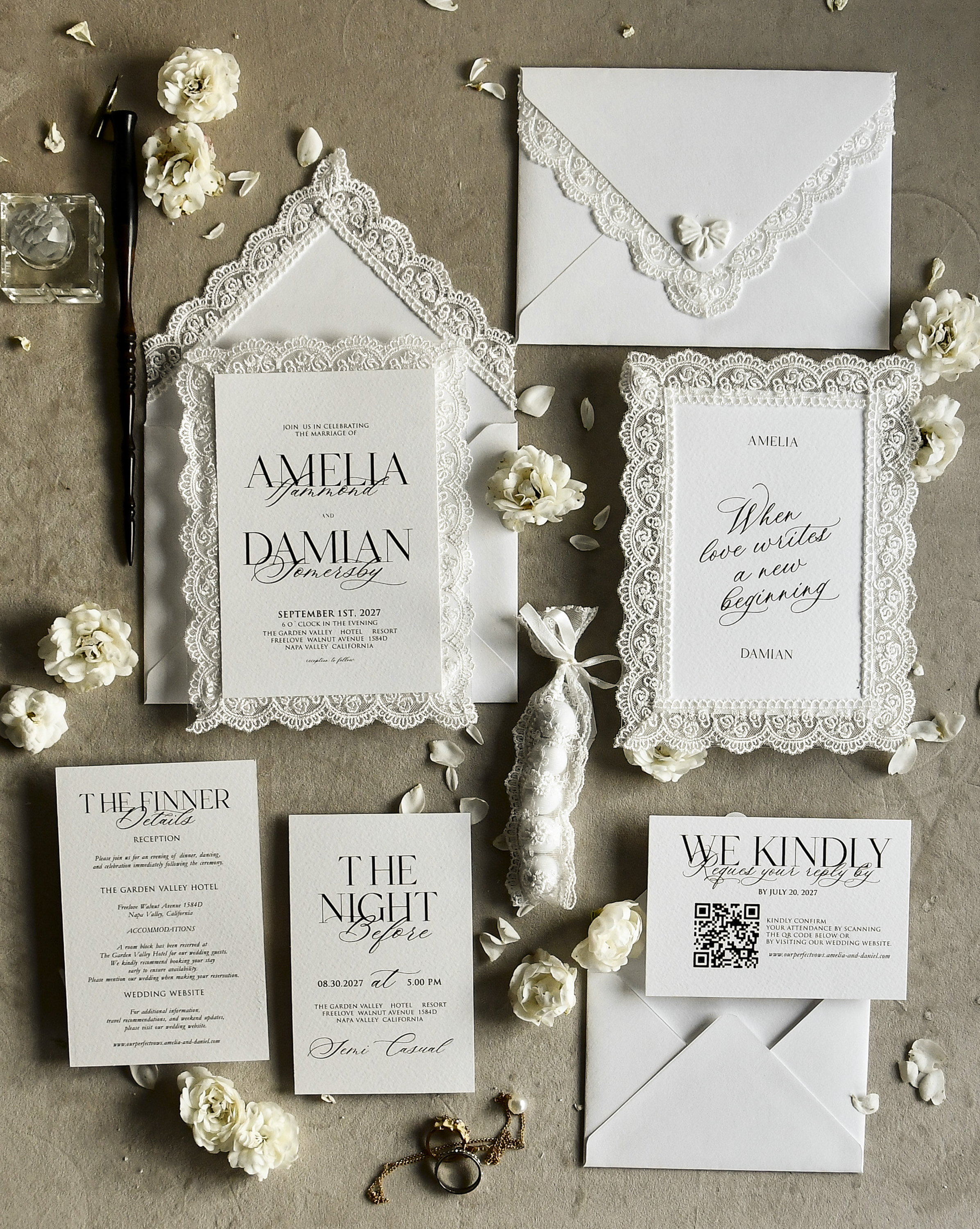
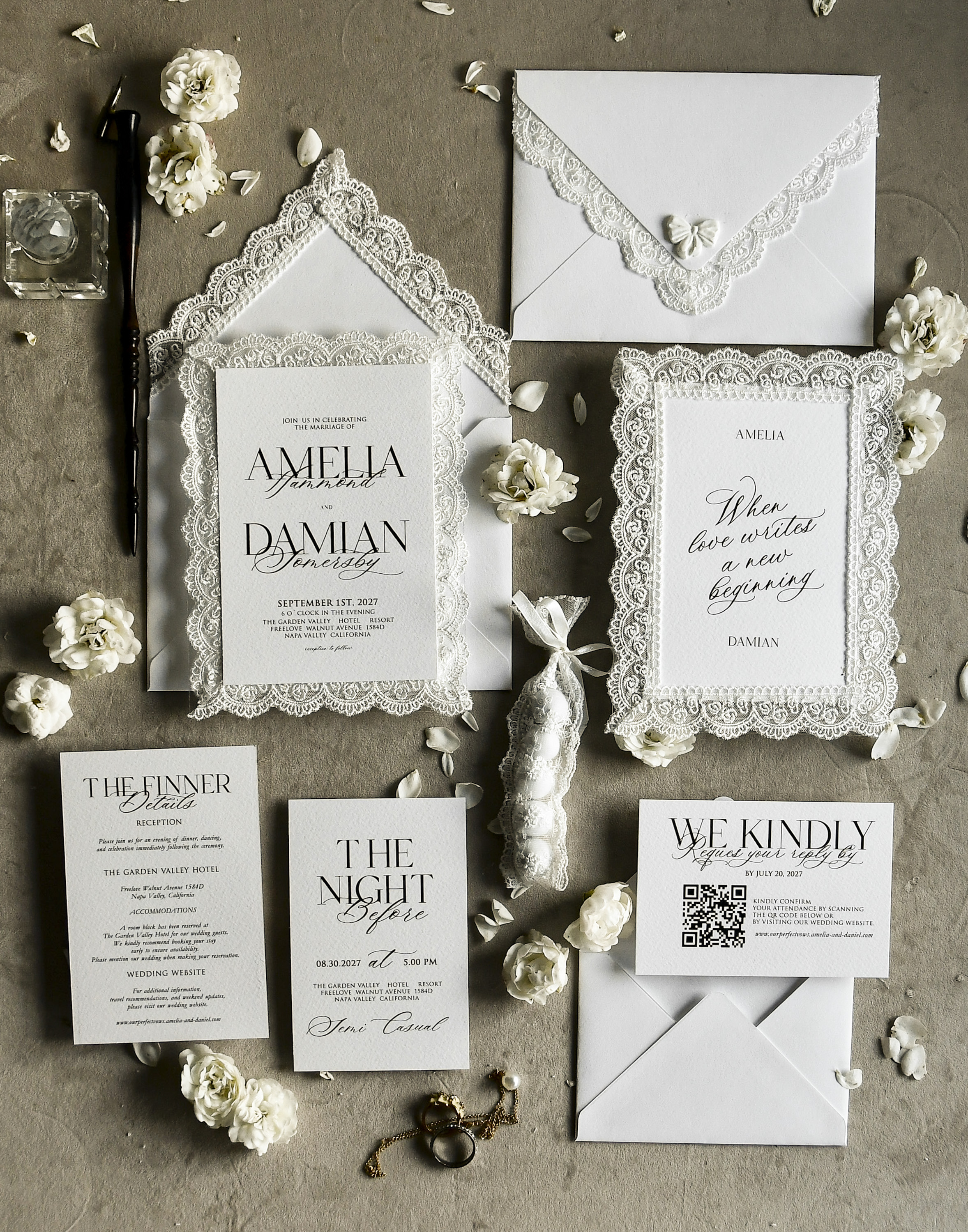
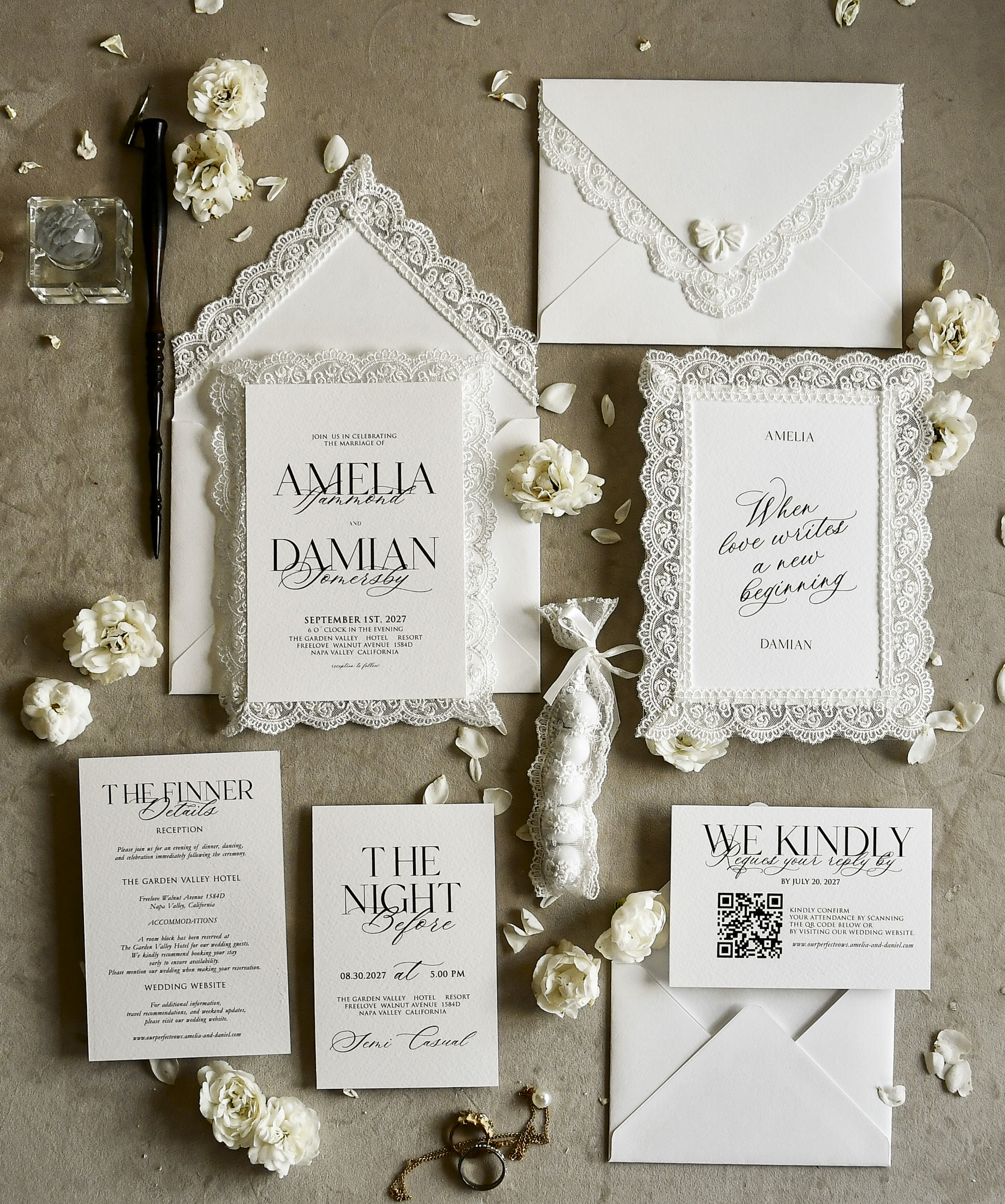
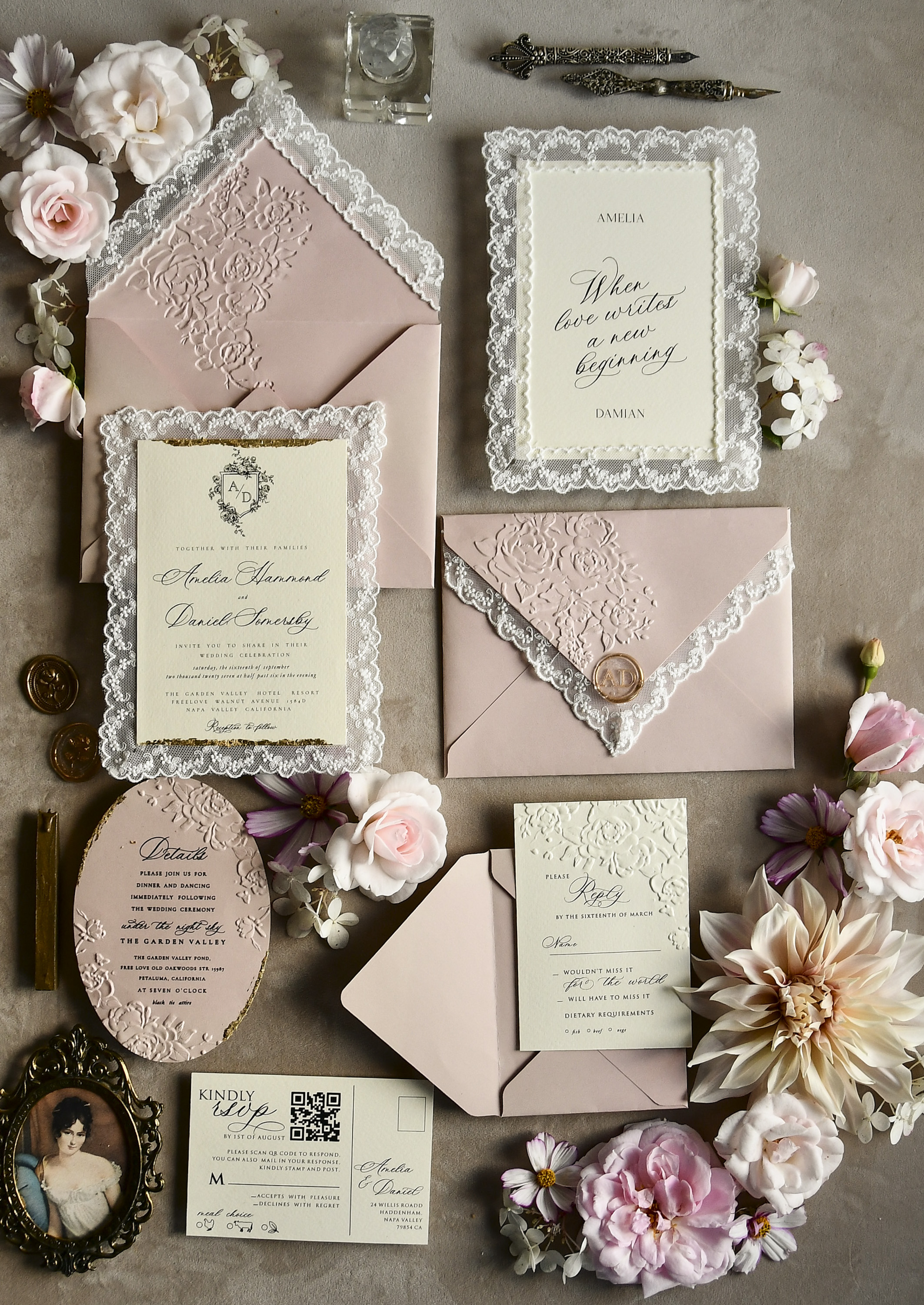
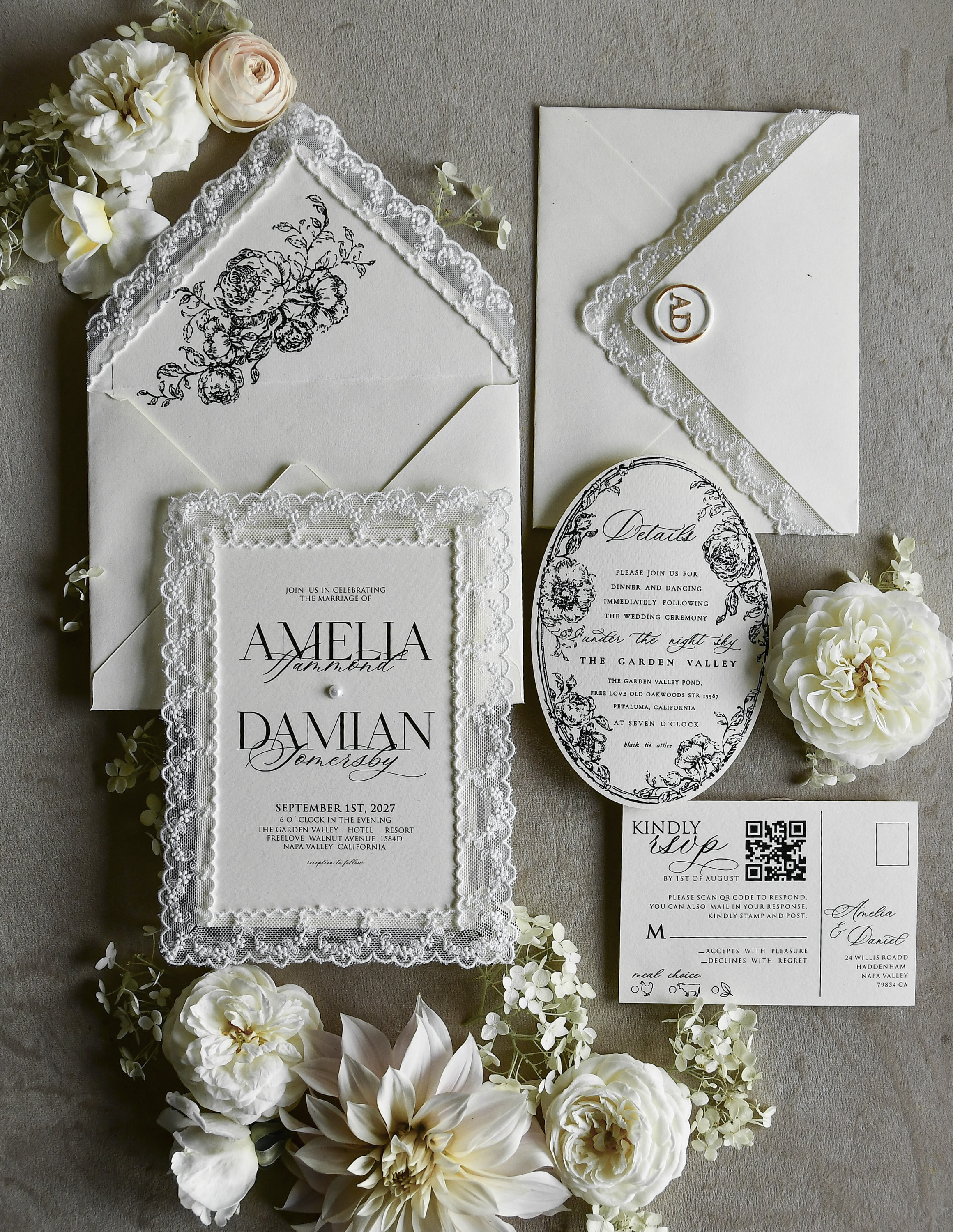
If you are offering a teen a plus one, address their invitation separately from their parents' and include a line like "and Guest" after their name. This signals clearly that they're welcome to bring someone. Our 08/laceD/z vintage lace wedding invitations are a beautiful choice here — the elegant, timeless design makes every guest, including younger ones, feel genuinely celebrated and included.
Whatever you decide, be consistent. If you give one 16-year-old a plus one, be prepared to do the same for others in similar situations. Inconsistency is where hurt feelings tend to come from.
Handling Pushback Graciously
Even when your policy is completely reasonable, a parent might ask whether their teenager can bring a friend. Here's how to handle it with warmth and firmness:
- Acknowledge the request kindly: "We completely understand — we just have to keep our numbers tight."
- Offer an alternative if possible: perhaps the teen can sit at a table with cousins their own age, or you can introduce them to other younger guests in advance.
- Hold your boundary. You are not obligated to say yes to every request, and most people will respect a polite, consistent answer.
It also helps to set your plus-one policy early — before invitations go out — so you're not making exceptions on a case-by-case basis under pressure. Decide your rule, write it down, and stick to it.
A Quick Timeline for Getting This Right
Here's when to make these decisions in your planning process:
- 6–8 months out: Finalize your guest list and establish your plus-one policy for all age groups, including teens.
- 4–6 months out: Address and order your invitations. Our 08/laceD/z lace invitations start from $8.50, making it easy to order a few extras for any last-minute additions.
- 3–4 months out: Send invitations and note how RSVPs come in. If a parent asks about a plus one for their teen, you'll already have your answer ready.
- 6–8 weeks out: Finalize headcount and seating chart with confirmed RSVPs.
Getting your policy set early means fewer awkward conversations later — and a seating chart that actually stays intact.
Frequently Asked Questions
There's no hard rule, but many couples treat 18 as the threshold where adult plus-one etiquette kicks in. For guests who are 17 or younger, a plus one is generally considered optional rather than expected.
If both teens are already on your guest list independently, you don't need to extend a formal plus one — they're both already invited. You can seat them together to make the situation feel natural.
Address the envelope to them by name followed by "and Guest" — for example, <em>Miss Sofia Reyes and Guest</em>. Send it separately from their parents' invitation so the gesture is clear.
Yes — consistency matters for fairness and to avoid hurt feelings. If you decide teens don't get plus ones, apply that across the board, with only the most clear-cut exceptions (like an older teen in a serious relationship).
Possibly, but that's a separate issue from plus ones. Consider seating teens together, creating a small lounge area, or having a playlist they'll enjoy — these touches go a long way without expanding your guest count.
It happens, but you're not obligated to honor it. Reach out kindly and explain your guest count is fixed — most parents will understand once they know it's a firm policy rather than a personal slight.
See This Design Up Close
You May Also Like
More Wedding Planning Guides
- → Navigating Uninvited Guests: What to Say and How to Say It
- → Chasing Down Missing RSVPs: When and How to Follow Up With Guests
- → Divorced Parents at Your Wedding: Who Sits Where (and How to Keep the Peace)
- → He Said No to Your Family on the Guest List: How to Handle It
- → Mom's Must-Invite List vs. Your Vision: How to Find the Middle Ground
- → The Cousin Dilemma: How to Handle Extended Family on Your Guest List
- → RSVP 'Yes' With a No-Show: How to Protect Your Day and Your Relationships
- → Your Ex, Your Wedding, Your Call: A Clear-Headed Guide to the Decision
- → Ditch the Return Envelope? How Online RSVPs Fit Into Modern Wedding Invitations
- → Wedding Invitation Deadlines: What 'Too Late' Actually Means
- → Your Guest List, Your Rules: Navigating the Plus-One Decision
- → Who Really Deserves a Plus One at Your Wedding (and Who Doesn't)
- → Uninvited Plus-Ones and Tag-Alongs: How to Keep Your Guest List Intact
- → When Family Feuds Threaten Your Wedding Plans: A Practical Peacekeeper's Guide
- → Inviting an Estranged Brother or Sister: Finding Clarity Before You Seal the Envelope
- → Cousins, Invites, and Hard Choices: A Practical Guest List Guide