
Mom's Must-Invite List vs. Your Vision: How to Find the Middle Ground

One of the most common tensions in wedding planning isn't about flowers or venues — it's about the guest list. Specifically, the people your mom wants to invite that you barely know. Her college roommate's daughter. Your dad's retired coworker. A cousin you haven't spoken to in fifteen years. Sound familiar? You're not alone, and there's a thoughtful way through it.
Understand Where the Pressure Is Coming From
Before you push back, it helps to understand your mom's perspective. For many parents, a wedding is also a social milestone for the family — a chance to celebrate with people who've watched you grow up, even if you don't share that same connection with them. She may feel a genuine obligation to reciprocate invitations from past family events, or she may simply want to share her joy with her closest friends.
That doesn't mean her list automatically becomes your list. But recognizing that her intentions are usually loving (not controlling) makes the conversation a lot easier to have.
Set a Guest List Framework Before Negotiations Start
The most effective way to handle outside pressure is to establish your rules before anyone starts lobbying for spots. Sit down with your partner and agree on a total headcount, then divide that number into clear categories: immediate family, close friends, work colleagues, and a parents' allotment.
Giving each set of parents a defined number of invites — say, 10 to 15 slots — respects their relationships while keeping you firmly in control of the overall size. When your mom asks about adding someone, you can simply say, "We've already allocated your spots — if you'd like to swap someone out, that's totally up to you." This shifts the dynamic from a negotiation into a practical decision she owns.
Decide on a simple rule of thumb together, such as: if you haven't spoken to this person in the last two years, they don't make the cut. Consistent criteria protect you from one-off exceptions that quietly balloon your headcount.
When It Might Actually Make Sense to Say Yes
Sometimes mom's request deserves a genuine second look. Ask yourself these questions:
- Is she contributing financially? If your parents are helping fund the wedding, it's reasonable to give them some meaningful input on the guest list. That's a fair trade-off — just agree on the scope upfront.
- Will you regret the absence? Think about the photos, the toasts, the family dinners for years to come. If this person will inevitably come up, it may be worth the extra plate.
- Is it a small ask? Adding one person your mom genuinely cares about is different from adding fifteen acquaintances. Picking your battles matters.
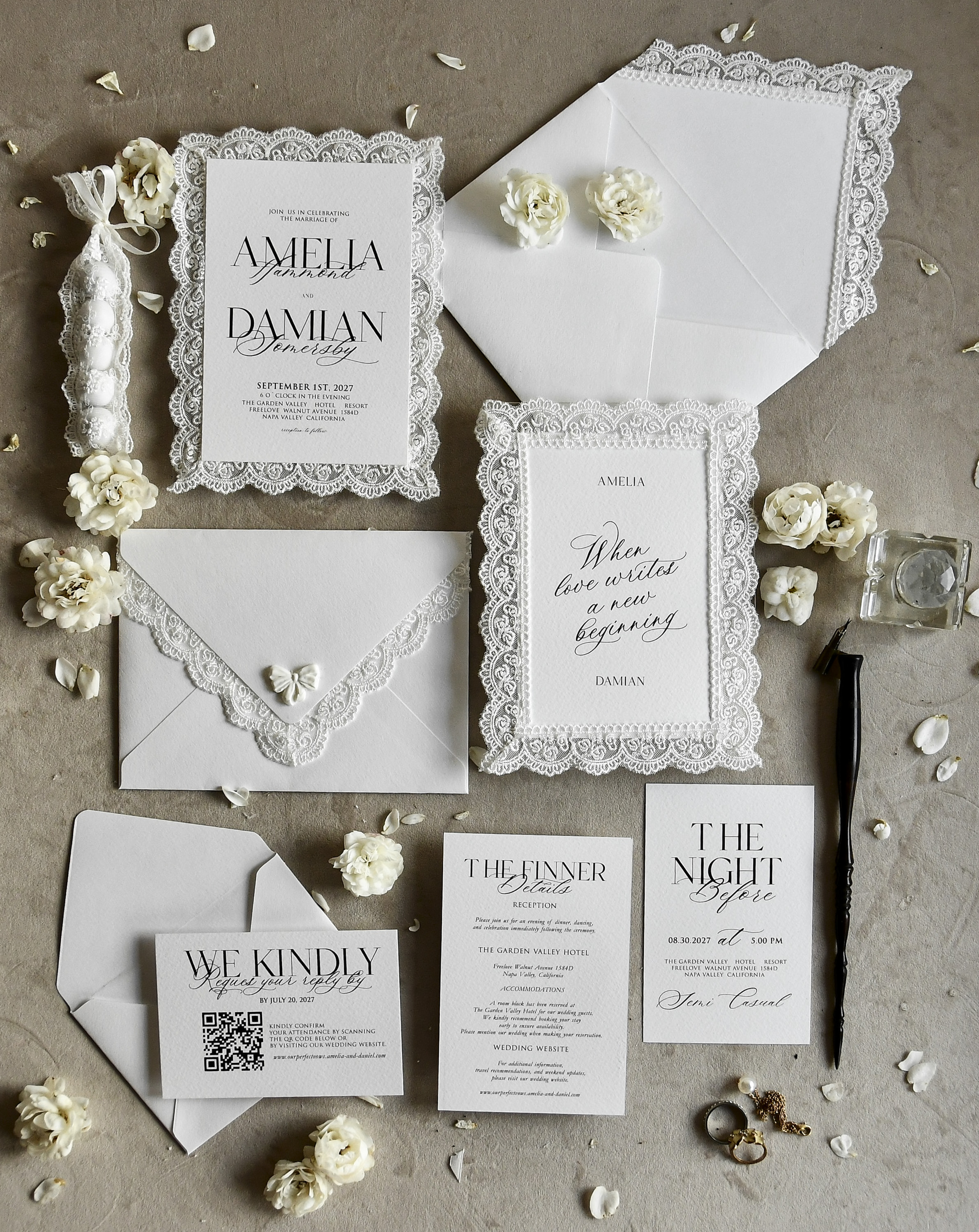
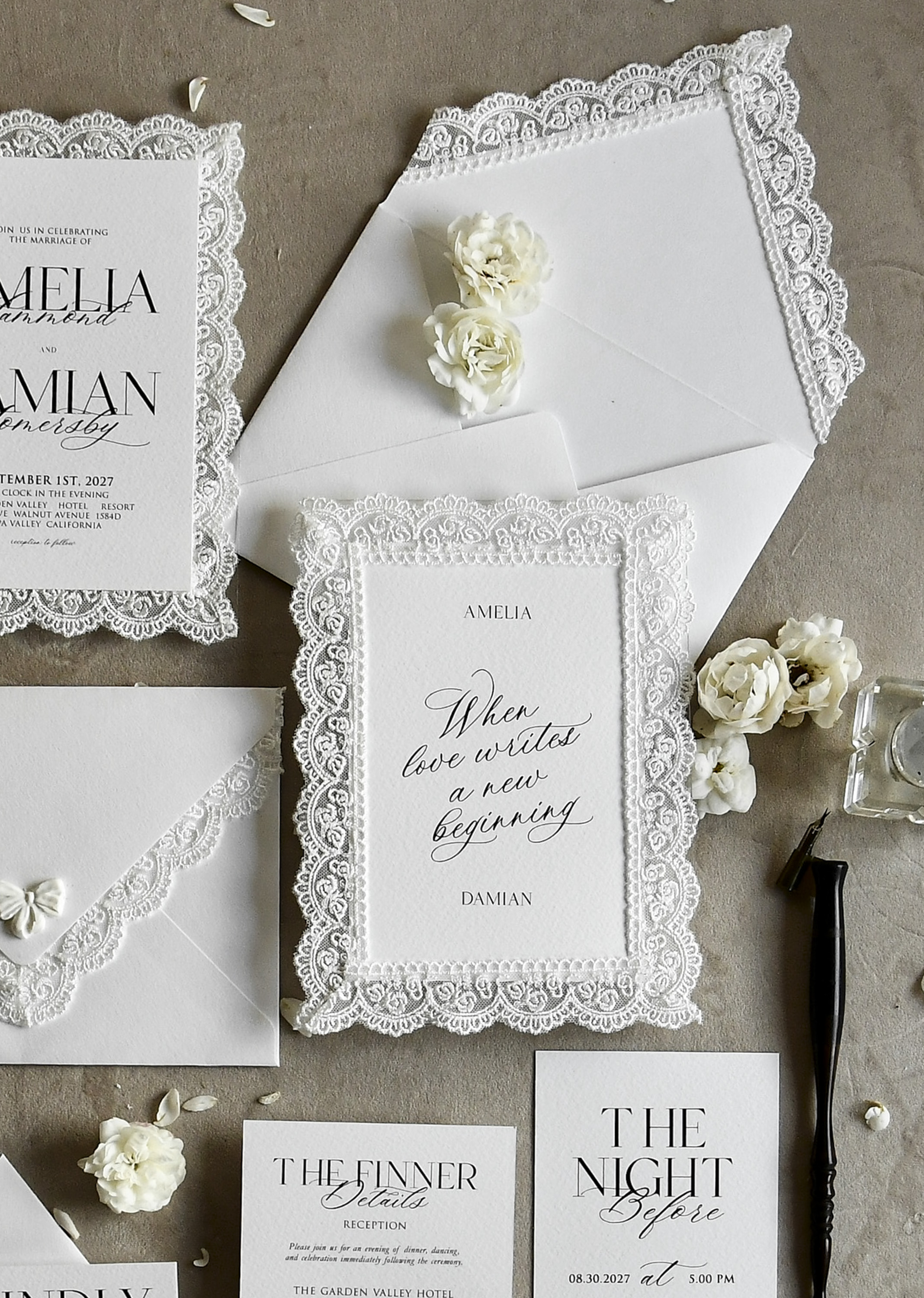
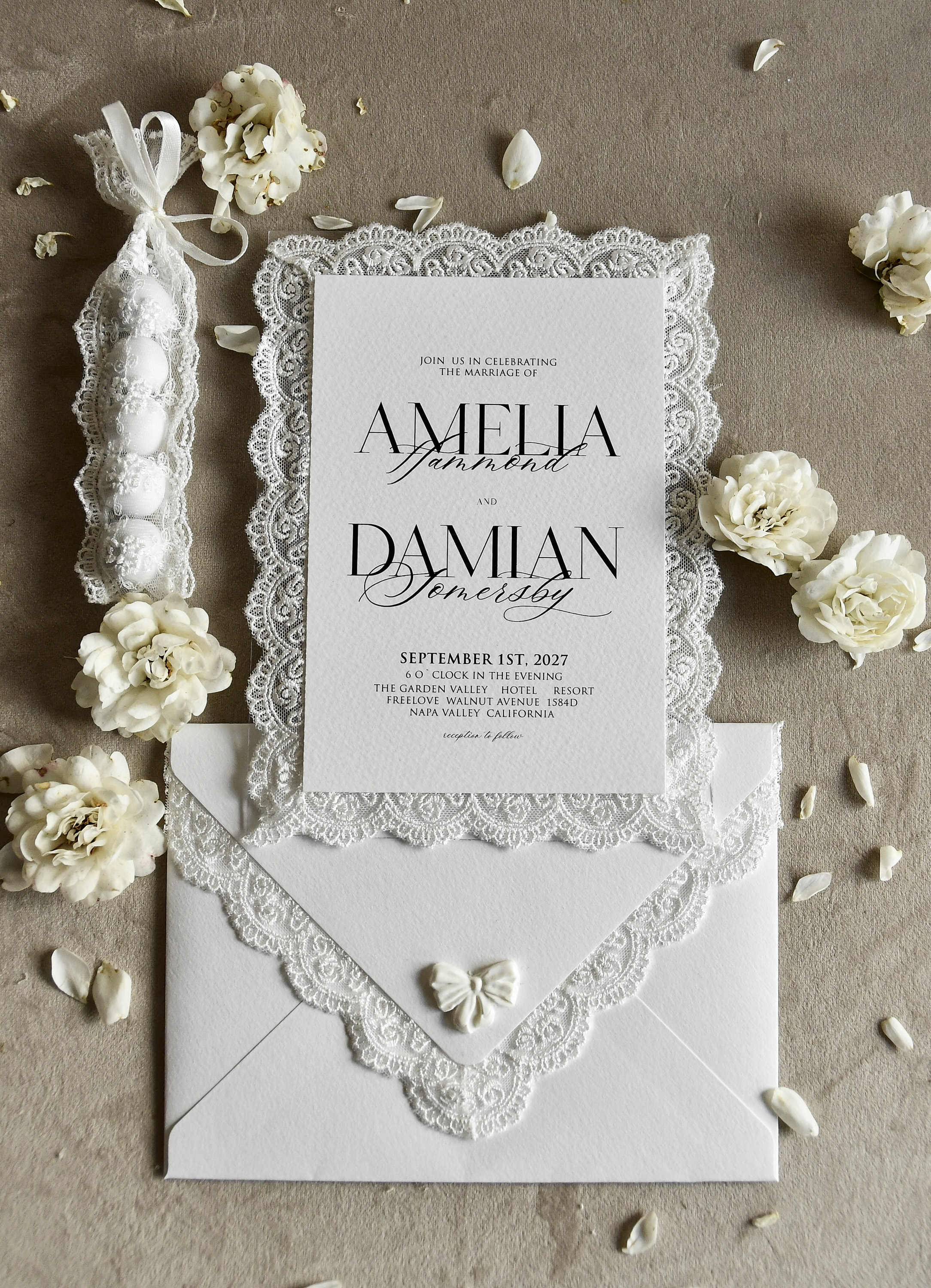
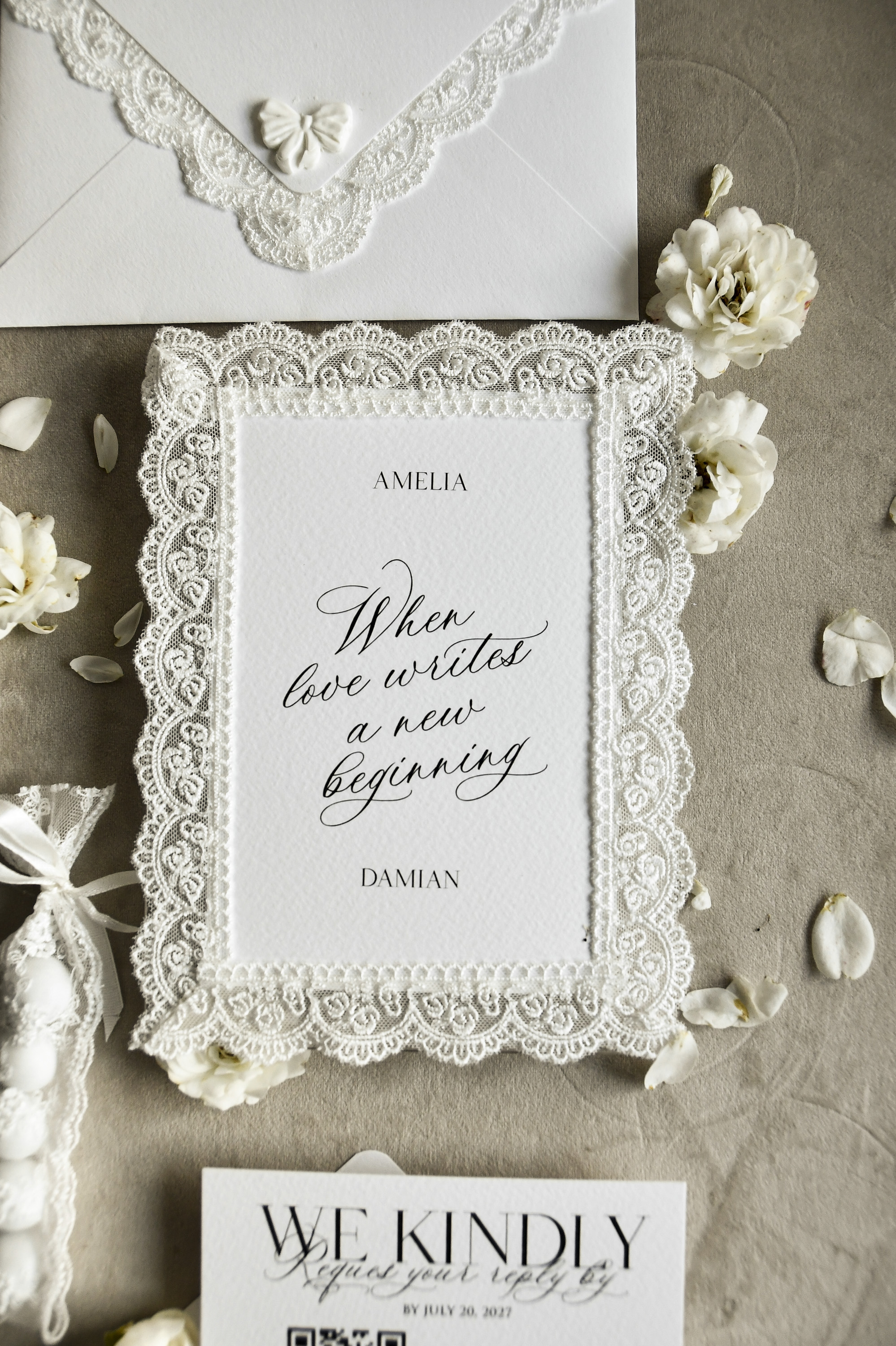
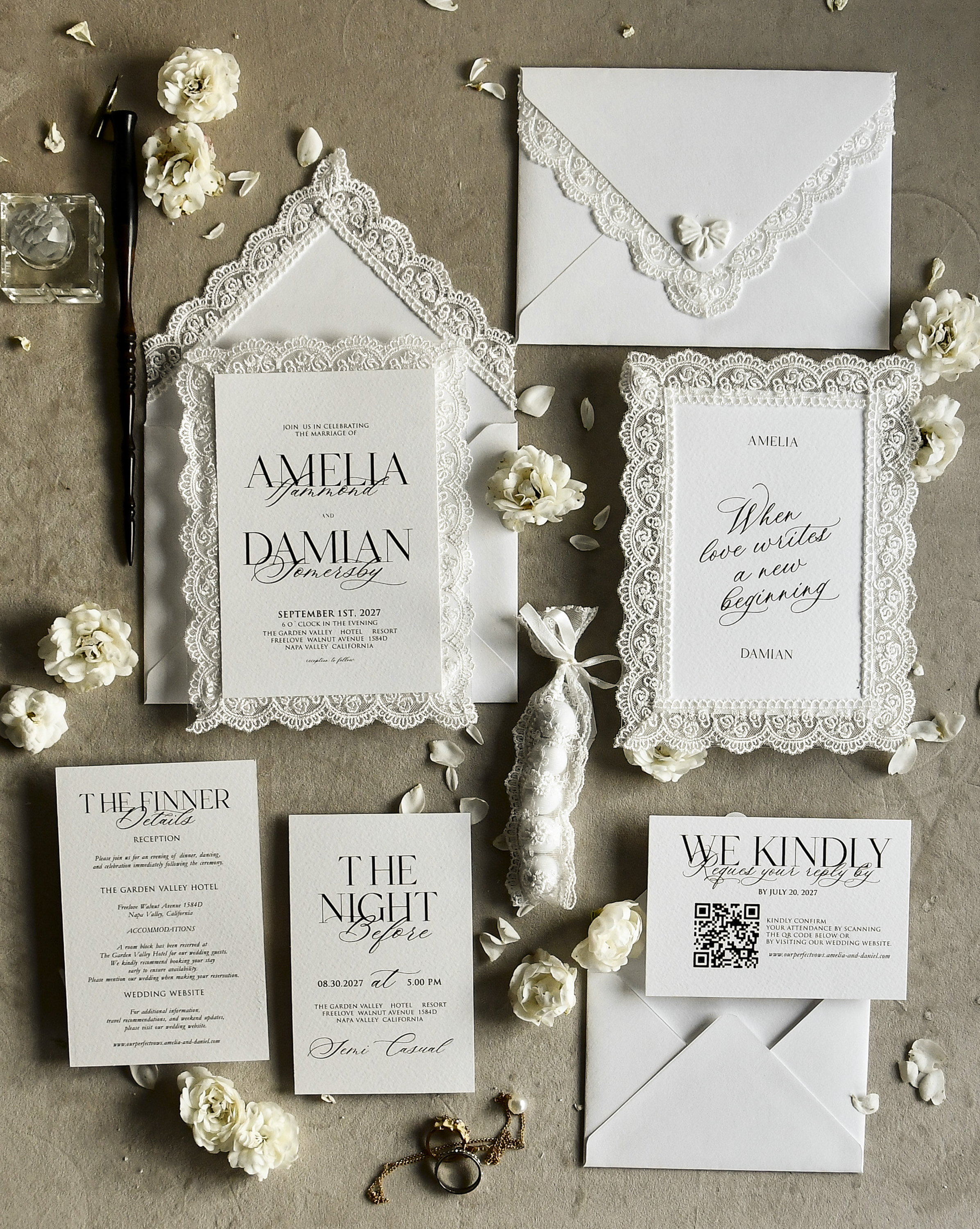
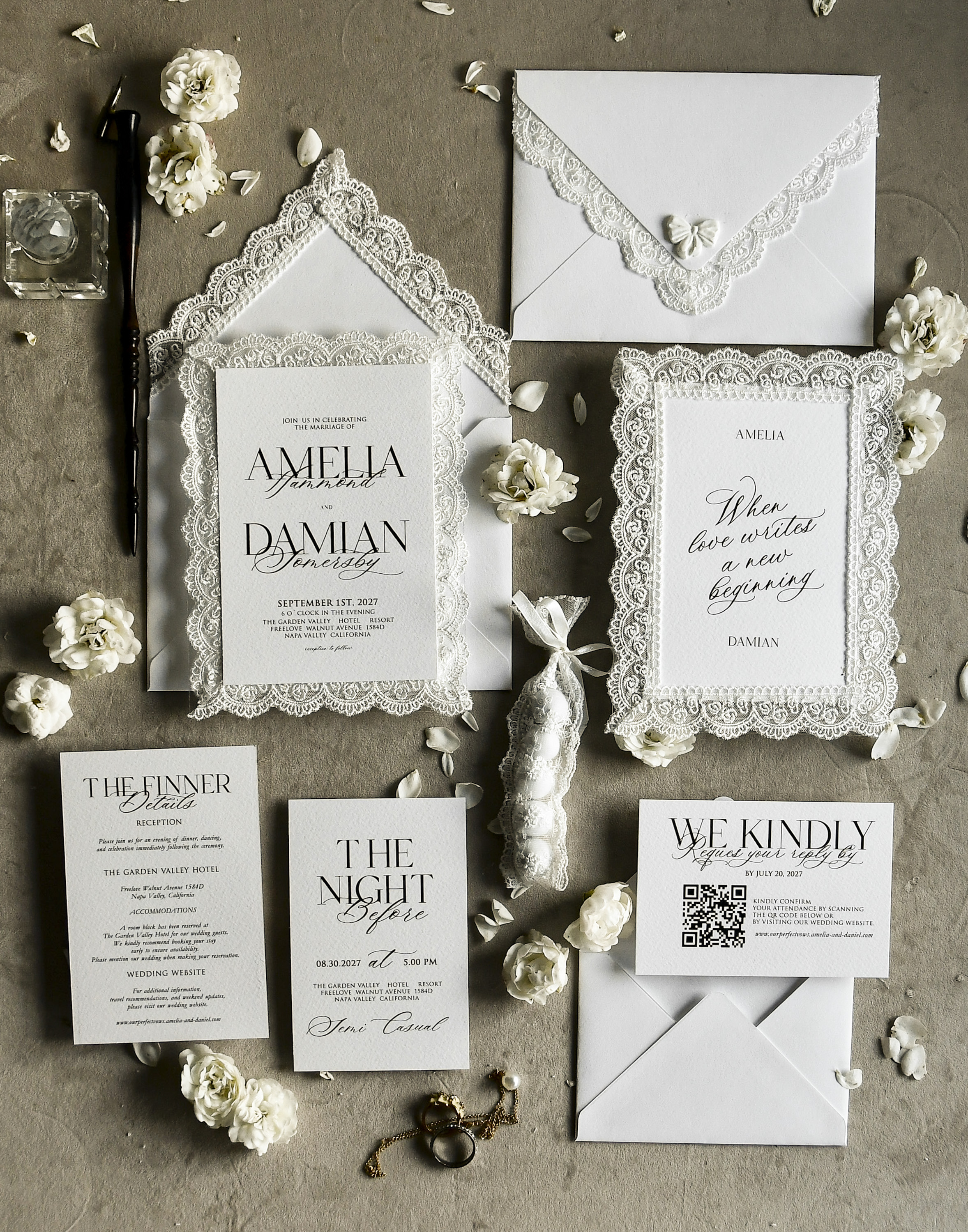
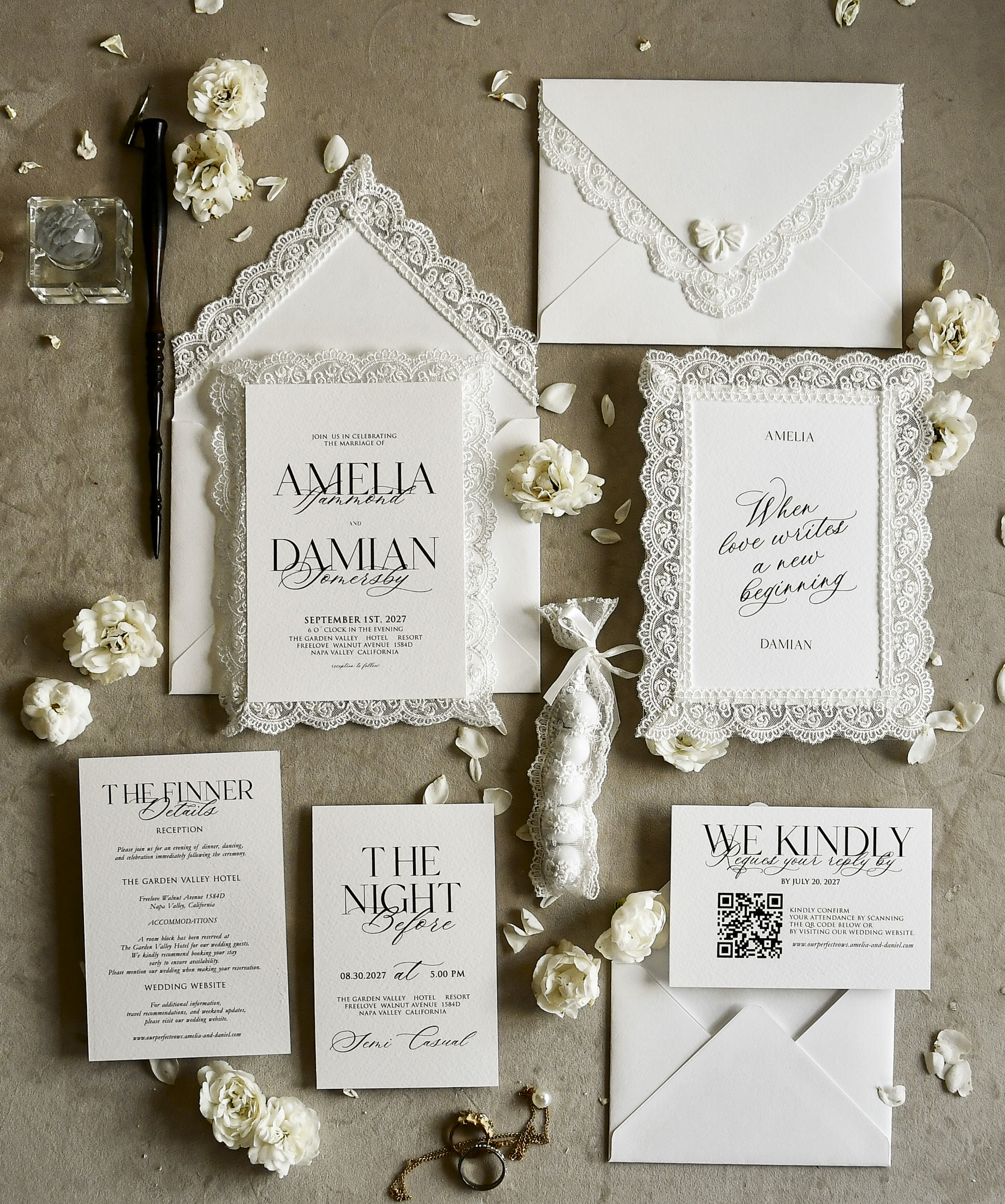
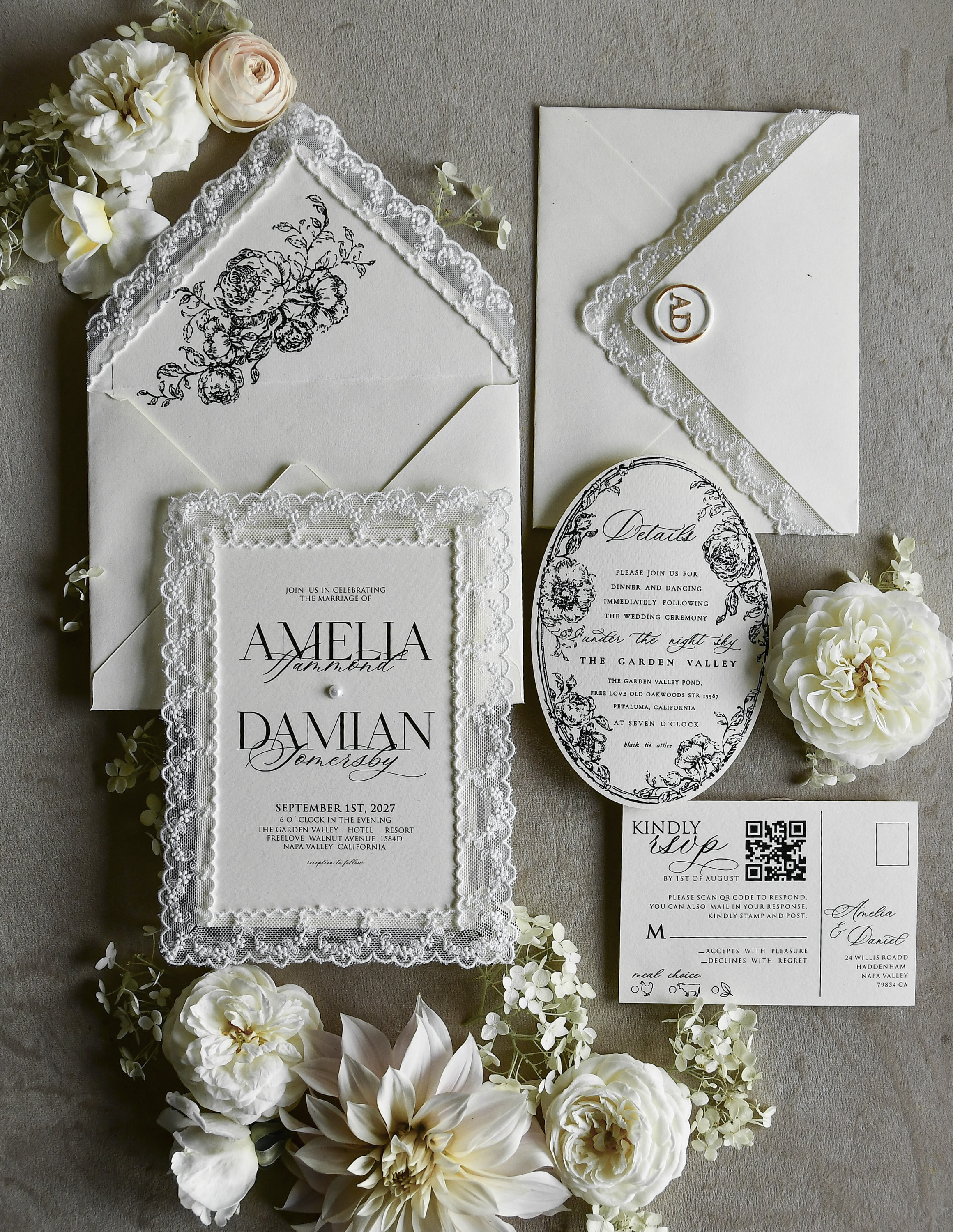
If you do decide to extend an invitation, own it warmly. A beautifully designed invitation — like our 08/laceD/z vintage lace wedding invitation — makes every guest, whether on your original list or not, feel genuinely welcomed from the moment they open the envelope.
How to Say No Without Burning Bridges
If you've thought it through and the answer is still no, here's how to say it without turning your planning season into a standoff:
- Be direct but kind. "Mom, we've had to make really hard cuts across the board, and we just can't go beyond our headcount." Avoid over-explaining — it invites debate.
- Acknowledge her feelings. "I know you're close with her and I'm sorry this is disappointing" goes a long way toward keeping the peace.
- Offer an alternative. A post-wedding brunch or a separate celebration with extended family gives your mom a way to share her excitement without adding to your wedding day count.
- Stay united with your partner. Present the decision as one you've made together. A divided front is the fastest way to make the pressure escalate.
Most parents, once they see you're firm and fair, will come around. The key is consistency — don't say no to your mom and yes to your future mother-in-law for the same type of request.
The Bigger Picture: It's Your Day, and Your Relationship
Your wedding guest list is one of the first major decisions you'll make as a couple. How you navigate outside input sets a quiet but important precedent. That said, this is also one of the last major milestones where your parents play a central role — and that's worth honoring, even if you don't give in to every request.
The goal isn't to "win" against your mom. It's to end up with a room full of people who truly matter, invitations that reflect your style (our 08/laceD/z lace collection is a gorgeous choice for that timeless, romantic feel), and a planning process that doesn't leave lasting resentment on either side.
Frequently Asked Questions
Be honest, kind, and brief — explain that you've had to make hard cuts across the board and that it's not personal. Acknowledging her disappointment genuinely, rather than dismissing it, helps soften the conversation significantly.
Yes, financial contribution reasonably earns some input — but set the parameters early. Agree on a specific number of slots for each set of parents before invitations are discussed, so expectations are clear from the start.
Calmly repeat your position without re-debating it: "We've made our final decision on the guest list, and I'd love to focus on the fun parts of planning with you." Consistency is more effective than a longer explanation.
Not at all — small, intimate weddings are completely accepted and increasingly common. Being upfront with family that you're keeping the event very small prevents hurt feelings far better than vague explanations after the fact.
A simple and widely used guideline: if you wouldn't call this person with big personal news — a job loss, a pregnancy, a health scare — they probably don't need to be at your wedding. Apply that standard consistently across all sides of the family.
Absolutely, and many couples do exactly this. A casual brunch or backyard gathering after the honeymoon lets parents celebrate with their wider circle without affecting your wedding headcount or budget.
See This Design Up Close






You May Also Like


More Wedding Planning Guides
- → Navigating Uninvited Guests: What to Say and How to Say It
- → Chasing Down Missing RSVPs: When and How to Follow Up With Guests
- → Divorced Parents at Your Wedding: Who Sits Where (and How to Keep the Peace)
- → He Said No to Your Family on the Guest List: How to Handle It
- → The Plus-One Question: How to Handle Teenage Guests at Your Wedding
- → The Cousin Dilemma: How to Handle Extended Family on Your Guest List
- → RSVP 'Yes' With a No-Show: How to Protect Your Day and Your Relationships
- → Your Ex, Your Wedding, Your Call: A Clear-Headed Guide to the Decision
- → Ditch the Return Envelope? How Online RSVPs Fit Into Modern Wedding Invitations
- → Wedding Invitation Deadlines: What 'Too Late' Actually Means
- → Your Guest List, Your Rules: Navigating the Plus-One Decision
- → Who Really Deserves a Plus One at Your Wedding (and Who Doesn't)
- → Uninvited Plus-Ones and Tag-Alongs: How to Keep Your Guest List Intact
- → When Family Feuds Threaten Your Wedding Plans: A Practical Peacekeeper's Guide
- → Inviting an Estranged Brother or Sister: Finding Clarity Before You Seal the Envelope
- → Cousins, Invites, and Hard Choices: A Practical Guest List Guide