
RSVP 'Yes' With a No-Show: How to Protect Your Day and Your Relationships

You planned every seat, confirmed the headcount, and paid the caterer — and then a handful of guests simply never walked through the door. RSVP no-shows are one of the most frustrating (and surprisingly common) surprises couples face on wedding day. The good news: with the right preparation and a clear plan, you can protect your budget, keep your sanity, and handle the aftermath without burning any bridges.
How Common Are Wedding No-Shows?
Industry estimates suggest that 5–10% of guests who RSVP yes will not attend. For a 100-person wedding, that means you could realistically expect five to ten empty seats. Reasons range from last-minute illness and travel disruptions to personal emergencies — and yes, sometimes plain forgetfulness. Knowing this in advance lets you plan around it rather than be blindsided by it.
The most expensive consequences are usually catering and seating. Most caterers charge per confirmed head, so every no-show is money you've already spent. That's why proactive steps before the wedding matter far more than anything you do afterward.
Prevention Starts With Your Invitations and RSVP Process
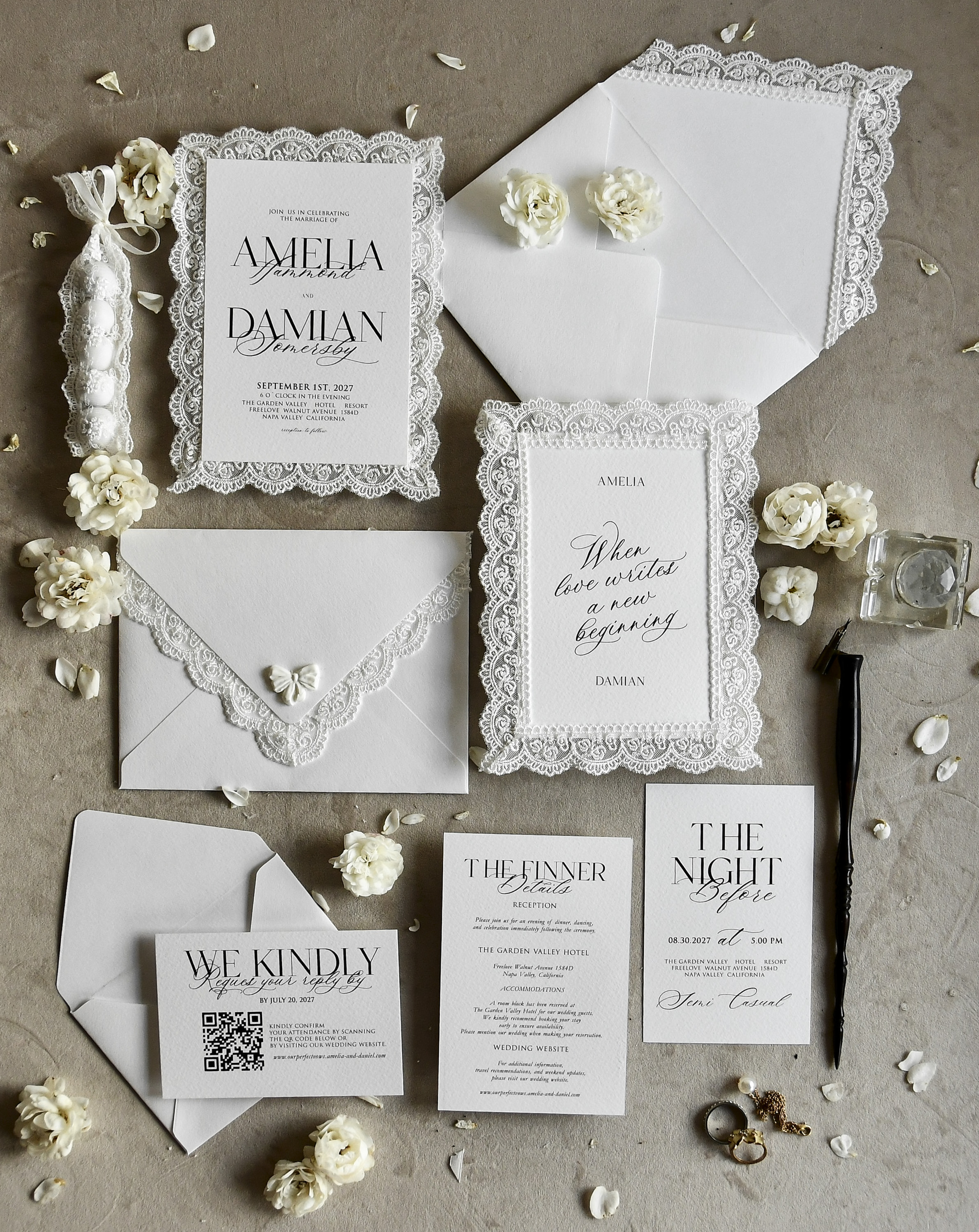
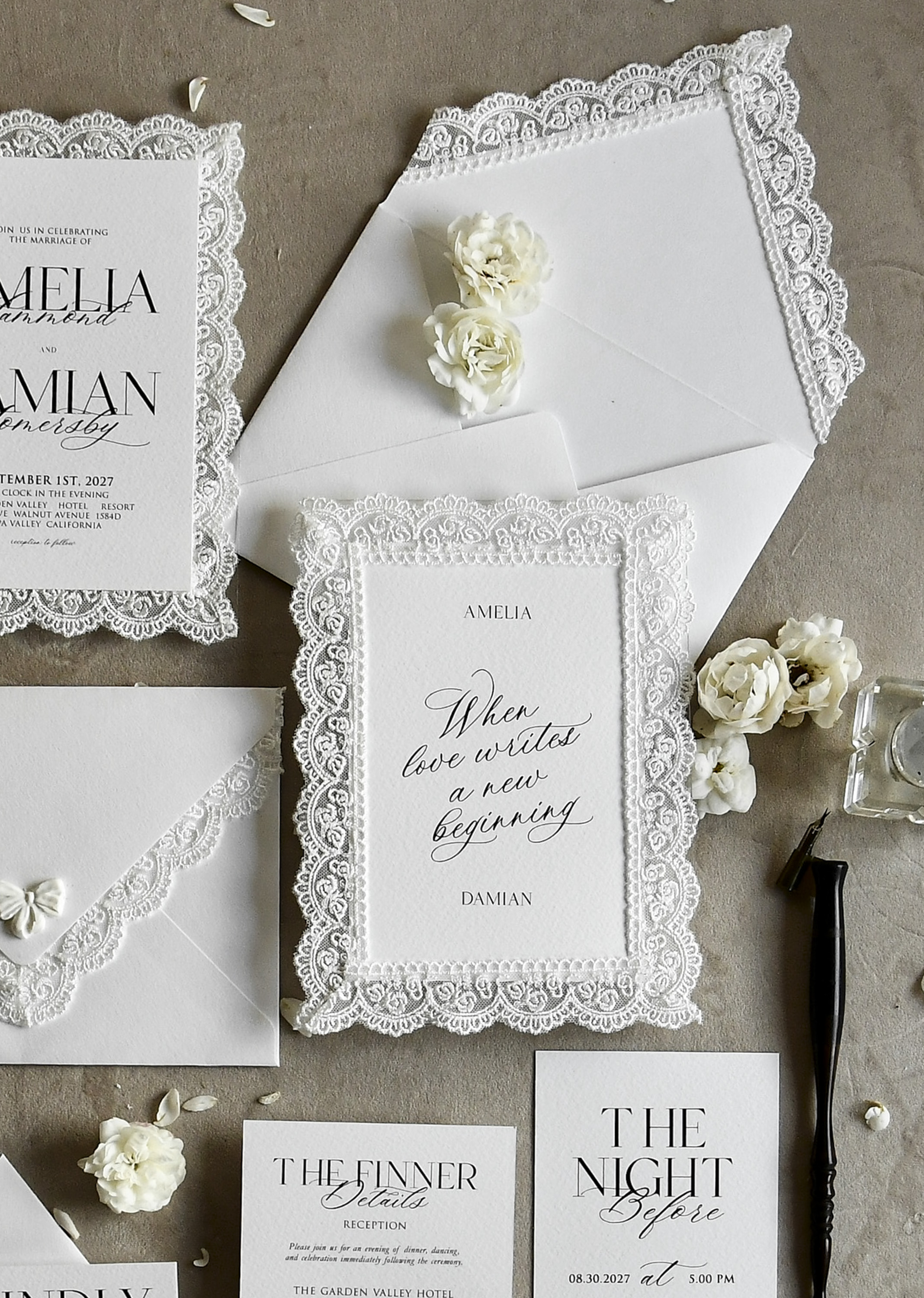
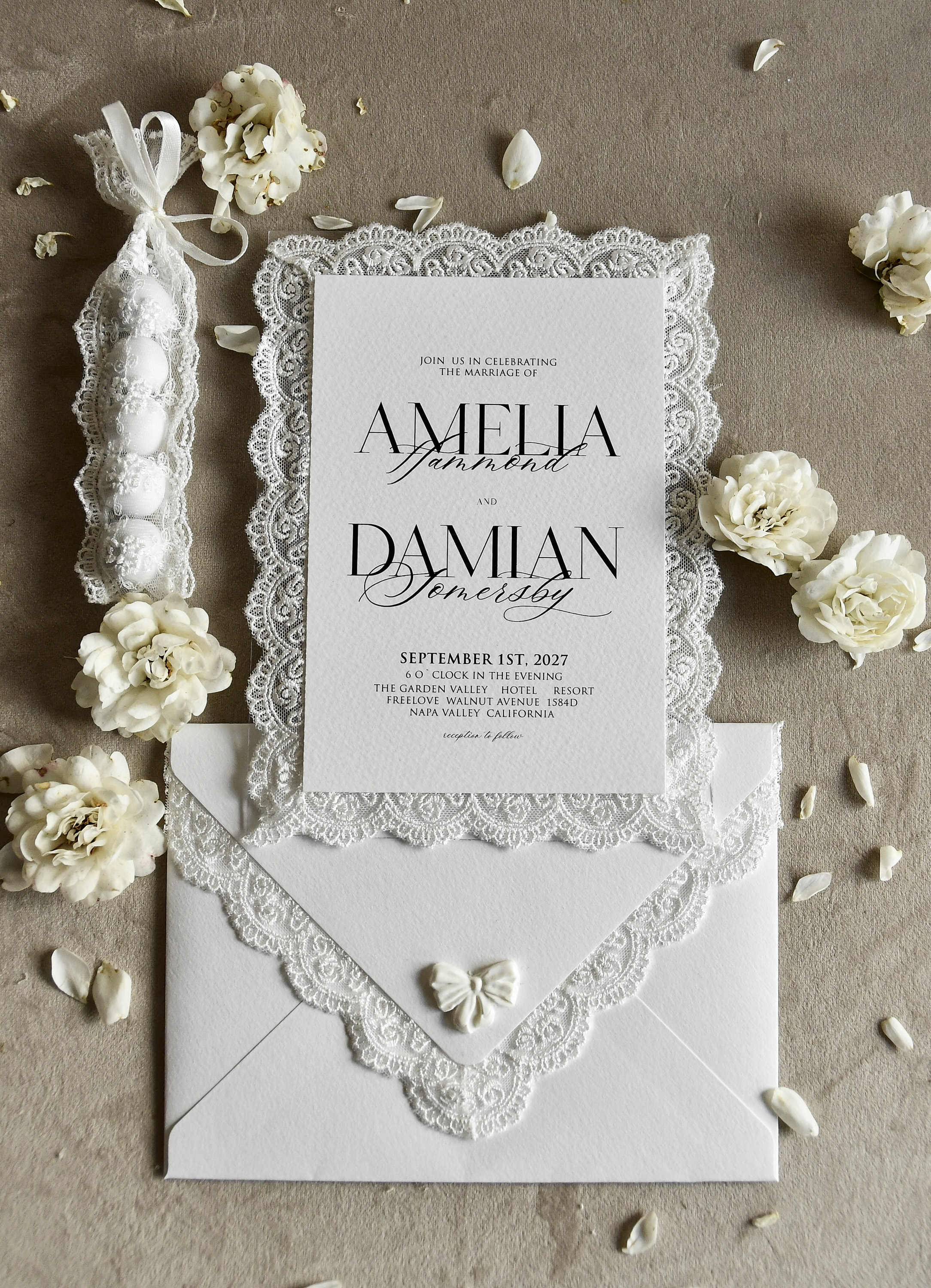
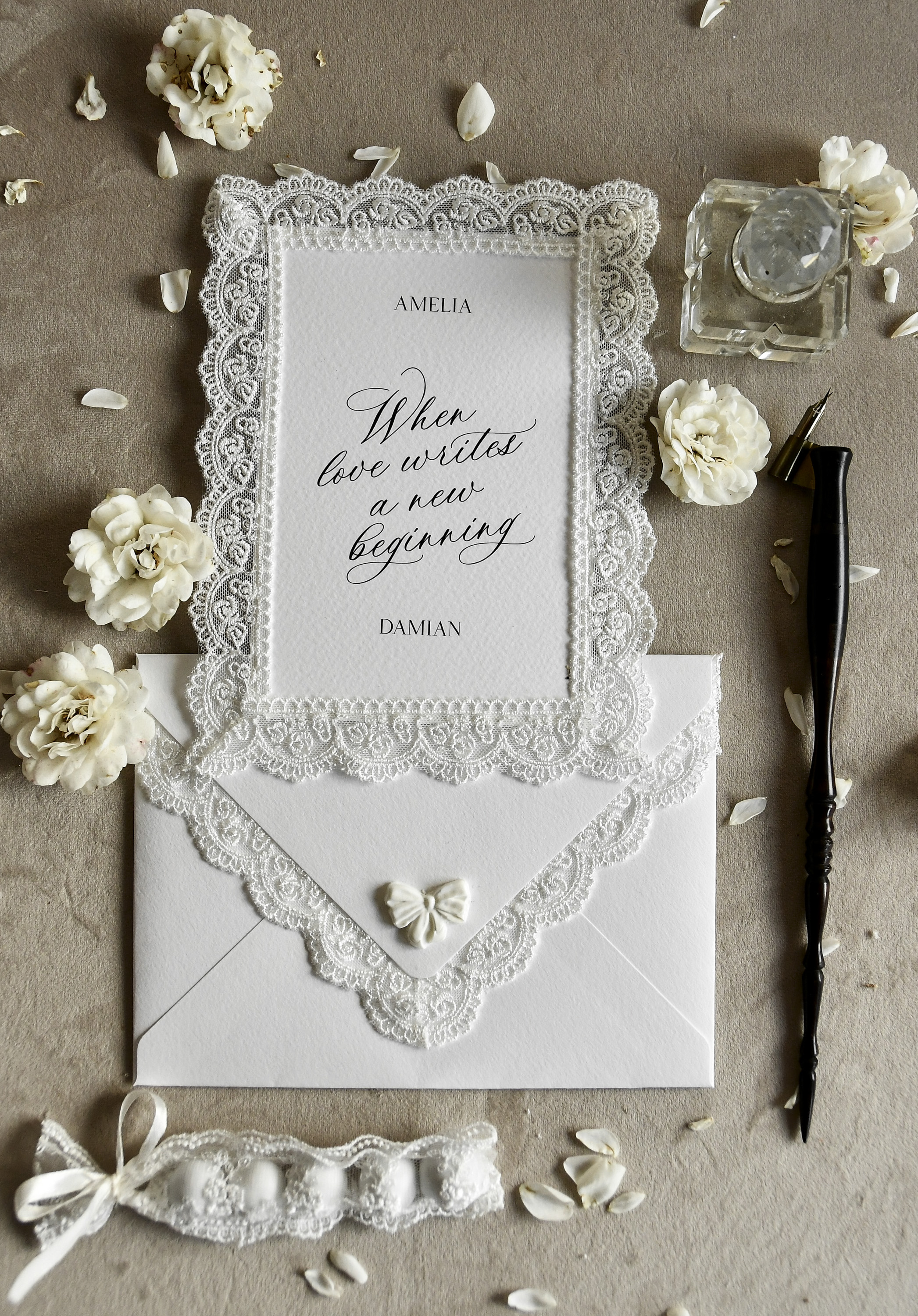
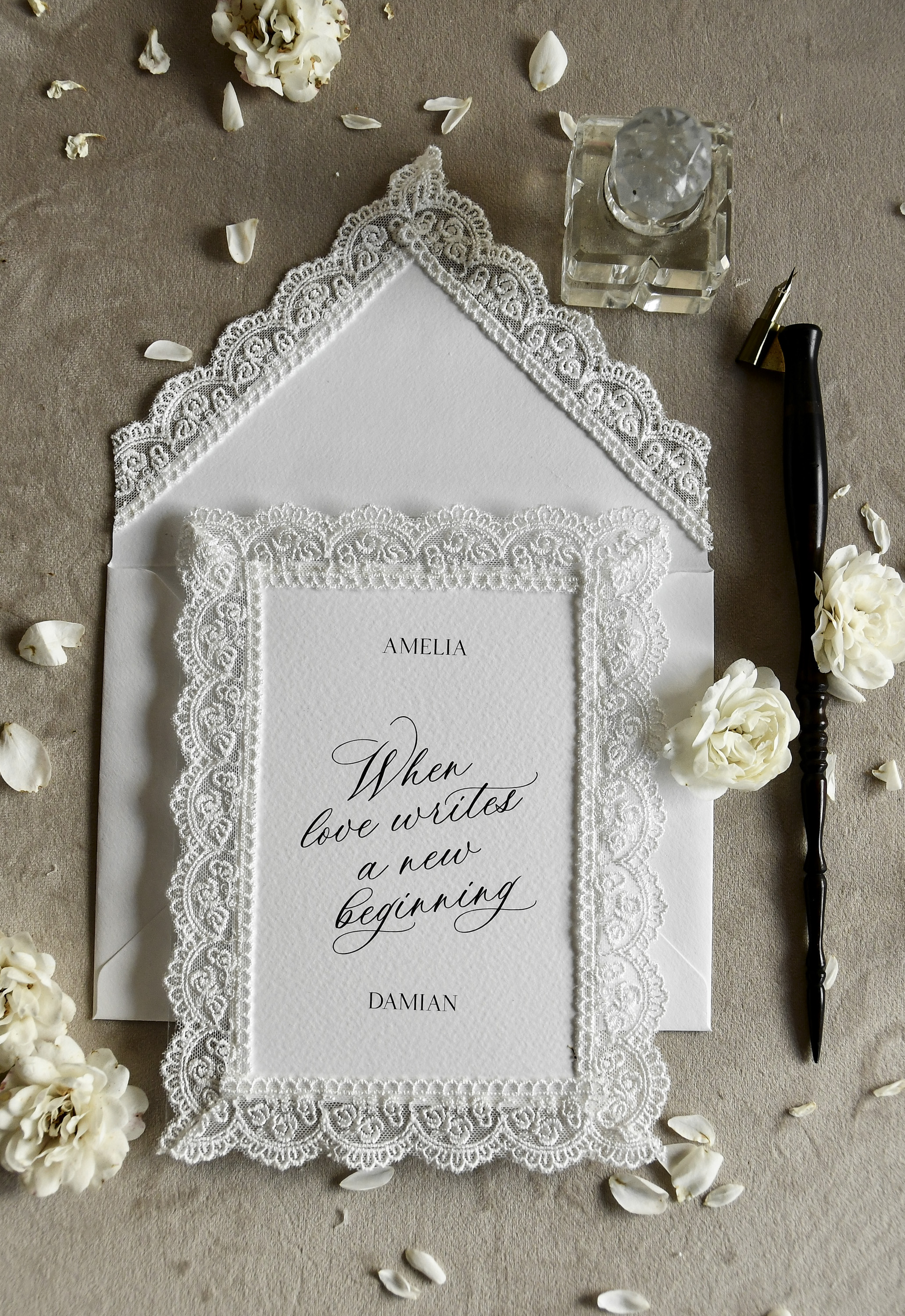
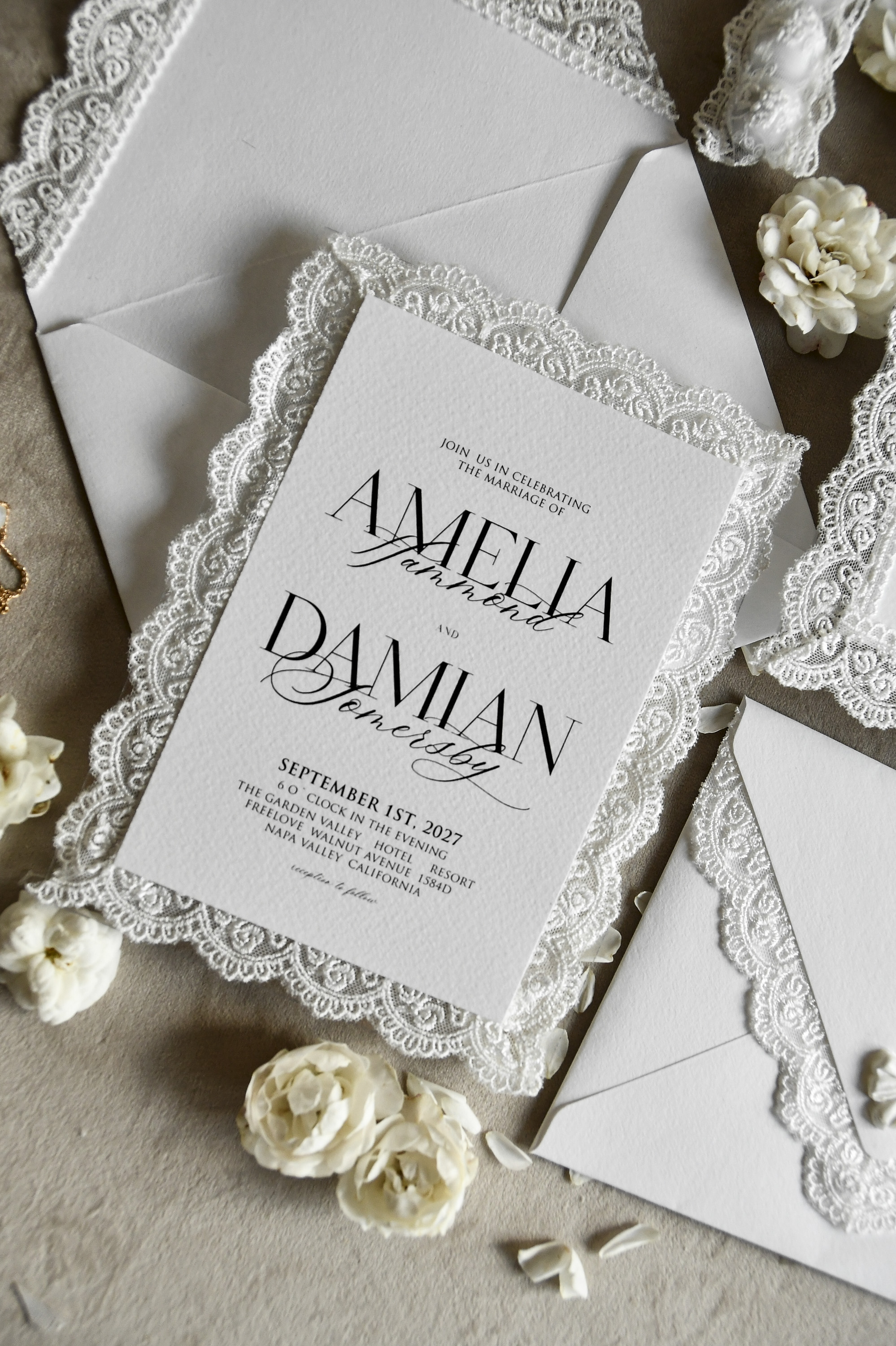
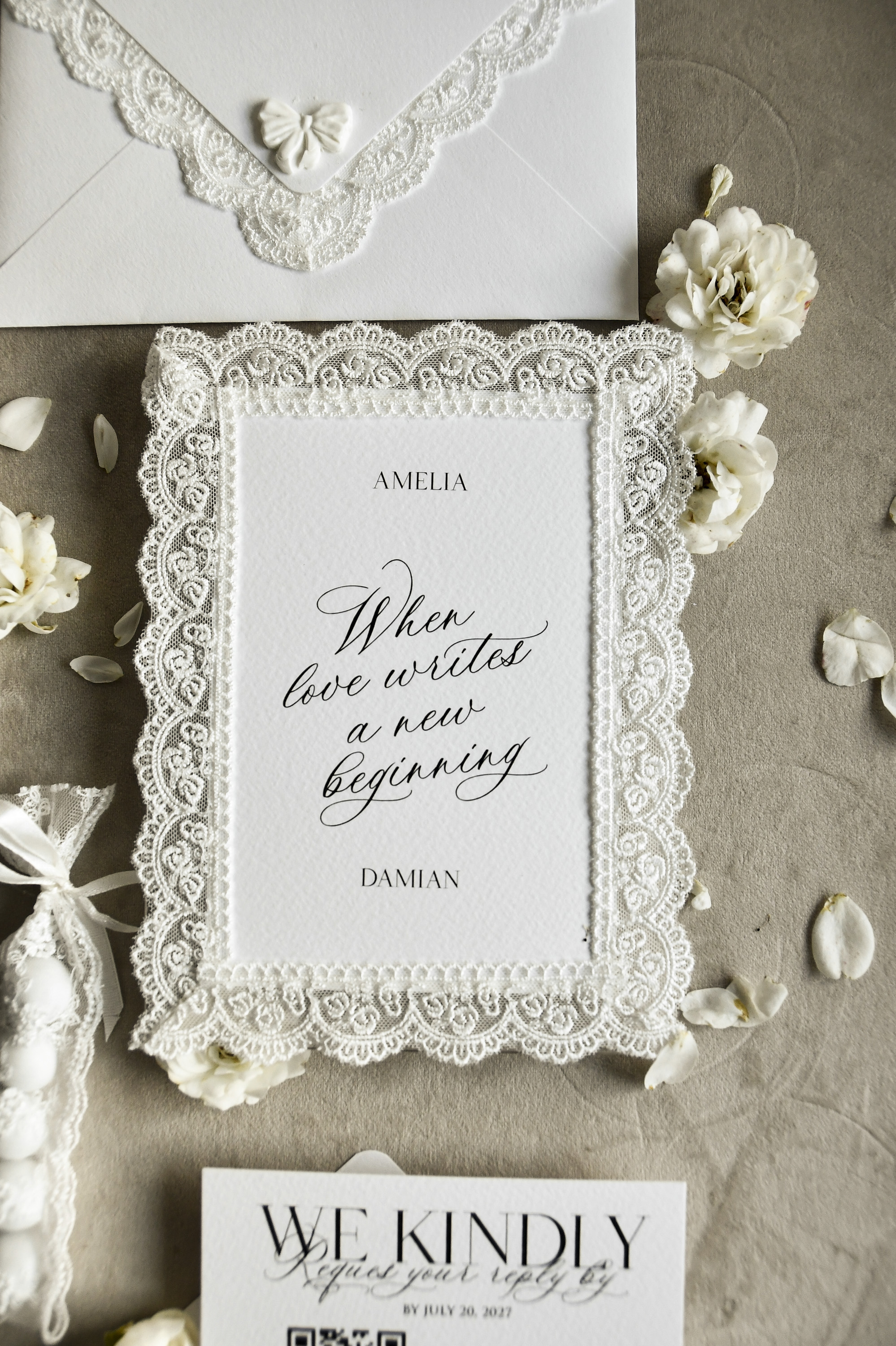
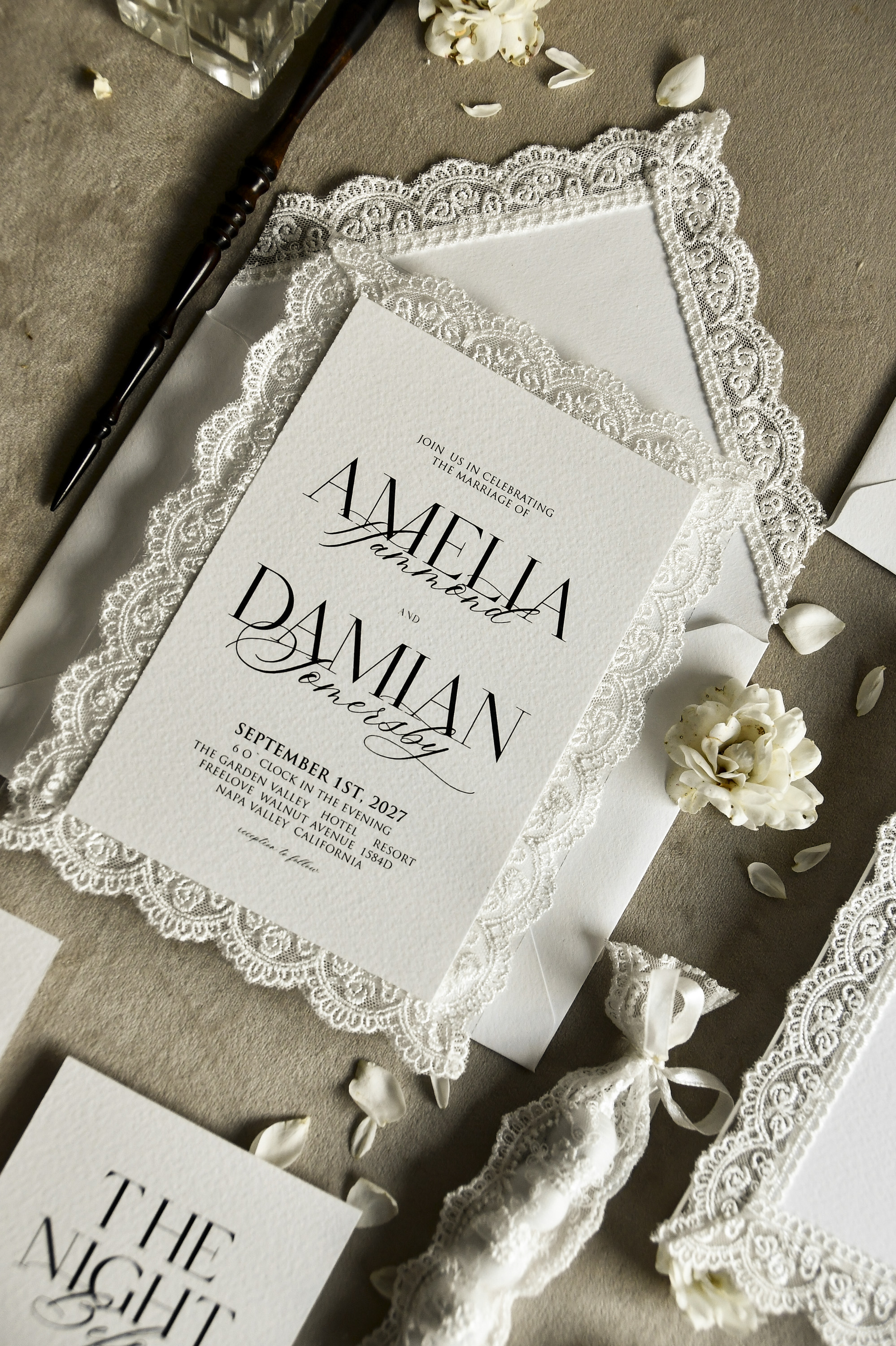
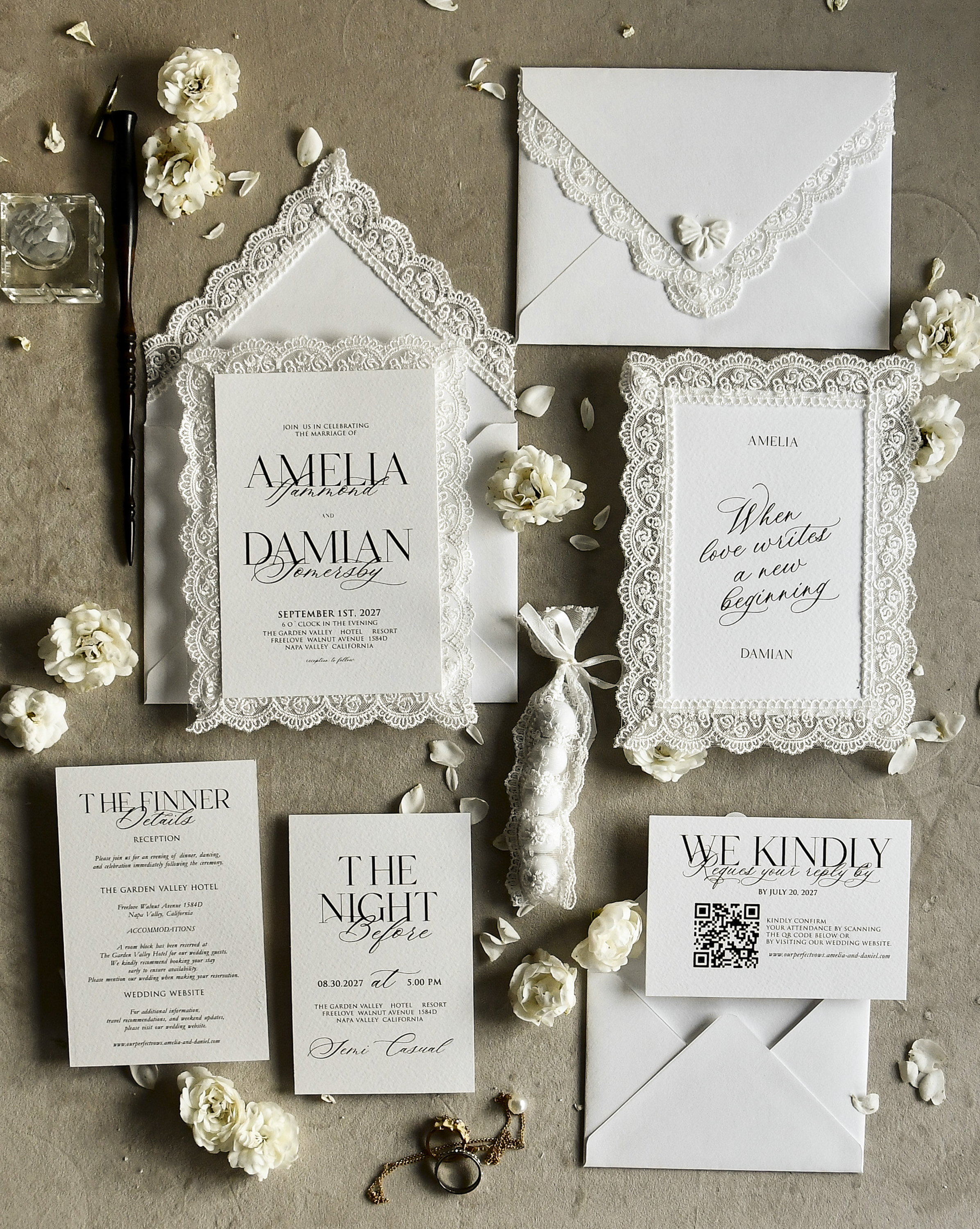
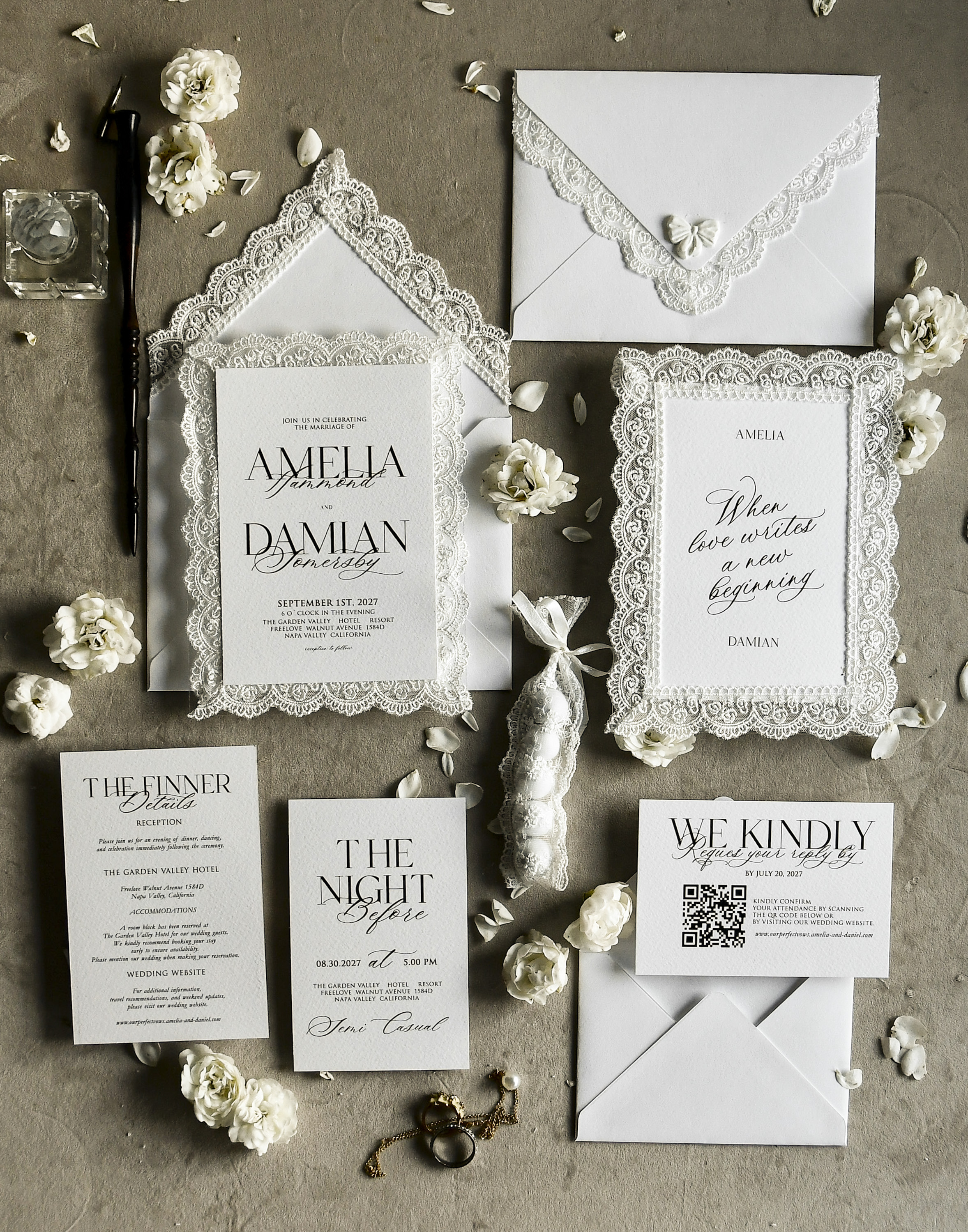
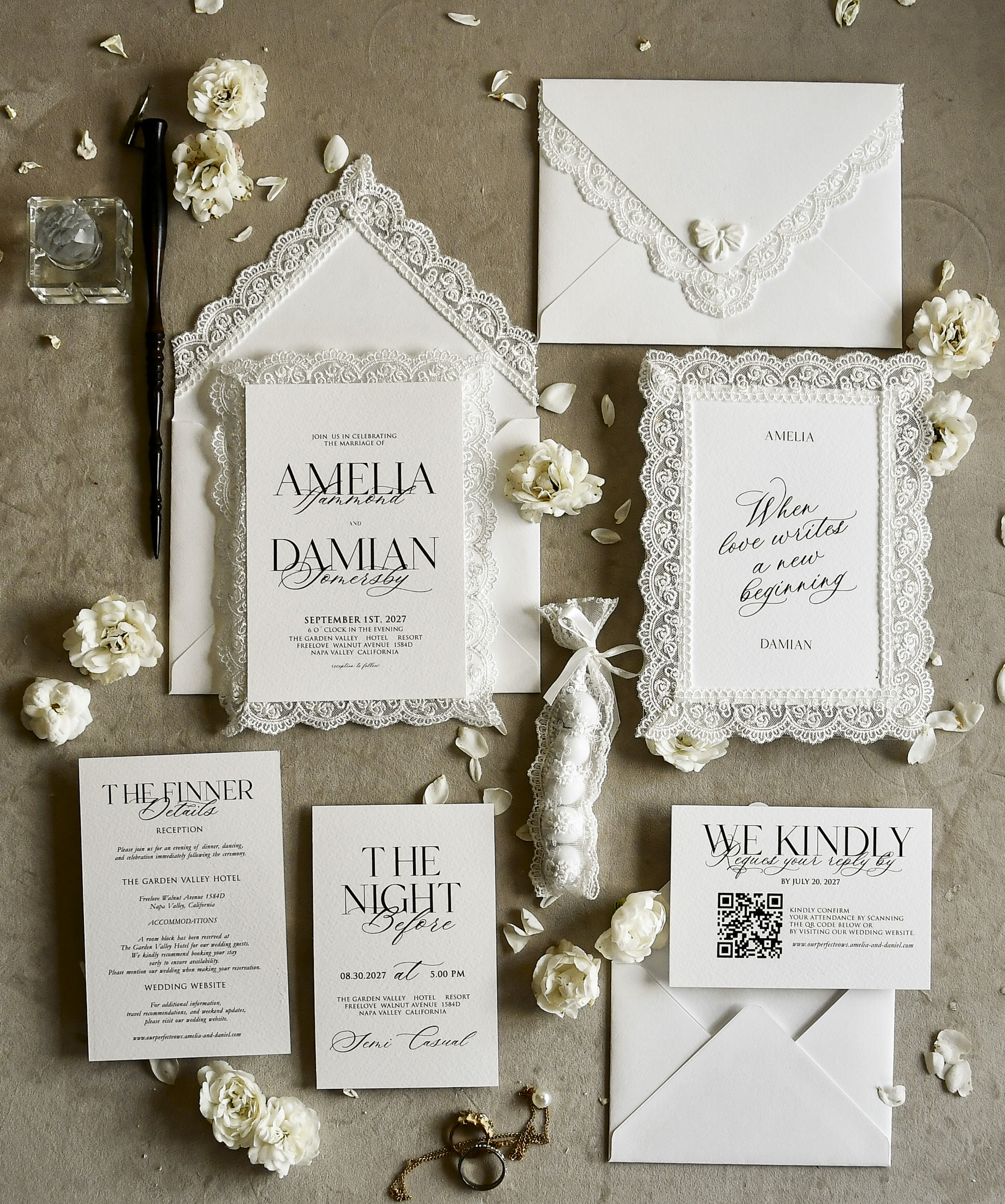
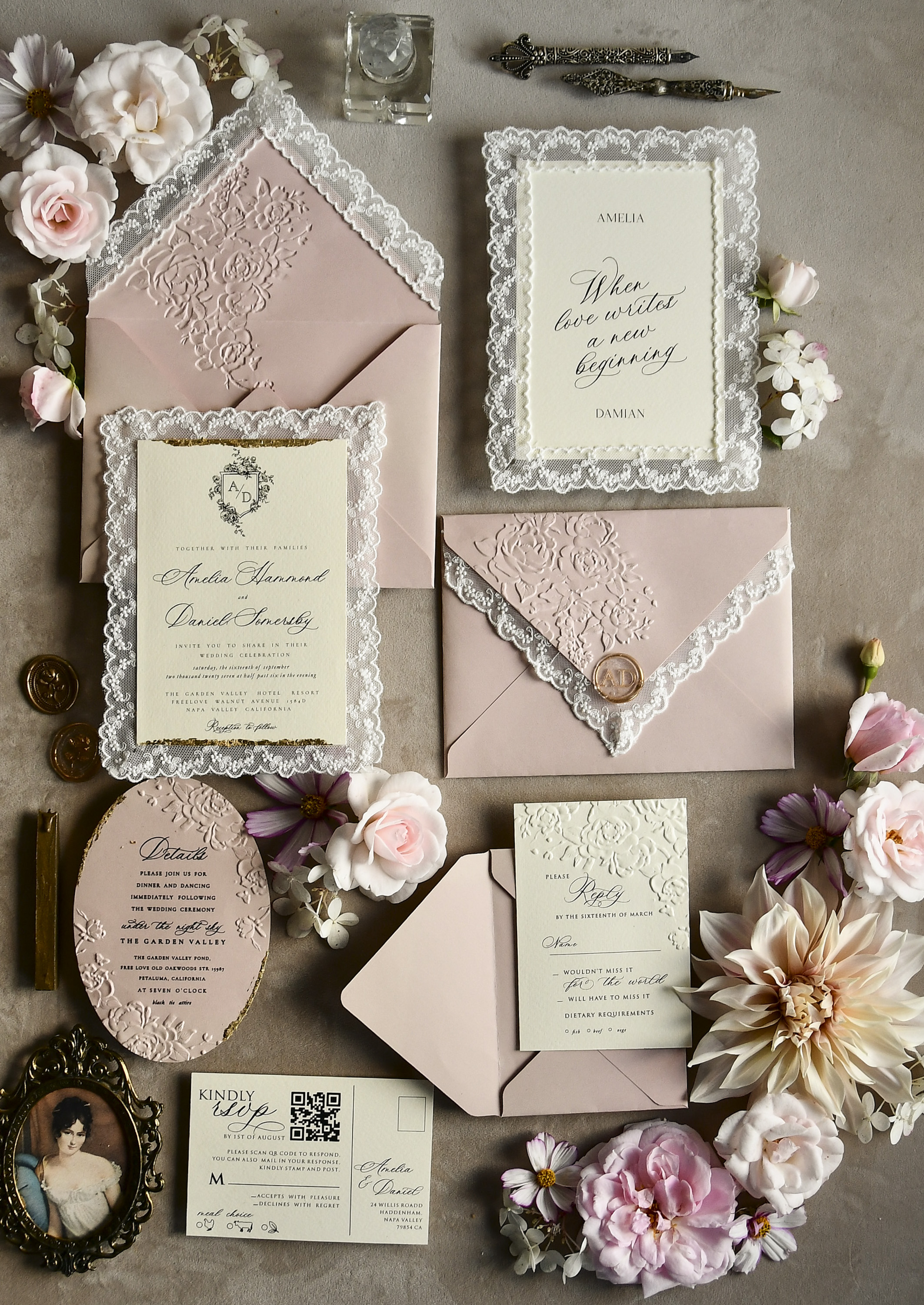
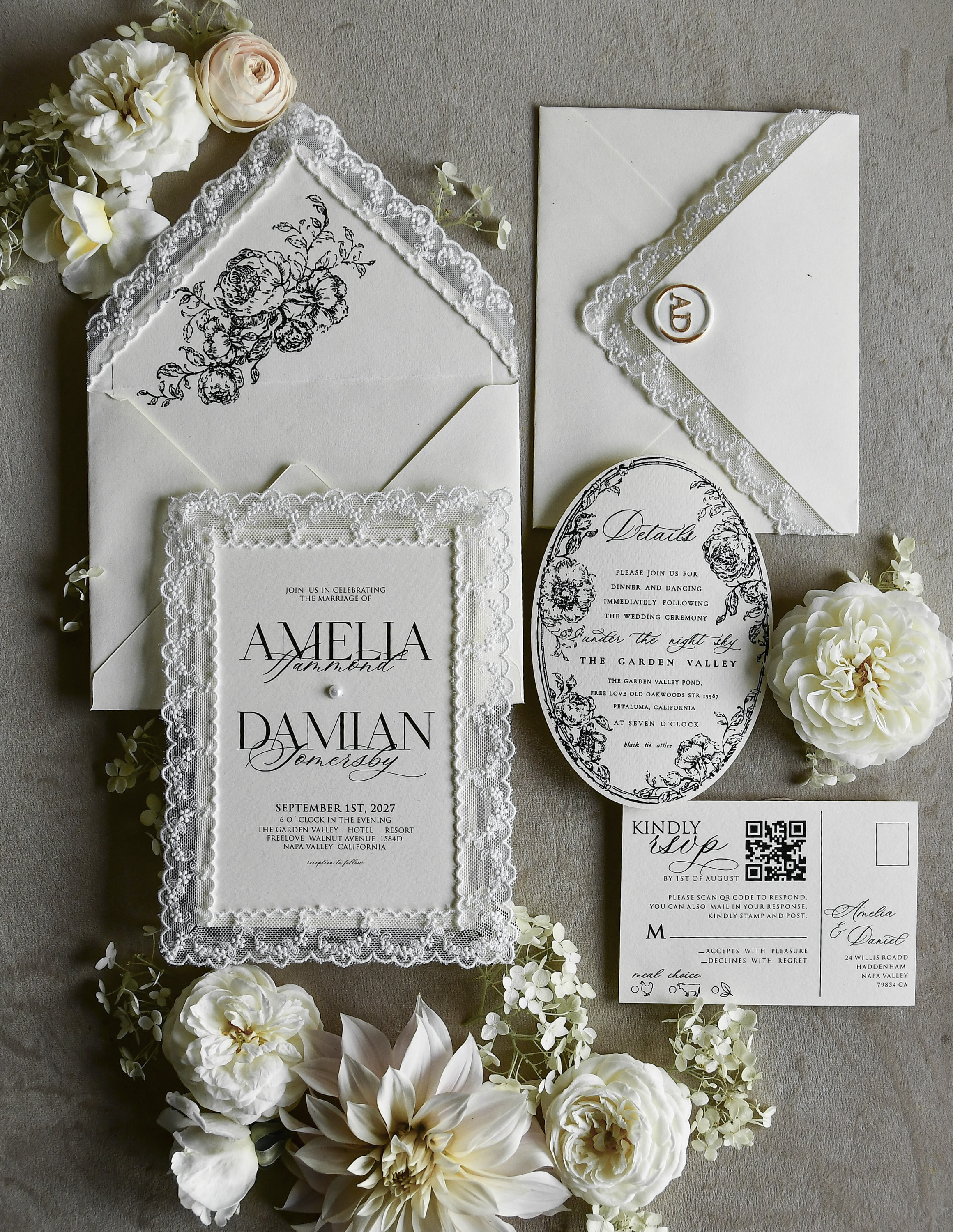
A clear, easy RSVP process dramatically reduces no-shows. When guests receive a beautifully designed invitation — like the vintage-inspired 08/laceD/z from Margo&Bees, starting at $8.50 — they're more likely to take the commitment seriously and respond promptly. Aesthetics signal that this is a real, carefully planned event worth honoring.
- Set a firm RSVP deadline at least three to four weeks before the wedding so you have time to follow up.
- Confirm by phone or text with any guest who RSVPs yes but hasn't been in recent contact as the date approaches. A quick "So excited to see you Saturday!" text a week out works perfectly.
- Give your caterer a slightly lower number than your confirmed headcount — most experienced caterers expect a small buffer and can adjust portions accordingly. Ask your venue coordinator how they handle last-minute count changes.
- Consider a wedding website that lets guests update their RSVP if their plans change, reducing the awkward silence of a ghost yes.
What to Do on the Day Itself
When you're standing at the altar, the last thing you need is to stress over empty chairs. Delegate this entirely. Assign a trusted friend, family member, or your day-of coordinator to handle any last-minute communication with guests who haven't arrived.
For seated dinners, instruct your venue or catering team to quietly remove empty place settings before guests are seated so the absence isn't visually obvious in photos. If you have a seating chart, ask your coordinator to consolidate gaps so tables look full and lively. Most venues do this routinely — just ask in advance.
Do not attempt to reach no-show guests yourself on your wedding day. Hand that responsibility off completely and stay present in your celebration.
Handling the Financial Hit
Here's the hard truth: you will almost certainly pay for guests who don't show. Most catering contracts lock in the final headcount 72 hours to one week before the event, with no refund for no-shows after that point. A few ways to soften the blow:
- Build a buffer into your catering budget from the start — assume 5–8% of yes RSVPs won't attend and price accordingly.
- Review your contract carefully for any flexibility clauses. Some caterers will credit a small percentage of no-shows toward a future event or rehearsal dinner.
- Check your wedding insurance policy — some policies include coverage for vendor minimums, which may partially offset unexpected no-show costs.
- If a no-show was a close friend or family member, it's entirely reasonable to have an honest conversation about the financial impact, especially if they had no emergency.
Following Up After the Wedding
The etiquette here is nuanced. If a guest had a genuine emergency — illness, a family crisis, a travel disaster — reach out with warmth and understanding. Send a note, share a photo from the day, and let them know you missed them. Most people feel genuinely terrible about missing a wedding they intended to attend.
If a guest simply forgot or deprioritized your wedding with no communication, you're allowed to feel hurt. You don't owe them an immediate warm follow-up. Give yourself a few weeks, then decide how you want to handle the relationship going forward. A brief, honest "We missed you — everything okay?" gives them the chance to explain or apologize without forcing a confrontation.
Whatever you do, avoid airing grievances on social media or venting to mutual friends. The wedding is over; protecting your relationships and your peace of mind matters more than settling a score over an empty seat.
Frequently Asked Questions
It's not standard etiquette to send a bill, and doing so will almost certainly damage the relationship permanently. However, if the no-show was a close friend or family member with no emergency, it's reasonable to have a private, honest conversation about the financial impact it caused.
Call or text them directly — don't rely on a second mailing. Give them a clear deadline and let them know you need a firm answer for your vendor headcount. A friendly, low-pressure message like "Hey, just confirming your plans for the wedding!" usually does the trick.
Yes, and this is a smart strategy if your venue has a capacity ceiling. Keep a short "B-list" of guests you'd love to invite, and if you receive unexpected declines or anticipate no-shows, extend invitations early enough that they can make travel arrangements — ideally at least three weeks before the date.
Plan for 5–10% of your confirmed yes RSVPs to not attend. For a 120-person confirmed list, that means budgeting as if 108–114 people will actually show up. Share this estimate with your caterer and venue coordinator — they've seen it many times before.
Ask your coordinator or venue staff to quietly remove place settings from empty seats before guests are seated. You can also ask them to consolidate seating at tables so no table looks noticeably sparse, which keeps the room feeling full and festive in photos.
Absolutely — your feelings are valid. A yes RSVP is a commitment, and no-shows from close friends can feel like a personal slight. Give yourself space to feel it, then decide calmly whether and how to address it once the wedding excitement has settled.
See This Design Up Close


You May Also Like

More Wedding Planning Guides
- → Navigating Uninvited Guests: What to Say and How to Say It
- → Chasing Down Missing RSVPs: When and How to Follow Up With Guests
- → Divorced Parents at Your Wedding: Who Sits Where (and How to Keep the Peace)
- → He Said No to Your Family on the Guest List: How to Handle It
- → The Plus-One Question: How to Handle Teenage Guests at Your Wedding
- → Mom's Must-Invite List vs. Your Vision: How to Find the Middle Ground
- → The Cousin Dilemma: How to Handle Extended Family on Your Guest List
- → Your Ex, Your Wedding, Your Call: A Clear-Headed Guide to the Decision
- → Ditch the Return Envelope? How Online RSVPs Fit Into Modern Wedding Invitations
- → Wedding Invitation Deadlines: What 'Too Late' Actually Means
- → Your Guest List, Your Rules: Navigating the Plus-One Decision
- → Who Really Deserves a Plus One at Your Wedding (and Who Doesn't)
- → Uninvited Plus-Ones and Tag-Alongs: How to Keep Your Guest List Intact
- → When Family Feuds Threaten Your Wedding Plans: A Practical Peacekeeper's Guide
- → Inviting an Estranged Brother or Sister: Finding Clarity Before You Seal the Envelope
- → Cousins, Invites, and Hard Choices: A Practical Guest List Guide