
Teen Guests and Plus-Ones: What Every Couple Should Know

You've agonized over your guest list, trimmed it down, and finally feel good about the numbers — and then someone asks: does my teenager get to bring a date? It's one of those wedding-planning questions that feels small but can quietly ripple into hurt feelings, budget headaches, or awkward family conversations. The good news? There's a sensible framework for handling this, and once you decide on a clear policy, the rest gets much easier.
The Short Answer: You Are Not Obligated to Give Teens a Plus-One
As a general rule of etiquette, teenagers do not automatically receive a plus-one. The traditional guideline reserves plus-ones for adults — typically guests 18 and older — and even then, only for those in established relationships or who would otherwise know very few people at the event. Applying that standard consistently is your best protection against guest list creep and the uncomfortable task of explaining why one cousin's 17-year-old got a date and another's didn't.
The key word here is consistent. Whatever policy you set, apply it across the board. If no teens get plus-ones, that rule covers everyone equally and is very easy to explain to inquiring parents.
When It Might Make Sense to Make an Exception
Like most etiquette guidelines, this one has real-life nuances. Consider bending the rule in a handful of specific situations:
- The teen is 17 or 18 and in a serious, long-term relationship. If your cousin has been dating the same person for two years and they practically live at each other's houses, excluding that partner can feel pointed and unkind.
- They'll be completely alone otherwise. If a teenager is traveling from out of town and won't know a single other guest their age, a plus-one can prevent a miserable evening for everyone involved.
- The date is already a family friend or known to your circle. If the plus-one isn't truly a stranger to your guest list, the practical and financial impact is minimal.
Even in these cases, you're not obligated — but being generous where it matters most is always good form.
How to Address Invitations for Teen Guests
The clearest way to communicate your decision is through how you address and word the invitation itself. Be explicit rather than leaving room for assumptions.
- No plus-one: Address the envelope to the teen by name only — for example, Miss Olivia Reyes — with no "and Guest" addition. If the teen lives with their parents, list all family members individually on the inner envelope.
- Plus-one included: Add "and Guest" after the teen's name on the outer envelope, or write out both names if you know the partner.
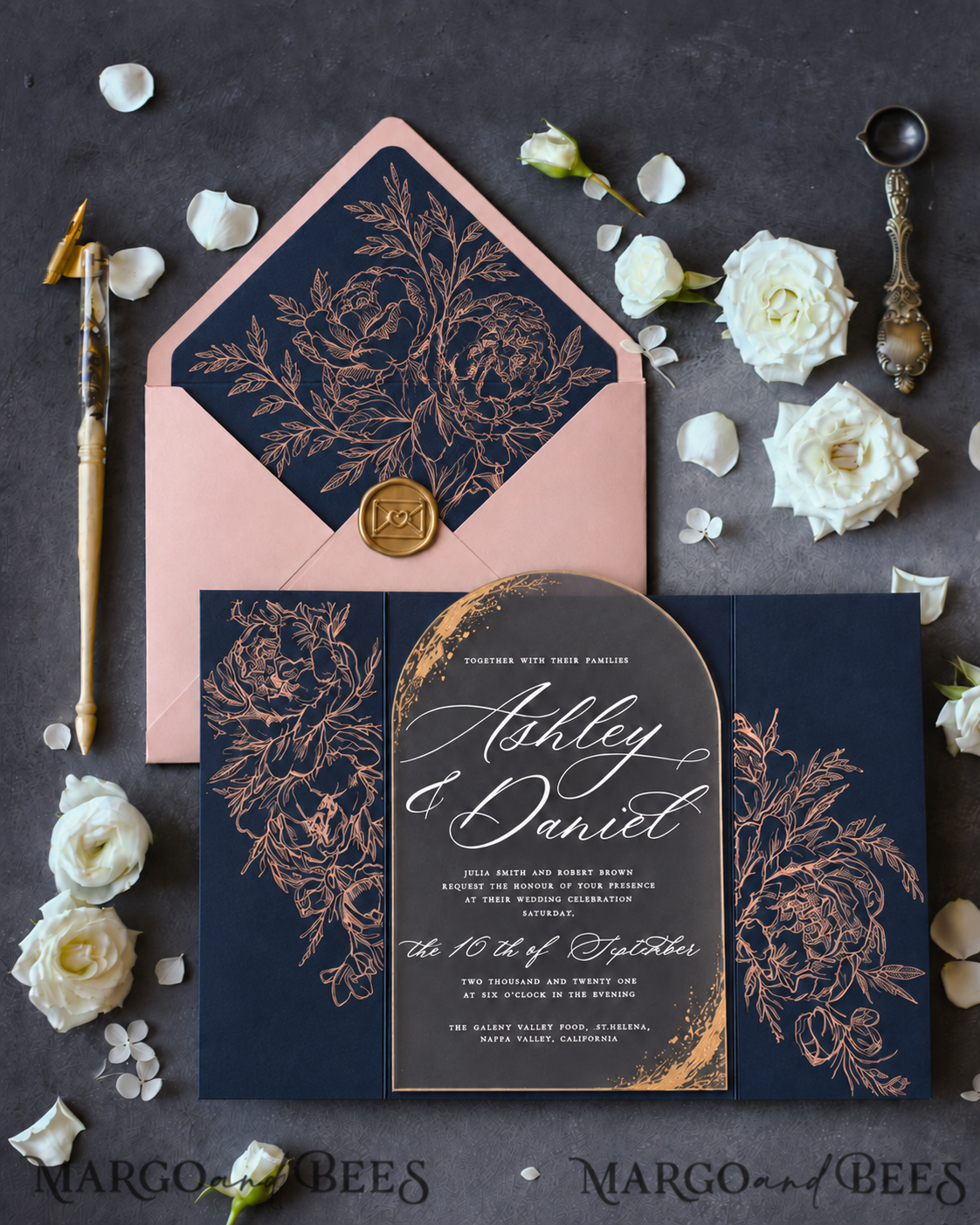
This is where thoughtful, custom stationery really earns its keep. A well-designed invitation suite — like a custom order through Margo&Bees' 04/luxvel/box collection — lets you personalize envelopes precisely, so every guest knows exactly who is and isn't invited without any awkward follow-up calls.
If you anticipate pushback from certain families, give your parents or wedding party a heads-up about your policy so they can field questions before they reach you.
Talking to Parents Who Push Back
Some parents will ask anyway — and that's okay. Have a simple, warm script ready: "We're keeping plus-ones to spouses and long-term partners to manage our guest count, so unfortunately we aren't able to extend them to younger guests. We'd love to have [teen's name] there and hope they'll still join us!" Most reasonable people will accept this gracefully when it's framed as a blanket policy rather than a personal slight.
If a parent insists that their teenager won't attend without a date, that is ultimately their choice to make. Hold your boundary kindly but firmly — caving for one family almost always means caving for several.
A Note on Seating and Atmosphere
Whichever way you decide, think about how teen guests will experience your wedding day. Group teenagers together at a table with other younger guests or young adults they might connect with. If you're not giving them plus-ones, make sure they won't be marooned at a table of adults they've never met — that's a recipe for a long, uncomfortable night and a teen who's glued to their phone in every photo.
A little thoughtfulness in the seating chart goes a long way toward making every guest, regardless of age, feel genuinely welcomed and included in your celebration.
Frequently Asked Questions
Most etiquette experts place the threshold at 18, though many couples extend it only to guests who are married, engaged, or in a long-term relationship. There's no universal rule — what matters most is that you apply your chosen standard consistently across all guests.
Age is generally the cleaner line to use, so an 18-year-old would typically fall under your adult plus-one policy. If you're keeping plus-ones only for serious couples, you can apply that same standard to 18-year-olds and explain it the same way you would to any adult guest.
No — couples can choose to host an adults-only wedding, which is a perfectly acceptable and increasingly common choice. If you go that route, communicate it clearly on your wedding website and through word of mouth so parents can make childcare arrangements well in advance.
Address the envelope only to the invited guest by name and omit any "and Guest" language. On the inner envelope, list names explicitly rather than using "and family," which can be interpreted broadly. Clear, precise addressing removes ambiguity before it becomes a conversation.
It can feel unfair unless the exception is based on a clear, explainable criterion — like a serious long-term relationship or an unusual circumstance such as traveling alone from far away. Arbitrary exceptions are where feelings get hurt, so tie any exception to a consistent rule you can articulate.
Yes, a brief note on your wedding website is a smart and low-pressure way to set expectations before invitations even arrive. Something like "We are hosting an intimate celebration; invitations are extended to named guests only" covers the topic gracefully without singling anyone out.
See This Design Up Close

You May Also Like


More Wedding Planning Guides
- → The Honest Answer to 'Can My Guest Bring a Plus One?'
- → Uninvited Plus-Ones and Tag-Alongs: How to Keep Your Guest List Intact
- → When Family Feuds Threaten Your Wedding Plans: A Practical Peacekeeper's Guide
- → Inviting an Estranged Brother or Sister: Finding Clarity Before You Seal the Envelope
- → Cousins, Invites, and Hard Choices: A Practical Guest List Guide