
The Honest Answer to 'Can My Guest Bring a Plus One?'

Short answer: yes, absolutely. Your wedding guest list is yours to control, and declining to offer a plus one to every guest is not only acceptable — it's incredibly common. The longer answer involves a little strategy, a lot of consistency, and a few etiquette guardrails that will make the whole process feel a lot less awkward. Here's everything you need to know.
You Have Every Right to Set Plus-One Rules
No etiquette rulebook requires you to give every guest a plus one. What matters most is that you apply your rules consistently across the board. Picking and choosing who gets a guest based on personal preference (rather than a clear policy) is where feelings get hurt and drama starts.
Common plus-one policies that work well include:
- Married and engaged couples only — anyone with a spouse or fiancé gets a plus one automatically.
- Married, engaged, and cohabiting couples — a step further, recognizing long-term live-in partners.
- Married, engaged, cohabiting, and long-term relationships — usually defined as couples together one year or more.
- No plus ones for anyone outside the immediate family — a practical choice for very intimate weddings.
Pick the tier that fits your venue capacity and budget, then apply it without exceptions. That consistency is your best protection when a guest pushes back.
How to Communicate the Decision Kindly but Clearly
The way you address envelopes and format your invitations does a lot of the heavy lifting here. When you address an invitation to "Ms. Jordan Ellis" rather than "Ms. Jordan Ellis & Guest," you've already communicated the answer before anyone has to ask.
If a guest reaches out to ask directly, keep your response warm and firm:
- "We're keeping our wedding really intimate and weren't able to extend plus ones to guests who aren't in long-term partnerships — I'm so sorry! We'd absolutely love to have you there, though."
- "We're working within a strict venue capacity, so we had to limit plus ones to spouses and fiancés only. We hope you'll still join us!"
You don't owe anyone a detailed financial breakdown. A brief, kind explanation referencing venue size or an intimate atmosphere is more than enough. Say it once, warmly, and hold the line.
When It Gets Awkward: Handling Pushback
Some guests will accept your answer graciously. Others will push. A few things to keep in mind:
- Don't make exceptions under pressure. The moment you add one guest because someone complained, word spreads and the floodgates open.
- It's okay to repeat yourself. If a guest keeps asking, you can say, "I completely understand it's disappointing — unfortunately we really can't make exceptions without it affecting other guests. I hope you'll still come!"
- Acknowledge the inconvenience. Saying "I know this is a bummer" goes a long way toward keeping the relationship intact even if the answer stays no.
If a guest ultimately decides not to attend because they can't bring a plus one, that's their choice to make. It stings, but it's not a reflection of your generosity or your friendship — it's a reflection of their priorities.
Special Situations Worth Thinking Through
A few scenarios that come up often:
- A guest who doesn't know anyone else at the wedding. This is worth weighing carefully. You're not obligated to offer a plus one, but if a guest will genuinely be isolated — say, a coworker attending solo while everyone else is from your family — consider whether a plus one makes sense as a hospitality gesture, not a rule.
- Out-of-town guests. Traveling solo to a wedding is hard. Again, not a requirement, but something to factor into your thinking.
- Family pressure. If a parent insists a cousin needs a plus one, gently remind them that you're applying the same standard to everyone — including your own friends.
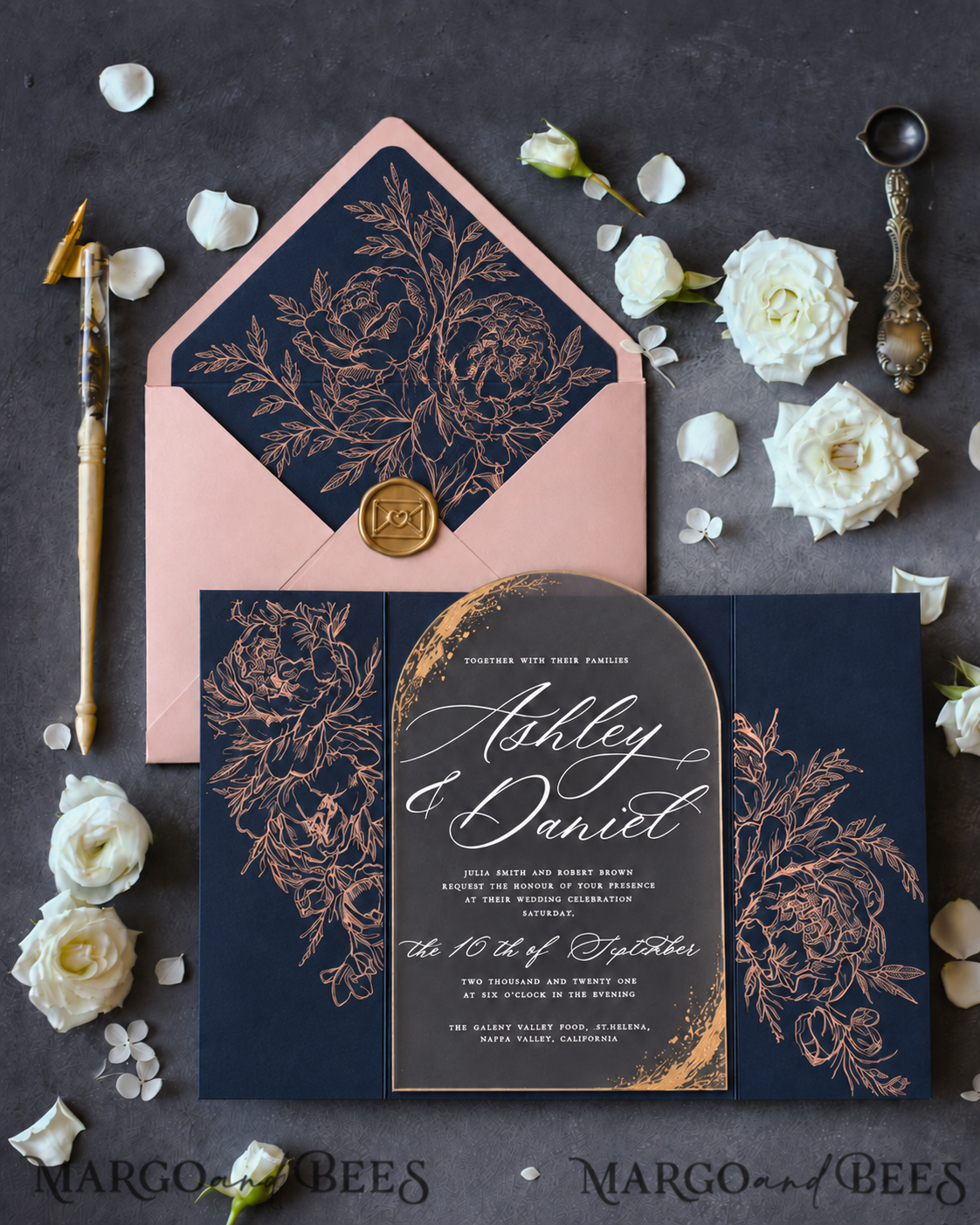
For weddings with complex guest-list logistics or non-standard seating arrangements, a custom order like the 04/luxvel/box from Margo & Bees can be a beautiful way to create personalized invitation suites that make each guest feel seen — even when the answer to their plus-one request is no.
Getting Your Invitations Right From the Start
The clearest way to avoid plus-one confusion is to be precise on your stationery from day one. A few best practices:
- Address every envelope with the exact names of the invited guests — no ambiguous "and family" or "and guest" unless you mean it.
- Include a response card with a pre-filled guest count line so guests can't add names you didn't invite.
- Add a line on your wedding website like: "Due to venue capacity, we are unable to accommodate additional guests beyond those named on your invitation."
The 04/luxvel/box is a great option if you're looking for a custom invitation experience that lets you control every detail — including exactly whose name appears on each piece. When your stationery is precise and polished, guests take the cues seriously.

Frequently Asked Questions
No — it's a completely normal and widely accepted wedding planning decision. What matters is that you apply your plus-one policy consistently across all guests so no one feels singled out.
You don't owe a detailed explanation, but a brief, kind reason — like venue capacity or an intimate guest list — helps soften the message. Keep it short, warm, and consistent no matter who's asking.
Reach out politely and let them know there may have been a misunderstanding — only the names on the invitation are included. Something like, "We're so sorry for any confusion! Our venue capacity means we're only able to host the guests listed on each invitation."
It's worth thinking about, but it's not a requirement. If a guest will genuinely be isolated, a plus one can be a thoughtful hospitality gesture — just be prepared to offer the same consideration to others in similar situations.
Yes, as long as you're following a clear, consistent rule — like plus ones for married couples only. The key is that your policy is based on relationship status or another objective factor, not personal favoritism.
Address the envelope with only the invited guest's name — for example, 'Ms. Jordan Ellis' rather than 'Ms. Jordan Ellis & Guest.' This signals the invitation clearly before anyone has to ask a question.
See This Design Up Close
You May Also Like


More Wedding Planning Guides
- → Teen Guests and Plus-Ones: What Every Couple Should Know
- → Uninvited Plus-Ones and Tag-Alongs: How to Keep Your Guest List Intact
- → When Family Feuds Threaten Your Wedding Plans: A Practical Peacekeeper's Guide
- → Inviting an Estranged Brother or Sister: Finding Clarity Before You Seal the Envelope
- → Cousins, Invites, and Hard Choices: A Practical Guest List Guide