
Extra Guests at Your Wedding: How to Prevent and Handle Uninvited Additions
You planned every detail, counted every head, and set your guest list with care — and then someone RSVPs for three when you only invited two, or worse, a surprise face shows up at the venue door. Uninvited extra guests are one of the most common (and stressful) wedding-day curveballs couples face. The good news: with the right approach before and during your wedding, you can handle it gracefully without drama or guilt.
Why This Happens More Than You'd Think
Most guests who bring uninvited extras aren't being malicious — they're being thoughtless. Common culprits include:
- Misreading the invitation: A guest assumes their live-in partner is included even though you addressed the envelope to them alone.
- Assuming children are always welcome: Parents sometimes don't realize "adults-only" applies to them too.
- Last-minute travel companions: A guest driving from out of town brings a friend along and figures one more won't matter.
- Plus-one confusion: Someone interprets a single plus-one as an open invitation for a group.
Understanding the why helps you respond with empathy rather than frustration — but it doesn't mean you have to accommodate everyone who shows up uninvited.
How to Prevent It Before the Wedding
Clear communication is your best defense. Here's what to do well before your wedding day:
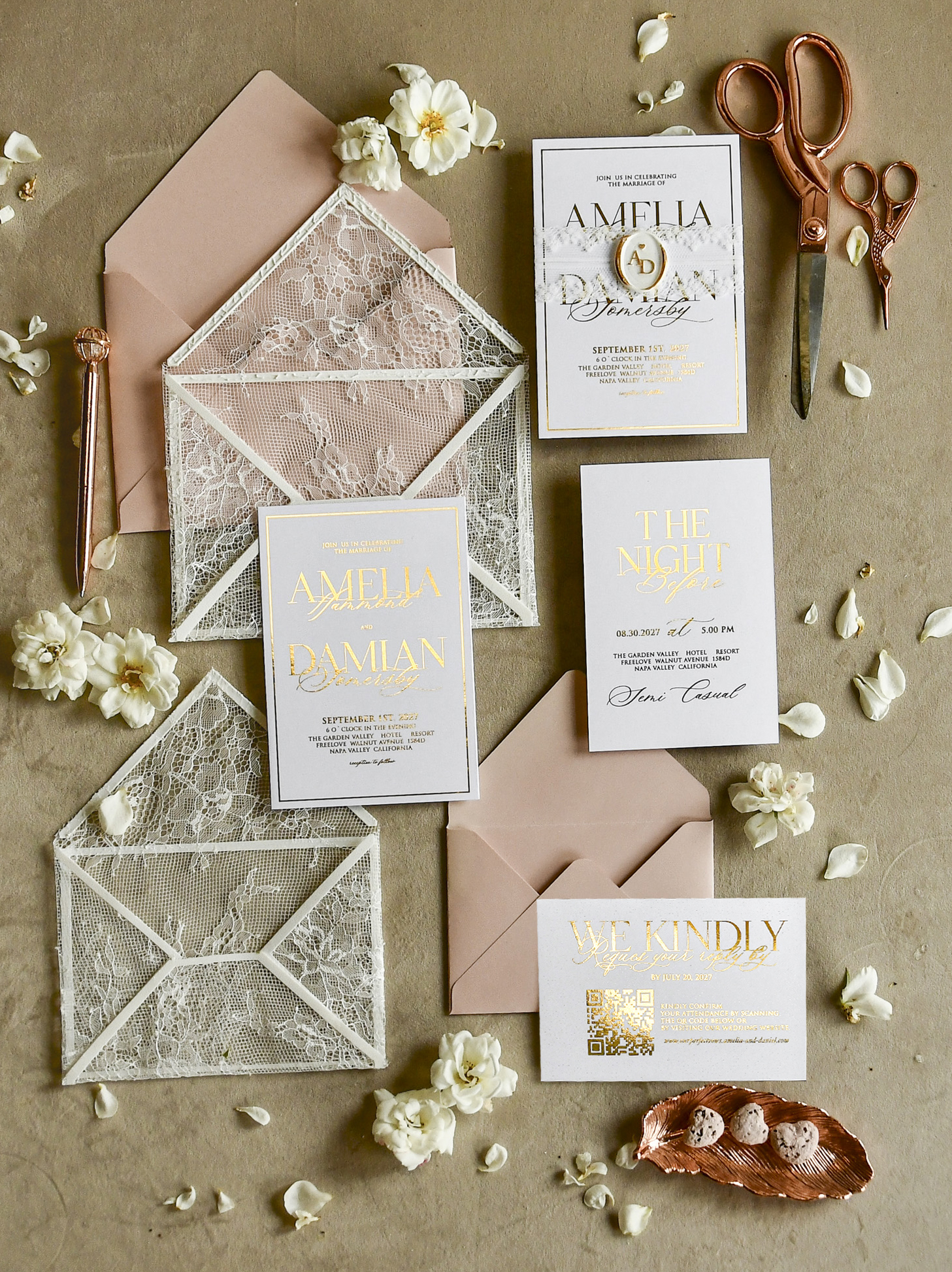
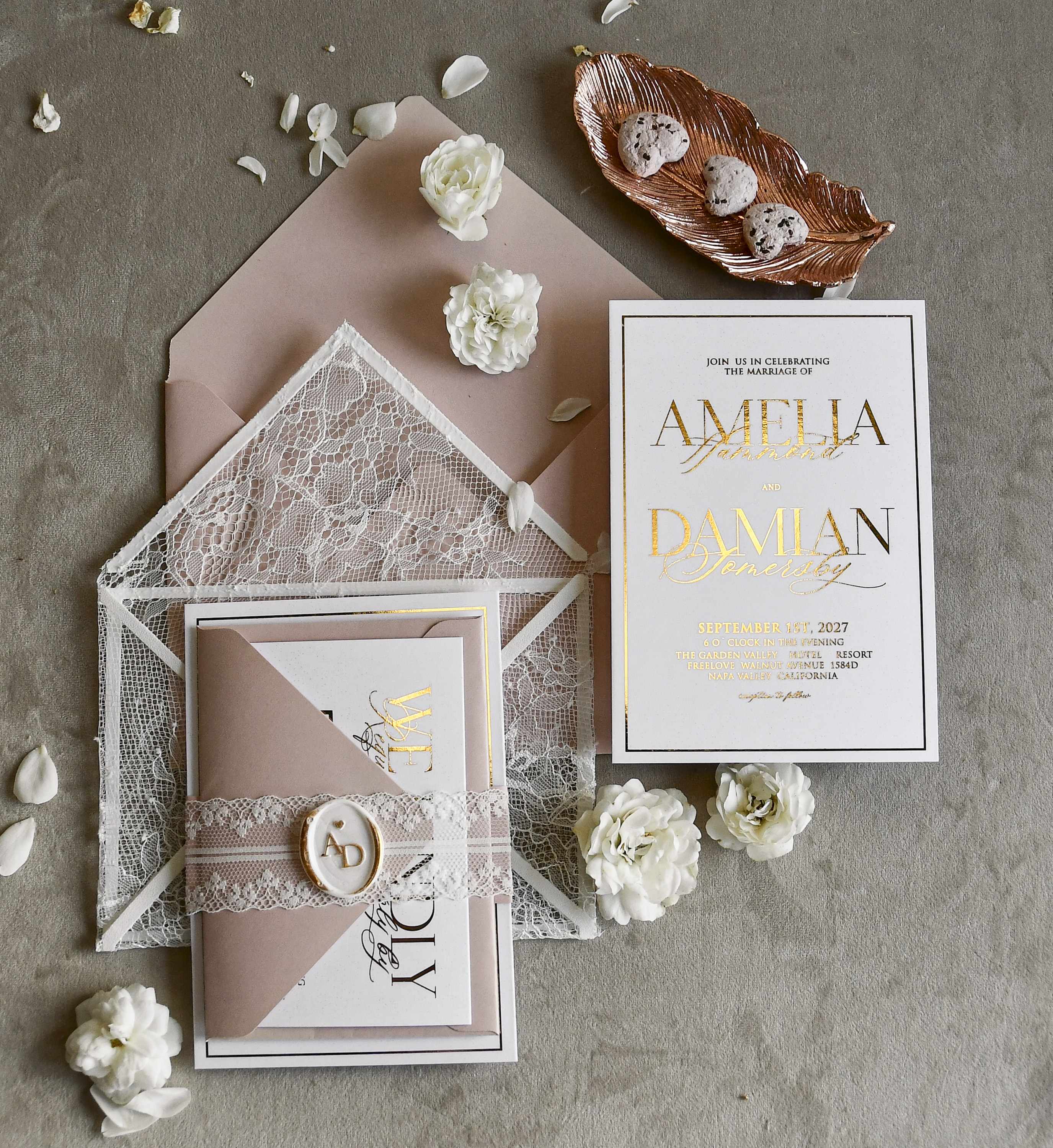
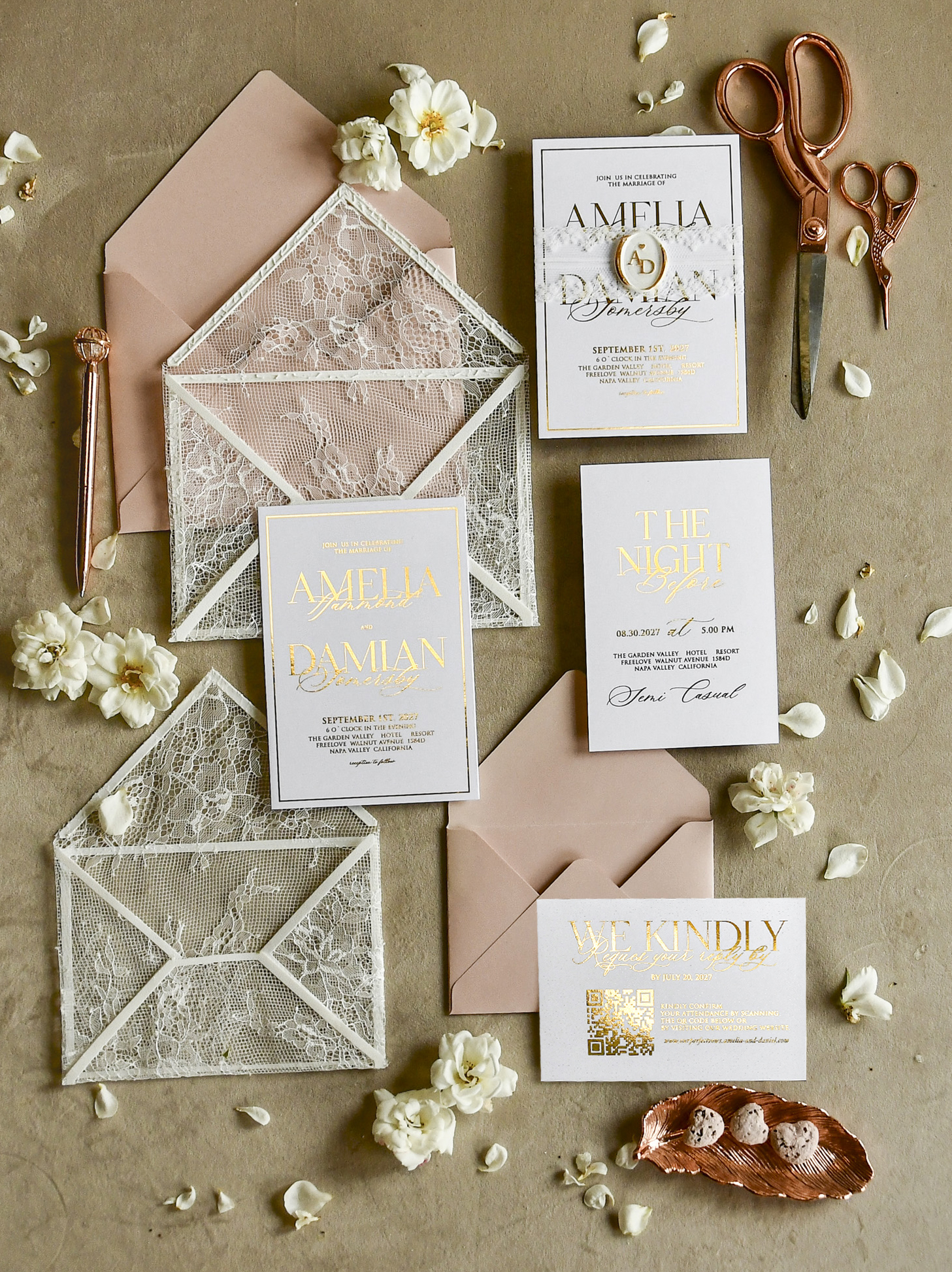
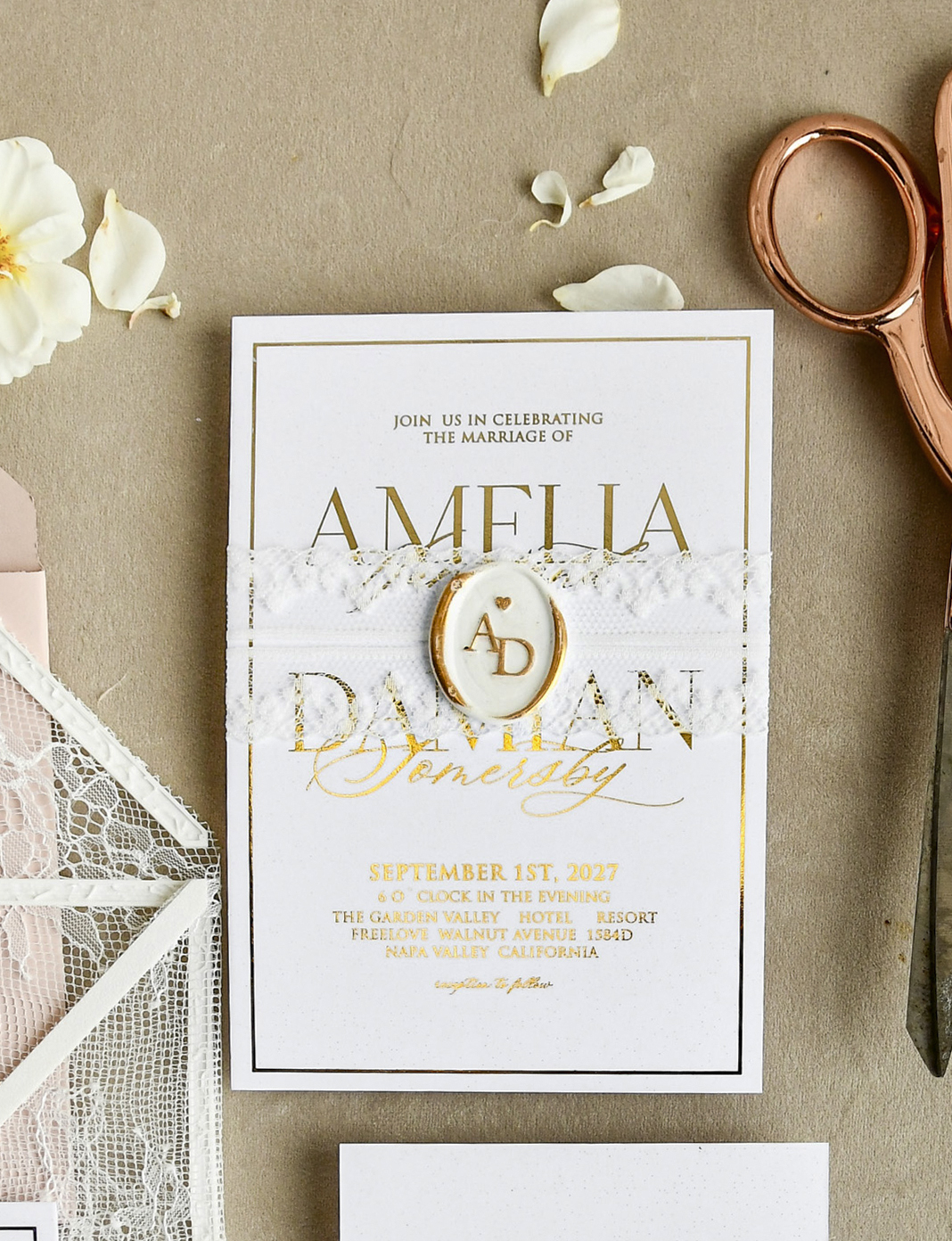
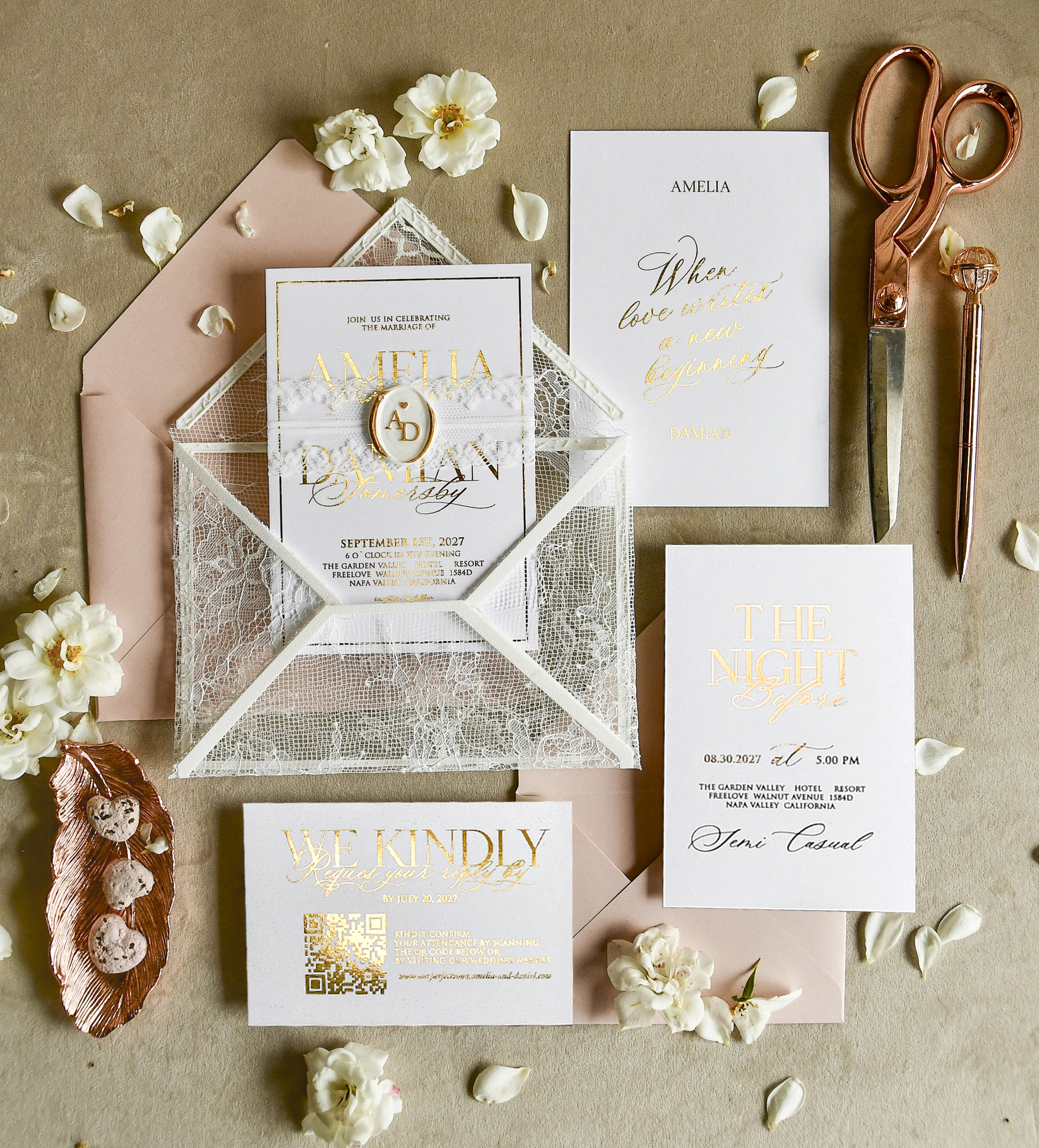
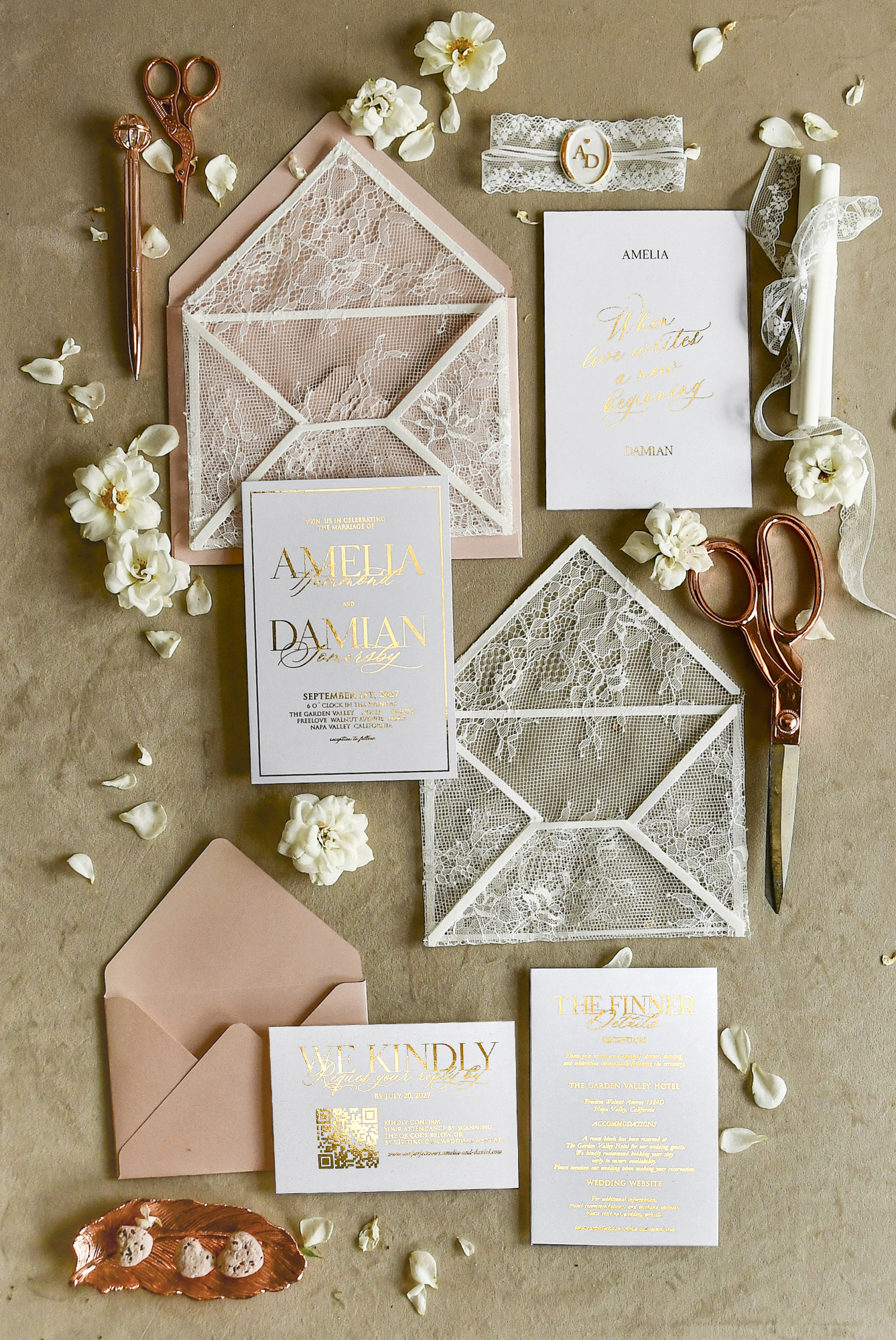
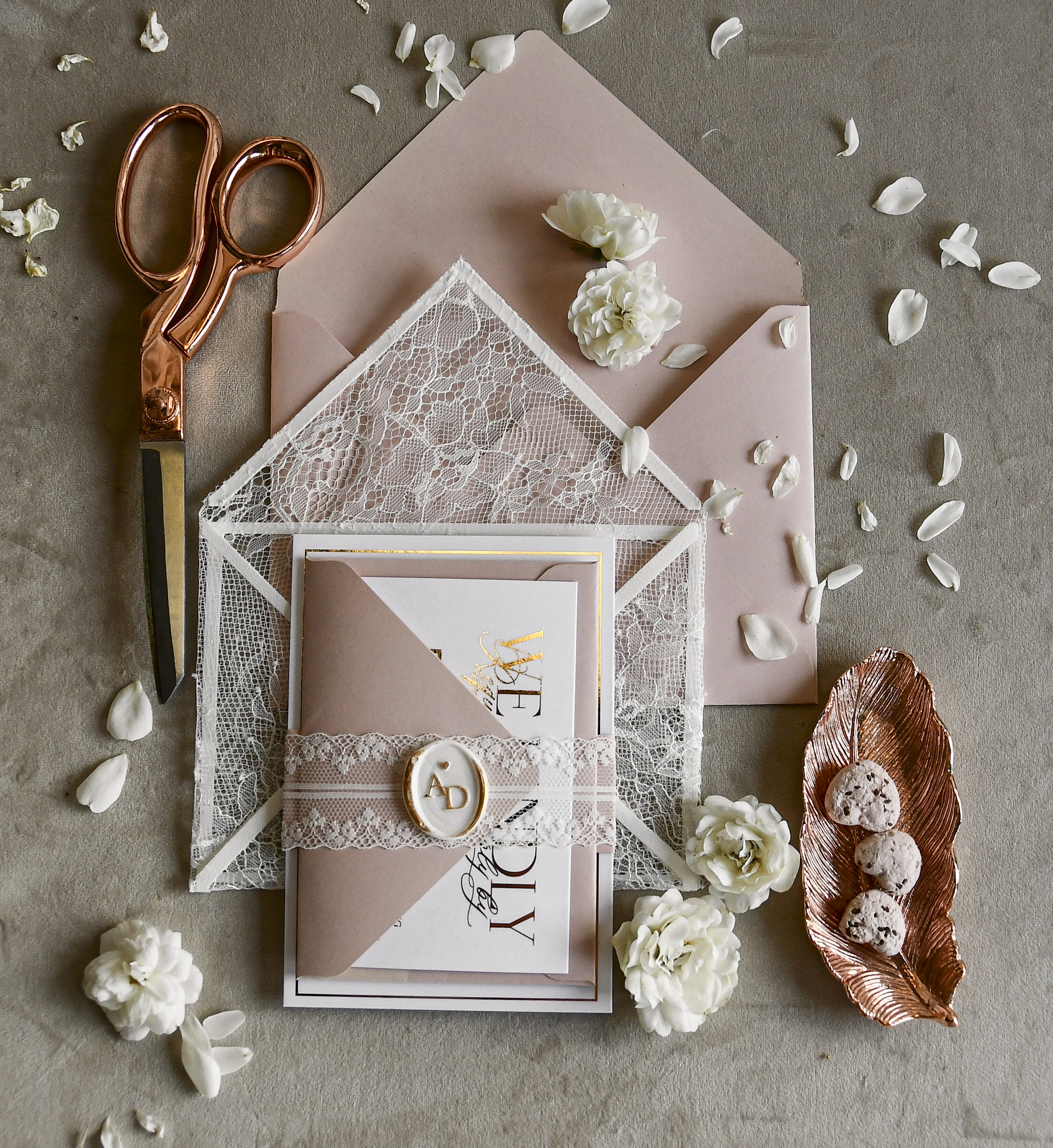
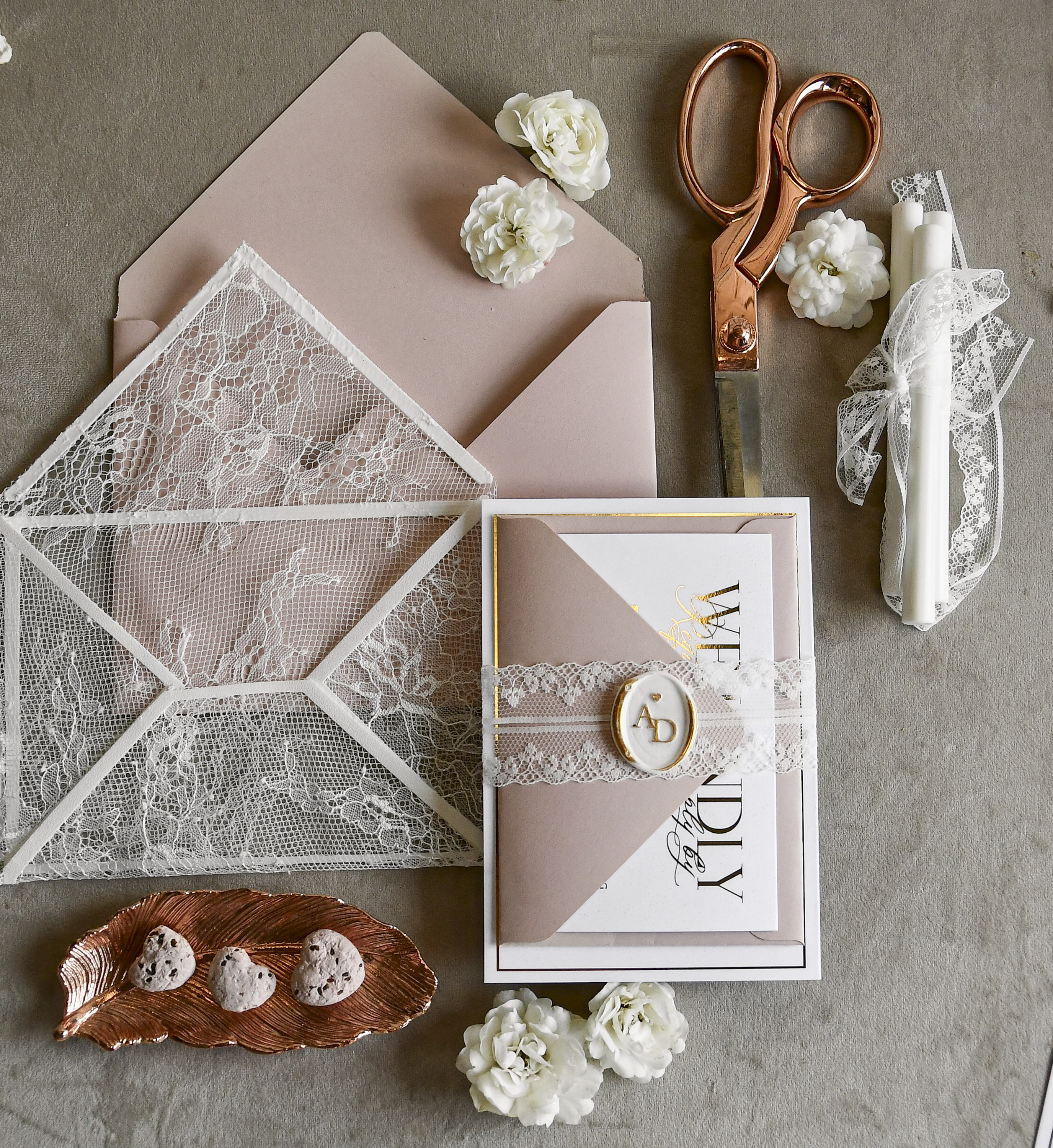
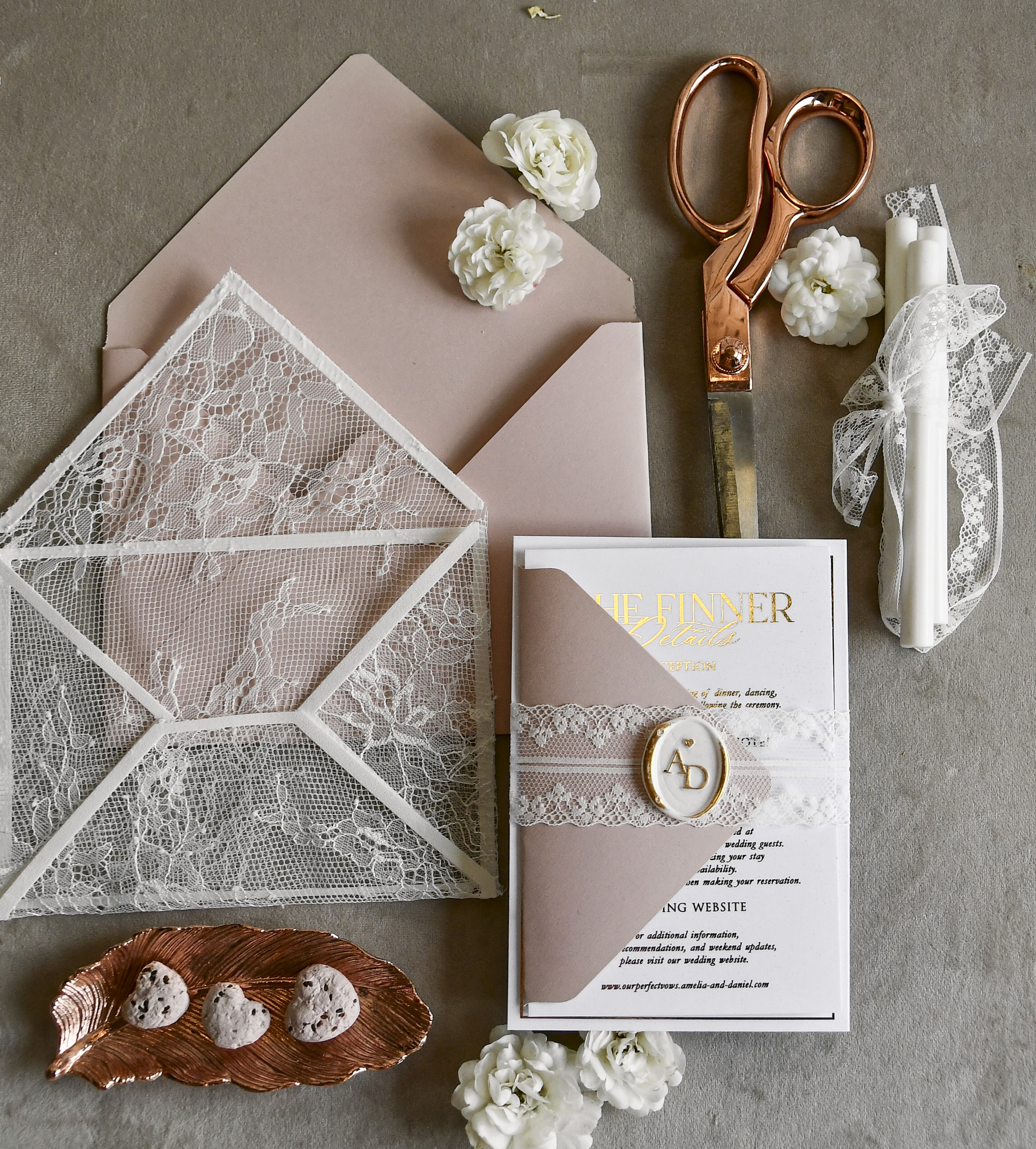
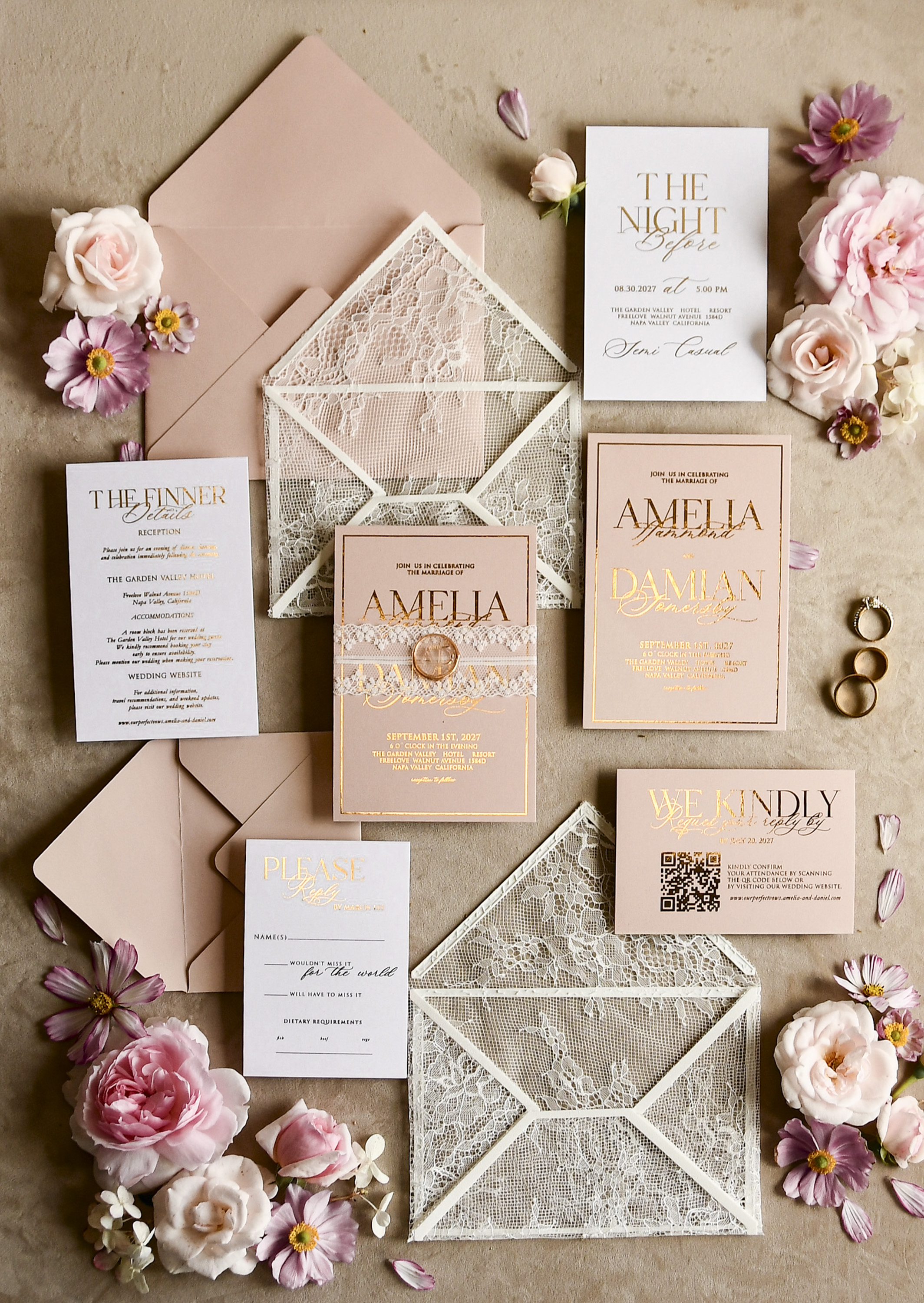
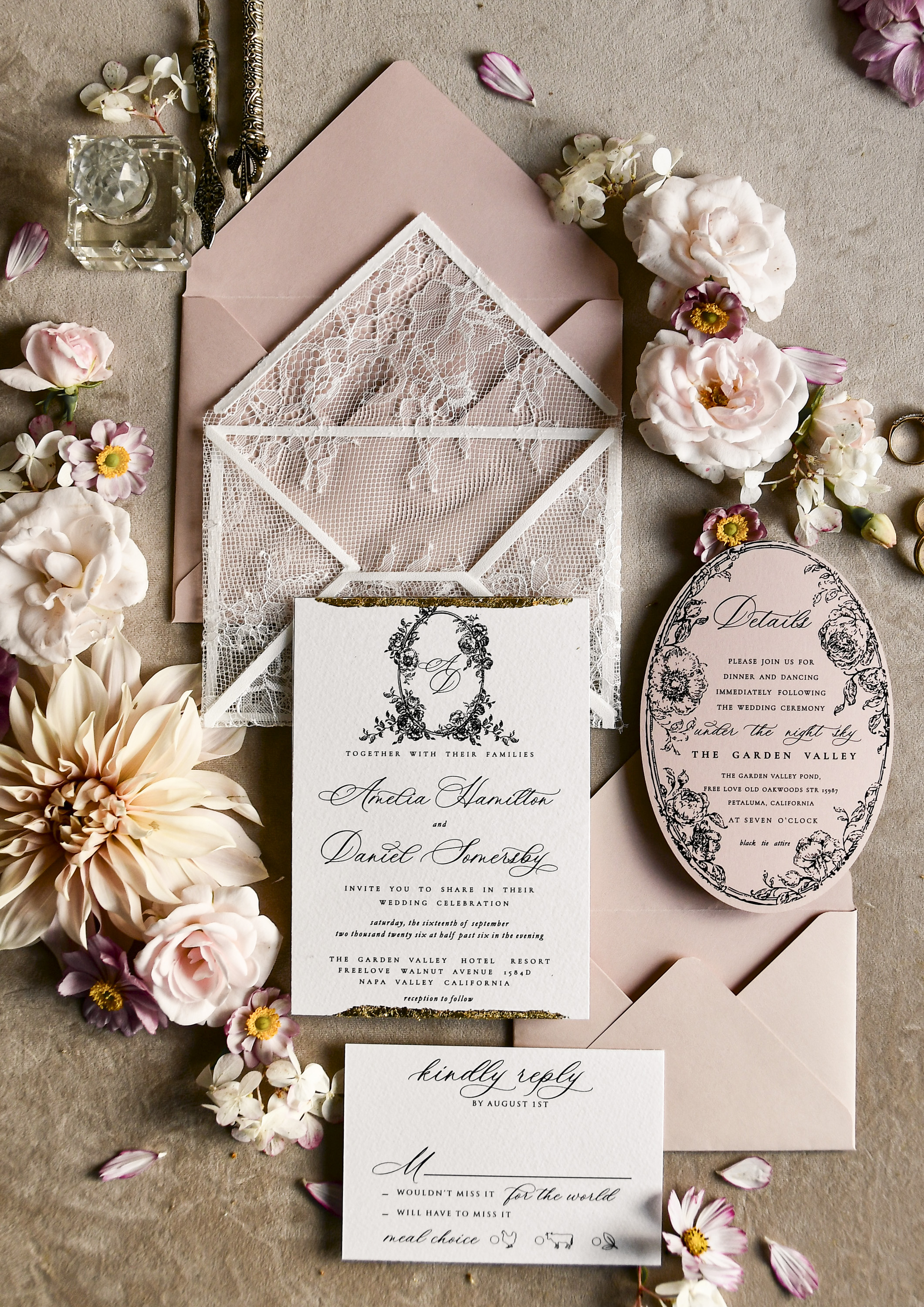
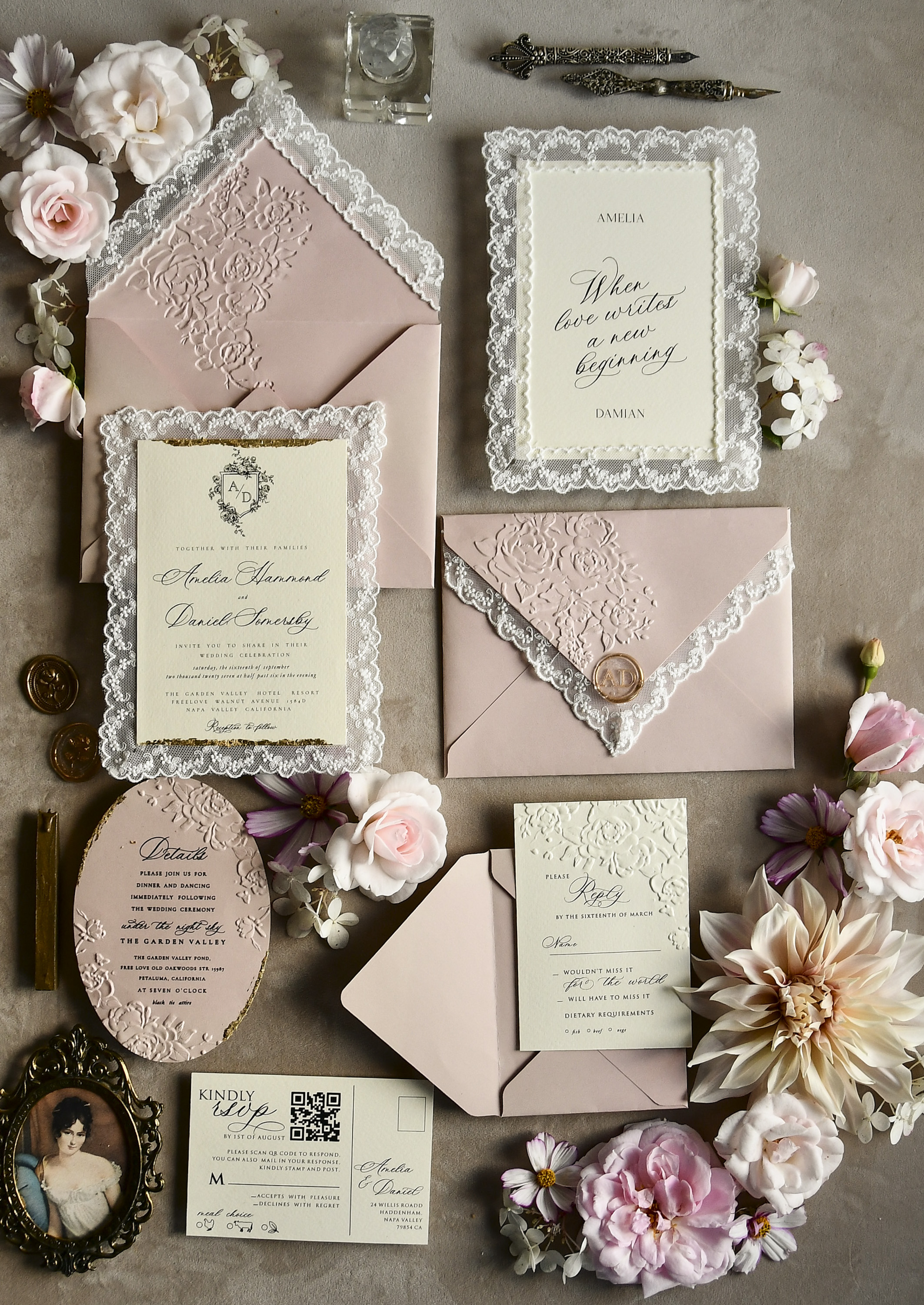
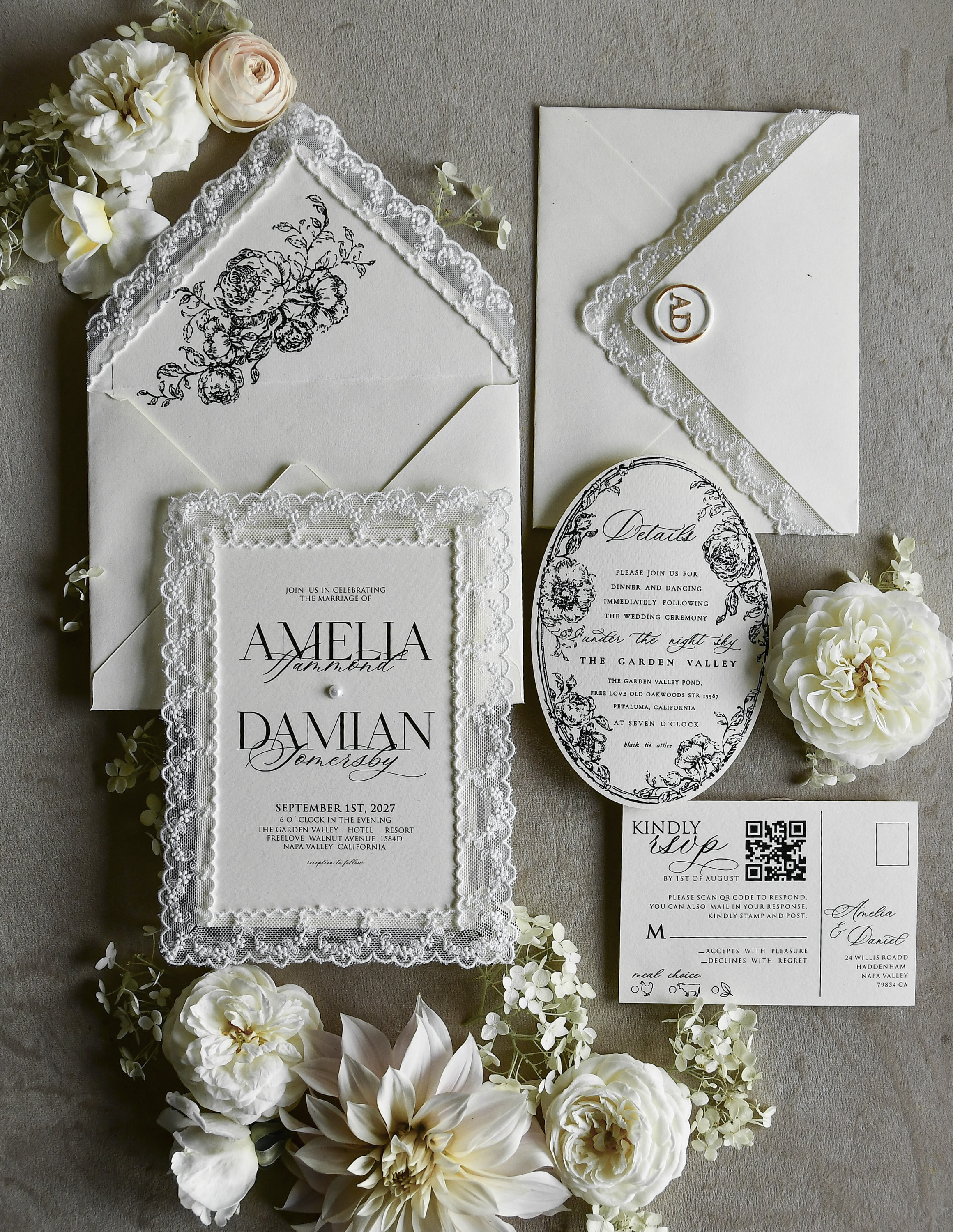
- Address invitations precisely. Write out exactly who is invited — "Mr. James Carter" signals one guest; "Mr. James Carter and Guest" signals two. If you're using vintage lace or rustic lace wedding invitations like the 01/lacenvD/z from Margo&Bees, the inner envelope is the perfect place to list every invited name explicitly.
- Include a clear RSVP card. List the number of seats reserved — "We have reserved __ seats in your honor" — and leave a fill-in line for names. This leaves zero ambiguity.
- Communicate directly when needed. If a family member is likely to push back, a quick phone call before invitations go out («We're keeping it very intimate — just immediate family») prevents awkwardness later.
- Make your wedding website clear. A short note like "Due to venue capacity, we are unable to accommodate additional guests beyond those named on your invitation" sets expectations without singling anyone out.
What to Do When It Happens on the Day
Despite your best efforts, an extra guest may still appear at the door. Here's how to handle it without derailing your day:
- Have a point person. Assign your venue coordinator, a trusted bridesmaid, or a day-of coordinator to handle check-in and any unexpected arrivals — not you or your partner.
- Keep a short waitlist. If you had last-minute declines, hold one or two seats in reserve. Your coordinator can quietly seat an unexpected guest there if space genuinely allows.
- If there's no room, be honest and kind. Your point person can say: "We're so glad you came! Unfortunately we're at capacity with a fixed headcount for the caterer. We'd love for [guest name] to celebrate with you at the reception later/at the after-party." It's uncomfortable, but it's far less disruptive than scrambling to add a seat mid-reception.
- Don't let it ruin your day. Hand the situation off and walk away. This is one moment in a full, joyful day — don't give it more power than it deserves.
After the Wedding: How to Address It (If You Need To)
In most cases, once the wedding is over, you can let it go. But if the extra guest caused a real problem — a significant budget overage, a seating crisis, or genuine stress — it's okay to address it briefly and privately.
A simple, non-accusatory message works best: "Hey! It was great to see you at the wedding. We did want to mention that we weren't able to plan for an extra seat, which put us in a tough spot with the caterer. For future events, please check with us first — we'd love to be able to include everyone properly."
You don't owe anyone a dramatic confrontation, but you also don't have to pretend it didn't happen if it affected your budget or planning significantly. Set the boundary kindly and move on.
Build In a Buffer From the Start
One of the smartest things you can do is plan for a small buffer — typically 3 to 5 extra seats — when finalizing your headcount with the caterer. This gives you wiggle room for last-minute changes, vendor meals, and yes, the occasional uninvited guest. Pair that buffer with meticulously addressed invitations (the 01/lacenvD/z invitation suite makes it easy to include a personalized inner envelope for every household) and a crystal-clear RSVP card, and you'll drastically reduce your exposure to this stressor before it starts.
Frequently Asked Questions
A direct confrontation at the wedding itself is rarely worth it — it creates a scene and distracts from your day. If the situation caused real inconvenience, a brief, private message after the wedding is the more effective and gracious approach.
You're not obligated, but most couples choose to accommodate if space and food allow, simply to avoid conflict. If your caterer has a strict per-head count, it's completely reasonable to explain that you're at capacity and cannot add a plate.
Include a line that reads "We have reserved __ seats in your honor" and fill in the exact number before mailing. You can also add a line on your RSVP card asking guests to list the names of everyone attending, which discourages vague additions.
Hold your boundary kindly but firmly: "We'd love to include everyone, but we're truly at our venue's maximum capacity." Looping in a family mediator — like a parent or sibling — can help take the pressure off you and your partner.
It's not rude if you communicated it clearly in advance. State it on your wedding website, and if needed, follow up directly with guests who have young children. Enforcing a policy you never communicated is where tension arises — not the policy itself.
Most caterers require a final headcount 72 hours to two weeks before the wedding, depending on the venue. Build in a small buffer of 3 to 5 extra meals so you're not caught off guard by any last-minute additions.
See This Design Up Close

You May Also Like
More Wedding Planning Guides
- → Keeping the Peace: Your Wedding Survival Guide for Feuding Divorced Parents
- → When Guests RSVP for More People Than You Invited: A Calm Action Plan
- → Small Weddings: Permission Granted (and Here's How to Do It Right)
- → What to Put on a Wedding Invitation: Every Detail You Need
- → How to Decide Whether an Estranged Sibling Belongs on Your Guest List
- → Setting the Record Straight: How to Communicate a Strict Guest List Without the Awkwardness
- → When the Guest List Expands: Who Covers the Cost of Extra Attendees?
- → When to Send Your RSVP Reminder (And Exactly How to Do It)
- → Uninvited Plus-Ones and Tag-Alongs: How to Keep Your Guest List Intact
- → When Family Feuds Threaten Your Wedding Plans: A Practical Peacekeeper's Guide
- → Inviting an Estranged Brother or Sister: Finding Clarity Before You Seal the Envelope
- → Cousins, Invites, and Hard Choices: A Practical Guest List Guide