
How to Decide Whether an Estranged Sibling Belongs on Your Guest List
Few guest-list decisions carry as much emotional weight as figuring out what to do about an estranged sibling. Whether the distance between you is recent or years in the making, the question rarely has a clean answer. This guide walks you through the key considerations so you can make a choice you'll feel at peace with — both on your wedding day and long after.
Start With an Honest Assessment of the Relationship
Before you address a single envelope, get clear on why the estrangement exists. There's a meaningful difference between a sibling you've simply drifted from and one whose presence could put you, your partner, or your guests at genuine risk. Ask yourself:
- Was there a specific incident — betrayal, abuse, or addiction — or just years of emotional distance?
- Have there been any attempts at reconciliation, even small ones?
- Is the estrangement mutual, or is one of you carrying more of the hurt?
Being honest about these answers helps you separate guilt-driven decisions from genuinely considered ones. Your wedding is a milestone, not a mandatory reunion.
Consider the Ripple Effects on Your Wedding Day
An invitation is more than a piece of paper — it sets expectations for the entire event. Think through the practical dynamics:
- Family tension: Will other relatives feel they have to choose sides? Will parents be put in an uncomfortable position?
- Your own emotional bandwidth: Will you spend the reception anxious about an awkward encounter instead of present in the moment?
- Your partner's comfort: Your future spouse has an equal stake in the atmosphere of the day.
If inviting your sibling means you'll need to manage seating arrangements like a chess match or worry all night, that cost is real. On the other hand, if the estrangement is relatively mild, having them there may feel healing rather than stressful.
Reach Out Before You Decide — or Before You Send
If you're on the fence, a low-stakes conversation before the invitations go out can clarify everything. You don't have to frame it as a reconciliation; a simple, honest message — "I've been thinking about you as we plan the wedding and wanted to check in" — can reveal a lot. Their response (or lack of one) will tell you more than any amount of deliberating on your own.
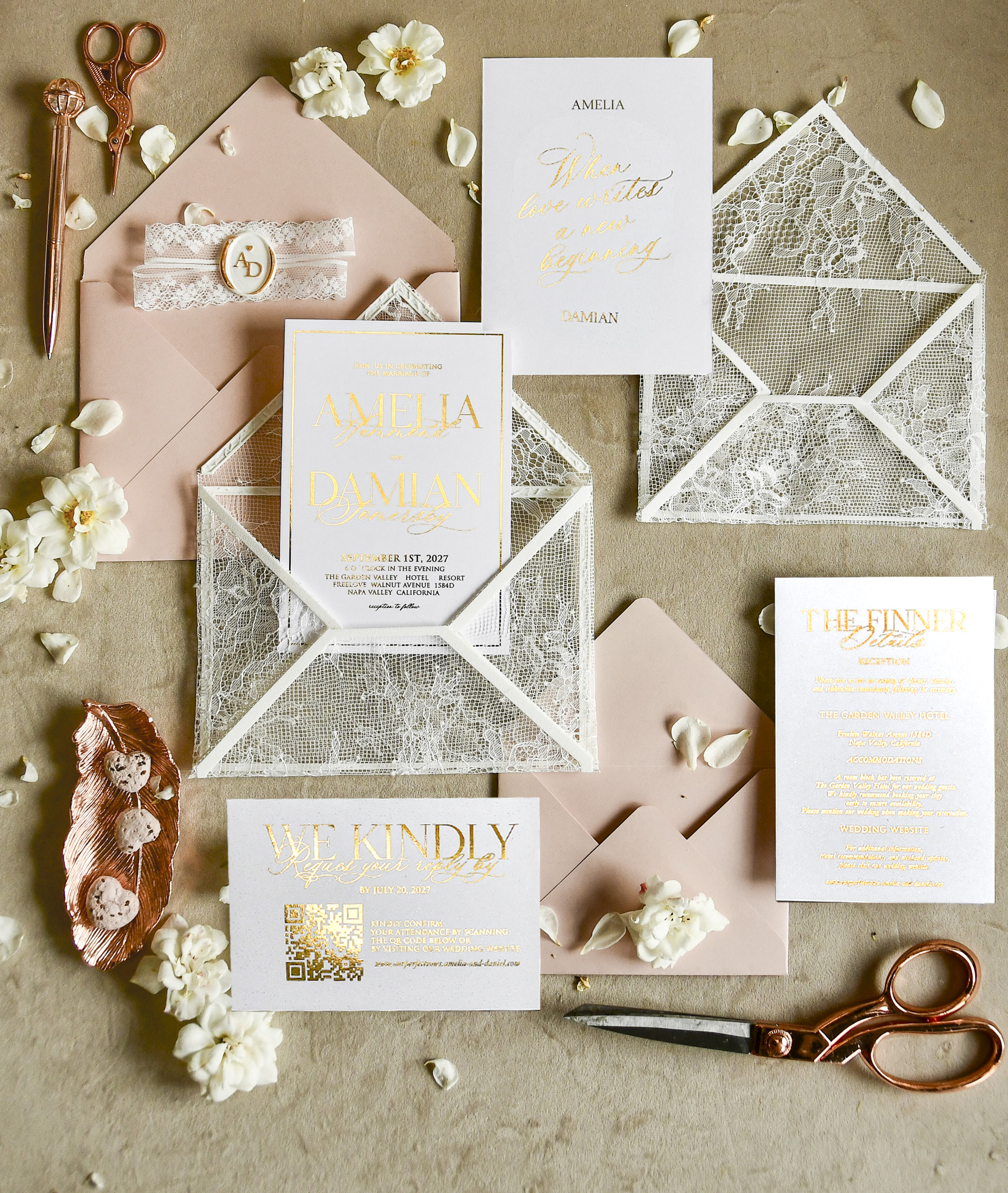
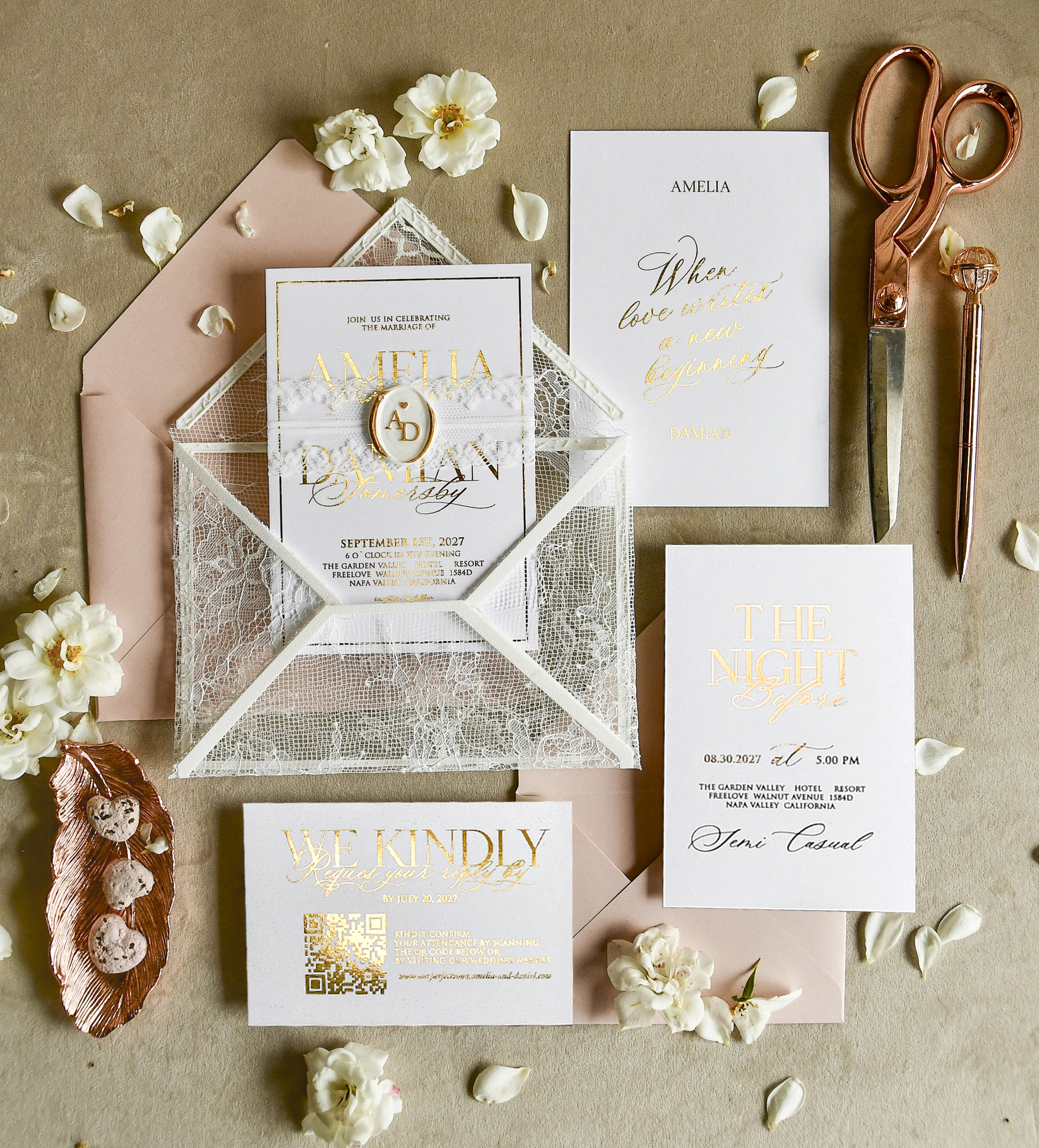
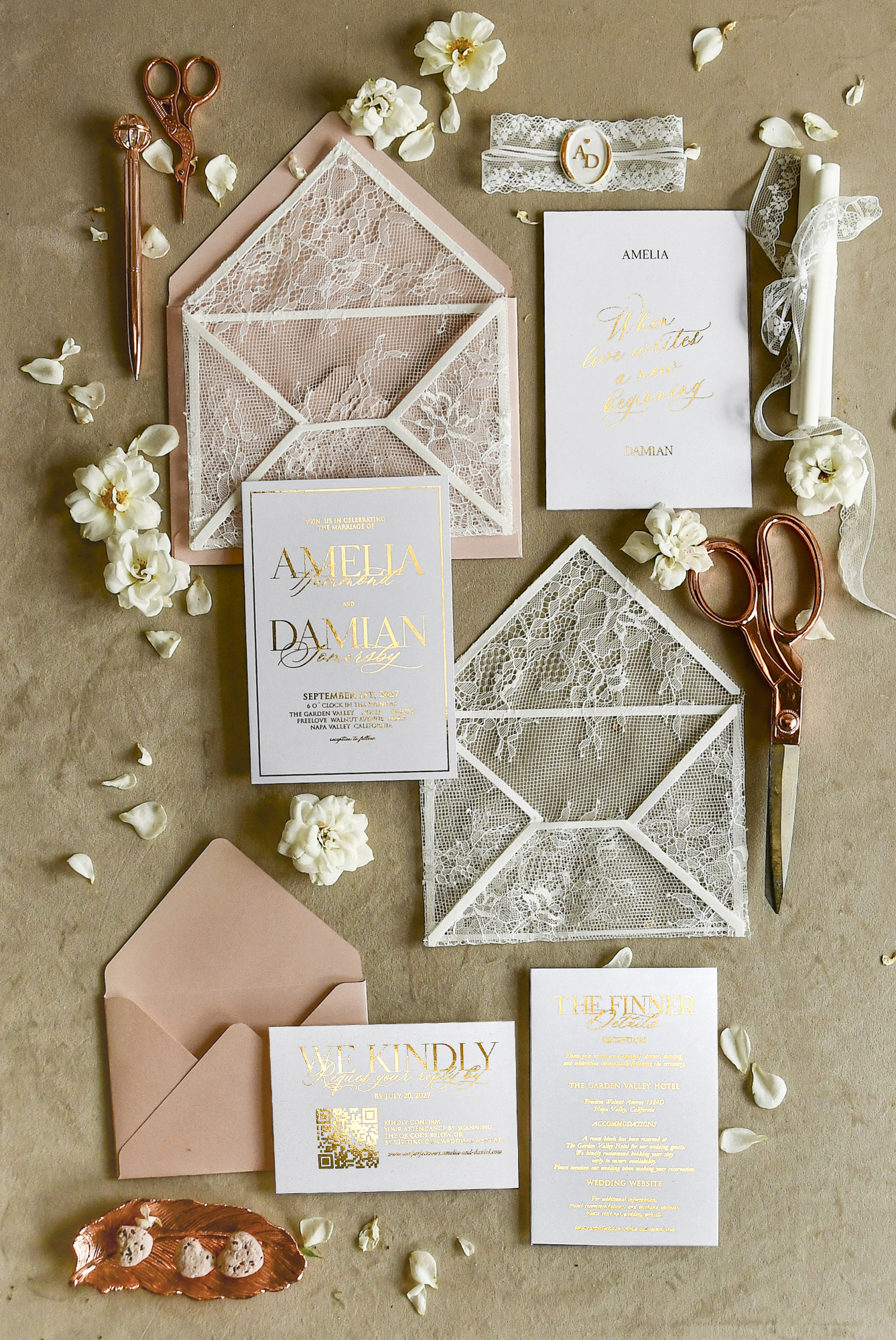
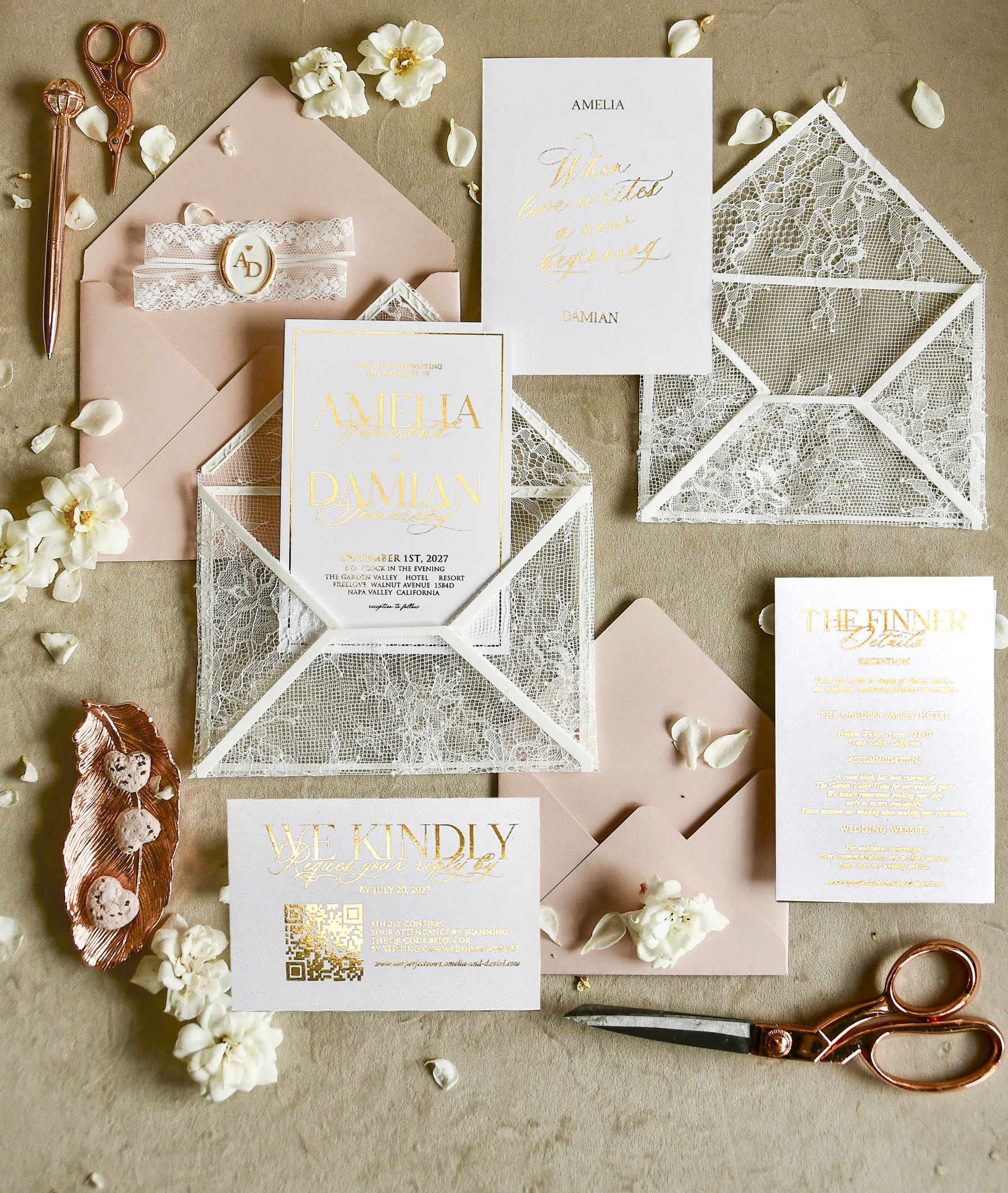
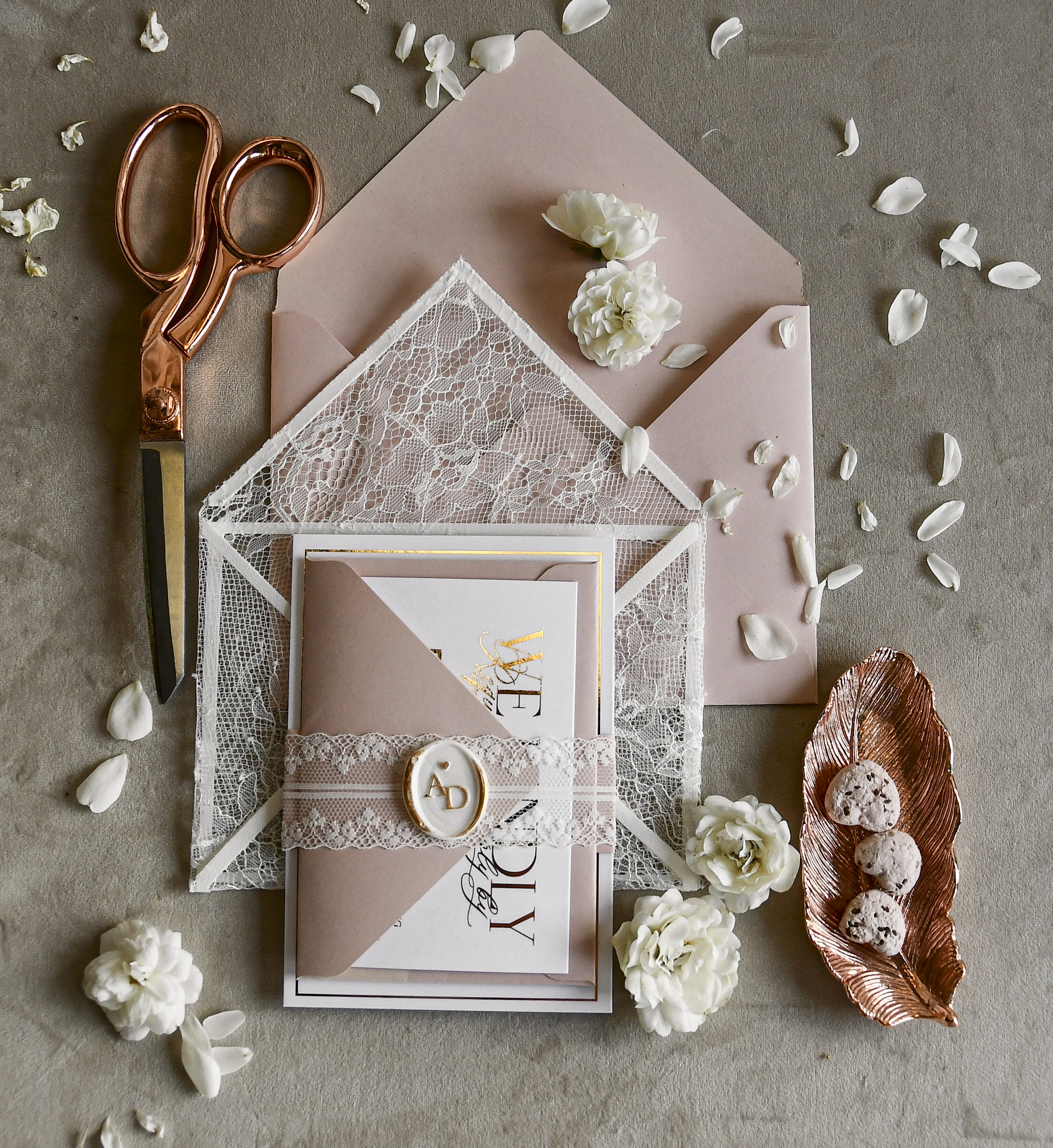
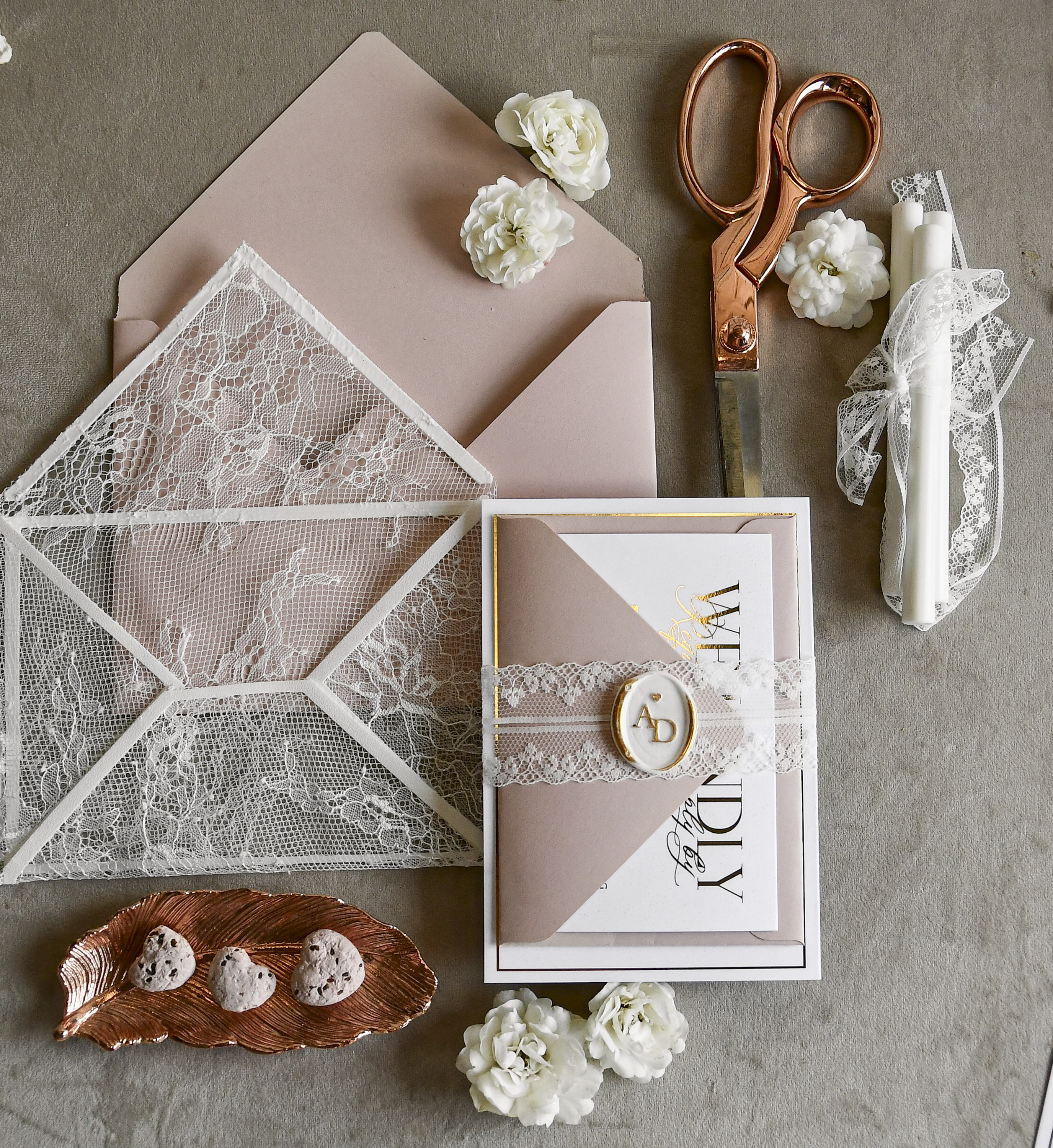
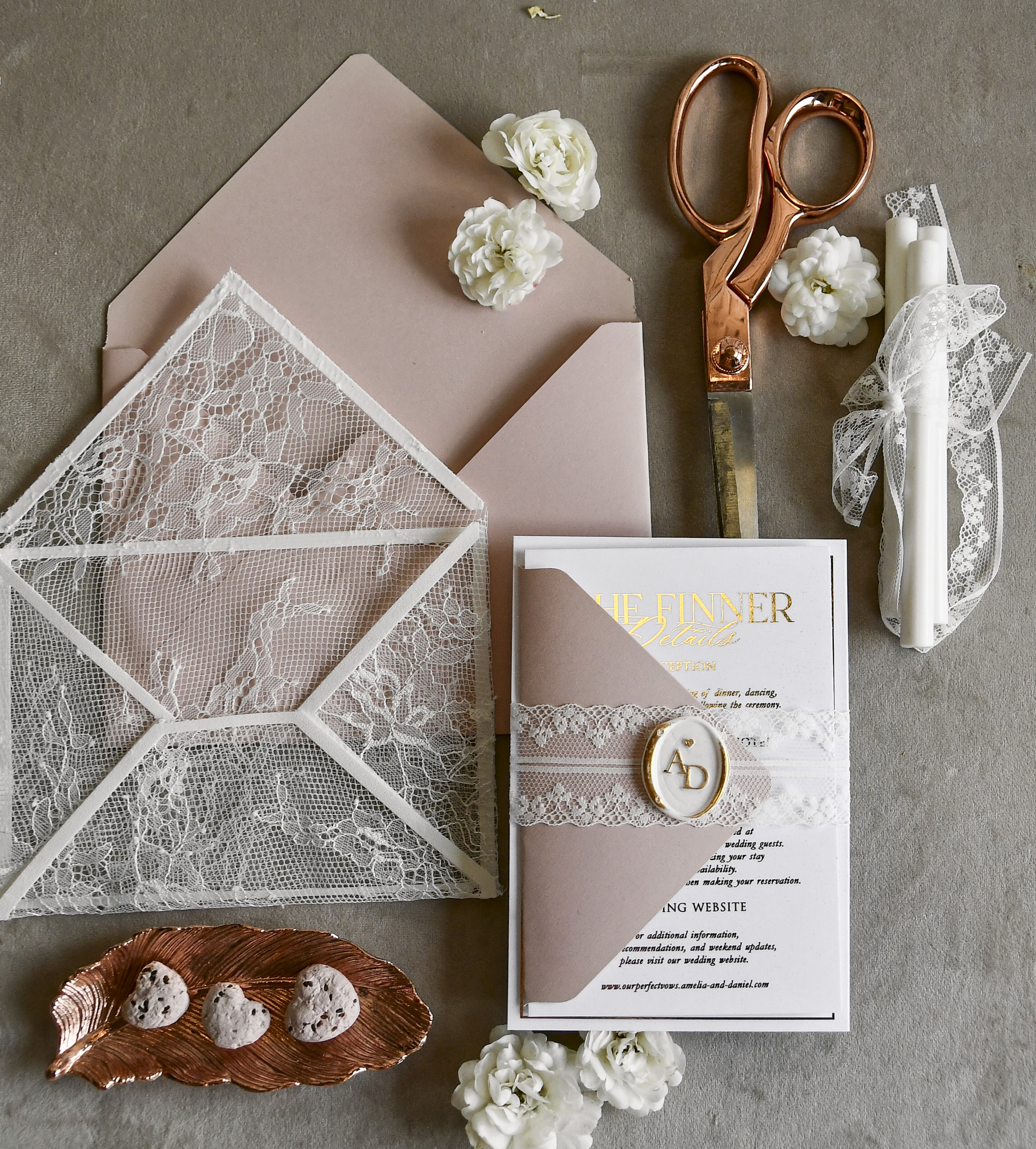
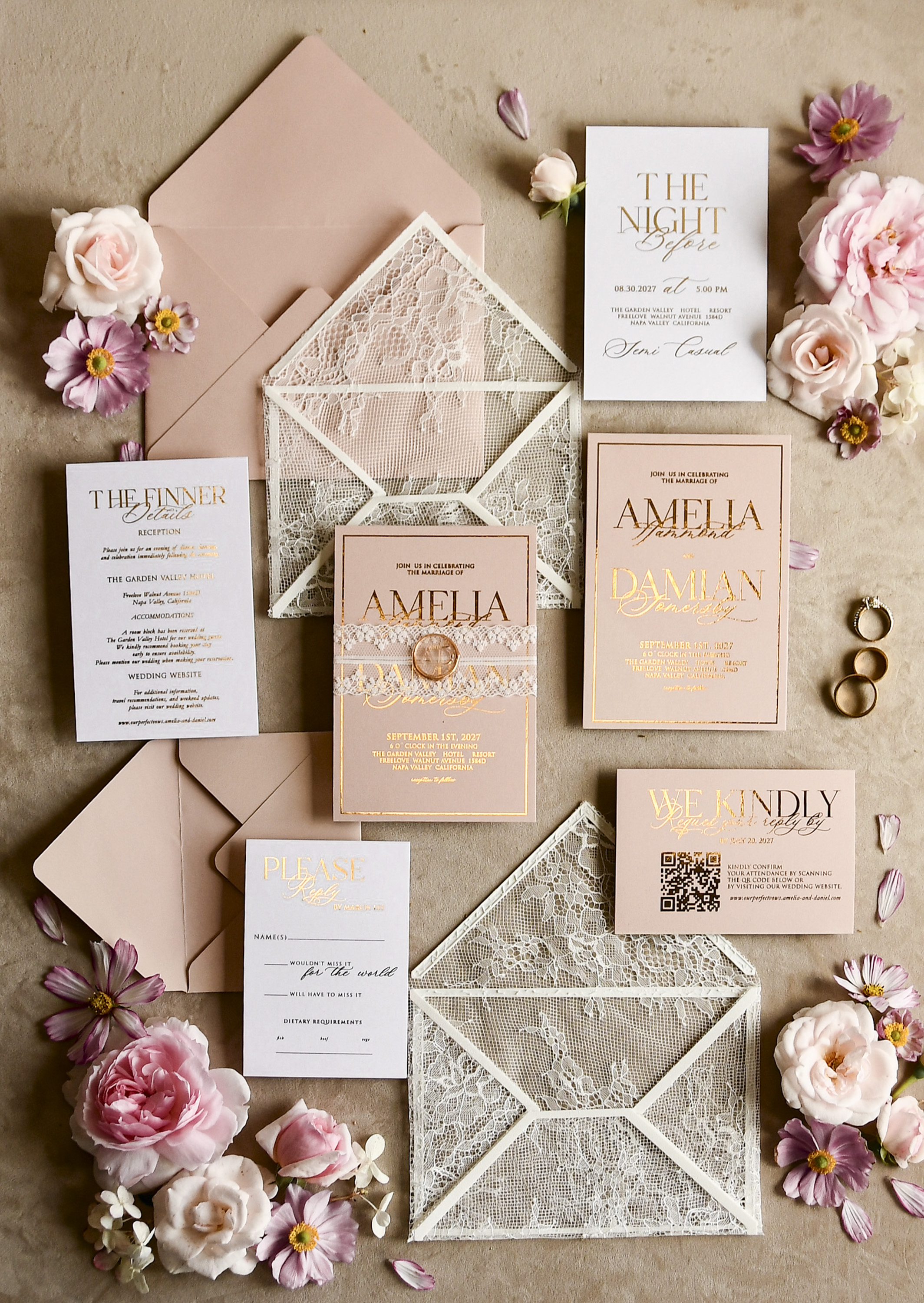
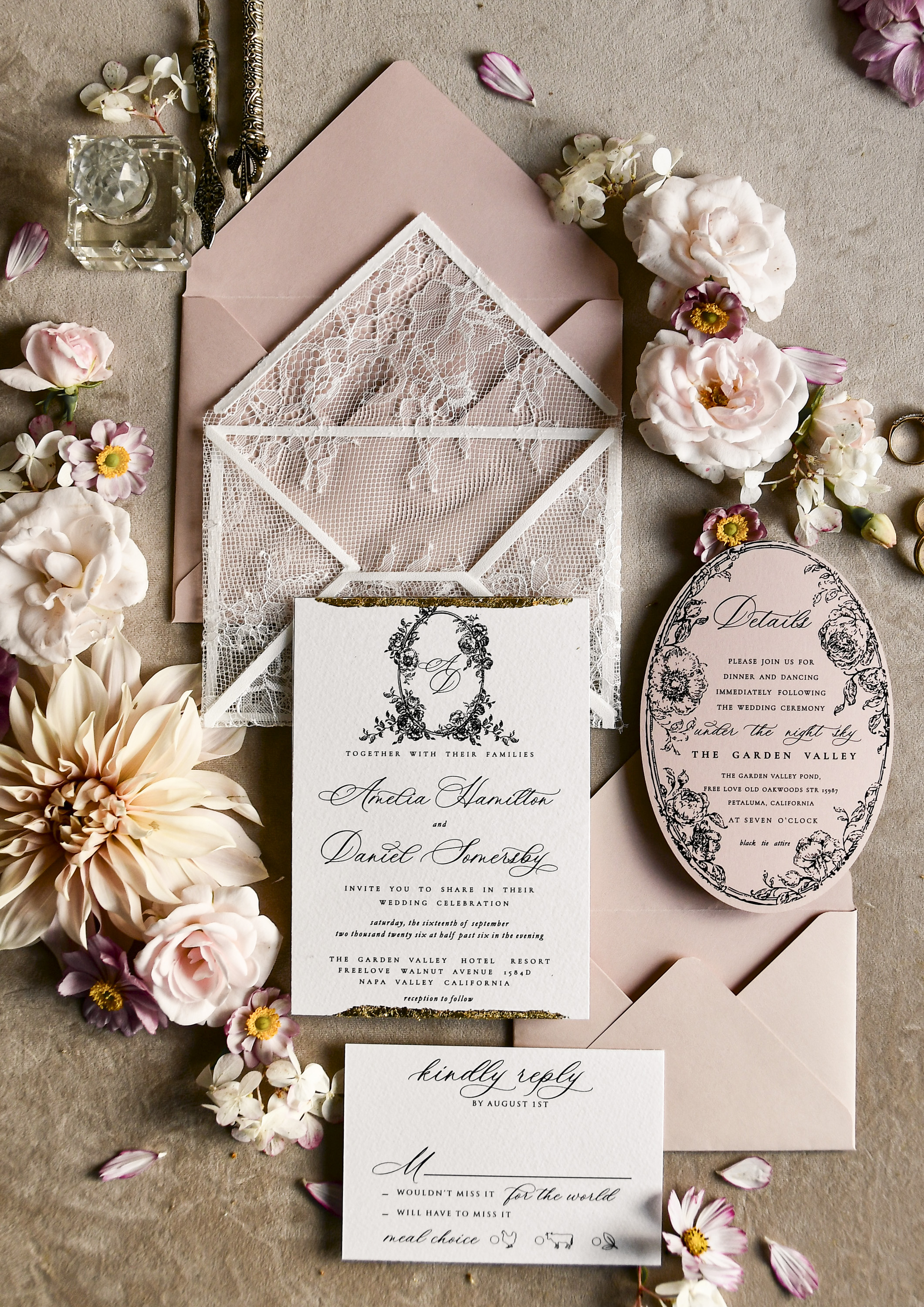
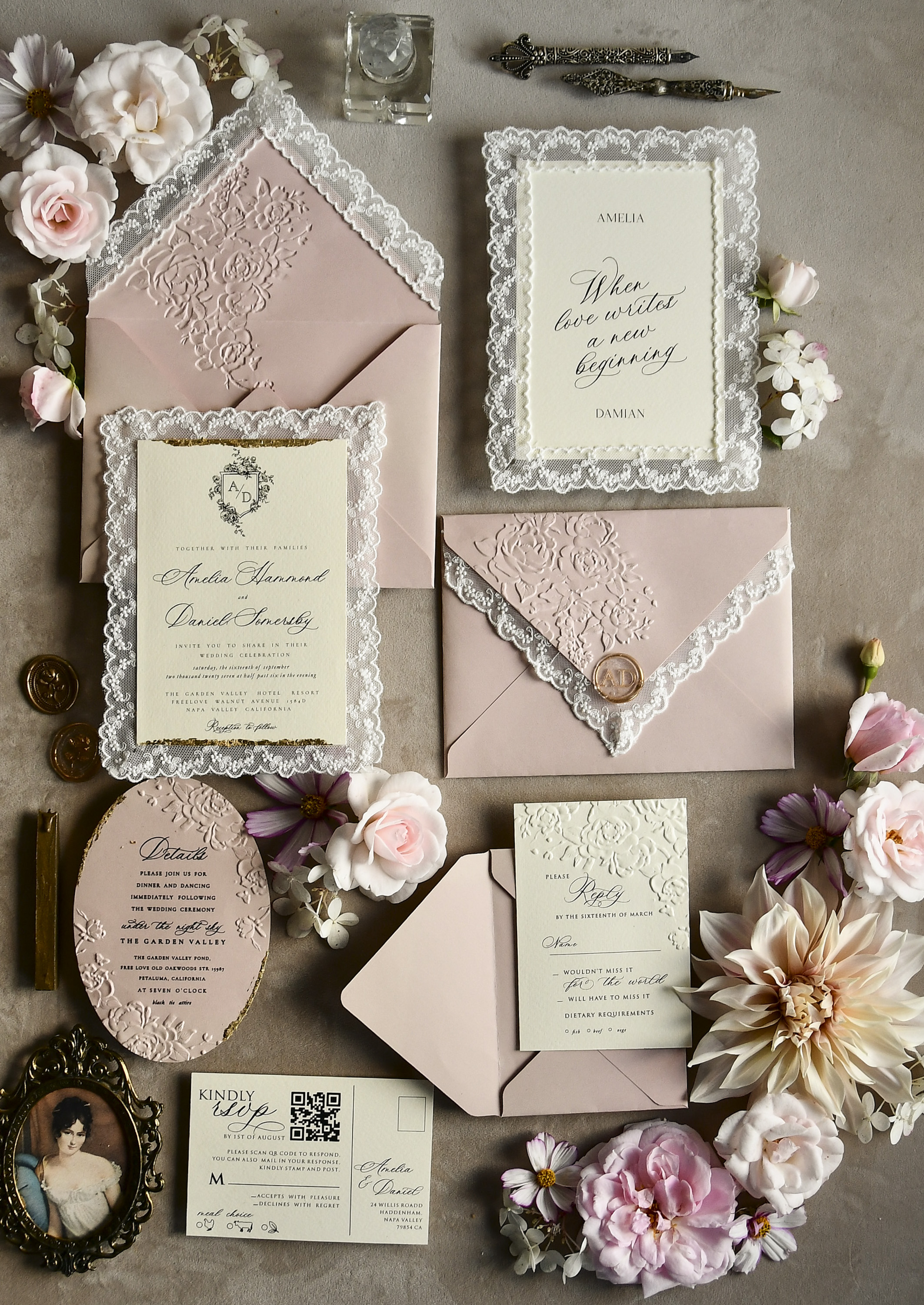
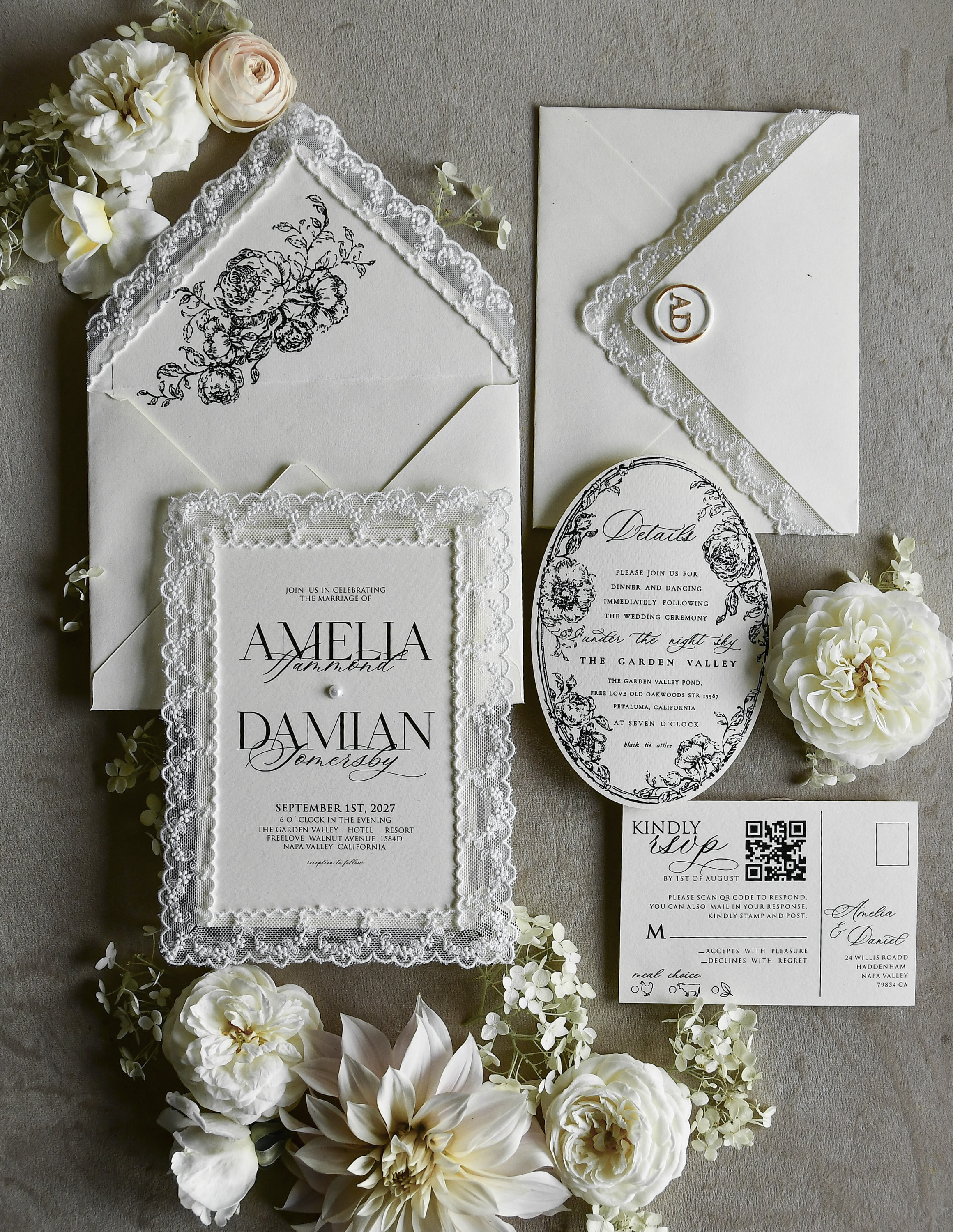
If you decide to invite them, consider reaching out personally before the formal invitation arrives. A vintage lace invitation like the 01/lacenvD/z from our wedding invitations collection makes a beautiful first impression, but a sibling in a complicated situation may benefit from a heads-up that the invitation is coming and that there are no strings attached to accepting or declining.
If you decide not to invite them, you are not obligated to explain yourself in writing. A brief, kind phone call or message is more humane than a formal non-invitation or complete silence.
Set Boundaries If You Do Invite Them
Choosing to include an estranged sibling doesn't mean leaving everything unspoken. Clear, calm boundaries make the day easier for everyone:
- Let your venue coordinator or a trusted friend know the situation so they can quietly intervene if tension arises.
- Seat your sibling thoughtfully — not at the head table if that would feel forced, and not isolated in a corner either.
- Decide in advance how much interaction you want and communicate that gently: "I'm so glad you came. Today is going to be busy, but I hope we can connect briefly."
You can extend an olive branch without handing over control of your entire day.
Give Yourself Permission to Choose Your Peace
There is no universally correct answer here. Some couples invite an estranged sibling and find it quietly healing. Others choose not to and feel relieved. What matters is that the decision comes from a grounded place rather than fear of judgment — from family, from social media, or from yourself.
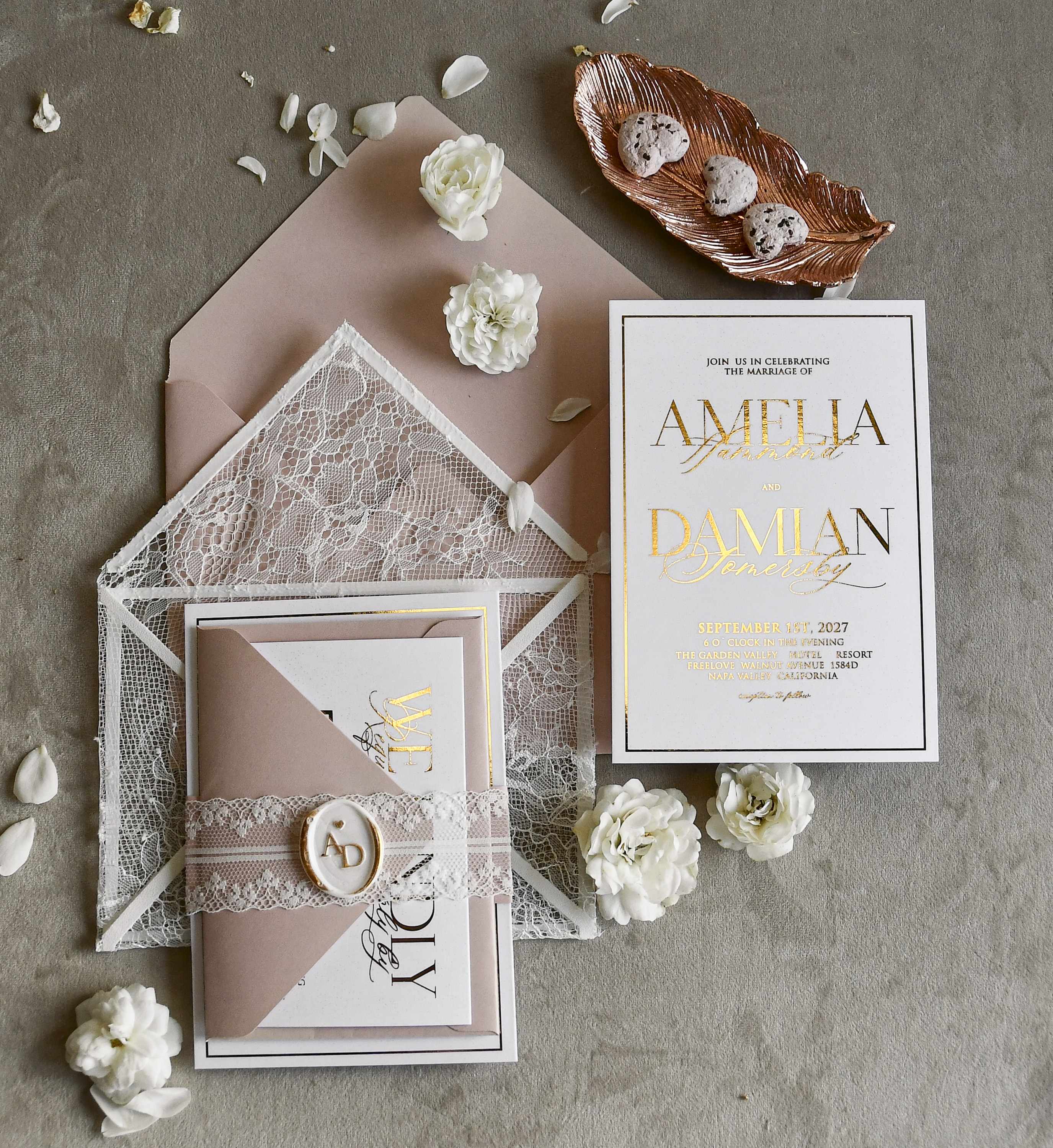
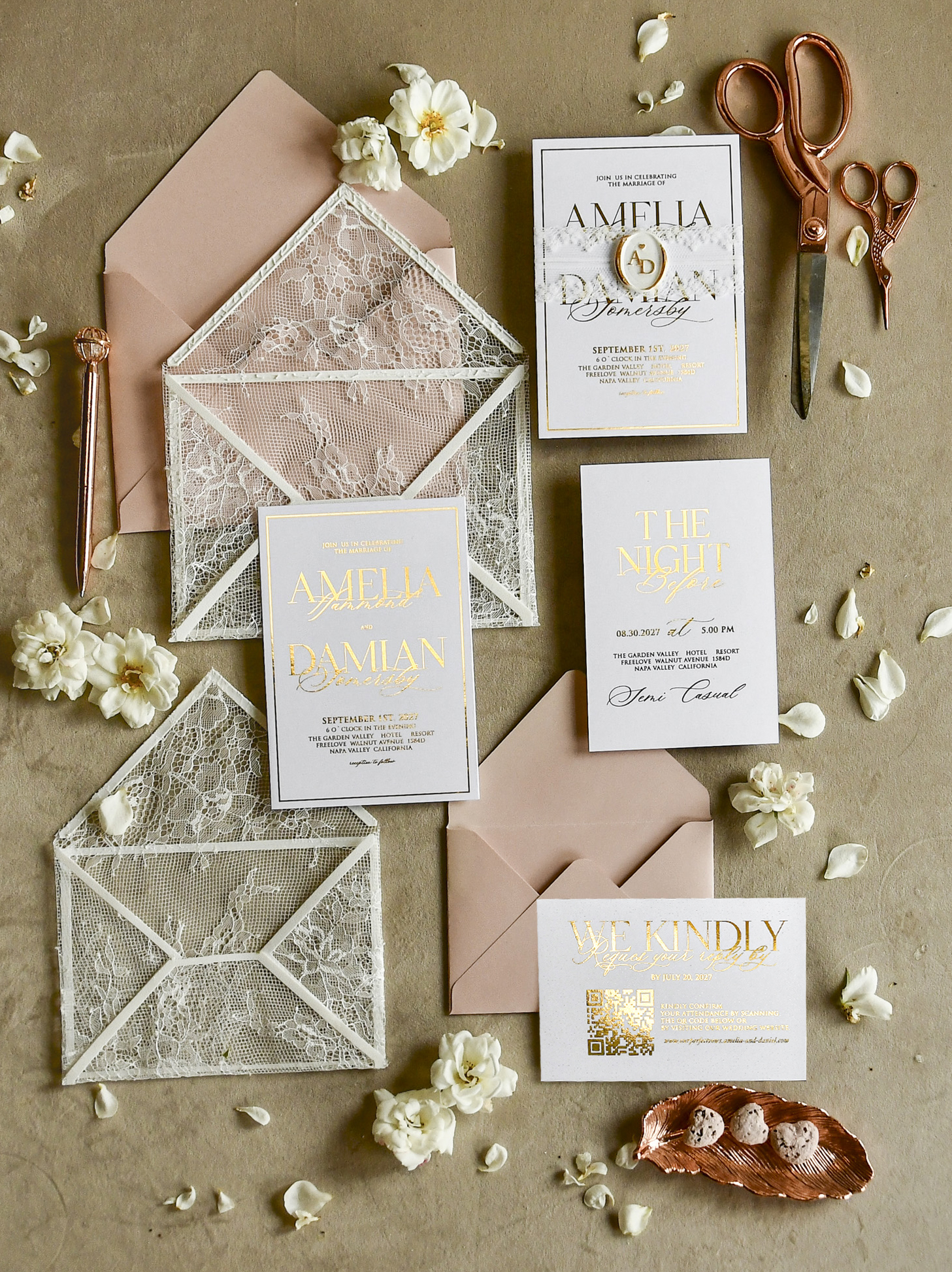
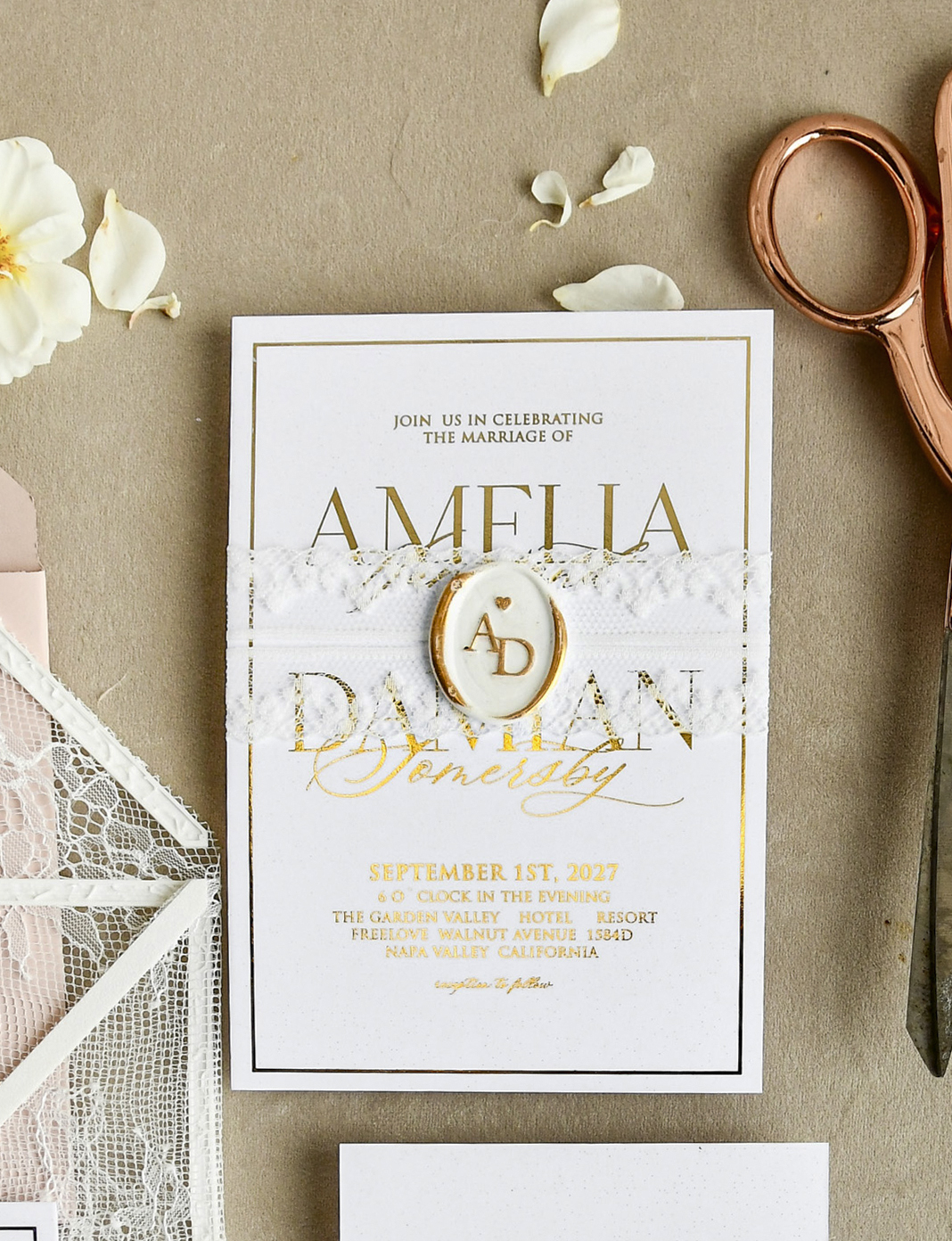
Whatever you decide, send your invitations with intention. A thoughtfully chosen design, like a rustic lace style from our vintage lace wedding invitations collection, signals care and warmth from the very first moment guests hold them. The tone of your stationery sets the tone for the day — and your decisions about who receives one should reflect the celebration you actually want to have.
Frequently Asked Questions
No — family connection alone doesn't create an automatic obligation, especially when the relationship has caused harm or significant stress. Your guest list should reflect who you genuinely want present to celebrate your marriage, not who you feel pressured to include out of obligation or family politics.
Acknowledge your parents' feelings without surrendering your decision. A response like, "I understand this is hard for you, and I've thought about it carefully — this is the choice that feels right for us" keeps the conversation respectful but firm. Ultimately, the guest list belongs to you and your partner, not your parents.
Your wedding day is a joyful, high-emotion event — not the ideal setting for deep reconciliation work. If you want to rebuild the relationship, pursue that separately before or after the wedding rather than relying on the day itself to do the emotional heavy lifting.
Designate a trusted friend, family member, or coordinator as a point person who knows the situation and can step in discreetly if needed. Having a quiet plan in place ahead of time means you won't have to manage anything yourself in the moment.
This is an option some couples use, though it can feel like a pointed message that may create more tension than it resolves. If you go this route, be prepared for questions and have a simple, kind explanation ready — something like, "We kept the reception very small." Make sure the reasoning is consistent across all guests to avoid it feeling targeted.
Send invitations six to eight weeks before the wedding as a general rule, but if you're planning a personal outreach to your sibling beforehand, start that conversation at least three to four months out. This gives everyone — including you — enough time to process and respond without pressure.
See This Design Up Close
You May Also Like
More Wedding Planning Guides
- → Keeping the Peace: Your Wedding Survival Guide for Feuding Divorced Parents
- → Extra Guests at Your Wedding: How to Prevent and Handle Uninvited Additions
- → When Guests RSVP for More People Than You Invited: A Calm Action Plan
- → Small Weddings: Permission Granted (and Here's How to Do It Right)
- → What to Put on a Wedding Invitation: Every Detail You Need
- → Setting the Record Straight: How to Communicate a Strict Guest List Without the Awkwardness
- → When the Guest List Expands: Who Covers the Cost of Extra Attendees?
- → When to Send Your RSVP Reminder (And Exactly How to Do It)
- → Uninvited Plus-Ones and Tag-Alongs: How to Keep Your Guest List Intact
- → When Family Feuds Threaten Your Wedding Plans: A Practical Peacekeeper's Guide
- → Inviting an Estranged Brother or Sister: Finding Clarity Before You Seal the Envelope
- → Cousins, Invites, and Hard Choices: A Practical Guest List Guide