
When to Send Your RSVP Reminder (And Exactly How to Do It)

You've sent your beautiful invitations, your RSVP deadline has come and gone, and a handful of guests still haven't responded. Sound familiar? It's one of the most common frustrations couples face in the planning process. The good news: there's a clear, polite protocol for following up — and knowing exactly when and how to do it takes most of the stress out of the situation.
The Golden Rule: Wait Until After Your Deadline
The most important thing to remember is this — do not follow up before your RSVP deadline has passed. Guests have until that date to respond, and nudging them early can come across as pushy. Set your RSVP deadline for three to four weeks before your wedding date, which gives you enough buffer to chase stragglers and still submit final headcounts to your caterer and venue on time.
Once your deadline passes, give it two to three business days before reaching out. A small grace period accounts for cards lost in the mail or emails that slipped through the cracks. After that window, it's completely appropriate — and necessary — to follow up.
How to Follow Up Without Feeling Awkward
A gentle, warm message goes a long way. Most non-responders aren't being rude — life simply got busy. Here's a simple approach that works across different relationships:
- Close family and friends: A quick phone call or text is perfectly natural. Keep it light — something like, "Hey! We're finalizing our headcount and just wanted to check if you're able to make it."
- Coworkers or acquaintances: A brief email or text works well. Be friendly and give them an easy out if needed.
- Older guests: A phone call is often best. Some guests may not have received a digital follow-up or may not be comfortable responding online.
Avoid making guests feel guilty. The goal is simply to get an answer — not to scold anyone for the delay.
Build a Tracking System From the Start
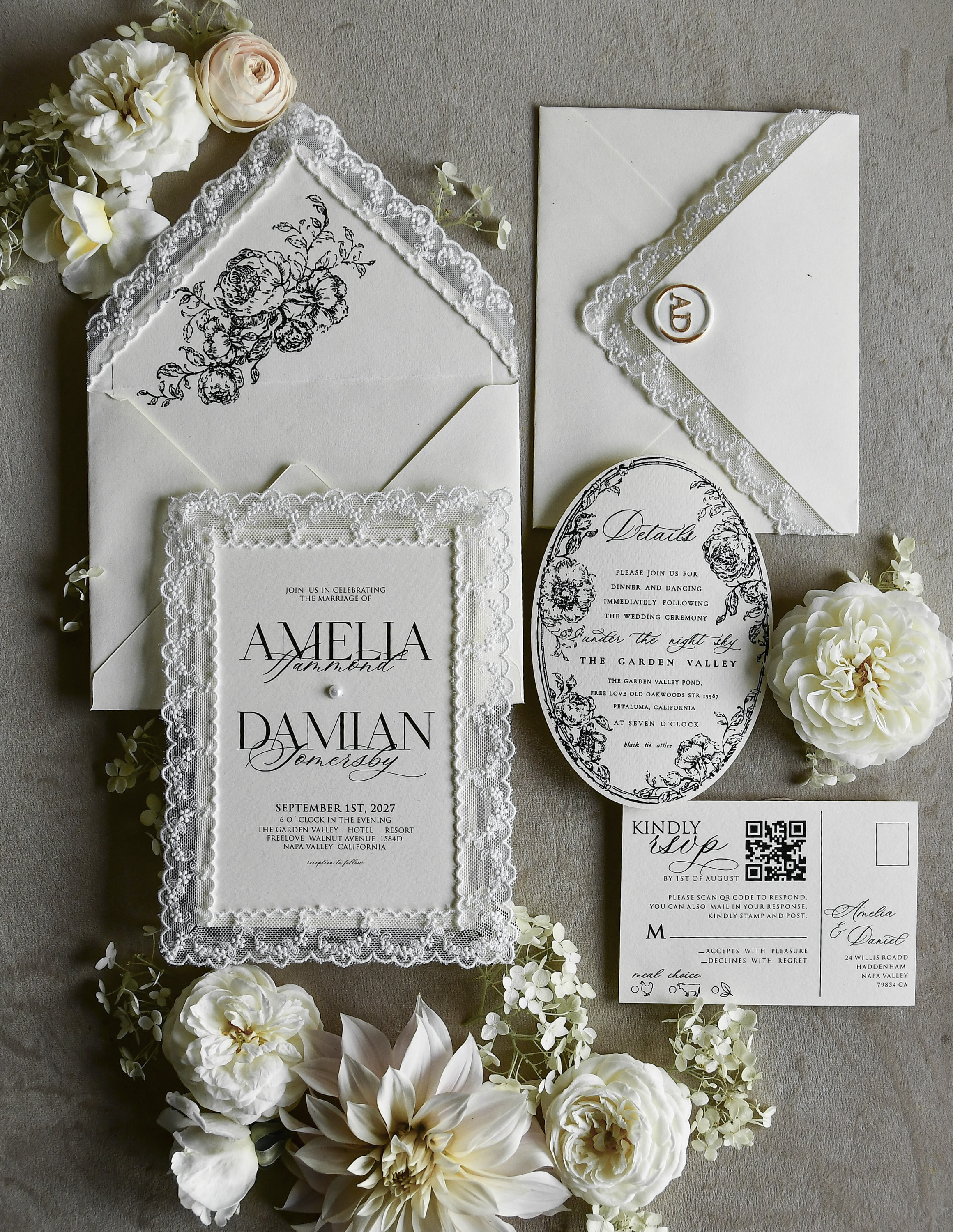
The easiest way to manage RSVP follow-ups is to stay organized from the moment your invitations go out. Create a simple spreadsheet listing every invited household, their contact information, and a column to track their response. If you're sending physical invitations — like our vintage lace wedding invitations from the 01/lacenvD/z collection — number the back of each RSVP card lightly in pencil and match those numbers to your guest list. This way, even unsigned cards can be identified.
Update your spreadsheet as responses come in. A week before your deadline, you'll already have a clear picture of who still needs a nudge, making follow-up far less overwhelming.
What to Do If Someone Still Doesn't Respond
If a guest hasn't responded after your first follow-up, wait two to three days and try a different communication method. If you emailed first, try a text. If you texted, try calling. Most people respond within two attempts.
If someone genuinely cannot be reached after multiple tries, you have two practical options:
- Count them as a "no" for catering and seating purposes. This protects your budget and keeps your numbers accurate.
- Ask a mutual contact (a family member or close friend) to reach out informally on your behalf — just once, and only if it won't create awkwardness.
Whatever you decide, set a firm cutoff date — typically one week after your RSVP deadline — after which you stop chasing and finalize your numbers. Your vendors need that information, and your peace of mind matters too.
A Note on Setting Your Timeline Up for Success
The best follow-up strategy starts with a well-designed invitation suite. When your RSVP deadline is clearly printed, your response card is easy to fill out, and your return instructions are obvious, guests are far more likely to respond on time. The rustic lace designs in our 01/lacenvD/z wedding invitation collection include a dedicated RSVP card with clean, easy-to-read formatting — small details that genuinely reduce the number of follow-ups you'll need to make. Give your guests every opportunity to respond correctly the first time, and the stragglers become a much shorter list.

Frequently Asked Questions
Wait until your RSVP deadline has passed, then give it two to three business days before reaching out. This grace period accounts for mail delays or emails that got buried, and ensures you're not following up prematurely.
Match your method to your relationship — a phone call or text for close family and friends, an email or text for acquaintances. If your first attempt doesn't get a response within a few days, try a different channel before giving up.
Two attempts using different communication methods is a reasonable limit. After that, count the guest as a "no" for planning purposes and move on — repeatedly chasing someone creates unnecessary stress for everyone.
Yes — set your deadline three to four weeks before the wedding, not one or two. This gives you time to follow up with stragglers and still meet your caterer's and venue's final headcount deadlines comfortably.
Let them know warmly that you'd love to have them but the final count has been submitted, and you'll do your best to accommodate them. Whether you can add them depends on your venue's flexibility and any per-head cost arrangements.
Not at all — following up is a normal and necessary part of wedding planning. A kind, low-pressure message reassures guests that you simply need an answer for logistical reasons, which most people completely understand.
See This Design Up Close








You May Also Like



More Wedding Planning Guides
- → Keeping the Peace: Your Wedding Survival Guide for Feuding Divorced Parents
- → Extra Guests at Your Wedding: How to Prevent and Handle Uninvited Additions
- → When Guests RSVP for More People Than You Invited: A Calm Action Plan
- → Small Weddings: Permission Granted (and Here's How to Do It Right)
- → What to Put on a Wedding Invitation: Every Detail You Need
- → How to Decide Whether an Estranged Sibling Belongs on Your Guest List
- → Setting the Record Straight: How to Communicate a Strict Guest List Without the Awkwardness
- → When the Guest List Expands: Who Covers the Cost of Extra Attendees?
- → Uninvited Plus-Ones and Tag-Alongs: How to Keep Your Guest List Intact
- → When Family Feuds Threaten Your Wedding Plans: A Practical Peacekeeper's Guide
- → Inviting an Estranged Brother or Sister: Finding Clarity Before You Seal the Envelope
- → Cousins, Invites, and Hard Choices: A Practical Guest List Guide