
When the Guest List Expands: Who Covers the Cost of Extra Attendees?
One of the most common—and most delicate—conversations engaged couples have is about the guest list. You started with 80 people, and somehow it's crept to 120. Whether it's a parent who wants to invite coworkers or a future in-law who keeps adding cousins, extra guests mean extra costs. So who actually pays? The honest answer: it depends on who's doing the adding—and what agreements you made upfront.
The General Rule: You Add Them, You Help Pay for Them
The clearest and fairest principle in wedding budgeting is this—whoever expands the guest list beyond the agreed number should contribute financially to cover those additions. If the couple has set a firm budget for 100 guests and a parent requests space for 20 more, it's completely reasonable to ask that parent to contribute the per-person cost for each additional attendee.
Before any invitations go out, sit down and establish a firm guest count cap. Document it. Once everyone agrees to a number, any additions that push past that ceiling become a financial conversation, not just a logistical one.
How to Calculate the Real Cost of Each Extra Guest
Many couples underestimate what one extra guest actually costs. It's not just a dinner plate—it's a ripple effect across your entire budget. Here's a quick breakdown of what each additional guest typically adds:
- Catering: $75–$200+ per person depending on your venue and menu
- Bar service: Often priced per head or adds to a minimum spend
- Rentals: Extra chairs, linens, and table settings
- Cake: Additional servings
- Stationery: Another invitation suite, envelope, postage, and potentially an extra table card
- Favors and welcome items: One more set for each guest
When you add it all up, one extra guest can easily cost $150–$350 or more. Presenting this number calmly and factually to family members who want to expand the list often makes the conversation much easier—and more productive.
Navigating the Family Contribution Conversation
If parents or in-laws are contributing financially to the wedding, it's common for them to expect some say in the guest list. That's fair—but the boundaries should be set early. A good approach is to agree on a per-family guest allocation as part of the initial budget conversation.
For example: "We're planning for 100 guests total. Each side of the family gets 25 spots to allocate however they'd like. Any guests beyond that will need to be covered at $200 per person." This framing is respectful, concrete, and removes ambiguity.
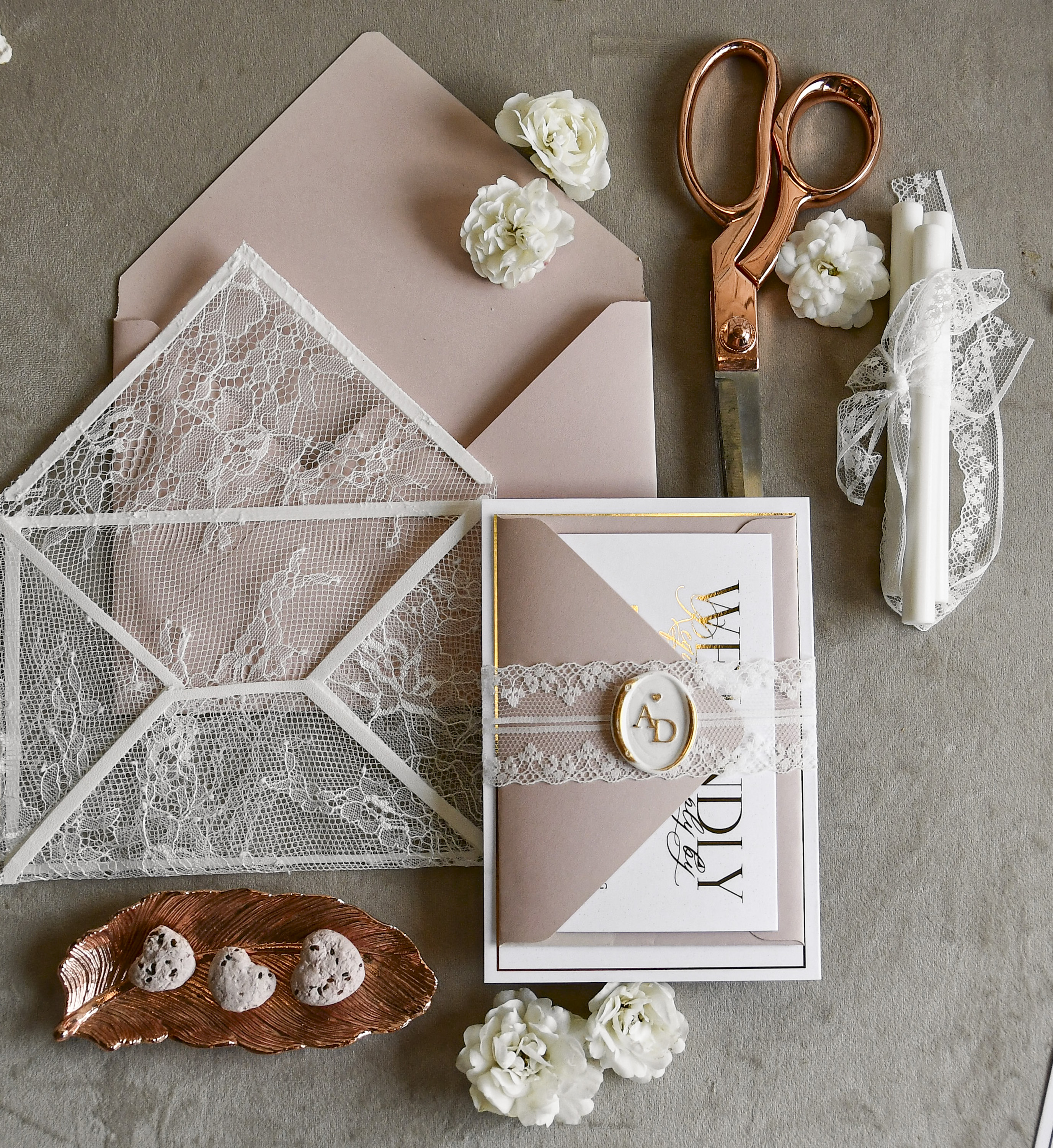
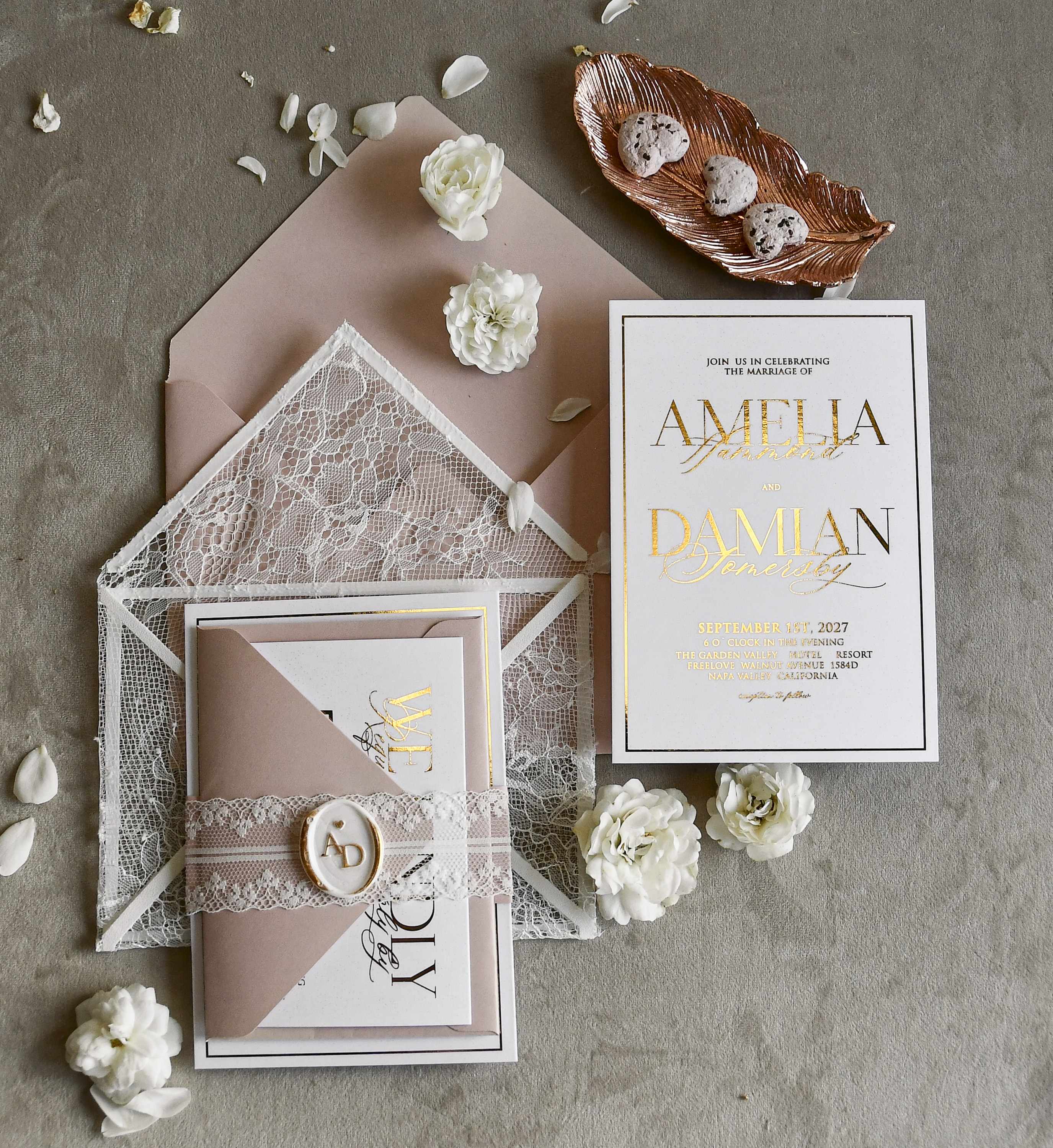
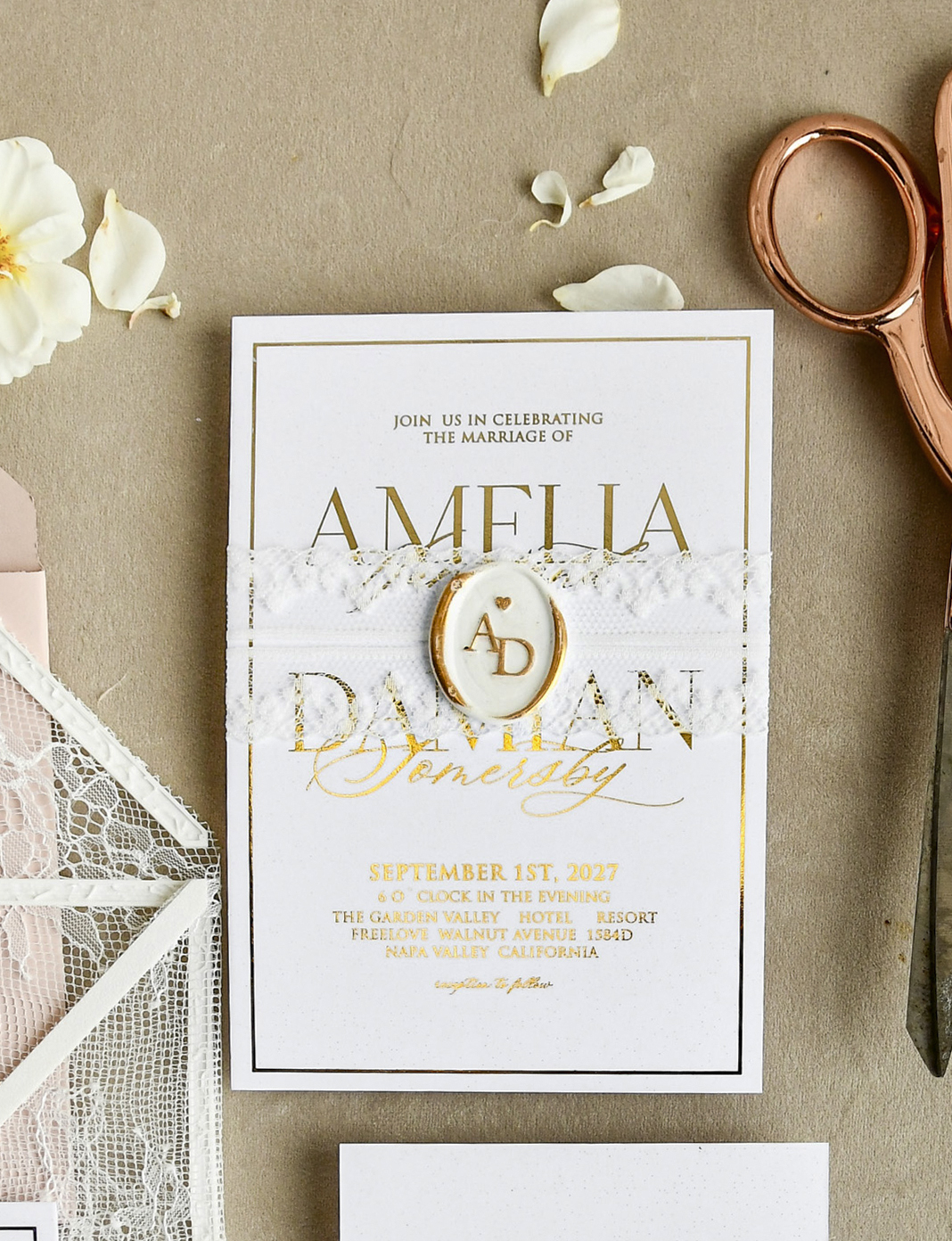
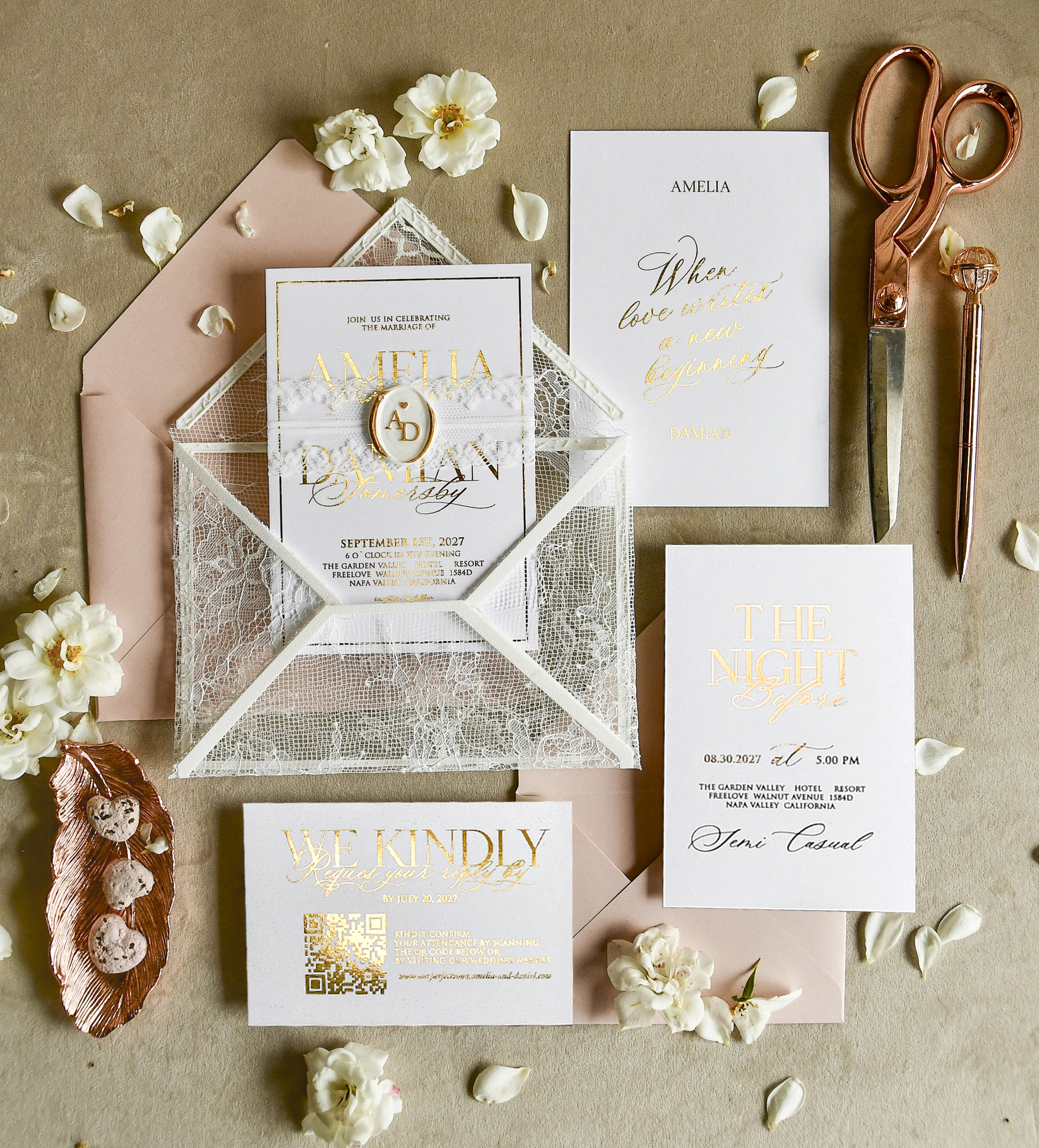
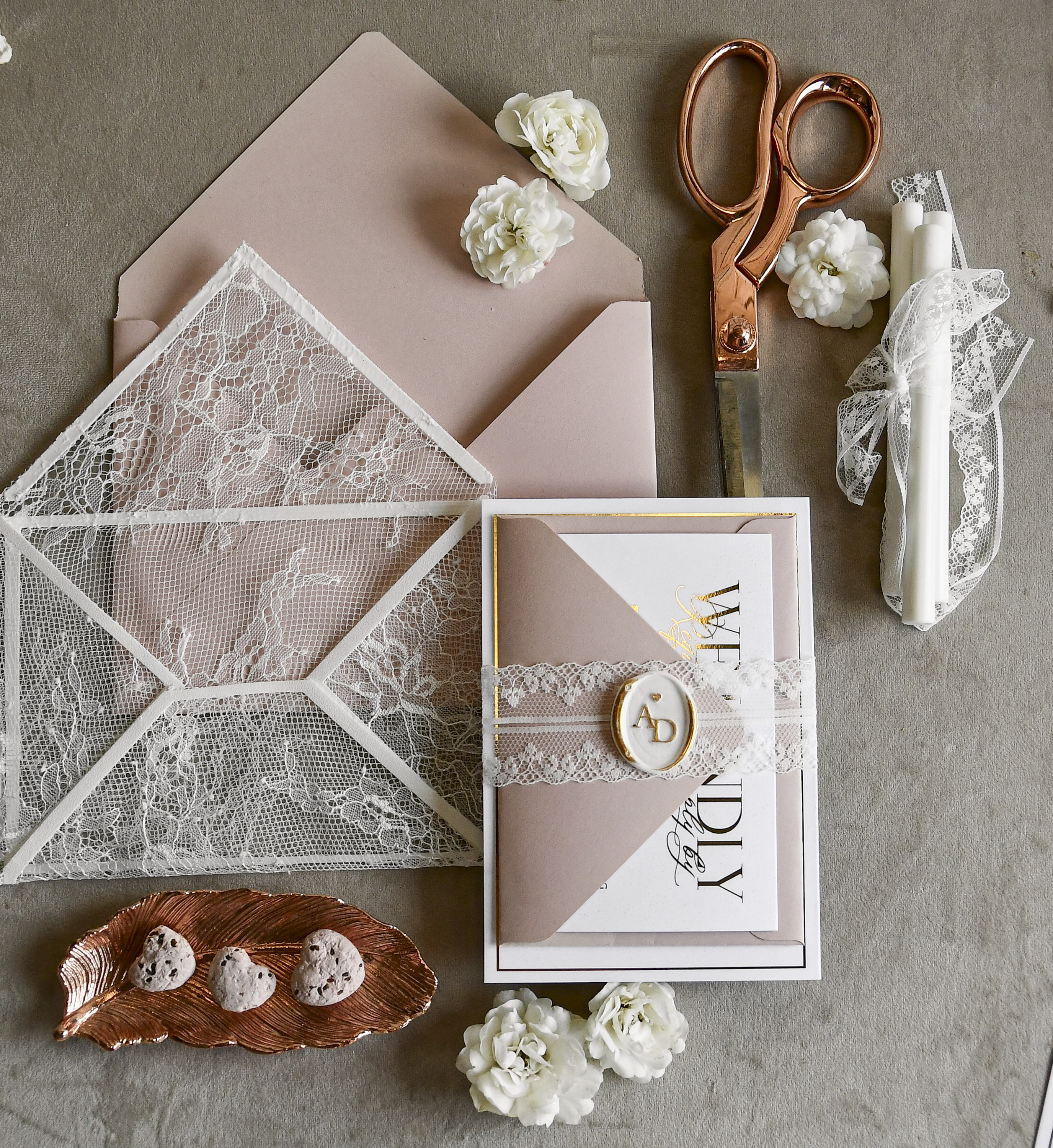
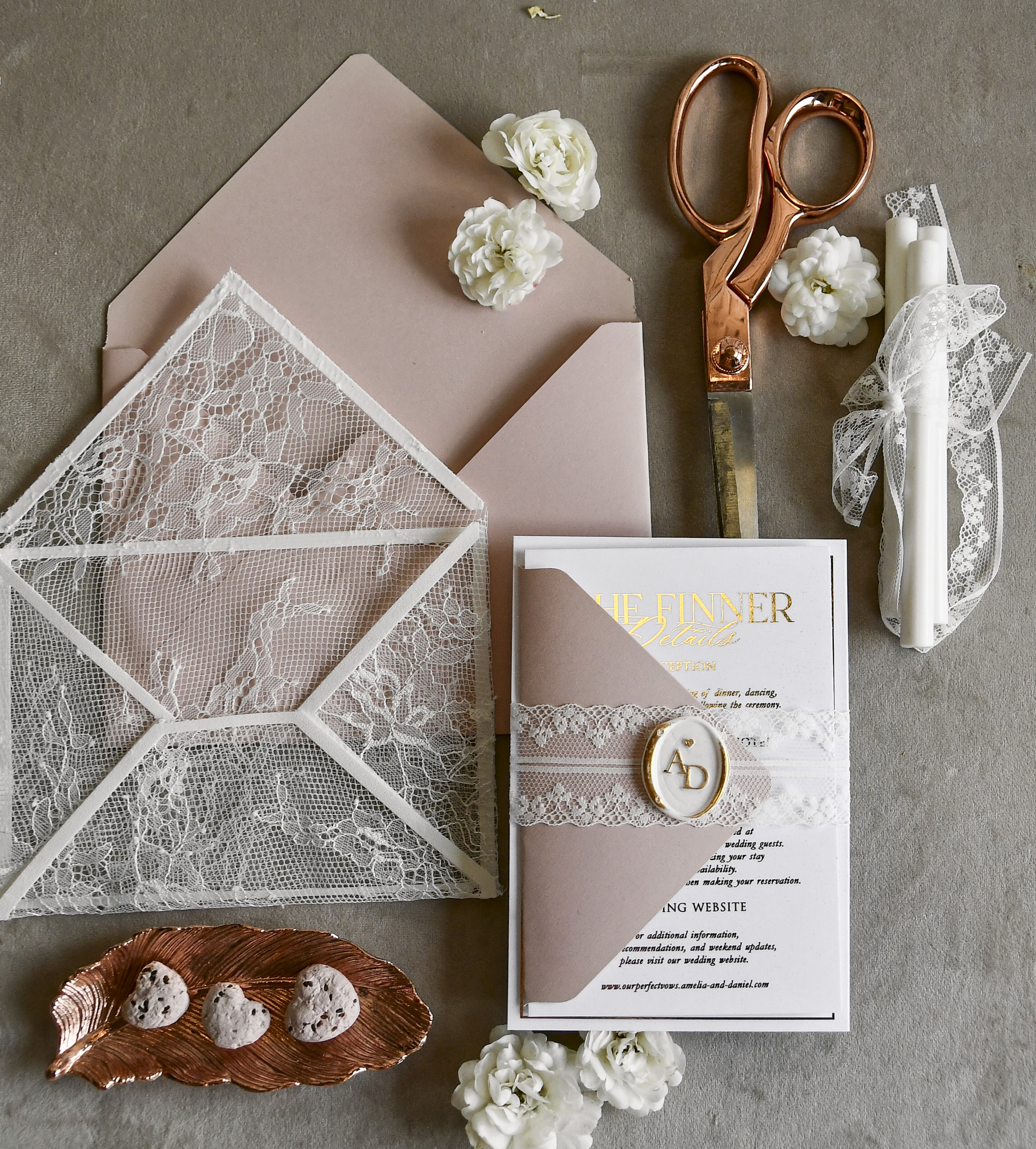
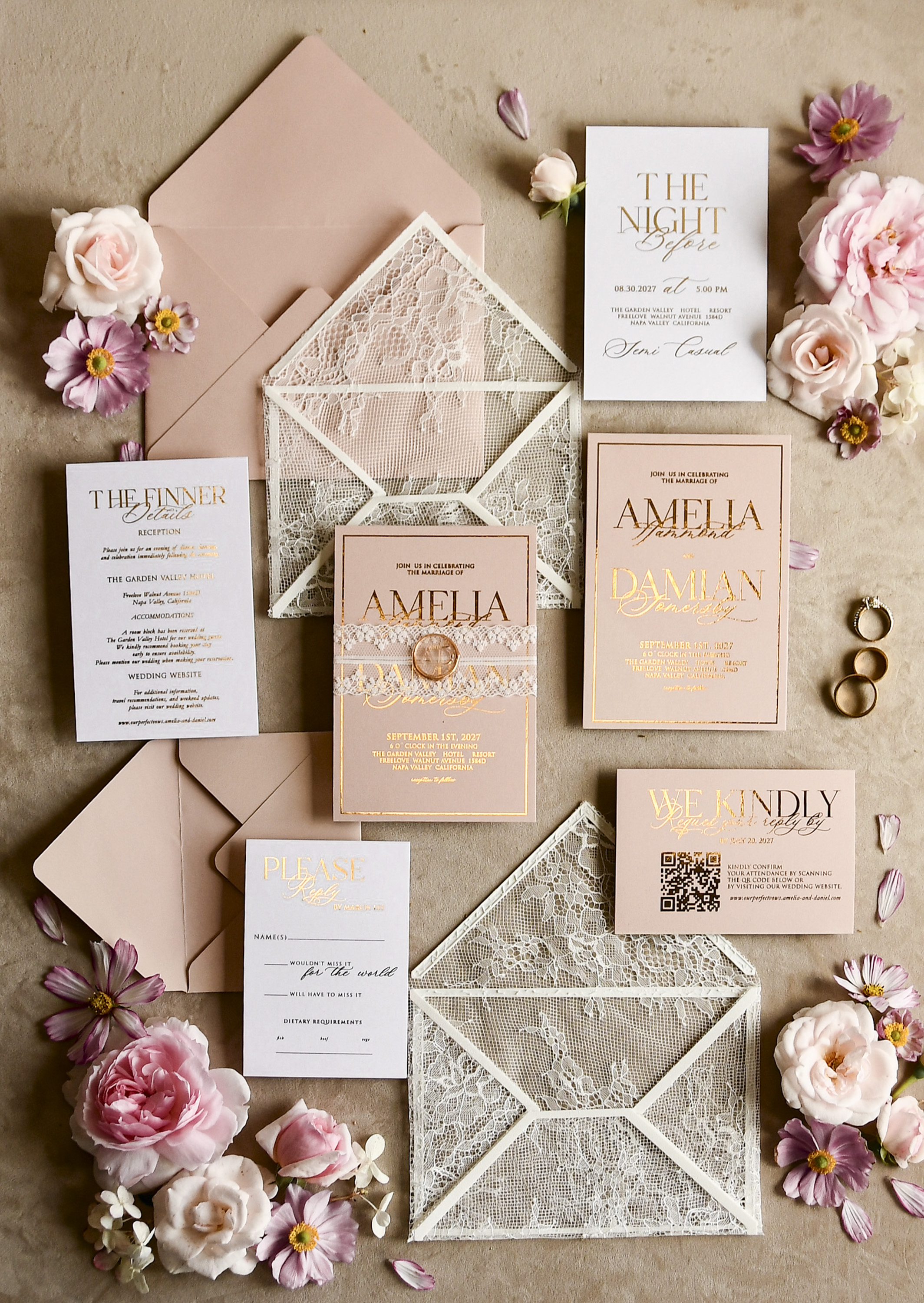
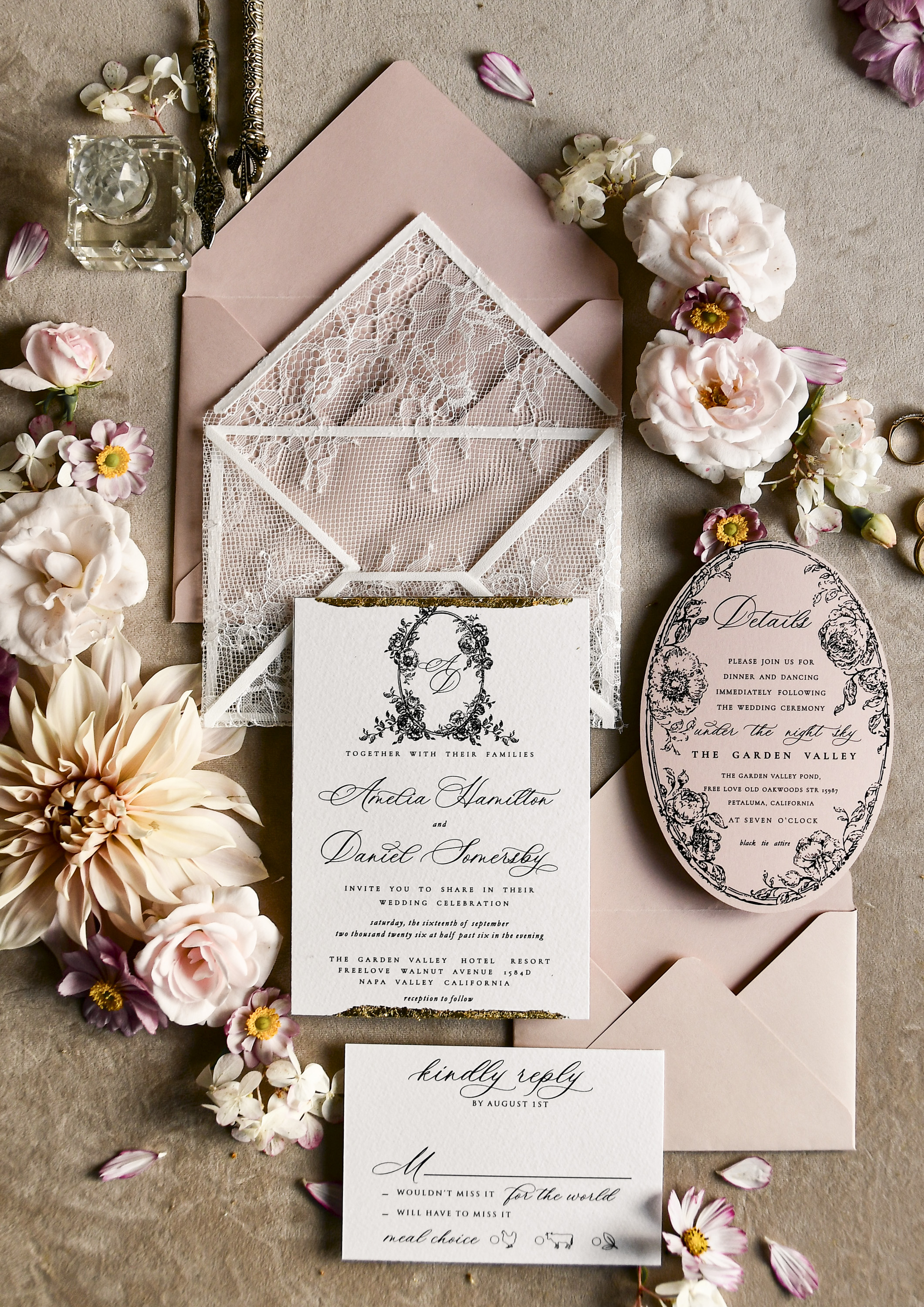
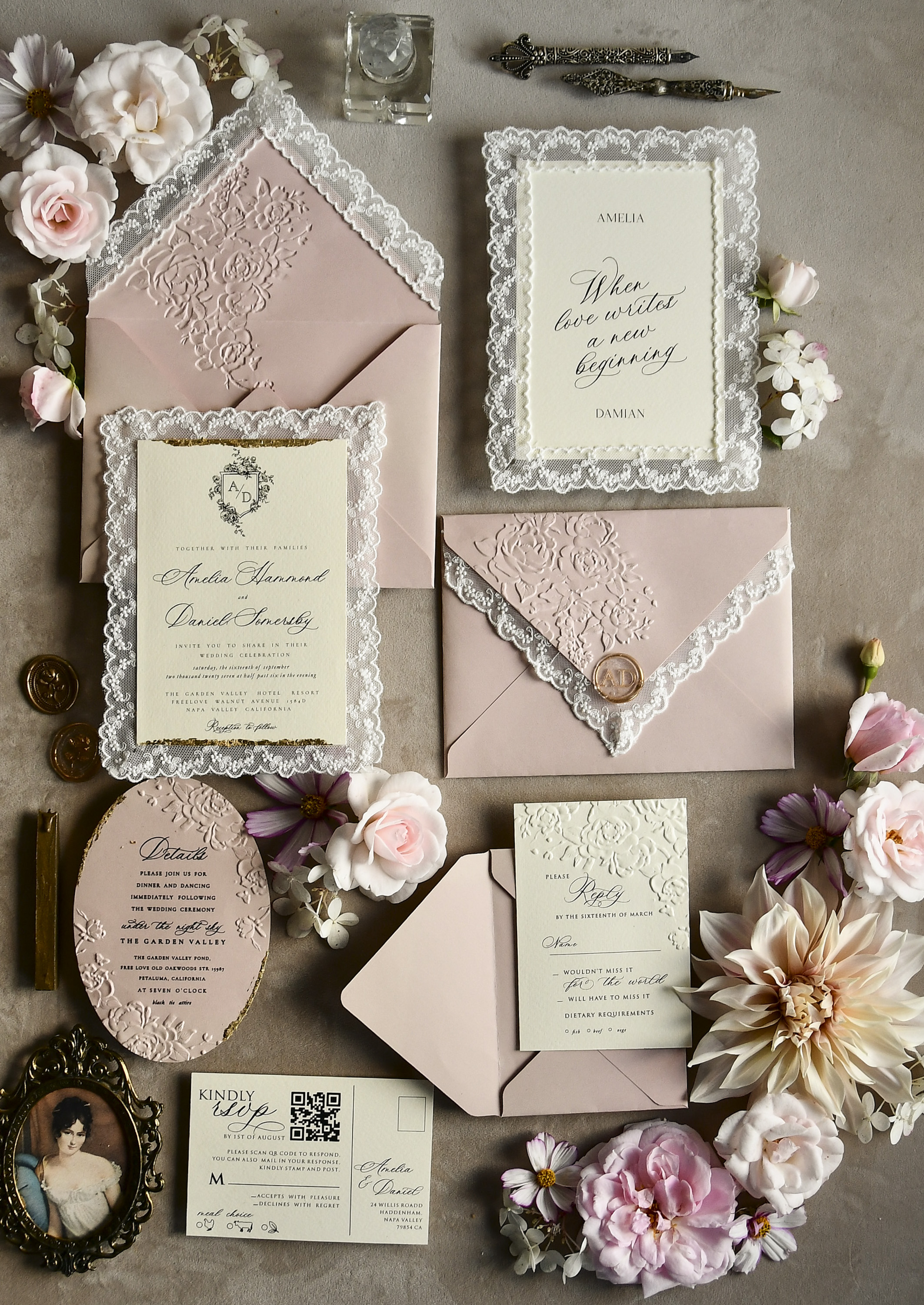
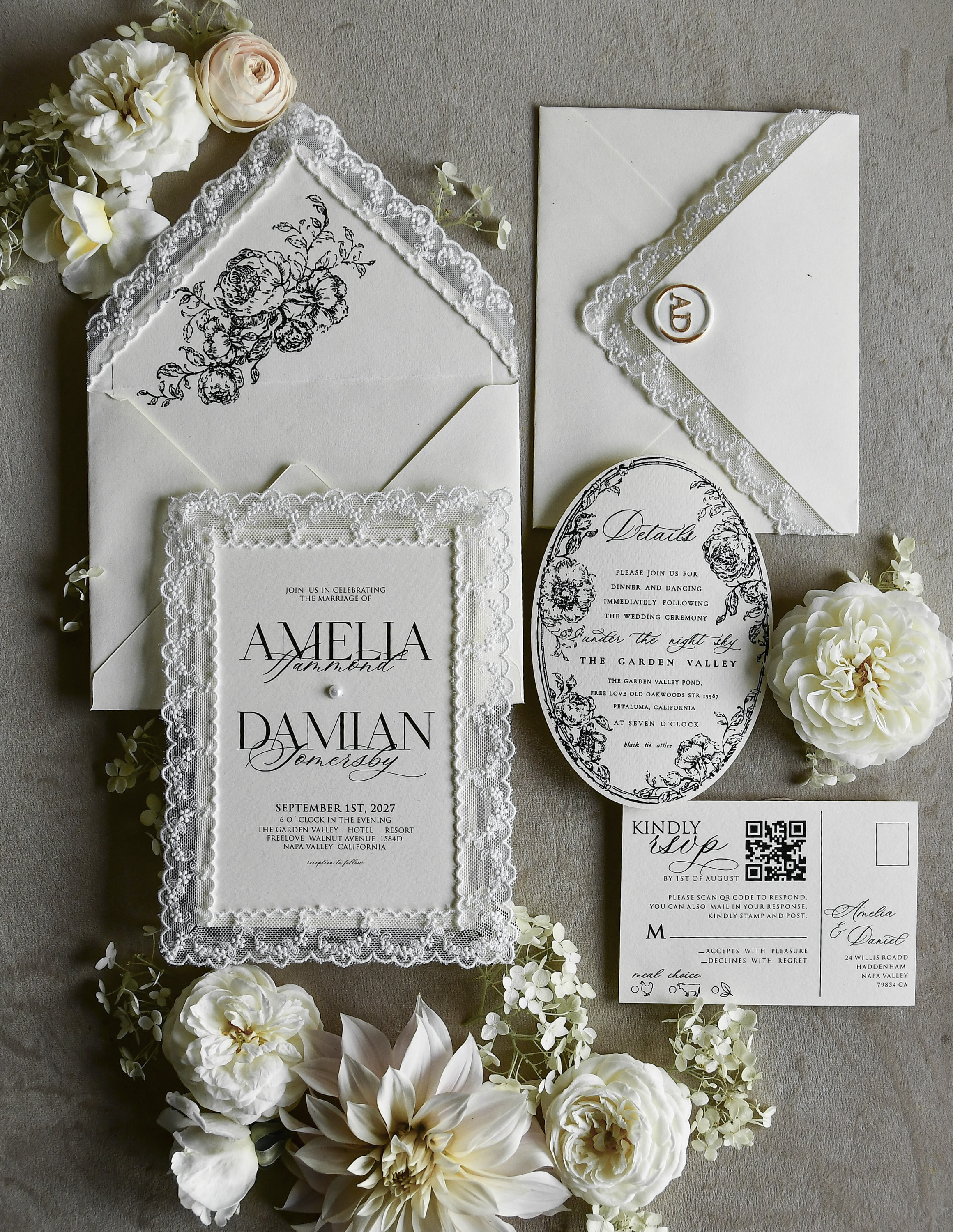
If a family member is paying for the entire wedding or a significant portion, they may have more leverage to negotiate the list. In that case, couples should decide together what trade-offs they're willing to make—and communicate those clearly before invitations are ordered. Speaking of which, if you're working with a vintage or rustic aesthetic, our 01/lacenvD/z wedding invitation suite is a beautiful option that can be ordered in exact quantities, so you're only paying for what you need.
When the Couple Absorbs the Cost
Sometimes, couples choose to absorb the cost of extra guests themselves—especially if the additions are people they genuinely want there, or if the family relationship makes a financial conversation feel too fraught. That's a completely valid choice, but it should be a conscious one, not something that just happens by default.
If you decide to cover extra guests yourself, revisit your budget immediately and identify where you can offset the cost. Common adjustments include:
- Switching from a plated dinner to a buffet or stations
- Reducing the number of floral arrangements
- Choosing a less expensive bar package
- Trimming your honeymoon budget slightly
The key is making an active decision rather than letting costs quietly spiral out of control.
Setting Expectations Before Invitations Go Out
The best time to have the extra-guest conversation is before a single invitation is addressed. Once your stationery is ordered and sent, adding guests becomes much more complicated—and expensive. You may need to reorder additional suites, which adds cost and delays your timeline.
If you're still in the planning phase, our 01/lacenvD/z lace-inspired invitation suite starts from just $10.00 and can be ordered in precise quantities, making it easy to stay on budget as your final list comes together. Set your headcount, stick to it, and build your order around that confirmed number.
Communicate your final guest list policy to family early, kindly, and firmly. A simple message like, "We've finalized our guest count and our venue is at capacity—we won't be able to accommodate additional names" is both honest and complete. Most people will understand when the boundary is stated clearly from the start.
Frequently Asked Questions
Not at all—it's actually a very practical and fair approach. Frame it as a budget conversation rather than a personal one, and present the per-person cost clearly so everyone understands what's involved.
If parents are funding the wedding, they often expect some influence over the guest list, and that's reasonable. Set clear expectations upfront about how many spots each family has, and decide together what additions you're comfortable accommodating.
Divide your total catering and reception budget by your planned guest count to get a baseline per-person figure. Don't forget to factor in rentals, bar service, cake, and stationery, which all scale with headcount.
A capacity limit is actually a helpful, neutral reason to hold the line on your guest count. Simply let family know the venue cannot legally or physically accommodate more guests—it removes the personal element from the conversation.
It's smart to order 10–15% more invitations than your confirmed list to account for last-minute additions, addressing errors, and keepsakes. Just make sure any additions are approved and budgeted before you send them out.
Reach out directly and warmly clarify that your invitation was for the named guest(s) only and that space is limited. Most guests will understand—and it's far better to address it early than to scramble for seating at the last minute.
See This Design Up Close




You May Also Like
More Wedding Planning Guides
- → Keeping the Peace: Your Wedding Survival Guide for Feuding Divorced Parents
- → Extra Guests at Your Wedding: How to Prevent and Handle Uninvited Additions
- → When Guests RSVP for More People Than You Invited: A Calm Action Plan
- → Small Weddings: Permission Granted (and Here's How to Do It Right)
- → What to Put on a Wedding Invitation: Every Detail You Need
- → How to Decide Whether an Estranged Sibling Belongs on Your Guest List
- → Setting the Record Straight: How to Communicate a Strict Guest List Without the Awkwardness
- → When to Send Your RSVP Reminder (And Exactly How to Do It)
- → Uninvited Plus-Ones and Tag-Alongs: How to Keep Your Guest List Intact
- → When Family Feuds Threaten Your Wedding Plans: A Practical Peacekeeper's Guide
- → Inviting an Estranged Brother or Sister: Finding Clarity Before You Seal the Envelope
- → Cousins, Invites, and Hard Choices: A Practical Guest List Guide