
Staying Sane When Family Tensions Rise Before Your Big Day
Wedding planning brings out strong feelings in everyone — and not always the good kind. Family arguments before the wedding are more common than most couples admit, whether it's a disagreement over the guest list, a clash between divorced parents, or unsolicited opinions about your venue choice. The good news: with clear communication, firm boundaries, and a little strategy, you can navigate even the stickiest family dynamics without letting them overshadow your celebration.
Identify the Root Cause Before You React
Most pre-wedding arguments aren't really about the seating chart or the centerpieces. They're about control, inclusion, financial stress, or old family wounds resurfacing at a high-stakes moment. Before you respond to any conflict, take a breath and ask yourself what's actually driving it.
- Is someone feeling left out? A parent who isn't involved in planning decisions may act out because they feel sidelined, not because they genuinely hate your florist.
- Is money creating tension? If a family member is contributing financially, they may feel entitled to influence decisions. Clarify early what contributions come with input and what doesn't.
- Are old family dynamics at play? Weddings have a way of reigniting long-standing sibling rivalries or parental conflicts. Recognizing this helps you respond to the real issue, not just the surface complaint.
Once you understand the root cause, you can address it directly rather than fighting battle after battle over symptoms.
Set Boundaries Early and Hold Them Kindly
Boundaries aren't walls — they're clear agreements about how decisions will be made. The earlier you establish them, the less room there is for resentment to build. Here's what that looks like in practice:
- Decide together as a couple first. Before talking to any family member, align with your partner. A united front is your single most powerful tool.
- Be specific about who has input on what. It's perfectly reasonable to say, "We'd love your thoughts on the rehearsal dinner menu, but the ceremony details are something we've already decided."
- Use "we" language. "We've decided" lands very differently than "I want," and it keeps the focus on the couple rather than inviting triangulation.
- Don't over-explain. You don't owe anyone a lengthy justification for your choices. A warm but firm "This is what we're doing" is a complete sentence.
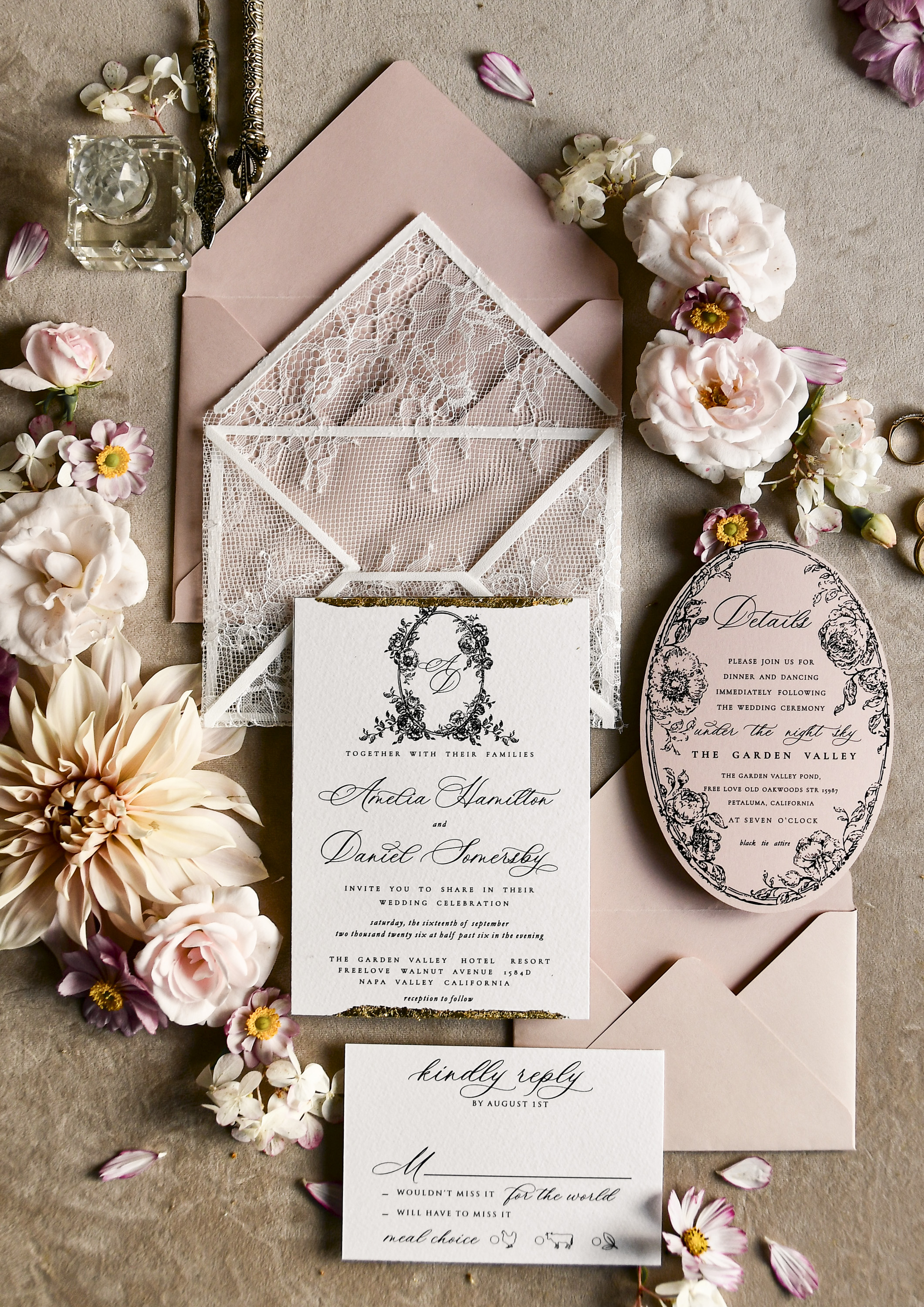
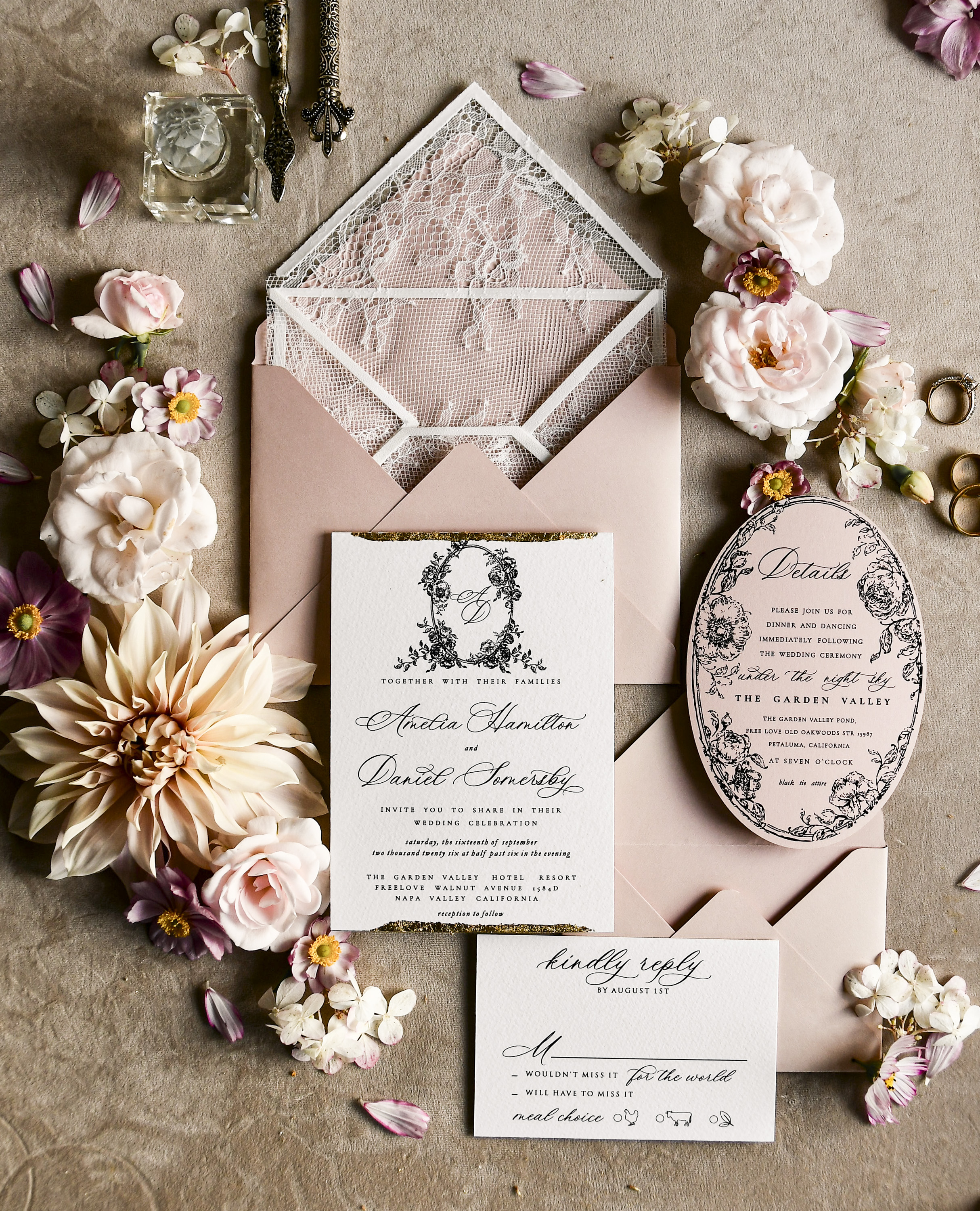
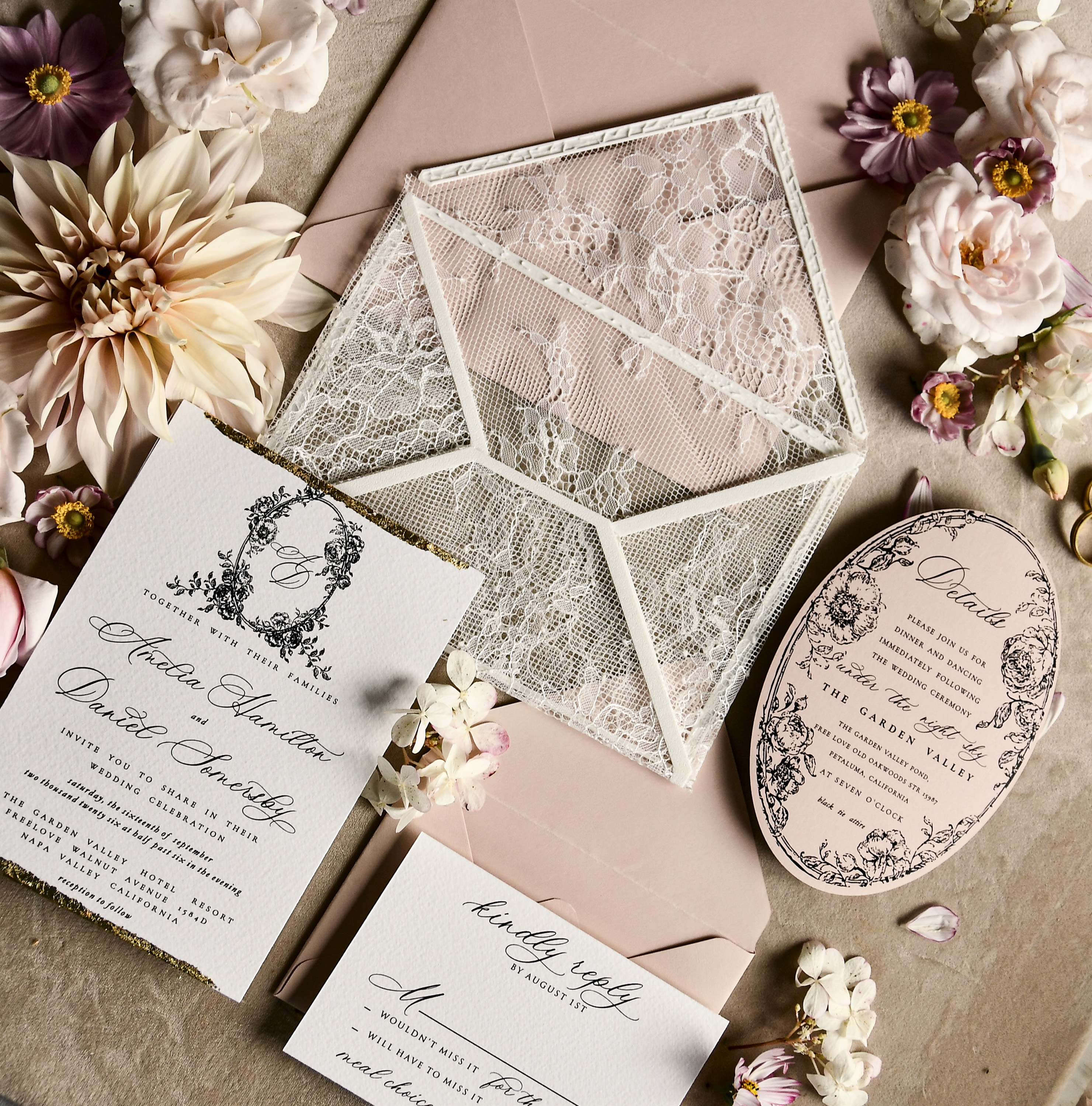
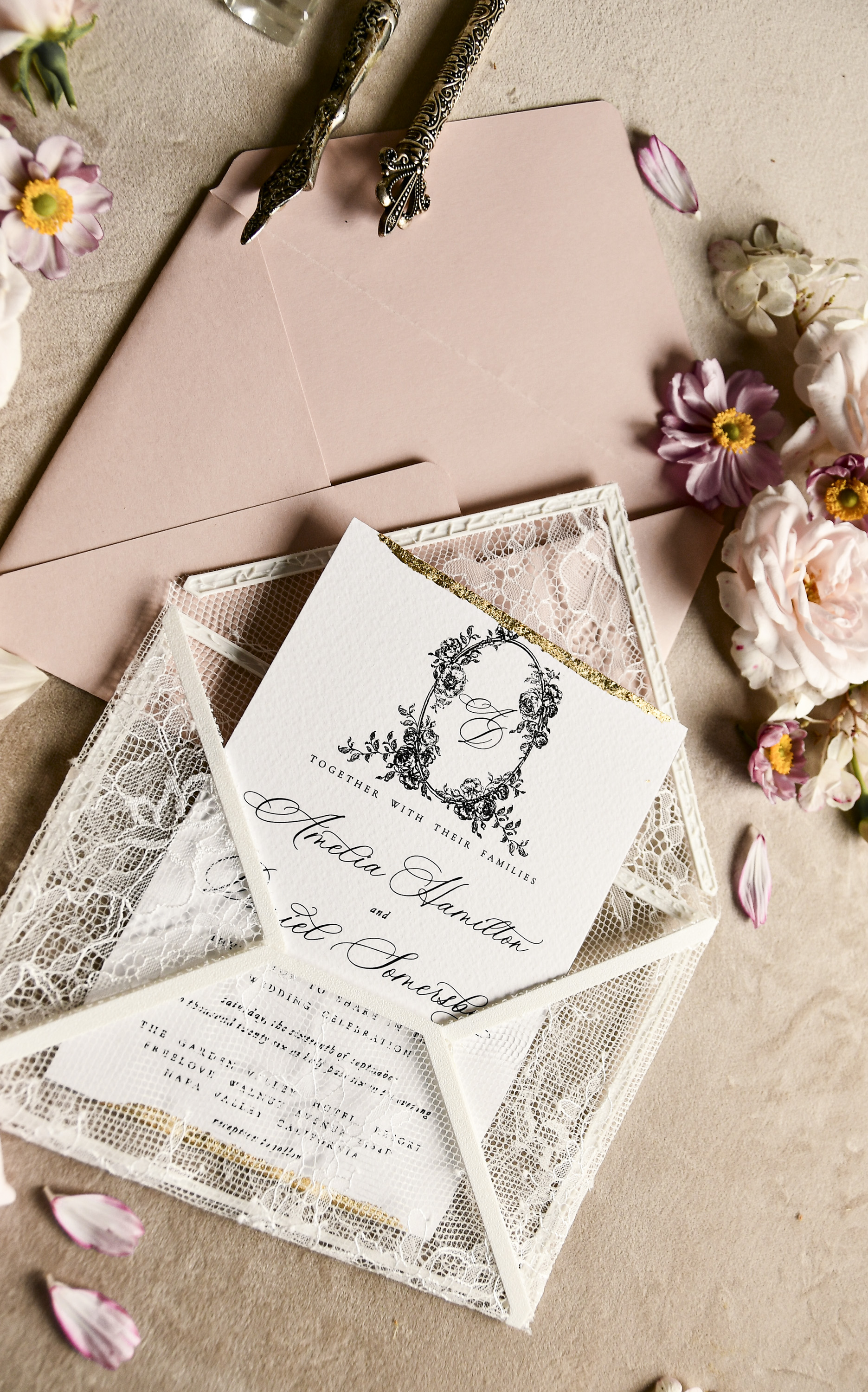
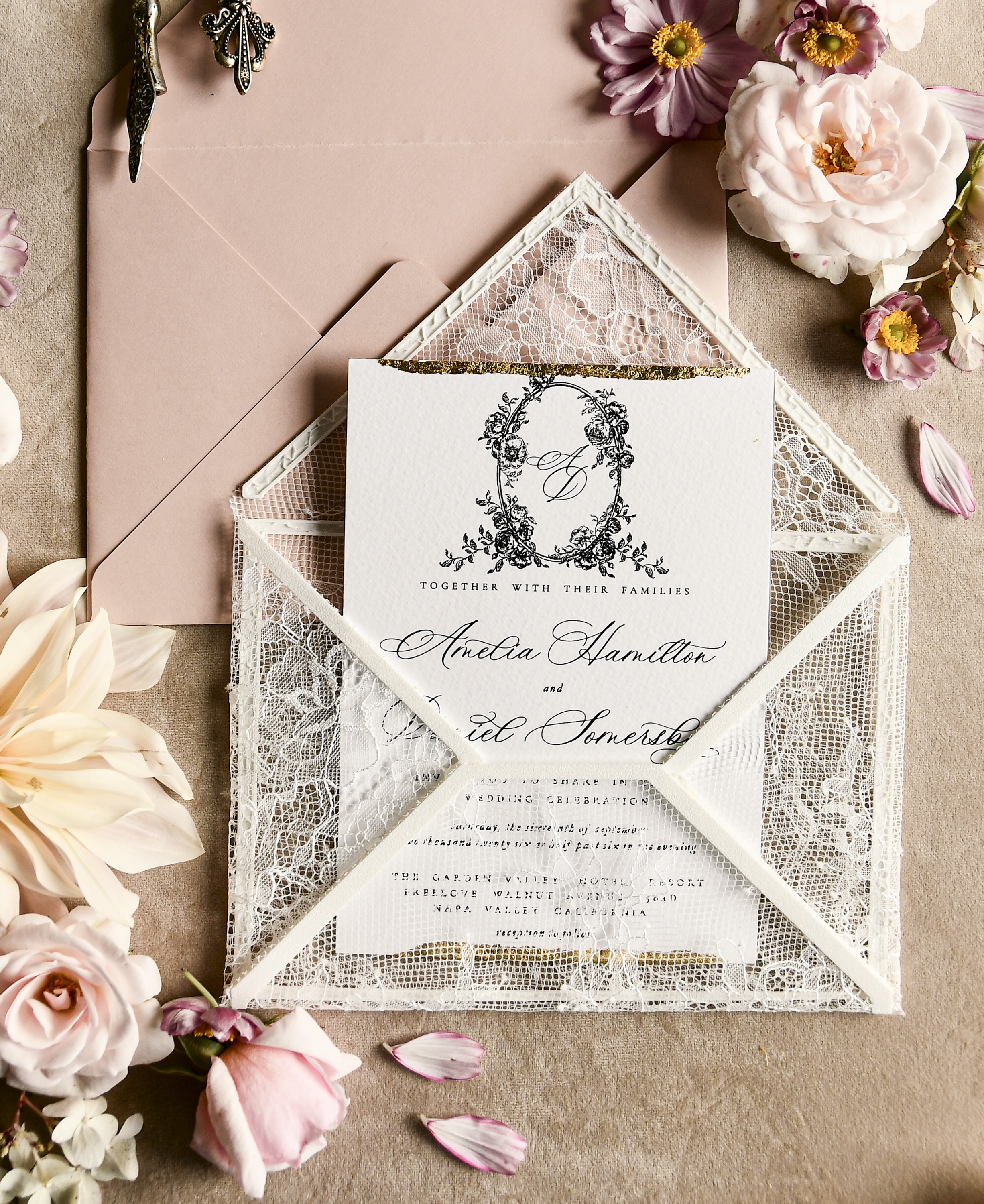
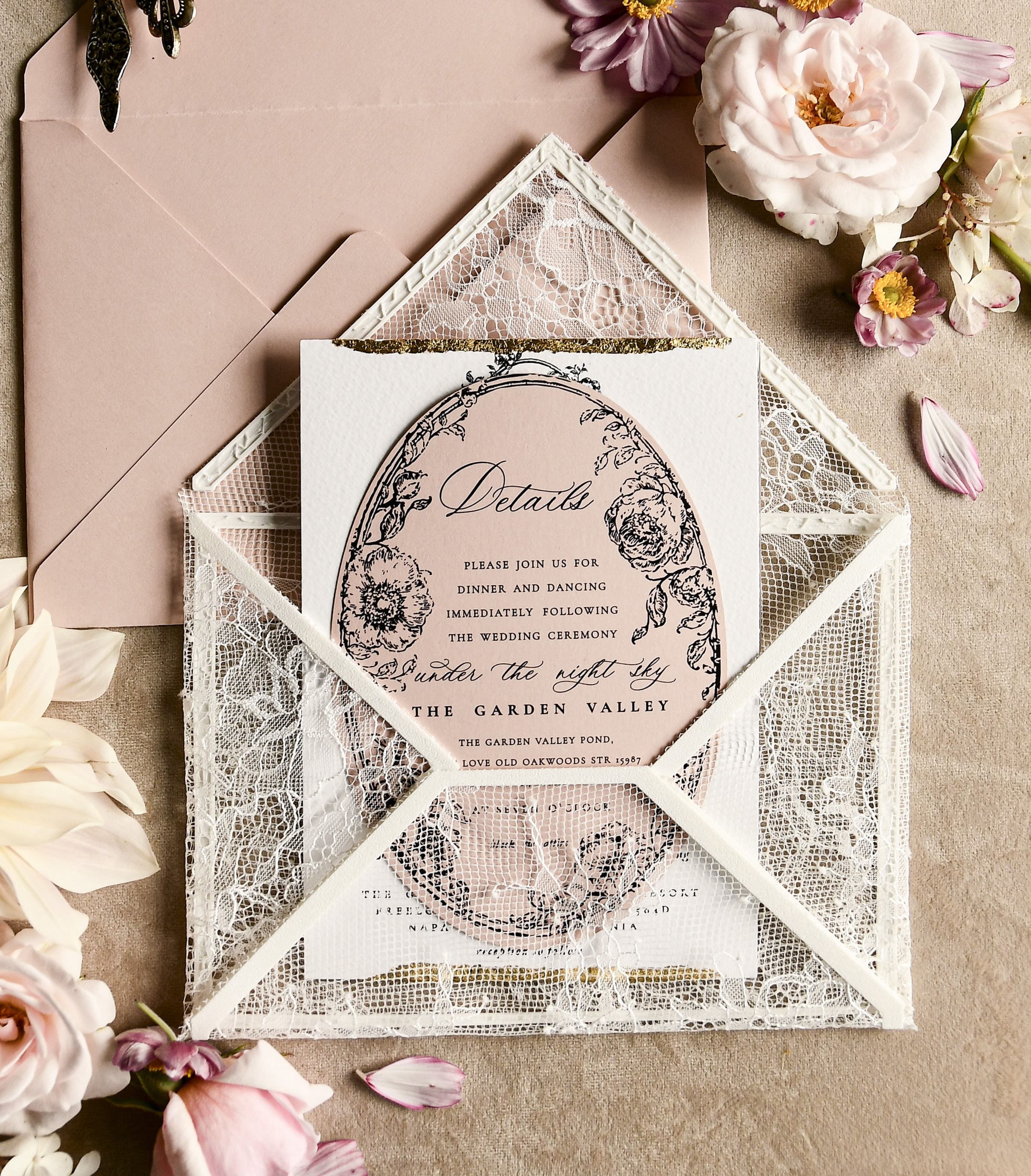
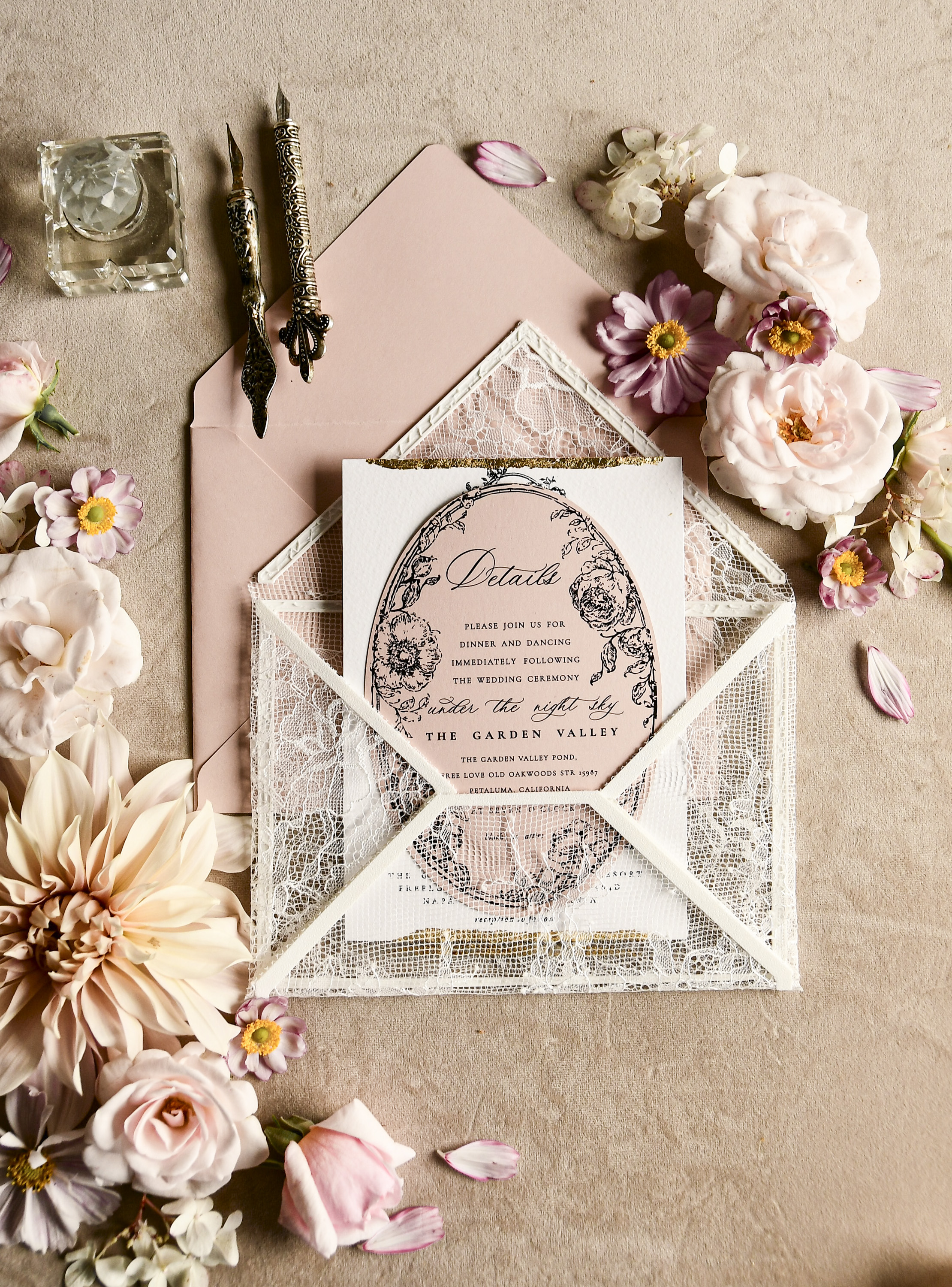
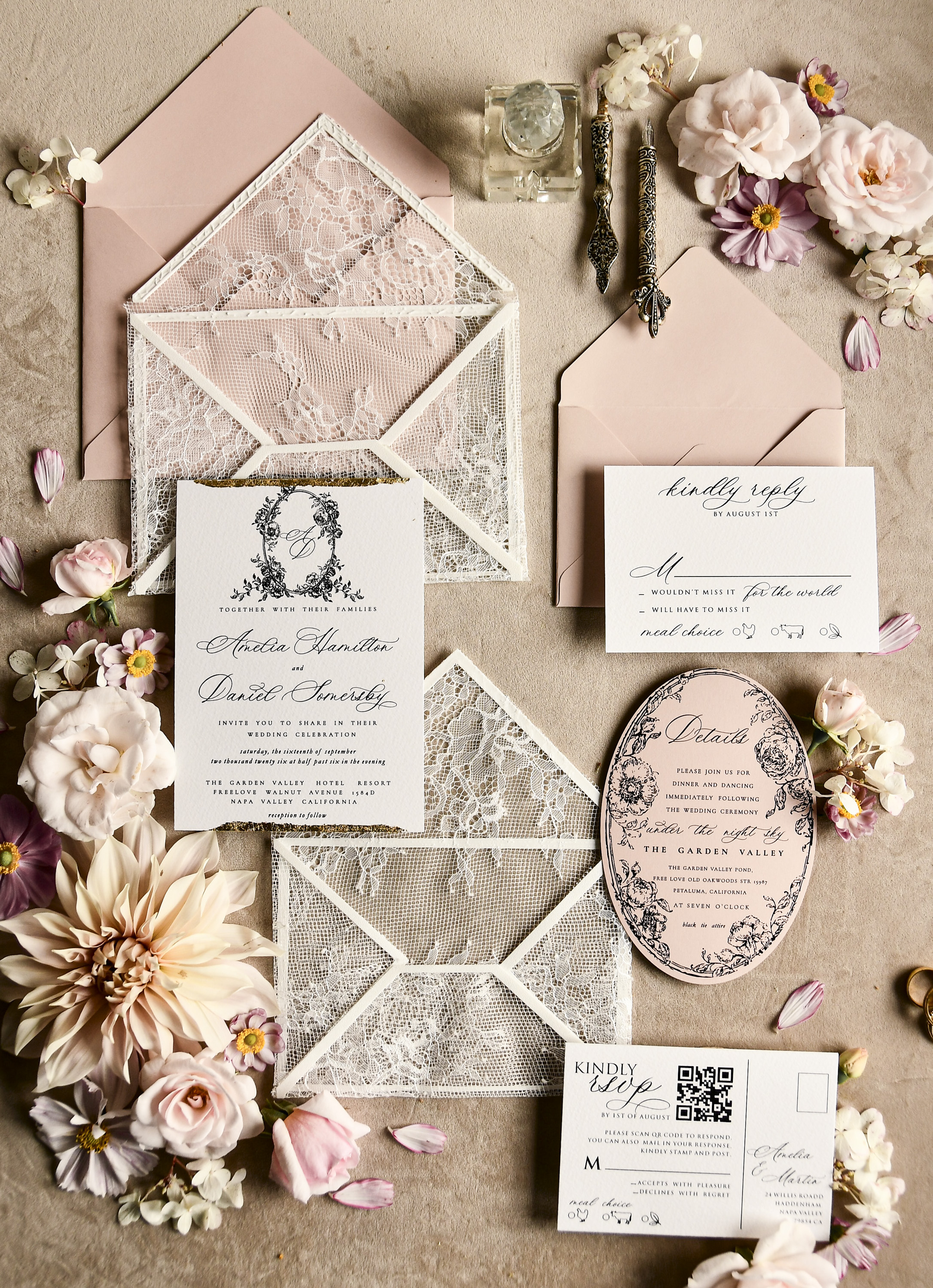
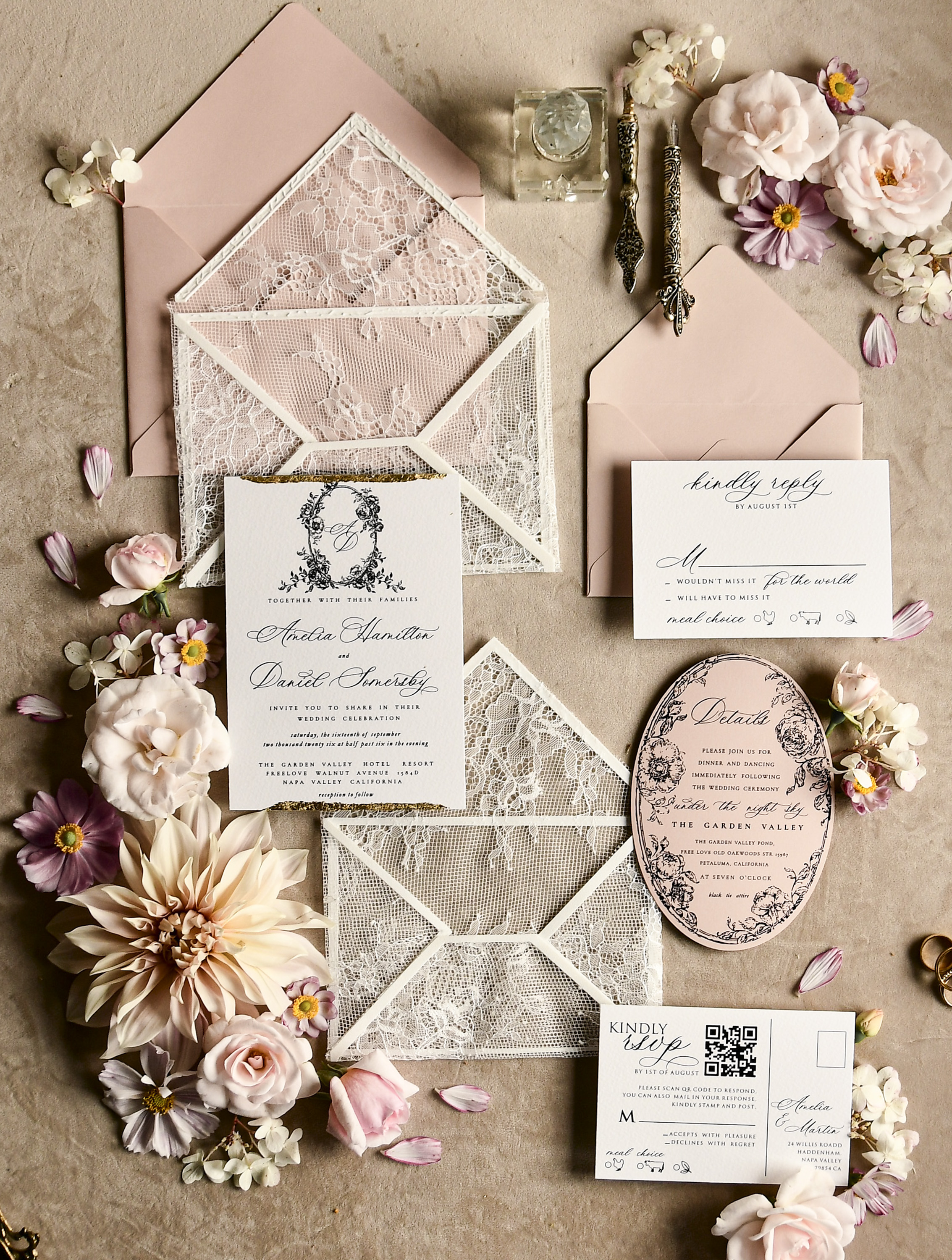
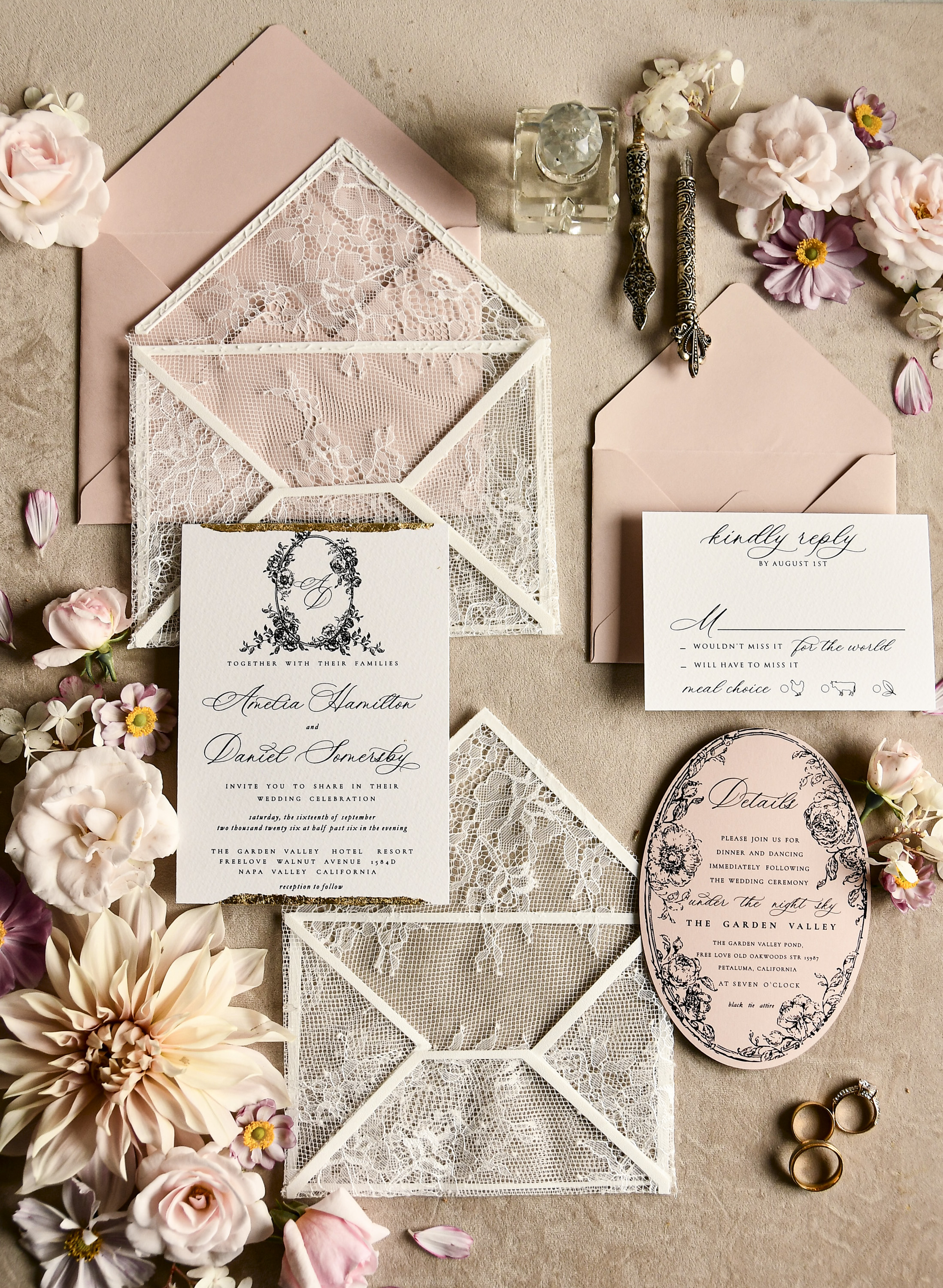
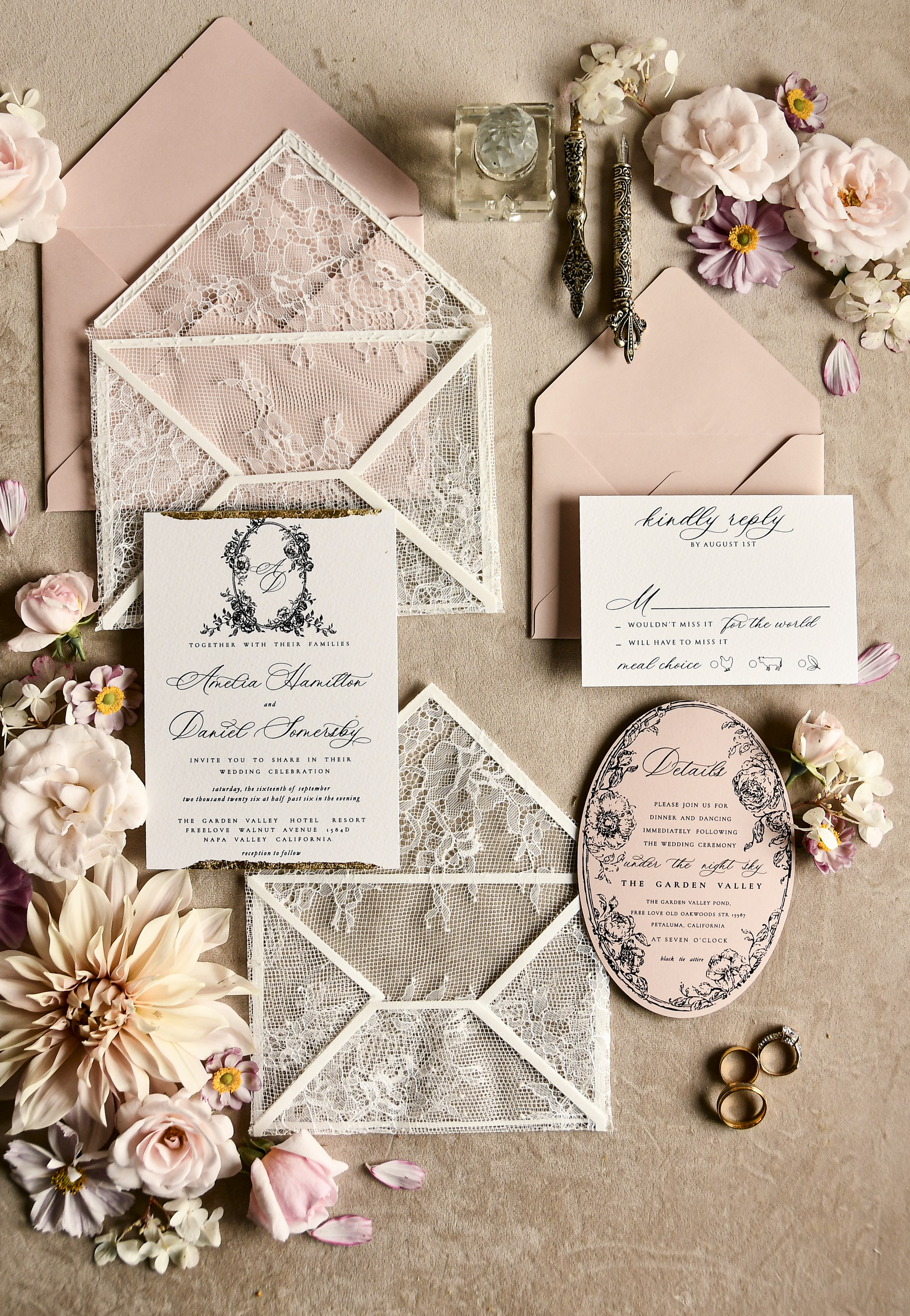
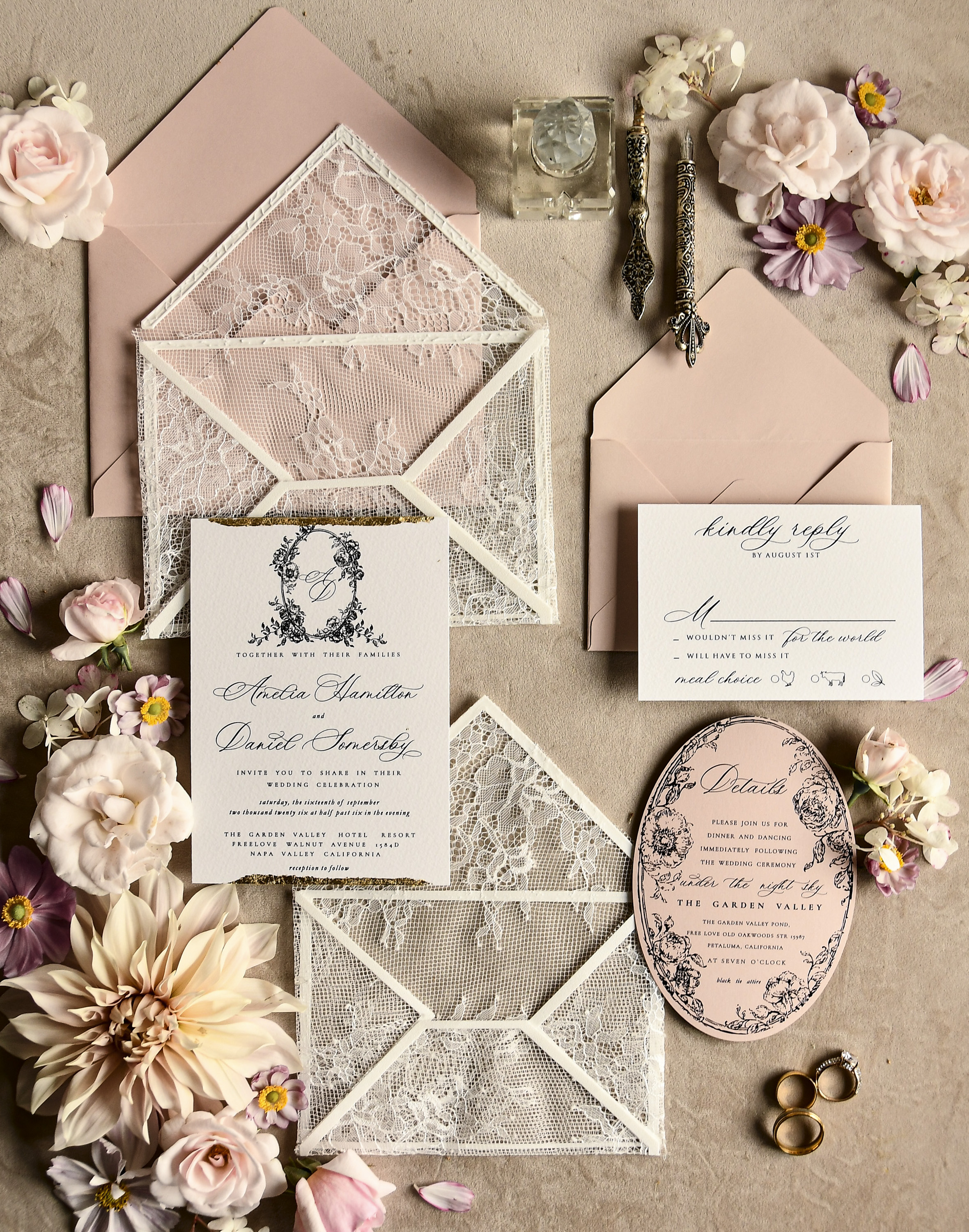
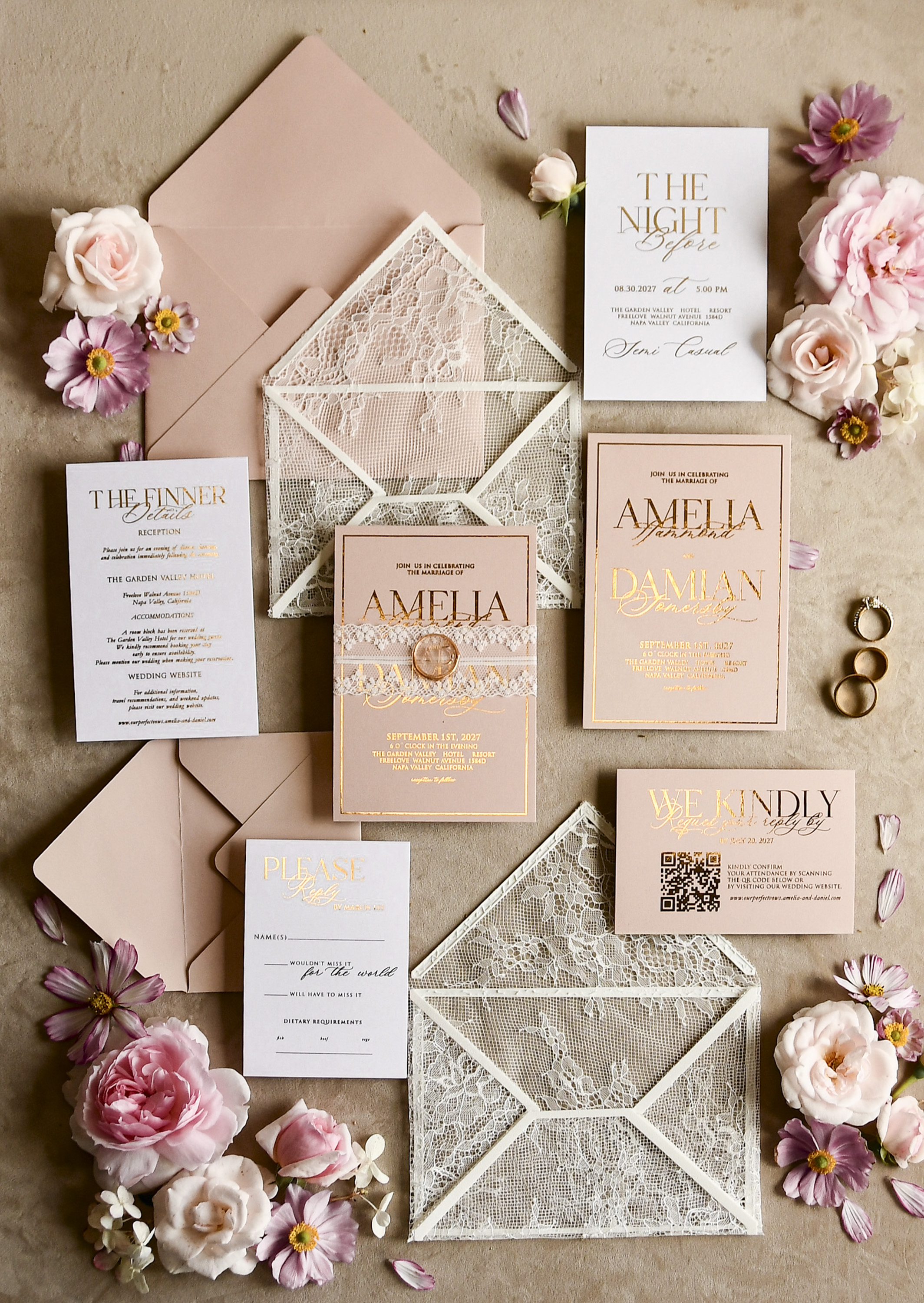
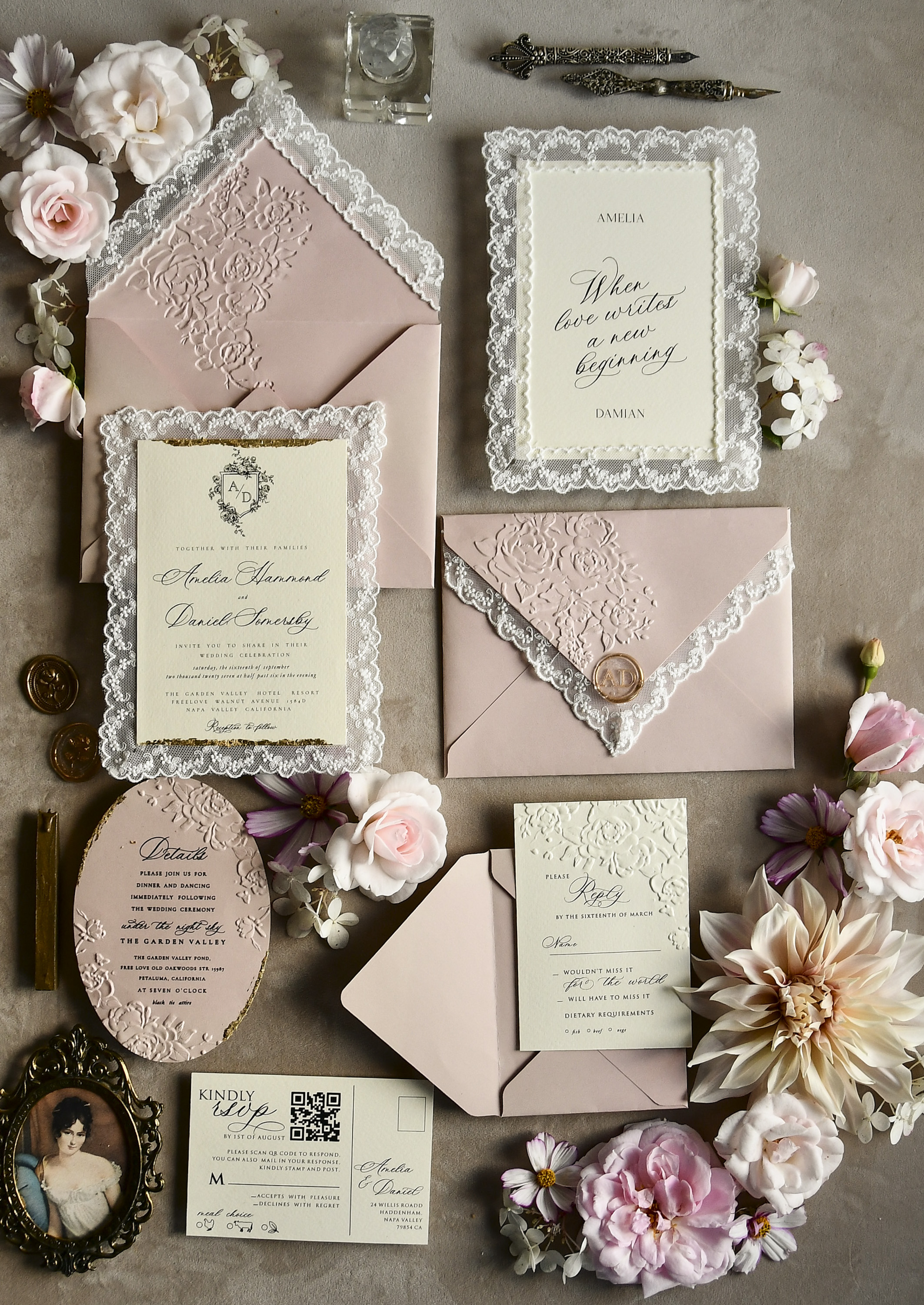
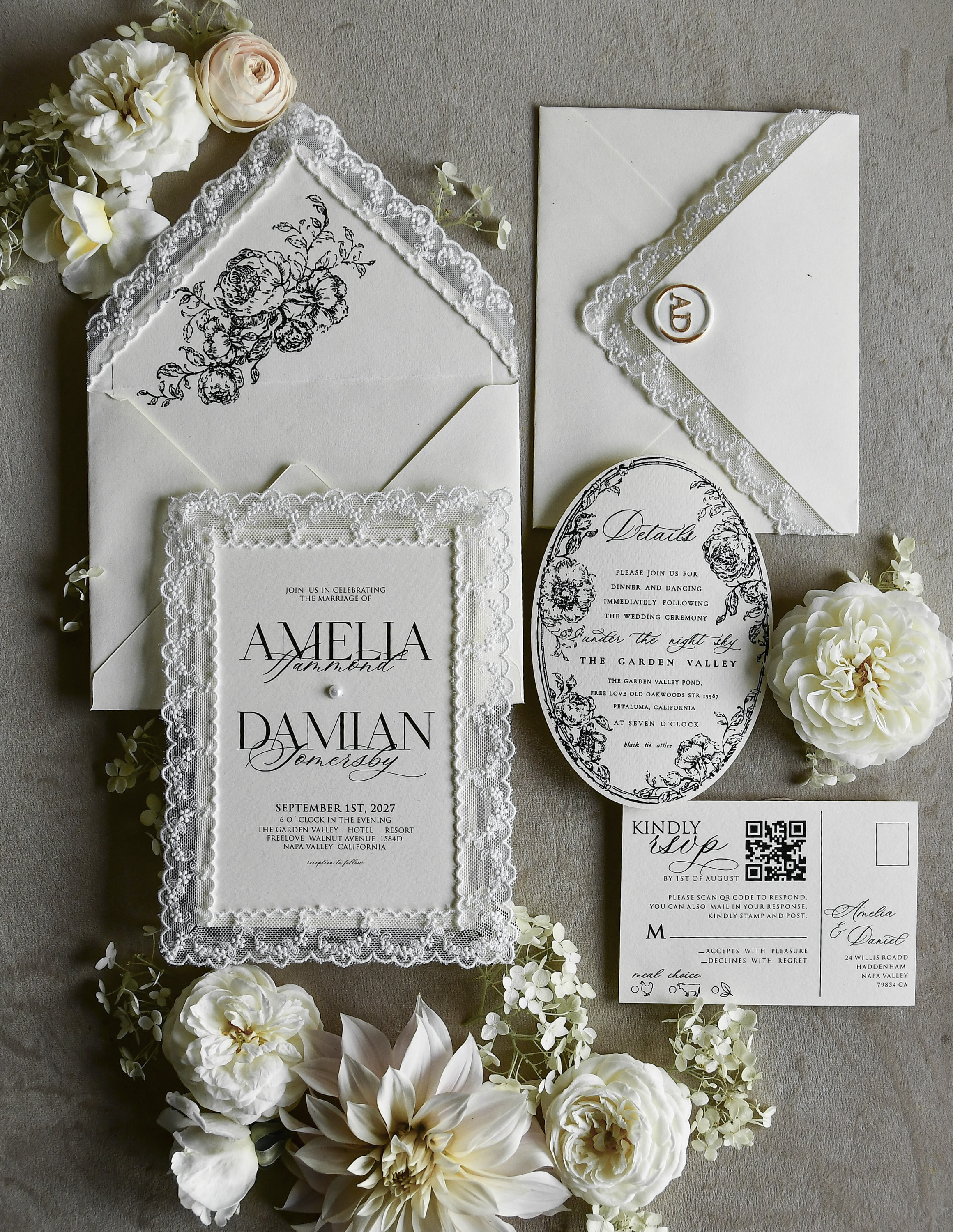
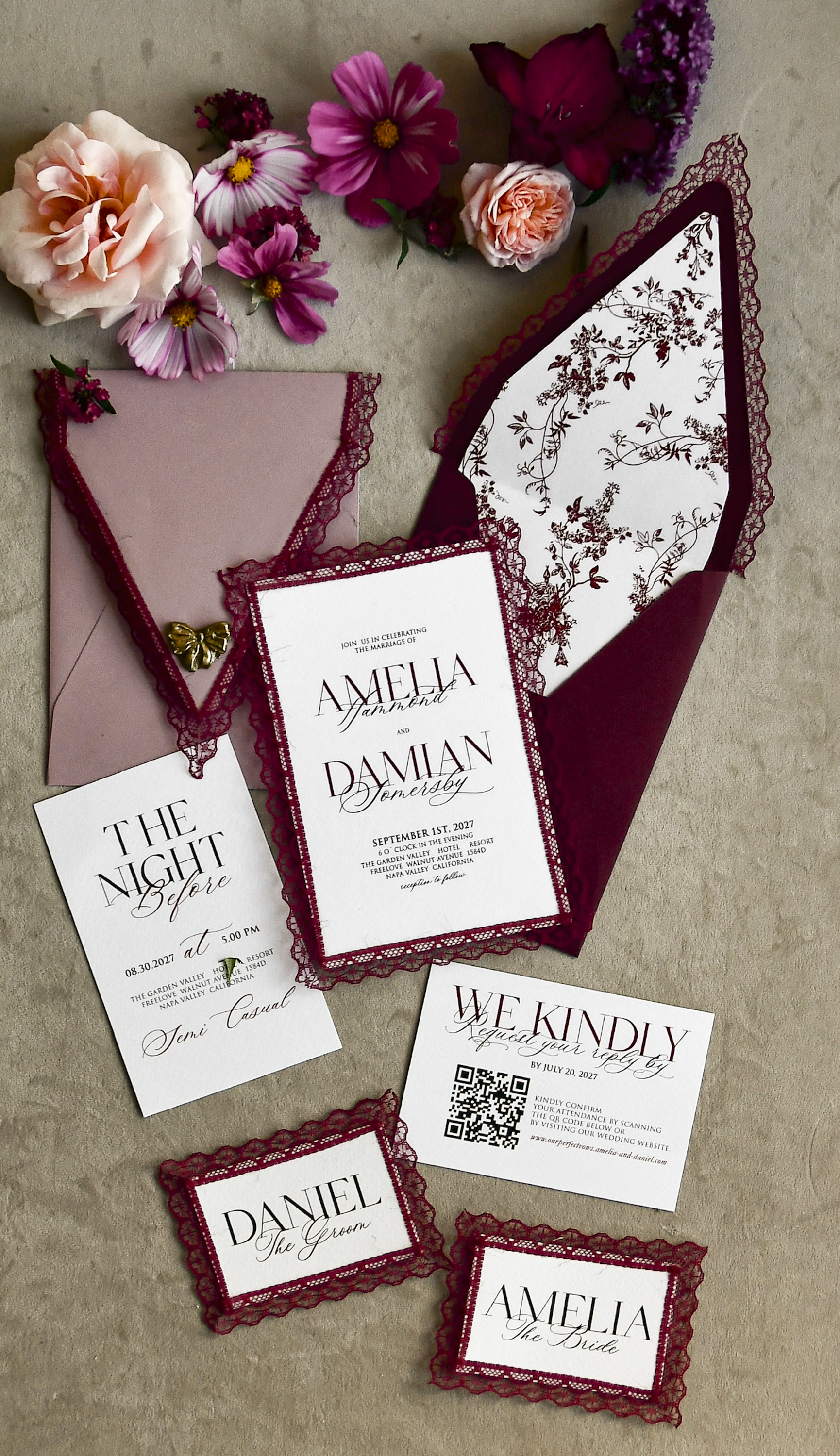
When choosing stationery like our vintage lace wedding invitations from the 03/lacenvD/z collection, for example, the decision belongs to you two — not the extended family committee. Politely share the final result rather than opening it up for debate.
Navigate Specific Flashpoints: Divorced Parents, In-Laws, and the Guest List
Some conflicts are almost universal. Here's how to handle the most common ones:
- Divorced or estranged parents: Assign a trusted friend or your wedding coordinator as a point of contact for each parent on the day itself. Create physical separation through seating arrangements and processional order, and communicate logistics to each parent separately so they aren't surprised.
- Difficult in-laws: Let your partner take the lead in managing their own family. It's not your job to absorb criticism from your future mother-in-law — it's your partner's job to address it. Establish this expectation before conflicts arise.
- Guest list battles: Set a firm total number early, divide it proportionally (couple, each set of parents), and stick to it. Framing it as a budget and venue constraint removes the personal sting.
If a specific argument escalates and you can't resolve it yourselves, a few sessions with a couples therapist or a family mediator can work wonders — especially in the two to three months leading up to the wedding.
Protect Your Energy in the Final Weeks
The six to eight weeks before your wedding are the highest-pressure period. This is when small irritations become big blowups if you're not intentional about protecting your bandwidth.
- Limit the number of people you're in active communication with. Designate one point of contact per family unit when possible.
- Create a "wedding-free" window each week. Even one evening where you don't discuss planning with anyone helps reset your stress levels.
- Let some things go. If Aunt Carol is upset about her table placement but it won't ruin the day, decide in advance that you're not going to spend emotional energy on it.
- Know when to loop in a professional. Your venue coordinator, planner, or even a trusted officiant can sometimes mediate logistics-related disputes so you don't have to.
Sending your beautiful 03/lacenvD/z lace invitations is one of those milestones that signals to everyone — including you — that this wedding is real, it's happening, and the decisions are made. Use that moment as a mental turning point: the planning is largely done, and now it's time to protect your joy.
Frequently Asked Questions
Take the threat seriously but don't let it become leverage over your decisions. Express that you'd love for them to be there, make clear the decision stands, and give them space to come around. Most people show up when the day actually arrives.
Keep the two families from having to negotiate directly with each other — that's your job as the couple. Serve as the translator and buffer, and make sure neither family feels like the "other side" is getting preferential treatment.
Absolutely, and it doesn't have to mean something is seriously wrong. Pre-marital counseling or even a few sessions focused on family dynamics can give you tools and language that make a real difference, both before and after the wedding.
Have an explicit conversation before accepting any financial contribution: "We're so grateful — just so we're aligned, we'll be making the final calls on all the details." If that's not acceptable to them, it's worth reconsidering the contribution.
This is a last resort, but yes — your safety and wellbeing come first. If someone's behavior is genuinely harmful or abusive, it's appropriate to set that boundary, even if it's painful. Discuss it together as a couple and, if needed, with a therapist before making that call.
As soon as you become aware of them — don't wait. Conflicts that simmer unaddressed for months tend to explode in the final weeks when everyone's stress is highest. A direct, calm conversation three to six months out is far easier than one three days before the ceremony.
See This Design Up Close





You May Also Like
More Wedding Planning Guides
- → The Estranged Family Dilemma: Making Peace With Your Wedding Guest List
- → Missing RSVPs: The Exact Waiting Game You Should Play
- → Wedding Invitation Timing: The Insider's Guide to Sending on Schedule
- → Who's Really Getting Married? Managing Parent Friend Requests on Your Guest List
- → Handling Family Boycott Threats Over Your Wedding Guest List
- → The Teen Plus-One Dilemma: A Practical Guide for Couples
- → What To Do When Guests Leave You On RSVP Read
- → When an RSVP Changes at the Last Minute: A Calm, Practical Guide for Couples
- → Your Wedding, Your Choice: Deciding Whether to Include an Estranged Sibling
- → Is Skipping Kids on Your Wedding Guest List Ever Considered Rude?
- → Feuding Divorced Parents at Your Wedding: A Practical Peace Plan
- → Small Weddings, Big Meaning: Your Guide to Celebrating Intimately
- → Should You Skip Paper and Send Digital Wedding Invitations?
- → The Uninvited Guest Question: How to Respond Without Regret
- → Missing RSVPs: The Right Way to Follow Up With Silent Guests
- → The Smart Couple's Guide to Wedding Childcare and Kids' Entertainment
- → Uninvited Plus-Ones and Tag-Alongs: How to Keep Your Guest List Intact
- → When Family Feuds Threaten Your Wedding Plans: A Practical Peacekeeper's Guide
- → Inviting an Estranged Brother or Sister: Finding Clarity Before You Seal the Envelope
- → Cousins, Invites, and Hard Choices: A Practical Guest List Guide