
Wedding Invitation Timing: The Insider's Guide to Sending on Schedule
One of the most common questions newly engaged couples ask is deceptively simple: when exactly should wedding invitations go out? Send them too early and guests may lose track of the details. Send them too late and you'll spend the weeks before your wedding chasing down RSVPs. The good news is that there's a reliable, etiquette-approved timeline that takes the guesswork out of the whole process — and a little planning up front makes everything run smoothly.
The Standard Rule: 6 to 8 Weeks Before the Wedding
For most weddings in the United States, the sweet spot for mailing invitations is 6 to 8 weeks before the wedding date. This window gives guests enough time to arrange travel, request time off work, find childcare, and RSVP comfortably — without so much lead time that the invitation gets buried under a pile of mail.
Here's how a typical timeline looks working backward from a Saturday wedding:
- 8 weeks out: Invitations hit mailboxes
- 3 to 4 weeks out: RSVP deadline
- 2 weeks out: Final headcount to your caterer or venue
Setting your RSVP deadline 3 to 4 weeks before the wedding (not the day before!) gives you a realistic buffer to follow up with non-responders and finalize numbers with your vendors.
Destination Weddings and Holidays Require More Lead Time
If your wedding involves travel — whether it's a destination celebration in another state or a venue that requires guests to book hotel rooms — plan to send invitations 3 to 4 months in advance. International destination weddings may even warrant mailing 4 to 5 months ahead.
The same logic applies to weddings scheduled around major holidays like Thanksgiving weekend, Fourth of July, or Labor Day. Guests' calendars fill up fast during those periods, and you want them to have every opportunity to make arrangements before they commit to other plans.
In both cases, a save-the-date (sent 6 to 12 months before the wedding) is essential — but the formal invitation still needs to follow at the appropriate time to convey all the logistical details guests need.
When to Order Invitations So You're Never Rushing
To mail invitations 6 to 8 weeks before your wedding, you need to order them at least 3 to 4 months in advance. Here's why: design and proofing takes time, printing production can run 2 to 3 weeks, and once the suite arrives you'll need to assemble, address, and stamp everything — which is rarely a one-afternoon job.
A realistic order-to-mailbox timeline:
- Finalize wording and design: allow 1 to 2 weeks
- Proof approval and printing: 2 to 3 weeks
- Assembly, addressing, and stuffing: 1 to 2 weeks
- Post office drop-off: at least 1 week before your target mail date (to account for delivery time)
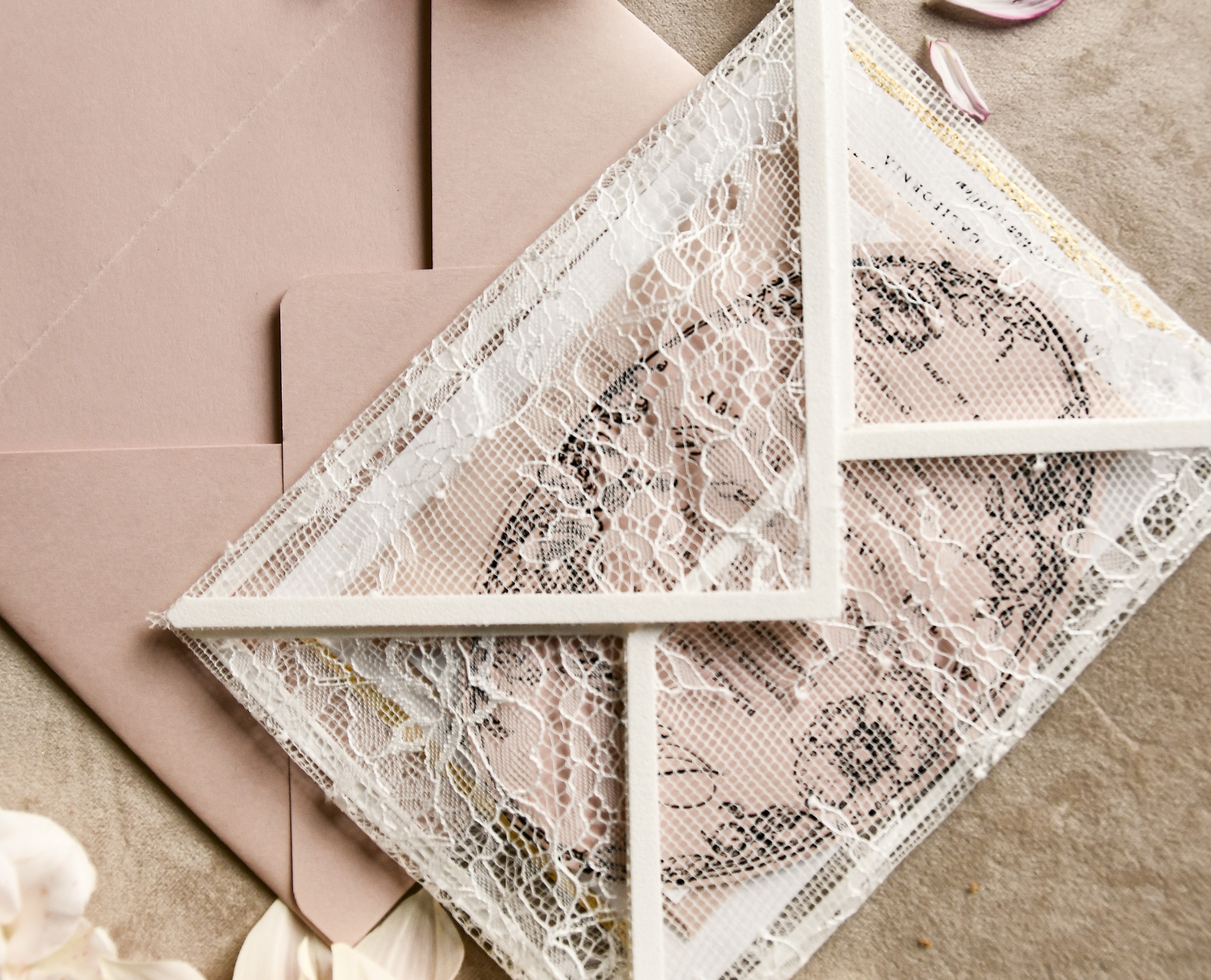
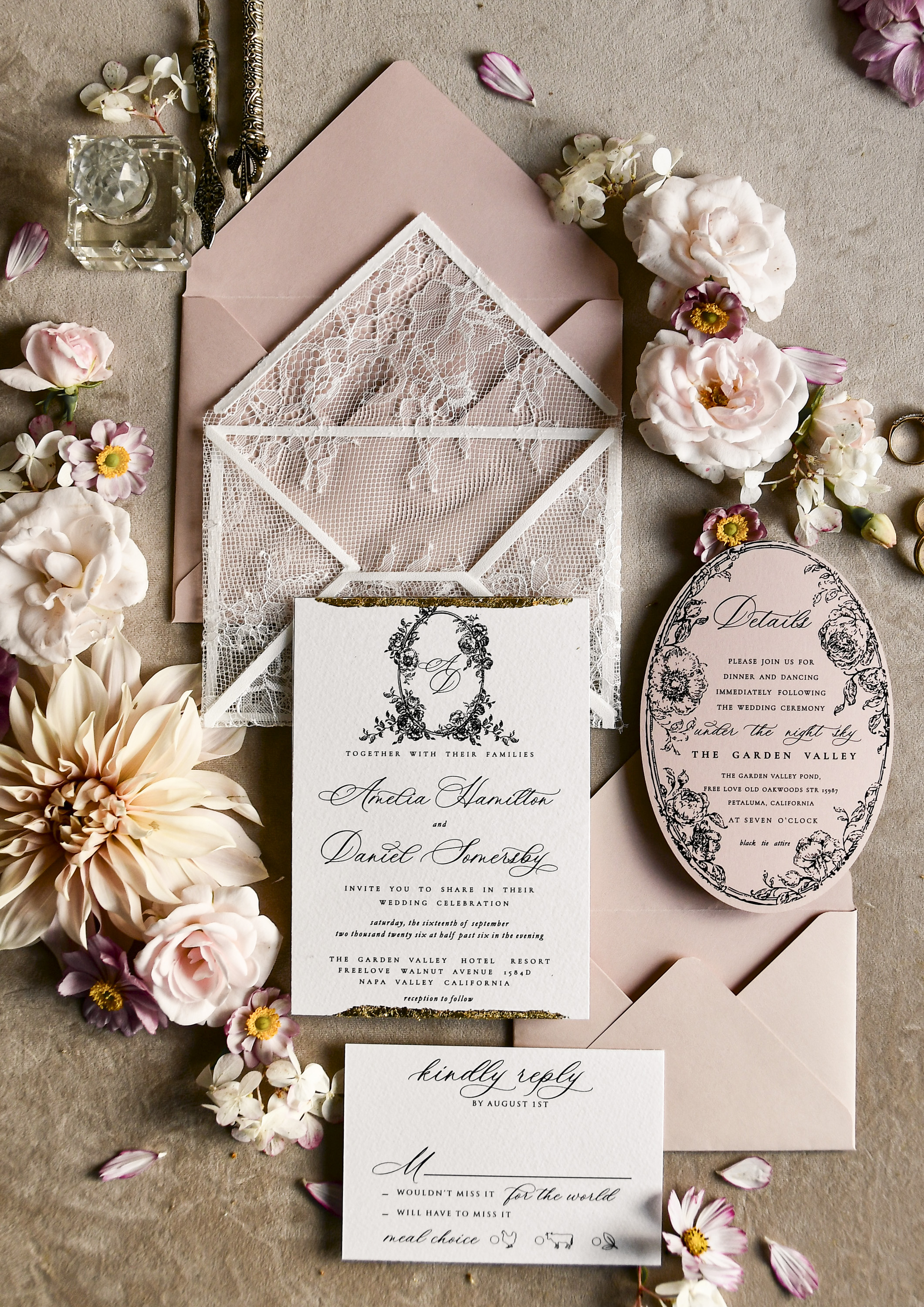
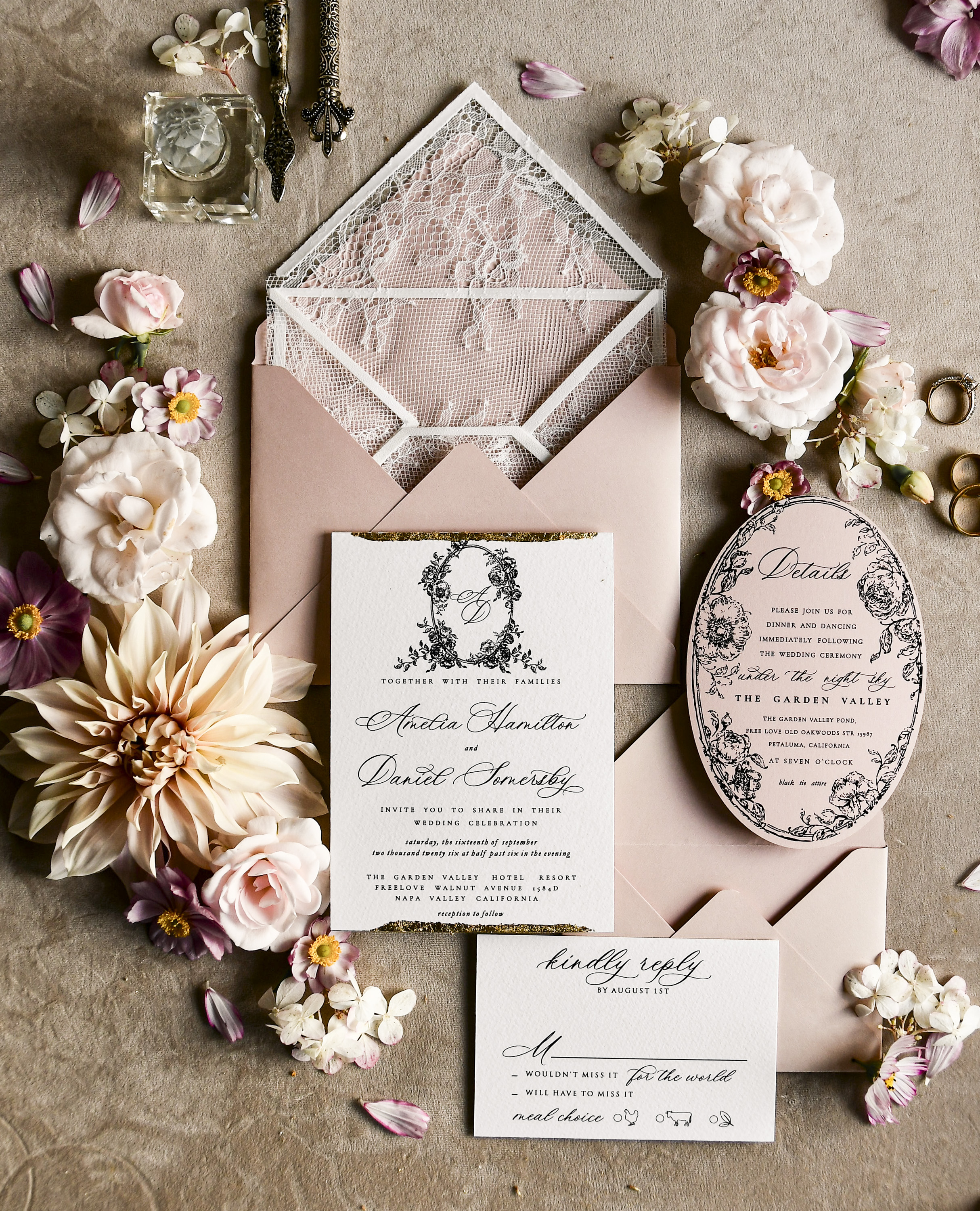
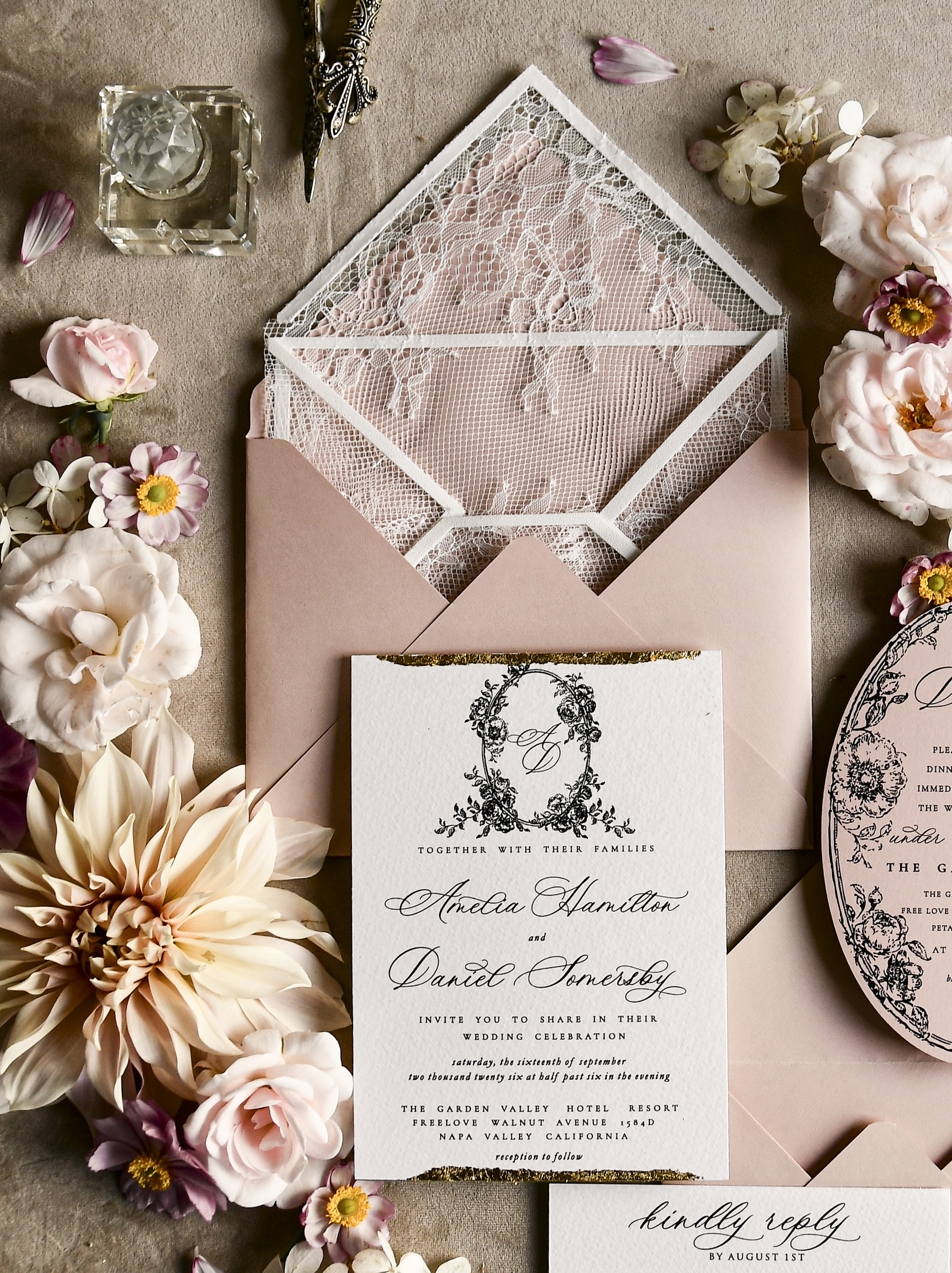
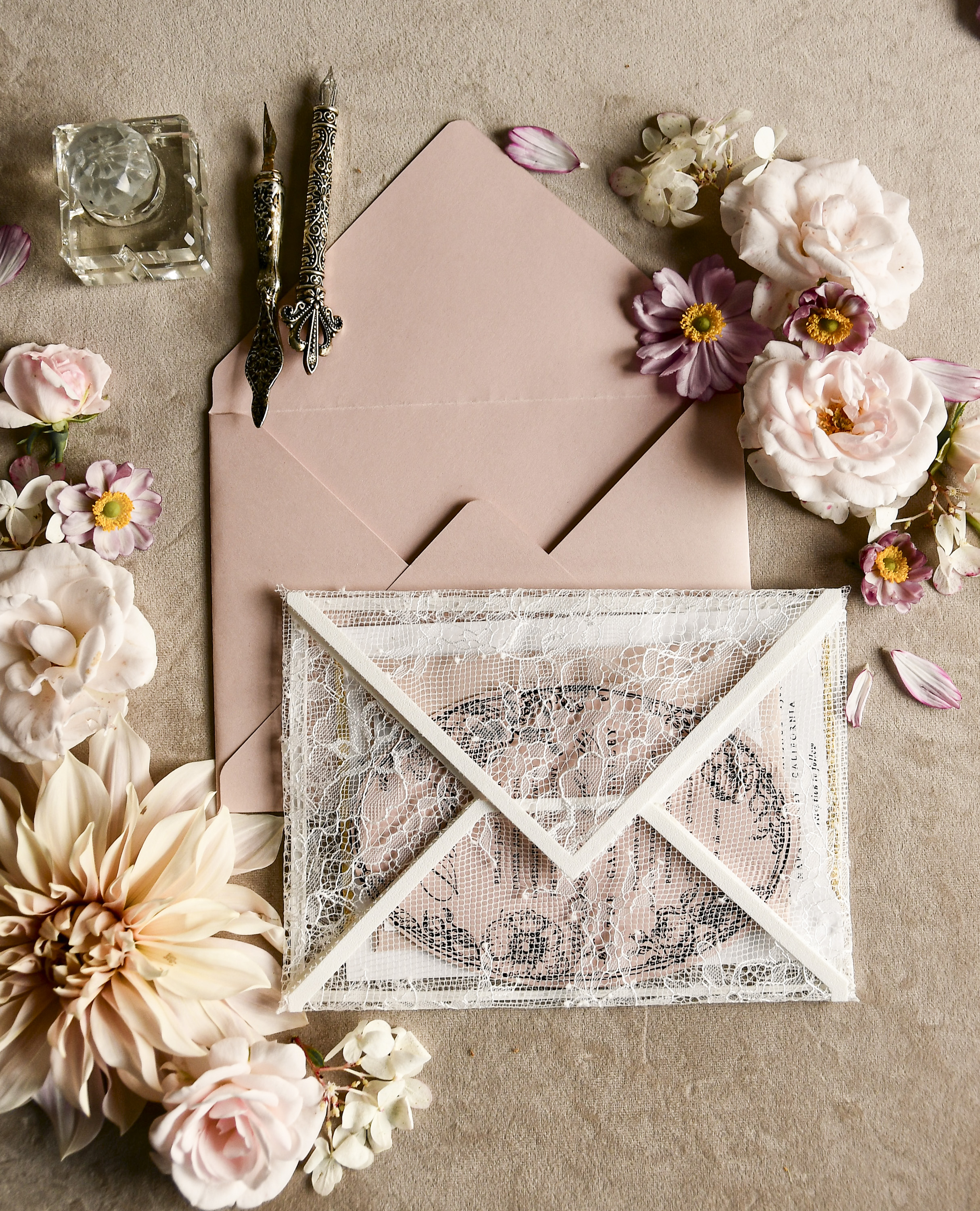
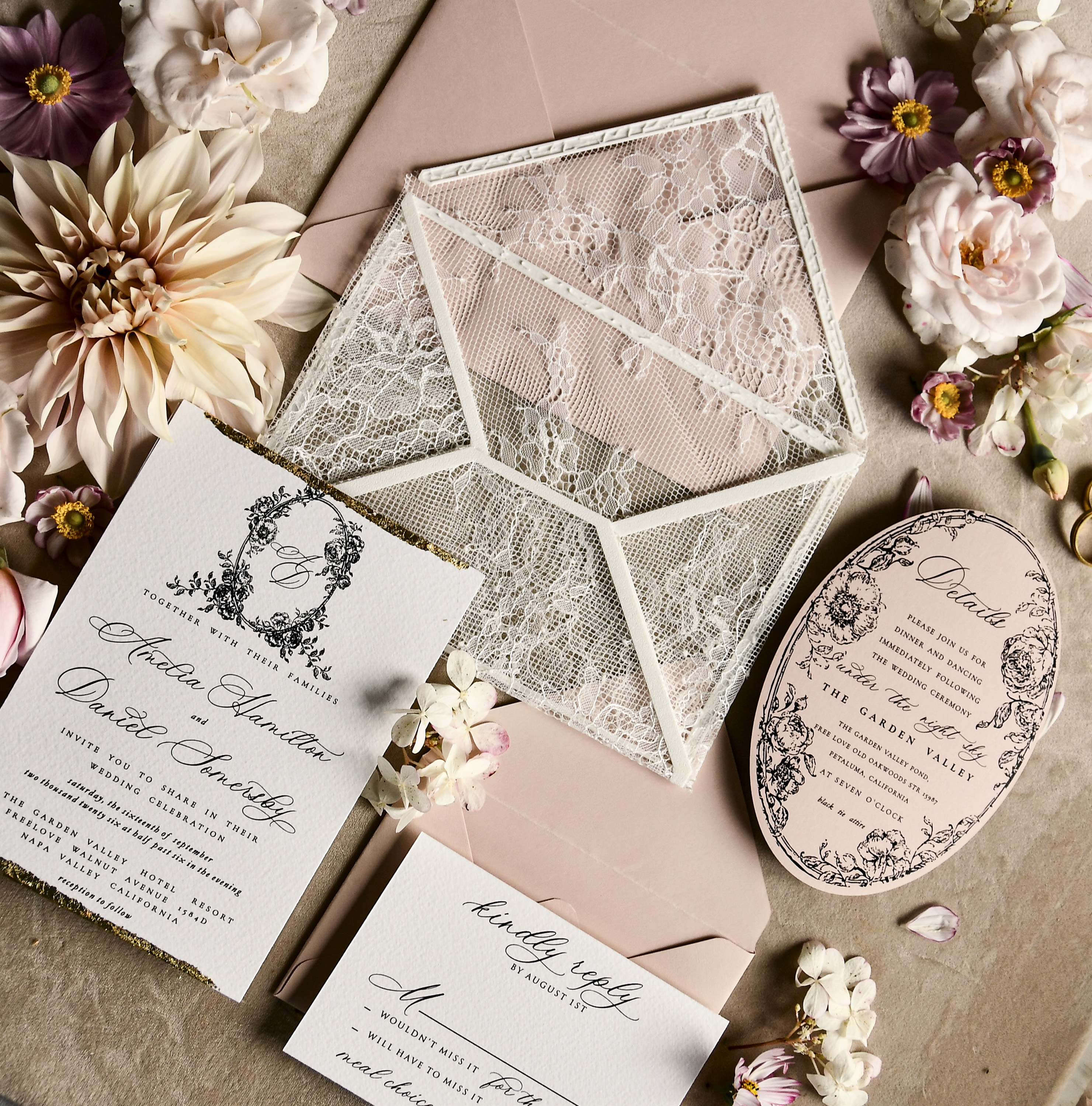
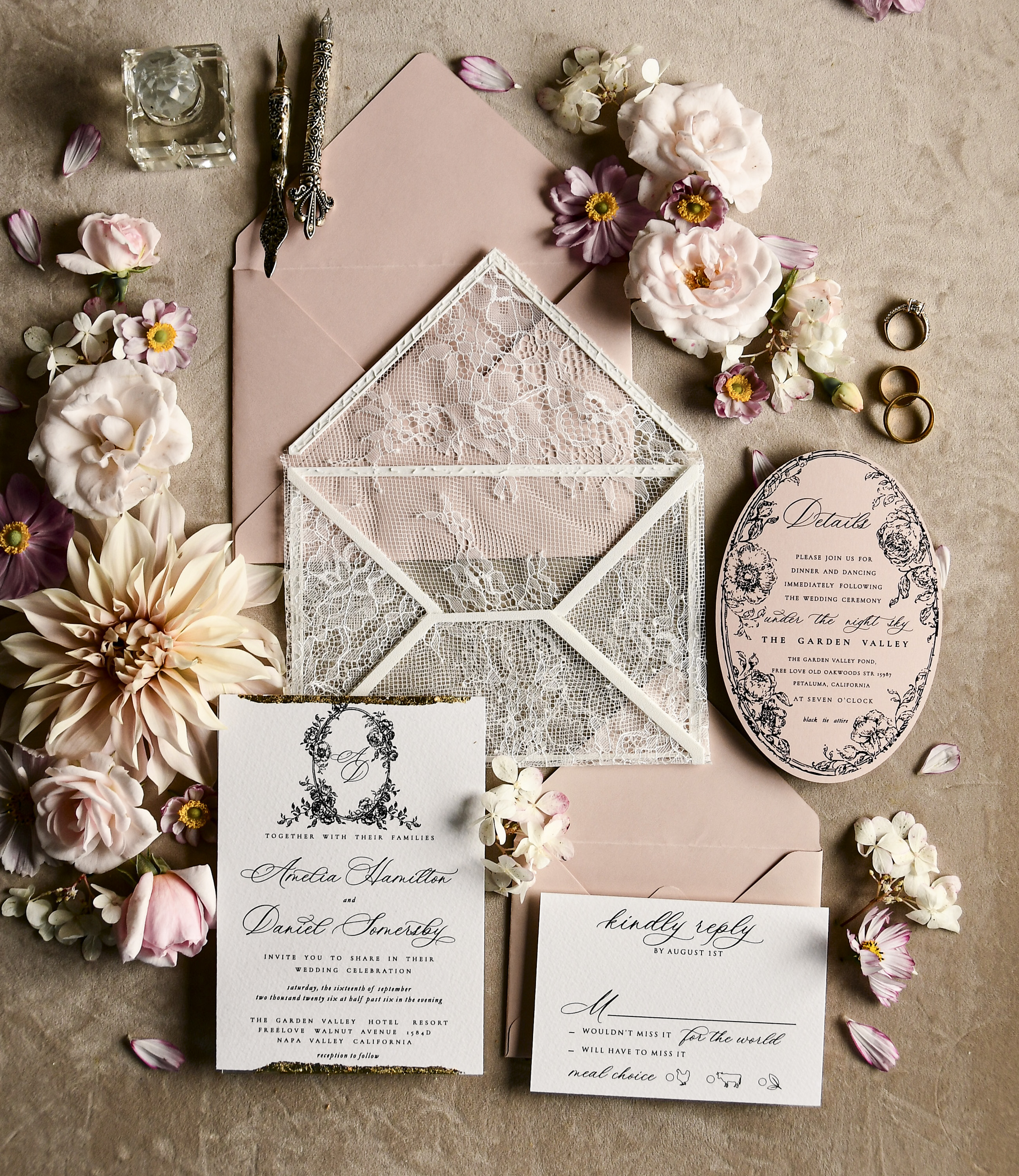
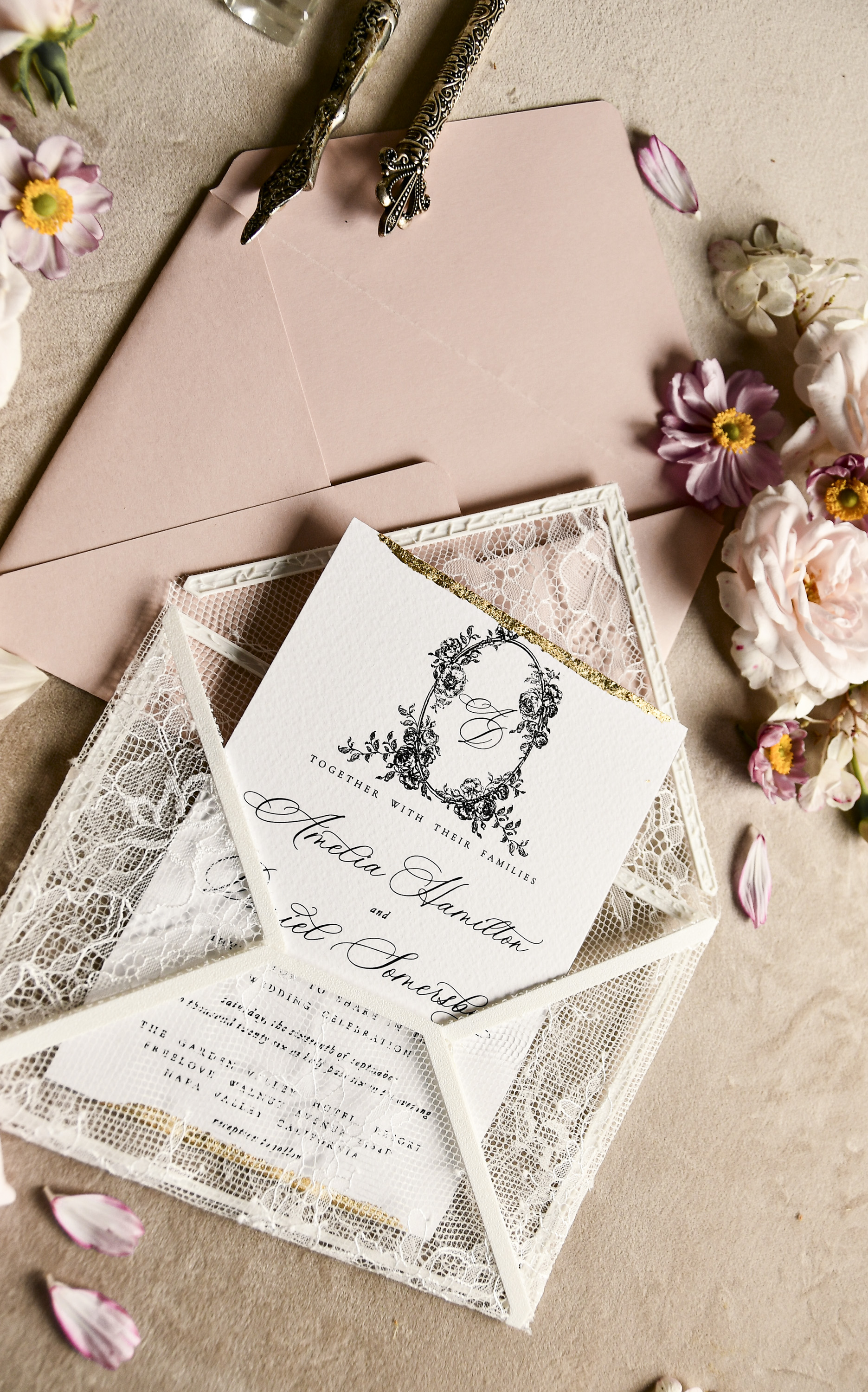
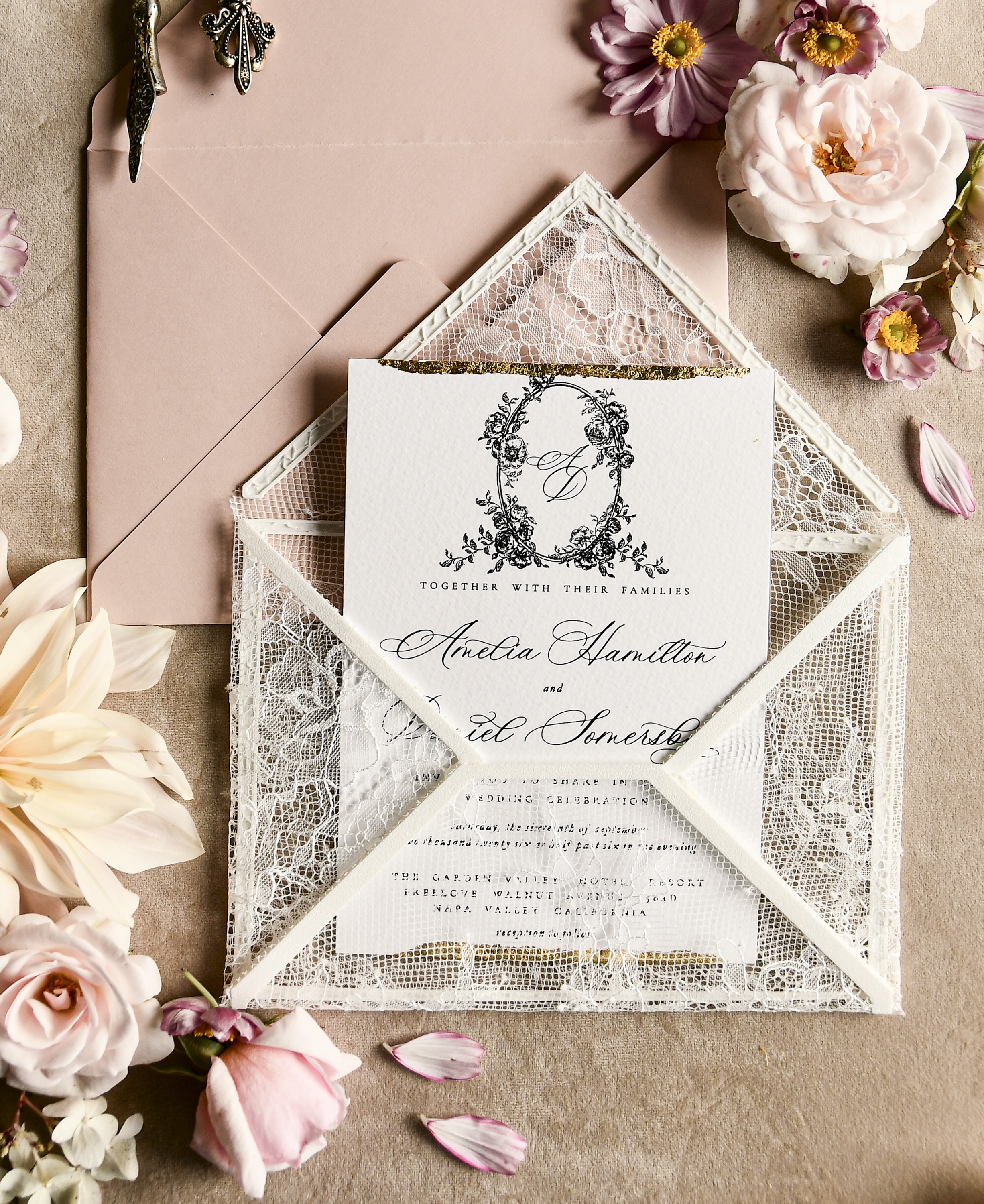
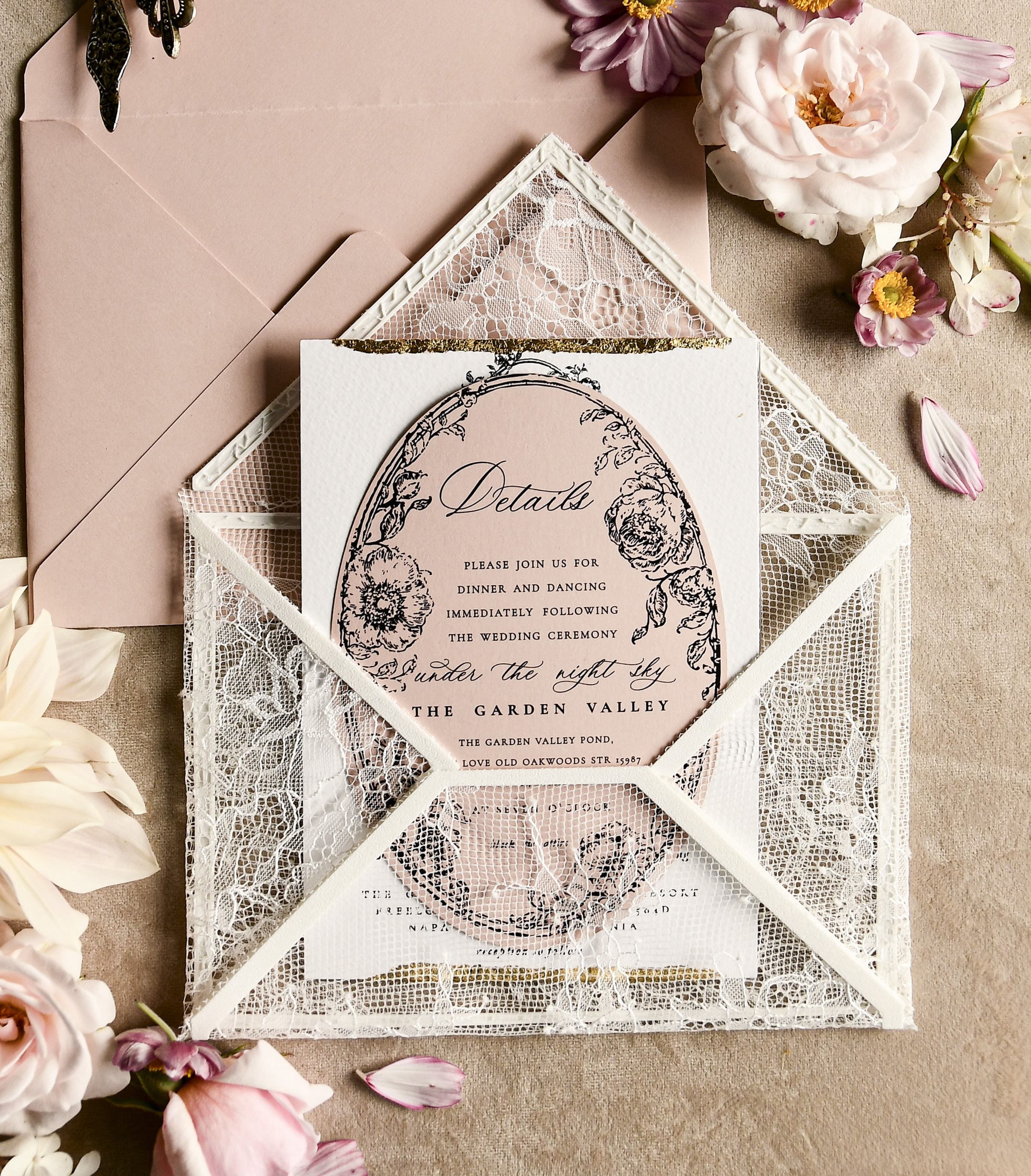
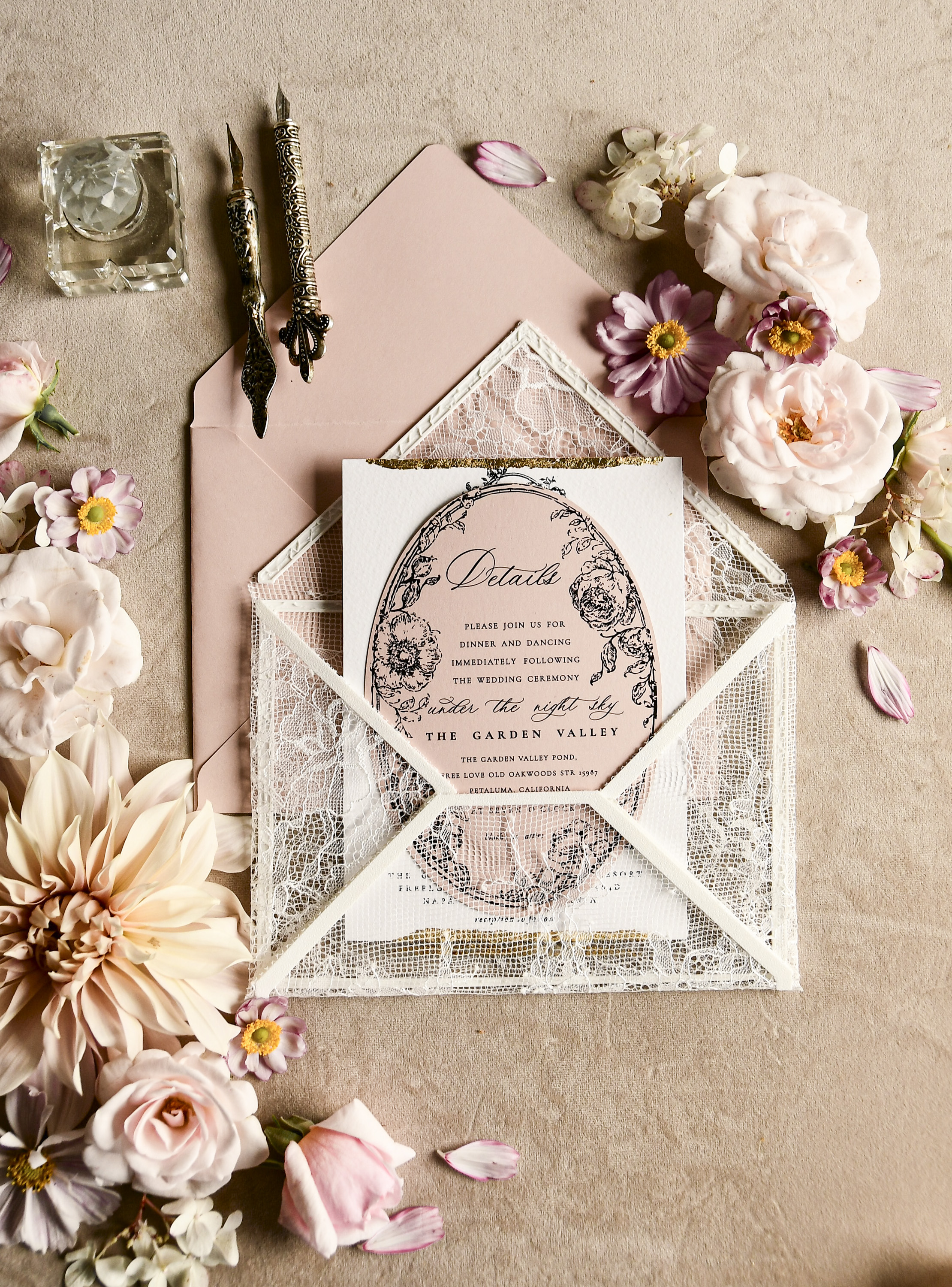
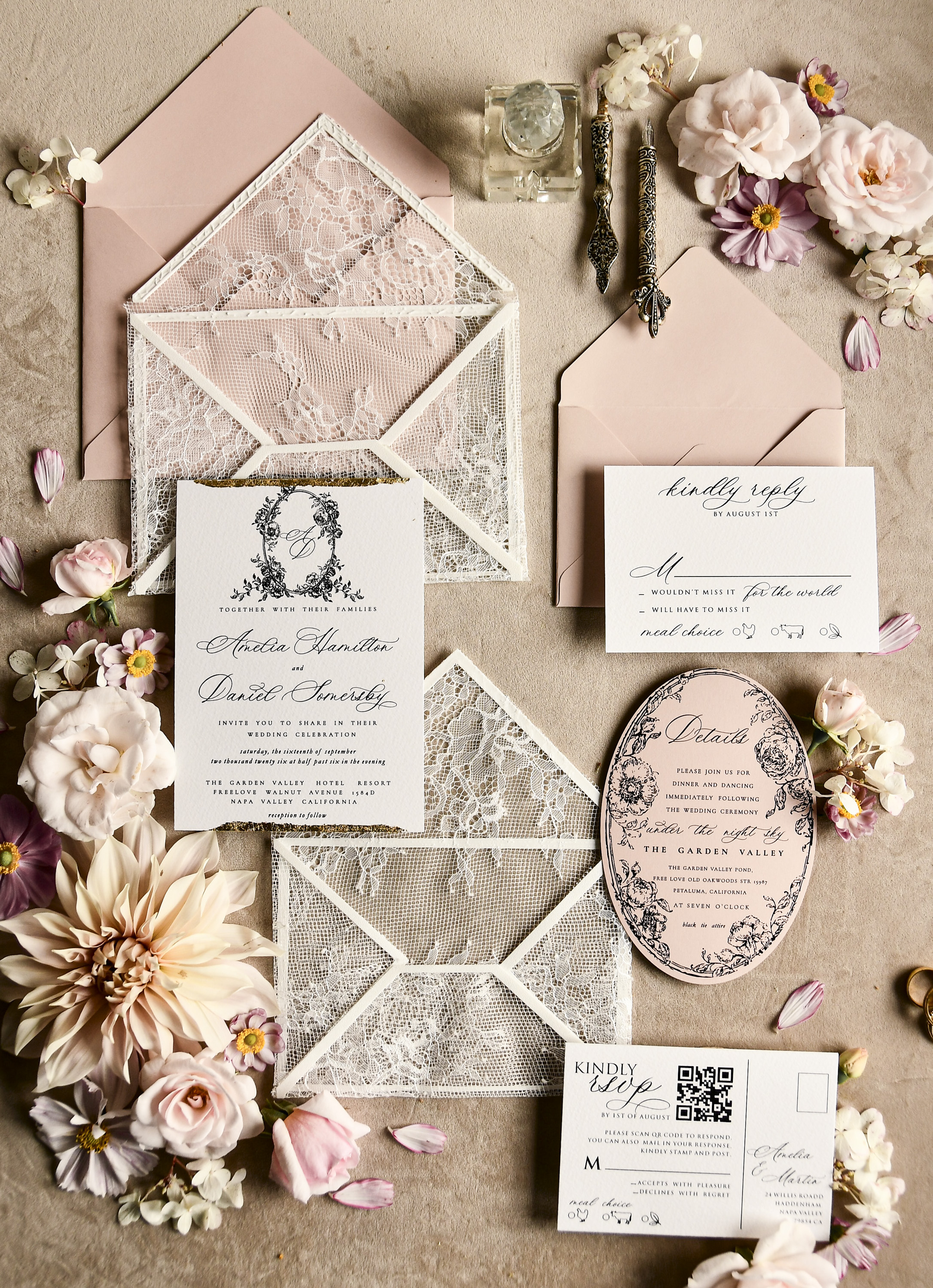
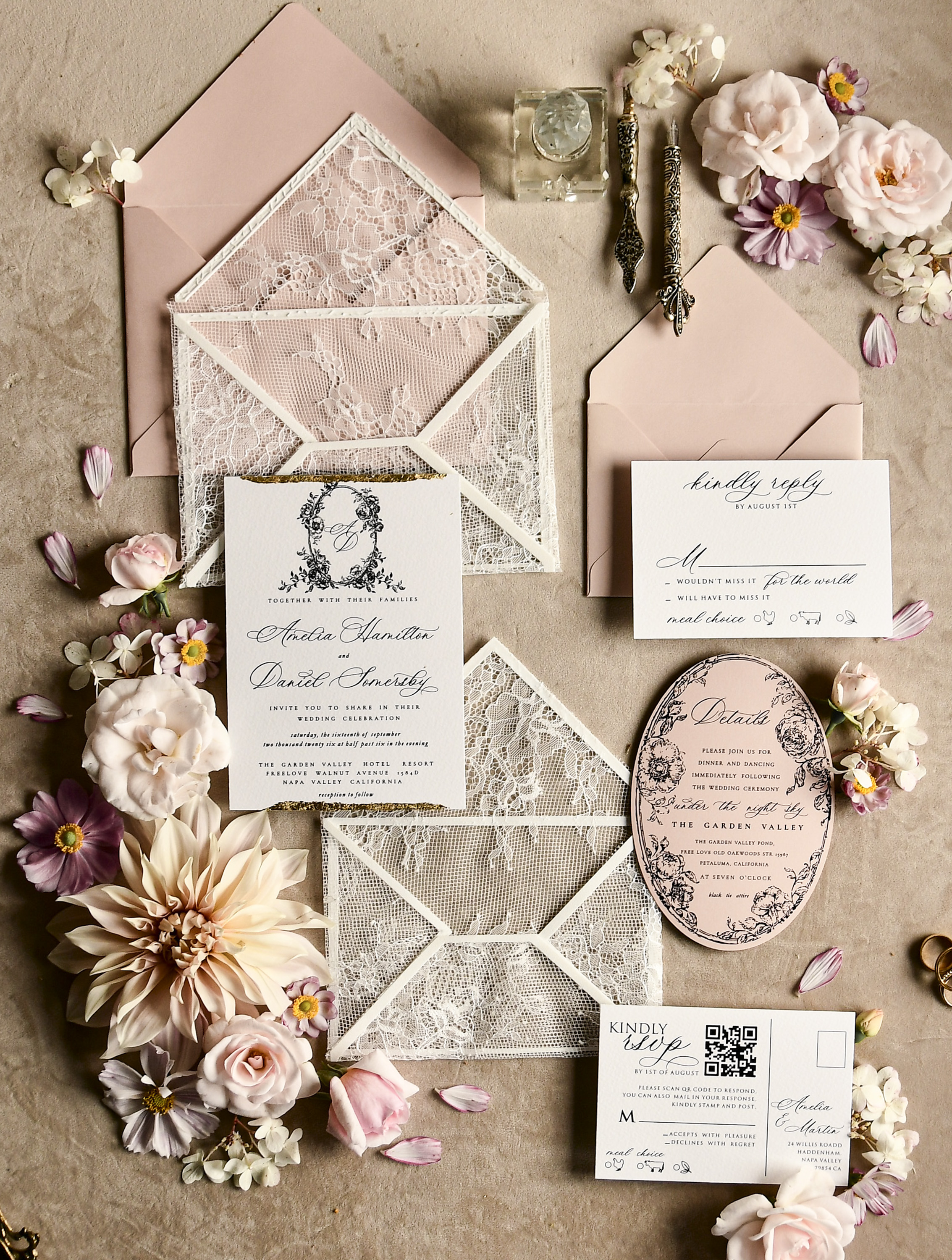
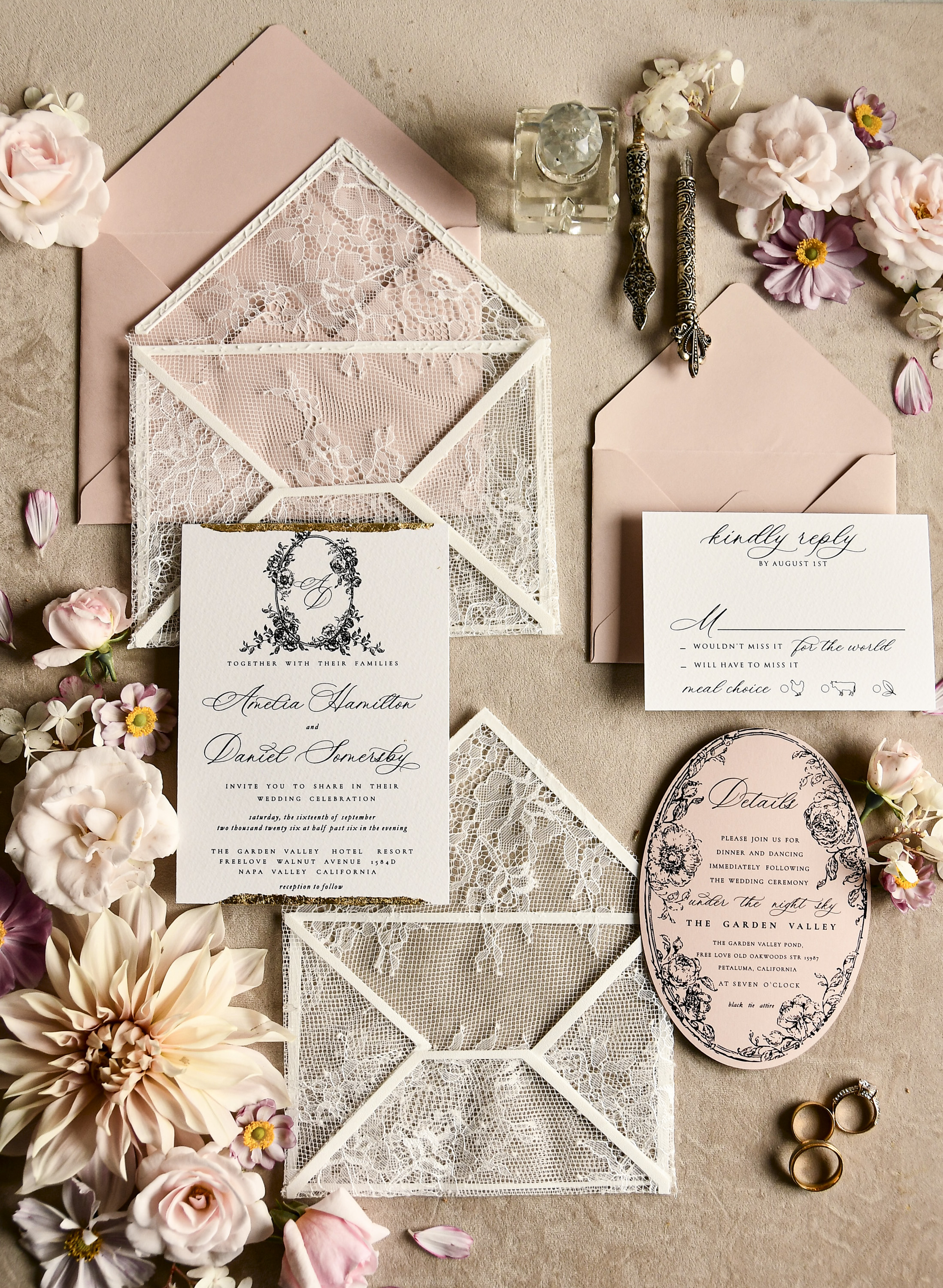
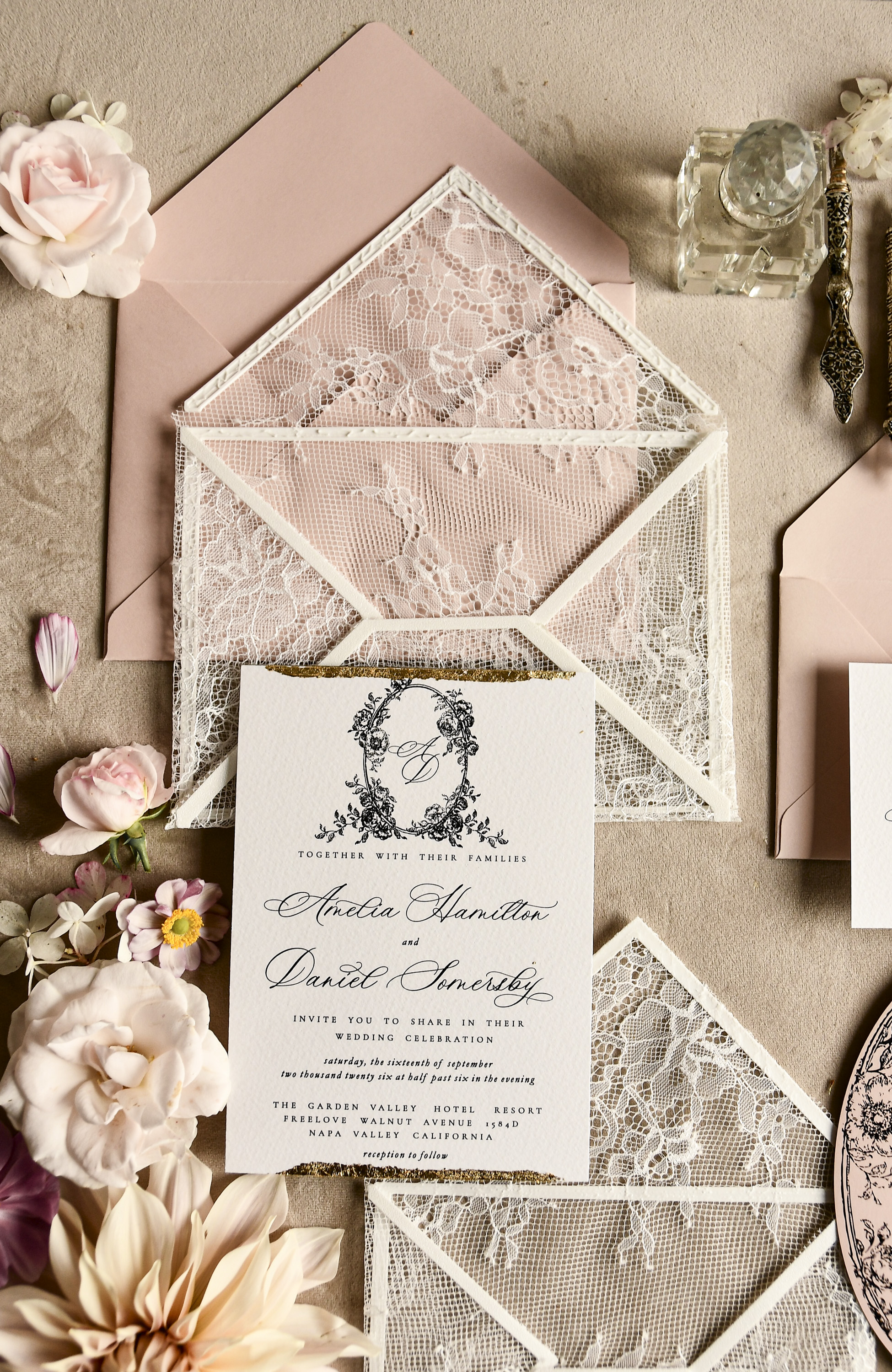
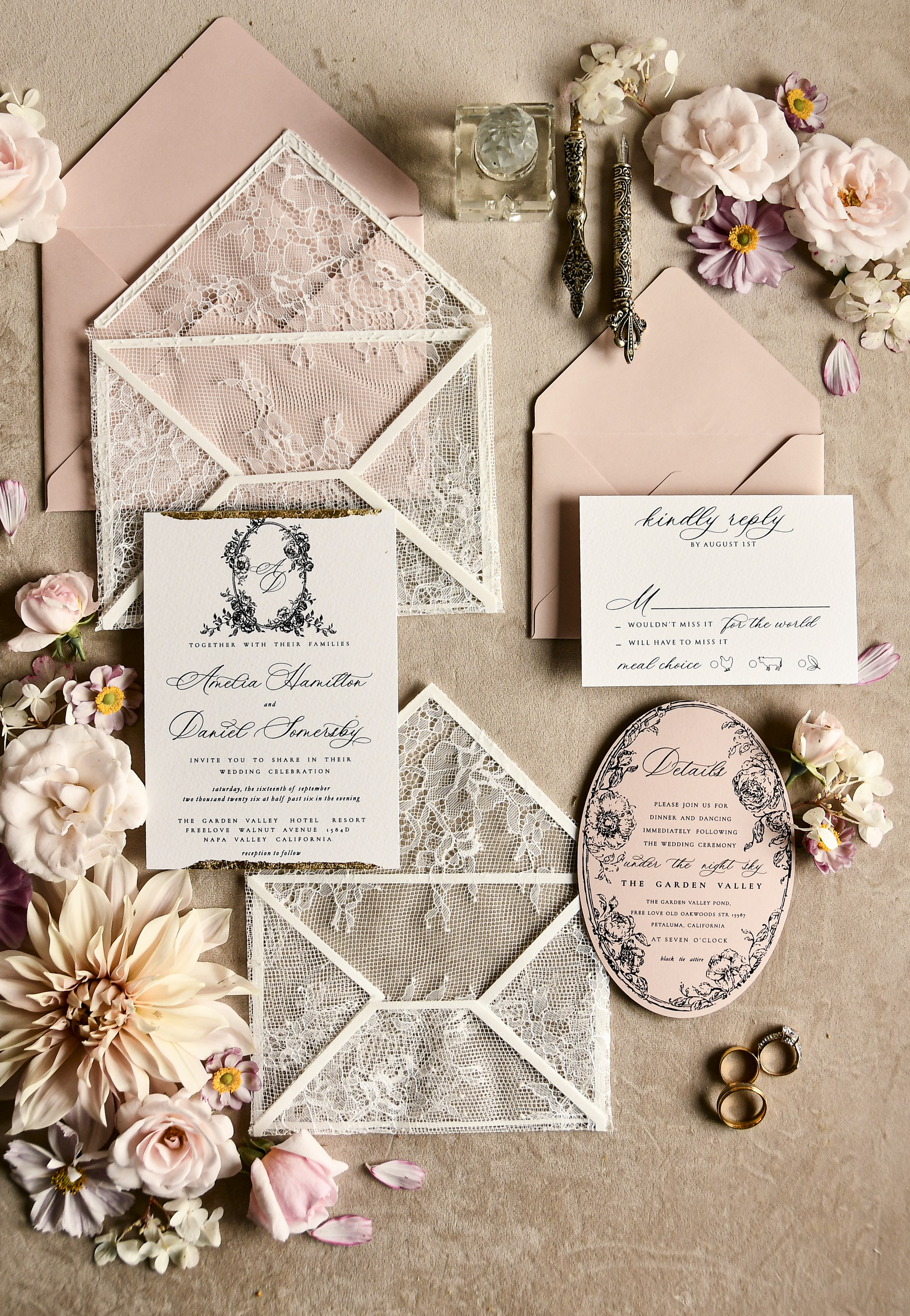
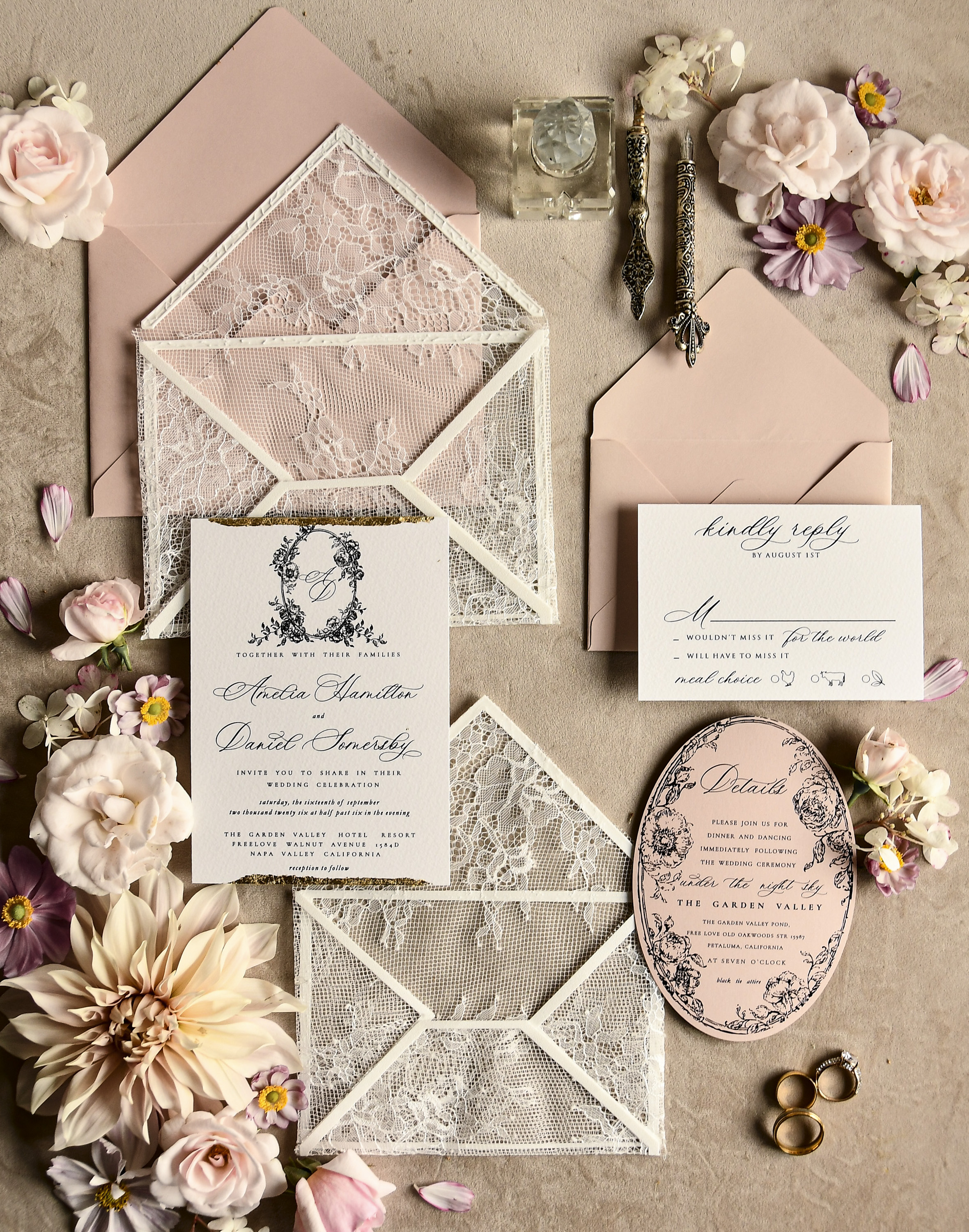
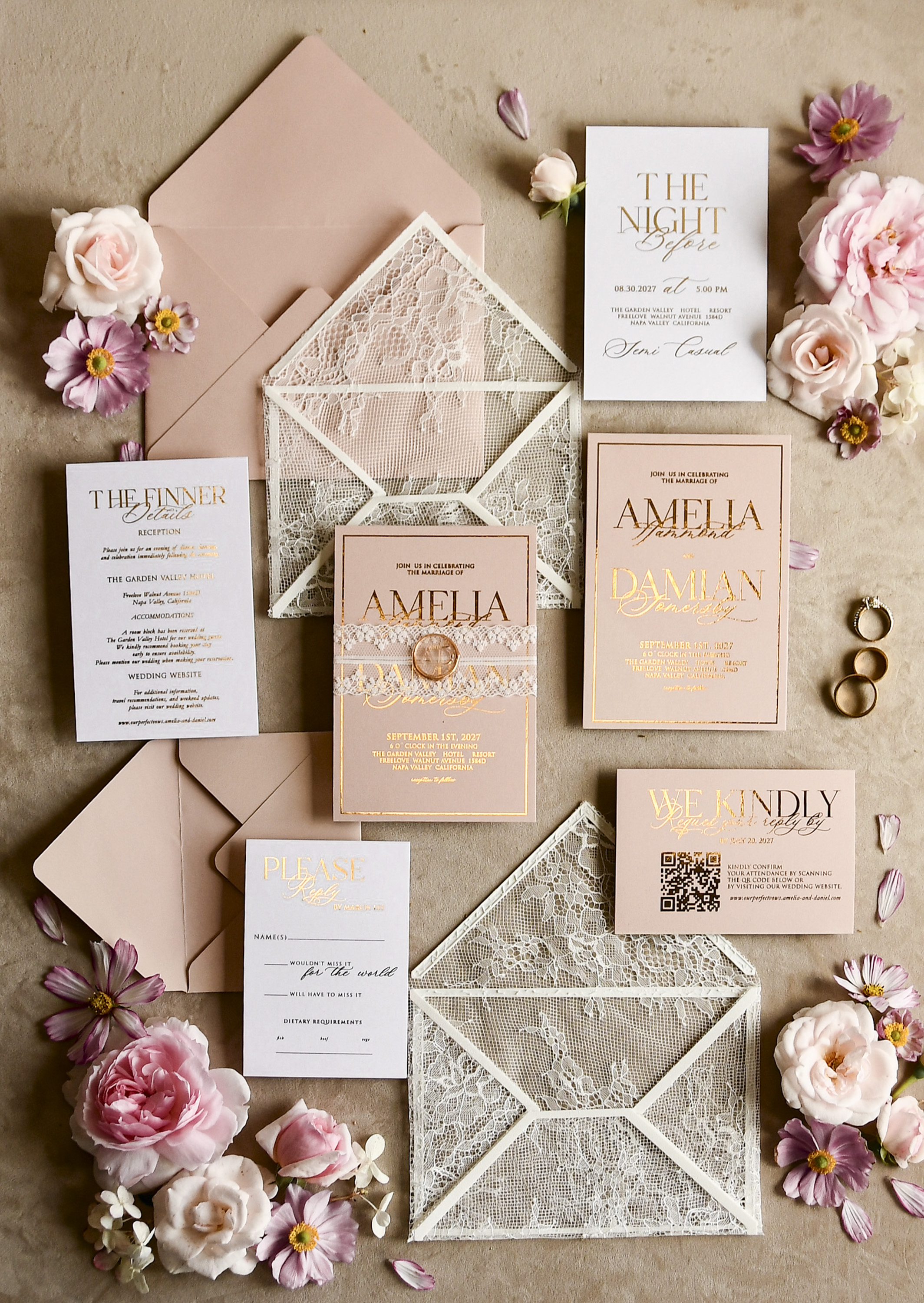
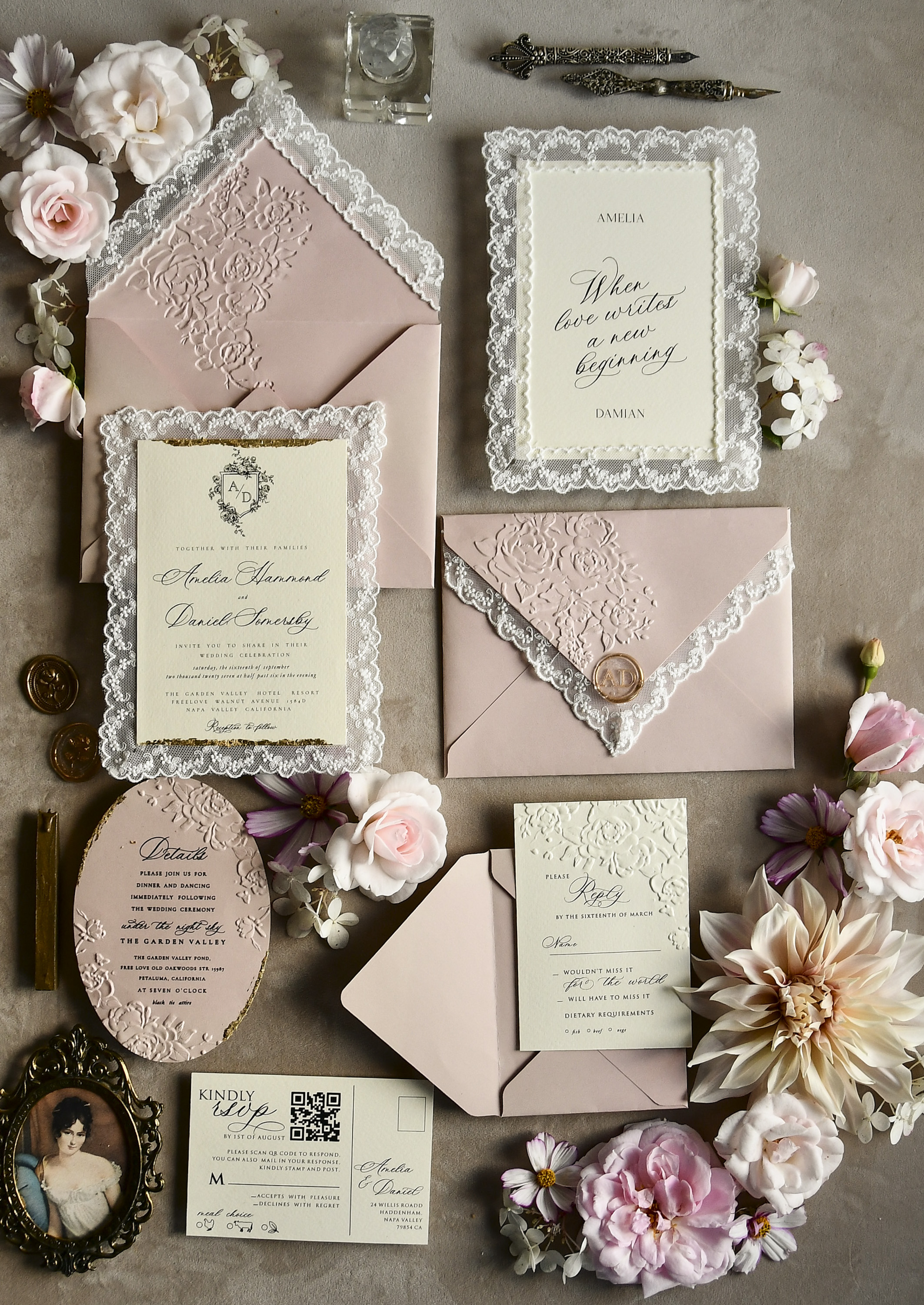
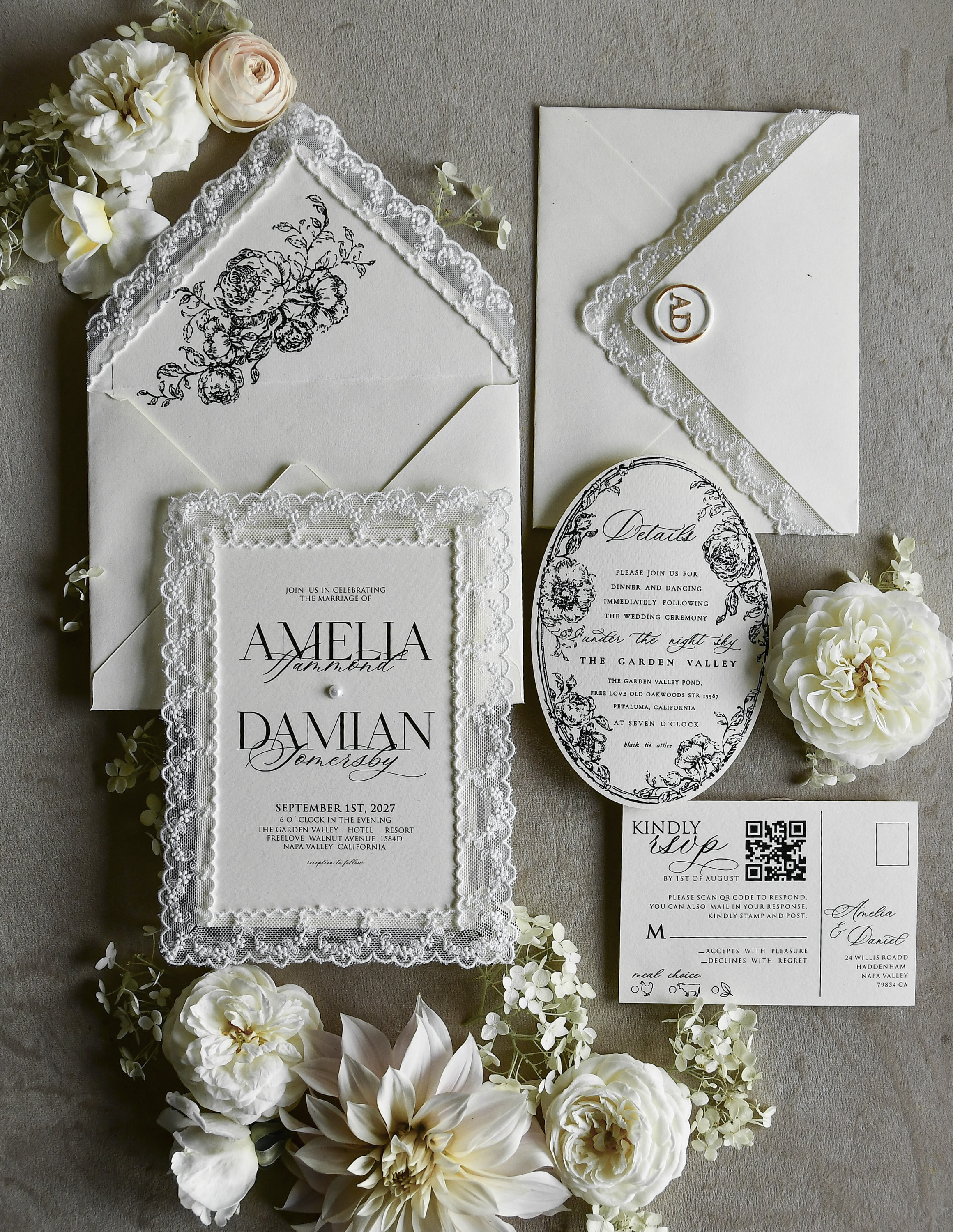
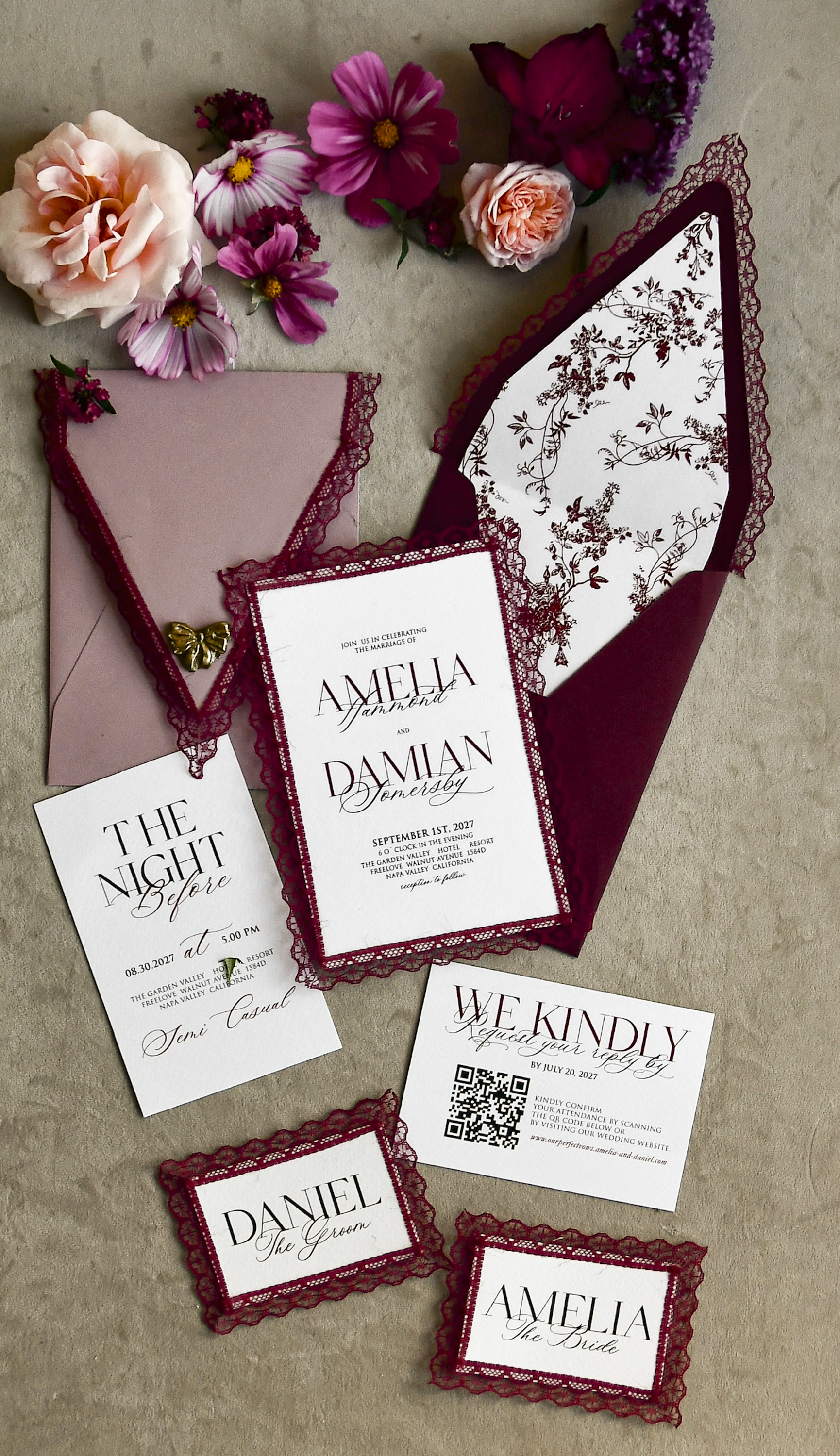
If you're drawn to a beautifully detailed suite — like our vintage and rustic lace wedding invitations in the 03/lacenvD/z collection, starting from $8.50 — give yourself extra time to appreciate the details and make sure every element is exactly right before you approve the proof.
The Save-the-Date vs. Invitation Timeline, Clarified
Many couples confuse save-the-dates with invitations, but they serve very different purposes. A save-the-date is an early heads-up; the formal invitation is the official request with all the details.
- Save-the-dates: Send 6 to 12 months before the wedding (lean toward 12 months for destination or holiday weddings)
- Formal invitations: Send 6 to 8 weeks before the wedding (3 to 4 months for destination or holiday weddings)
One important rule: only send a save-the-date to someone you are certain will receive a formal invitation. Once a save-the-date is in someone's hands, they are considered invited. If your guest list is still in flux, hold off until you have clarity.
Day-Of Stationery and What Comes After
Your invitation timeline doesn't end when the envelopes go out. Think through the full stationery journey:
- RSVP cards should be pre-addressed and stamped to make responding easy for guests
- Thank-you cards should be ordered before the wedding so you can start sending them within 2 to 3 weeks of returning from your honeymoon
- Day-of stationery (menus, programs, escort cards) is typically ordered 4 to 6 weeks before the wedding, once your headcount is confirmed
Keeping this full picture in mind — rather than treating the invitation as a one-and-done task — will make the entire planning process feel far more manageable. Our lace wedding invitation suites pair beautifully with matching day-of pieces, so your aesthetic stays cohesive from the first envelope to the last thank-you note.
Frequently Asked Questions
Four weeks is generally too short for most weddings, as it doesn't give guests adequate time to make travel arrangements or respond before your RSVP deadline. Six to eight weeks is the standard recommendation, and even more lead time is needed for destination or holiday weddings.
You can hand-deliver to very close family or friends, but keep in mind that receiving a mailed invitation feels more formal and special for most guests. If you do hand-deliver, make sure to do it around the same time you mail the others so no one feels like an afterthought.
Prioritize getting invitations out to your confirmed guests on time, and send a second wave to B-list guests as soon as regrets come in from the first round. Just make sure the second wave goes out no later than 4 weeks before the wedding so those guests still have reasonable notice.
Yes, absolutely — a save-the-date is not a substitute for a formal invitation. Every guest who received a save-the-date should also receive a formal invitation with all the event details, RSVP card, and any enclosures.
Take a fully assembled invitation to the post office first to have it weighed and stamped correctly before you stamp the entire batch — multi-piece suites often require extra postage. Drop off your complete batch at least 7 to 10 days before your target delivery date to account for postal processing time.
It's perfectly appropriate — and kind — to invite faraway friends or family even if you suspect they can't make it; people appreciate being included. Just be prepared for the possibility that they surprise you and say yes, and make sure your venue can accommodate a slightly larger headcount if needed.
See This Design Up Close
You May Also Like
More Wedding Planning Guides
- → Staying Sane When Family Tensions Rise Before Your Big Day
- → The Estranged Family Dilemma: Making Peace With Your Wedding Guest List
- → Missing RSVPs: The Exact Waiting Game You Should Play
- → Who's Really Getting Married? Managing Parent Friend Requests on Your Guest List
- → Handling Family Boycott Threats Over Your Wedding Guest List
- → The Teen Plus-One Dilemma: A Practical Guide for Couples
- → What To Do When Guests Leave You On RSVP Read
- → When an RSVP Changes at the Last Minute: A Calm, Practical Guide for Couples
- → Your Wedding, Your Choice: Deciding Whether to Include an Estranged Sibling
- → Is Skipping Kids on Your Wedding Guest List Ever Considered Rude?
- → Feuding Divorced Parents at Your Wedding: A Practical Peace Plan
- → Small Weddings, Big Meaning: Your Guide to Celebrating Intimately
- → Should You Skip Paper and Send Digital Wedding Invitations?
- → The Uninvited Guest Question: How to Respond Without Regret
- → Missing RSVPs: The Right Way to Follow Up With Silent Guests
- → The Smart Couple's Guide to Wedding Childcare and Kids' Entertainment
- → Uninvited Plus-Ones and Tag-Alongs: How to Keep Your Guest List Intact
- → When Family Feuds Threaten Your Wedding Plans: A Practical Peacekeeper's Guide
- → Inviting an Estranged Brother or Sister: Finding Clarity Before You Seal the Envelope
- → Cousins, Invites, and Hard Choices: A Practical Guest List Guide