
Handling Family Boycott Threats Over Your Wedding Guest List
You're deep in wedding planning mode — choosing invitations, finalizing your venue, dreaming about your first dance — and then it happens. A relative pulls you aside (or sends a loaded text) with some version of: "If you invite them, I'm not coming." It's one of the most stressful things engaged couples face, and it can make even the most joyful planning season feel like a family negotiation. Here's how to handle it without letting one person's ultimatum hijack your entire wedding.
Understand What's Really Being Said
Before you react, take a breath and recognize what an ultimatum like this actually is: a bid for control dressed up as a personal boundary. There's a difference between a relative saying "I'm not comfortable being in the same room as this person because of what happened" (a genuine concern worth hearing) and "Choose them or me" (a power play). Most of the time, it's somewhere in between.
Start by listening. Ask the relative to explain their concerns calmly and privately. Sometimes there's a real history — a painful falling-out, a safety issue, or unresolved grief — that deserves acknowledgment even if it doesn't change your decision. Other times, the objection is rooted in old family politics that have nothing to do with you. Understanding which situation you're in will shape how you respond.
Hold the Line on Your Guest List (Kindly but Firmly)
Here is the hard truth: your wedding guest list is yours. Full stop. Unless there is a genuine safety concern — and if there is, that's a conversation for another level entirely — no relative has the right to dictate who else you invite. Giving in to one ultimatum almost always opens the door to more.
When you respond, be warm but clear. Something like: "We love you and we really want you there. We've made our guest list thoughtfully, and we're not able to ask anyone to stay away. We hope you'll choose to be with us on our wedding day." You don't need to justify, defend, or over-explain. Say it once, say it kindly, and hold the line. Avoid lengthy back-and-forth debates — they rarely change minds and almost always increase tension.
It also helps to loop in a trusted partner or parent who can present a united front. If both families know you and your partner are aligned, there's less room for one relative to play sides.
Plan Practically for Any Outcome
Once you've communicated your position, plan your wedding as if both parties will attend — because they very well might. People who issue ultimatums often show up anyway once they realize the decision is final. Seat them thoughtfully: assign tables on opposite ends of the reception space, stagger ceremony arrival times if needed, and brief your wedding coordinator or a trusted family member to help manage any awkward moments on the day.
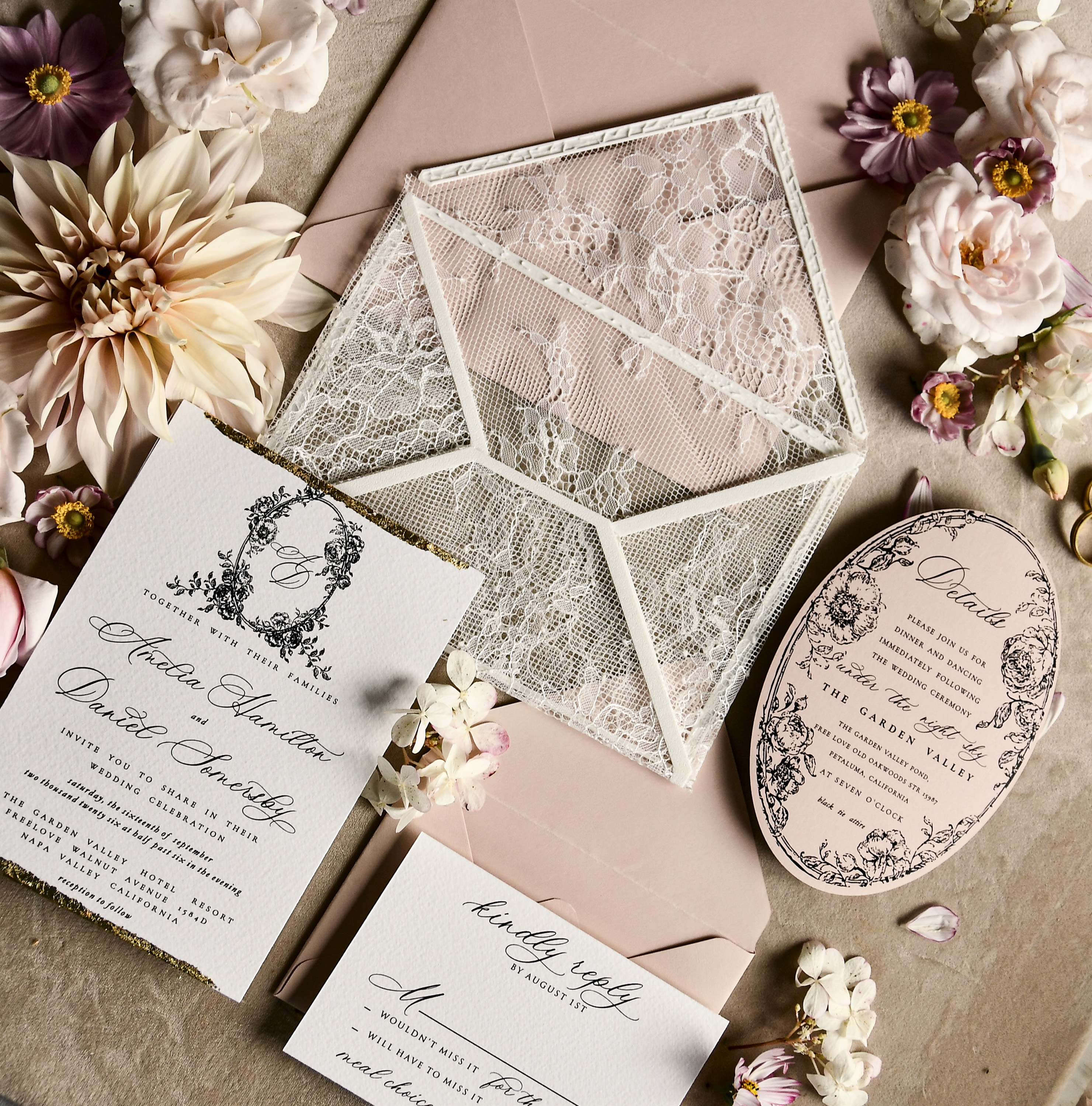
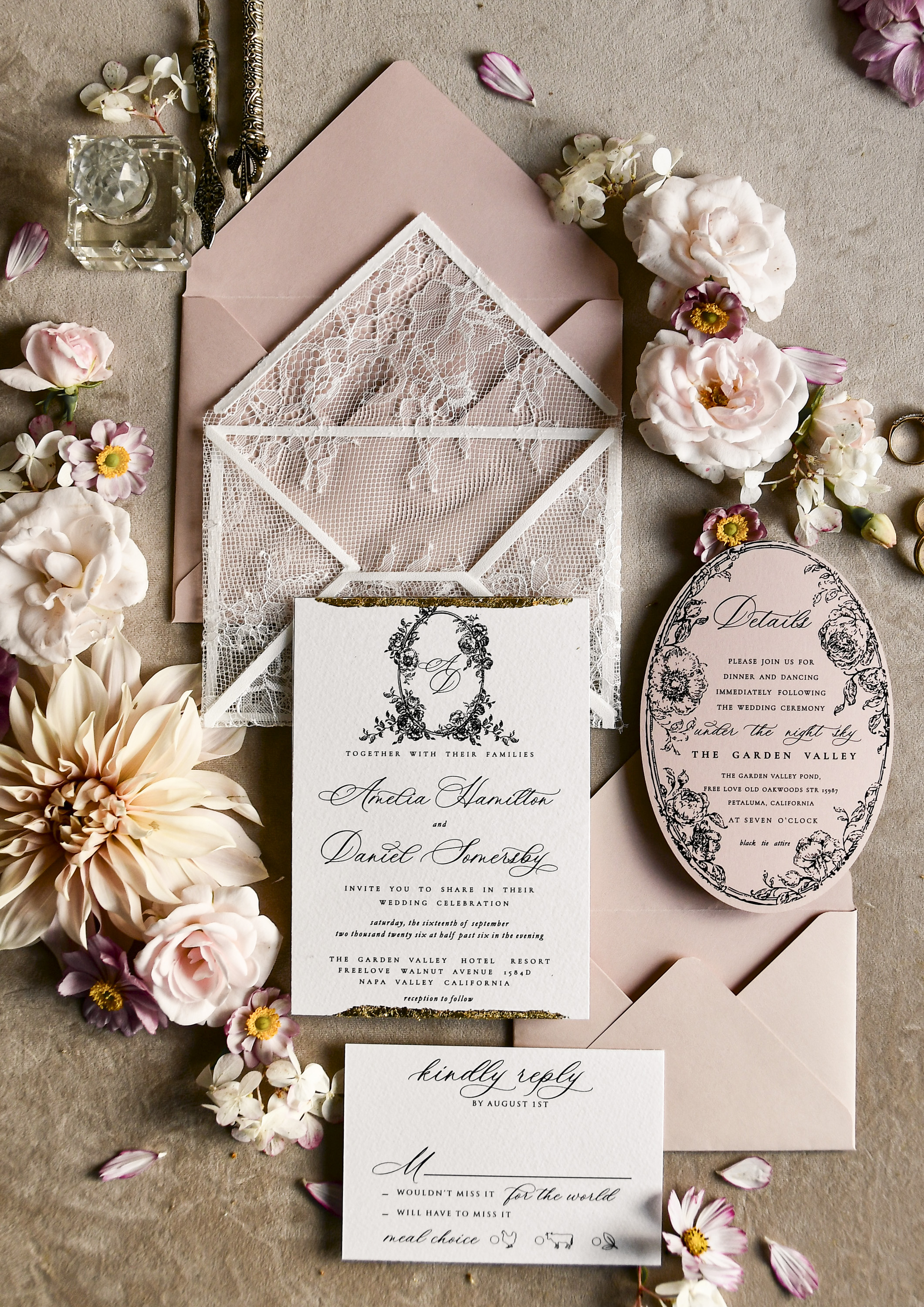
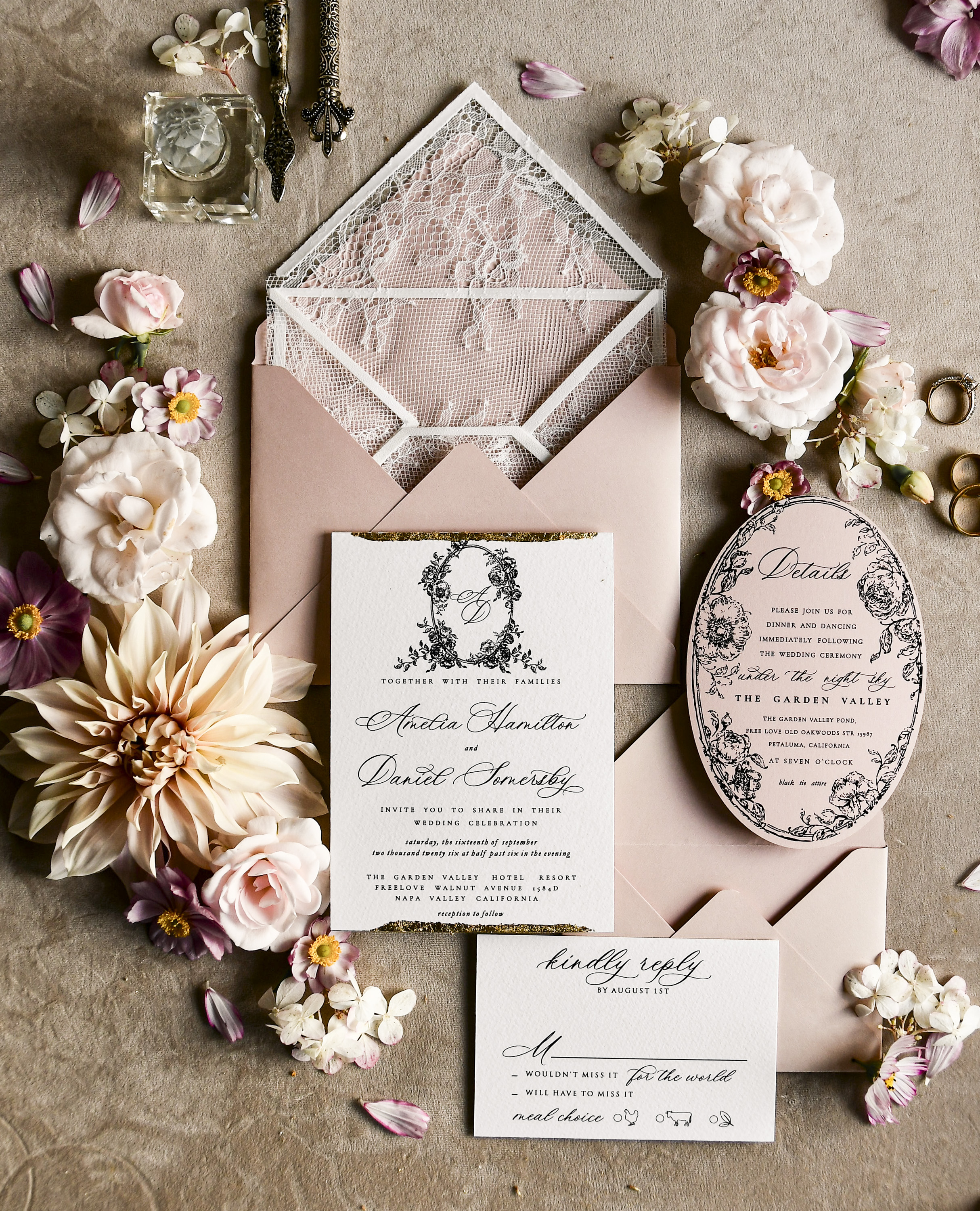
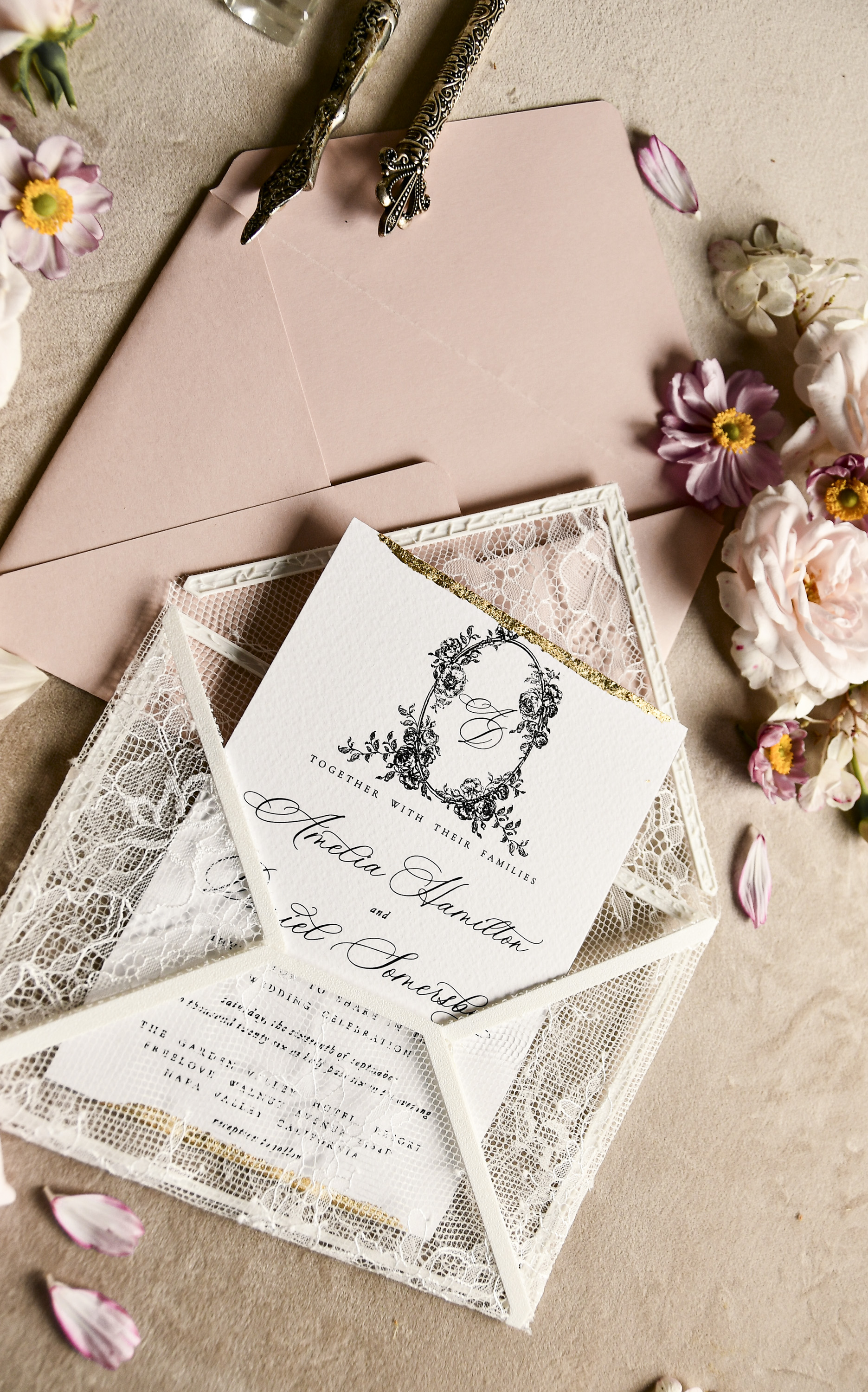
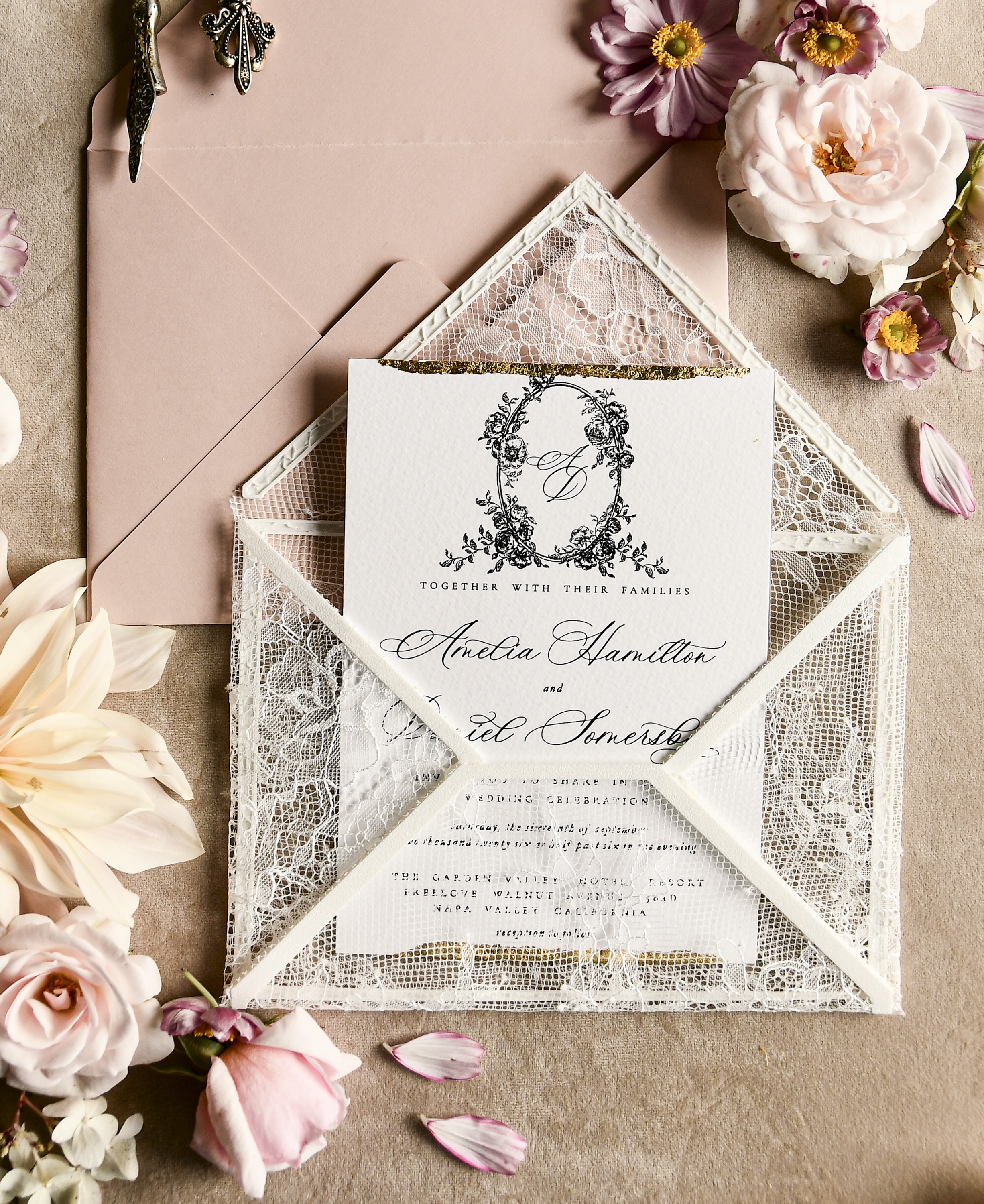
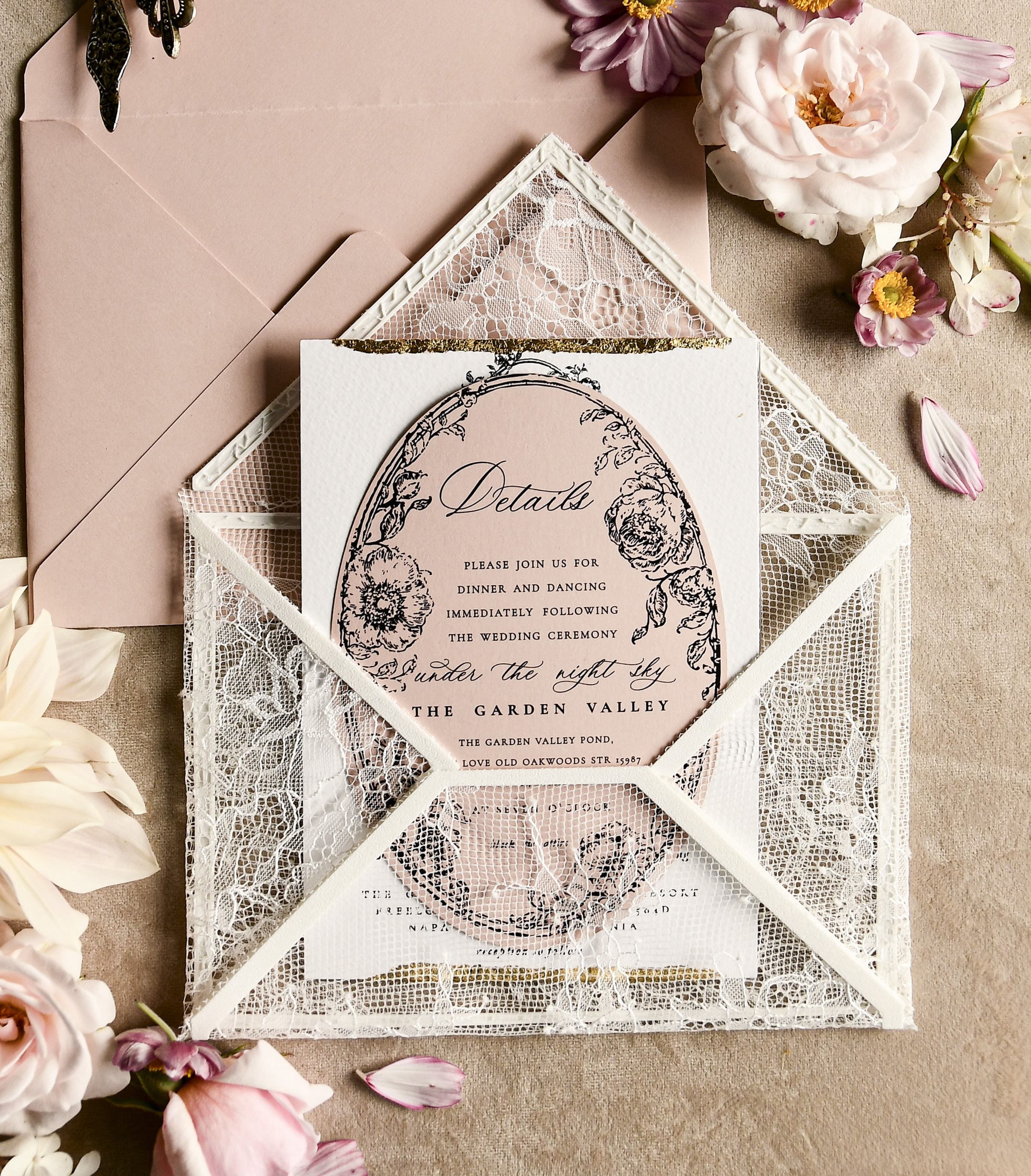
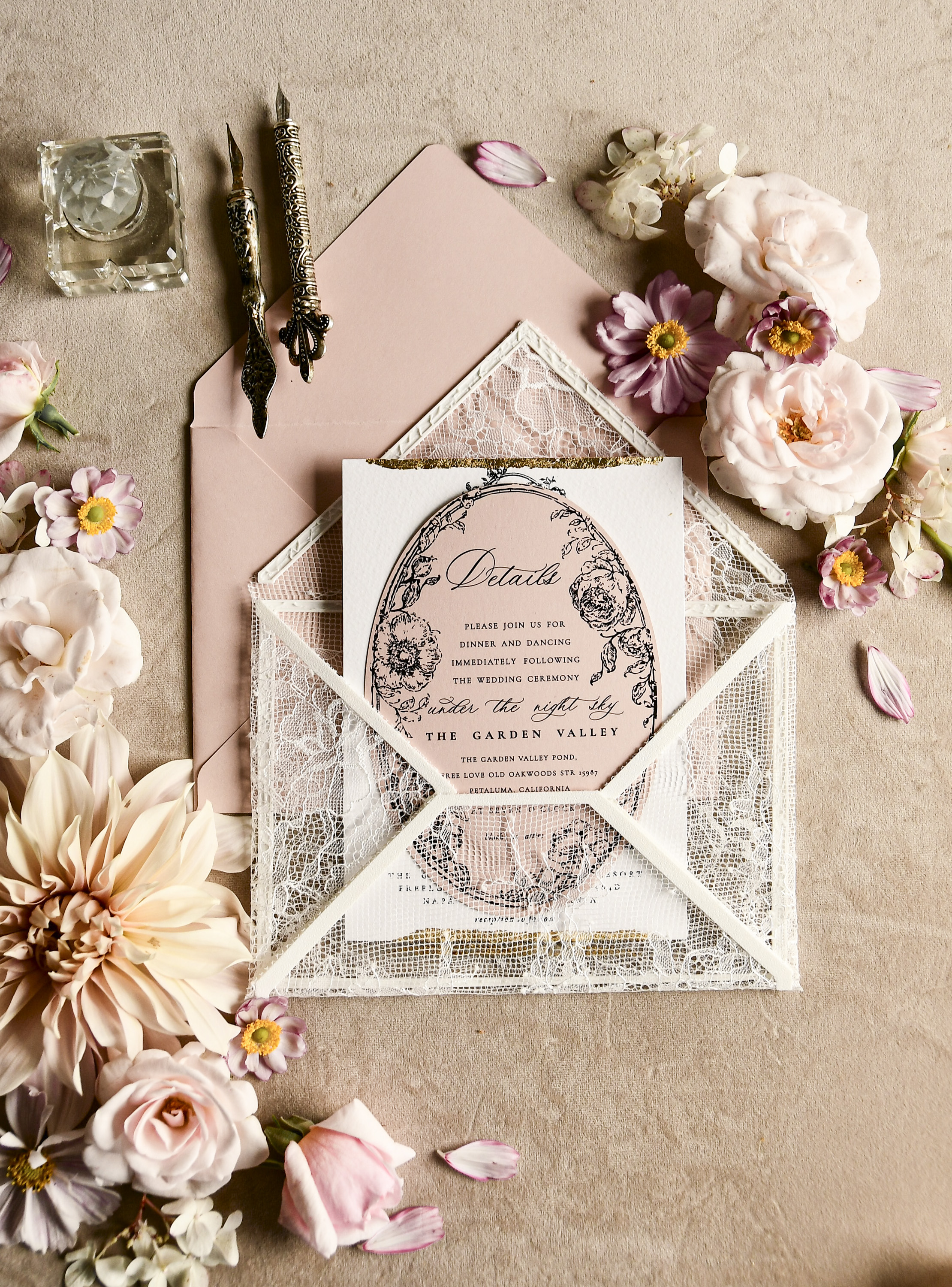
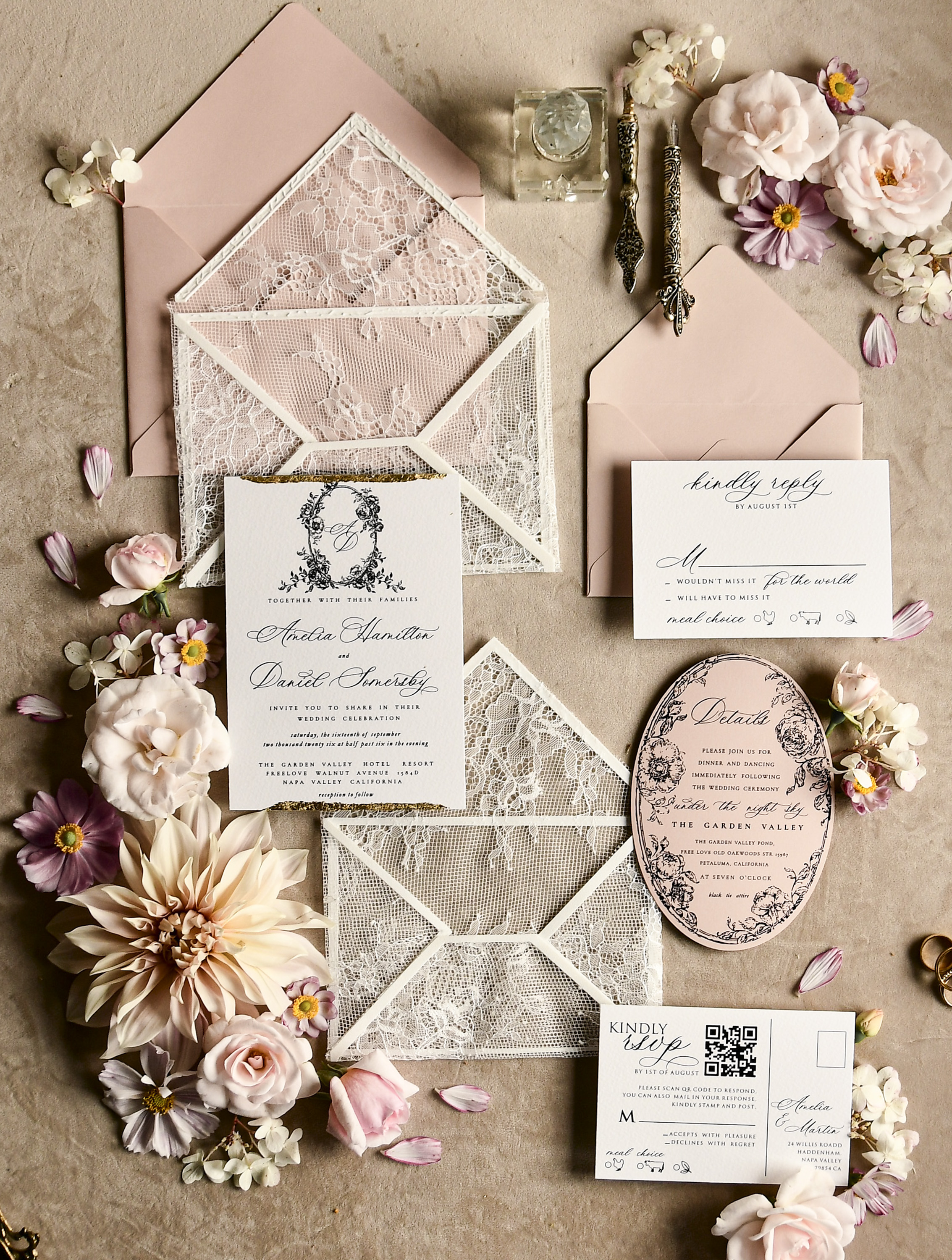
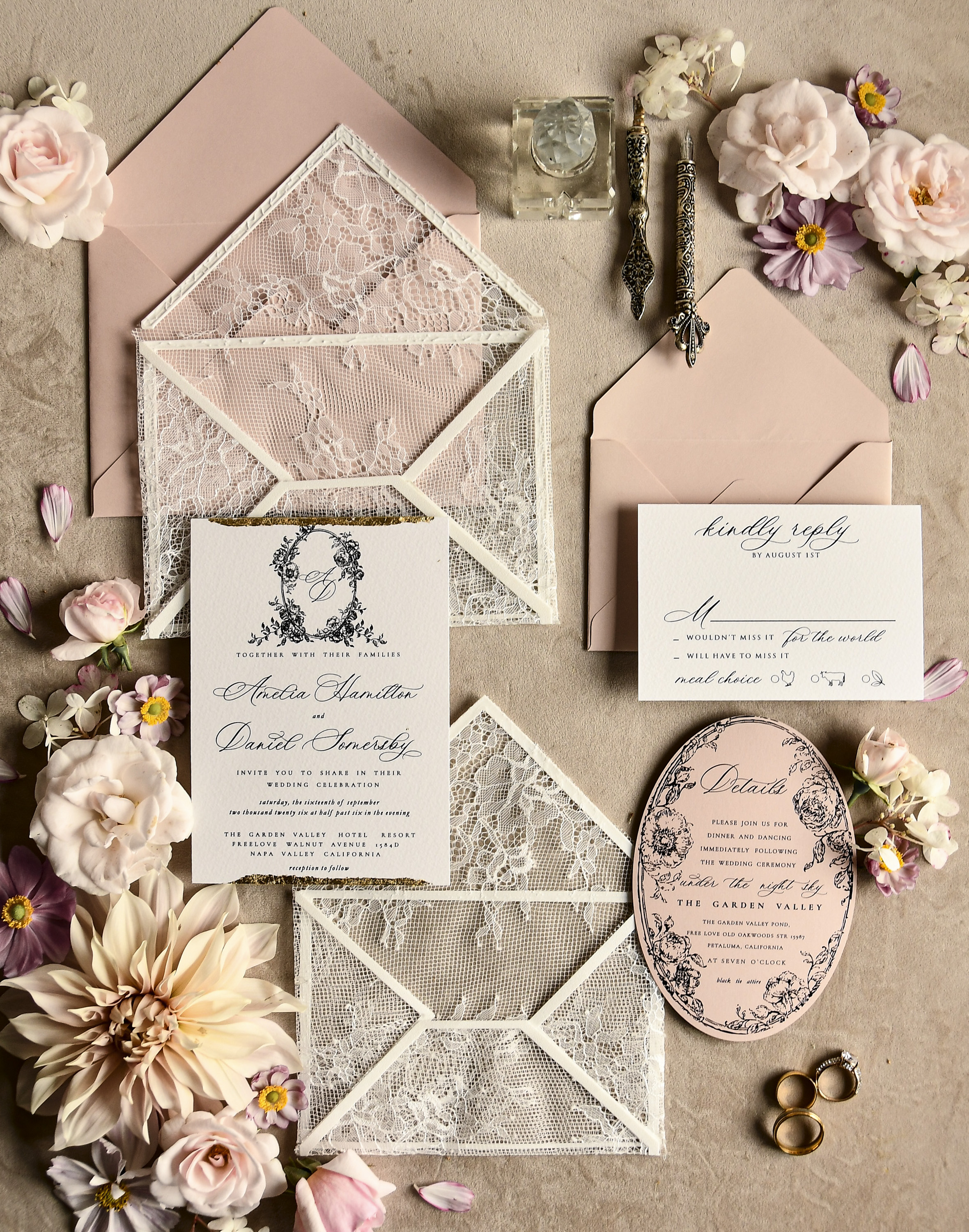
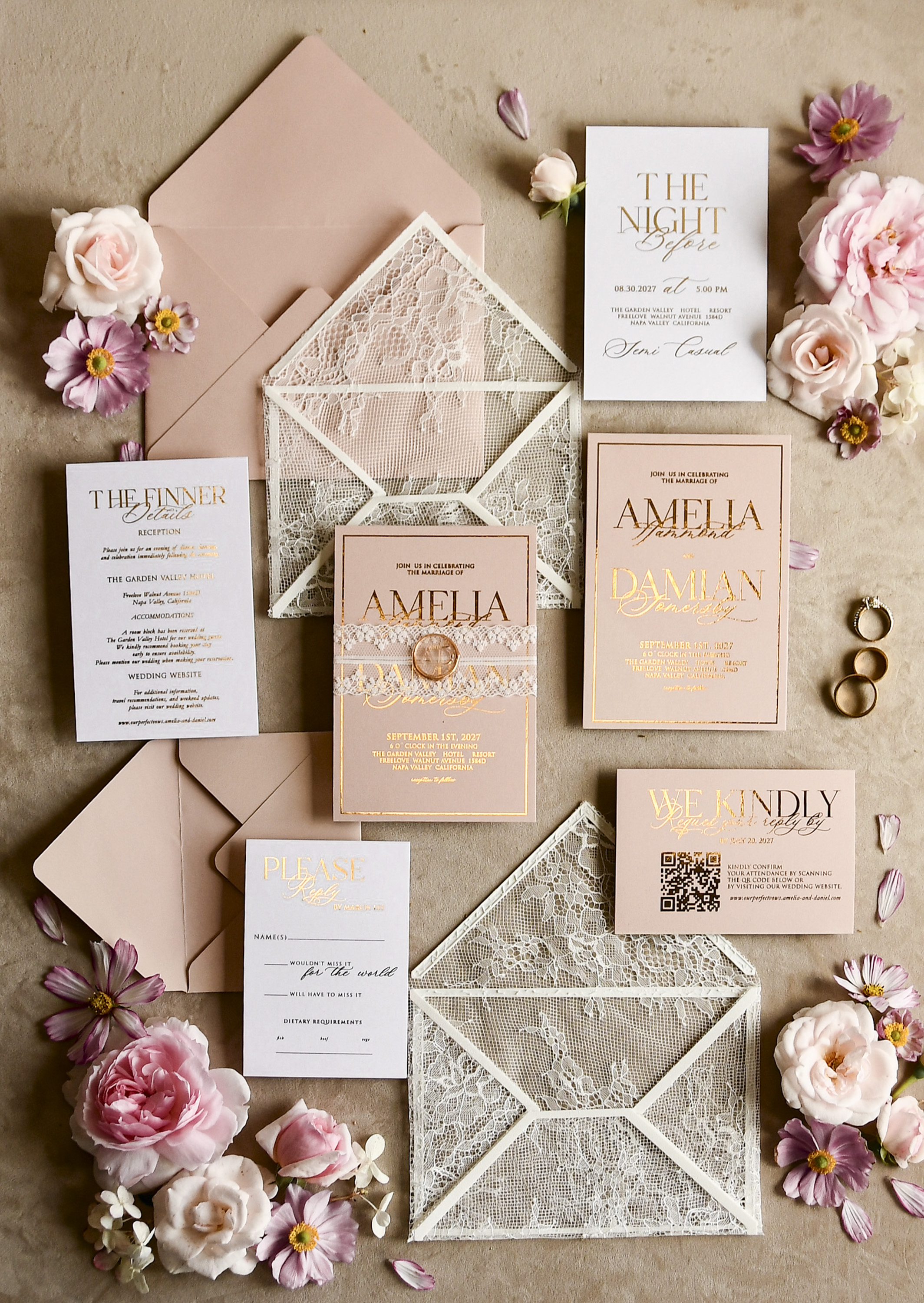
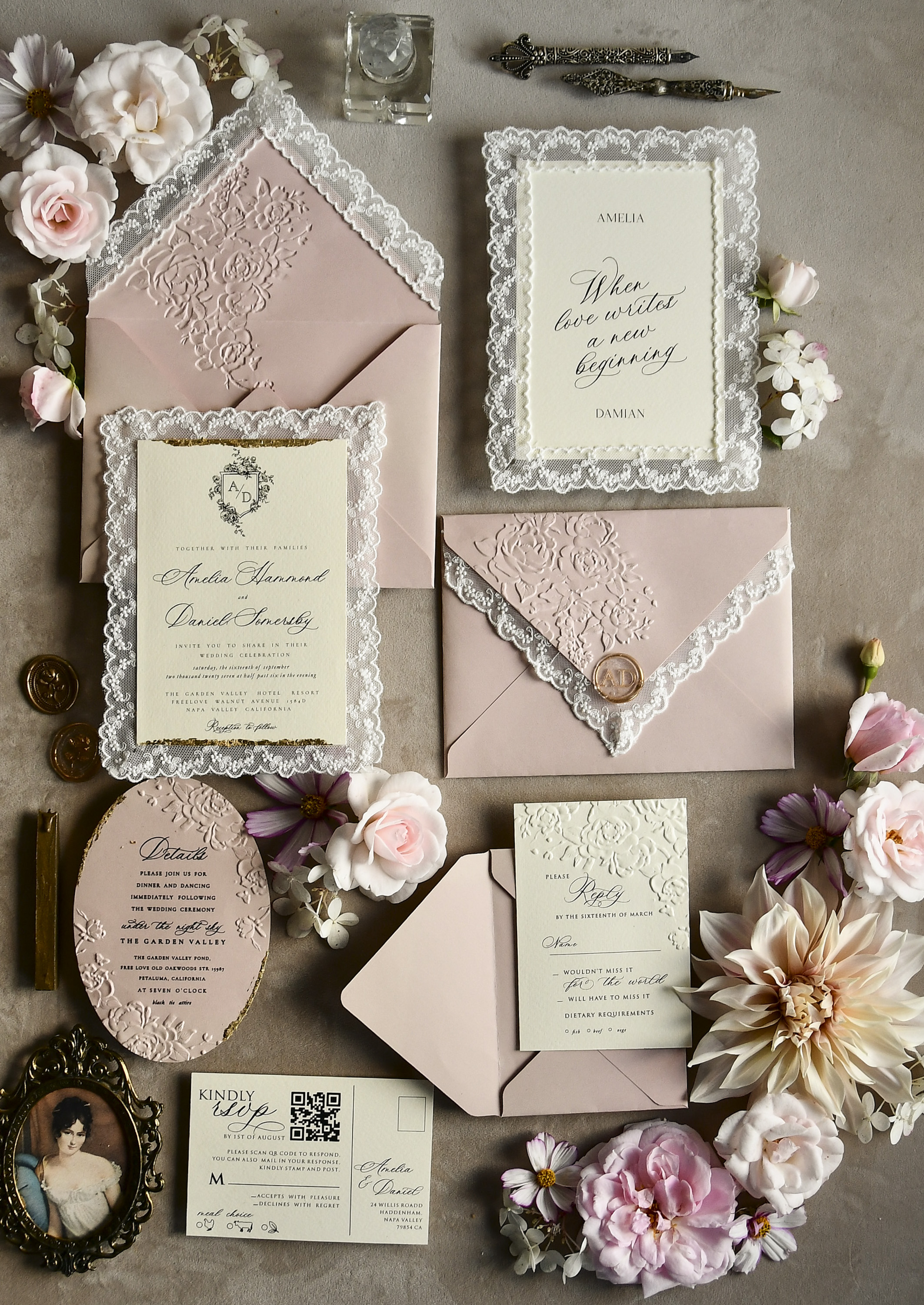
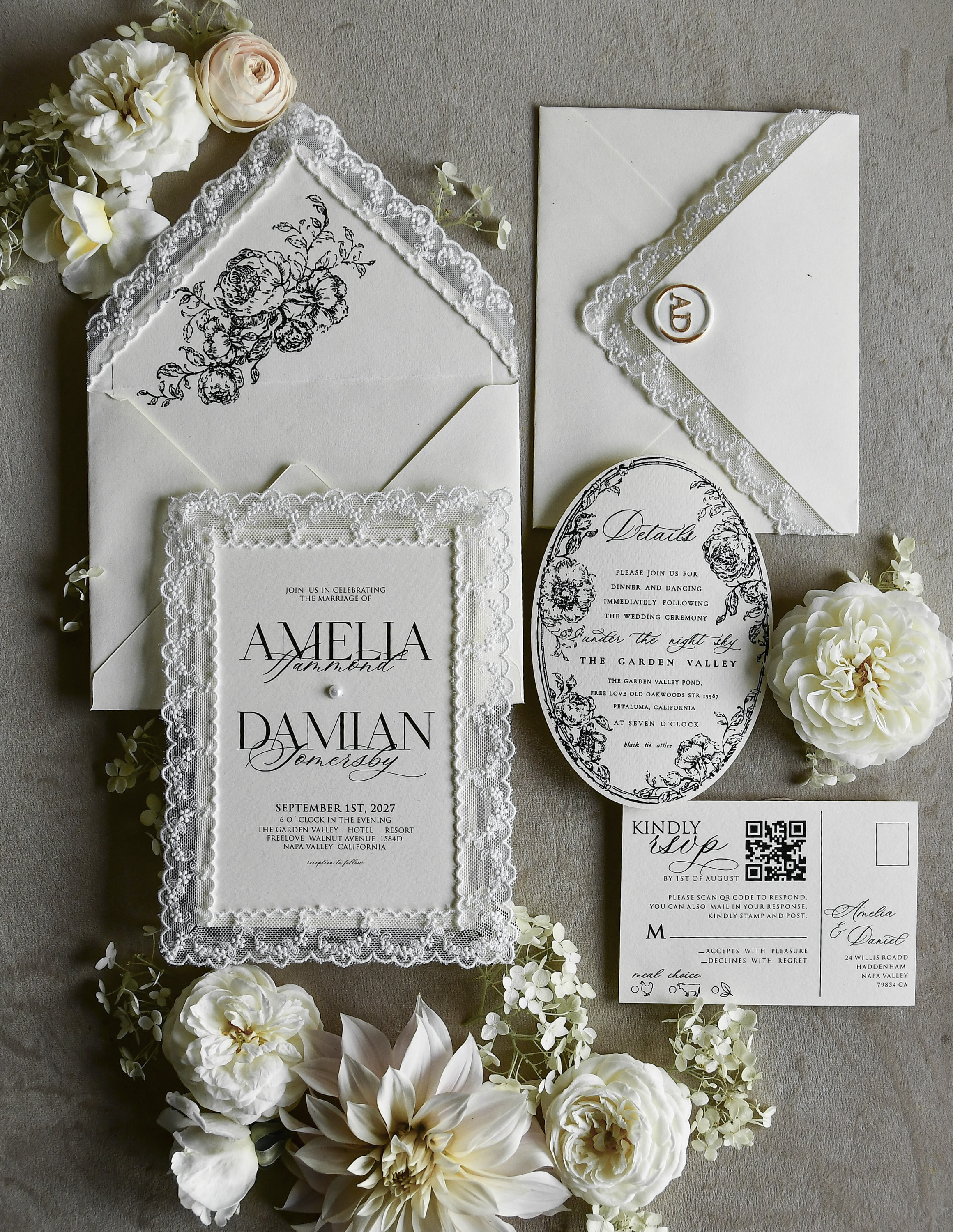
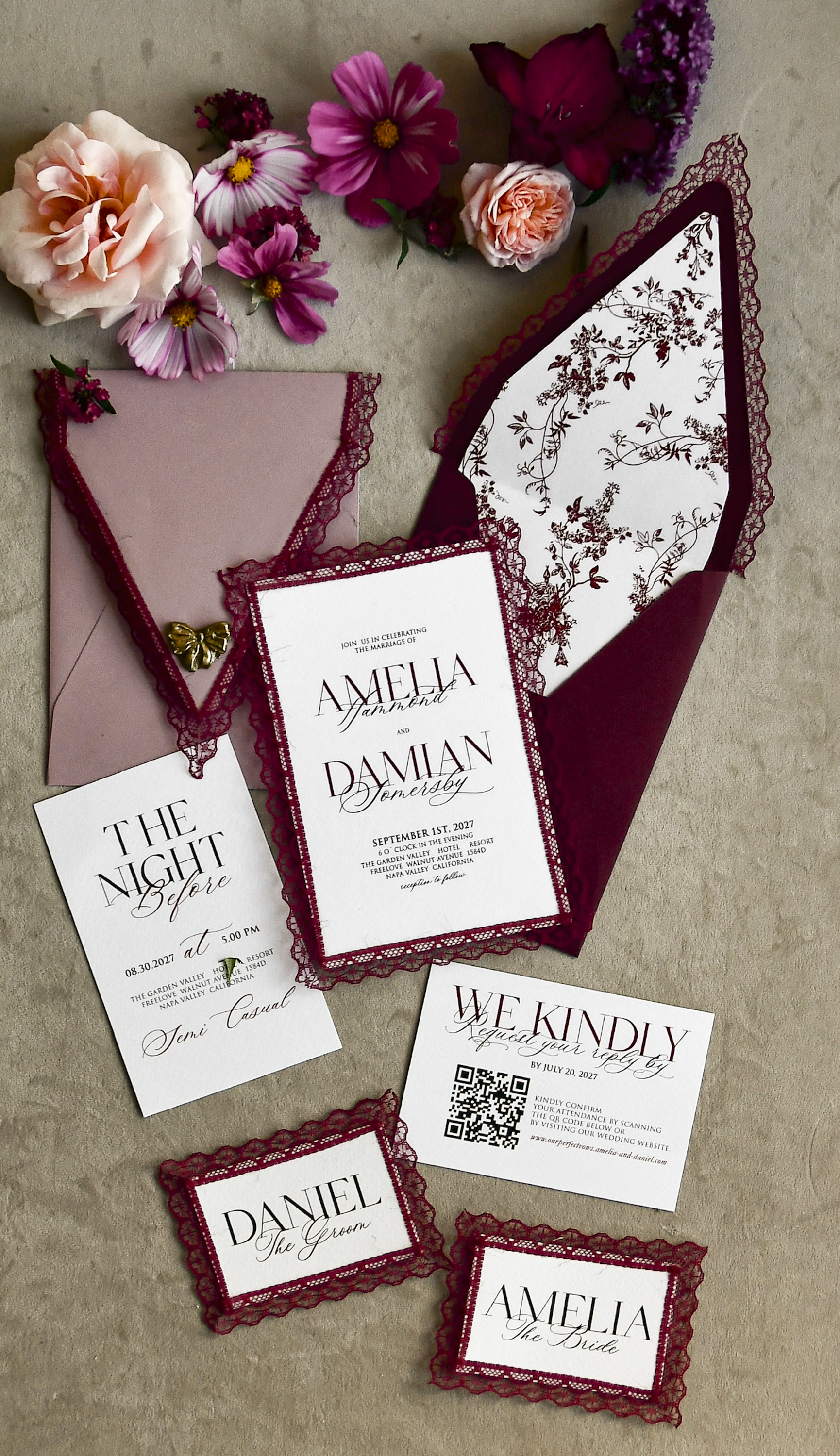
If you're sending beautiful vintage lace wedding invitations — like those from our 03/lacenvD/z collection — send them to everyone on your list without exception. Withholding an invitation "just in case" only signals that the ultimatum is working. Everyone invited deserves the same gracious, formal invitation.
Do have a quiet backup plan in case things escalate at the event itself. Know which family member you'd ask to step in, and let your venue coordinator know there may be a sensitivity so they can keep an eye out.
Protect Your Emotional Energy During Planning
Family drama around weddings is exhausting precisely because it's personal. Set a limit on how much time and mental energy you spend on this situation. Have the one calm conversation, communicate your decision, and then redirect your focus back to the parts of planning you love.
Lean on your partner — this is exactly the kind of thing you should be navigating together. Consider talking to a therapist or counselor if the conflict is particularly intense or tied to longer family wounds. And remember: how a relative behaves in the lead-up to your wedding tells you something important about the relationship going forward, separate from the wedding itself.
Most couples who've been through this say the same thing afterward: the relative usually came, the day was beautiful, and the drama that felt enormous beforehand barely registered on the actual wedding day.
Frequently Asked Questions
Generally, no — that's not your job, especially in the middle of wedding planning. You can acknowledge both people's feelings, but trying to broker a peace deal between them puts you in an impossible position. Stay in your lane: you're planning a wedding, not a family therapy session.
The stakes feel higher, but the principle is the same — your guest list is your decision. Have an honest, private conversation about how important their presence is to you, and make clear that the other guest will be there. If they're in the wedding party, give them time to decide whether they can still fulfill that role graciously.
Only in very specific circumstances — for example, if the person being objected to poses a genuine safety risk or there is a legal reason they shouldn't attend. Social discomfort or old grudges are not sufficient reasons to remove someone from your guest list. Doing so sets a precedent that ultimatums work.
Place them at tables as far apart as possible — ideally near different exits or on opposite sides of the room. Brief one trusted person, like a coordinator or a sibling, to gently intervene if things get tense. Most adults manage to coexist for a few hours when they have to.
It will sting, and it's okay to grieve that. But you will still have a beautiful wedding surrounded by people who chose to show up for you. Send a kind note afterward leaving the door open for the relationship — you don't have to end things permanently over one bad decision on their part.
Usually not — it's not their burden to carry into your celebration. The exception is if they might hear about it from someone else, in which case a brief, calm heads-up is kinder than letting them be blindsided. Keep it factual and reassure them their invitation stands.
See This Design Up Close








You May Also Like
More Wedding Planning Guides
- → Staying Sane When Family Tensions Rise Before Your Big Day
- → The Estranged Family Dilemma: Making Peace With Your Wedding Guest List
- → Missing RSVPs: The Exact Waiting Game You Should Play
- → Wedding Invitation Timing: The Insider's Guide to Sending on Schedule
- → Who's Really Getting Married? Managing Parent Friend Requests on Your Guest List
- → The Teen Plus-One Dilemma: A Practical Guide for Couples
- → What To Do When Guests Leave You On RSVP Read
- → When an RSVP Changes at the Last Minute: A Calm, Practical Guide for Couples
- → Your Wedding, Your Choice: Deciding Whether to Include an Estranged Sibling
- → Is Skipping Kids on Your Wedding Guest List Ever Considered Rude?
- → Feuding Divorced Parents at Your Wedding: A Practical Peace Plan
- → Small Weddings, Big Meaning: Your Guide to Celebrating Intimately
- → Should You Skip Paper and Send Digital Wedding Invitations?
- → The Uninvited Guest Question: How to Respond Without Regret
- → Missing RSVPs: The Right Way to Follow Up With Silent Guests
- → The Smart Couple's Guide to Wedding Childcare and Kids' Entertainment
- → Uninvited Plus-Ones and Tag-Alongs: How to Keep Your Guest List Intact
- → When Family Feuds Threaten Your Wedding Plans: A Practical Peacekeeper's Guide
- → Inviting an Estranged Brother or Sister: Finding Clarity Before You Seal the Envelope
- → Cousins, Invites, and Hard Choices: A Practical Guest List Guide