
The Uninvited Guest Question: How to Respond Without Regret
You're glowing with excitement about your upcoming wedding, and then it happens: a coworker, a distant cousin, or an old friend looks you in the eye and asks, "So… why wasn't I invited?" Your stomach drops. This is one of the most uncomfortable moments in wedding planning, but it happens to almost every couple. The good news? With a little preparation and the right words, you can handle it with grace, honesty, and zero guilt.
Understand That This Moment Is Normal (and Not Your Fault)
First, take a breath. Guest lists are one of the hardest parts of planning a wedding. Venue capacity, budgets, and family dynamics force nearly every couple to make painful cuts. You are not obligated to invite everyone who knows you, and being asked about it doesn't mean you did anything wrong.
The person asking is likely feeling a mix of hurt and curiosity — rarely genuine anger. Most of the time, they just want to feel seen and acknowledged, not necessarily added to the list. Recognizing that helps you respond from a place of empathy rather than defensiveness.
What to Actually Say: Scripts That Work
The key is to be warm, brief, and consistent. You don't owe anyone a detailed explanation, but a kind, honest response goes a long way. Here are a few approaches depending on your situation:
- The venue cap response: "We had to keep it really small — our venue only holds [X] people, and we had to limit it mostly to immediate family and our closest friends. It was genuinely one of the hardest parts of planning."
- The budget response: "We kept the guest list really tight to stay within our budget. It meant leaving out a lot of people we care about, and I'm sorry you're one of them."
- The honest-but-kind response: "We kept it to our inner circle — it was a tough call and there were a lot of people we wished we could include."
Notice what all of these have in common: they acknowledge the person's feelings, give a real reason, and don't over-explain or apologize excessively. Say it once, say it warmly, and then gently move the conversation forward.
What Not to Say (And Why It Matters)
A few responses feel helpful in the moment but tend to make things worse:
- "We're keeping it small" — when you're having 150 guests. If word gets around about your actual guest count, this will feel like a dismissal rather than an explanation.
- "You're on the B-list if someone cancels." Never say this, even if it's true. It's hurtful to hear and rarely results in anything positive.
- Blaming someone else. Saying "my parents made the guest list" or "my fiancé didn't want a big wedding" shifts responsibility in ways that can damage other relationships.
- Over-apologizing. A single, sincere acknowledgment is enough. Excessive apologies can make the conversation feel more dramatic than it needs to be.
Stay grounded in your reasoning, speak kindly, and remember: you made thoughtful decisions. You don't need to defend them endlessly.
How to Plan Ahead to Minimize the Awkward Conversations
One of the best ways to reduce these moments is to be thoughtful about how and when you share wedding news publicly. A few practical tips:
- Avoid posting engagement photos with detailed wedding plans on social media before invitations go out — it raises expectations.
- If you know someone is on the edge of your list and you decide not to invite them, consider telling them privately before they hear from someone else. A quick, kind heads-up can prevent a much harder conversation later.
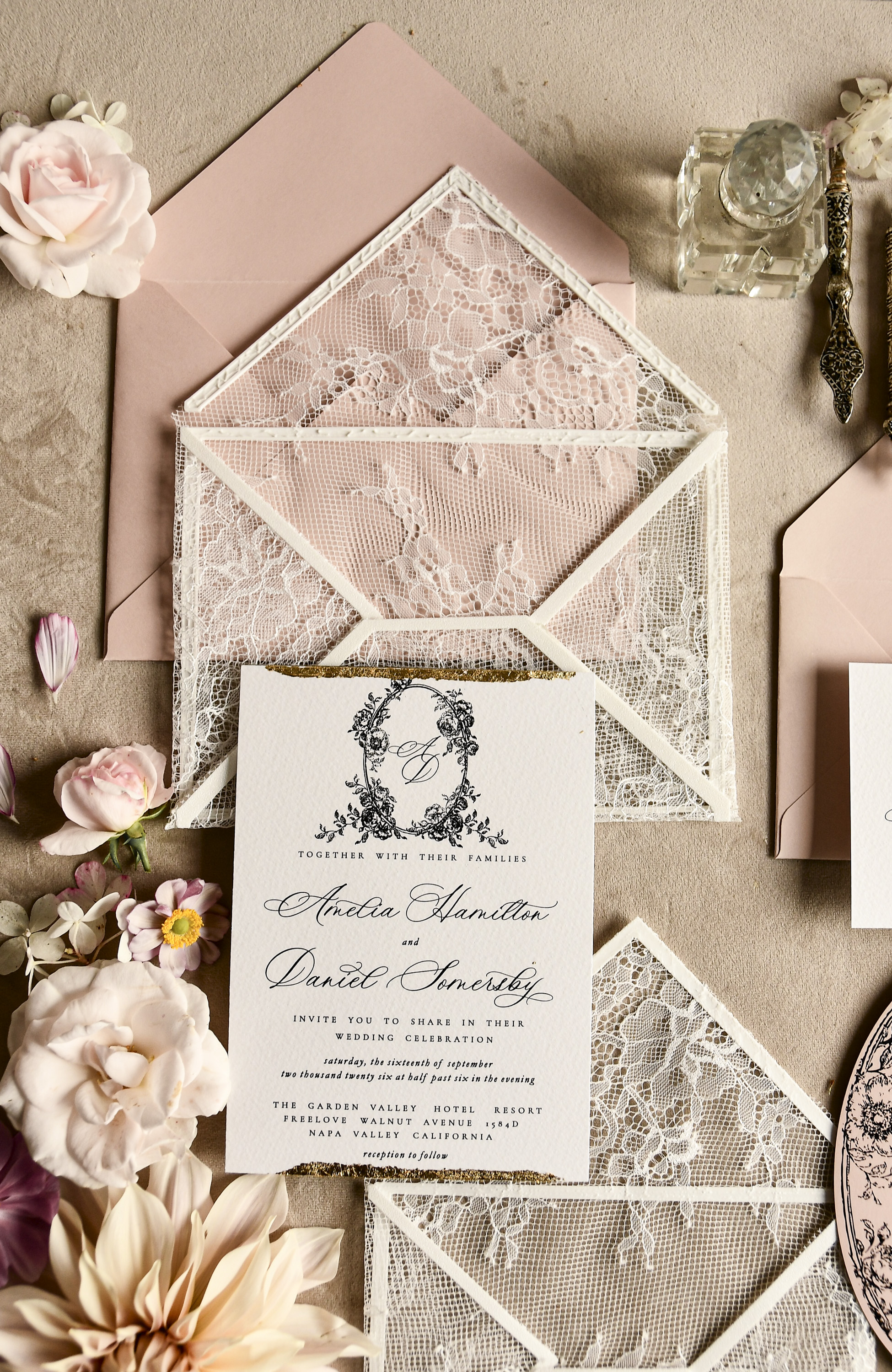
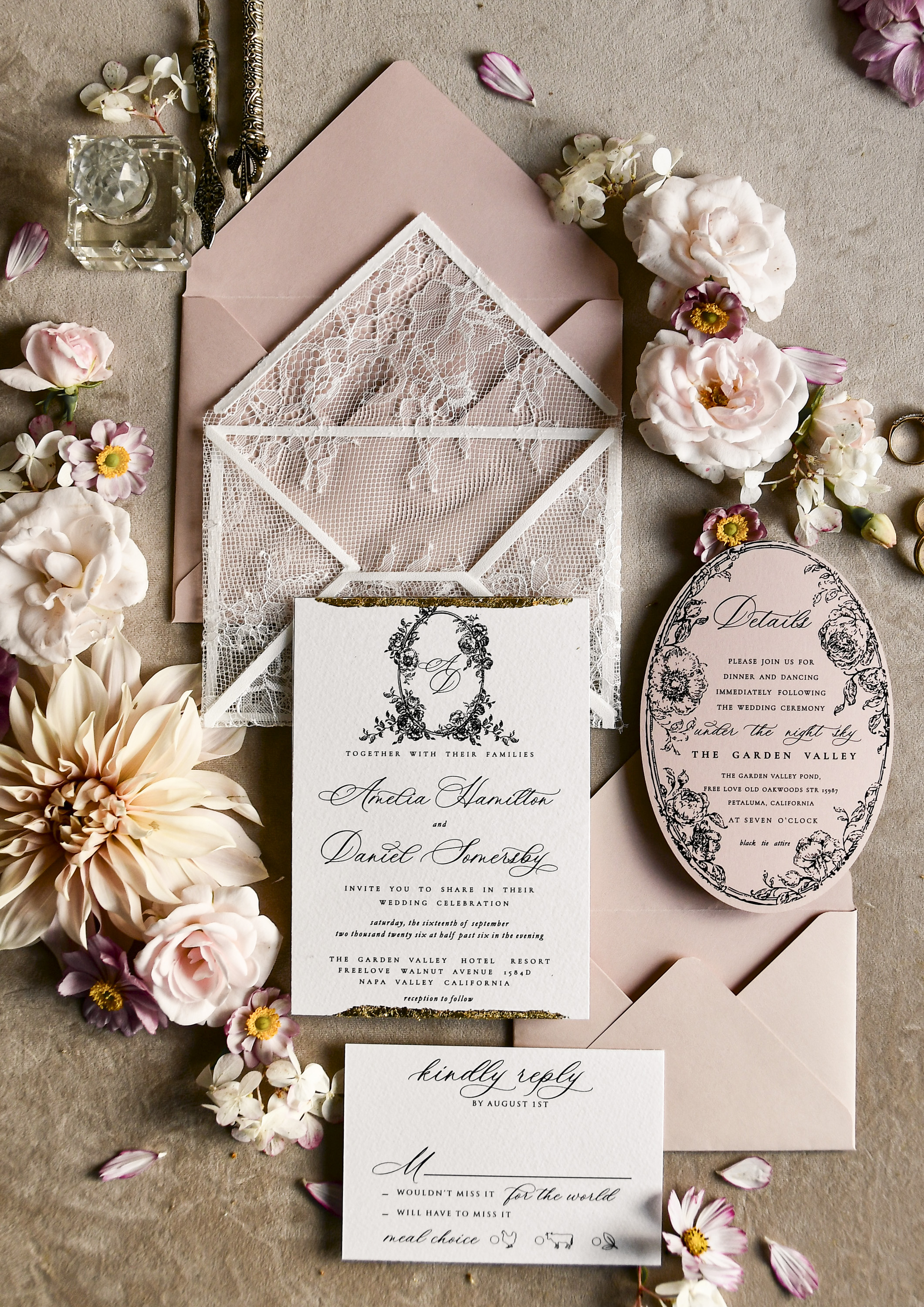
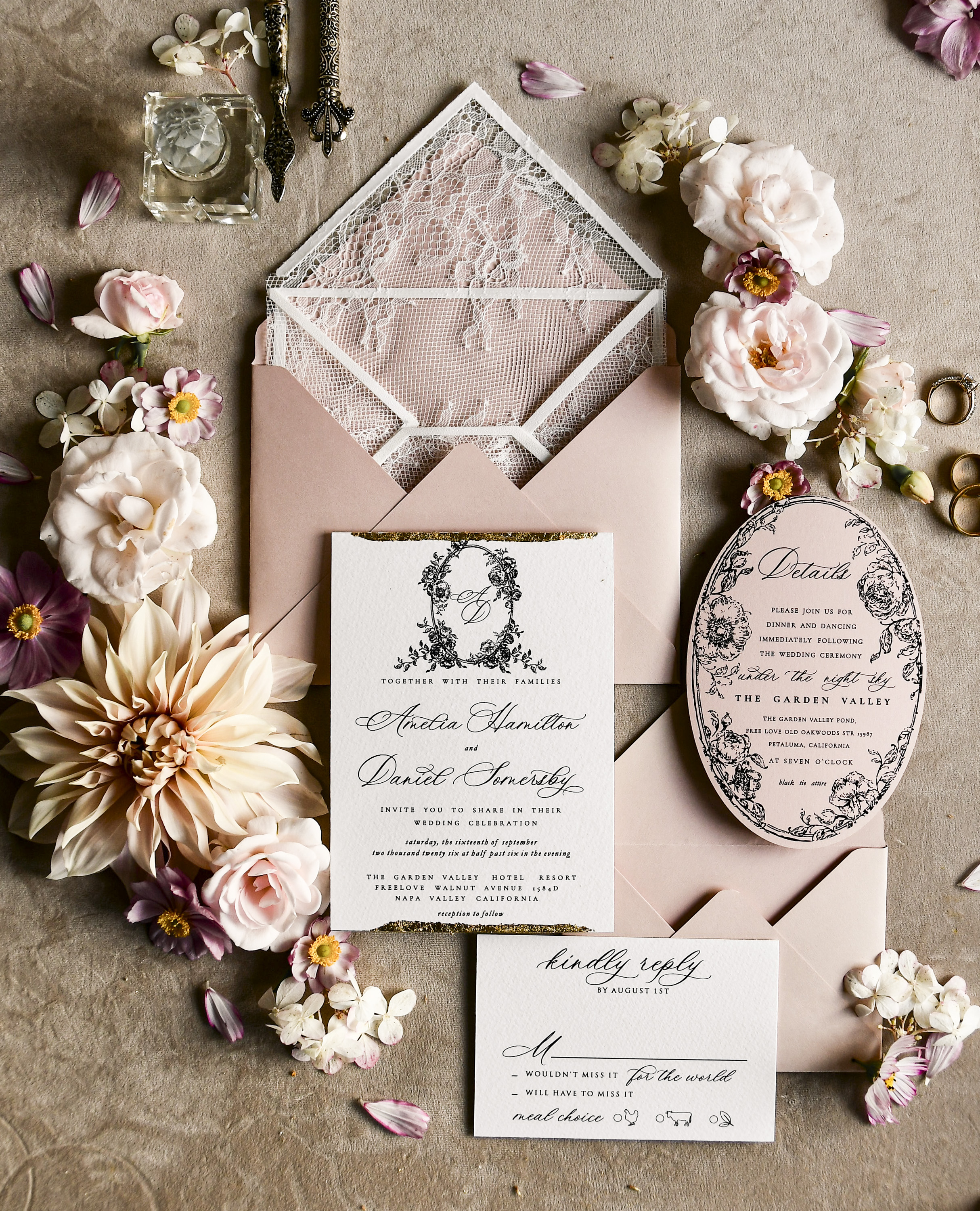
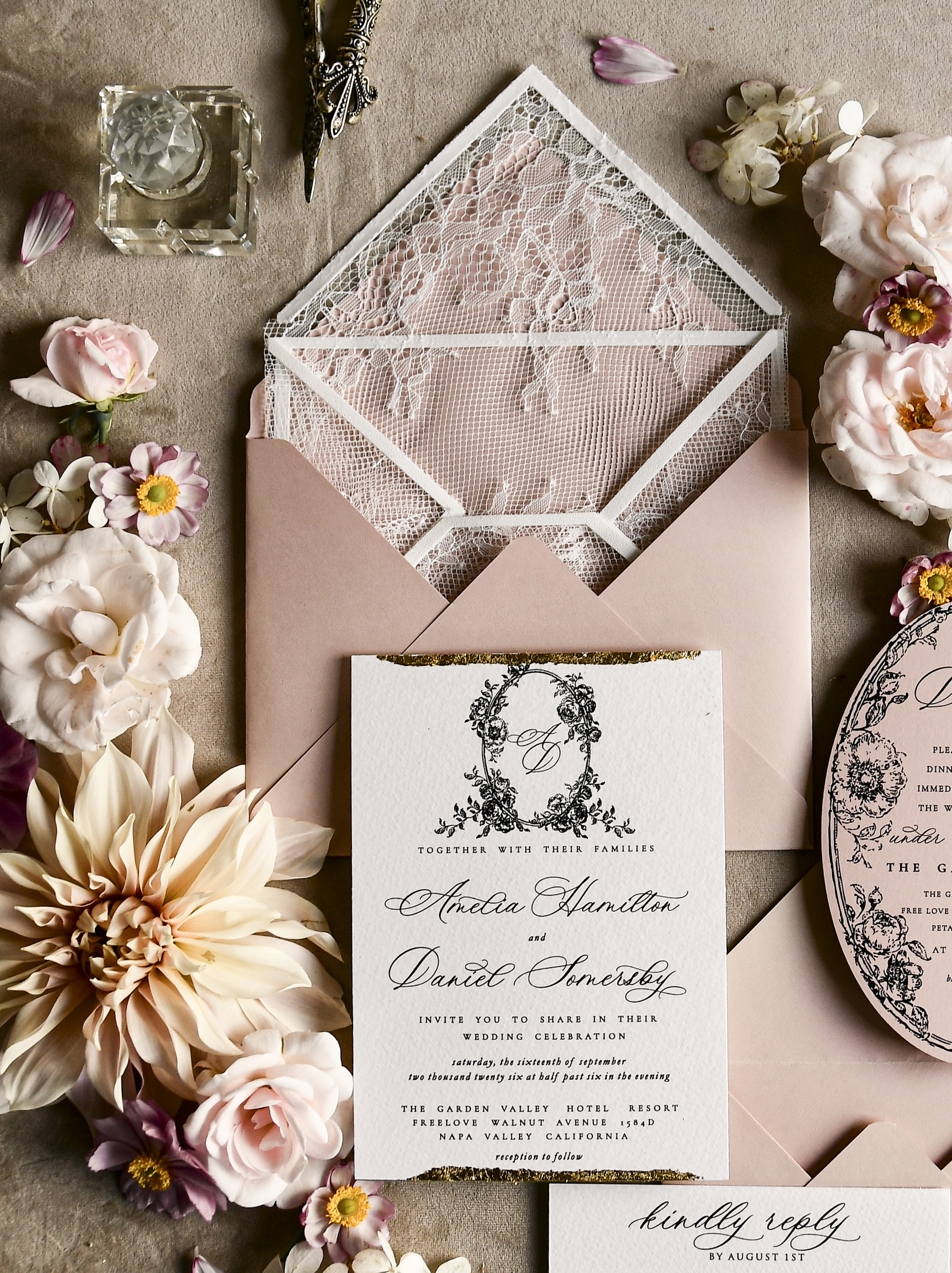
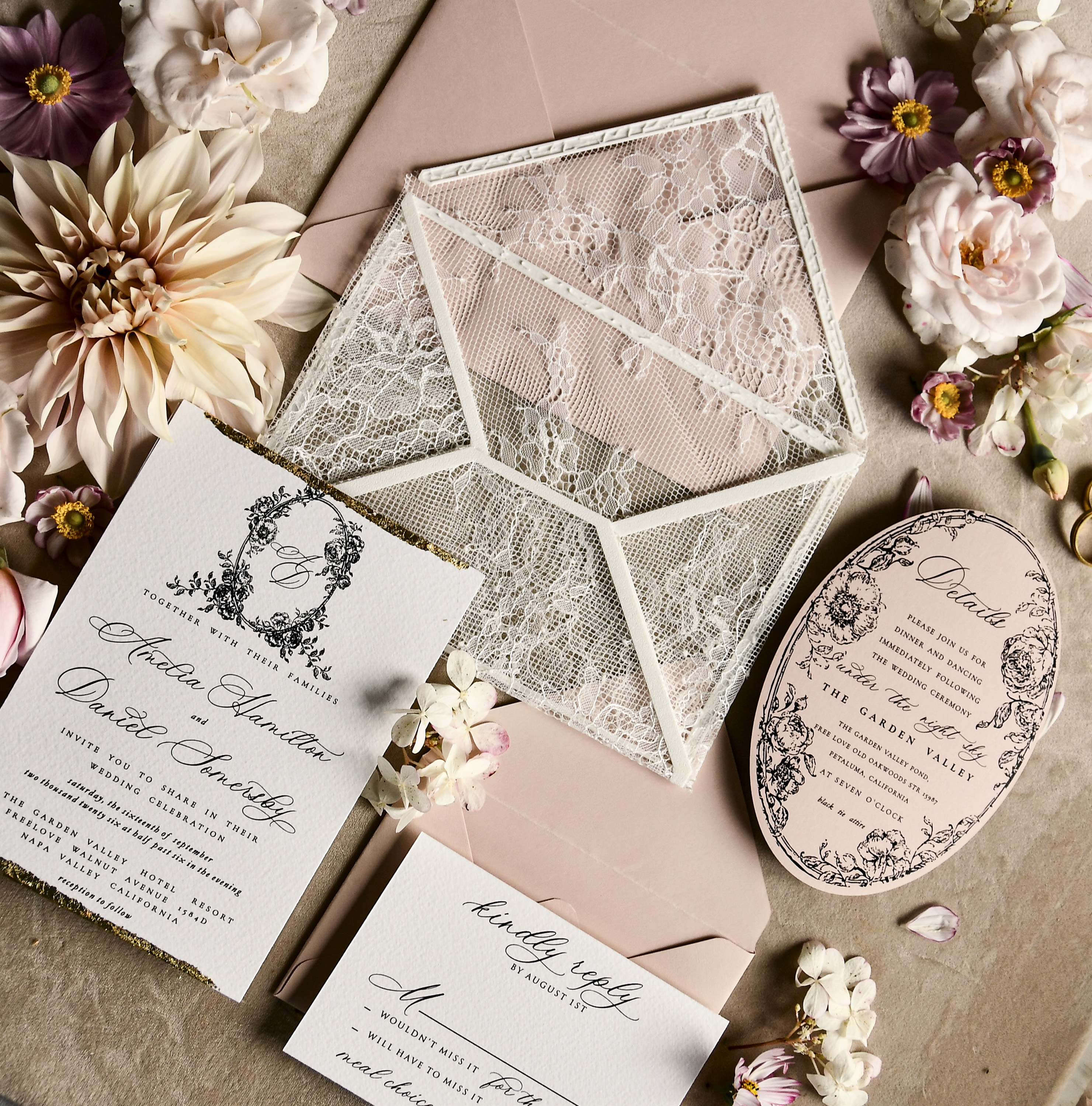
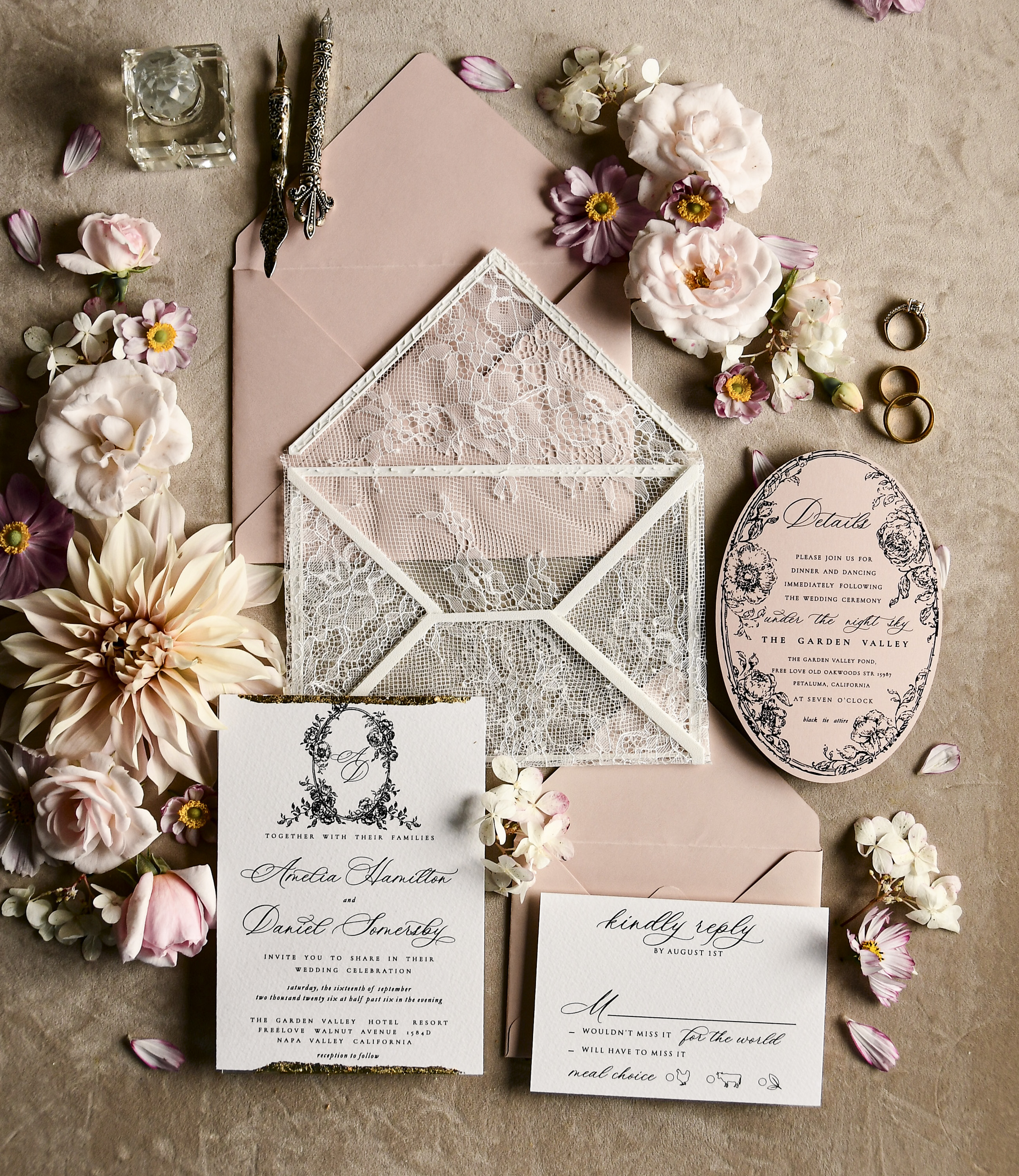
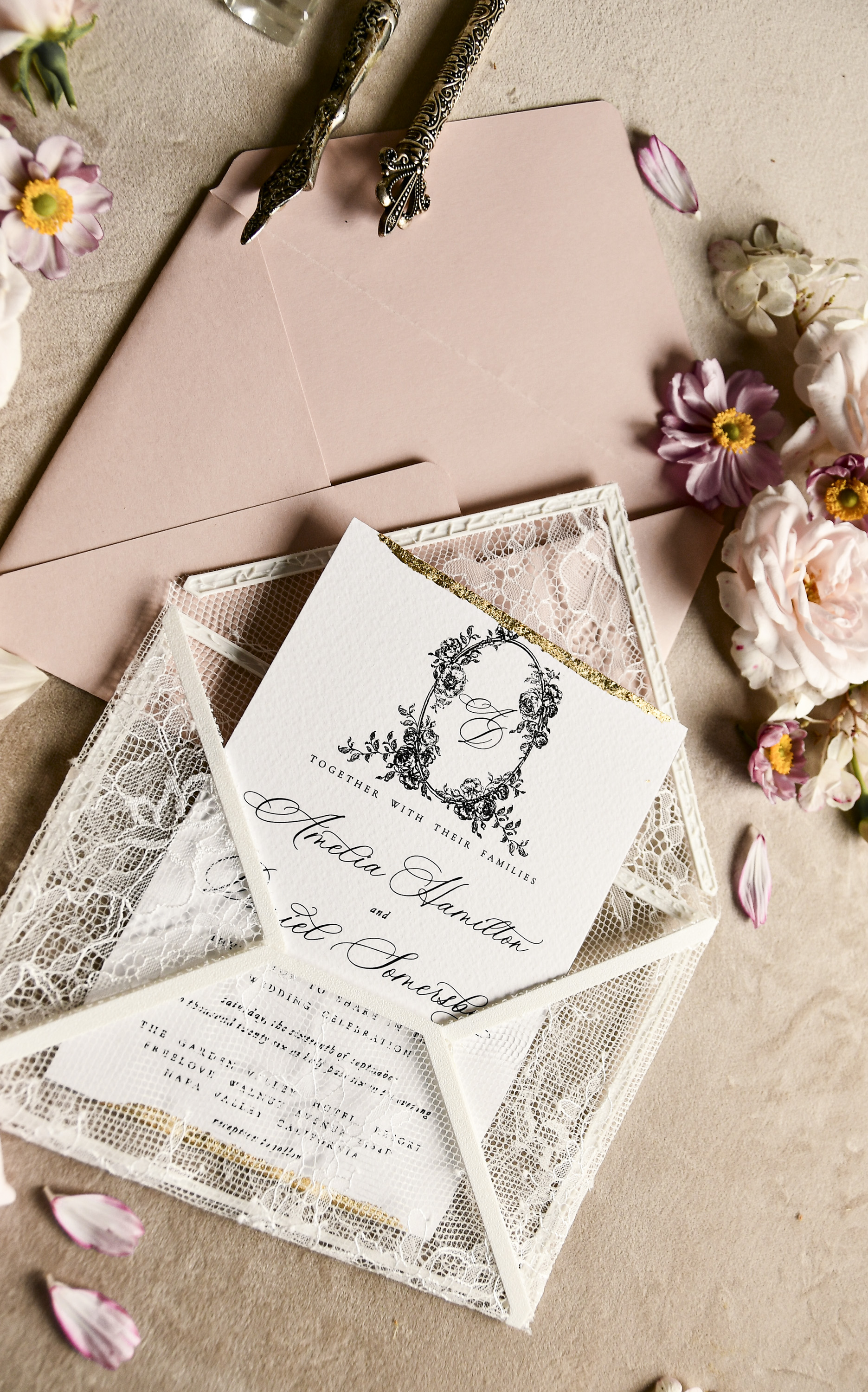
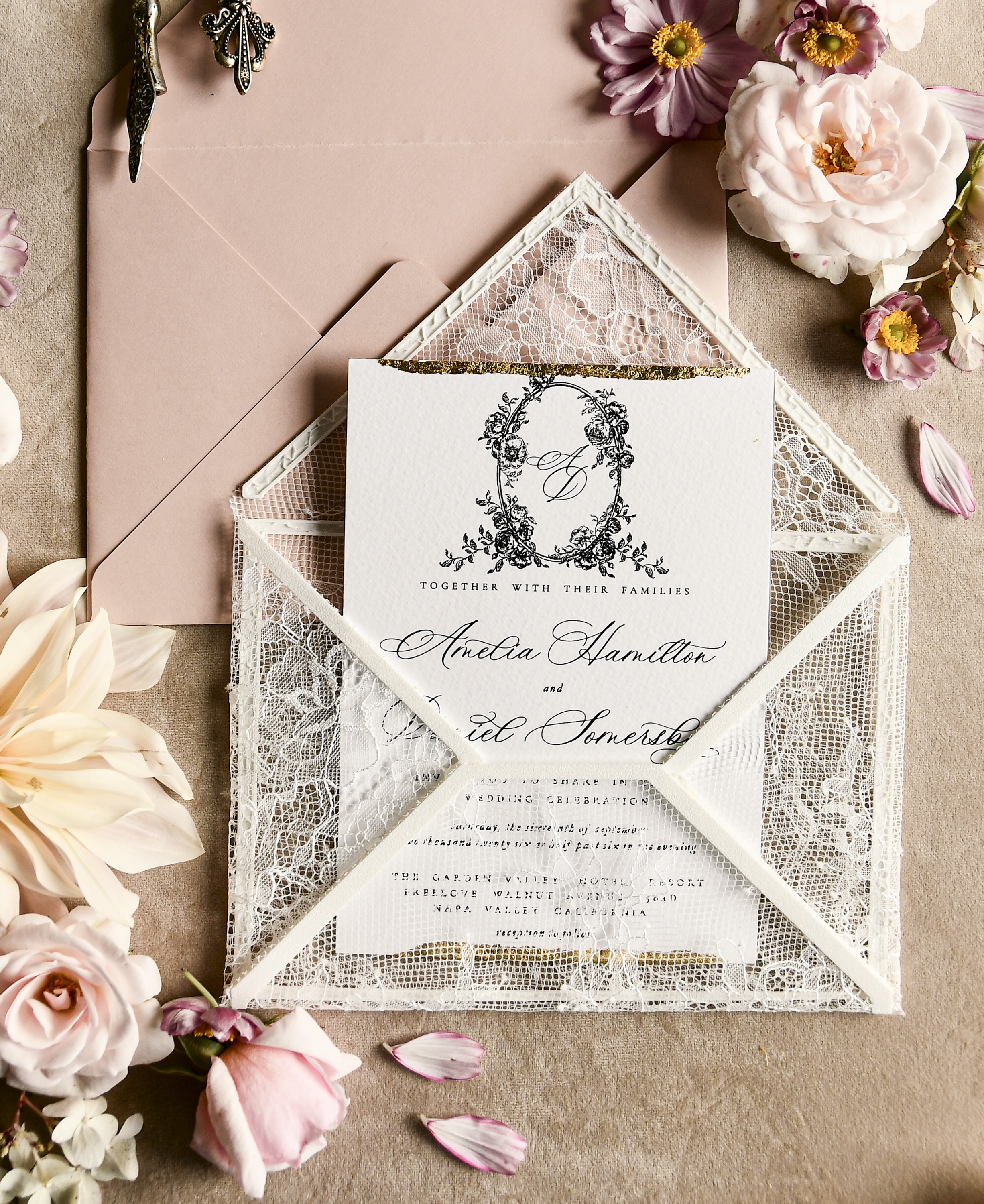
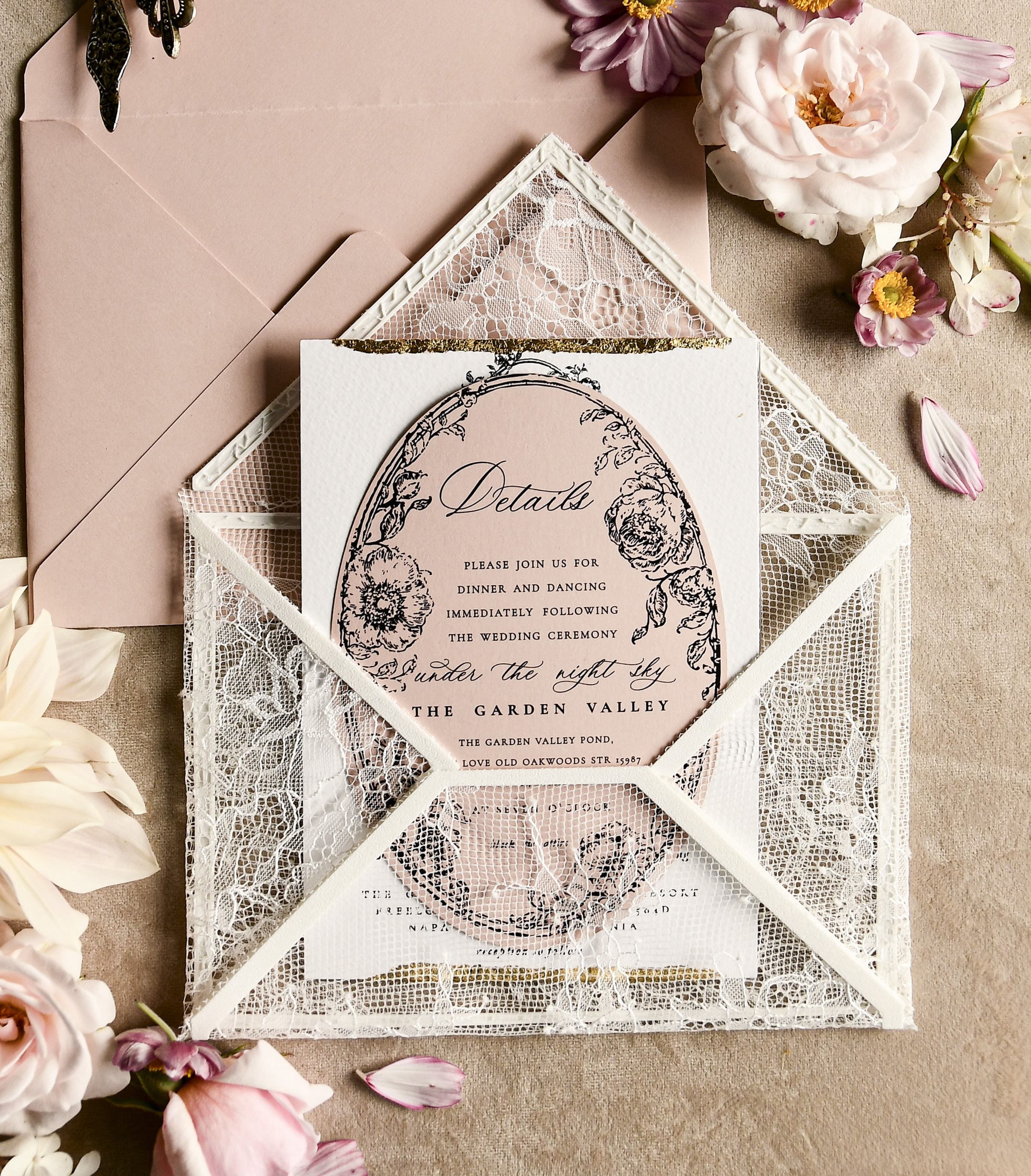
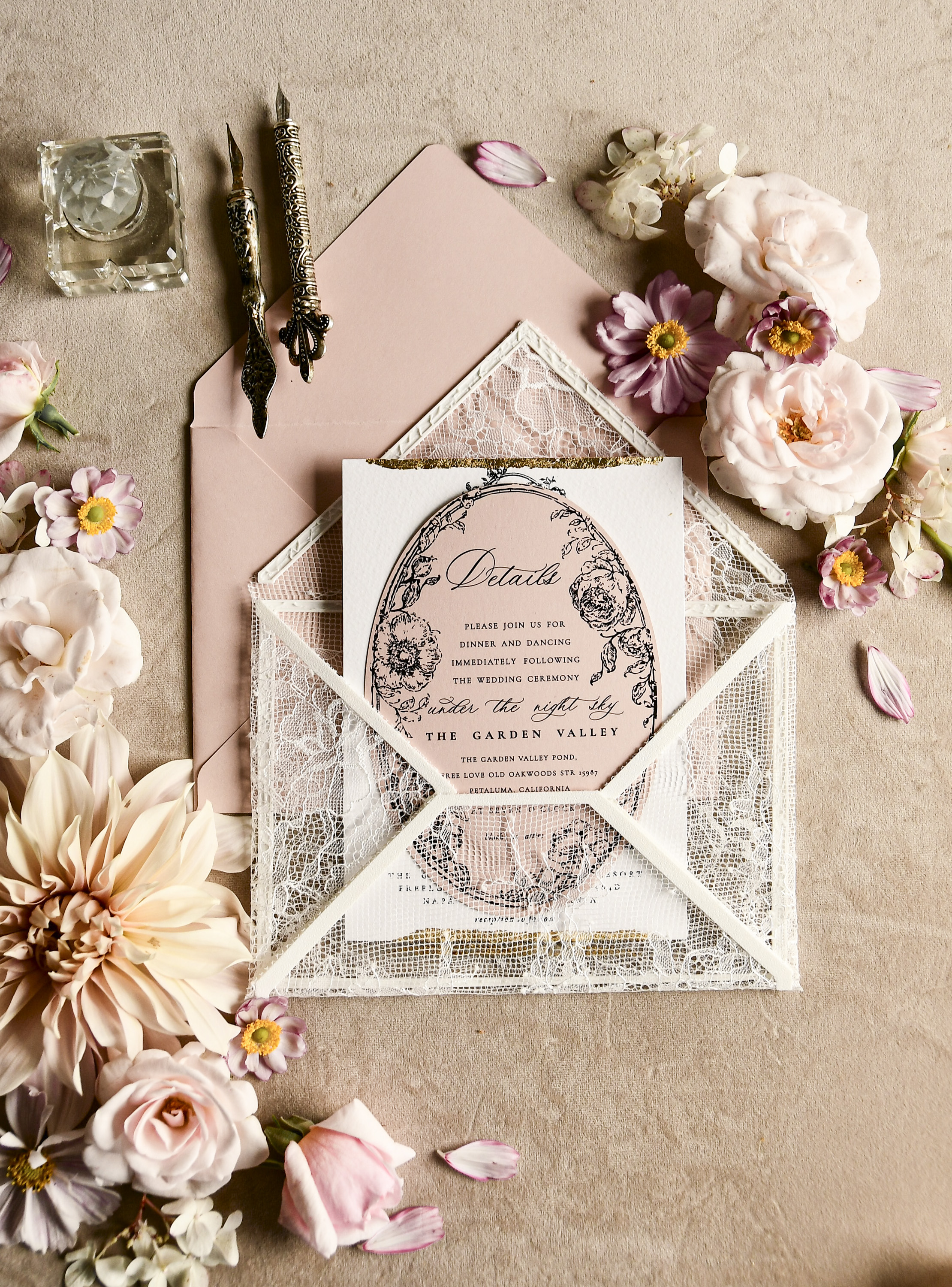
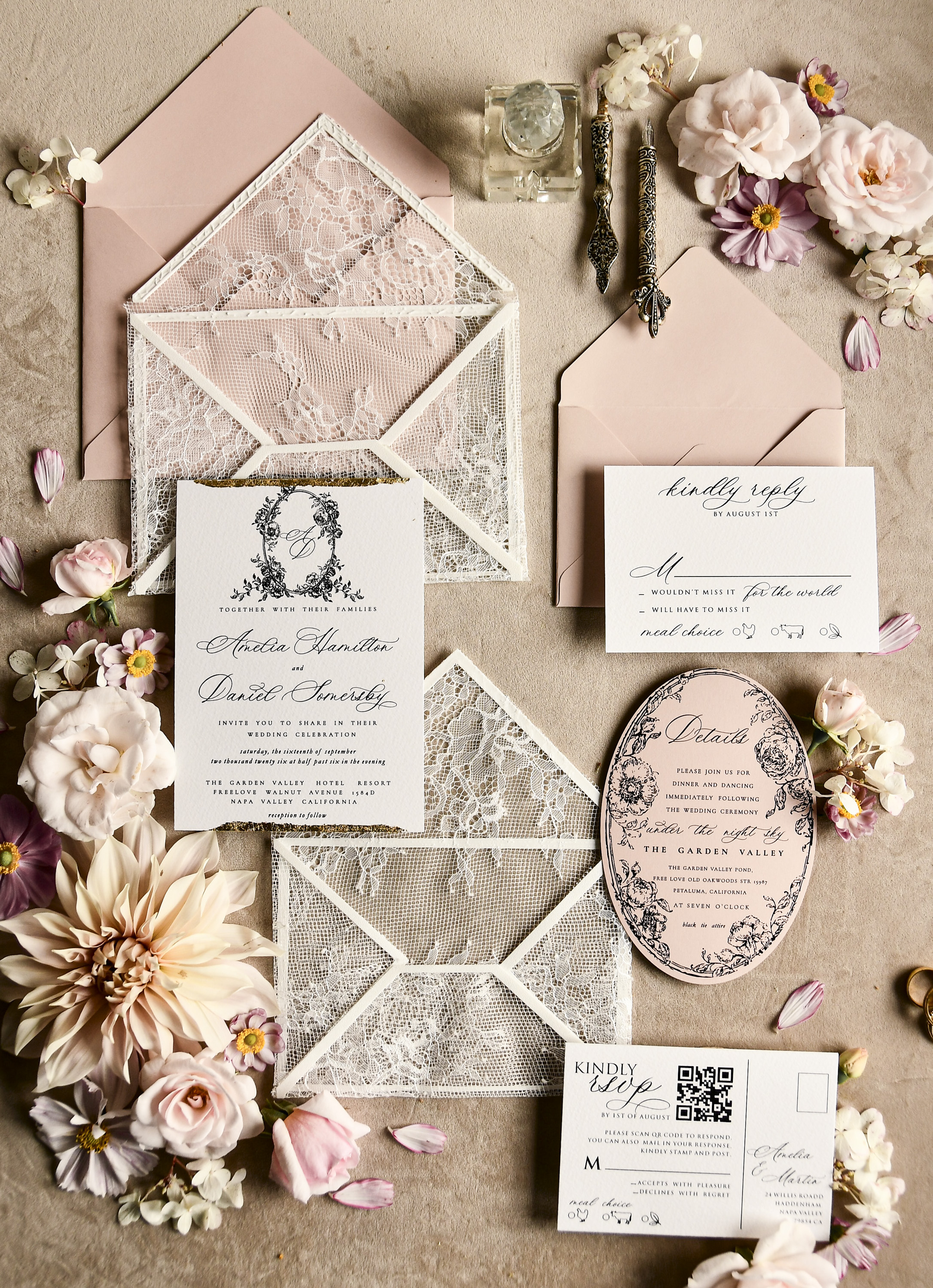
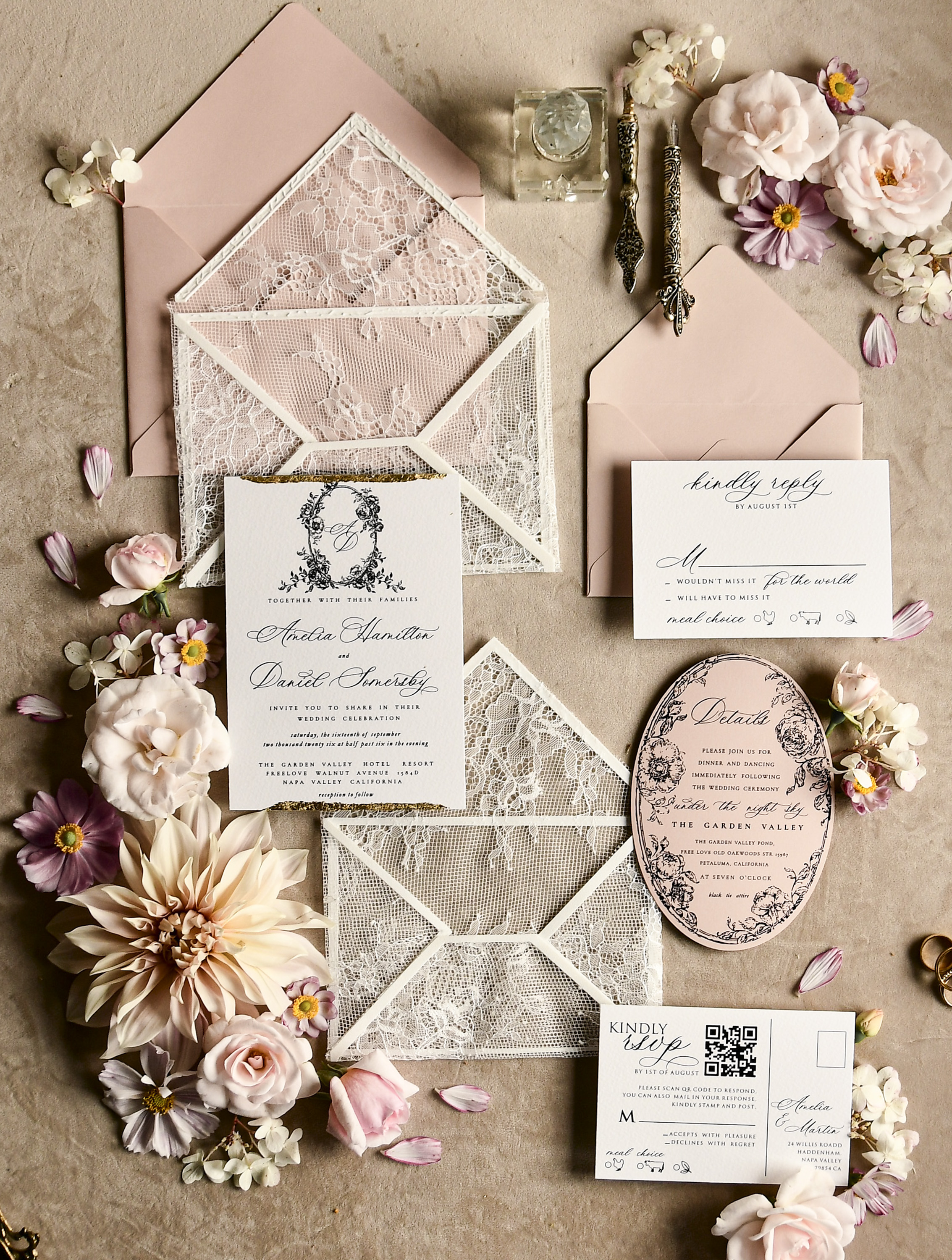
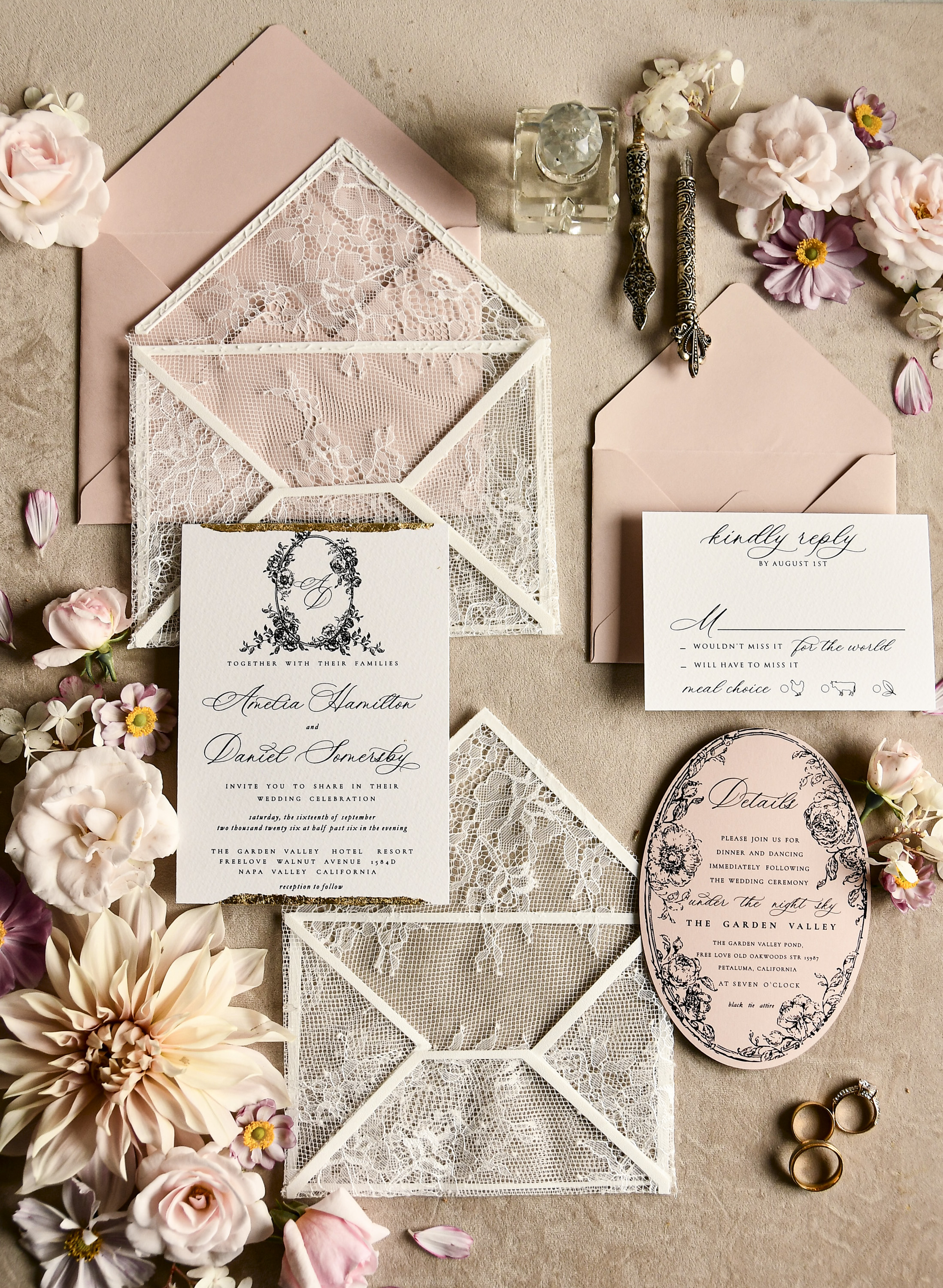
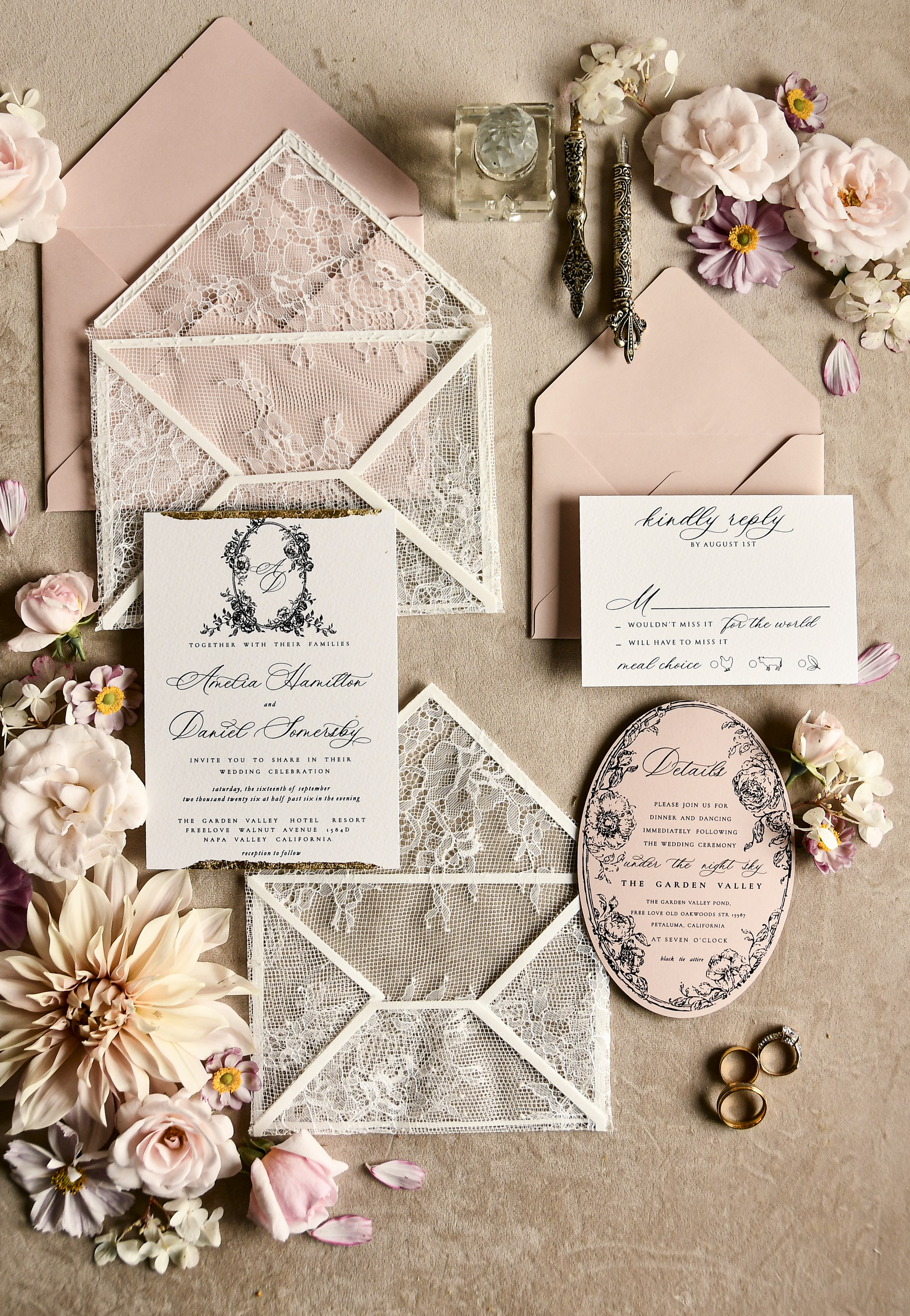
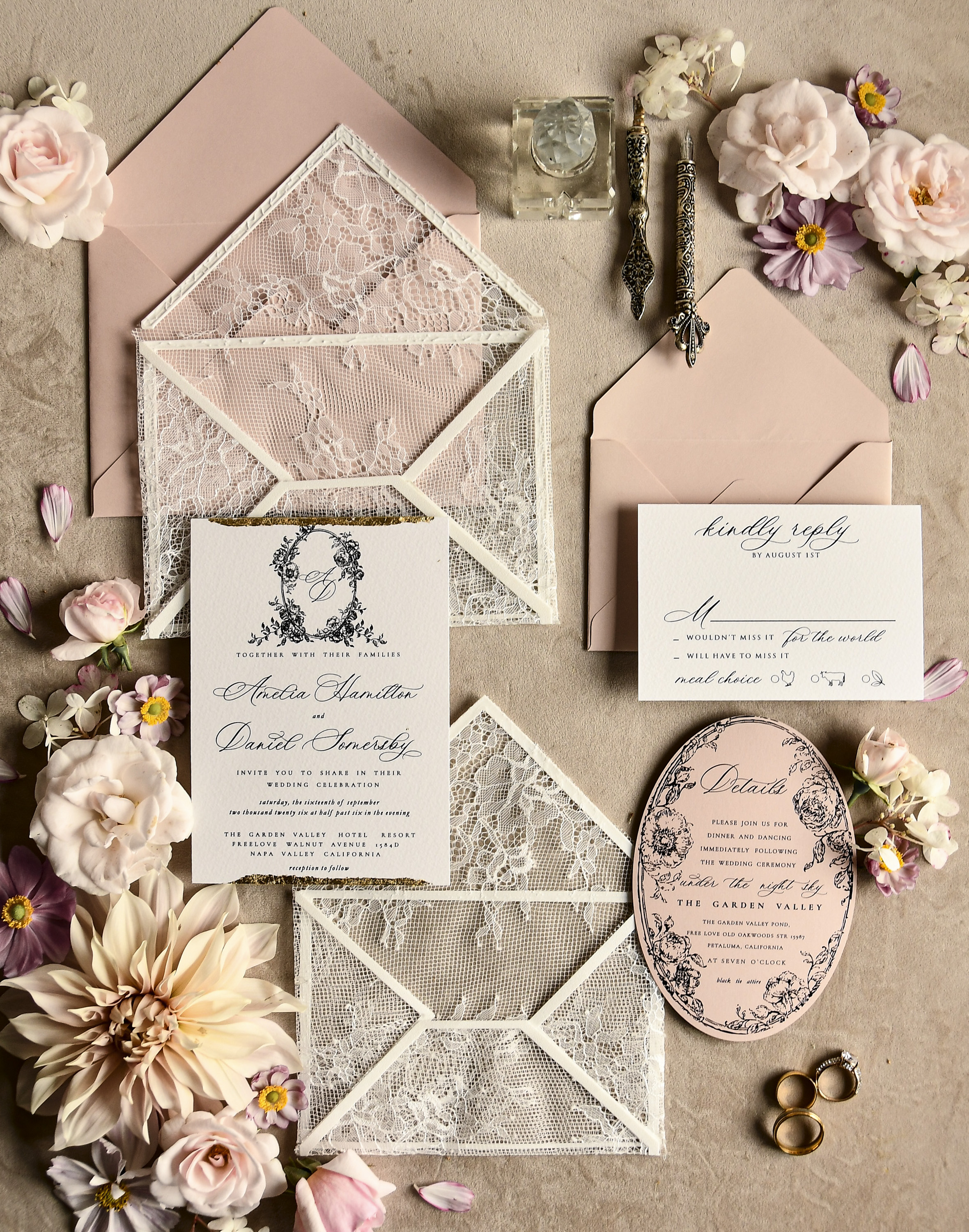
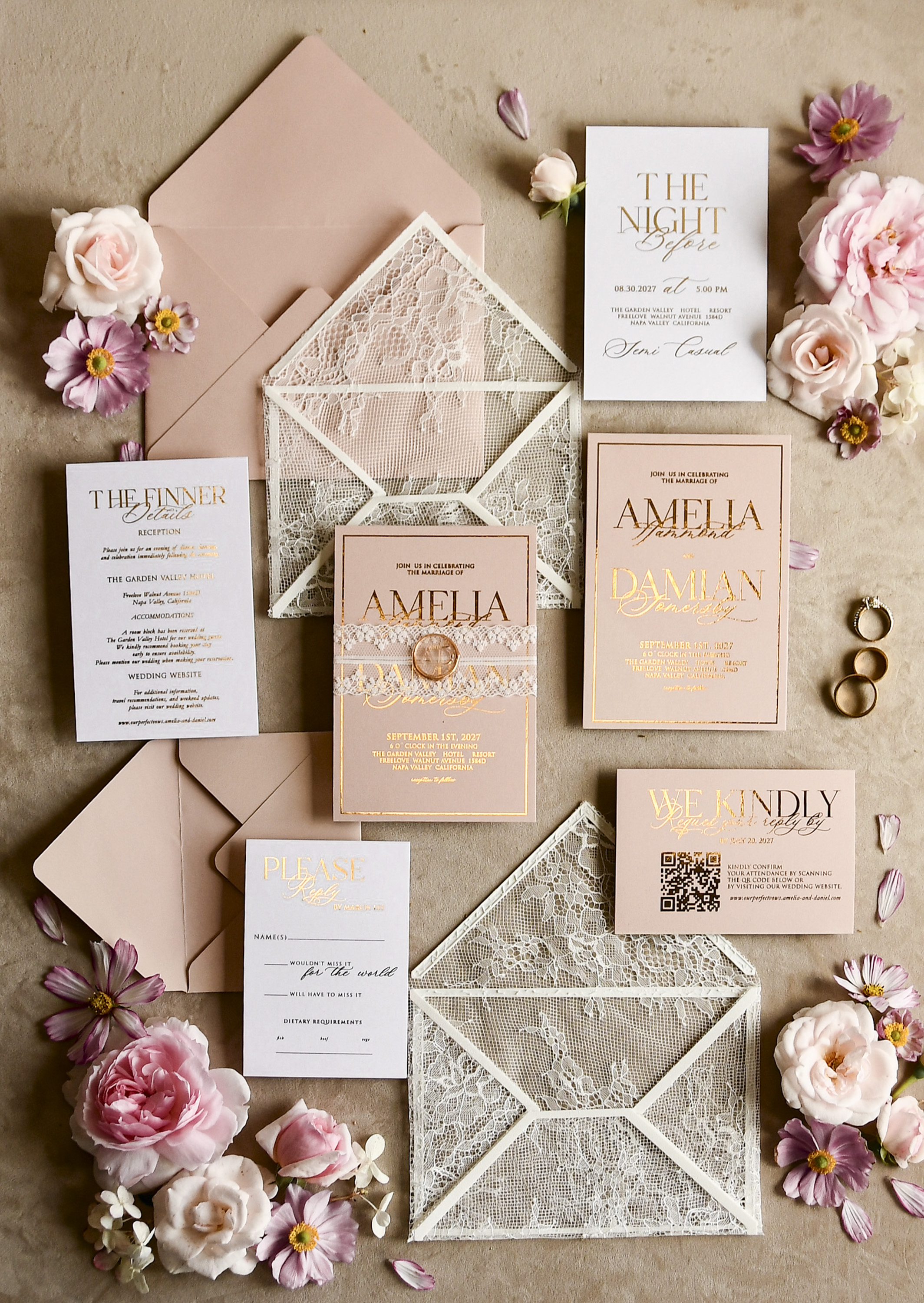
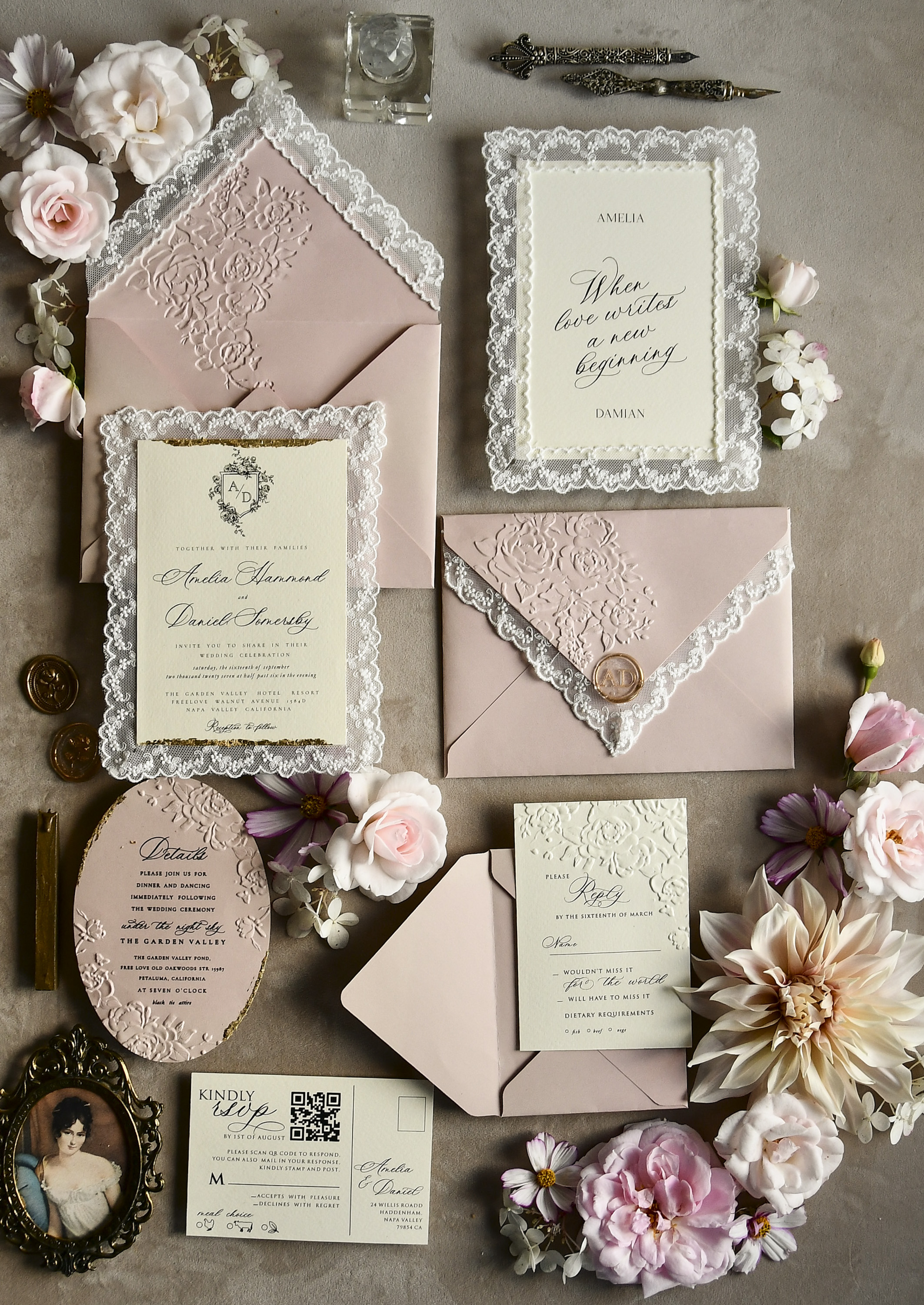
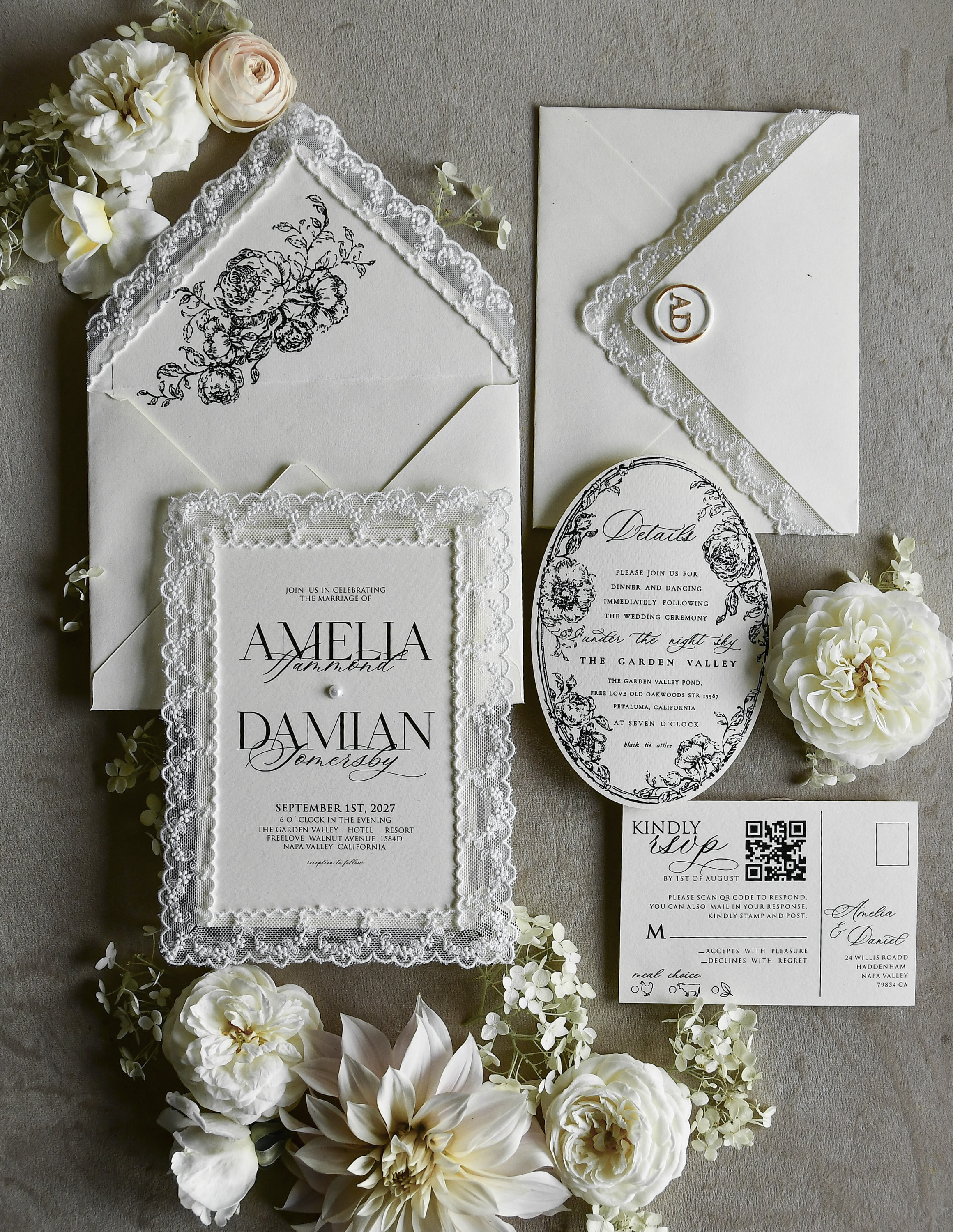
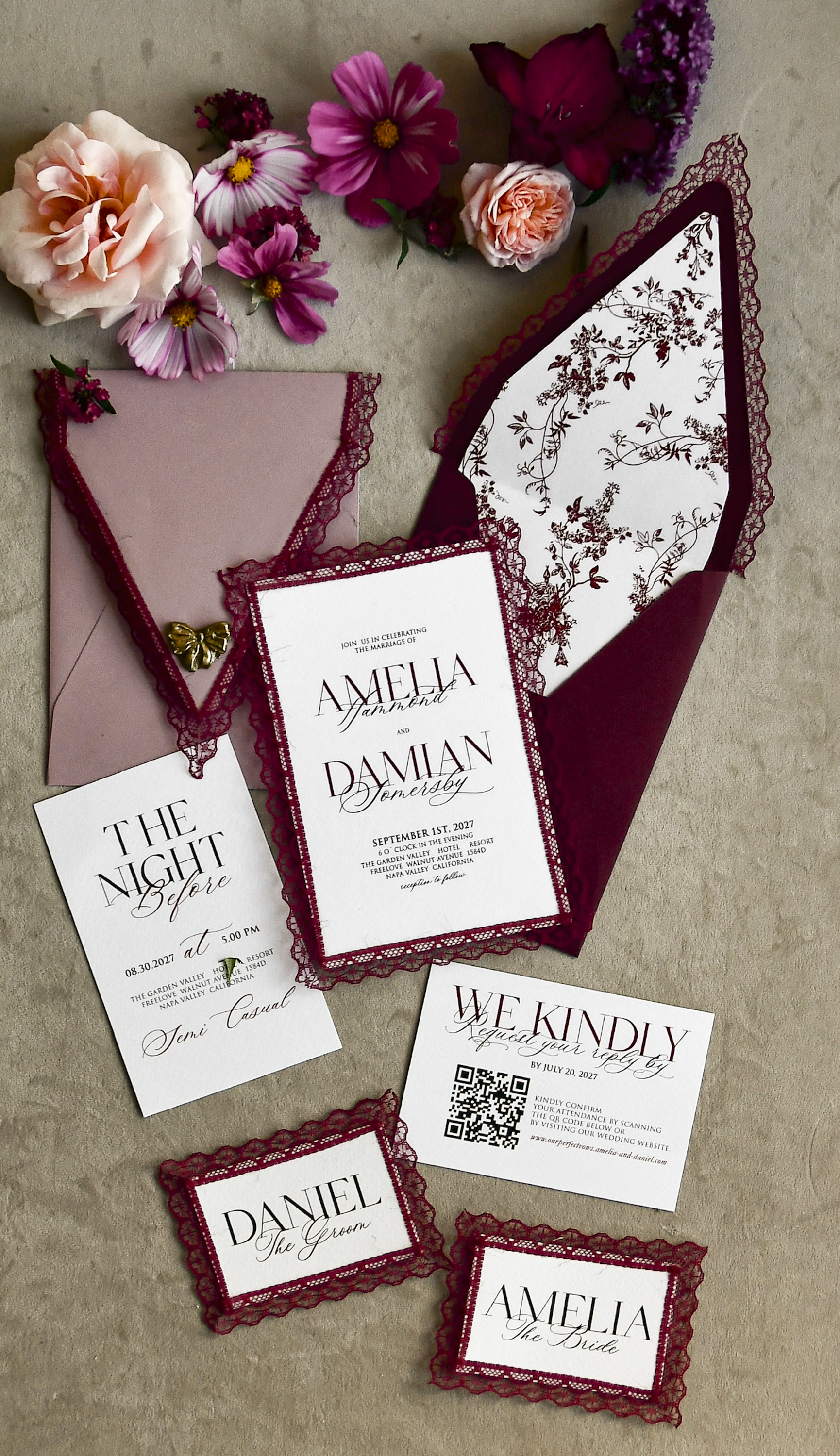
- Send invitations early. When people receive a beautifully designed invitation — like those from our vintage lace wedding invitation collection, the 03/lacenvD/z, starting at just $8.50 — it signals care and intentionality. Invited guests feel celebrated, which keeps the overall mood positive.
- If you're hosting a post-wedding celebration or brunch, you can mention it to people who weren't invited to the wedding. It gives them something to look forward to and signals that they matter to you.
After the Conversation: Let It Go
Once you've responded with honesty and kindness, your job is done. You cannot control how someone else processes disappointment, and it's not your responsibility to manage their emotions beyond one genuine, thoughtful response. Most people, given a little time, will move on — especially if you continue to treat them warmly.
If someone stays cold or makes repeated comments, that's a reflection of their struggle with the situation, not a sign that you made the wrong call. Your wedding is one day; your guest list reflects the season of life you're in right now. Protect your joy, trust your decisions, and know that the couples who handle this moment with grace almost always look back without regret.
Frequently Asked Questions
No — you're entitled to keep your guest list private. A brief, kind explanation is a courtesy, not an obligation. One warm response is enough; you don't need to justify your decisions repeatedly.
Be a little more personal with them. Acknowledge that it was a hard call and that your friendship genuinely matters to you. You might also suggest a separate dinner or celebration to spend quality time together after the wedding.
No. Inviting someone out of guilt rather than genuine desire to have them there almost always leads to regret — and it can strain your budget and venue logistics. A brief uncomfortable conversation is far easier to manage than a wedding day filled with guests you didn't truly want there.
Reach out to them directly before they have a chance to stew in it. A quick, private message acknowledging the situation and offering a genuine explanation is far better than letting hurt feelings fester without context.
It's a common and practical approach, but keep it completely private. Never tell someone they're on a backup list — simply send their invitation warmly if a spot opens up, and they'll feel genuinely invited rather than like a consolation choice.
Send wedding invitations 6–8 weeks before the wedding, or 3–4 months ahead for destination weddings. Earlier invitations also help you manage RSVPs before uninvited guests start asking questions through the grapevine.
See This Design Up Close


You May Also Like
More Wedding Planning Guides
- → Staying Sane When Family Tensions Rise Before Your Big Day
- → The Estranged Family Dilemma: Making Peace With Your Wedding Guest List
- → Missing RSVPs: The Exact Waiting Game You Should Play
- → Wedding Invitation Timing: The Insider's Guide to Sending on Schedule
- → Who's Really Getting Married? Managing Parent Friend Requests on Your Guest List
- → Handling Family Boycott Threats Over Your Wedding Guest List
- → The Teen Plus-One Dilemma: A Practical Guide for Couples
- → What To Do When Guests Leave You On RSVP Read
- → When an RSVP Changes at the Last Minute: A Calm, Practical Guide for Couples
- → Your Wedding, Your Choice: Deciding Whether to Include an Estranged Sibling
- → Is Skipping Kids on Your Wedding Guest List Ever Considered Rude?
- → Feuding Divorced Parents at Your Wedding: A Practical Peace Plan
- → Small Weddings, Big Meaning: Your Guide to Celebrating Intimately
- → Should You Skip Paper and Send Digital Wedding Invitations?
- → Missing RSVPs: The Right Way to Follow Up With Silent Guests
- → The Smart Couple's Guide to Wedding Childcare and Kids' Entertainment
- → Uninvited Plus-Ones and Tag-Alongs: How to Keep Your Guest List Intact
- → When Family Feuds Threaten Your Wedding Plans: A Practical Peacekeeper's Guide
- → Inviting an Estranged Brother or Sister: Finding Clarity Before You Seal the Envelope
- → Cousins, Invites, and Hard Choices: A Practical Guest List Guide