
The Smartest Way to Get Your Wedding Invitations Into Guests' Hands
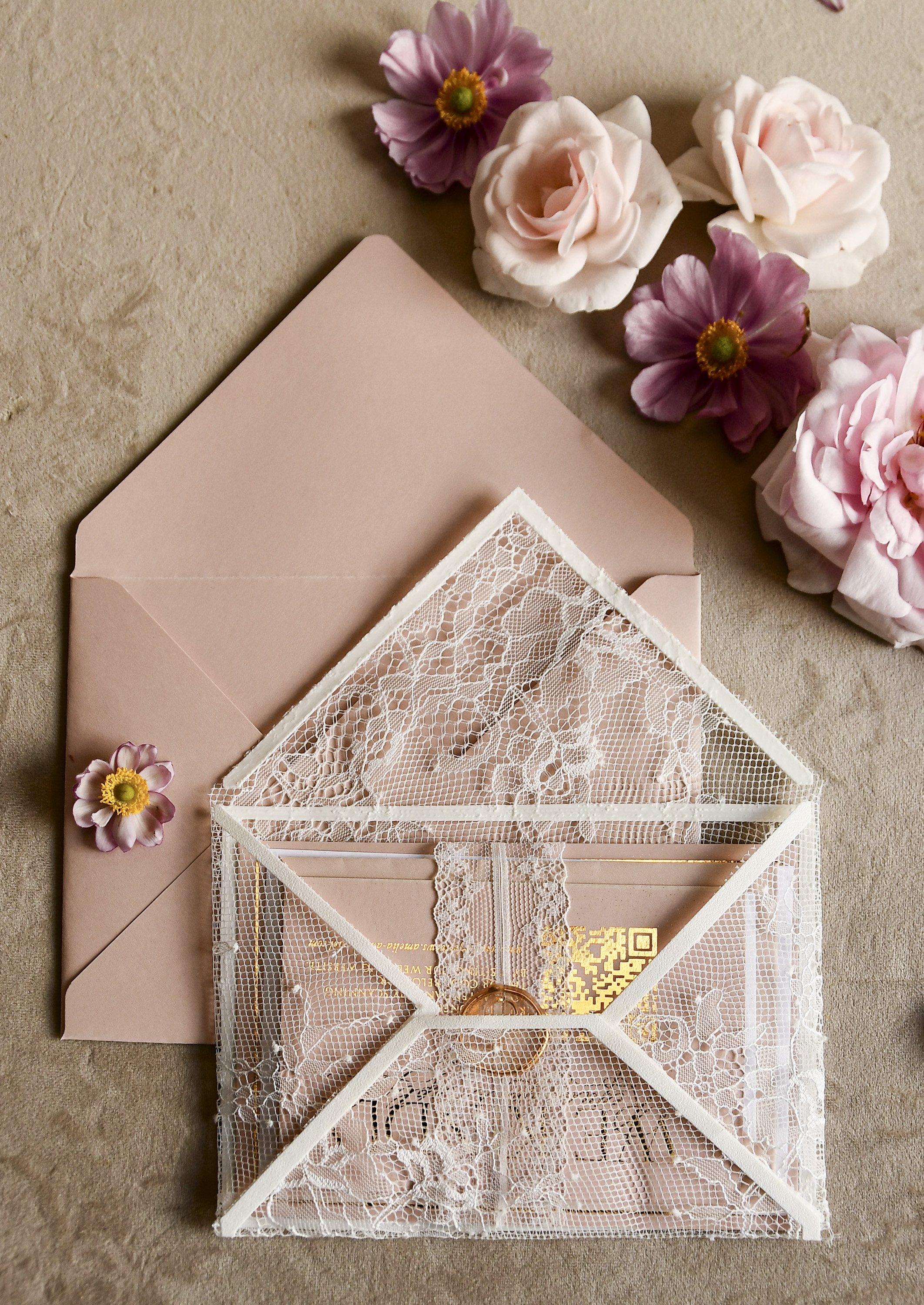
You've chosen your stationery, addressed every envelope, and now comes the question nobody warns you about: do you drop these in a mailbox, or do you personally place them in the hands of the people you love most? The answer isn't one-size-fits-all. Both mailing and hand-delivering wedding invitations have real advantages — and a few pitfalls. Here's how to think it through so every invitation arrives exactly the way you intend.
Why Mailing Is Still the Gold Standard
For most couples, mailing is the practical backbone of invitation delivery — and for good reason. It's consistent, trackable, and expected. The United States Postal Service delivers to every corner of the country, which means your aunt in rural Montana gets the same beautiful envelope as your college roommate two streets away.
A few mailing best practices to keep in mind:
- Send 6–8 weeks before the wedding for local and domestic guests; bump that to 10–12 weeks for destination weddings or guests who need to book travel.
- Take one invitation to the post office and have it hand-weighed before you stamp the entire stack. Thick suites, wax seals, and extra enclosures often require additional postage.
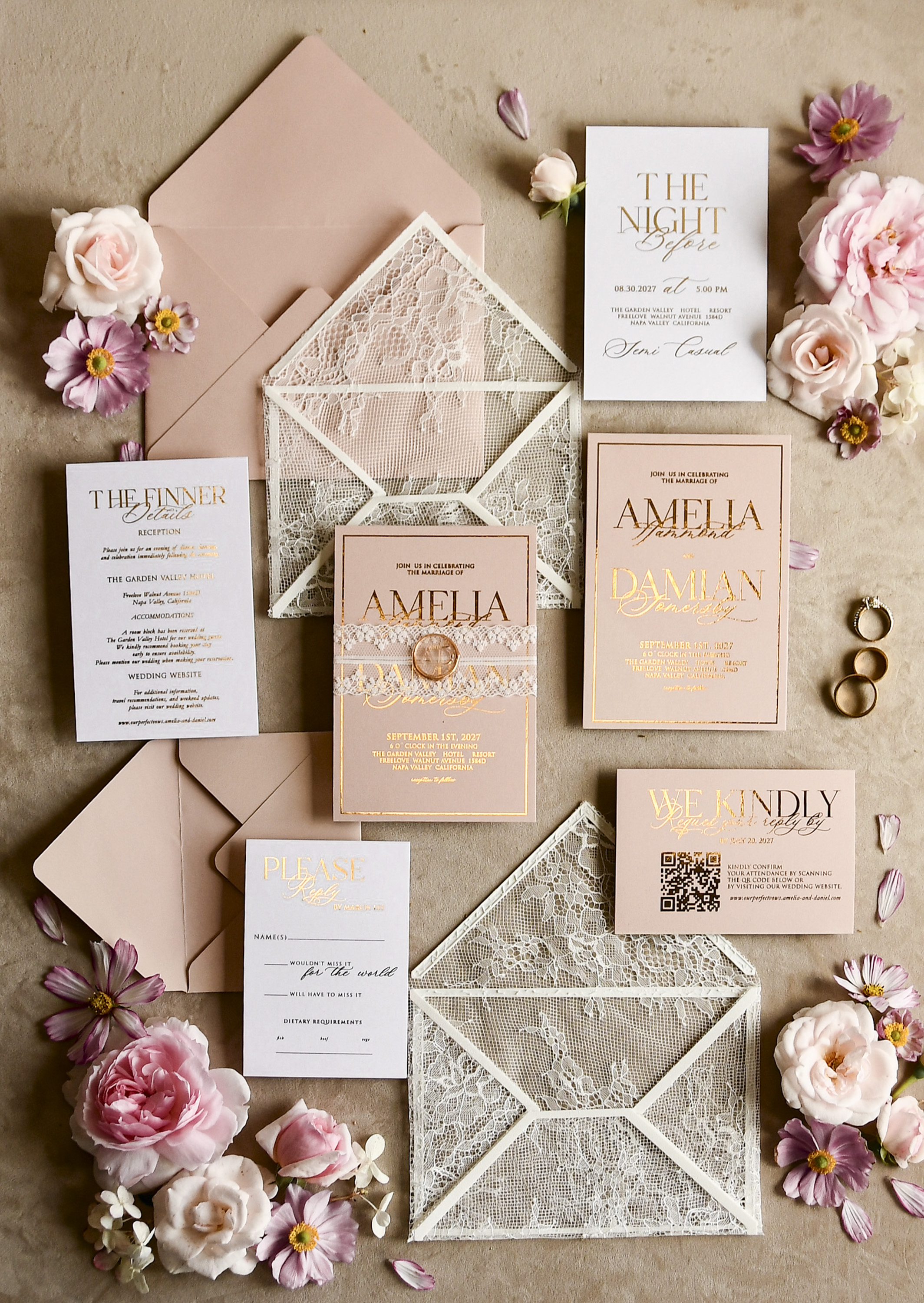
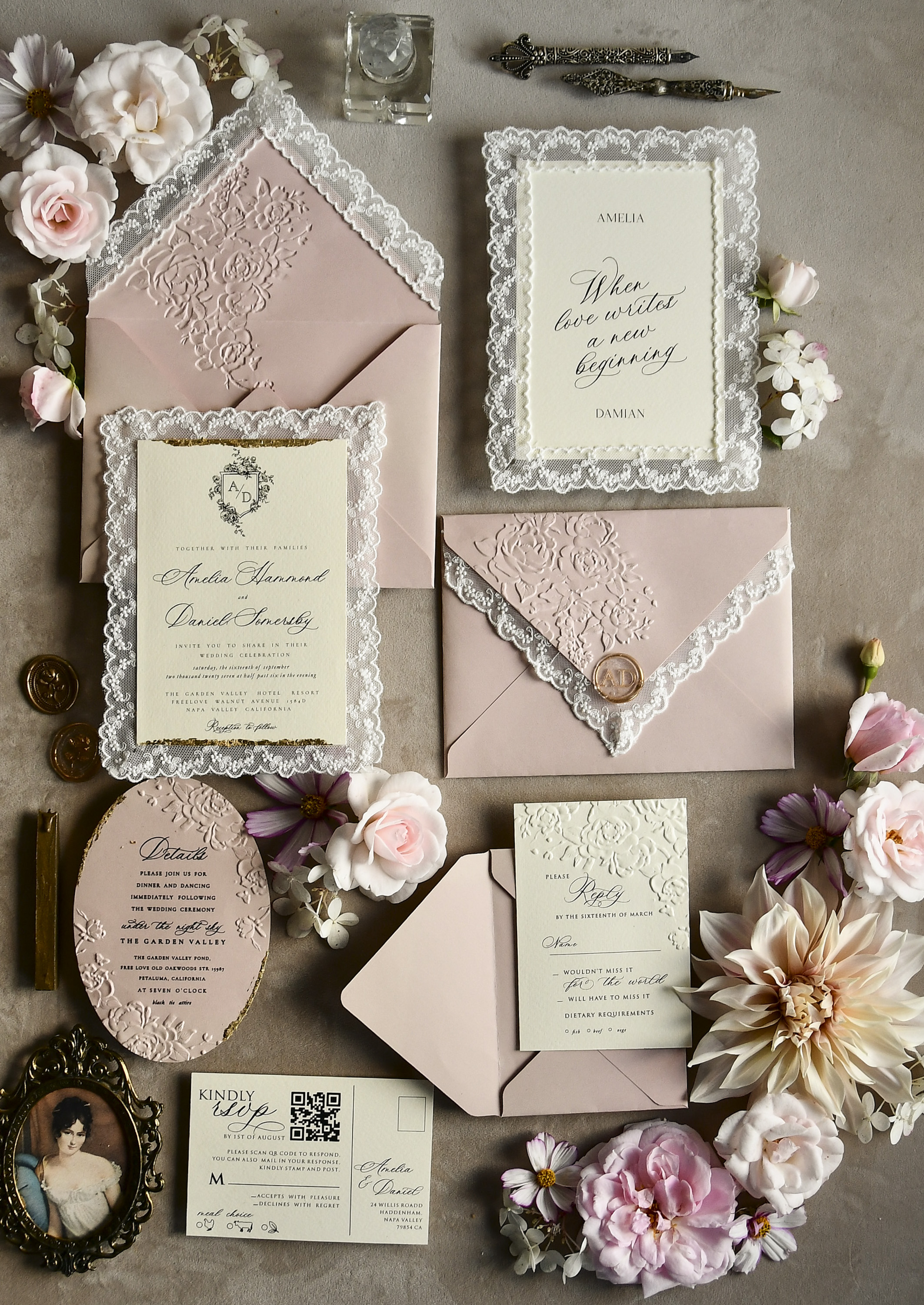
- Request hand-canceling at the post office counter. This prevents the machine rollers from damaging embossed details, vellum overlays, or delicate designs — a must if you've invested in something like a vintage lace suite.
- Consider adding a return address on the back flap so undeliverable invitations come back to you rather than disappearing.
Mailing also creates a moment: your guest walks to the mailbox, sees a beautifully addressed envelope among the bills, and feels genuinely celebrated before they even open it.
When Hand Delivery Actually Makes Sense
Hand-delivering invitations sounds romantic, and sometimes it truly is the right move. There are specific situations where it adds meaning or just makes logistical sense:
- Very close family and local best friends: Handing your invitation to your mom, your maid of honor, or your best friend in person turns it into a small, memorable moment. You can watch them open it, which is genuinely sweet.
- Guests you see regularly: If you work with someone or see them weekly, hand-delivery feels natural and saves a stamp.
- Fragile or oversized suites: Some invitation designs — particularly those with elaborate layering, ribbon ties, or pressed florals — travel better by hand than through mail sorting machines.
- Last-minute additions: If you're adding someone to the guest list close to the date, hand-delivering is faster than mailing and avoids any awkwardness about the late notice.
The key is intentionality. Hand delivery works beautifully for a handful of people; trying to hand-deliver to 80 guests across a metro area quickly becomes exhausting and inconsistent.
The Hybrid Approach Most Couples Actually Use
Here's the real secret: most couples do both. Mail the bulk of your invitations to out-of-town guests, coworkers, extended family, and anyone you don't see regularly. Reserve hand delivery for your innermost circle — immediate family, the wedding party, and your very closest friends.
If you go this route, send all invitations at the same time. Guests talk, and you don't want someone to feel like an afterthought because they received theirs a week after everyone else. Coordinate your hand deliveries so they happen on the same day you drop the mailed batch at the post office.
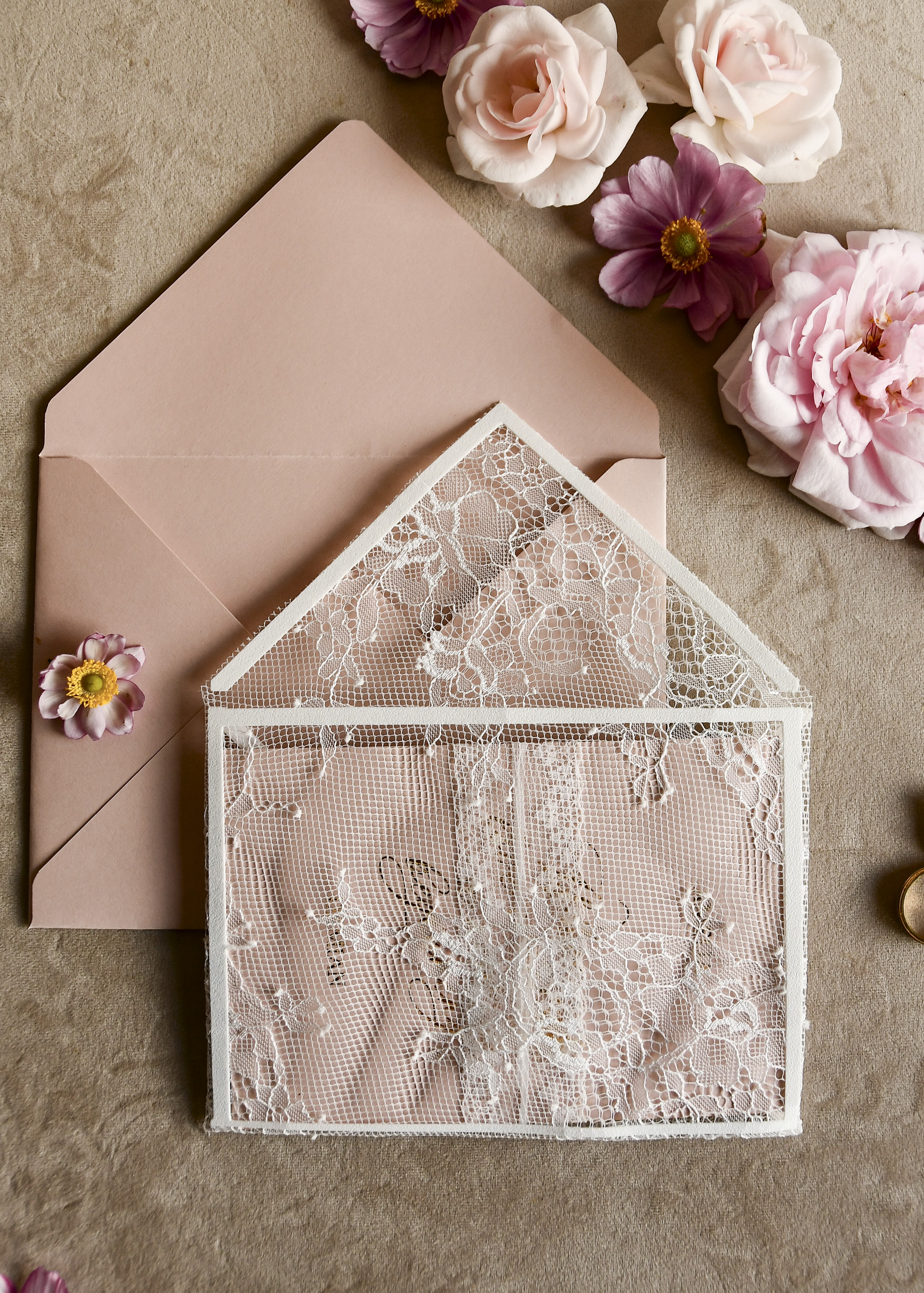
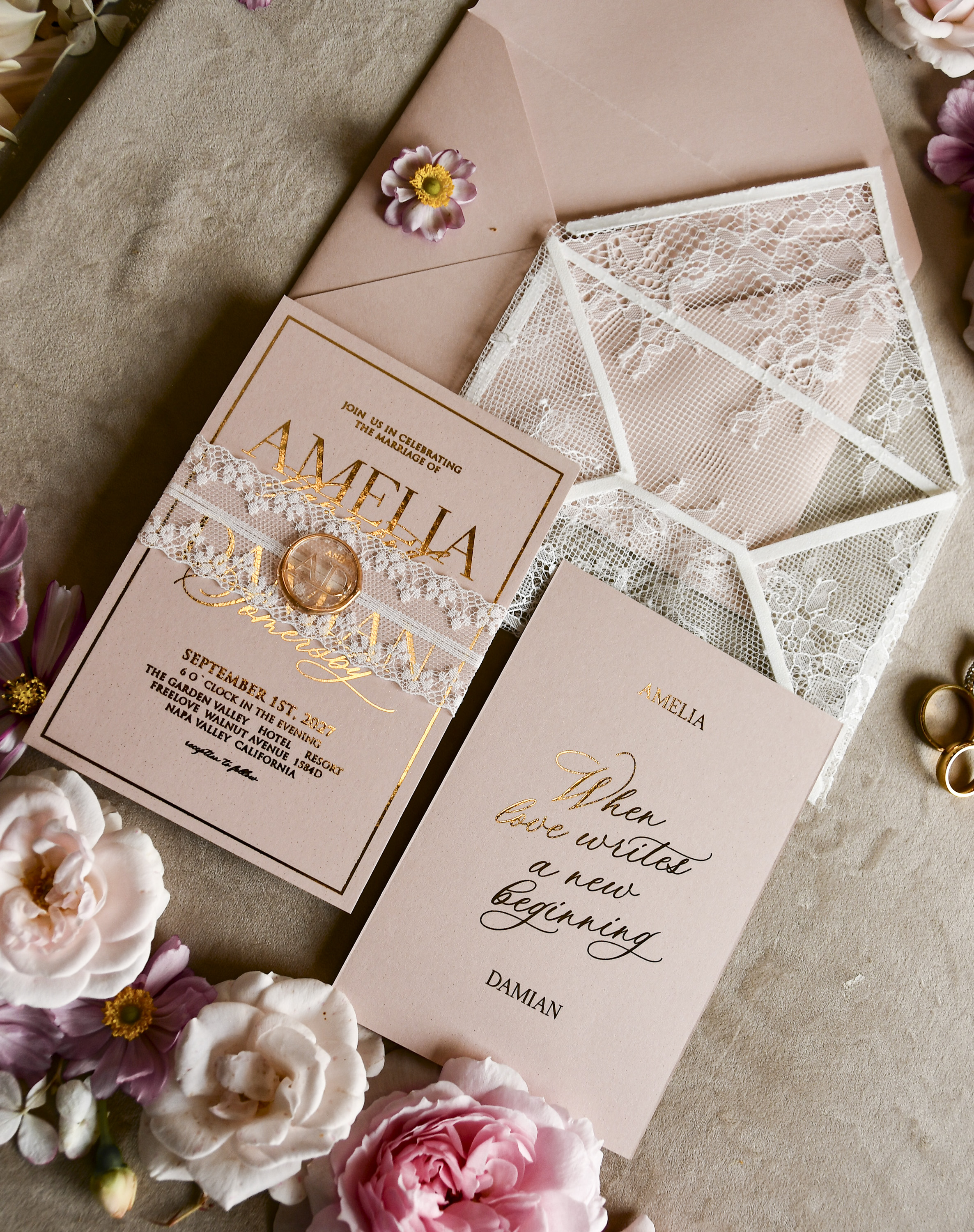
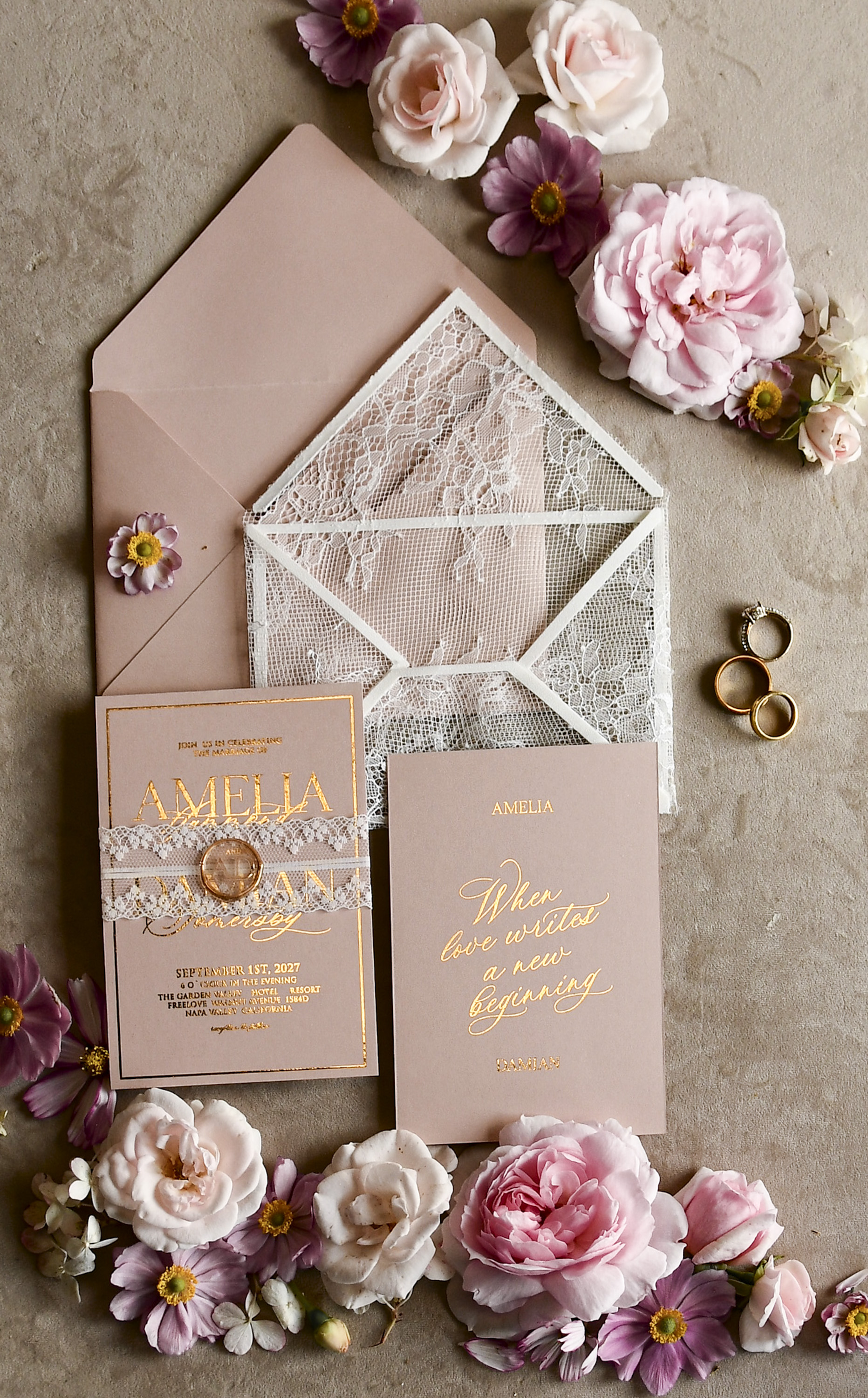
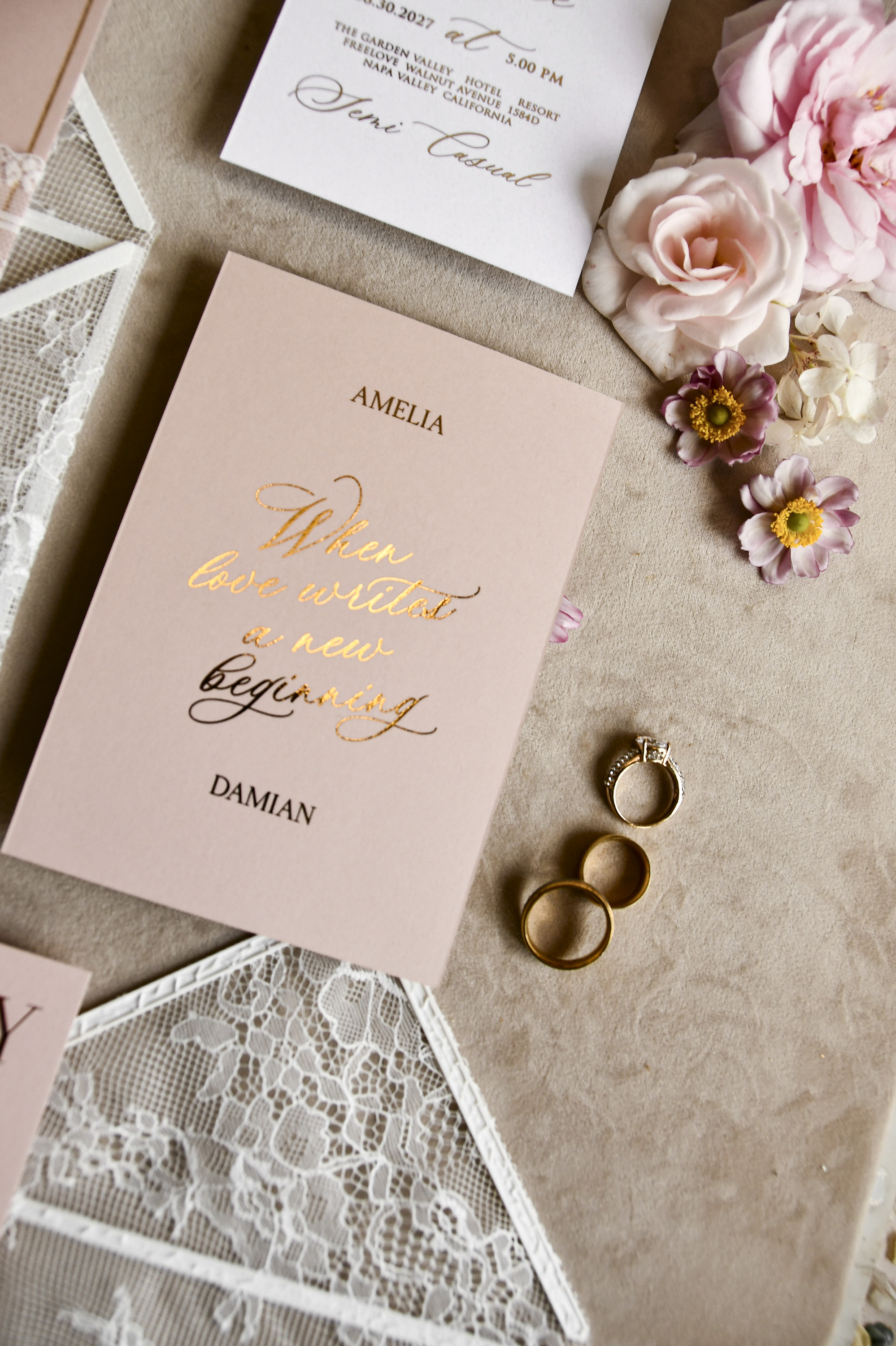
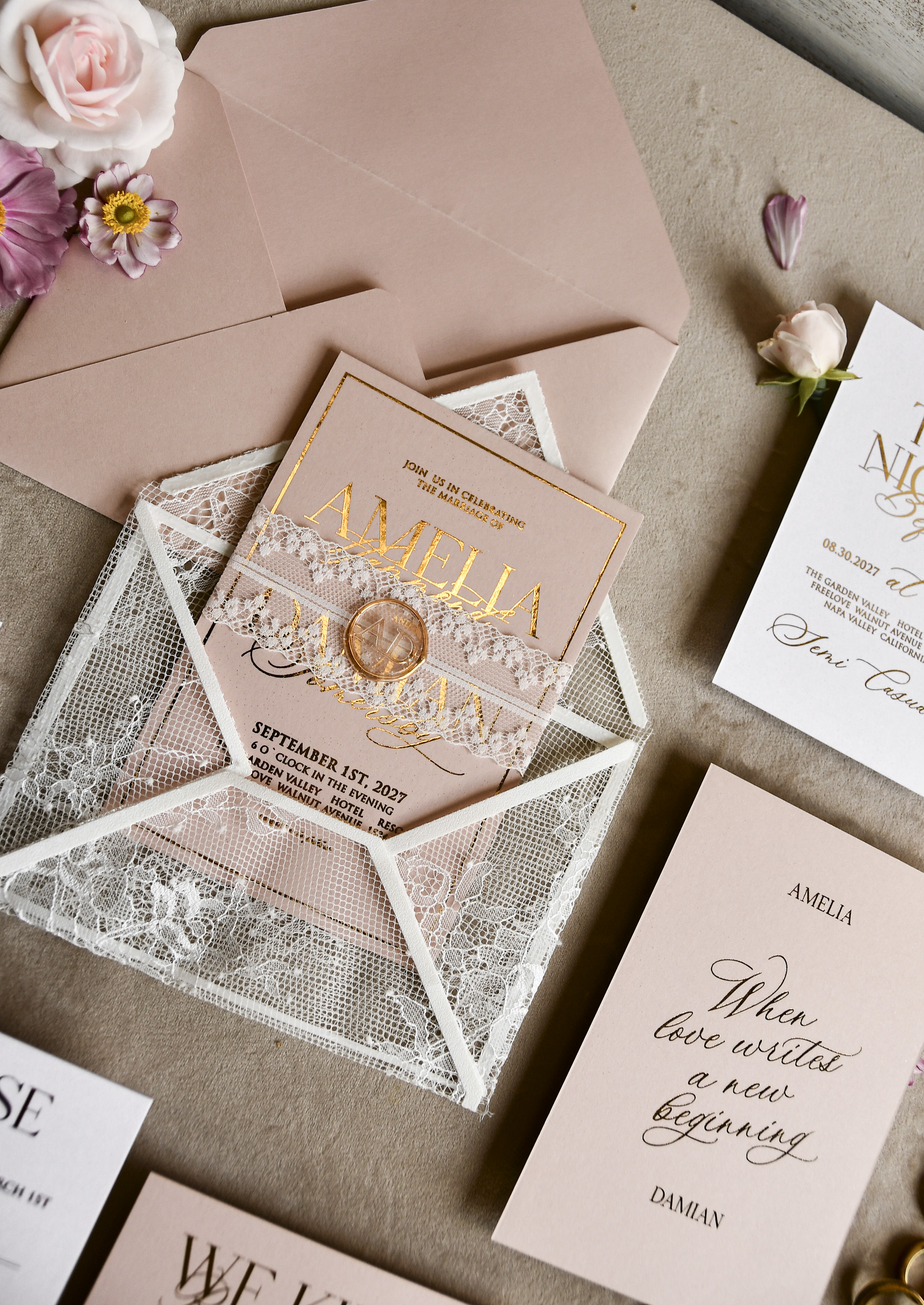
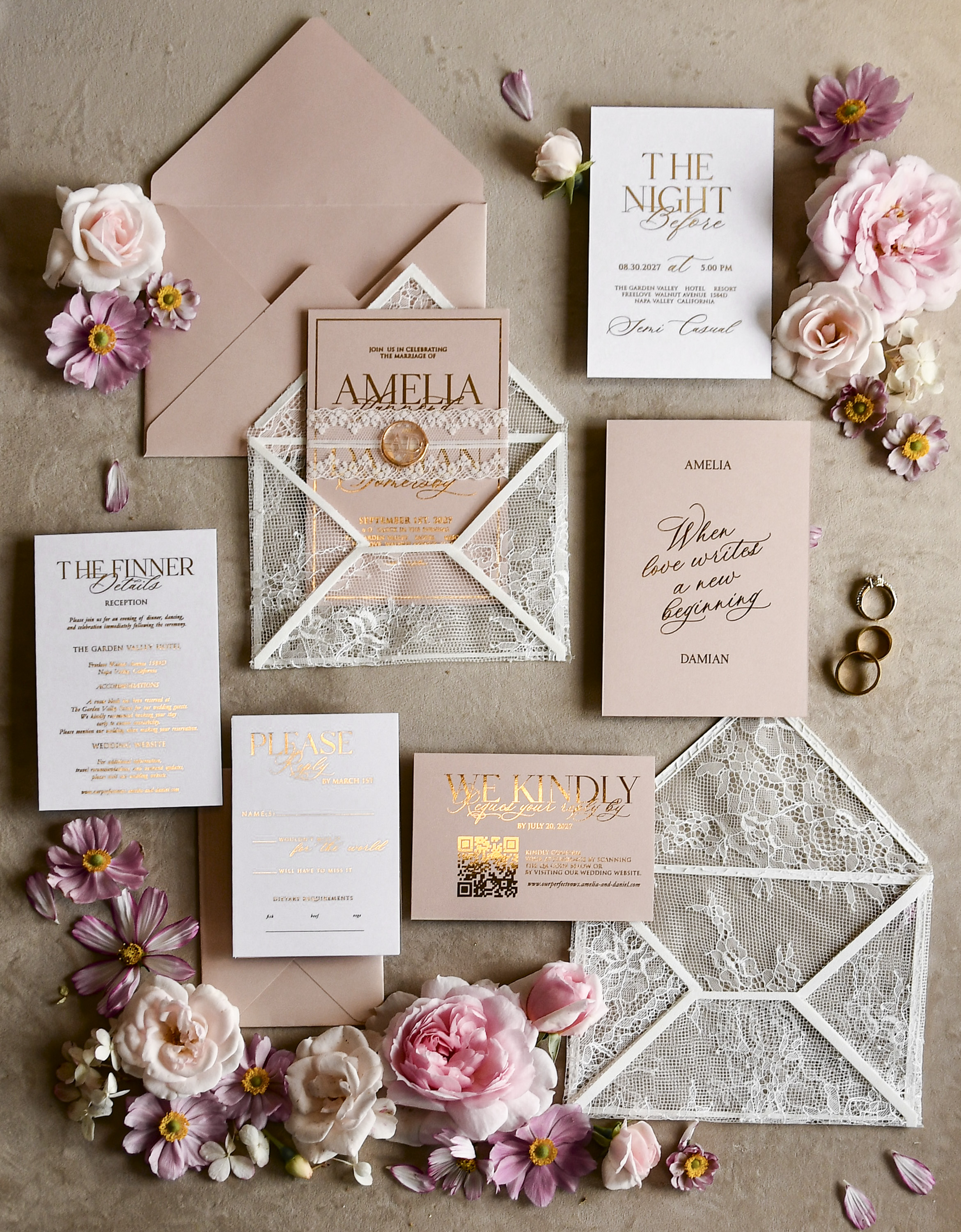
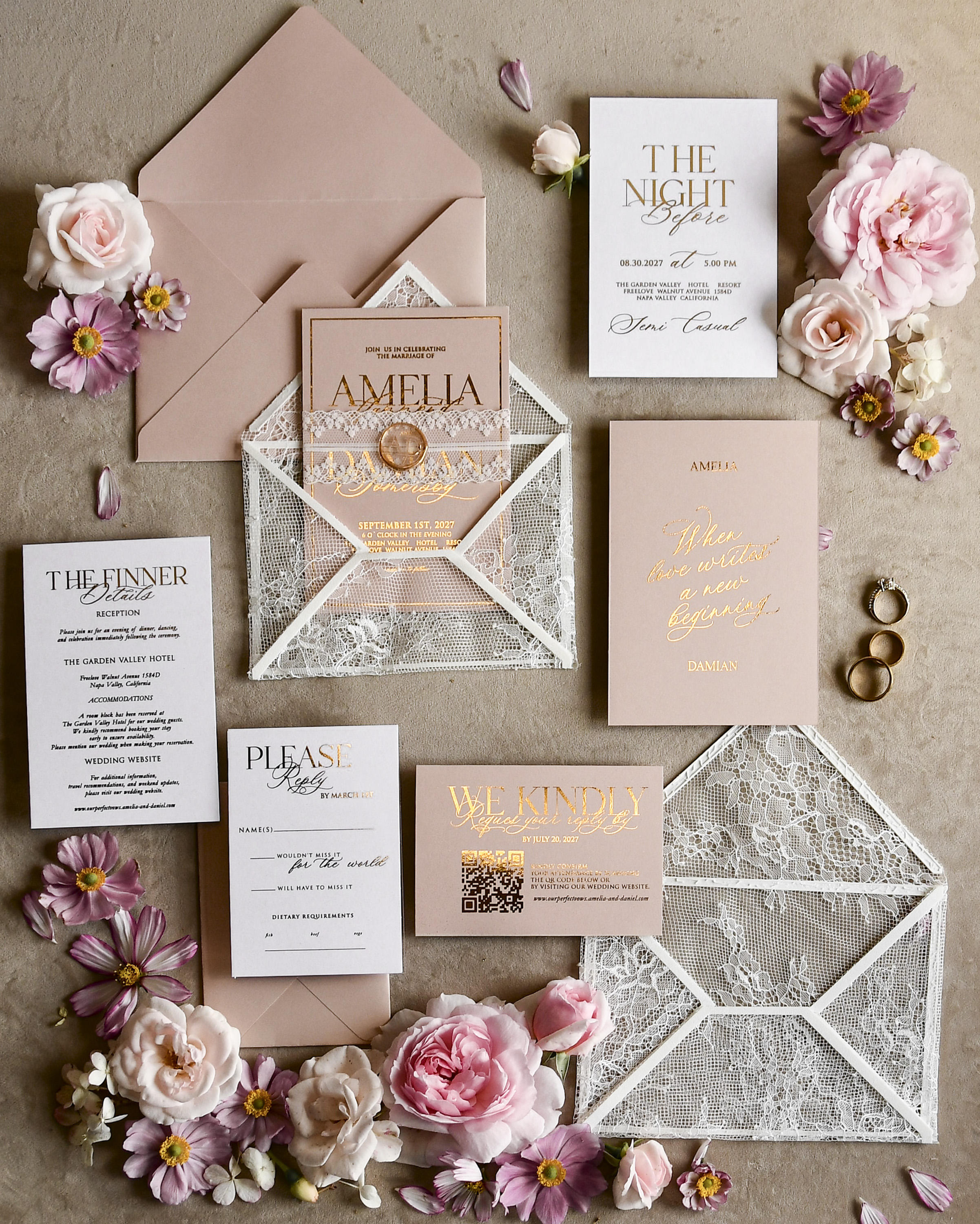
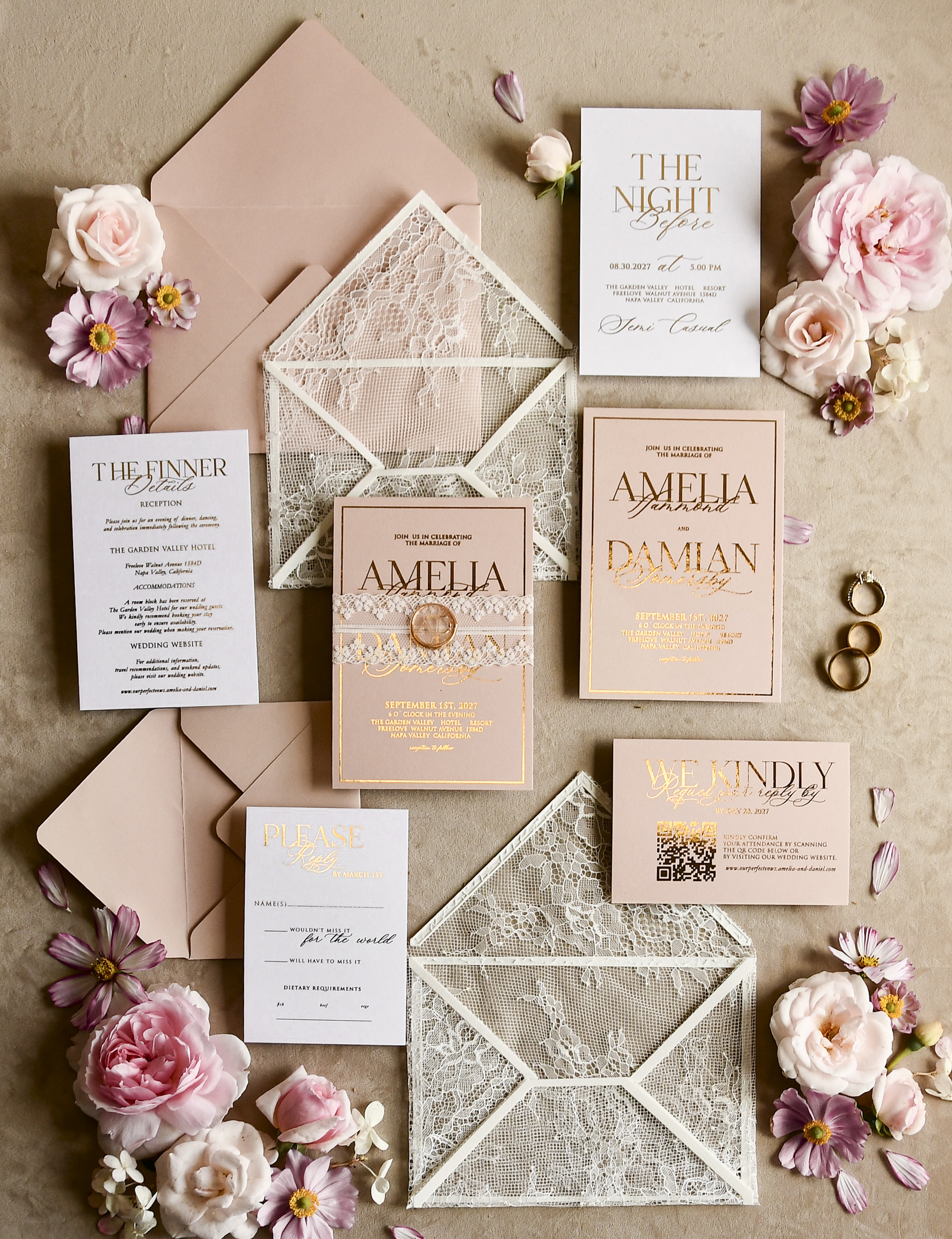
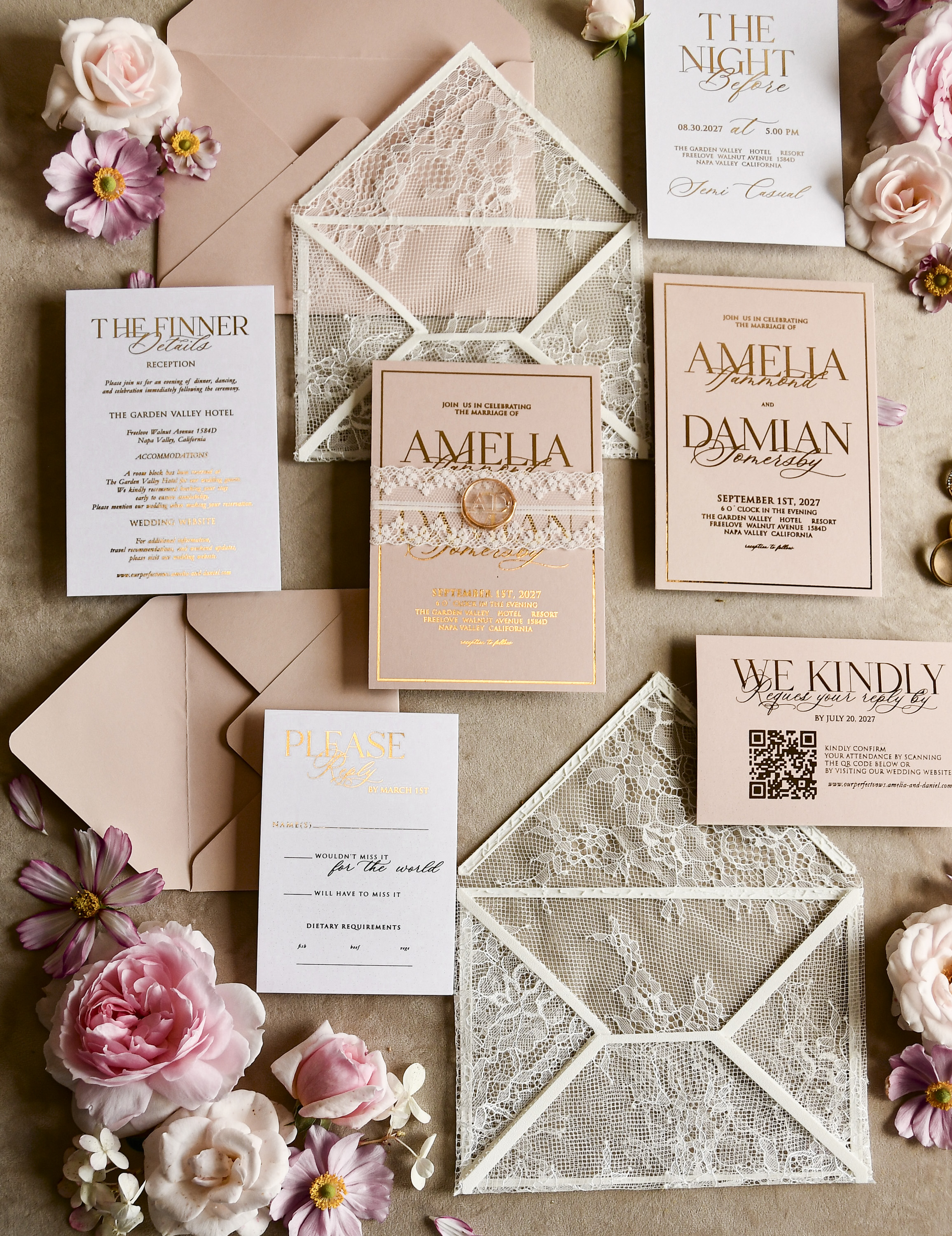
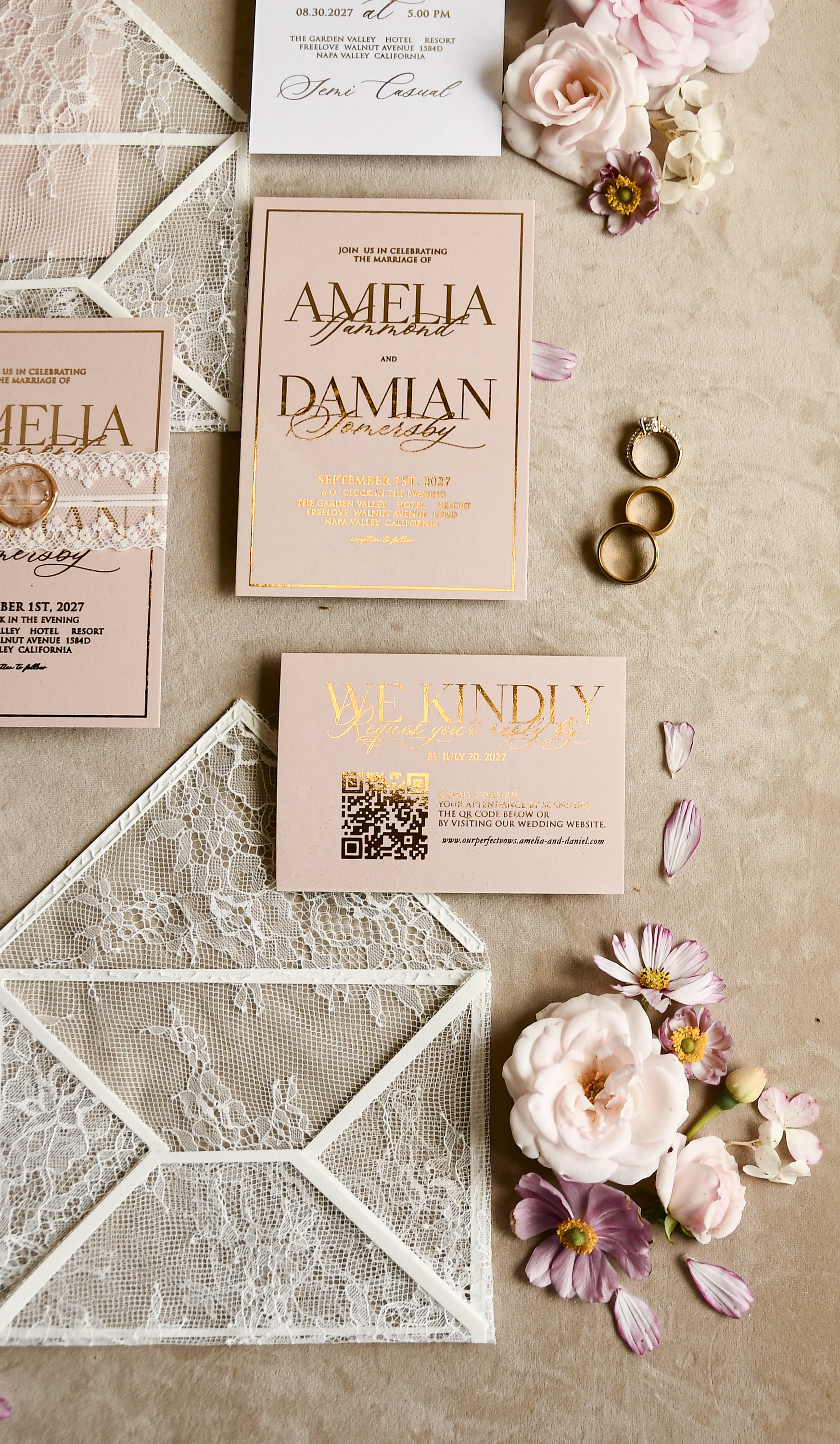
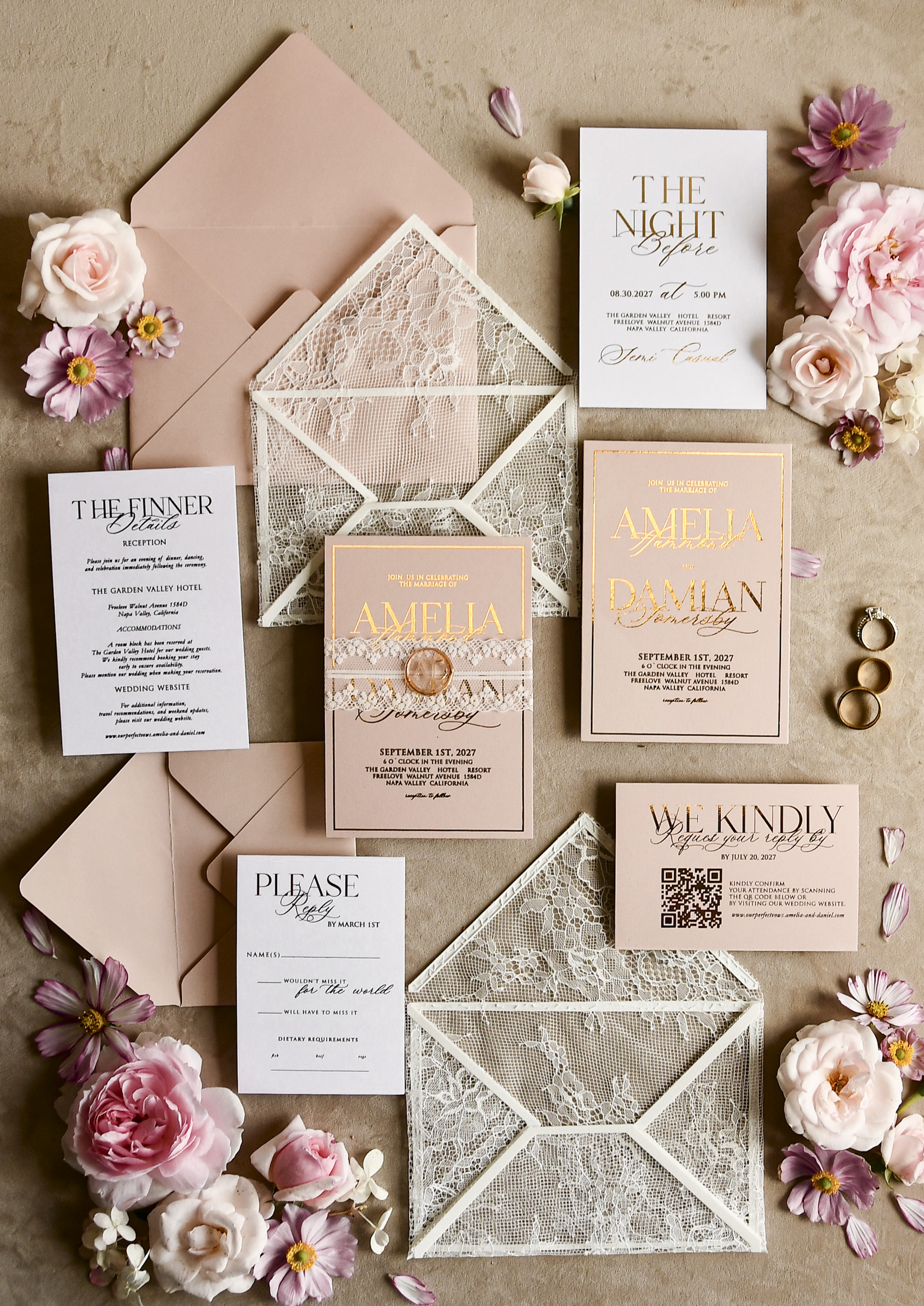
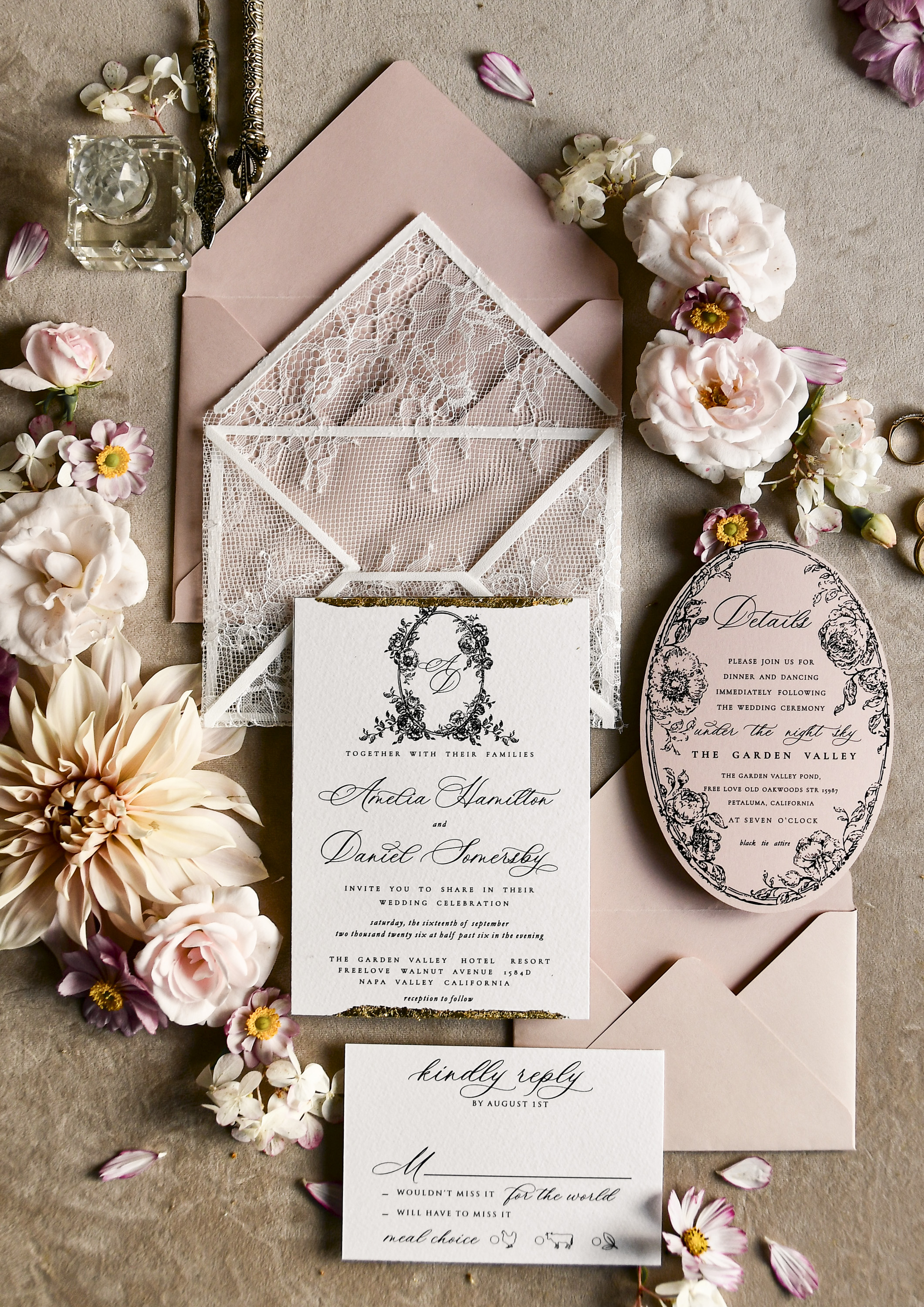
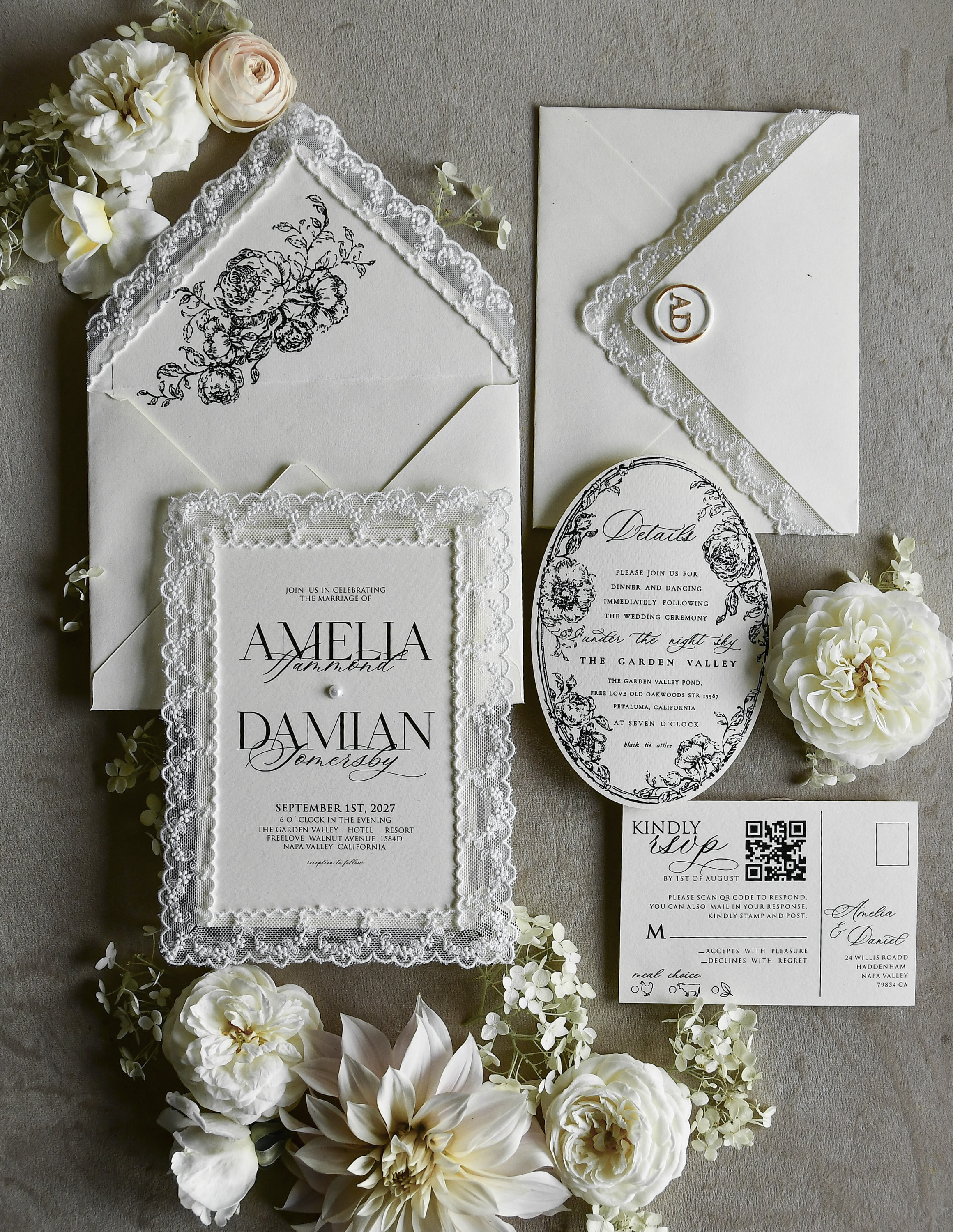
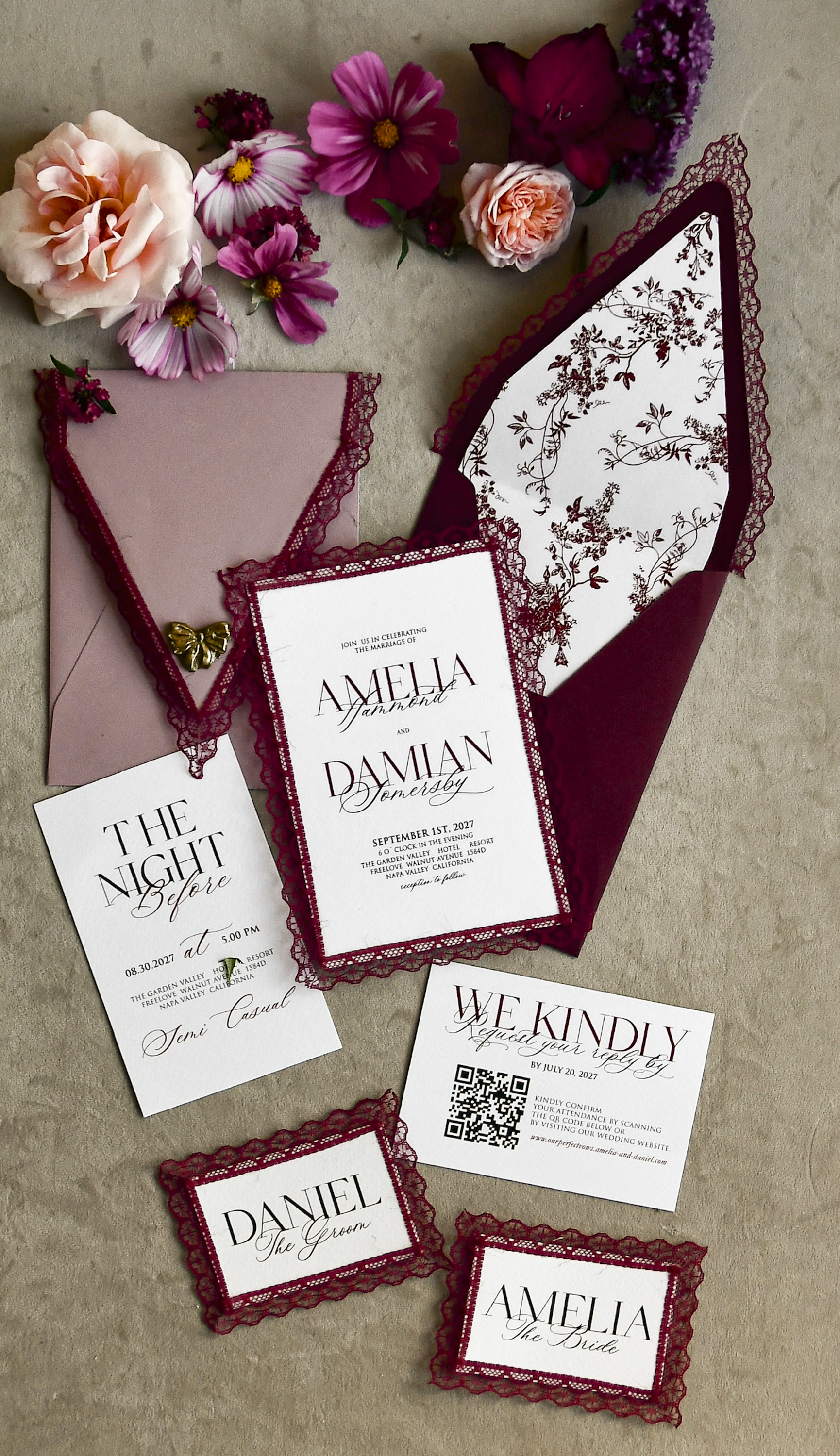
A vintage lace wedding invitation suite from our 02/lacenvD/z collection, for example, photographs beautifully and makes hand-delivery feel like a true gift — so couples often order a few extra to hand off in person while mailing the rest of the suite to their full guest list.
Etiquette Details Worth Getting Right
Whether you mail or hand-deliver, a few etiquette points apply universally:
- Address outer envelopes formally using full names and proper titles (Mr., Ms., Dr., etc.). Inner envelopes, if your suite includes them, can be more casual.
- Never email or text an invitation as a substitute for a physical one unless you're also sending a physical copy. Digital invitations are fine for casual events but feel insufficient for weddings.
- Don't hand-deliver to someone's workplace unless you know they're comfortable with it — it can put them in an awkward spot in front of colleagues.
- If you hand-deliver, still include the RSVP card and envelope so guests have an easy, stamped way to respond. Don't assume a verbal "yes" in the moment counts as an RSVP.
- Keep a master list and mark off each invitation as it's mailed or delivered. Tracking helps you follow up on missing RSVPs later.
Frequently Asked Questions
Send invitations 6–8 weeks before your wedding date for a standard domestic wedding. If guests need to travel or book accommodations, aim for 10–12 weeks so they have enough time to plan.
Very likely, yes. Take a fully assembled invitation suite to the post office and have it weighed before you stamp the rest. Suites with multiple enclosures, wax seals, or square envelopes almost always require additional postage.
Not at all — in fact, it can feel more personal and special. Just make sure you're delivering to someone at an appropriate time and place, and that you're still including all the formal enclosures like the RSVP card.
Yes, as long as all invitations go out at the same time. Guests won't know how their invitation was delivered, but they will notice if some receive theirs significantly earlier or later than others.
Yes, especially for detailed or delicate designs. Hand-canceling means a postal worker stamps each envelope by hand instead of running it through a machine, which protects embossing, vellum, and other special finishes from damage.
Always include a return address on the outer envelope so undeliverable mail comes back to you. If an invitation doesn't arrive, follow up with a phone call or email and offer to send a replacement — mistakes happen and guests will appreciate the heads-up.
See This Design Up Close
You May Also Like
More Wedding Planning Guides
- → Wedding Invitations: When the Clock Runs Out and What to Do About It
- → When a 'Yes' RSVP Turns Into an Empty Chair: What Couples Should Know
- → Guest List Too Long? Here's Exactly Where to Start Cutting
- → When Mom's Guest List and Yours Don't Match: A Practical Guide
- → Cutting Your Wedding Guest List Kindly and Confidently
- → More Guests or a More Meaningful Wedding? Here's How to Decide
- → The Art of Ceremony-Only Invitations: A Kind and Practical Guide
- → Plus-One or Not? How to Handle New Boyfriends and Girlfriends on Your Guest List
- → Skip the Stamp: A Practical Guide to Online RSVPs for Your Wedding
- → Wedding Invitation Essentials: What to Include and How to Say It
- → Save the Date vs. Wedding Invitation: What Each Card Actually Does
- → When Your Fiancé Wants a Family-Free Wedding: Finding Common Ground
- → Uninvited Plus-Ones and Tag-Alongs: How to Keep Your Guest List Intact
- → When Family Feuds Threaten Your Wedding Plans: A Practical Peacekeeper's Guide
- → Inviting an Estranged Brother or Sister: Finding Clarity Before You Seal the Envelope
- → Cousins, Invites, and Hard Choices: A Practical Guest List Guide