
When Your Fiancé Wants a Family-Free Wedding: Finding Common Ground
Few wedding disagreements cut as deep as this one. You imagined your mom dabbing her eyes in the front row and your siblings on the dance floor — and now your fiancé is asking you to leave them off the guest list entirely. Whether the reasons involve family drama, budget limits, or a desire for an intimate ceremony, this situation deserves a honest, thoughtful conversation before a single invitation goes out. Here's how to work through it without blowing up your relationship or your wedding.
Understand the 'Why' Before You React
Before you push back, get genuinely curious about your fiancé's reasoning. The motivations behind this request matter enormously, because they shape what a fair solution looks like.
- Past trauma or conflict: Your fiancé may have witnessed difficult behavior from your family members — conflict at gatherings, hurtful comments, or a pattern of drama that they fear will overshadow your wedding day.
- Budget and venue constraints: A strict guest count can make every name feel like a negotiation. If you're planning an intimate ceremony of 20 people, adding six family members is a significant shift.
- Desire for a private ceremony: Some couples genuinely want a micro-wedding or elopement-style day, and your fiancé may be applying that standard equally to both sides of the family.
- Strained relationships they've witnessed: If your family relationships are complicated — estrangement, addiction, chronic conflict — your fiancé may be trying to protect the day, and even protect you.
Ask open-ended questions: "Can you help me understand what you're worried about?" Listen without defending. You don't have to agree, but you do need to understand.
Know Your Own Non-Negotiables
After you've listened, get honest with yourself. Which family members are truly non-negotiable for you, and why? There's a difference between wanting your immediate family present — parents, siblings — and feeling obligated to invite every cousin and aunt out of guilt.
Write it down if it helps. Separate your list into three columns:
- Must-haves: People whose absence would genuinely cause you grief or damage your relationship with them long-term.
- Would love to include: People you'd enjoy having there but could celebrate with separately.
- Feel obligated to invite: People you'd invite out of social pressure rather than genuine desire.
This exercise often clarifies things. You may find your true non-negotiable list is shorter than you thought — or you may confirm that excluding your immediate family is simply not something you can accept. Either way, knowing your position clearly makes the next conversation much more productive.
Have the Real Conversation — Together
This is a conversation that needs dedicated time and privacy — not a quick exchange over dinner or a text thread. Set aside an hour when neither of you is stressed or distracted.
Start from a place of shared values: "We both want a wedding day that feels right for us. I need to tell you what 'right' means to me." Be specific. If having your mother there is essential, say so directly and explain why. If there are particular family members your fiancé objects to, ask whether a compromise is possible — perhaps those individuals attend the reception but not the ceremony, or you agree on a seating arrangement that minimizes interaction.
Some practical middle grounds worth exploring:
- Invite immediate family only (parents and siblings) and keep extended family to a post-wedding celebration
- Set a firm guest count that each of you controls equally — your half, their half, no negotiations across the line
- Agree on a code of conduct conversation with difficult family members in advance
- Consider a small ceremony followed by a larger celebration where all family is included
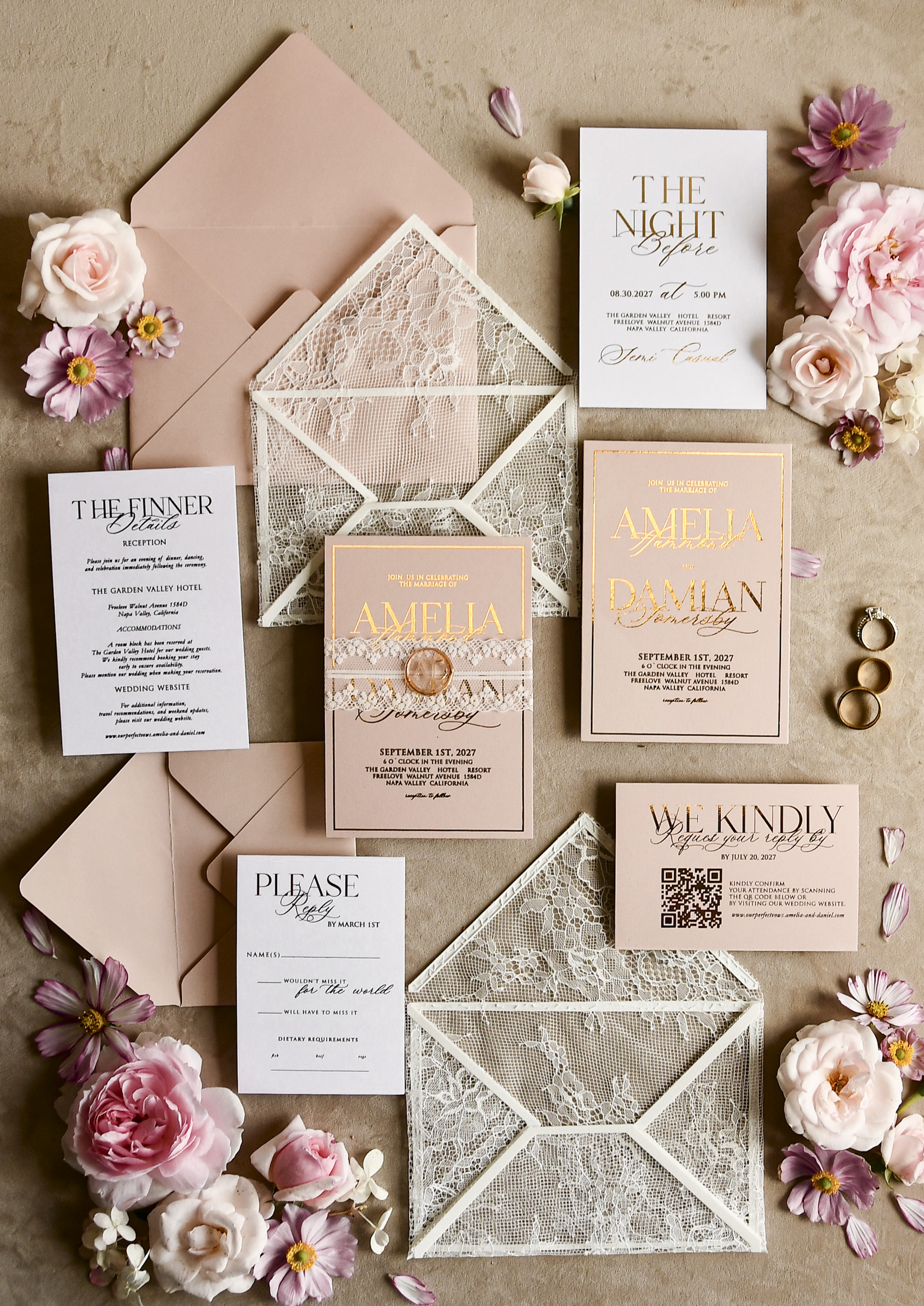
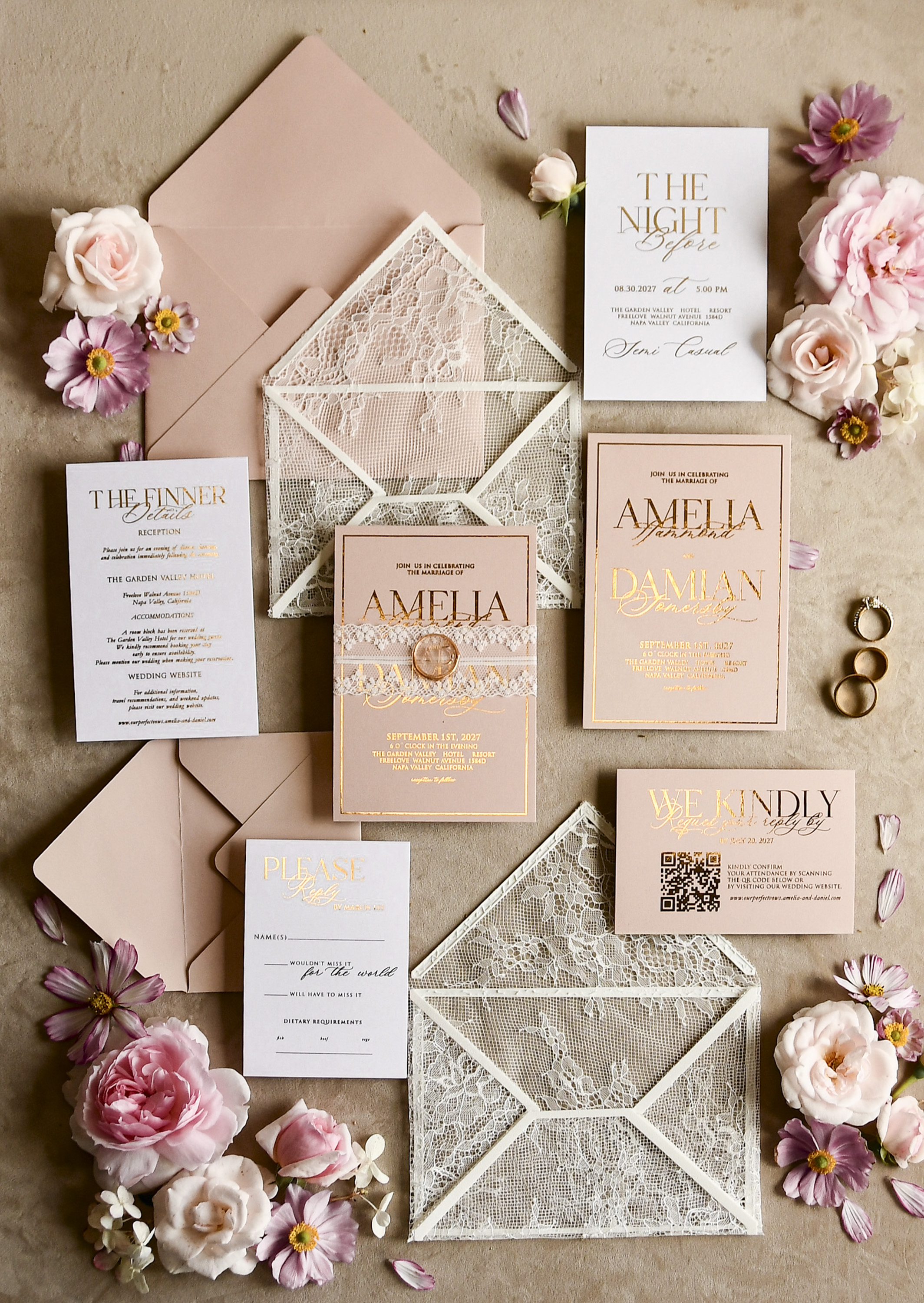
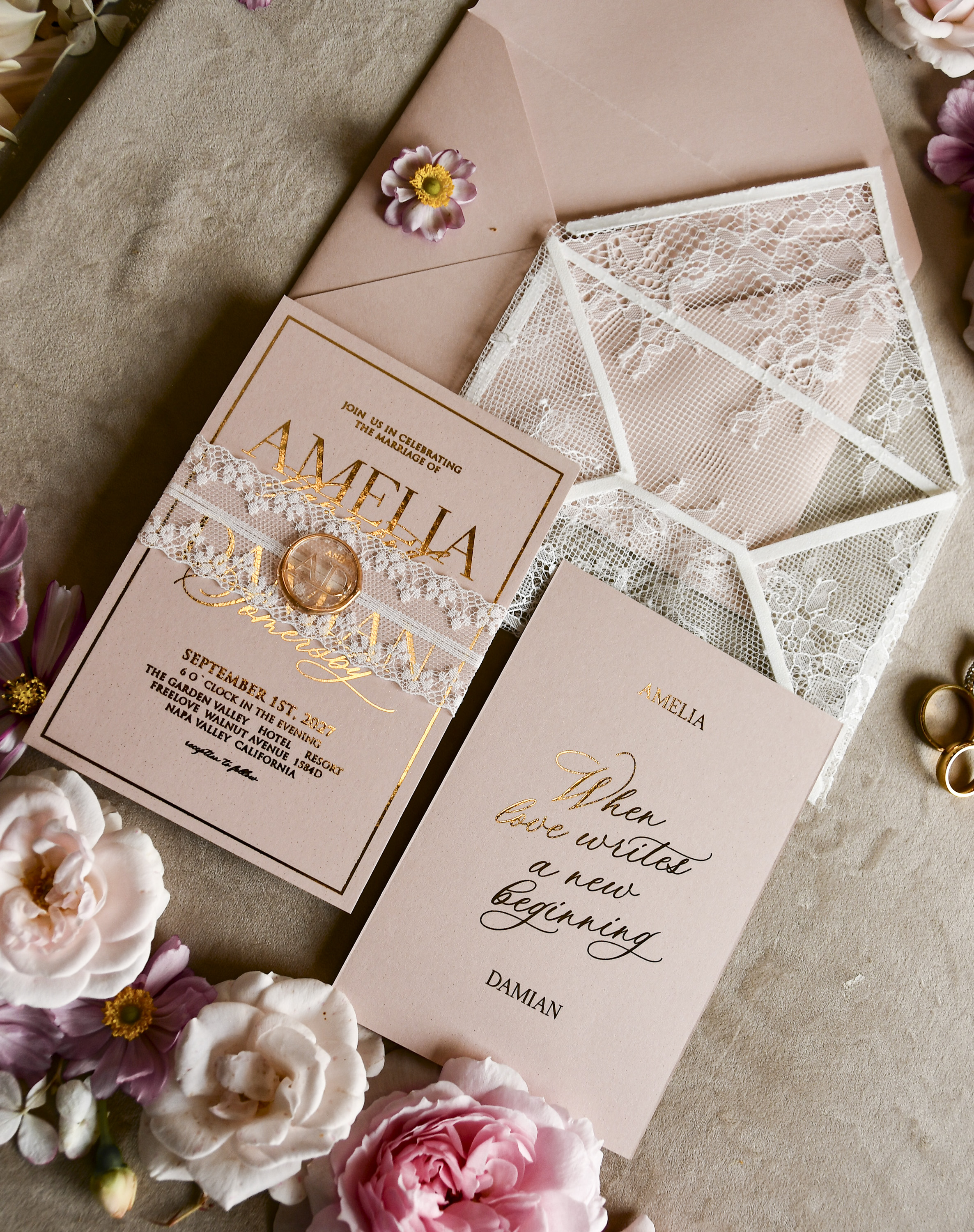
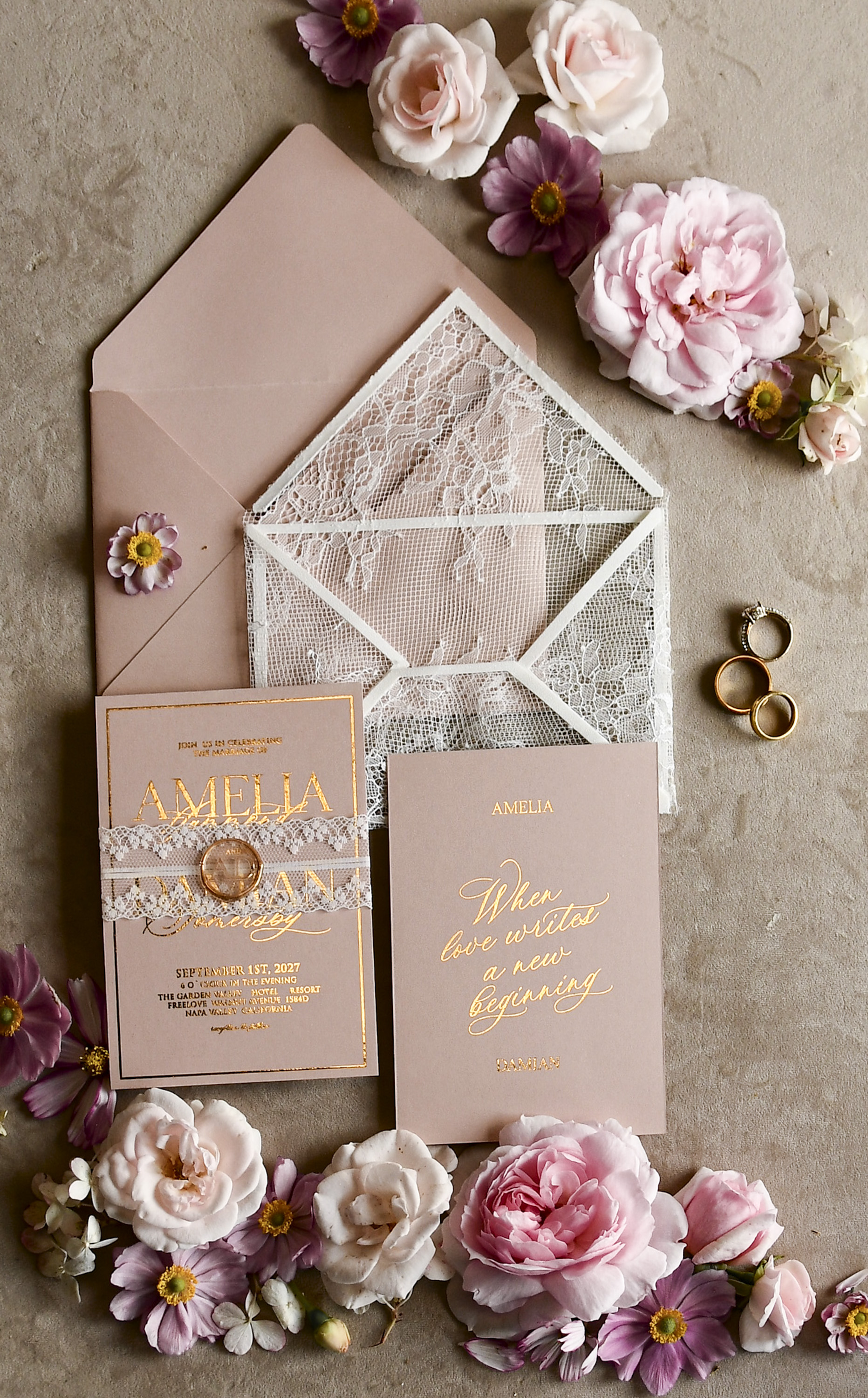
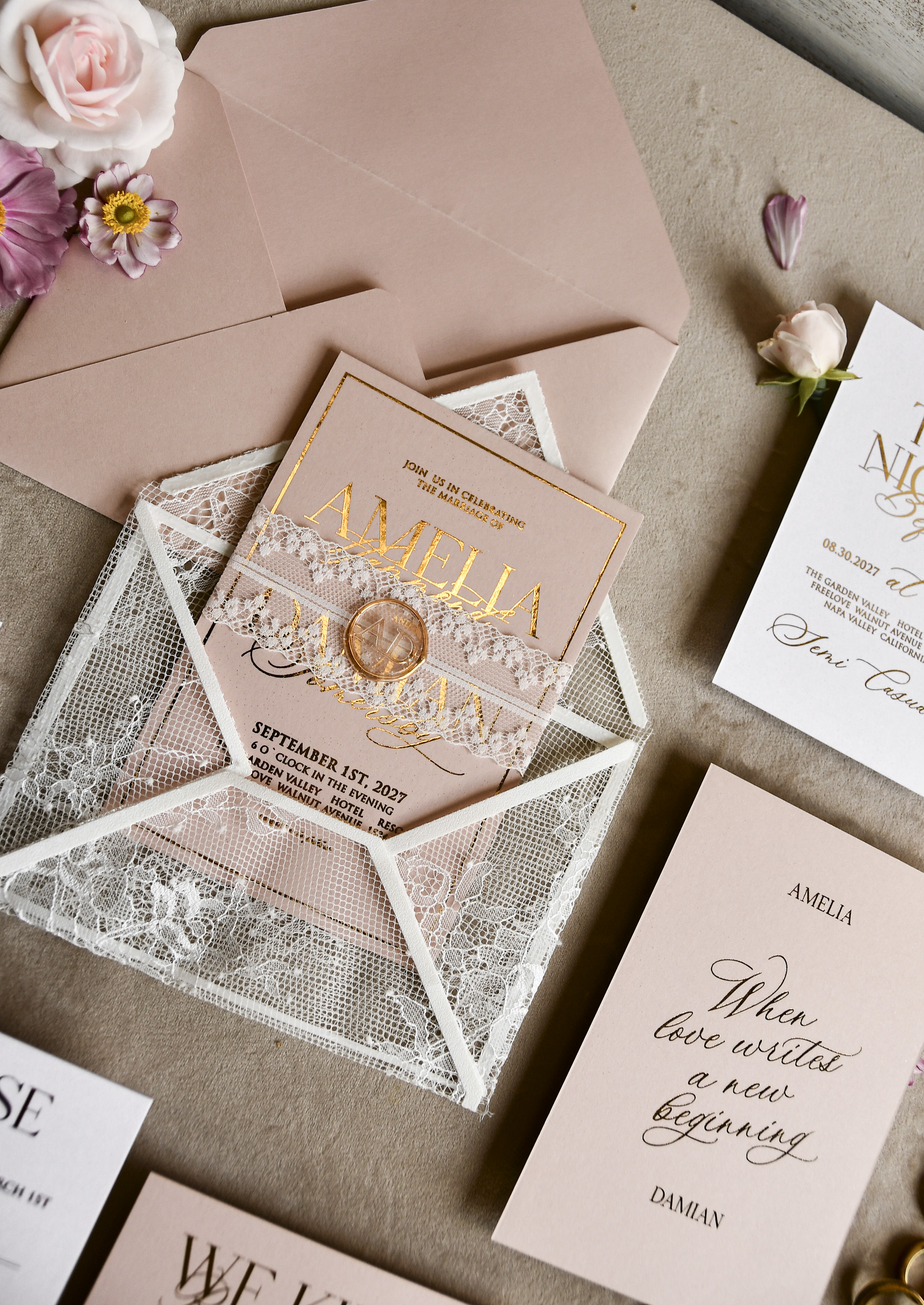
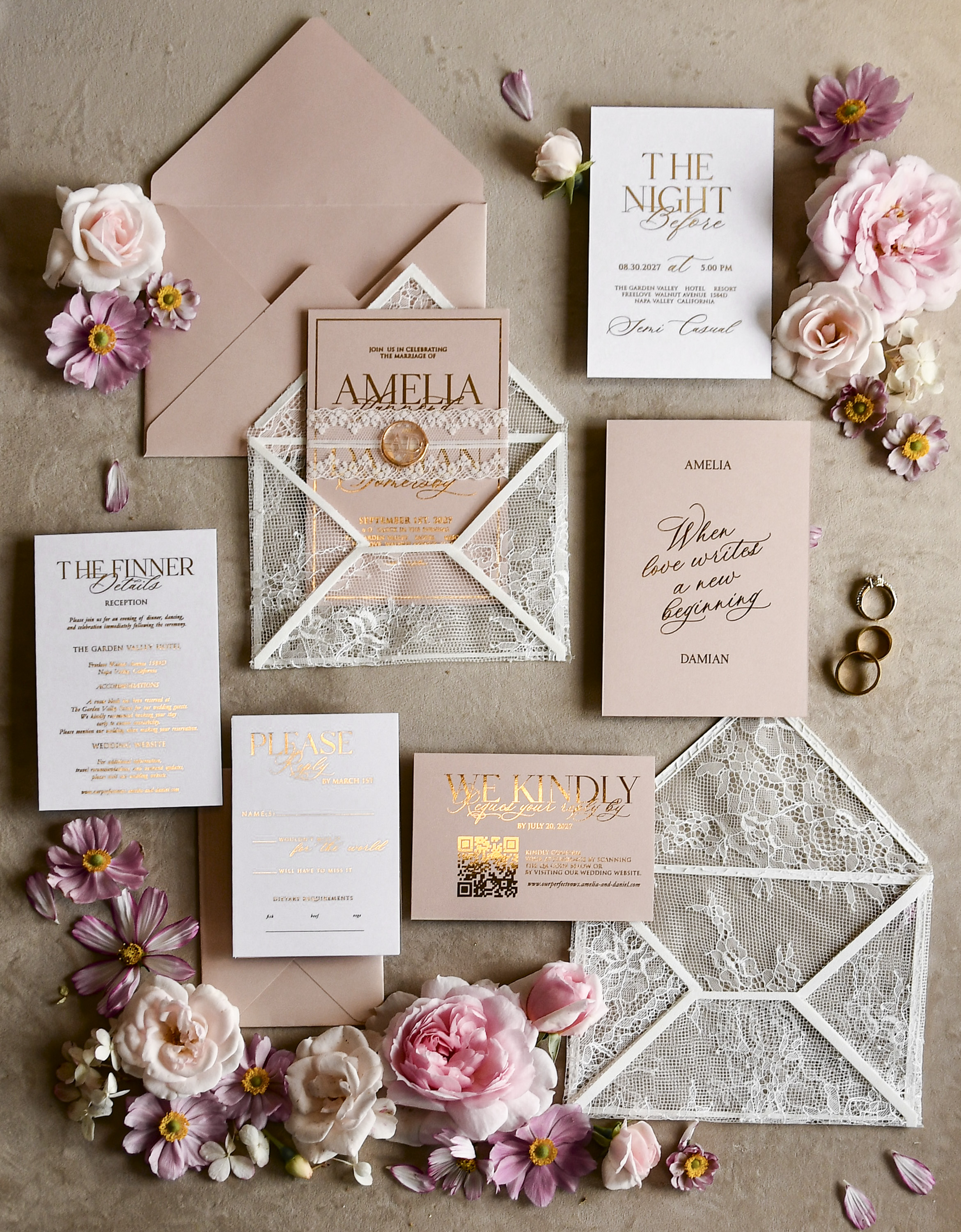
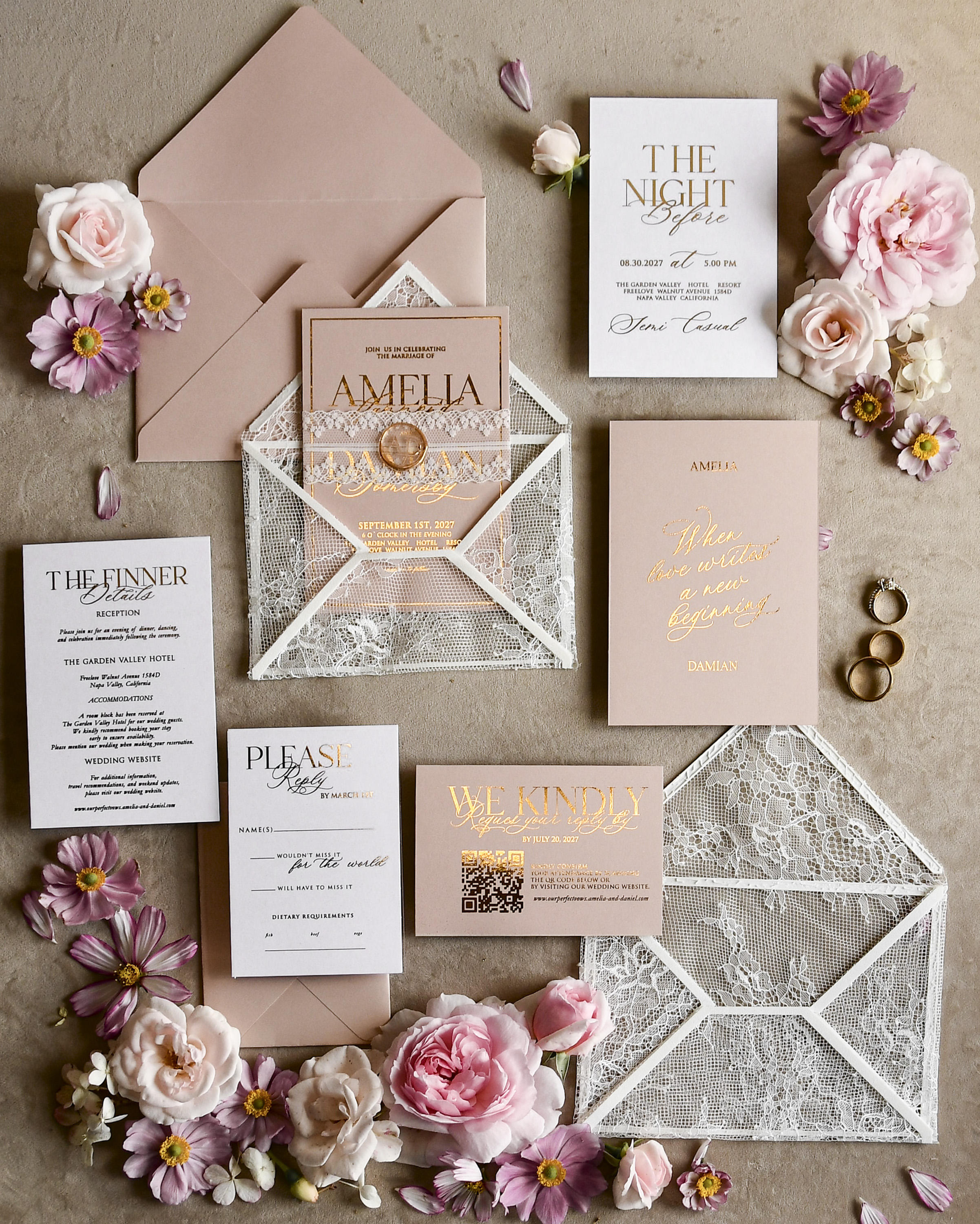
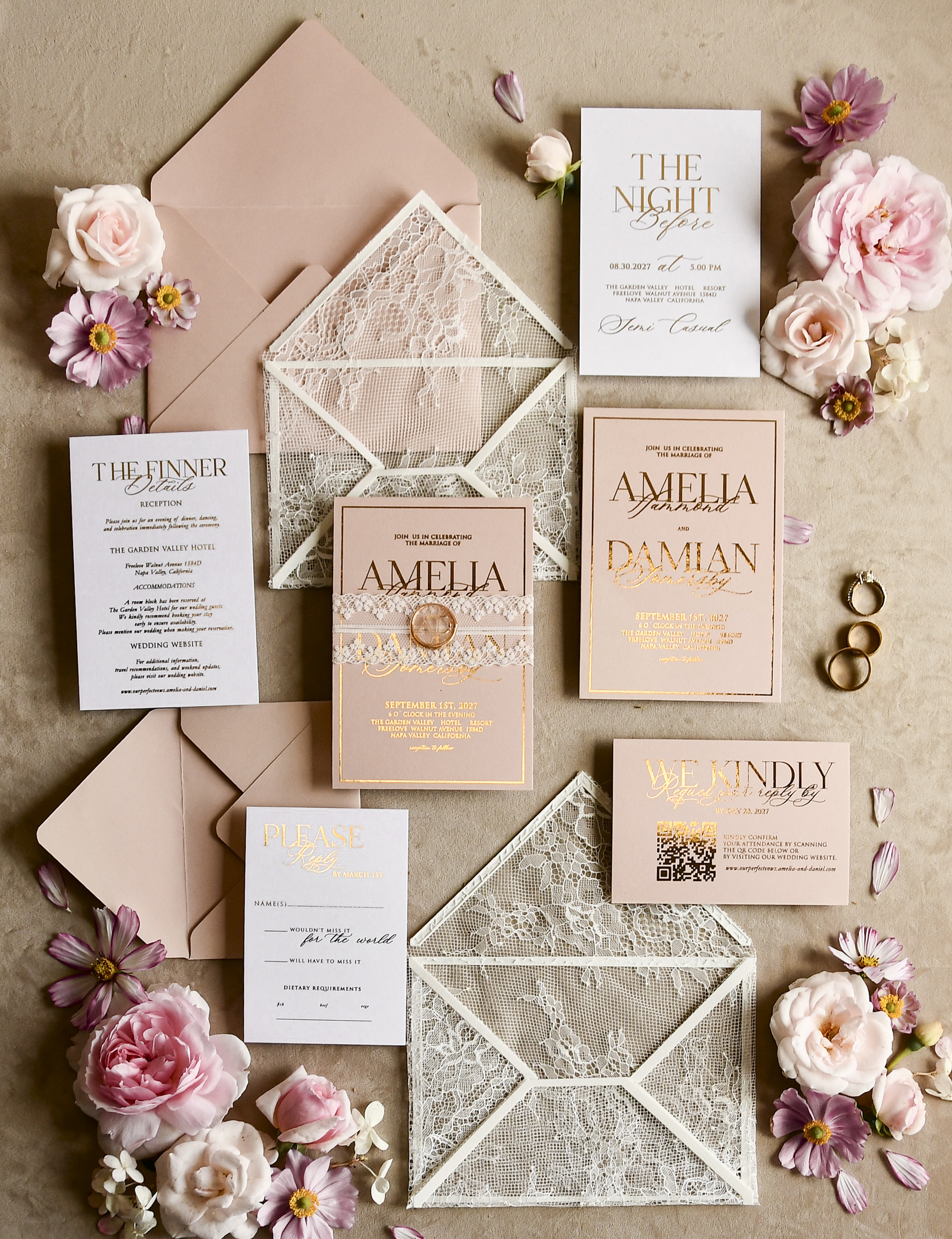
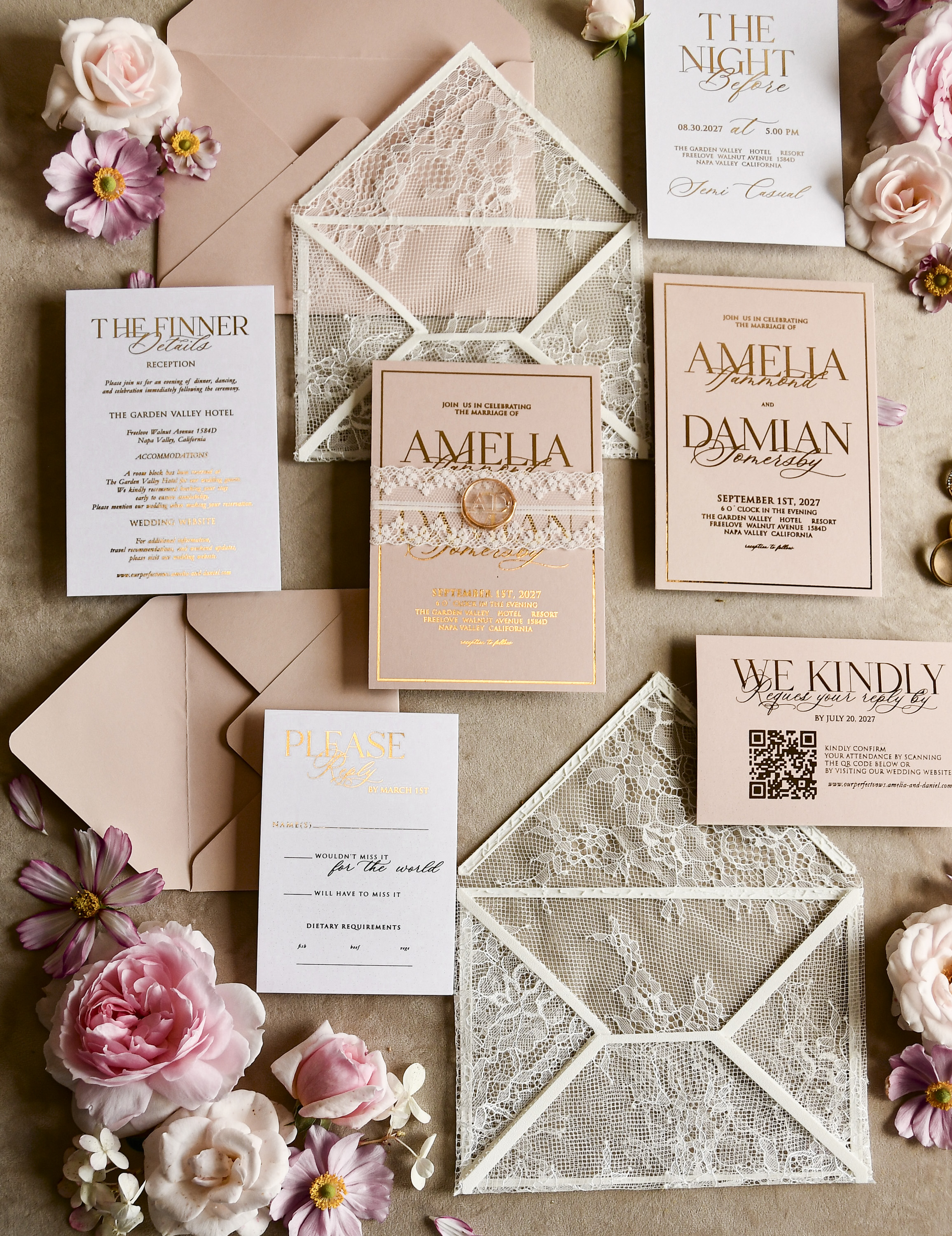
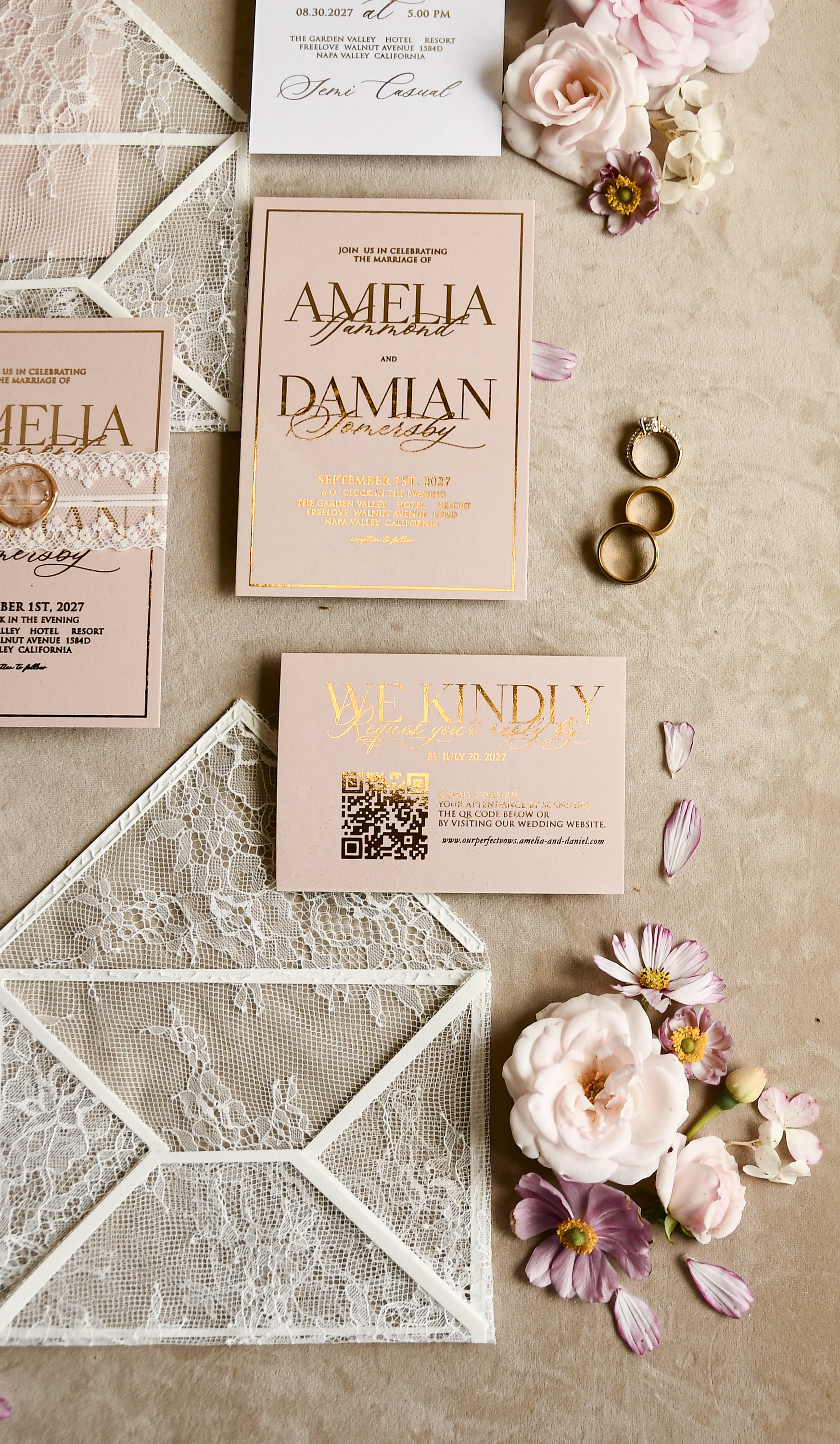
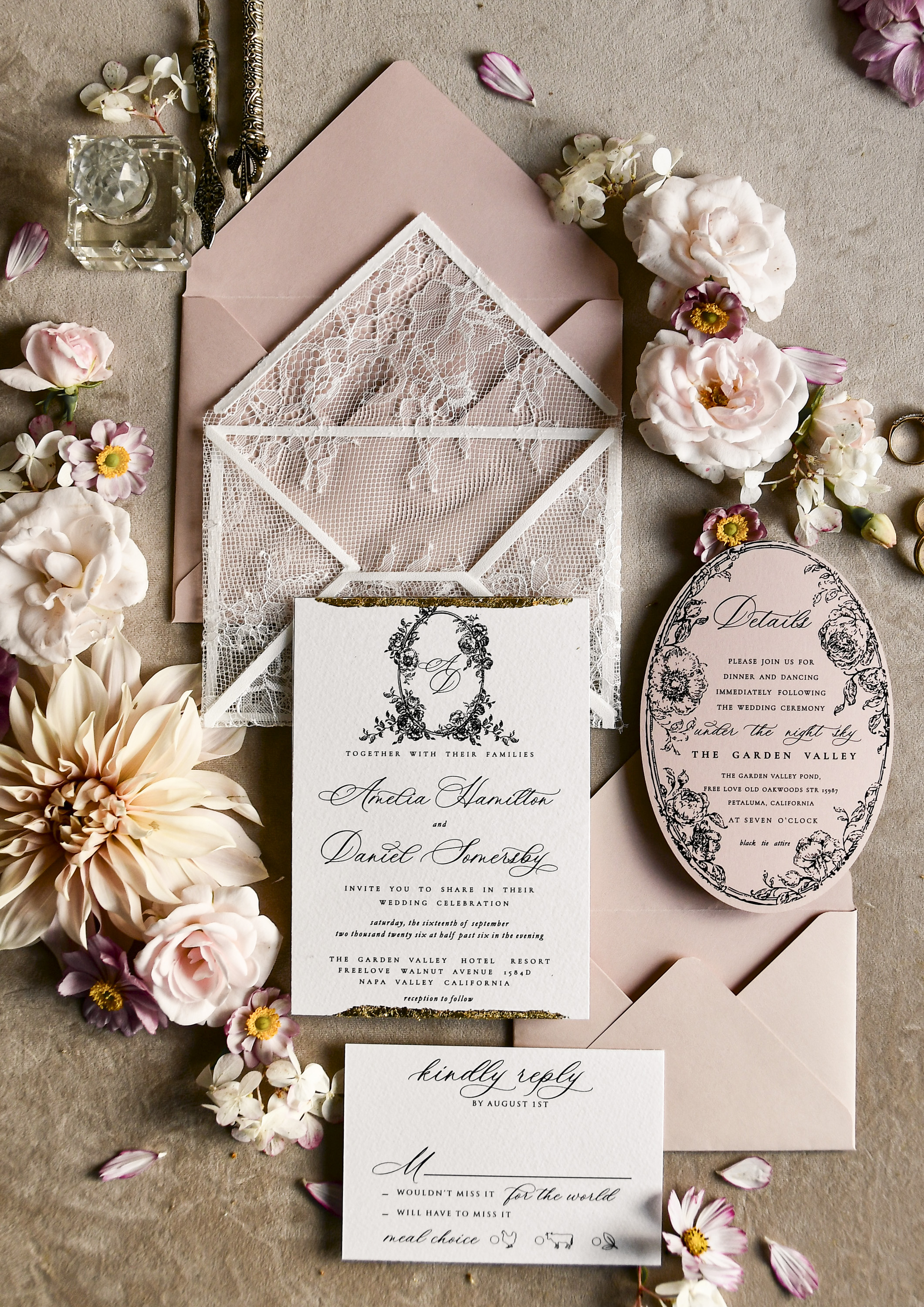
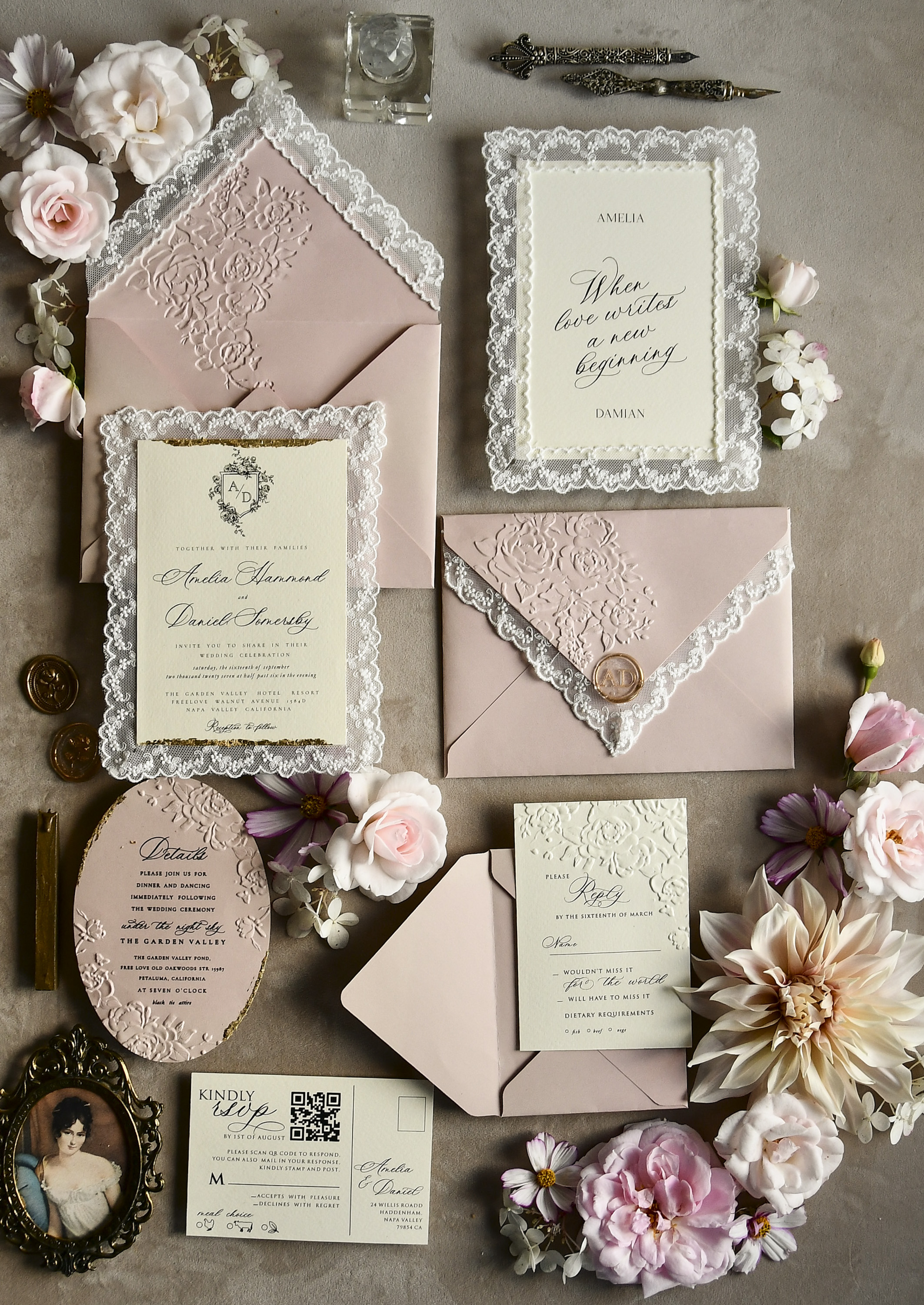
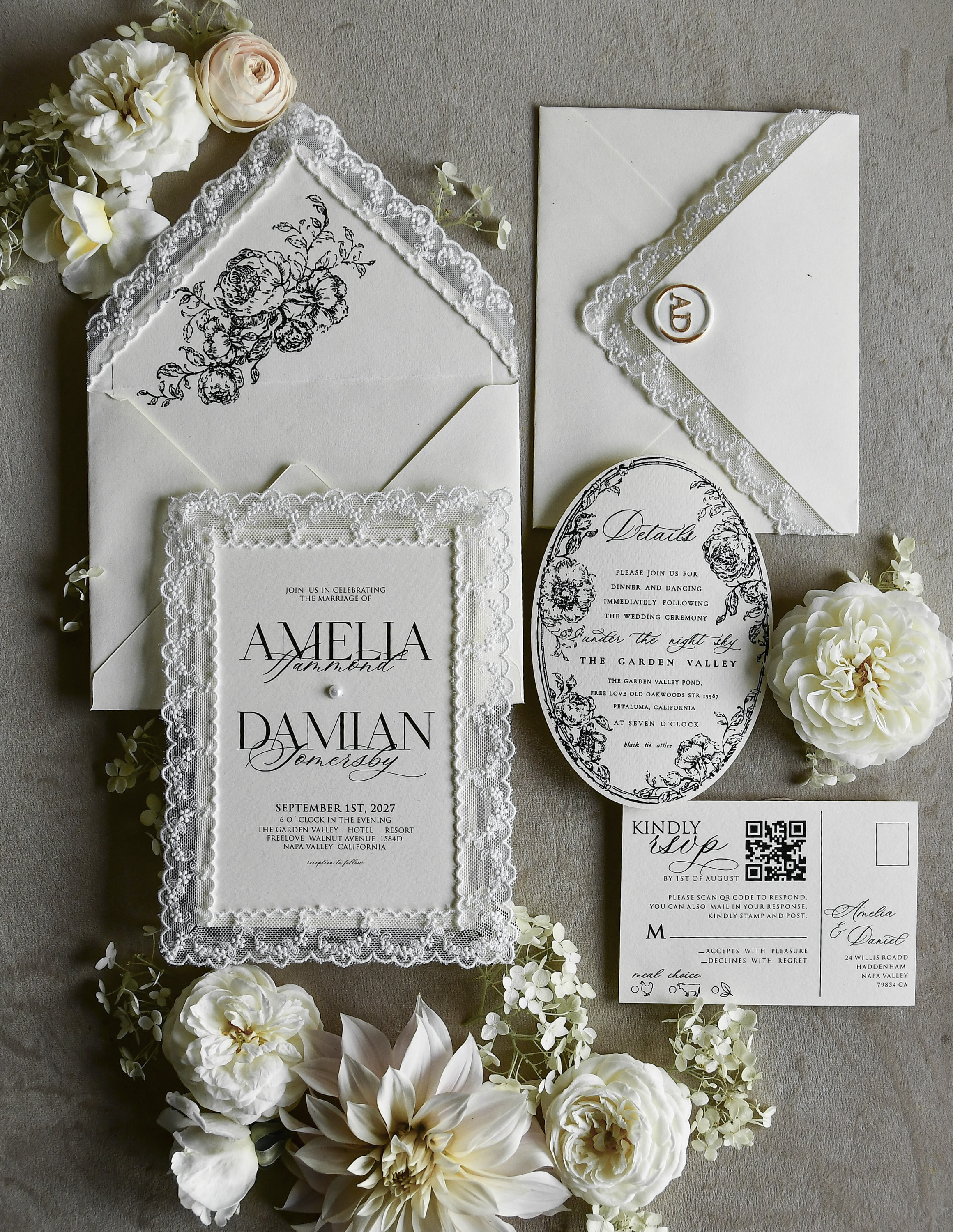
If you're designing your invitations and leaning toward an intimate, close-family-only celebration, our vintage lace wedding invitations from the 02/lacenvD/z collection set a beautifully warm, personal tone that signals this is a meaningful, intentional gathering — not a large social event.
When You Can't Agree: Involving a Third Party
If you've had multiple honest conversations and still can't find common ground, it may be time to bring in outside support — and that's not a sign of failure. A couples therapist or pre-marital counselor can help you both articulate your needs without the conversation becoming a standoff.
This issue often points to deeper questions worth exploring before you marry: How will you handle family relationships going forward? Whose comfort takes priority in different situations? How do you make major decisions when you disagree? These are exactly the kinds of questions pre-marital counseling is designed to help with.
What isn't okay is one partner simply overruling the other. A wedding is a shared event, and while compromise is expected, being told you cannot have your own parents or siblings present — without a compelling safety reason — is a significant boundary issue worth taking seriously.
Protecting Your Relationships After the Decision Is Made
Once you've reached a decision, think carefully about how you communicate it to your family. If certain people won't be invited, you owe them a private, honest conversation — not a form letter and not silence until they notice they didn't receive an invitation.
Keep the explanation simple and kind: "We're keeping the wedding very small — immediate family only" or "We're doing an intimate ceremony and celebrating with everyone at a party afterward." You don't need to assign blame or explain every detail of your fiancé's concerns.
Plan a separate celebration — a dinner, a backyard party, a brunch — so the people who matter to you still feel honored and included in this chapter of your life. The wedding is one day; these relationships are for a lifetime.
Frequently Asked Questions
Completely normal — guest list disagreements are one of the most common sources of wedding conflict. The key is treating it as a shared decision rather than one partner having final say. Most couples find a workable compromise when they approach it with honesty and flexibility.
This is worth taking seriously, especially if the behavior involved was harmful or disruptive. Consider whether a conversation with that family member beforehand, a seating arrangement, or limited attendance (ceremony only, for example) could address the concern without a full exclusion.
No — this would be a serious breach of trust and would likely cause much bigger problems than the original disagreement. If you feel you can't be honest with your partner about something this important, that's a signal to address the communication dynamic itself, ideally with a counselor.
Pay attention to that feeling. A partner isolating you from your support network — even under the framing of a wedding preference — can be a warning sign worth examining. Talk to a trusted friend, family member, or therapist if you're unsure whether the request crosses a line.
Be proactive — reach out before they hear it secondhand. Keep your explanation brief, warm, and consistent, and focus on the positive: how you plan to celebrate with them separately. Avoid over-explaining or sharing details about your fiancé's objections.
Eloping can be a genuinely beautiful solution if both partners are enthusiastic about it — but it shouldn't be a way to avoid a conversation you need to have. Make sure you're both choosing it positively, not just using it as an escape hatch from conflict.
See This Design Up Close



You May Also Like
More Wedding Planning Guides
- → Wedding Invitations: When the Clock Runs Out and What to Do About It
- → The Smartest Way to Get Your Wedding Invitations Into Guests' Hands
- → When a 'Yes' RSVP Turns Into an Empty Chair: What Couples Should Know
- → Guest List Too Long? Here's Exactly Where to Start Cutting
- → When Mom's Guest List and Yours Don't Match: A Practical Guide
- → Cutting Your Wedding Guest List Kindly and Confidently
- → More Guests or a More Meaningful Wedding? Here's How to Decide
- → The Art of Ceremony-Only Invitations: A Kind and Practical Guide
- → Plus-One or Not? How to Handle New Boyfriends and Girlfriends on Your Guest List
- → Skip the Stamp: A Practical Guide to Online RSVPs for Your Wedding
- → Wedding Invitation Essentials: What to Include and How to Say It
- → Save the Date vs. Wedding Invitation: What Each Card Actually Does
- → Uninvited Plus-Ones and Tag-Alongs: How to Keep Your Guest List Intact
- → When Family Feuds Threaten Your Wedding Plans: A Practical Peacekeeper's Guide
- → Inviting an Estranged Brother or Sister: Finding Clarity Before You Seal the Envelope
- → Cousins, Invites, and Hard Choices: A Practical Guest List Guide