
The Art of Ceremony-Only Invitations: A Kind and Practical Guide
Budget limits, venue capacity, and family dynamics can all push couples toward a tricky question: is it acceptable to invite someone to witness your vows without including them at the dinner and dancing afterward? The short answer is yes — but how you handle it makes all the difference. Done thoughtfully, ceremony-only invitations are a completely legitimate and even appreciated gesture. Done carelessly, they can sting. This guide walks you through the etiquette, the logistics, and the exact wording you need to get it right.
When Ceremony-Only Invitations Are Totally Acceptable
There are several situations where limiting certain guests to the ceremony is not just acceptable — it's expected:
- Venue size mismatch: Your ceremony is held in a large church or outdoor space, but your reception venue only holds 50 people.
- Budget constraints: Per-head reception costs are significant. Keeping the dinner list tight while opening the ceremony to more loved ones is a practical solution.
- Large extended family or faith communities: Cultural and religious traditions often assume the ceremony is a community event while the reception is more intimate.
- Workplace acquaintances or distant connections: Colleagues, neighbors, or distant relatives who matter to you but aren't in your inner circle.
The key principle: ceremony-only invitations work best when there's a clear, logical reason behind them — and when the guest can reasonably understand that reason without feeling singled out.
What You Should Never Do
Etiquette gets complicated when ceremony-only invitations feel arbitrary or personal. Avoid these common missteps:
- Don't mix the groups visibly at the ceremony. If some guests know others are heading to a reception they weren't invited to, it creates an awkward, exclusionary atmosphere right after your vows.
- Don't make them find out at the door. A guest who arrives expecting a full celebration and discovers they're leaving after the kiss will feel blindsided — and rightfully so.
- Don't seat ceremony-only guests next to reception guests during the service. Keep seating natural and avoid conversations that highlight the divide.
- Don't invite someone ceremony-only if they're traveling from out of town. Asking someone to fly in just to watch a 30-minute ceremony with no meal or celebration afterward is genuinely unkind. Make exceptions for these guests whenever possible.
How to Word the Invitation Clearly and Kindly
Clear communication is everything here. Your invitation should make the scope of the invitation obvious without being blunt or apologetic. There are two clean approaches:
- Send separate invitations: Reception guests receive a full invitation suite with a reception card. Ceremony-only guests receive a simpler invitation with no reception details included. This is the most graceful method — no one reads what they weren't sent.
- Use a ceremony-only card: Include a small card that reads something like: "We joyfully invite you to celebrate our marriage ceremony. A private reception will follow for immediate family and close friends." This is honest and warm without over-explaining.
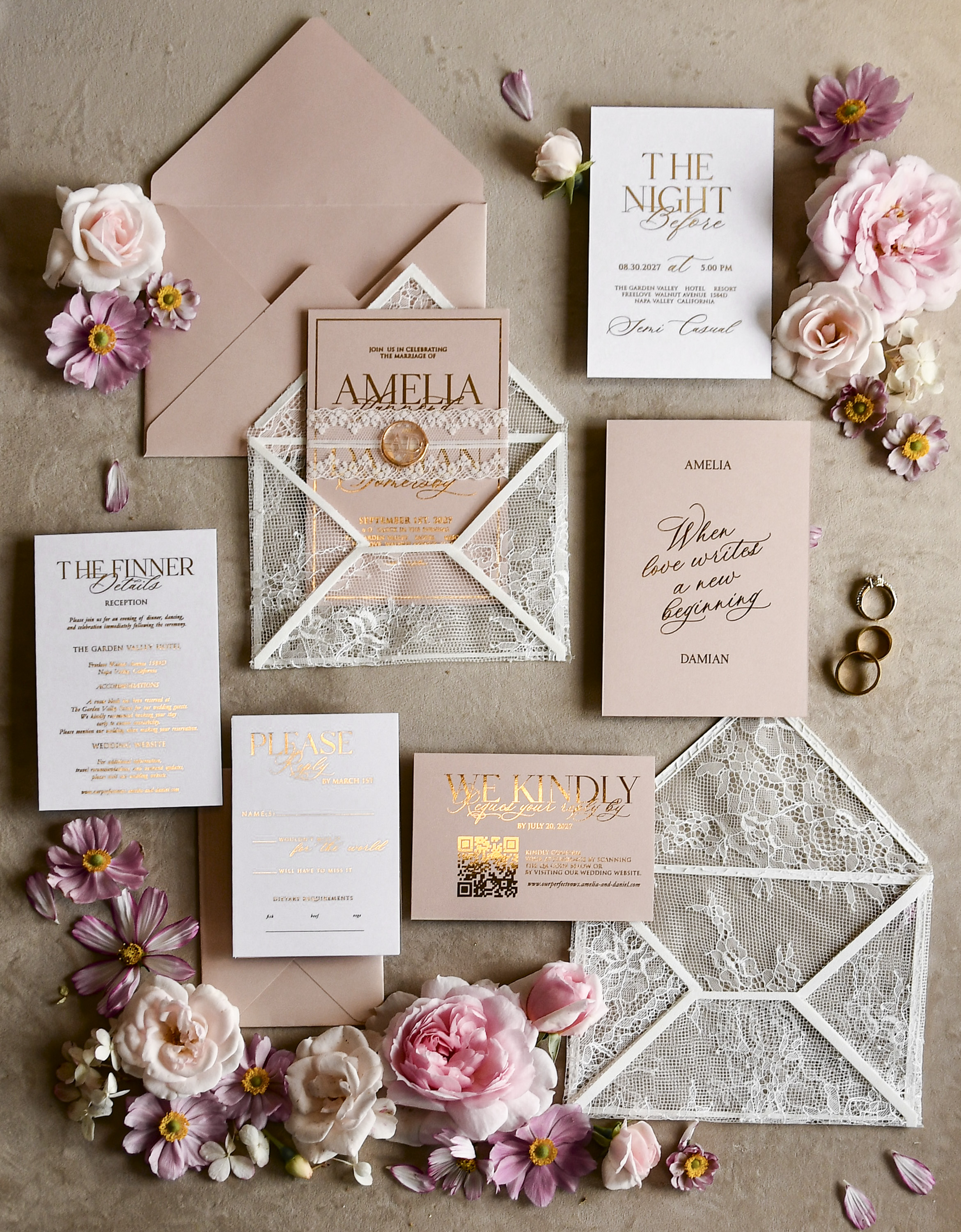
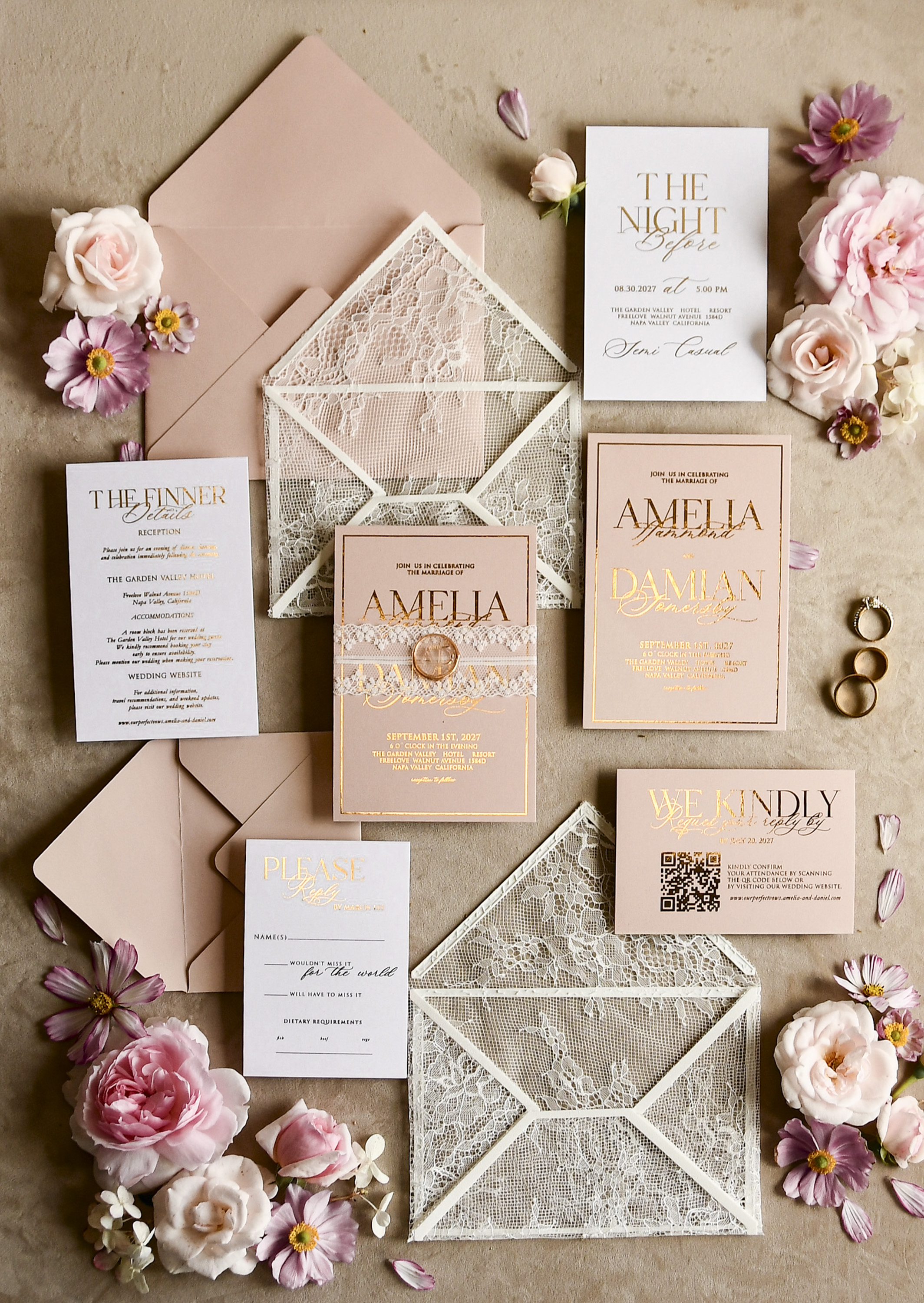
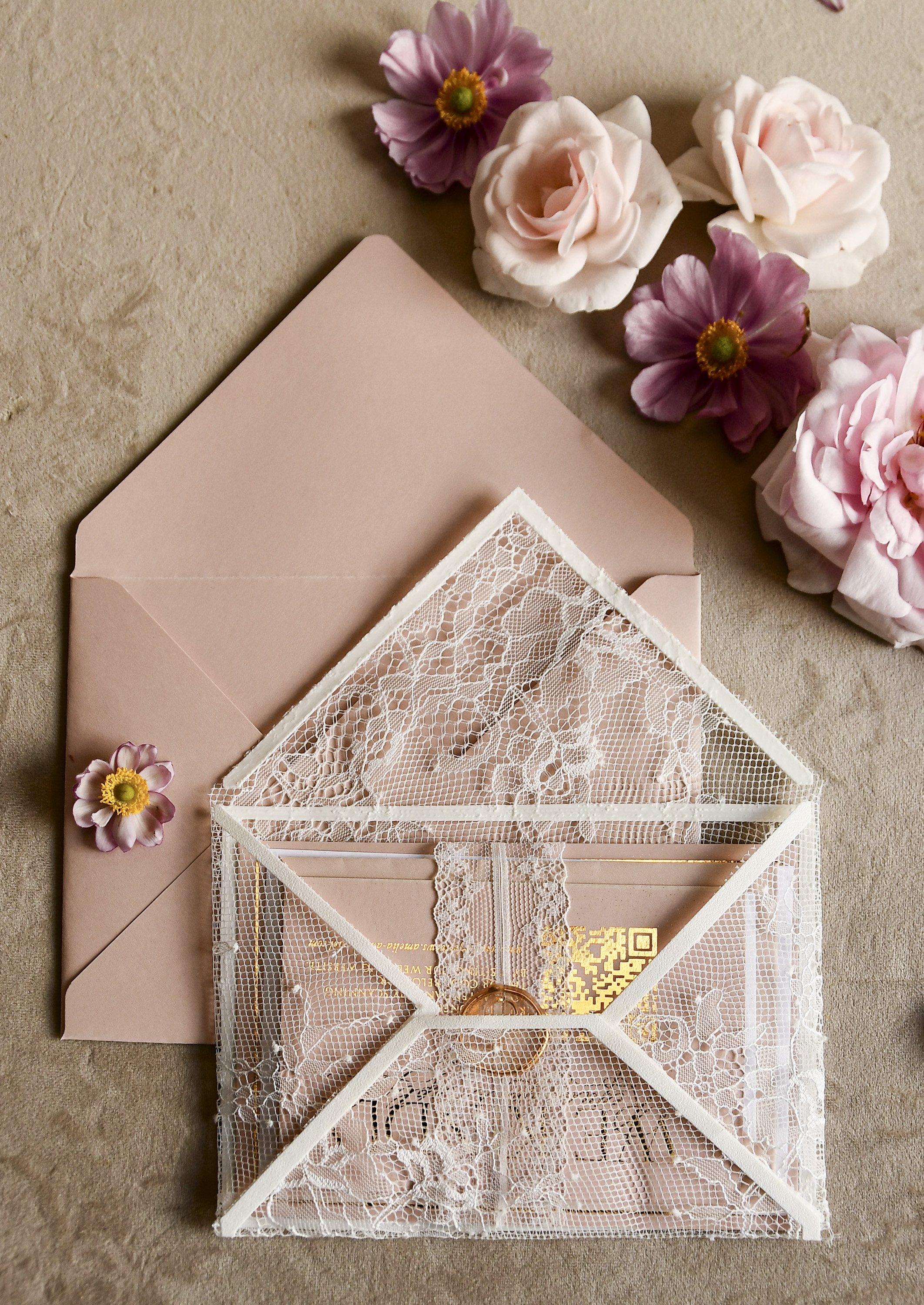
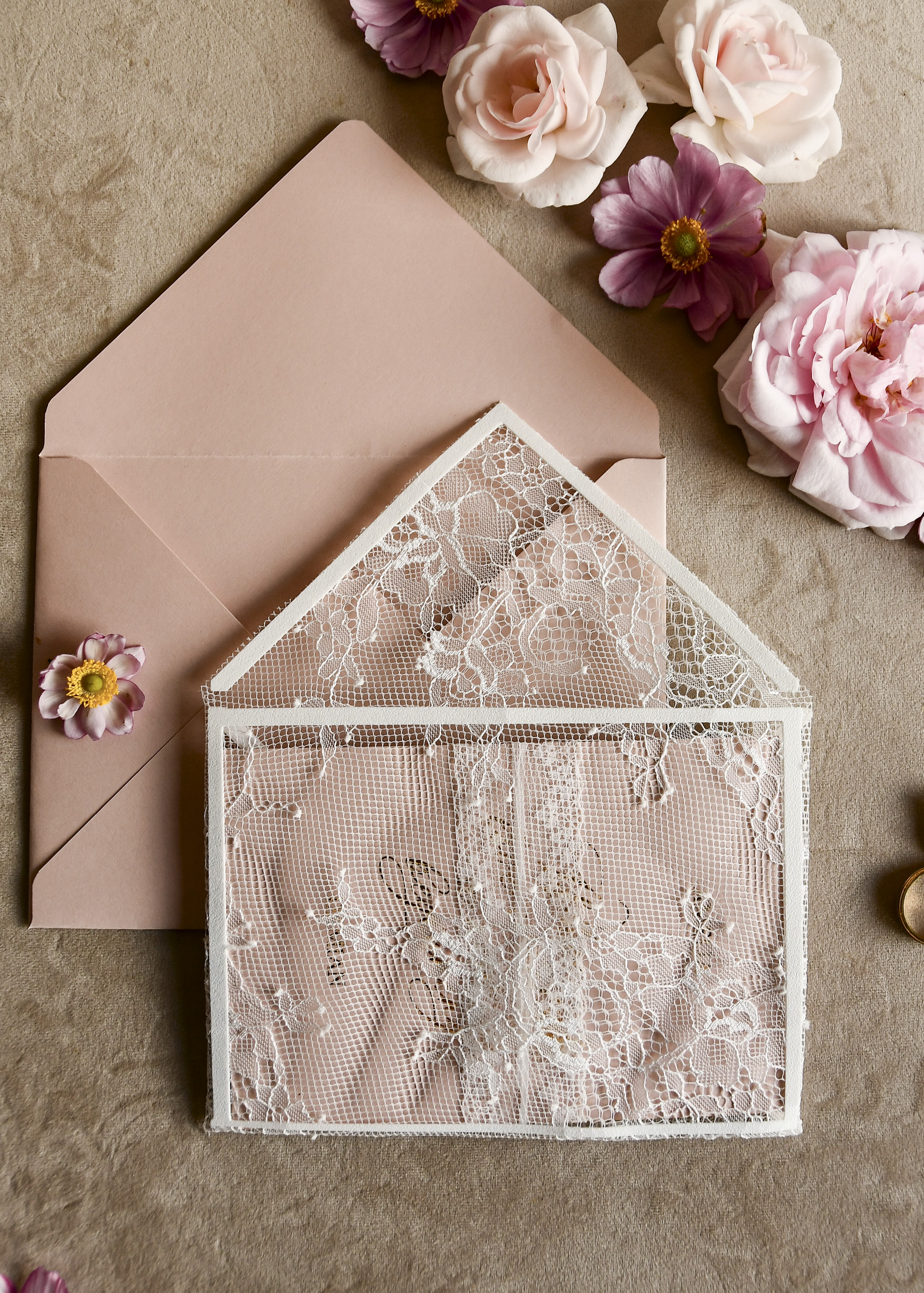
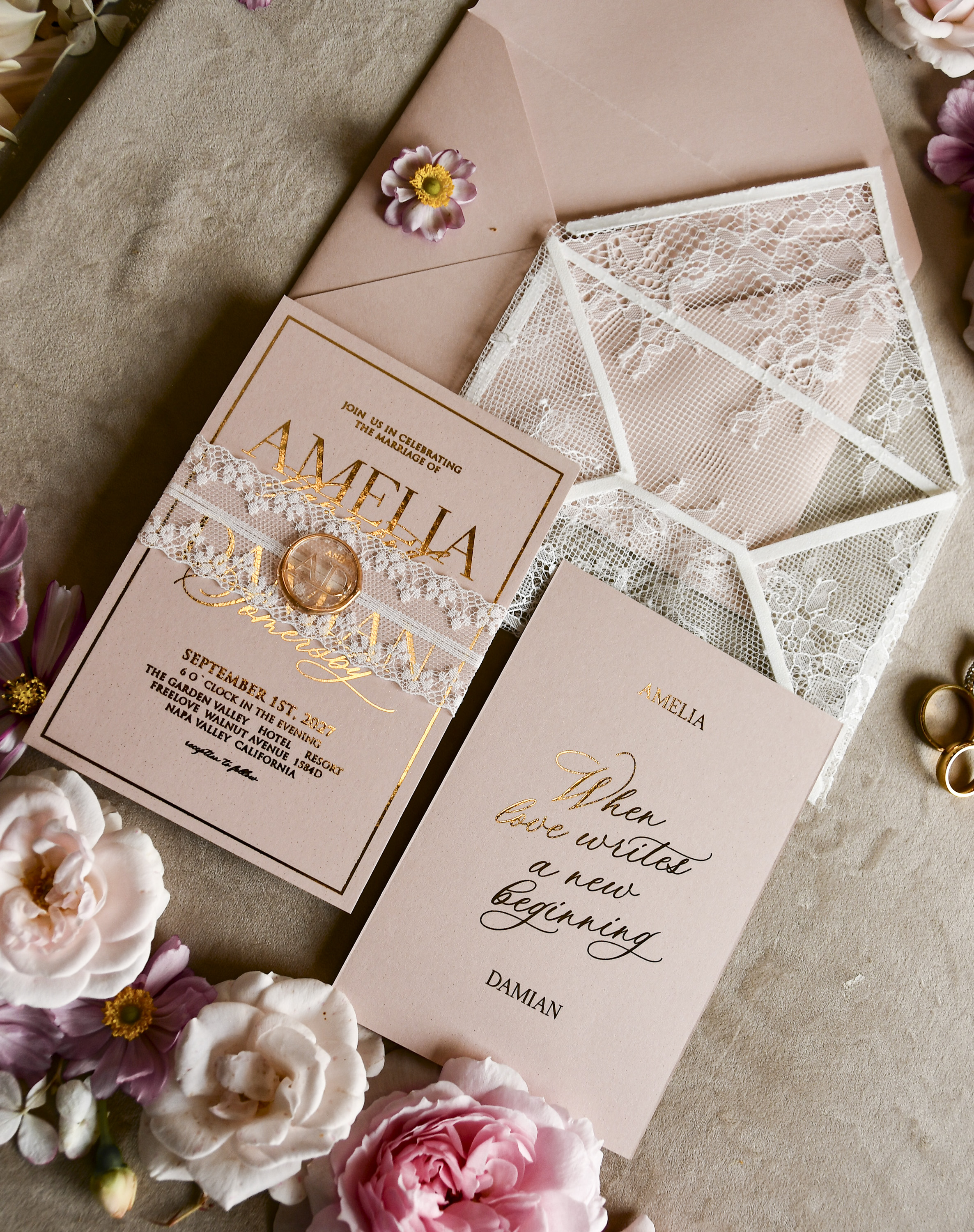
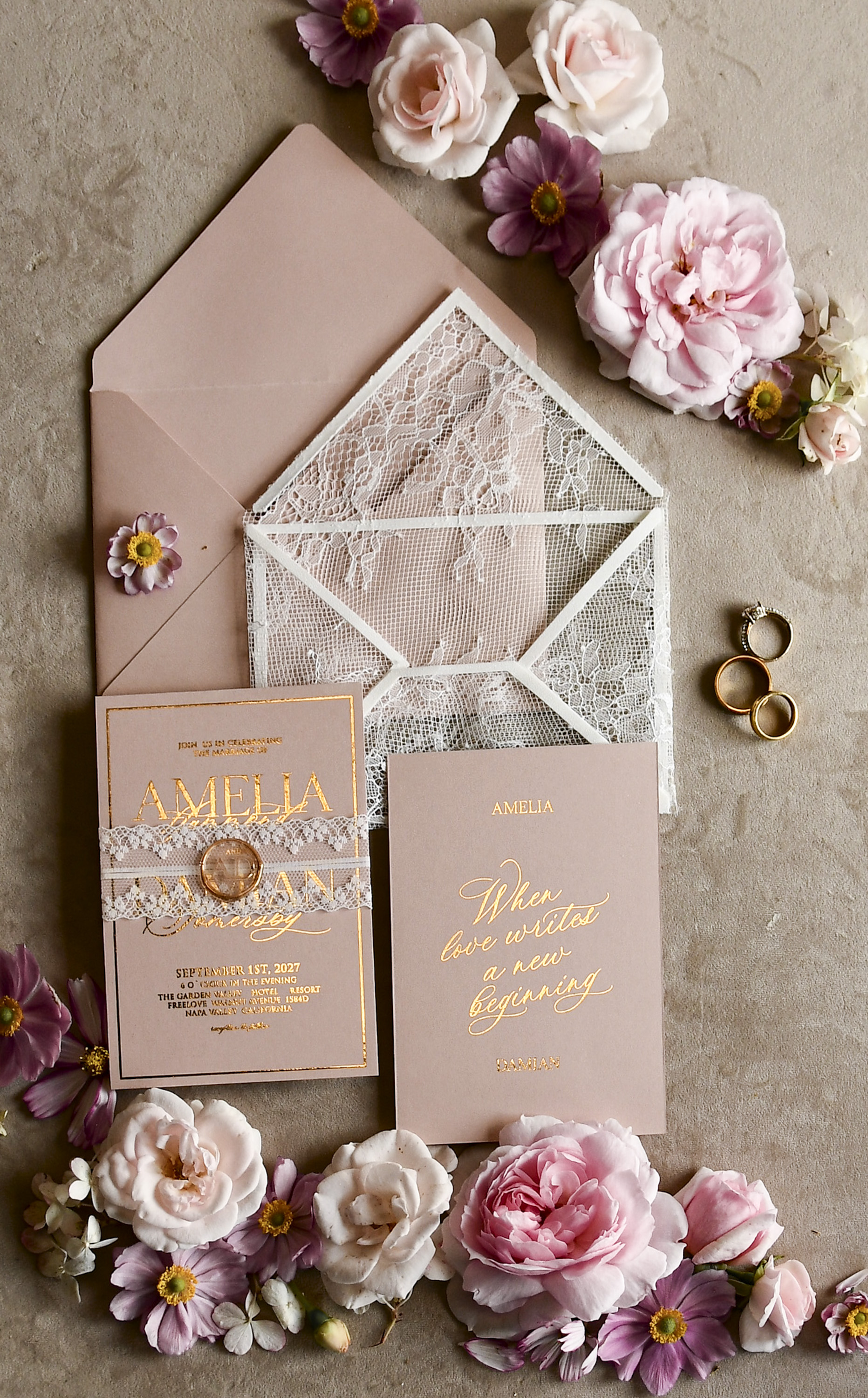
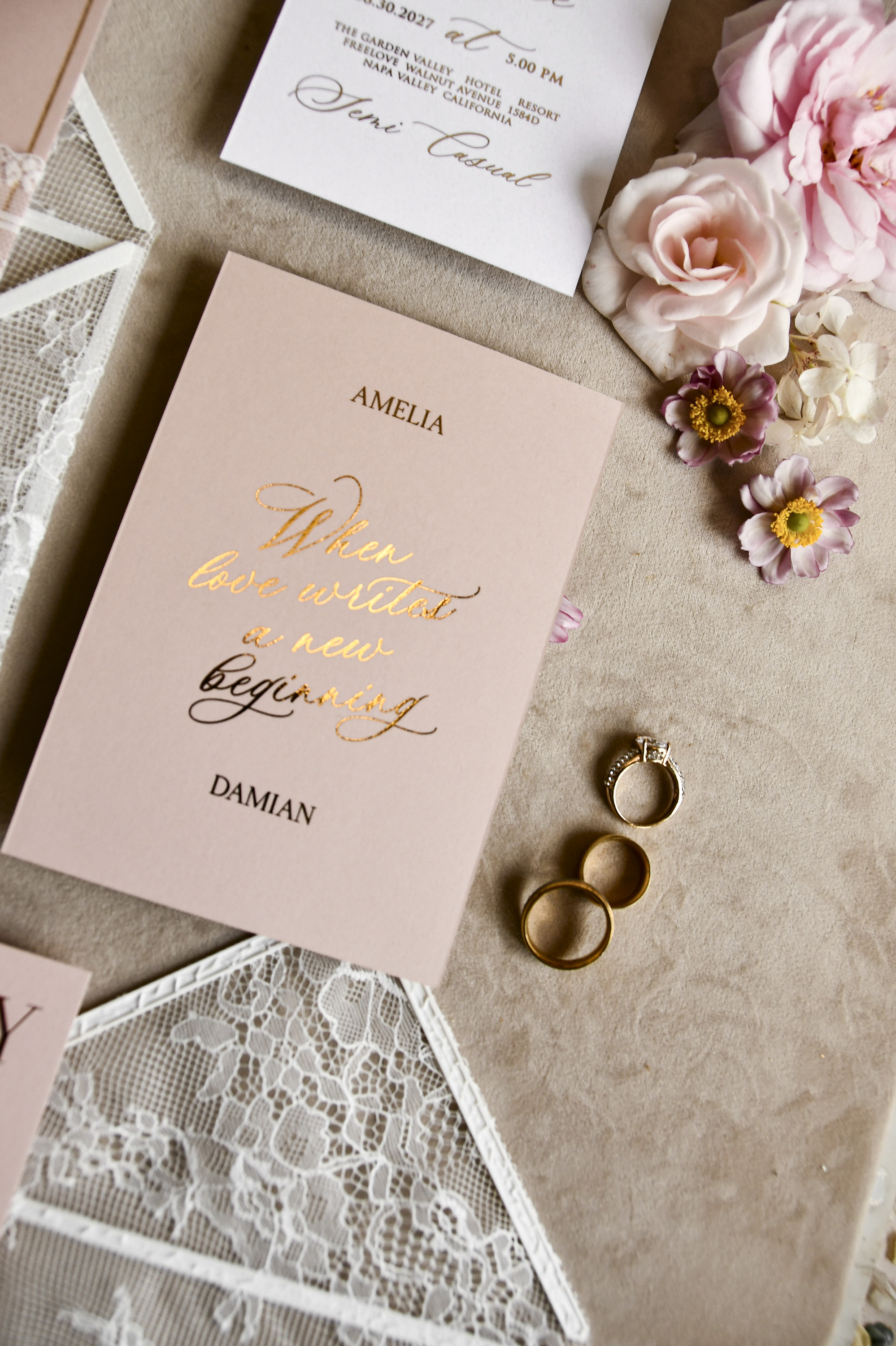
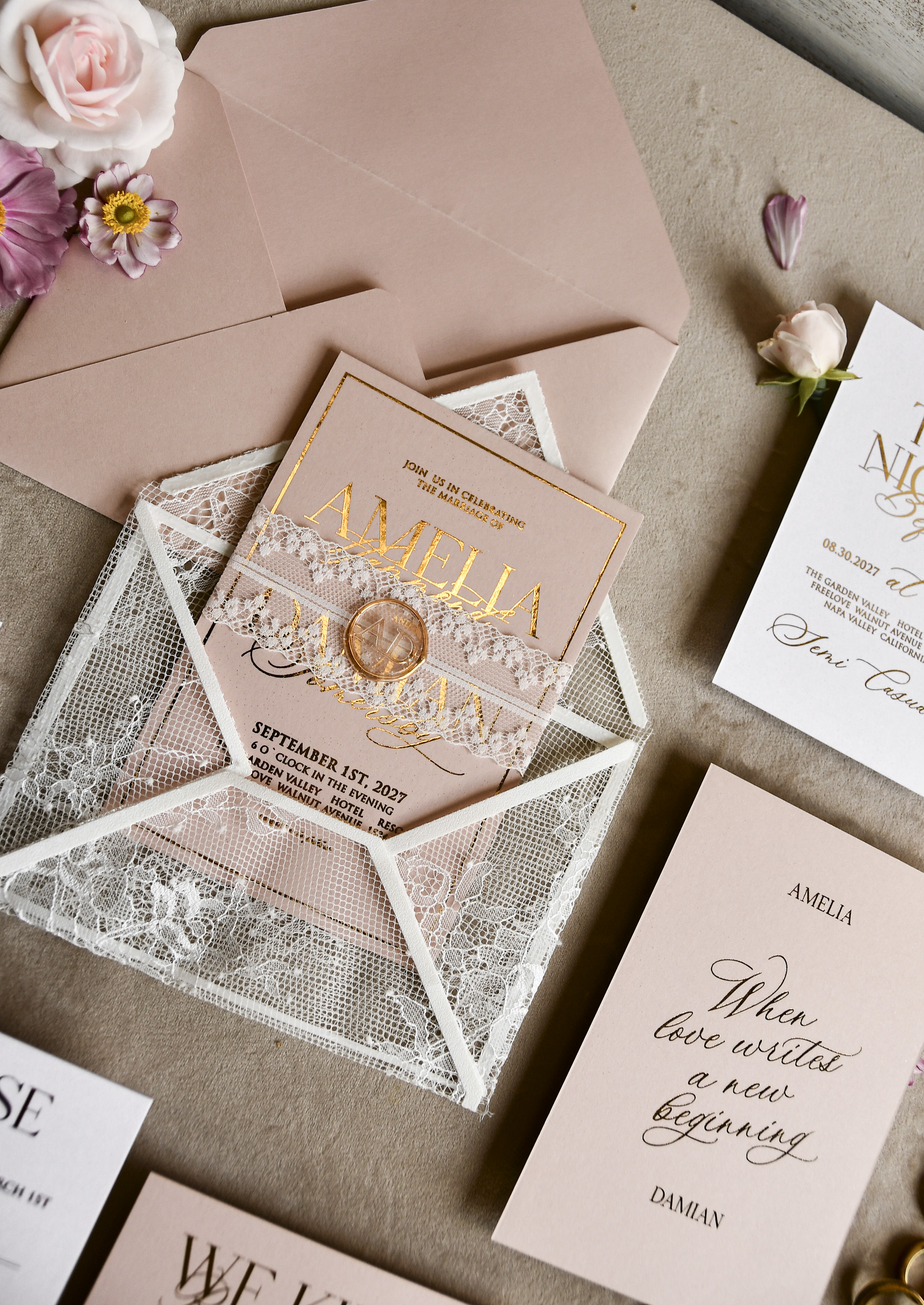
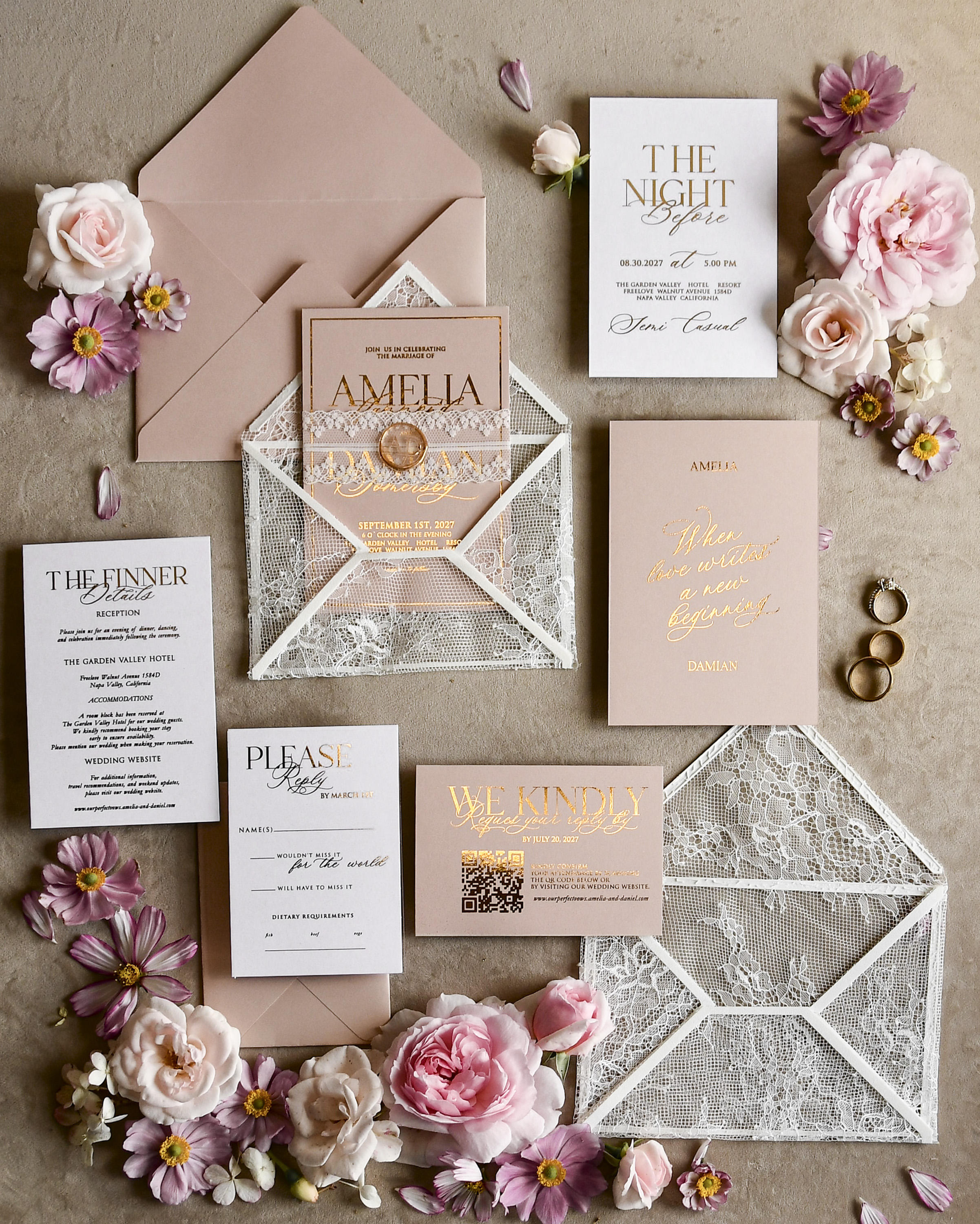
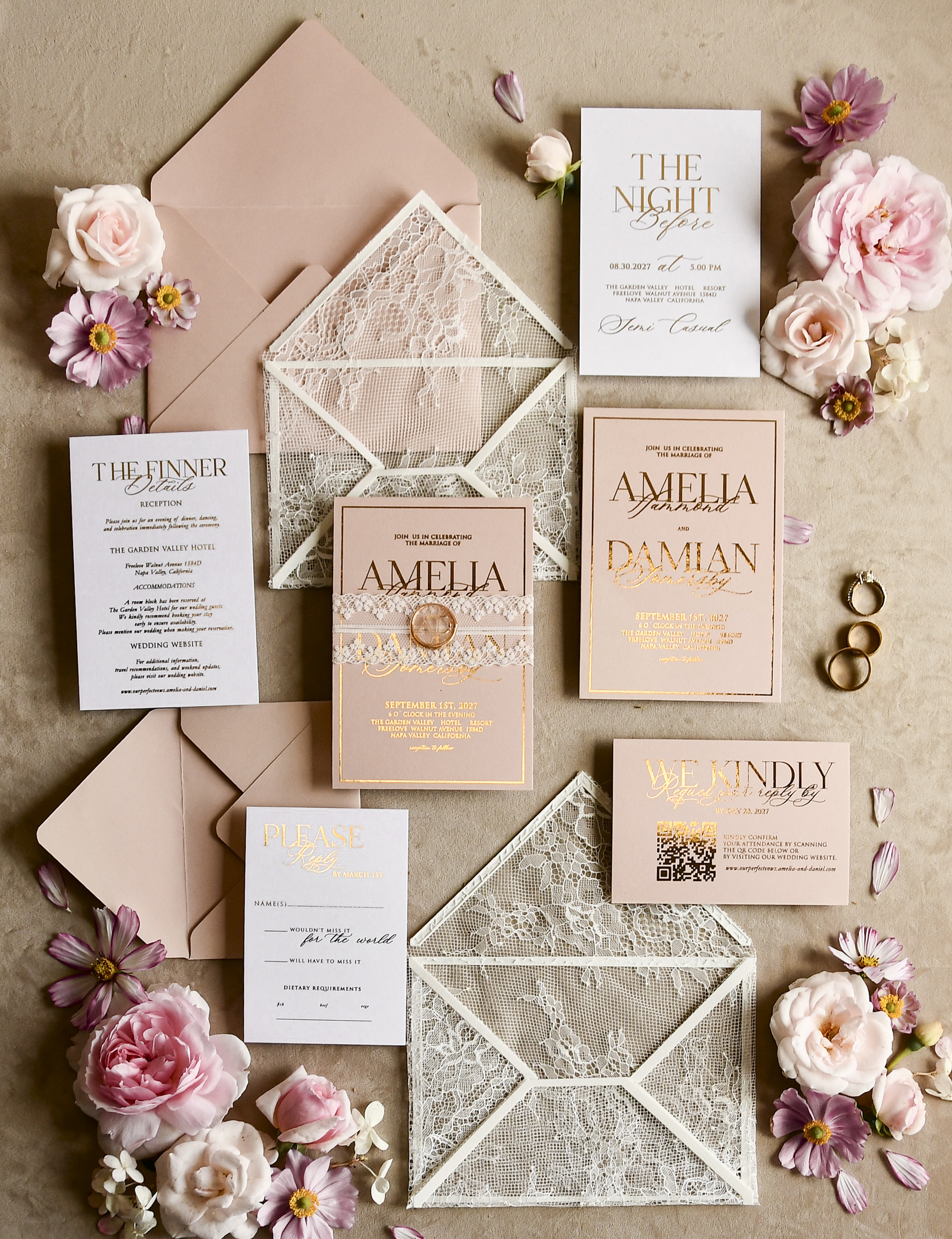
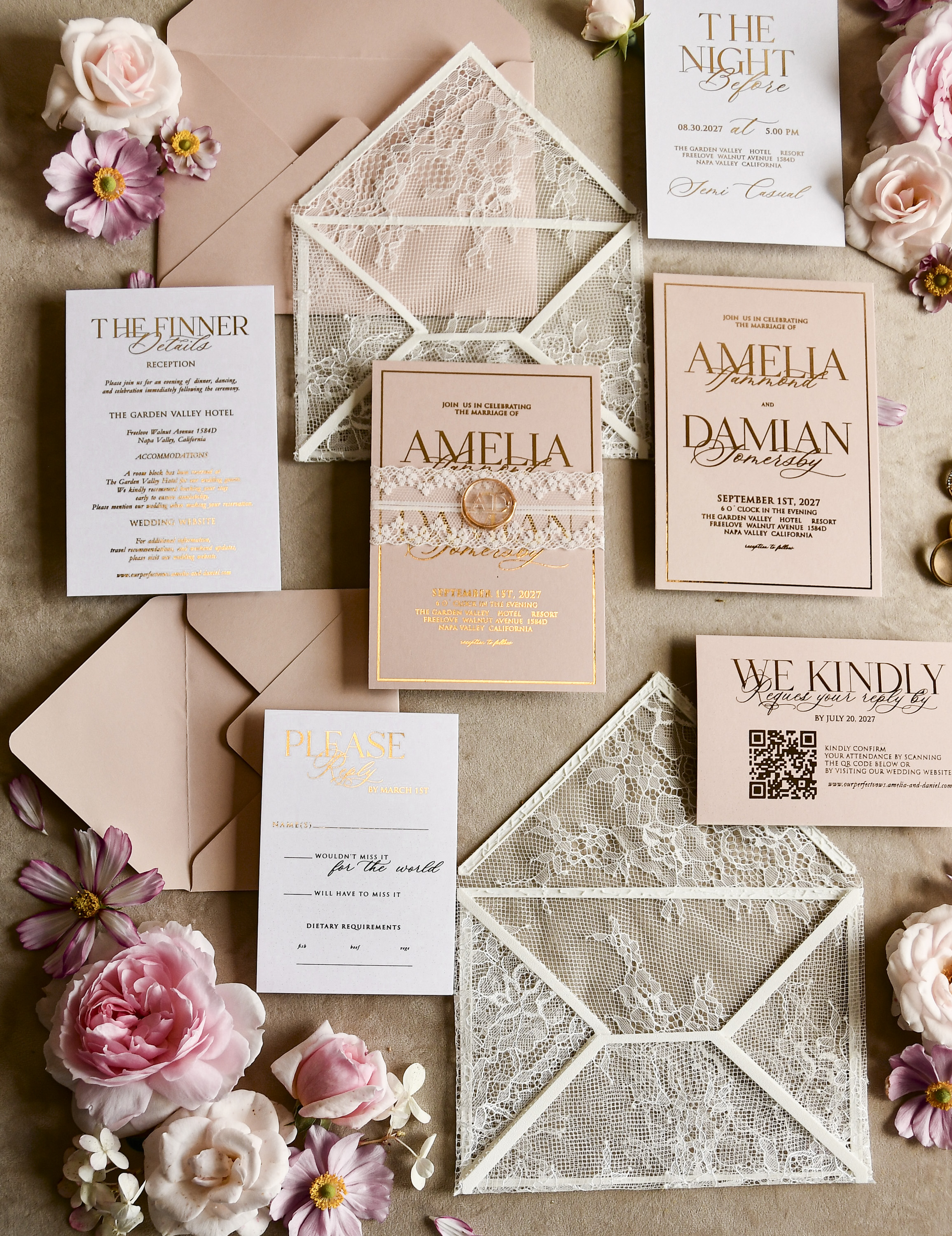
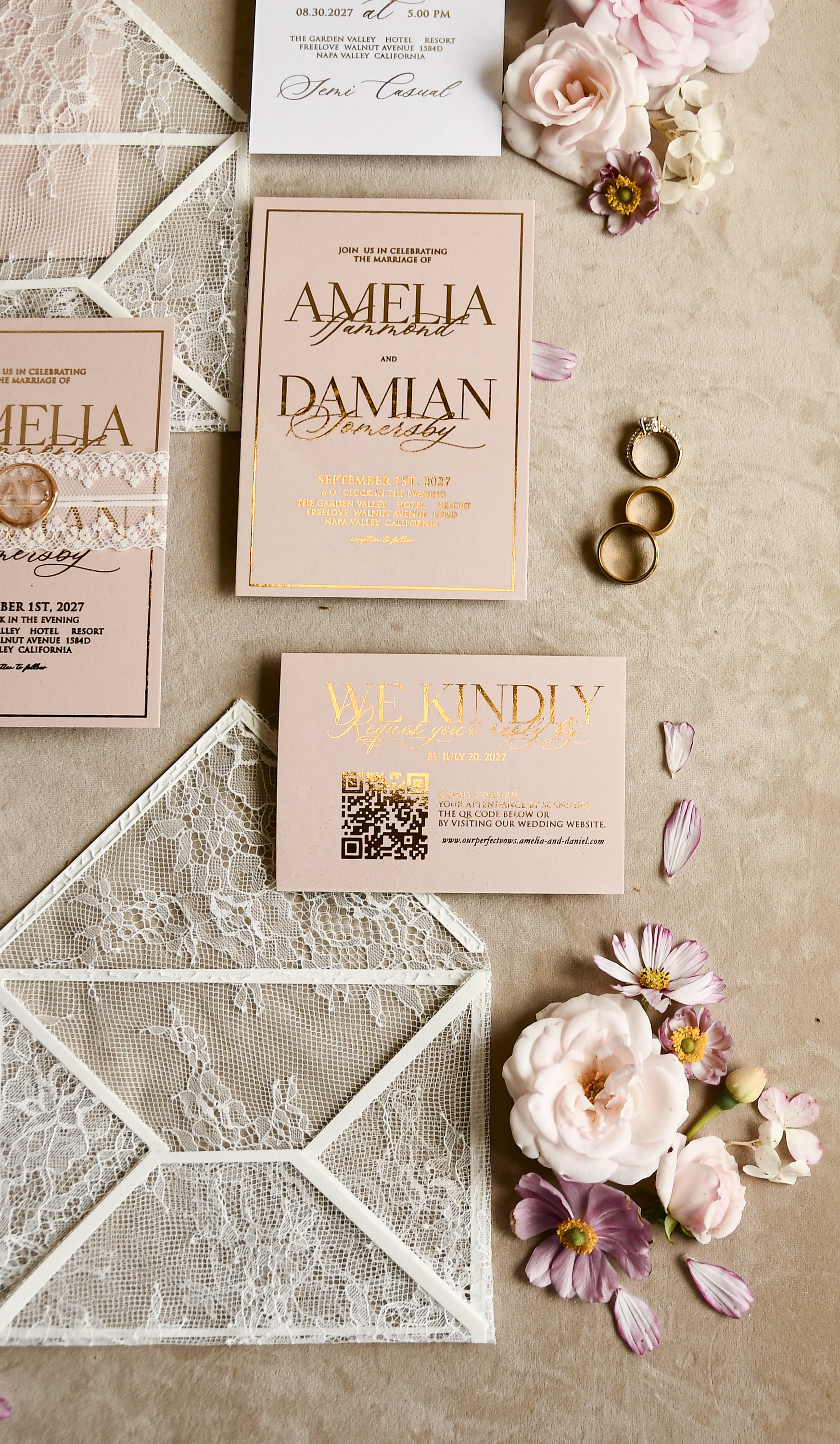
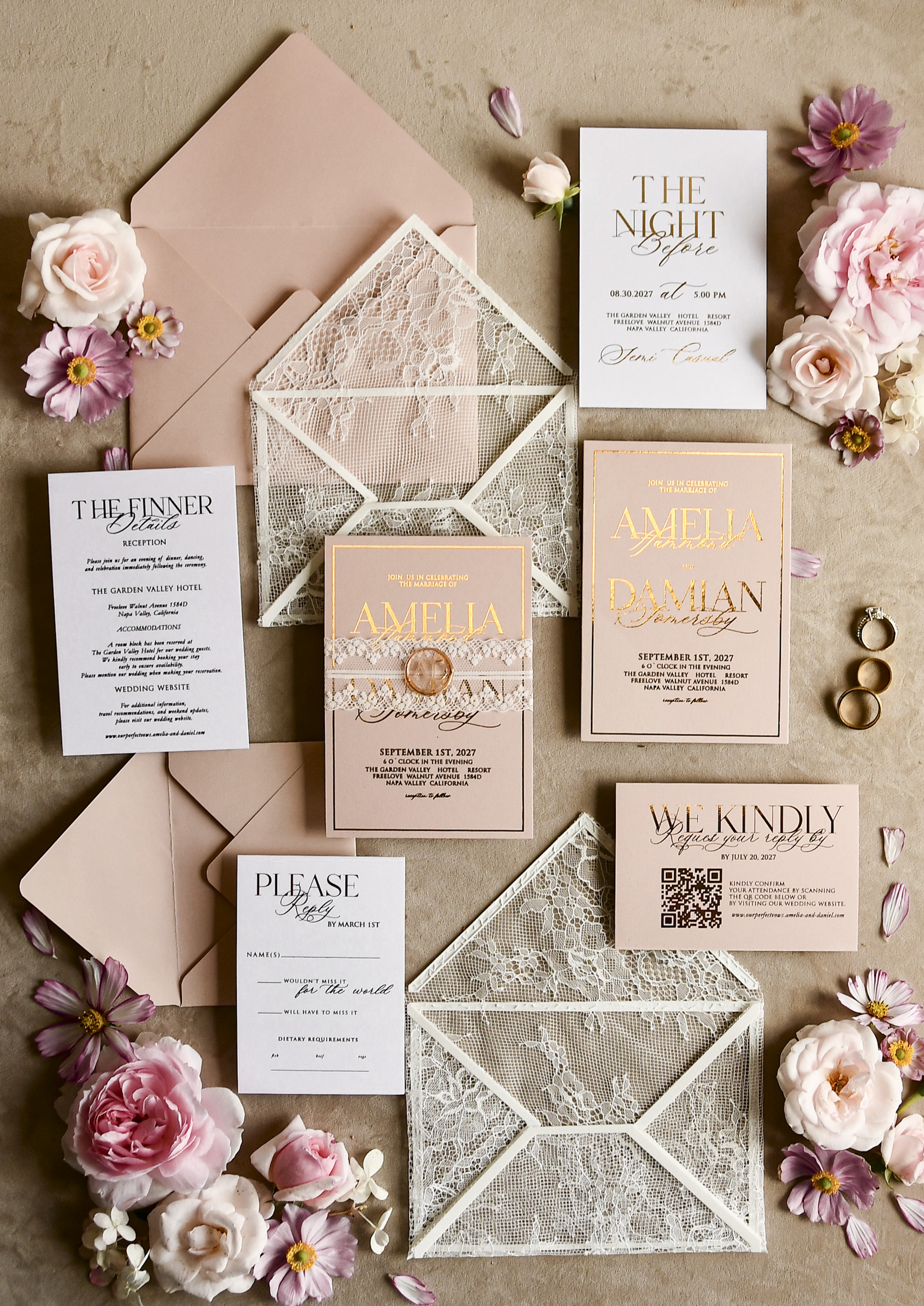
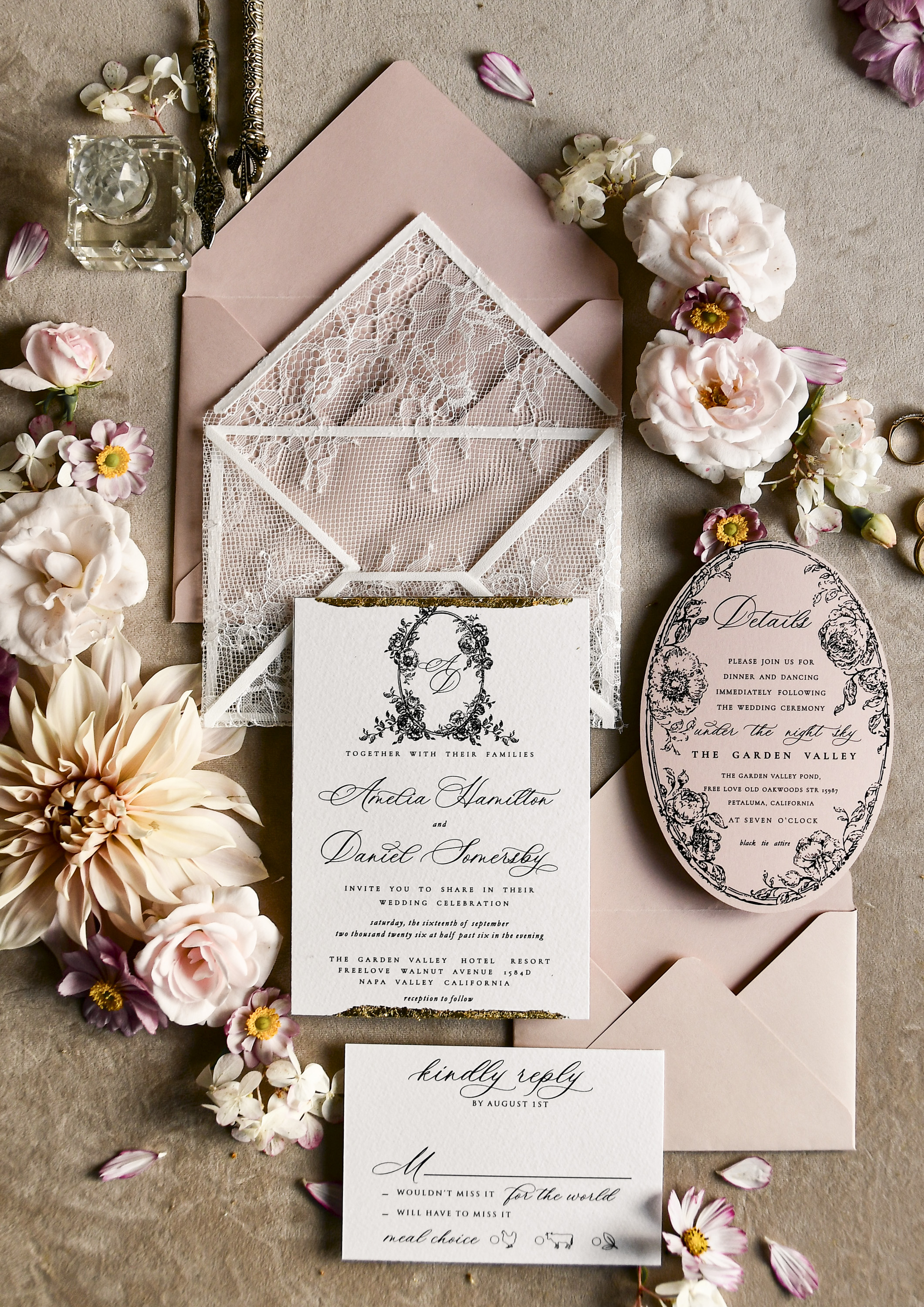
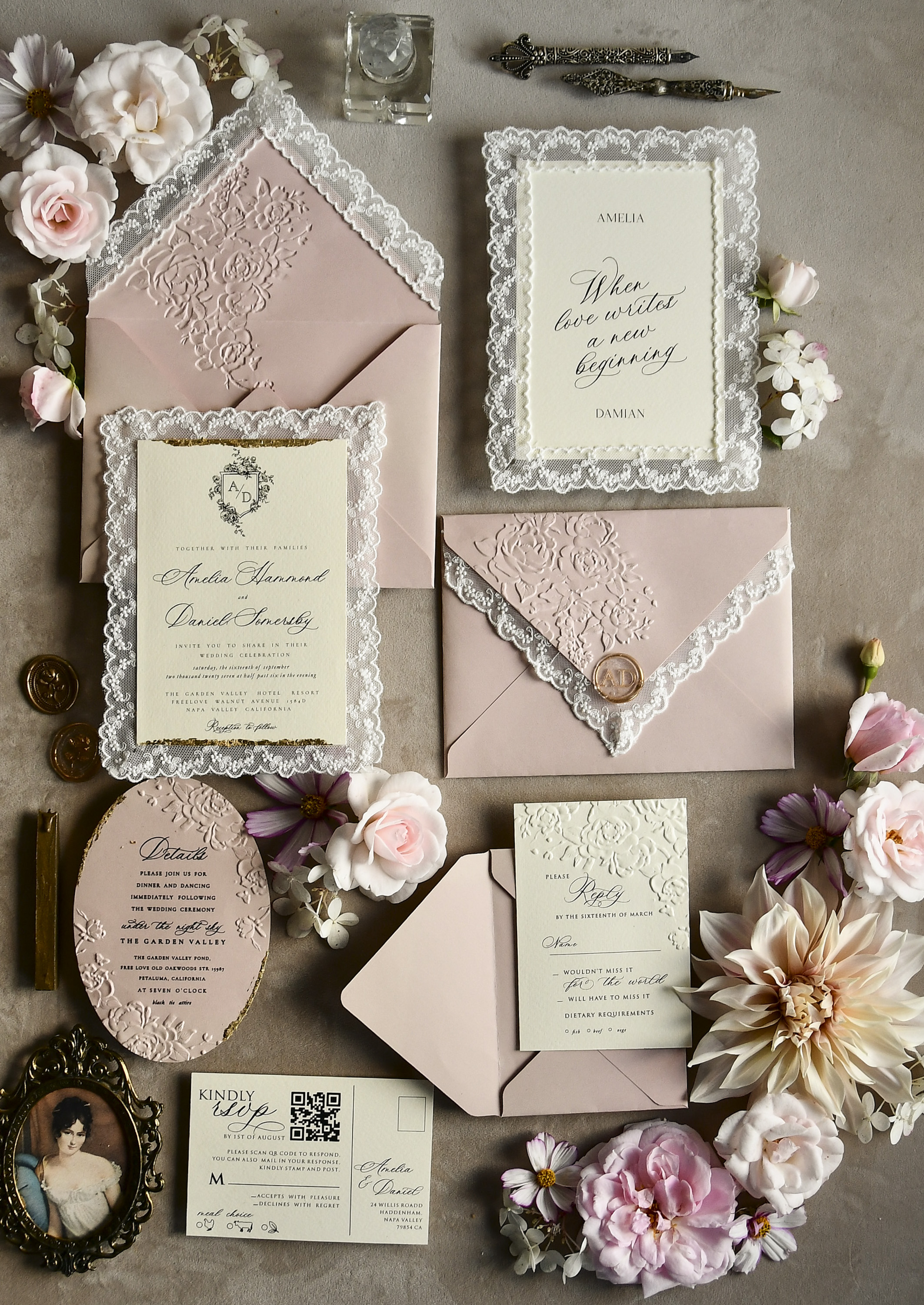
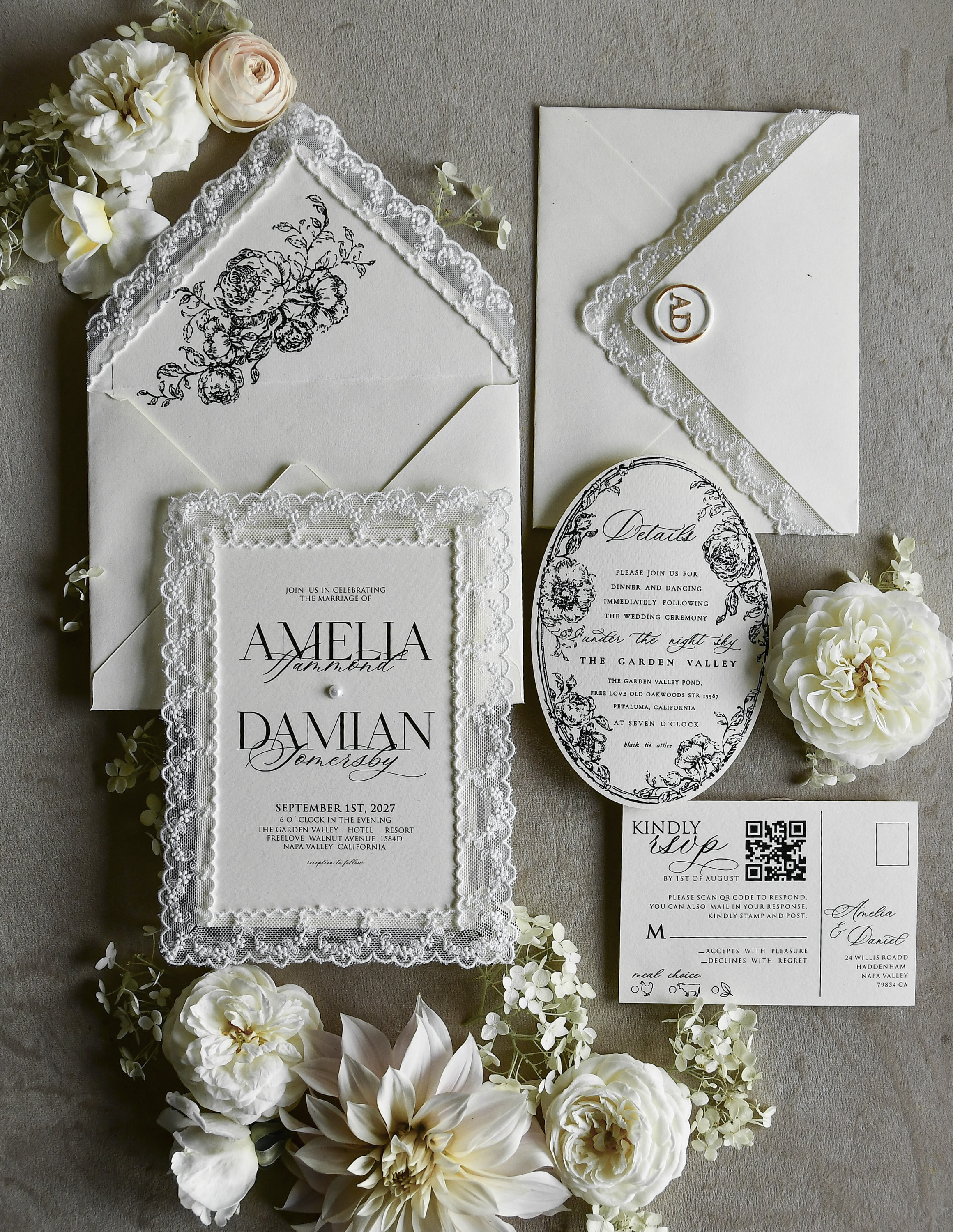
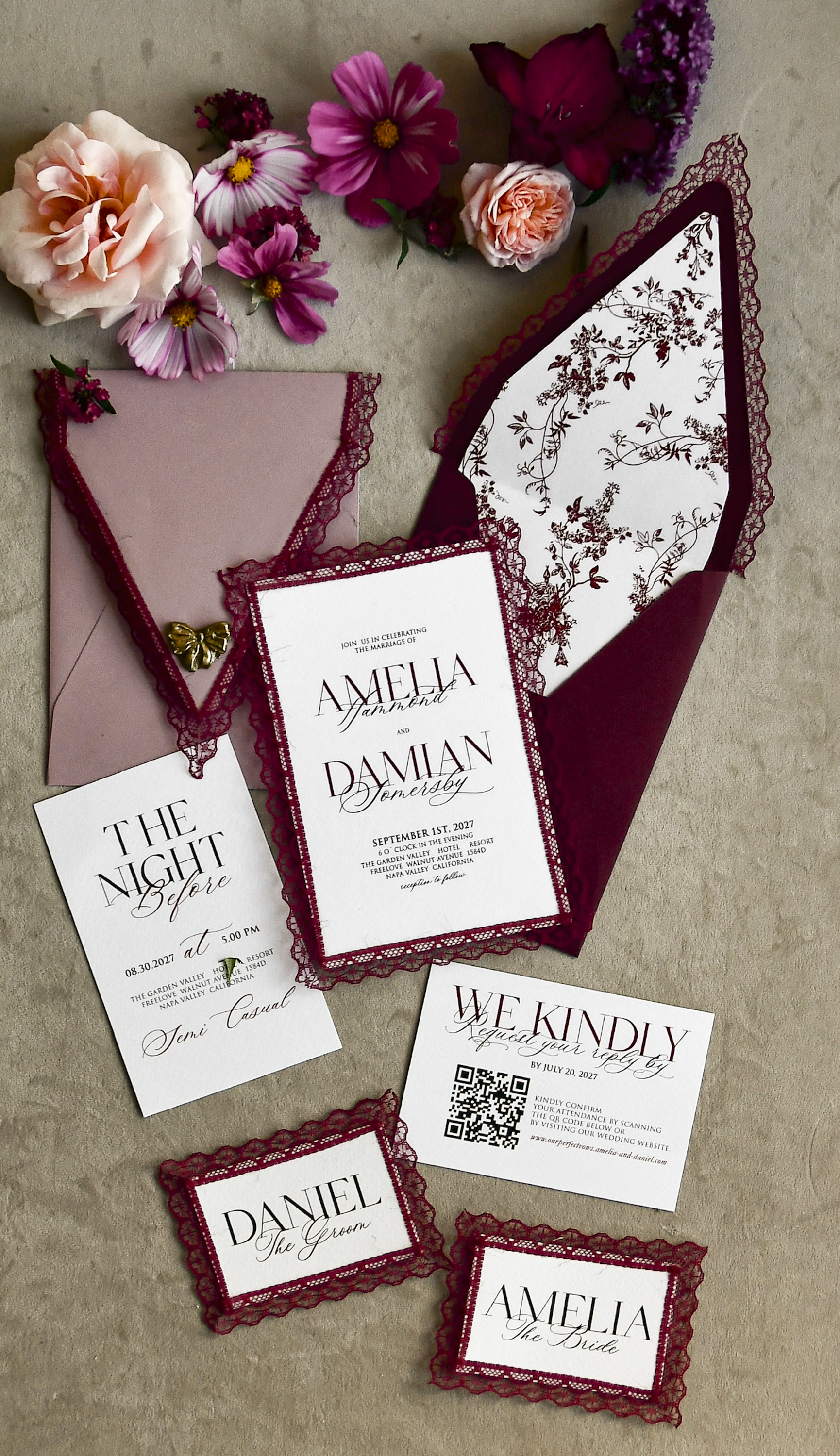
For a cohesive look across both invitation types, a design like the 02/lacenvD/z from Margo&Bees works beautifully — the vintage lace aesthetic gives your ceremony-only invitations the same elegance as your full suite, so no guest receives something that feels like a lesser version.
What to Plan for Ceremony-Only Guests After the "I Dos"
One of the kindest things you can do is acknowledge that ceremony-only guests are giving up their afternoon for you. Make it worth their while:
- Host a brief post-ceremony gathering: Even a simple cocktail hour or dessert station for 30–45 minutes before the reception begins shows appreciation. This doesn't need to be expensive — lemonade and a cake table in the church garden is genuinely lovely.
- Send a thank-you note promptly: A handwritten note after the wedding acknowledging their presence at your ceremony goes a long way.
- Consider a celebration-of-marriage party later: Some couples host a casual backyard party weeks after the wedding so broader circles can celebrate with them in a relaxed setting.
If a separate gathering isn't possible, be sure your ceremony program is beautiful and personal — it's the one keepsake ceremony-only guests will take home. A program that matches your 02/lacenvD/z invitation design creates a polished, unified experience from start to finish.
Talking to Family Members About the Decision
If you're worried about how family will react, have the conversation early and privately. Frame it around logistics, not preference: "Our reception venue holds 60 people and we have 45 immediate family seats to fill — we'd love for you to be part of the ceremony." Most reasonable people understand budget and venue realities. What they don't forgive is finding out last minute or feeling like the decision was personal. Transparency, warmth, and a genuine invitation — even a partial one — communicate that they matter to you.
Frequently Asked Questions
It depends entirely on how it's handled. When communicated clearly and kindly in advance, ceremony-only invitations are widely accepted. The rudeness comes from surprising guests at the door or making the exclusion feel personal rather than logistical.
Keep it simple and warm: "We invite you to join us for our wedding ceremony" with no reception details included. If you want to acknowledge the situation, a short line like "A private reception will follow for immediate family" is honest without being awkward.
Yes — using the same design for both invitation types ensures no one receives something that looks like a downgraded version. Consistency in design communicates that every guest is equally valued, even if the scope of the invitation differs.
Generally, no — this is considered poor etiquette. If someone is traveling more than a couple of hours, the expectation of a full celebration is reasonable. Make every effort to include traveling guests in the reception, or consider hosting a casual gathering in their honor.
Avoid public announcements or seating arrangements that highlight the divide. If you're hosting a brief post-ceremony gathering for ceremony-only guests, that naturally creates a transition point so the two groups aren't mingling when the divide becomes obvious.
Yes, always request an RSVP even for ceremony-only guests. You need accurate headcounts for seating, programs, and any post-ceremony refreshments you may be providing. A simple RSVP card or online form works perfectly.
See This Design Up Close
You May Also Like
More Wedding Planning Guides
- → Wedding Invitations: When the Clock Runs Out and What to Do About It
- → The Smartest Way to Get Your Wedding Invitations Into Guests' Hands
- → When a 'Yes' RSVP Turns Into an Empty Chair: What Couples Should Know
- → Guest List Too Long? Here's Exactly Where to Start Cutting
- → When Mom's Guest List and Yours Don't Match: A Practical Guide
- → Cutting Your Wedding Guest List Kindly and Confidently
- → More Guests or a More Meaningful Wedding? Here's How to Decide
- → Plus-One or Not? How to Handle New Boyfriends and Girlfriends on Your Guest List
- → Skip the Stamp: A Practical Guide to Online RSVPs for Your Wedding
- → Wedding Invitation Essentials: What to Include and How to Say It
- → Save the Date vs. Wedding Invitation: What Each Card Actually Does
- → When Your Fiancé Wants a Family-Free Wedding: Finding Common Ground
- → Uninvited Plus-Ones and Tag-Alongs: How to Keep Your Guest List Intact
- → When Family Feuds Threaten Your Wedding Plans: A Practical Peacekeeper's Guide
- → Inviting an Estranged Brother or Sister: Finding Clarity Before You Seal the Envelope
- → Cousins, Invites, and Hard Choices: A Practical Guest List Guide