
Guest List Too Long? Here's Exactly Where to Start Cutting
You started with a dream list and ended up with 200 names when your venue holds 120. Sound familiar? Trimming a wedding guest list is one of the most emotionally charged tasks in all of wedding planning — but it doesn't have to feel random or cruel. There's actually a logical, fair order for making cuts, and once you know it, the process becomes much less painful. Here's where to start.
Start With the "Obligation Only" Guests
The very first people to evaluate are guests you'd invite purely out of obligation — not genuine connection. Ask yourself honestly: Would I feel comfortable calling this person to share exciting news? If the answer is no, they probably don't belong on your list.
- Coworkers you're not close with: Unless you socialize outside the office or they're a genuine friend, a work acquaintance doesn't need an invitation.
- Your parents' friends you've never met: This is one of the most common sources of list bloat. Your parents may feel social pressure to include their own network, but your wedding day should be filled with people who actually know and love you.
- Distant relatives you haven't spoken to in years: A second cousin you last saw at a funeral a decade ago is a very different guest than a cousin you text regularly.
Be kind but firm with family members who want to add names to this category. Explain that you're working with a strict venue capacity — it's the most neutral and honest reason you can give.
Next, Revisit the "Plus-One" Decisions
Plus-ones can quietly inflate your guest list by 20–30 people. Before you cut anyone who actually matters to you, take a hard look at which plus-ones are truly necessary.
- Unmarried guests who are casually dating: If a friend has been seeing someone for less than six months and you've never met the partner, it's completely acceptable to invite your friend solo.
- Single guests you don't know well: Reserve plus-ones for guests who are married, engaged, or in a long-term committed relationship — or for guests who won't know anyone else at the wedding and would otherwise be isolated.
A general rule of thumb: if you've never met the partner and the relationship is new, the plus-one can wait. Most guests understand, especially when you explain the venue has a firm cap.
Then Look at Children (If You're Going Child-Free)
Deciding to host an adults-only wedding is a legitimate and increasingly common choice — and it can free up significant space on your list. If you haven't already declared your wedding child-free, this is worth considering before you cut any adult guests you genuinely want there.
Be consistent: if you invite children for immediate family (like nieces and nephews), make that the clear line and communicate it early. Saying "we're keeping it to immediate family children only" is a fair boundary. Print it clearly on your wedding website and, if needed, include a polite note with invitations. Clarity prevents hurt feelings far better than vague hints do.
Once you've locked in your child policy, you'll have a much more accurate headcount to work with.
Apply the "Two-Year Rule" to Friendships
After you've handled obligations, plus-ones, and children, it's time to look at the friendships on your list. A helpful filter: Have you seen or genuinely connected with this person in the last two years?
- Old college friends you've drifted from but feel guilty excluding
- Former close friends who've naturally grown apart
- Social-media-only connections who feel like friends but aren't part of your real life
This isn't about being cold — it's about being honest. Your wedding day is a celebration with your real, present community. Someone you haven't spoken to since 2021 will likely feel more awkward attending than relieved to be included.
If you're still on the fence, a B-list strategy can help: finalize your A-list first, send invitations early (8–10 weeks out), and if declines come in, extend invitations to your B-list guests with enough time for them to make plans.
Communicate Cuts With Care
Once you've made your decisions, you don't need to explain yourself to everyone — but a little grace goes a long way. If someone asks directly why they weren't invited, a simple and honest answer works best: "We had to keep it very small due to venue size and budget, and it was genuinely hard to finalize the list."
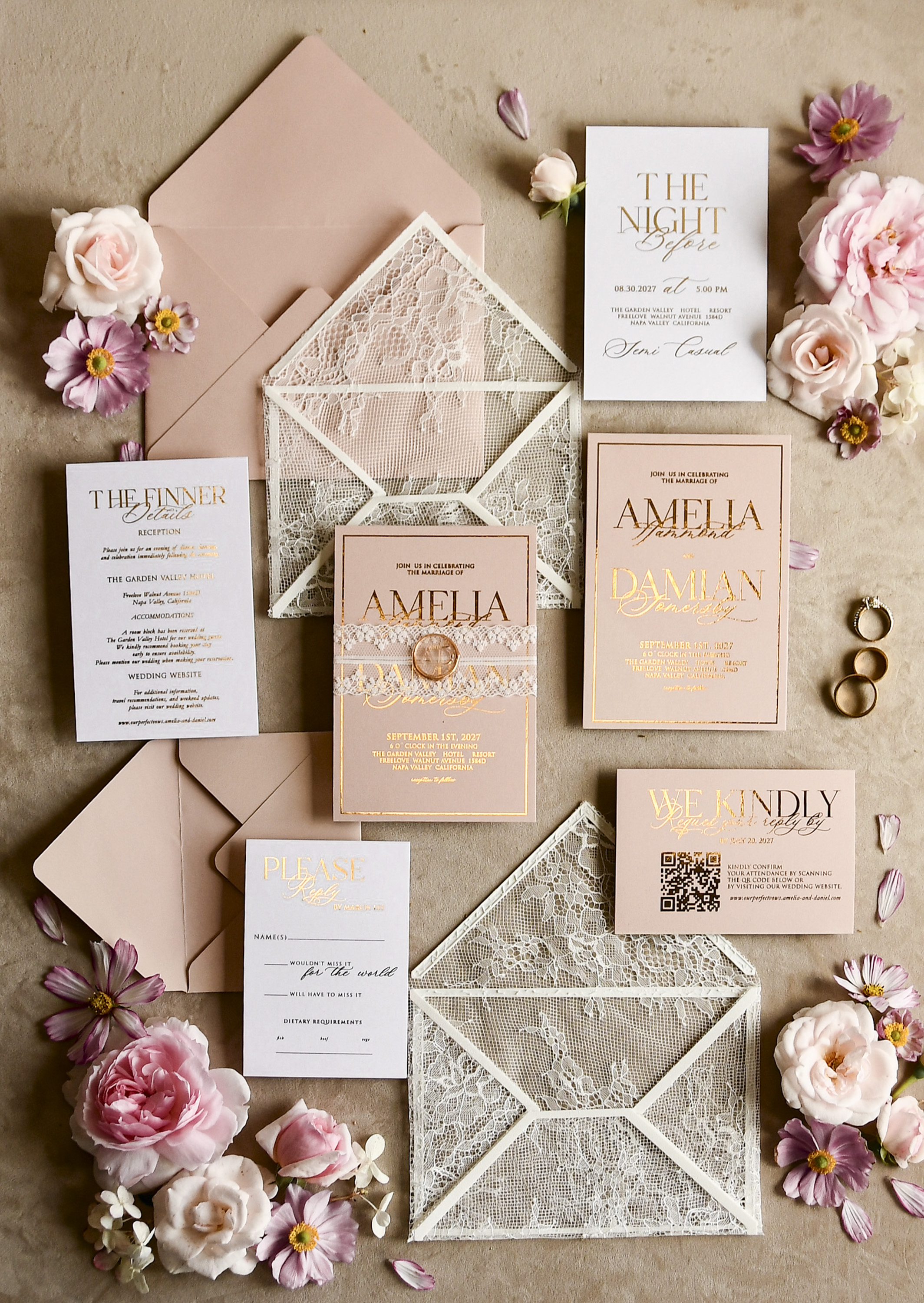
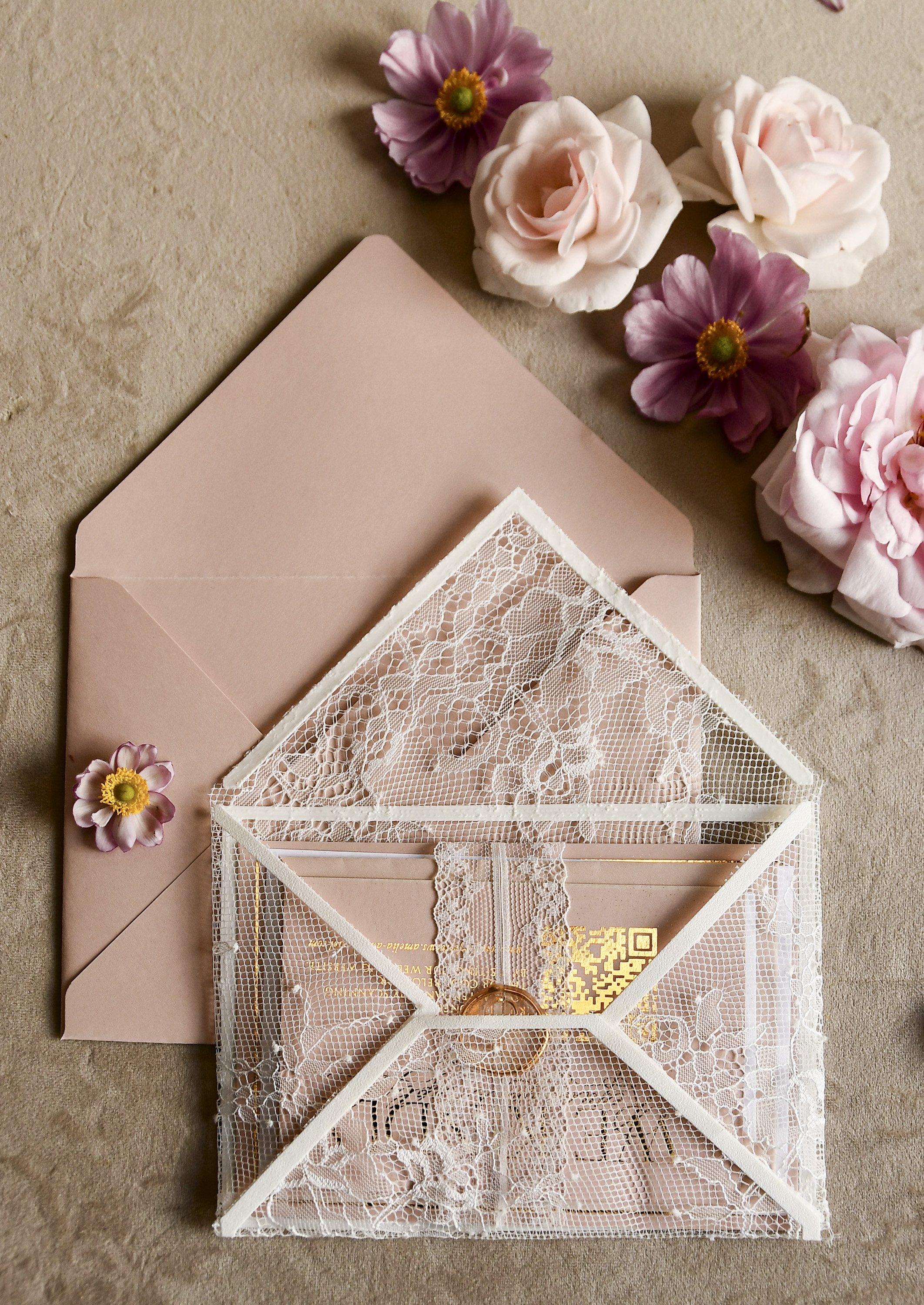
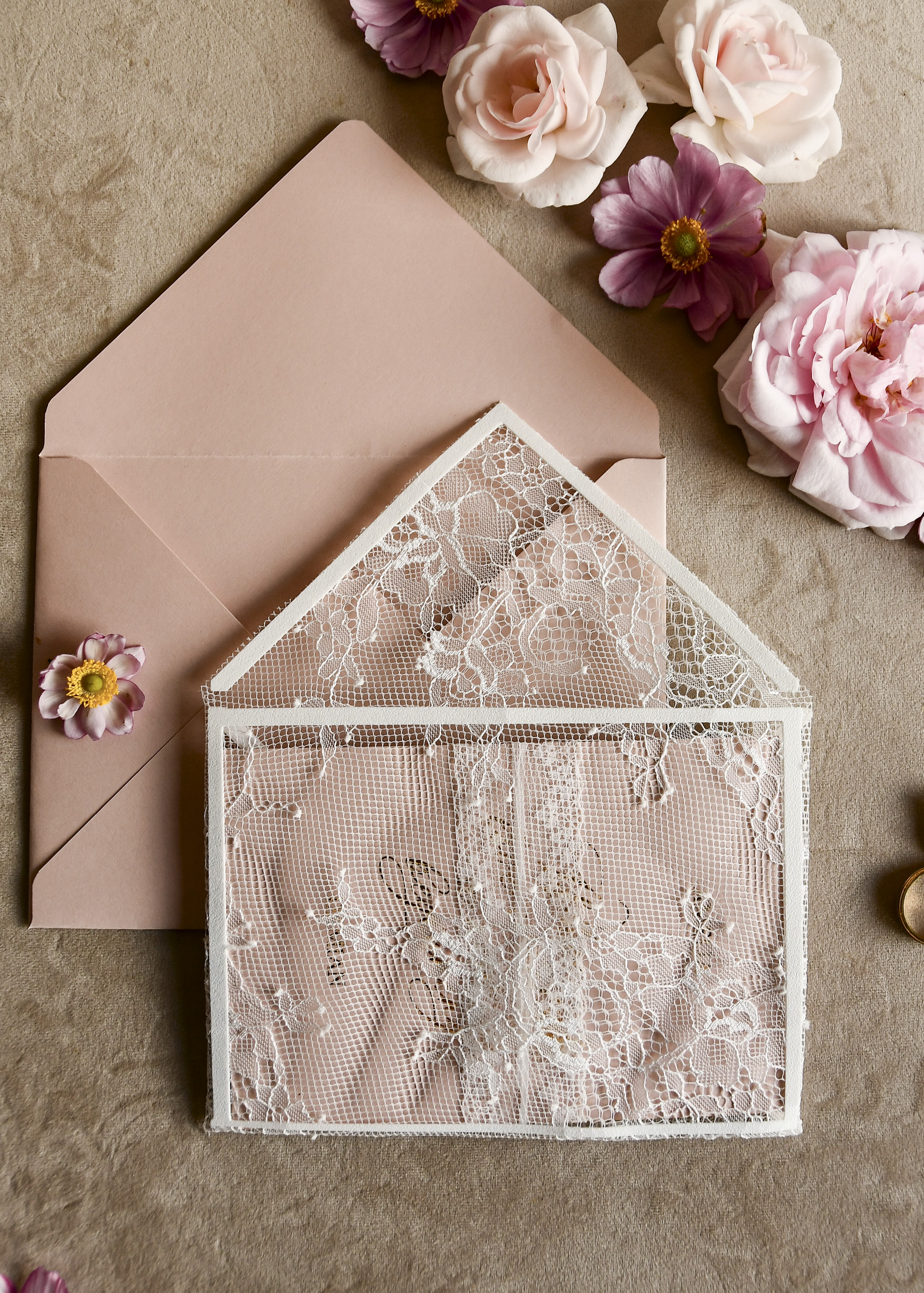
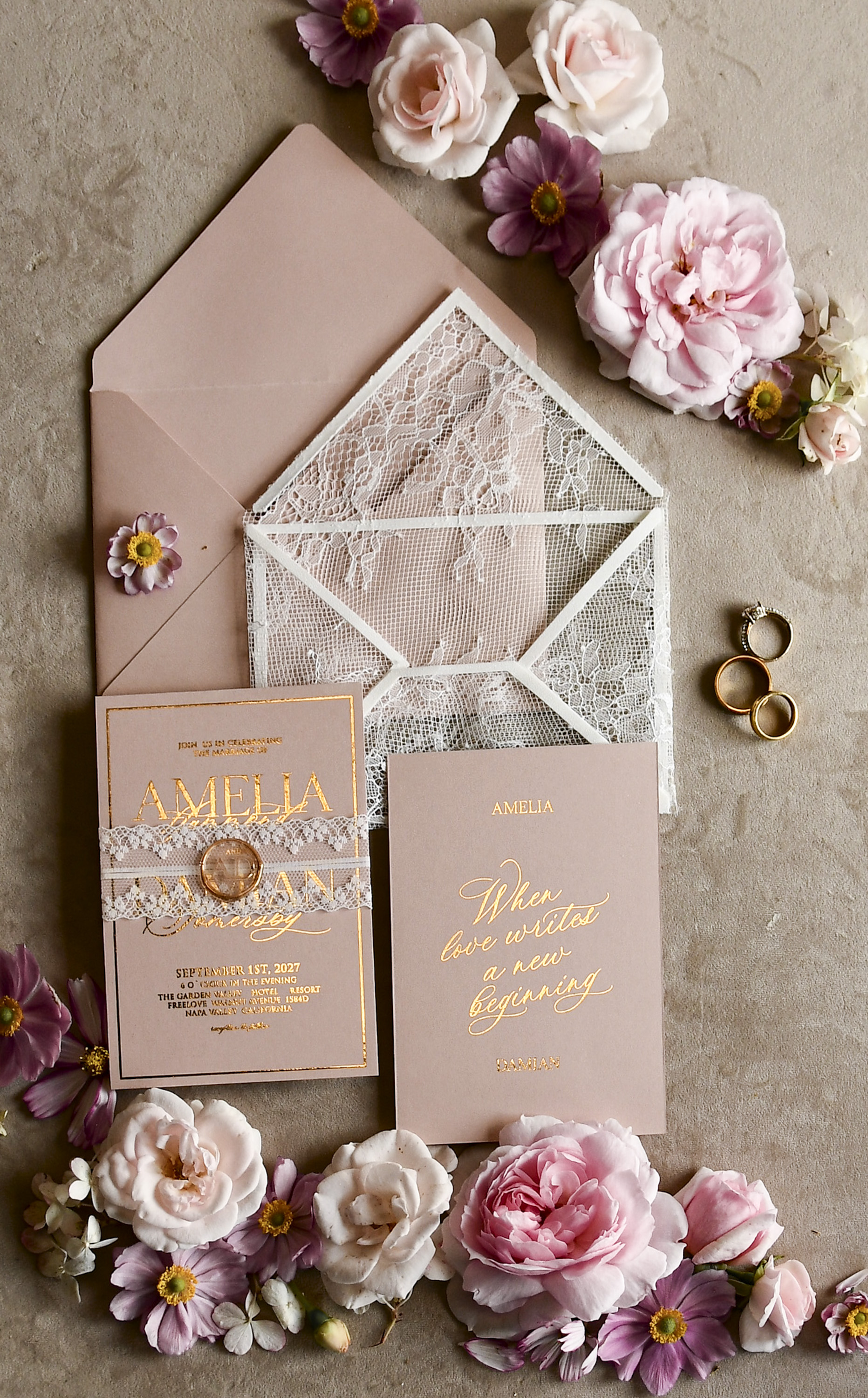
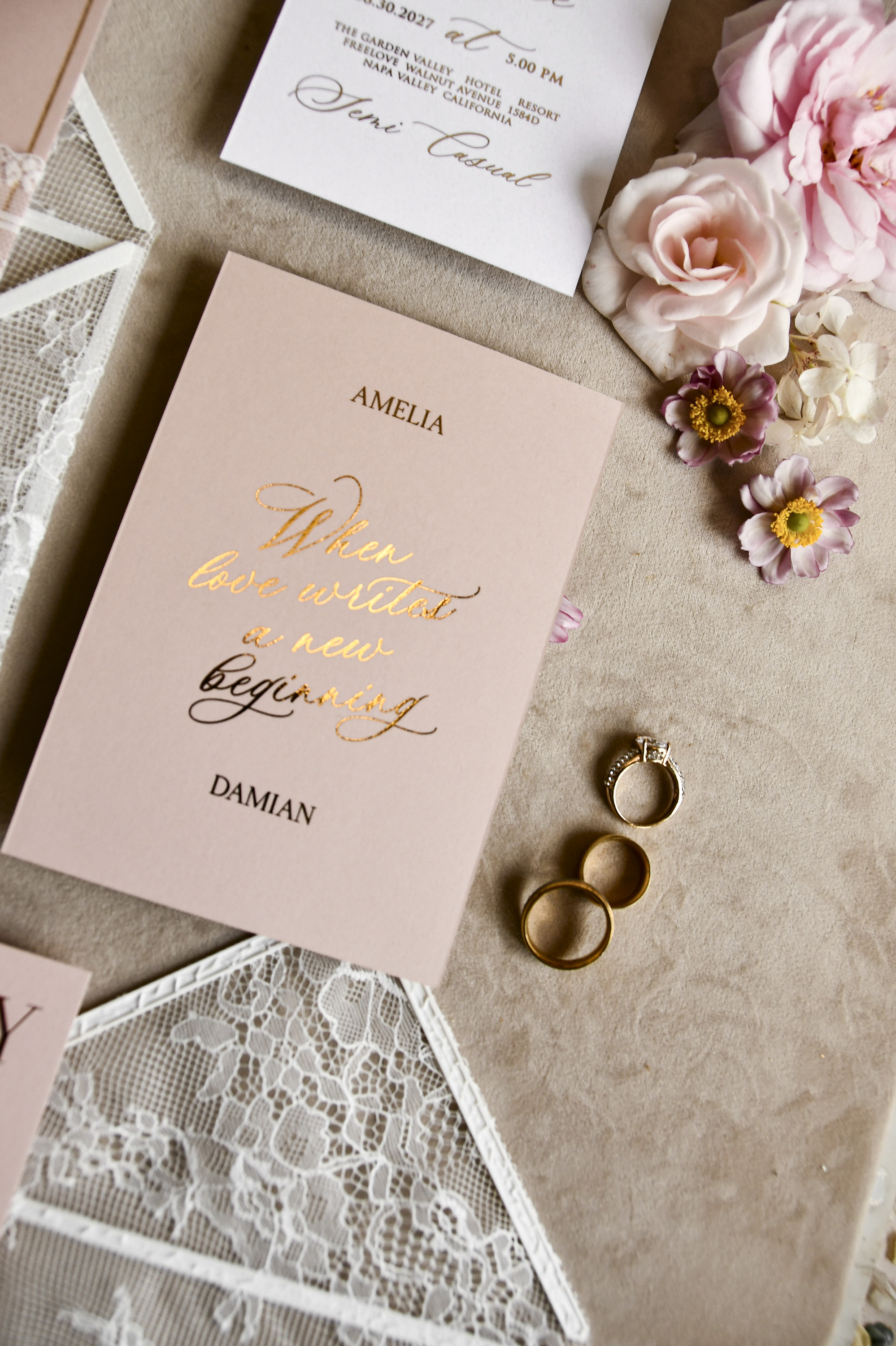
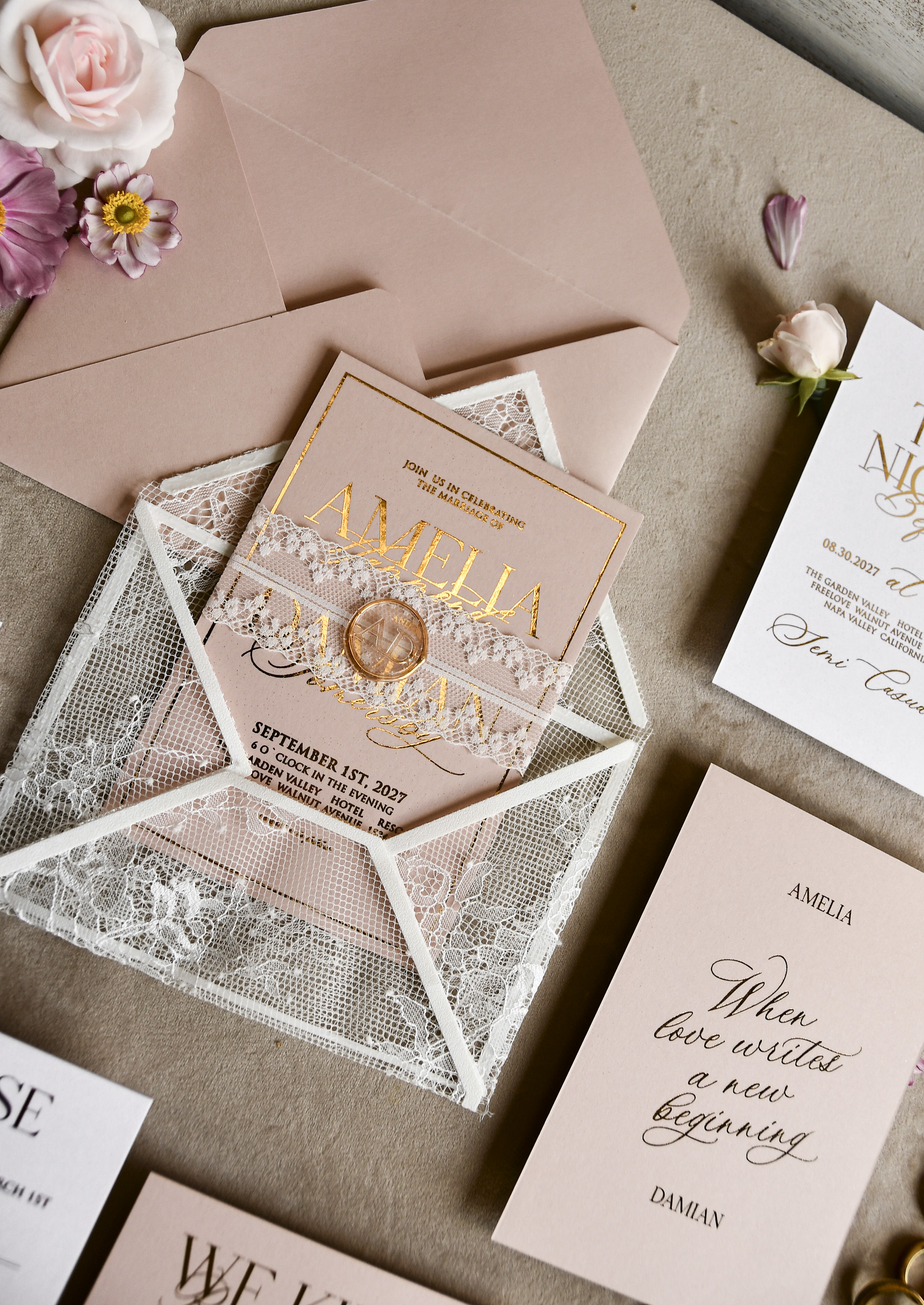
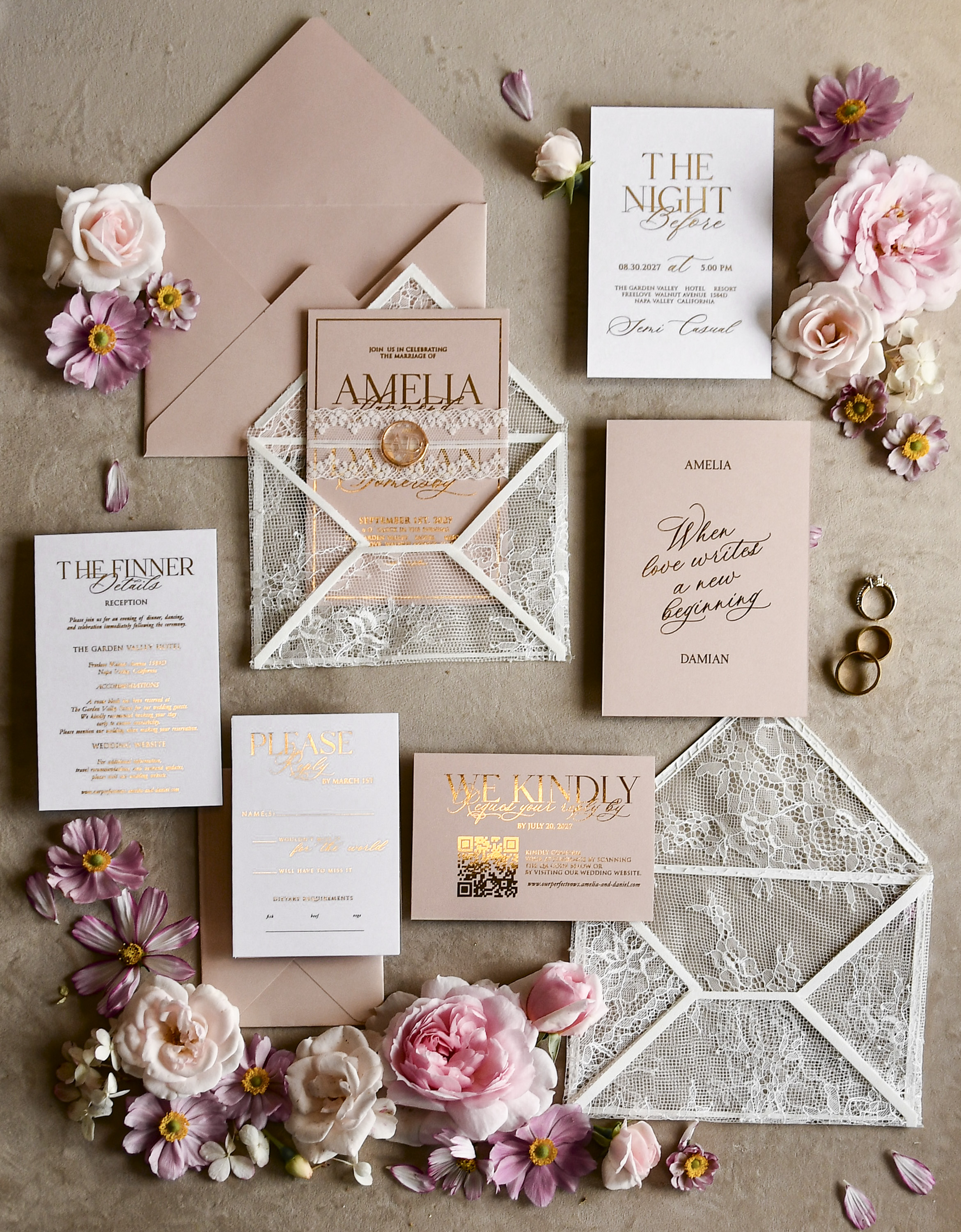
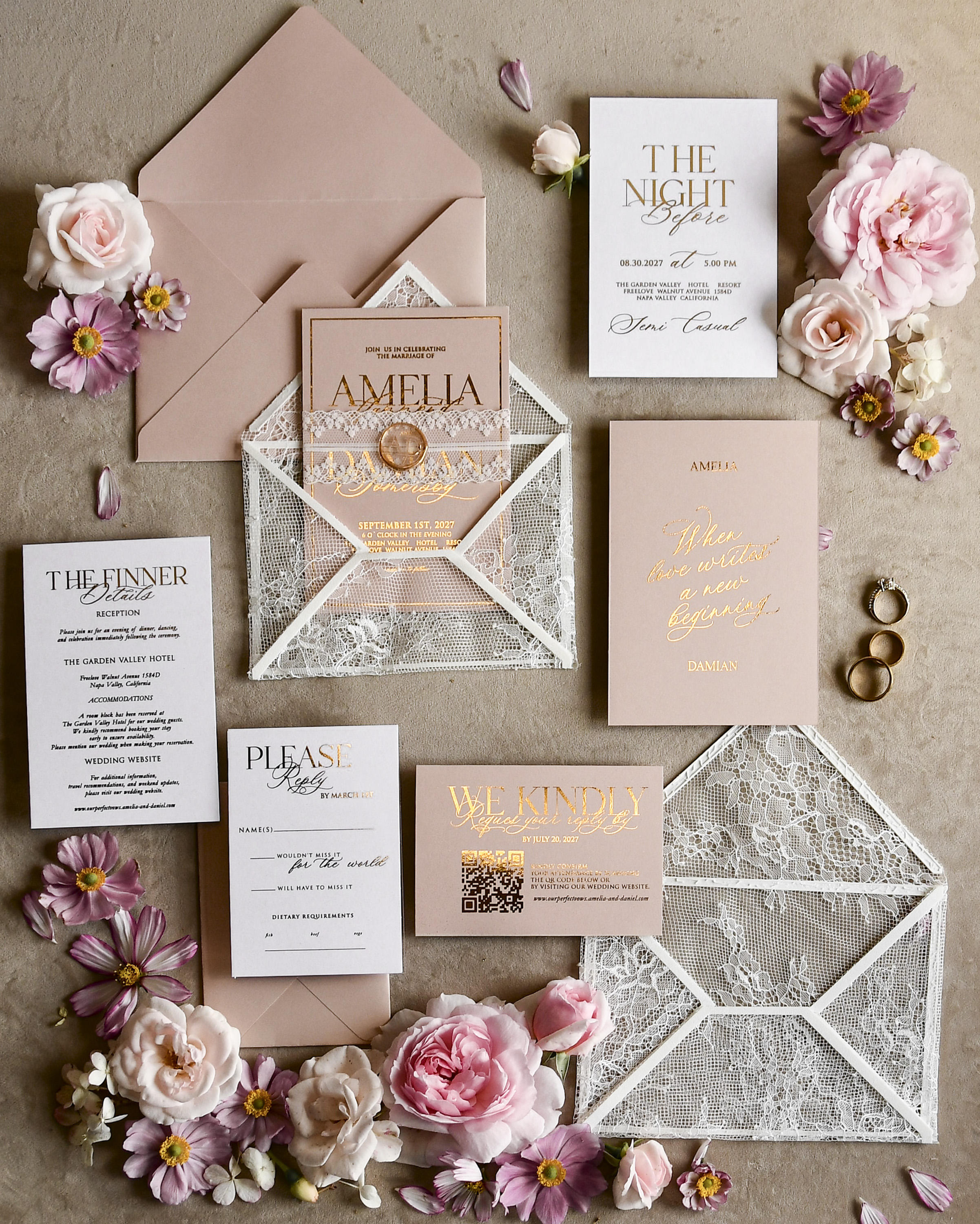
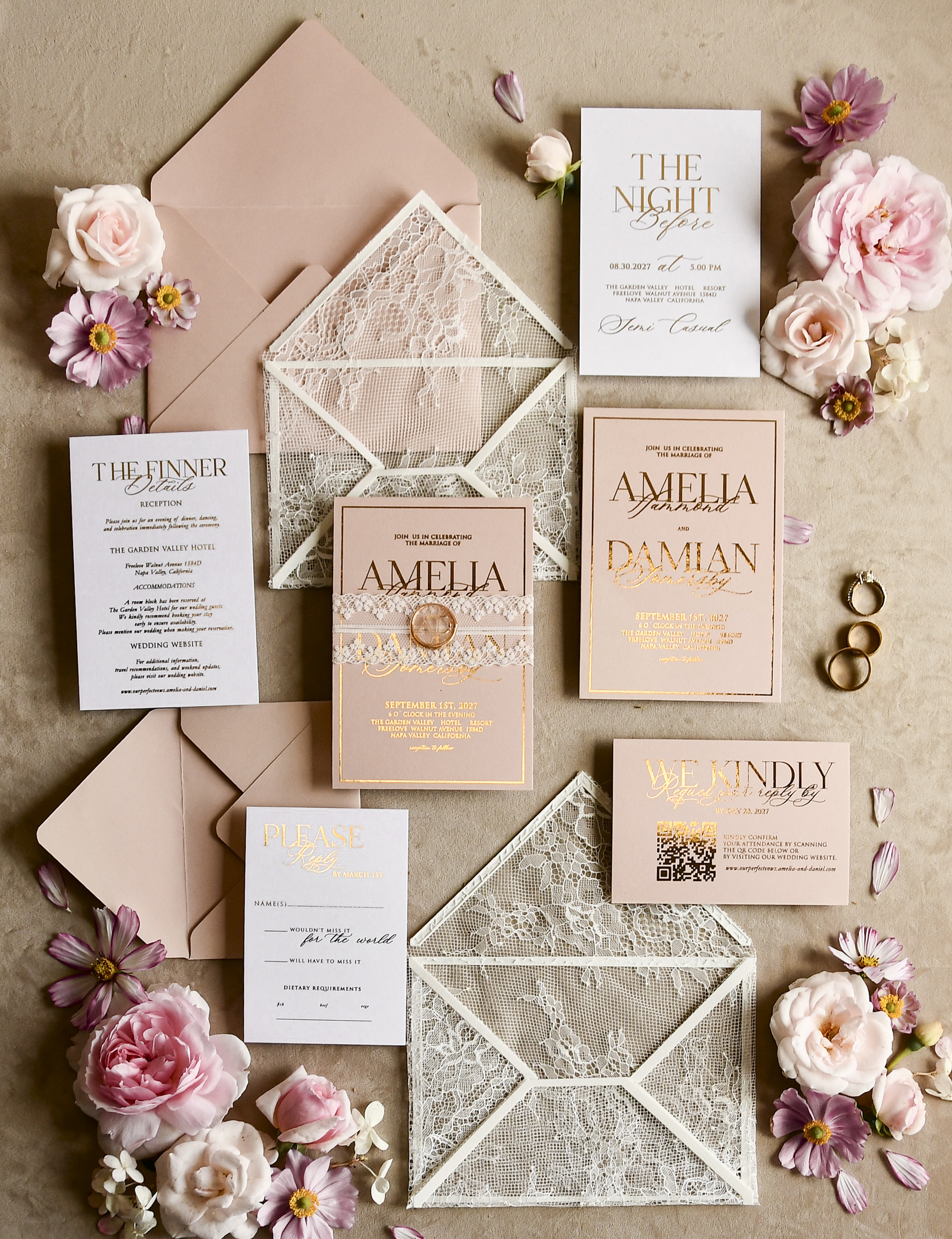
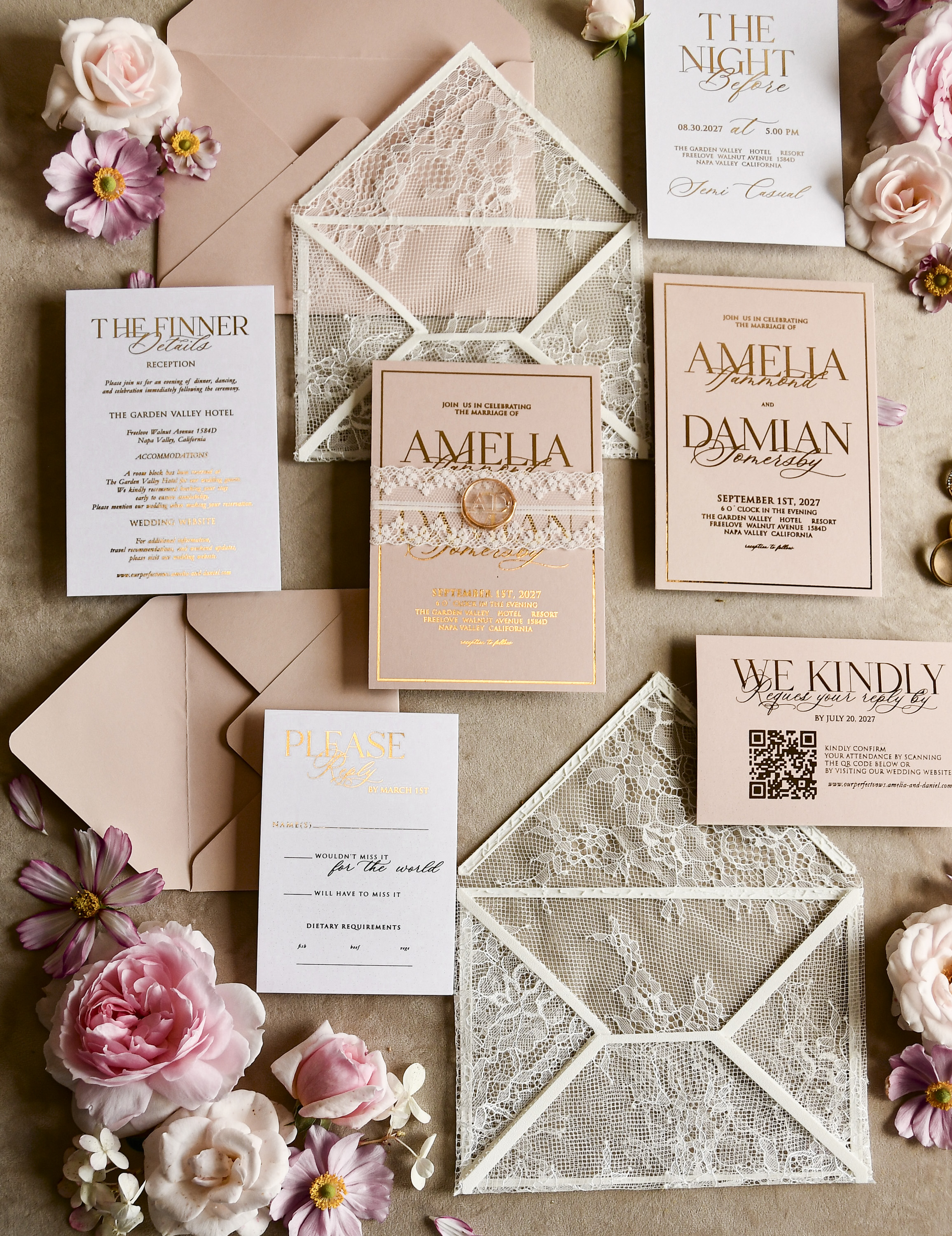
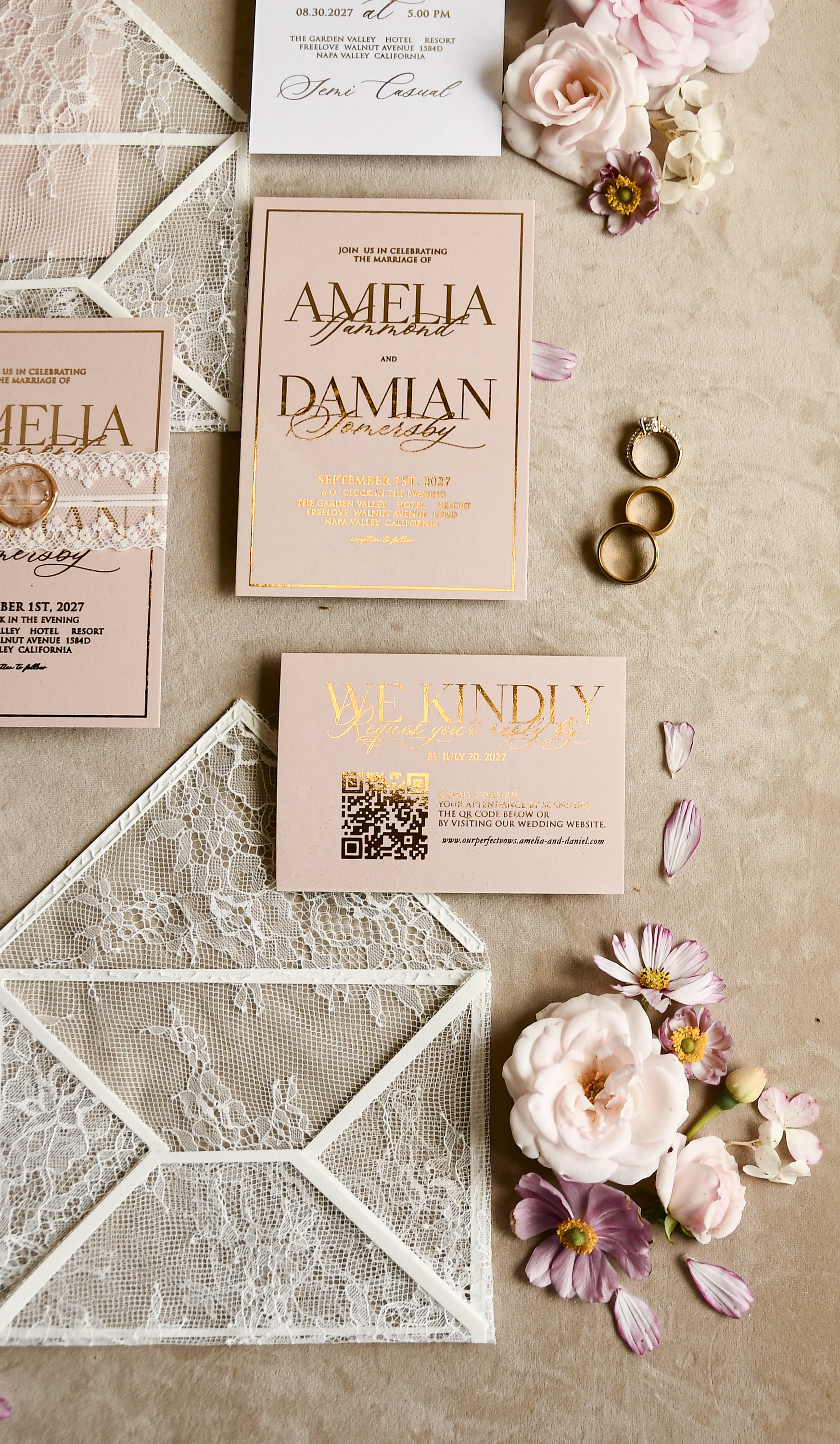
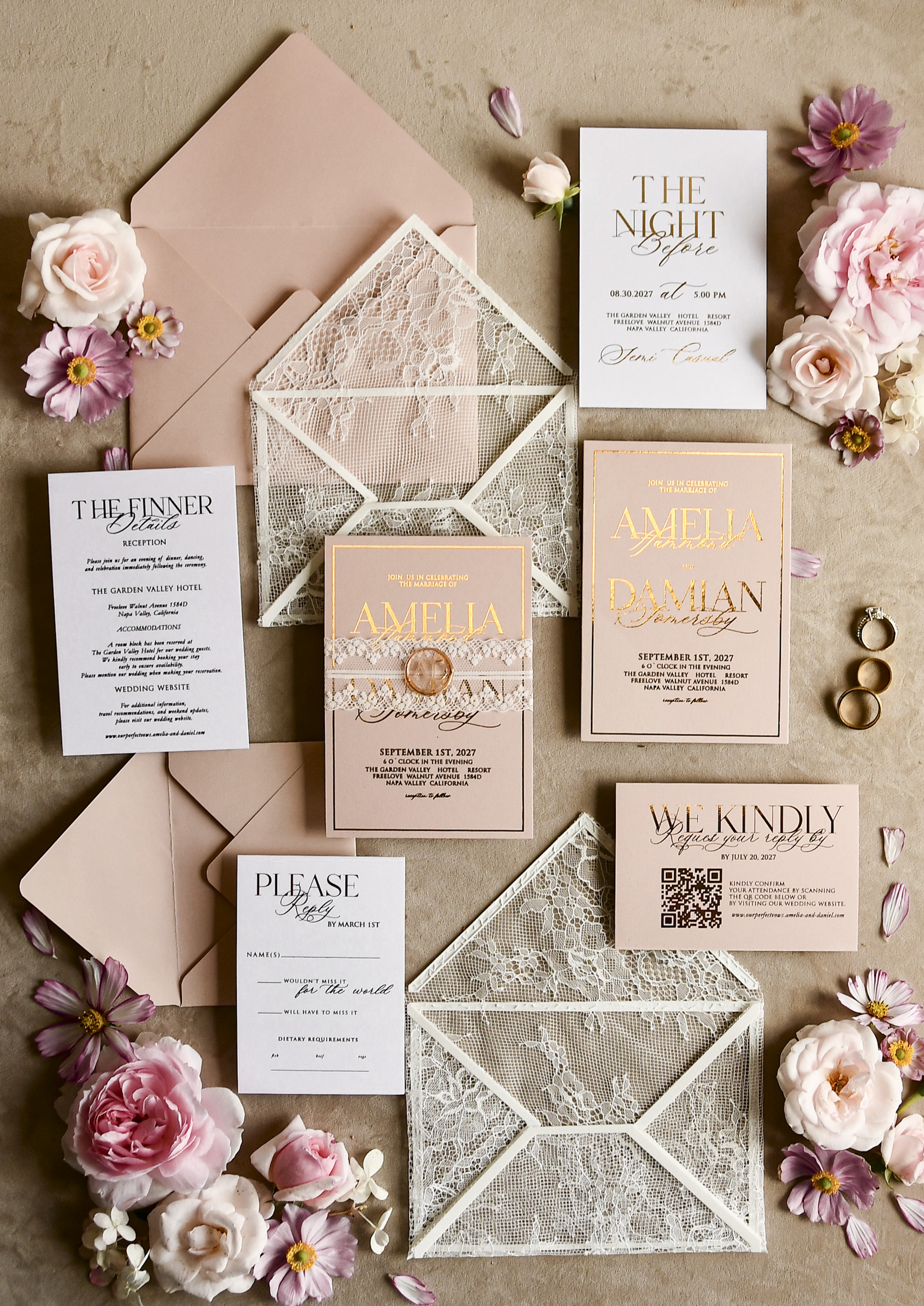
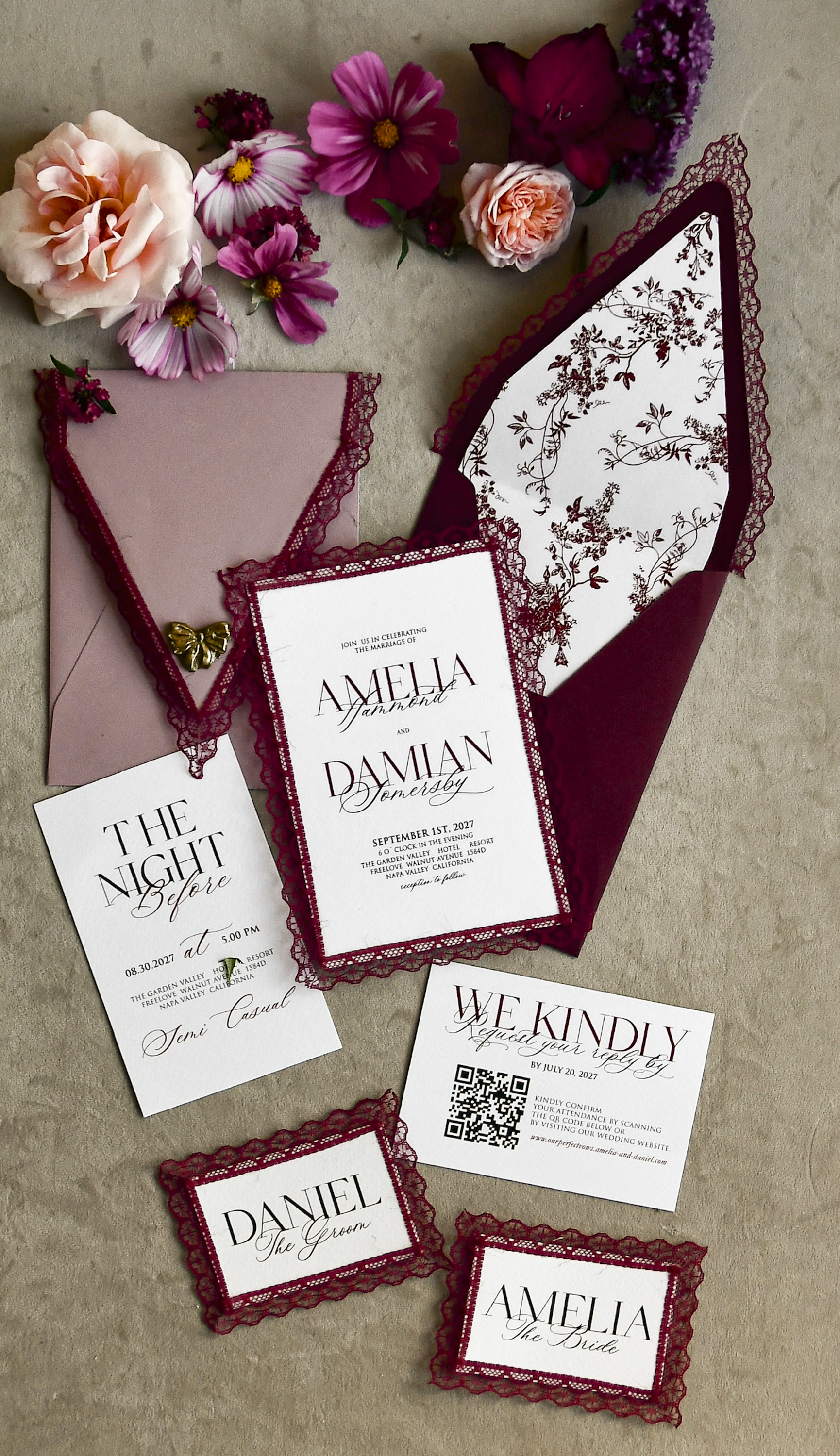
For family members who may feel hurt, a personal phone call before invitations go out can prevent a lot of drama. And when you're ready to send your invitations, make sure they reflect the care and intention you've put into your guest list. Our 02/lacenvD/z vintage lace wedding invitations are a beautiful way to set the tone — elegant, warm, and personal for the guests who matter most.
Remember: a smaller, more intentional guest list often leads to a more meaningful celebration. The goal isn't a big wedding — it's the right wedding.
Frequently Asked Questions
Not at all. Unless you're close friends outside of work, coworkers don't expect or require an invitation. If you invite some and not others in the same office, just keep the details low-key at work to avoid awkwardness.
Have an honest conversation early and set a firm number for each side of the family. Explain that every additional guest has a real cost and takes a spot from someone closer to you — most parents respond well when they understand the practical constraints.
A B-list is a secondary group of guests you'd love to invite if your A-list guests decline. It's completely acceptable as long as invitations go out early enough that B-list guests have adequate notice — aim for at least 6 weeks before the wedding date.
No. Etiquette only requires plus-ones for married, engaged, or long-term partners. For single guests or newer couples, it's fine to invite them solo, especially when you're working within a tight venue capacity.
If they bring it up, be honest but gentle: explain you had a strict venue limit and had to make very difficult decisions. Avoid over-explaining or apologizing excessively — a warm, matter-of-fact tone usually lands best.
That's entirely your choice, and both options are valid. If you go child-free, be consistent and communicate the policy clearly so parents can make arrangements — your wedding website and a note with invitations are great places to share this.
See This Design Up Close
You May Also Like
More Wedding Planning Guides
- → Wedding Invitations: When the Clock Runs Out and What to Do About It
- → The Smartest Way to Get Your Wedding Invitations Into Guests' Hands
- → When a 'Yes' RSVP Turns Into an Empty Chair: What Couples Should Know
- → When Mom's Guest List and Yours Don't Match: A Practical Guide
- → Cutting Your Wedding Guest List Kindly and Confidently
- → More Guests or a More Meaningful Wedding? Here's How to Decide
- → The Art of Ceremony-Only Invitations: A Kind and Practical Guide
- → Plus-One or Not? How to Handle New Boyfriends and Girlfriends on Your Guest List
- → Skip the Stamp: A Practical Guide to Online RSVPs for Your Wedding
- → Wedding Invitation Essentials: What to Include and How to Say It
- → Save the Date vs. Wedding Invitation: What Each Card Actually Does
- → When Your Fiancé Wants a Family-Free Wedding: Finding Common Ground
- → Uninvited Plus-Ones and Tag-Alongs: How to Keep Your Guest List Intact
- → When Family Feuds Threaten Your Wedding Plans: A Practical Peacekeeper's Guide
- → Inviting an Estranged Brother or Sister: Finding Clarity Before You Seal the Envelope
- → Cousins, Invites, and Hard Choices: A Practical Guest List Guide