
RSVP Follow-Up Timing: Your No-Stress Guide to Chasing Late Replies
You spent weeks perfecting your guest list, addressed every envelope, and sent your invitations right on schedule. Now the RSVP deadline has come and gone — and a handful of guests are still radio silent. Before you spiral, take a breath. Late RSVPs are one of the most universal wedding-planning frustrations, and there is a clear, stress-free way to handle them. Here is exactly how long to wait, when to follow up, and how to do it without damaging a single relationship.
Set Your RSVP Deadline With Follow-Up Time Built In
The smartest move happens before a single envelope is mailed. When you choose your RSVP deadline, build in a buffer of at least two to three weeks before you need to give your caterer or venue a final headcount. Most couples need final numbers roughly one to two weeks before the wedding, so set your RSVP deadline three to four weeks out from your wedding date.
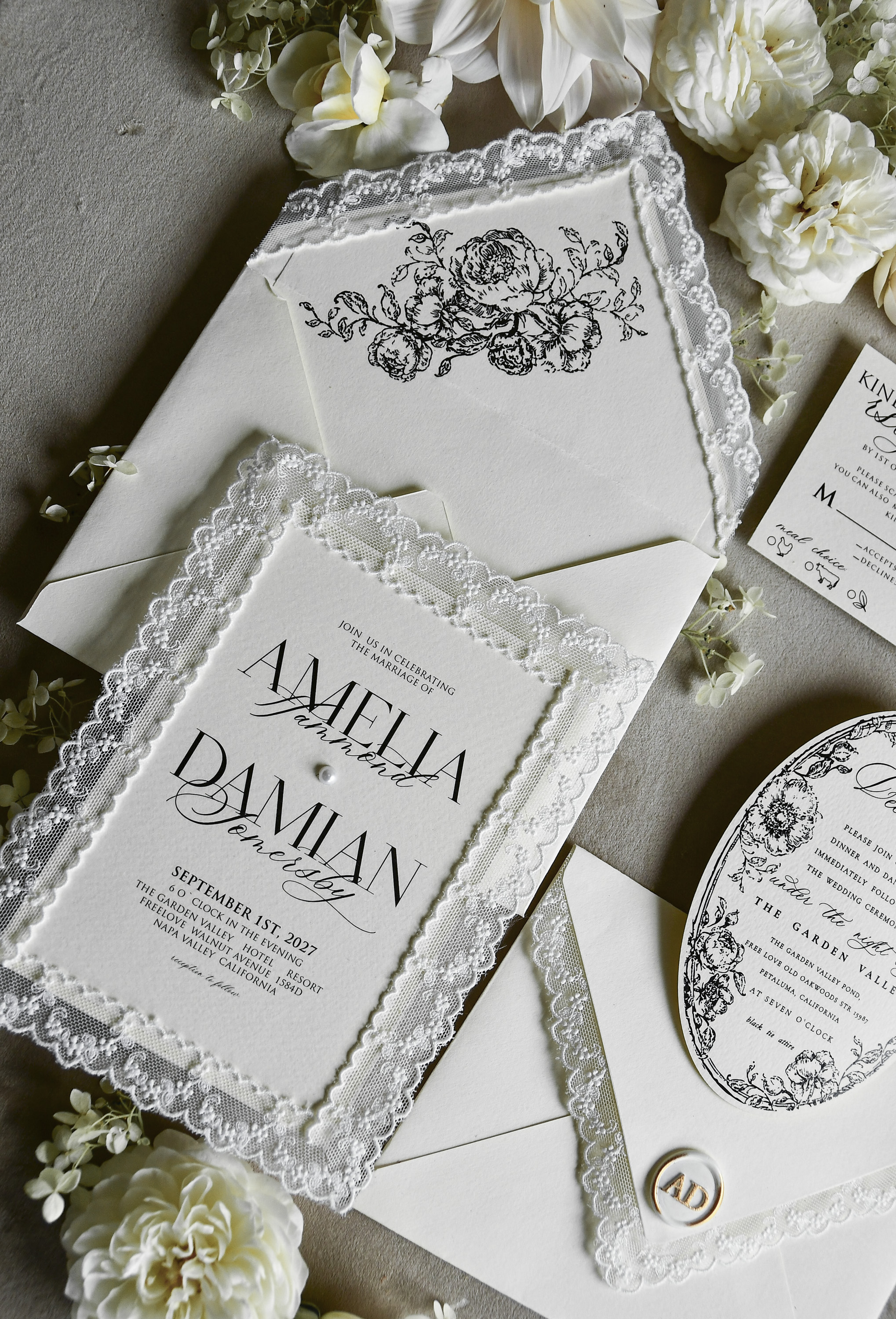
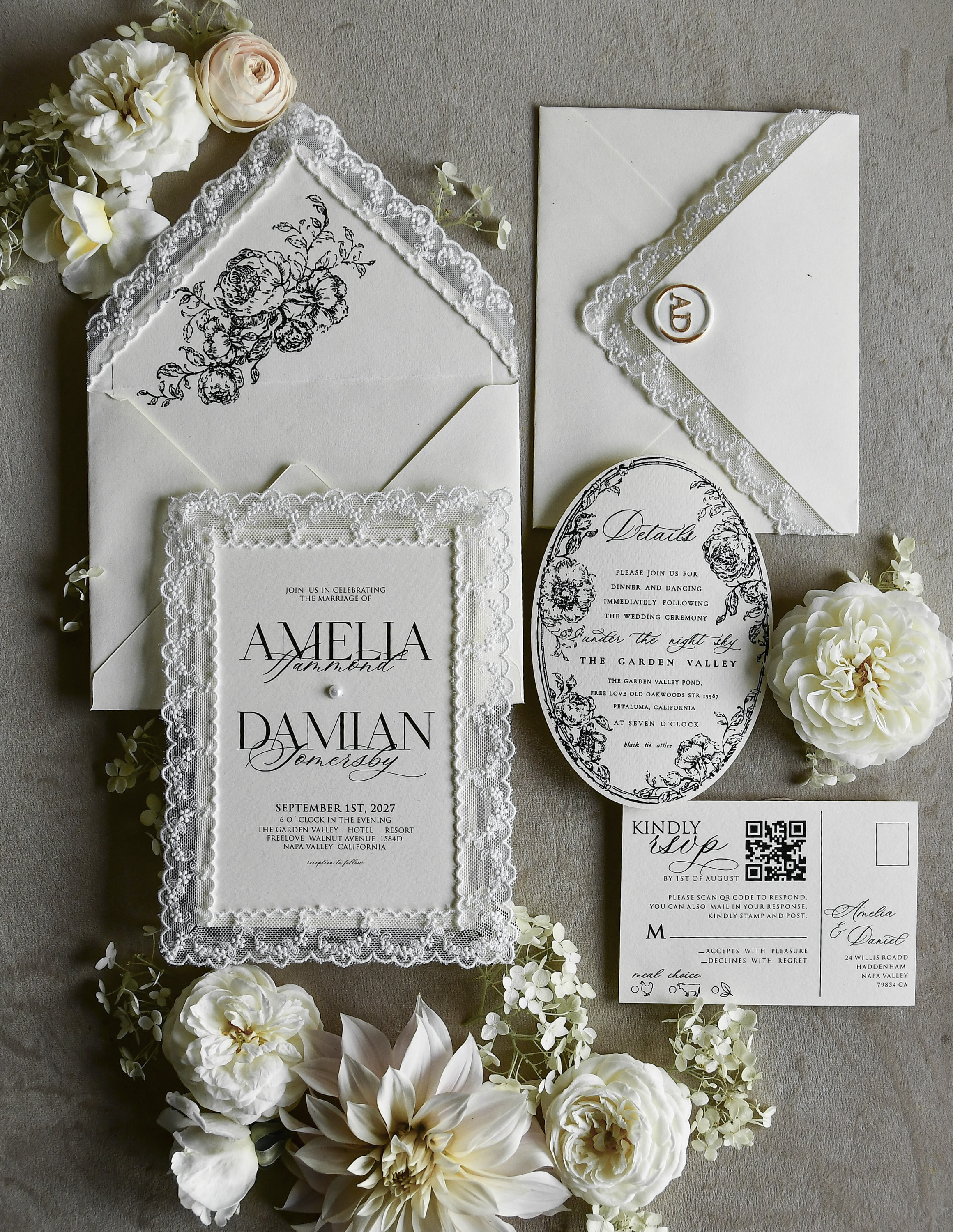
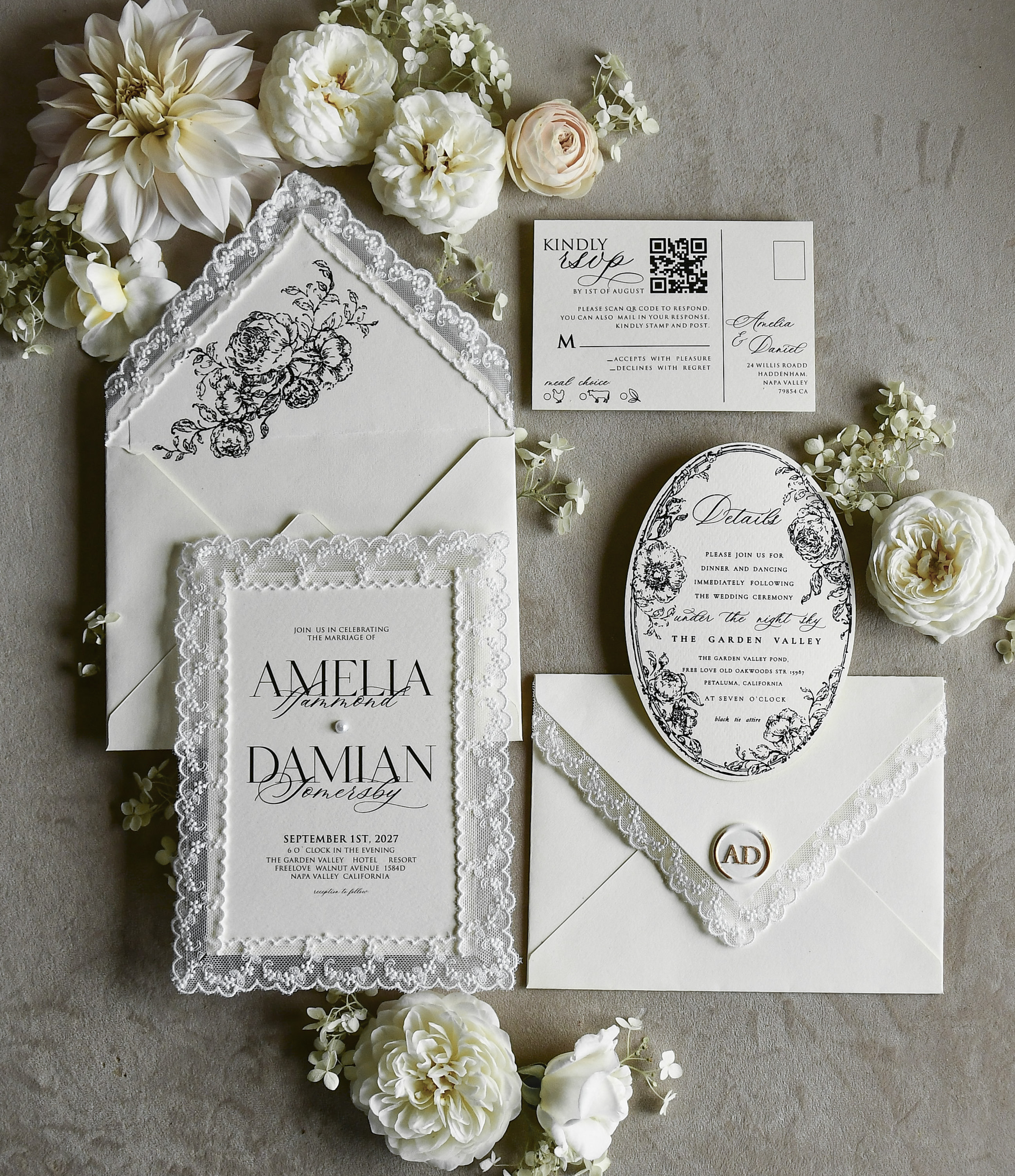
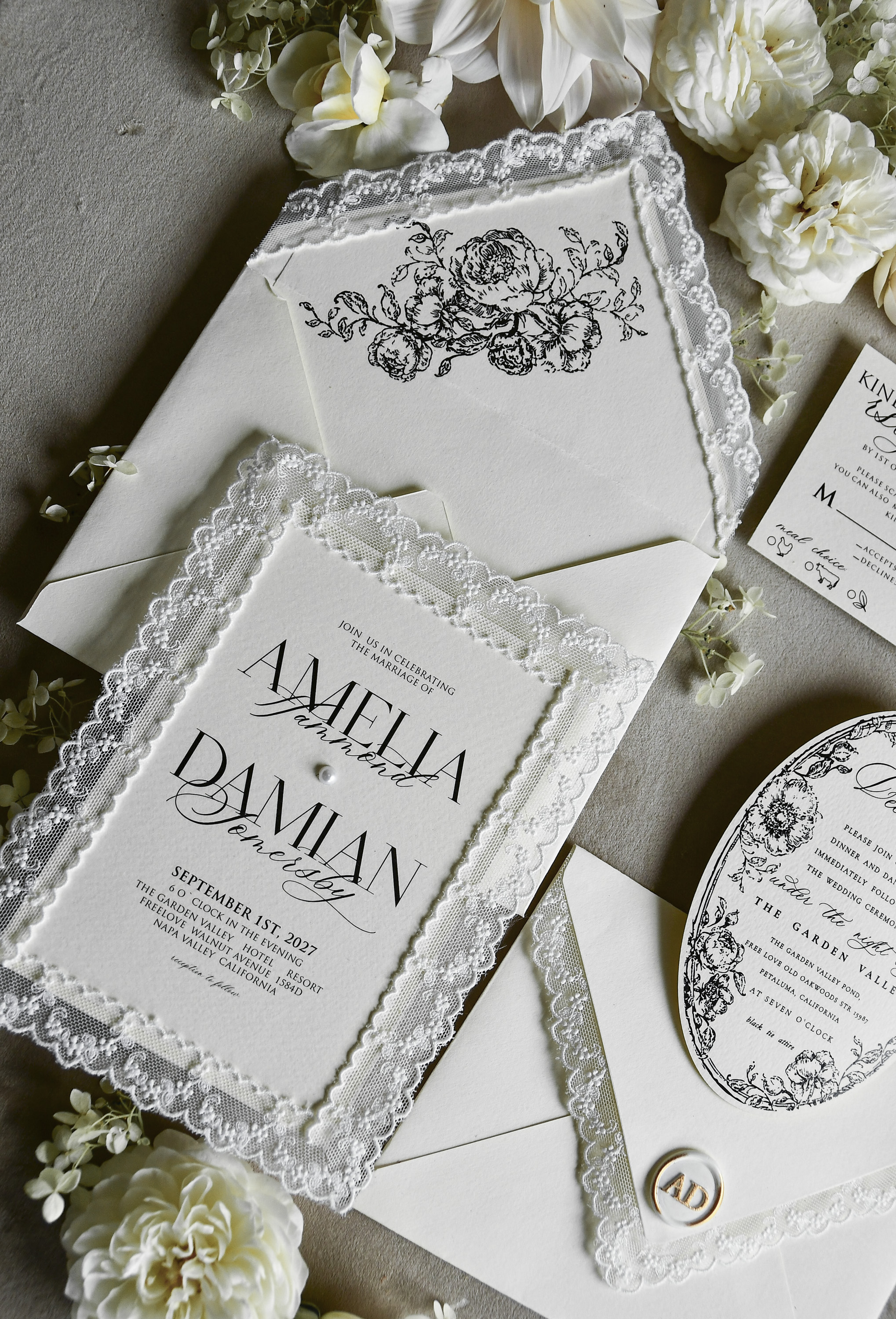
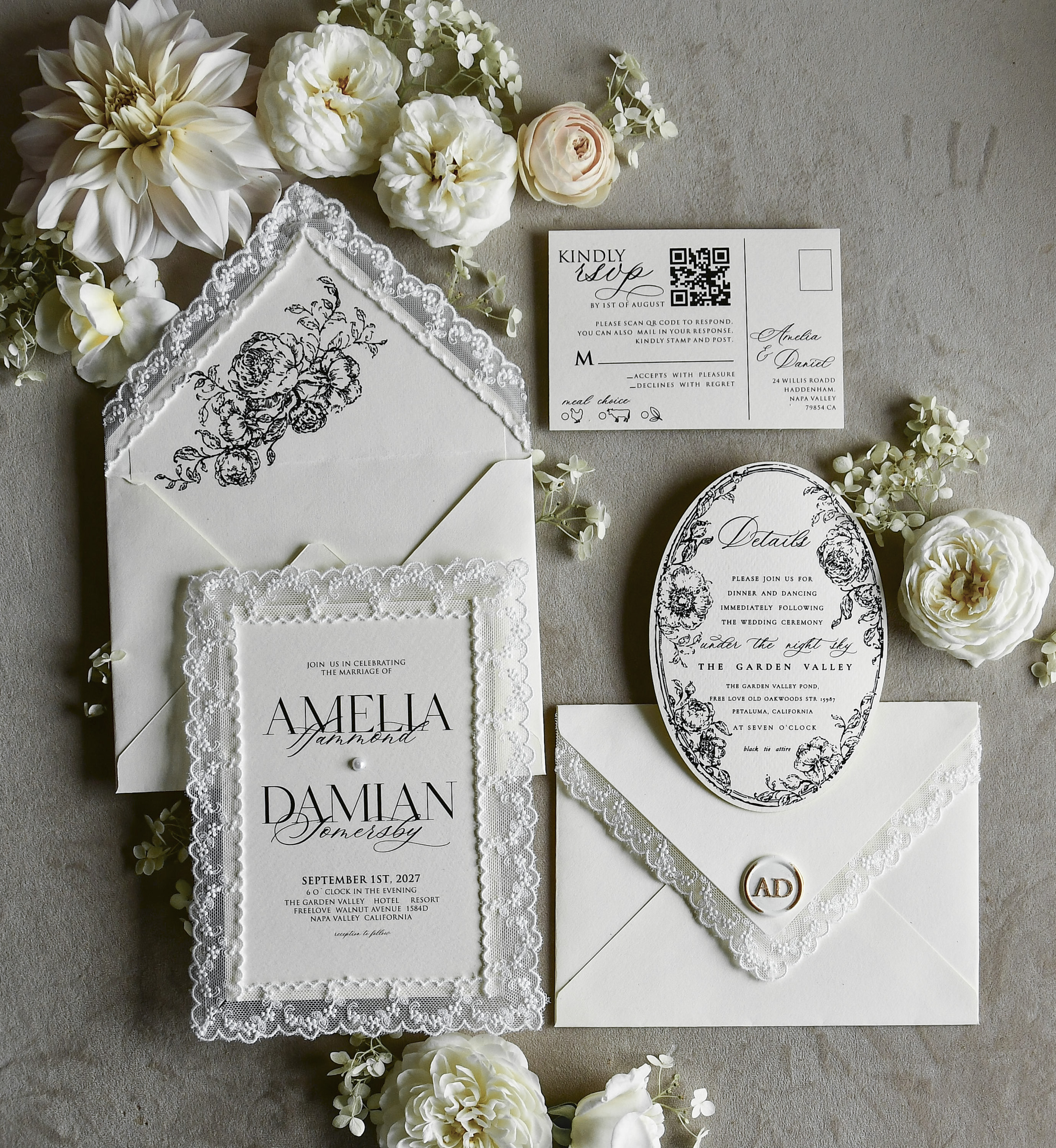
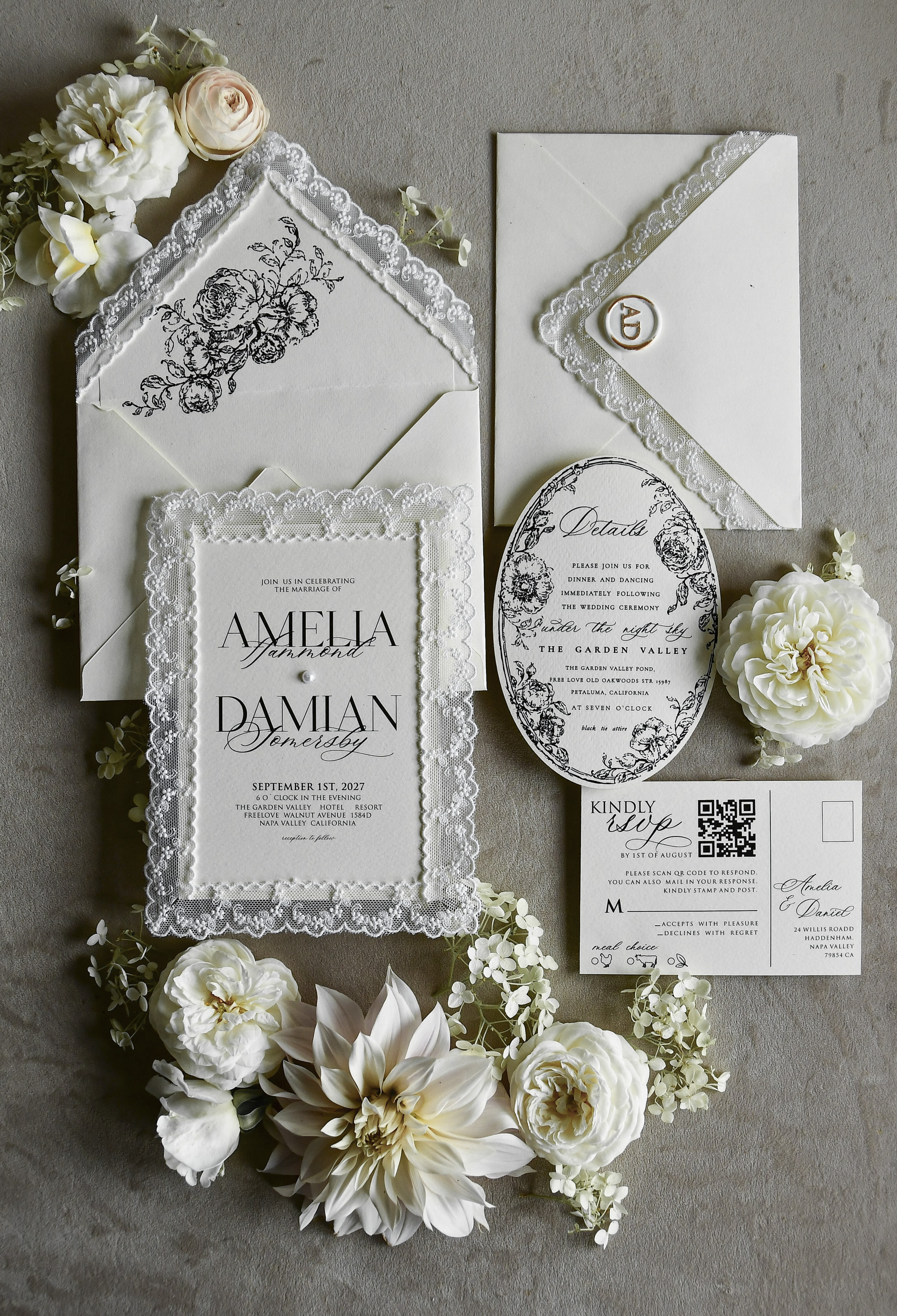
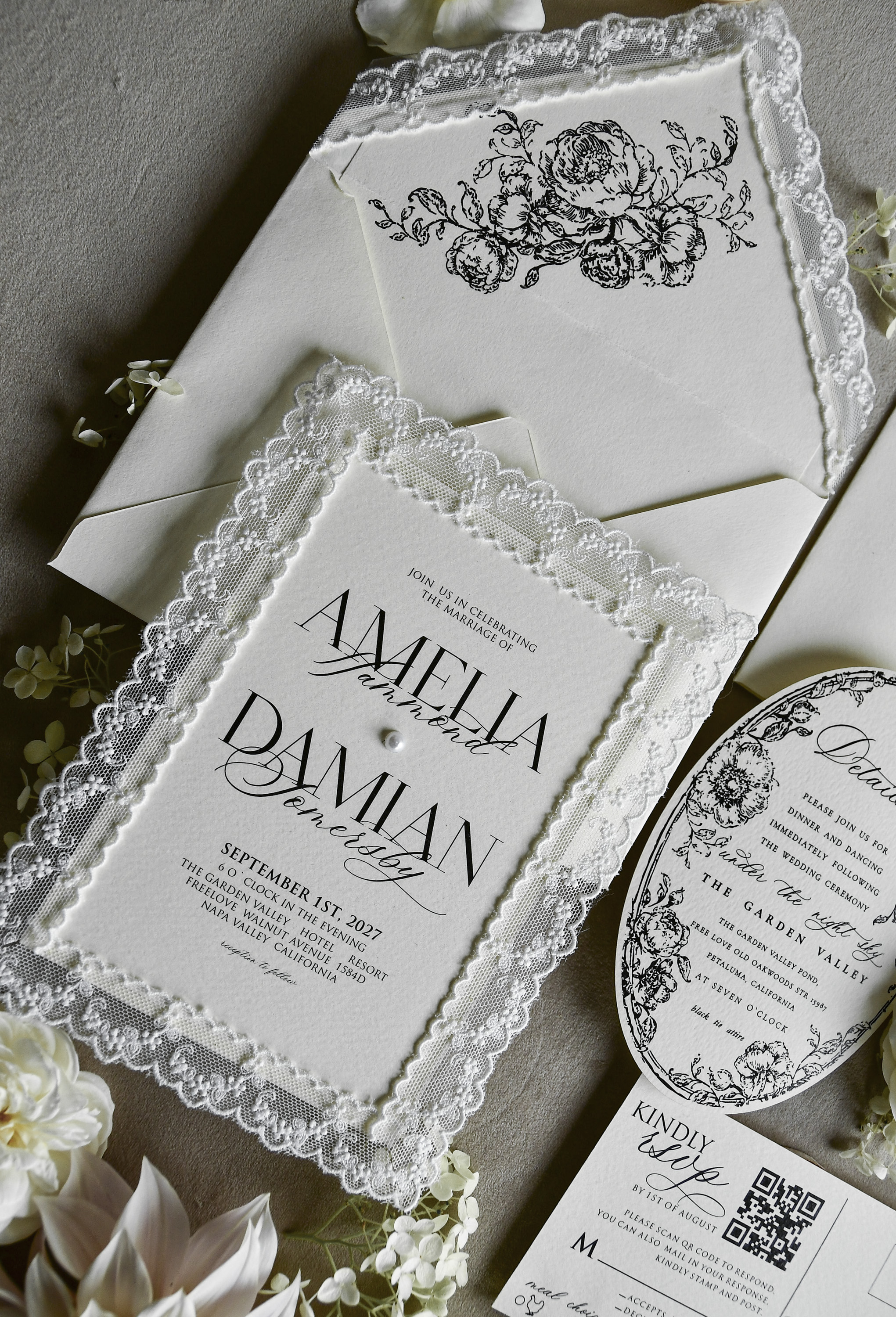
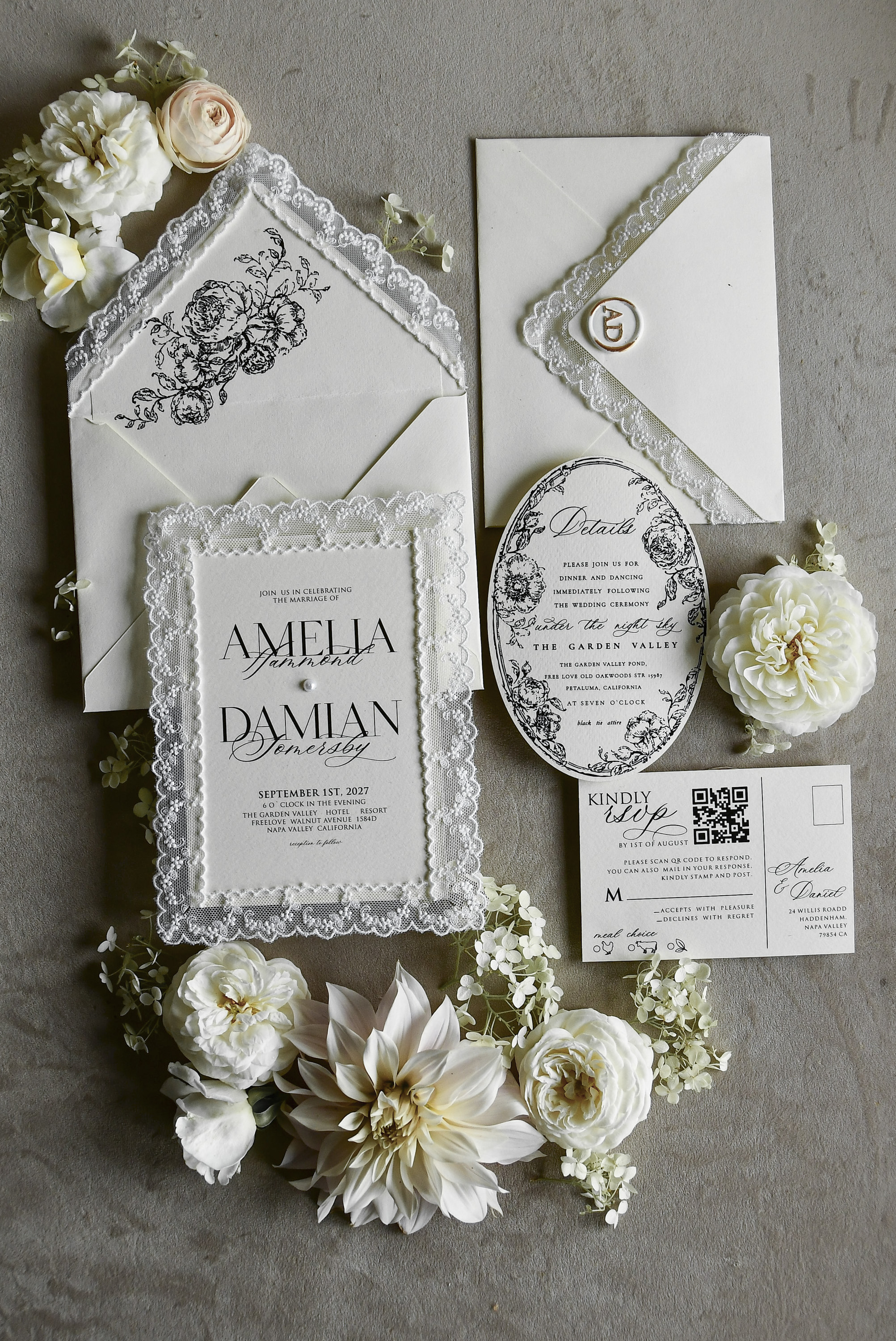
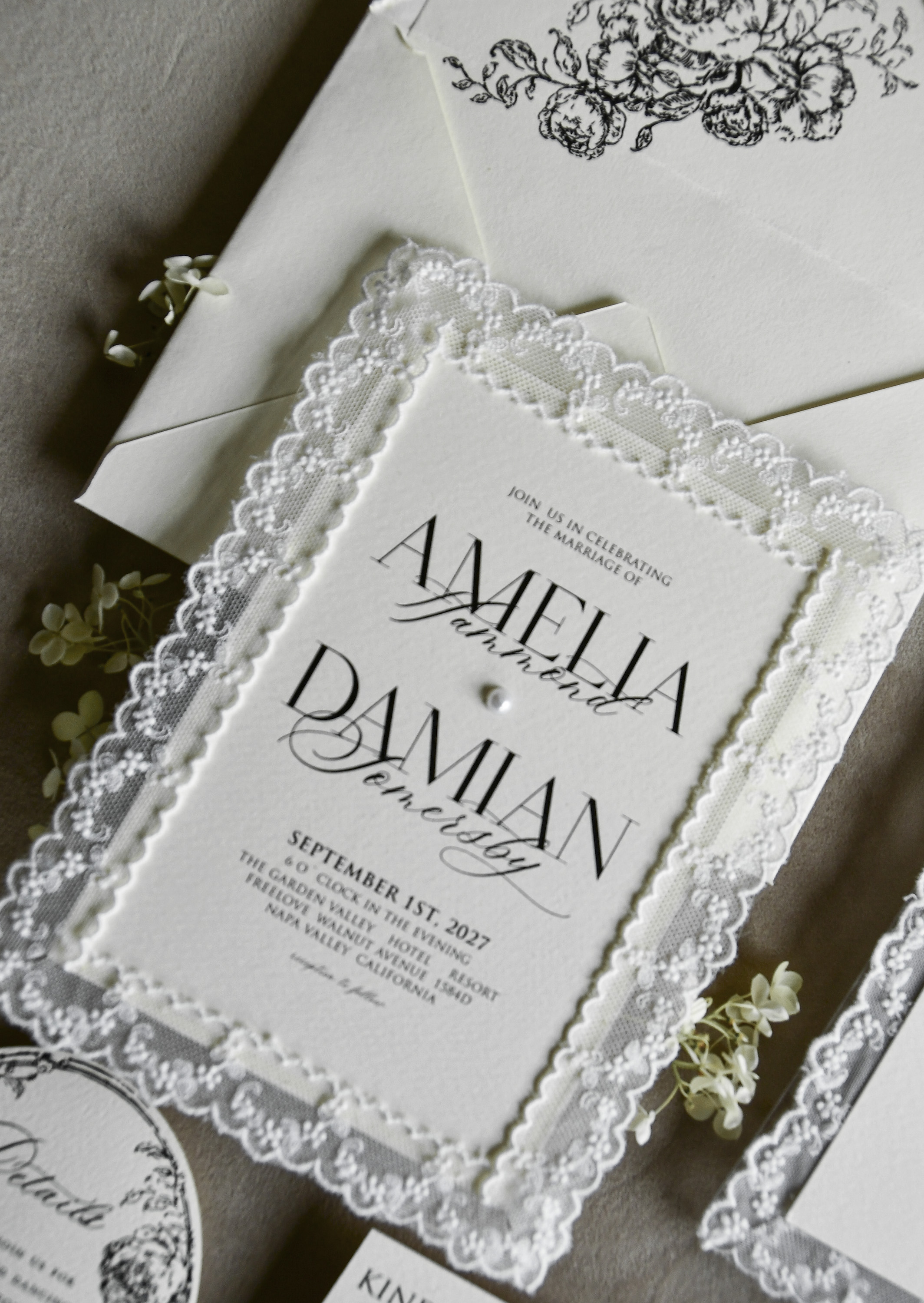
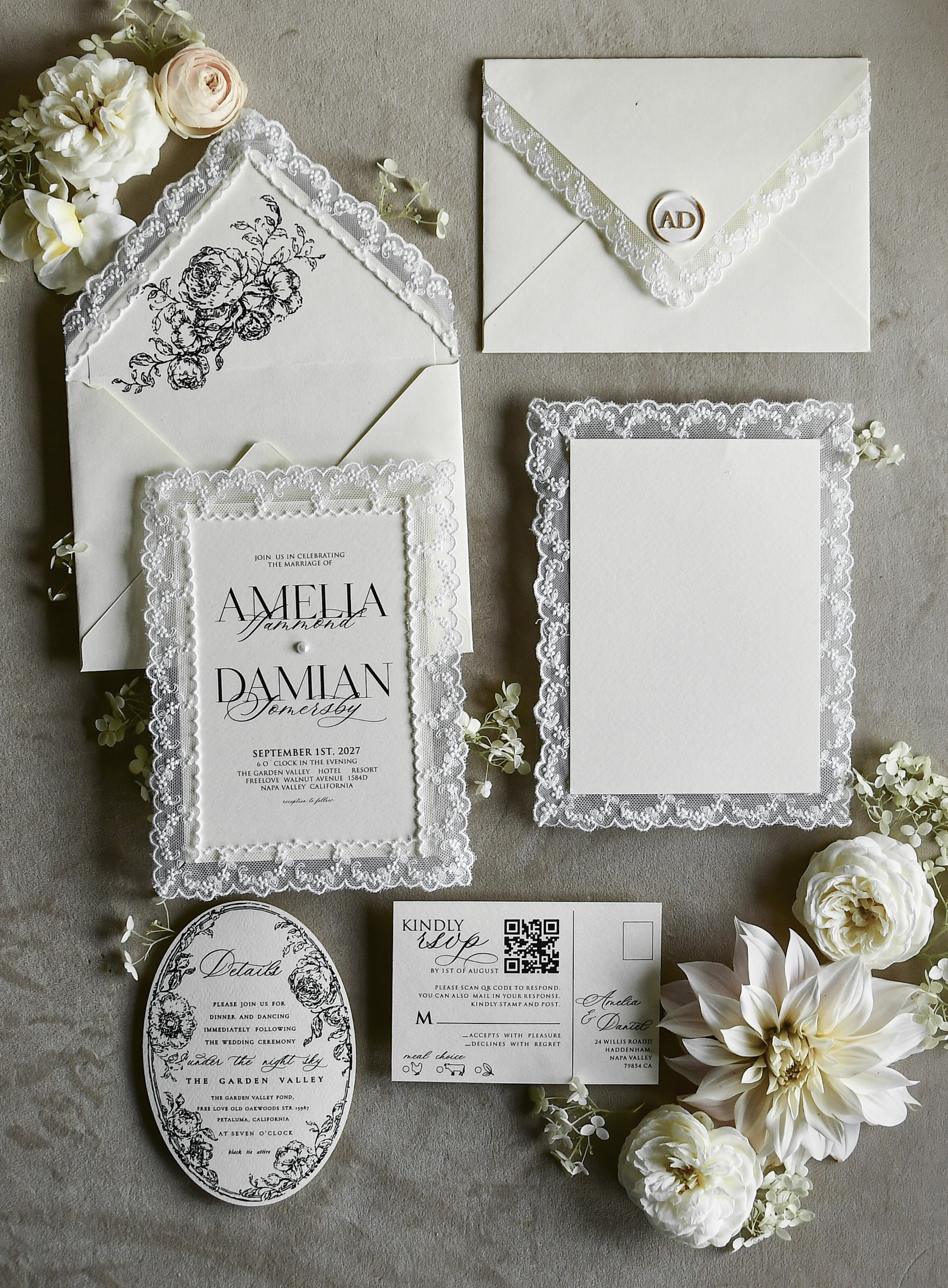
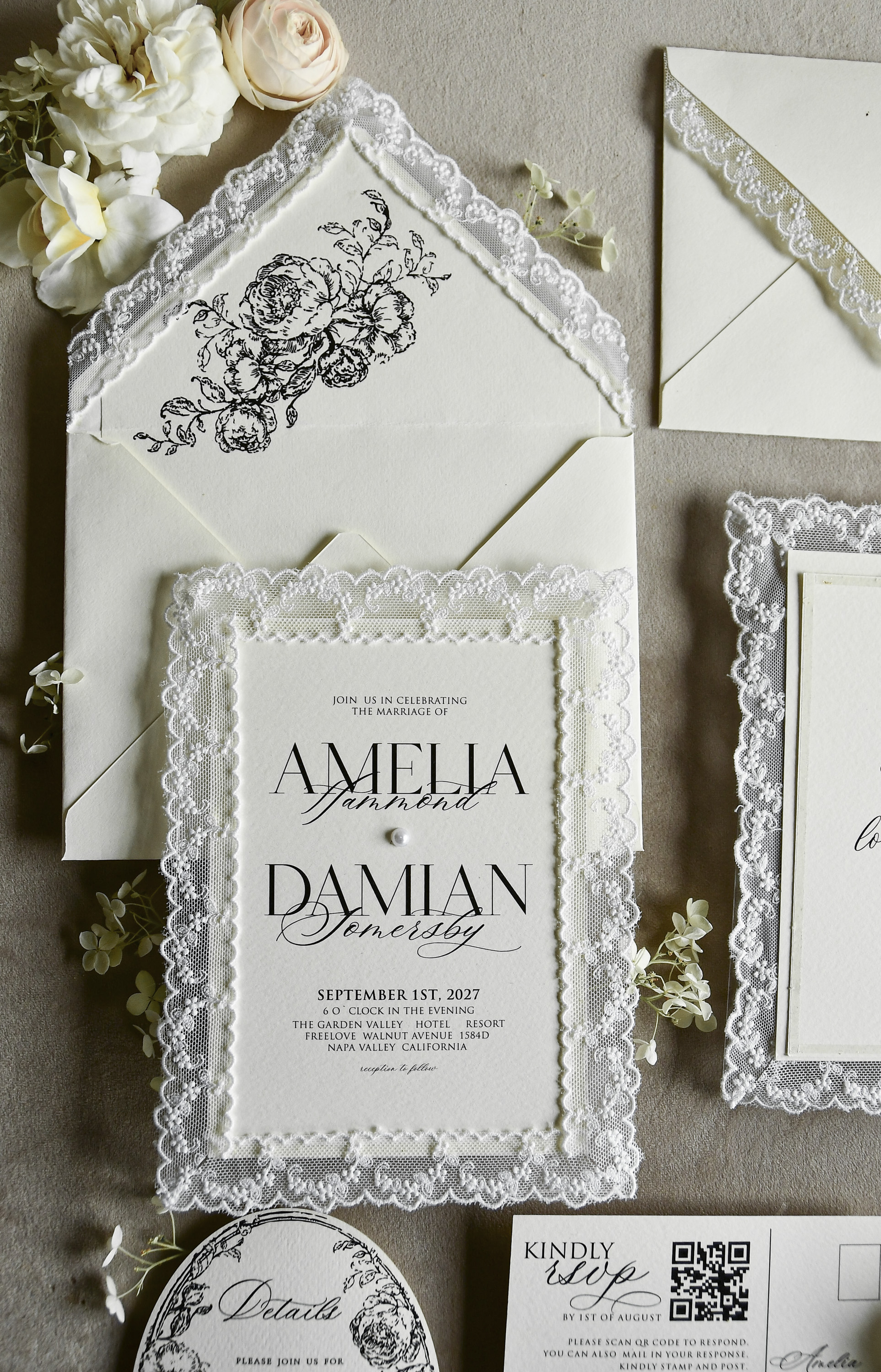
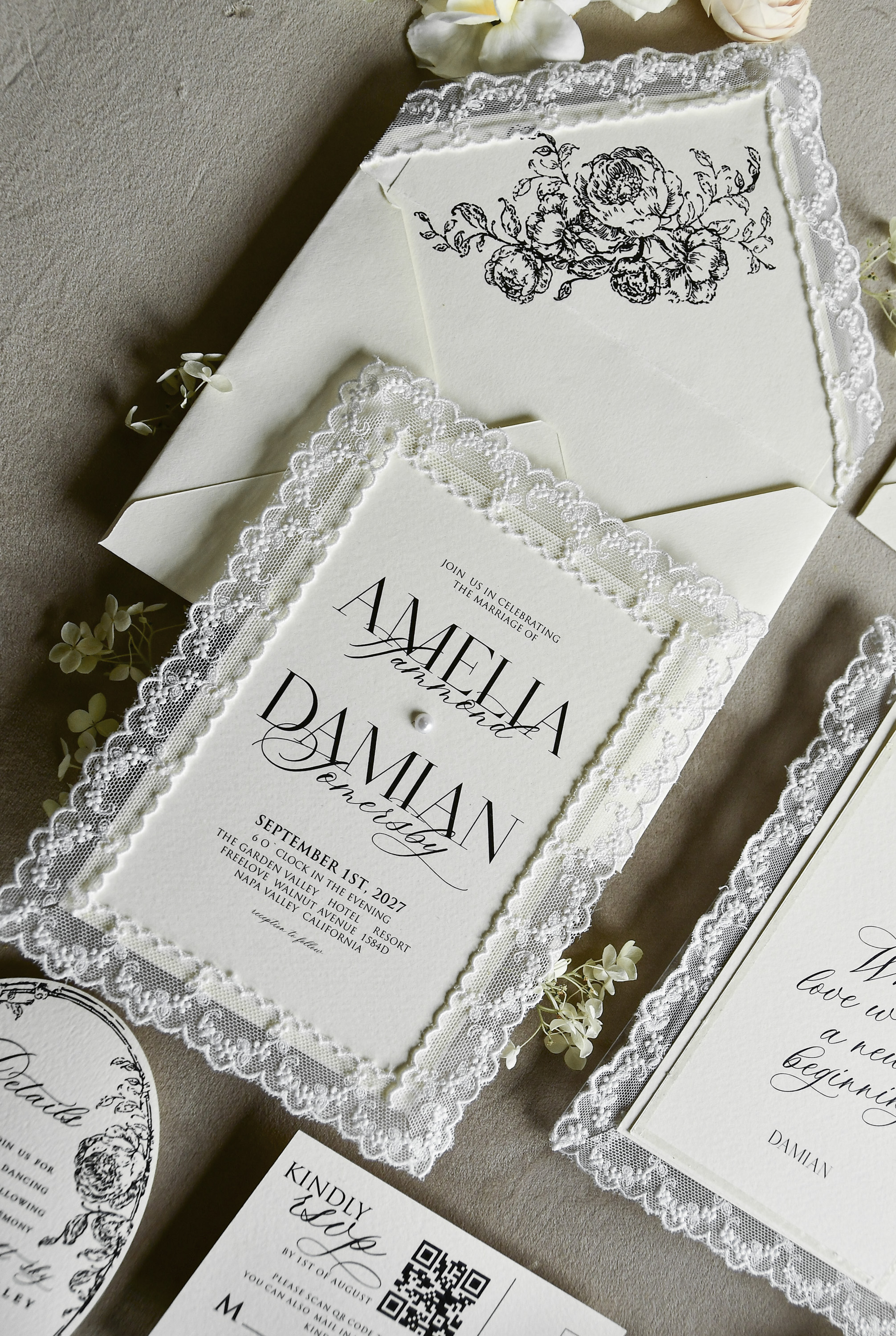
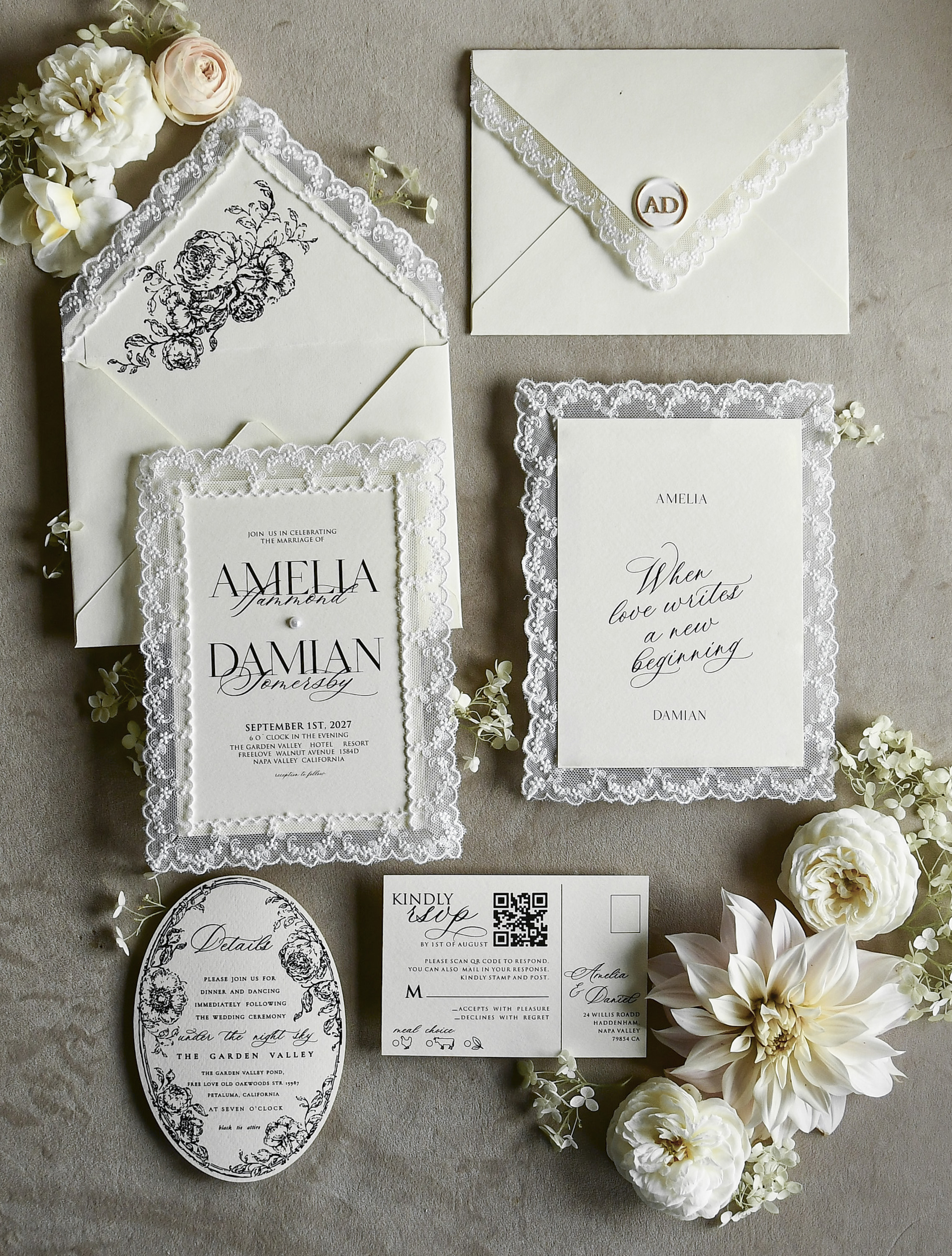
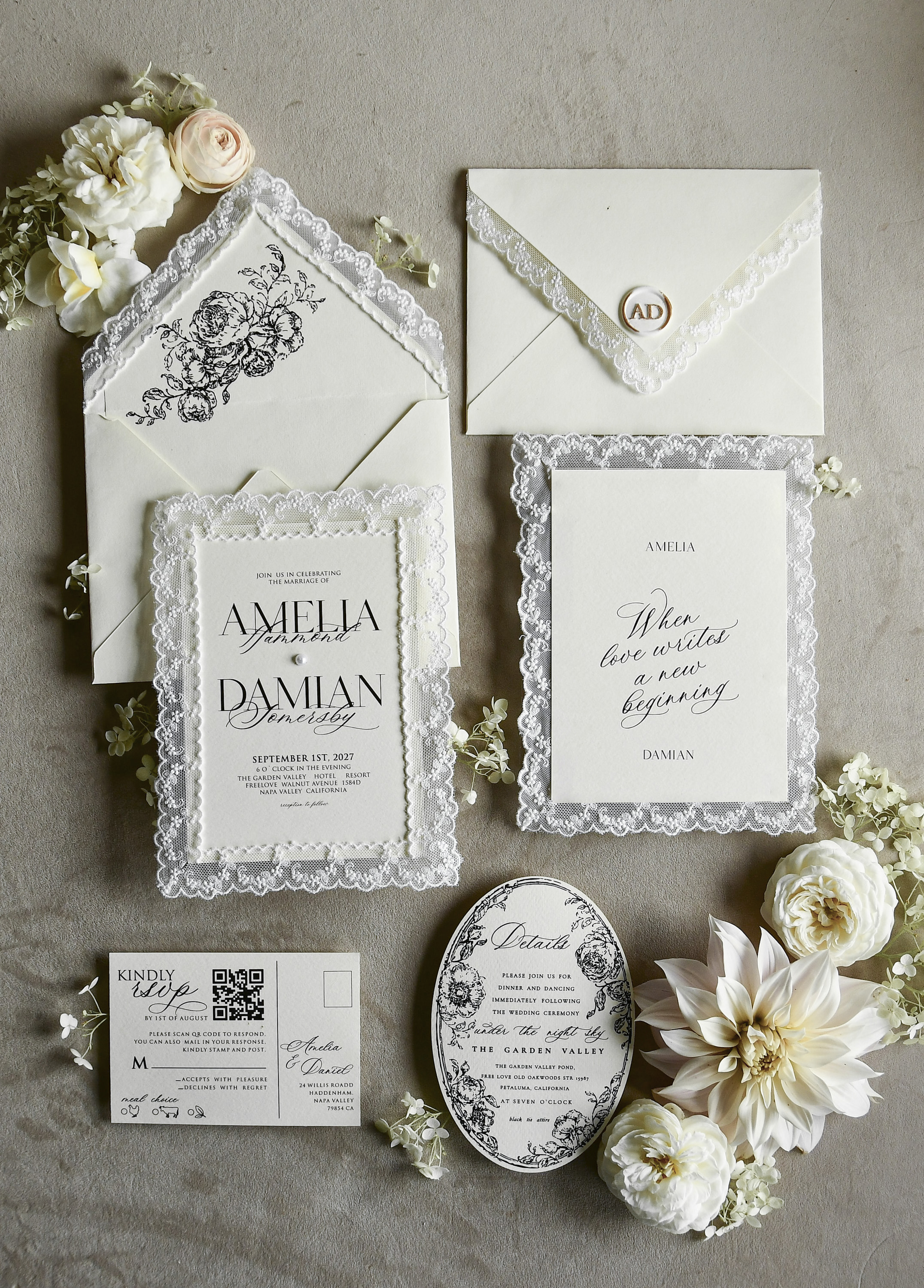
That buffer is your follow-up window. If your deadline is August 1 and your caterer needs numbers by August 15, you have a full two weeks to chase stragglers without panicking. This is especially important when you have sent beautifully crafted invitations — like our vintage-inspired 09/laceD/z wedding invitations — because guests sometimes set them aside to admire and simply forget to respond.
How Long to Wait After the RSVP Deadline Passes
Give it two to three days after your deadline before you start following up. Some guests genuinely mail a response card the day of the deadline and it takes a few days to arrive. Others mean to respond online and keep forgetting. A short grace period keeps you from contacting someone whose card is already in the mail.
After those two to three days, do a quick audit:
- Cross-reference your guest list against all responses received.
- Note anyone who has not replied at all versus anyone whose response was unclear.
- Prioritize guests who need travel accommodations or have dietary restrictions — you need their answers most urgently.
Do not wait longer than five days past the deadline to begin outreach. Every day you delay is a day closer to your caterer's cutoff.
Who Should Follow Up and How
Divide and conquer. You and your partner should each take responsibility for following up with guests from your own side of the family and friend group. A message feels much warmer coming from someone the guest actually knows well.
Choose your method based on your relationship with the guest:
- Close family and wedding party: A quick phone call is the most efficient and personal option. Keep it light — "Hey, we just want to make sure we have your spot reserved!"
- Friends and colleagues: A text message works perfectly. Something like, "Hi! We are finalizing our guest count and noticed we haven't received your RSVP yet. We'd love to know if you can make it!" is friendly and pressure-free.
- Older relatives or guests who received a paper response card: Call them directly. They may have lost the card or found the process confusing.
Avoid mass group texts or emails that make guests feel like a number. A personal touch goes a long way and reflects the same care you put into every detail of your wedding stationery.
What to Do If You Still Don't Hear Back
If a guest does not respond within five to seven days of your first follow-up, try one more time through a different channel. If you texted first, call next. If calling feels like too much, ask a mutual friend or family member to casually check in.
If you still receive no response after two attempts, you have two reasonable options:
- Count them as not attending. This is the safest choice for your headcount. If they show up unexpectedly, most venues can accommodate one or two extra guests, but you should not hold a seat indefinitely.
- Make a final decision call. For guests whose attendance truly matters — a grandparent, a sibling — one final personal phone call from you or a close family member is worth the effort.
Whatever you decide, document it. Keep a running spreadsheet so nothing falls through the cracks in the final busy weeks before your wedding.
A Quick Timeline to Keep You on Track
Here is a simple schedule to bookmark:
- Day 0: RSVP deadline passes.
- Days 1–3: Grace period. Check your mail and online responses daily.
- Days 3–5: Begin personal follow-ups with non-responders.
- Days 8–10: Second follow-up attempt via a different method for anyone still silent.
- Day 14: Finalize your headcount regardless of remaining non-responses.
- Day 21: Submit final numbers to your caterer or venue.
Sticking to this timeline keeps you in control and protects your vendor relationships — and your sanity.
Frequently Asked Questions
Most couples set their RSVP deadline three to four weeks before the wedding. This gives you enough time to follow up with non-responders and still meet your caterer's or venue's headcount deadline, which is typically one to two weeks before the event.
Not at all — it is actually expected and completely appropriate. A friendly, personal message shows guests you care about their attendance and helps you plan accurately. Keep the tone warm and assume the best; most people simply forgot rather than intentionally ignored the invitation.
It depends on your relationship with the guest. Phone calls work best for close family and older relatives, while texts are ideal for friends and colleagues. The key is to personalize each outreach rather than sending a generic mass message.
Two attempts is the standard. Try once around three to five days after your deadline, and if you hear nothing, try once more five to seven days later through a different channel. After two genuine attempts, it is reasonable to mark that guest as not attending.
Send a brief, friendly follow-up specifically about the missing detail — for example, "We just need your entrée selection to finalize your spot!" Framing it as a small logistical need rather than a complaint keeps the exchange positive and gets you the information quickly.
Absolutely, and many couples do. Online RSVPs make it easier to track responses in real time and send automated reminders. That said, always include a paper response card for guests who are less tech-savvy, so no one feels excluded from the process.
See This Design Up Close

You May Also Like




More Wedding Planning Guides
- → Handling Family Guest List Pressure Without Losing Your Mind (or Your Vision)
- → Last-Minute RSVP Changes: How to Stay in Control When Guests Switch Their Answer
- → Plus-Ones for Teenagers: The Honest Wedding Etiquette Guide
- → Family Affair or Adults-Only? How to Navigate the Kids-at-Your-Wedding Question
- → Making Your Wedding Kid-Friendly: Childcare, Entertainment, or Both?
- → What to Say When Someone Assumes They're Invited to Your Wedding
- → When Future In-Laws Want to Add Their Friends to Your Guest List
- → Guests Who RSVP Yes and Don't Appear: A Practical Guide for Couples
- → Adults-Only Wedding: How to Spread the Word Without Hurt Feelings
- → Trim Your Wedding Guest List Without the Awkwardness
- → The Estranged Sibling Invitation Dilemma: A Thoughtful Guide for Couples
- → Someone Added Extra Names to Your RSVP Card — Here's Exactly What to Do
- → Your Wedding Invitation Send-Off: Getting the Timing Just Right
- → Uninvited Plus-Ones and Tag-Alongs: How to Keep Your Guest List Intact
- → When Family Feuds Threaten Your Wedding Plans: A Practical Peacekeeper's Guide
- → Inviting an Estranged Brother or Sister: Finding Clarity Before You Seal the Envelope
- → Cousins, Invites, and Hard Choices: A Practical Guest List Guide