
The Estranged Sibling Invitation Dilemma: A Thoughtful Guide for Couples
Few guest-list decisions carry as much emotional weight as figuring out what to do about an estranged sibling. Whether you've been distant for years or experienced a specific falling-out, the question of whether to send that invitation can feel impossibly tangled. There's no single right answer, but there is a thoughtful process that can help you reach a decision you'll feel at peace with long after the wedding day is behind you.
Start by Getting Clear on Why You're Estranged
Before you can decide whether to invite your brother or sister, it helps to honestly name the nature of the estrangement. There's a meaningful difference between these situations:
- Gradual drift: You've simply grown apart over the years — different cities, different lives, no dramatic incident.
- A specific conflict: A falling-out over money, a family event, a relationship, or something that was said.
- Ongoing harmful behavior: Abuse, addiction, manipulation, or repeated boundary violations.
- A third-party dispute: The estrangement is tied to a parent's divorce, a blended family situation, or loyalty conflicts rather than anything between the two of you directly.
Naming the category matters because it shapes your realistic expectations. Drifted-apart siblings sometimes use a wedding as a natural bridge back to each other. Siblings with a history of harmful behavior are unlikely to suddenly change in a high-emotion, high-stakes environment.
Think About the Day — Not Just the Relationship
Your wedding day deserves honest consideration, not just obligation. Ask yourself these practical questions:
- Will their presence allow you to be fully present and joyful, or will you spend the day managing anxiety about what might happen?
- Will other guests — especially parents, mutual family members, or your partner — be affected by the sibling's presence or absence?
- Is there a realistic risk of a scene, a confrontation, or disruptive behavior?
- Would not inviting them create a family conflict that ends up being more disruptive than including them?
There's no shame in protecting the atmosphere of your celebration. At the same time, some couples find that extending an invitation — even to a complicated sibling — is an act of generosity they're glad they offered, regardless of whether it's accepted.
Consider the Middle-Ground Options
An invitation doesn't have to be all-or-nothing. Here are a few approaches that give you more nuance:
- Invite them to the ceremony only, not the reception. This acknowledges them as family without giving the full day over to potential tension.
- Reach out before sending invitations. A brief, low-pressure conversation or message — not a confrontation — can help you gauge where things stand and whether the relationship is in a place to handle the occasion.
- Let them decide. Some couples send the invitation and genuinely leave the choice to the sibling. This is especially useful when the estrangement involves the sibling's own issues (addiction, mental health struggles) rather than direct harm to you.
- Delay the decision. If you're early in planning, give yourself time. Relationships shift. You don't have to finalize your guest list the moment you get engaged.
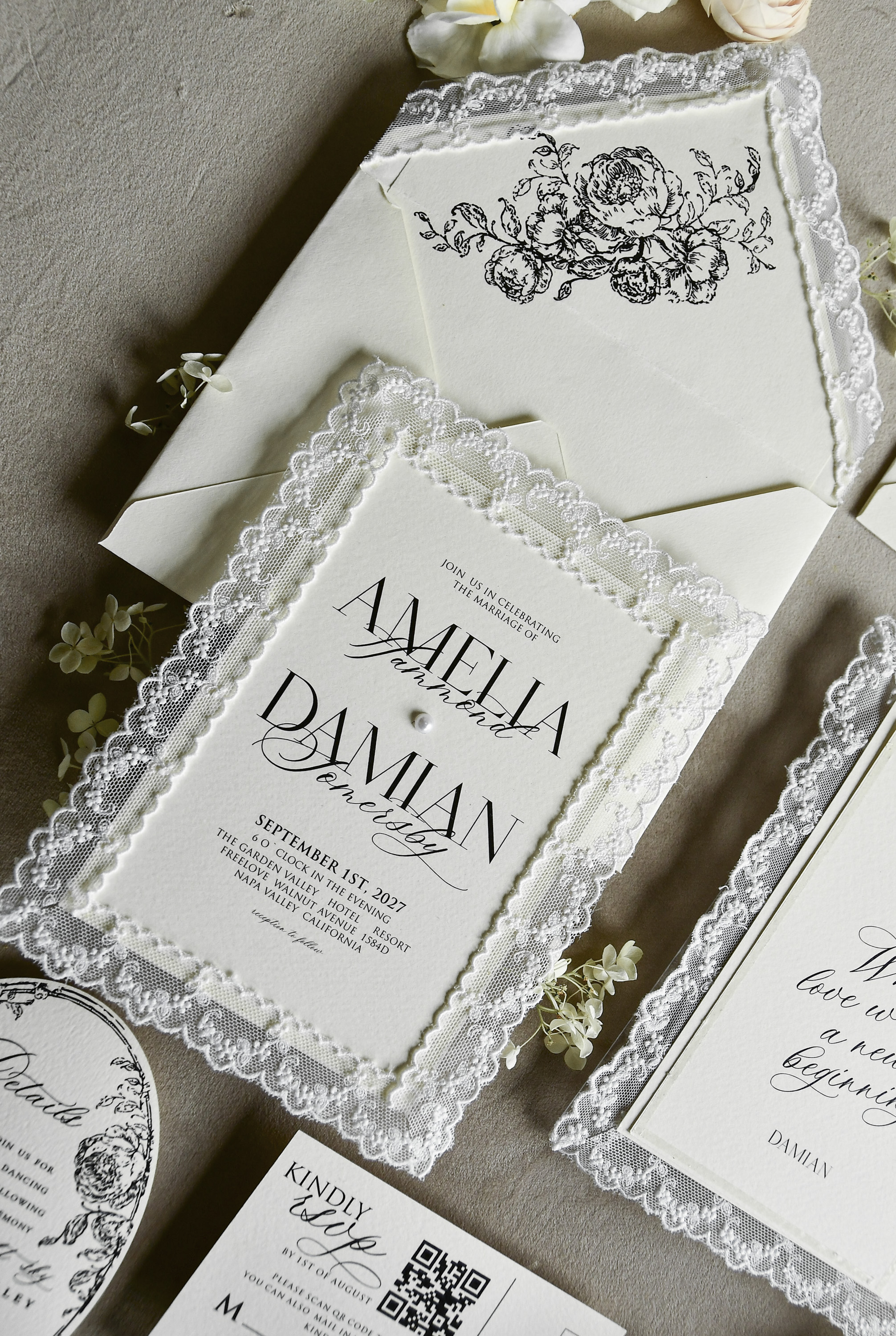
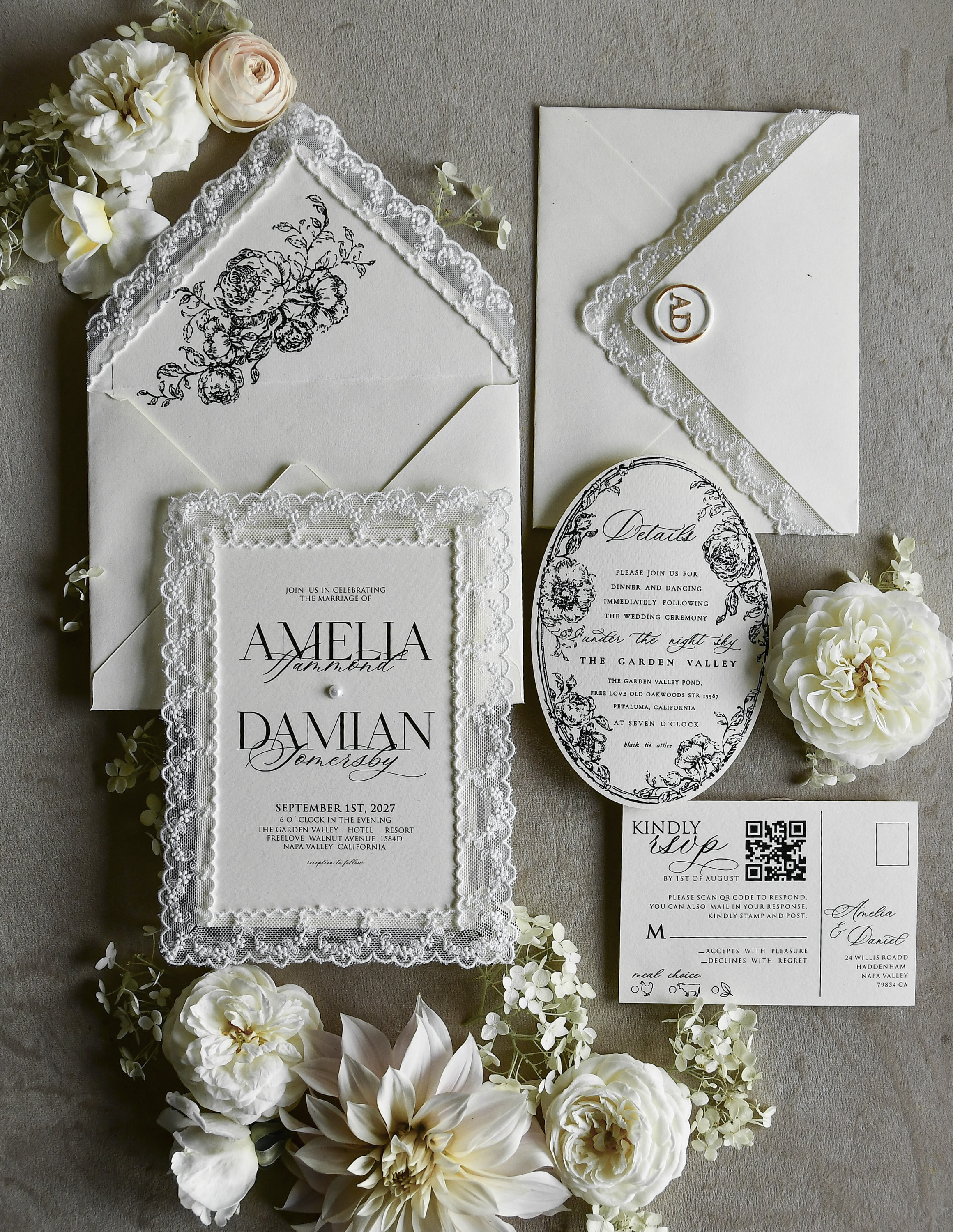
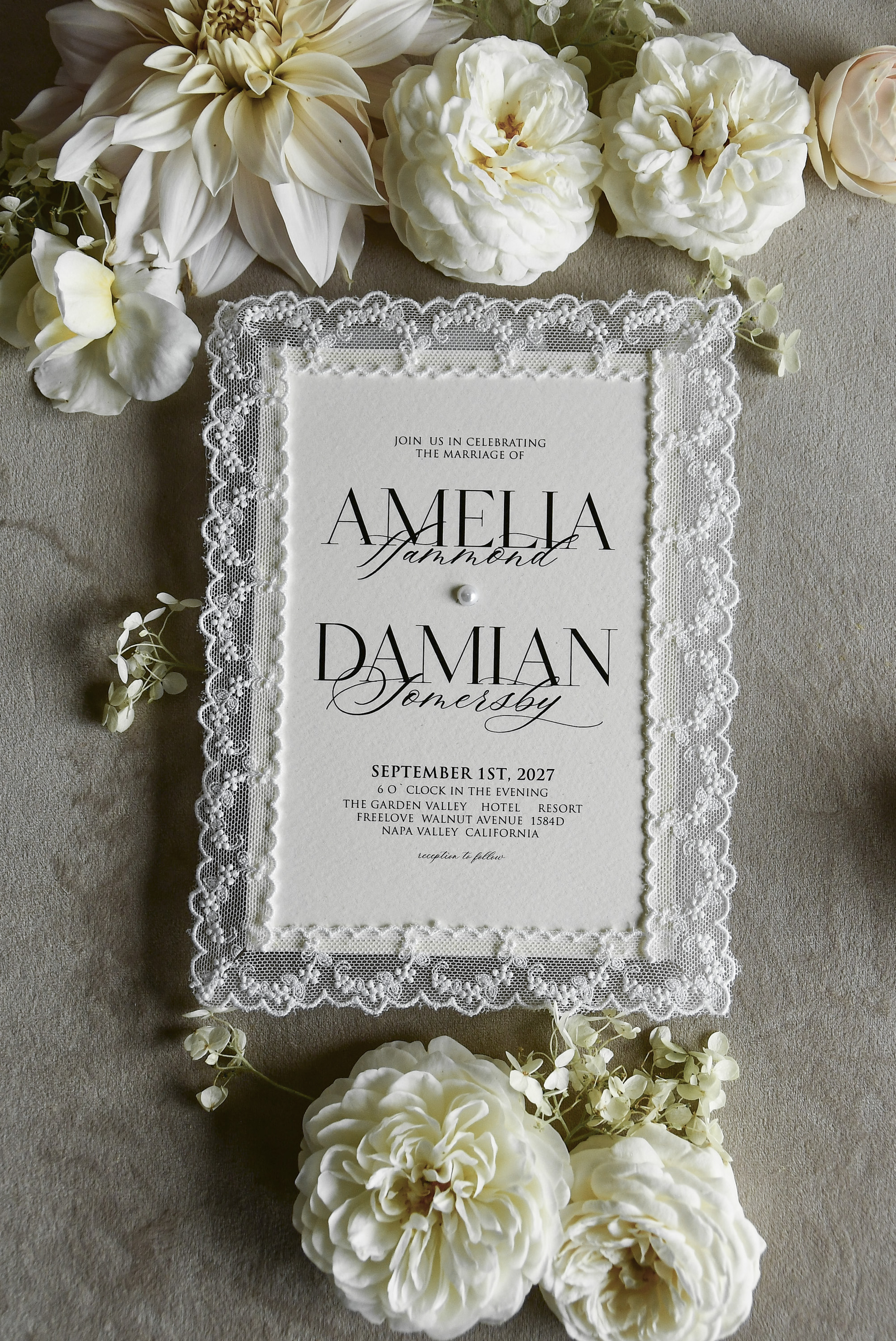
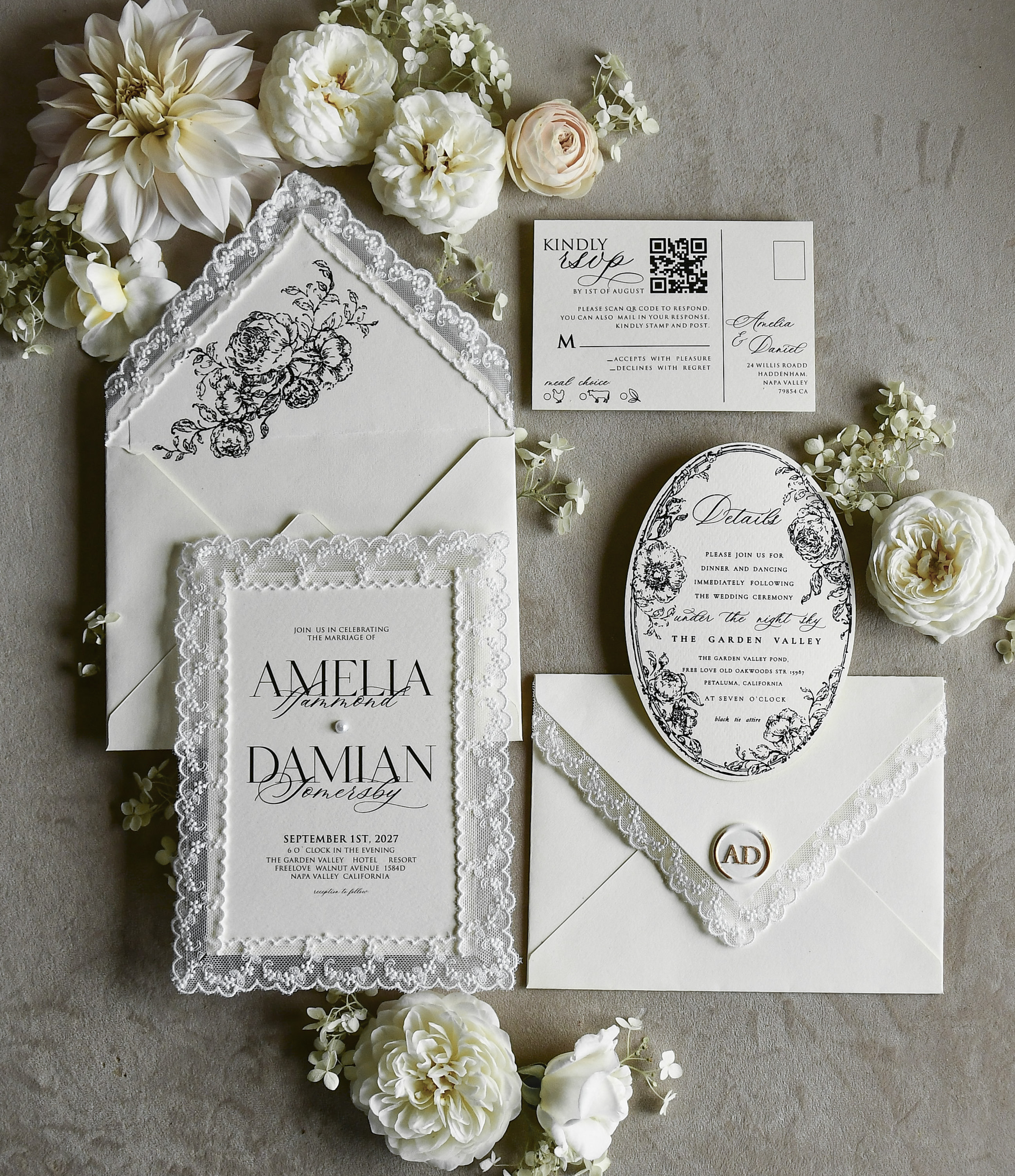
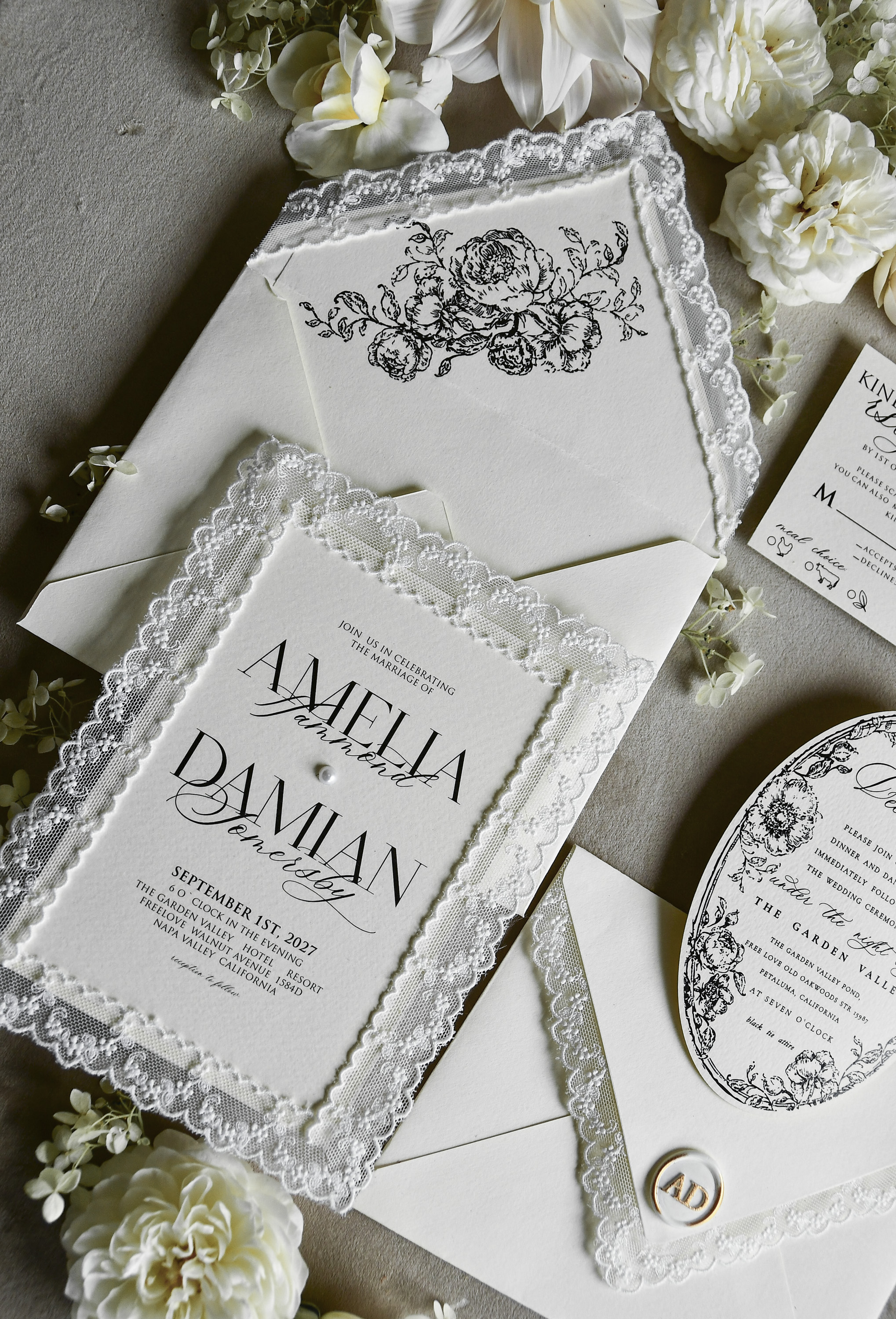
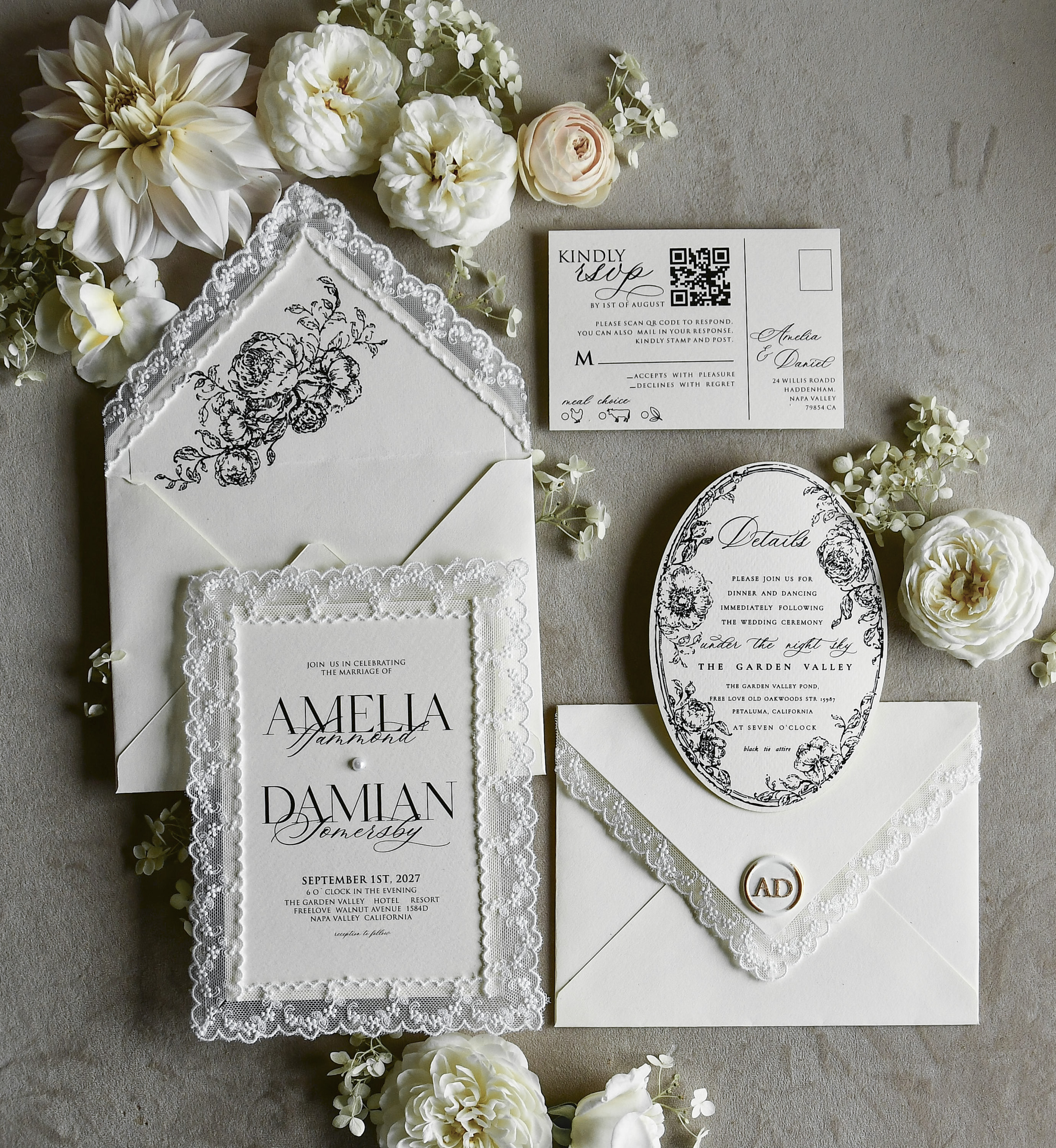
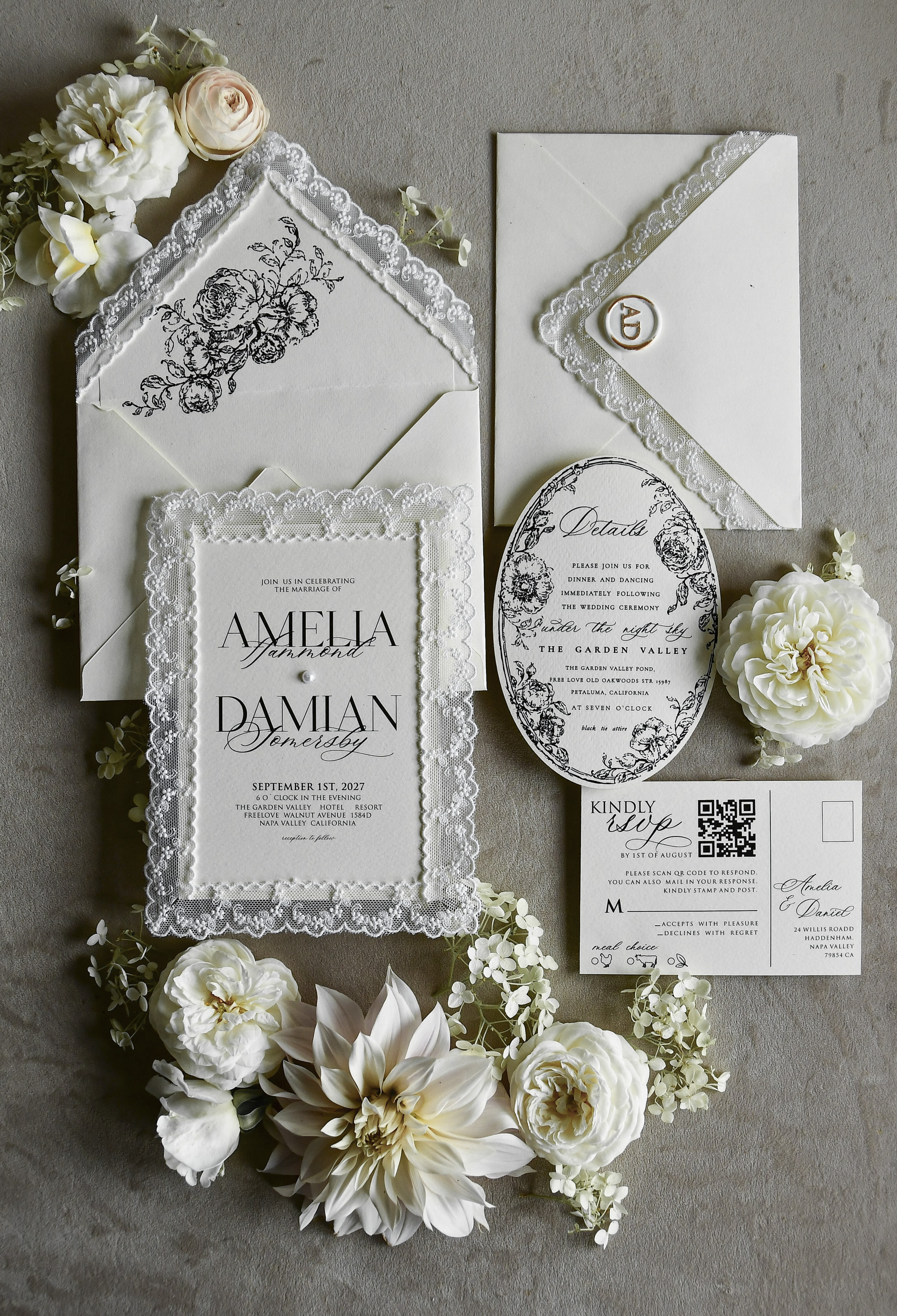
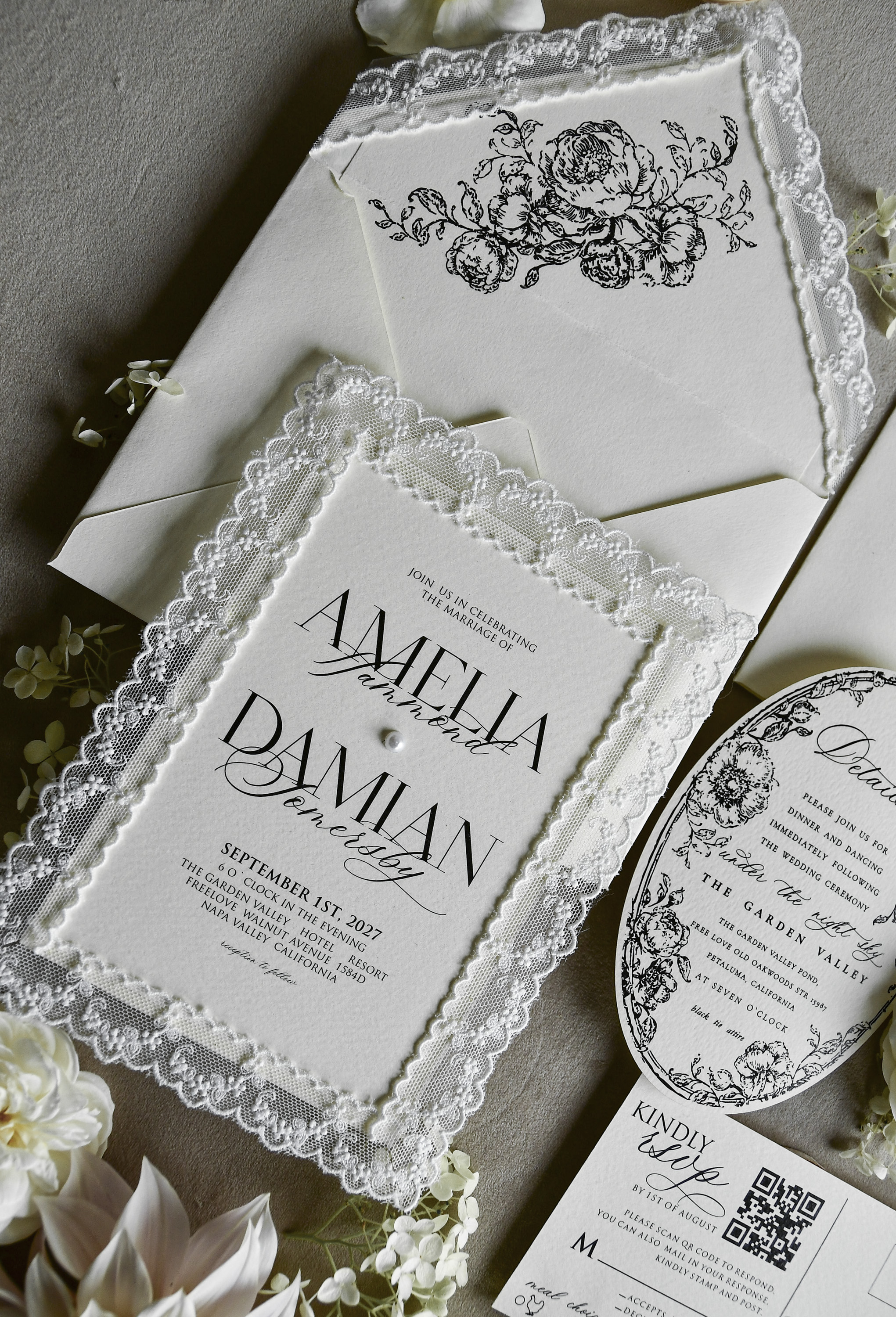
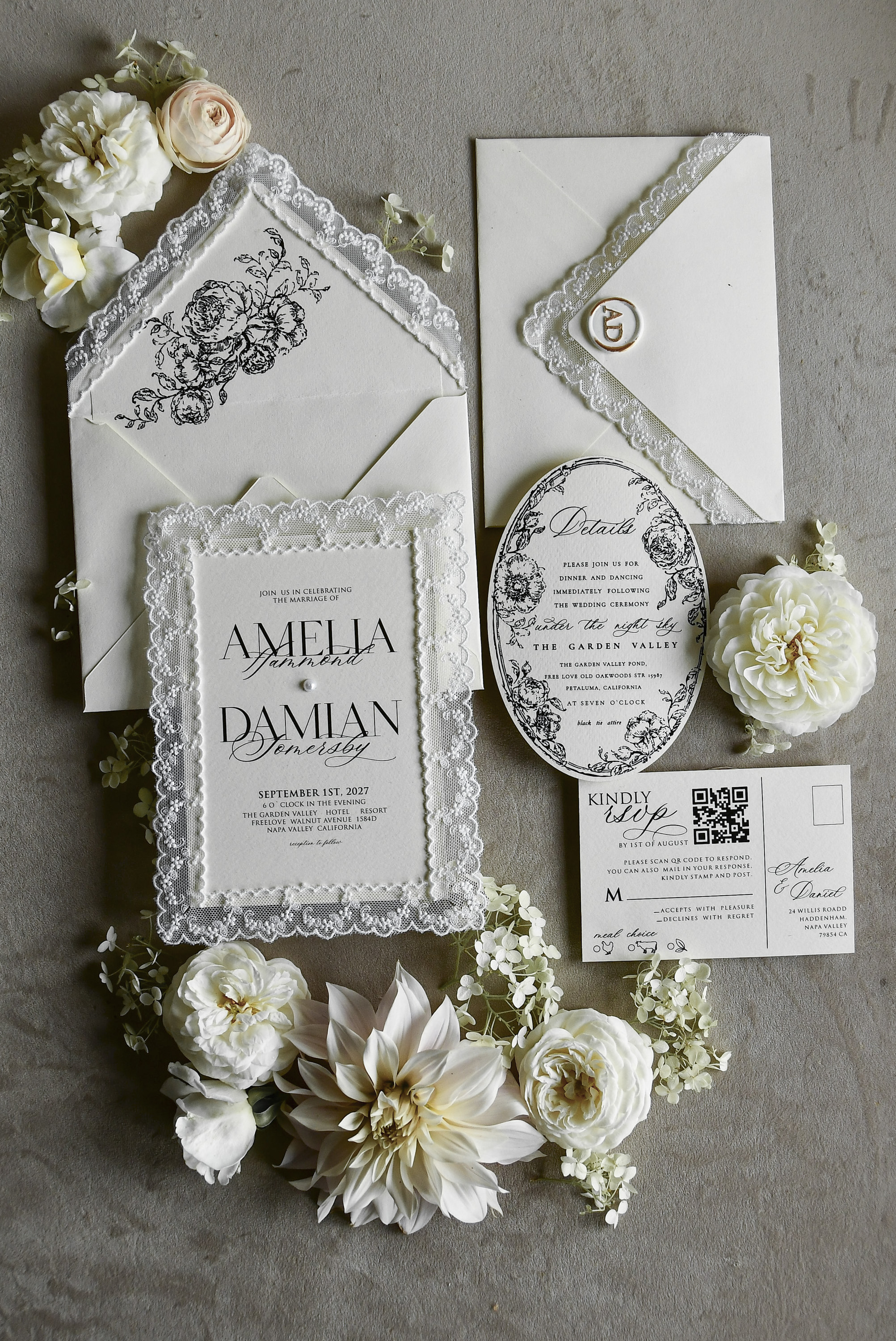
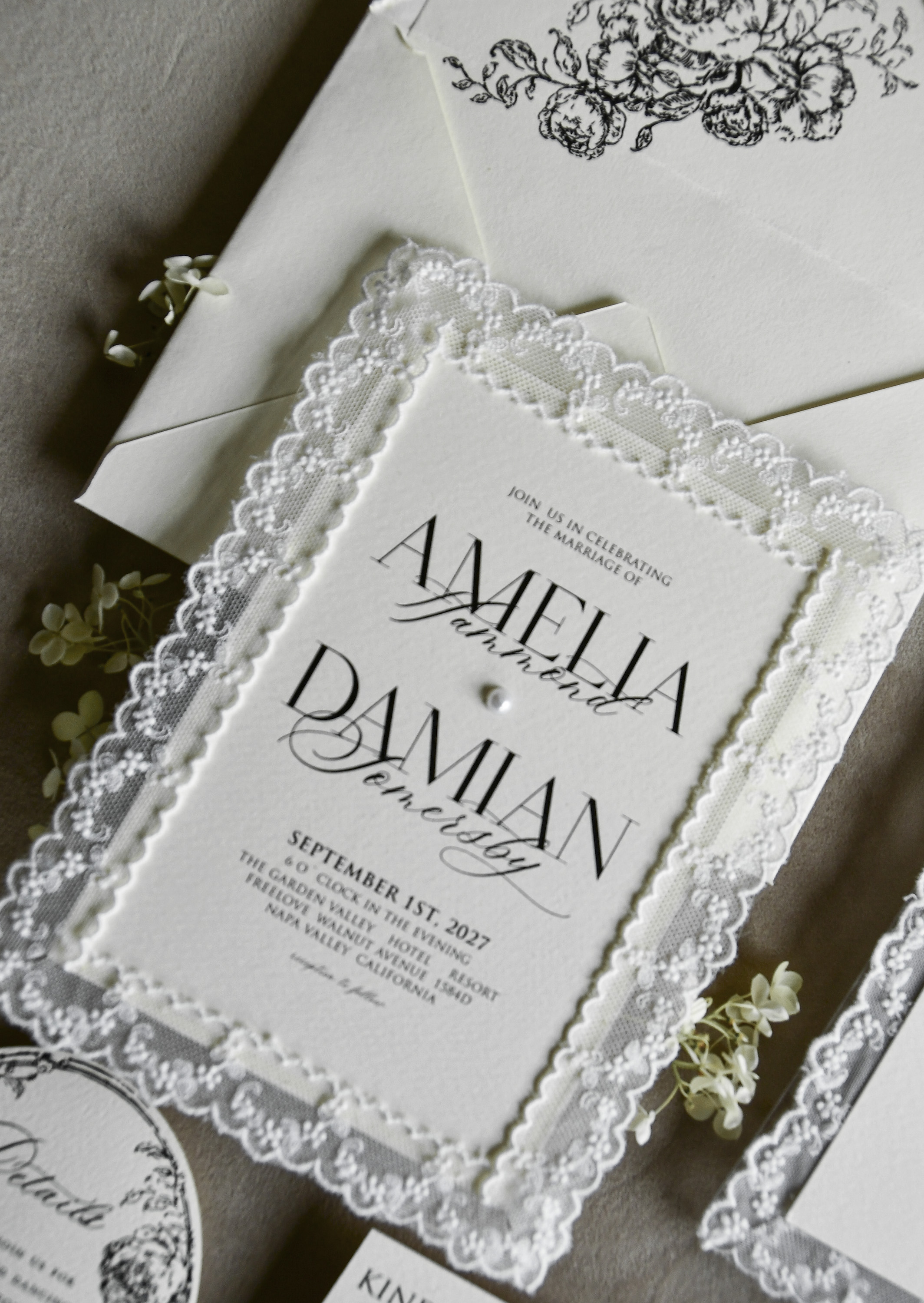
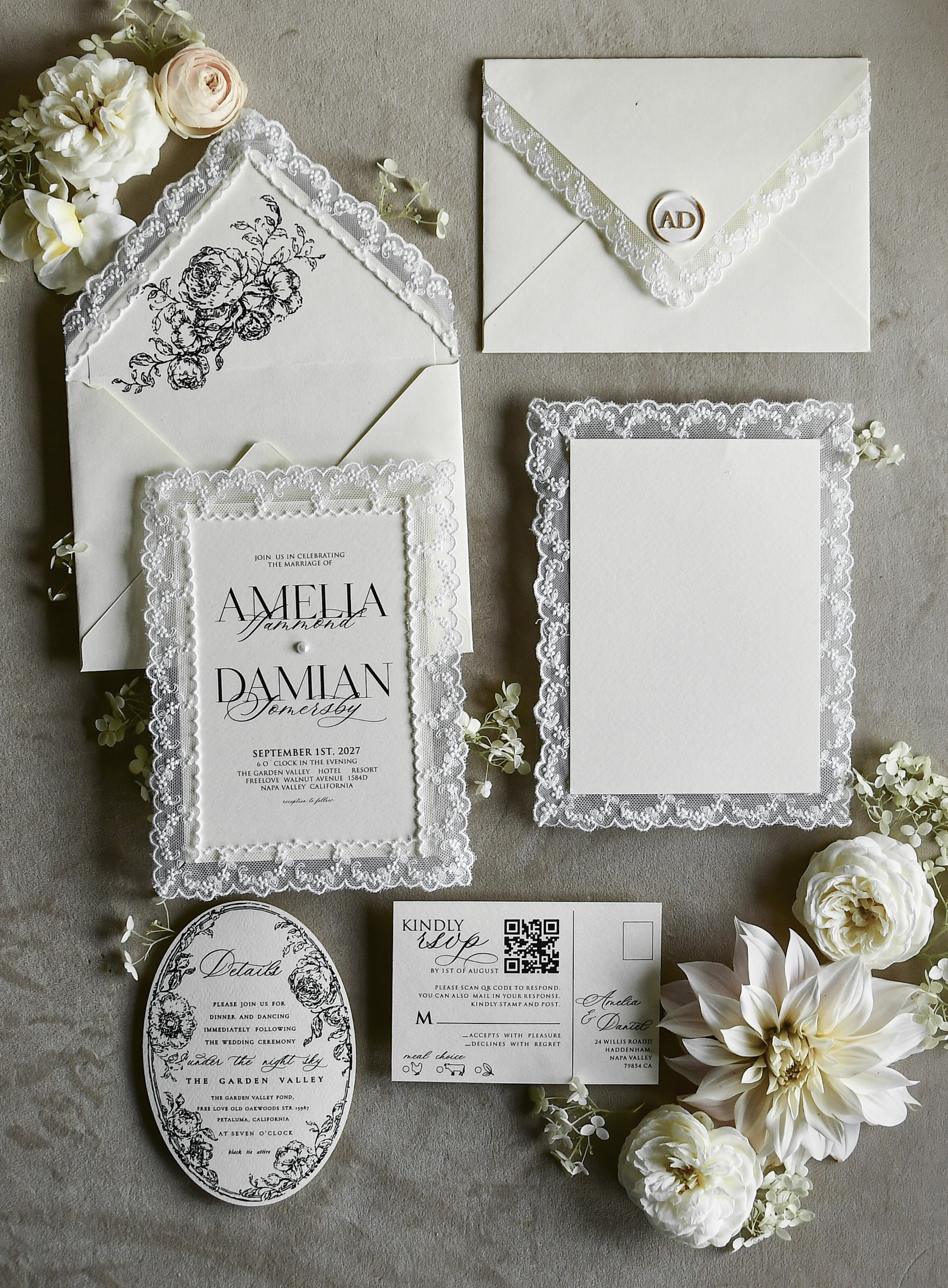
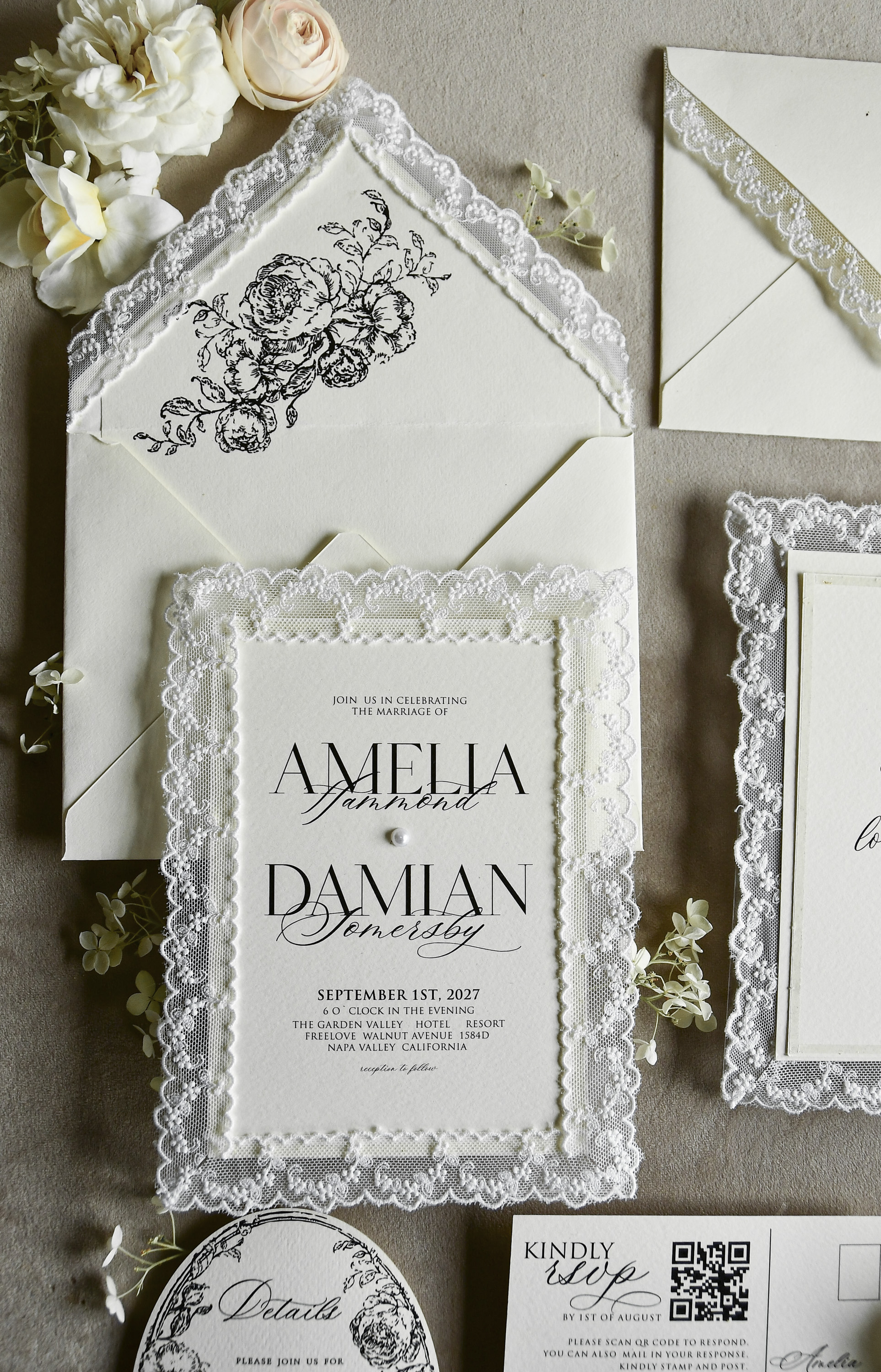
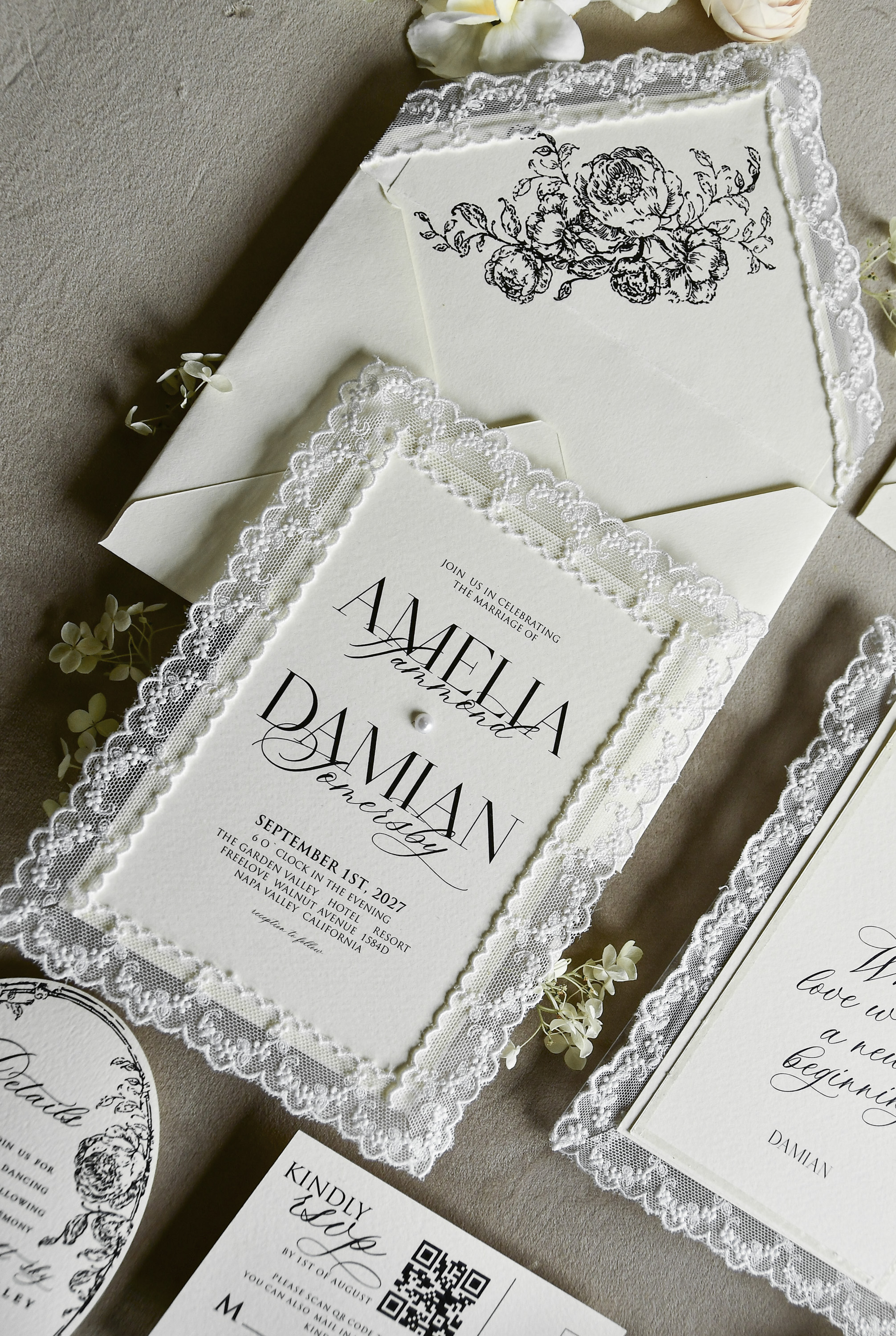
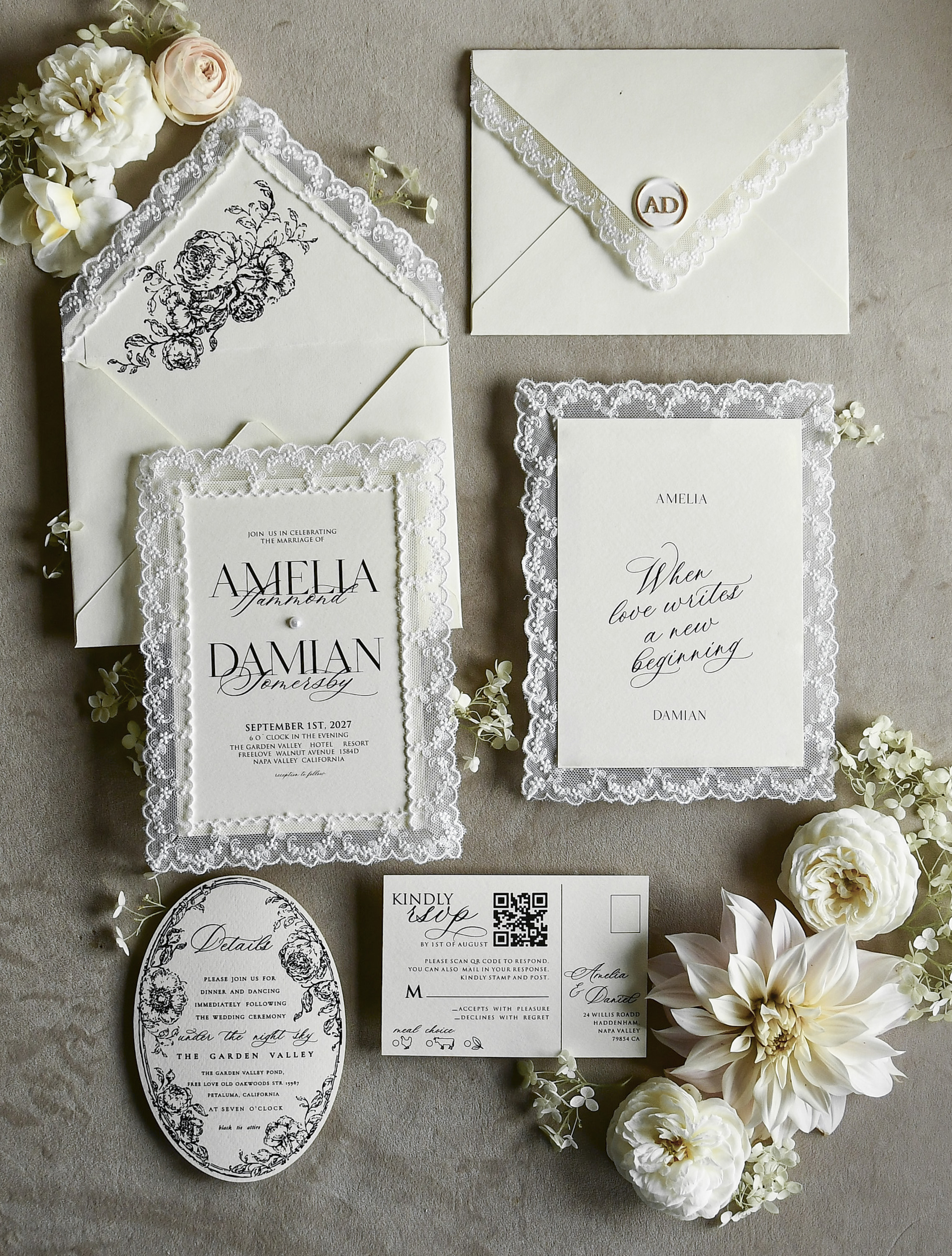
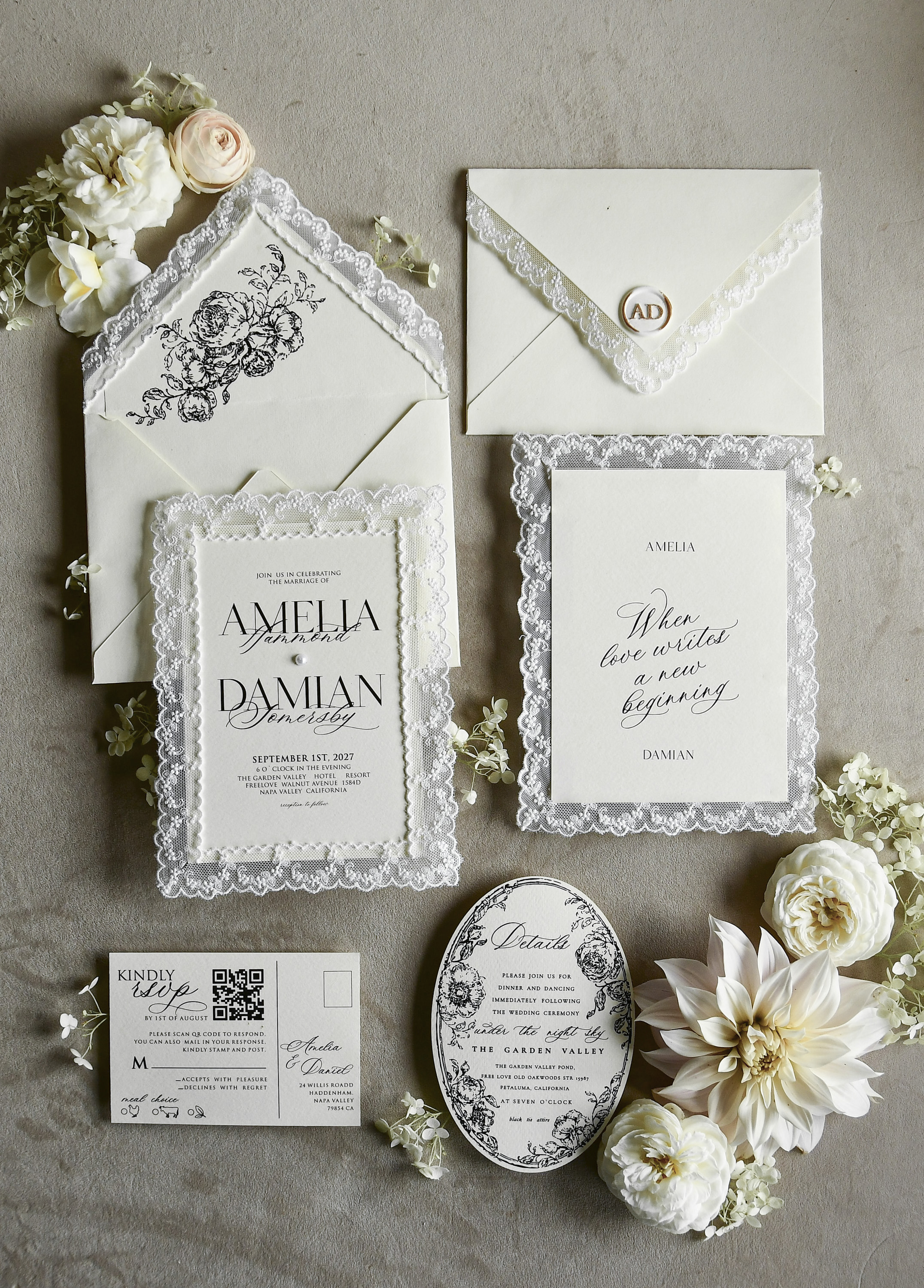
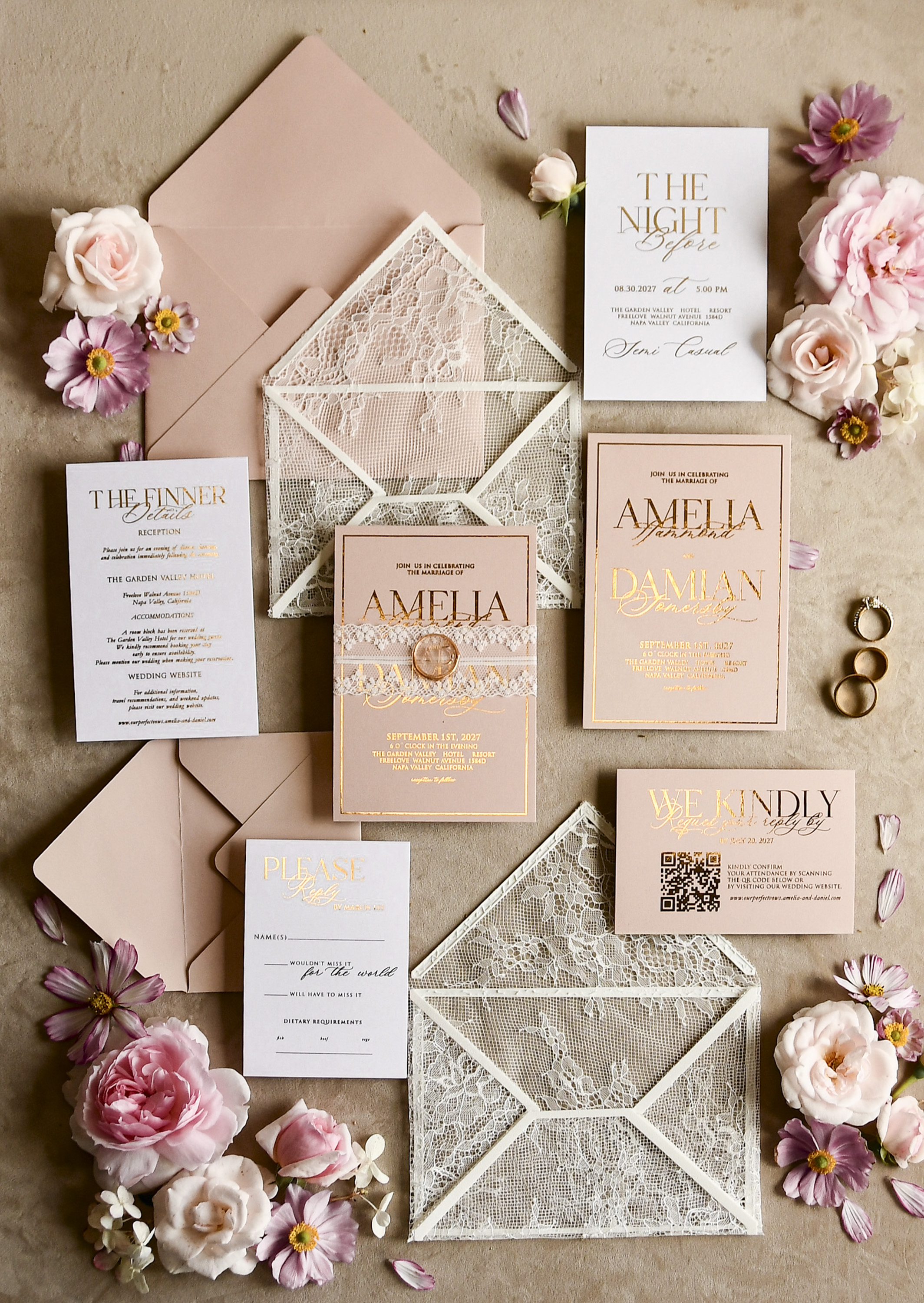
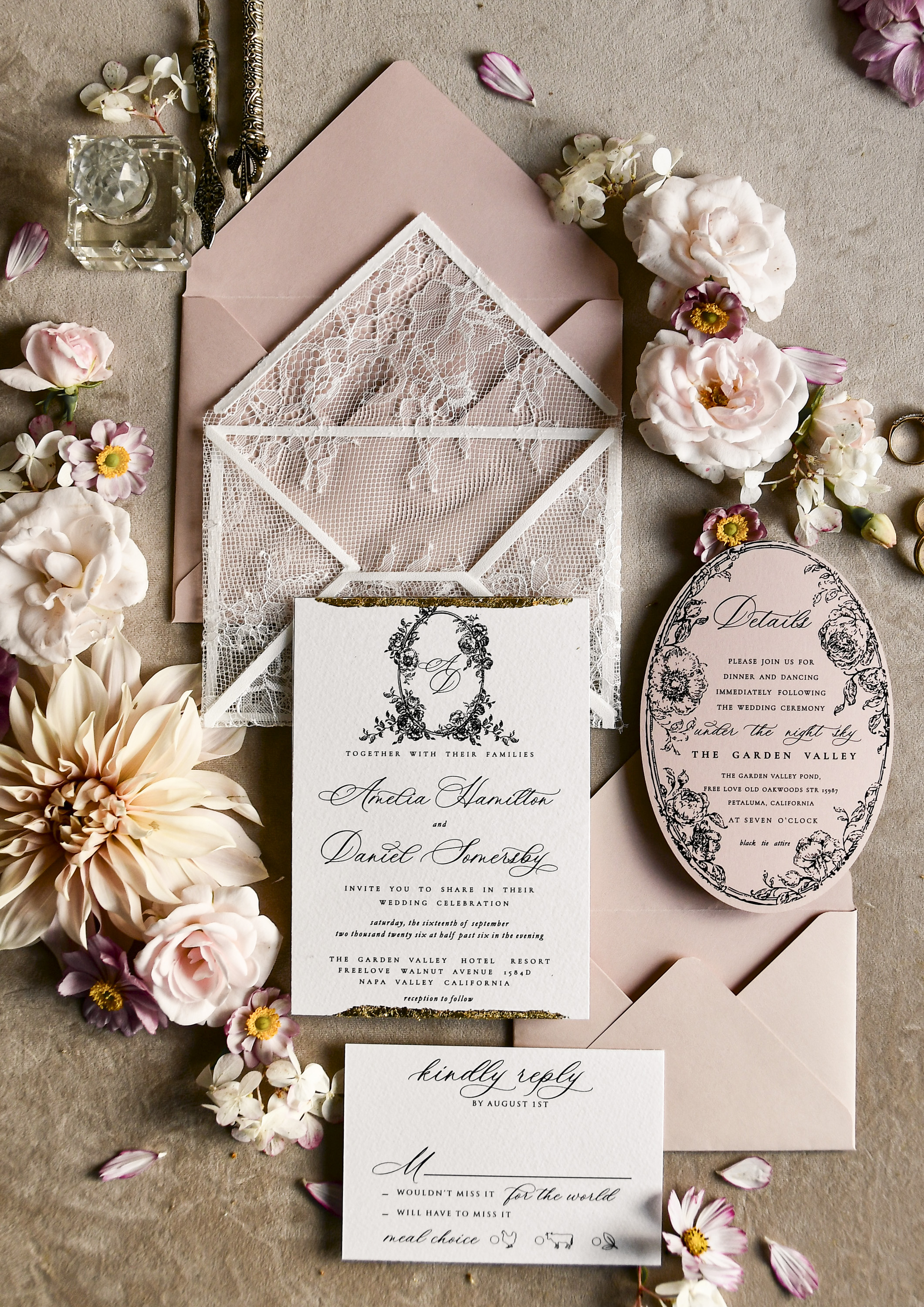
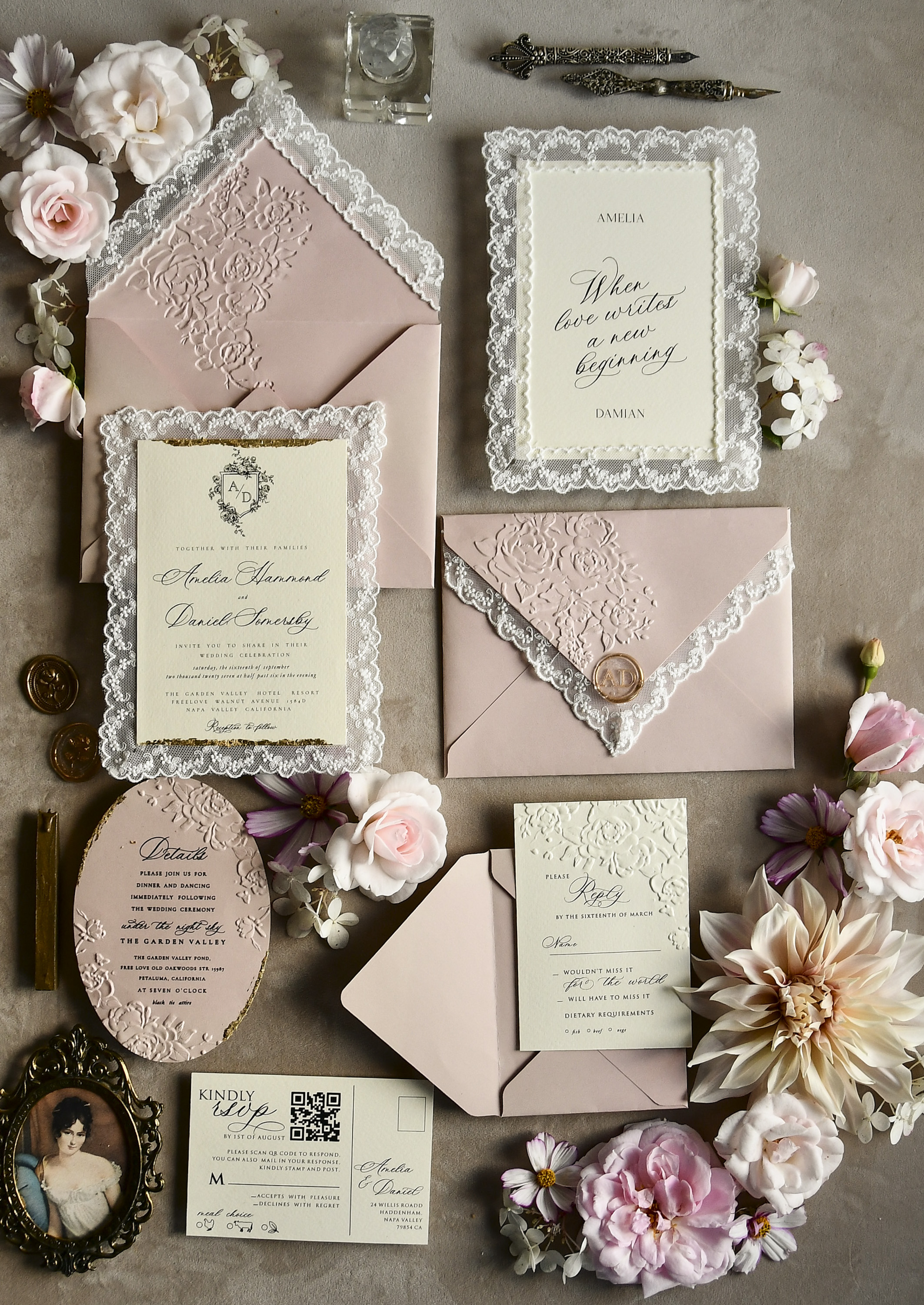
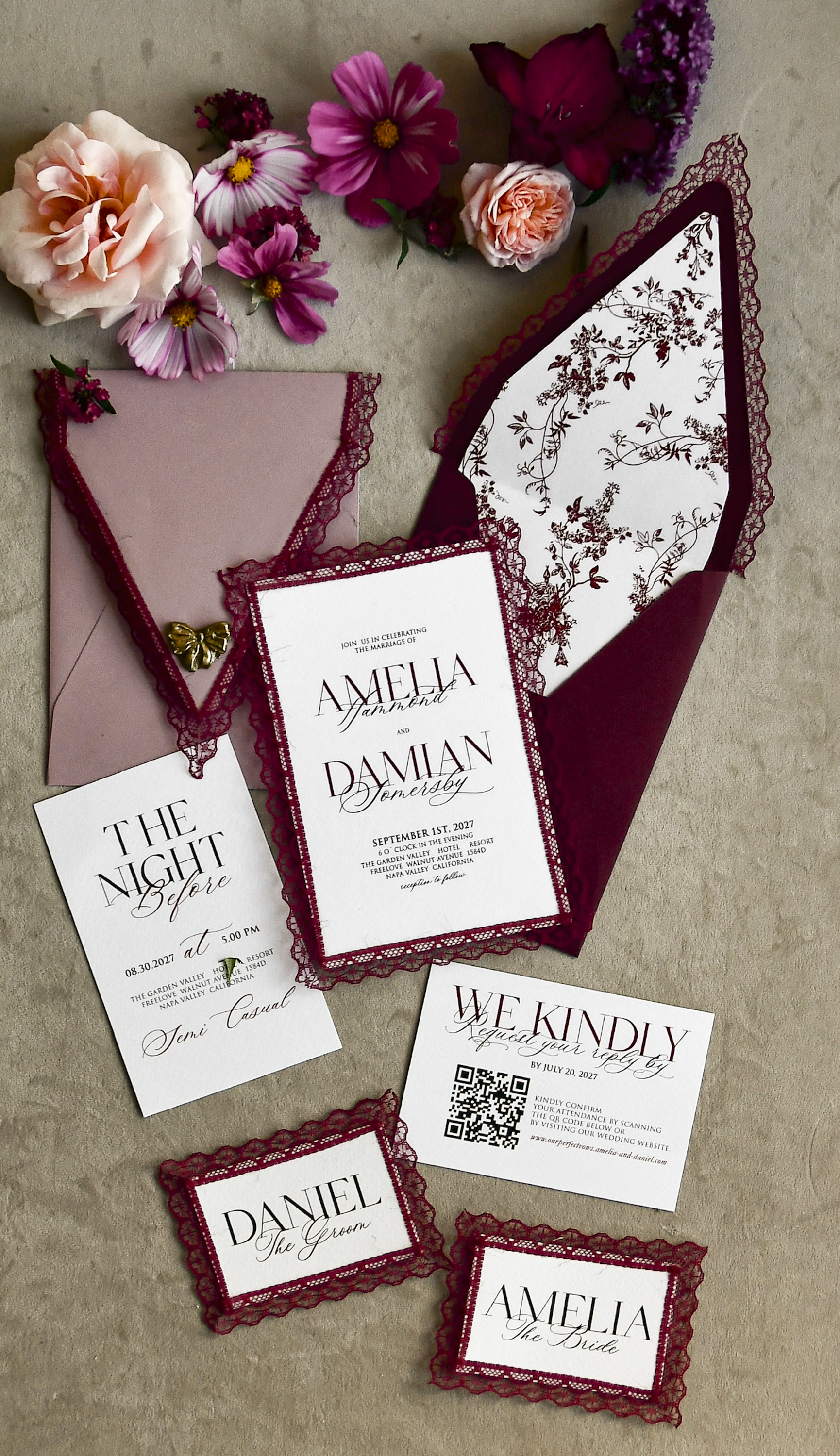
Whatever you decide, the invitation itself can set a gracious tone. A beautifully crafted design — like the vintage-inspired 09/laceD/z wedding invitation — can feel warm and considered rather than perfunctory, which matters when the gesture itself carries meaning.
How to Handle Family Pressure
This is where many couples get derailed. Parents, aunts, uncles, and mutual friends often have strong opinions about whether an estranged sibling should be included, and those opinions are frequently driven by their own discomfort with family conflict rather than your wellbeing.
A few grounding principles:
- You are not responsible for managing your family's feelings about your guest list. You can listen with compassion without letting others override your judgment.
- A united front with your partner is essential. Make sure you and your future spouse are aligned before any family conversations happen.
- You can acknowledge the difficulty without defending your decision endlessly. A simple, warm, firm response — "We've thought about this carefully and made the decision that feels right for us" — is complete. You don't owe a full explanation.
If your parents are contributing financially to the wedding, the conversation may be more complex. In that case, it's worth having an honest discussion early about where the guest-list decision-making authority lies.
After the Decision: What Comes Next
Once you've made your choice, commit to it. Second-guessing yourself in the weeks before the wedding will only add stress. If you decided to invite your sibling, send the 09/laceD/z invitation or whichever design you've chosen with the same care and intention you're putting into every other part of your celebration. If you decided not to invite them, you may want to send a brief, kind note letting them know — it's not required, but it can prevent them from hearing through the family grapevine and feeling blindsided.
Either way, give yourself permission to have made the best decision you could with the information and emotional capacity you had at the time. That's all any of us can do.
Frequently Asked Questions
Yes — it is your wedding, and your guest list is ultimately your decision. If the relationship involves ongoing harm, abuse, or behavior that would genuinely disrupt your day, not extending an invitation is a reasonable and legitimate choice. You may face family pushback, but protecting your peace and safety is valid.
It depends on the nature of the estrangement. If the distance is due to drift or a resolvable conflict, a low-stakes check-in can be helpful and may even begin to repair the relationship. If the estrangement exists because of harmful behavior, a conversation isn't always necessary or safe before making your decision.
Listen to their concerns, but remember that you and your partner have final say over your guest list. A calm, united response — "We've thought carefully about this and made our decision" — is enough. You don't need to justify or debate your choice repeatedly.
If this is a realistic concern, it's worth weighing heavily before you send the invitation. You can ask a trusted friend or family member to serve as a quiet point of contact for the sibling during the event. Having a plan in place — including who would step in if needed — can give you some peace of mind.
If you do invite the sibling, extending the invitation to their partner is standard etiquette and will generally make the sibling more comfortable. If you're on the fence about whether the invitation will be well-received, inviting a plus-one also signals genuine goodwill rather than a grudging gesture.
Ideally, finalize your guest list — including this decision — at least four to six months before the wedding, since invitations typically go out six to eight weeks in advance. Giving yourself time allows the decision to breathe rather than being made in a moment of stress or family pressure.
See This Design Up Close
You May Also Like
More Wedding Planning Guides
- → Handling Family Guest List Pressure Without Losing Your Mind (or Your Vision)
- → Last-Minute RSVP Changes: How to Stay in Control When Guests Switch Their Answer
- → Plus-Ones for Teenagers: The Honest Wedding Etiquette Guide
- → RSVP Follow-Up Timing: Your No-Stress Guide to Chasing Late Replies
- → Family Affair or Adults-Only? How to Navigate the Kids-at-Your-Wedding Question
- → Making Your Wedding Kid-Friendly: Childcare, Entertainment, or Both?
- → What to Say When Someone Assumes They're Invited to Your Wedding
- → When Future In-Laws Want to Add Their Friends to Your Guest List
- → Guests Who RSVP Yes and Don't Appear: A Practical Guide for Couples
- → Adults-Only Wedding: How to Spread the Word Without Hurt Feelings
- → Trim Your Wedding Guest List Without the Awkwardness
- → Someone Added Extra Names to Your RSVP Card — Here's Exactly What to Do
- → Your Wedding Invitation Send-Off: Getting the Timing Just Right
- → Uninvited Plus-Ones and Tag-Alongs: How to Keep Your Guest List Intact
- → When Family Feuds Threaten Your Wedding Plans: A Practical Peacekeeper's Guide
- → Inviting an Estranged Brother or Sister: Finding Clarity Before You Seal the Envelope
- → Cousins, Invites, and Hard Choices: A Practical Guest List Guide