
What to Say When Someone Assumes They're Invited to Your Wedding
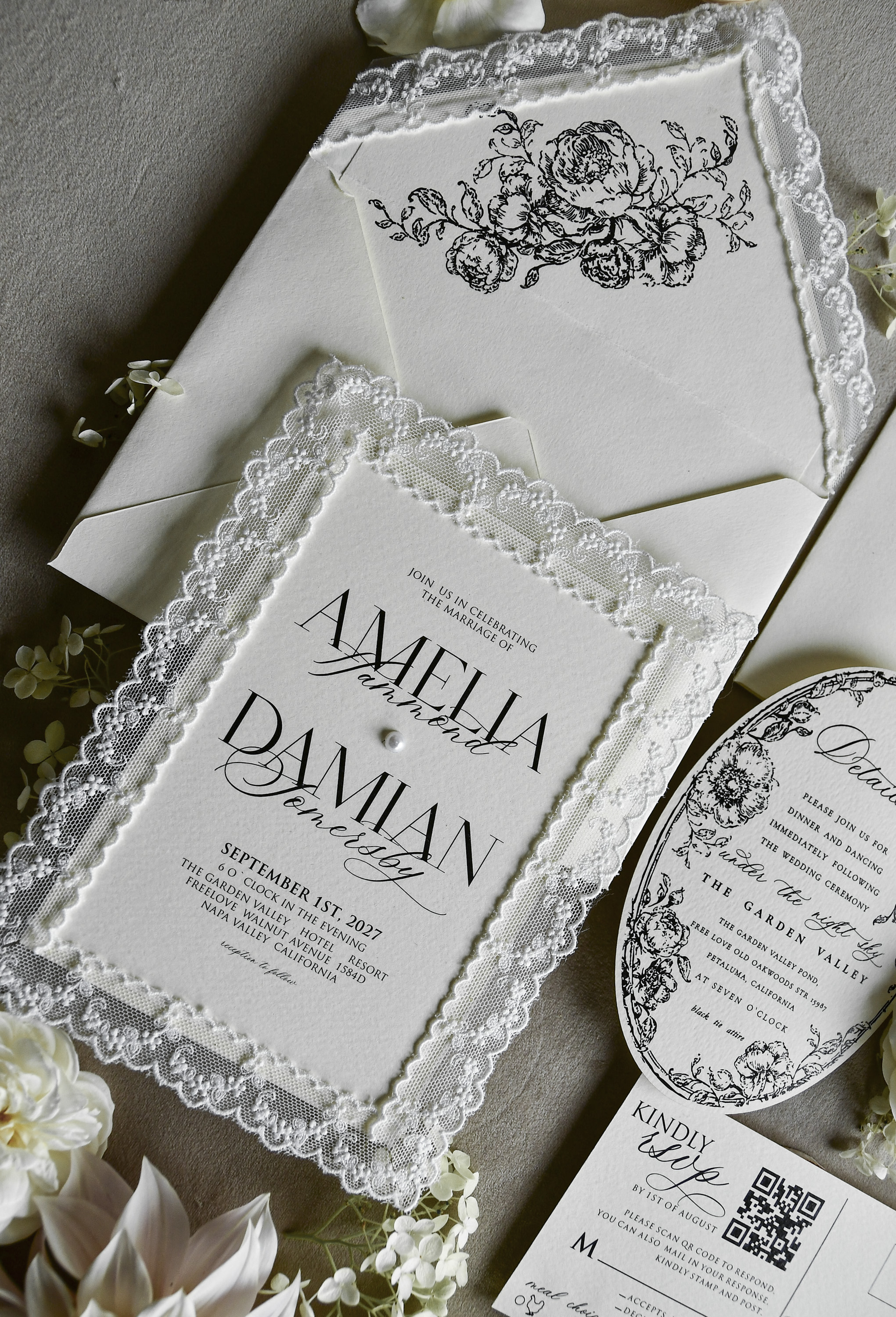
One of the hardest parts of wedding planning isn't choosing centerpieces or finding the perfect vintage lace invitation suite—it's managing the guest list. Almost every couple faces this moment: someone assumes they're invited, drops a hint, or flat-out asks, and you have to deliver news they won't love. The good news is that with the right words and a little preparation, you can handle it gracefully and keep the relationship intact.
Understand Why This Conversation Is So Hard
Weddings carry enormous emotional weight. People who care about you naturally want to share the day, and an assumption of an invitation is usually a sign of affection—not entitlement. Recognizing that helps you approach the conversation with empathy instead of defensiveness. At the same time, your guest list is a practical document shaped by venue capacity, budget, and family dynamics. You are not obligated to invite everyone who loves you, and feeling guilty about that is normal but unnecessary.
The most common scenarios you'll face include:
- A coworker who mentions outfit ideas for your big day
- A childhood friend you've grown apart from who clearly expects an invitation
- A family acquaintance whose parents assume the whole family is included
- A plus-one request from someone already on your list
The Golden Rules Before You Say a Word
Before you have the conversation, keep these principles in mind:
- Be proactive, not reactive. If you know someone is expecting an invitation and one isn't coming, address it before they ask. Waiting until they ask directly is more awkward for everyone.
- Keep it private. Never discuss your guest list limitations in a group setting. A one-on-one conversation—by phone or in person—shows respect.
- Stay consistent with your reasoning. If you're telling one coworker it's a small family-only wedding, make sure you haven't already invited three other coworkers. Inconsistency gets noticed and causes real hurt.
- Don't over-explain. A brief, honest reason is enough. Long explanations can sound like you're building a legal case, which makes the other person feel worse.
Exactly What to Say (With Real Scripts)
The most effective approach is warm, direct, and brief. Here are a few scripts you can adapt:
For a friend or acquaintance:
"I've been meaning to talk to you about the wedding. We're keeping it really small—just immediate family and a handful of people we see regularly. I'm so sorry you won't be there, but I'd love to celebrate with you another way—maybe dinner after we're back from the honeymoon?"
For a coworker:
"I want to be upfront with you—we have a strict venue limit and had to make some really tough calls. It's not a work event at all, so I hope you understand. I really appreciate your excitement though!"
For a family acquaintance (sometimes delivered through a parent):
"We're working with a limited headcount and had to keep it to our closest circle. We hope they'll understand—it was one of the hardest parts of planning."
Notice what all three have in common: a clear reason (small/limited), an acknowledgment of the awkwardness, and where possible, an alternative gesture of connection. That last piece—offering a coffee, a dinner, or a post-wedding celebration—goes a long way toward softening the blow.
What Not to Do
Avoiding these common mistakes will save you from making a tough situation worse:
- Don't say "We haven't finalized the list yet" as a stall tactic. If you know someone isn't coming, vague delays just build false hope.
- Don't lie about the wedding size. If the person later finds out you had 150 guests when you said it was "just immediate family," the relationship damage is far worse than the original conversation would have been.
- Don't announce your guest list publicly on social media before you've had private conversations with people on the fence. Seeing an engagement photo tagged at a large venue before they've heard from you is a painful way to find out.
- Don't send a non-invite. Some couples feel tempted to send a note explaining someone isn't invited. Unless they've directly asked, this is unnecessary and can feel more insulting than saying nothing.
Set Yourself Up for Fewer Awkward Moments
The best way to reduce these conversations is to be thoughtful about your guest list from the very beginning. Decide on your criteria early—venue capacity, budget per head, whether you're inviting coworkers as a category or not—and stick to them. When your rules are consistent, your explanations are honest and easy to give.
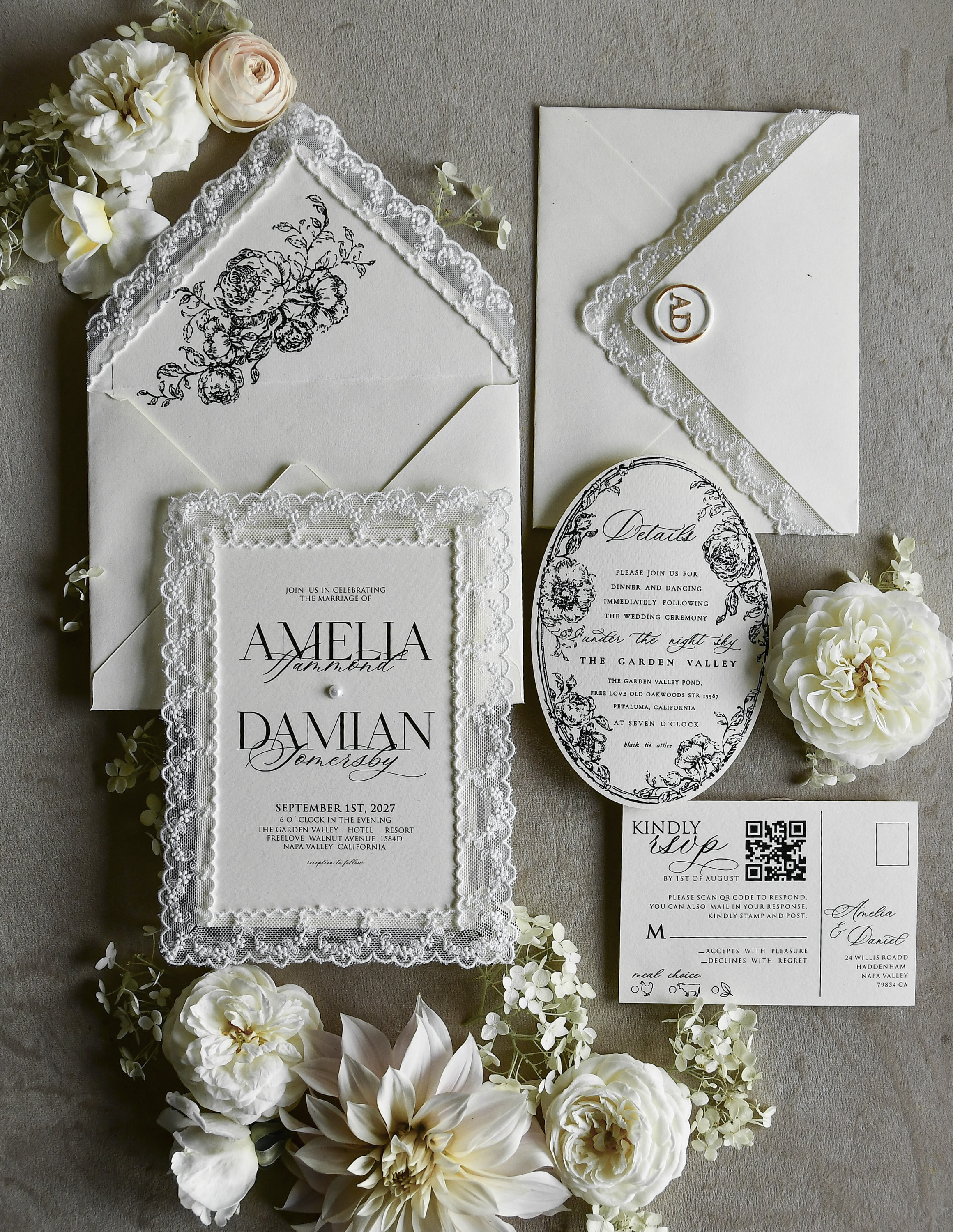
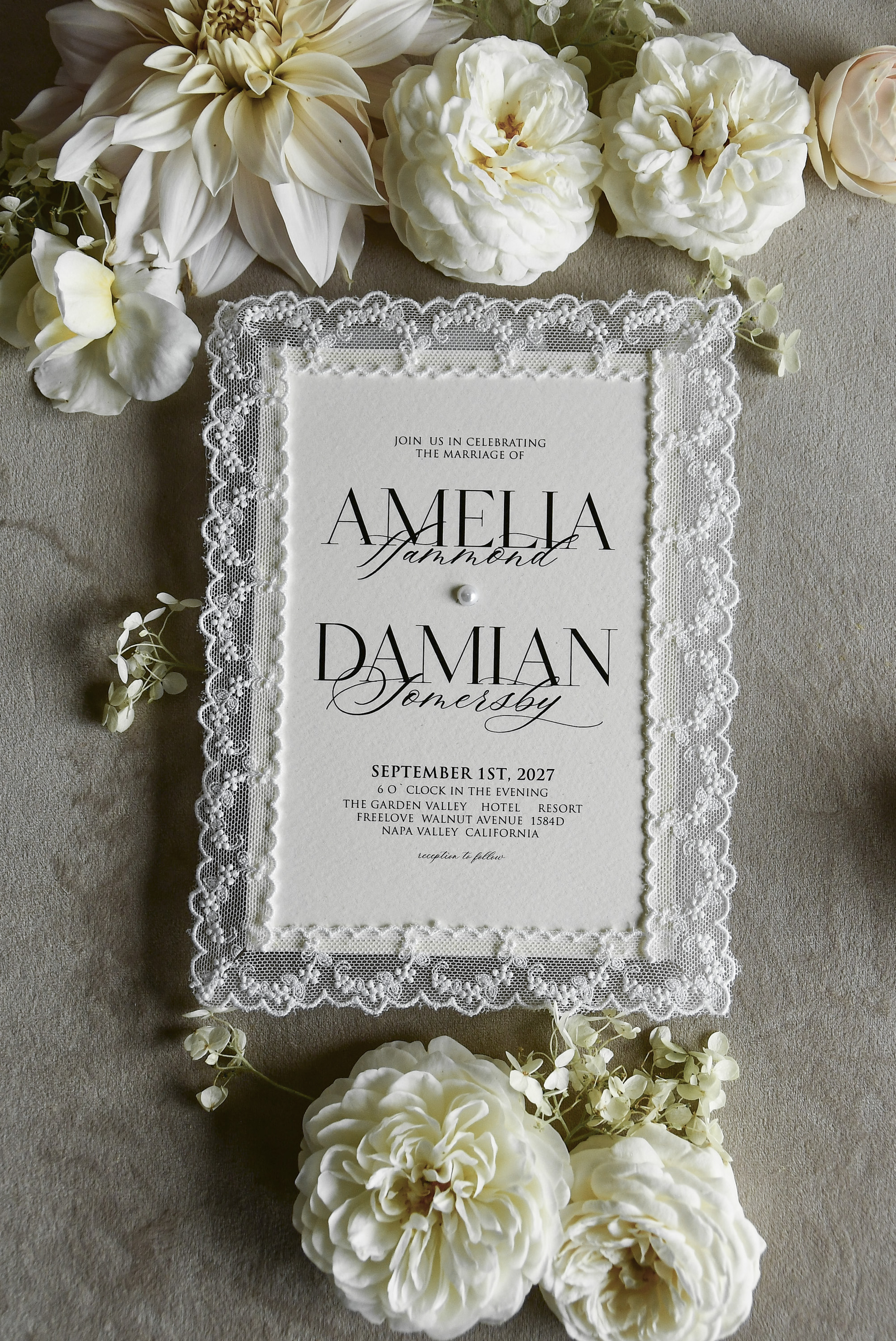
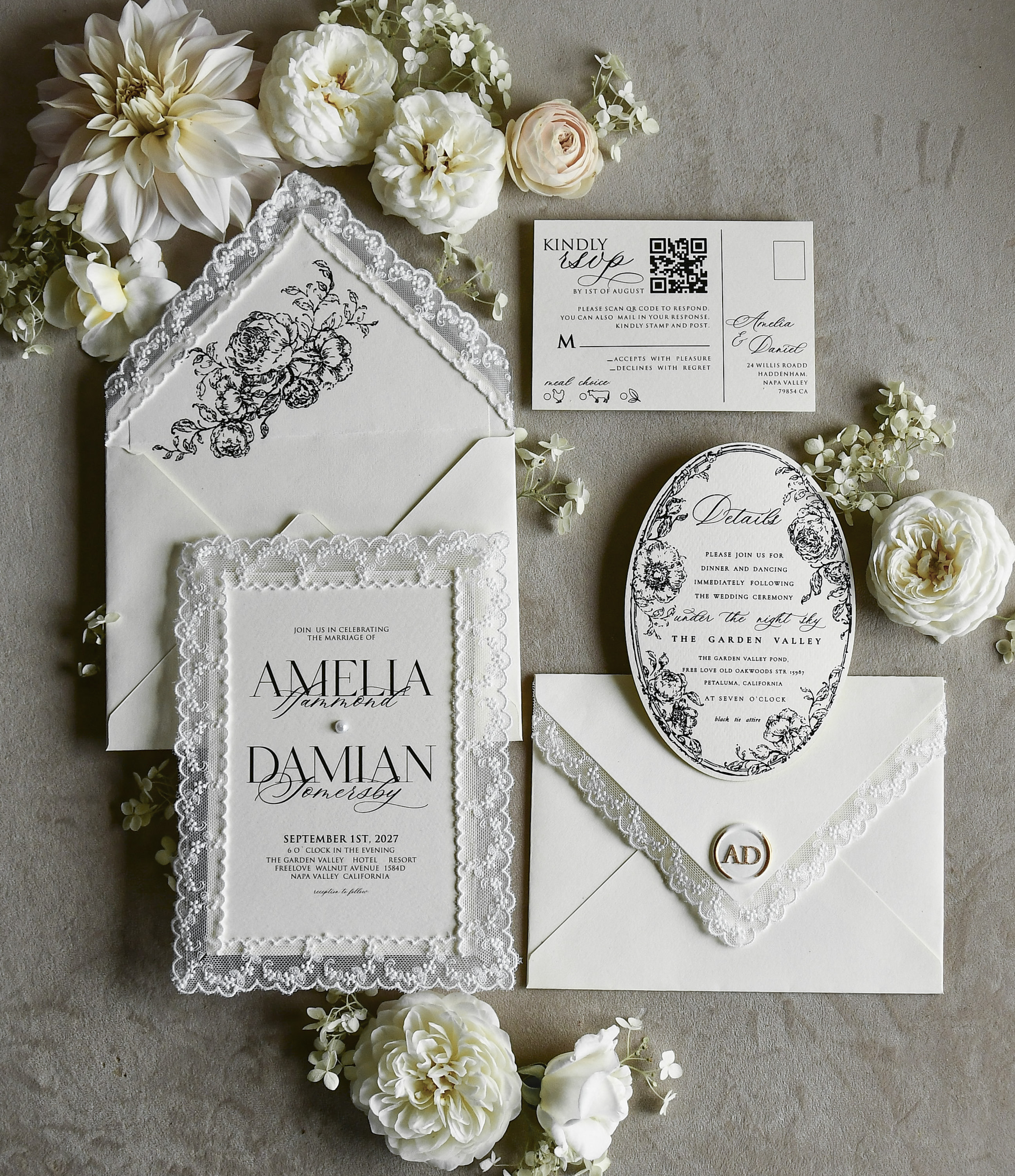
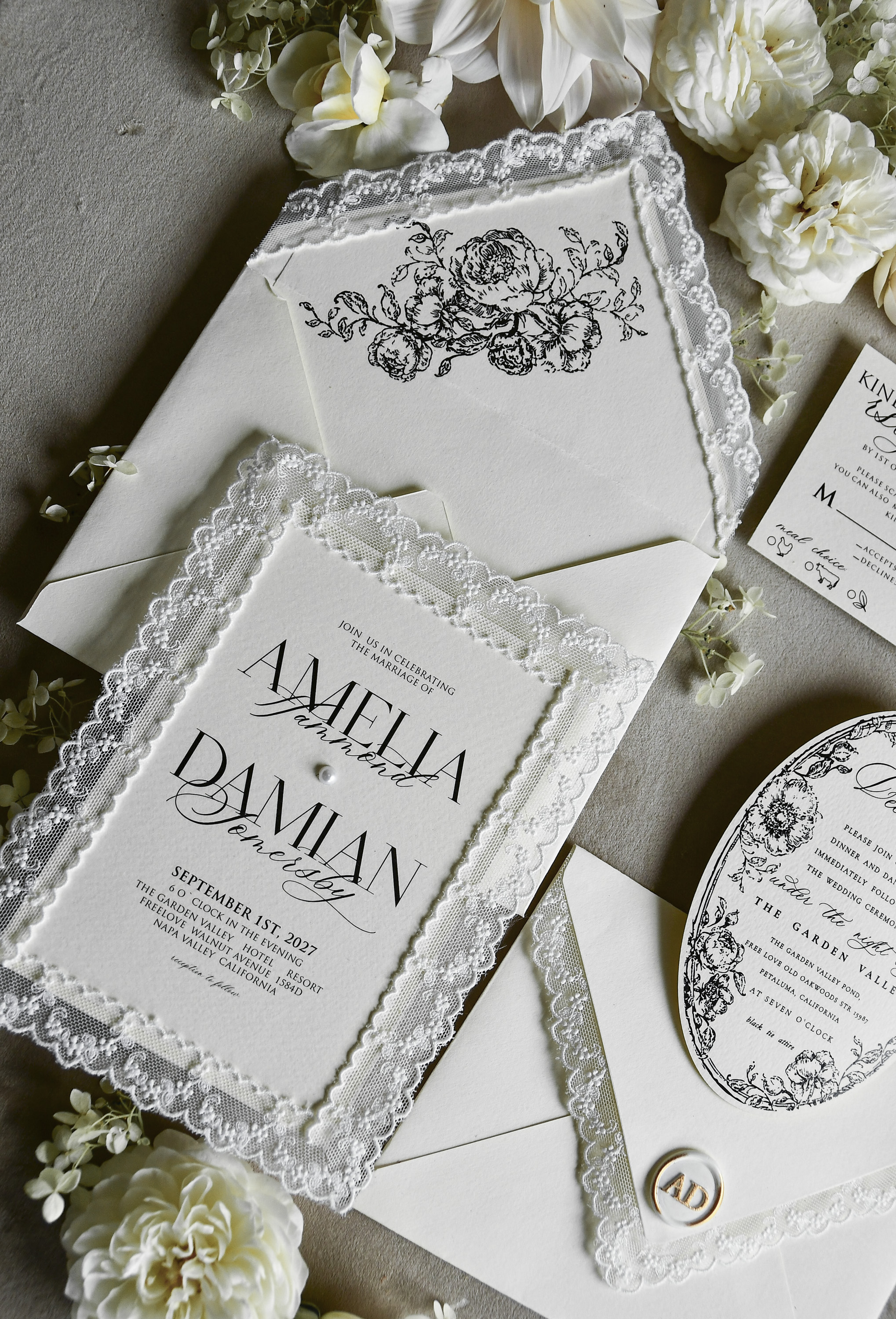
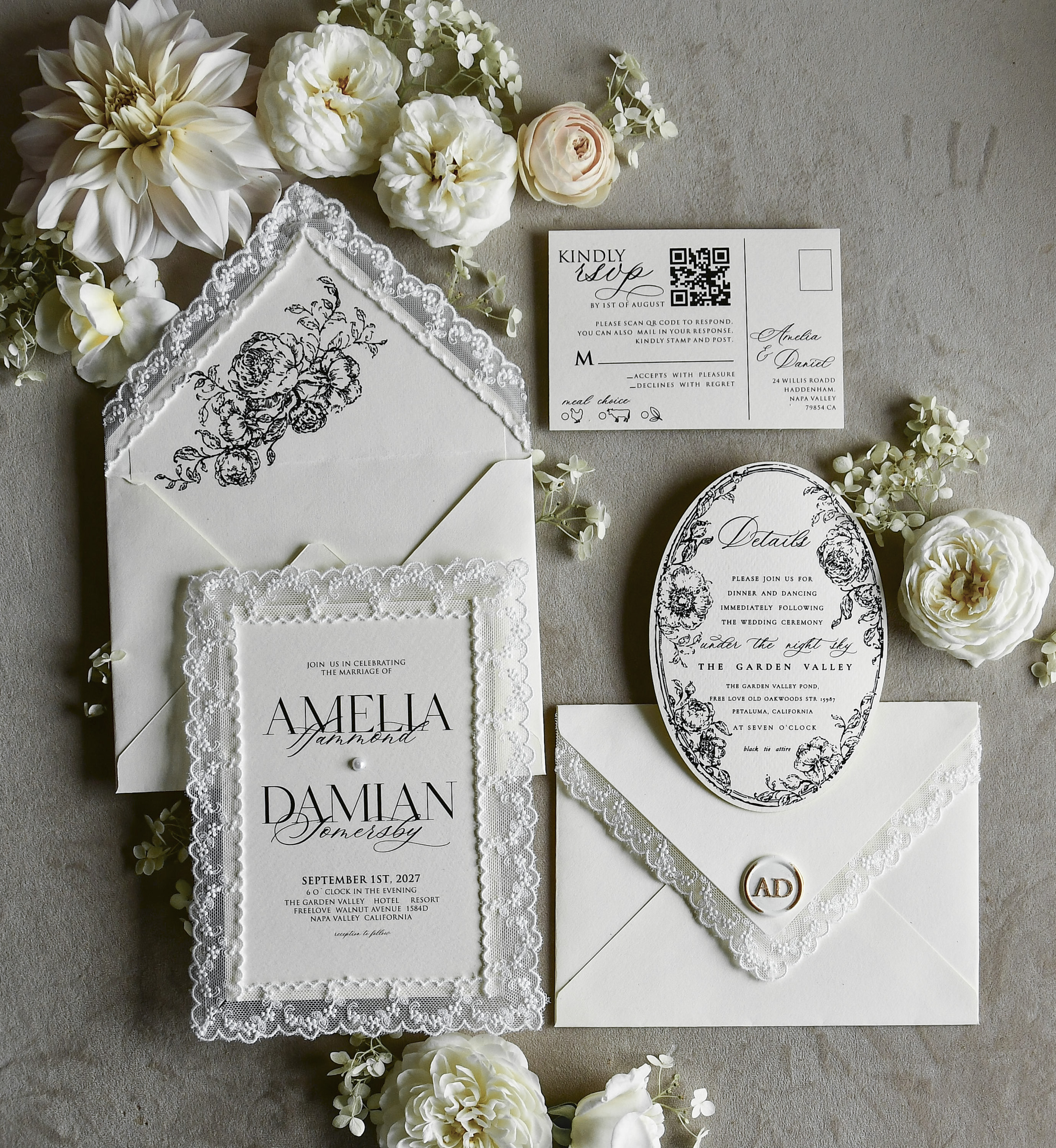
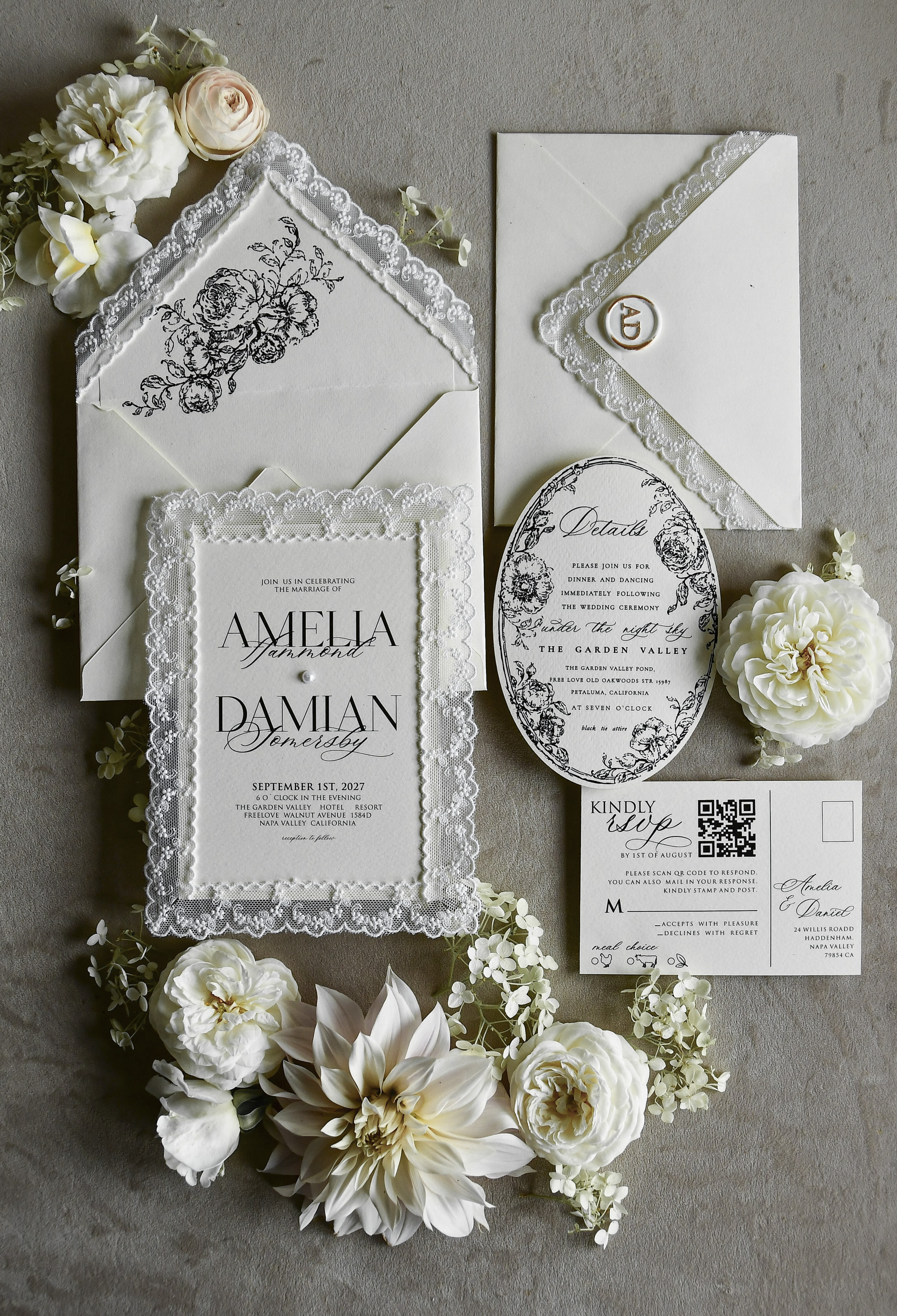
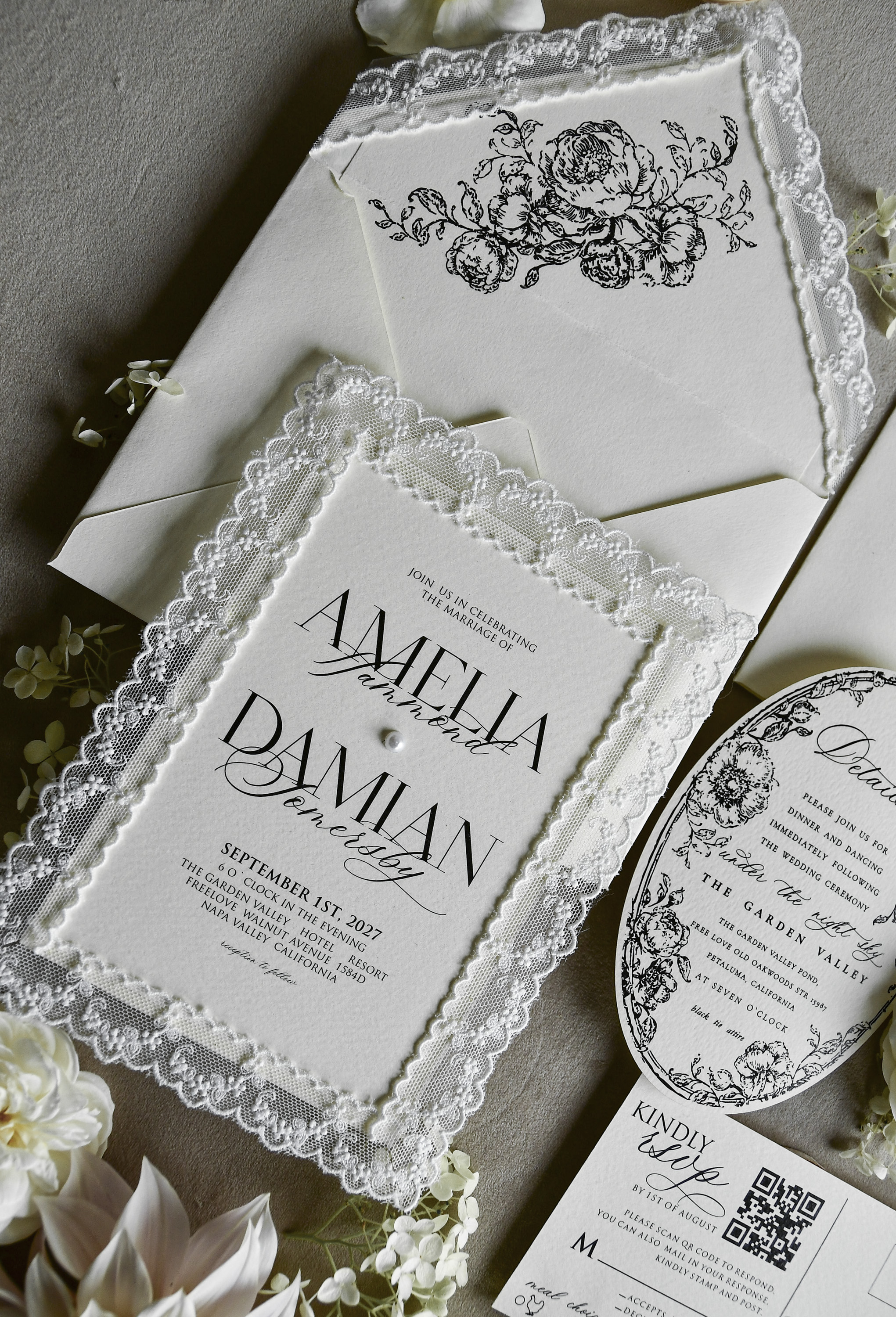
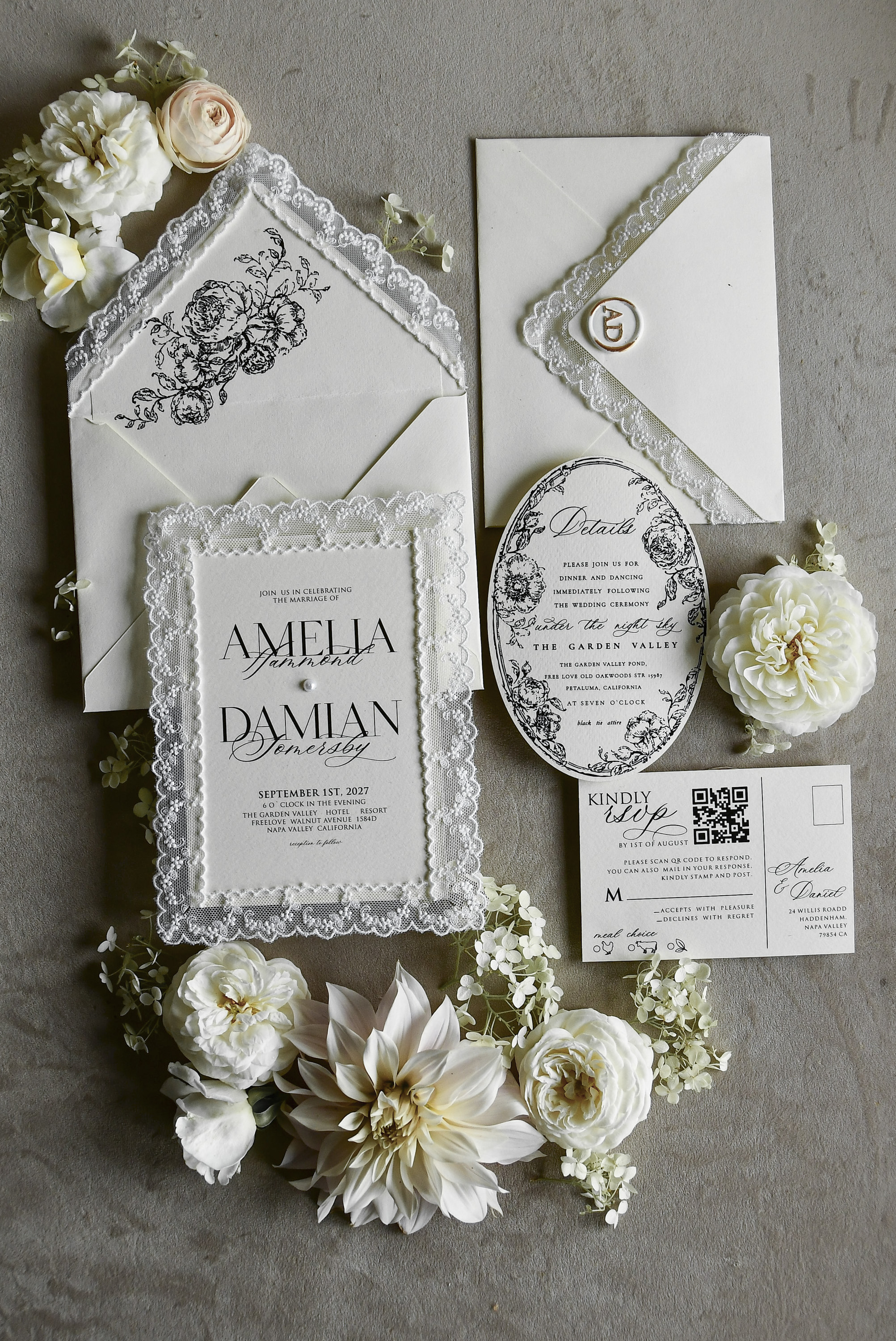
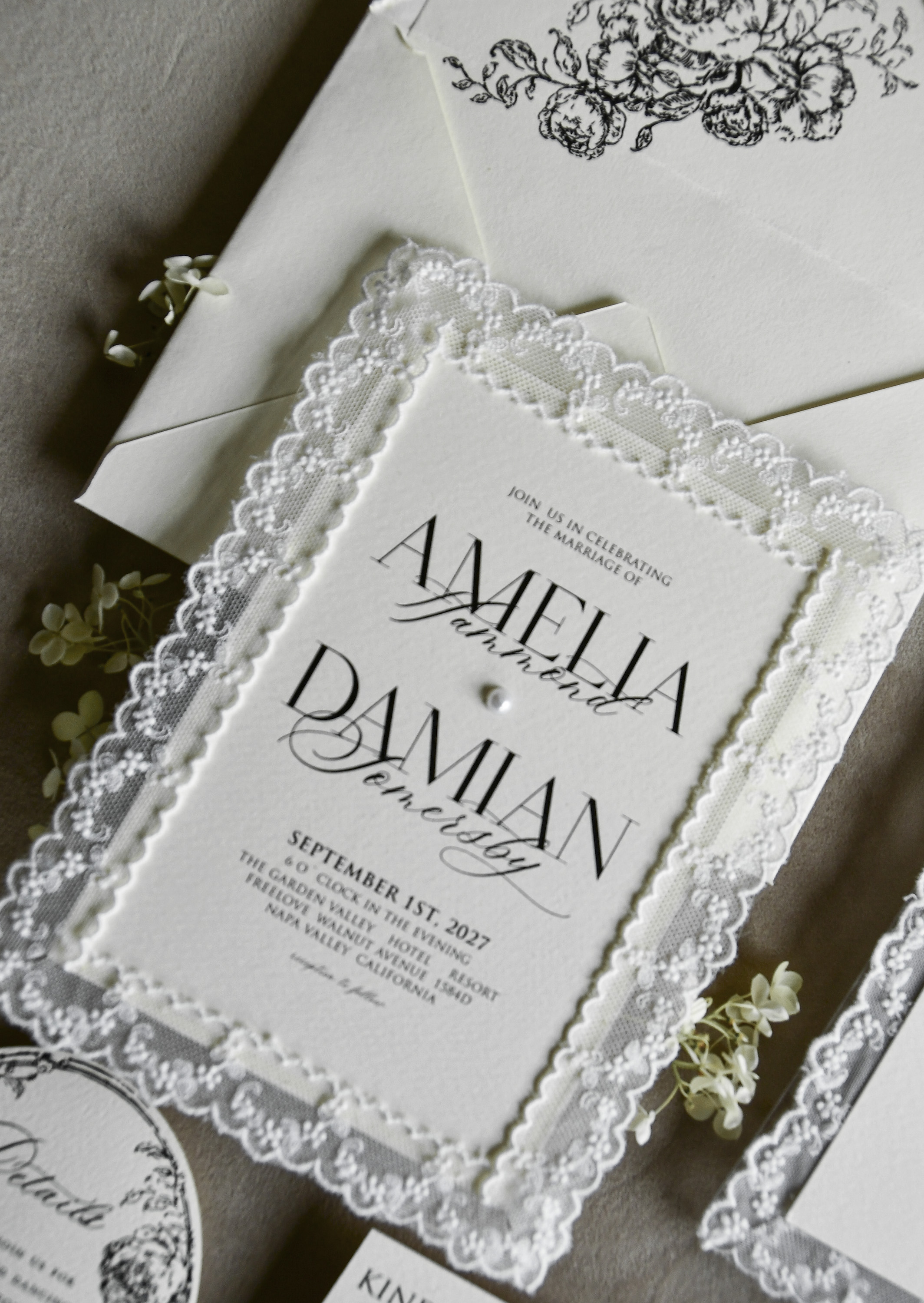
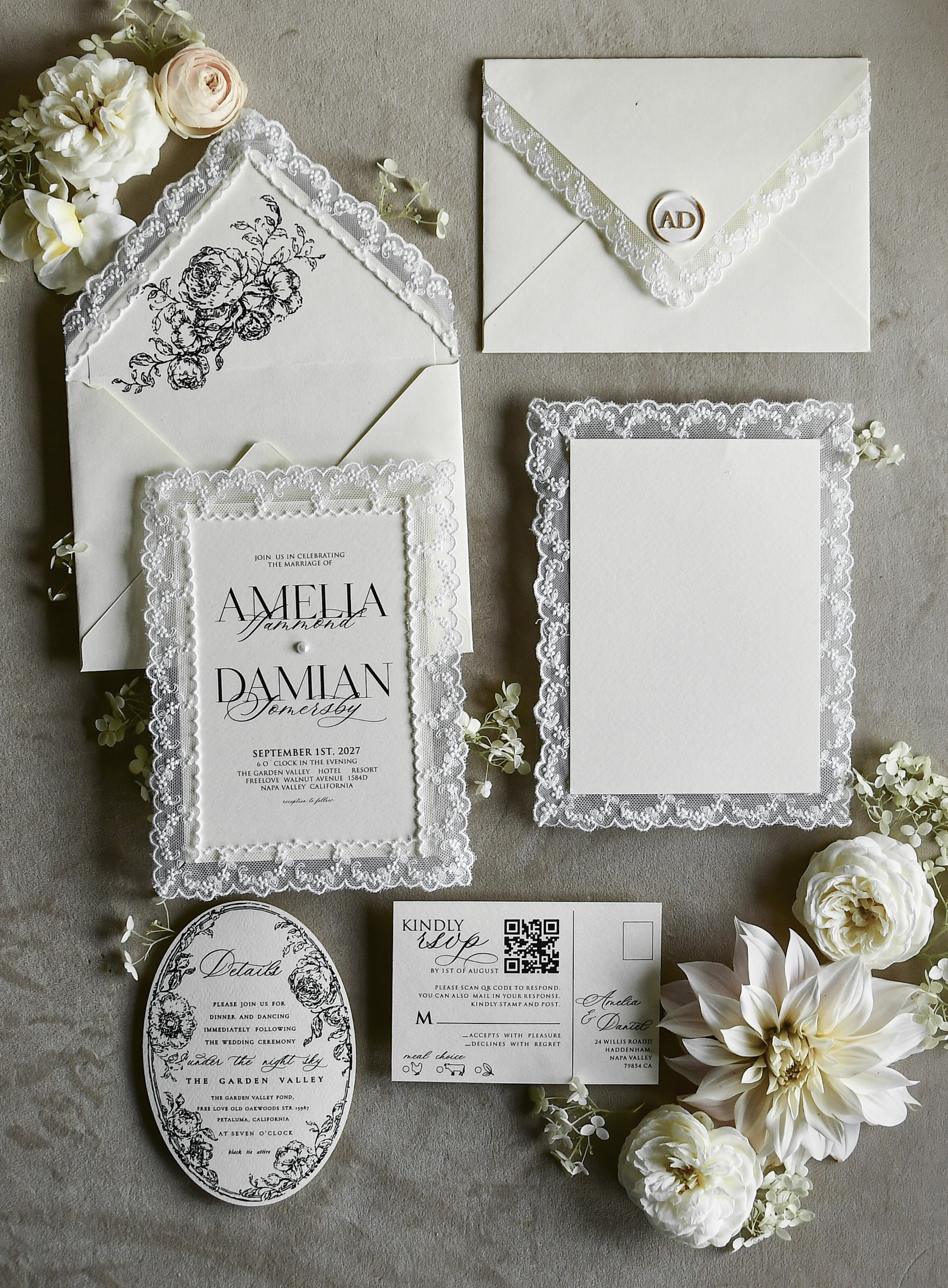
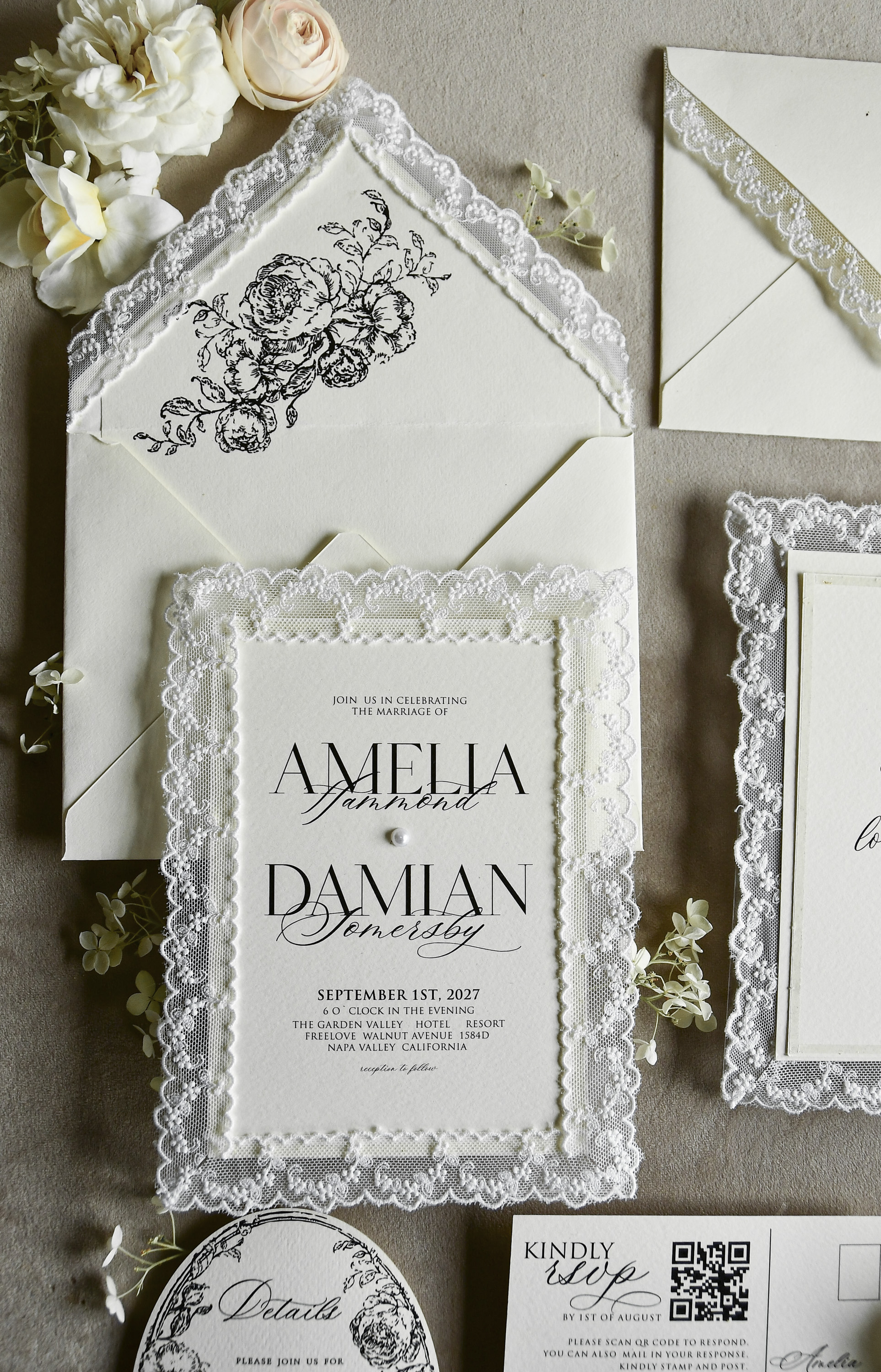
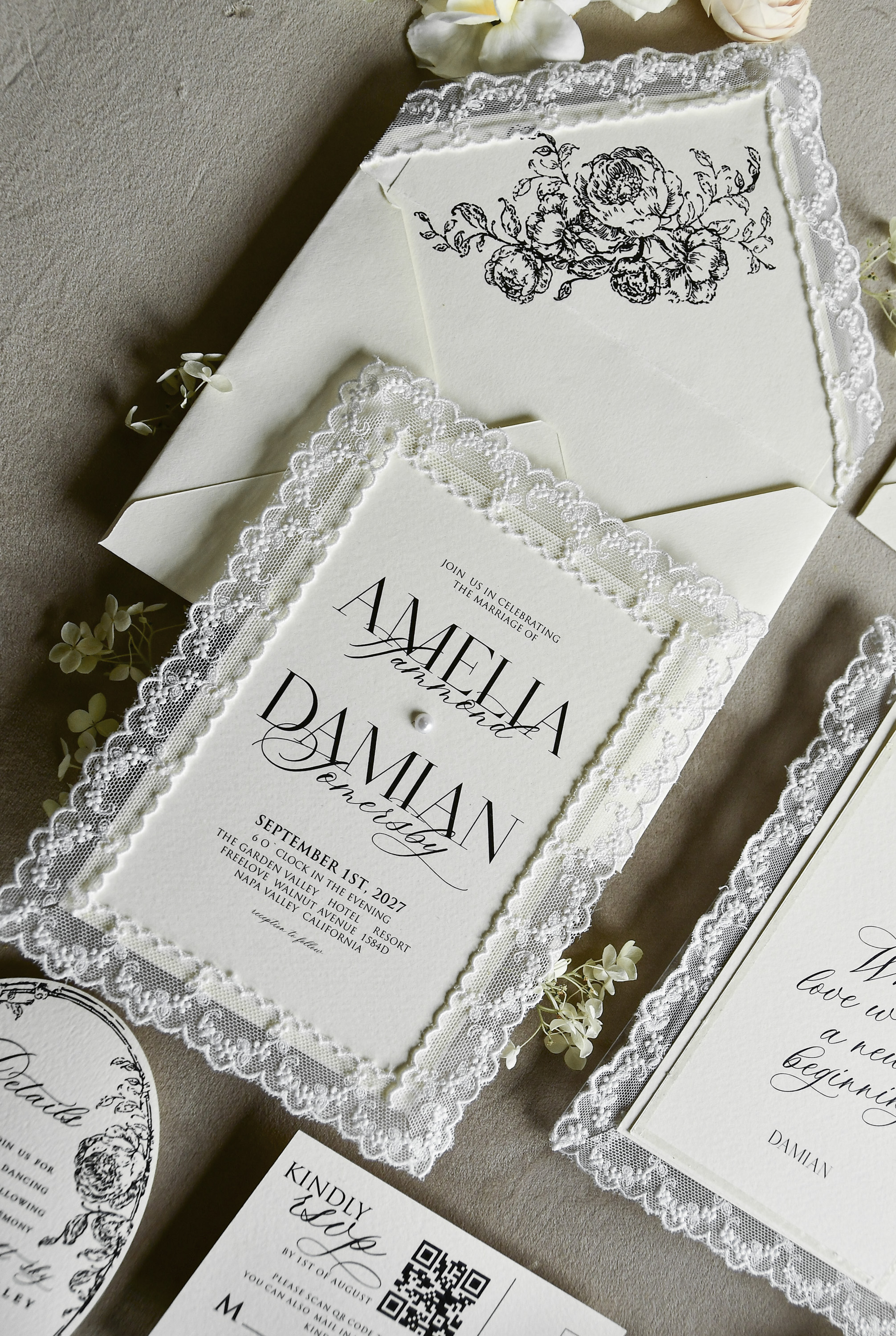
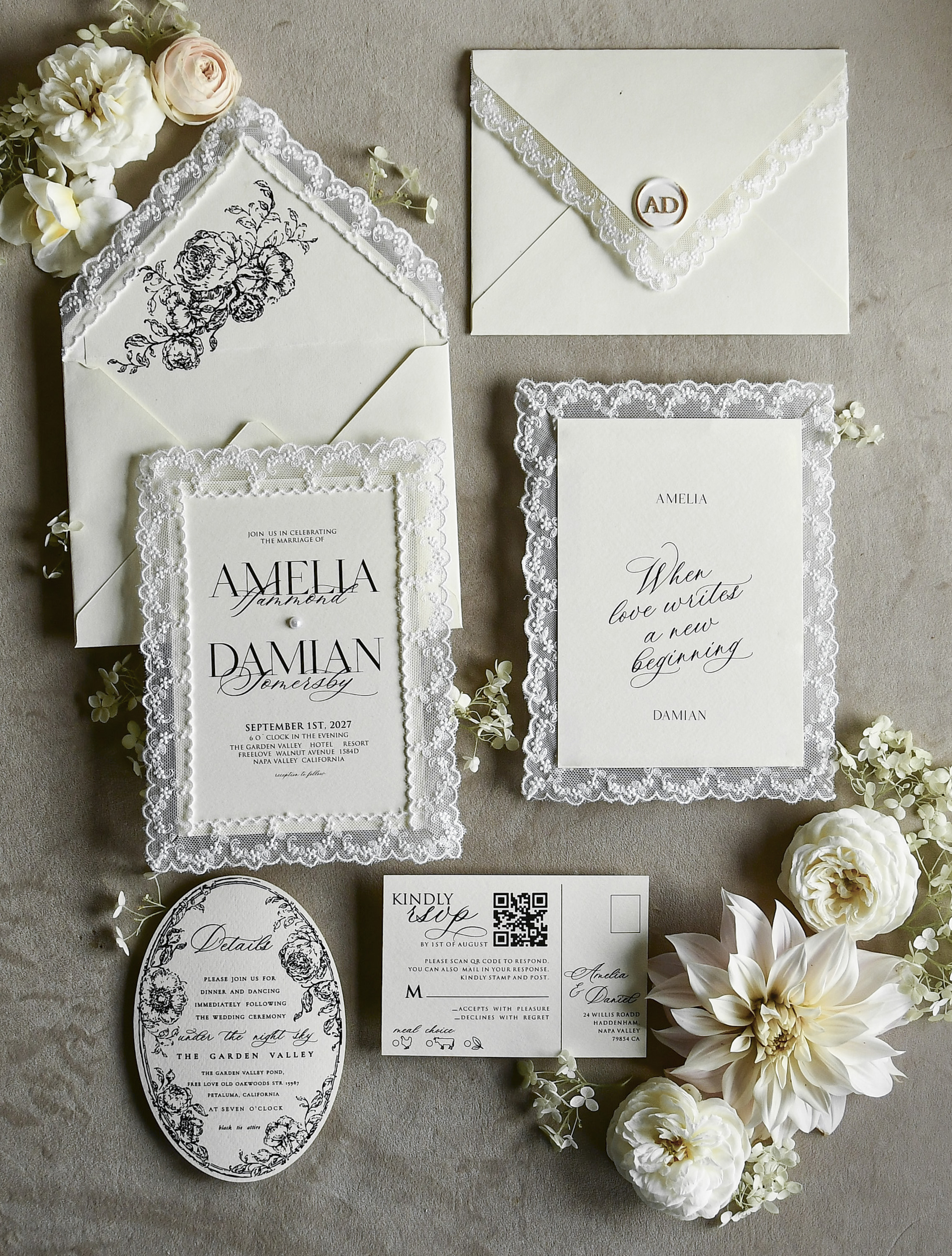
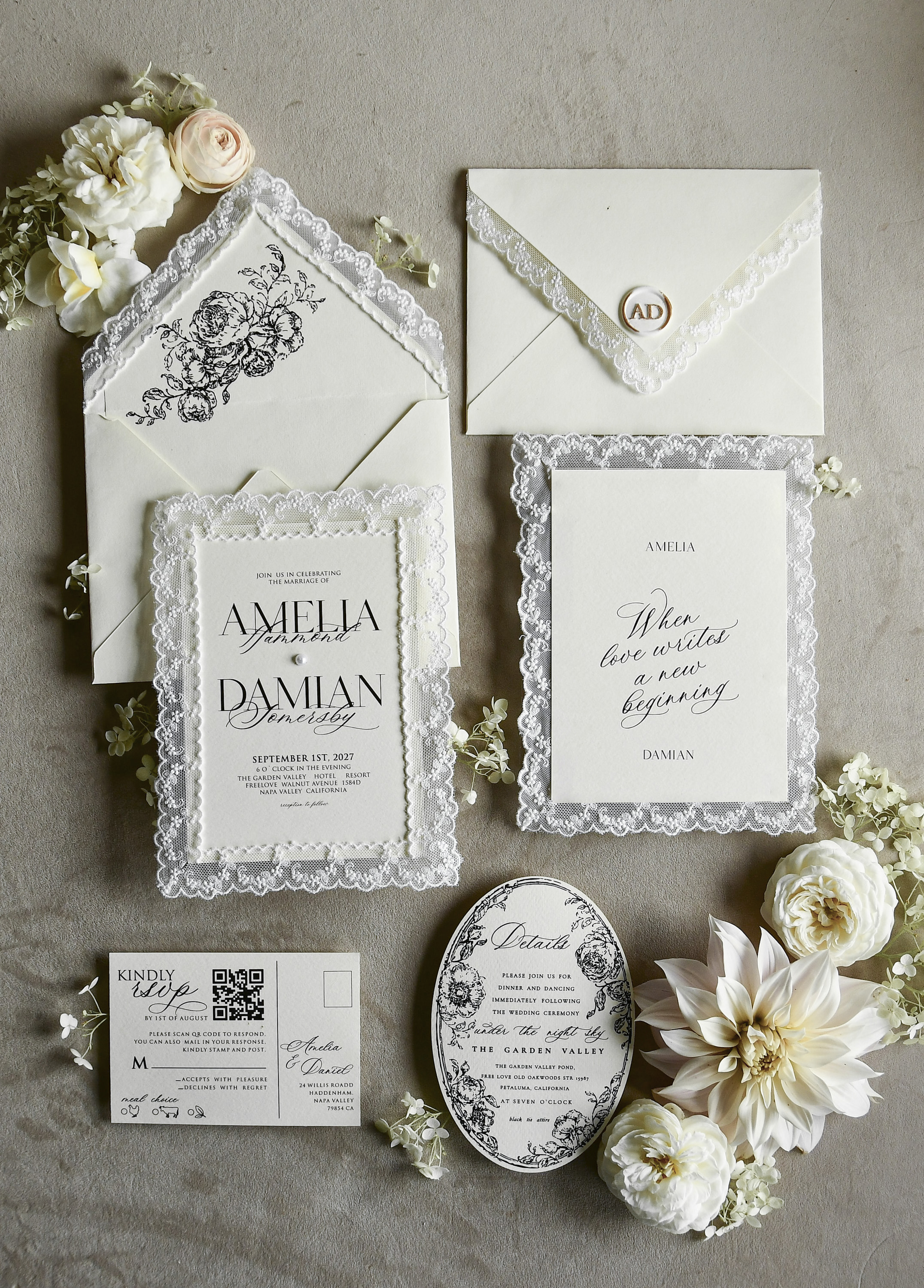
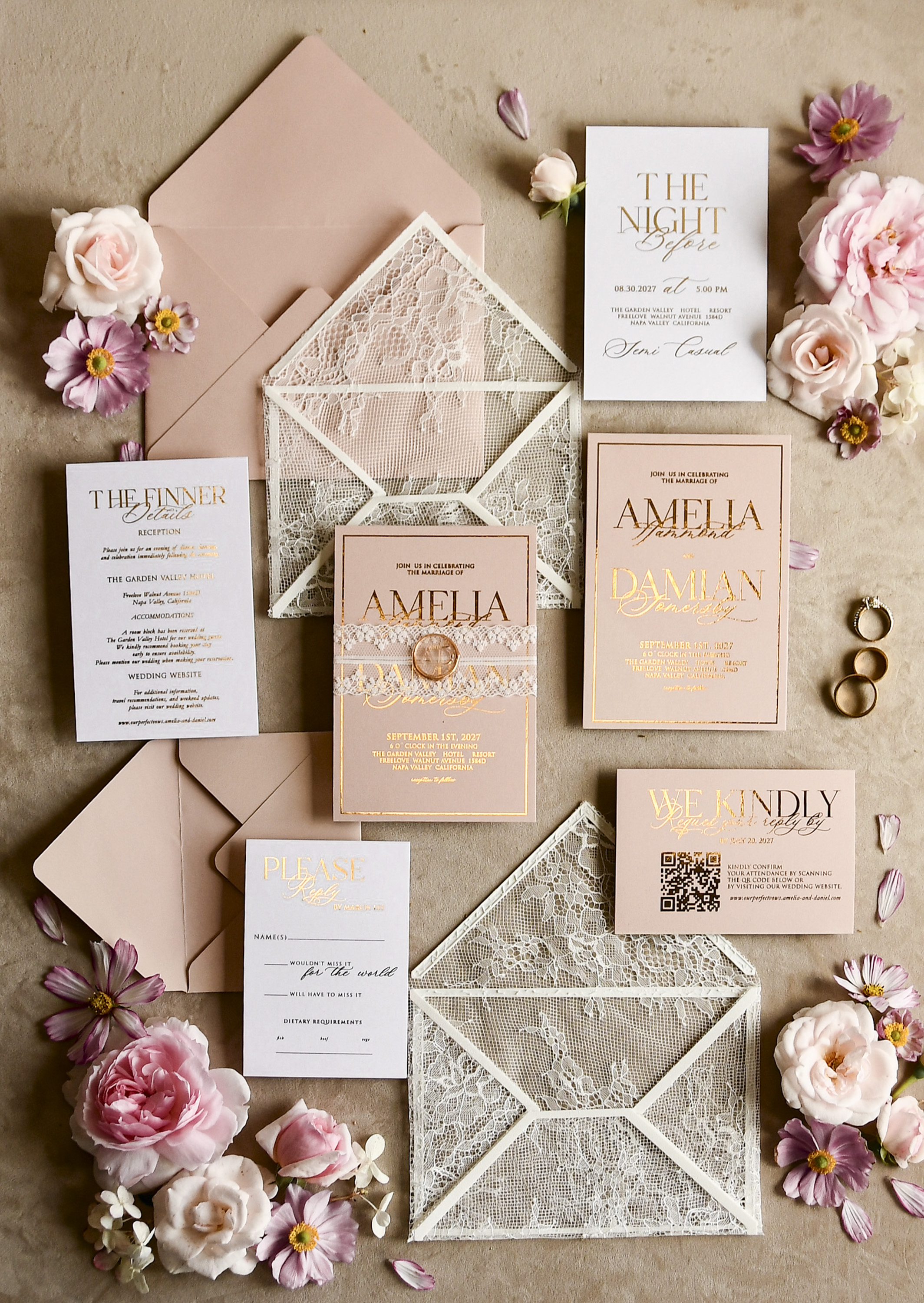
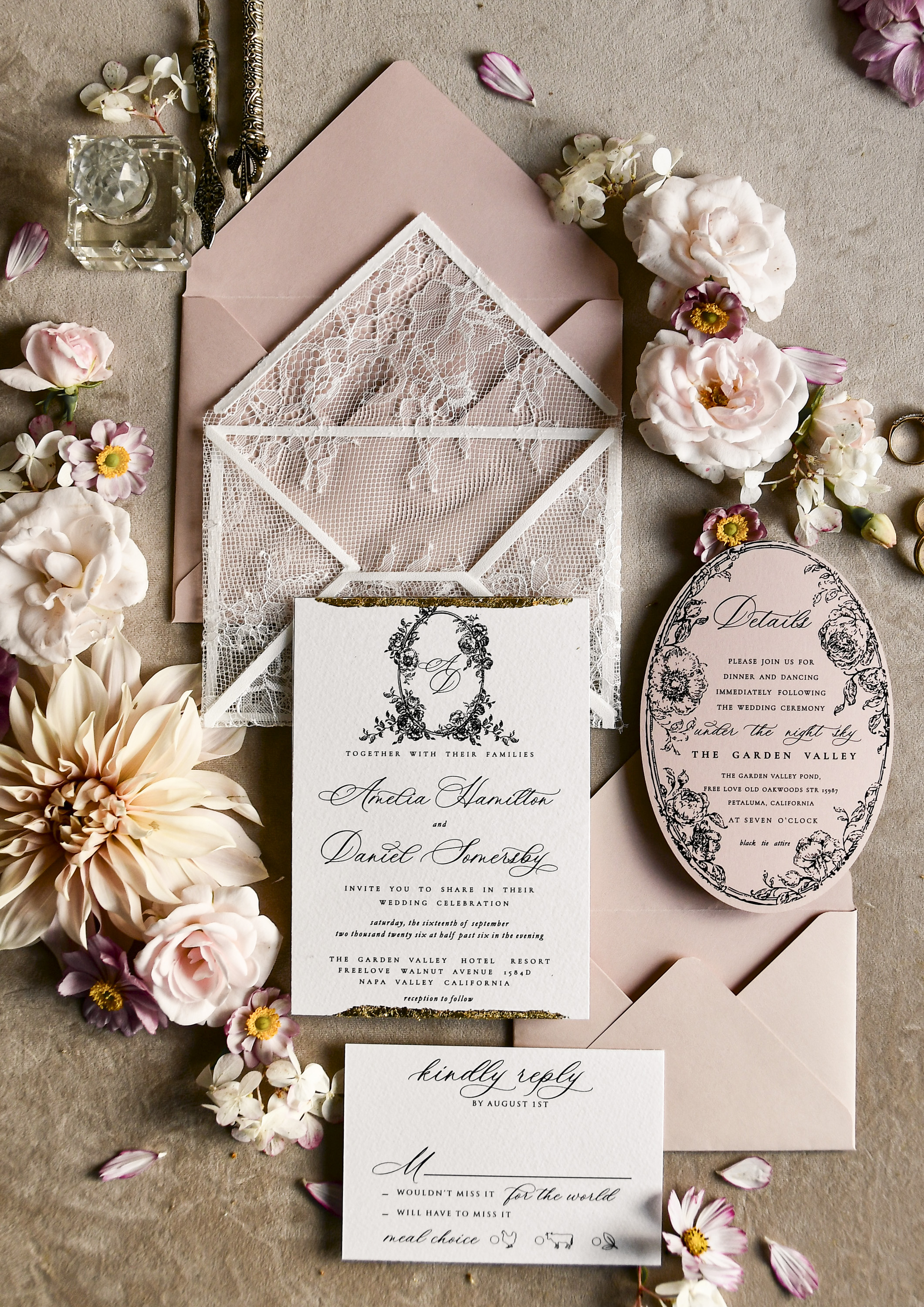
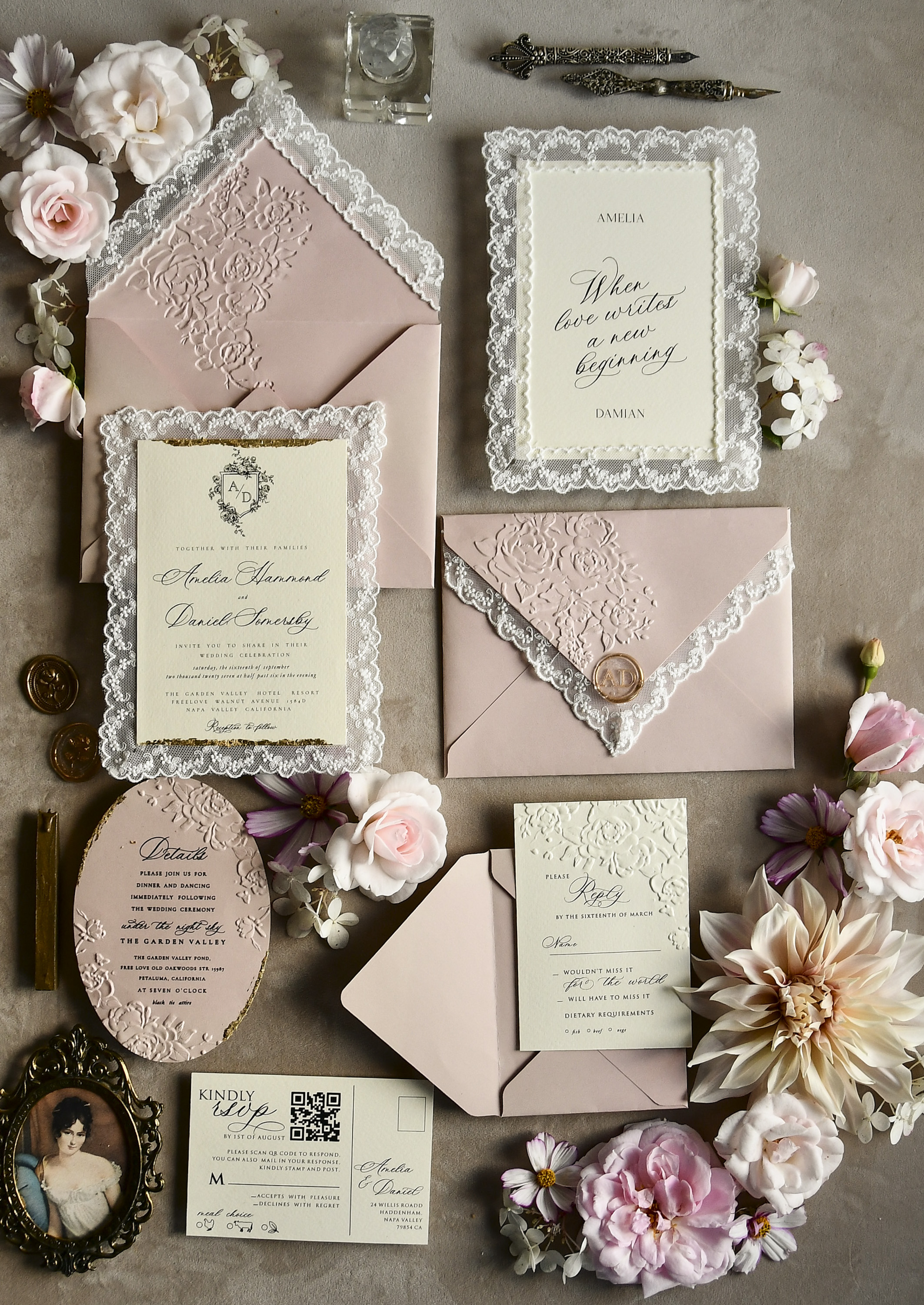
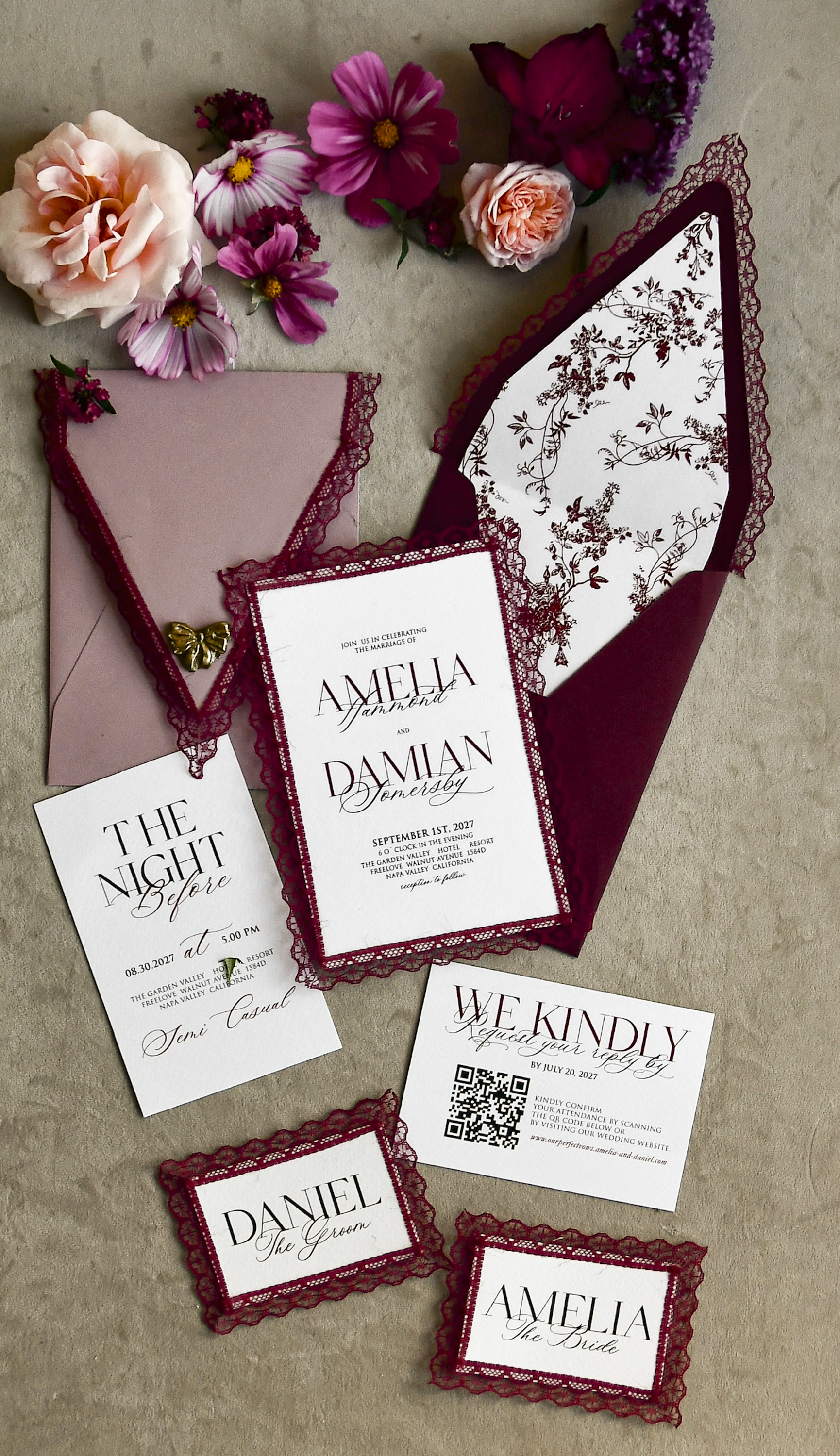
When you do send your invitations, beautiful, intentional stationery like the 09/laceD/z suite signals that your wedding is a carefully curated, intimate event—not a casual open-door party. That aesthetic impression can actually soften the sting for people who don't receive one, because it's clear that every detail, including the guest list, was chosen with care.
Finally, remember: the people who truly care about you will understand. And the ones who don't? That's useful information too.
Frequently Asked Questions
A brief, honest reason helps—something like venue size or budget is easy to understand and hard to argue with. You don't owe a detailed explanation, but offering a simple one shows respect and reduces speculation.
Have a point person—a coordinator, a trusted family member, or a venue staff member—who can handle unexpected arrivals calmly and privately. Prepare a short, kind script for them: "We're so glad you came to wish them well—the ceremony is for invited guests only, but they'd love to hear from you after."
For acquaintances or coworkers, a text or brief message is acceptable and can actually feel less confrontational. For close friends or family, a phone call is more respectful and gives space for a real conversation.
Stay calm, empathetic, and don't apologize excessively or reverse your decision under pressure. Acknowledge their feelings with something like "I completely understand that's disappointing" and then hold your position kindly.
Yes, and this is a socially accepted way to include more people when your ceremony venue is very small. Be clear and upfront about it so there's no confusion—send a separate reception-only invitation or explain it directly.
Set a boundary once, clearly and warmly: "We've finalized our numbers and can't make changes—I hope you understand." Repeat it calmly if pushed again, and avoid getting drawn into negotiation. Enlisting your partner to back you up on family pressure can also help.
See This Design Up Close
You May Also Like
More Wedding Planning Guides
- → Handling Family Guest List Pressure Without Losing Your Mind (or Your Vision)
- → Last-Minute RSVP Changes: How to Stay in Control When Guests Switch Their Answer
- → Plus-Ones for Teenagers: The Honest Wedding Etiquette Guide
- → RSVP Follow-Up Timing: Your No-Stress Guide to Chasing Late Replies
- → Family Affair or Adults-Only? How to Navigate the Kids-at-Your-Wedding Question
- → Making Your Wedding Kid-Friendly: Childcare, Entertainment, or Both?
- → When Future In-Laws Want to Add Their Friends to Your Guest List
- → Guests Who RSVP Yes and Don't Appear: A Practical Guide for Couples
- → Adults-Only Wedding: How to Spread the Word Without Hurt Feelings
- → Trim Your Wedding Guest List Without the Awkwardness
- → The Estranged Sibling Invitation Dilemma: A Thoughtful Guide for Couples
- → Someone Added Extra Names to Your RSVP Card — Here's Exactly What to Do
- → Your Wedding Invitation Send-Off: Getting the Timing Just Right
- → Uninvited Plus-Ones and Tag-Alongs: How to Keep Your Guest List Intact
- → When Family Feuds Threaten Your Wedding Plans: A Practical Peacekeeper's Guide
- → Inviting an Estranged Brother or Sister: Finding Clarity Before You Seal the Envelope
- → Cousins, Invites, and Hard Choices: A Practical Guest List Guide