
When Future In-Laws Want to Add Their Friends to Your Guest List
You've barely finished celebrating your engagement and already the requests are rolling in: "Can we add the Hendersons? What about our friends from church?" Navigating your future in-laws' friend list is one of the most common — and quietly stressful — parts of wedding planning. The short answer is no, you are not obligated to invite anyone. But the longer answer involves family dynamics, budget realities, and keeping the peace. Here's how to handle it with confidence and kindness.
The Short Answer: It's Your Wedding, But Context Matters
No etiquette rule requires you to invite your in-laws' friends. The guest list belongs to the couple. That said, context shapes what's reasonable to expect. If your future in-laws are contributing significantly to the wedding budget, it's common — and fair — to give them some input on a portion of the guest list. A general guideline many couples use is to divide the list into thirds: one-third for the couple, one-third for each set of parents.
If you're paying for the wedding yourselves, you have full authority over every seat. Be clear about this early, ideally before you've set a venue or given anyone a number to work with. The moment a specific guest count leaks, expectations form quickly.
How to Set Boundaries Without Starting a Family Feud
The key is to be proactive, not reactive. Rather than waiting until your future mother-in-law hands you a list of 30 names, have an honest conversation early in the planning process. Try framing it around logistics rather than preference:
- "Our venue holds 120 people, and we have 80 close family and friends already — we have about 10 spots per family to work with."
- "We're keeping the wedding intimate, so we're limiting it to people we've both personally spent time with."
- "We'd love for you to have some seats for your closest friends — here's the number we can offer."
Giving them a defined number feels generous and structured. It shifts the conversation from can we add people to which people matter most — a much easier question for everyone to answer.
When It Feels Like Pressure: Recognizing the Difference
There's a difference between a genuine request and ongoing pressure. A one-time ask is normal — people are excited and want to share the celebration. But if you're repeatedly being pushed to add guests you've never met, it's worth addressing directly with your partner first. Your partner should be the one to communicate limits to their own parents. This protects your relationship with your future in-laws and keeps you from becoming the villain of the story.
A simple, united response goes a long way: "We've finalized our guest list and we aren't able to add more guests at this stage." You don't need to over-explain or apologize. Kindness and firmness can coexist.
What to Do If They're Helping Pay
If your future in-laws are contributing financially, it's reasonable for them to have some say. Before accepting money, have an explicit conversation about what that contribution includes — and what it doesn't. Get specific:
- How many guests does their contribution cover?
- Do they have final approval, or are they suggesting names for you to consider?
- What happens if their list exceeds the agreed number?
Money without boundaries creates confusion. A written breakdown — even just a shared note or email — can prevent misunderstandings later. If their list is longer than their budget covers, offer a clear choice: trim the list or increase their contribution to cover the additional guests.
Making Everyone Feel Included Without Expanding the List
Sometimes the hurt feelings aren't really about the friends — they're about feeling left out of the wedding experience. There are ways to honor your future in-laws without blowing up your headcount:
- Invite their closest friends to the rehearsal dinner, which is traditionally more family-focused anyway.
- Host a casual post-wedding celebration or brunch where a wider group can share in the joy.
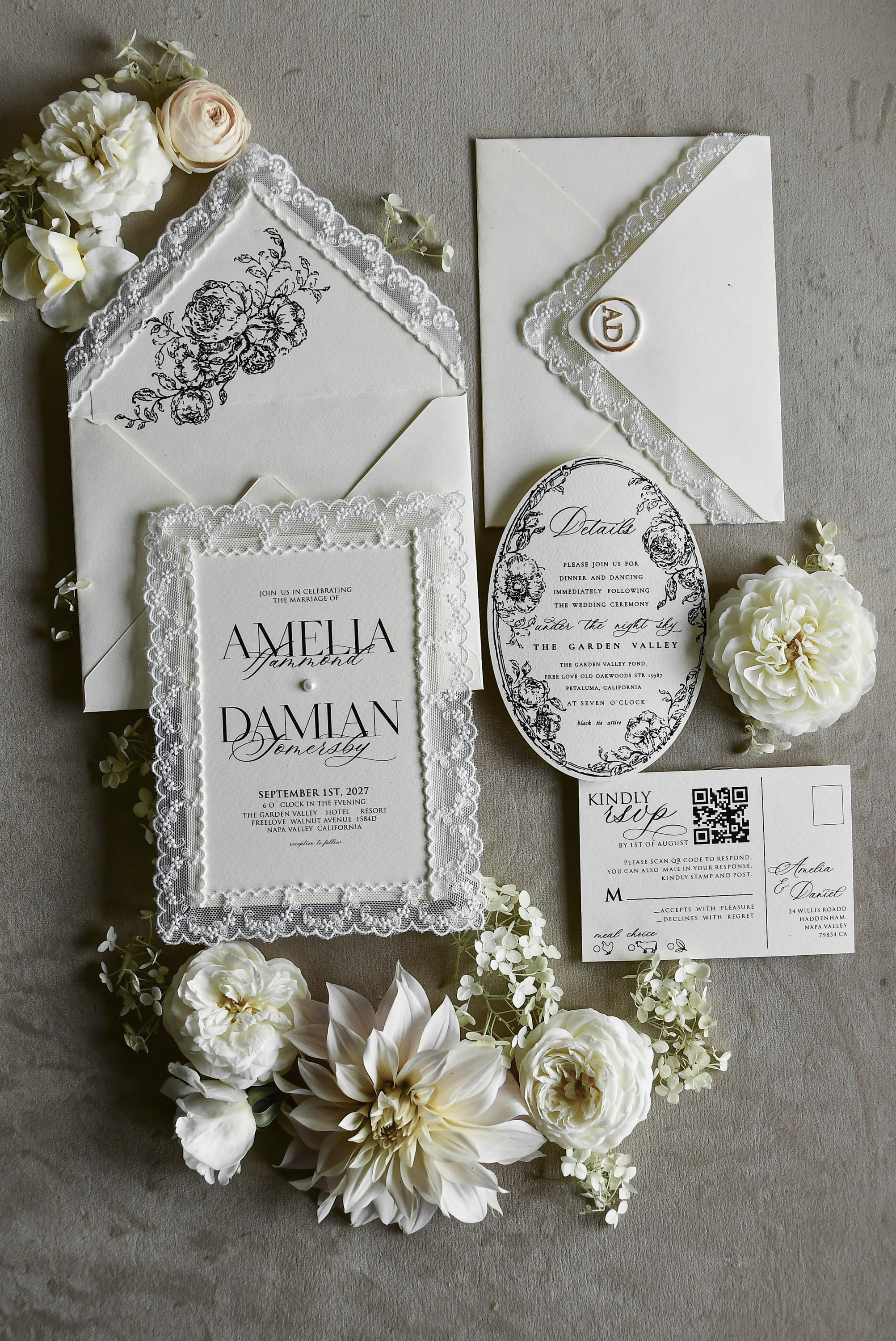
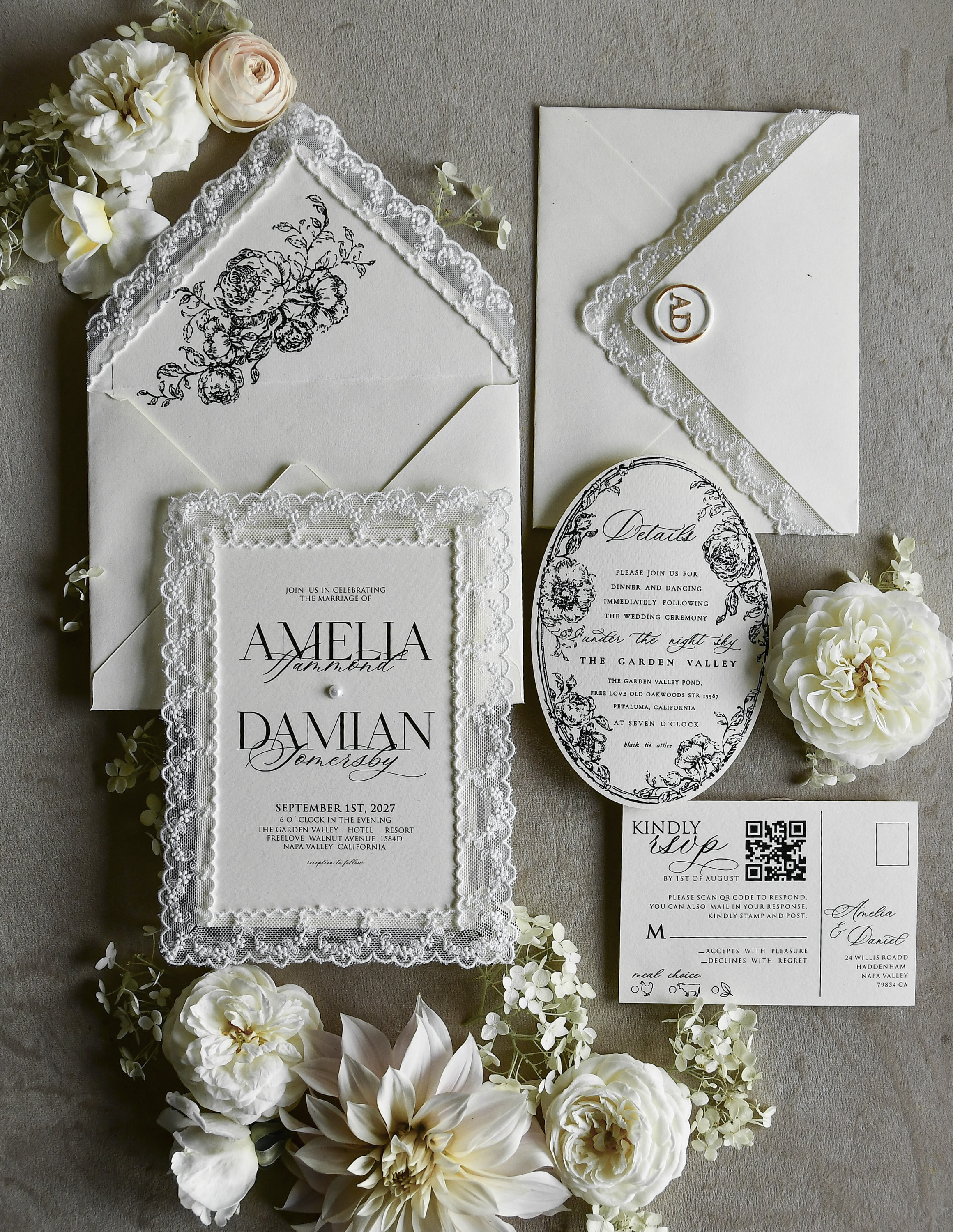
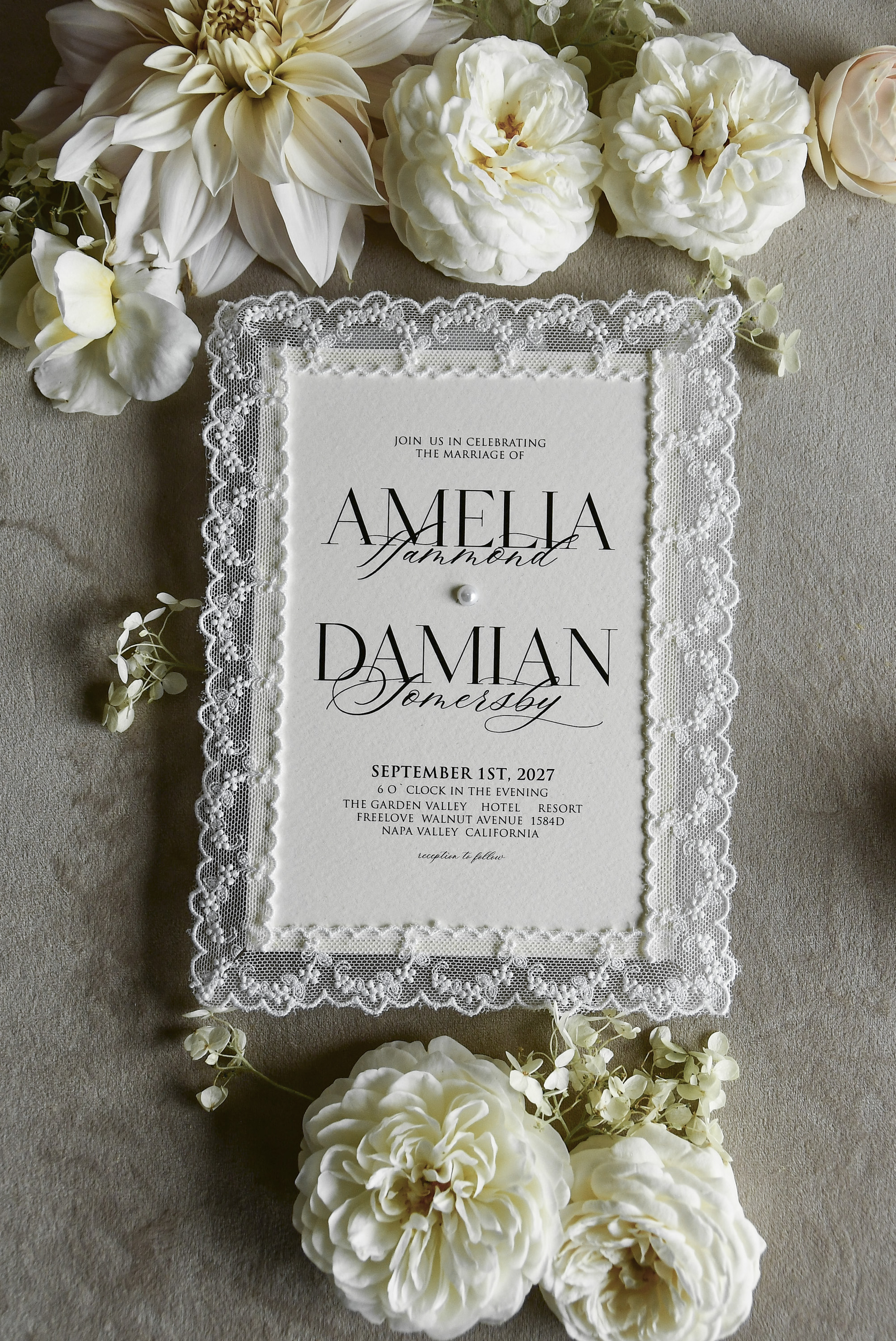
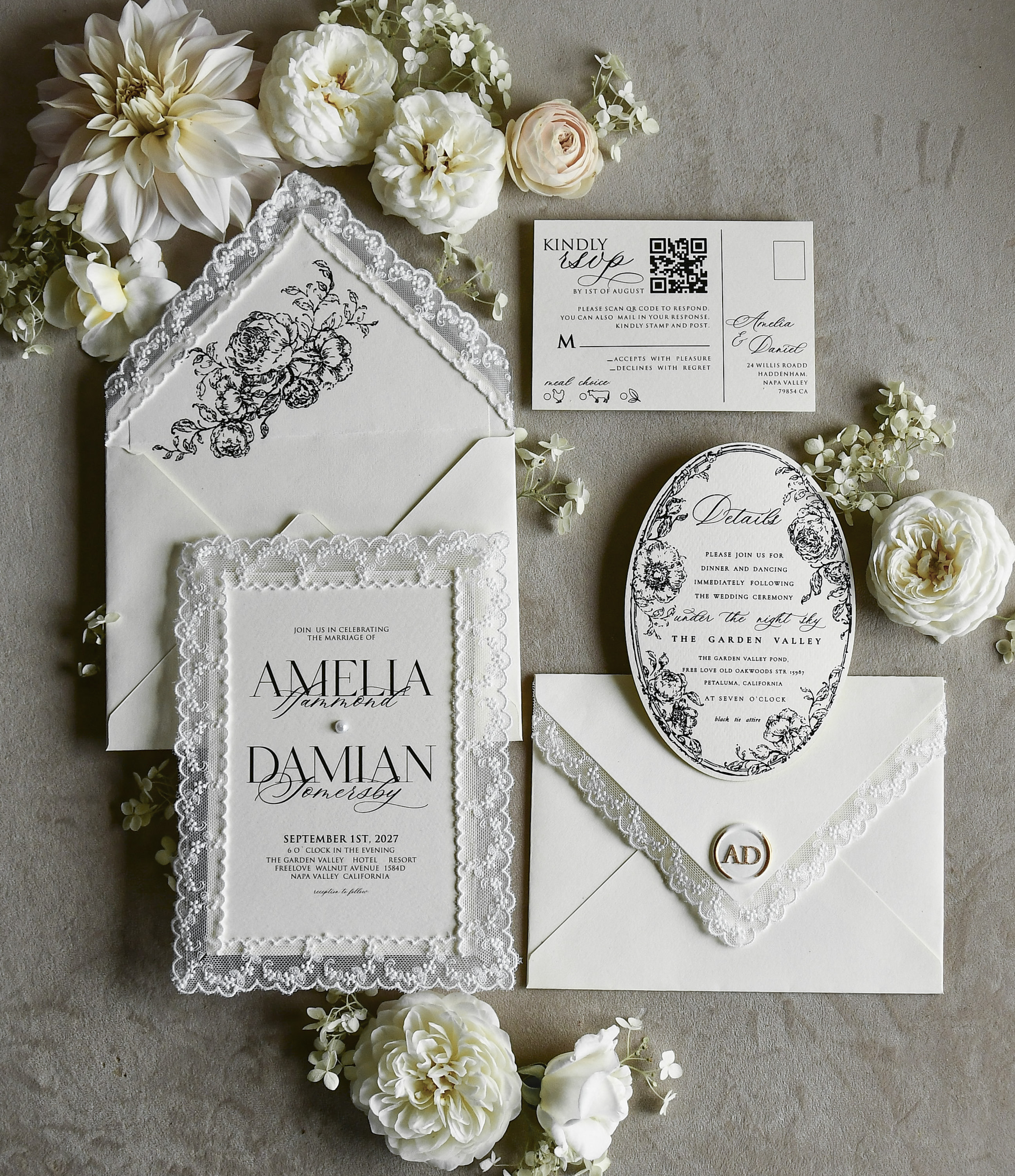
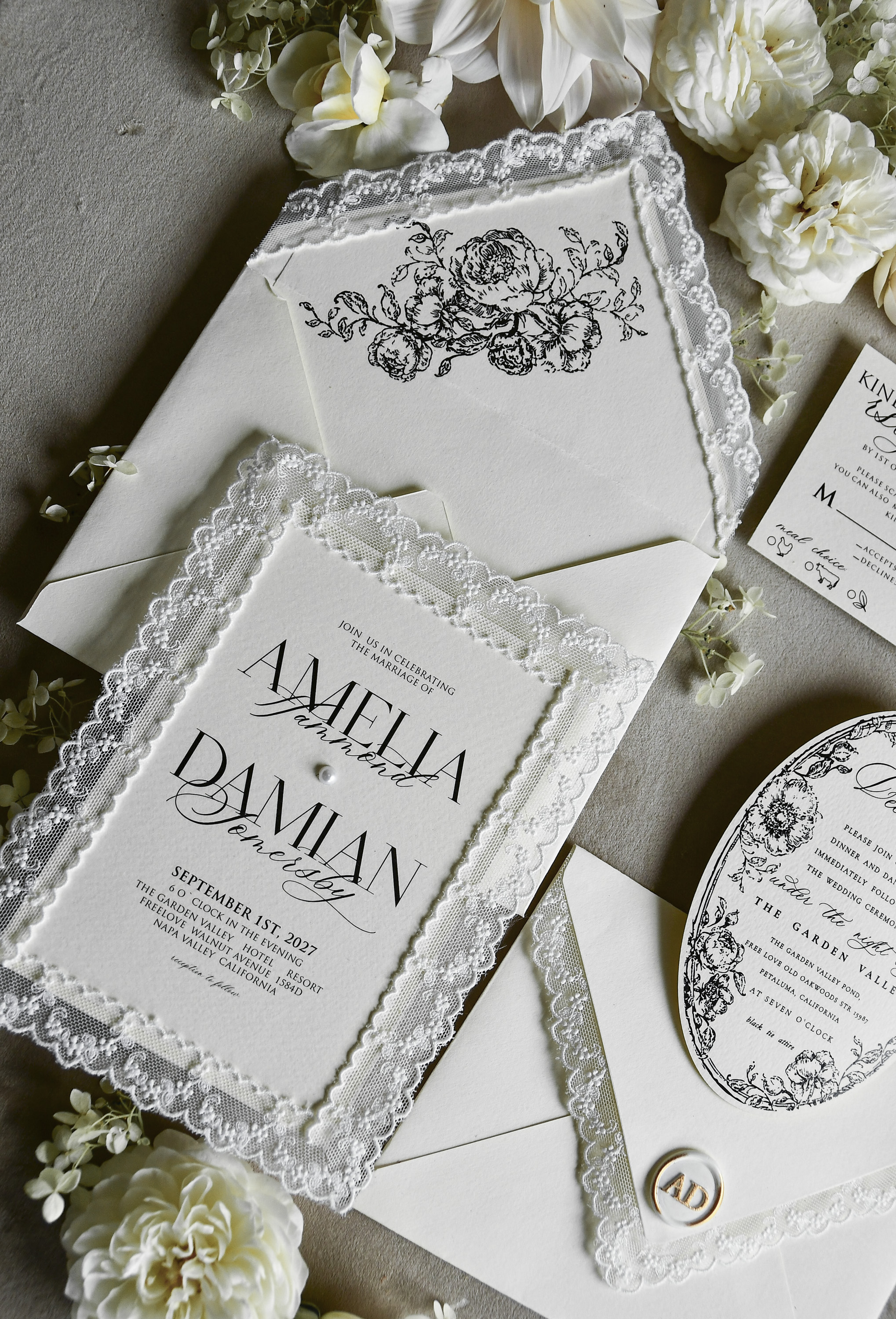
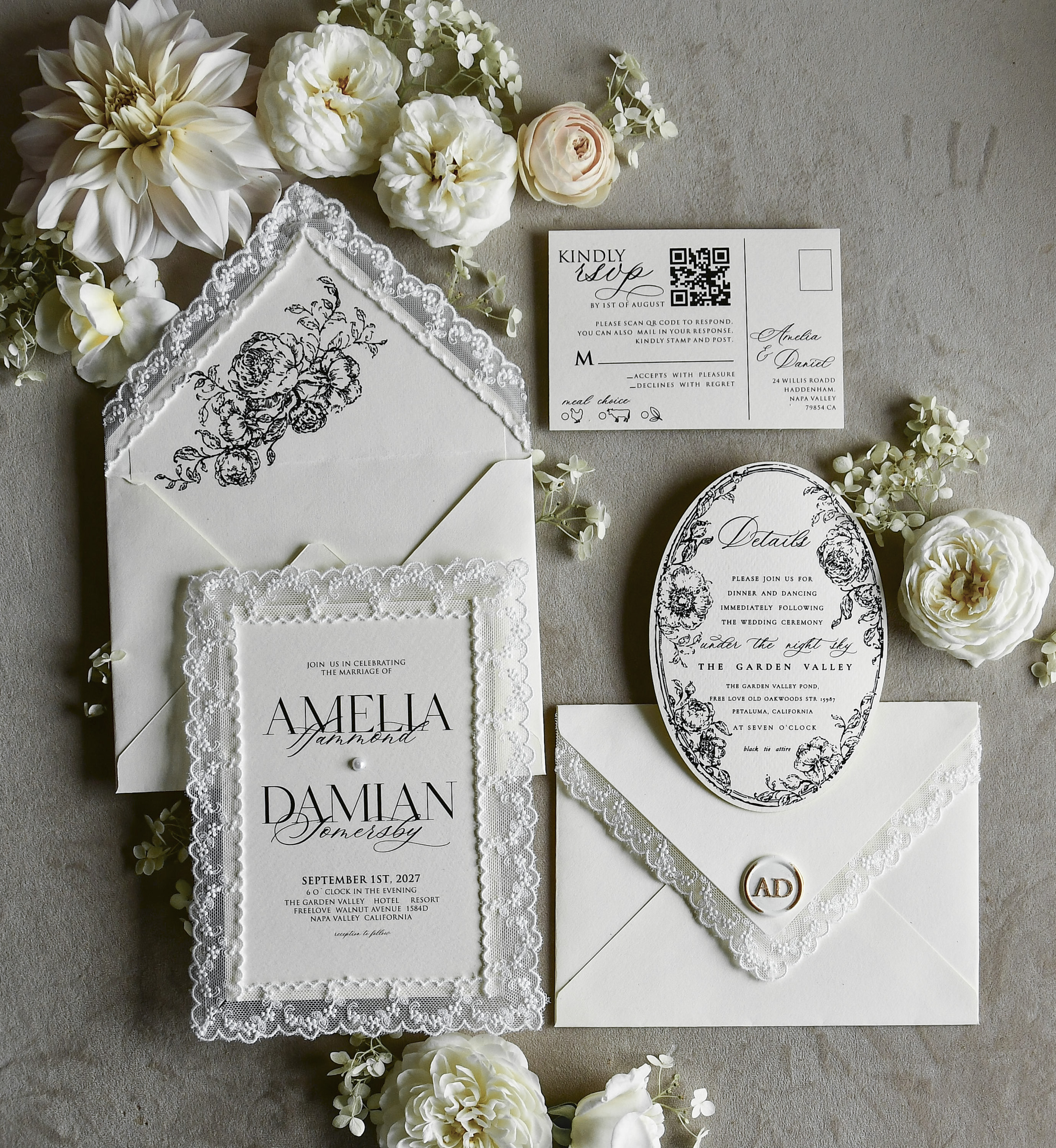
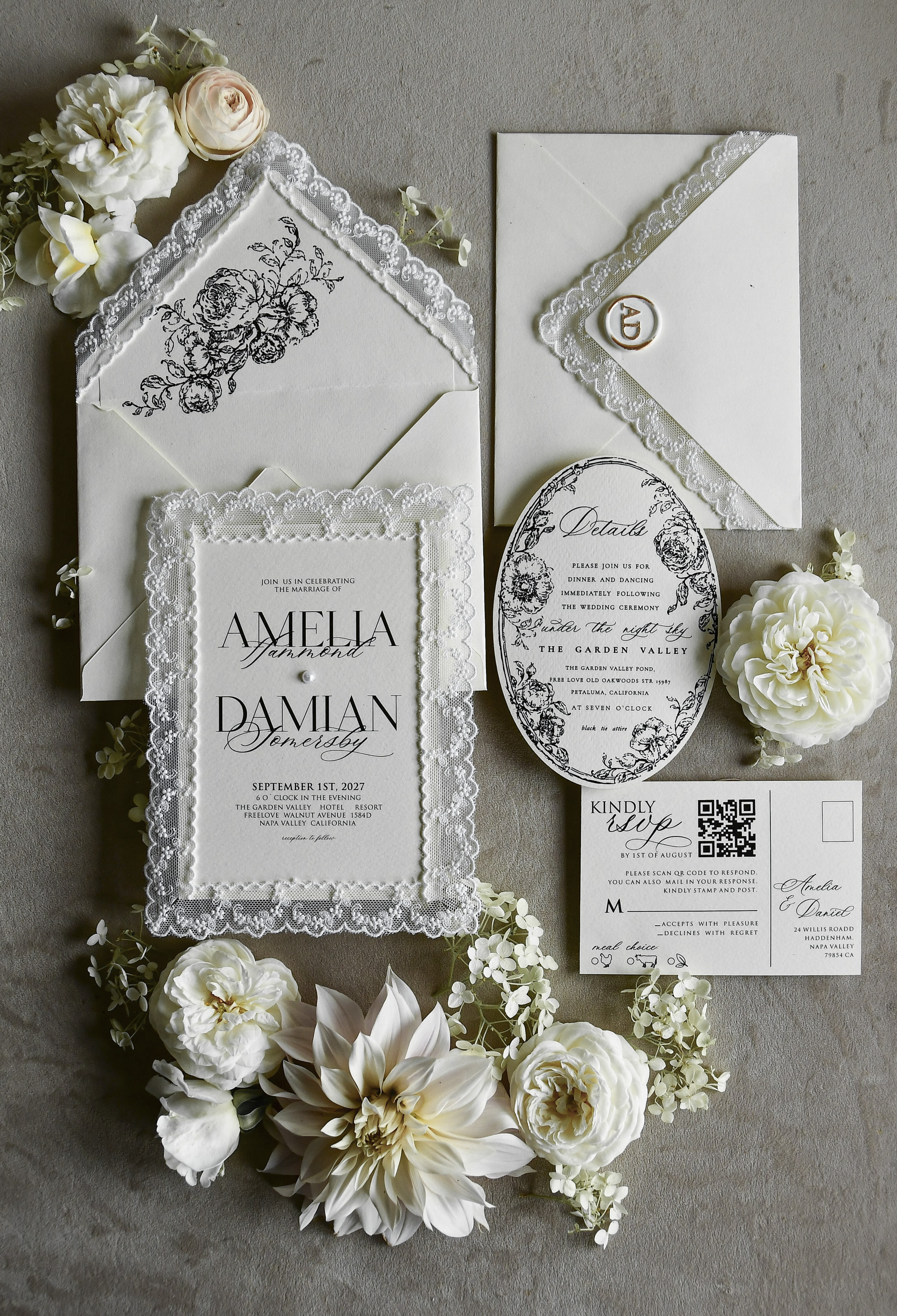
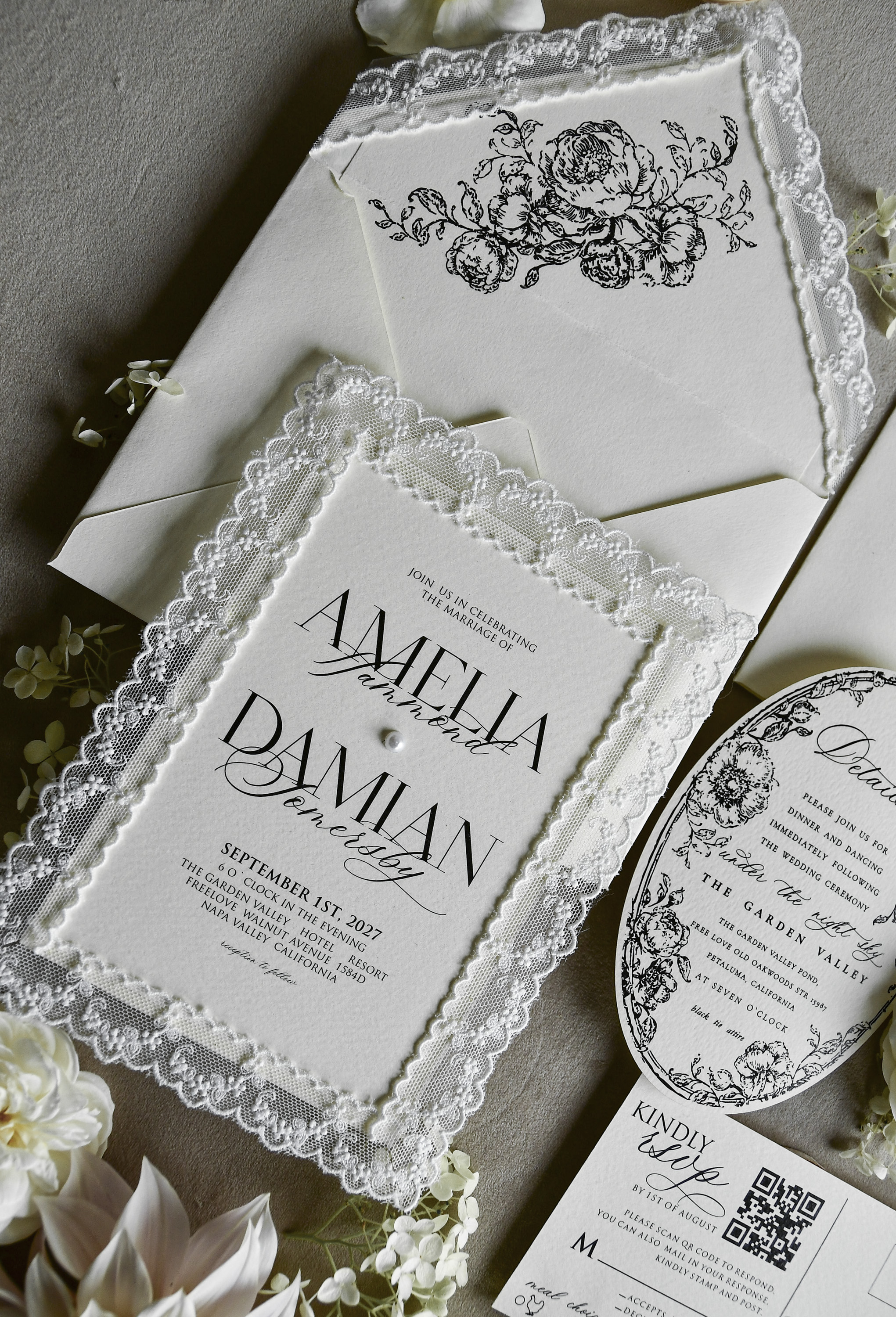
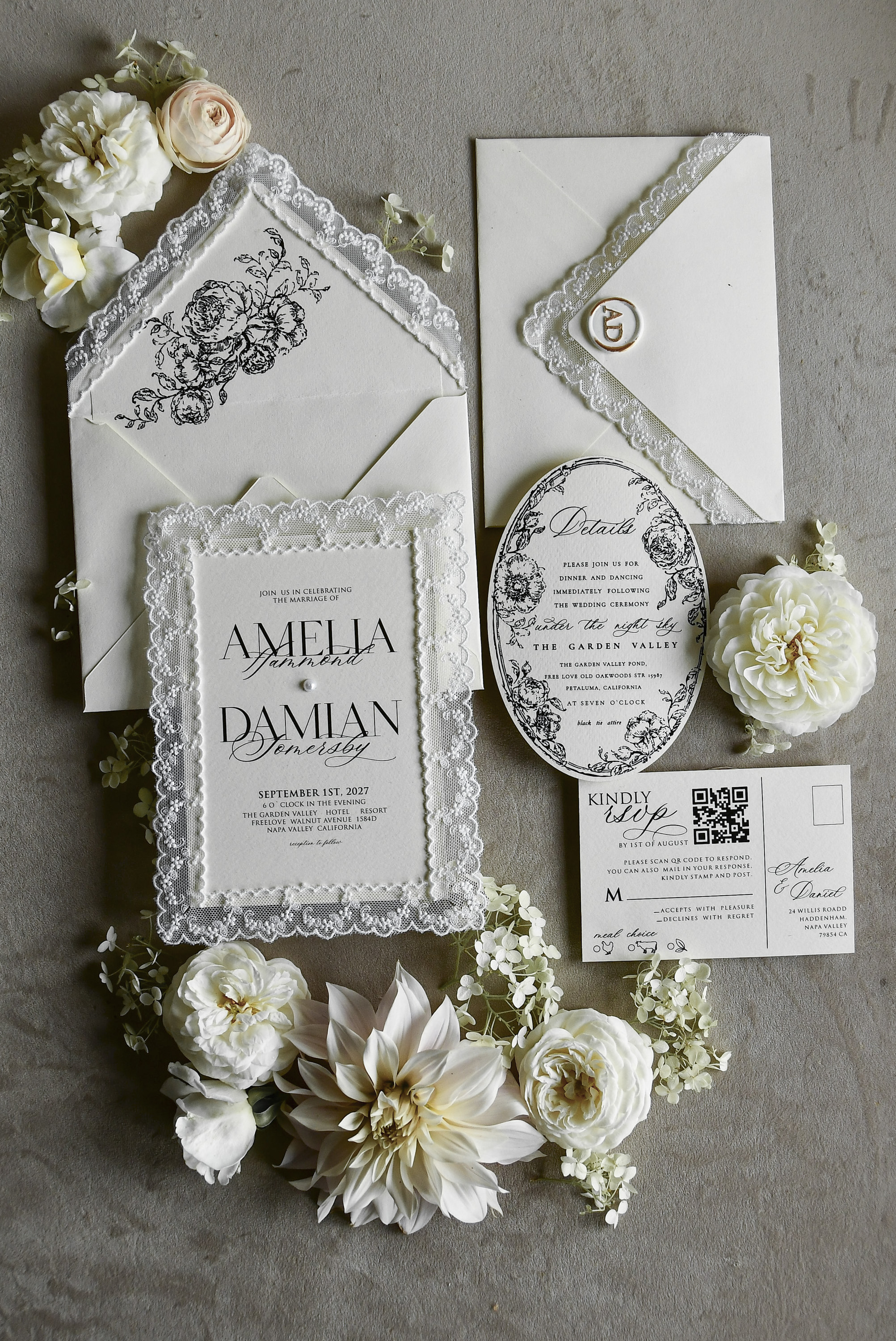
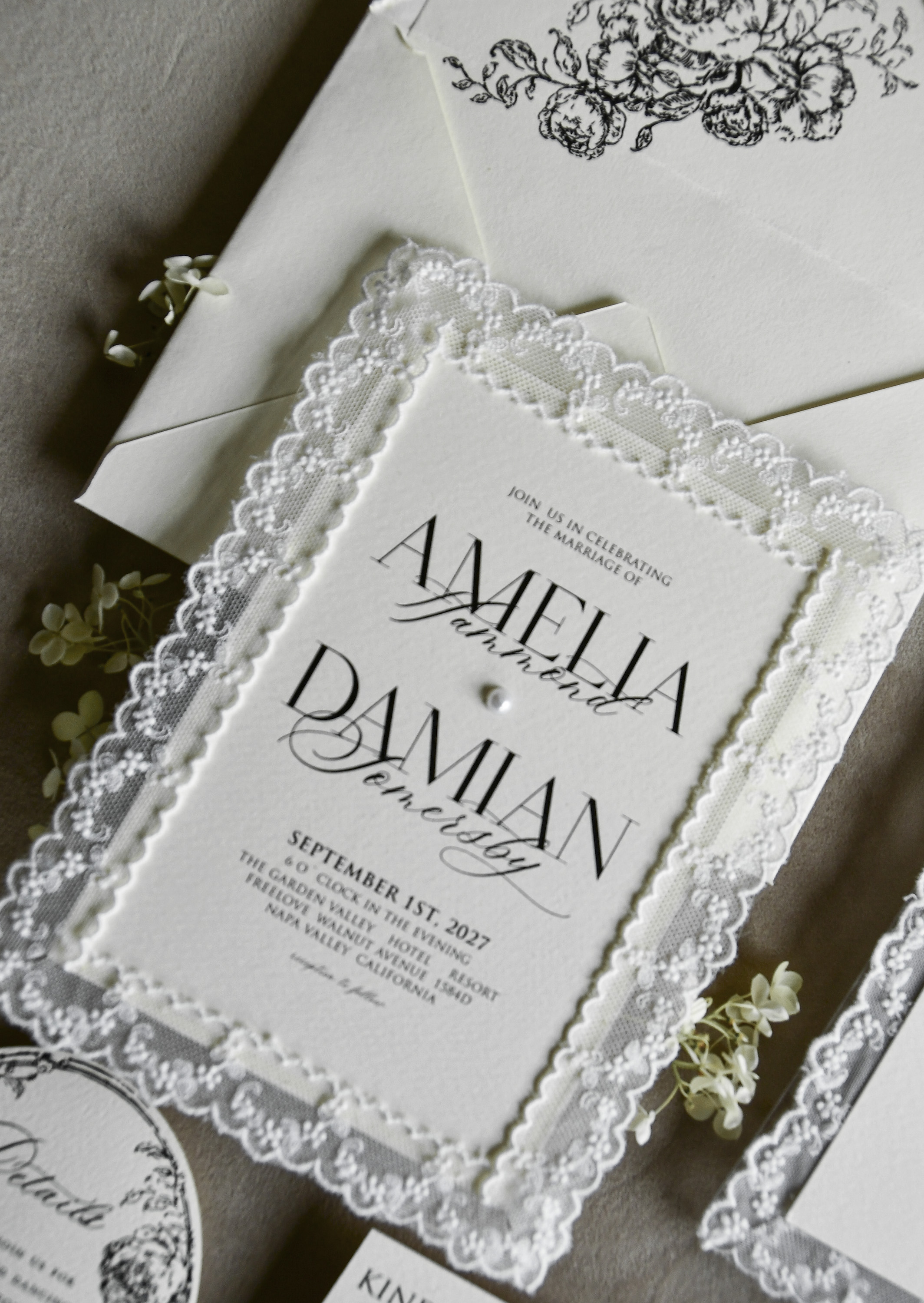
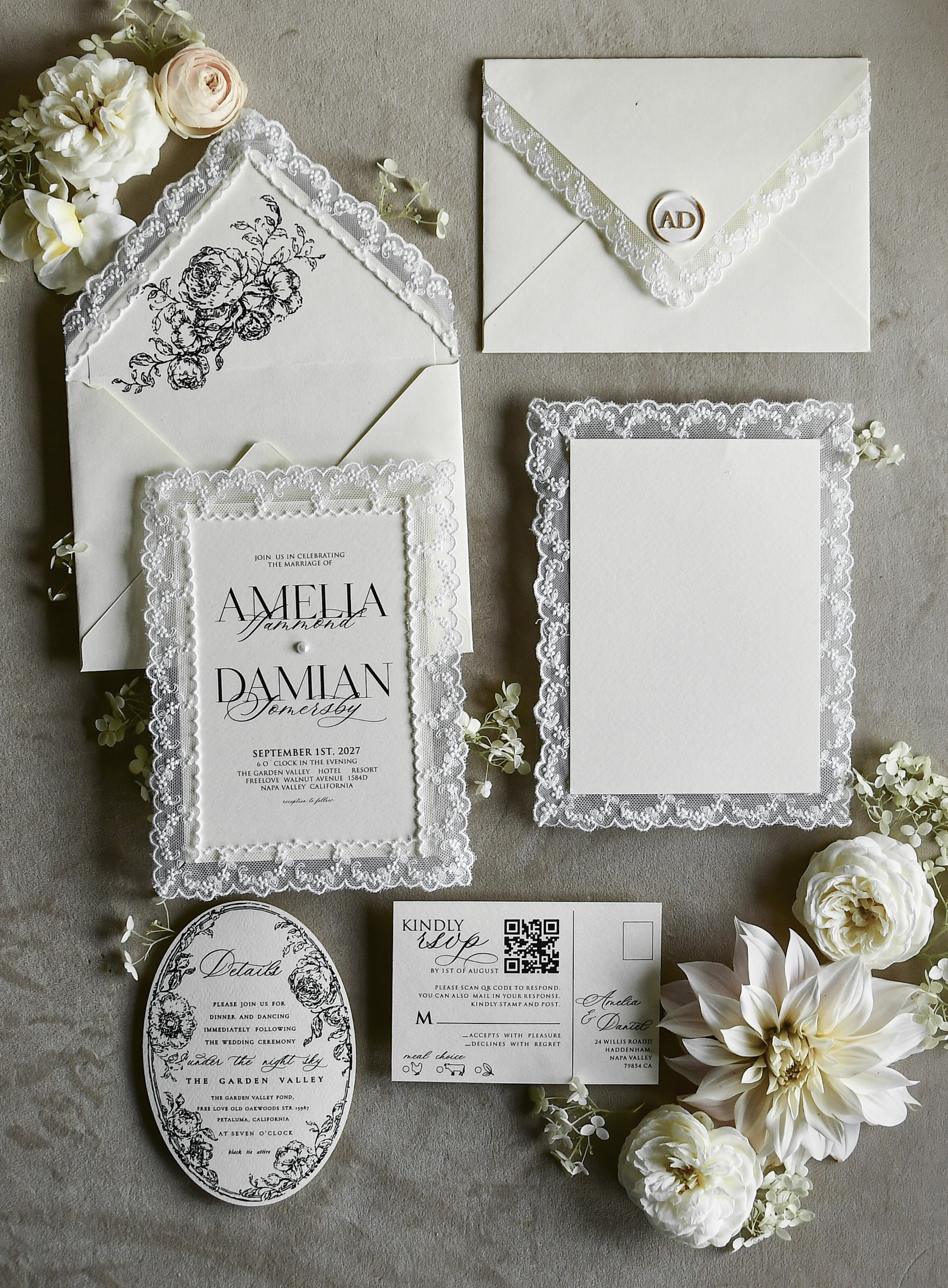
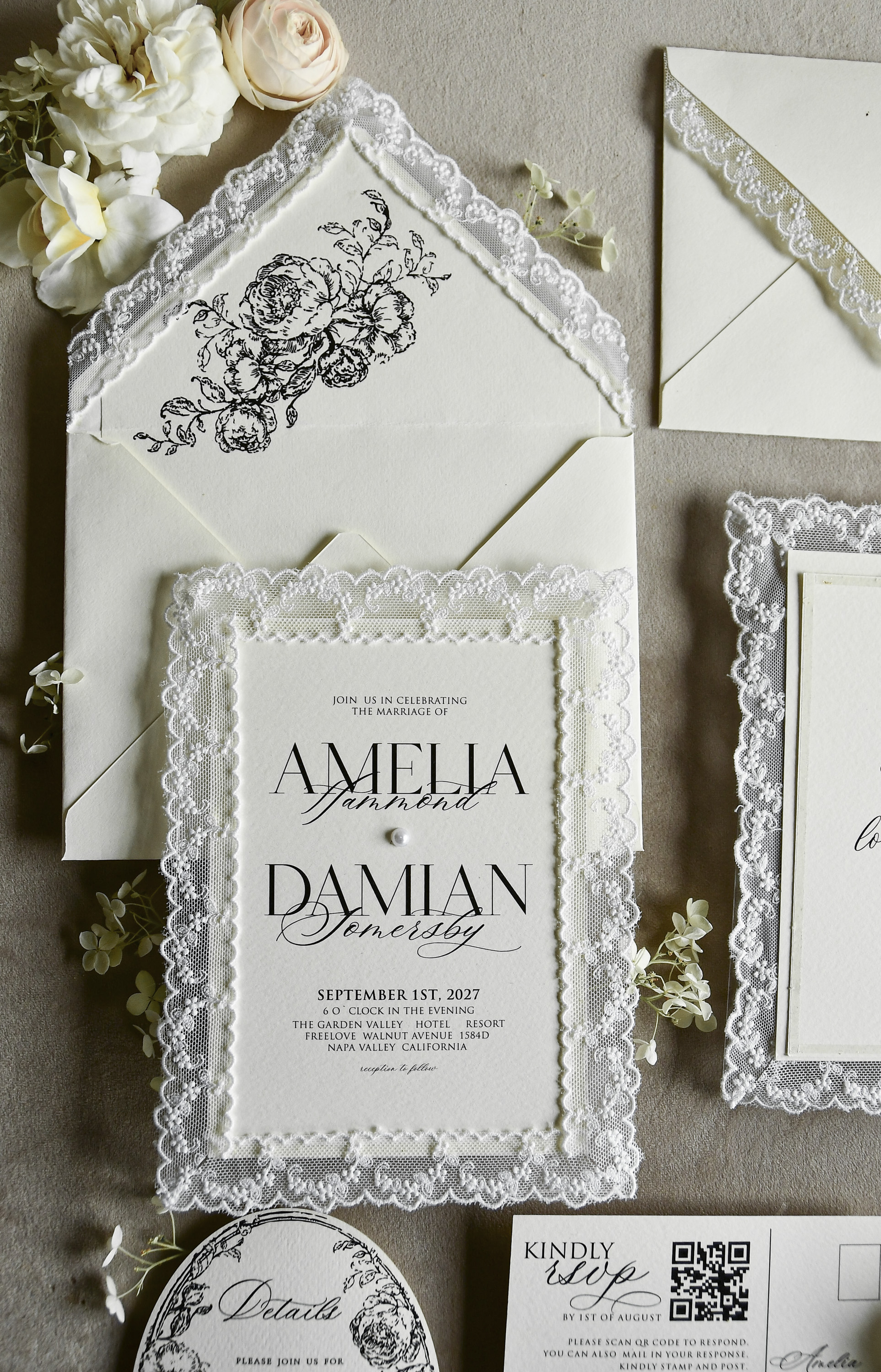
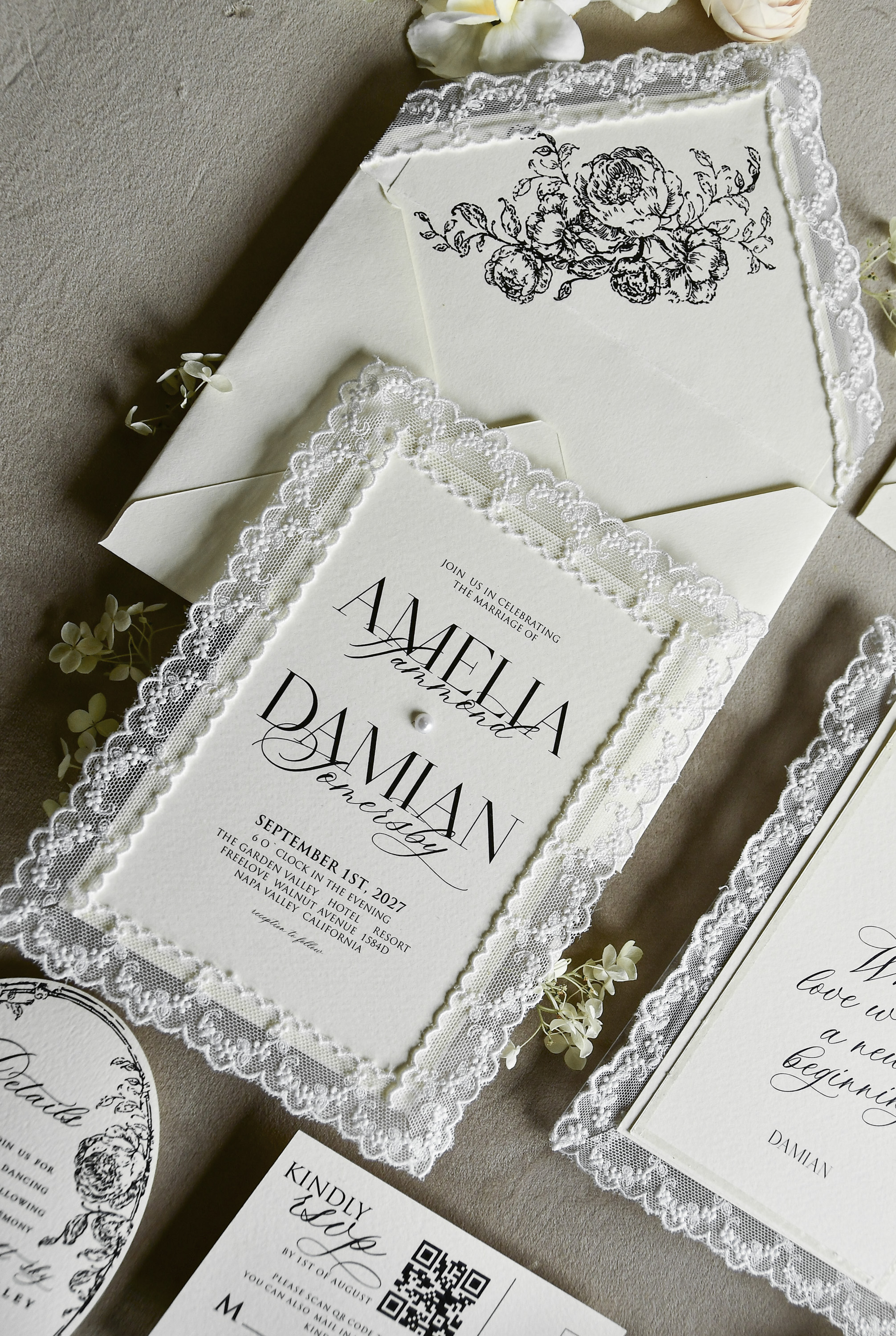
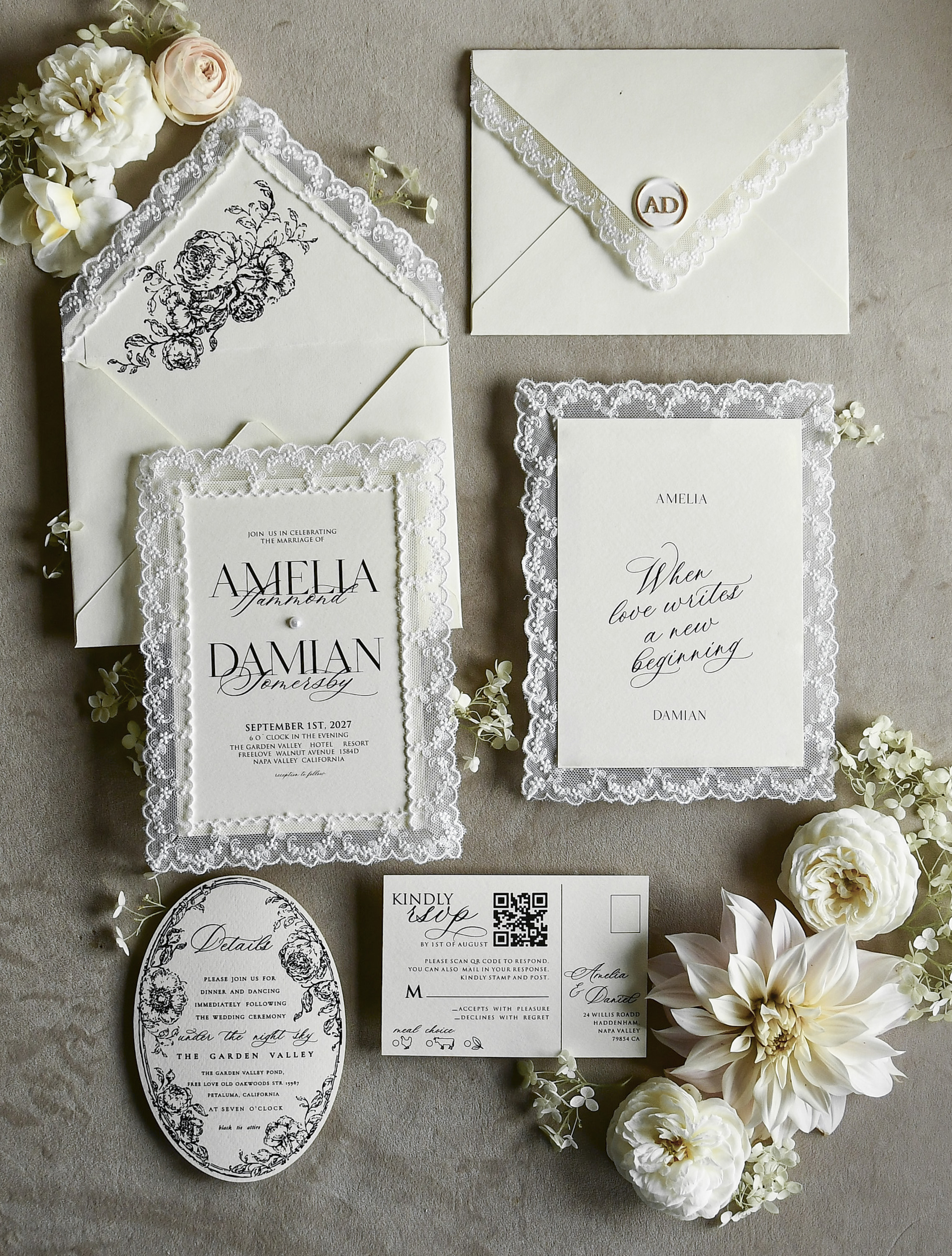
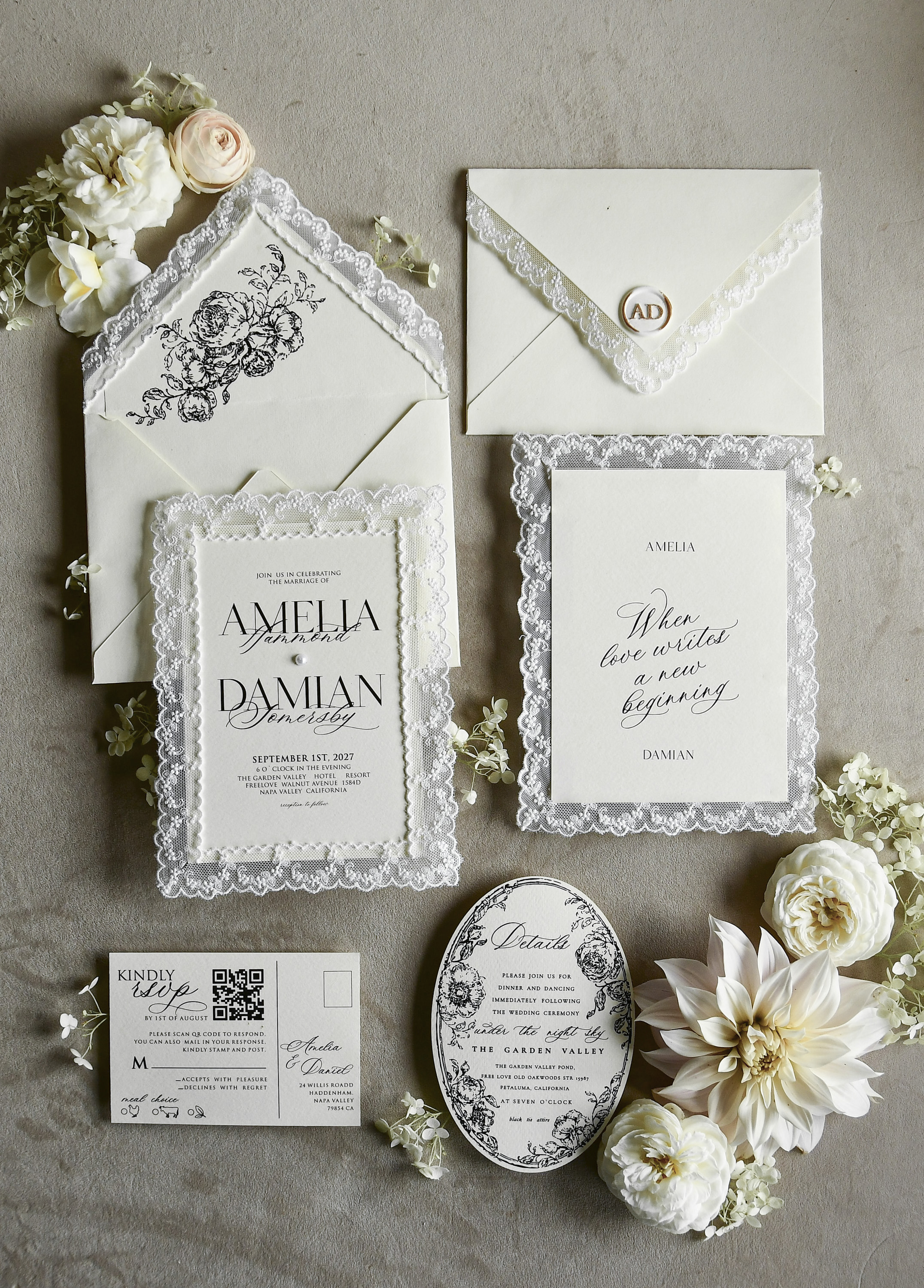
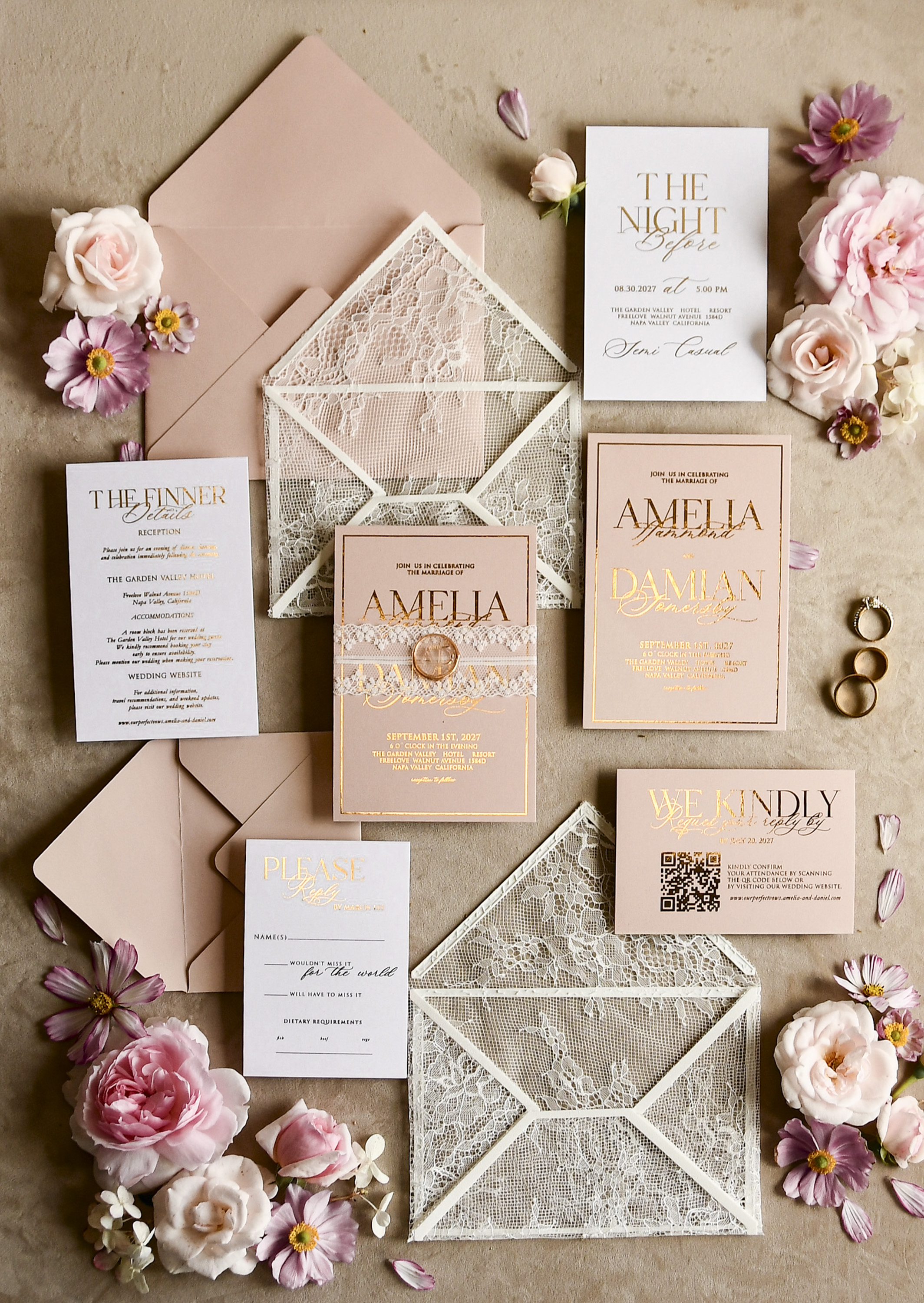
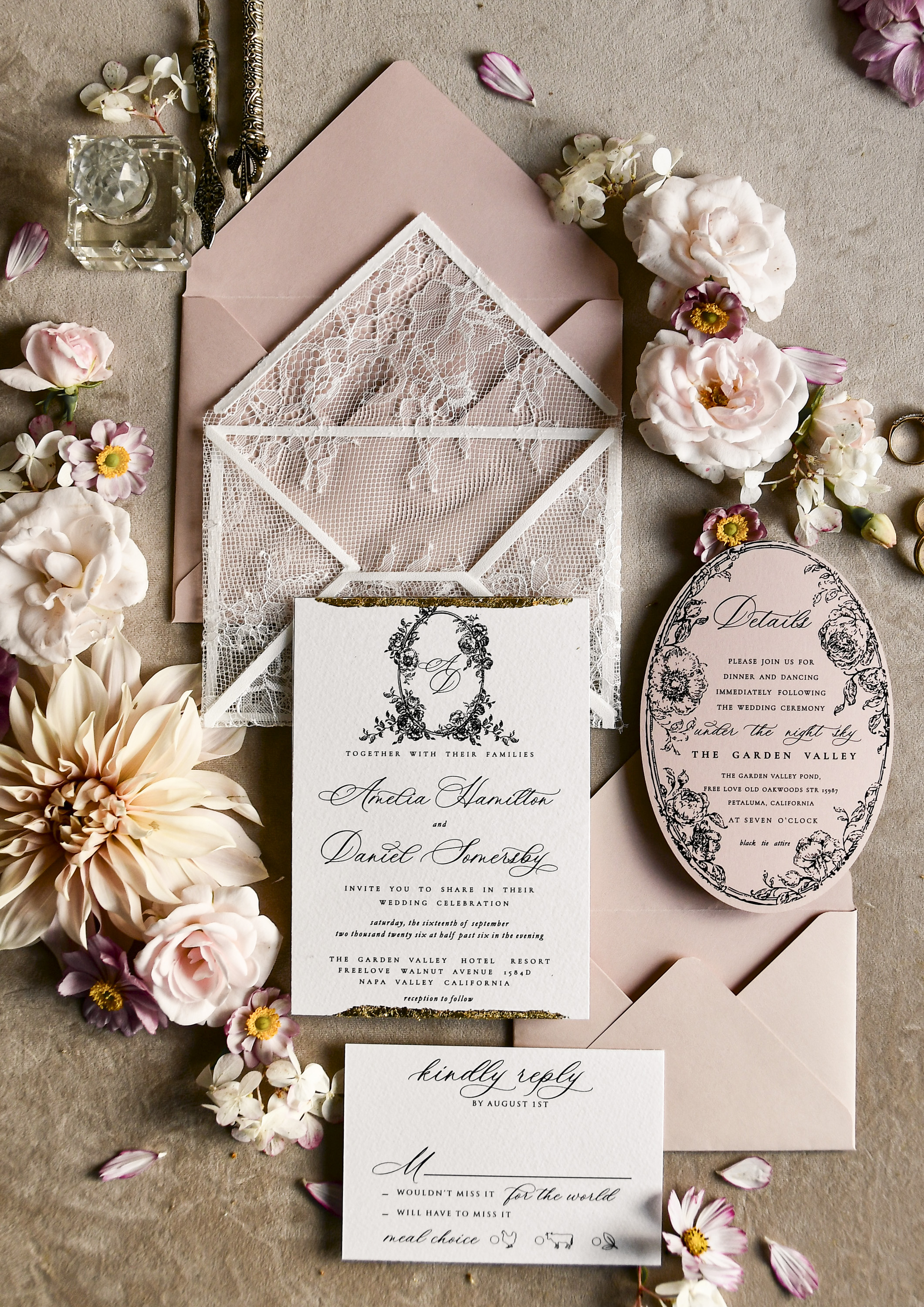
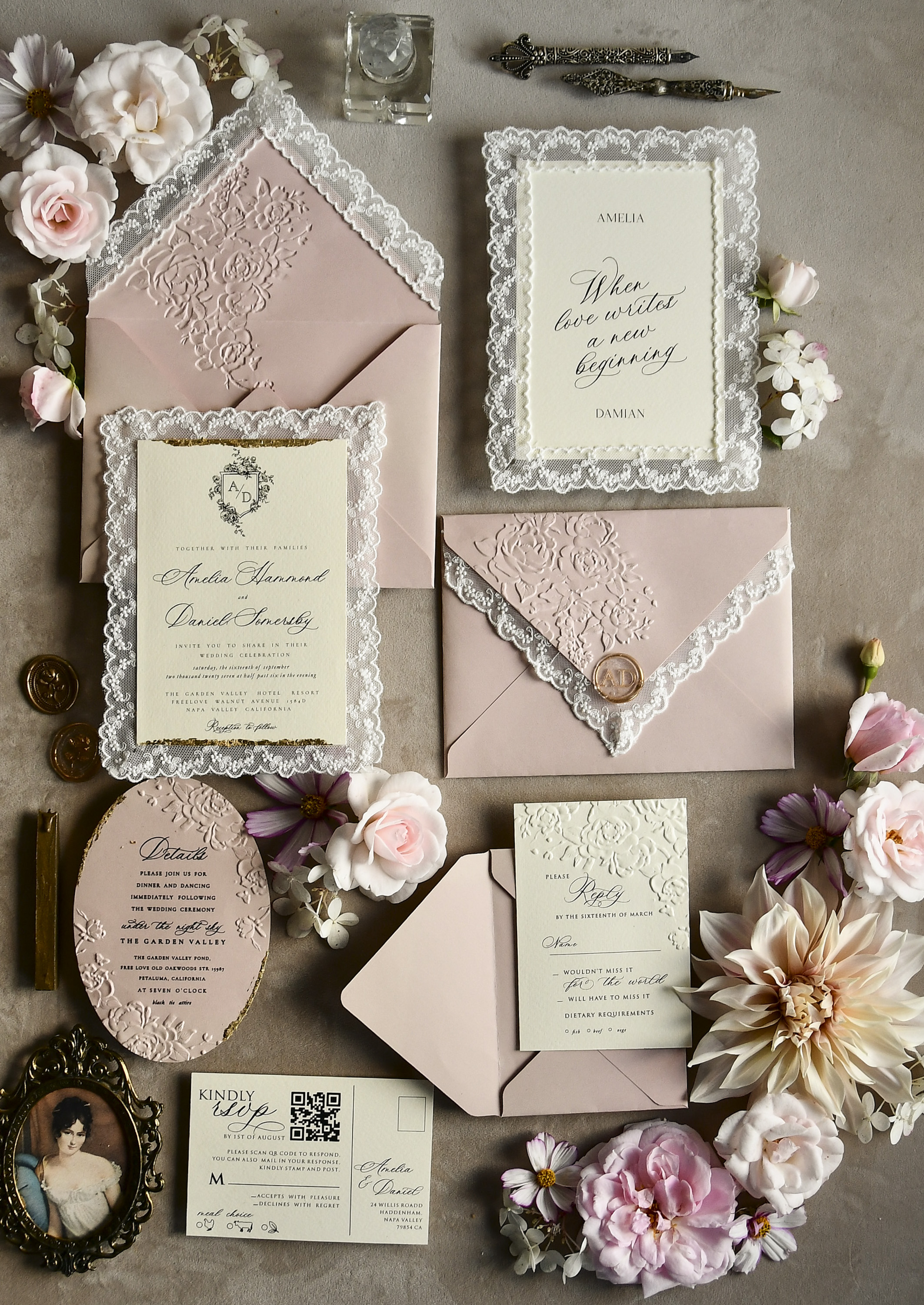
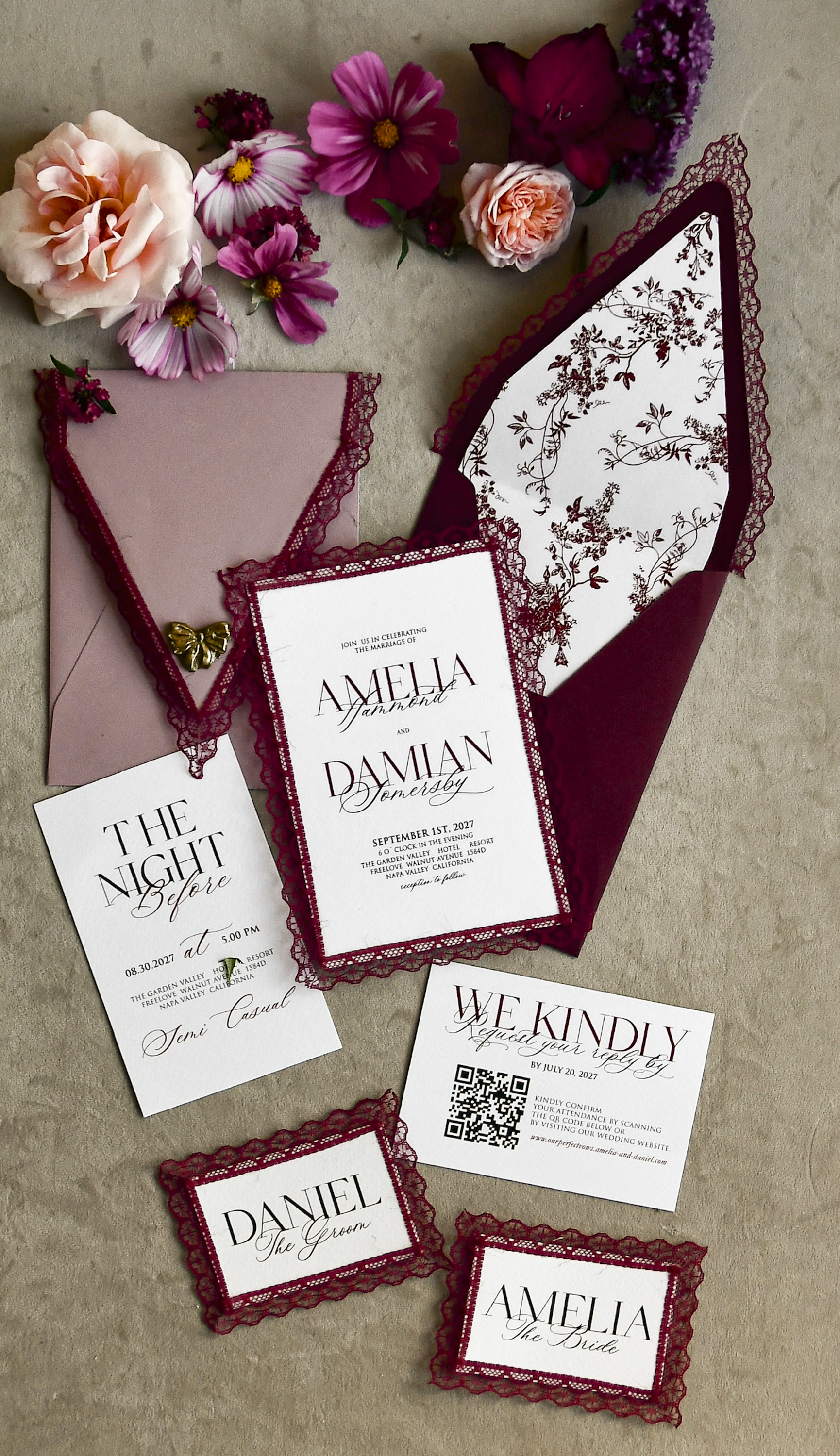
- Send a beautiful announcement after the wedding. Our 09/laceD/z vintage lace wedding invitations — starting from $8.50 — have the kind of timeless, elegant look that makes even a post-wedding announcement feel special and intentional.
These gestures show thoughtfulness without compromising your vision. And if you do end up with a slightly larger list than planned, investing in well-designed stationery like the 09/laceD/z collection ensures every guest, invited early or late, receives something genuinely lovely.
Frequently Asked Questions
No, it's not rude — it's a personal decision based on your budget, venue size, and priorities. What matters most is how you communicate the decision. A kind, clear explanation delivered early goes a long way toward preventing hurt feelings.
If they're contributing financially, it's fair to give them some input on a portion of the guest list. Set a specific number of spots tied to their contribution before accepting any money, so expectations are clear from the start.
Talk privately with your partner before any family conversations happen. Present a united front — decisions about in-law guests should always come from their own child, not from you directly, to keep family relationships intact.
Yes, a reception-only invitation is a widely accepted option for guests who aren't part of the ceremony. Just make sure the invitation wording is clear so there's no confusion about timing or expectations.
Keep it simple and logistical: "We've reached our venue's capacity and had to finalize the list." Avoid over-explaining or making it personal — a venue limit is an objective reason that's hard to argue with.
Sending a wedding announcement after the fact is a thoughtful way to share the news with people who couldn't be included. It acknowledges them without implying they should have been on the guest list, and it's a gesture that's generally well-received.
See This Design Up Close
You May Also Like
More Wedding Planning Guides
- → Handling Family Guest List Pressure Without Losing Your Mind (or Your Vision)
- → Last-Minute RSVP Changes: How to Stay in Control When Guests Switch Their Answer
- → Plus-Ones for Teenagers: The Honest Wedding Etiquette Guide
- → RSVP Follow-Up Timing: Your No-Stress Guide to Chasing Late Replies
- → Family Affair or Adults-Only? How to Navigate the Kids-at-Your-Wedding Question
- → Making Your Wedding Kid-Friendly: Childcare, Entertainment, or Both?
- → What to Say When Someone Assumes They're Invited to Your Wedding
- → Guests Who RSVP Yes and Don't Appear: A Practical Guide for Couples
- → Adults-Only Wedding: How to Spread the Word Without Hurt Feelings
- → Trim Your Wedding Guest List Without the Awkwardness
- → The Estranged Sibling Invitation Dilemma: A Thoughtful Guide for Couples
- → Someone Added Extra Names to Your RSVP Card — Here's Exactly What to Do
- → Your Wedding Invitation Send-Off: Getting the Timing Just Right
- → Uninvited Plus-Ones and Tag-Alongs: How to Keep Your Guest List Intact
- → When Family Feuds Threaten Your Wedding Plans: A Practical Peacekeeper's Guide
- → Inviting an Estranged Brother or Sister: Finding Clarity Before You Seal the Envelope
- → Cousins, Invites, and Hard Choices: A Practical Guest List Guide