
Guests Who RSVP Yes and Don't Appear: A Practical Guide for Couples
You carefully addressed every envelope, tracked every response, and finalized your headcount — then wedding day arrives and a handful of seats sit empty. Guests who RSVP "yes" and don't show up is one of the most common (and most frustrating) surprises couples face. It costs real money, creates awkward gaps at tables, and can sting emotionally. The good news: with a little preparation and the right mindset, you can handle it without letting it derail your celebration.
Why It Happens More Often Than You'd Think
No-shows after a confirmed RSVP rarely come from bad intentions. Life gets in the way — sudden illness, a family emergency, a flight cancellation, or a last-minute conflict the guest felt too embarrassed to mention. Research from wedding planners consistently shows that 2–5% of confirmed guests typically don't attend, and at larger weddings that number can climb higher.
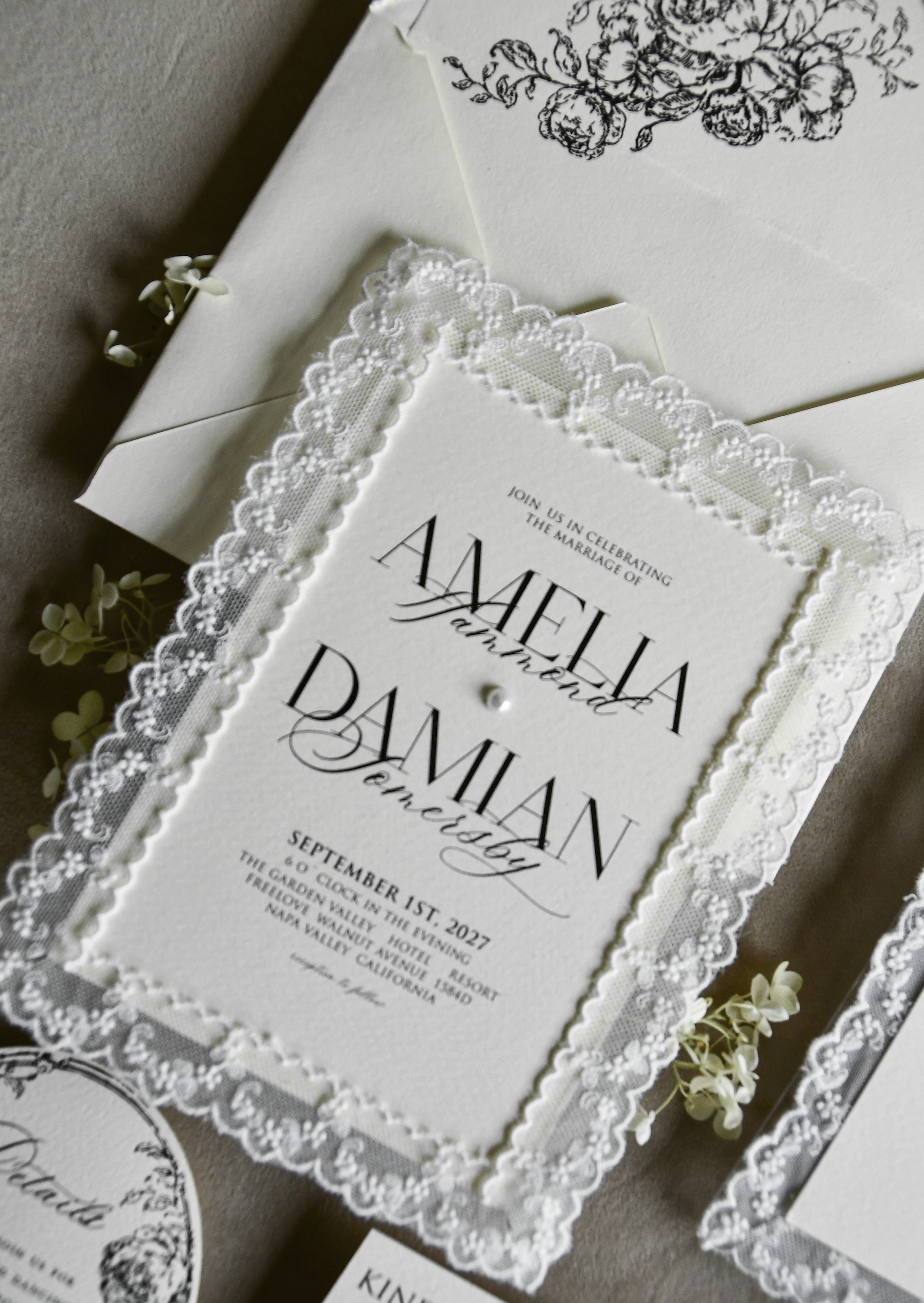
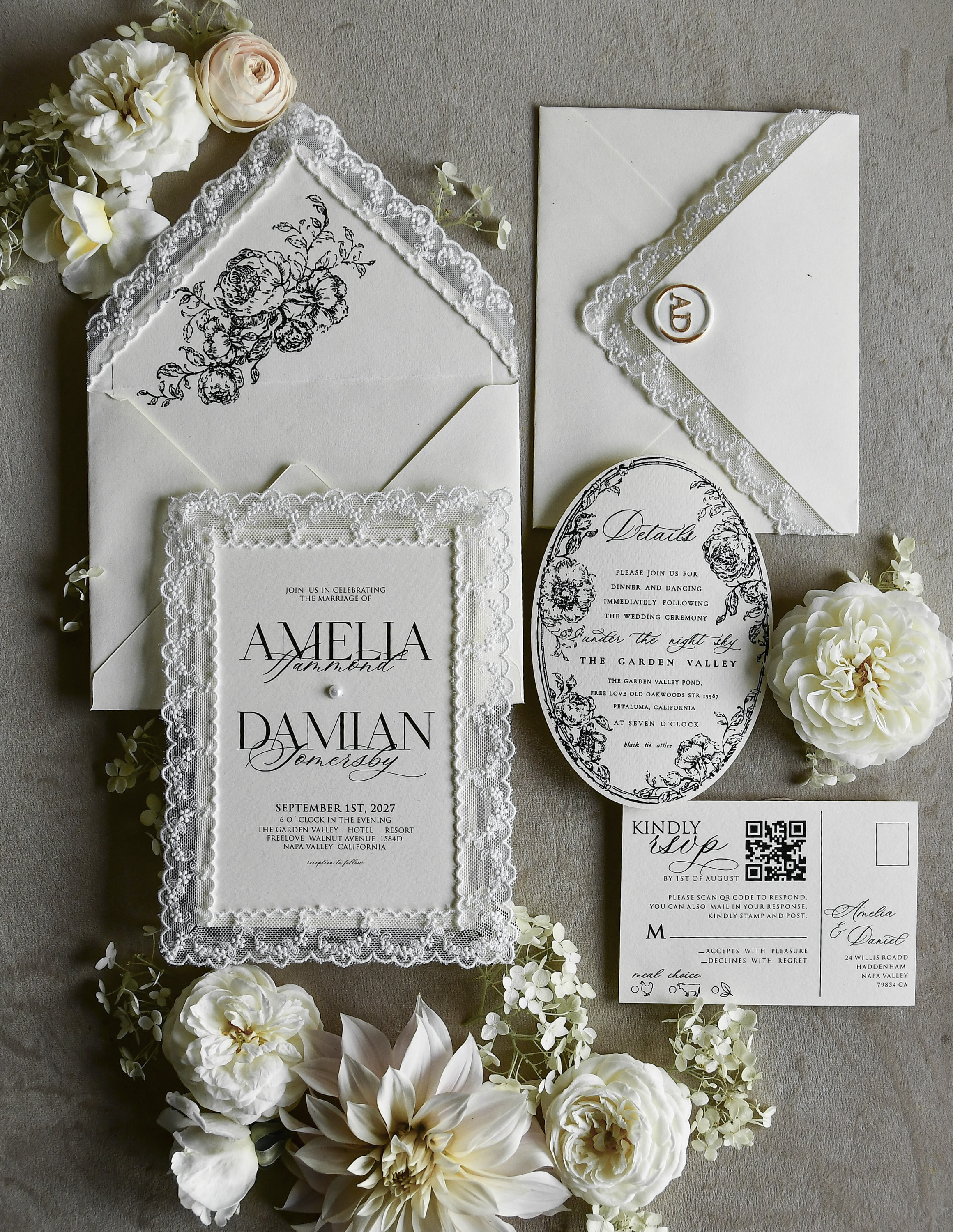
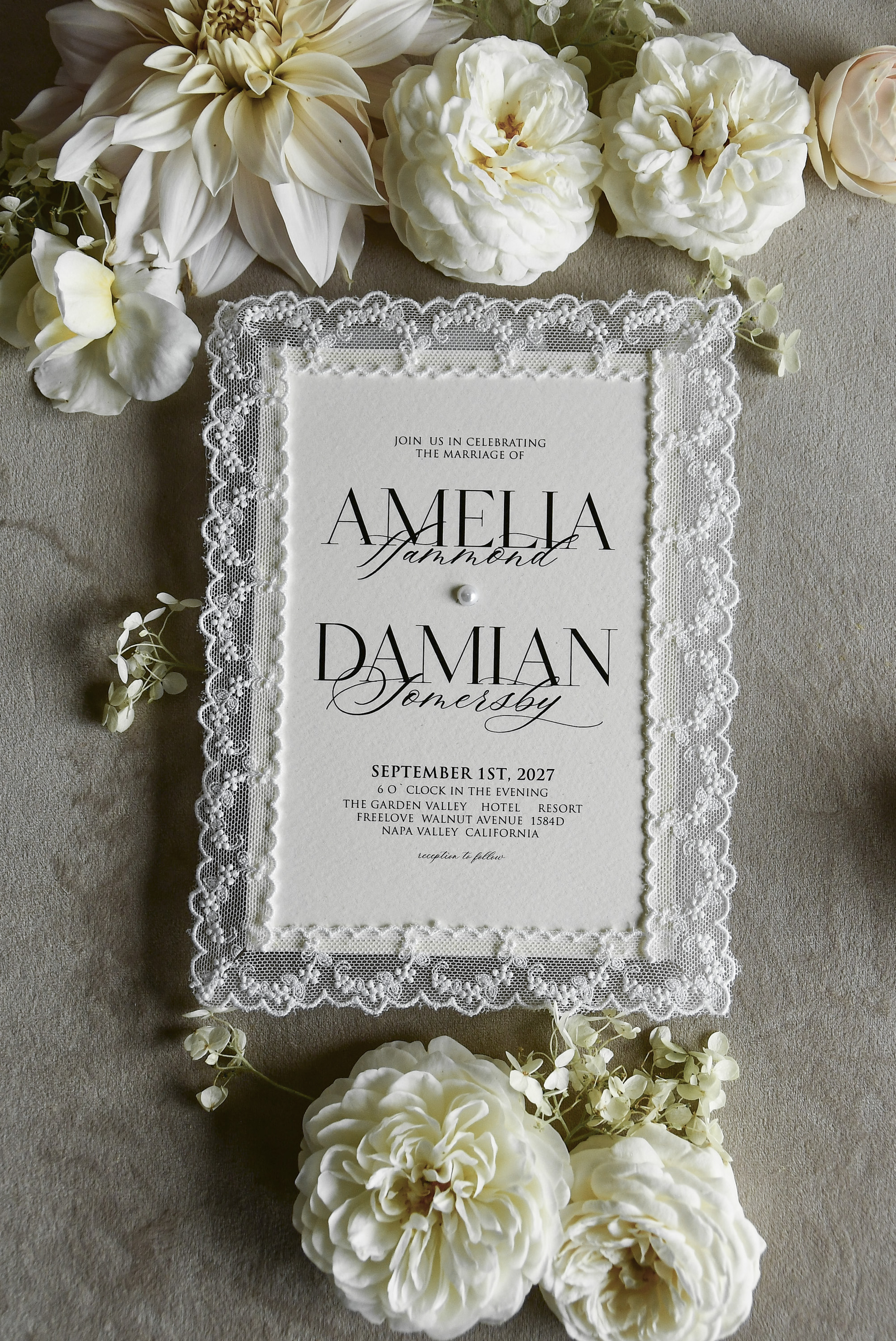
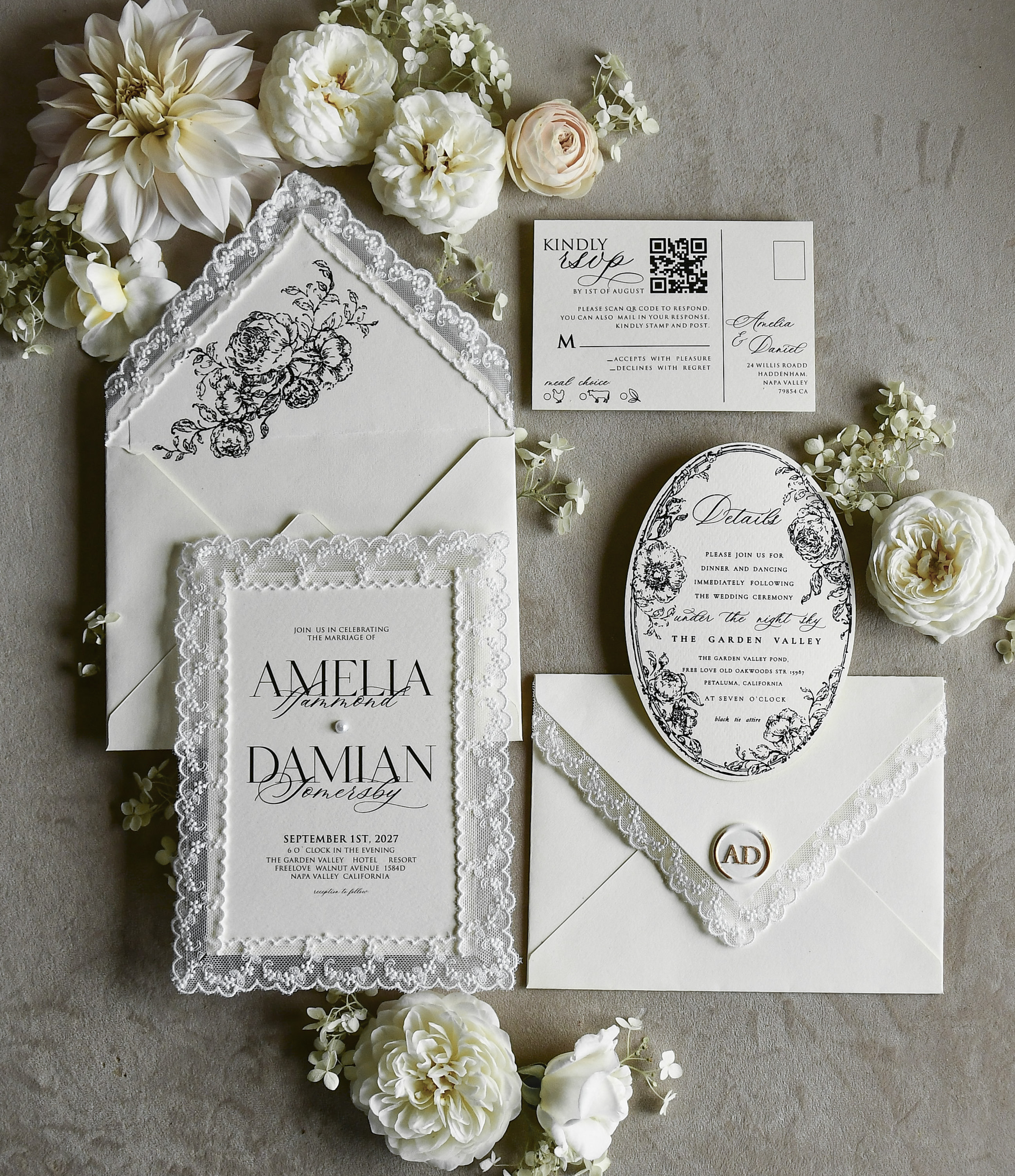
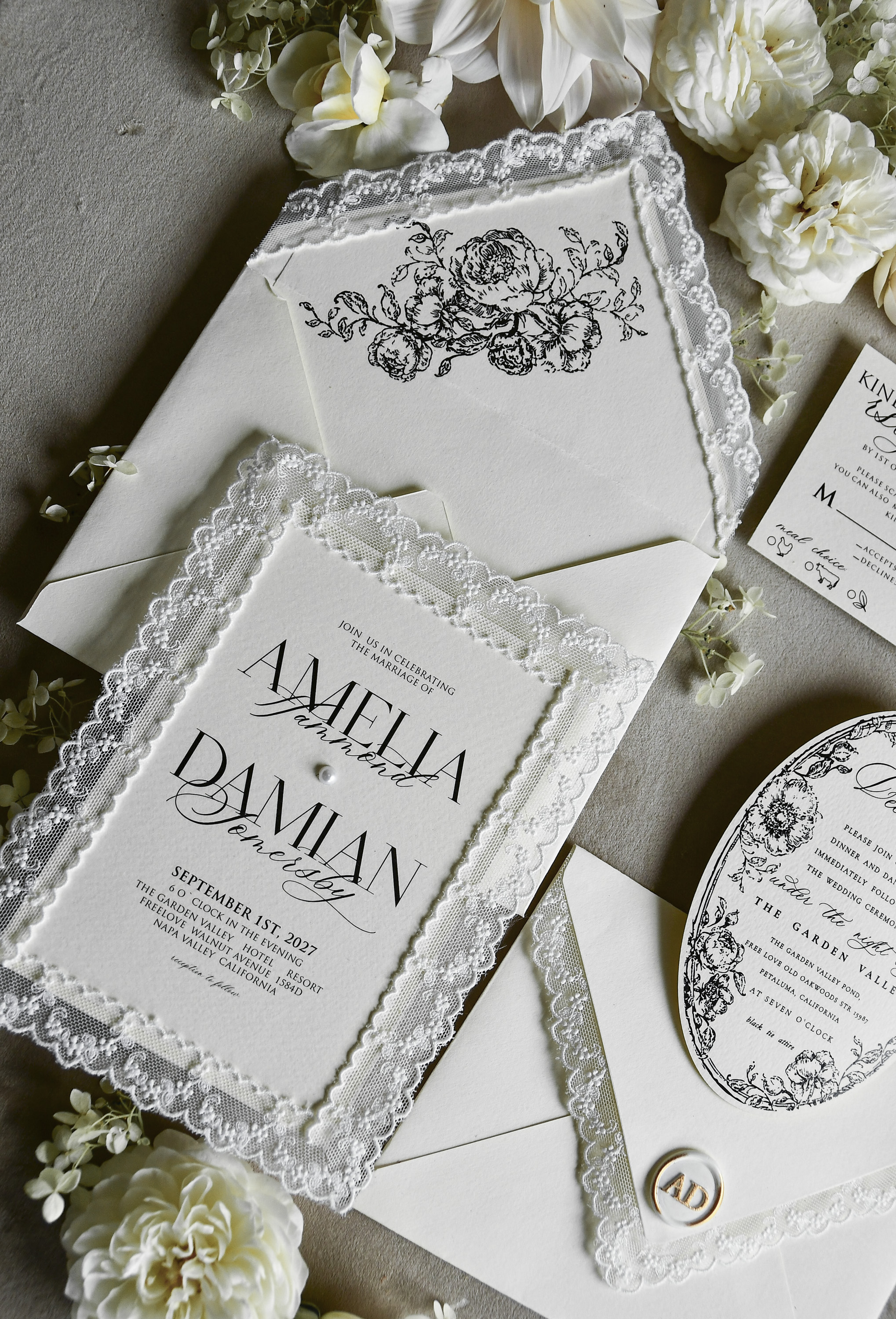
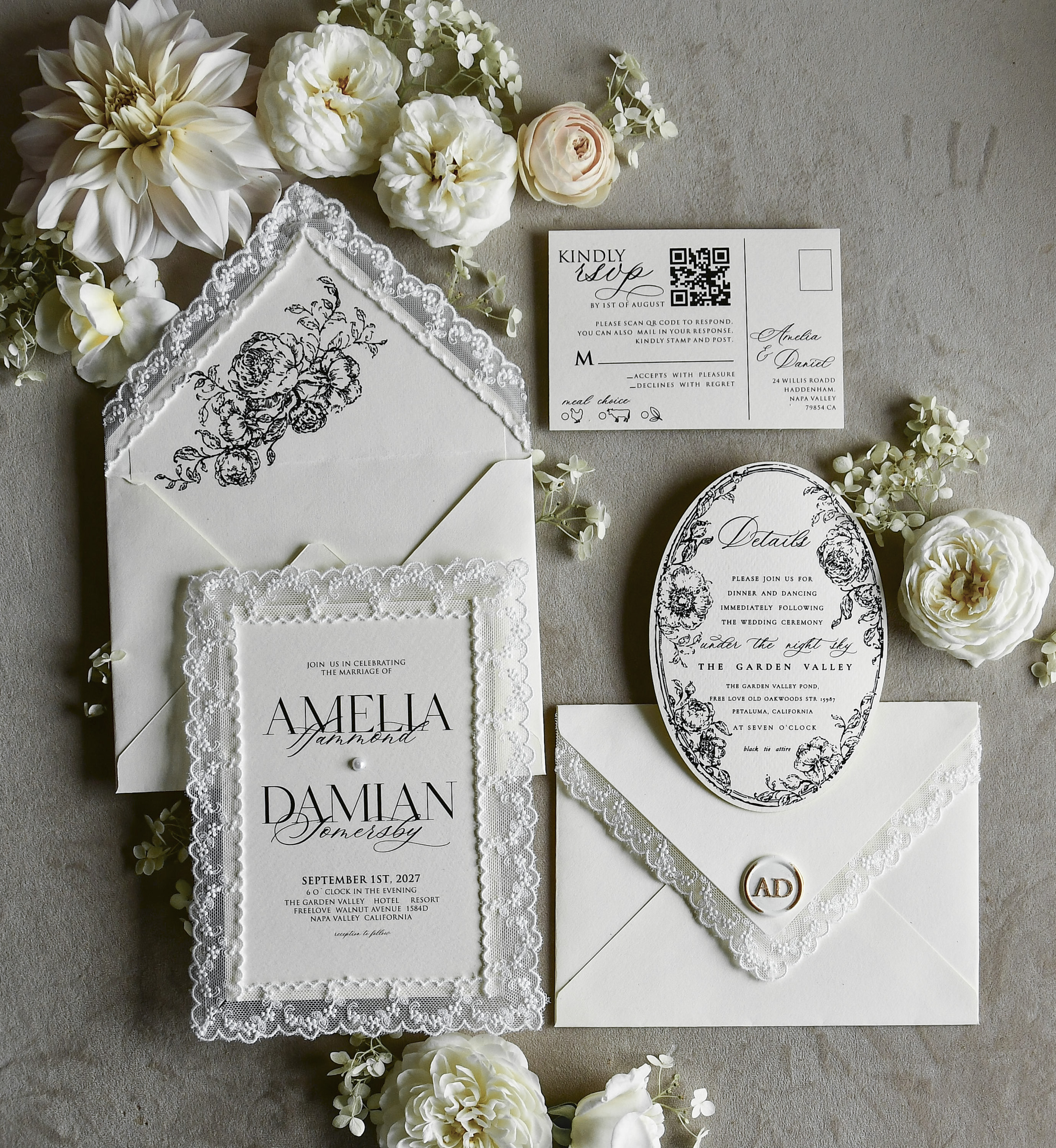
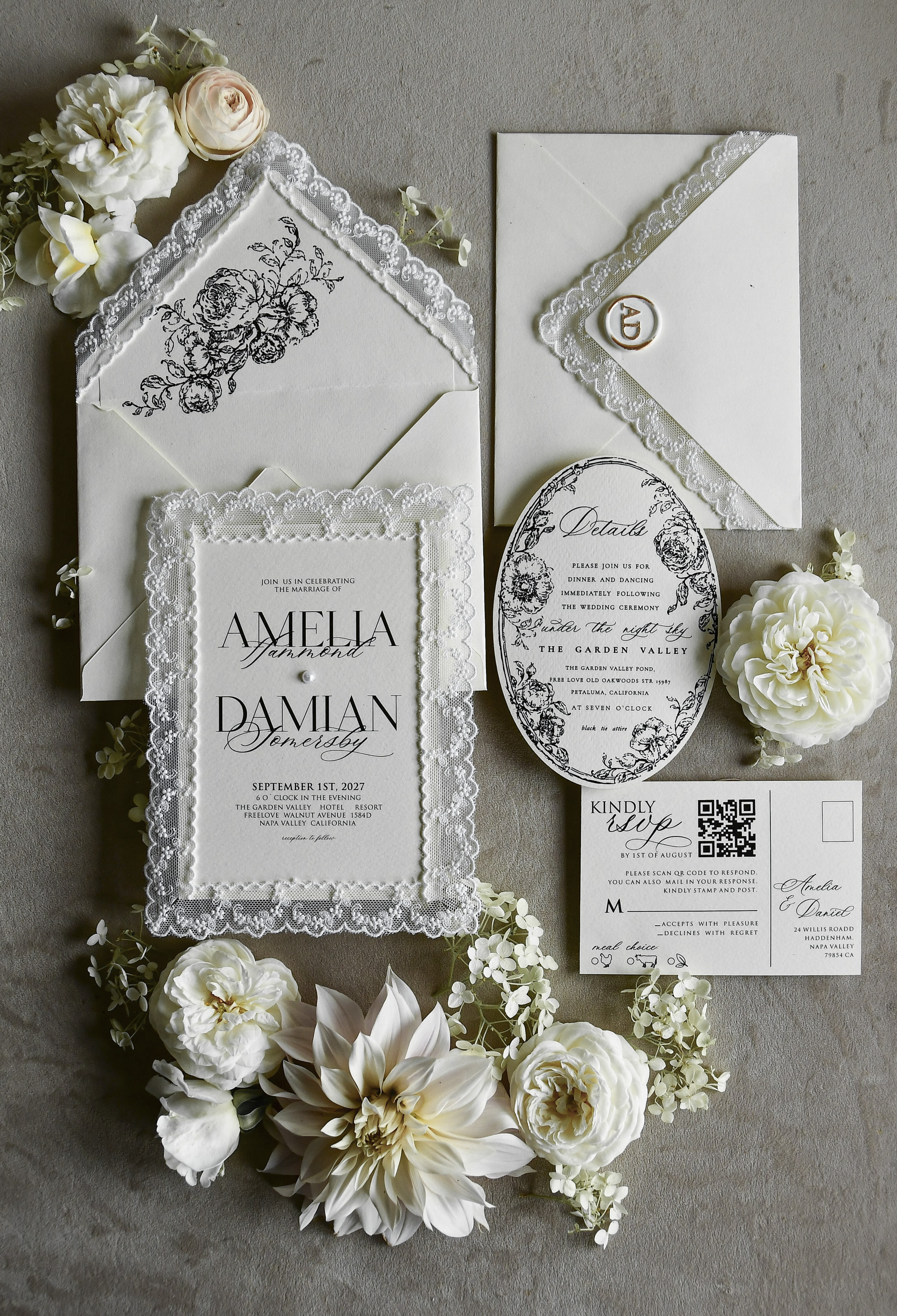
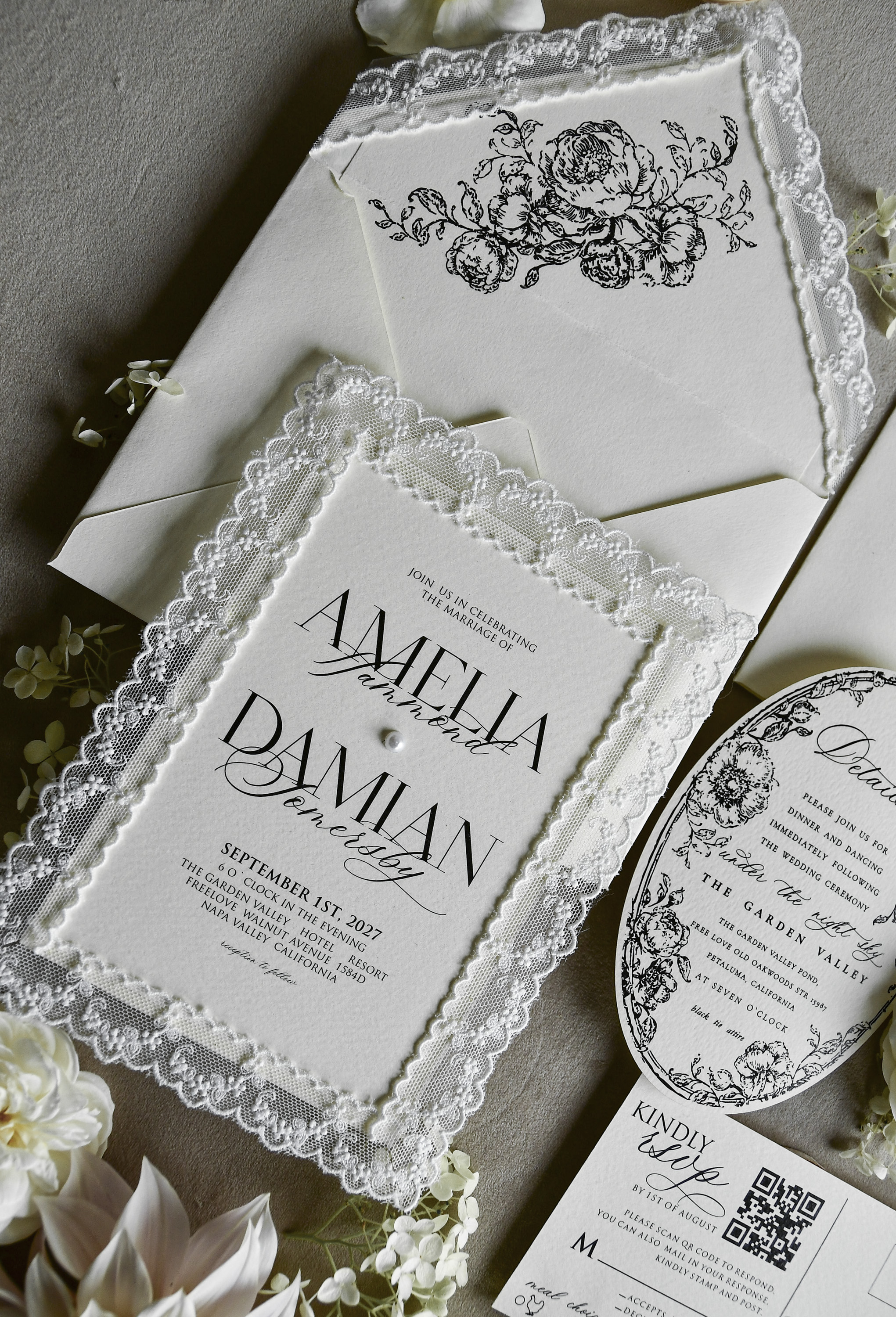
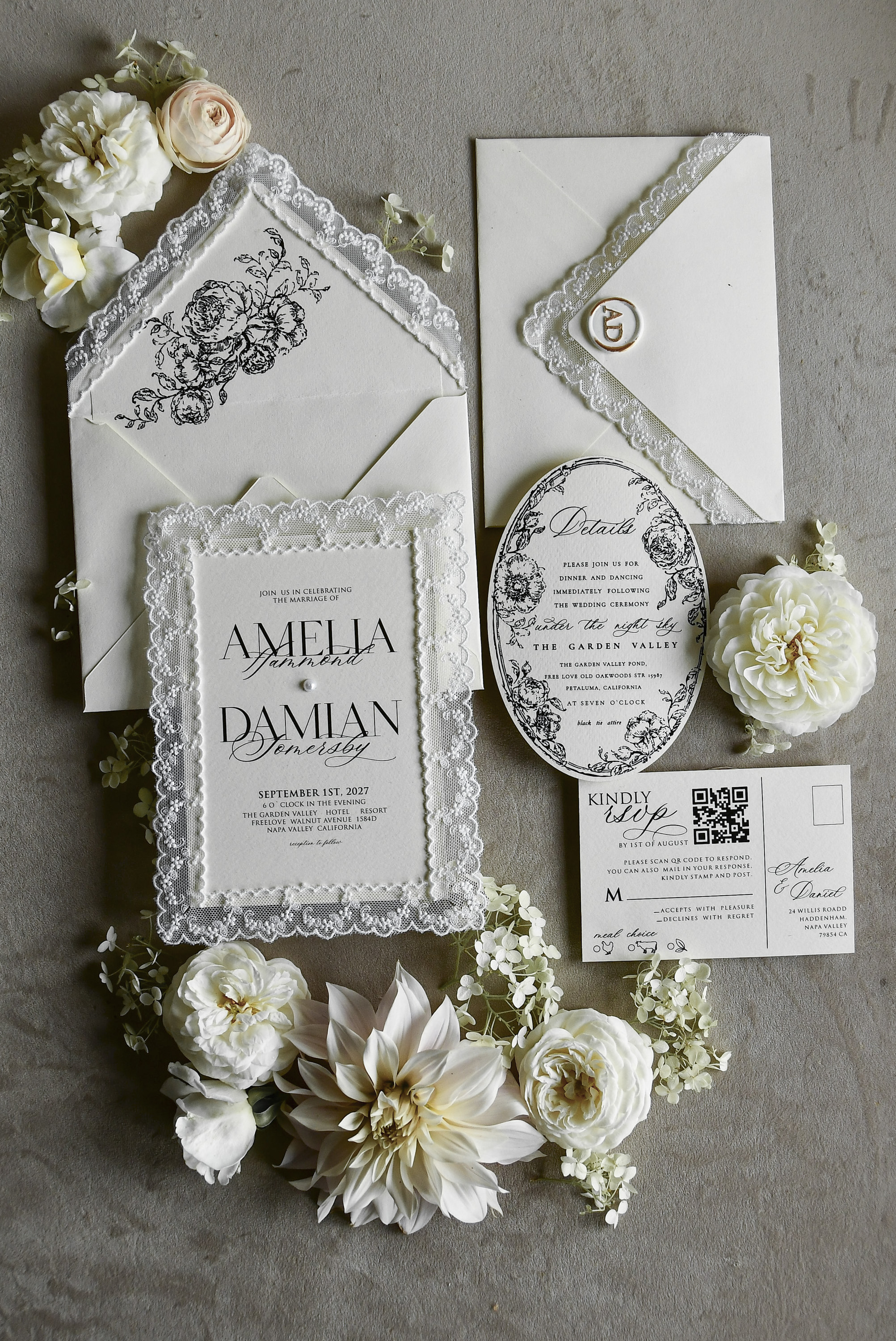
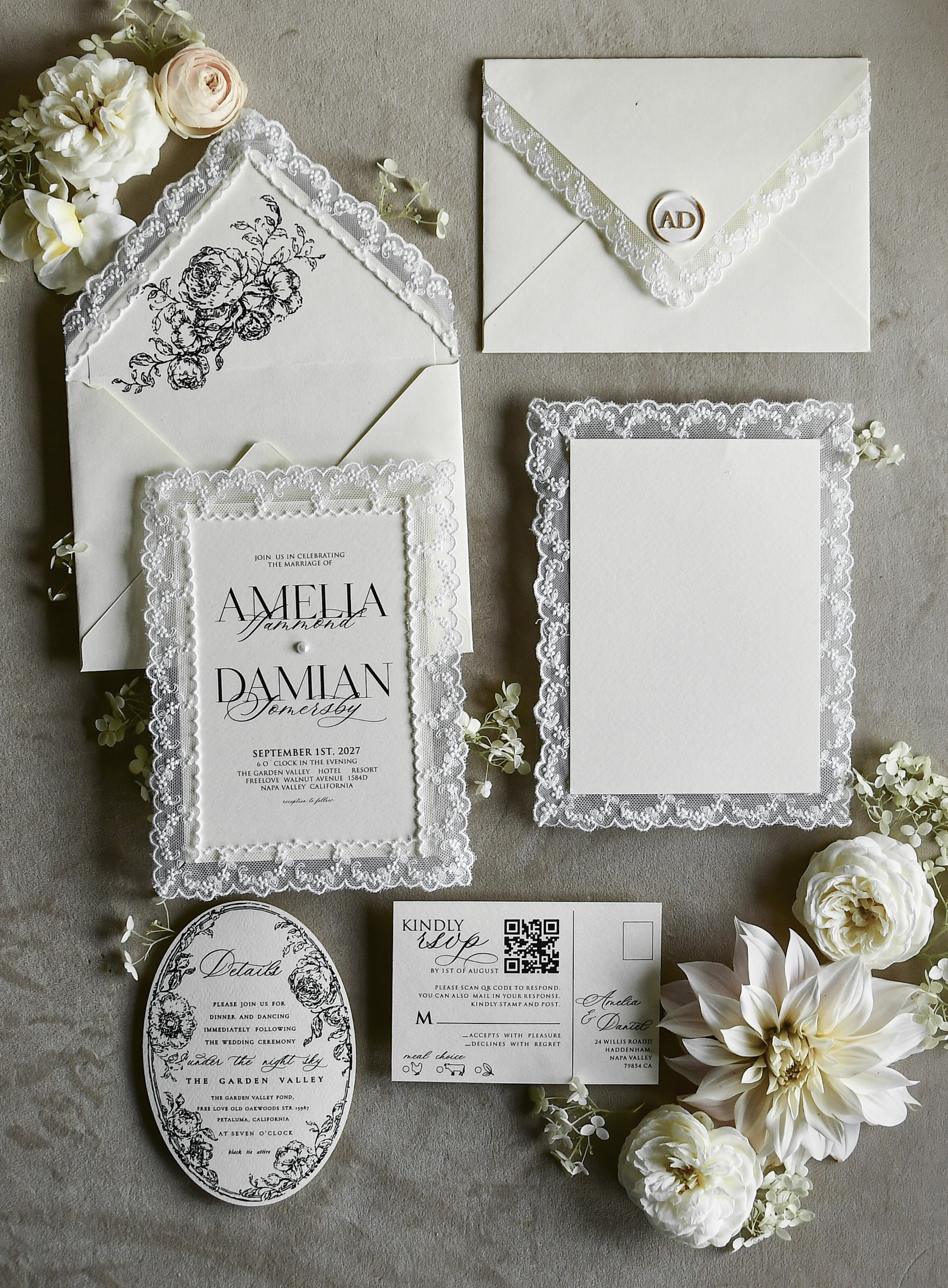
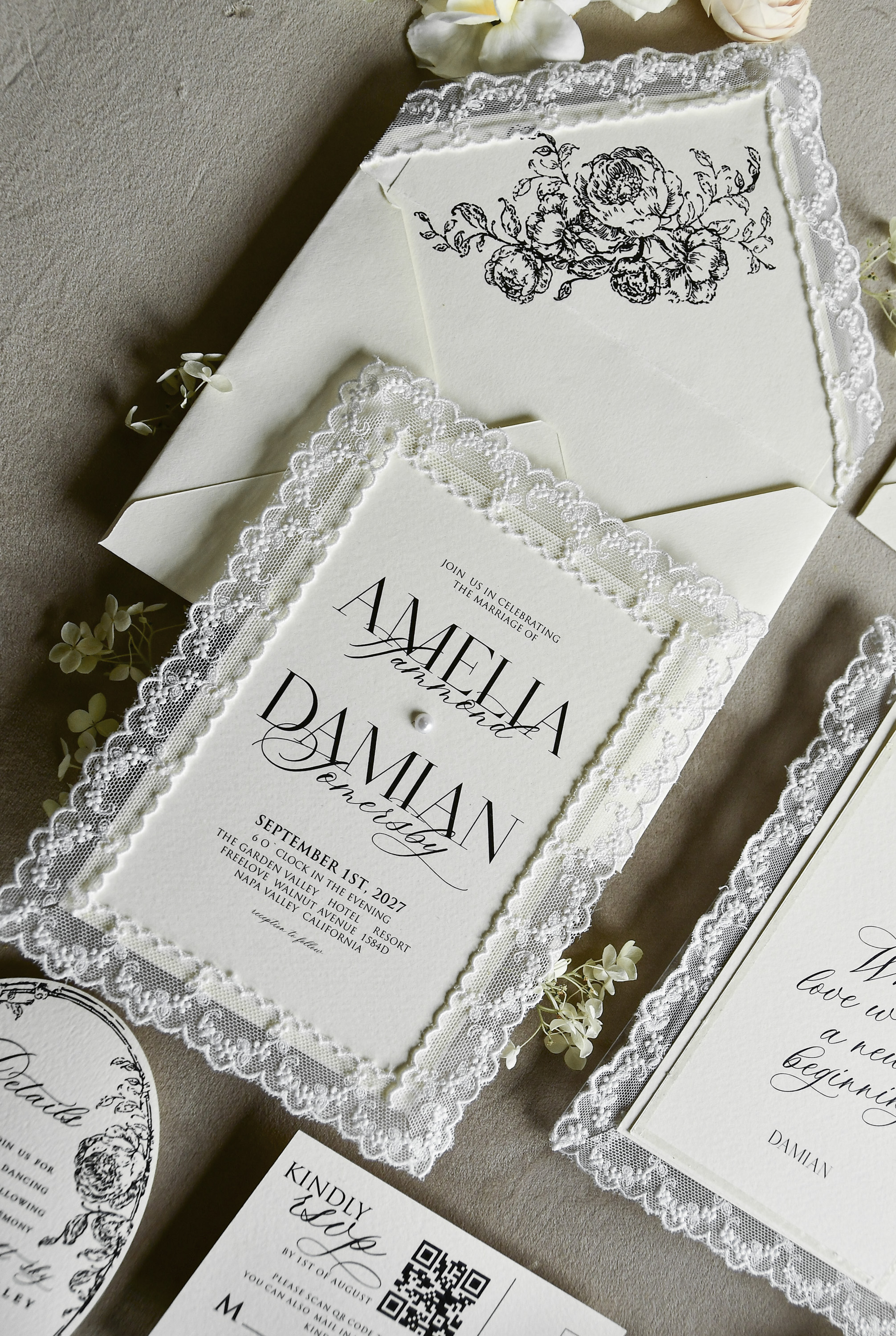
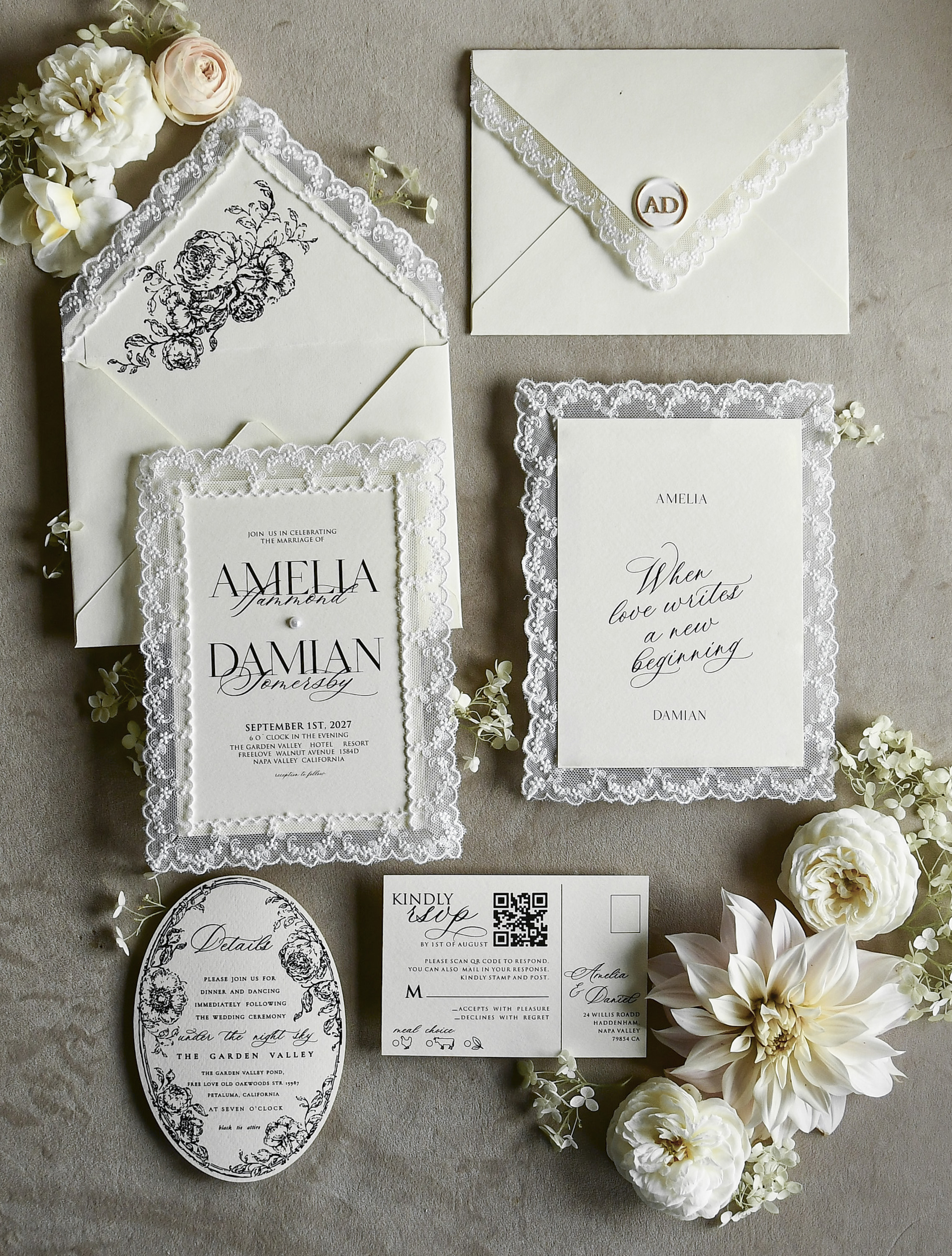
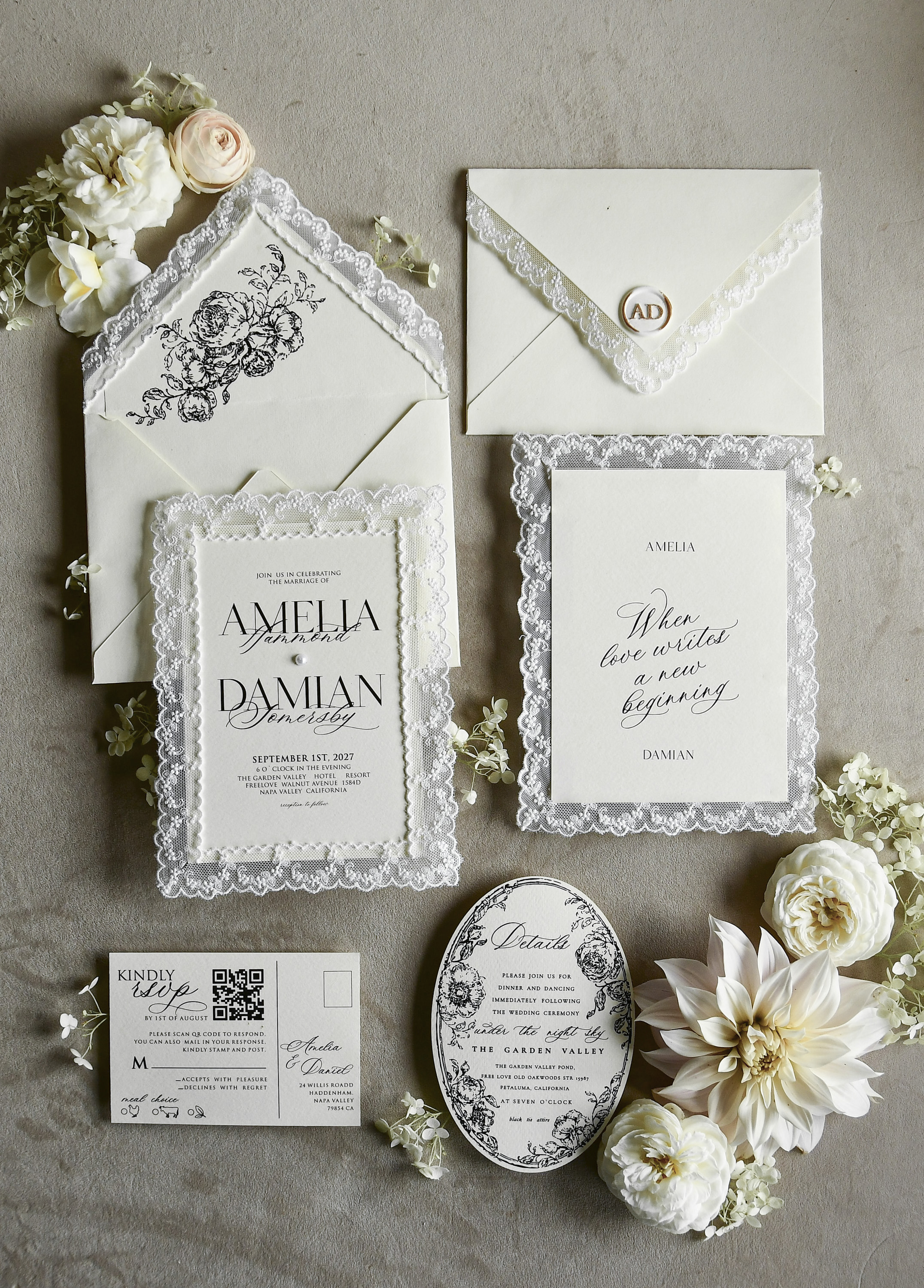
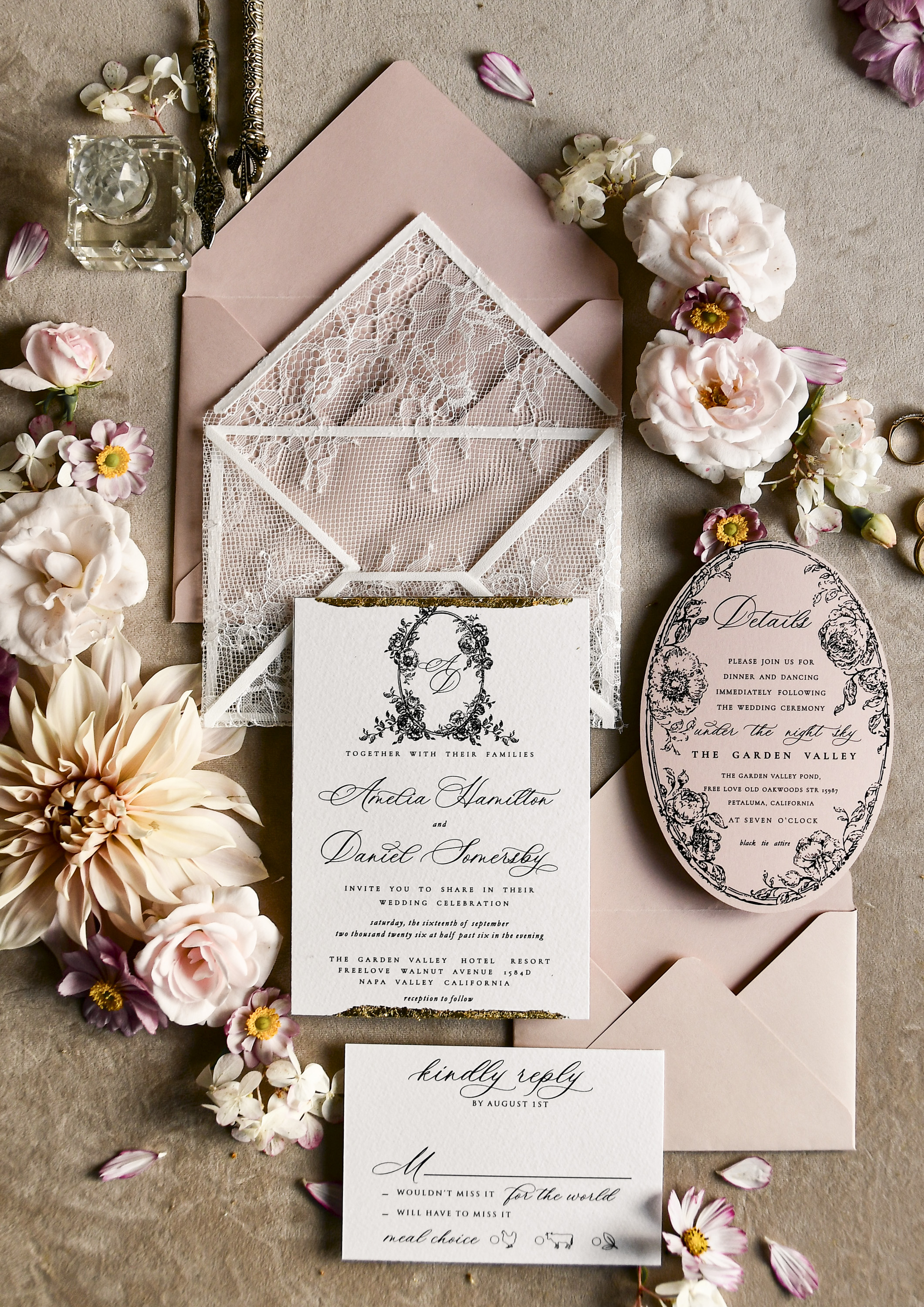
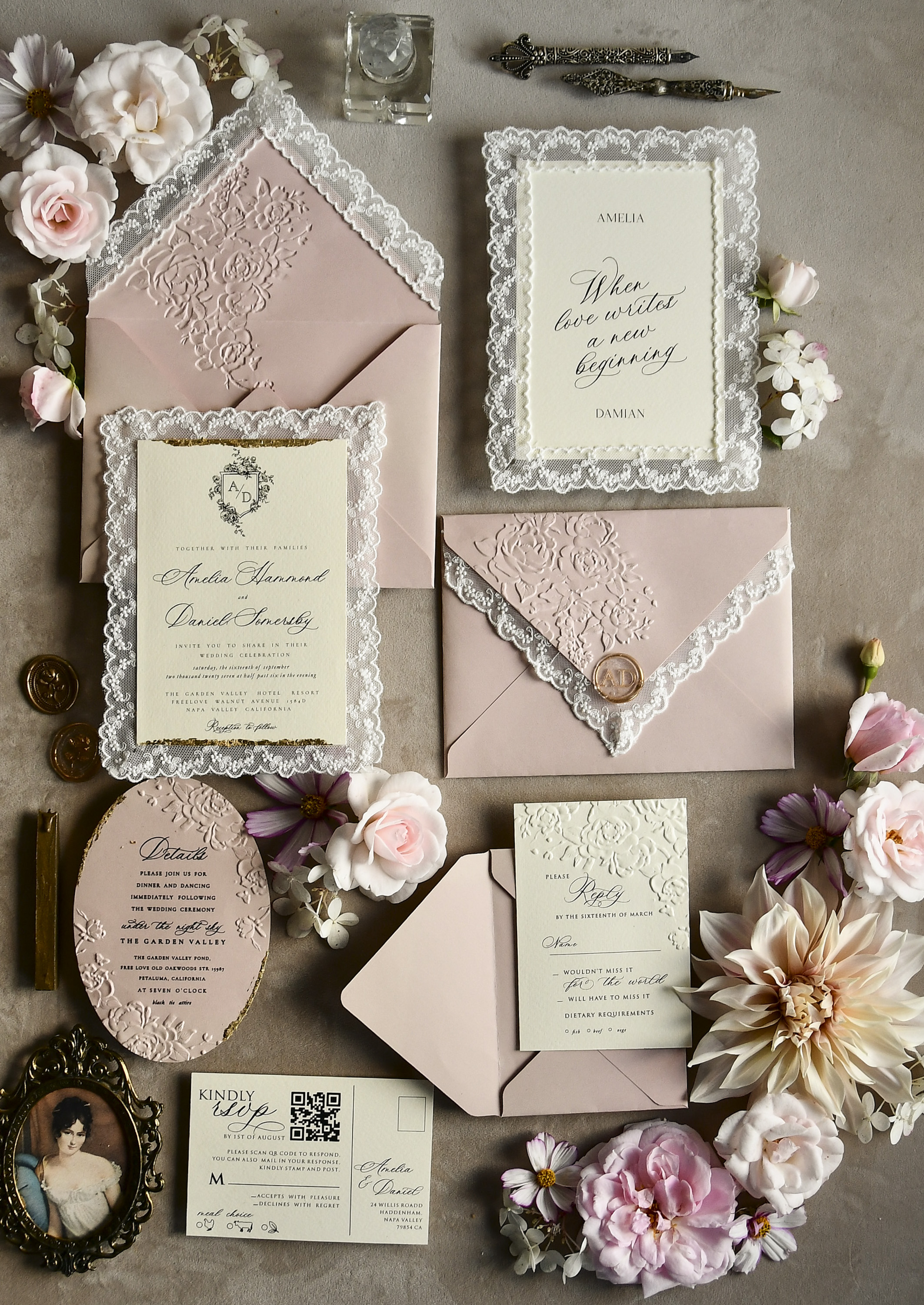
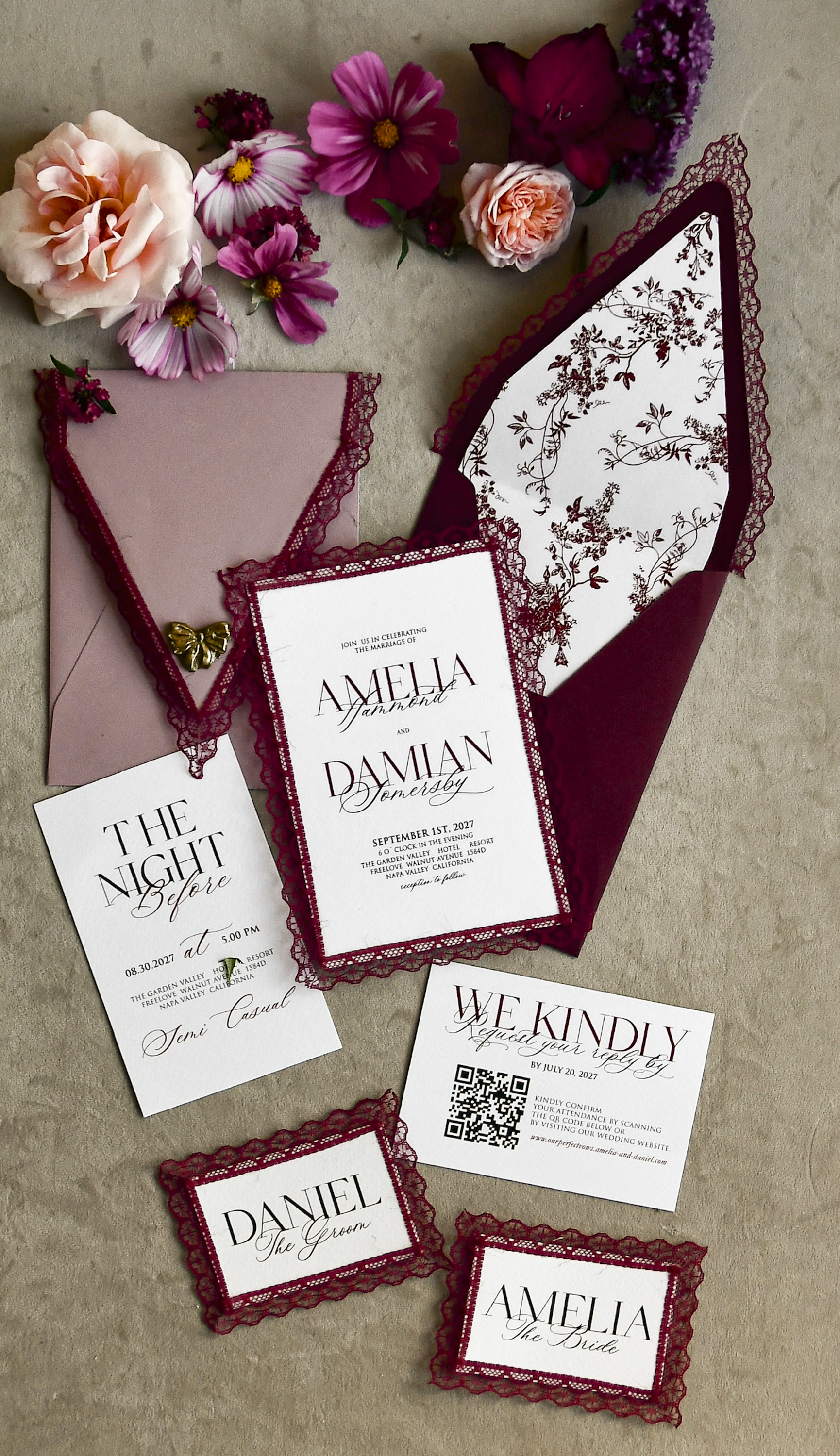
That said, some no-shows are simply a result of guests treating an RSVP casually. When your invitation doesn't communicate a firm deadline or make the response feel important, people may say yes before they've truly committed. A beautifully designed invitation suite — like the 09/laceD/z vintage lace wedding invitation from Margo&Bees — signals that this is a formal, carefully planned event, which naturally encourages guests to take their RSVP seriously.
How to Plan Ahead and Cushion the Impact
The smartest move is to build no-shows into your planning before the wedding day ever arrives.
- Set a firm RSVP deadline. Four to six weeks before the wedding gives you time to follow up. Anyone who hasn't responded by the deadline gets a personal call or text — not another card.
- Add a buffer to your headcount. Tell your caterer and venue a number that is 3–5% higher than your confirmed "yes" count. This covers both no-shows and any surprise plus-ones.
- Keep a short waitlist. If your venue has a capacity limit and you had to cut the guest list, quietly identify 5–10 people you'd love to invite. Once your final headcount is confirmed, you can extend late invitations if space allows.
- Confirm with vendors using your best estimate. Your caterer needs a final count, usually 5–7 days out. Give them your realistic number — not the most optimistic one — so you're not paying for 20 untouched plates.
What to Do on the Wedding Day Itself
When empty seats appear, your job is to minimize disruption and protect the atmosphere you worked so hard to create.
- Assign a point person. Ask your wedding planner, coordinator, or a trusted family member to quietly consolidate seating if needed. Moving two empty chairs away from a table of six keeps the room feeling full.
- Don't announce it. Resist the urge to call out absent guests from the microphone or make it a topic of conversation. Most of your guests won't notice a few gaps unless you draw attention to them.
- Enjoy the extra breathing room. More food, more space on the dance floor, and shorter lines at the bar are genuine silver linings. Let yourself appreciate them.
- Notify your caterer quickly. If several guests from one table don't arrive, let your catering captain know early in the cocktail hour so they can adjust service accordingly.
Following Up After the Wedding — With Grace
Once the honeymoon glow fades, you may feel hurt or frustrated — and that's completely valid. Here's how to handle follow-up without damaging relationships.
Wait before reaching out. Give it a week or two. Emotions run high right after the wedding, and a message sent in frustration can cause lasting damage to a friendship or family bond.
Lead with curiosity, not accusation. A simple "Hey, we missed you at the wedding — hope everything is okay" opens the door for the guest to explain without feeling attacked. Most of the time, there was a genuine reason they're embarrassed about.
Decide what a gift response looks like. Etiquette does not require you to send a thank-you note for a no-show guest who gave no gift. If they did send a gift, a gracious thank-you note is still appropriate — keep it warm and brief, without referencing the absence unless they brought it up first.
For guests who were close to you and offered no explanation at all, a quiet, honest conversation is healthier than letting resentment build. Most of the time, reconnecting in person or over the phone resolves it far better than any text exchange could.
Setting Expectations From the Start
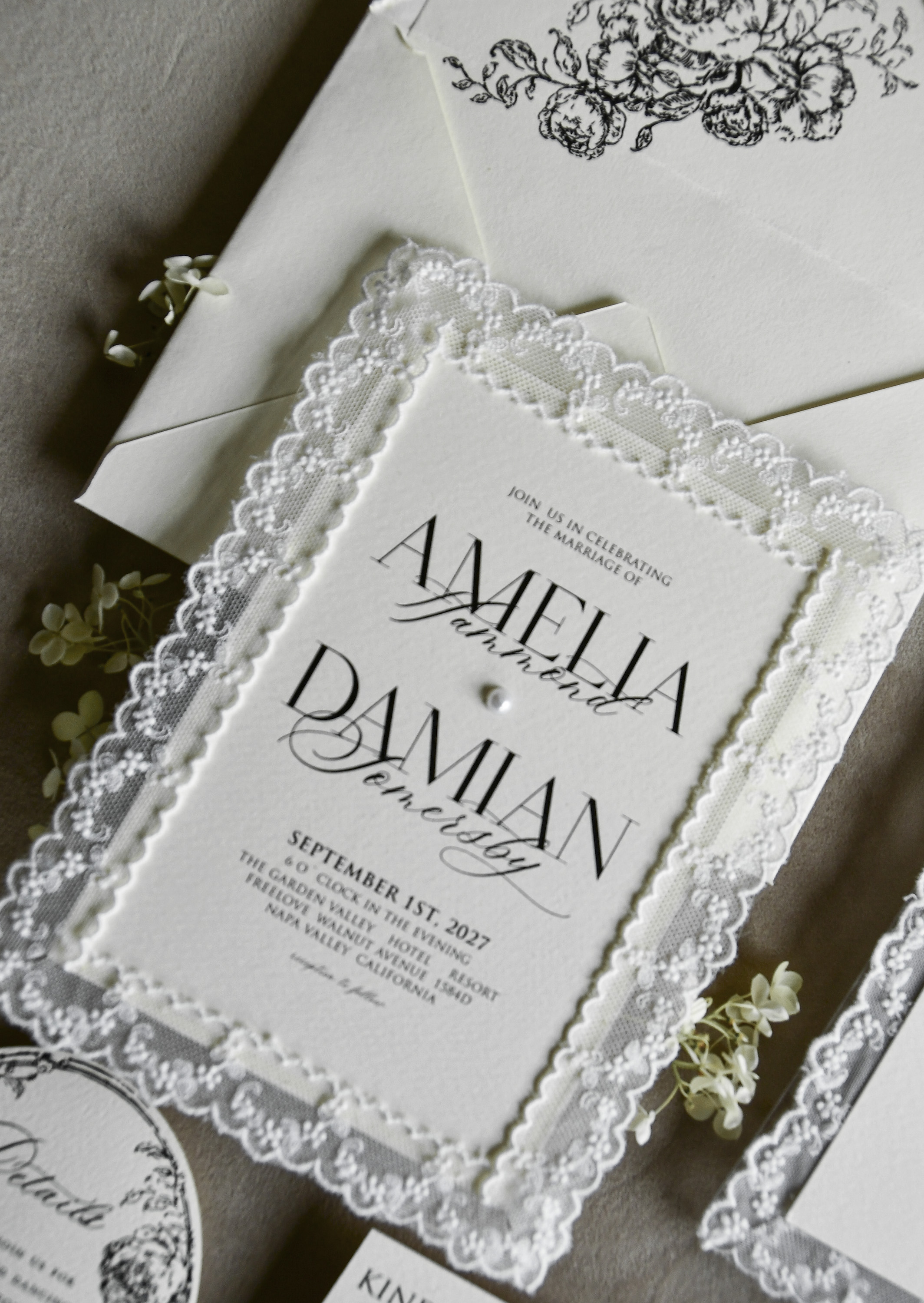
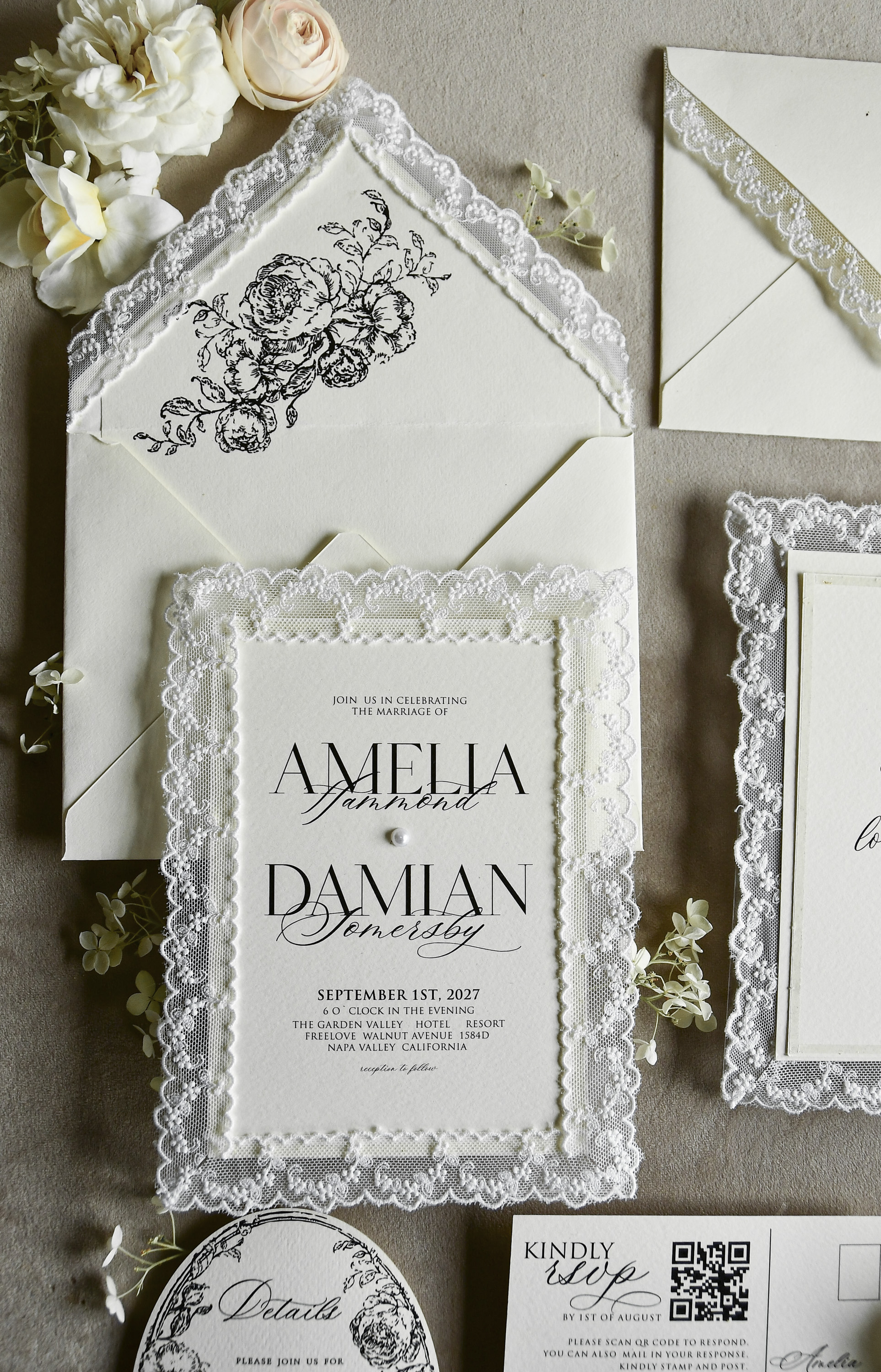
One of the most effective ways to reduce casual no-shows is to make your invitation feel like the meaningful keepsake it is. When guests receive something beautiful — like the intricate vintage lace detailing of the 09/laceD/z invitation suite — they're reminded that real effort went into this event. That visual cue alone can make a difference in how seriously people treat their commitment.
Pair a striking invitation with a clear RSVP card, a firm deadline, and a follow-up process, and you've done everything in your power to set accurate expectations. The rest, unfortunately, is up to your guests.
Frequently Asked Questions
In most cases, yes — caterers and venues charge based on your guaranteed headcount, which is typically locked in 5–7 days before the wedding. This is one of the strongest reasons to give your caterer a slightly conservative final number rather than your full confirmed count.
A brief, friendly message is appropriate if the person is close to you — something like "We missed you and hope you're okay" works well. Avoid accusatory language, and give yourself a week or two before reaching out so emotions have settled.
It depends on your relationship. For close friends or family, a gentle conversation is fine and often helpful for closure. For more distant guests, a simple check-in without demanding an explanation is the more gracious approach.
Industry experience suggests roughly 2–5% of confirmed guests won't attend, though this varies by factors like travel distance and how far in advance the wedding is. For a 150-person wedding, that could mean 3–8 empty seats on average.
Last-minute invitations are generally not recommended — they can feel like an afterthought and may offend the recipient. However, if you had a waiting list due to venue capacity limits, reaching out a few weeks before the wedding to extend a proper invitation is perfectly acceptable.
Ask your coordinator or a trusted helper to quietly remove extra chairs or consolidate partially empty tables before guests are seated. Most guests won't notice small gaps if the room is arranged thoughtfully, so act early in the cocktail hour before anyone sits down.
See This Design Up Close
You May Also Like
More Wedding Planning Guides
- → Handling Family Guest List Pressure Without Losing Your Mind (or Your Vision)
- → Last-Minute RSVP Changes: How to Stay in Control When Guests Switch Their Answer
- → Plus-Ones for Teenagers: The Honest Wedding Etiquette Guide
- → RSVP Follow-Up Timing: Your No-Stress Guide to Chasing Late Replies
- → Family Affair or Adults-Only? How to Navigate the Kids-at-Your-Wedding Question
- → Making Your Wedding Kid-Friendly: Childcare, Entertainment, or Both?
- → What to Say When Someone Assumes They're Invited to Your Wedding
- → When Future In-Laws Want to Add Their Friends to Your Guest List
- → Adults-Only Wedding: How to Spread the Word Without Hurt Feelings
- → Trim Your Wedding Guest List Without the Awkwardness
- → The Estranged Sibling Invitation Dilemma: A Thoughtful Guide for Couples
- → Someone Added Extra Names to Your RSVP Card — Here's Exactly What to Do
- → Your Wedding Invitation Send-Off: Getting the Timing Just Right
- → Uninvited Plus-Ones and Tag-Alongs: How to Keep Your Guest List Intact
- → When Family Feuds Threaten Your Wedding Plans: A Practical Peacekeeper's Guide
- → Inviting an Estranged Brother or Sister: Finding Clarity Before You Seal the Envelope
- → Cousins, Invites, and Hard Choices: A Practical Guest List Guide