
When Kids Deserve Their Own Wedding Invitation: An Age-by-Age Guide
One of the quieter etiquette puzzles of wedding planning is this: at what point does a child stop being a footnote on their parents' invitation and become a guest in their own right? The answer involves a mix of tradition, practicality, and a little common sense. Whether you're hosting a formal ballroom affair or a laid-back beach celebration, this guide will help you navigate exactly when — and how — to send children their very own invite.
The Traditional Rule: 18 and Older
Classic wedding etiquette holds that anyone 18 years of age or older living outside their parents' household should receive a separate invitation addressed solely to them. The reasoning is straightforward: once a person is a legal adult living independently, they are a distinct social unit. Lumping them in with Mom and Dad's invite can feel dismissive, as if their adulthood isn't quite recognized yet.
If an 18- or 19-year-old still lives at home, you have a choice. Many couples still send them their own invitation as a thoughtful acknowledgment of their growing independence — it's a small gesture that tends to be remembered warmly.
The Modern Approach: 13 and Older Is Increasingly Common
Many contemporary couples choose to send individual invitations to teenagers — typically anyone 13 and up — even when they live with their parents. Here's why this works so well:
- Teenagers feel genuinely included rather than an afterthought listed after their parents' names.
- It gives them something tangible to hold onto, which can build excitement, especially for a milestone family event.
- It makes RSVP tracking easier, since you'll want an accurate headcount for every seat at the table.
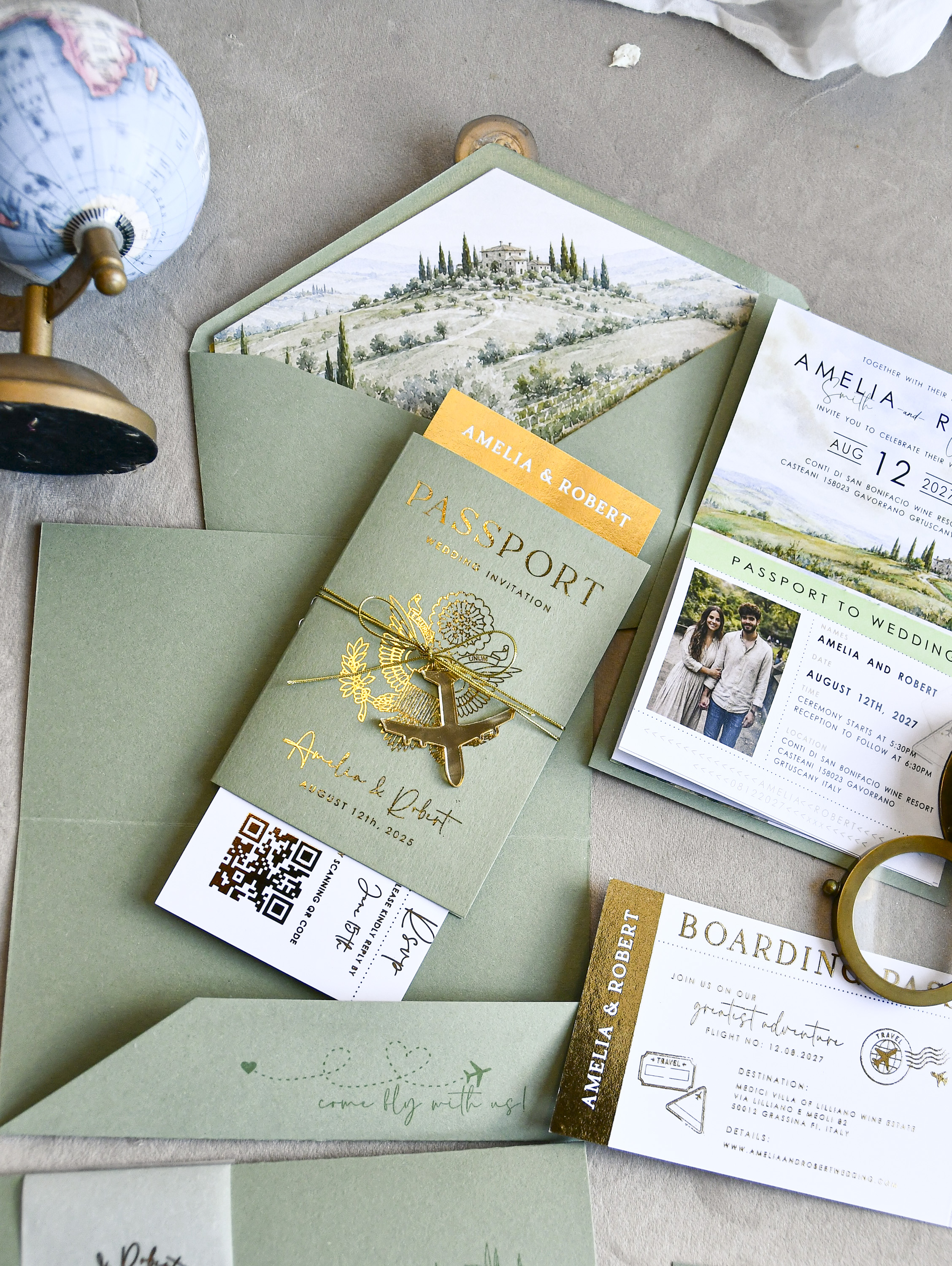
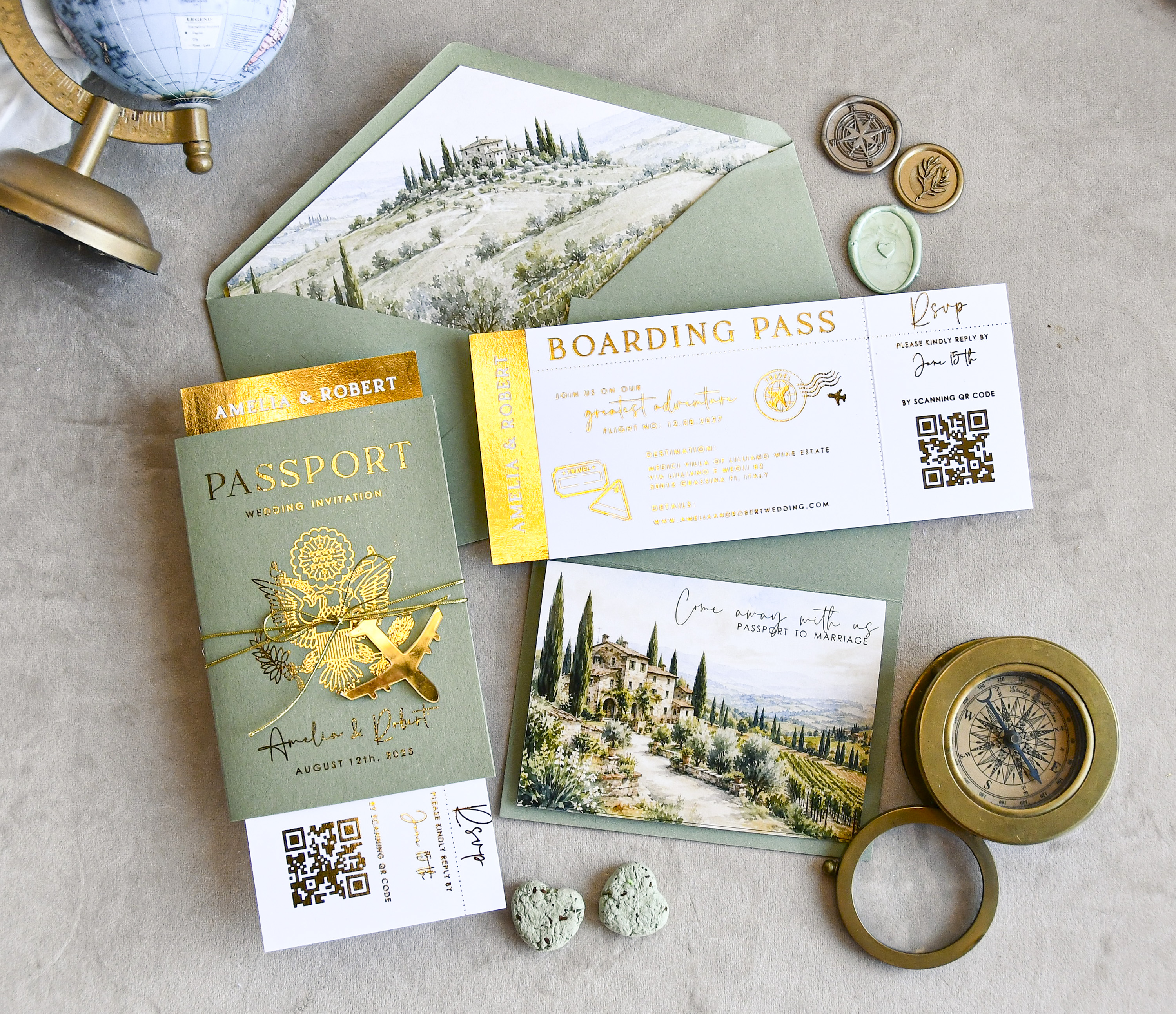
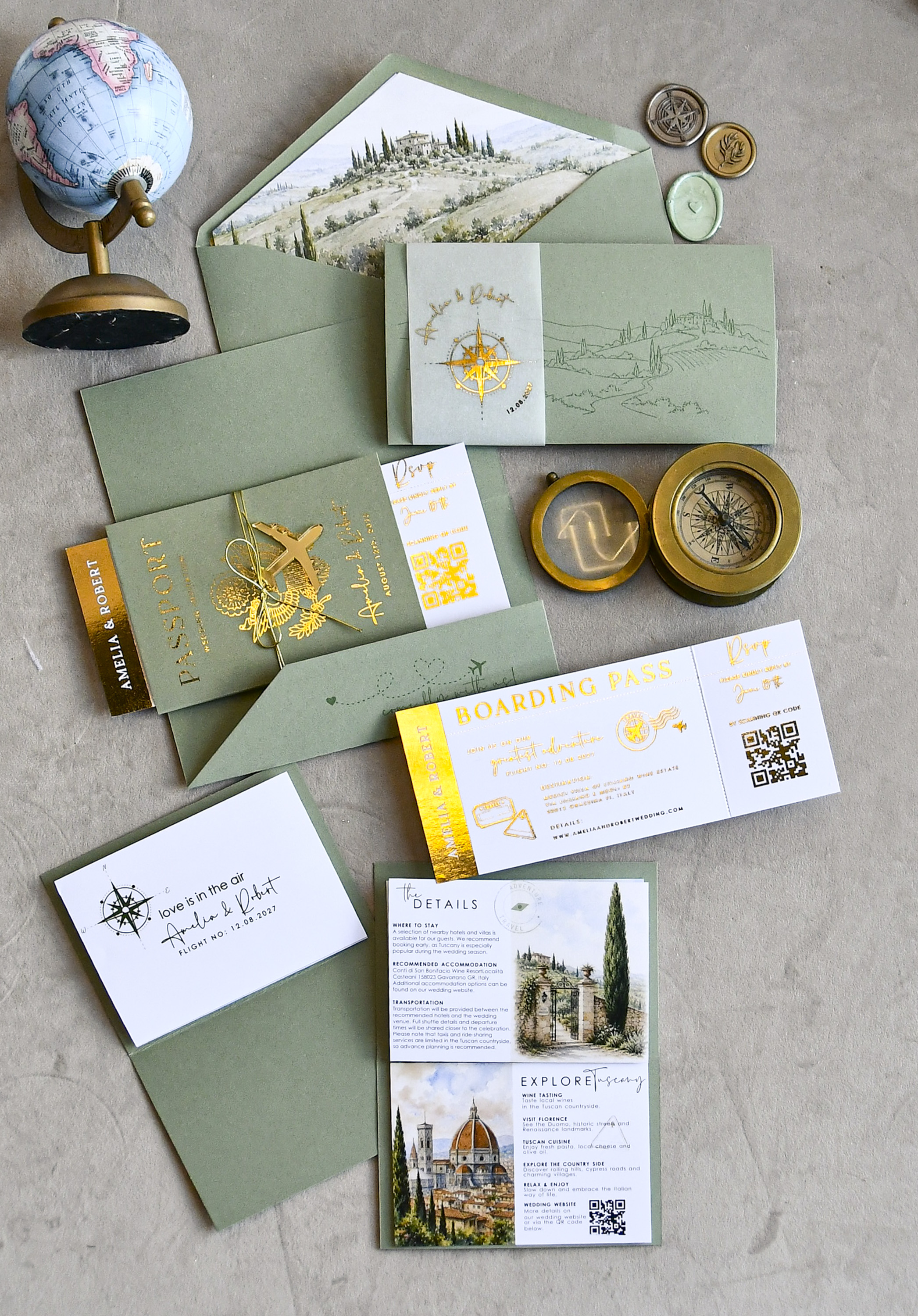
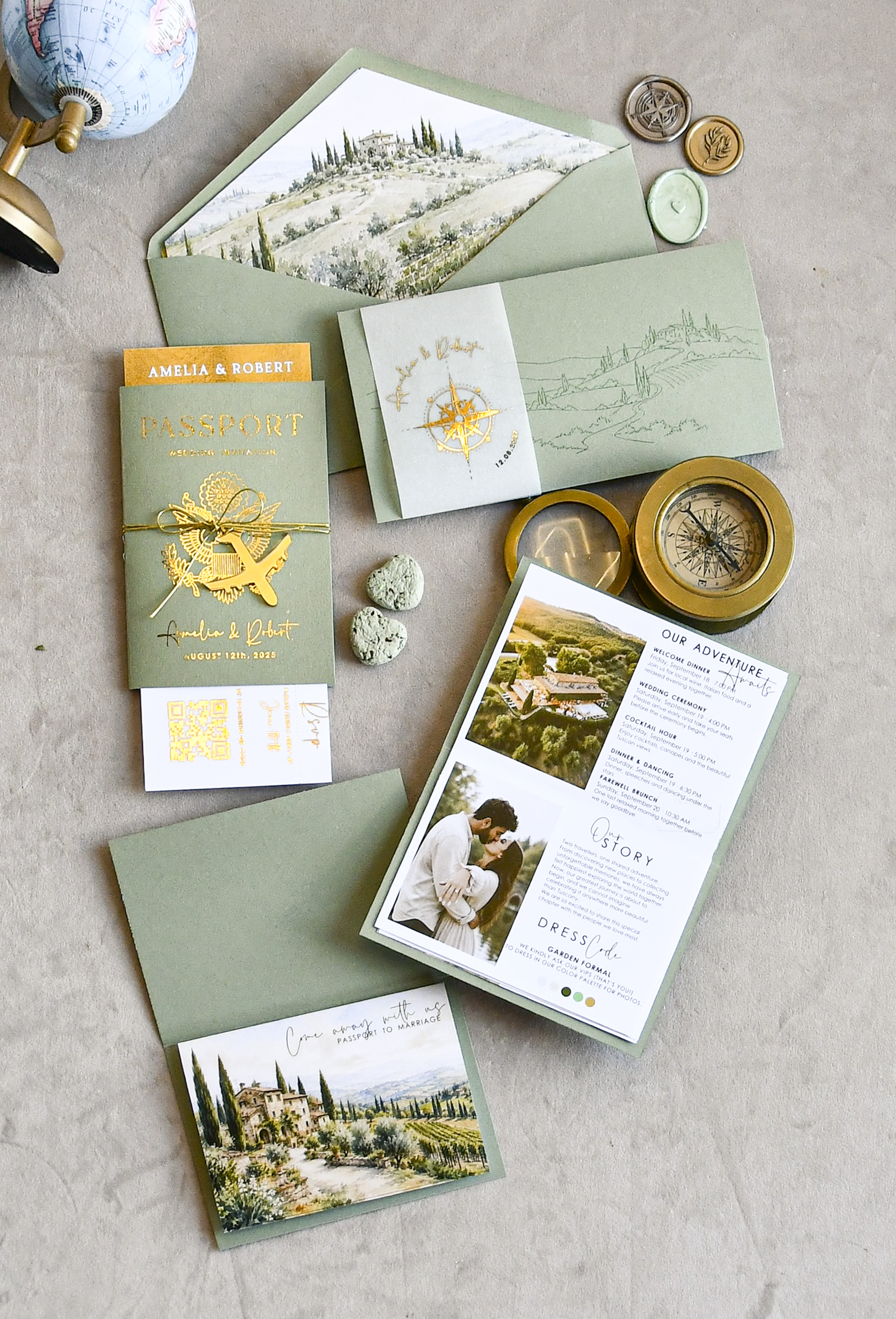
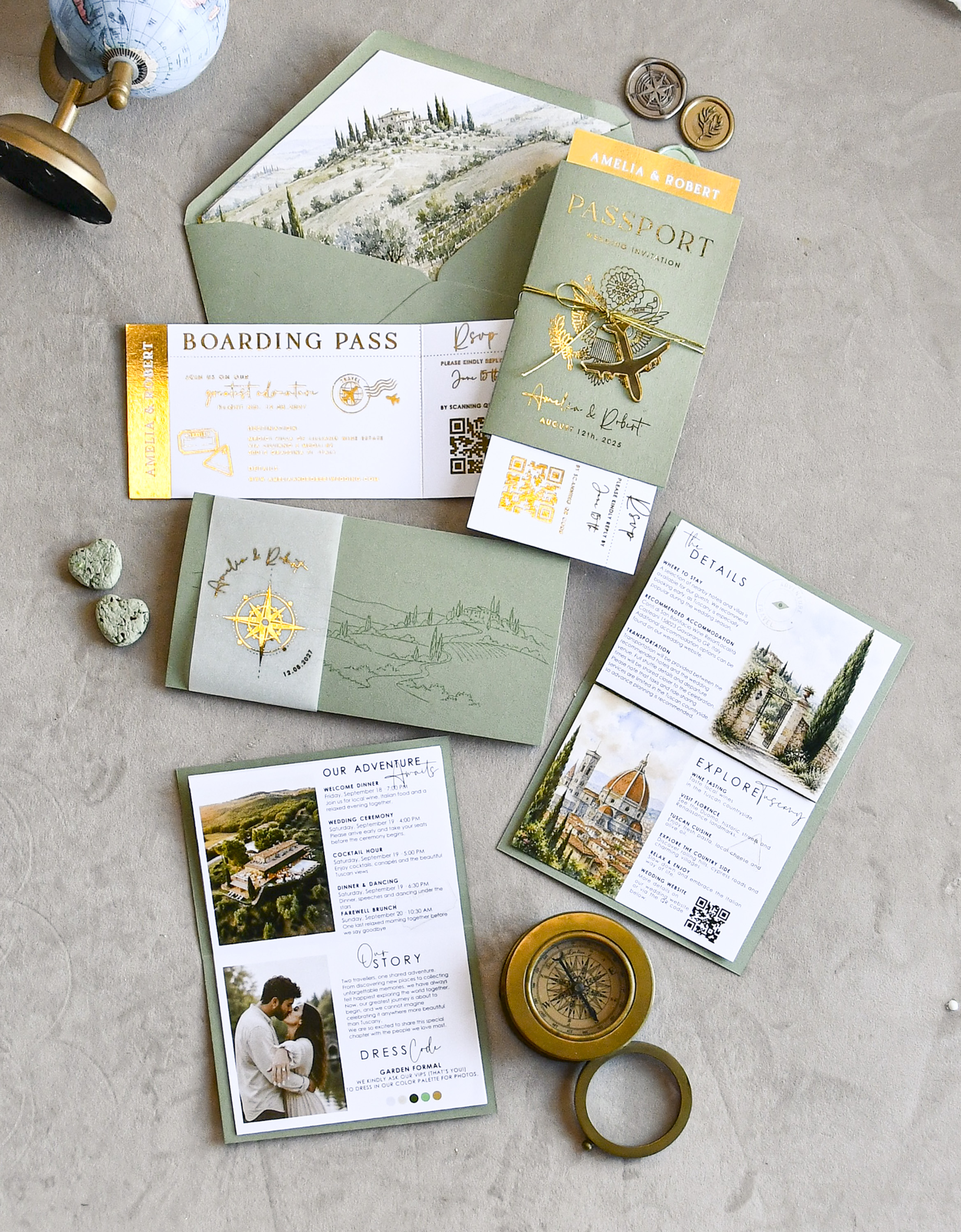
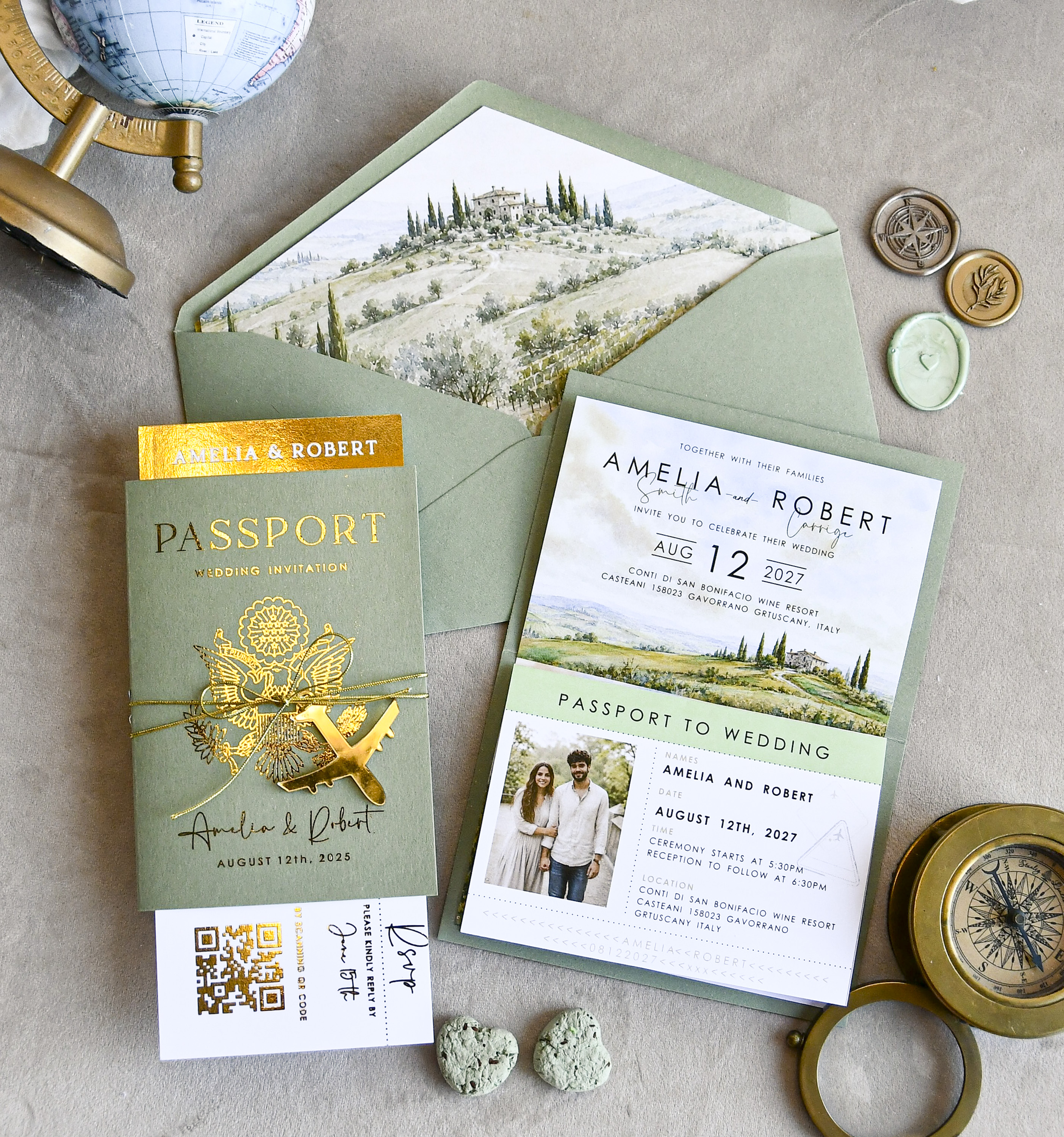
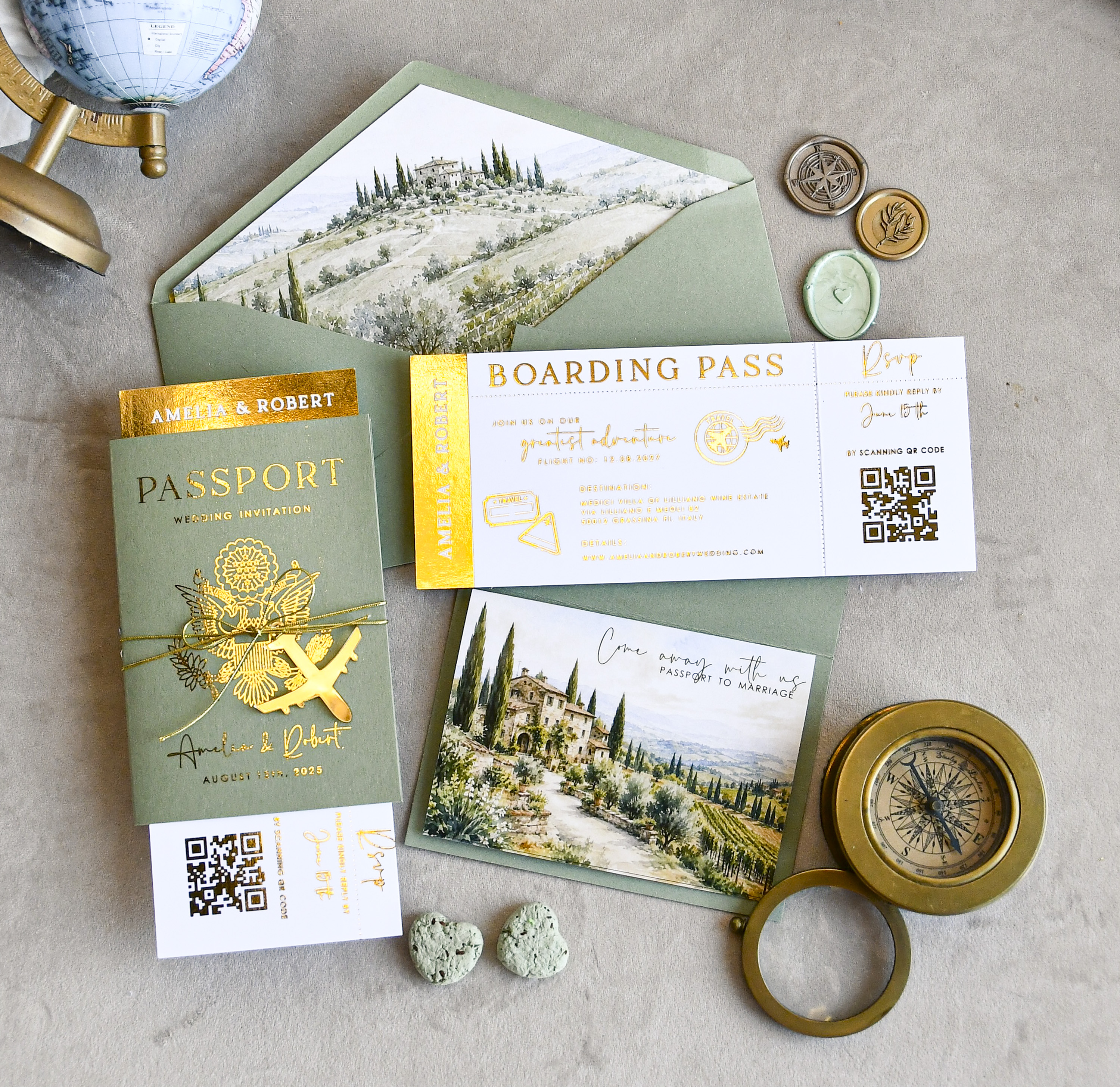
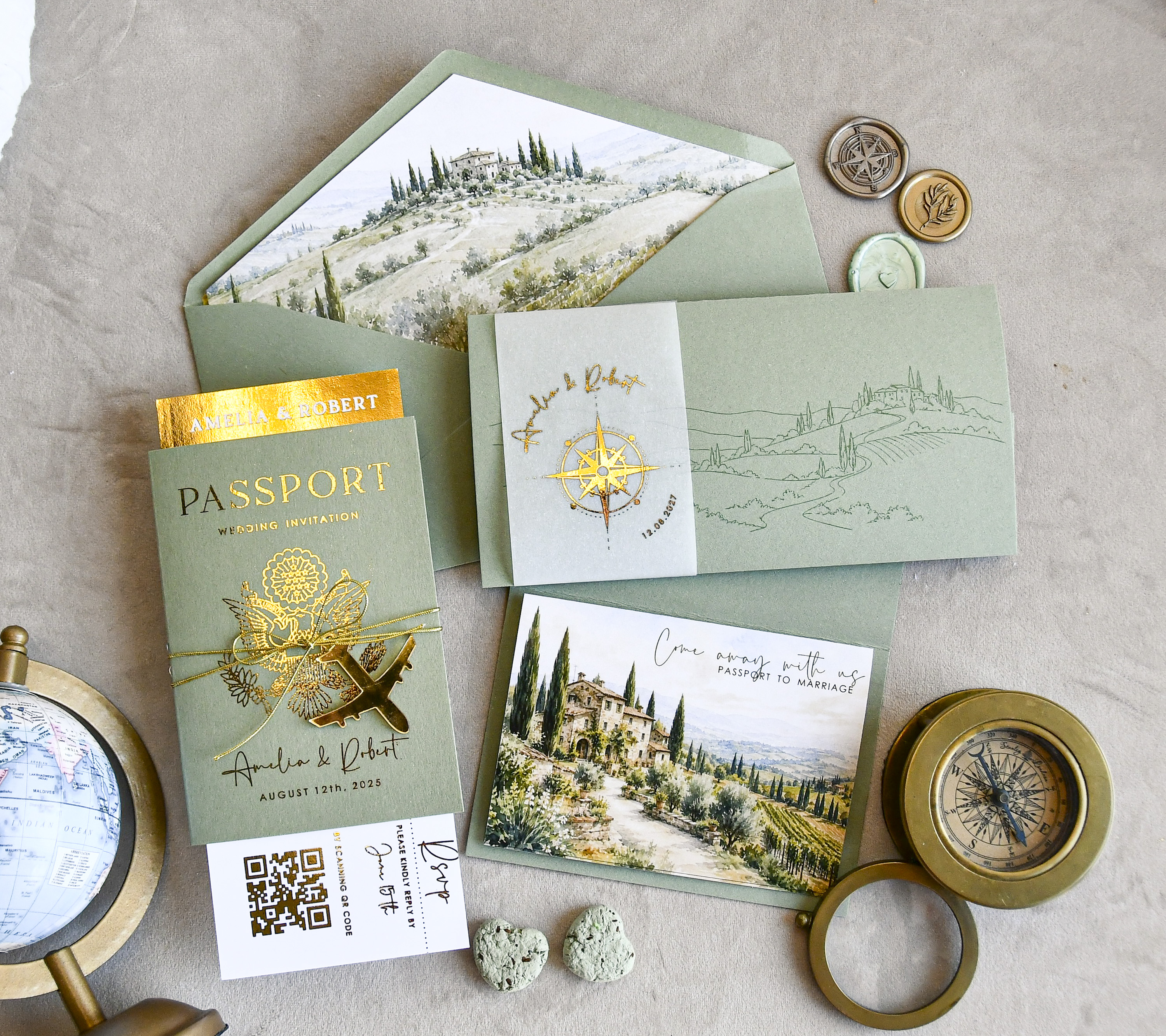
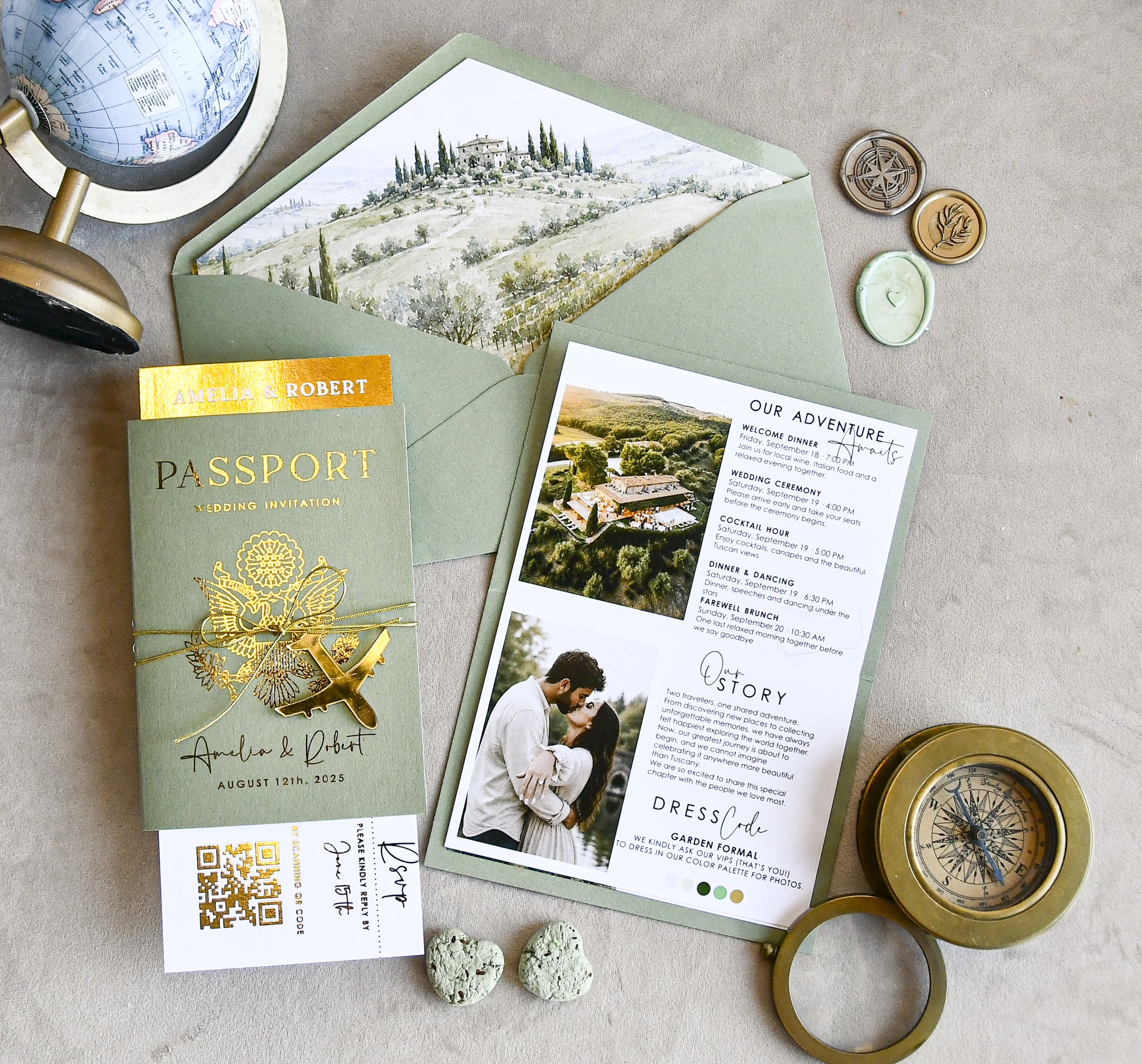
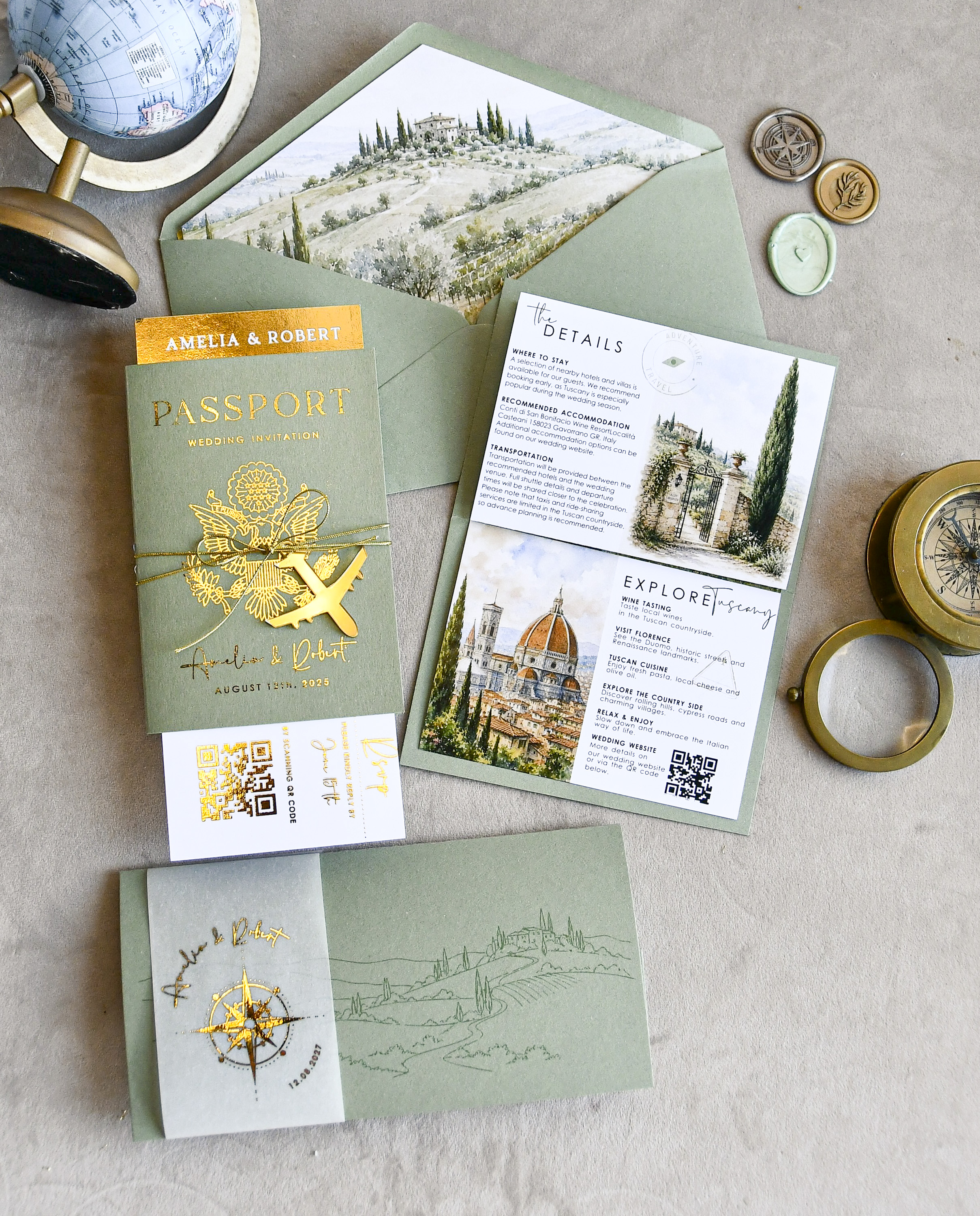
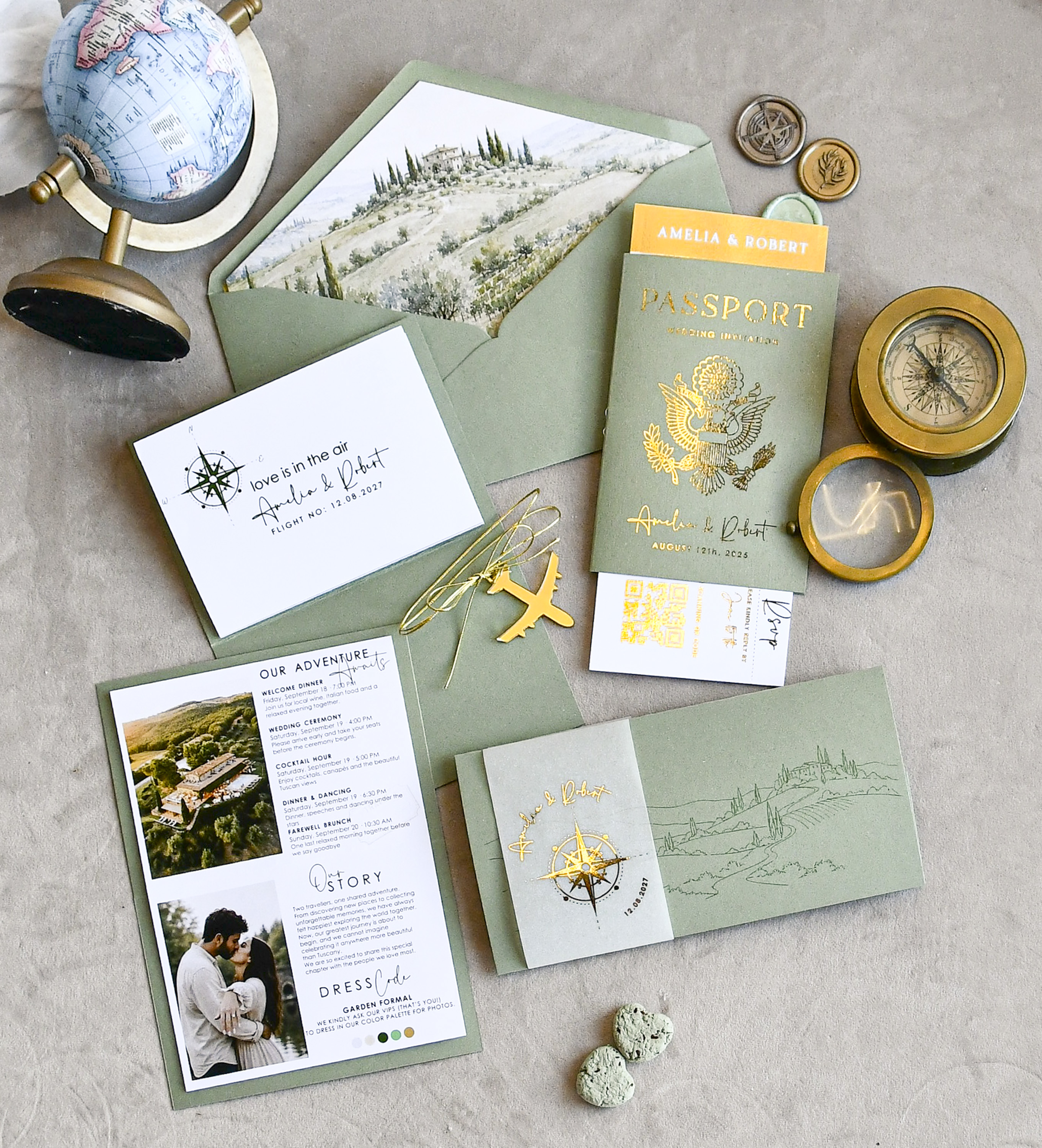
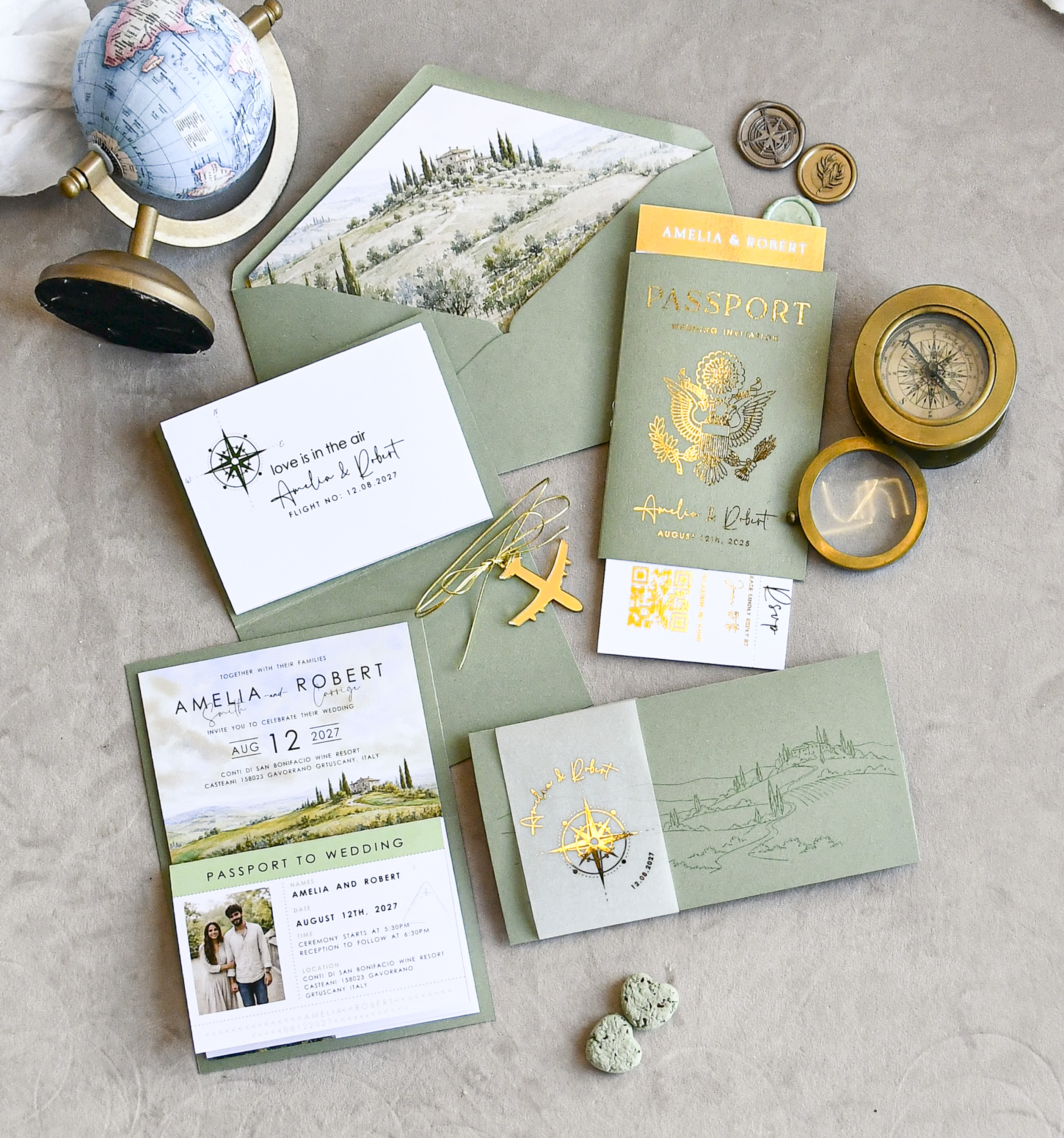
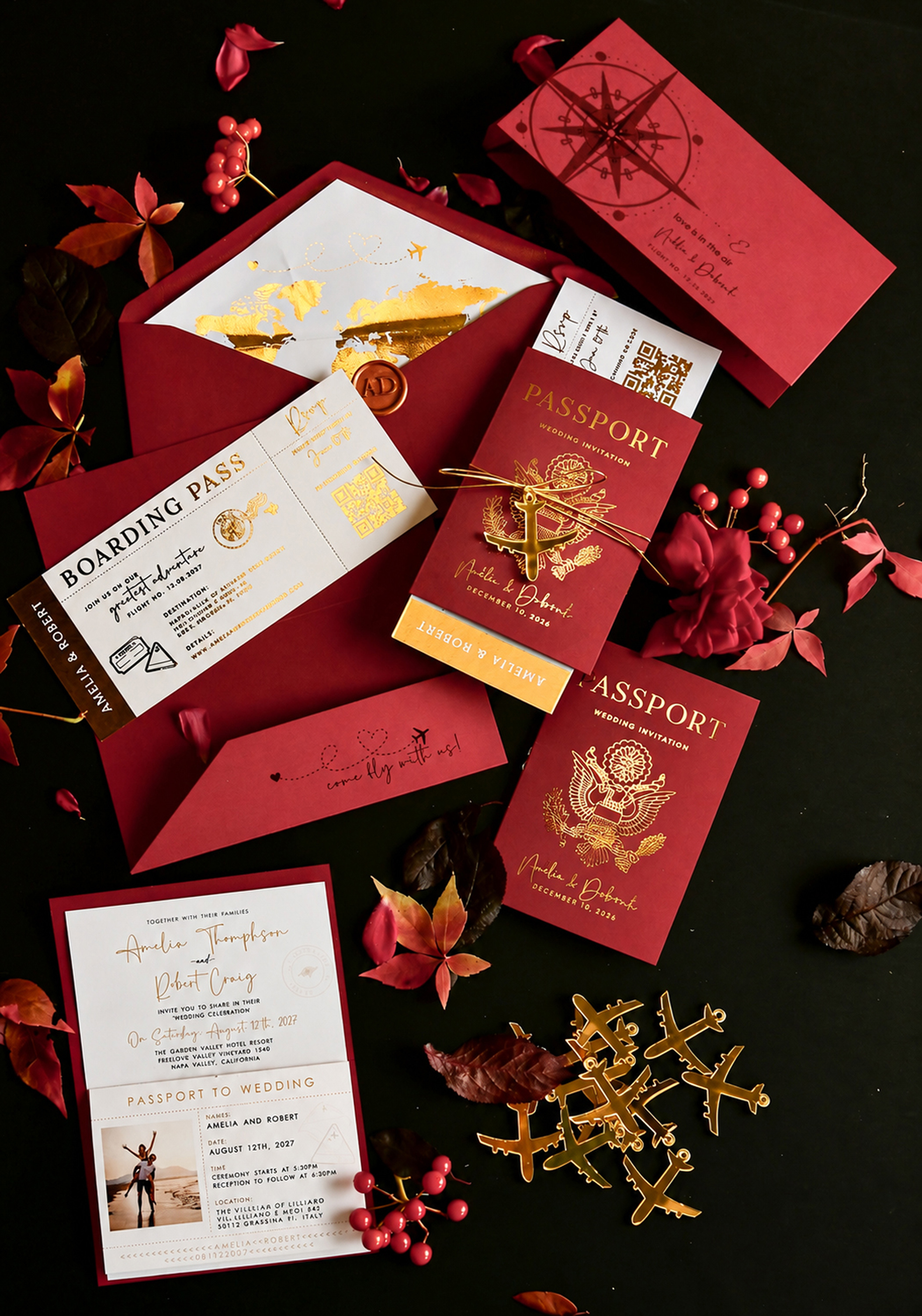
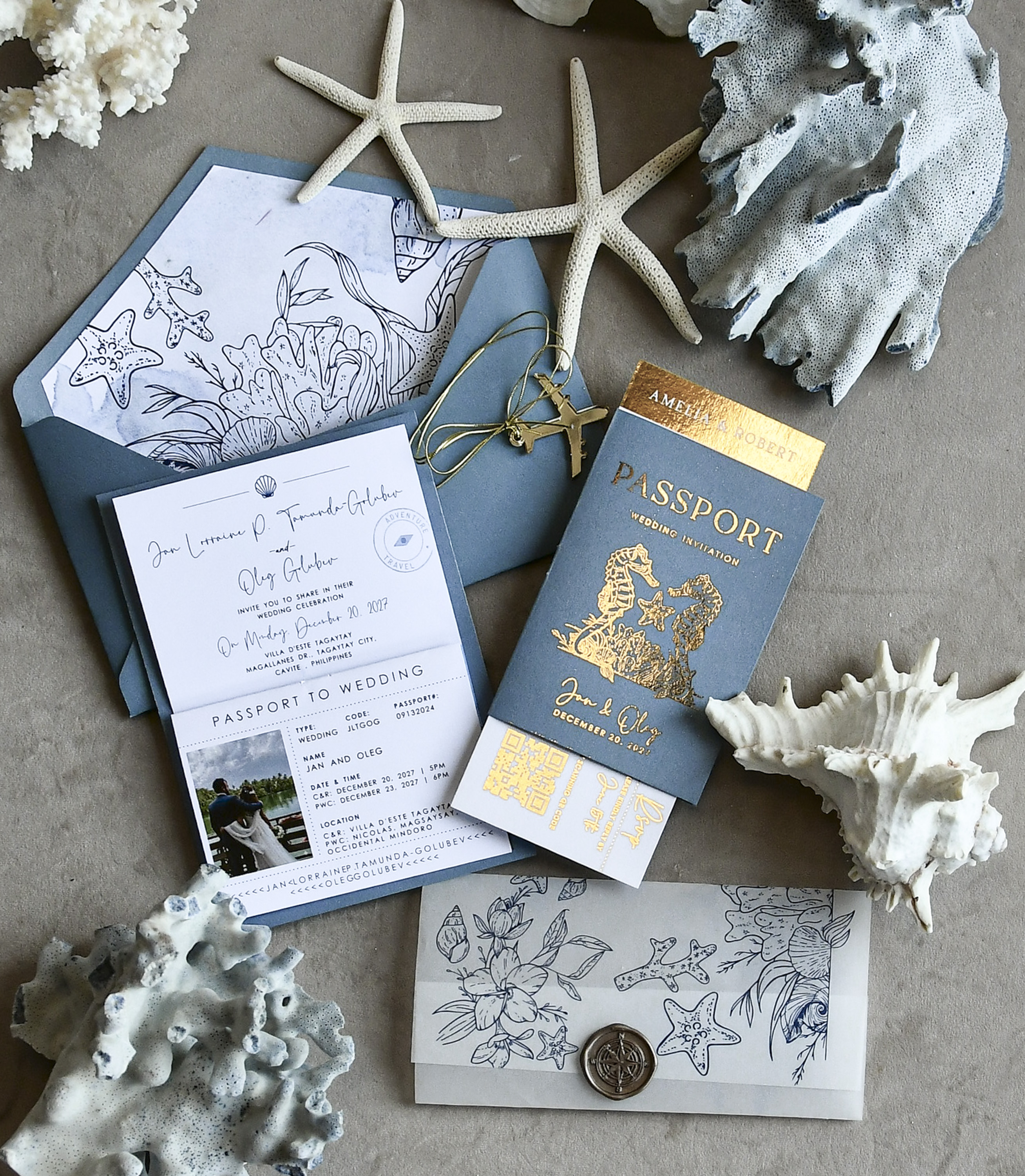
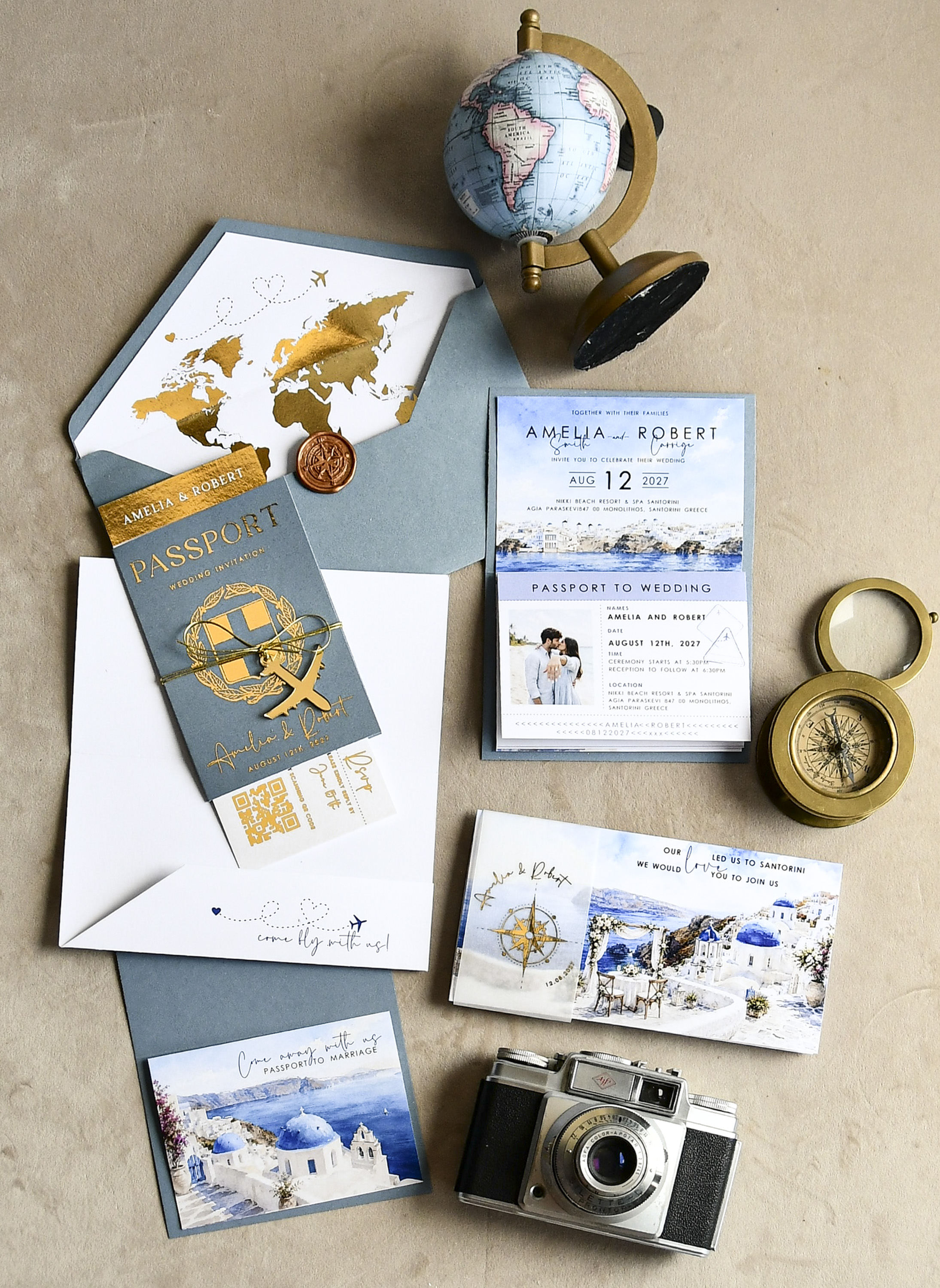
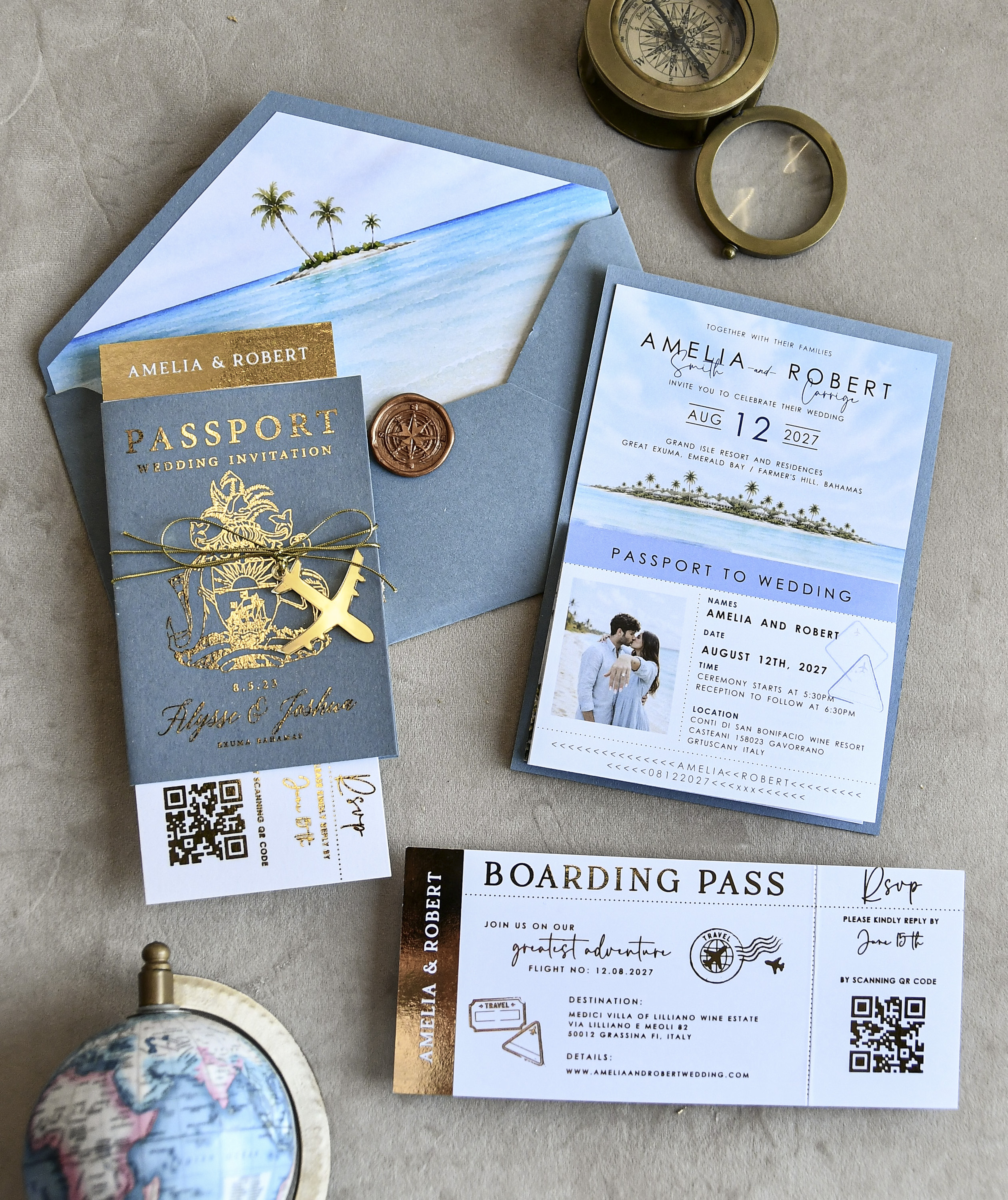
If your invitations have a travel or destination theme — like the passport-style 01/passH/z beach wedding invites — a teenager receiving their own little "passport" in the mail is genuinely thrilling and sets a festive tone before the wedding even begins.
Children Under 13: When a Separate Invitation Makes Sense
For children under 13, the standard practice is to list them by name on their parents' invitation rather than sending a separate envelope. For example, the inner envelope might read: Mr. and Mrs. Torres, Olivia and Marcus. This is perfectly correct and widely understood.
That said, there are a few situations where sending a younger child their own invitation is a lovely exception:
- Flower girls and ring bearers — children in a formal role in your ceremony often appreciate (and remember) receiving their own special invitation. It honors the responsibility they're taking on.
- Close family children — a niece or nephew you're especially close to might love the surprise of mail addressed just to them.
- Destination or themed weddings — if the event has a built-in sense of adventure, even younger children can enjoy receiving their own keepsake invitation.
In these cases, keep the wording warm and simple. A child doesn't need formal RSVP instructions — their parents will handle logistics — but having their name on the envelope is the point.
How to Address the Envelopes Correctly
Proper addressing removes any ambiguity about who is invited. Here are the most common scenarios:
- Parents with children listed: Outer envelope — Mr. and Mrs. Daniel Kim; inner envelope — Daniel and Sarah, Lily and James.
- Teenager with their own invitation: Outer envelope — Miss Lily Kim; inner envelope — Lily. No need to include parents' names on this one.
- Adult child in the same household: Send a completely separate invitation addressed only to them.
- Flower girl or ring bearer: Outer envelope — Miss Nora Patel (or simply The Patel Family if you're sending one invitation to the household with a special note inside for the child).
When in doubt, err on the side of inclusion. A child who receives their own invitation feels seen; a child who is accidentally omitted from the guest list creates an awkward conversation with their parents.
A Quick Timeline for Mailing Children's Invitations
The same mailing timeline applies whether you're sending to adults or children. For a standard domestic wedding, invitations should go out 6–8 weeks before the wedding date. For destination weddings, aim for 10–12 weeks out so families can make travel arrangements.
If a child is in your wedding party, consider sending their invitation slightly earlier — perhaps alongside your save-the-dates — so they feel involved from the very beginning. Pair it with a short handwritten note explaining their role, and you'll have one very excited little attendant on your hands.
Frequently Asked Questions
Etiquette says yes, though it's ultimately your call. Sending a separate invitation to an 18-year-old acknowledges their adulthood, even if they share an address with their parents. It's a small gesture that is almost always appreciated.
The safest method is to address invitations only to the adults you're inviting, using adults' names exclusively on both envelopes. You can also include a line on your wedding website such as "We kindly request an adults-only celebration." Avoid phrases like "No children" on the invitation itself, as this can read as unwelcoming.
It's not required, but it's a wonderful touch. Children in the wedding party are taking on a real responsibility, and a personal invitation acknowledges that. It also makes a sweet keepsake they may hold onto for years.
Traditionally, children's names appear only on the inner envelope, with the outer envelope addressed to the parents. However, for casual or modern weddings — or when sending a child their own invitation — it's perfectly fine to address the outer envelope directly to the child.
You can handle this a couple of ways: send one household invitation listing all family members, or send the teenager their own invitation and list the younger child on the parents' invite. The latter option is a nice way to honor the age difference without overcomplicating your stationery order.
Not at all — for younger children, the invitation itself is the gift. Their parents will manage the RSVP on their behalf. For teenagers and young adults receiving their own invitation, including an RSVP card is a nice touch since it reinforces that they are a guest in their own right.
See This Design Up Close



You May Also Like
More Wedding Planning Guides
- → Handling Last-Minute RSVP Changes: What Couples Need to Know
- → Who Actually Pays When the Guest List Grows?
- → Navigating Stepparent Wedding Invitations: A Practical Guide
- → Your Aunt Remarried: Should Her New Husband Be on the Guest List?
- → How to Kindly Let Guests Know Your Wedding Is Adults-Only or Strictly RSVPed
- → The Graceful Art of Trimming Your Wedding Guest List
- → Inviting New Partners to Your Wedding: A Practical Guide for Couples
- → Uninvited Guests on the RSVP Card: How to Handle Extra Names Gracefully
- → Navigating the Awkward Guest List: Should You Invite Estranged Family?
- → How to Handle the 'Why Wasn't I Invited?' Conversation Gracefully
- → The Last Possible Moment to Mail Your Wedding Invitations (And How to Stay on Track)
- → The Complete Guide to Addressing Wedding Invitations Like a Pro
- → Cousins and the Guest List: What You're Actually Obligated to Do
- → When a Family Member Threatens to Skip Your Wedding Over the Guest List
- → Uninvited Plus-Ones and Tag-Alongs: How to Keep Your Guest List Intact
- → When Family Feuds Threaten Your Wedding Plans: A Practical Peacekeeper's Guide
- → Inviting an Estranged Brother or Sister: Finding Clarity Before You Seal the Envelope
- → Cousins, Invites, and Hard Choices: A Practical Guest List Guide