
Inviting New Partners to Your Wedding: A Practical Guide for Couples
One of the trickiest guest-list decisions you'll face is whether to invite your friends' and family members' brand-new significant others. It sounds simple, but it can quietly spiral into hurt feelings, awkward seating charts, and unexpected budget creep. The good news: there's a clear, fair framework you can follow — and sticking to it consistently will save you from a lot of drama before your big day.
Set a Relationship Length Threshold — and Apply It Equally
The most defensible approach is to pick a minimum relationship length and apply it to every guest, no exceptions. Most couples choose either three months or six months as their cutoff. Six months is the more common standard for weddings because it signals a relationship that has at least some staying power — and it means you won't be seating a near-stranger at your reception who your friend barely knows themselves.
For example: if your college roommate started dating someone two months before your wedding, they would not receive a plus-one under a six-month rule. If your cousin has been with their partner for eight months, they would. Writing this rule down early — before you start addressing envelopes — keeps you consistent and gives you a polite, honest answer when someone asks why their new partner wasn't included.
Cohabiting Couples and Engaged Pairs Are a Different Story
Regardless of how long two people have been together, if they live together or are engaged, etiquette is clear: both people should be invited. Leaving out a live-in partner is considered a genuine slight, not just an oversight. The same applies to fiancés and fiancées — even if the engagement is brand new.
When you're finalizing your guest list and preparing your invitations, flag these pairs early. It's easy to overlook a recently announced engagement in your extended network, so a quick check with parents or close friends before you finalize your order can prevent an awkward omission.
Budget and Venue Capacity Are Legitimate Reasons to Say No
You are never obligated to invite someone you've never met simply because they are dating a guest. If your venue holds 80 people and your list is already at 78, it is perfectly reasonable to have a no-plus-ones policy for all guests who are not in long-term relationships. The key word is all — the rule must apply uniformly, not selectively.
If budget is the constraint, be honest with yourself about numbers early. Every new partner added to the list represents an additional place setting, meal, and potentially a seat at a table that could go to a longtime friend or family member. There's nothing unkind about protecting your budget and your venue capacity — as long as your policy is consistent.
How to Communicate Your Decision Gracefully
If someone asks why their new partner wasn't included, a warm, honest answer works best: "We set a six-month rule to keep our guest list manageable — we hope you understand!" Most reasonable people will. Avoid vague excuses like "the venue is really small" if that's not entirely true — guests will compare notes, and inconsistencies create more friction than the original decision.
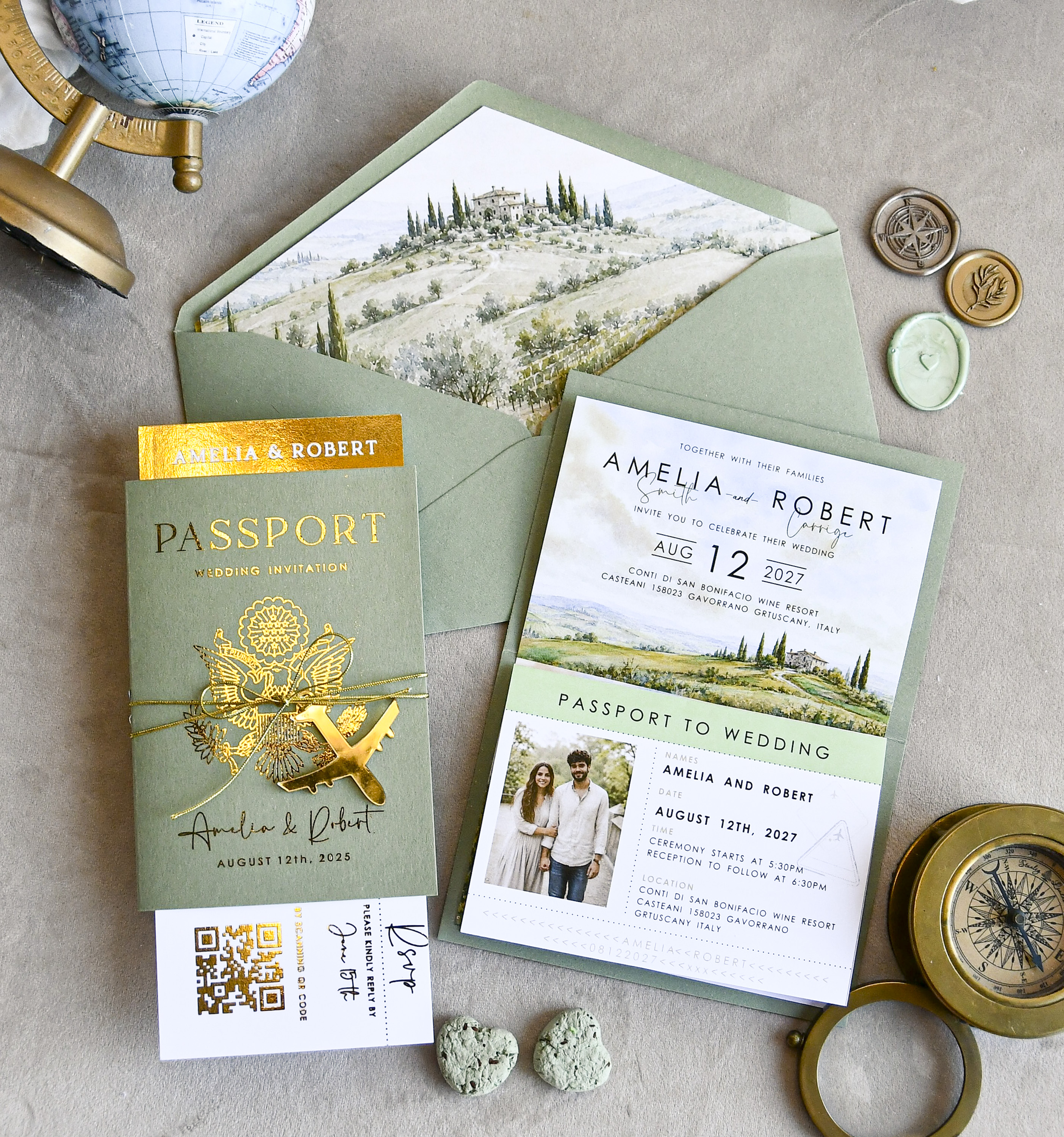
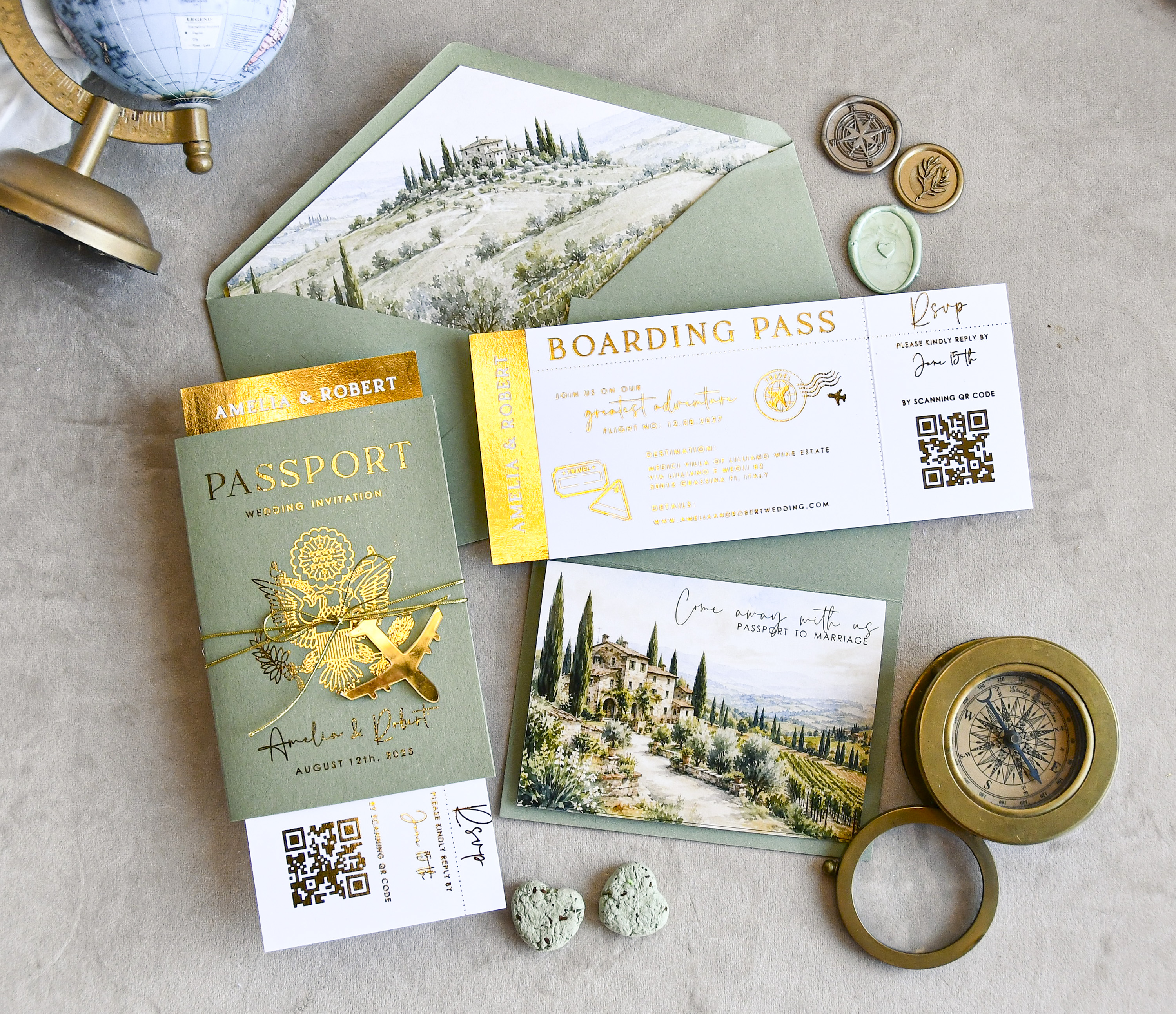
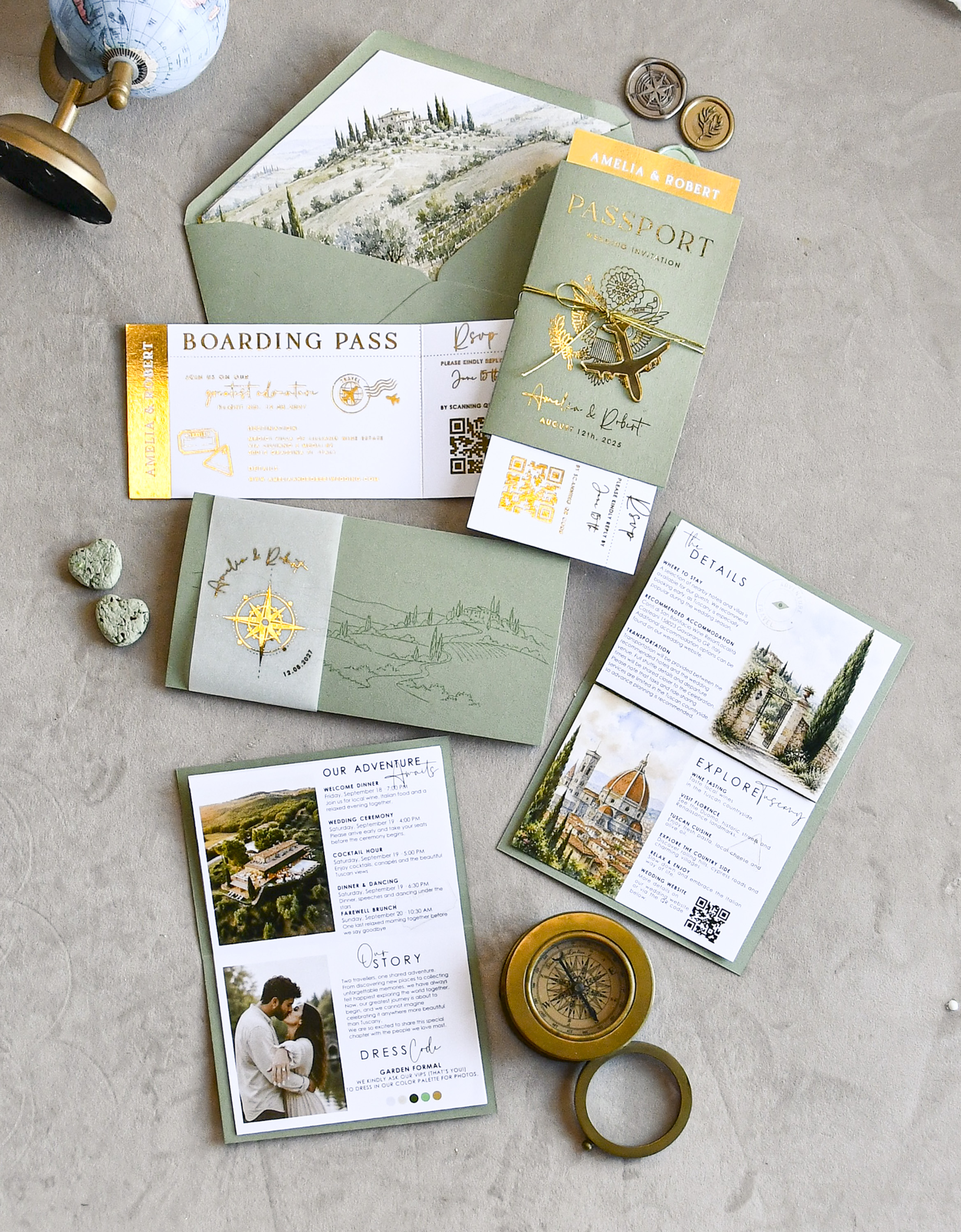
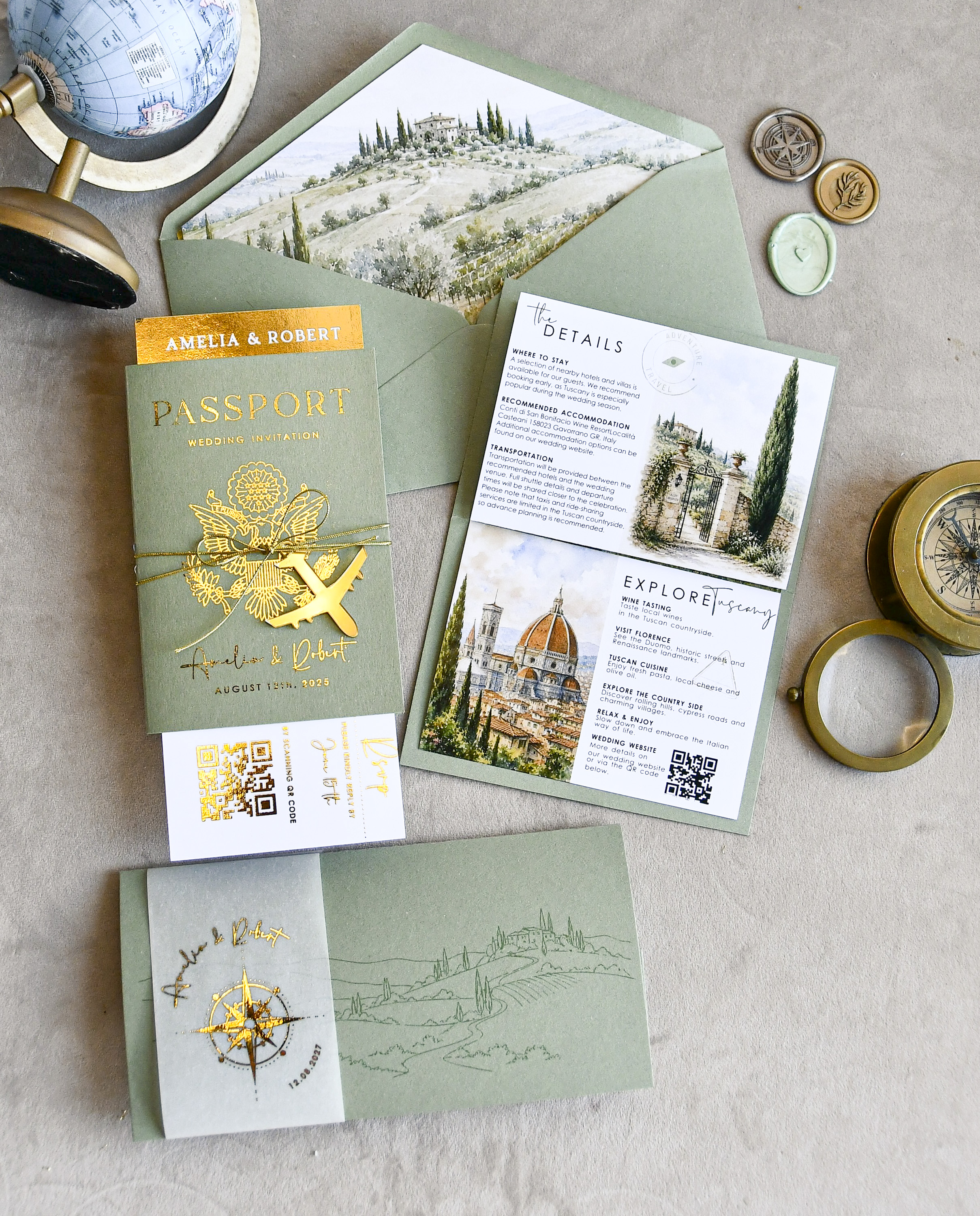
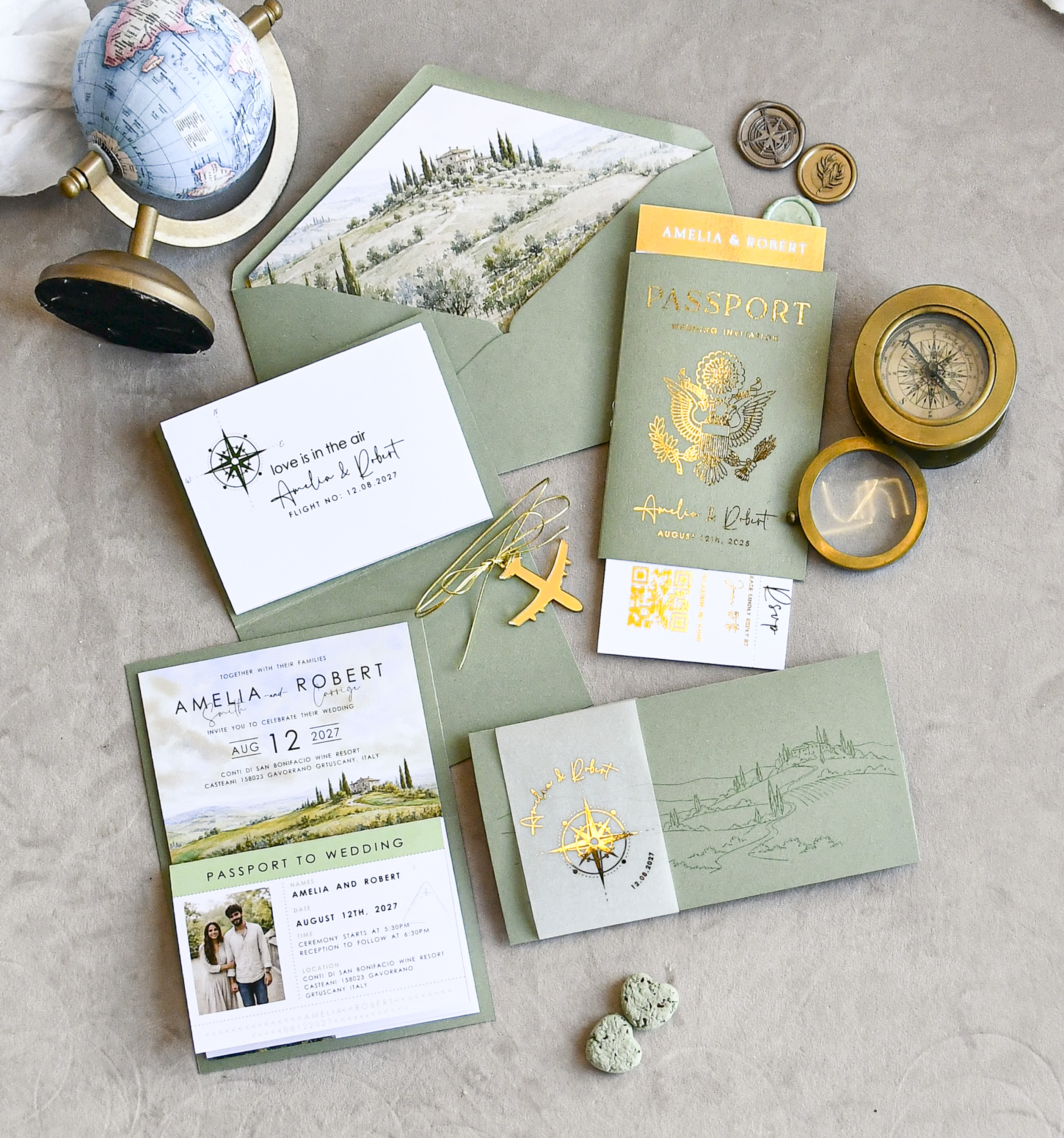
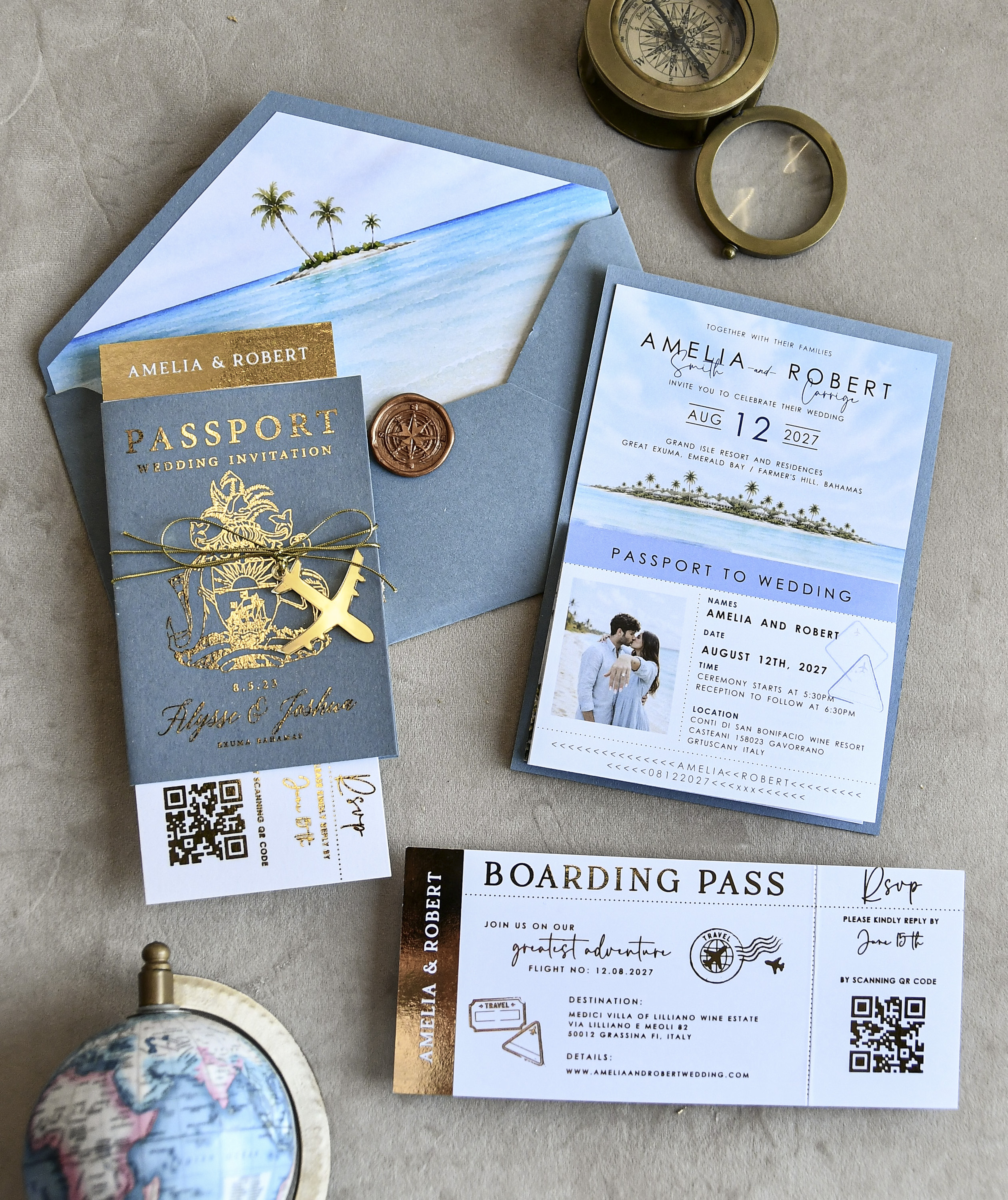
When it comes to your invitations themselves, addressing them correctly signals your decision clearly. An invitation addressed to "Ms. Jane Smith" alone (rather than "Ms. Jane Smith and Guest") communicates that the invitation is for one person. Using beautifully designed stationery — like the passport-style beach wedding invites in the 01/passH/z collection — makes even a solo invitation feel warm and special rather than like an afterthought.
When to Make Exceptions — and When Not To
There are a few situations where bending your rule makes sense. If a guest will genuinely know no one else at the wedding and would be deeply uncomfortable attending alone, offering a plus-one is a kind gesture — especially for out-of-town guests. Similarly, if a sibling or very close friend is in a new but clearly serious relationship, you may choose to include their partner as a personal exception.
What you want to avoid is making exceptions based on pressure or guilt. If you bend the rule for one pushy aunt, expect every other guest with a new partner to find out and feel slighted. Make any exceptions quietly, intentionally, and for genuine reasons — not because someone complained loudly enough.
Frequently Asked Questions
No — you are not obligated to invite someone you've never met simply because they are dating a guest. Apply your relationship-length rule consistently across all guests and you have a fair, defensible policy.
Acknowledge their feelings kindly and explain your rule briefly: you set a consistent policy to manage your guest list and venue size. Most guests will understand once they know the rule applies to everyone equally.
Yes. An engaged couple should always be invited together, regardless of how long they've been together or whether you've met the fiancé. Separating an engaged pair is considered a significant etiquette breach.
Address the envelope to that person alone — for example, 'Ms. Jane Smith' rather than 'Ms. Jane Smith and Guest.' This signals clearly and politely that the invitation is for one person.
Six months is the more widely accepted standard and gives a clearer sense that the relationship is established. Three months can work for smaller, more intimate weddings where you want to be generous with plus-ones.
If the guest meets your relationship-length threshold, etiquette says they should be invited along with their partner. Excluding someone's partner because of personal dislike risks damaging your relationship with that guest far more than one uncomfortable reception evening would.
See This Design Up Close










You May Also Like



More Wedding Planning Guides
- → Handling Last-Minute RSVP Changes: What Couples Need to Know
- → Who Actually Pays When the Guest List Grows?
- → When Kids Deserve Their Own Wedding Invitation: An Age-by-Age Guide
- → Navigating Stepparent Wedding Invitations: A Practical Guide
- → Your Aunt Remarried: Should Her New Husband Be on the Guest List?
- → How to Kindly Let Guests Know Your Wedding Is Adults-Only or Strictly RSVPed
- → The Graceful Art of Trimming Your Wedding Guest List
- → Uninvited Guests on the RSVP Card: How to Handle Extra Names Gracefully
- → Navigating the Awkward Guest List: Should You Invite Estranged Family?
- → How to Handle the 'Why Wasn't I Invited?' Conversation Gracefully
- → The Last Possible Moment to Mail Your Wedding Invitations (And How to Stay on Track)
- → The Complete Guide to Addressing Wedding Invitations Like a Pro
- → Cousins and the Guest List: What You're Actually Obligated to Do
- → When a Family Member Threatens to Skip Your Wedding Over the Guest List
- → Uninvited Plus-Ones and Tag-Alongs: How to Keep Your Guest List Intact
- → When Family Feuds Threaten Your Wedding Plans: A Practical Peacekeeper's Guide
- → Inviting an Estranged Brother or Sister: Finding Clarity Before You Seal the Envelope
- → Cousins, Invites, and Hard Choices: A Practical Guest List Guide