
Navigating the Awkward Guest List: Should You Invite Estranged Family?

One of the most emotionally loaded parts of wedding planning isn't choosing flowers or a venue — it's deciding who gets an invitation. Specifically, that gray zone of relatives you share DNA with but haven't spoken to in years. A distant cousin, an estranged aunt, a grandparent you've never really known. Before you seal a single envelope, here's how to think through this decision clearly and confidently.
Start With Your 'Why' — Not Family Pressure
The first question to ask yourself is simple: Why are you considering inviting them? There's a big difference between these two motivations:
- You genuinely want them there. Maybe distance or circumstance created the gap, not conflict, and your wedding feels like the right moment to reconnect.
- You feel obligated. A parent is pushing for it, you're worried about offending someone, or you're afraid of family gossip if you leave them off the list.
Obligation alone is rarely a good reason to invite someone to one of the most personal days of your life. Your guest list should reflect the people you want surrounding you — not a peace treaty designed to keep the peace at the rehearsal dinner.
Consider the Nature of the Estrangement
Not all distance is created equal. Run through these scenarios honestly:
- Drifted apart naturally. If you simply lost touch with a cousin or rarely see a great-uncle due to geography or busy lives, an invitation can be a warm olive branch. Many couples find these low-stakes reconnections actually go beautifully.
- There was a real conflict or hurt. If the estrangement stems from a falling-out, betrayal, or toxic behavior, inviting that person reintroduces that dynamic into your day. Ask yourself: are you prepared for that risk?
- There's a history of harmful behavior. Abuse, addiction issues that affected your family, or a pattern of causing drama — these are situations where protecting your peace is not just acceptable, it's wise.
Be honest with yourself. A wedding is not a therapy session, and it doesn't have to be the venue for healing a complicated relationship.
The Practical Realities: Logistics and Cost
Beyond emotions, there are real-world factors to weigh. Every seat at your reception has a cost — typically $75 to $200+ per person depending on your venue and catering. Inviting a relative you've never spoken to as an adult means spending that money on a near-stranger.
There's also the question of their RSVP behavior. Estranged family members can be unpredictable — they may decline (which is fine), accept and then not show, or worse, accept and bring unexpected drama. Build some mental buffer for any of these outcomes.
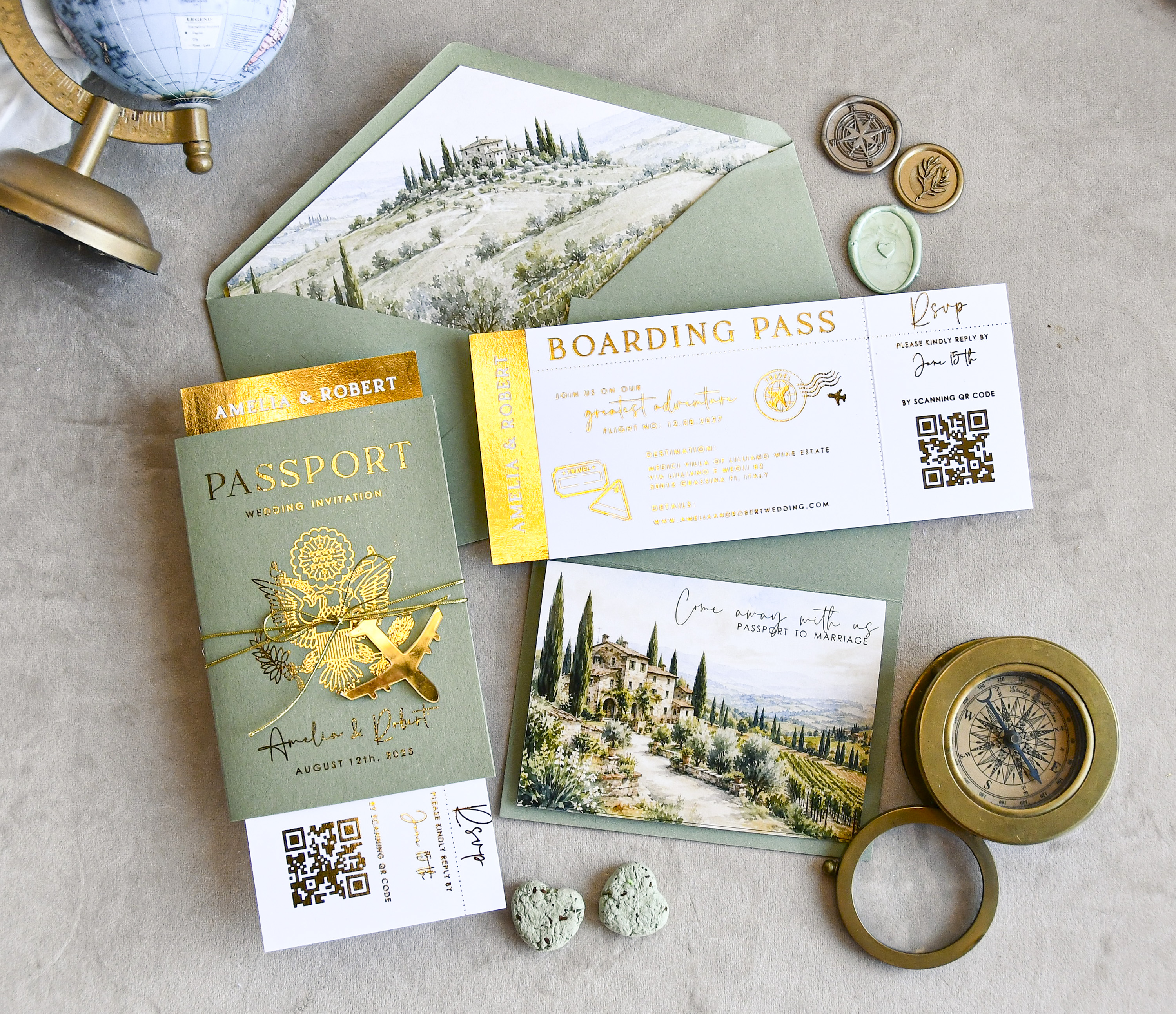
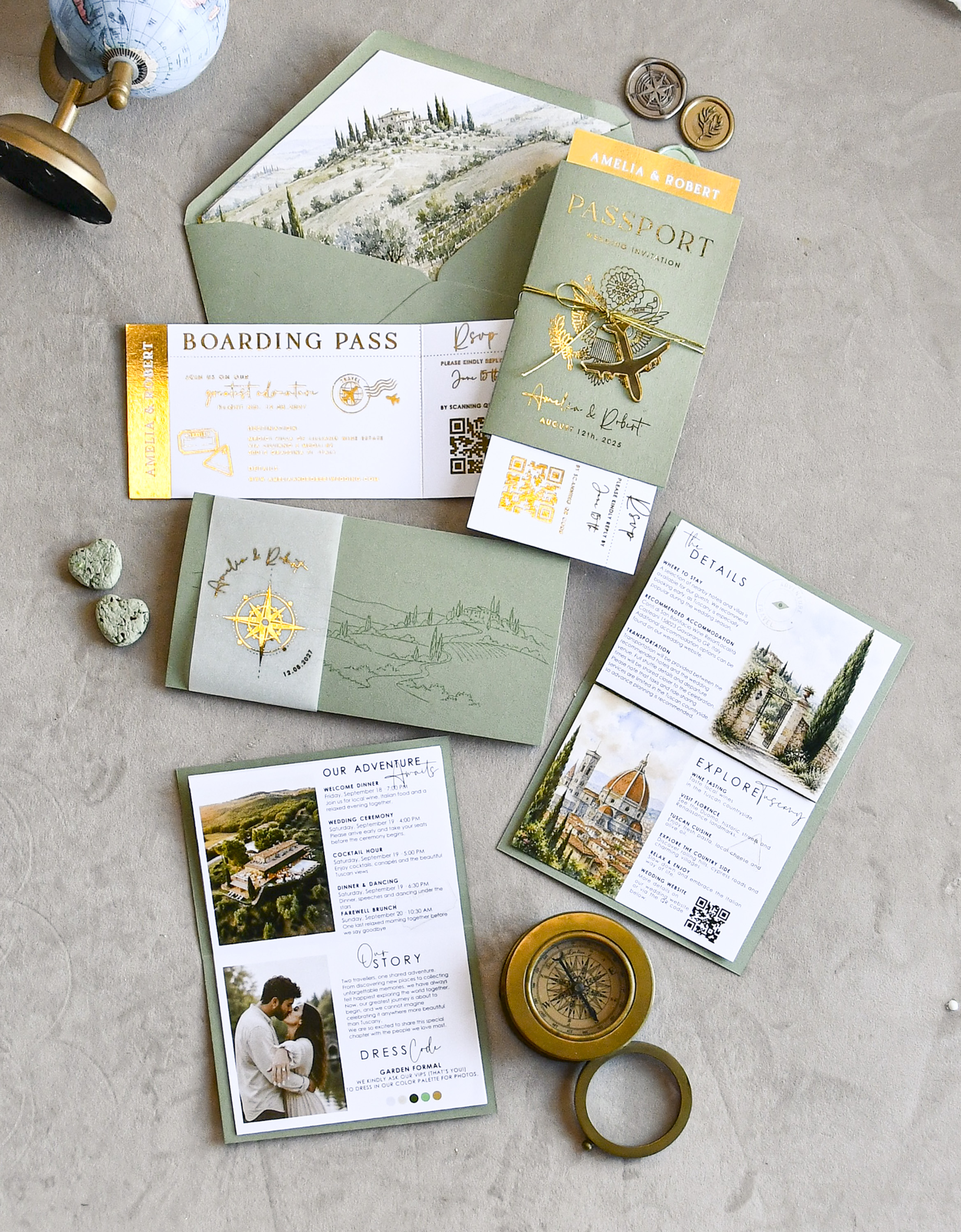
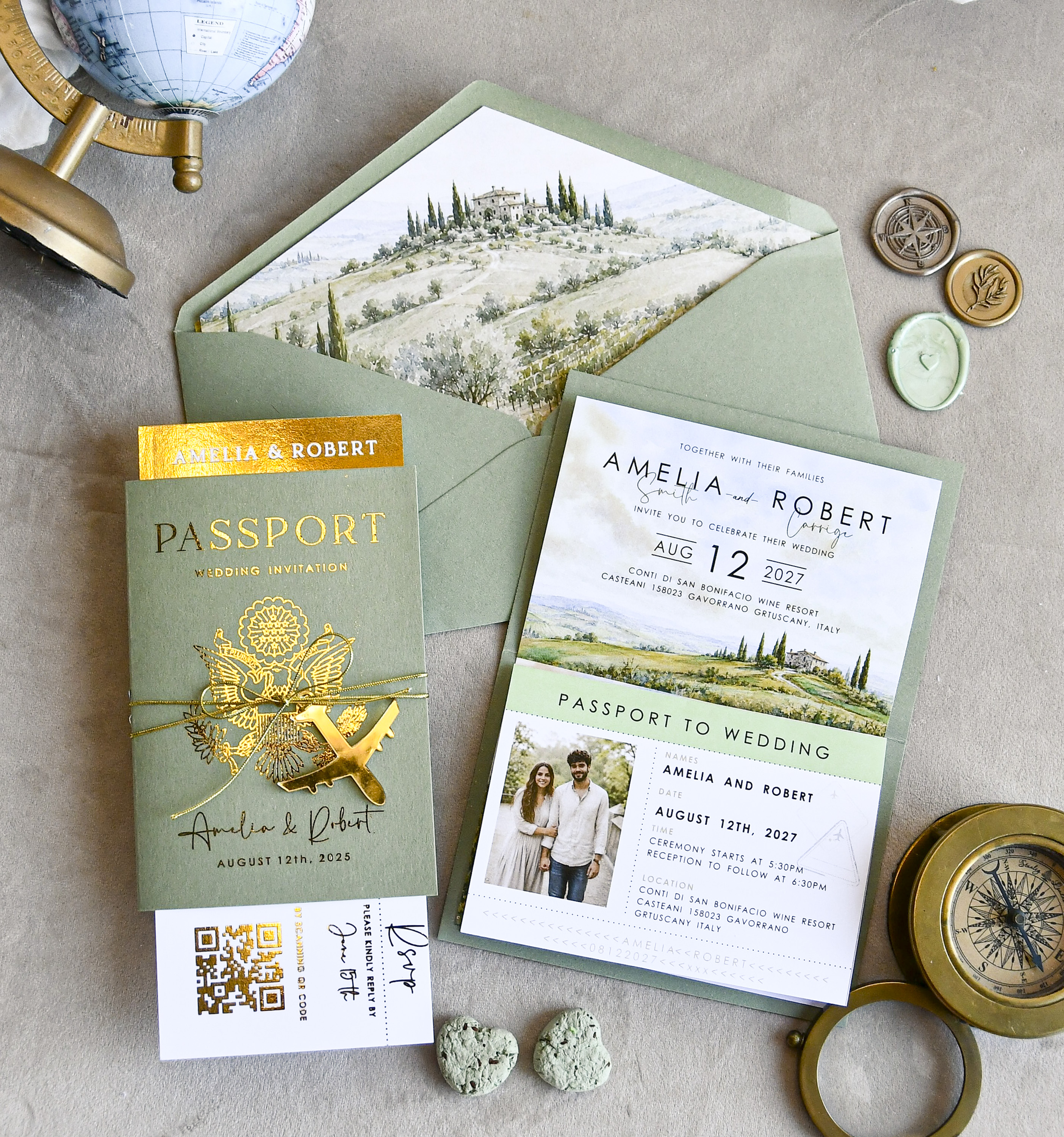
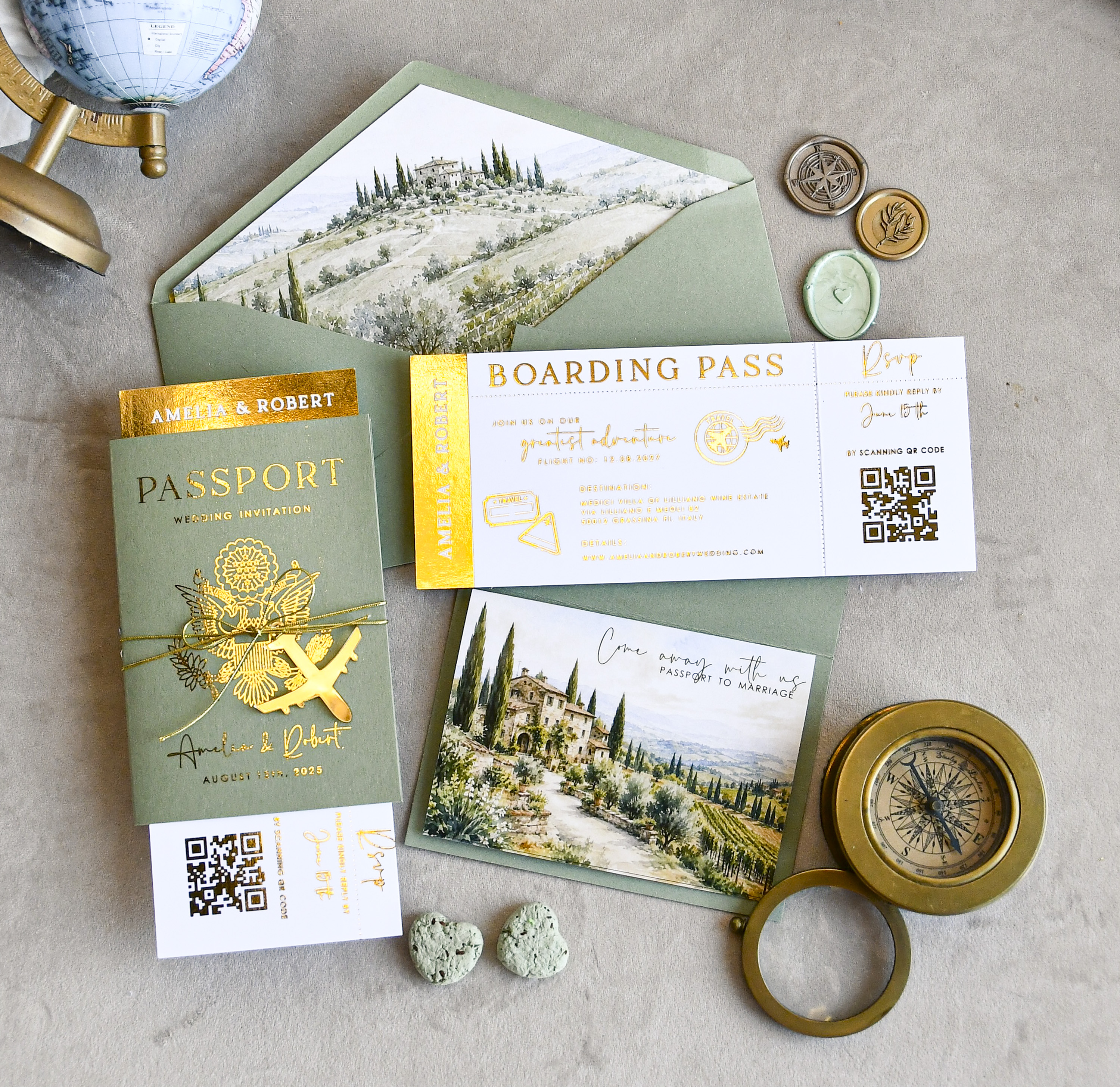
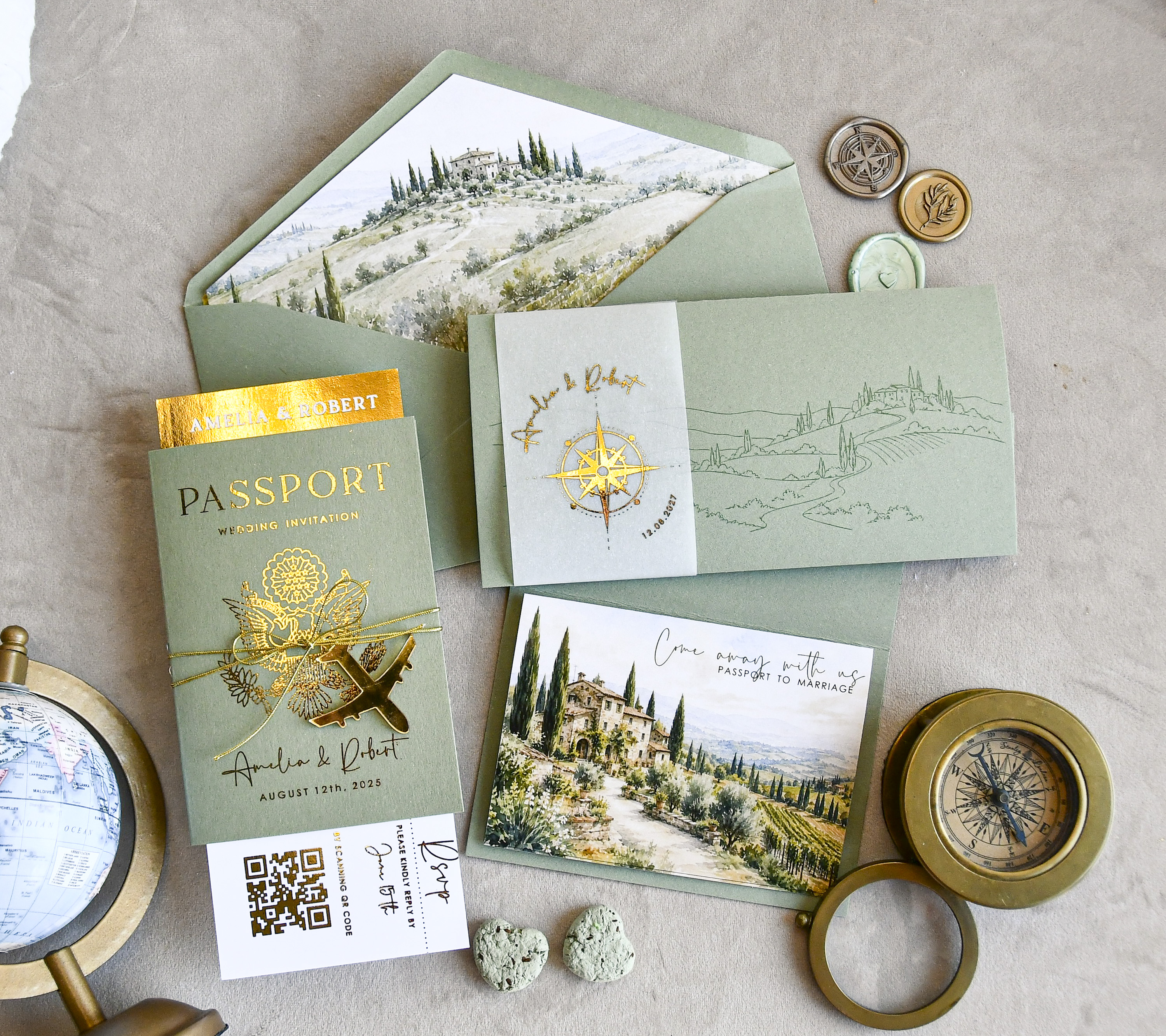
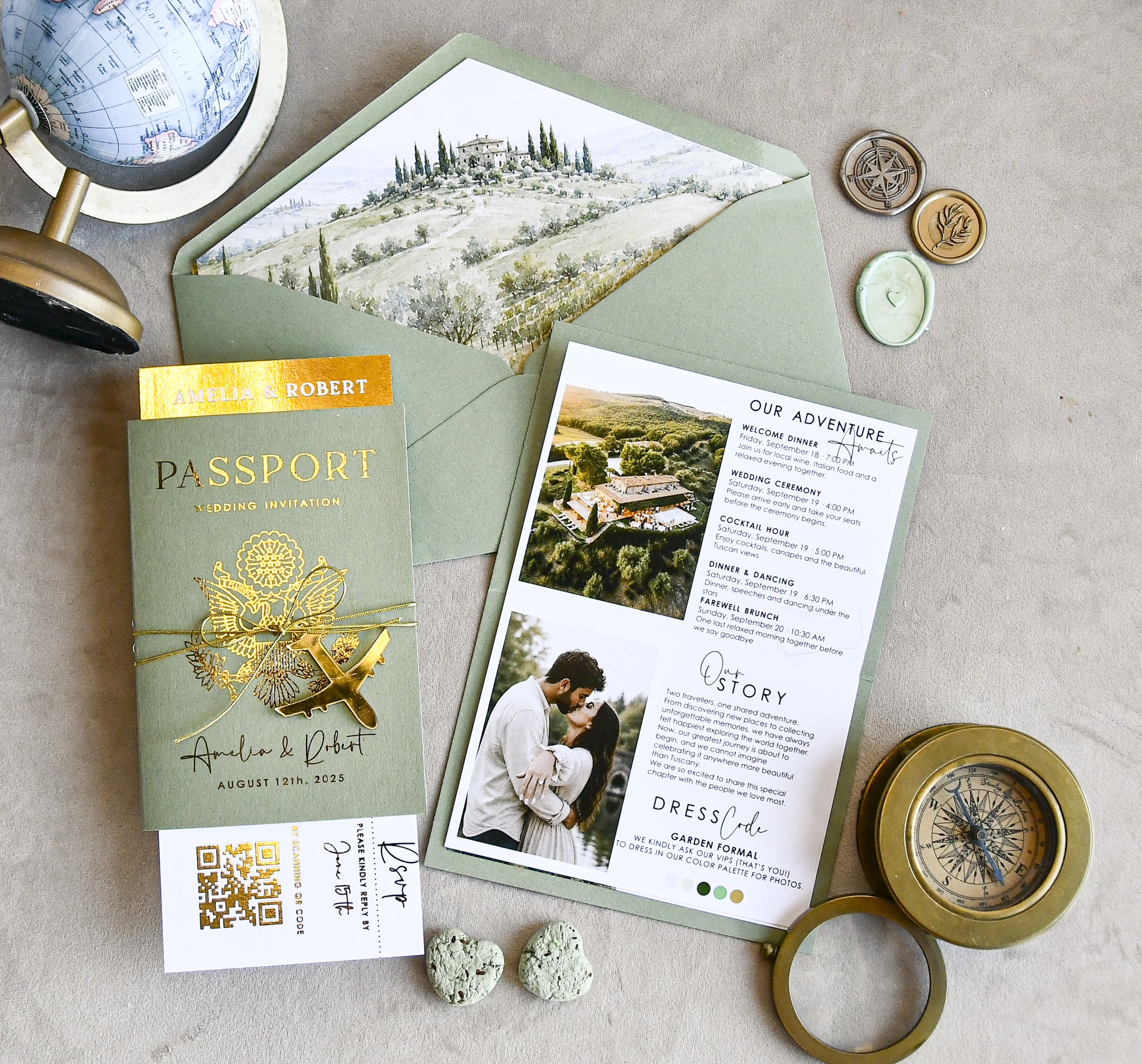
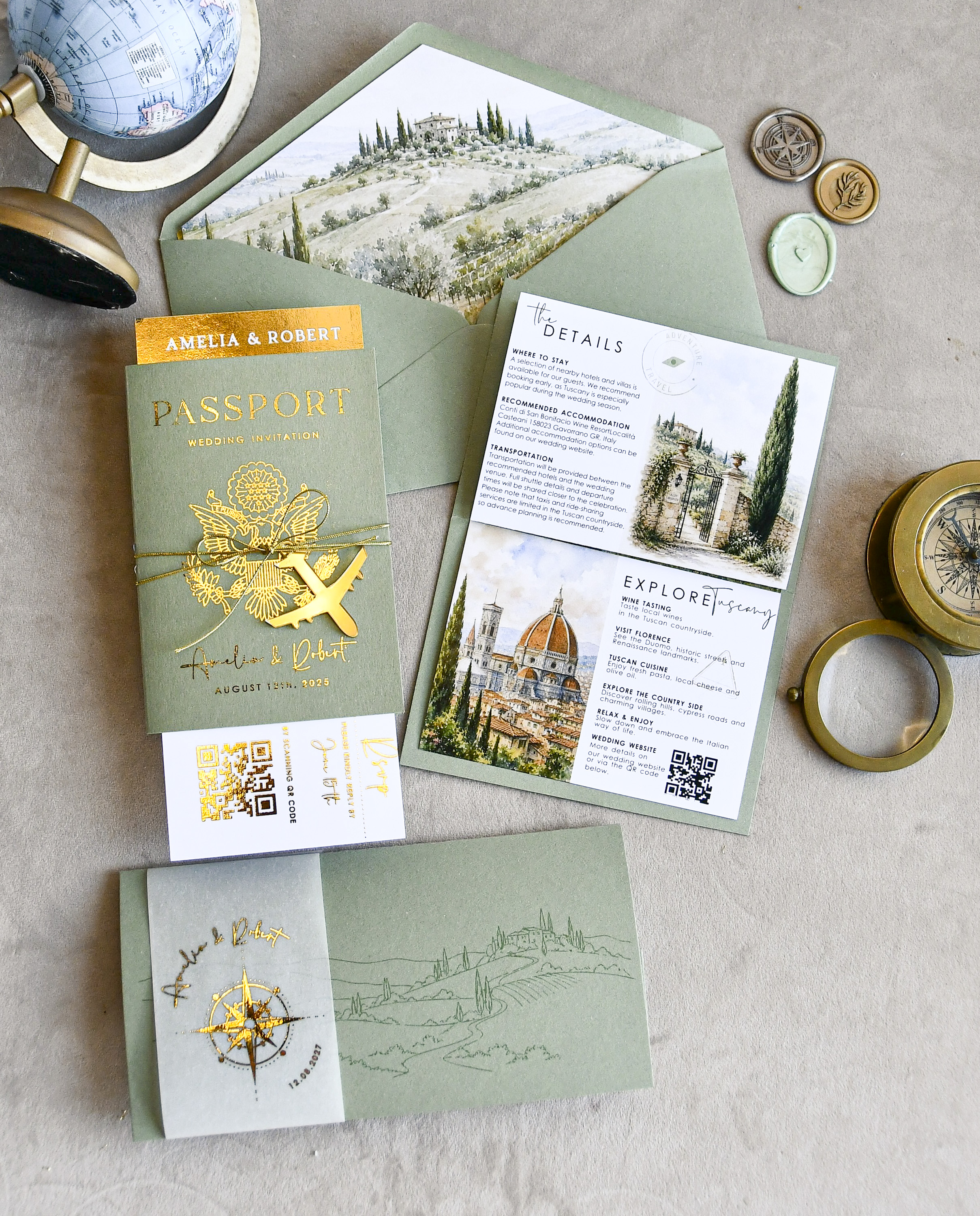
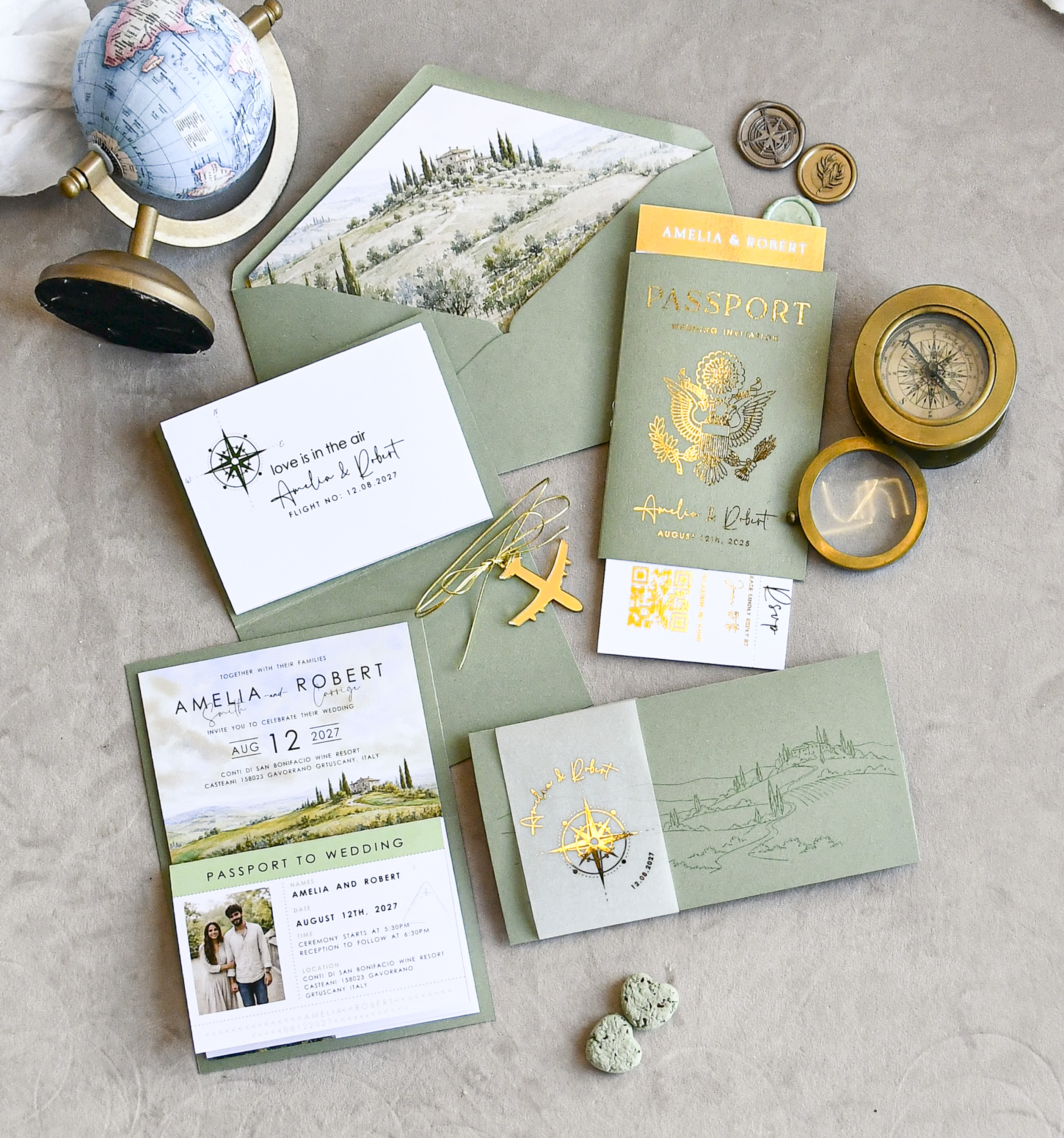
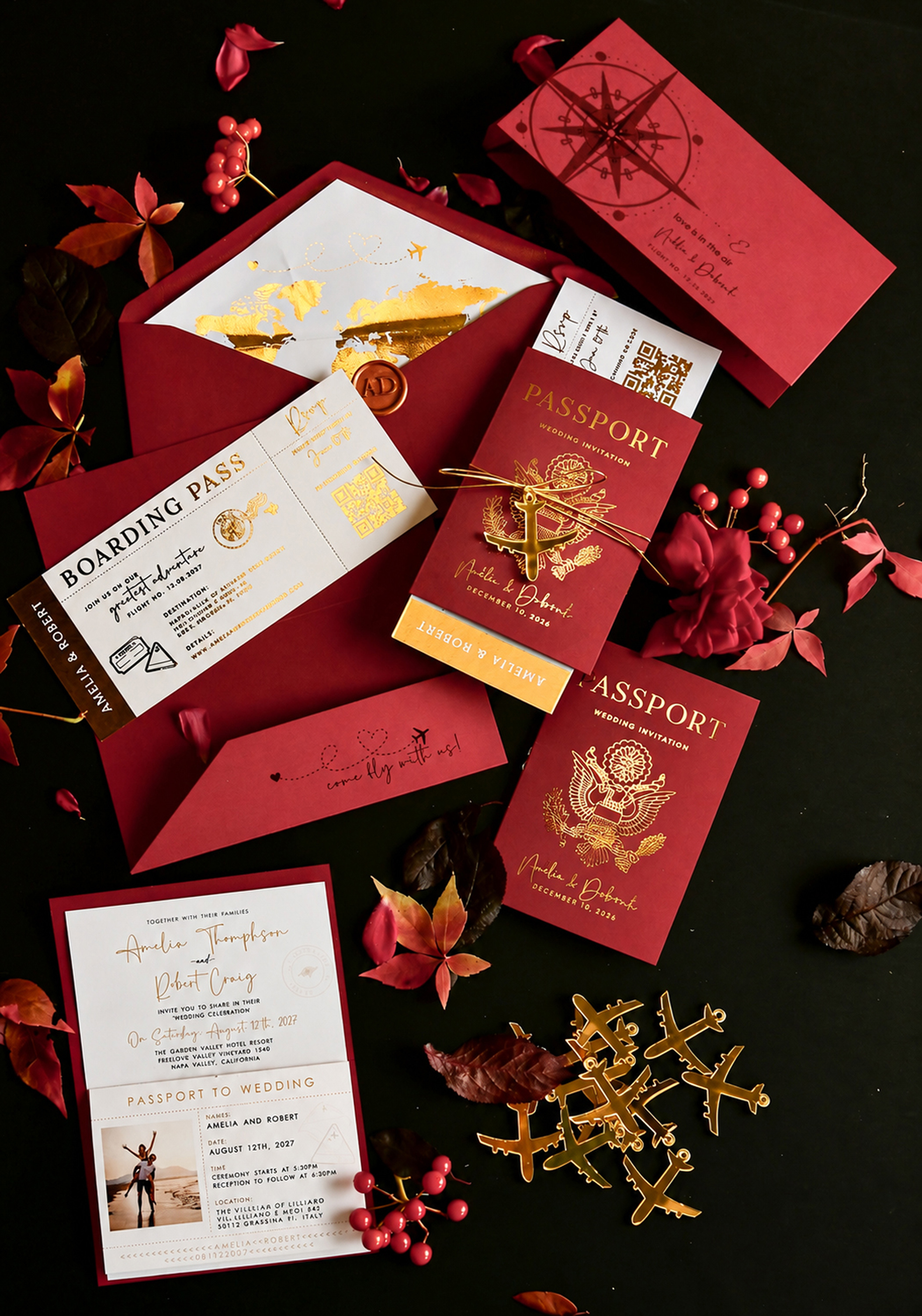
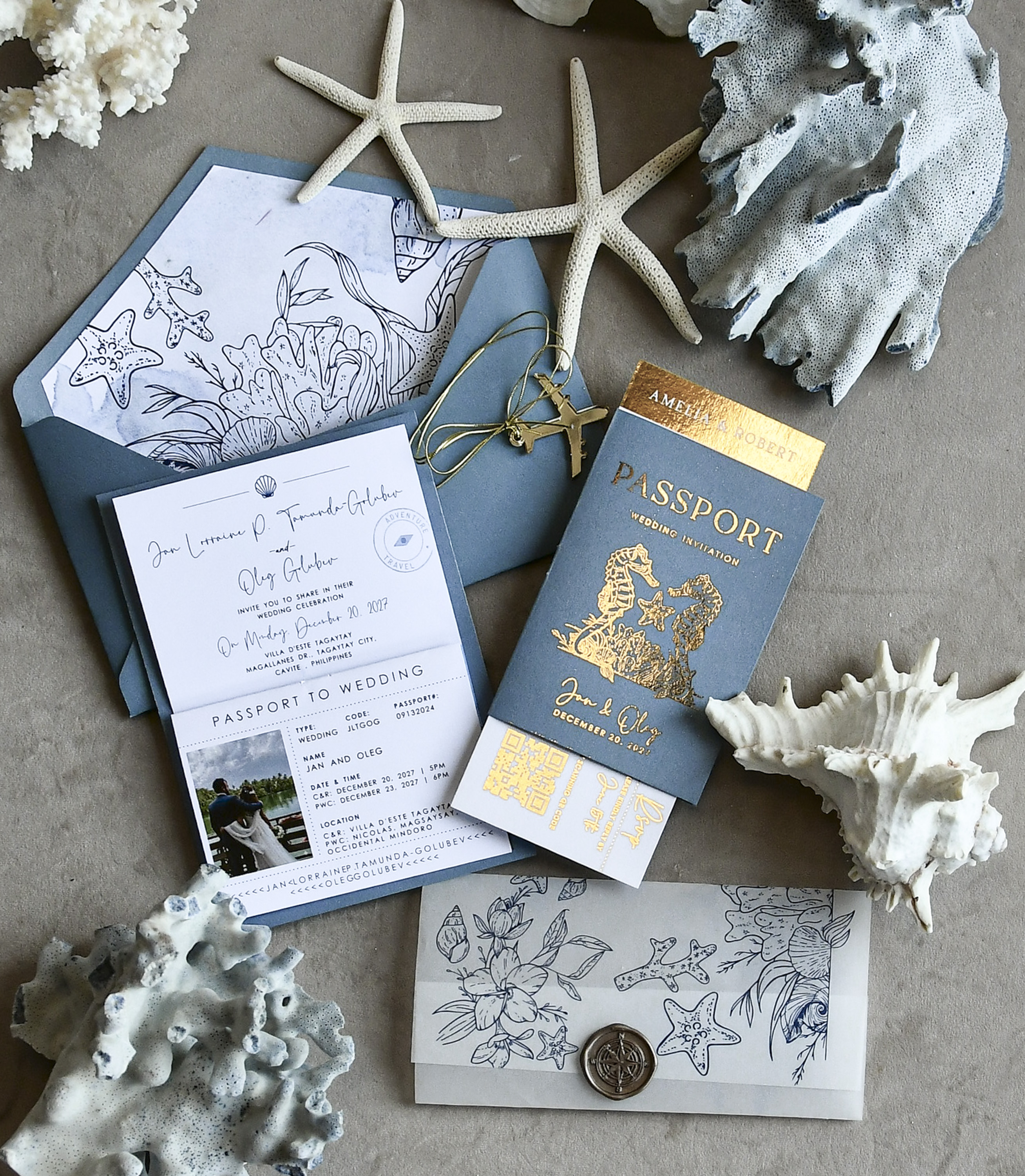
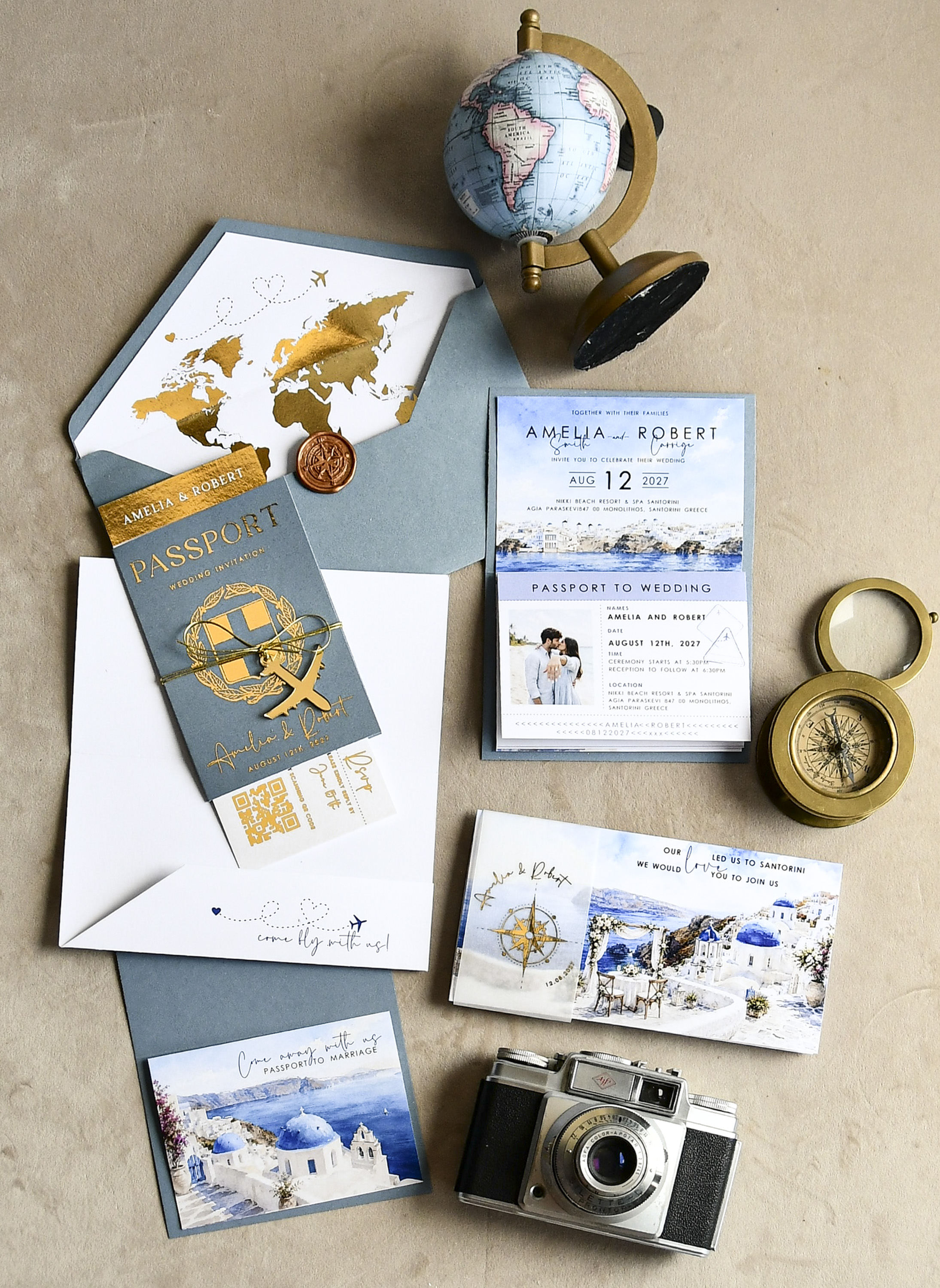
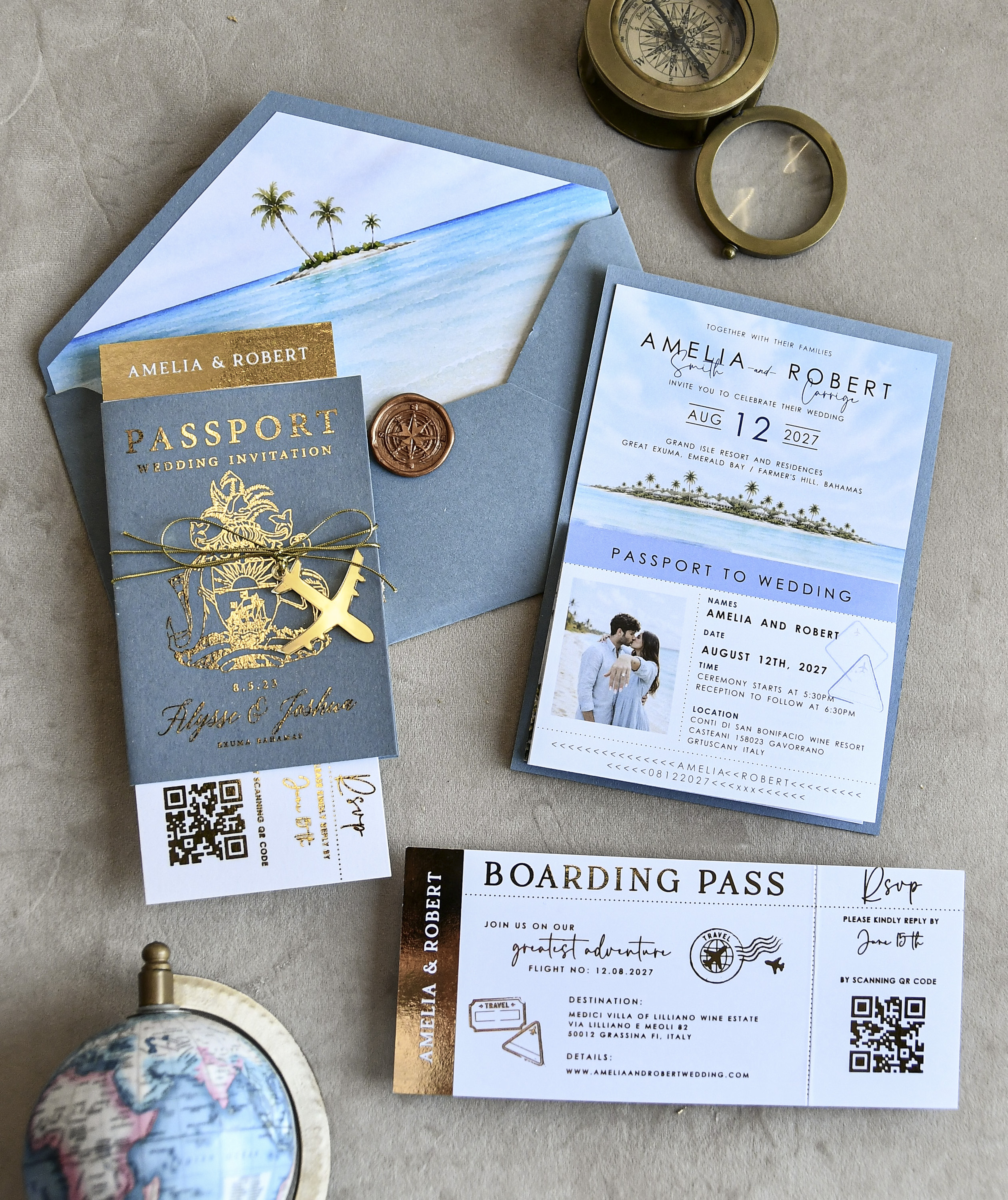
If you do decide to extend an invitation, a beautifully designed piece like the 01/passH/z passport-style beach wedding invitation sets a warm, celebratory tone from the moment it arrives — which can go a long way in softening a first outreach after years of silence.
How to Handle Family Members Who Are Pushing You to Invite Someone
This is where things get genuinely tricky. A parent or sibling may advocate strongly for including an estranged relative, often for their own reasons — to avoid awkwardness at family events, to maintain appearances, or out of genuine hope for reconciliation.
A few tips for navigating this:
- Acknowledge their feelings without surrendering your decision. Try: "I hear that this matters to you, and I've thought about it carefully. We've decided to keep our guest list to people we have an active relationship with."
- Offer an alternative. If it feels right, suggest connecting with that family member at a separate family gathering — not your wedding day.
- Stay united as a couple. Make sure you and your partner are aligned before any family conversations happen. A unified front is much harder to pressure.
Remember: whoever is pressuring you will not be the one managing the emotional experience of having that person at your wedding. You will.
When Inviting Them Is Actually the Right Call
Sometimes, after thinking it through, inviting an estranged family member is the right move. Signs this might be true for you:
- You've always wanted to know them better and the estrangement wasn't your choice.
- A shared family member (like an aging grandparent) would be deeply moved by the reunion.
- The estrangement was circumstantial, not painful, and you feel genuinely open to reconnecting.
- You'd regret not inviting them more than inviting them.
If you decide to go ahead, send the invitation early and keep your note warm but low-pressure. A thoughtfully designed invitation — like the travel-inspired 01/passH/z passport wedding invite — communicates care and intention without requiring you to write a lengthy personal letter.
Frequently Asked Questions
Not necessarily. Weddings are personal events, and you're not obligated to invite everyone you're related to. What matters most is being consistent — for example, if you invite all first cousins, leaving one out may feel pointed, so think through your logic before finalizing the list.
You generally don't need to proactively tell someone they aren't invited — most people understand they haven't been included when they don't receive an invitation. If they ask directly, a simple and kind response works best: "We kept our guest list very small and intimate."
This is a real tension many couples face. If accepting financial help comes with guest list strings attached, have an honest conversation early about boundaries. In some cases, contributing more of your own funds gives you more control over the final list.
This can work in some situations, but it can also feel like a clear signal of hierarchy that creates more awkwardness than it solves. If you're not comfortable having someone at the full celebration, it's often cleaner to not invite them at all.
It can be a genuine first step, yes — especially if the distance was circumstantial rather than conflict-driven. Keep your expectations realistic; a wedding invitation opens a door, but rebuilding a relationship takes time beyond the event itself.
Stay calm and kind. You can acknowledge their feelings without over-explaining your decision: "We had to make some really hard choices with our guest list, and I'm sorry if that was hurtful." You don't owe anyone a detailed justification for your wedding guest list.
See This Design Up Close






You May Also Like
More Wedding Planning Guides
- → Handling Last-Minute RSVP Changes: What Couples Need to Know
- → Who Actually Pays When the Guest List Grows?
- → When Kids Deserve Their Own Wedding Invitation: An Age-by-Age Guide
- → Navigating Stepparent Wedding Invitations: A Practical Guide
- → Your Aunt Remarried: Should Her New Husband Be on the Guest List?
- → How to Kindly Let Guests Know Your Wedding Is Adults-Only or Strictly RSVPed
- → The Graceful Art of Trimming Your Wedding Guest List
- → Inviting New Partners to Your Wedding: A Practical Guide for Couples
- → Uninvited Guests on the RSVP Card: How to Handle Extra Names Gracefully
- → How to Handle the 'Why Wasn't I Invited?' Conversation Gracefully
- → The Last Possible Moment to Mail Your Wedding Invitations (And How to Stay on Track)
- → The Complete Guide to Addressing Wedding Invitations Like a Pro
- → Cousins and the Guest List: What You're Actually Obligated to Do
- → When a Family Member Threatens to Skip Your Wedding Over the Guest List
- → Uninvited Plus-Ones and Tag-Alongs: How to Keep Your Guest List Intact
- → When Family Feuds Threaten Your Wedding Plans: A Practical Peacekeeper's Guide
- → Inviting an Estranged Brother or Sister: Finding Clarity Before You Seal the Envelope
- → Cousins, Invites, and Hard Choices: A Practical Guest List Guide