
The Last Possible Moment to Mail Your Wedding Invitations (And How to Stay on Track)

There's a moment in wedding planning when you look at the calendar, look at your invitation pile, and feel a small wave of panic. Whether you're running behind or just want to make sure you're doing things right, the question is the same: is it too late to send your wedding invitations? The honest answer depends on your wedding date, your guest list, and how far people need to travel — but there are firm guidelines that keep things from going sideways. Here's exactly what you need to know.
The Standard Rule: 6 to 8 Weeks Before the Wedding
For most weddings, invitations should arrive in guests' hands six to eight weeks before the wedding date. This gives people enough time to check their schedules, book time off work, arrange childcare, and send back their RSVP by your deadline. If you're approaching that six-week window and haven't mailed yet, you're cutting it close — but you're not necessarily too late.
Here's a practical breakdown:
- 8 weeks out: Ideal send date for a local or regional wedding.
- 6 weeks out: Acceptable, but set your RSVP deadline at three weeks out to give yourself enough time for catering counts.
- 4–5 weeks out: You're in the late zone. Mail immediately, follow up by phone or text, and consider sending digital invites alongside paper ones to speed up responses.
- Under 4 weeks: This is genuinely too late for formal paper invitations to do their job. Pivot to a digital invitation or a direct phone call, and save your paper invitations as keepsakes.
Destination and Travel-Heavy Weddings Need More Lead Time
If your wedding requires guests to book flights, reserve hotel rooms, or take multiple days off work, the standard six-to-eight-week rule doesn't apply. For destination weddings, aim to send invitations three to four months in advance — and pair them with save-the-dates sent six to twelve months out.
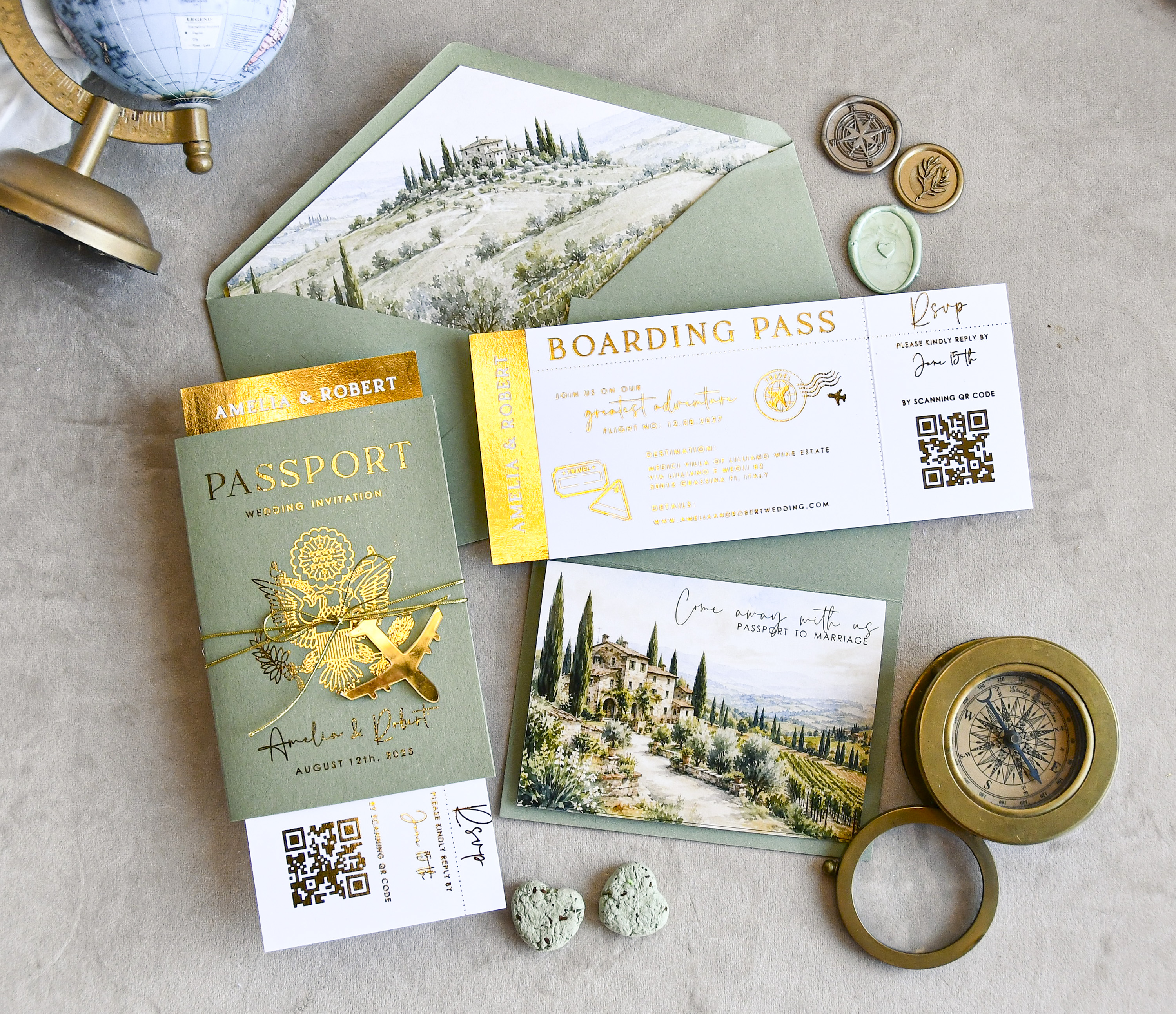
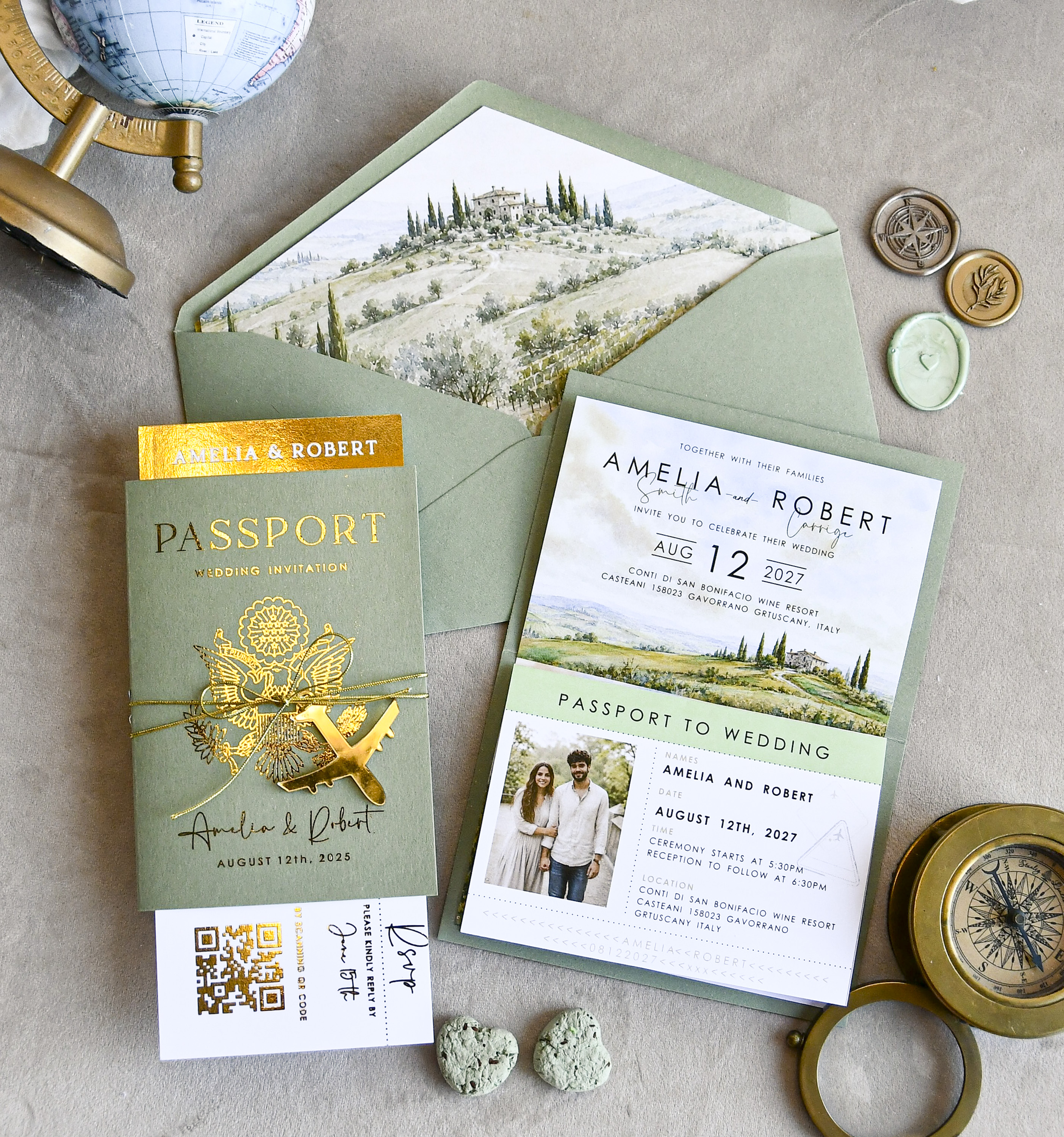
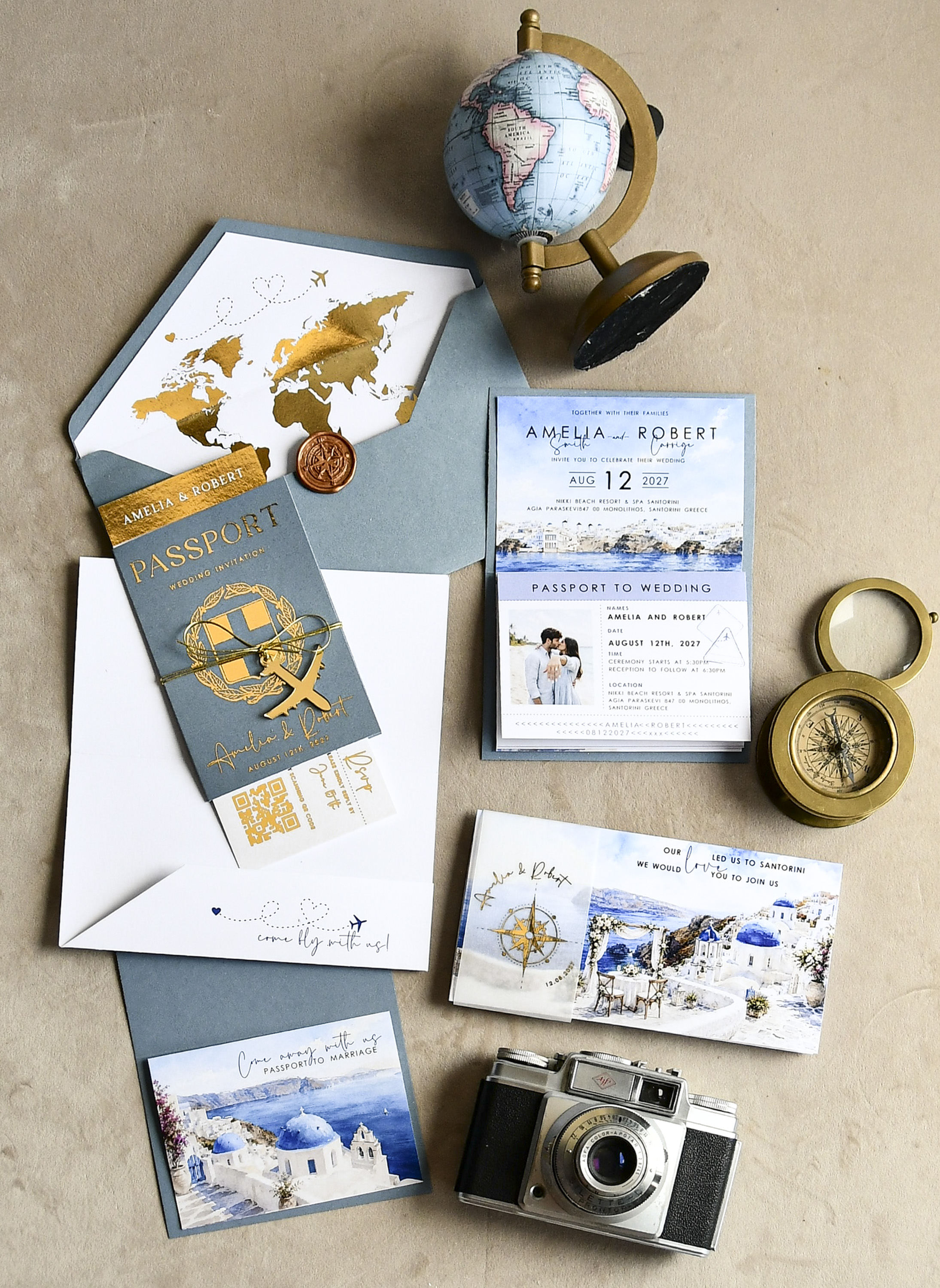
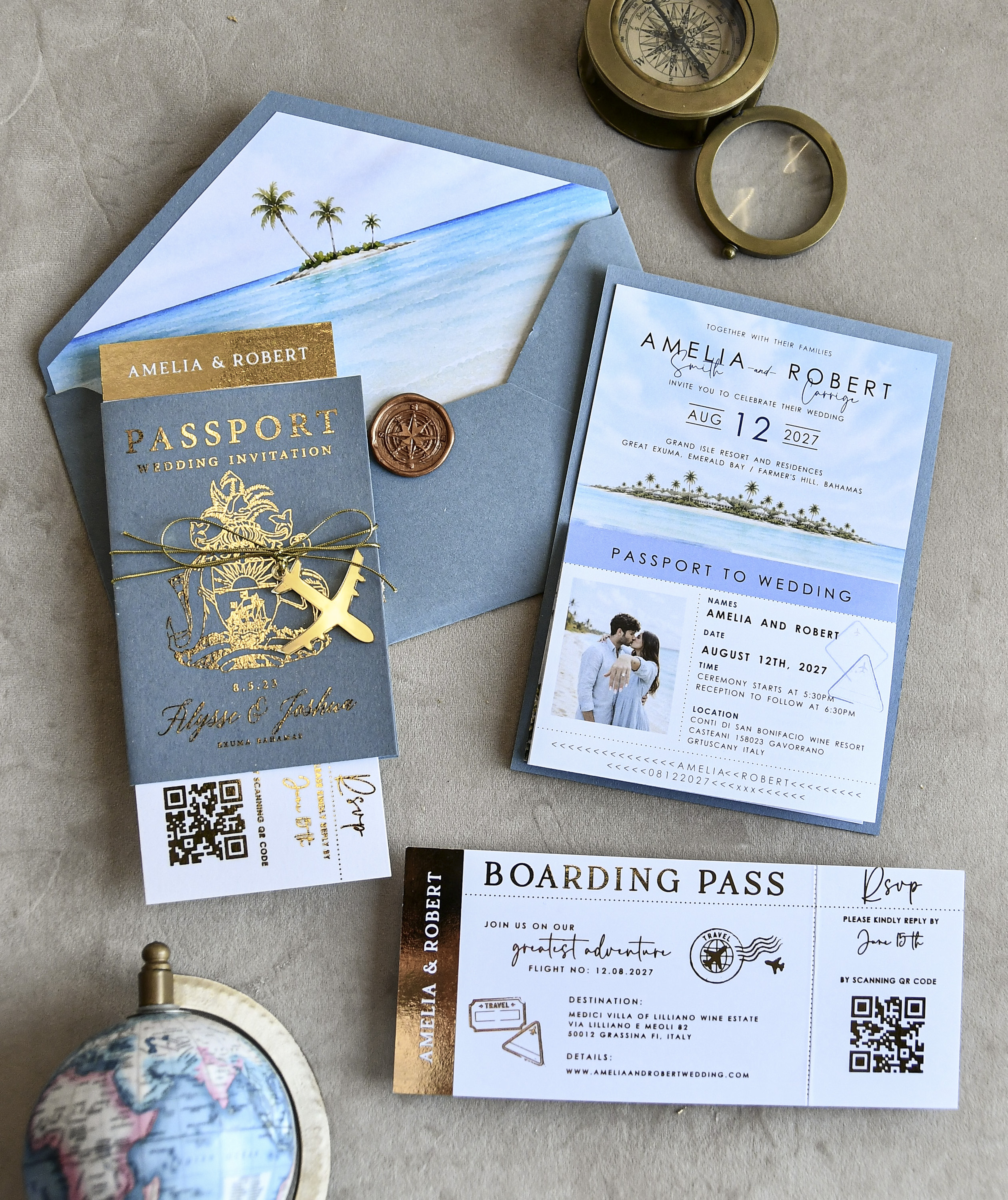
Beach weddings are a perfect example. Guests need time to research travel, compare flight prices, and coordinate with travel companions. A beautifully designed passport-style invitation like the 01/passH/z passport to love beach wedding invite sets the tone and signals that this is a trip worth planning for — but only if it arrives early enough for people to act on it. Sending a destination wedding invitation six weeks out is almost always too late.
Save-the-Dates Buy You Time — But Only If You Used Them
If you sent save-the-dates, you have a little more flexibility with your invitation timeline. Guests already know the date, have (hopefully) blocked their calendars, and are expecting the formal invitation to follow. In this case, sending invitations five to six weeks out is perfectly acceptable.
If you skipped save-the-dates entirely, you need to add at least two extra weeks to your invitation lead time to compensate. Guests are hearing about your wedding for the first time through the invitation, and they need the additional runway to make it work.
What to Do If You've Already Missed the Window
If you realize you're past the point where mailed invitations make sense, don't freeze — act. Here's a realistic game plan:
- Send digital invitations immediately. Services like Paperless Post or a simple email with all the details get the information to guests within minutes.
- Call or text your closest guests directly. Don't let important people find out through a group email.
- Mail paper invitations anyway as a formality — especially if they're beautiful. Guests will appreciate having a physical keepsake even if they already knew about the wedding.
- Extend your RSVP deadline if possible. Give guests at least two to three weeks to respond, even if that cuts into your planning buffer.
The goal is to make sure no guest feels like an afterthought. A warm, apologetic note acknowledging the late notice goes a long way.
Setting Your RSVP Deadline the Right Way
Your RSVP deadline should sit two to four weeks before the wedding, depending on when your venue or caterer needs a final headcount. If you mail invitations eight weeks out, set RSVPs due five weeks out. If you mail at six weeks, set them due three weeks out.
Build in a buffer: about 20% of guests will miss the deadline regardless. Plan for a round of follow-up calls or texts one week after the RSVP date. It's not rude — it's necessary, and most guests expect it.
Frequently Asked Questions
For a local wedding, four to five weeks before the date is the practical cutoff for paper invitations. Any later than that and guests won't have enough time to RSVP meaningfully, so you should supplement with digital invites or direct calls.
Save-the-dates are especially important for destination weddings, holiday weekends, or any event where guests need to book travel. They're optional for local weddings with a straightforward guest list, but they always give you more flexibility with your invitation timeline.
Standard USPS first-class mail typically takes three to five business days domestically, but hand-assembled or wax-sealed invitations may require extra postage or hand-canceling at the post office. Always budget seven to ten days to be safe, especially around holidays.
It can feel inconsiderate to guests who need to arrange travel or time off, since short notice limits their options. A warm, personal note acknowledging the timing — and a direct phone call to your most important guests — softens the situation considerably.
Yes, absolutely. Sending a digital heads-up with all the key details while your paper invitations are in the mail is a practical and thoughtful move. Let guests know the formal invitation is on its way so they know to expect it.
Sending invitations more than three months before the wedding is generally too early — guests may misplace them or forget to RSVP. Stick to the six-to-eight-week window for local weddings and three-to-four months for destination events.
See This Design Up Close












You May Also Like


More Wedding Planning Guides
- → Handling Last-Minute RSVP Changes: What Couples Need to Know
- → Who Actually Pays When the Guest List Grows?
- → When Kids Deserve Their Own Wedding Invitation: An Age-by-Age Guide
- → Navigating Stepparent Wedding Invitations: A Practical Guide
- → Your Aunt Remarried: Should Her New Husband Be on the Guest List?
- → How to Kindly Let Guests Know Your Wedding Is Adults-Only or Strictly RSVPed
- → The Graceful Art of Trimming Your Wedding Guest List
- → Inviting New Partners to Your Wedding: A Practical Guide for Couples
- → Uninvited Guests on the RSVP Card: How to Handle Extra Names Gracefully
- → Navigating the Awkward Guest List: Should You Invite Estranged Family?
- → How to Handle the 'Why Wasn't I Invited?' Conversation Gracefully
- → The Complete Guide to Addressing Wedding Invitations Like a Pro
- → Cousins and the Guest List: What You're Actually Obligated to Do
- → When a Family Member Threatens to Skip Your Wedding Over the Guest List
- → Uninvited Plus-Ones and Tag-Alongs: How to Keep Your Guest List Intact
- → When Family Feuds Threaten Your Wedding Plans: A Practical Peacekeeper's Guide
- → Inviting an Estranged Brother or Sister: Finding Clarity Before You Seal the Envelope
- → Cousins, Invites, and Hard Choices: A Practical Guest List Guide