
The Graceful Art of Trimming Your Wedding Guest List
You dreamed of an intimate celebration, but somehow your guest list has ballooned to 200 people — half of whom you haven't spoken to in years. Trimming that list is one of the hardest parts of wedding planning, but it's also one of the most important. A smaller, more intentional guest list means more budget per person, a more relaxed atmosphere, and a day surrounded by people who truly matter. Here's how to make those tough cuts with kindness and confidence.
Start With a Clear Set of Rules — Before Anyone Gets Invited
The single best way to avoid hurt feelings is to establish consistent criteria before you start sending invitations. When your decisions are based on rules rather than personal preference, they're much easier to explain and defend. Consider adopting one or more of the following guidelines:
- The two-year rule: If you haven't had a real conversation with someone in the past two years, they don't make the cut.
- No plus-ones for single guests unless you know their partner personally.
- No children under a certain age (adults-only receptions are completely acceptable).
- Immediate family only — no extended cousins, no coworkers, no neighbors.
- No work colleagues unless you socialize with them outside the office regularly.
Having these rules in place means you're not making individual judgment calls that can feel personal — you're simply applying a consistent policy to everyone.
Divide Your List Into Tiers and Work From the Top Down
Grab a spreadsheet and sort every potential guest into three tiers:
- Tier 1 — Must-Haves: Immediate family, closest friends, people whose absence would genuinely change the day for you.
- Tier 2 — Would Love to Include: Good friends, extended family you're close to, colleagues you genuinely care about.
- Tier 3 — Obligation Invites: People you feel pressure to invite but don't have a close relationship with.
Start by filling your venue capacity with Tier 1 only. If space and budget allow, work down into Tier 2. Tier 3 guests are almost always the first to go — and most of them won't be surprised or deeply hurt to miss a wedding they weren't expecting to attend in the first place.
How to Handle Family Pressure and Parental Guest Lists
One of the trickiest situations is when parents — especially those contributing financially — want to invite their own friends and extended family. This is incredibly common and requires a direct, loving conversation early in the planning process.
A few strategies that work:
- Set a firm number per family: Tell each set of parents they have a fixed number of spots — say, 10 or 15 — to allocate however they choose. This gives them agency while keeping you in control of the total count.
- Tie the list to the budget: Frame it practically — every additional guest costs $X per head. When parents see the math, they often self-edit quickly.
- Offer alternatives for close-but-cut guests: Suggest hosting a casual celebration dinner or brunch after the honeymoon so extended family still feels included.
Be consistent: if you're cutting your own aunt, you can reasonably ask your partner's family to do the same. Fairness across both families is your strongest argument.
Deliver the News Kindly — and What to Say
If someone expected an invitation and doesn't receive one, a quiet, private conversation goes a long way. You don't owe anyone a detailed explanation, but a brief, warm acknowledgment prevents lasting damage to relationships.
A simple script: "We had to keep our wedding really small — just immediate family and our closest circle. It was an incredibly hard call and we thought of you. We'd love to celebrate with you another time."
What not to do:
- Don't announce your wedding publicly on social media before everyone has been notified — seeing a wedding they weren't invited to on Instagram stings.
- Don't tell uninvited guests that you're "keeping it small" and then invite 150 people. Word travels.
- Don't promise a "bigger party later" unless you genuinely plan to host one.
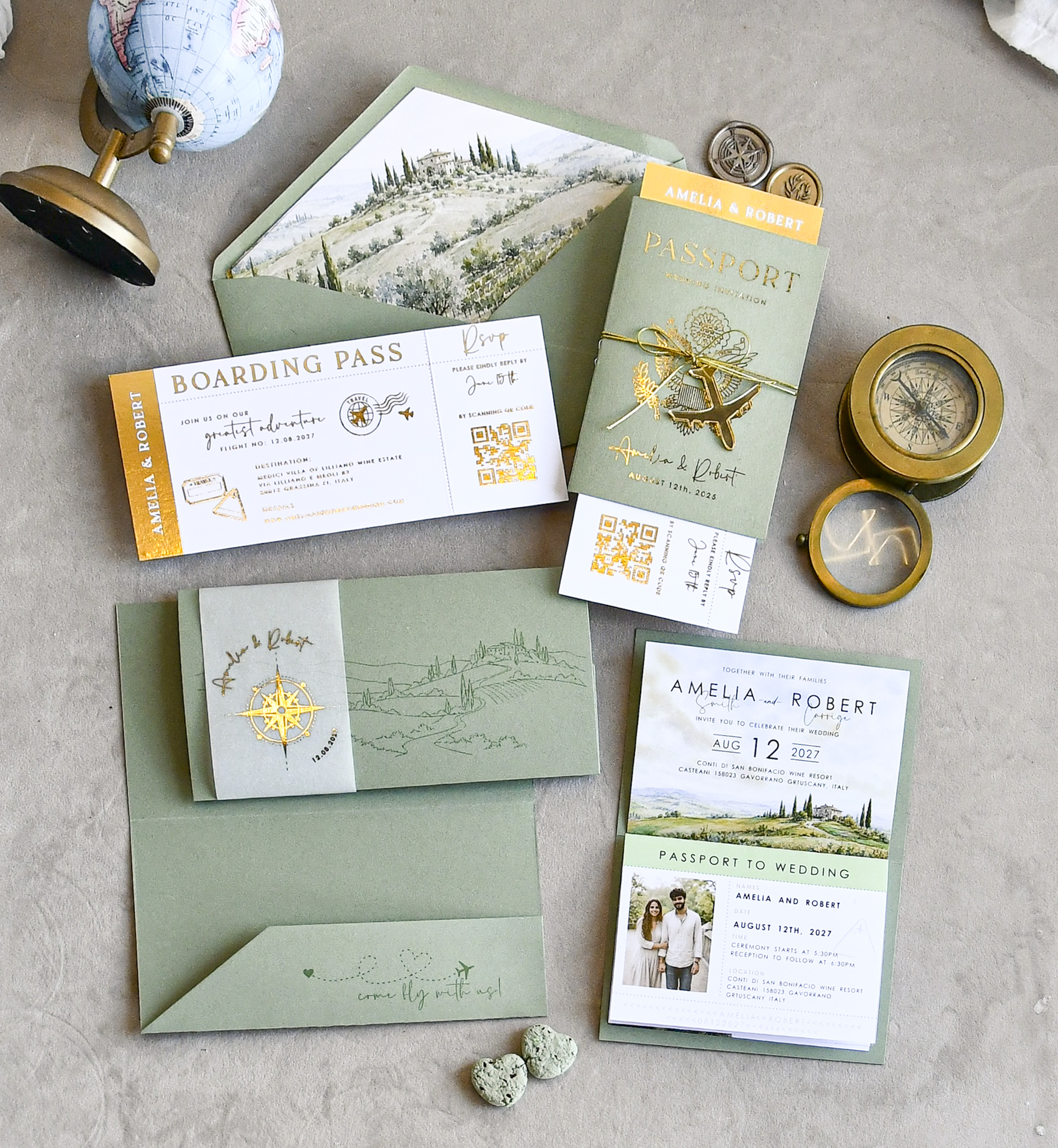
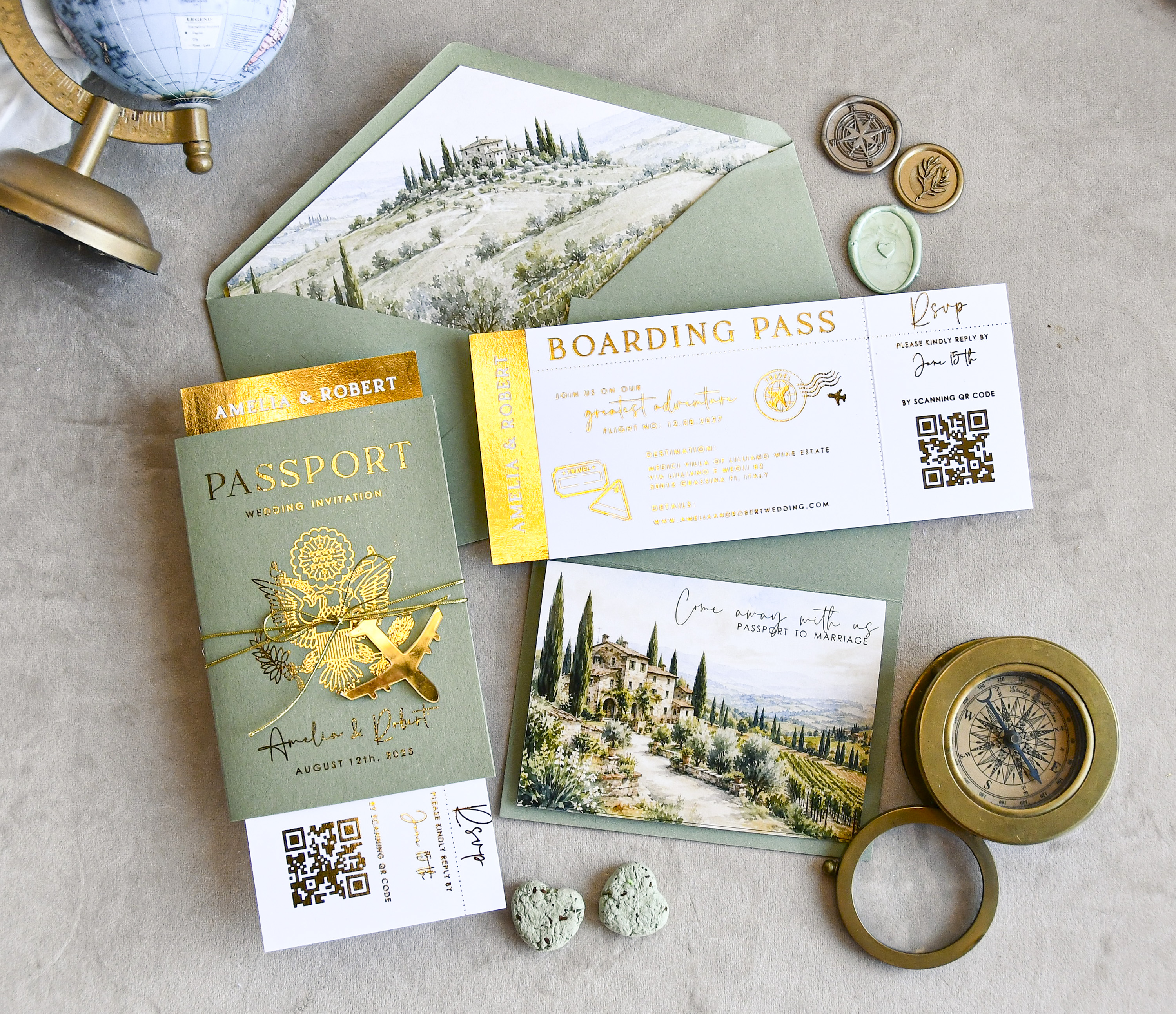
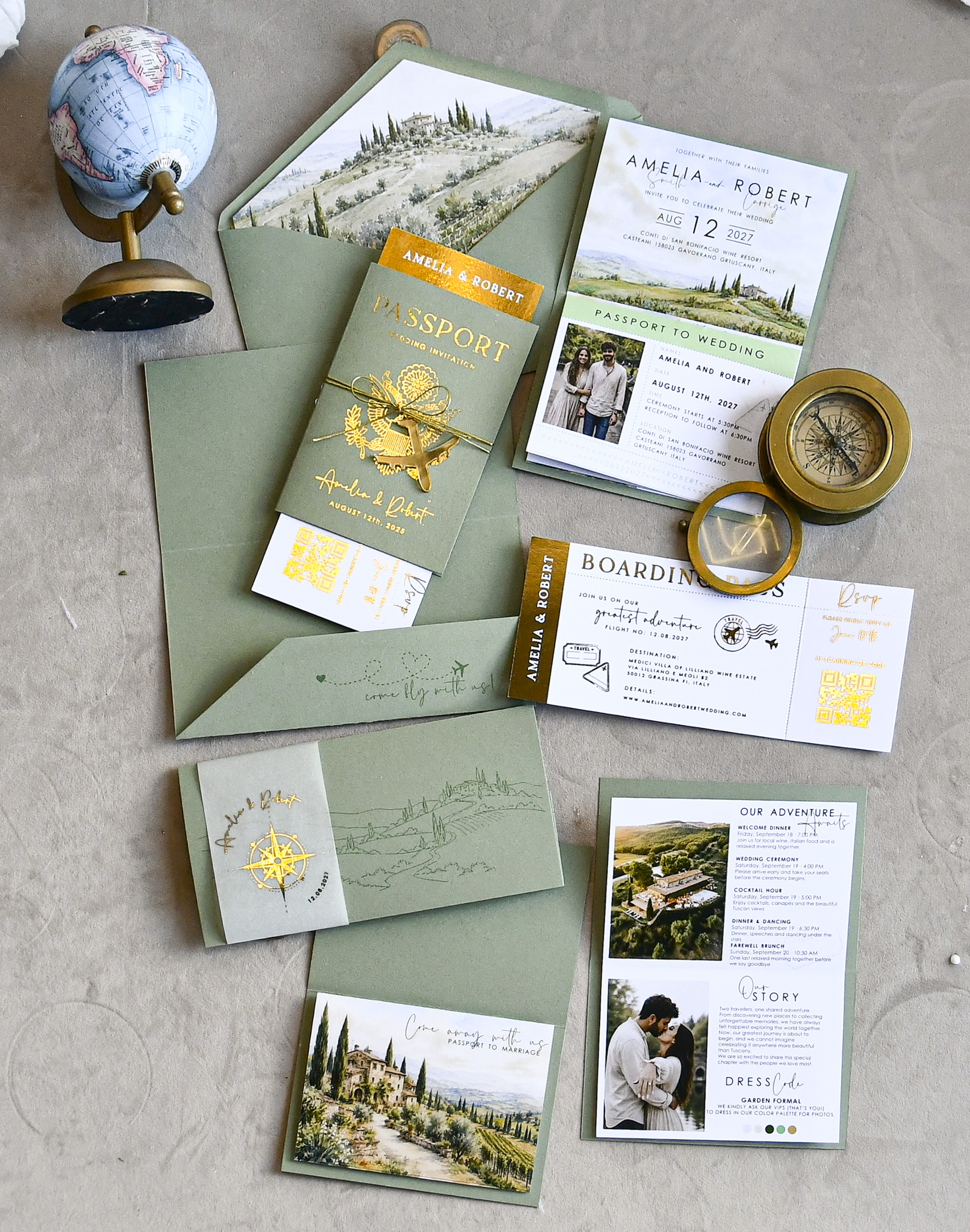
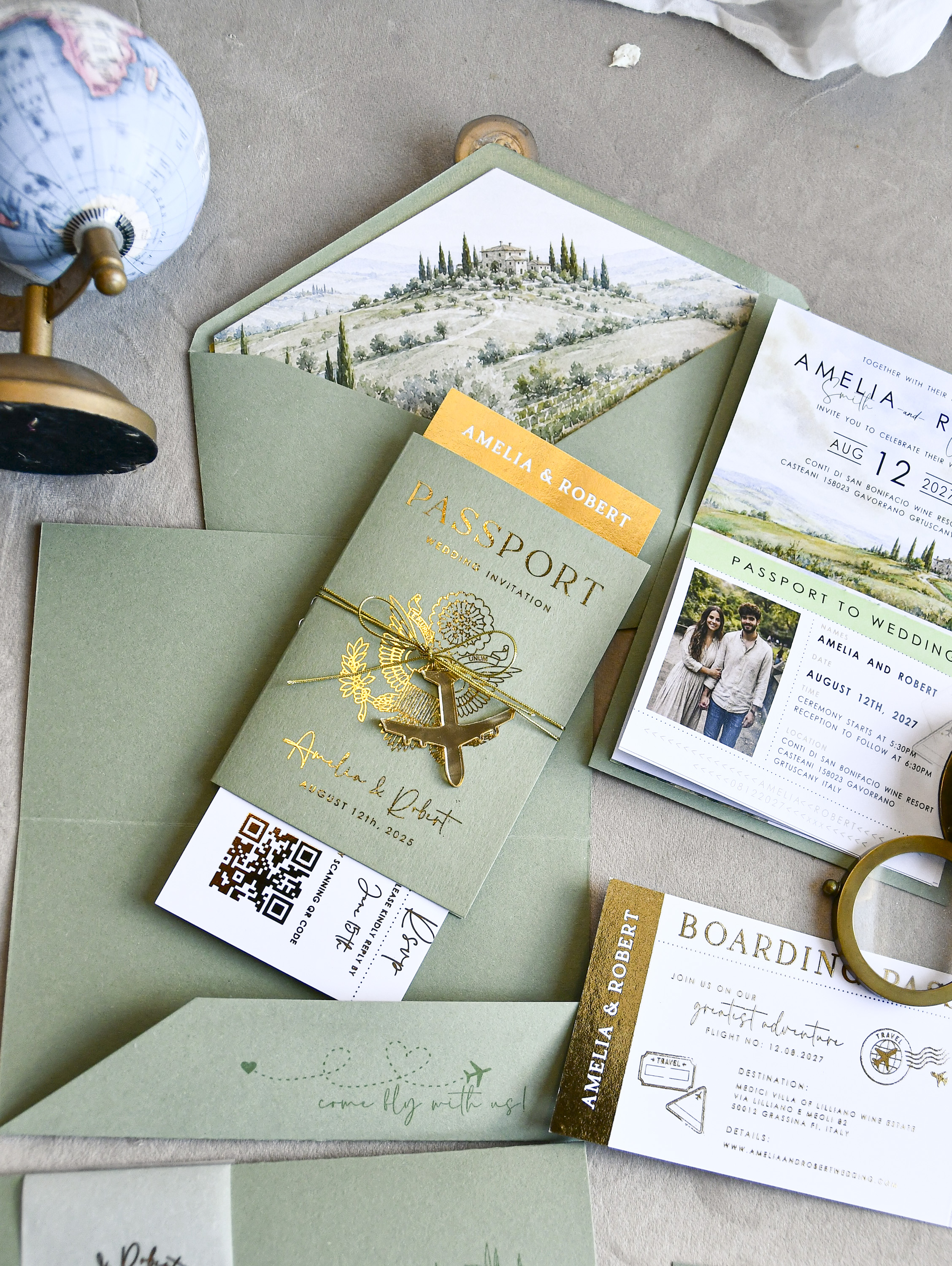
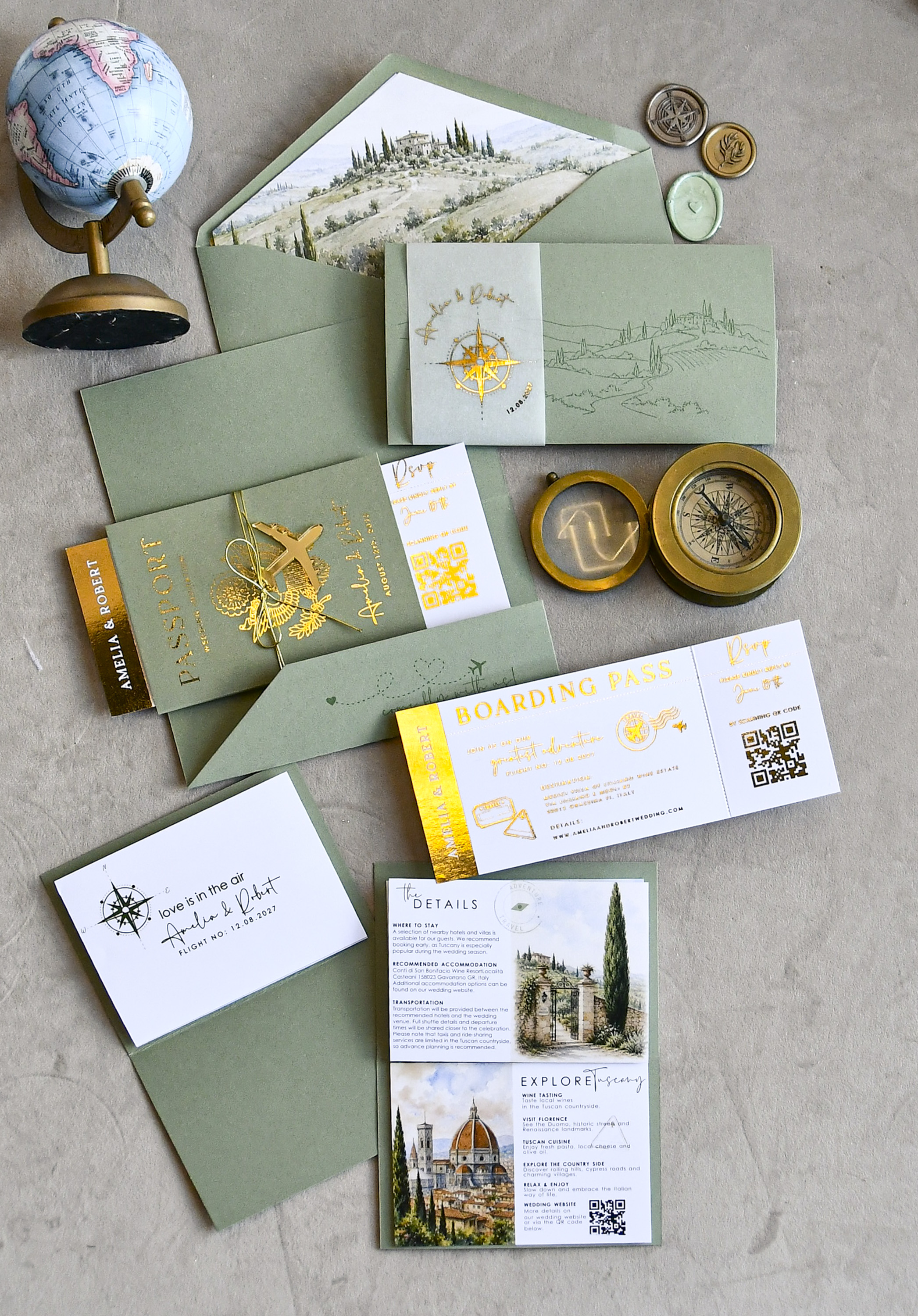
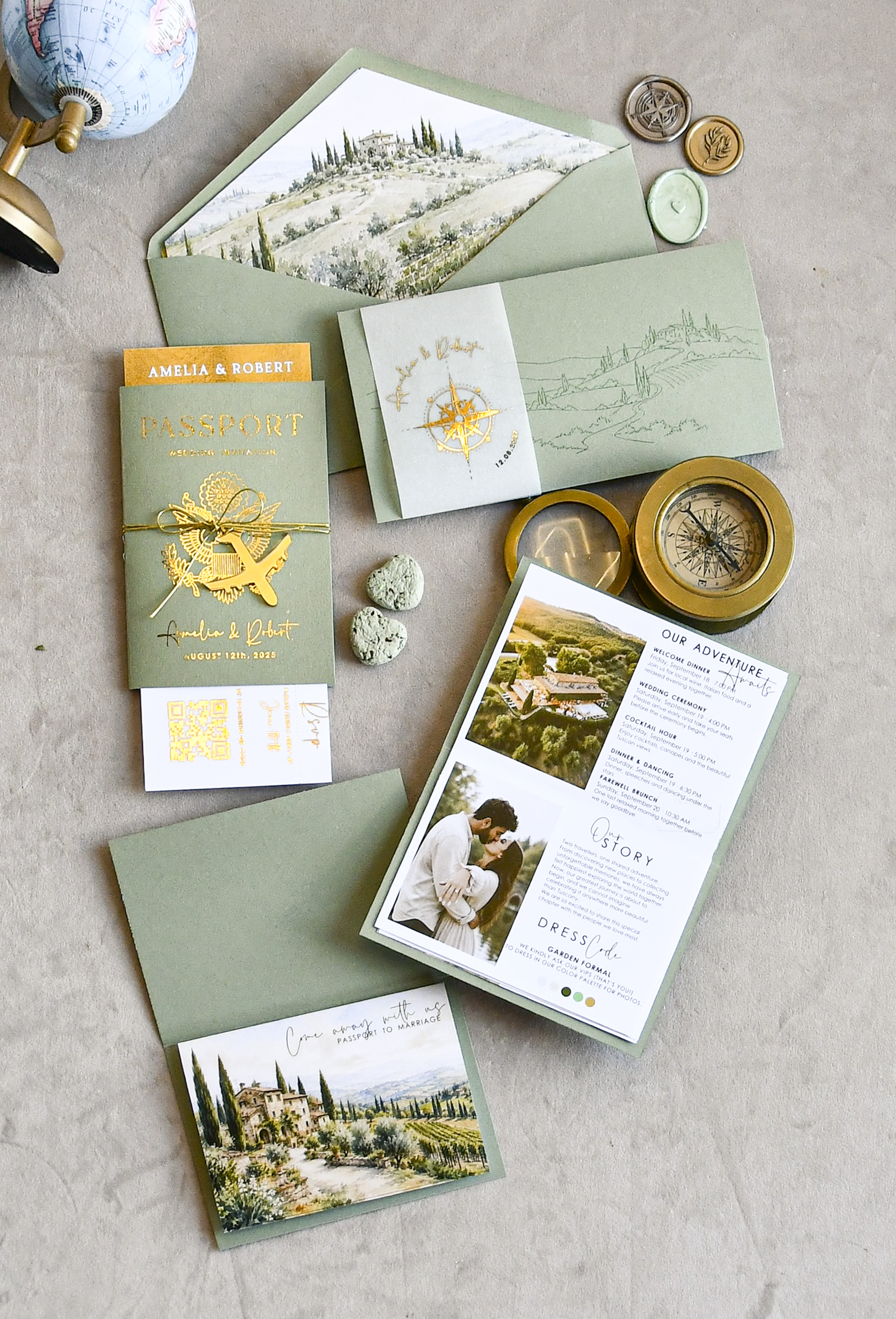
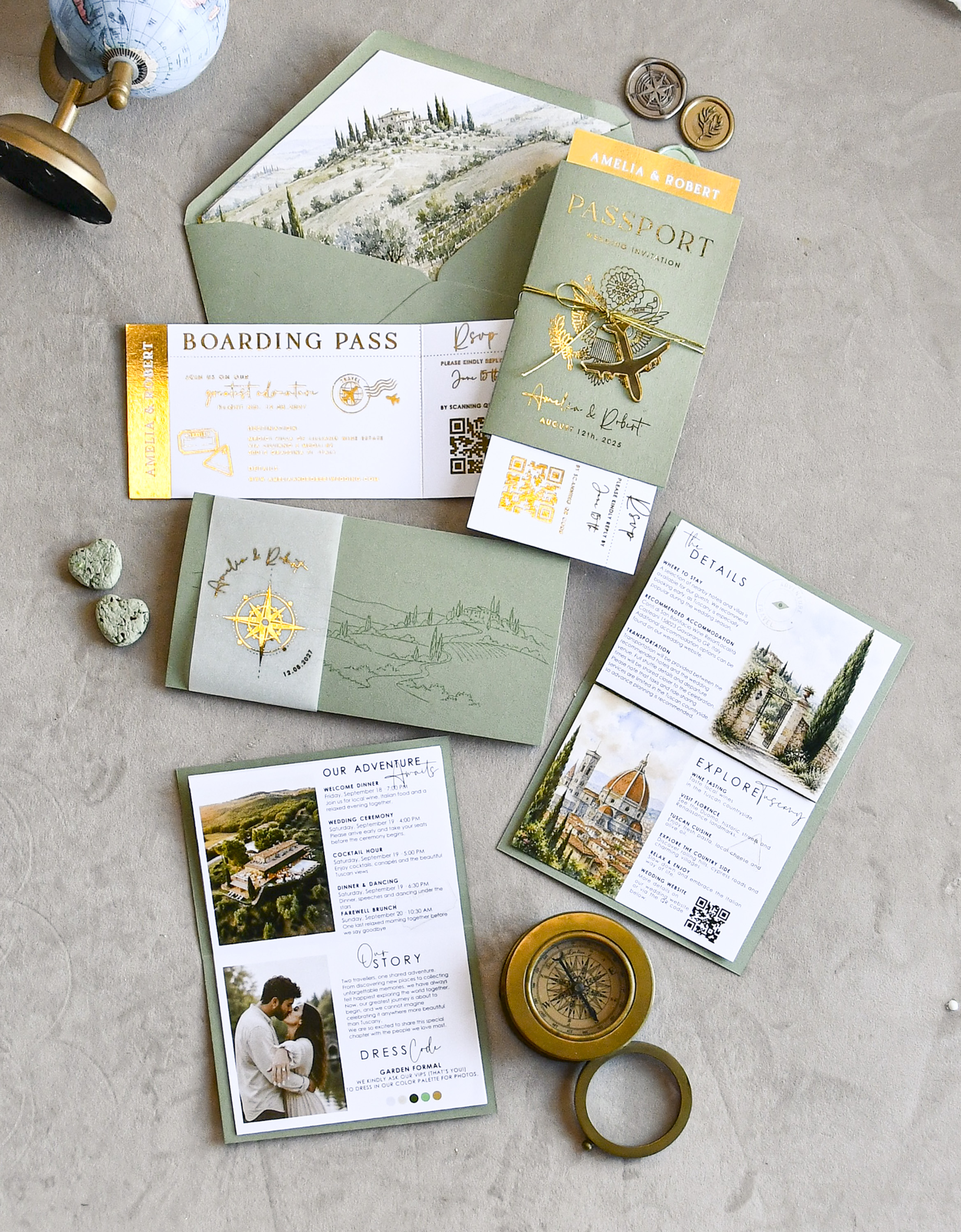
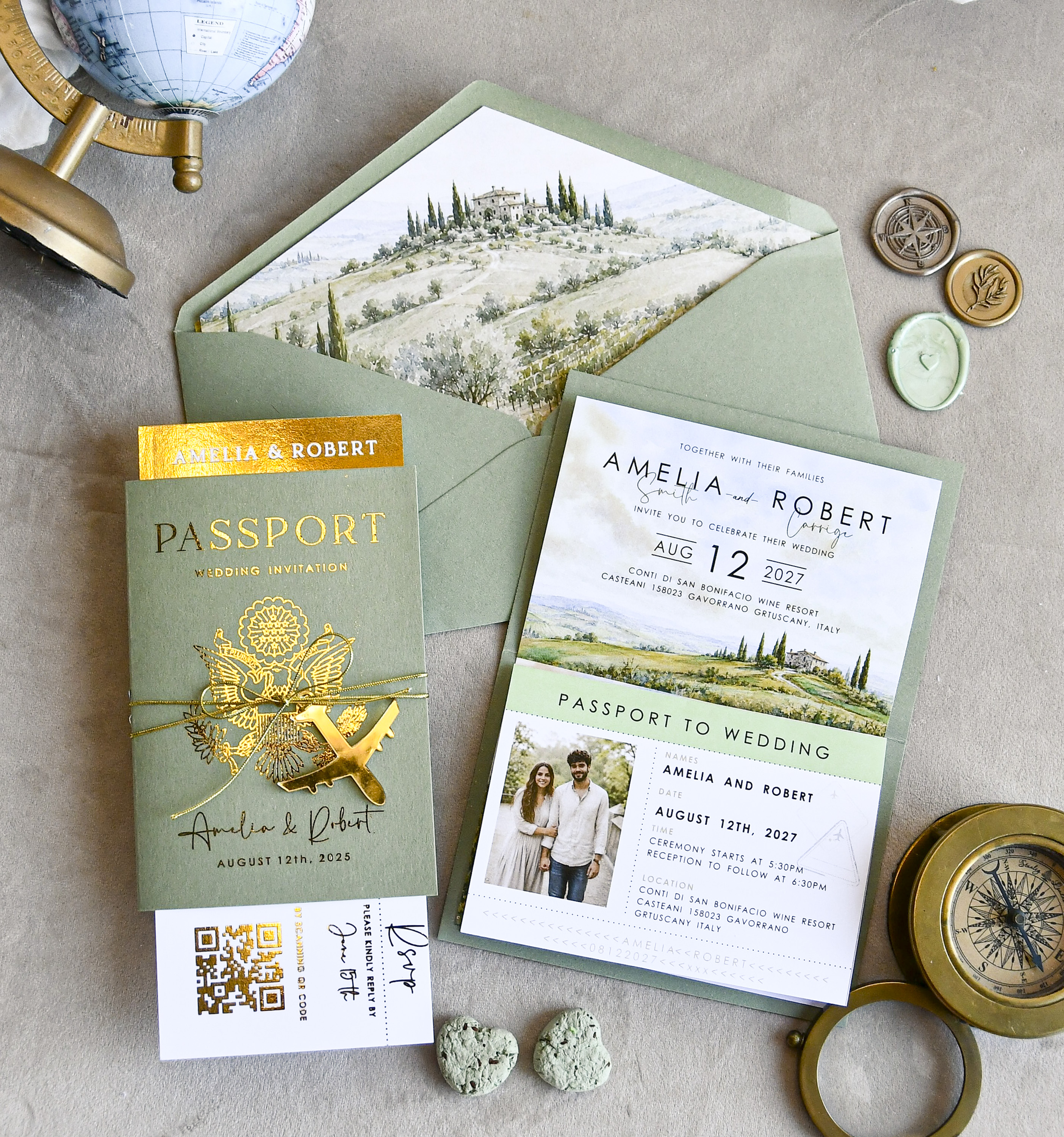
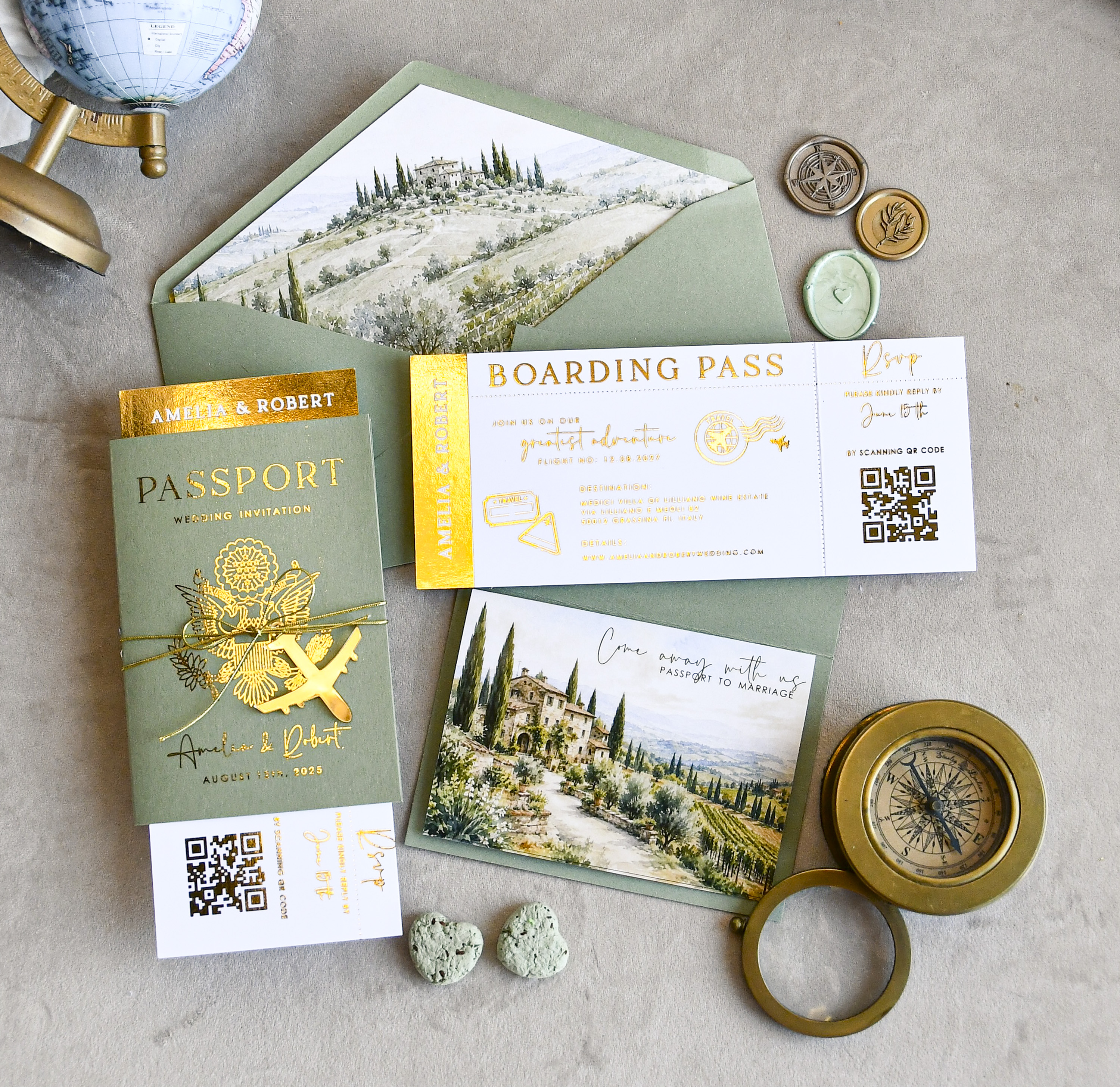
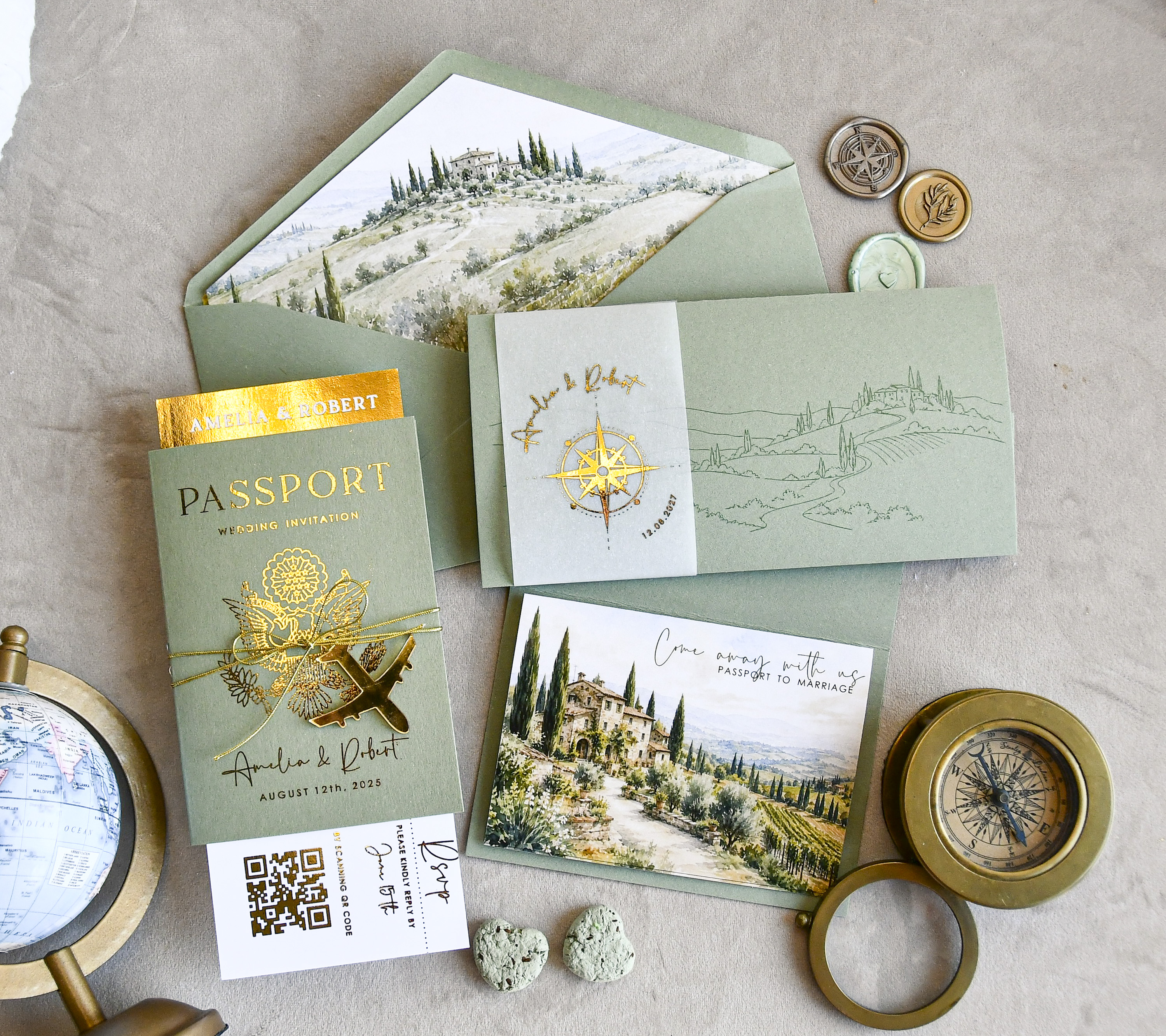
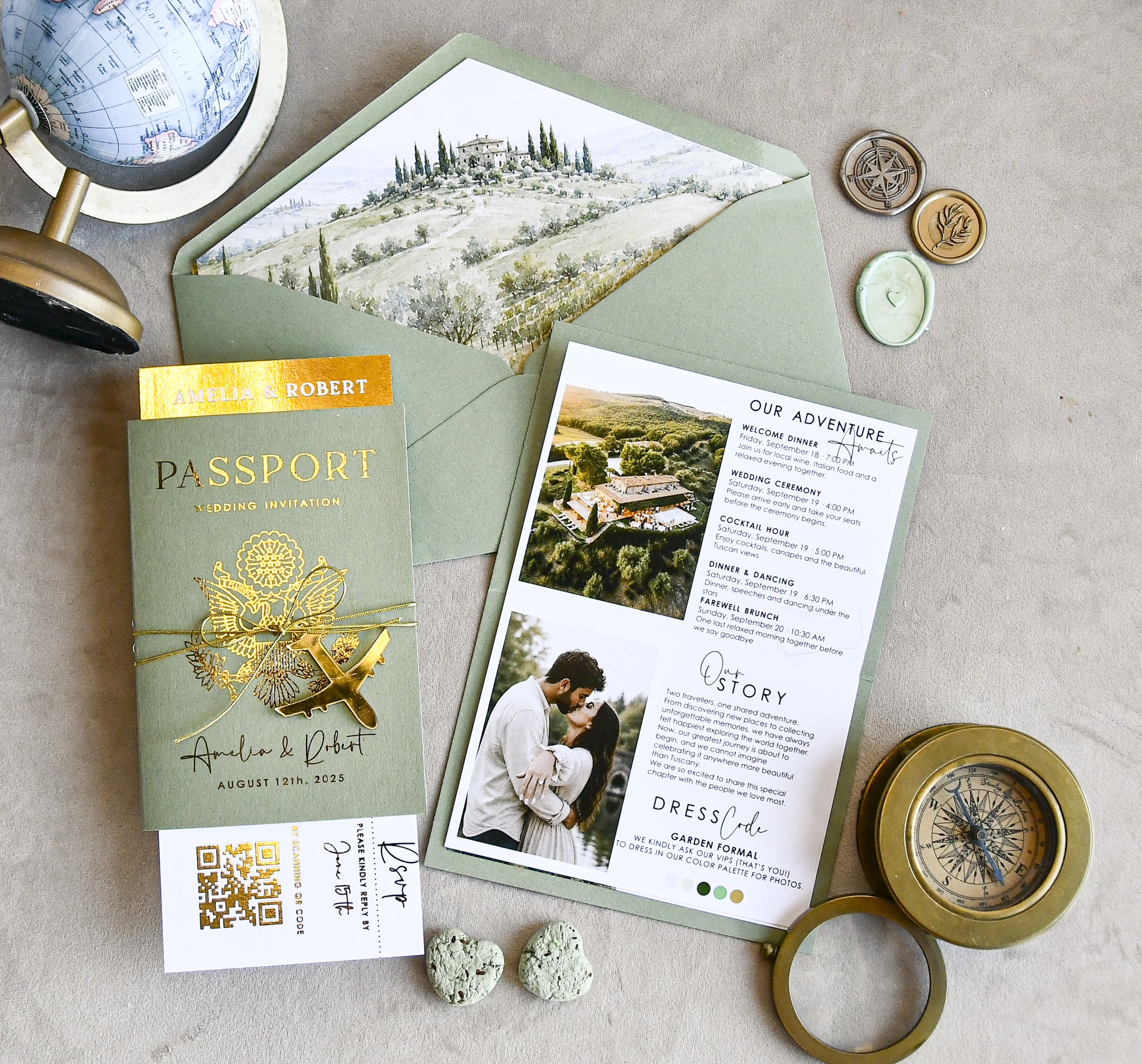
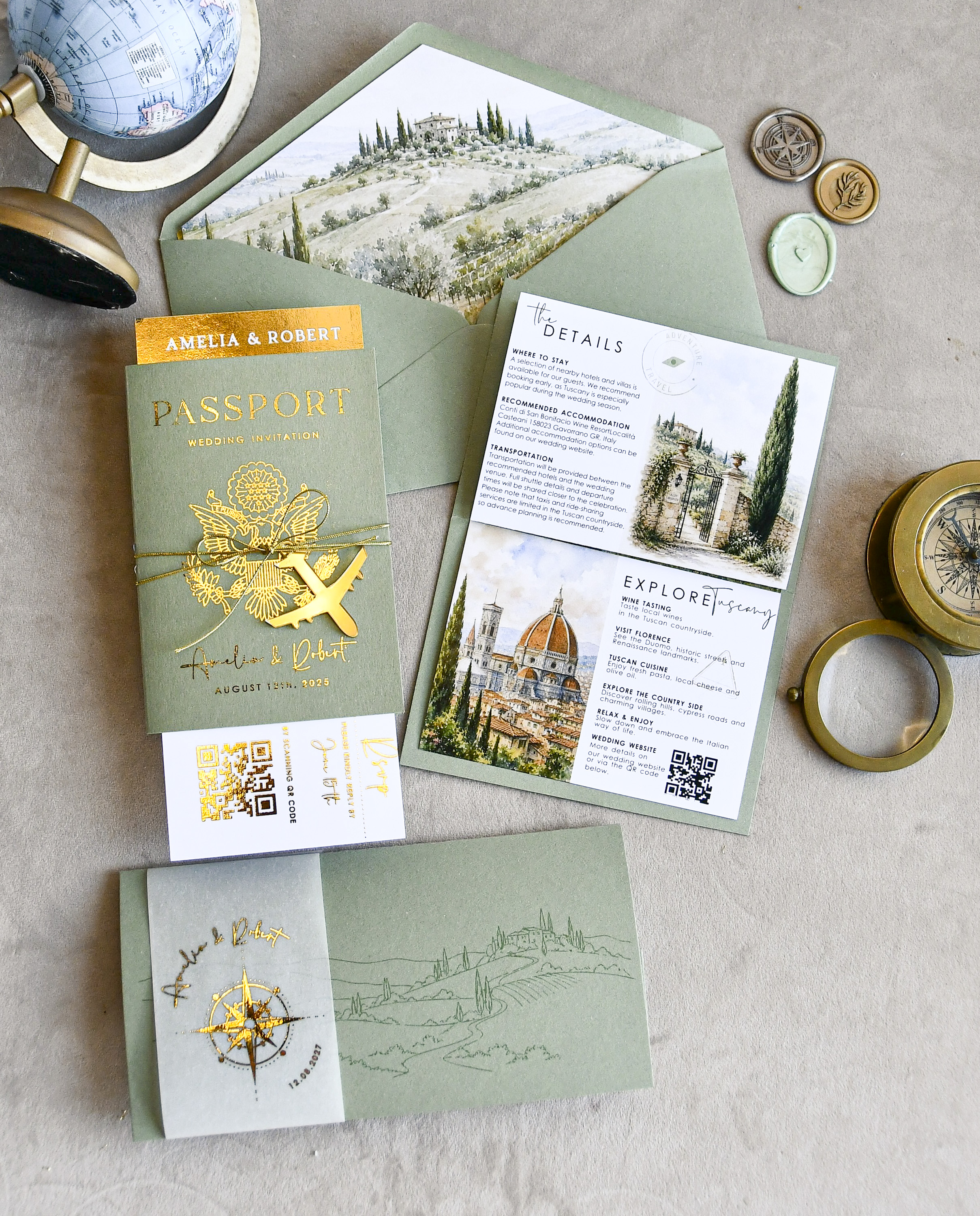
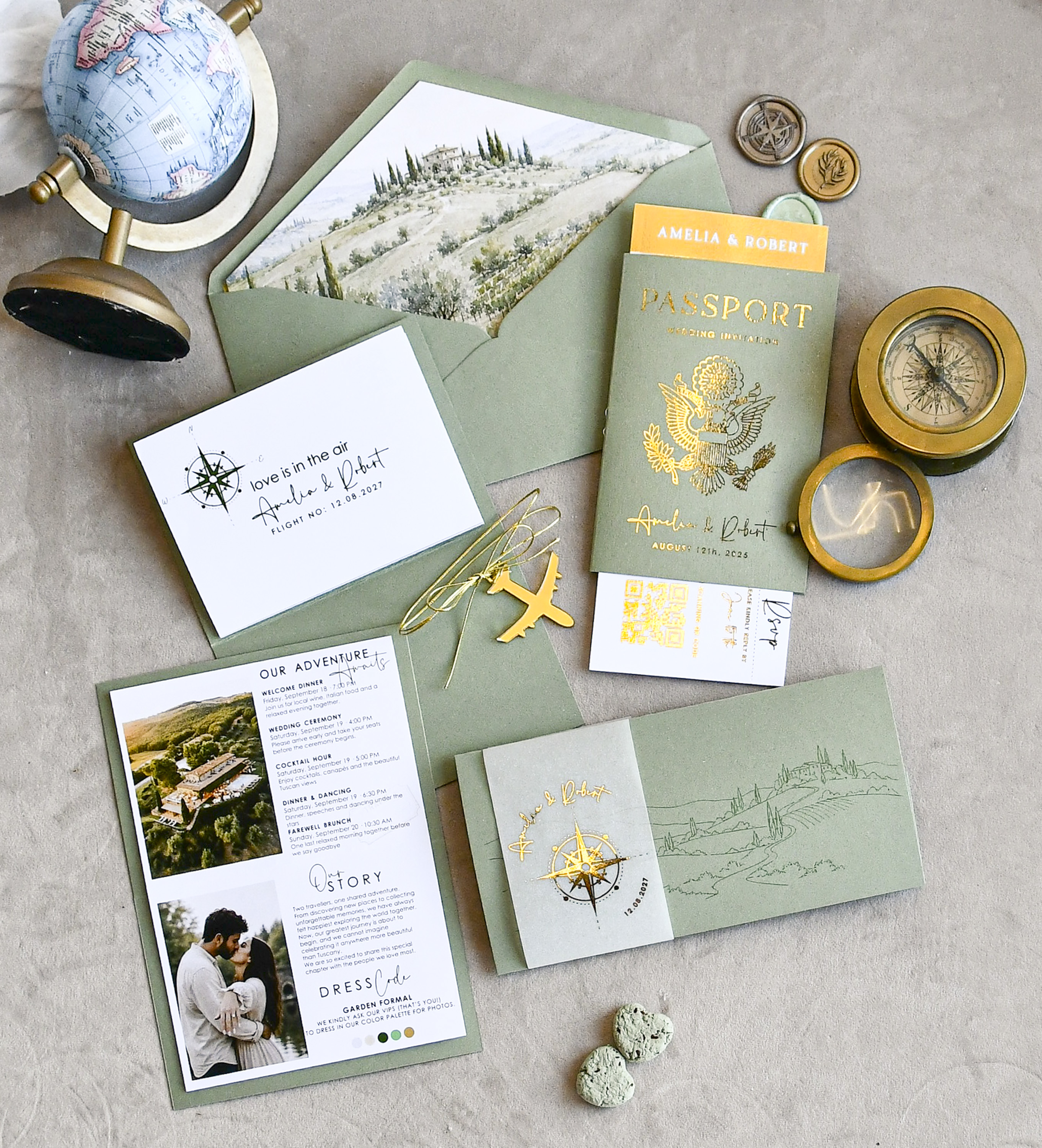
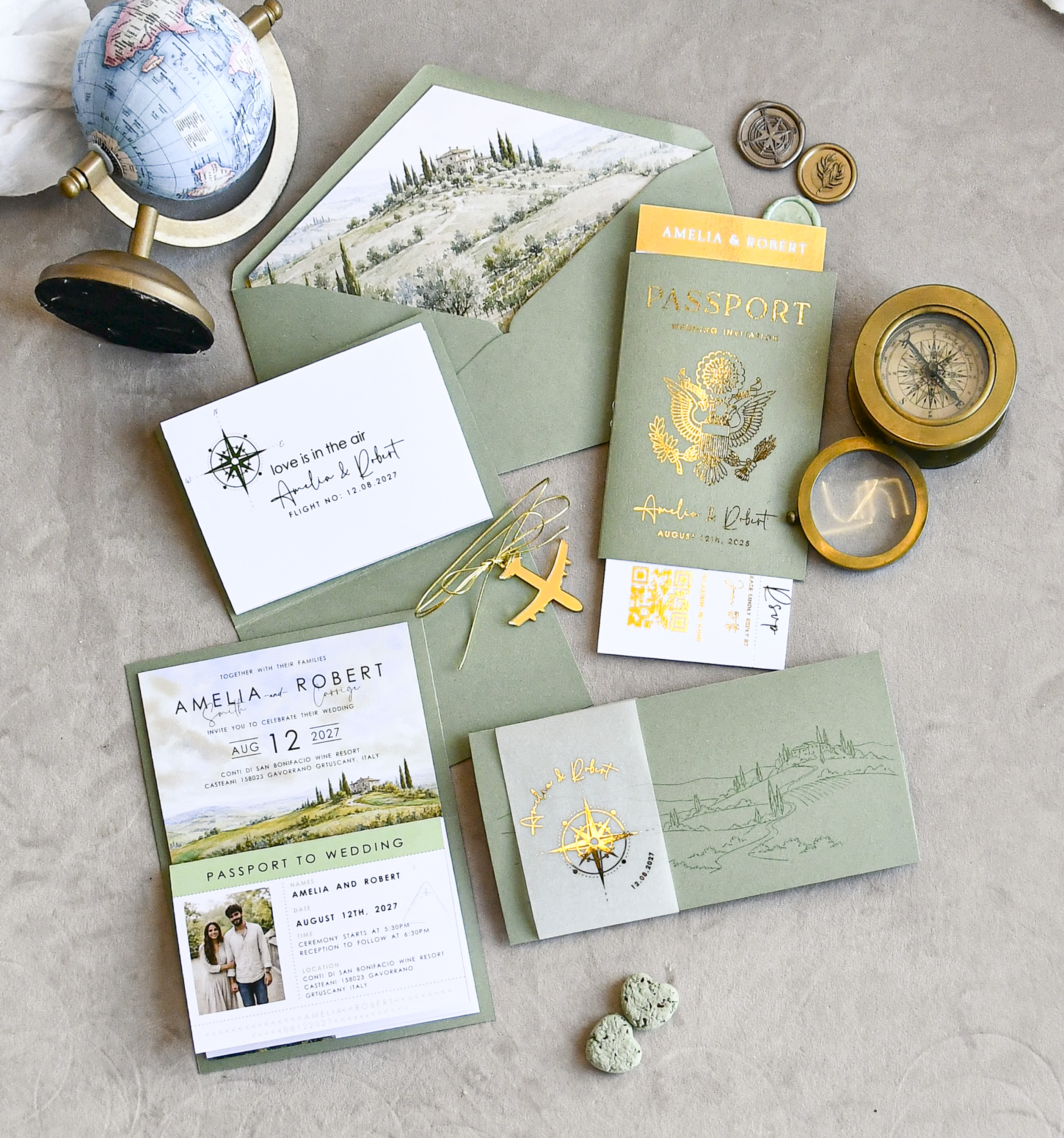
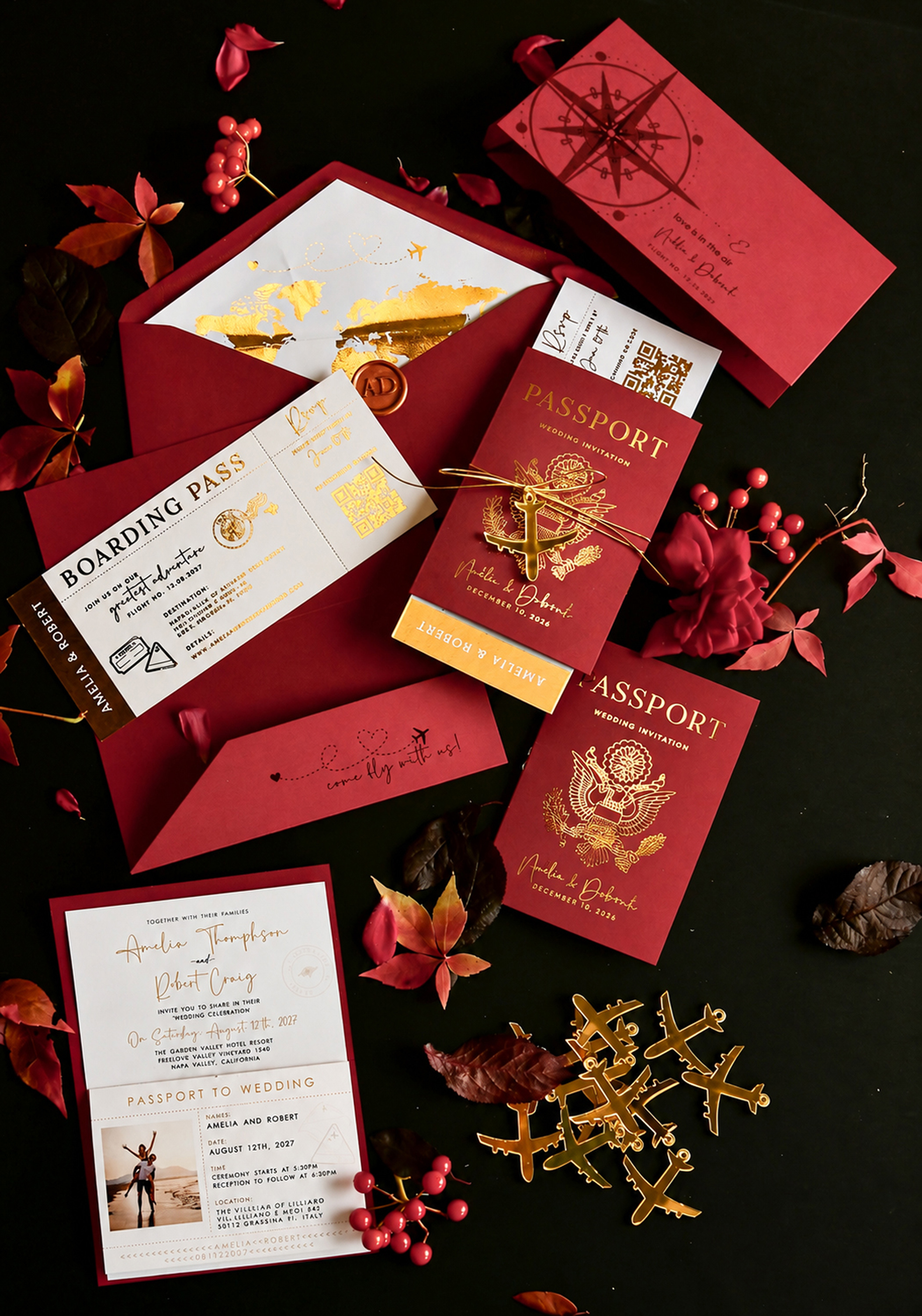
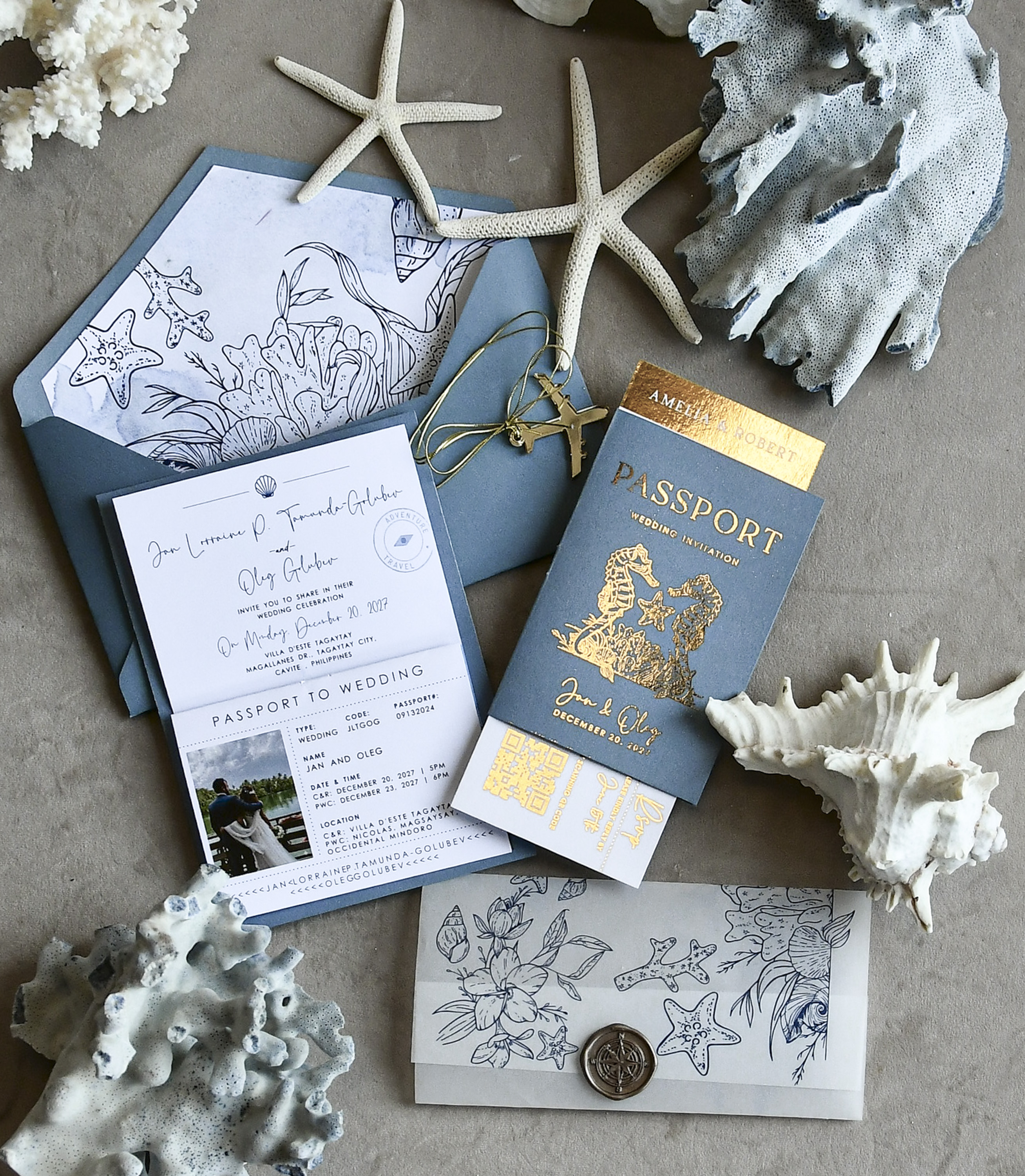
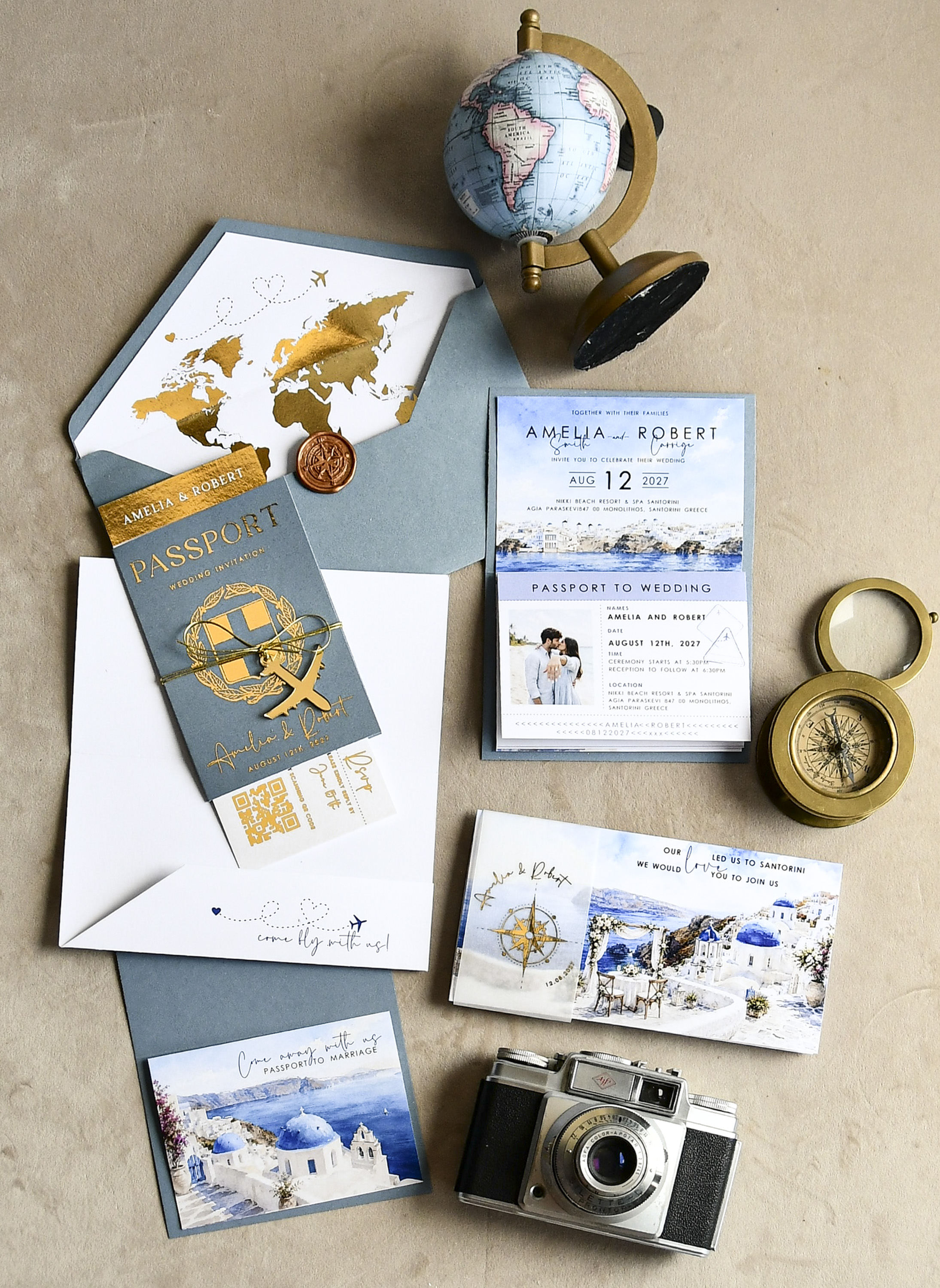
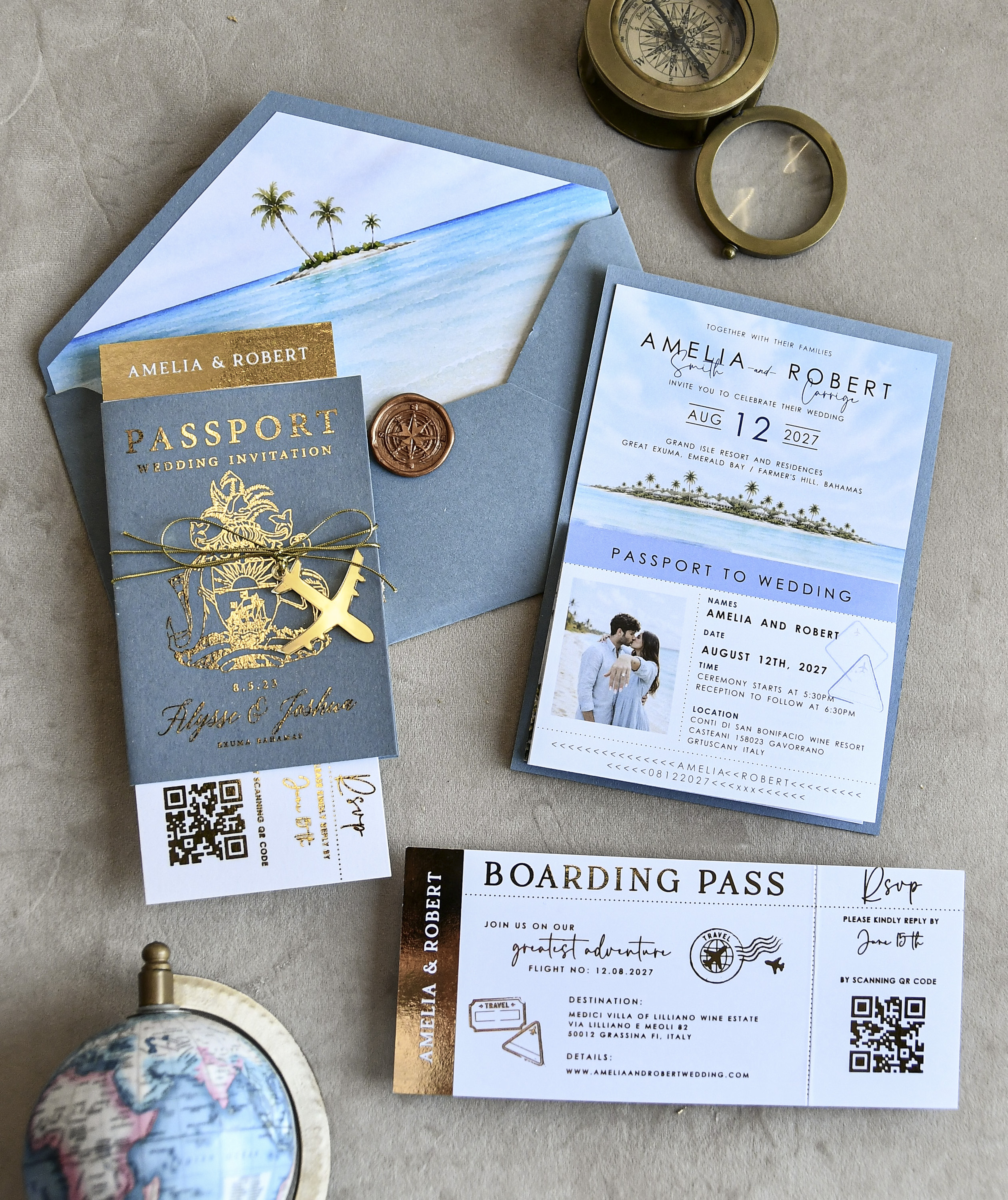
When it comes to the guests who are invited, make them feel truly special from the moment they receive their invitation. A beautifully designed invitation sets the tone — something like the passport-style beach wedding invites from Margo&Bees signals a thoughtful, curated celebration that guests will be excited to attend.
Give Yourself Permission to Prioritize Your Vision
Here's the truth most wedding guides won't say plainly: your wedding is not a community event. It's a deeply personal milestone, and you are allowed to share it with only the people who are central to your life. A guest list of 30 close friends and family can be just as meaningful — and far more joyful — than a 200-person reception full of obligation.
If you're planning a destination or beach wedding, a smaller list often makes even more sense logistically. Stationery like Margo&Bees' passport-to-love invitations are a wonderful way to lean into that intimate, adventure-forward aesthetic while signaling to guests that this is a special, intentional gathering.
Give yourself grace in this process. Some people may be momentarily disappointed. But years from now, you'll remember the faces in your photos — and you want every single one of them to belong there.
Frequently Asked Questions
Not at all. Micro-weddings and intimate ceremonies have become widely accepted and even celebrated. What matters most is that your guest list reflects your genuine relationships, and that you communicate your decision with warmth and consistency.
No — work colleagues are among the most commonly cut categories and rarely expect a wedding invitation. A good rule of thumb is to only invite coworkers you regularly socialize with outside of work, or to invite none at all to avoid office politics.
Reciprocating a wedding invitation is a courtesy, not an obligation. If your circumstances have changed or your relationship has grown distant, it's perfectly acceptable not to return the invite — just be kind and private about it.
Calmly explain that you have a strict venue capacity or per-person budget and that you've applied the same rules to everyone. Offering them a set number of spots to allocate themselves can help them feel heard while keeping your total count intact.
A brief, private, and warm conversation works best — you don't need to over-explain or apologize profusely. Simply acknowledge that you kept things very small and express genuine interest in celebrating with them in another way.
Yes, this is an accepted approach — especially when ceremony venues have strict capacity limits. Just be clear on the invitation itself so guests know exactly what they're invited to and can plan accordingly.
See This Design Up Close

You May Also Like
More Wedding Planning Guides
- → Handling Last-Minute RSVP Changes: What Couples Need to Know
- → Who Actually Pays When the Guest List Grows?
- → When Kids Deserve Their Own Wedding Invitation: An Age-by-Age Guide
- → Navigating Stepparent Wedding Invitations: A Practical Guide
- → Your Aunt Remarried: Should Her New Husband Be on the Guest List?
- → How to Kindly Let Guests Know Your Wedding Is Adults-Only or Strictly RSVPed
- → Inviting New Partners to Your Wedding: A Practical Guide for Couples
- → Uninvited Guests on the RSVP Card: How to Handle Extra Names Gracefully
- → Navigating the Awkward Guest List: Should You Invite Estranged Family?
- → How to Handle the 'Why Wasn't I Invited?' Conversation Gracefully
- → The Last Possible Moment to Mail Your Wedding Invitations (And How to Stay on Track)
- → The Complete Guide to Addressing Wedding Invitations Like a Pro
- → Cousins and the Guest List: What You're Actually Obligated to Do
- → When a Family Member Threatens to Skip Your Wedding Over the Guest List
- → Uninvited Plus-Ones and Tag-Alongs: How to Keep Your Guest List Intact
- → When Family Feuds Threaten Your Wedding Plans: A Practical Peacekeeper's Guide
- → Inviting an Estranged Brother or Sister: Finding Clarity Before You Seal the Envelope
- → Cousins, Invites, and Hard Choices: A Practical Guest List Guide