
Seating Your Divorced Parents at the Wedding: A Practical Guide
Planning where divorced parents sit at your wedding can feel like defusing a small bomb — but it doesn't have to. With a little forethought and clear communication, you can seat everyone comfortably, keep the peace, and actually enjoy your day. Here's everything you need to know, from the ceremony aisle to the reception dinner table.
The Golden Rule: Comfort Over Tradition
Traditional etiquette places the bride's mother in the front-left pew and the groom's mother in the front-right pew — full stop. But when parents are divorced, that front row gets more complicated. The most important principle isn't following a rulebook; it's making sure no two people who can't stand each other are forced to sit side by side for an hour.
Start by honestly assessing the relationship between your divorced parents. Ask yourself:
- Are they amicable and able to sit near each other without tension?
- Do they have new spouses or partners who also need to be considered?
- Is one parent significantly more involved in the wedding planning than the other?
Your answers will shape every decision that follows.
Ceremony Seating: Who Sits Where
At the ceremony, the front rows are reserved for immediate family. Here's how to handle a few common scenarios:
- Amicable divorce: Both parents (with their new partners) can share the front row. Seat the parent who raised you or is more closely involved on the innermost seat, closest to the aisle.
- High-conflict divorce: Use the first two rows on each side. Your custodial or closer parent takes row one; the other parent takes row two. This gives both parents honored placement without putting them elbow-to-elbow.
- Remarried parents: Each parent sits with their current spouse or partner. If both sets of step-parents are friendly, a shared front row still works. If not, split across rows one and two as above.
Assign a specific usher to each divorced parent so they are escorted to their seats independently and don't arrive at the same moment. Brief your ushers in advance — this small logistical detail prevents a lot of awkward hallway collisions.
Reception Seating: Tables, Toasts, and Head Tables
The reception gives you more flexibility than the ceremony. Most couples choose one of two approaches:
- Separate parent tables: Each divorced parent hosts their own table with their partner and close friends or family from their side. This is the most common solution and keeps everyone relaxed and surrounded by people they love.
- One combined parent table: If your parents are genuinely friendly post-divorce, a single family table can feel warm and unified. Seat new partners next to their respective spouses, not next to each other.
Avoid seating a divorced parent alone or at a table where they don't know anyone — that feels like a punishment. Make sure each parent is surrounded by at least a few familiar, friendly faces.
For the head table, it's increasingly common for couples to skip the traditional wedding-party head table entirely in favor of a sweetheart table for just the two of you. This sidesteps the question of which parent sits at the head table altogether and lets you enjoy a private moment as newlyweds.
Communicating the Plan Early
The worst thing you can do is surprise a divorced parent with their seating assignment on the wedding day. Talk to each parent privately and well in advance — ideally as soon as your venue layout is confirmed. Frame the conversation around logistics, not conflict: "We want to make sure you and your partner have a great spot and feel celebrated."
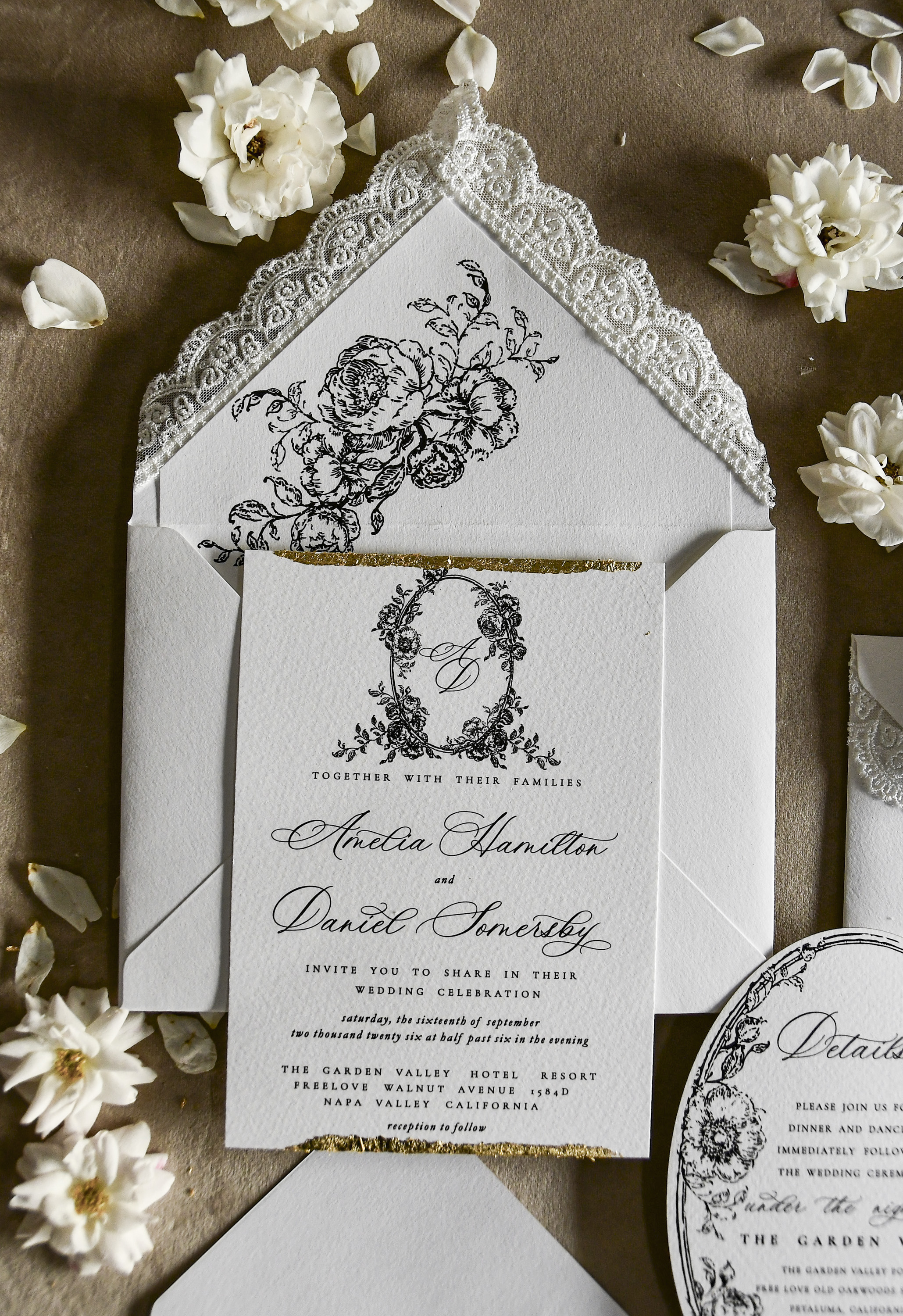
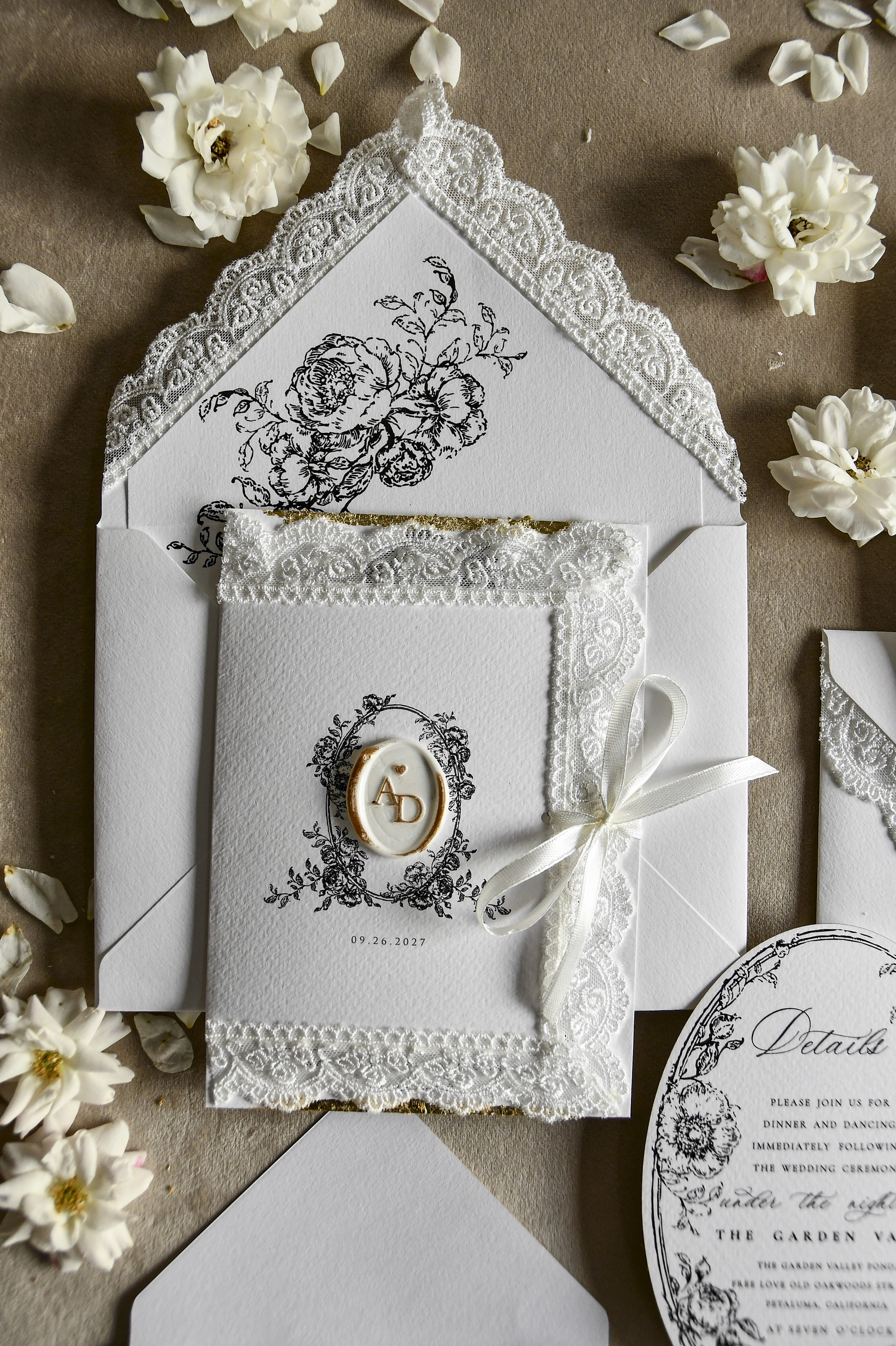
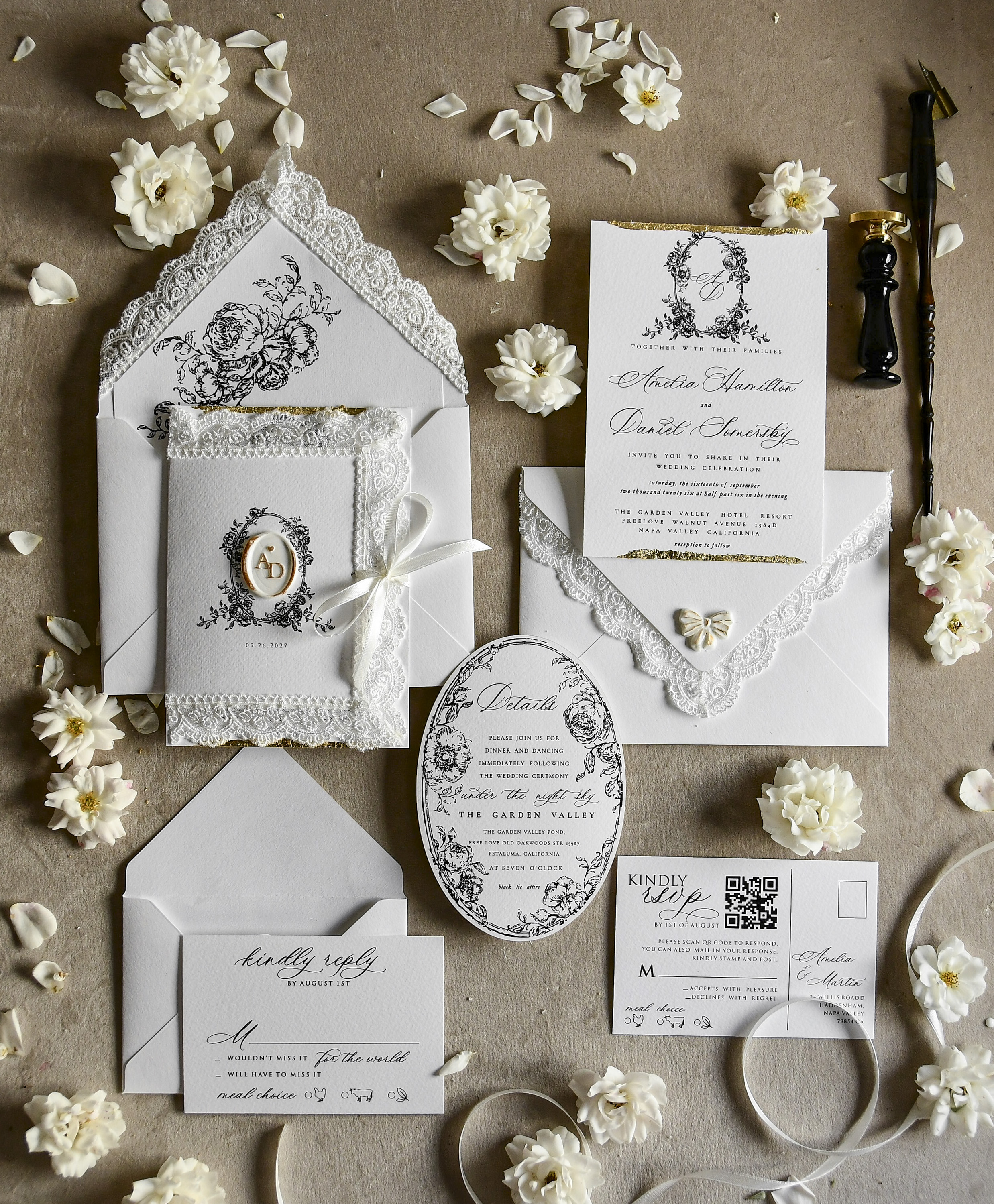
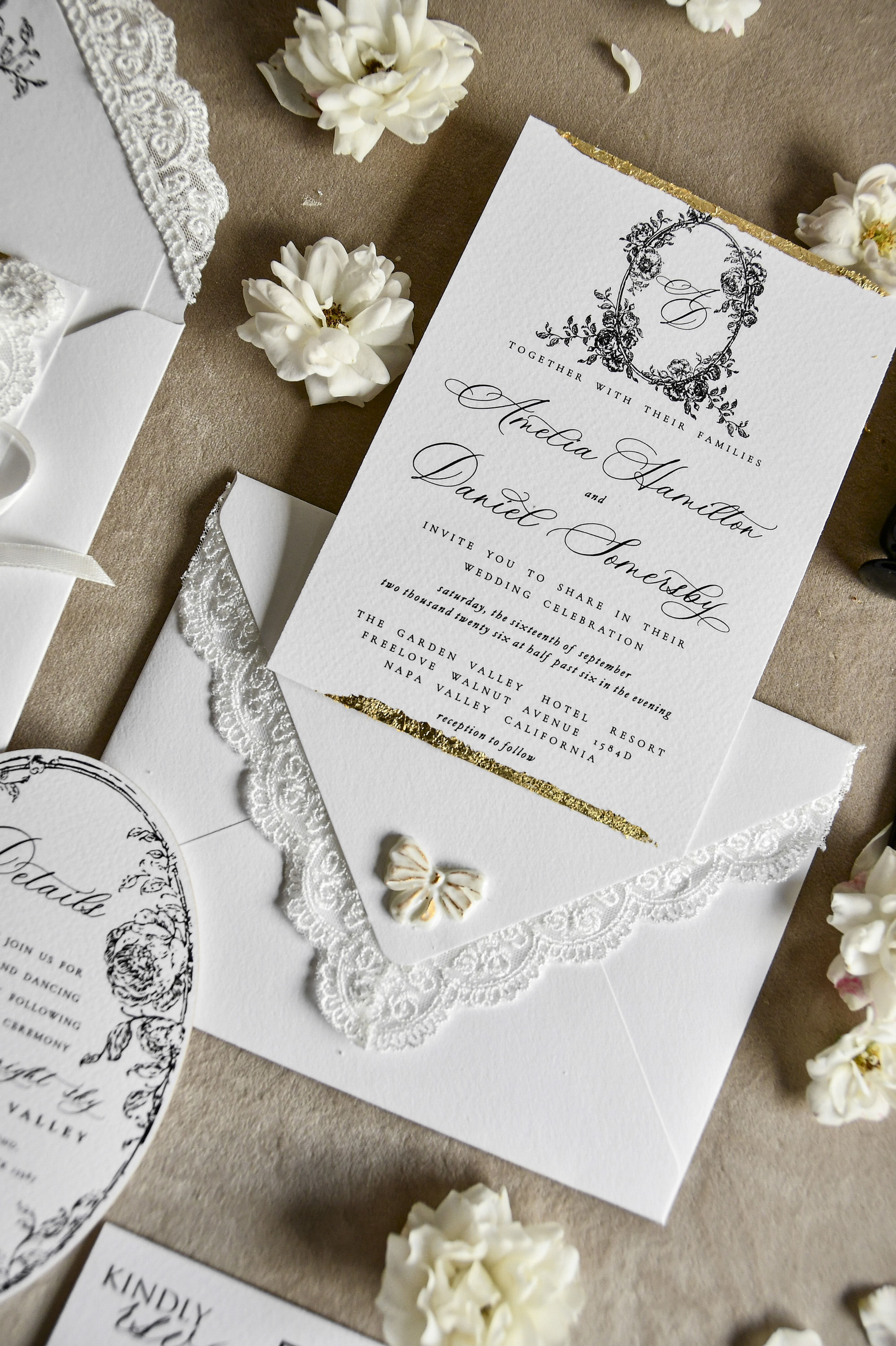
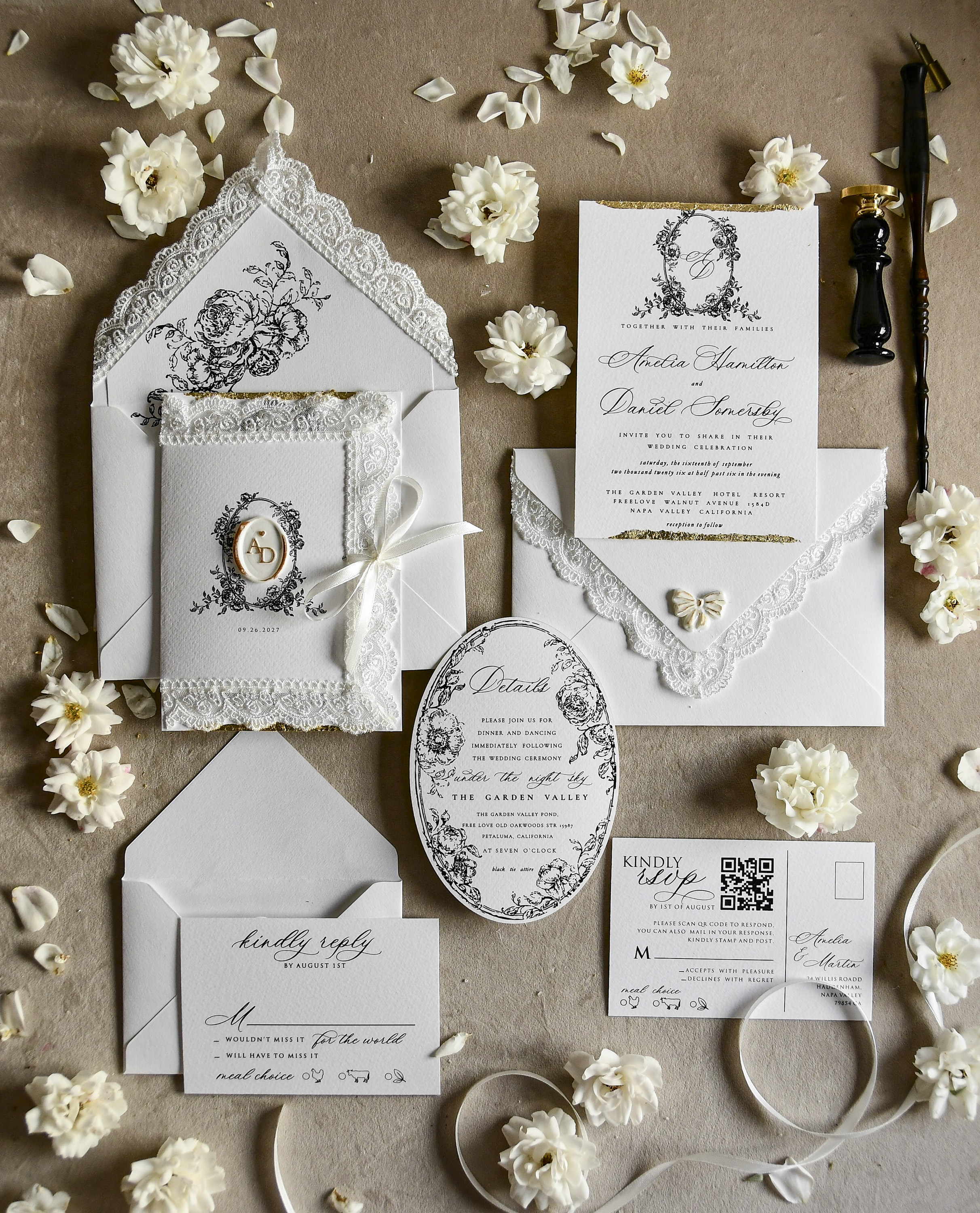
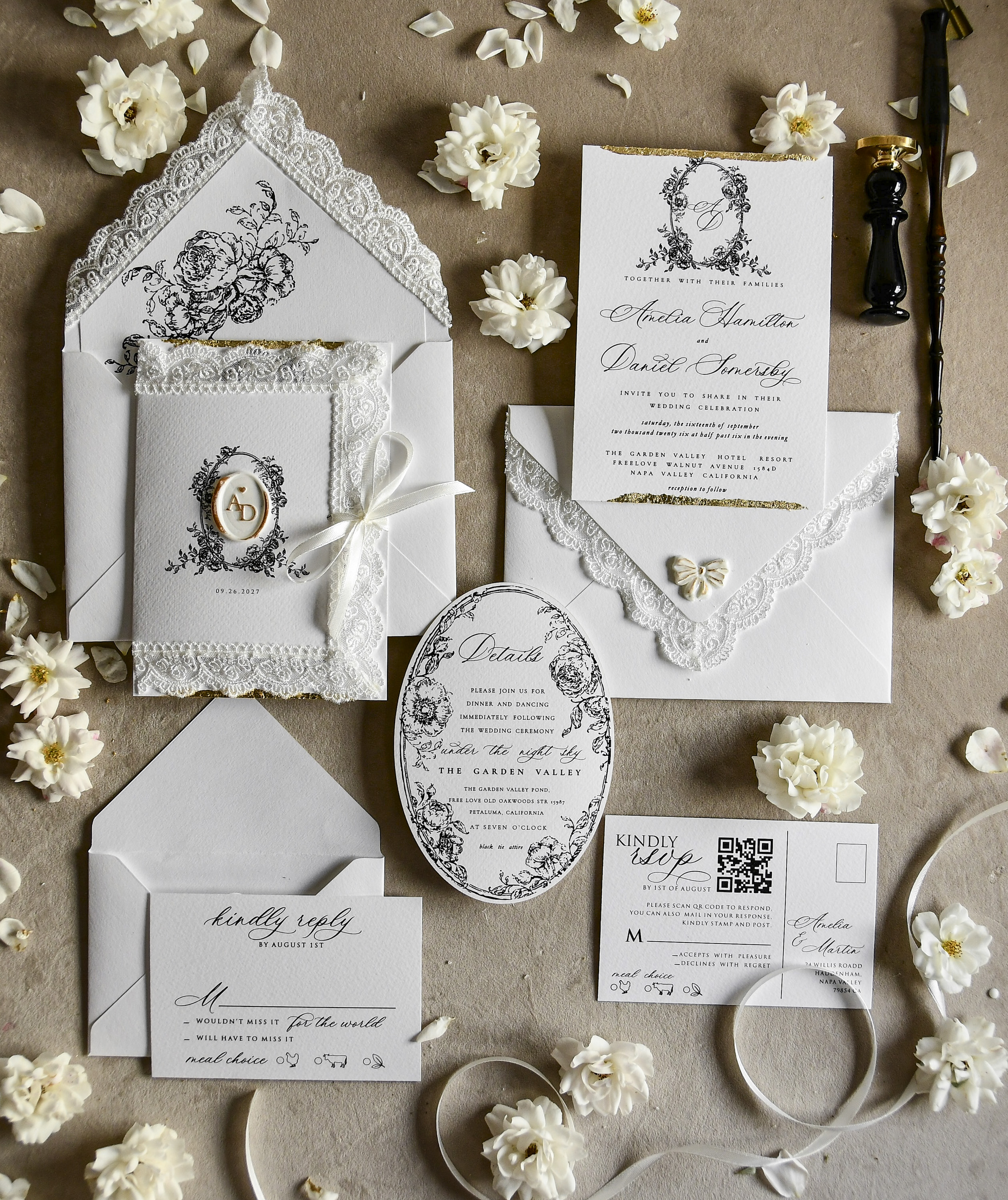
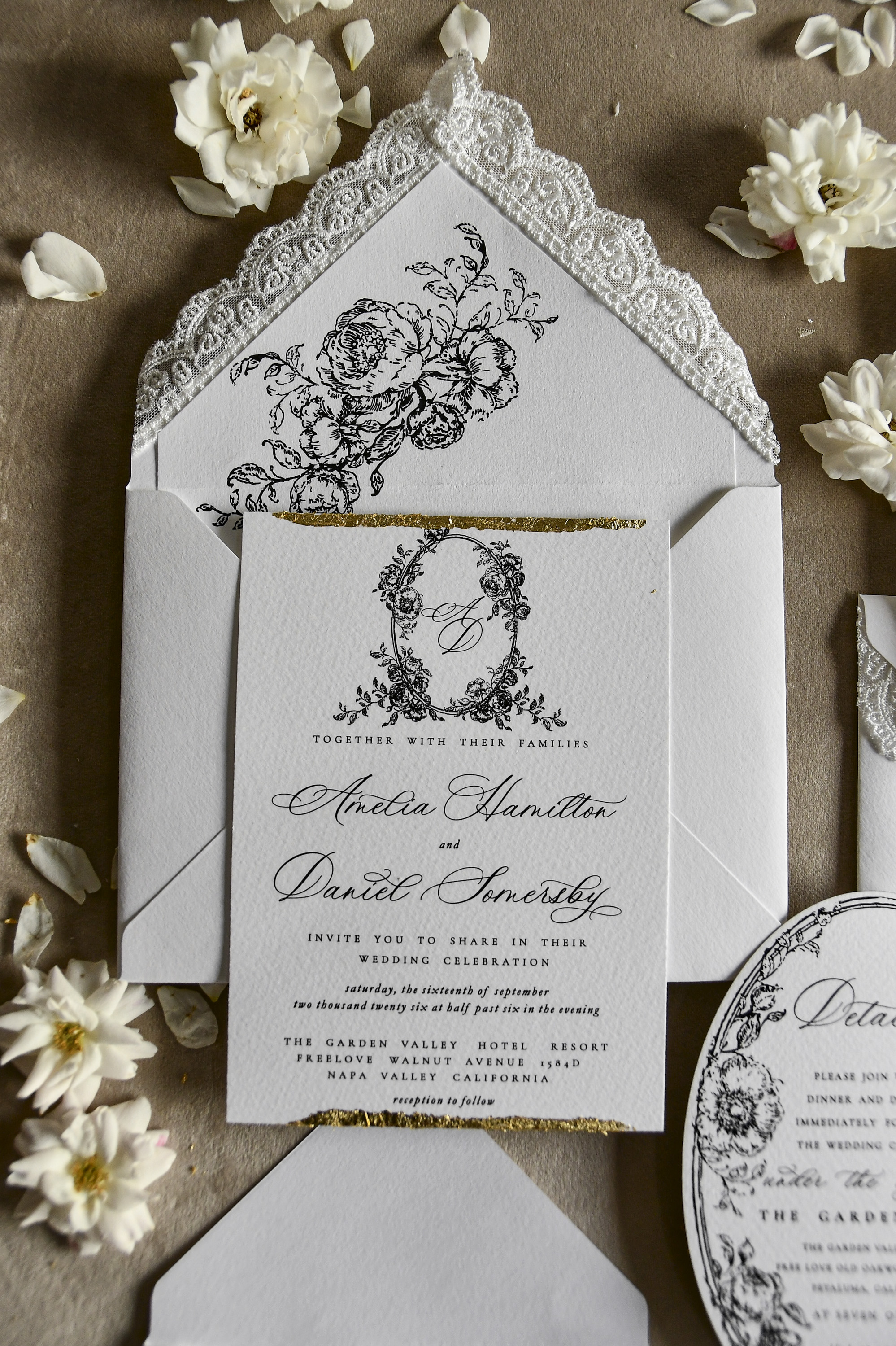
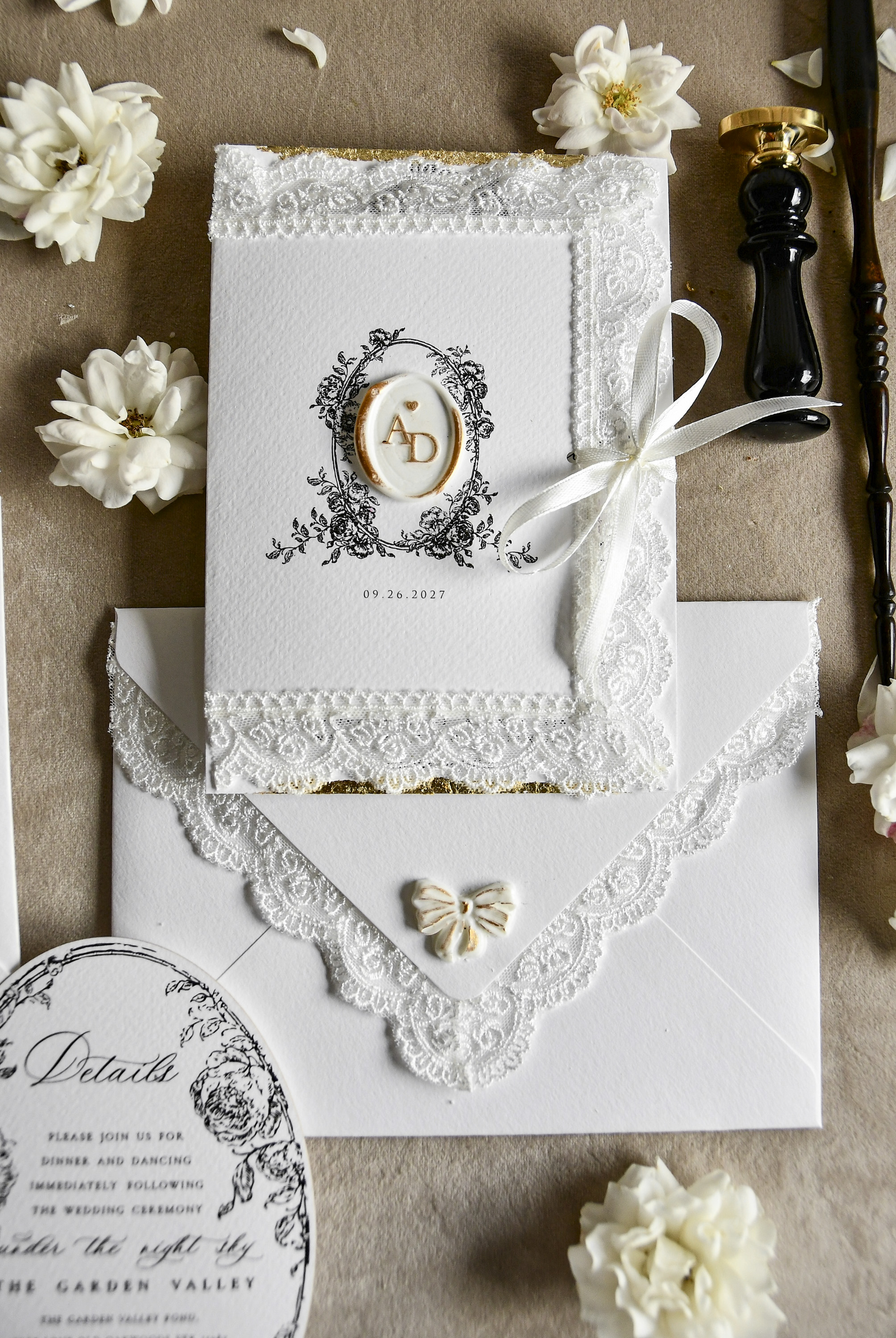
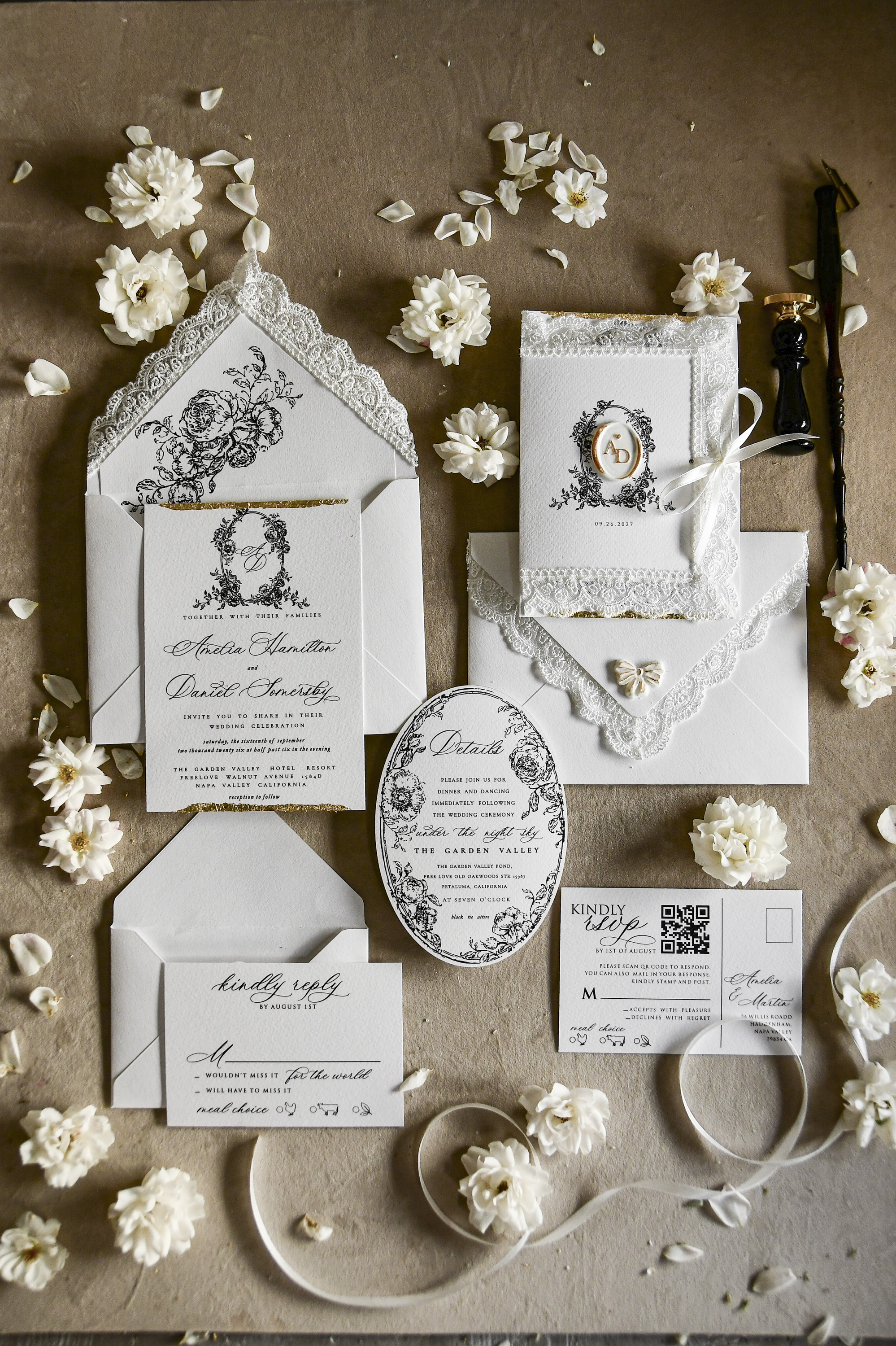
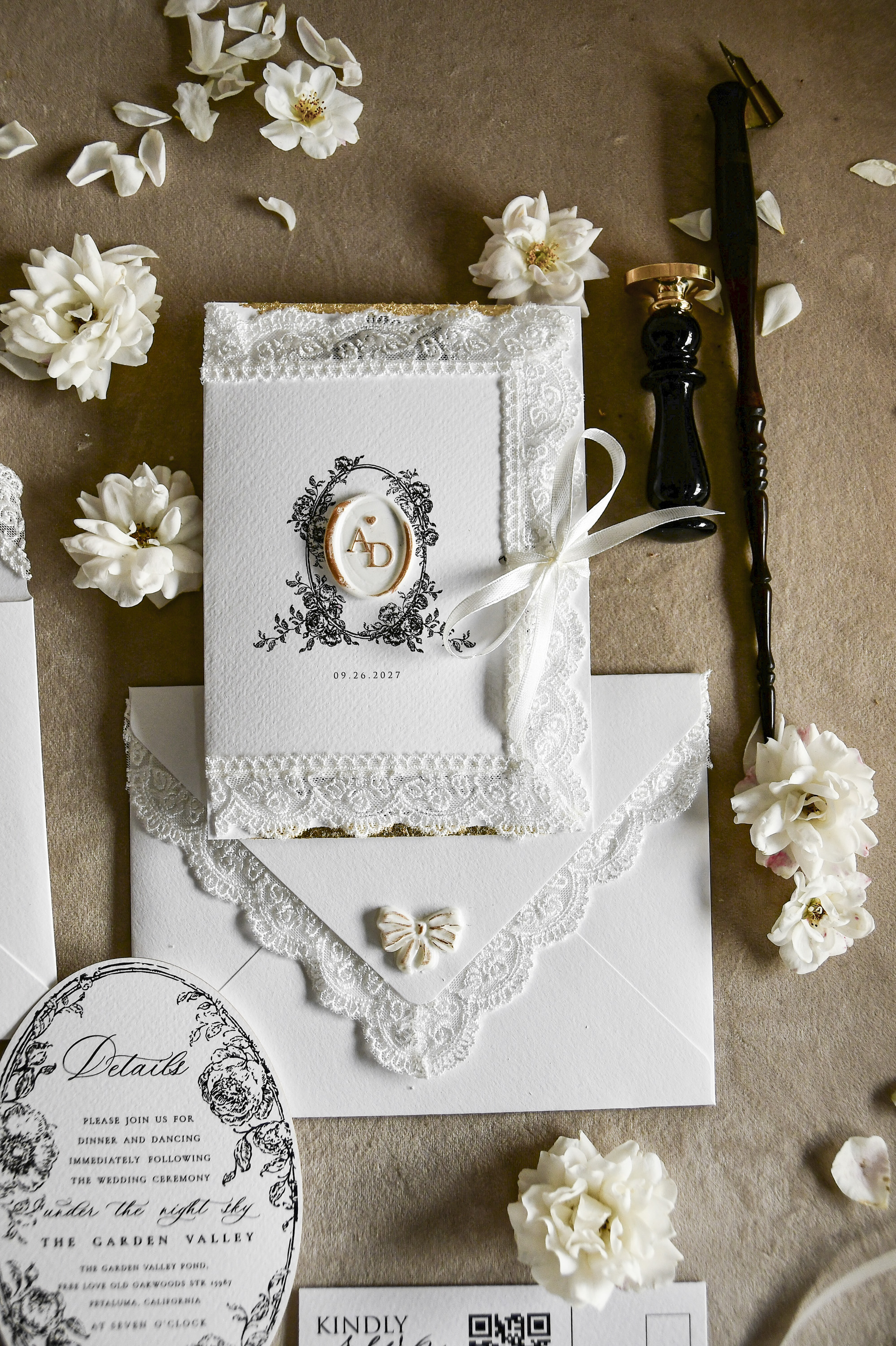
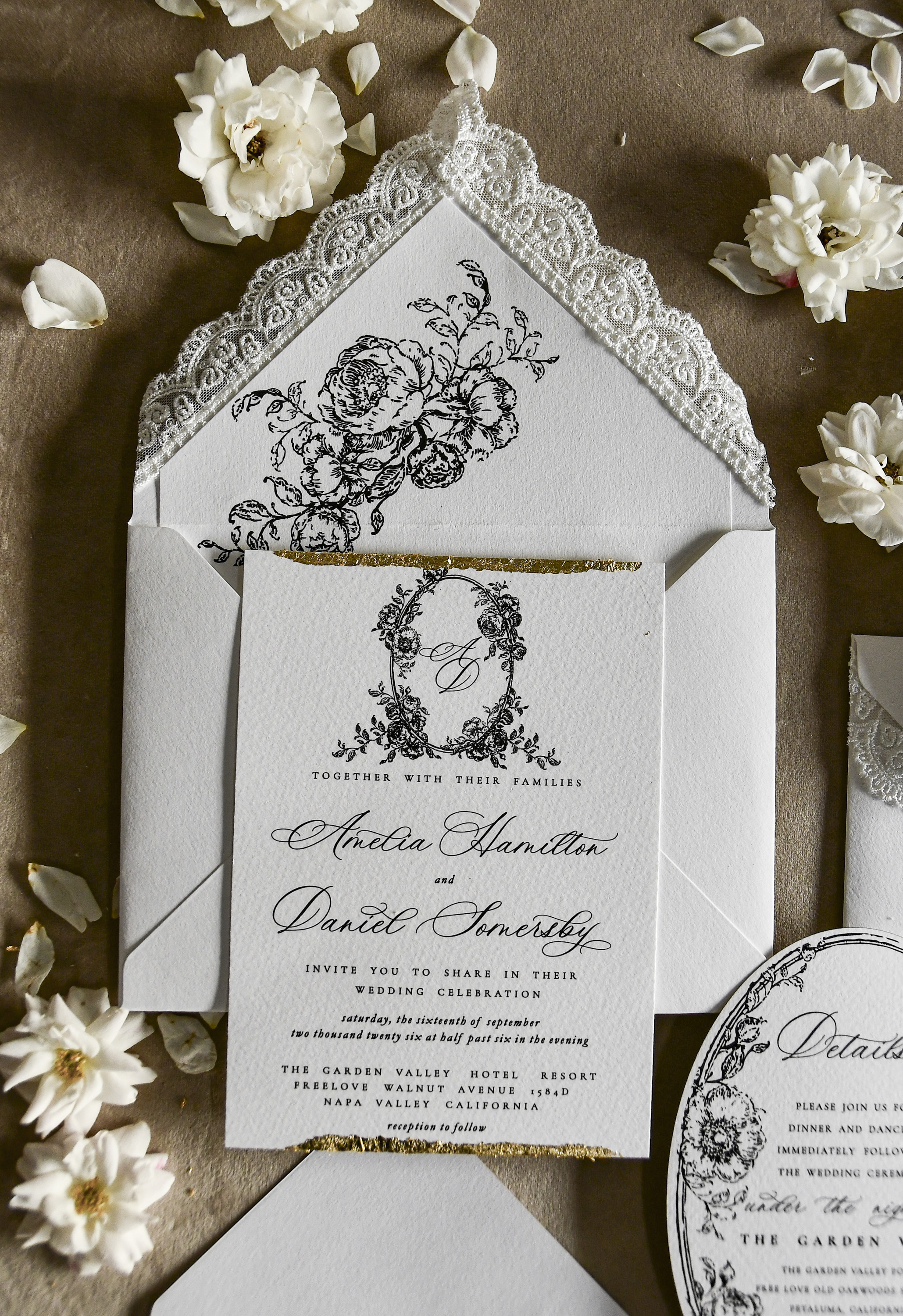
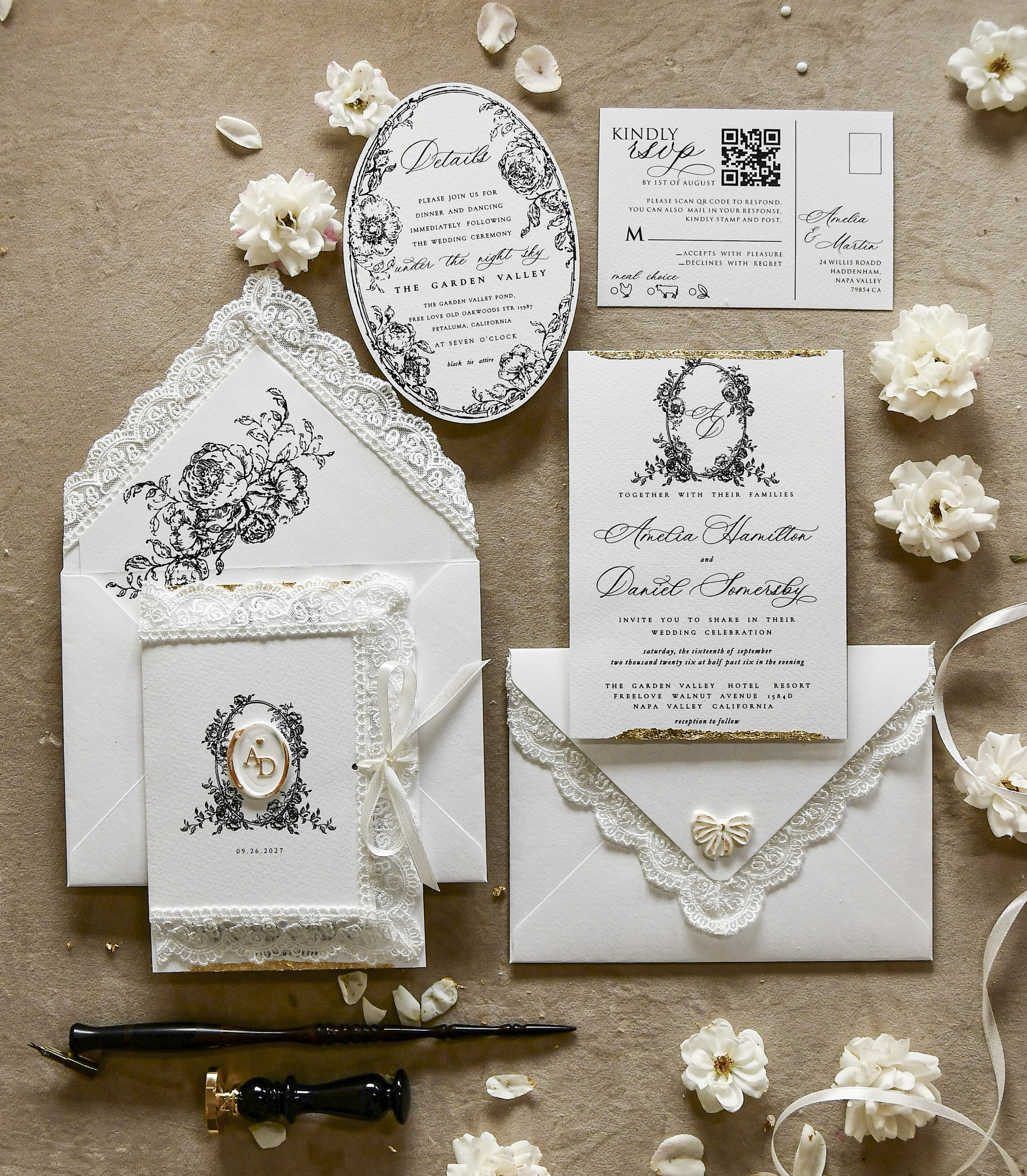
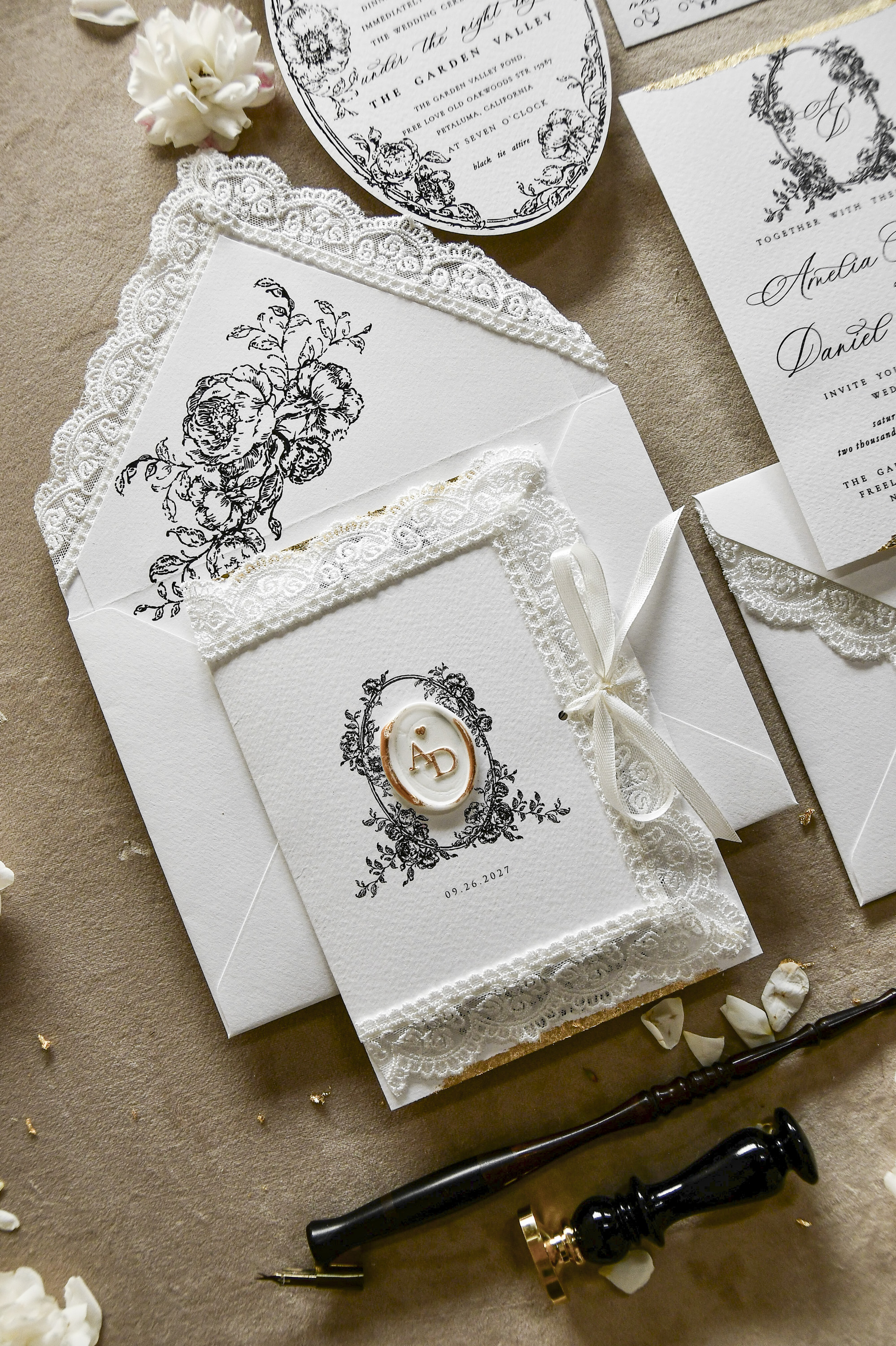
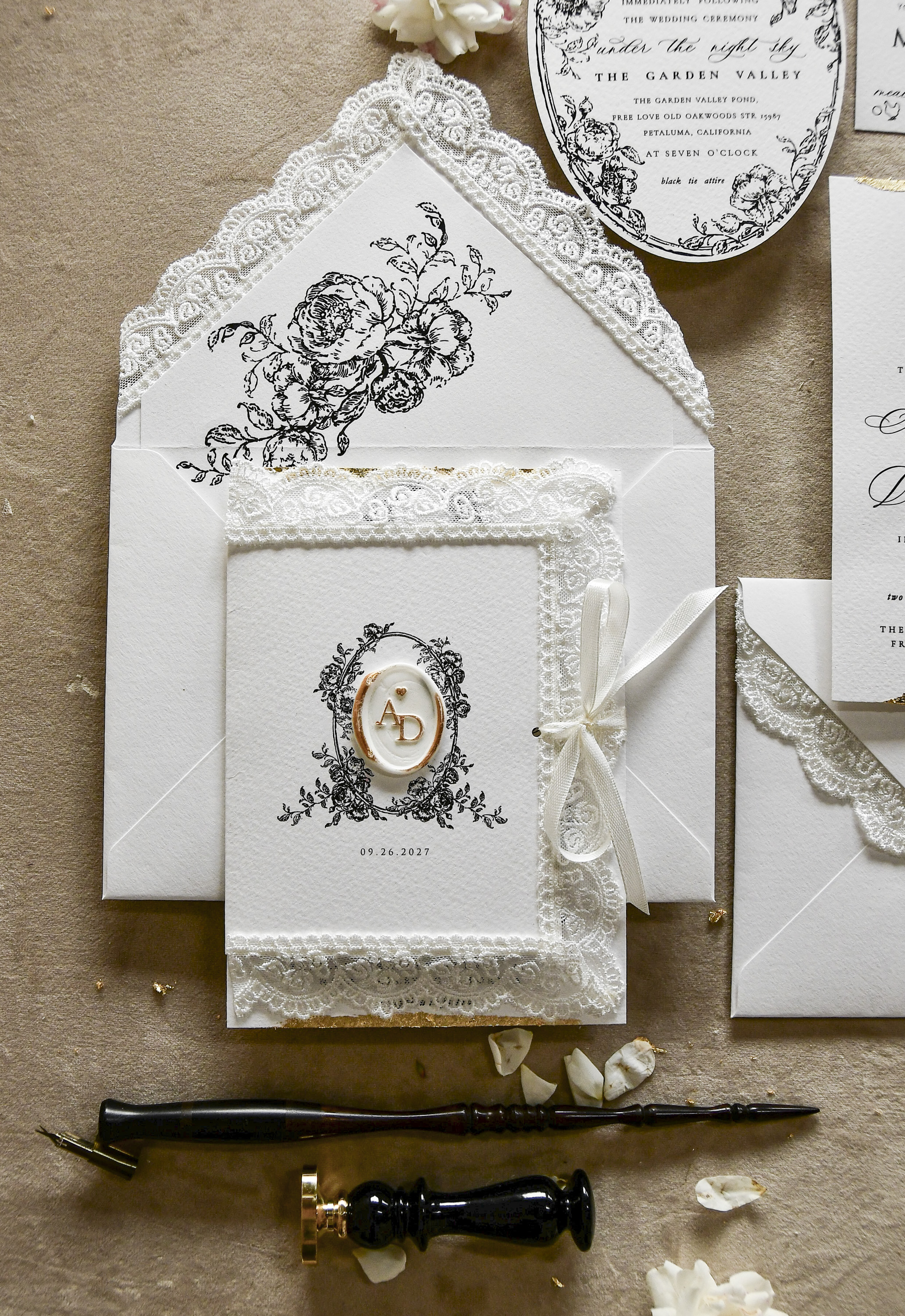
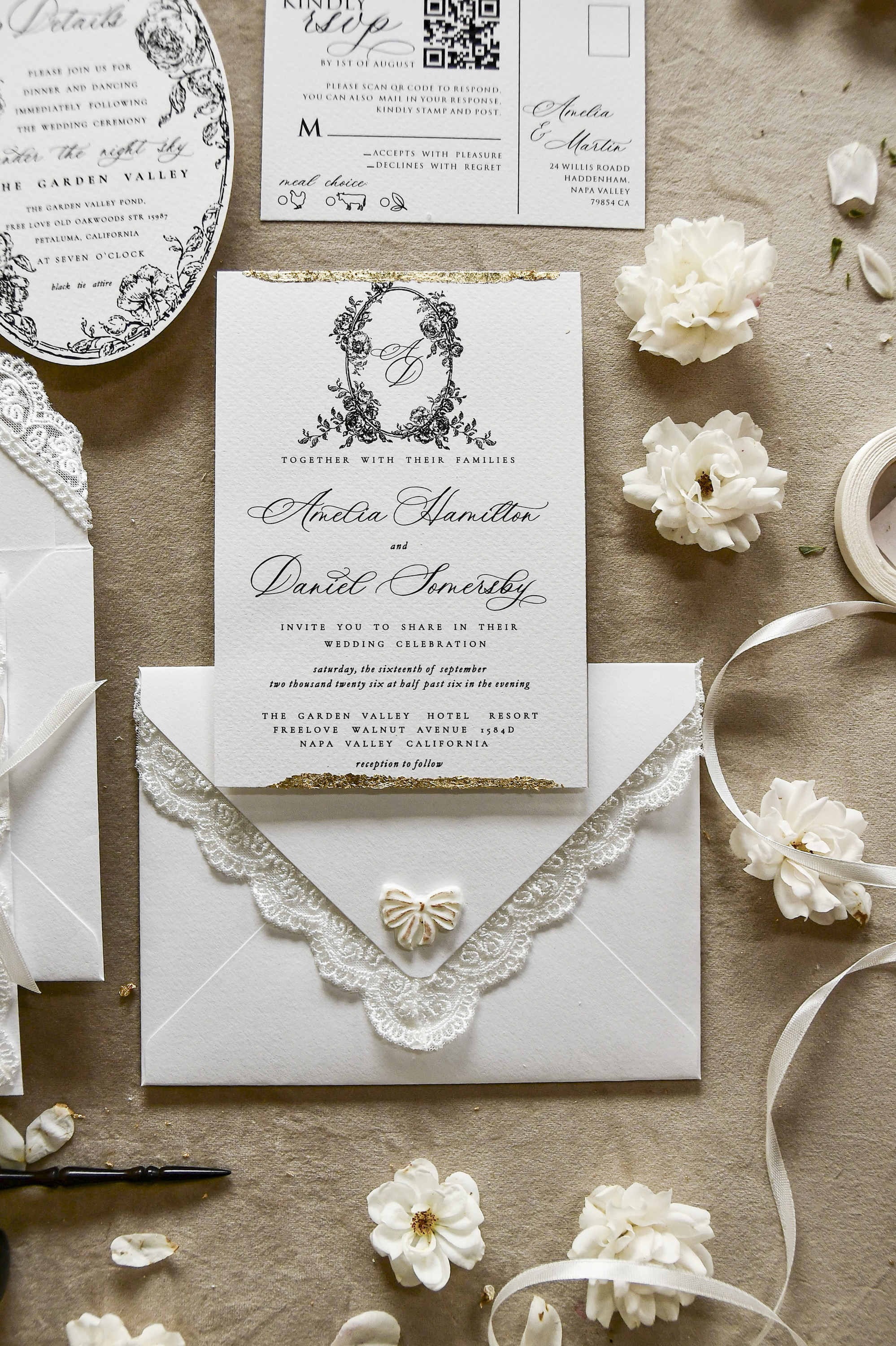
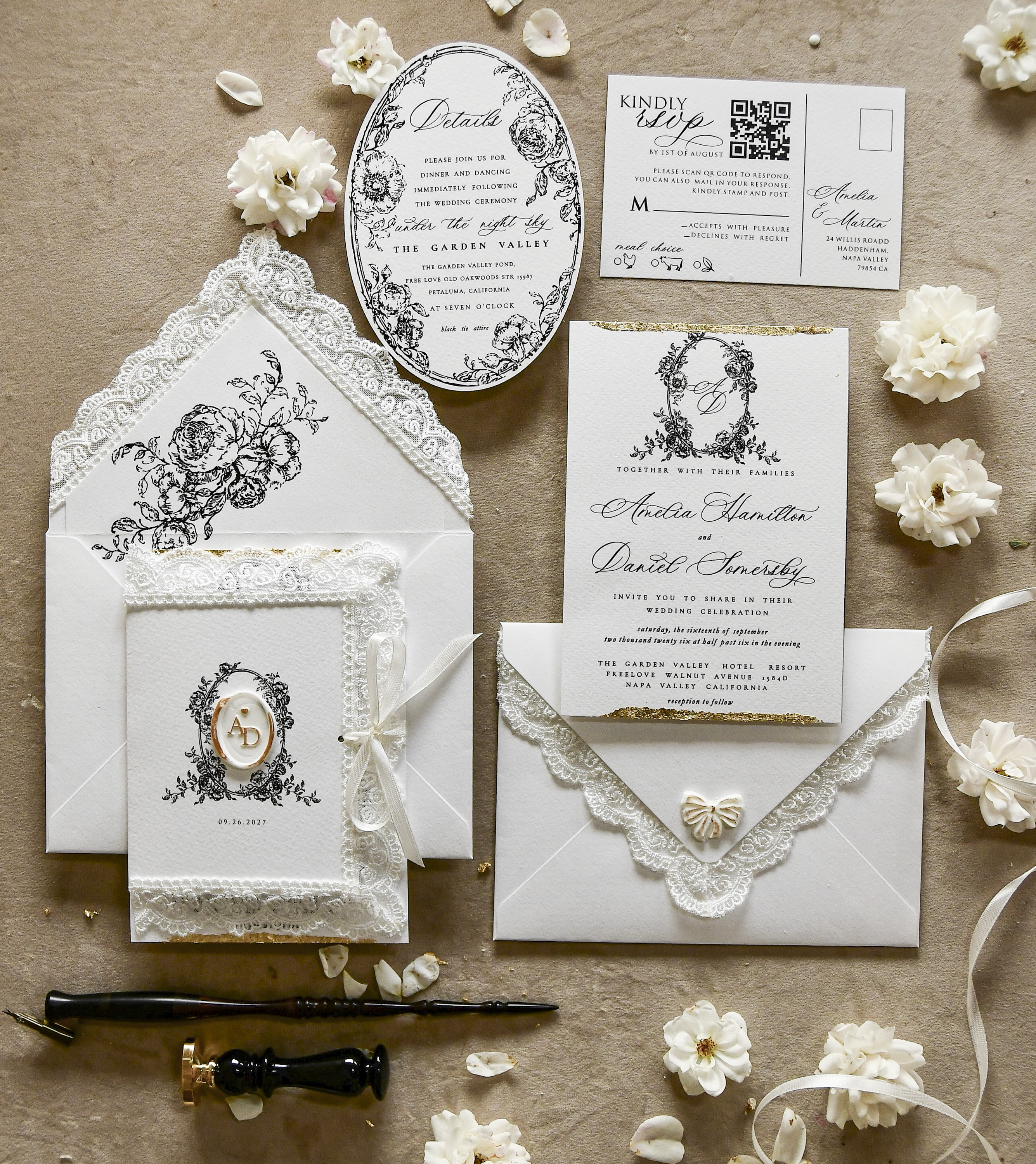
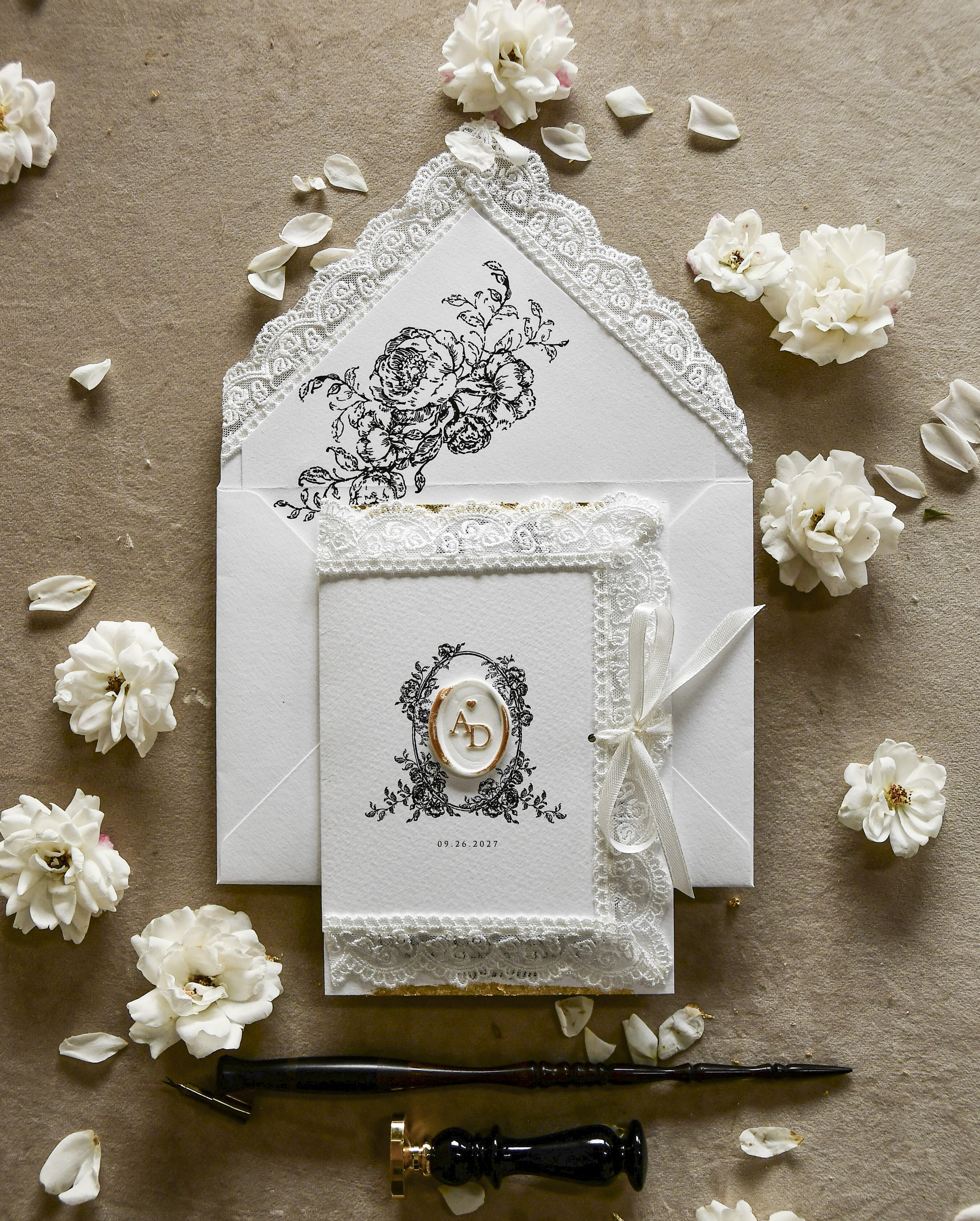
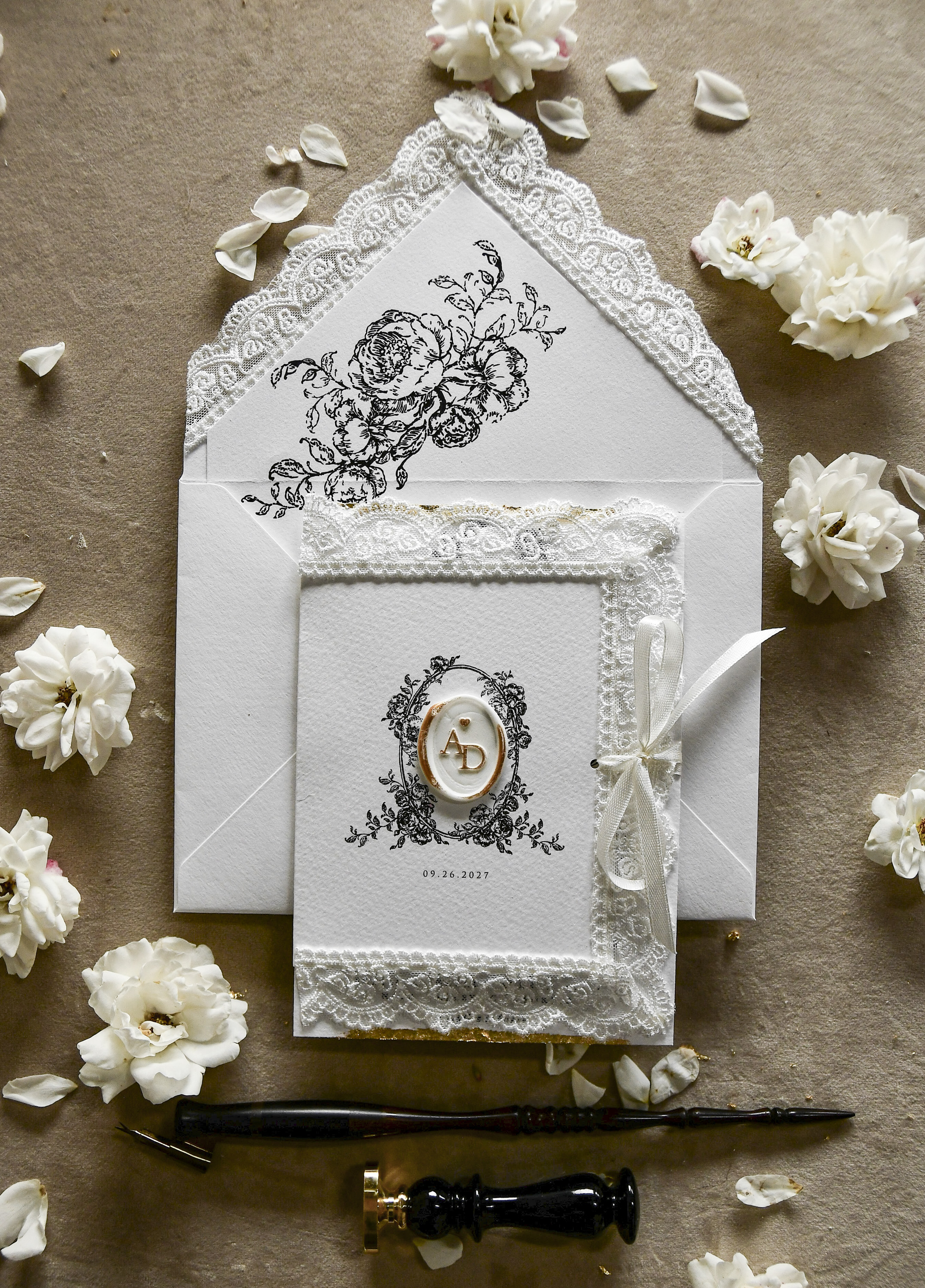
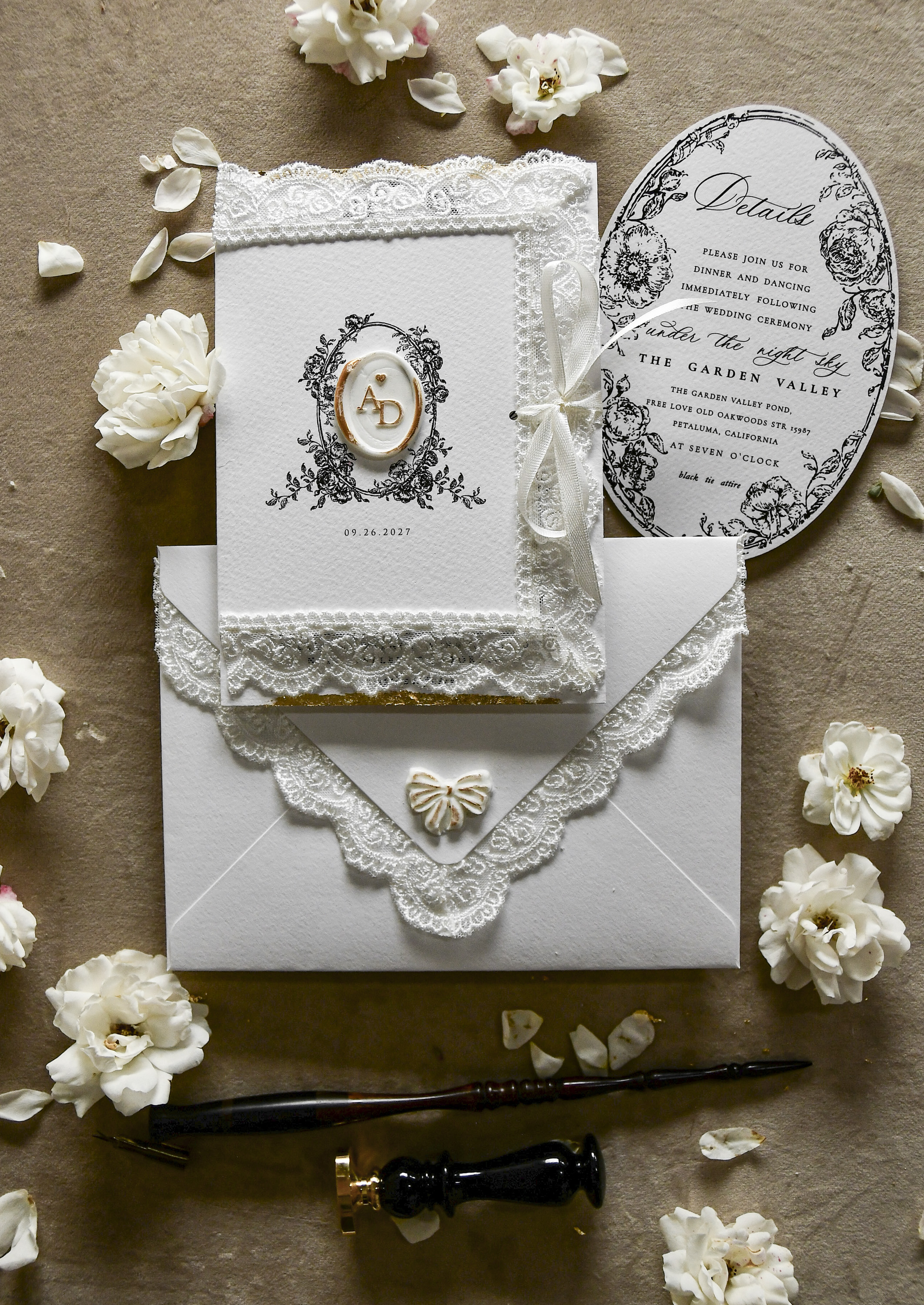
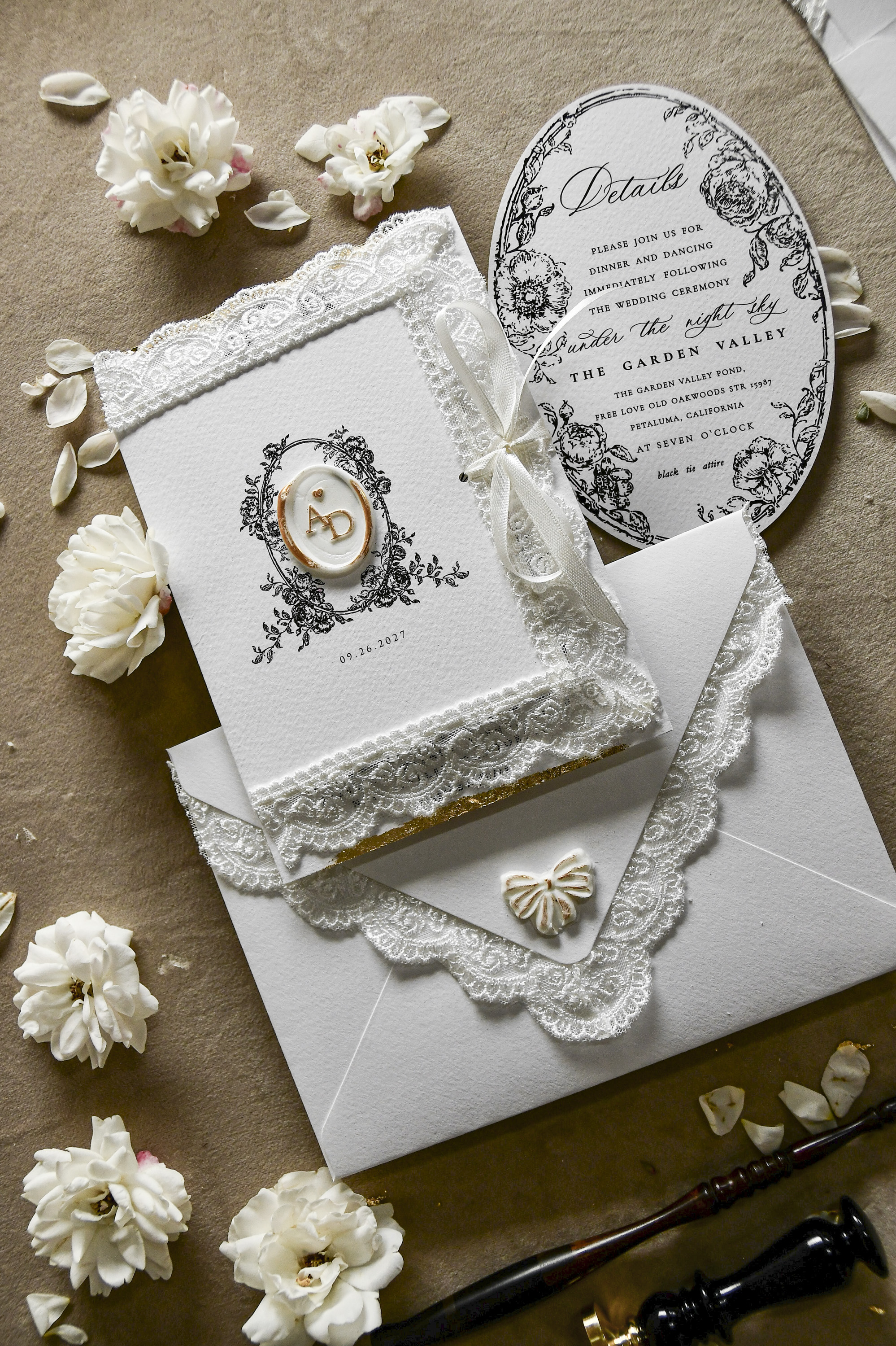
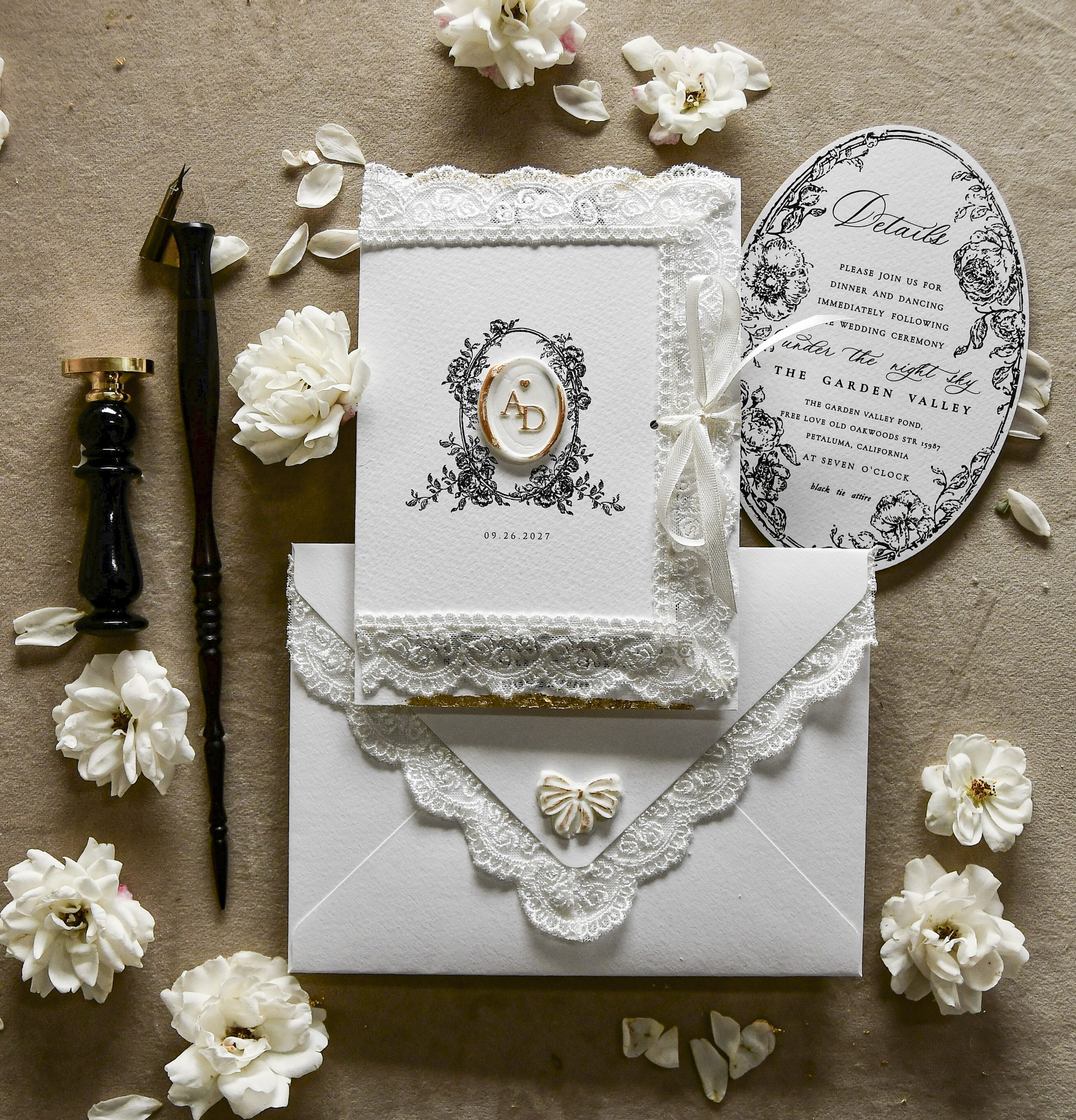
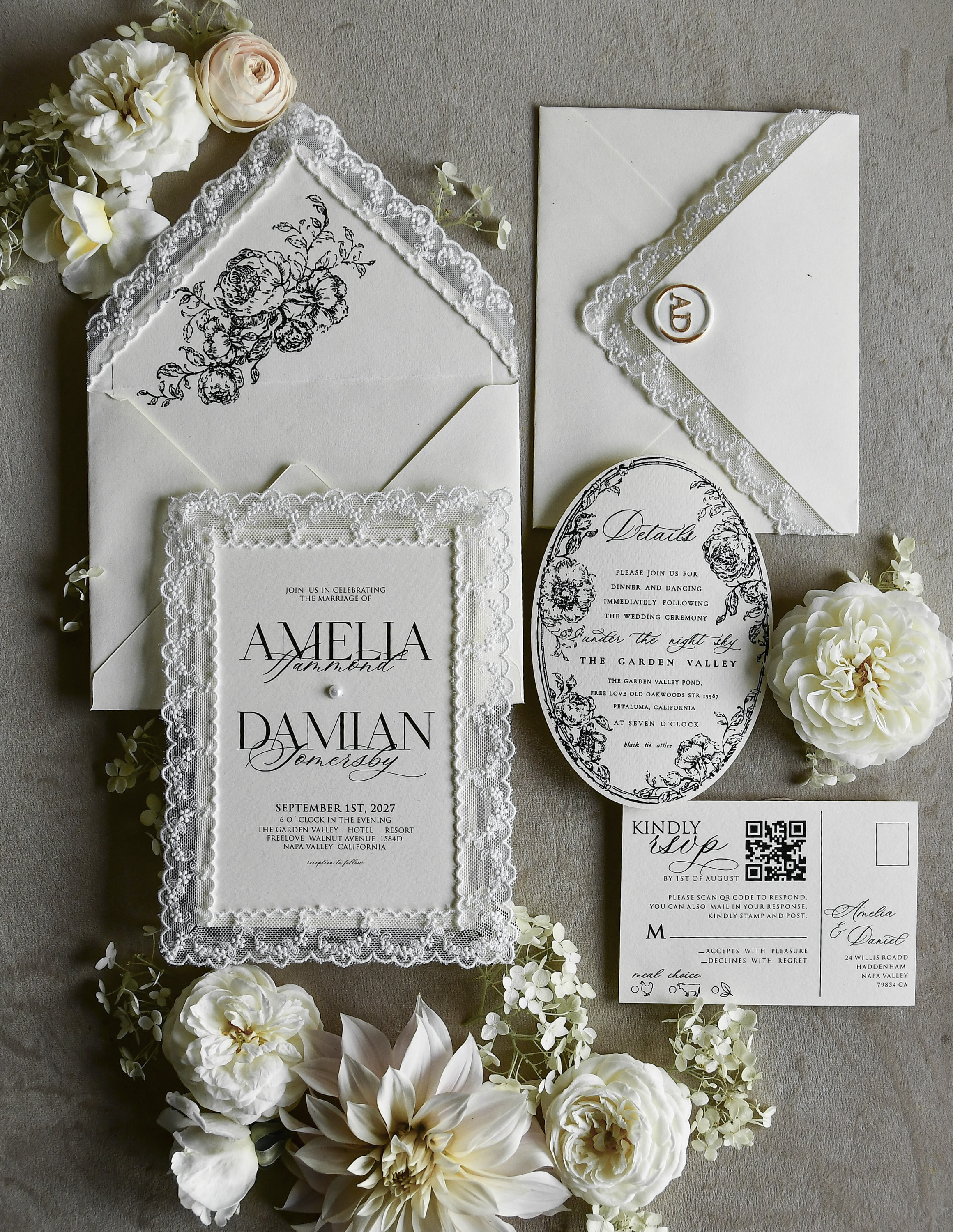
Your wedding stationery can also do quiet diplomatic work. When you send invitations — whether classic, rustic, or something like the vintage-inspired 03/laceTR/z design — address each household separately and correctly. A divorced parent who sees their name spelled right and their household addressed on its own envelope already feels respected before the wedding even begins. Small details like this set a positive tone early.
If you're using reserved seating cards or ceremony programs, list parents in a way that reflects their individual roles without ranking them. For example, list both mothers on the program if they both walked you down the aisle, or simply omit the parental listing entirely if it feels too complicated.
When Step-Parents Are in the Picture
Step-parents add another layer, but the logic stays the same: seat people with those they are closest to and most comfortable with. If a step-parent helped raise you and feels like a true parent, give them front-row placement alongside your biological parent. If the relationship is newer or more distant, a second-row seat is perfectly appropriate and still an honor.
The key is consistency. If you seat one step-parent in the front row, seat all step-parents at a comparable level — otherwise you risk creating a visible hierarchy that relatives will notice and talk about. When in doubt, err on the side of inclusion rather than exclusion.
Frequently Asked Questions
Traditionally, the mother of the bride sits in the front-left pew and is the last person seated before the processional begins. When parents are divorced, both parents can still be honored in the front rows — either sharing row one if they're amicable, or splitting rows one and two if the situation calls for more distance.
Use physical separation intentionally: rows one and two at the ceremony, and completely separate tables at the reception placed on different sides of the room. Brief your venue coordinator and ushers so each parent is guided smoothly to their spot without an awkward encounter.
Yes, always. Give each parent a heads-up privately so there are no surprises on the wedding day. A quick phone call framed around logistics — not conflict — goes a long way toward keeping everyone comfortable and cooperative.
Each parent can be escorted in separately by an usher, which is the simplest solution. If both parents want to walk you down the aisle, that is completely acceptable — many couples today choose to be escorted by both parents regardless of marital status.
It depends on the relationship. A step-parent who raised you deserves front-row recognition alongside your biological parent. A step-parent you're less close to can be honored in the second row, which is still a designated family seat and a clear sign of respect.
You don't need to spell out the divorce situation publicly, but you can note that seating is assigned and that guests should look for their escort cards. For immediate family, a personal conversation is always better than a website note.
See This Design Up Close
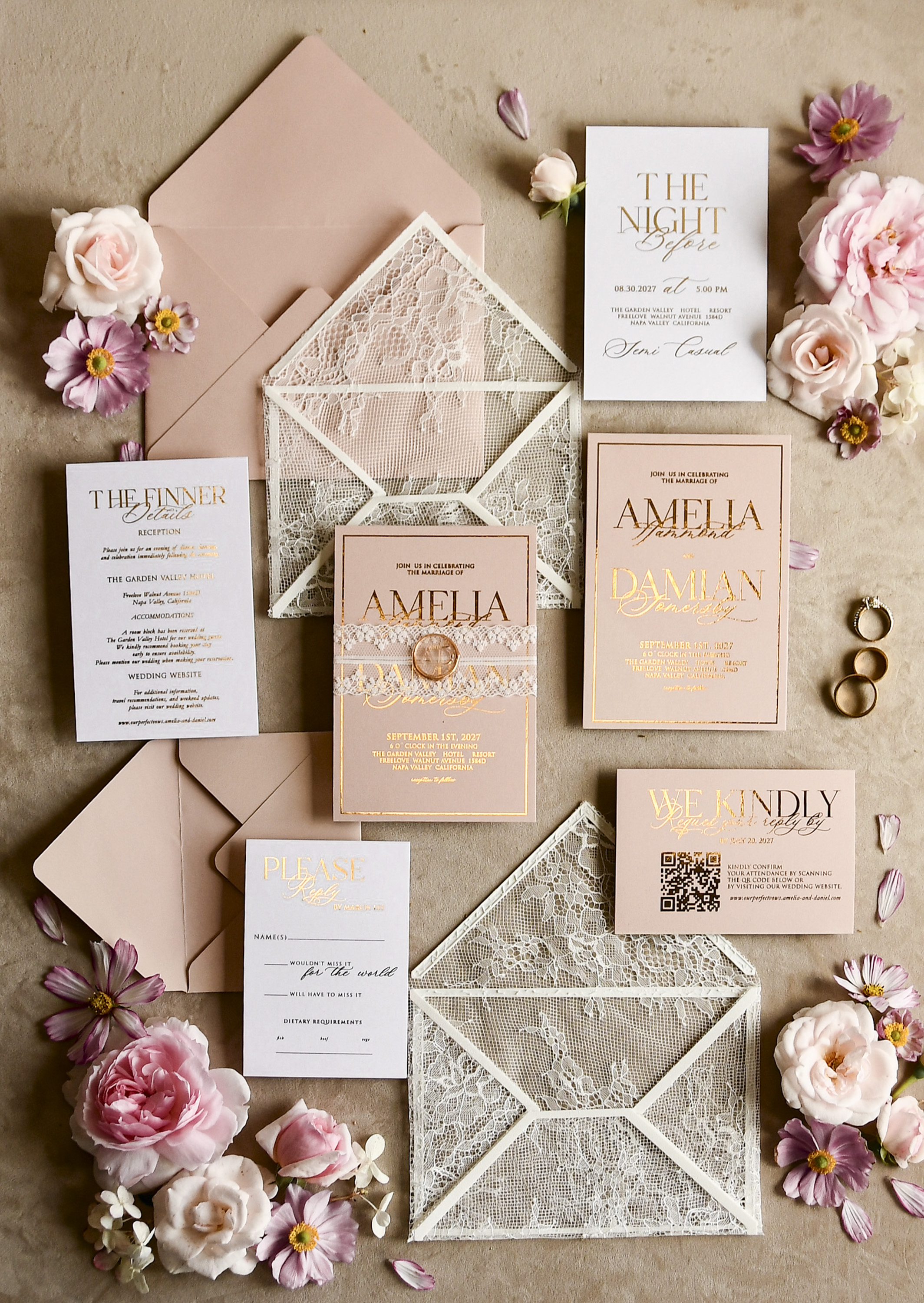
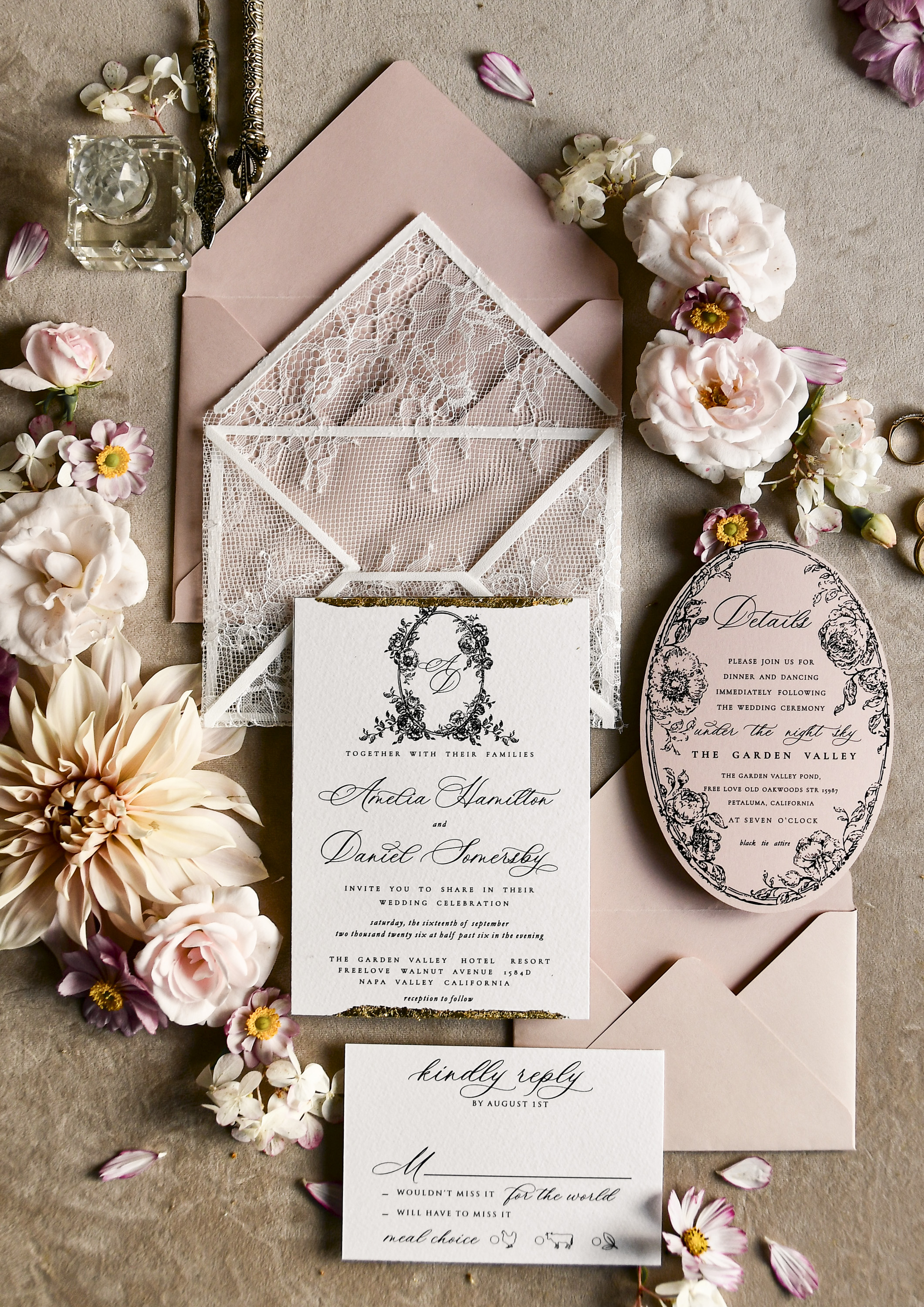
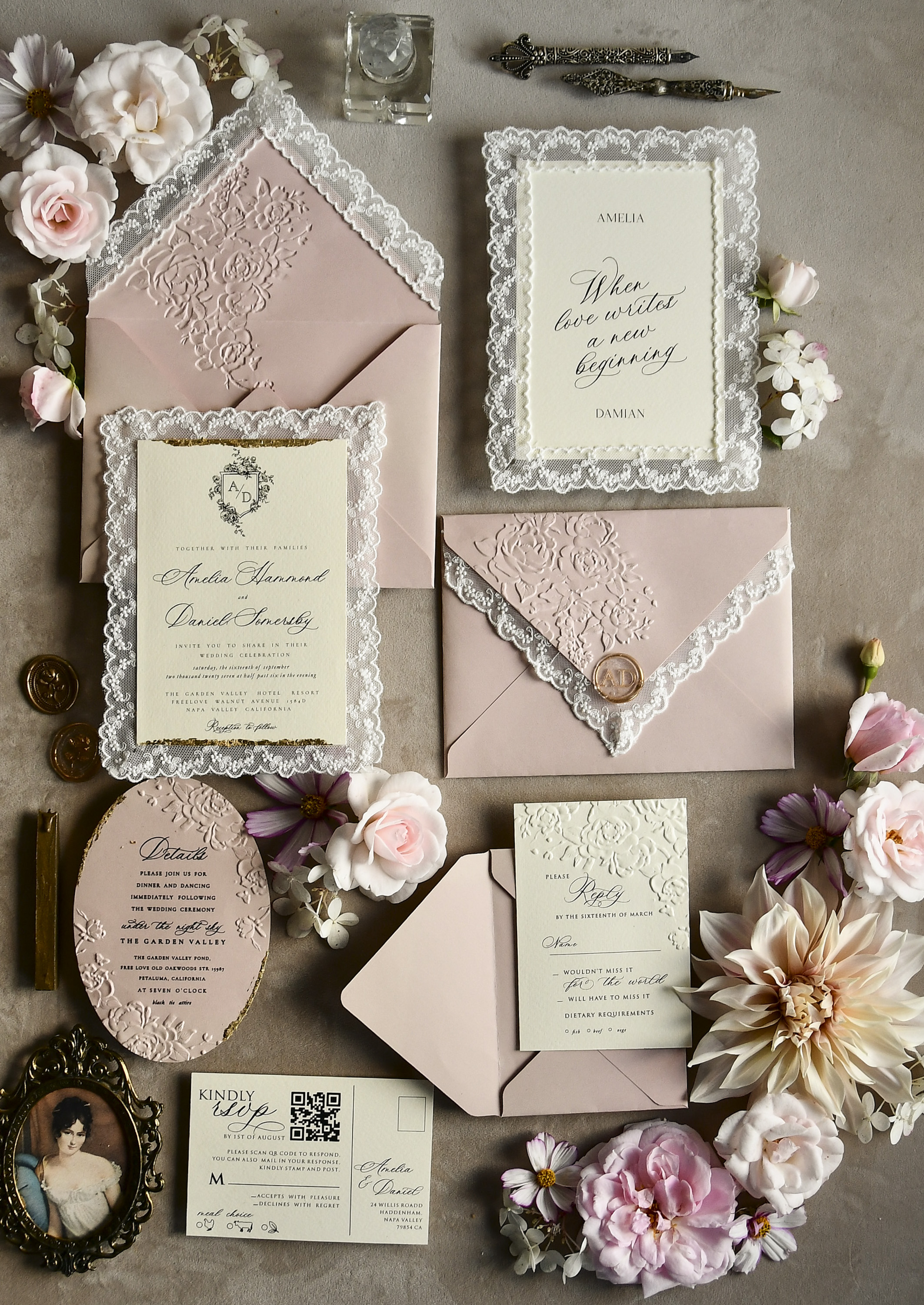
You May Also Like
More Wedding Planning Guides
- → Kids at Your Wedding: How to Decide What's Right for Your Celebration
- → Mailing vs. Hand-Delivering Wedding Invitations: What's the Right Call?
- → When Silence Speaks: How to Handle Guests Who Never RSVP'd
- → The Plus-One Dilemma: How to Handle Dates for Single Guests
- → Ceremony-Only Guests: The Honest Guide to Partial Wedding Invitations
- → Save the Dates and Wedding Invitations: What Each One Does and Why You Need Both
- → Navigating the Parent Guest List: How to Keep the Peace Without Losing Control
- → The Honest Guide to Trimming Your Wedding Guest List Without the Guilt
- → The Graceful Art of Telling Someone They're Not on the Guest List
- → When Guests Ghost Your RSVP: What to Do Next
- → The Honest Guide to Deciding Who Gets a Plus One at Your Wedding
- → The Ex Factor: How to Decide Whether a Former Partner Belongs on Your Guest List
- → The Perfect Timing for Mailing Your Wedding Invitations
- → Digital vs. Paper Wedding Invitations: Which Is Right for You?
- → Child-Free Weddings: What's Rude and What's Perfectly Fine
- → Everything Your Wedding Invitation Needs to Say
- → Navigating Guest List Pressure: When Mom Wants to Invite Someone You Don't
- → When Your Partner Wants a Smaller Guest List Than You Do
- → Online RSVPs vs. Mailed Cards: What Every Couple Should Know
- → Uninvited Plus-Ones and Tag-Alongs: How to Keep Your Guest List Intact
- → When Family Feuds Threaten Your Wedding Plans: A Practical Peacekeeper's Guide
- → Inviting an Estranged Brother or Sister: Finding Clarity Before You Seal the Envelope
- → Cousins, Invites, and Hard Choices: A Practical Guest List Guide