
The Plus-One Dilemma: How to Handle Dates for Single Guests
Few wedding decisions spark more debate than the plus-one policy. Should every single guest get to bring a date? What about your college roommate who's been dating someone for three weeks? There's no universal right answer — but there is a thoughtful, fair way to approach it that keeps your budget intact and your guest list drama-free.
Why Plus-Ones Are More Complicated Than They Seem
Every plus-one you extend is essentially an invitation to a stranger. That extra seat costs real money — typically $75 to $200 per person when you factor in catering, cake, favors, and rentals. Multiply that across ten single guests and you could be looking at $2,000 or more added to your budget. Beyond cost, a guest list packed with unfamiliar faces can change the intimate feel of your celebration.
That said, refusing all plus-ones can leave single guests feeling like second-class invitees, especially if they'll be seated at a table full of couples they don't know. The goal is to find a middle ground that feels generous without blowing your budget.
A Fair Framework for Deciding Who Gets a Plus-One
The golden rule of plus-one etiquette is consistency within categories. Once you define your policy, apply it evenly so no one feels singled out. Here are the most common approaches couples use:
- Married, engaged, or cohabiting partners always get a plus-one. This is considered baseline etiquette — never separate established couples.
- Long-term partners (6+ months or 1+ year) get a plus-one. Set a clear threshold and stick to it across all guests, not just close friends.
- Wedding party members all receive plus-ones. Your bridal party will be spending a lot of time at your wedding; it's a kind gesture to let them bring their person.
- Guests who won't know anyone else at the wedding. If a guest is traveling from out of town and won't know a soul, a plus-one can make the difference between them attending or declining.
- No plus-ones for anyone outside committed relationships. This is a perfectly acceptable policy, especially for smaller or more intimate weddings.
Avoid making exceptions on a case-by-case basis — it almost always gets back to other guests and causes hurt feelings.
How to Communicate Your Plus-One Policy Clearly
The invitation itself is your most powerful tool for setting expectations. Address your envelopes precisely: if a guest is invited alone, address the envelope to that person only. If they have a plus-one, write "[Guest Name] and Guest" or include the partner's name if you know it. This simple step eliminates most confusion before it starts.
Your RSVP card should include a line for the number of guests attending — and if you want to be extra clear, print the number of seats reserved (e.g., "We have reserved _2_ seats in your honor"). This gentle prompt discourages guests from adding uninvited dates without you having to say a word.
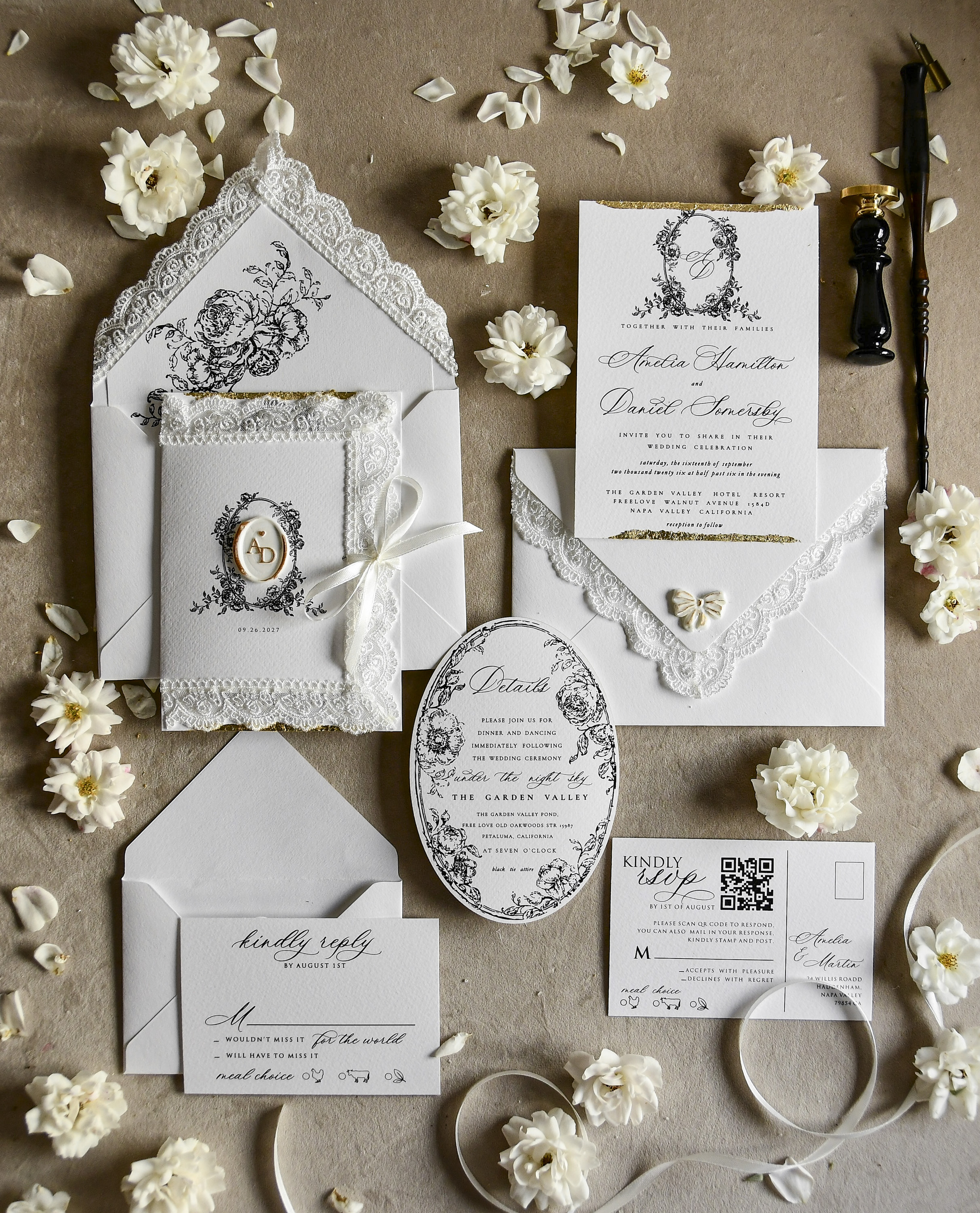
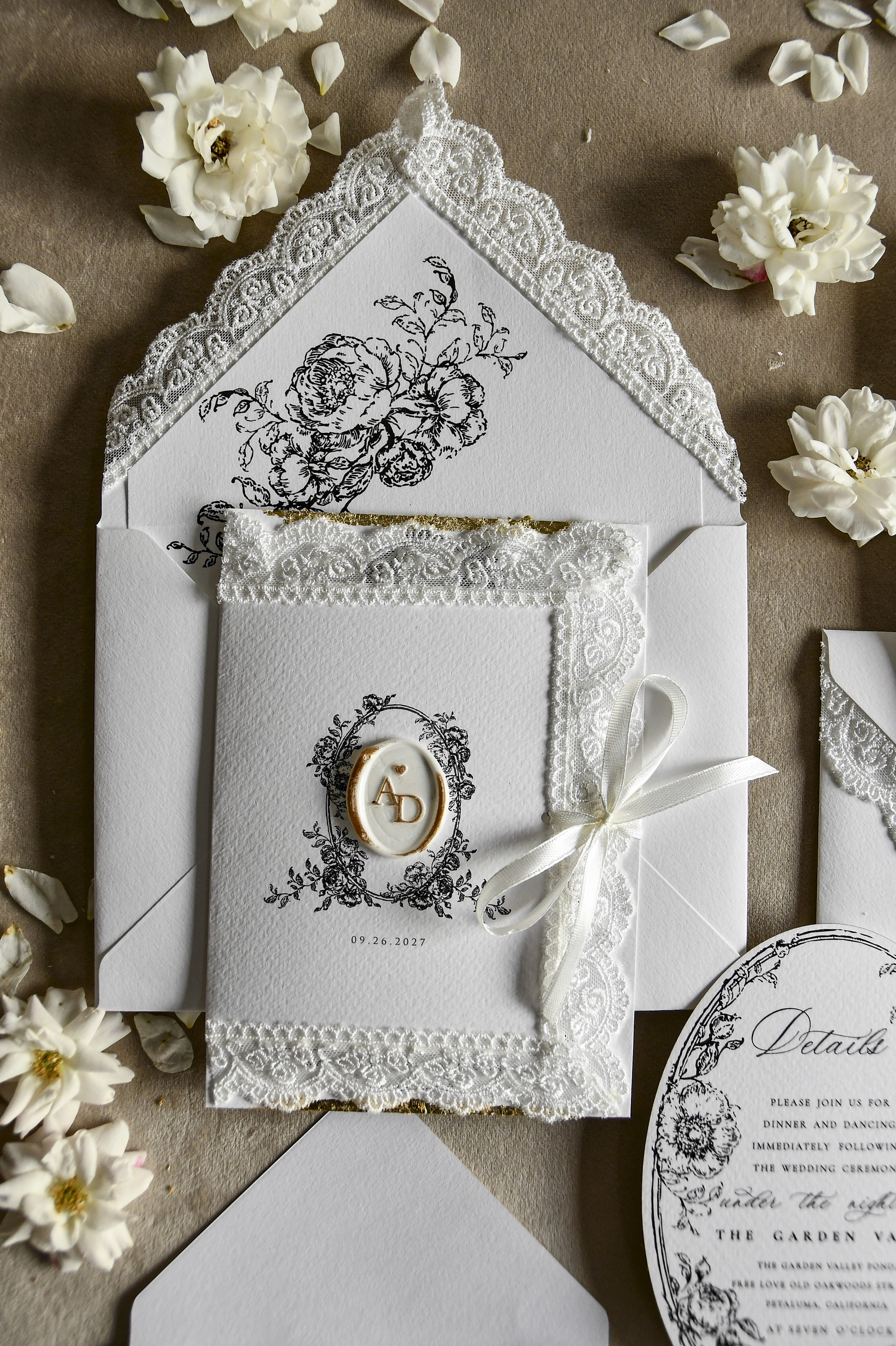
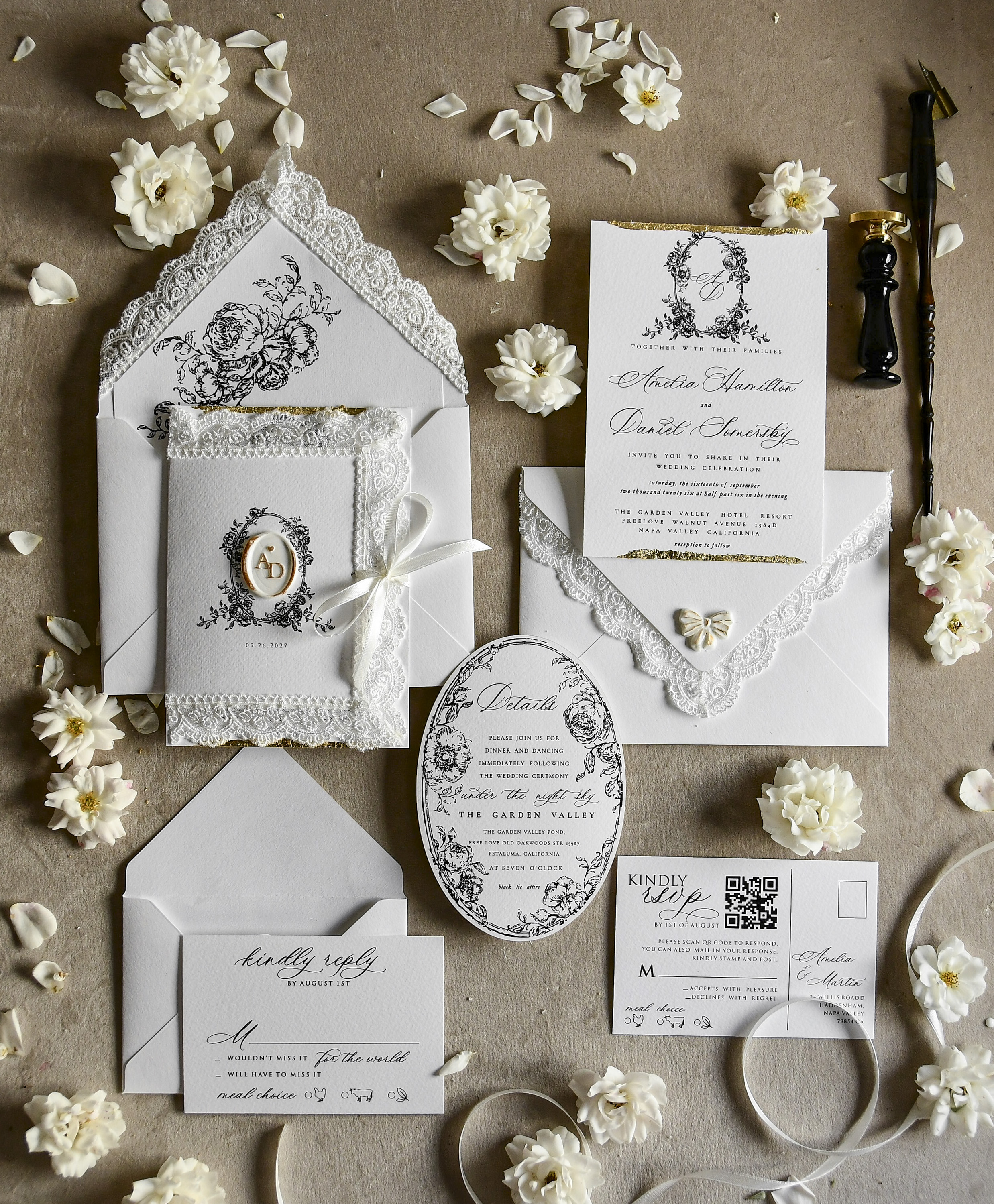
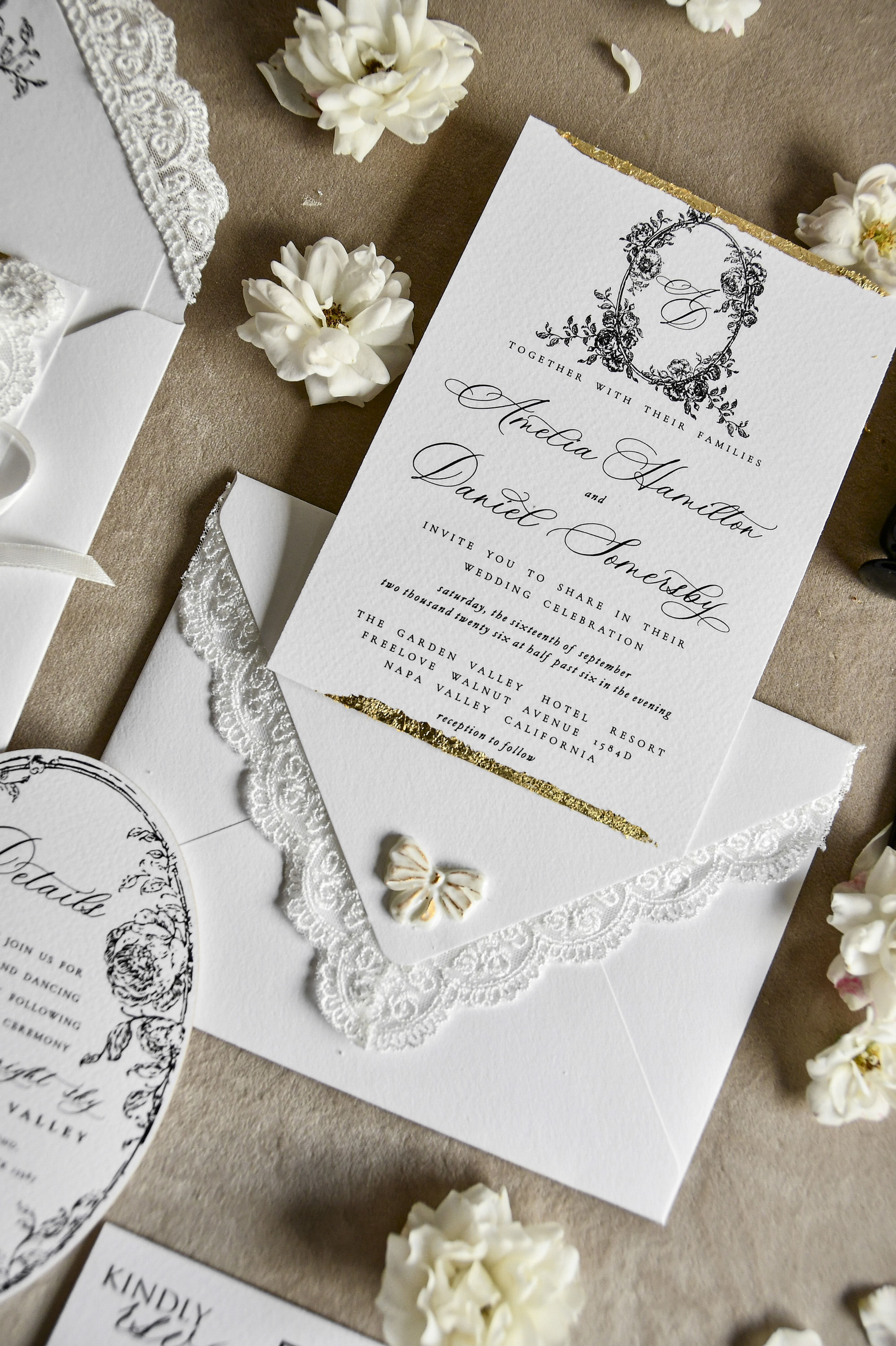
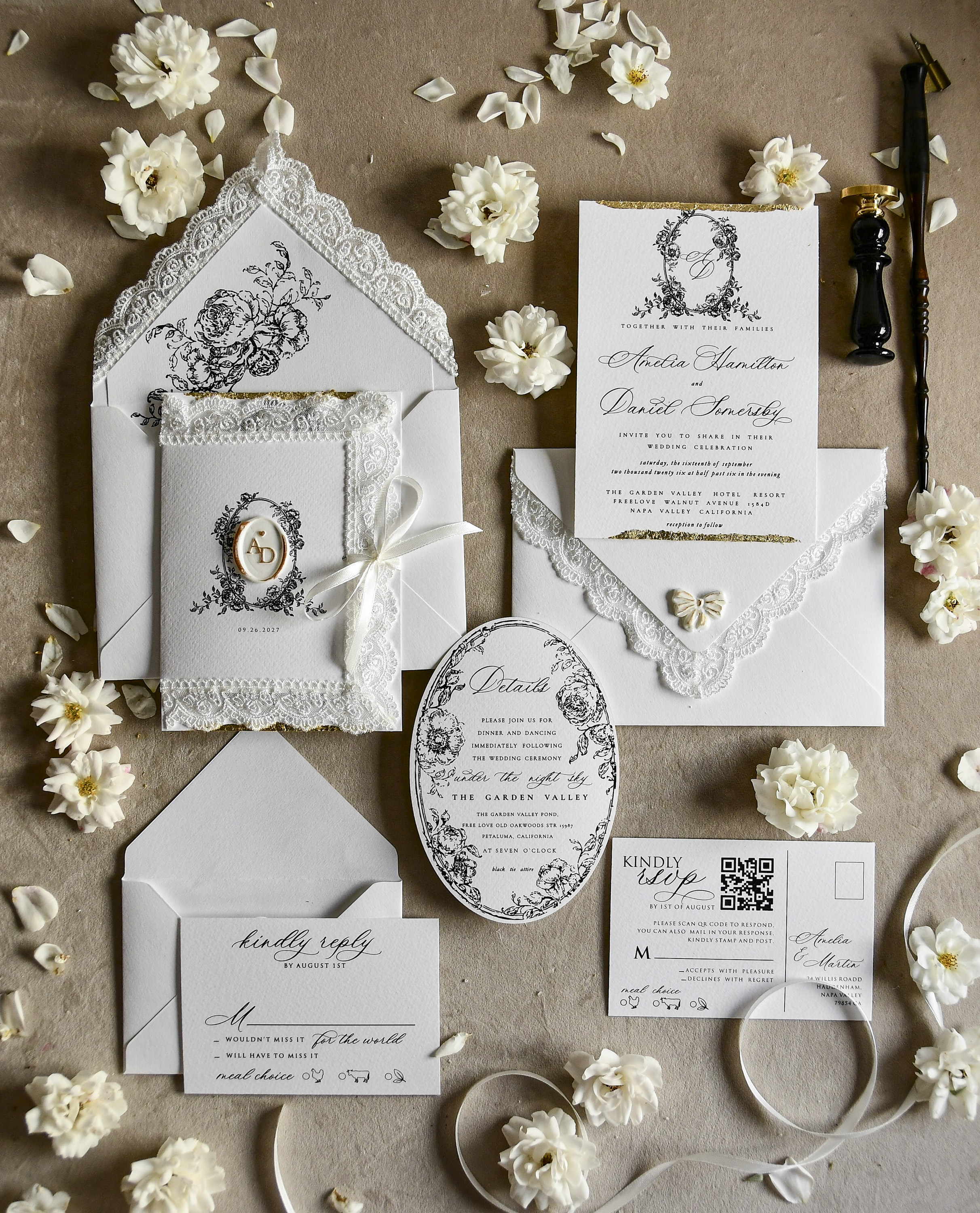
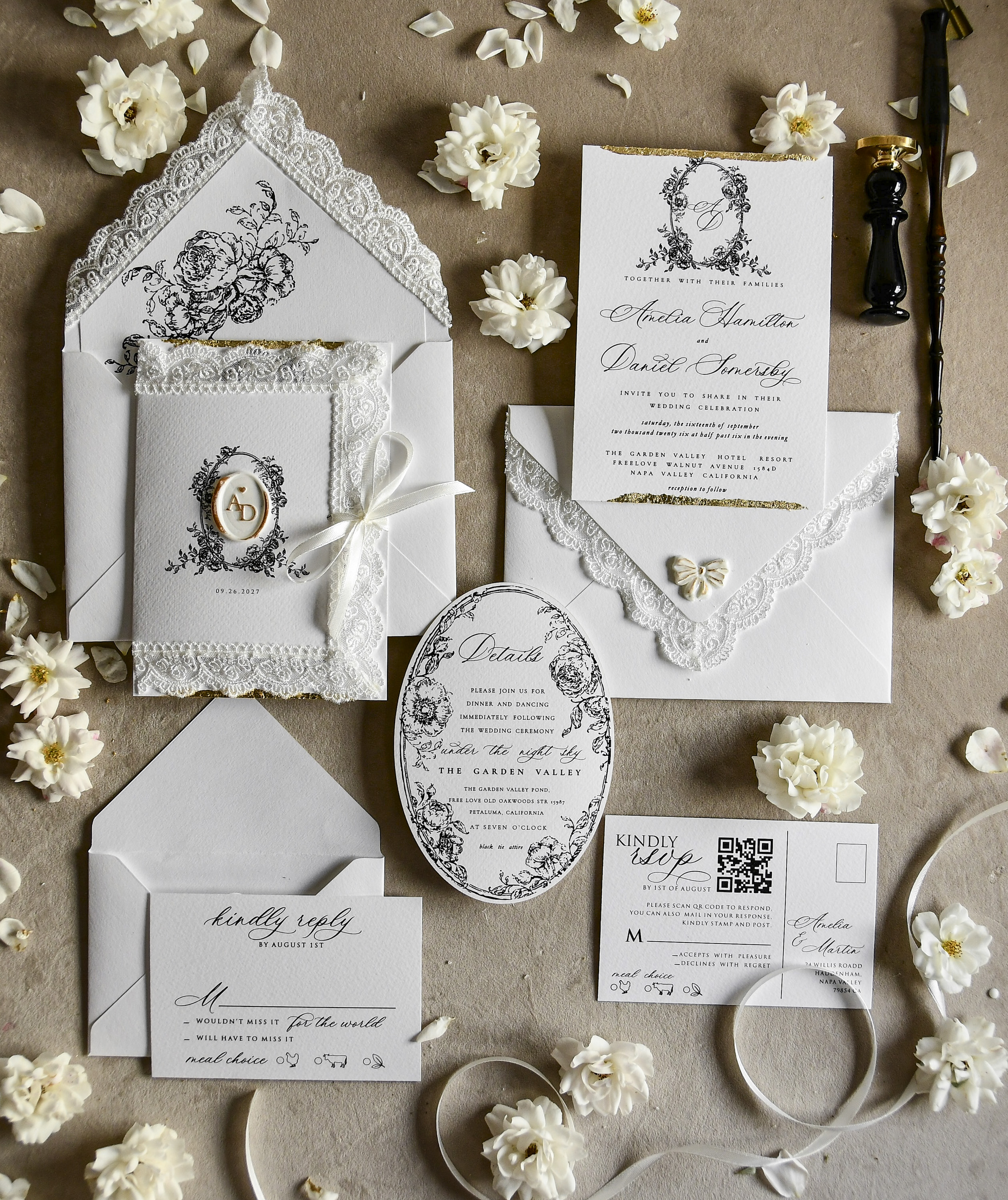
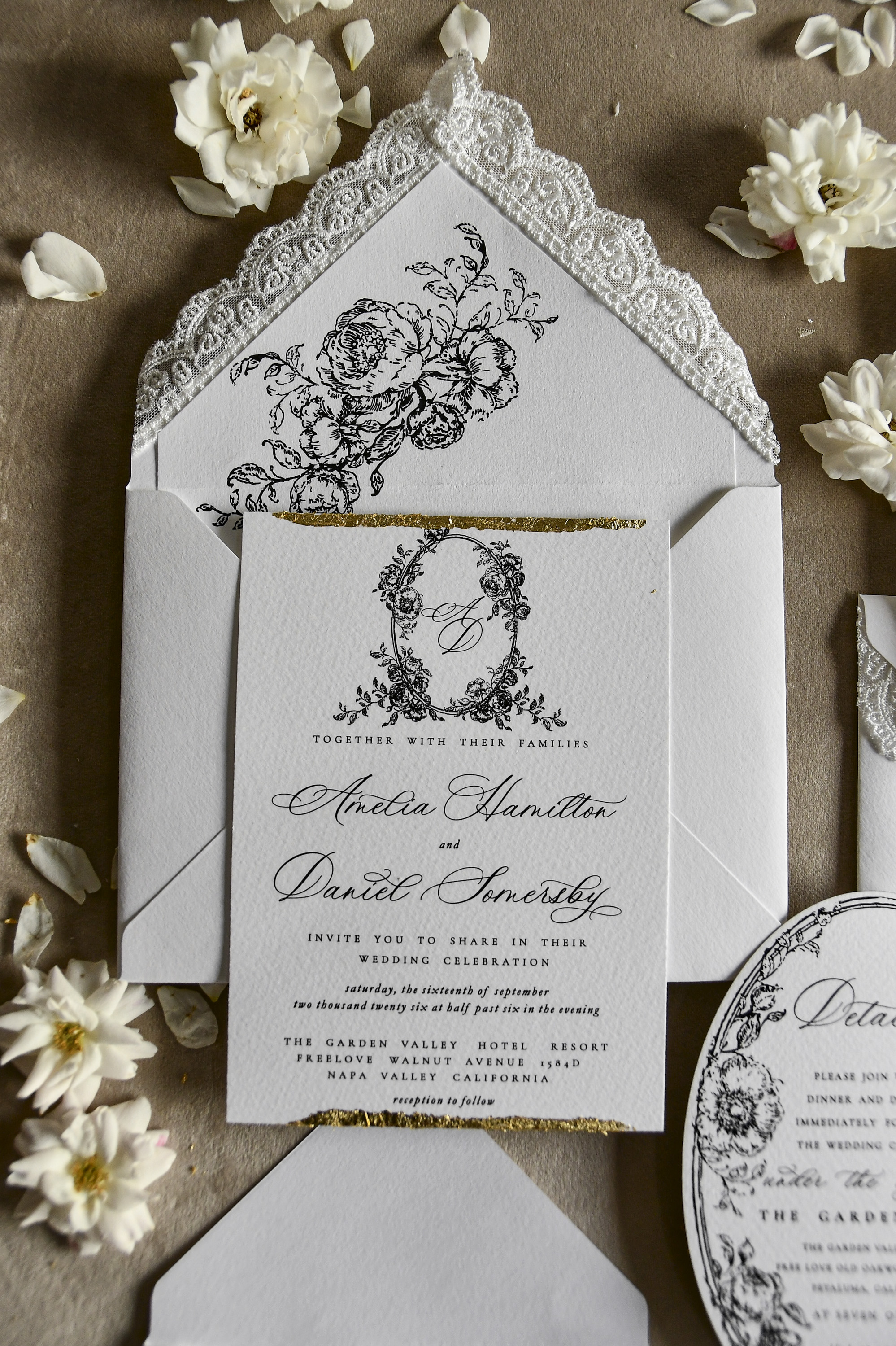
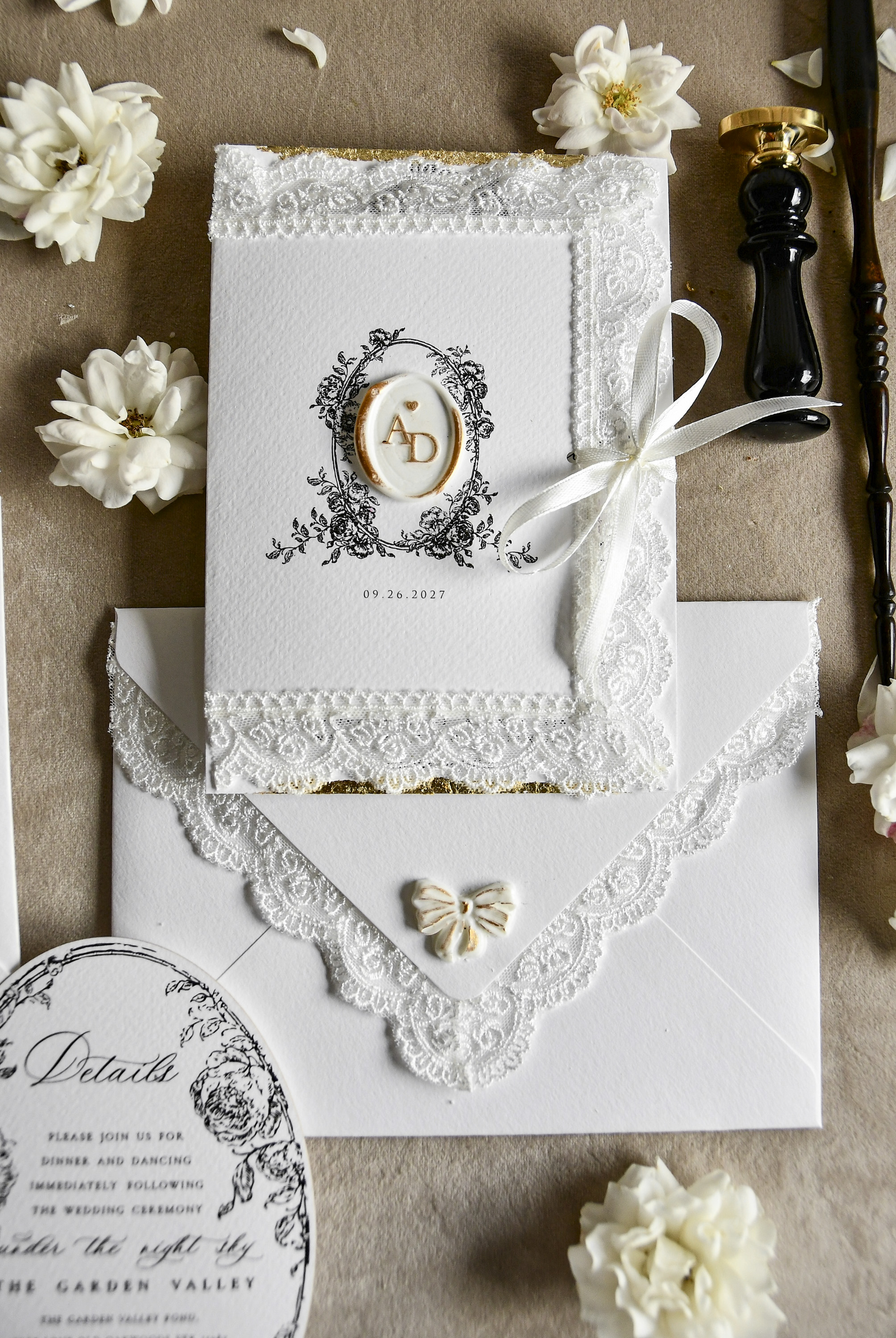
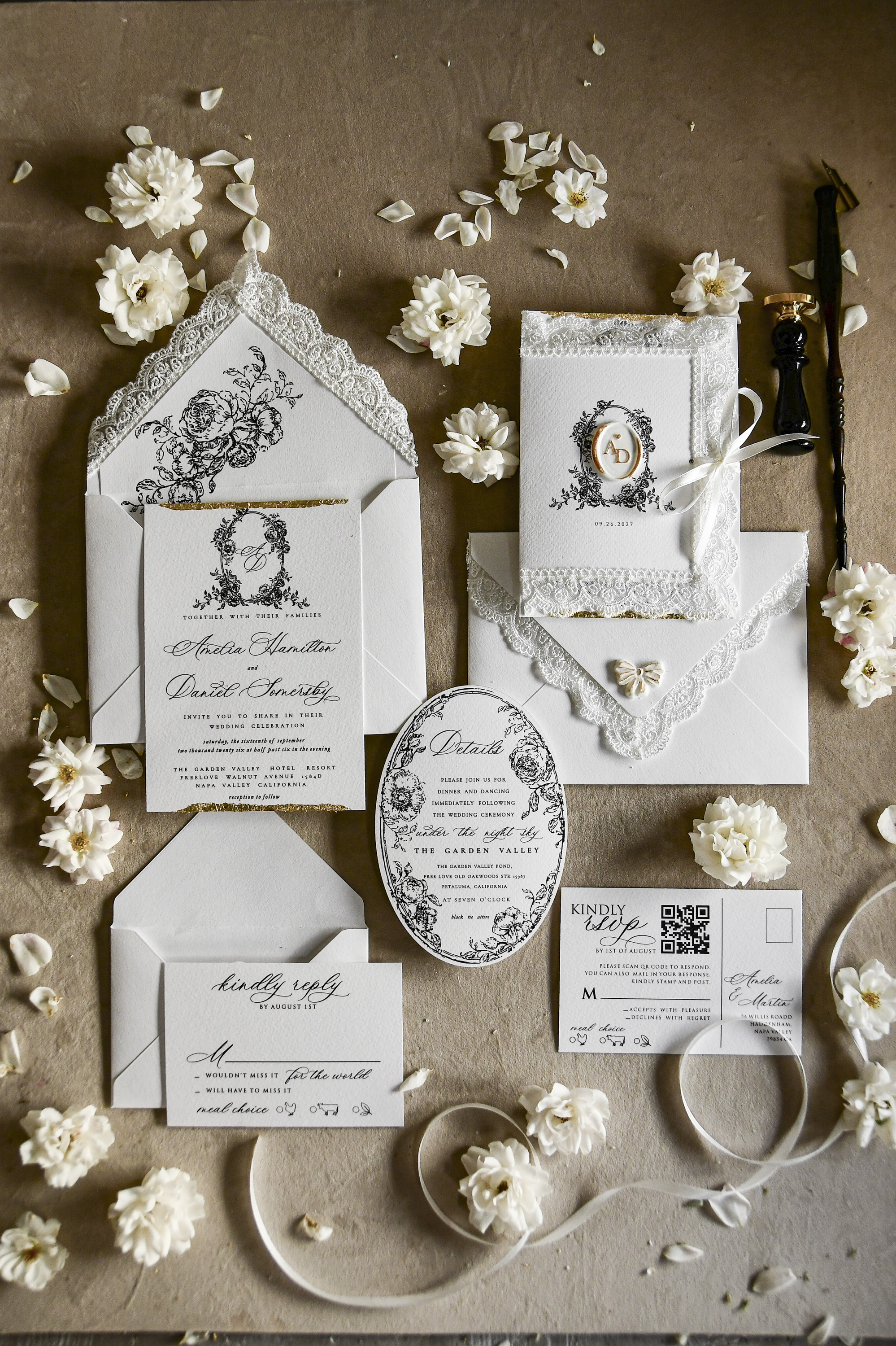
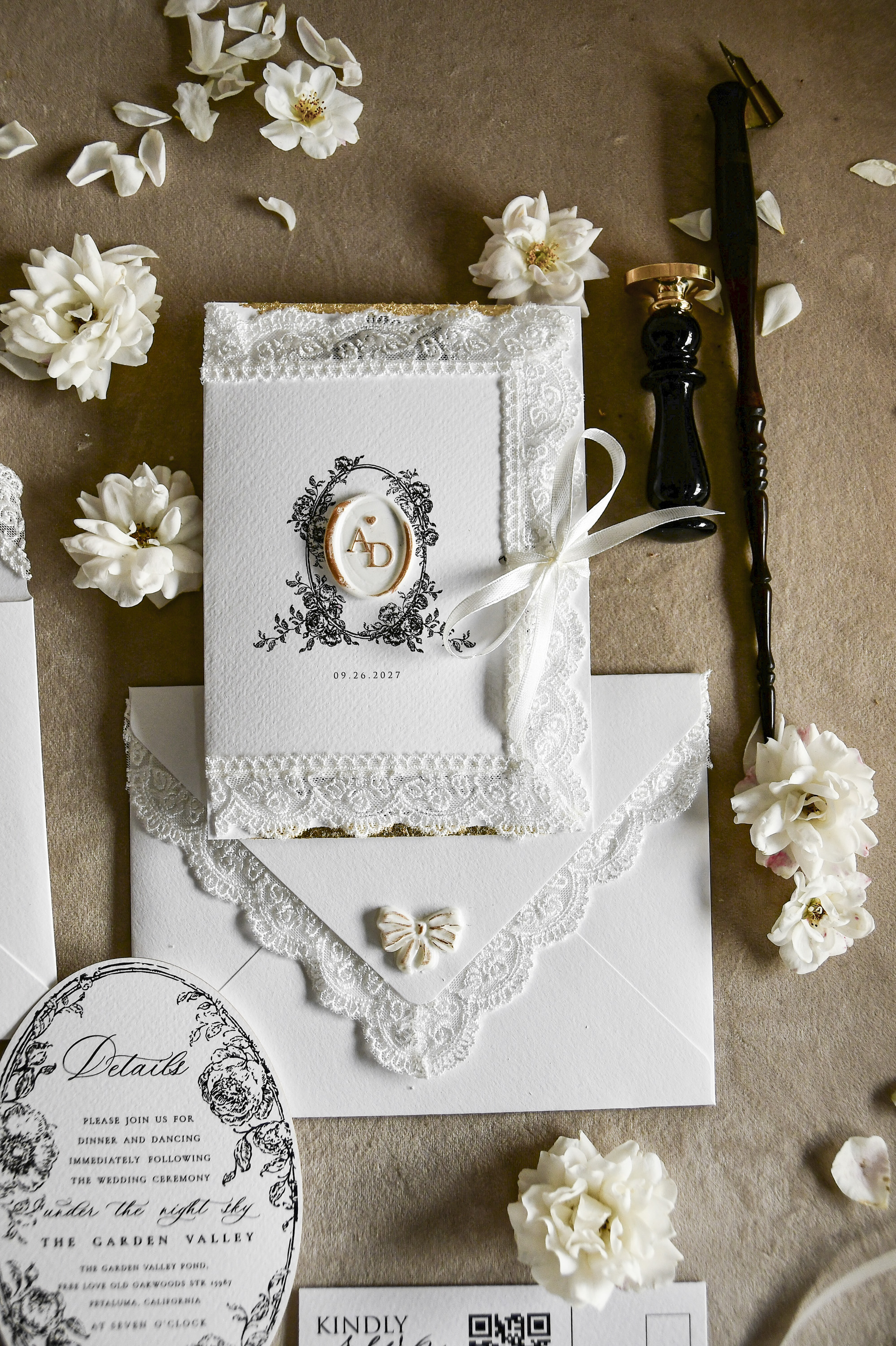
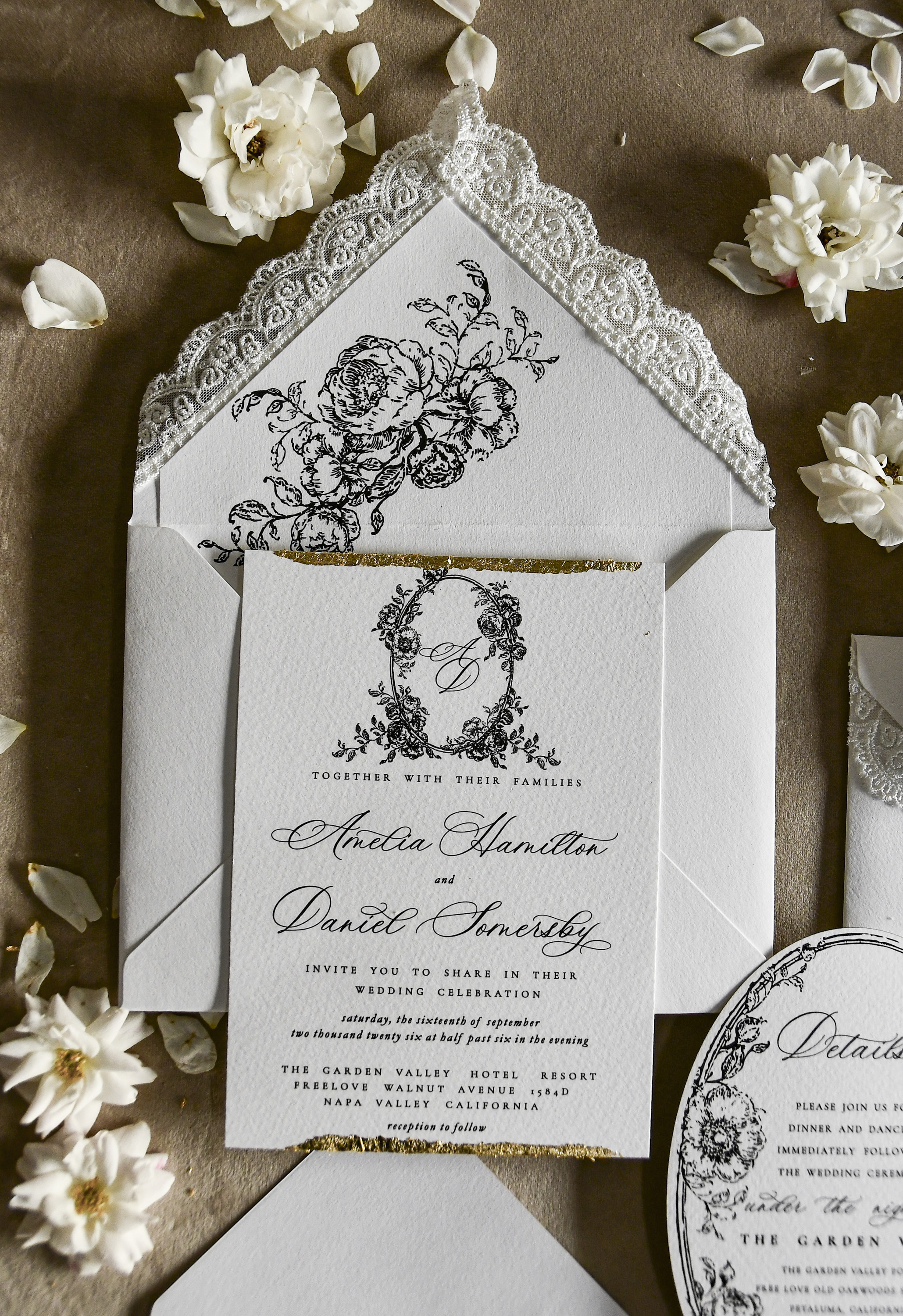
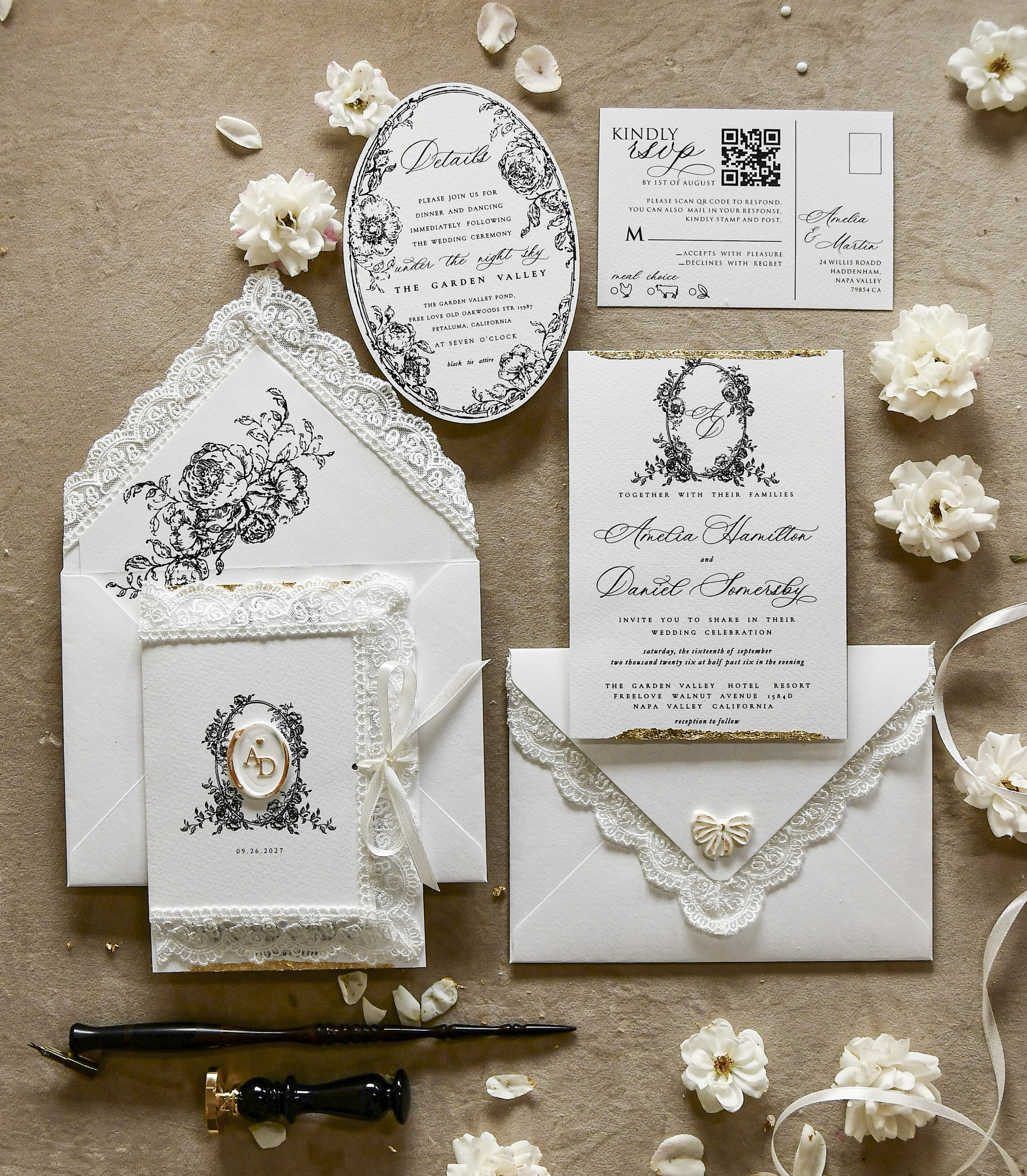
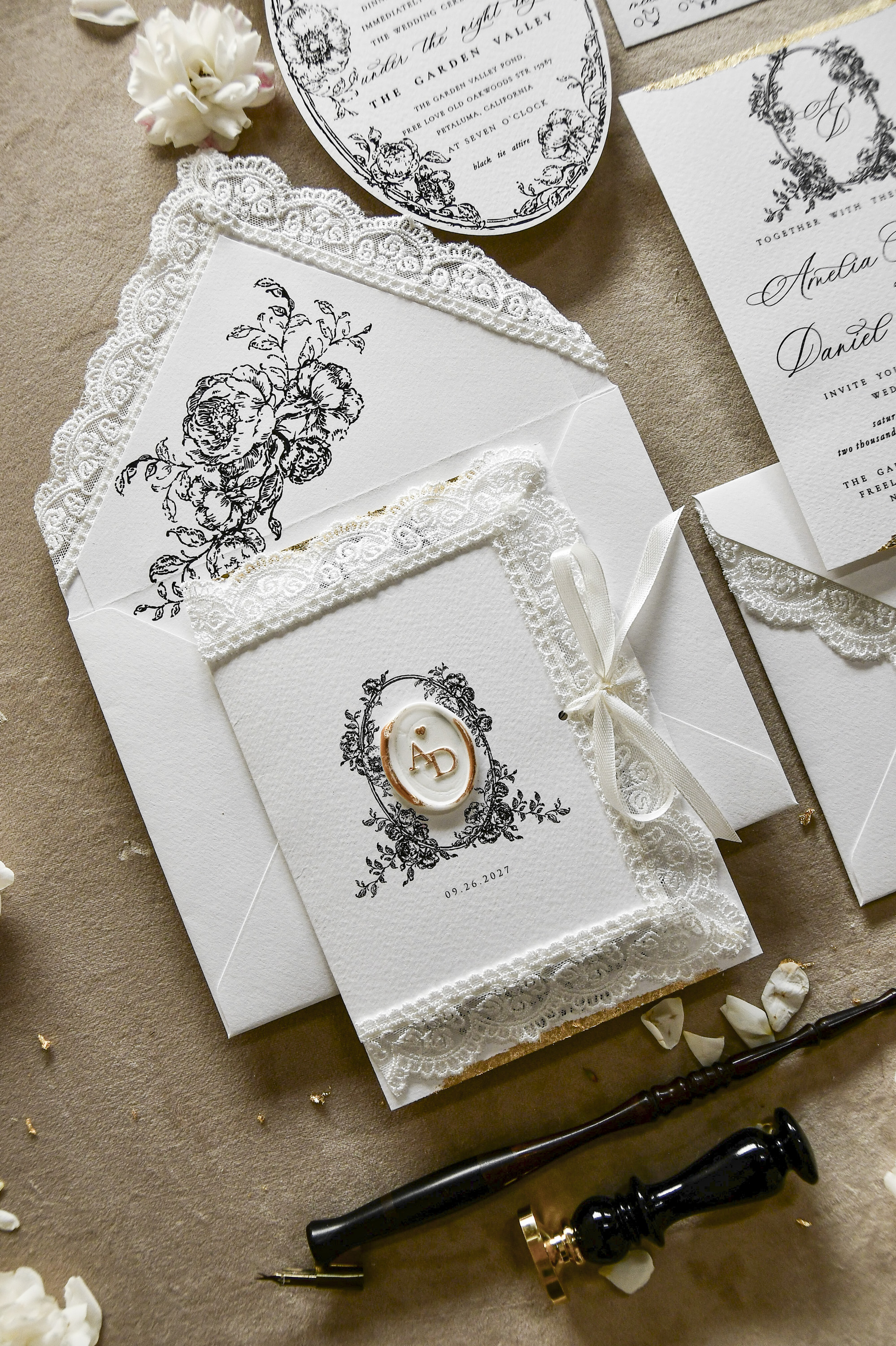
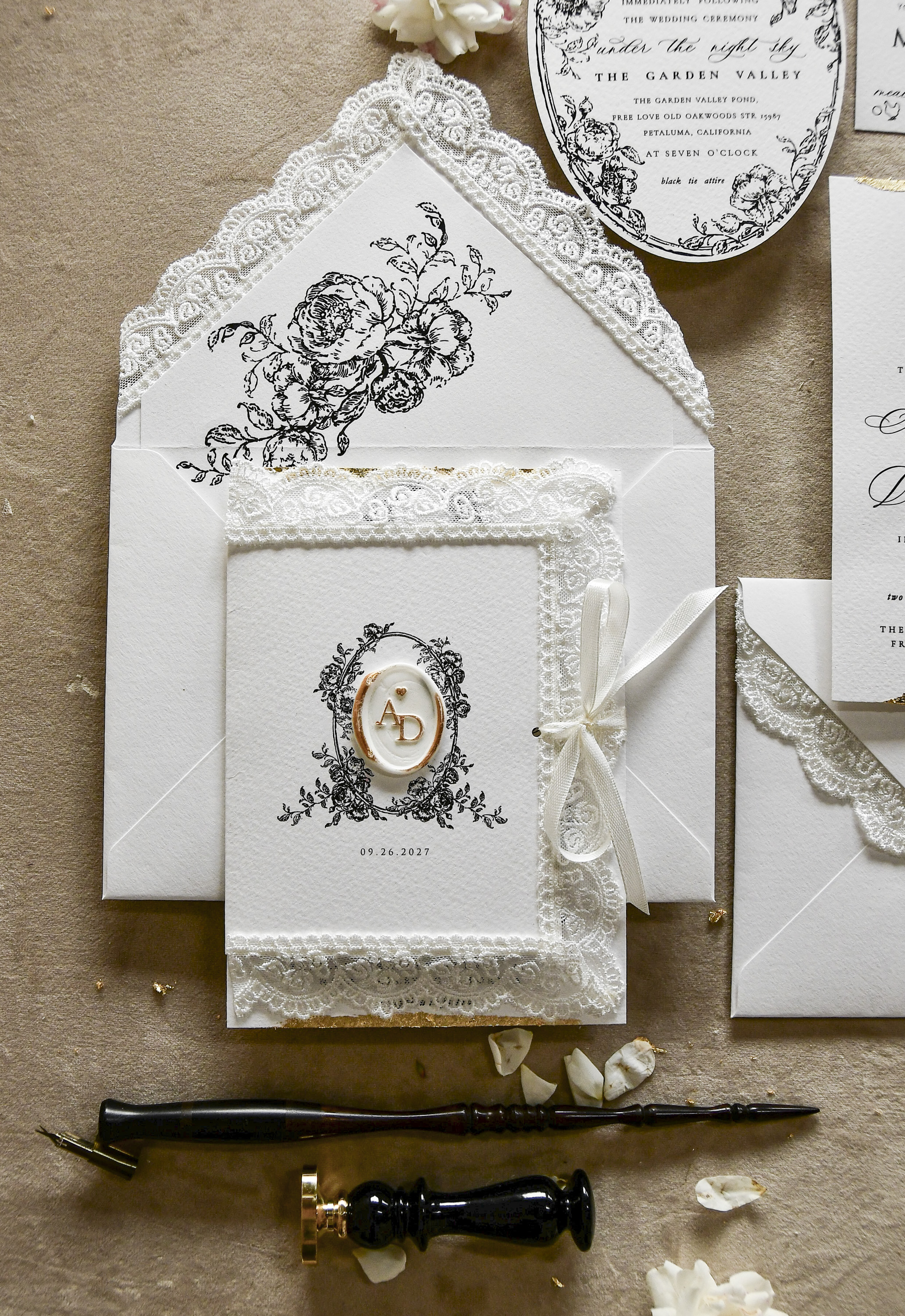
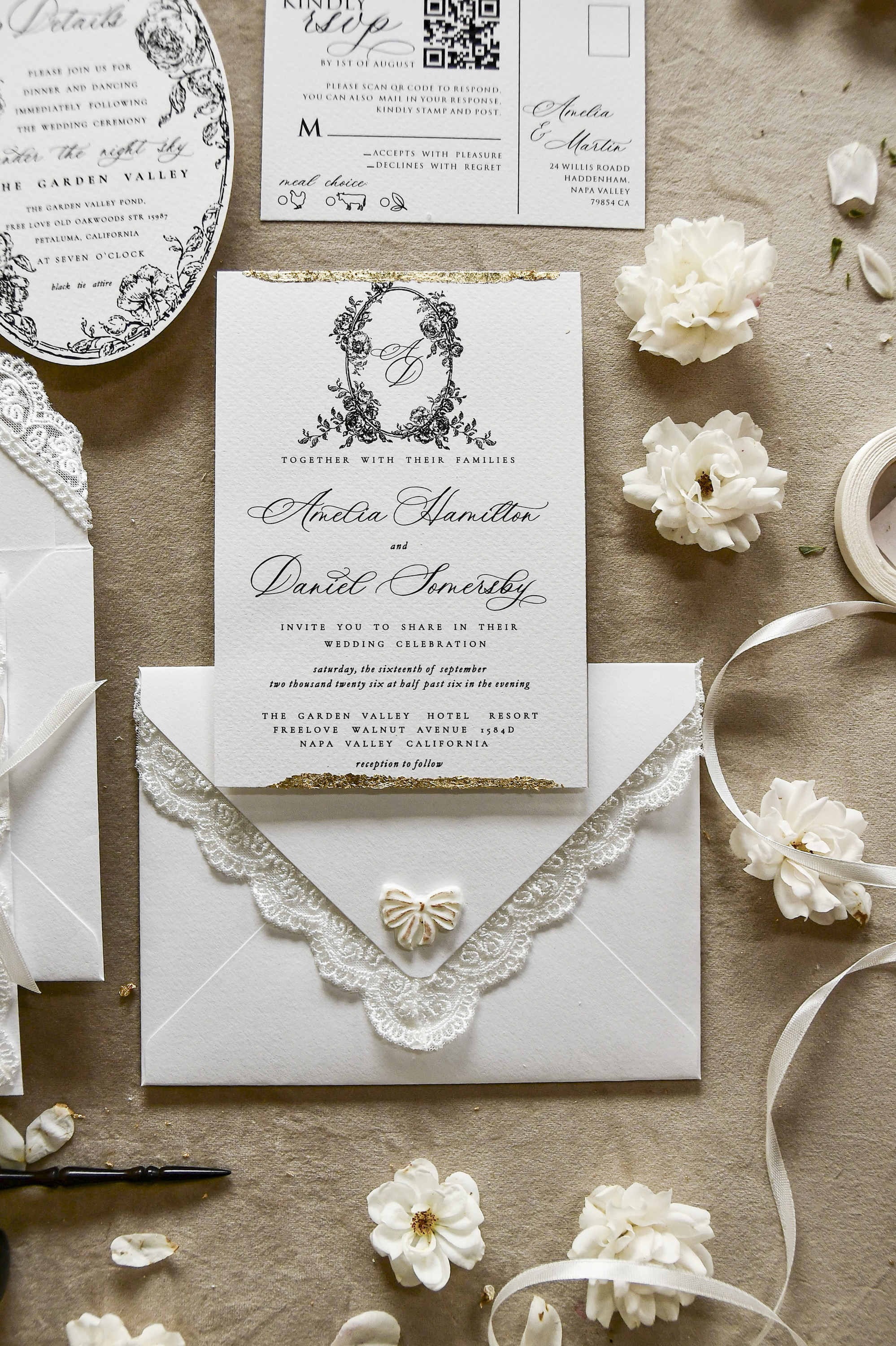
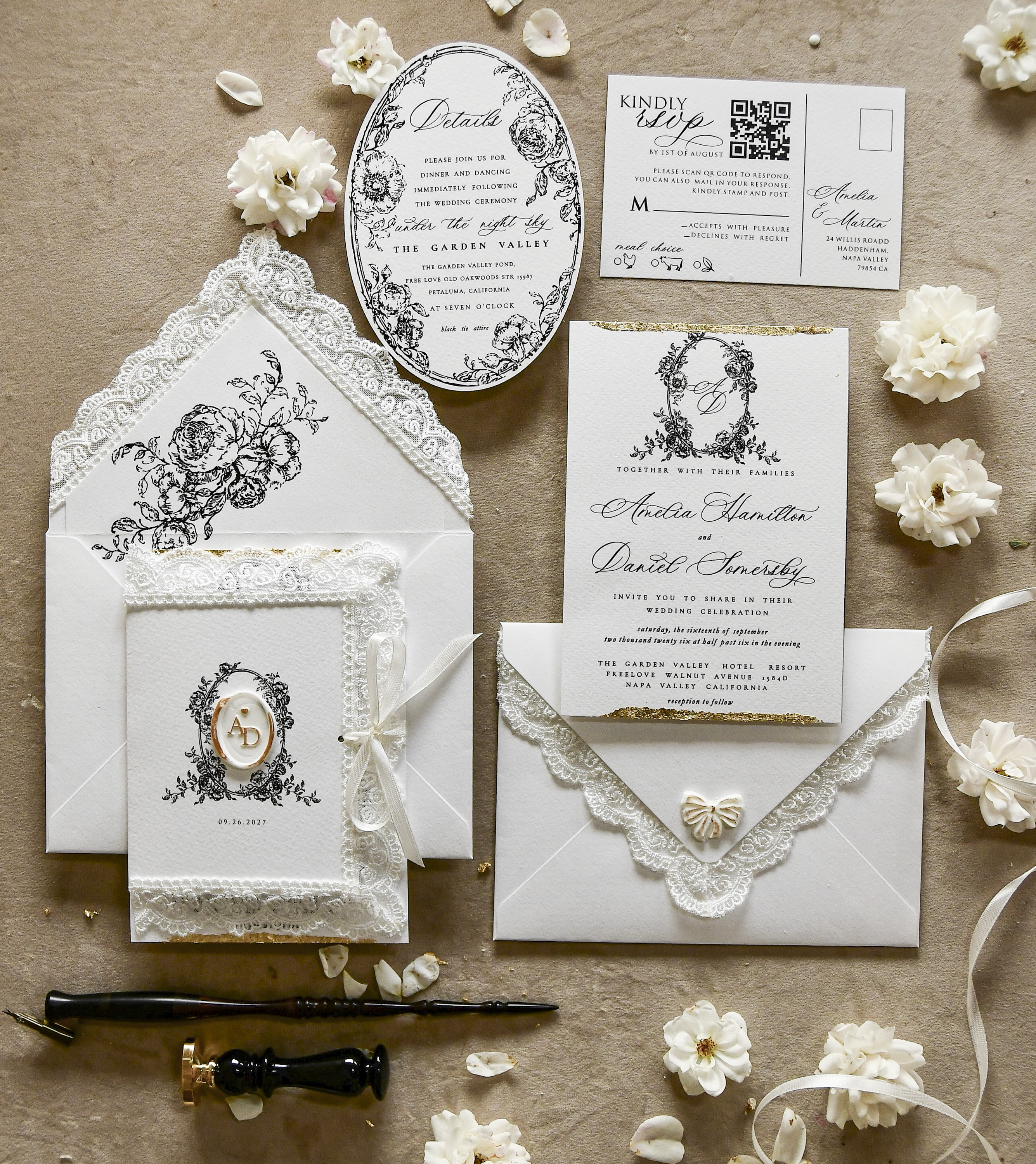
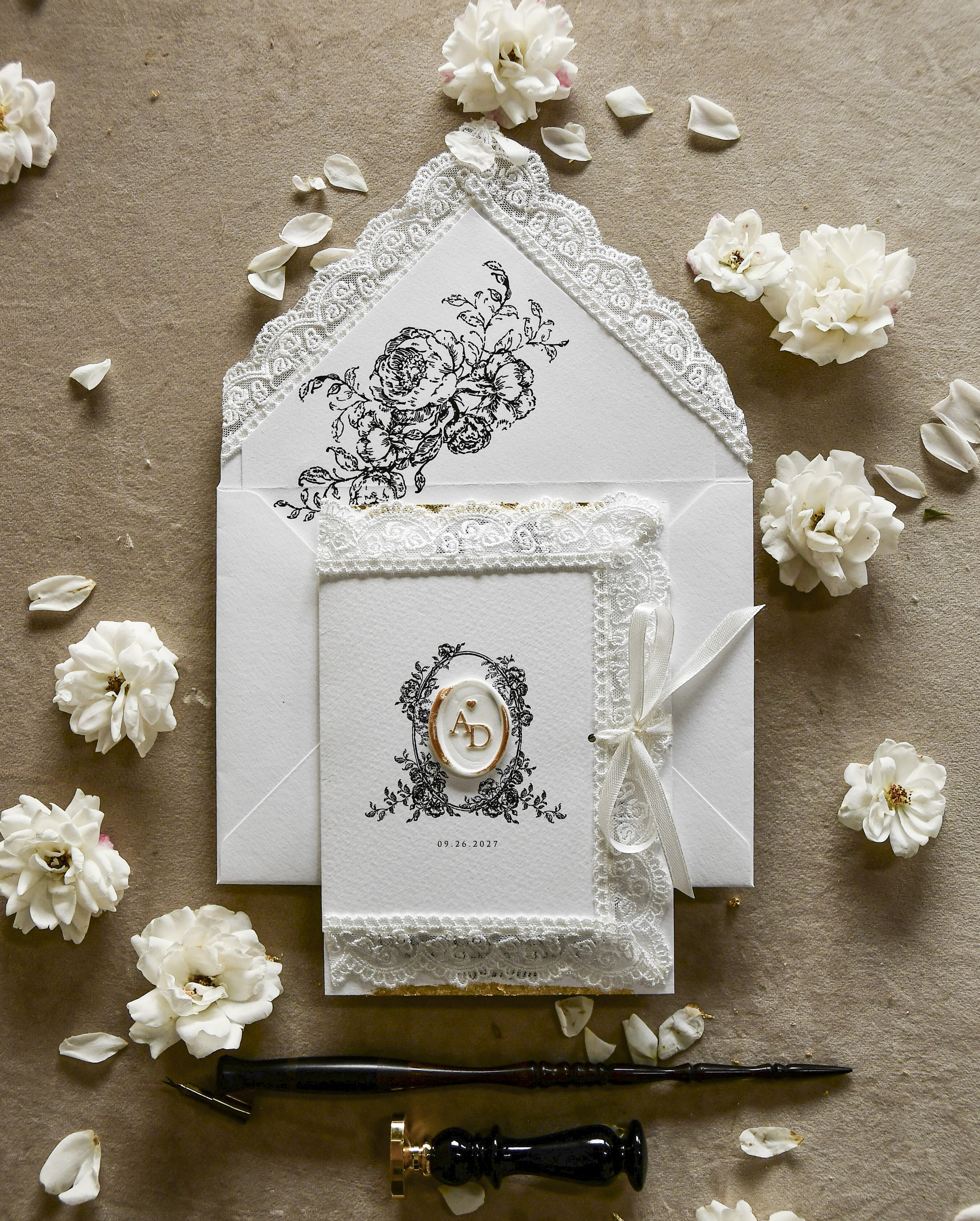
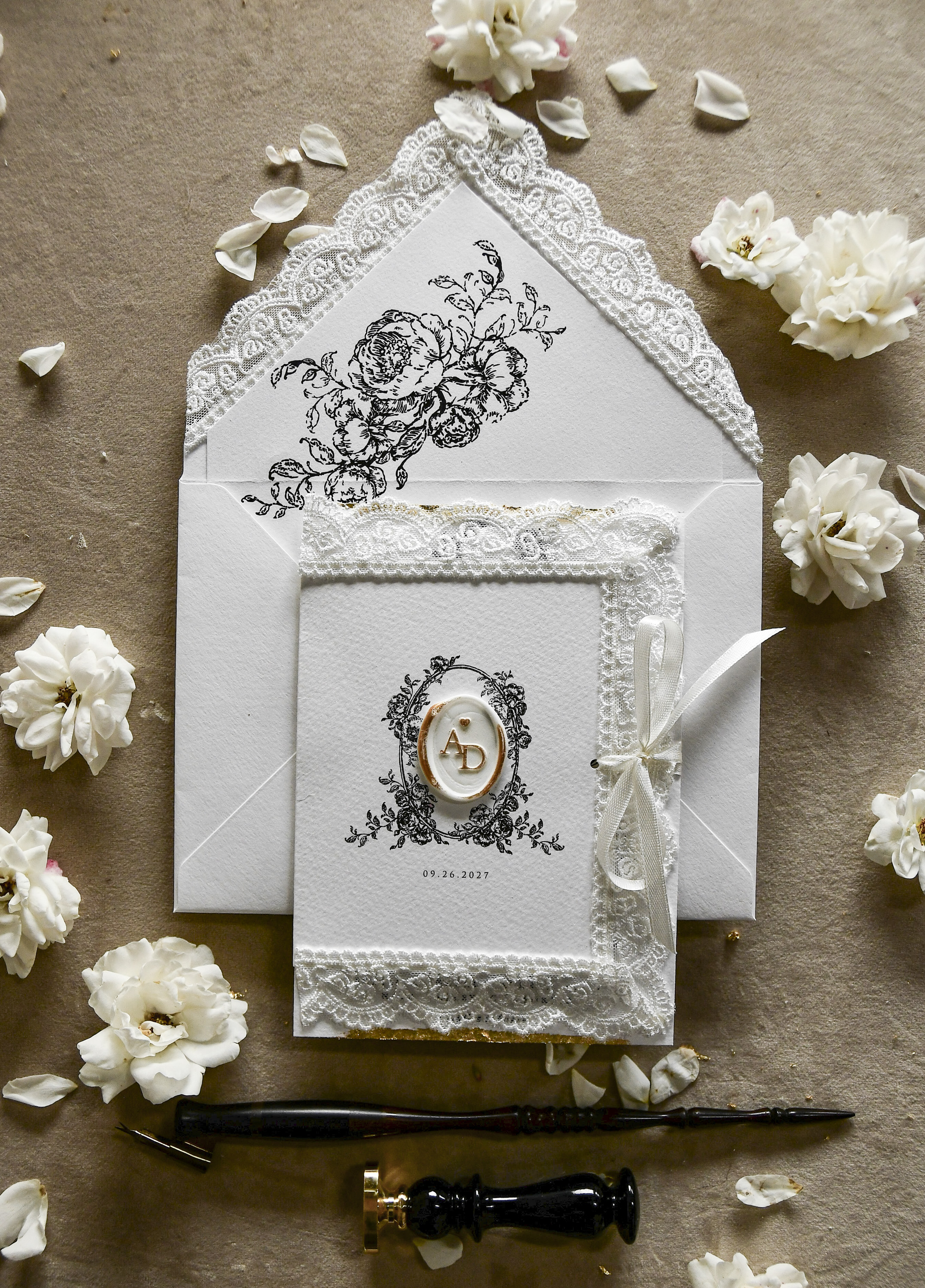
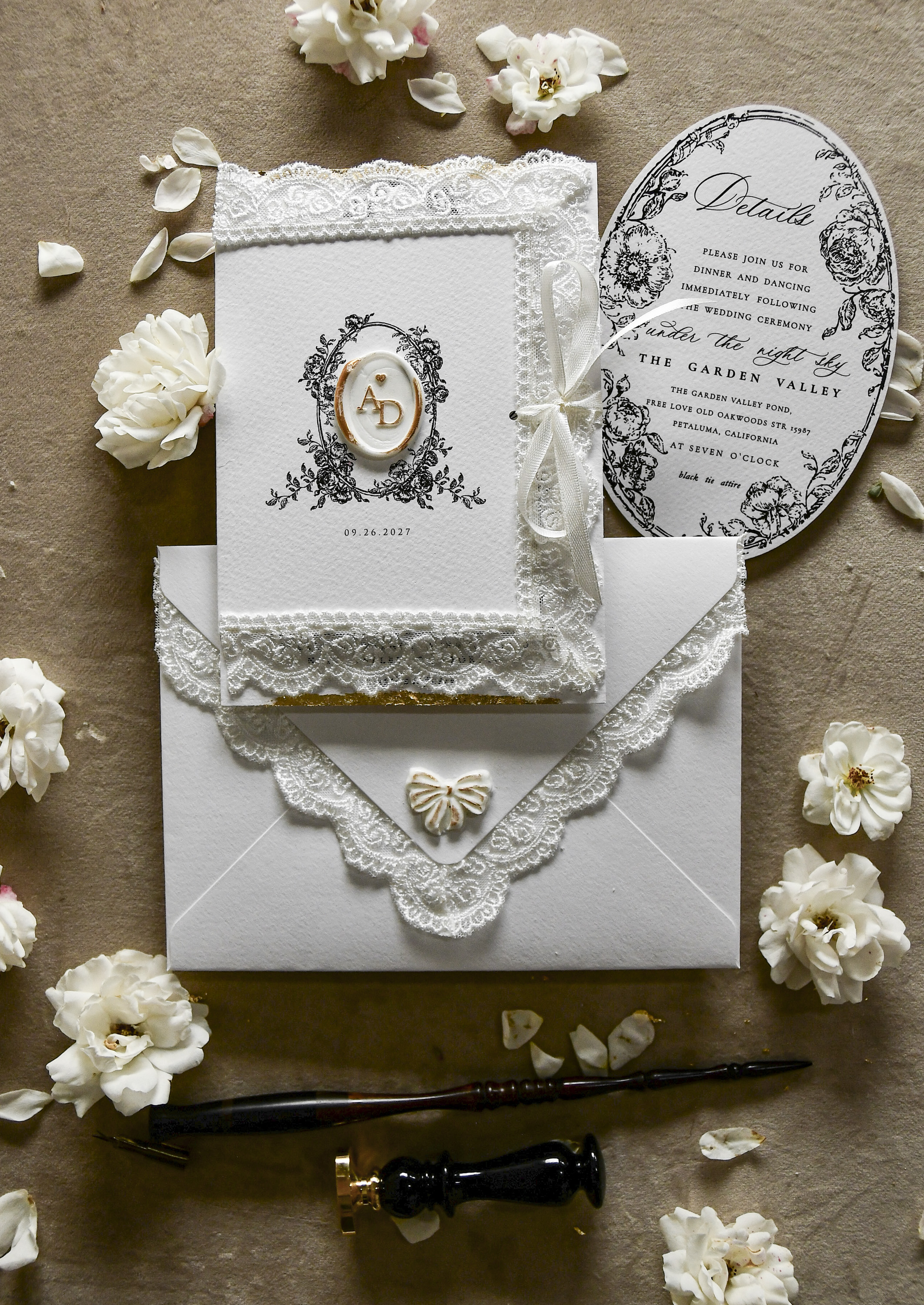
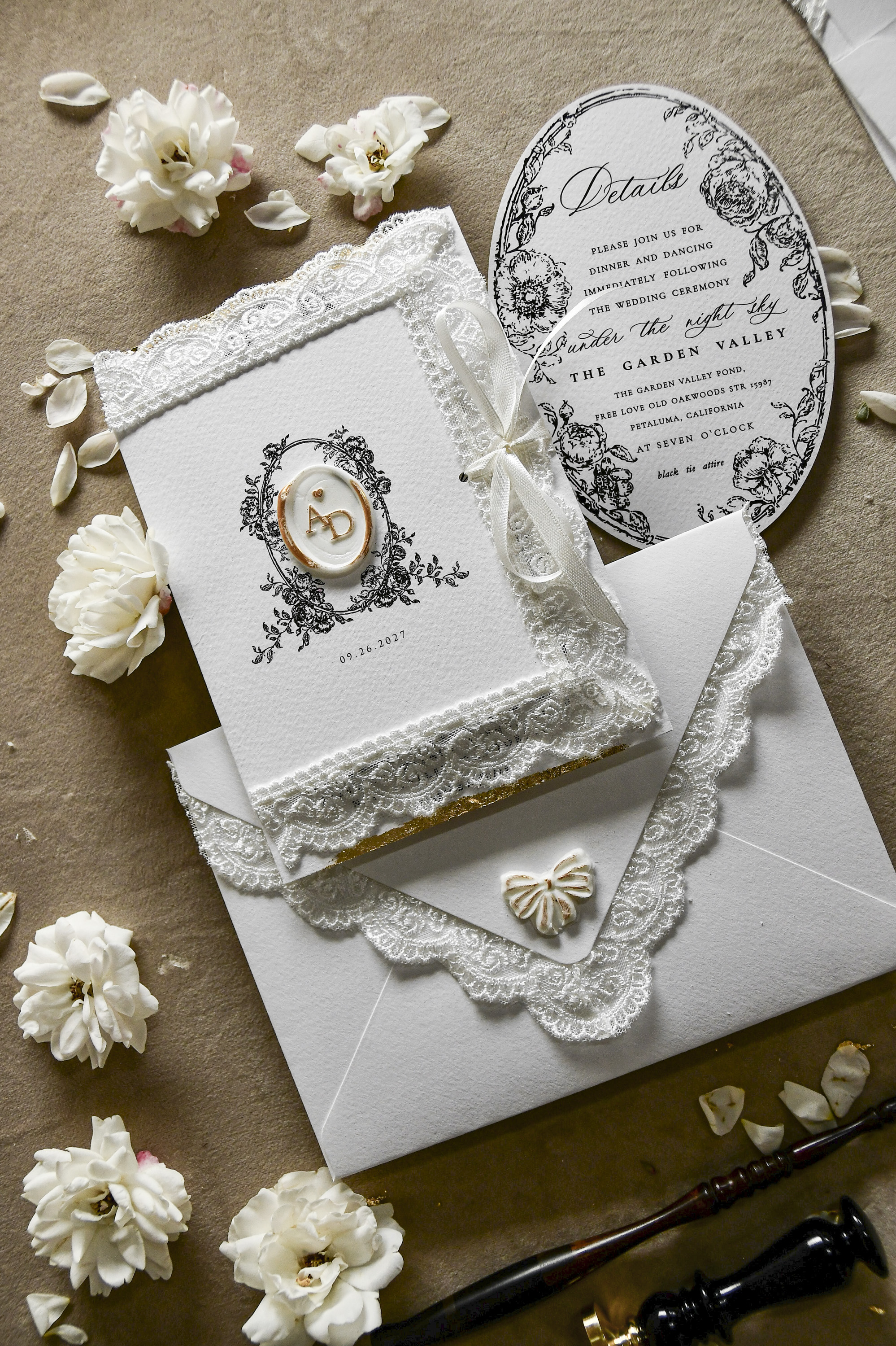
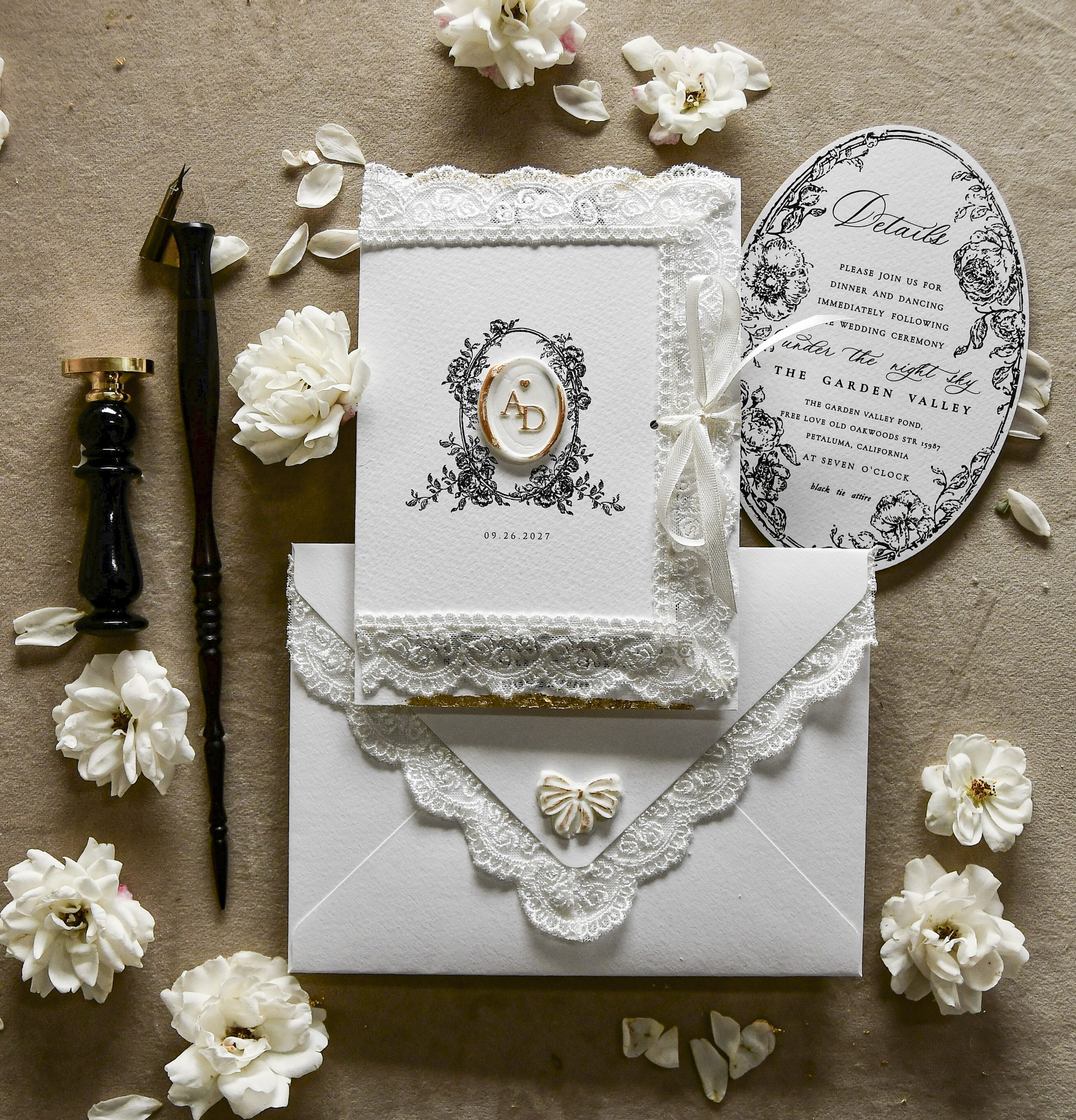
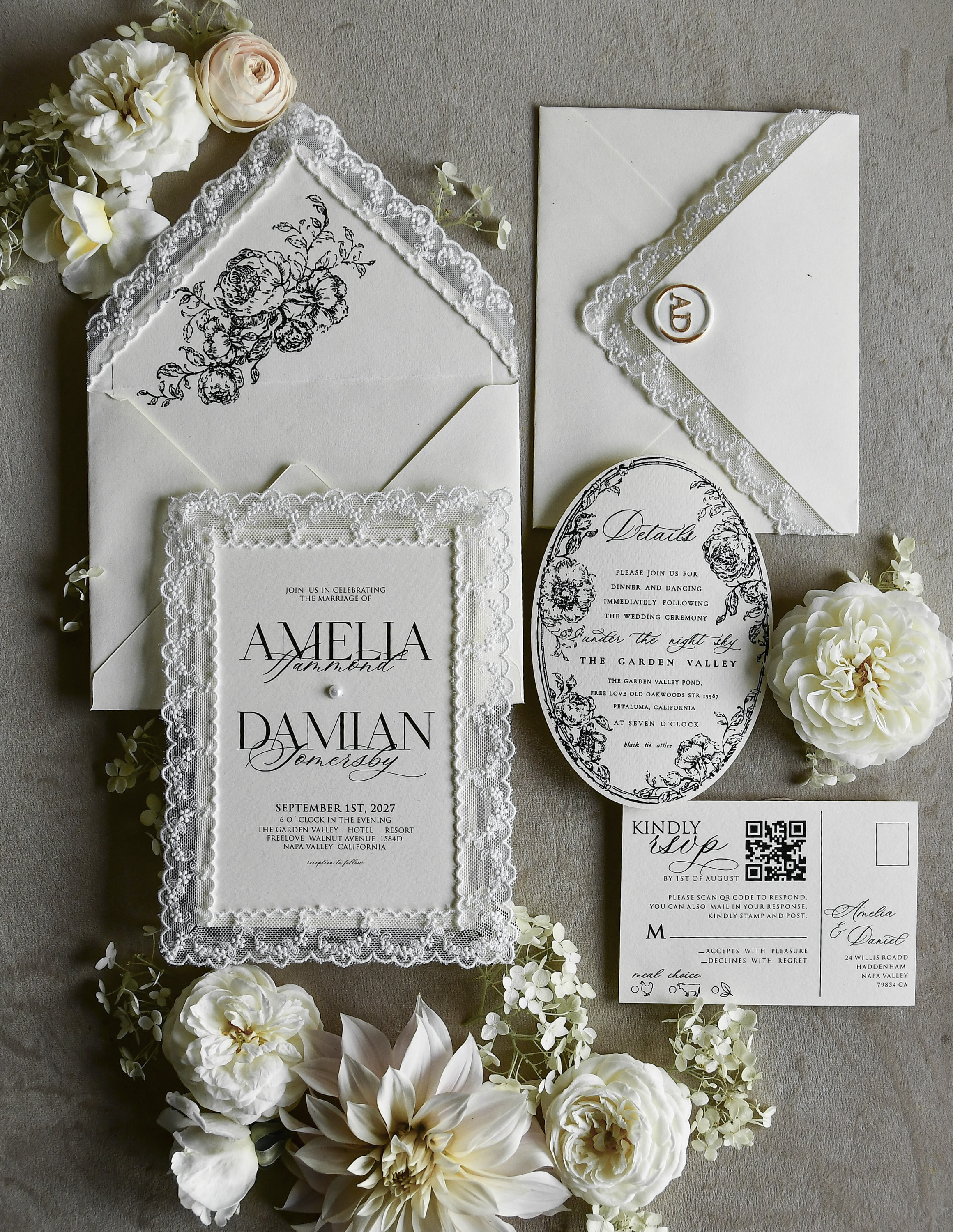
If you're using a beautifully detailed design like our 03/laceTR/z vintage lace wedding invitation, the refined aesthetic itself signals a carefully curated, intentional event — which naturally sets the tone that your guest list has been thoughtfully considered.
Handling Pushback Graciously
Even with the clearest policy, someone will ask. A guest might call to say they've just started seeing someone wonderful and would love to bring them. Here's how to handle it without caving or causing offense:
- Be warm but firm: "We'd love to meet them! Our venue has a strict capacity limit, so we had to keep our list very tight — we hope you'll understand."
- Blame the venue or budget: It's not a lie, and it removes the personal sting. Guests accept logistical constraints far more graciously than they accept feeling like their relationship wasn't taken seriously.
- Offer a consolation: Promise an introduction at a future gathering, or make sure they're seated with other fun, social guests so they won't feel isolated.
The key is responding quickly and kindly. Letting the request sit unanswered is far more awkward than a gentle, prompt no.
The Bottom Line: Set Your Policy Early and Own It
Decide on your plus-one policy before you build your guest list — not after. If you start with a full list and then try to add plus-ones, you'll either blow your budget or have to make uncomfortable cuts elsewhere. Write your policy down, share it with both sets of parents (who will inevitably get questions from relatives), and stay consistent.
Your wedding stationery, from save-the-dates to the invitation suite, is the first place guests look for cues about your event. Choosing elegant, intentional designs — like the 03/laceTR/z lace invitation collection — helps signal that every detail, including your guest list, has been handled with care.
Frequently Asked Questions
It's not rude as long as your policy is applied consistently across all single guests. The etiquette issue arises when some singles get plus-ones and others don't without a clear reason. Be even-handed and most guests will respect your decision.
It's considered good etiquette to extend plus-ones to your wedding party since they're investing significant time and money in your day. If budget is a concern, at minimum include partners in committed relationships and communicate clearly with anyone who doesn't receive one.
If you know the partner's name, write both names on the inner envelope. If you don't know them well, write "[Guest Name] and Guest." Never write "and family" unless children are also invited — that phrasing opens the door to unexpected additions.
Call or message them directly and kindly — don't try to handle it by email or text if you can avoid it. Explain that due to venue capacity you weren't able to extend plus-ones to everyone, and confirm the seat count. Most guests will understand when it's framed as a logistics issue rather than a personal slight.
It's a thoughtful gesture, especially if they won't know many other attendees. Traveling solo to a wedding where you're surrounded by strangers can feel uncomfortable. If your budget allows, extending plus-ones to destination guests is a generous way to thank them for making the trip.
Ideally before you send save-the-dates, which typically go out 6 to 12 months before the wedding. Finalizing your policy early lets you build an accurate guest count from the start and gives your venue a realistic headcount for planning purposes.
See This Design Up Close
You May Also Like
More Wedding Planning Guides
- → Kids at Your Wedding: How to Decide What's Right for Your Celebration
- → Mailing vs. Hand-Delivering Wedding Invitations: What's the Right Call?
- → When Silence Speaks: How to Handle Guests Who Never RSVP'd
- → Ceremony-Only Guests: The Honest Guide to Partial Wedding Invitations
- → Save the Dates and Wedding Invitations: What Each One Does and Why You Need Both
- → Navigating the Parent Guest List: How to Keep the Peace Without Losing Control
- → The Honest Guide to Trimming Your Wedding Guest List Without the Guilt
- → The Graceful Art of Telling Someone They're Not on the Guest List
- → Seating Your Divorced Parents at the Wedding: A Practical Guide
- → When Guests Ghost Your RSVP: What to Do Next
- → The Honest Guide to Deciding Who Gets a Plus One at Your Wedding
- → The Ex Factor: How to Decide Whether a Former Partner Belongs on Your Guest List
- → The Perfect Timing for Mailing Your Wedding Invitations
- → Digital vs. Paper Wedding Invitations: Which Is Right for You?
- → Child-Free Weddings: What's Rude and What's Perfectly Fine
- → Everything Your Wedding Invitation Needs to Say
- → Navigating Guest List Pressure: When Mom Wants to Invite Someone You Don't
- → When Your Partner Wants a Smaller Guest List Than You Do
- → Online RSVPs vs. Mailed Cards: What Every Couple Should Know
- → Uninvited Plus-Ones and Tag-Alongs: How to Keep Your Guest List Intact
- → When Family Feuds Threaten Your Wedding Plans: A Practical Peacekeeper's Guide
- → Inviting an Estranged Brother or Sister: Finding Clarity Before You Seal the Envelope
- → Cousins, Invites, and Hard Choices: A Practical Guest List Guide