
Online RSVPs vs. Mailed Cards: What Every Couple Should Know
Short answer: yes, absolutely. Online RSVPs have become a mainstream choice for modern weddings, and plenty of couples skip the reply card entirely. But before you ditch the paper, it's worth understanding how each option works, who it serves best, and how to blend both gracefully — so no guest falls through the cracks and your headcount stays stress-free.
How Online RSVPs Actually Work
An online RSVP system lets guests respond to your invitation through a wedding website — platforms like Zola, The Knot, or Joy are popular free options. You simply include your wedding website URL on the invitation itself, along with a response deadline. Guests visit the site, enter their names, confirm attendance, and sometimes answer meal-choice or song-request questions.
The big advantage is instant data collection. Responses flow into a dashboard you can check anytime, and you avoid decoding illegible handwriting on reply cards. You also eliminate postage costs for guests, which removes a small but real barrier to responding promptly. For couples planning larger weddings with 150+ guests, the time savings alone can be significant.
When a Mailed Reply Card Still Makes Sense
A physical reply card tucked inside your invitation suite is still the gold standard for formal and semi-formal weddings. It signals a certain level of care and ceremony that resonates with guests who appreciate tradition — think grandparents, older relatives, or anyone who isn't comfortable navigating a website.
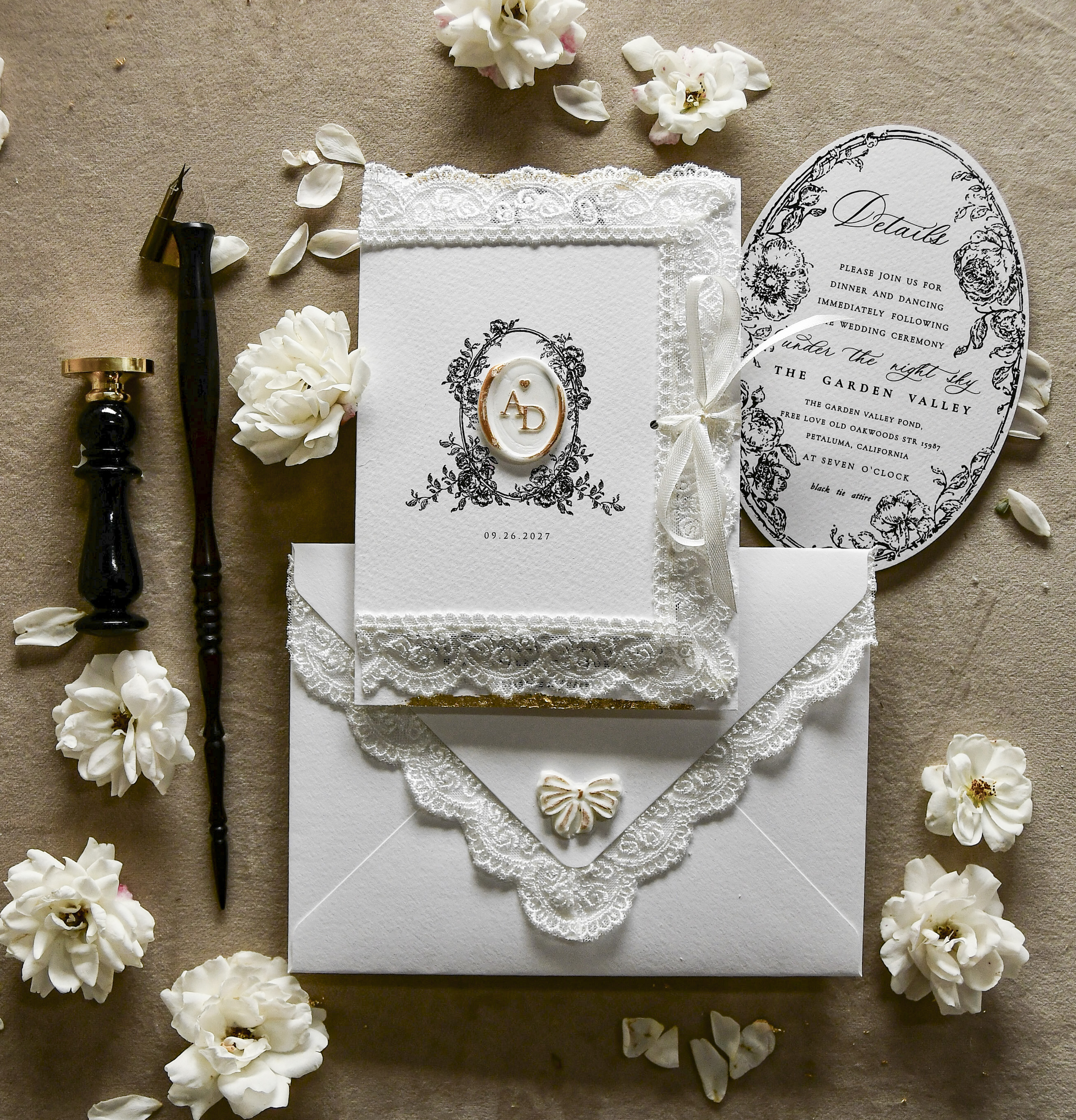
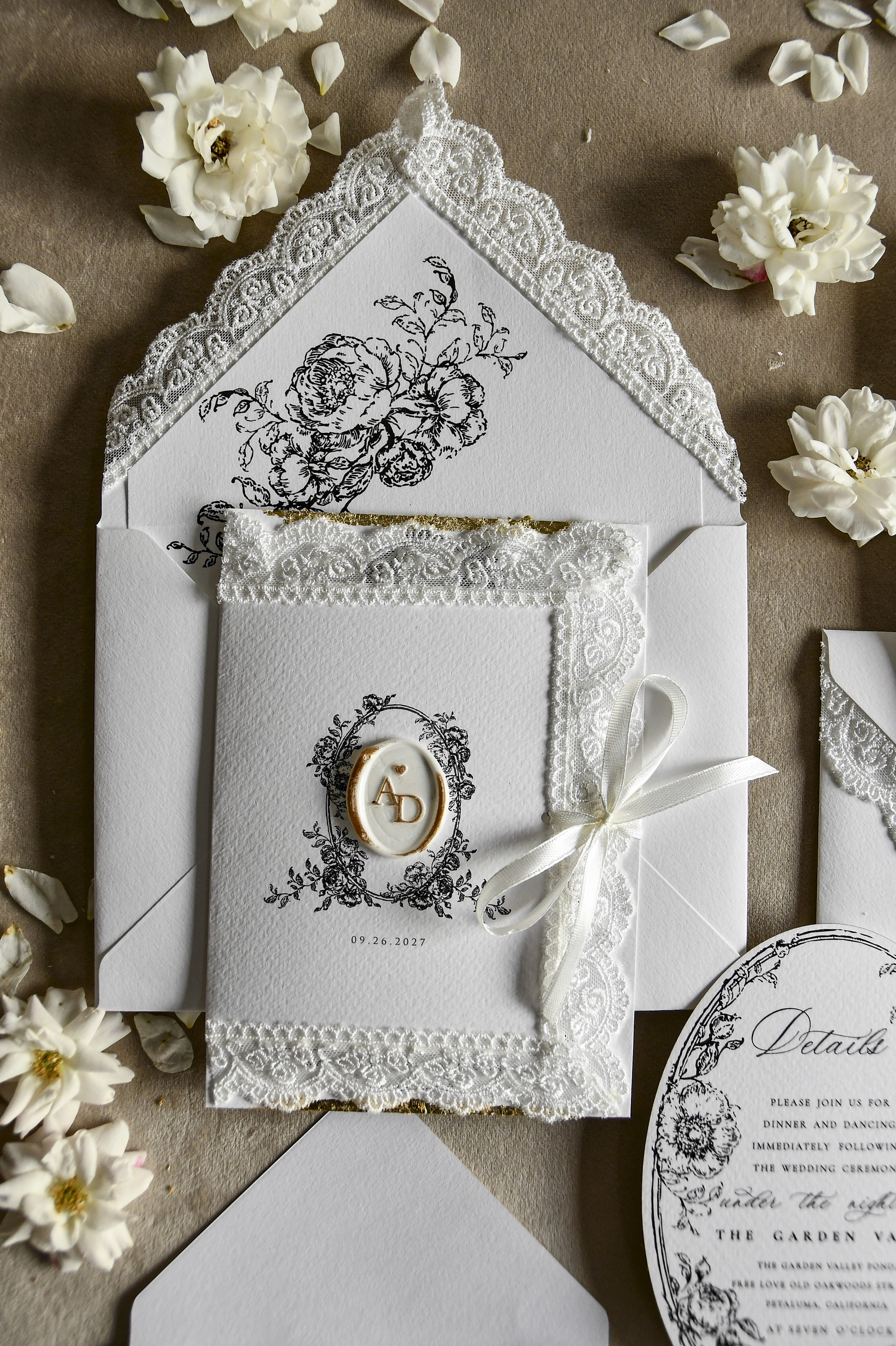
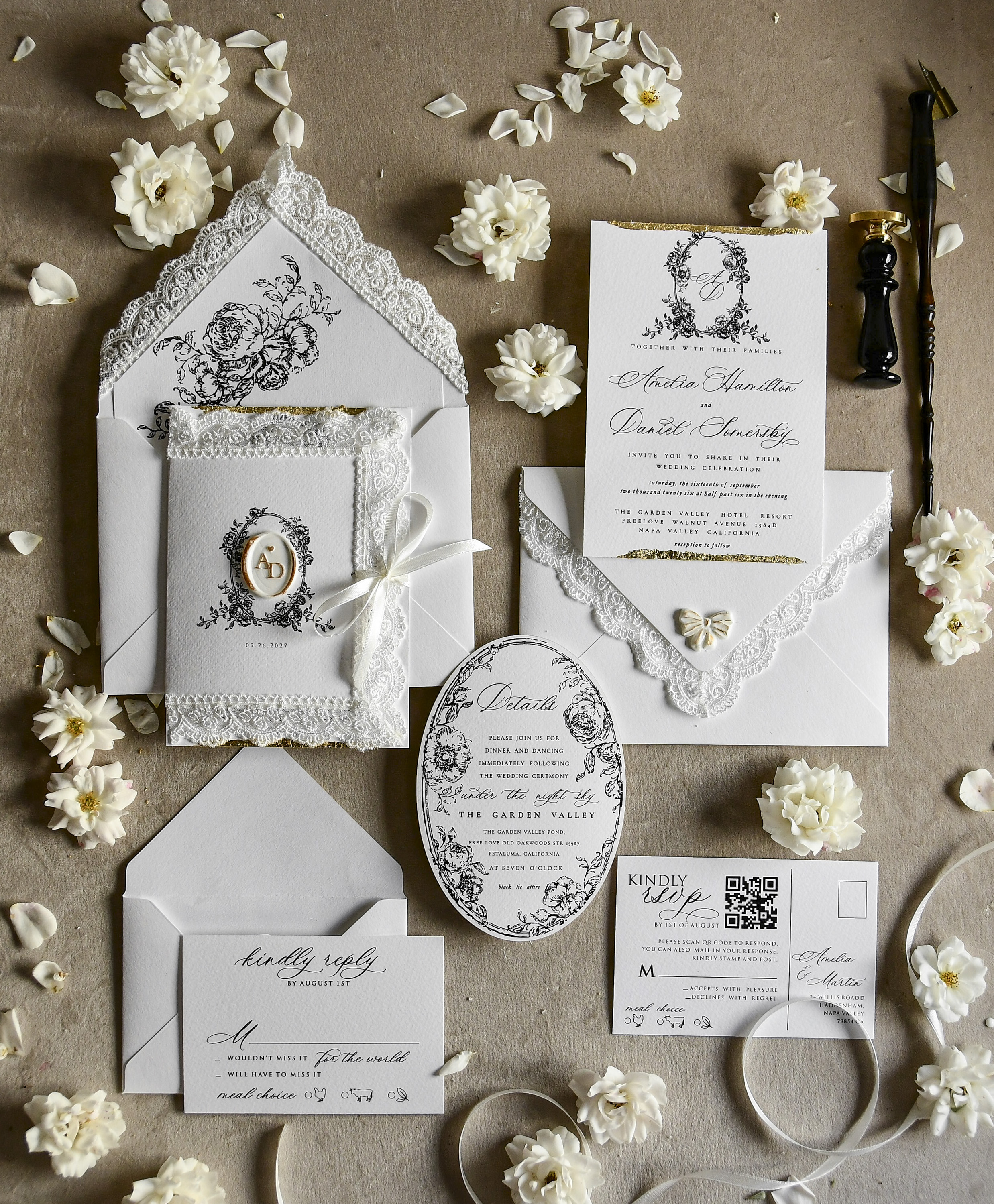
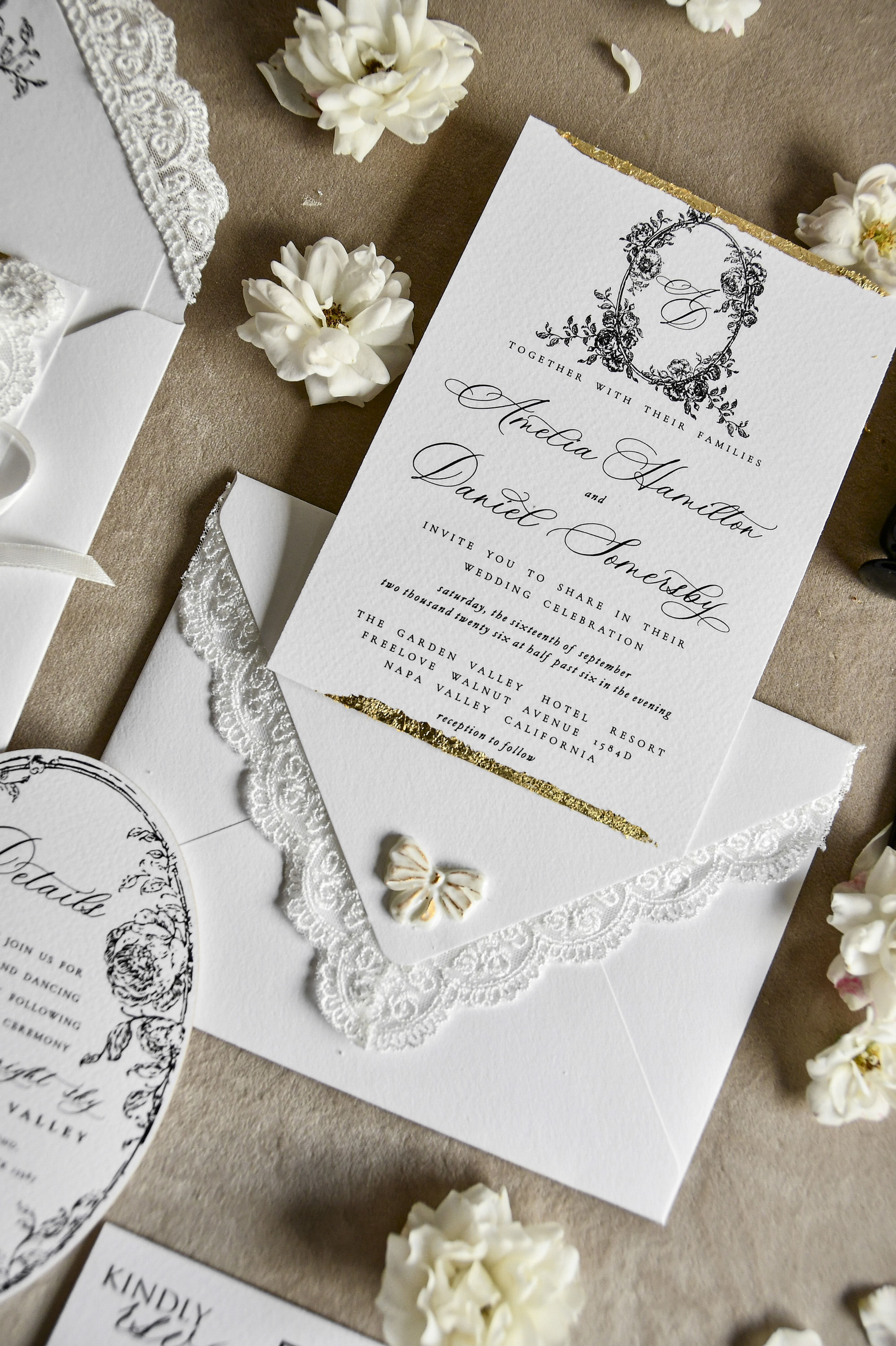
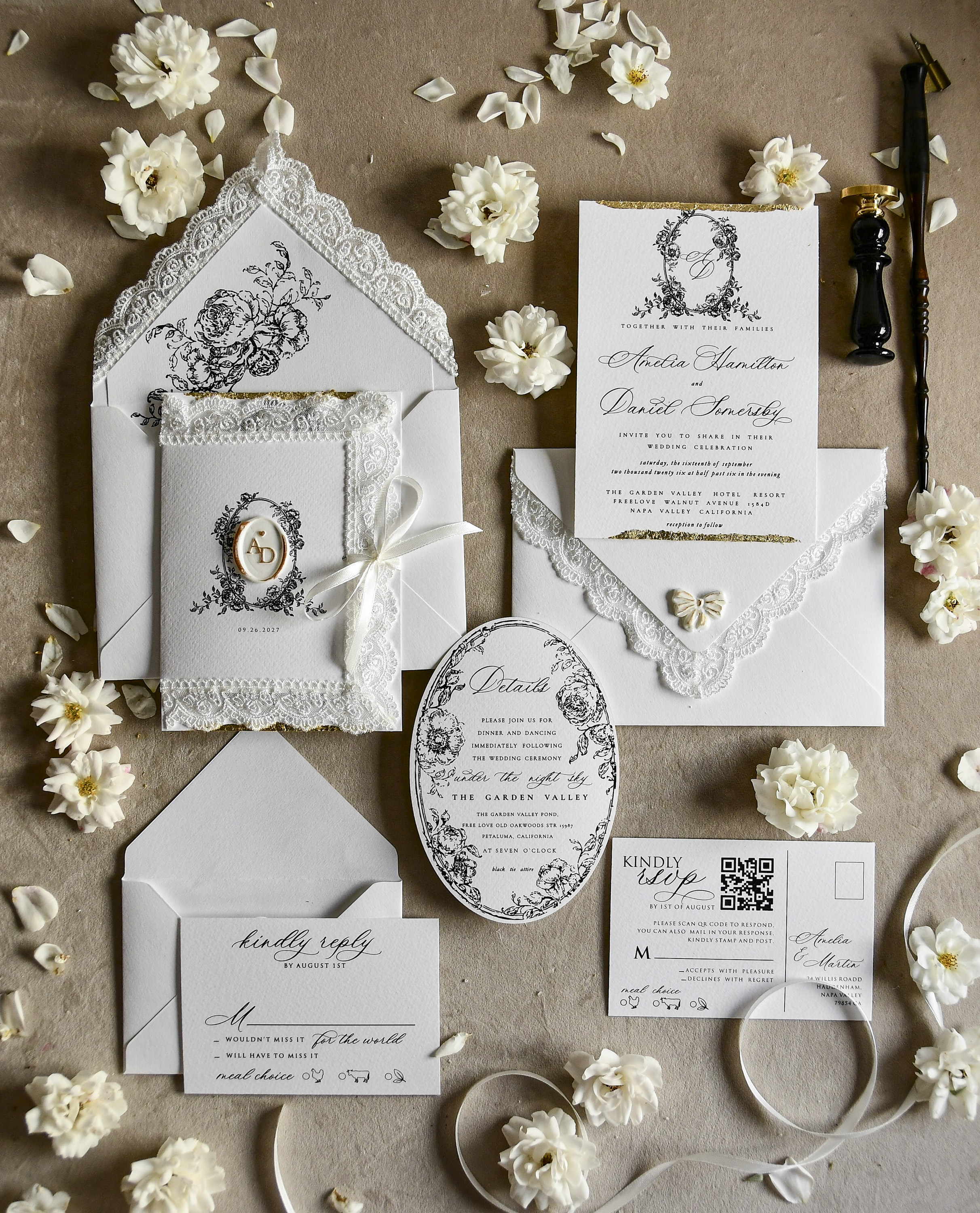
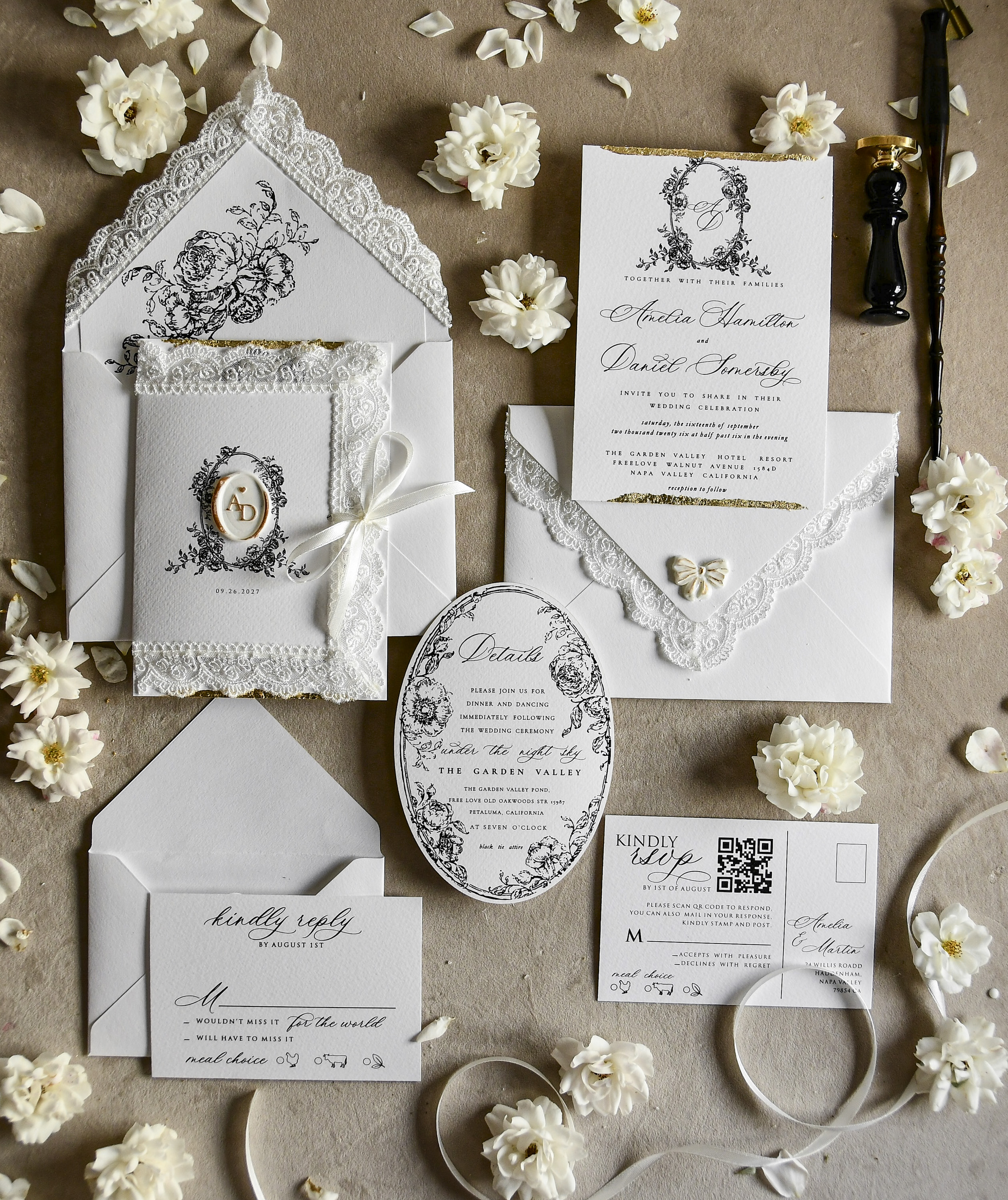
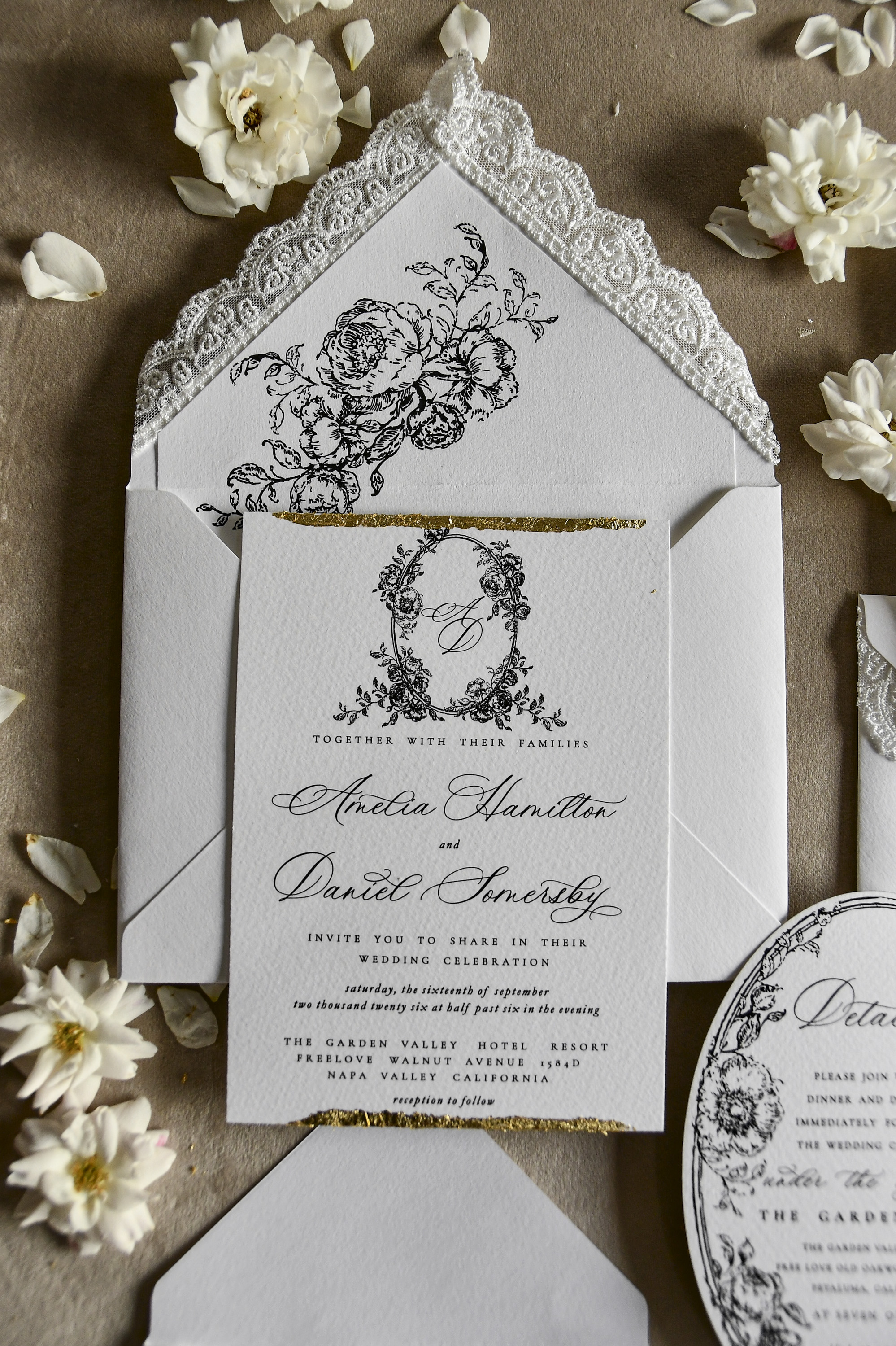
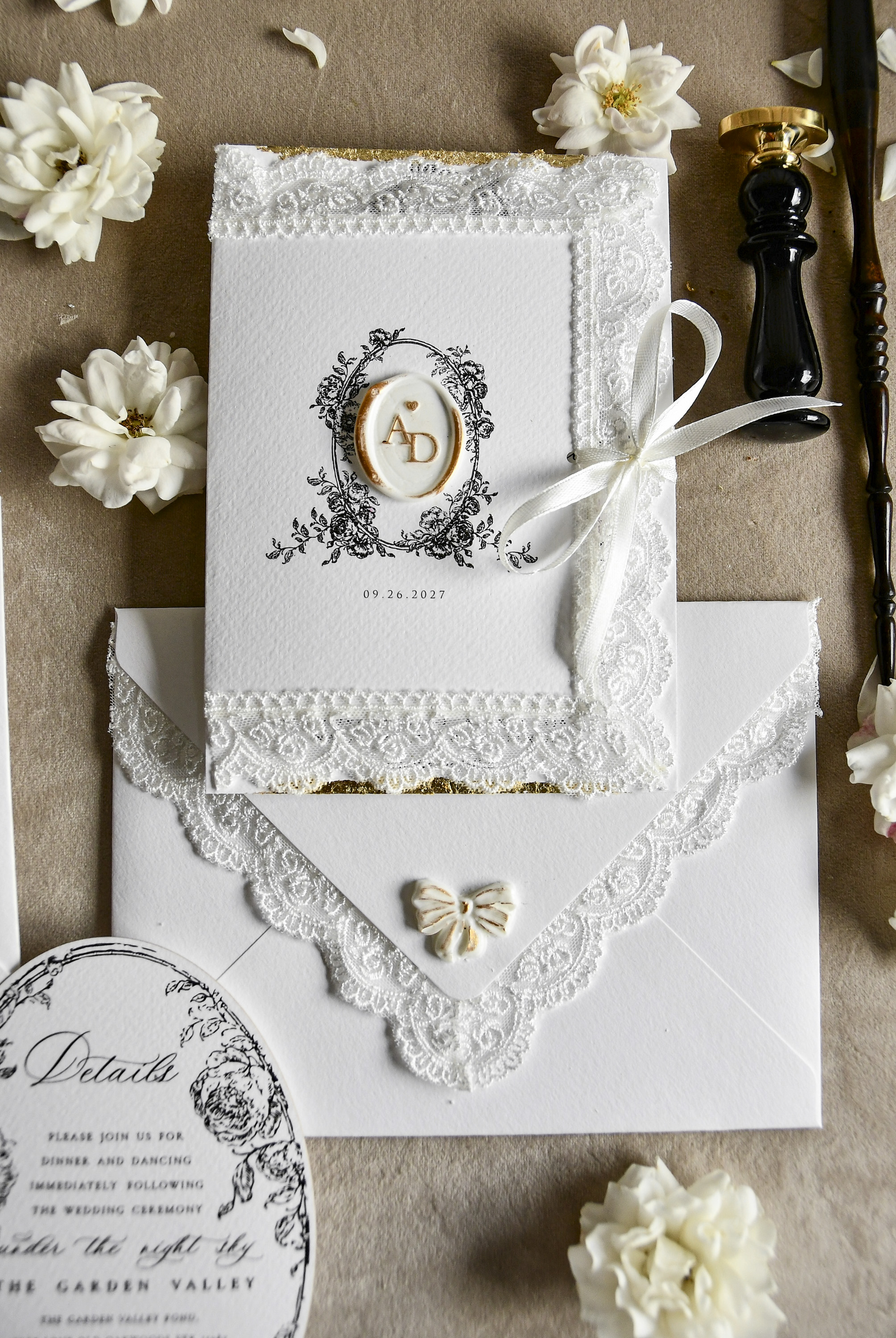
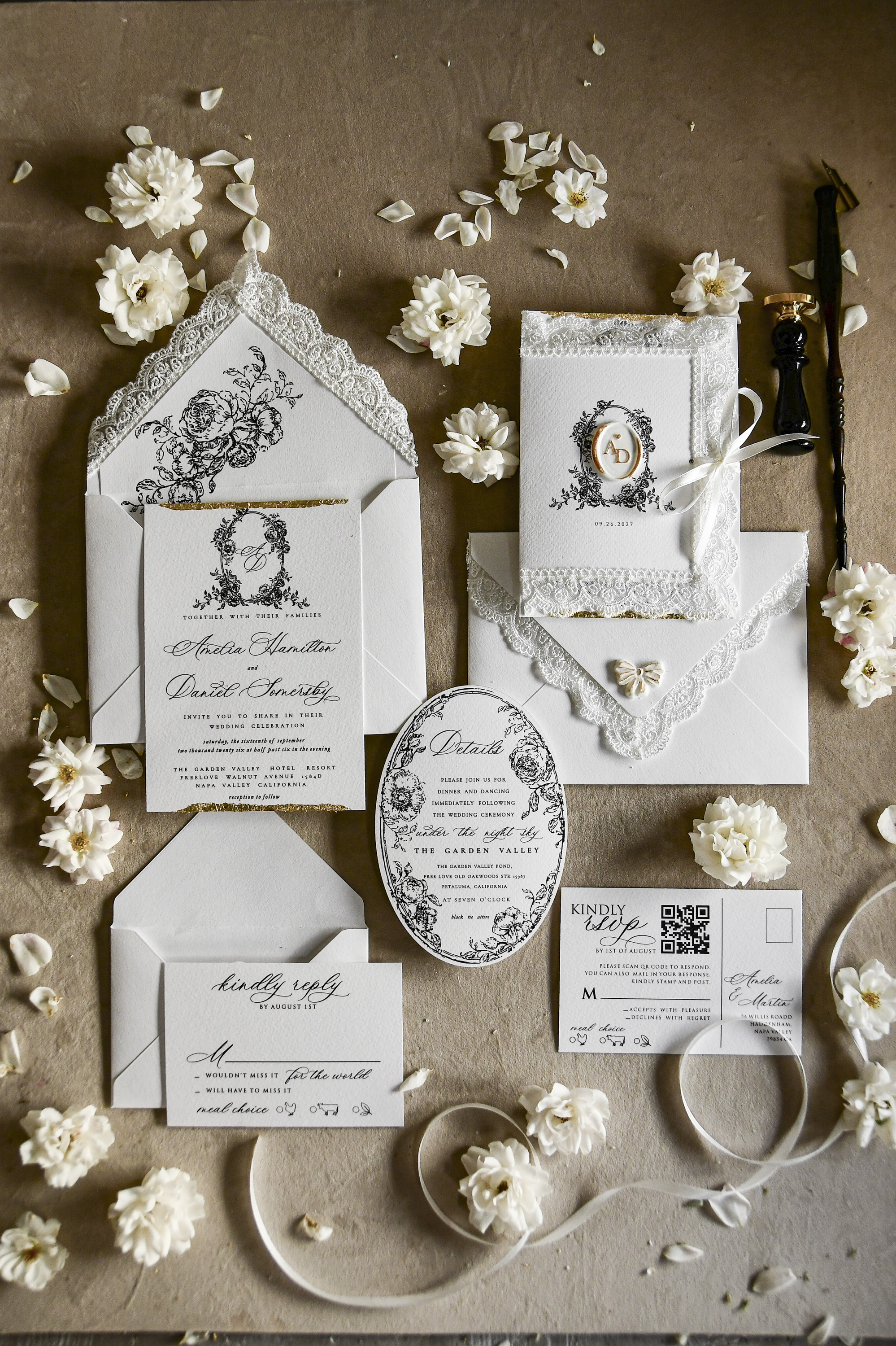
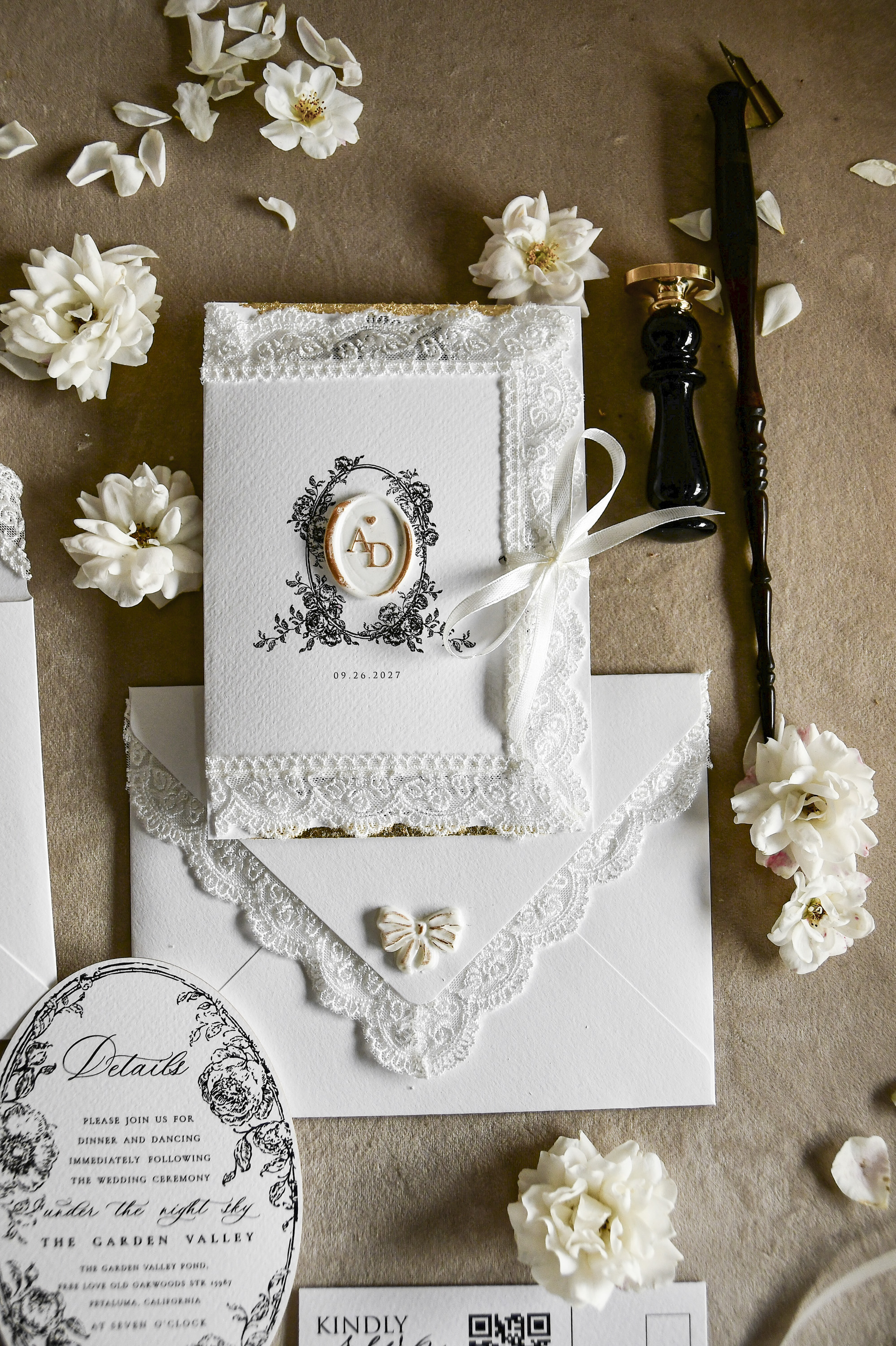
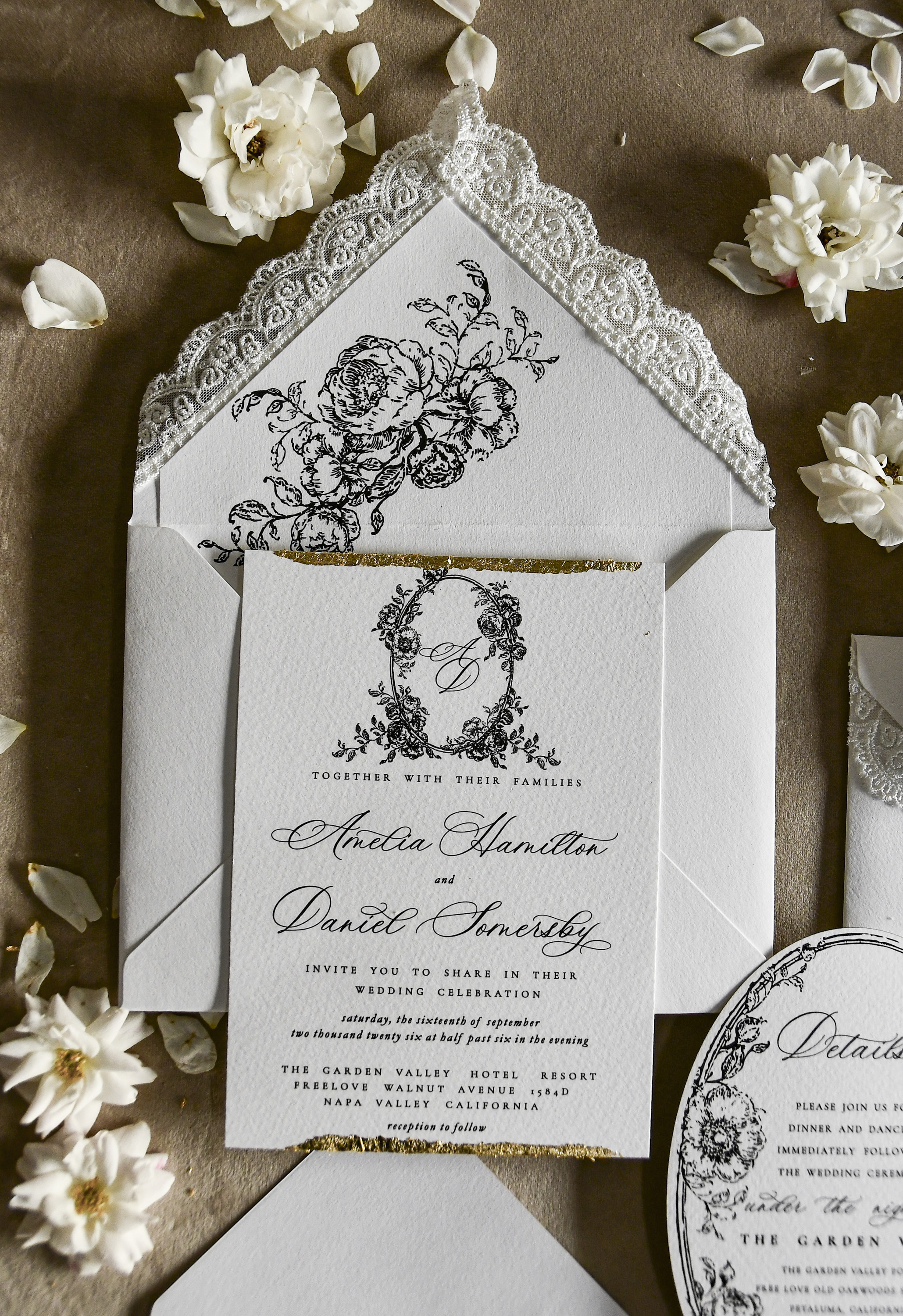
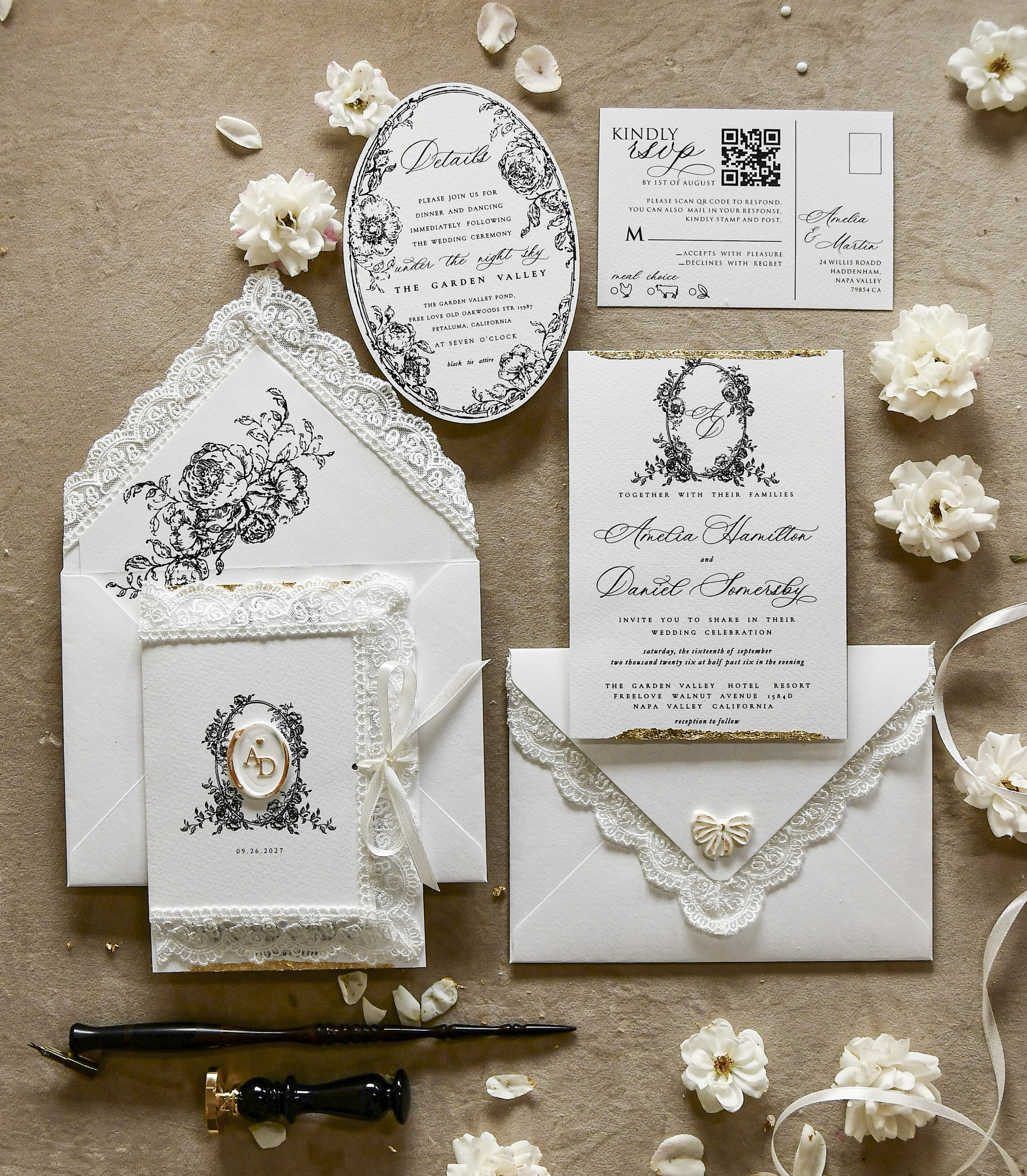
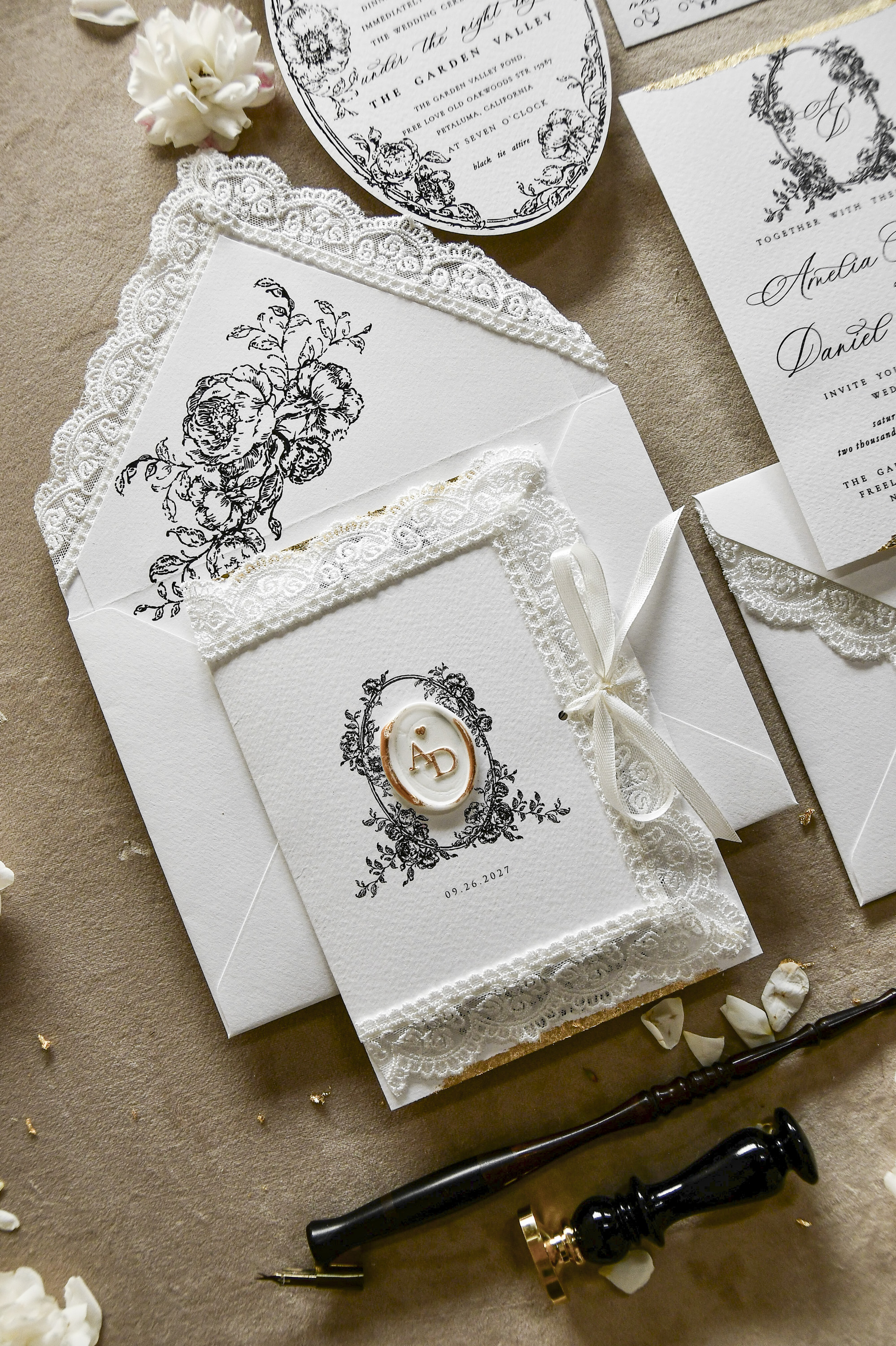
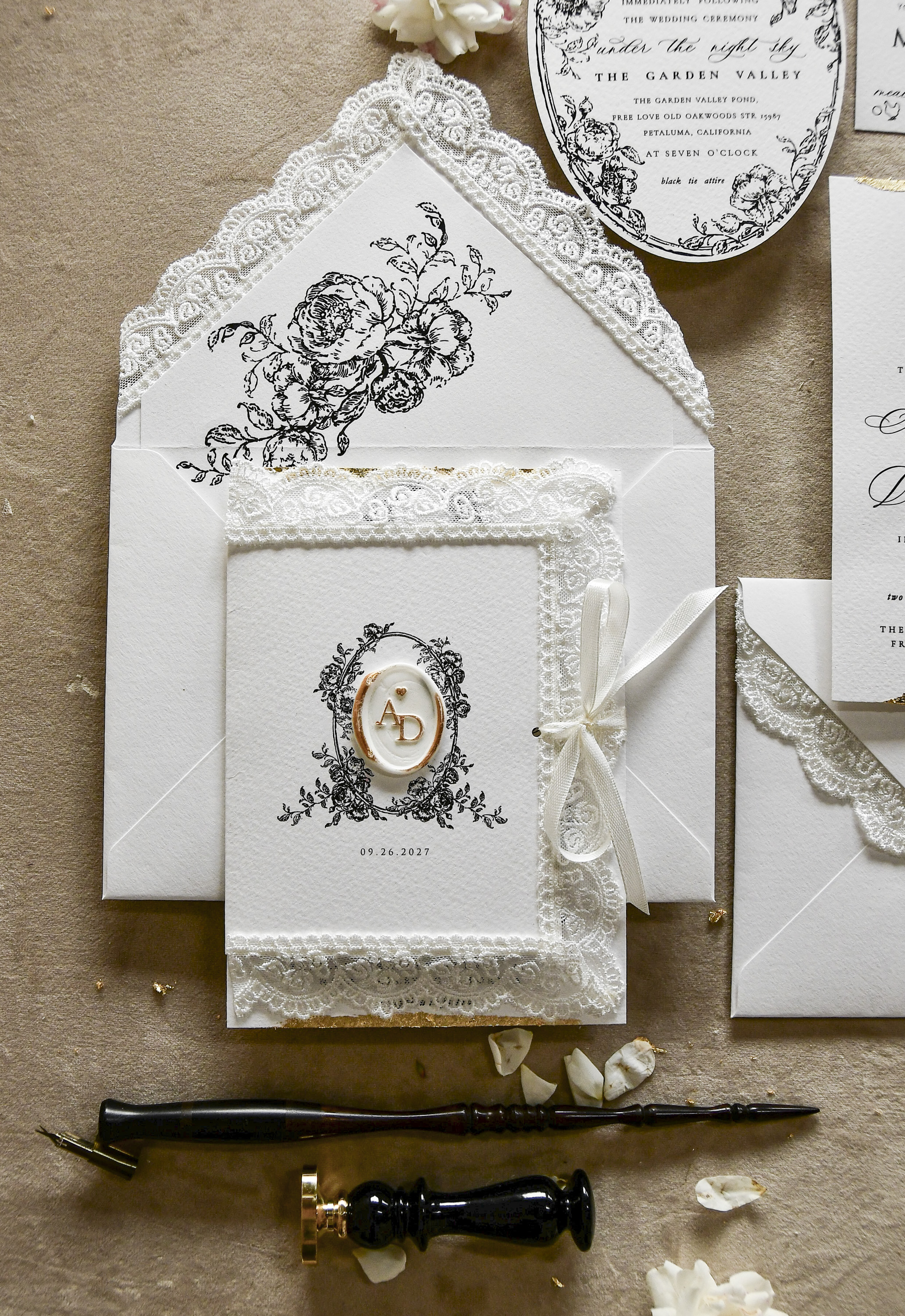
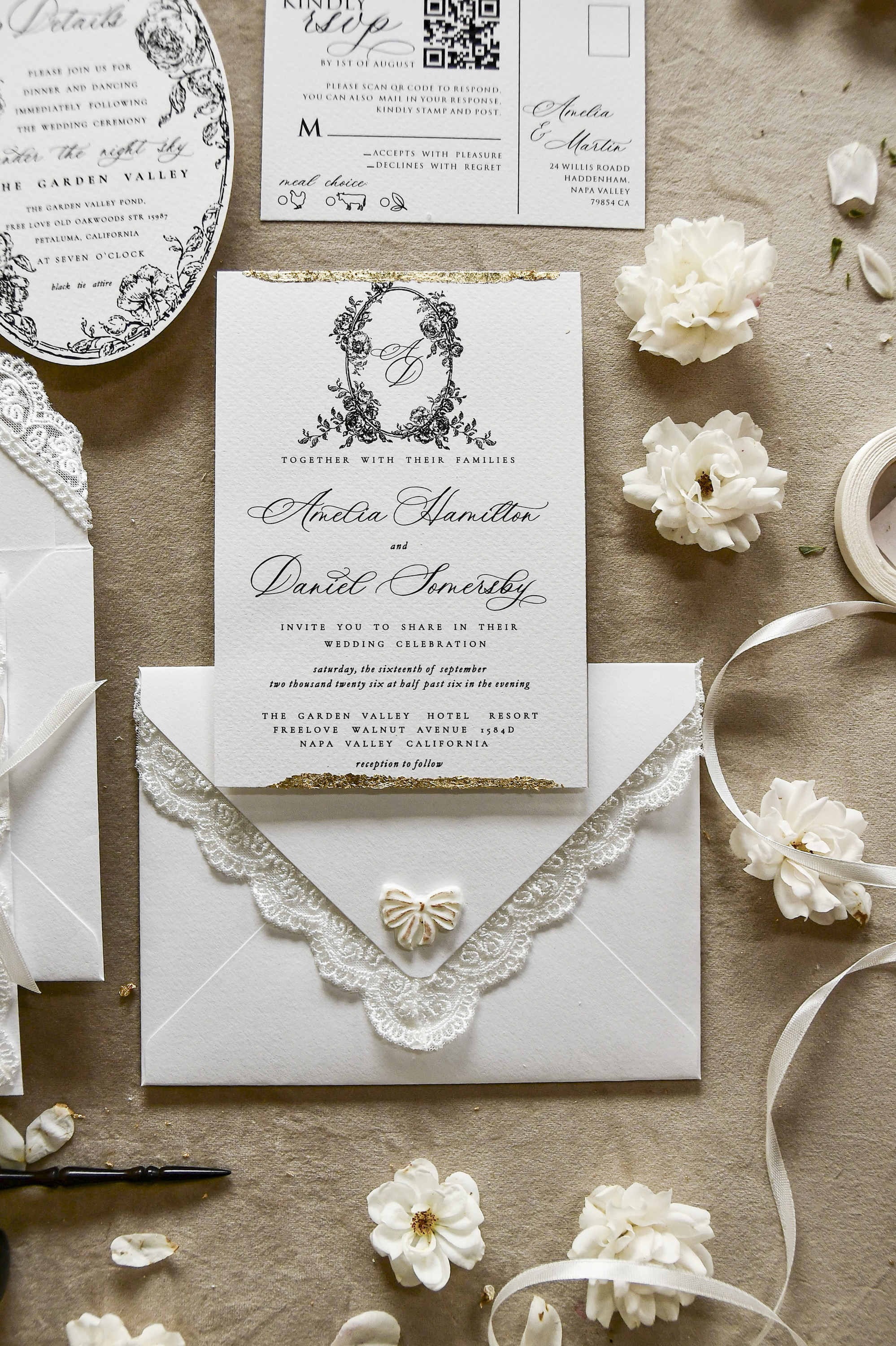
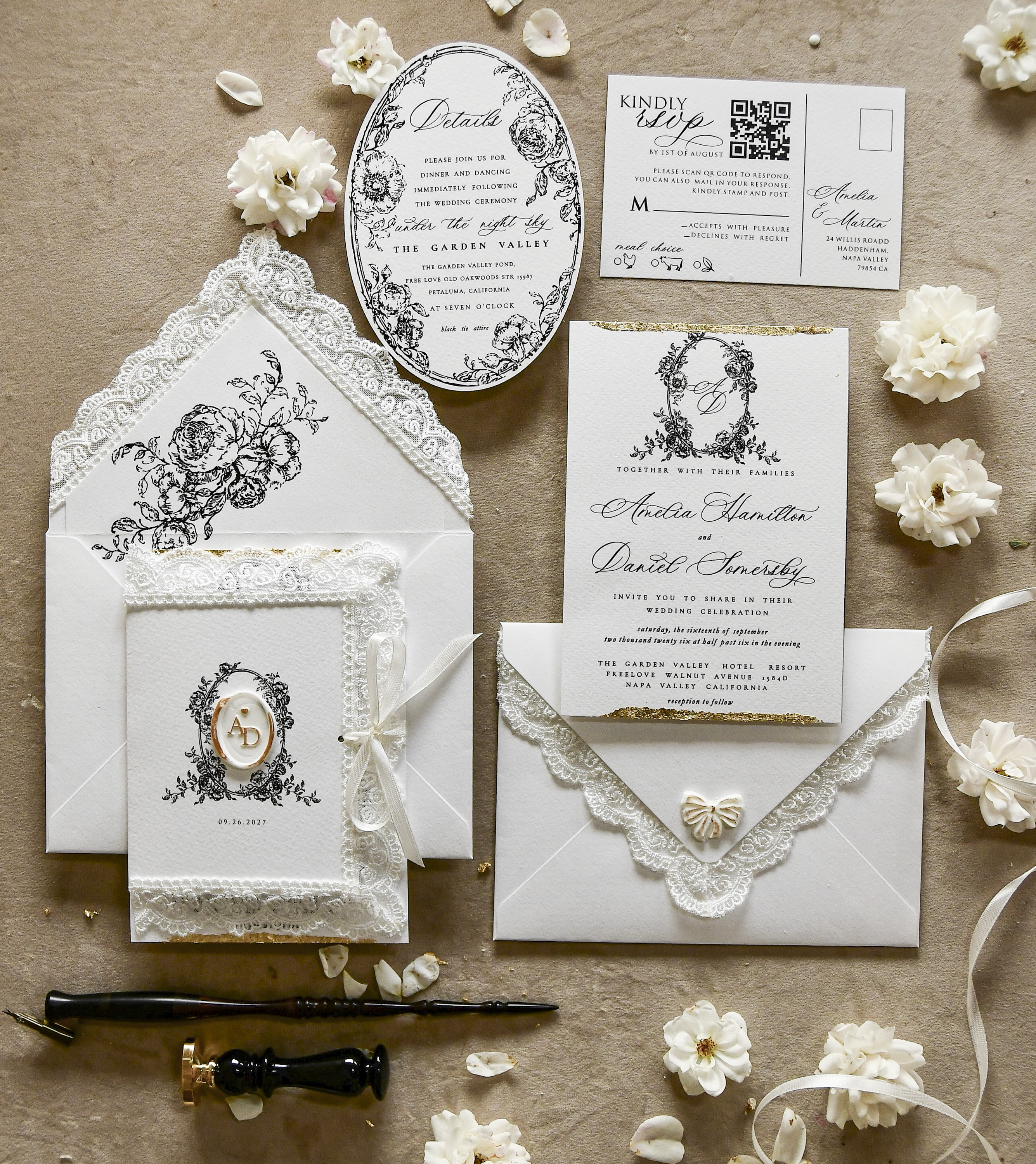
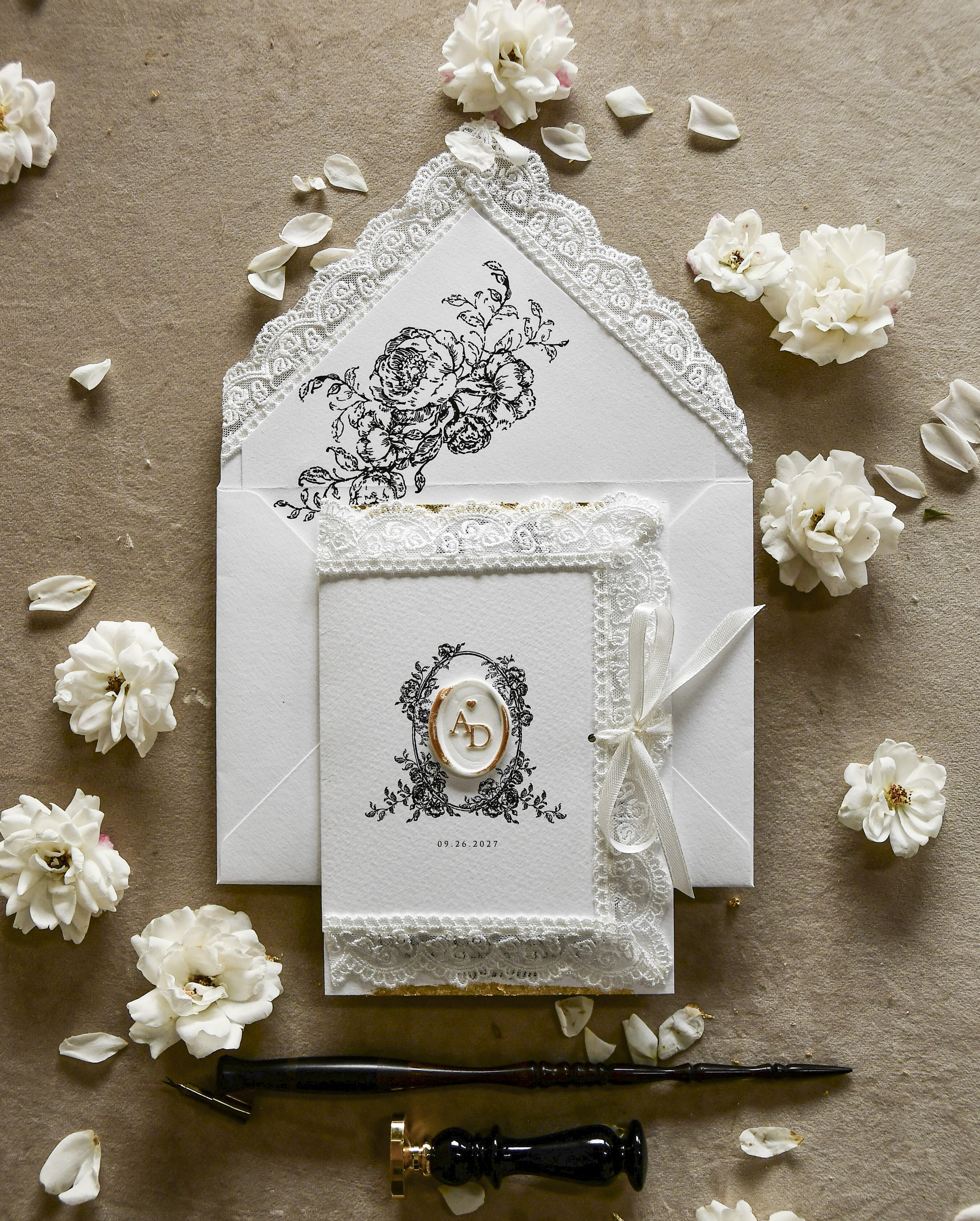
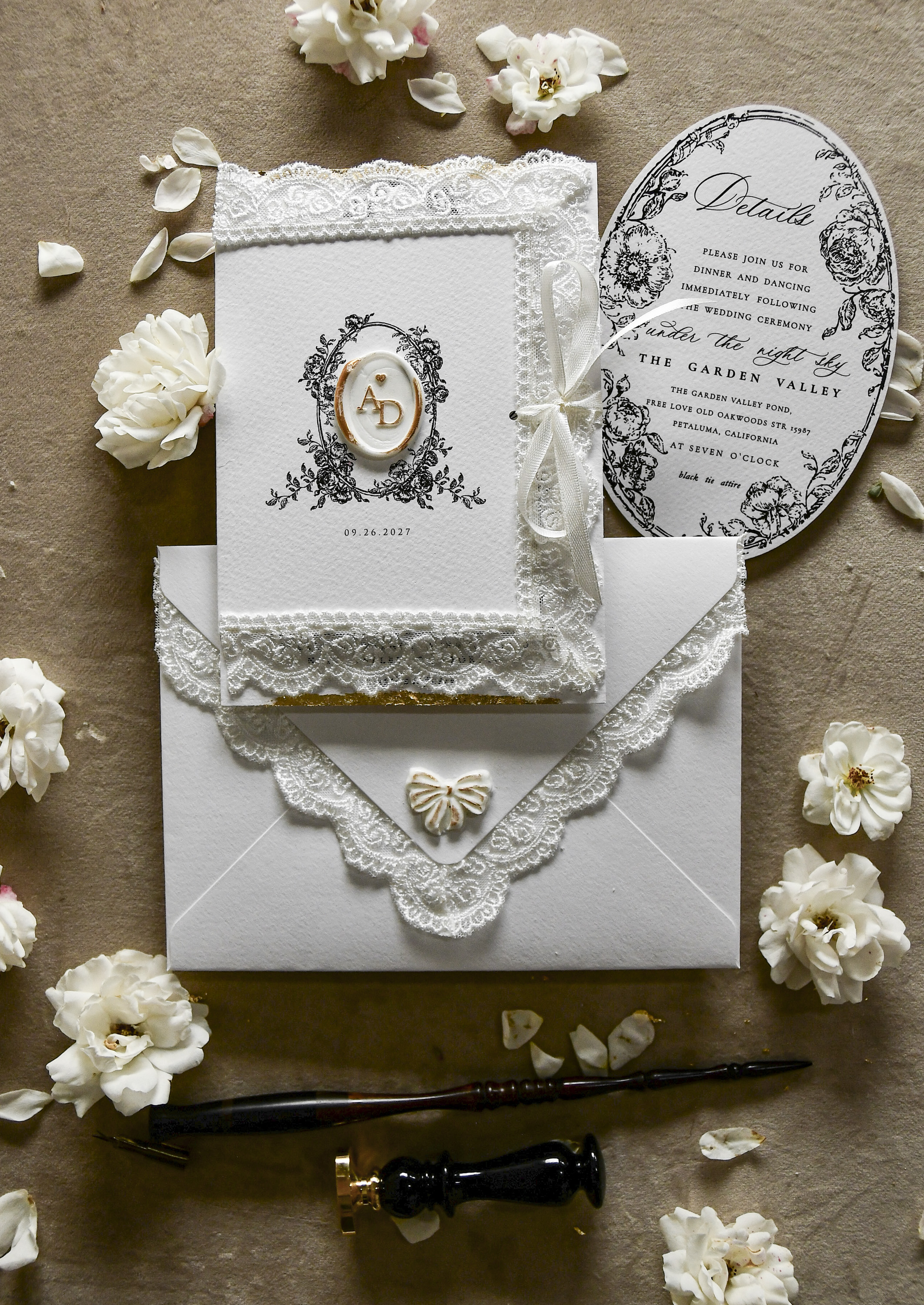
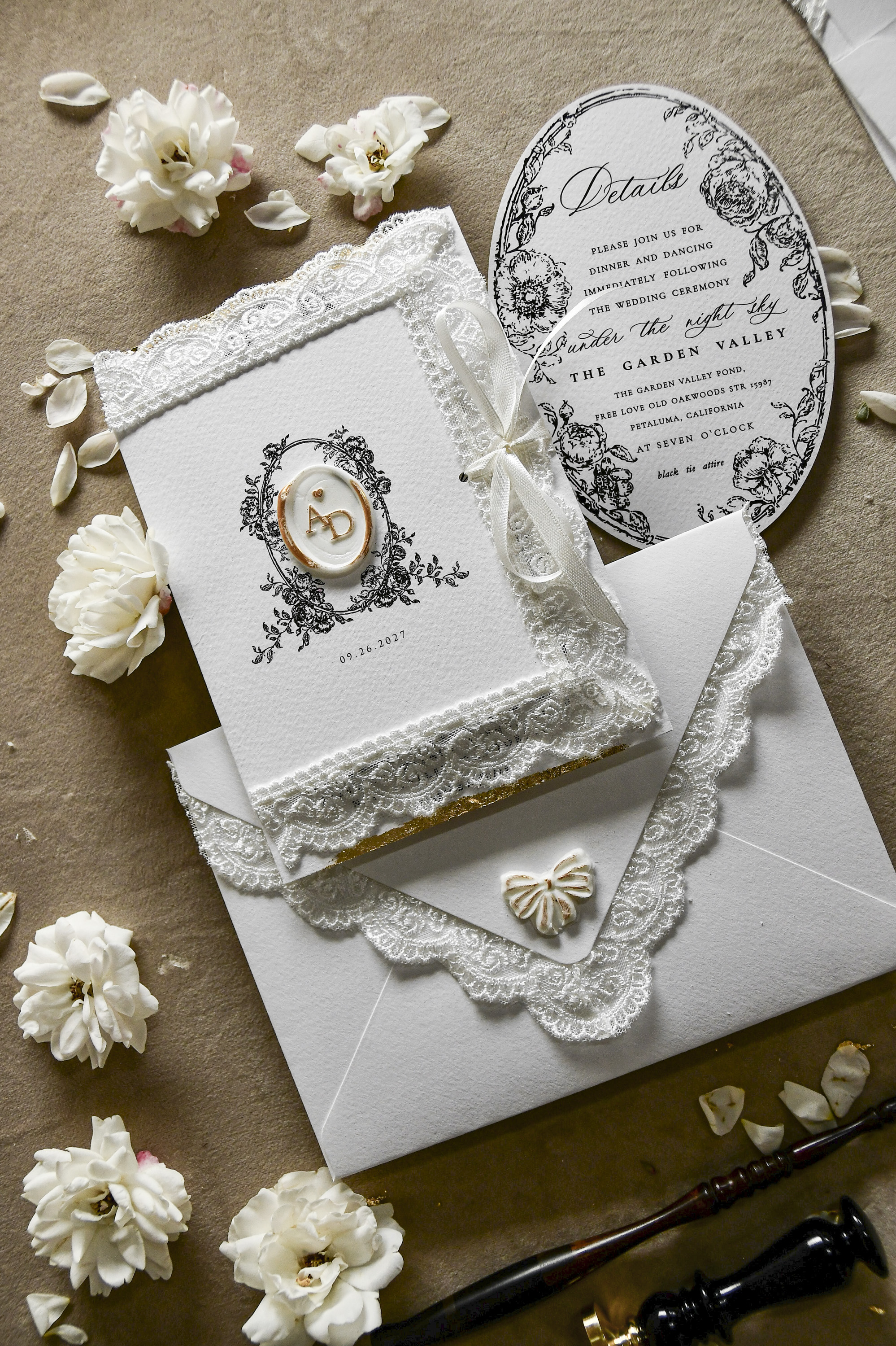
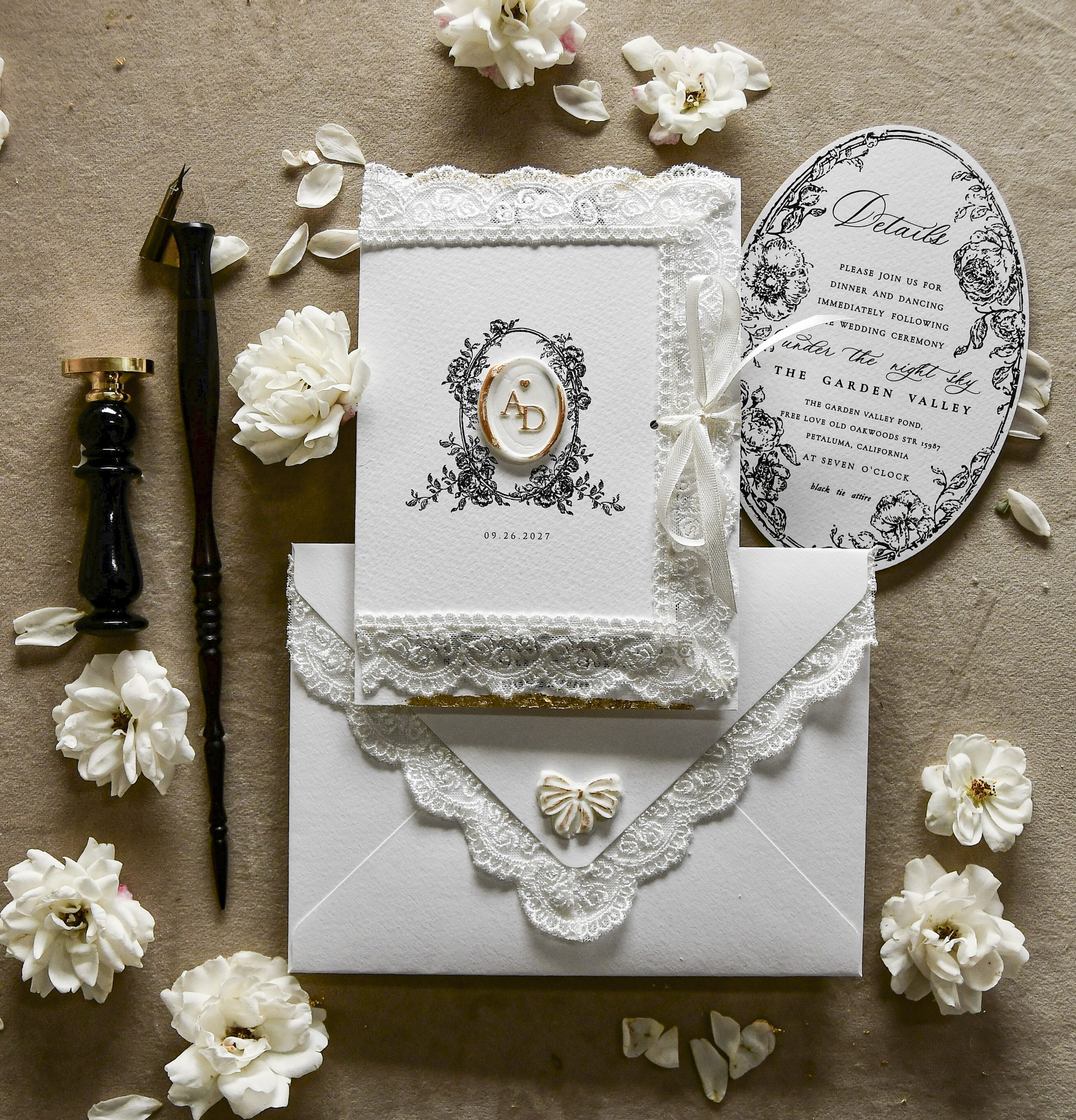
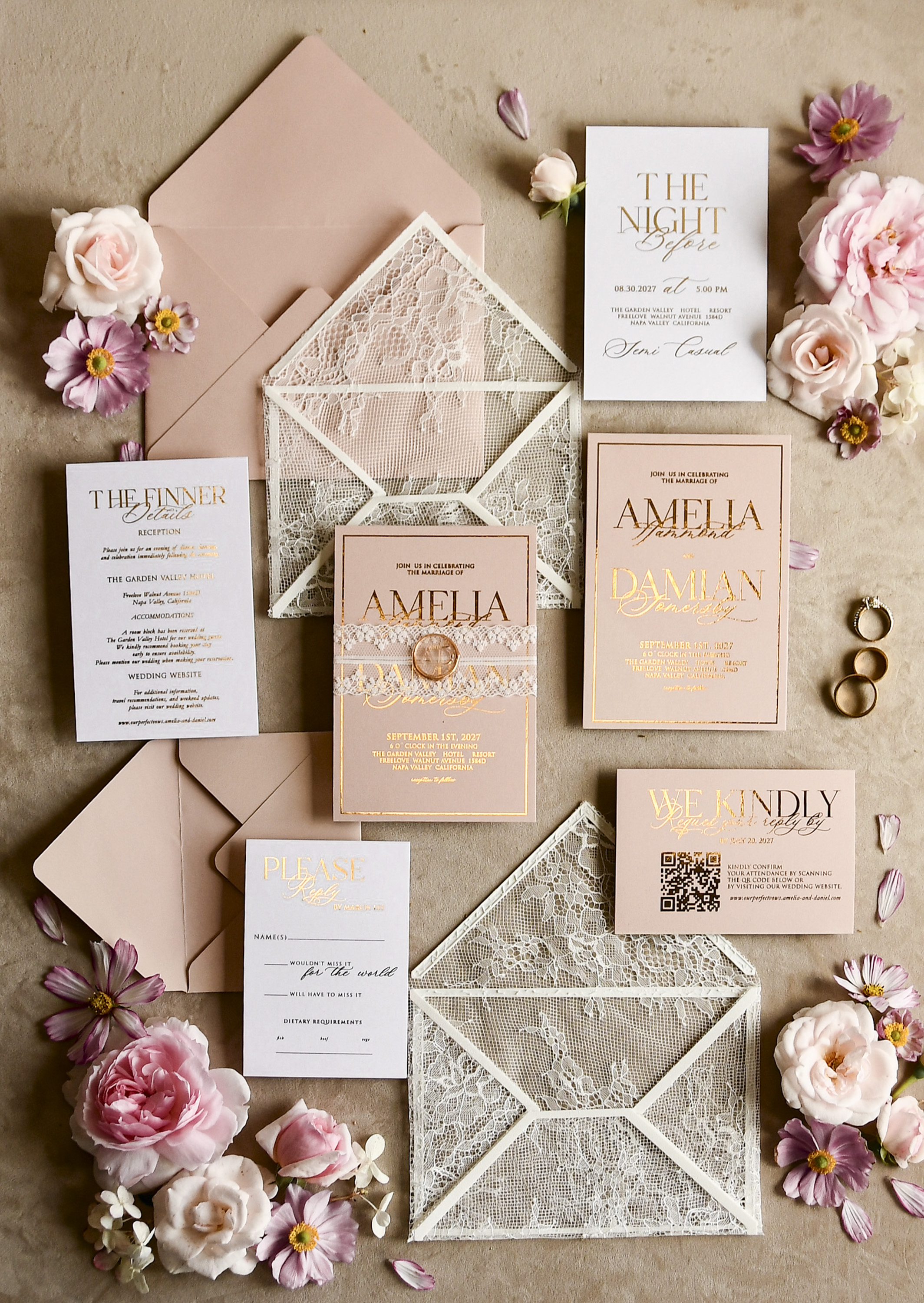
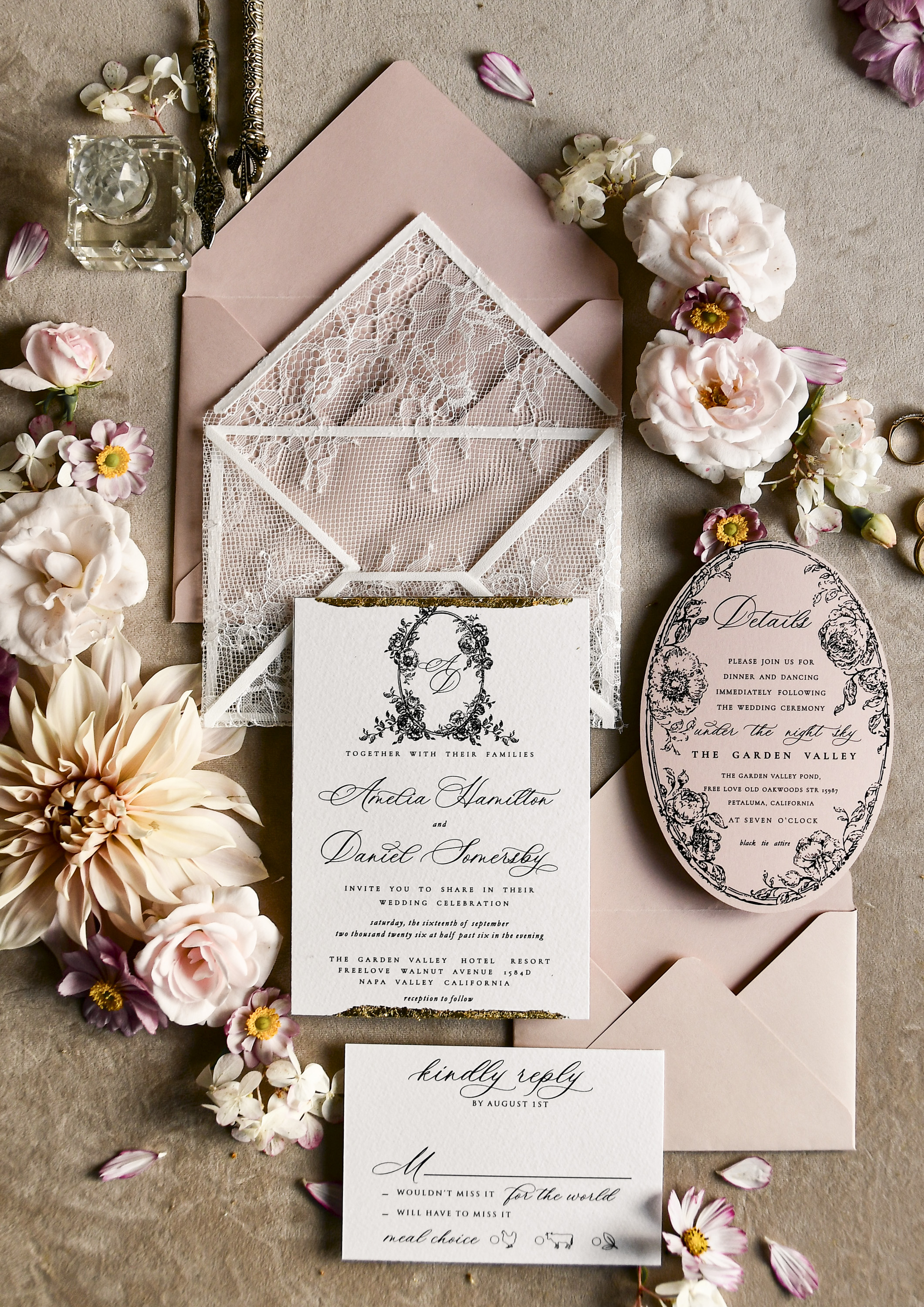
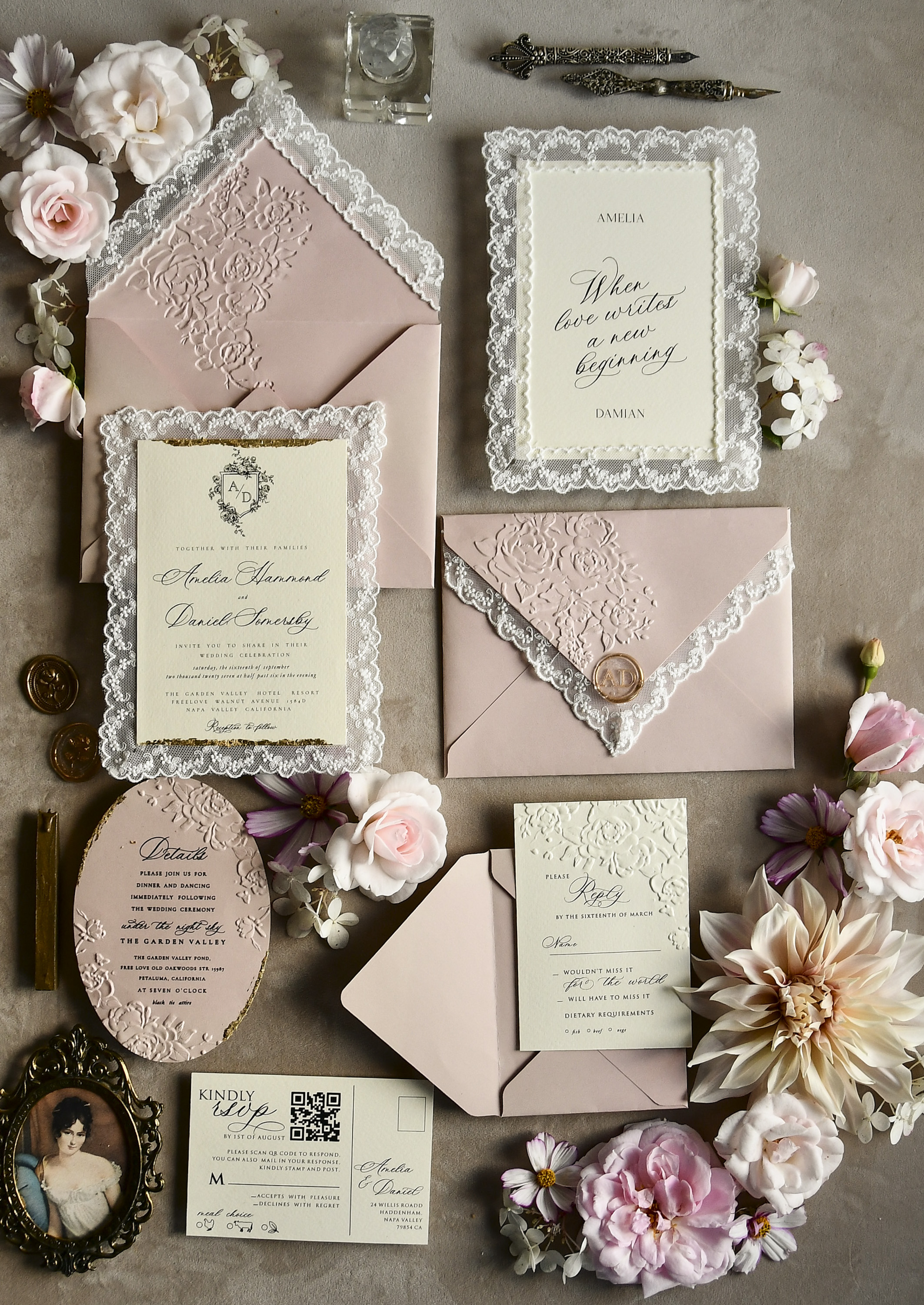
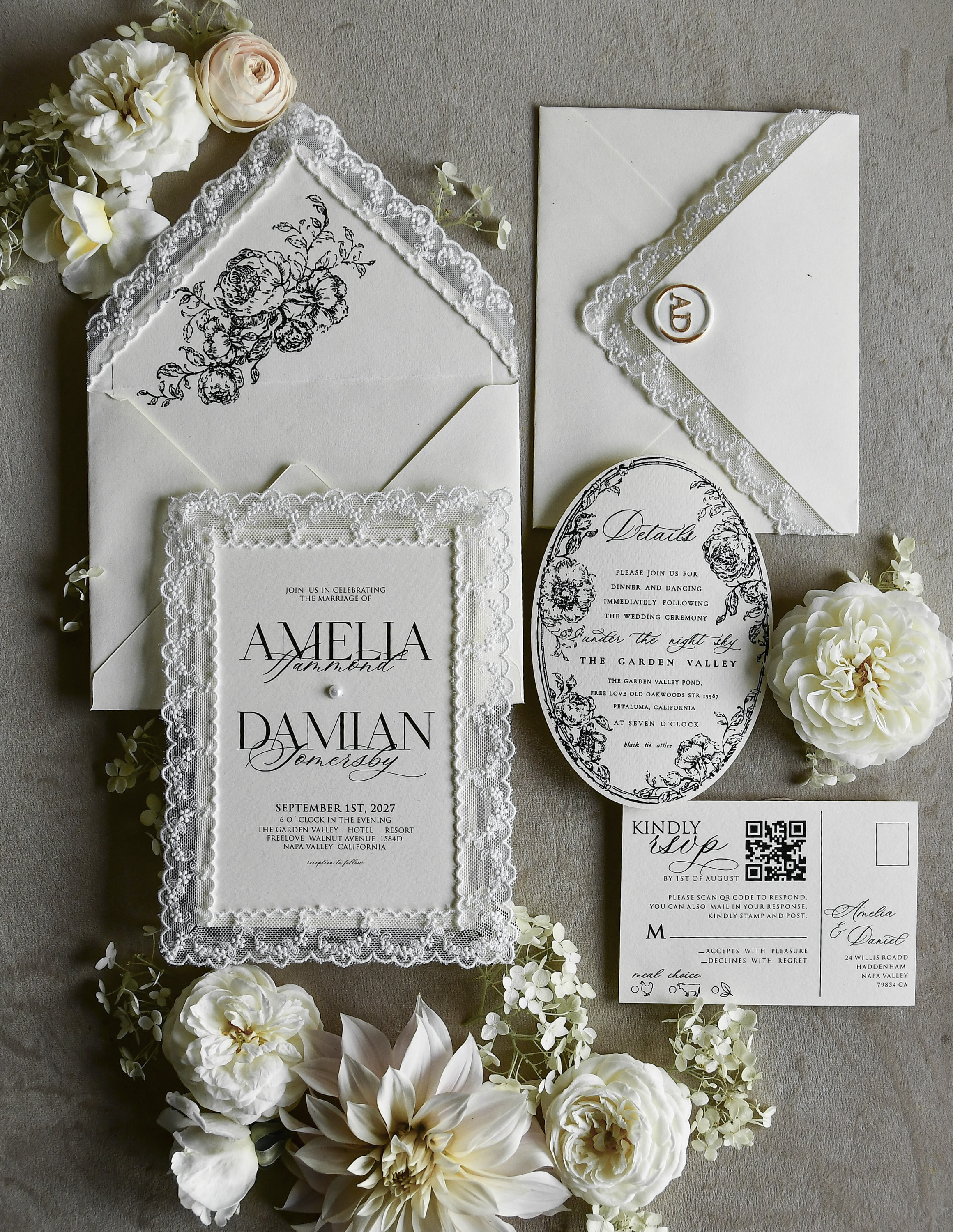
Mailed reply cards also serve as a tangible keepsake. Some couples save them, especially sweet handwritten notes guests add. If your invitation design leans classic or romantic — like the 03/laceTR/z vintage lace wedding invitation from Margo&Bees — a coordinating reply card reinforces the aesthetic and makes the entire suite feel intentional and cohesive.
The practical downside is follow-up. Guests who don't return cards require phone calls or texts, and you'll pay for pre-stamped return envelopes. Budget roughly $0.68 per reply envelope in postage (2024 USPS first-class rate) when calculating costs.
The Hybrid Approach: Best of Both Worlds
Many couples find the smartest solution is offering both options. Include a brief line on your invitation — or on an enclosure card — that reads something like: "RSVP by June 1 at ourweddingsite.com or return the enclosed card." This covers every guest demographic without excluding anyone.
With a hybrid setup, tech-savvy guests respond online in seconds, while older or less digitally comfortable guests use the paper card. You'll still need to manually enter paper responses into your tracking spreadsheet, but the volume of physical cards to chase down drops dramatically. Couples who use beautifully designed suites — like the rustic lace 03/laceTR/z collection — often keep the reply card for aesthetic continuity while quietly directing most guests online.
Etiquette Tips and Practical Timelines
Regardless of method, follow these guidelines to keep RSVPs organized:
- Set your deadline 3–4 weeks before the wedding. This gives you time to chase non-responders and submit a final headcount to your caterer (usually required 1–2 weeks out).
- Number your reply cards on the back. Match each number to a name on your guest list so you can identify mystery responses.
- Send invitations 6–8 weeks before the wedding (10–12 weeks for destination weddings) to give guests enough time to respond by your deadline.
- Add a polite note on your wedding website explaining that an RSVP is required — not optional — to help with catering and seating.
- Follow up personally with any non-responders within 48 hours of your deadline. A friendly text is perfectly acceptable.
One etiquette note: for very formal black-tie weddings, an online-only RSVP can feel slightly mismatched with the formality of the event. In those cases, lean toward a mailed card as the primary option and offer the website as a secondary convenience.
Frequently Asked Questions
Not at all — online-only RSVPs are widely accepted for casual to semi-formal weddings. For formal or black-tie events, consider including a paper reply card as the primary option out of courtesy to older guests who may not be comfortable online.
At minimum, collect full name, attendance confirmation, and meal choice if applicable. You can also ask about dietary restrictions, plus-one names, and even a fun question like a song request to personalize the experience.
Wait until 48 hours after your deadline, then reach out directly by phone, text, or email. Keep a numbered backup list ready in case you need to fill spots from your B-list after confirmed declines come in.
No — a wedding website with an RSVP feature can fully replace a paper reply card. Many couples include a short line on their invitation directing guests to the website, which is both practical and cost-effective.
Send invitations 6–8 weeks before your wedding, or 10–12 weeks for destination weddings. This timeline gives guests enough lead time to book travel and respond well before your catering deadline.
Yes — platforms like Zola, The Knot, and Joy all offer free wedding websites with built-in RSVP tools. They allow you to track responses in real time, collect meal choices, and export guest lists easily.
See This Design Up Close

You May Also Like
More Wedding Planning Guides
- → Kids at Your Wedding: How to Decide What's Right for Your Celebration
- → Mailing vs. Hand-Delivering Wedding Invitations: What's the Right Call?
- → When Silence Speaks: How to Handle Guests Who Never RSVP'd
- → The Plus-One Dilemma: How to Handle Dates for Single Guests
- → Ceremony-Only Guests: The Honest Guide to Partial Wedding Invitations
- → Save the Dates and Wedding Invitations: What Each One Does and Why You Need Both
- → Navigating the Parent Guest List: How to Keep the Peace Without Losing Control
- → The Honest Guide to Trimming Your Wedding Guest List Without the Guilt
- → The Graceful Art of Telling Someone They're Not on the Guest List
- → Seating Your Divorced Parents at the Wedding: A Practical Guide
- → When Guests Ghost Your RSVP: What to Do Next
- → The Honest Guide to Deciding Who Gets a Plus One at Your Wedding
- → The Ex Factor: How to Decide Whether a Former Partner Belongs on Your Guest List
- → The Perfect Timing for Mailing Your Wedding Invitations
- → Digital vs. Paper Wedding Invitations: Which Is Right for You?
- → Child-Free Weddings: What's Rude and What's Perfectly Fine
- → Everything Your Wedding Invitation Needs to Say
- → Navigating Guest List Pressure: When Mom Wants to Invite Someone You Don't
- → When Your Partner Wants a Smaller Guest List Than You Do
- → Uninvited Plus-Ones and Tag-Alongs: How to Keep Your Guest List Intact
- → When Family Feuds Threaten Your Wedding Plans: A Practical Peacekeeper's Guide
- → Inviting an Estranged Brother or Sister: Finding Clarity Before You Seal the Envelope
- → Cousins, Invites, and Hard Choices: A Practical Guest List Guide