
When Your Partner Wants a Smaller Guest List Than You Do
Few wedding disagreements cut as deep as this one. You picture your aunt dancing at the reception, your cousins crowding around the cake, your parents beaming in the front row — and your fiancé has a very different vision. Whether the concern is budget, a small intimate ceremony, or complicated family dynamics, a guest list conflict involving your family can feel personal in a way that centerpiece debates simply don't. Here's how to work through it without damaging your relationship or your family ties.
Understand What's Really Driving the Request
Before any negotiation happens, you need to understand your fiancé's actual reasoning. There's a big difference between these common scenarios:
- Budget or venue constraints: They want a small wedding overall and your family would push the numbers too high.
- Specific conflict: There's a particular family member they're uncomfortable with due to past behavior.
- Anxiety about dynamics: They worry about how your family will treat them, their family, or the day itself.
- A vision mismatch: They imagined an elopement or micro-wedding and you assumed something larger.
Ask open, curious questions rather than defensive ones. "Help me understand what's worrying you" goes further than "Why don't you want my mom there?" The answer shapes everything that comes next.
Draw the Line Between Preferences and Deal-Breakers
Once you understand the concern, you need to be honest with yourself and each other about what is and isn't negotiable. Some questions to sit with:
- Are there specific family members they object to, or is it your entire family unit?
- Would you genuinely be okay with your parents not attending your wedding? If the answer is no, that's important information.
- Is this a request rooted in reasonable boundaries, or does it signal a pattern of isolating you from your support network?
It's completely valid for your fiancé to have concerns about, say, an uncle who drinks too much or a parent who has been disrespectful to them. It is a much larger red flag if they want to exclude your entire family with no clear reason. A therapist or couples counselor can be genuinely helpful here — not as a last resort, but as a smart tool for navigating something this emotionally loaded.
Practical Compromises That Actually Work
If the issue is budget, venue size, or general preference for a small wedding, there are real compromises worth exploring:
- Tiered celebrations: Have a small ceremony with immediate family only, then host a larger reception or celebration dinner in the weeks following. Everyone feels included without overwhelming the wedding day itself.
- Define "immediate family" together: Agree on a clear, consistent rule — parents and siblings only, for example — that applies equally to both families.
- Address specific concerns directly: If one particular family member is the real issue, discuss whether that person can attend with agreed-upon boundaries, or whether they sit this one out while the rest of your family attends.
- Let your family know early: If your guest list is genuinely limited, telling family members sooner rather than later — framed around venue capacity — softens the disappointment considerably.
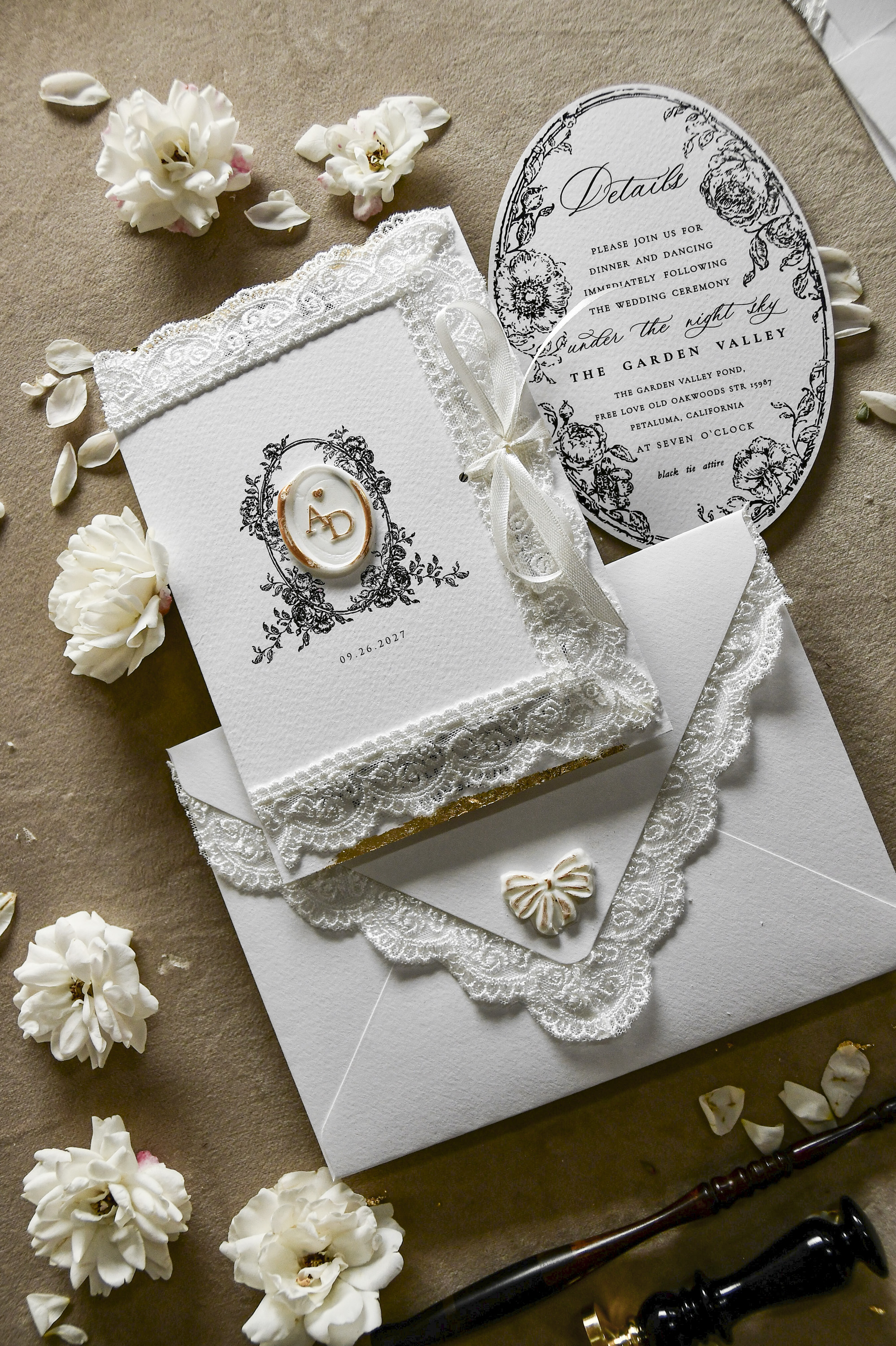
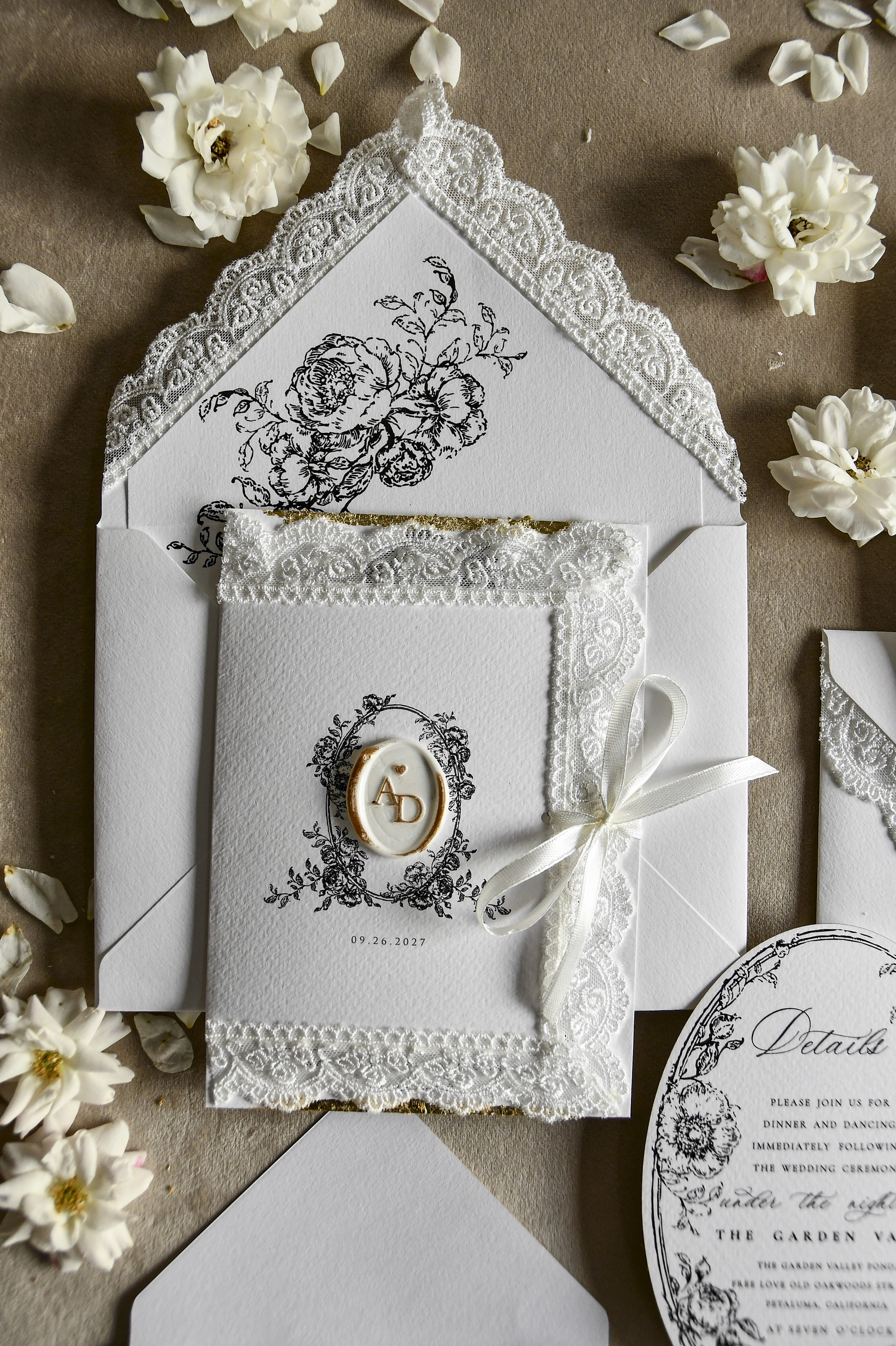
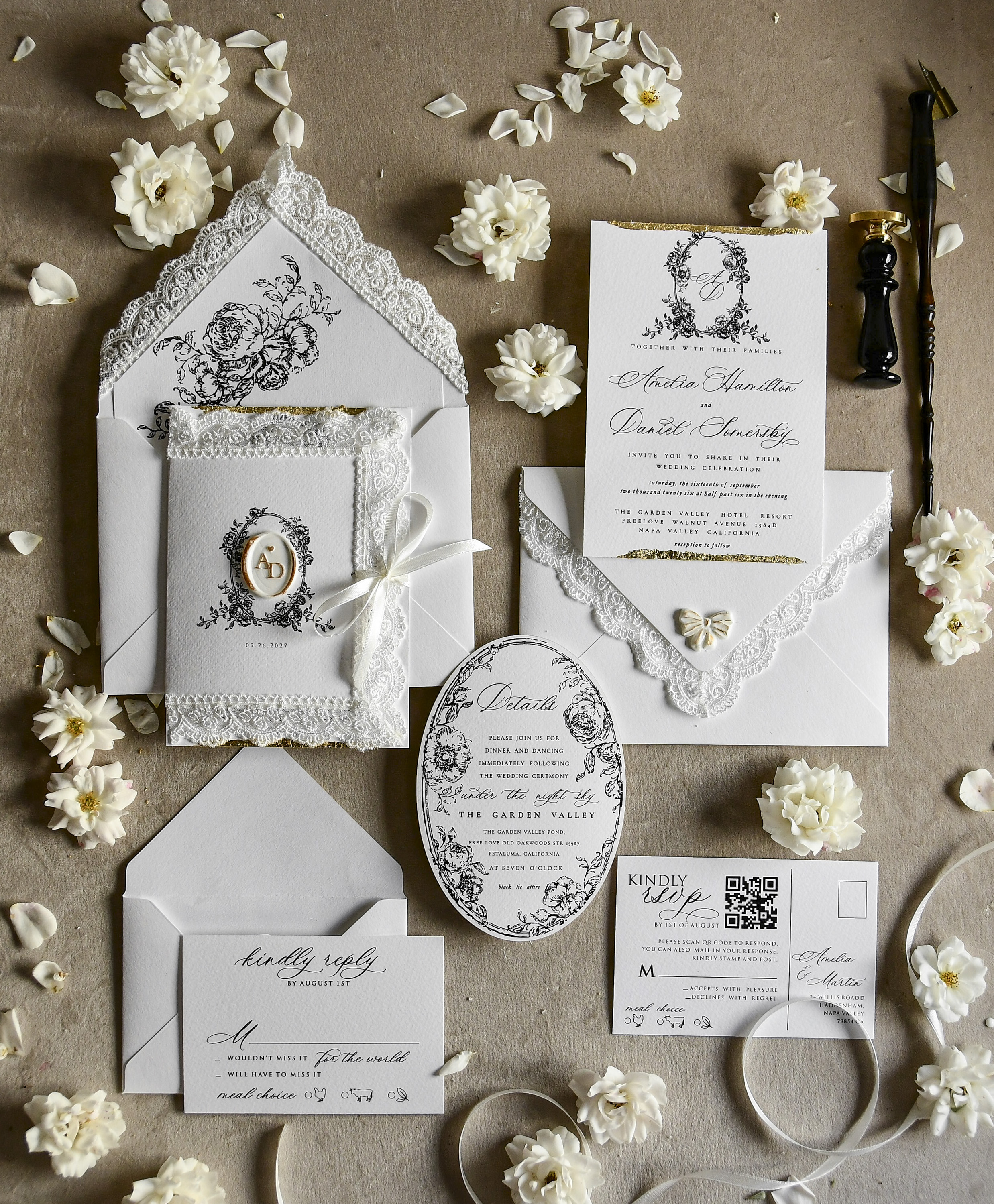
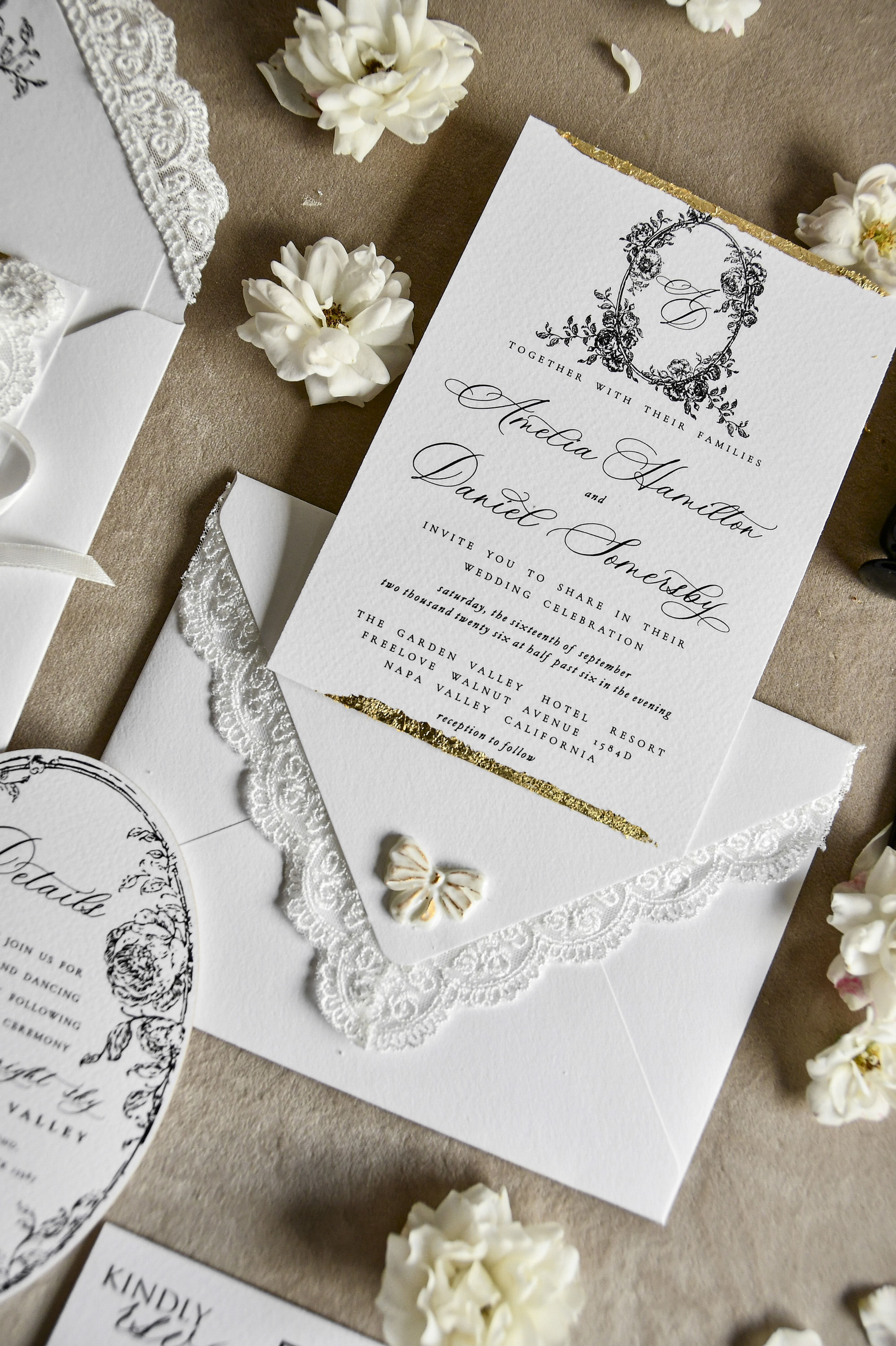
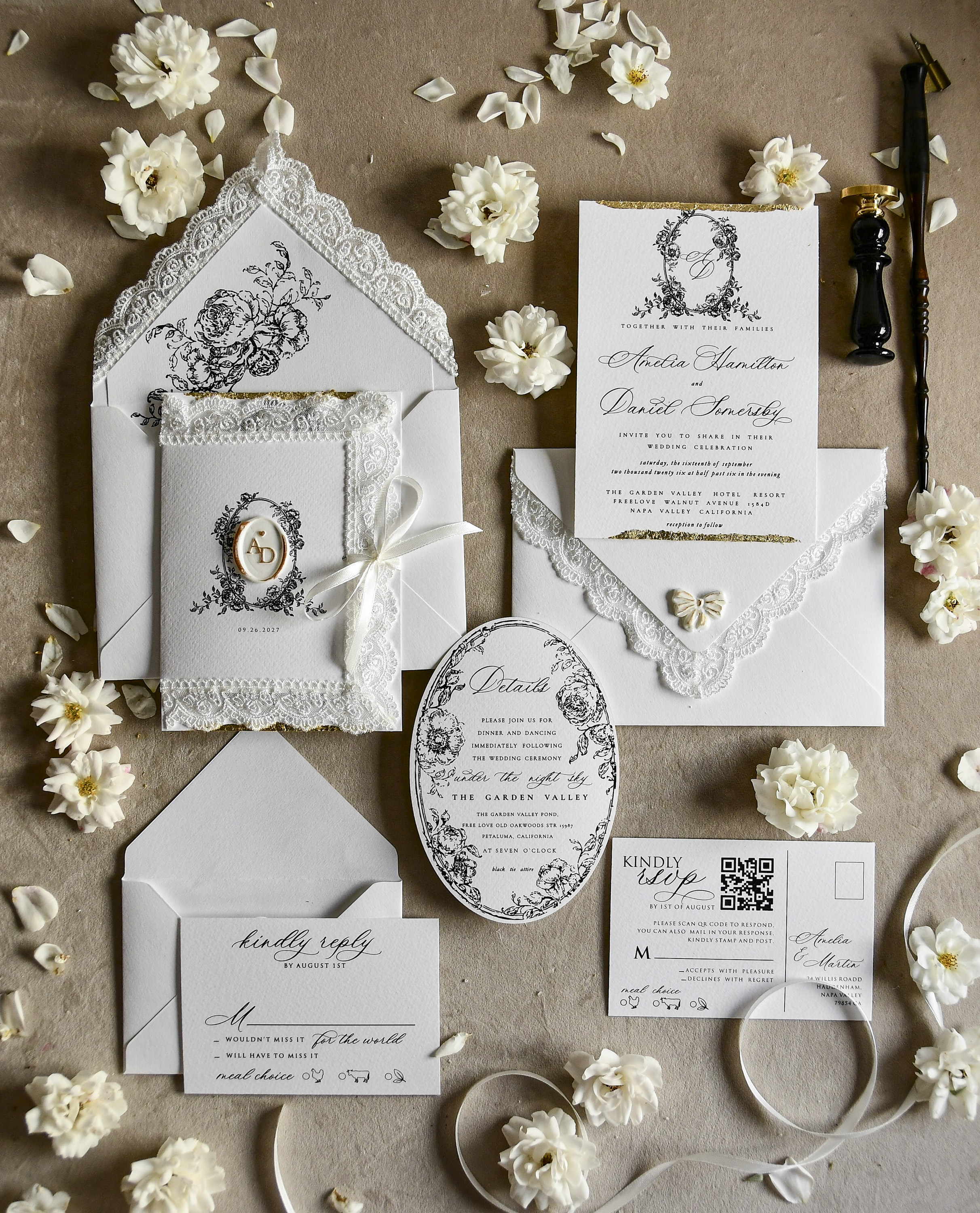
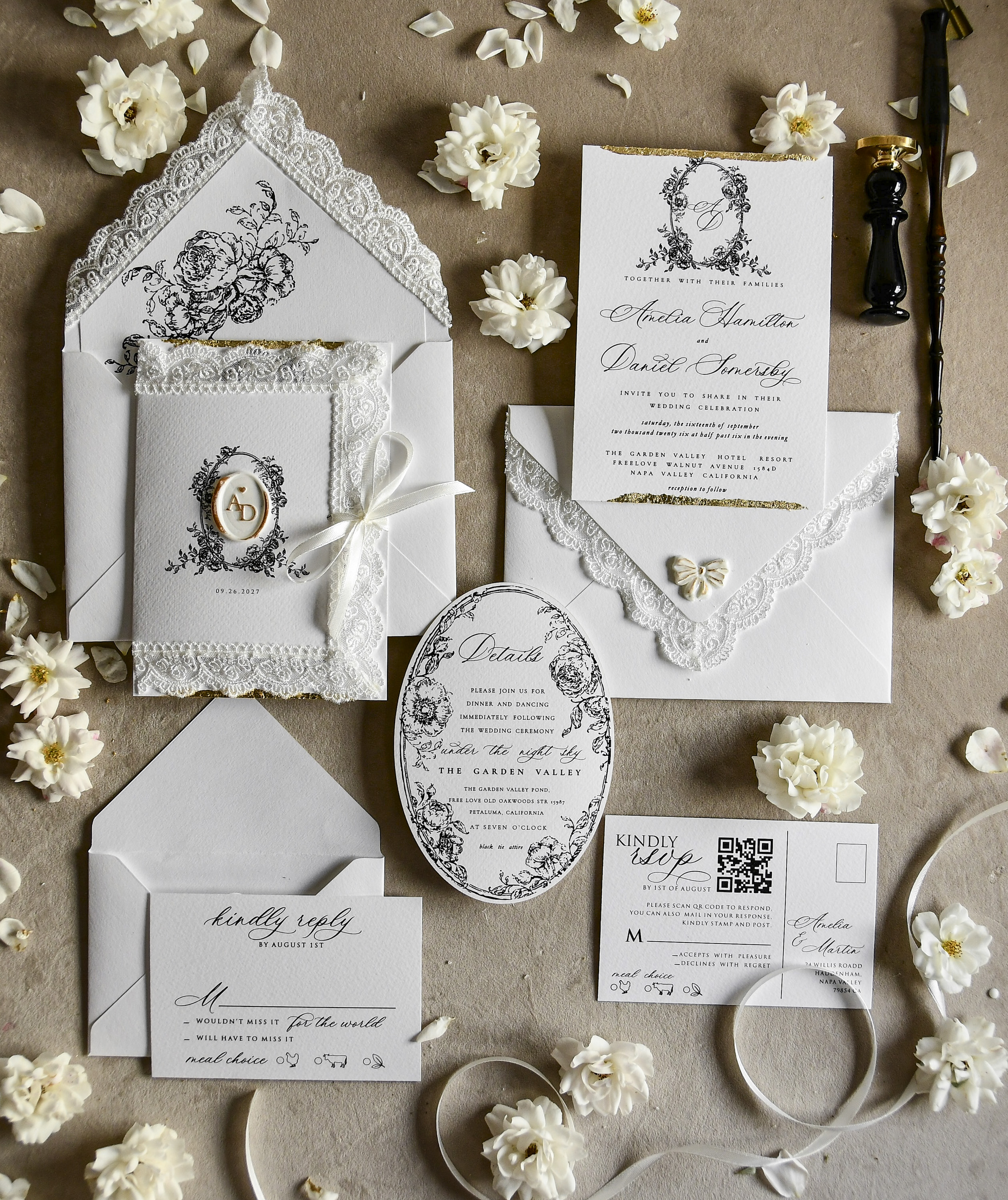
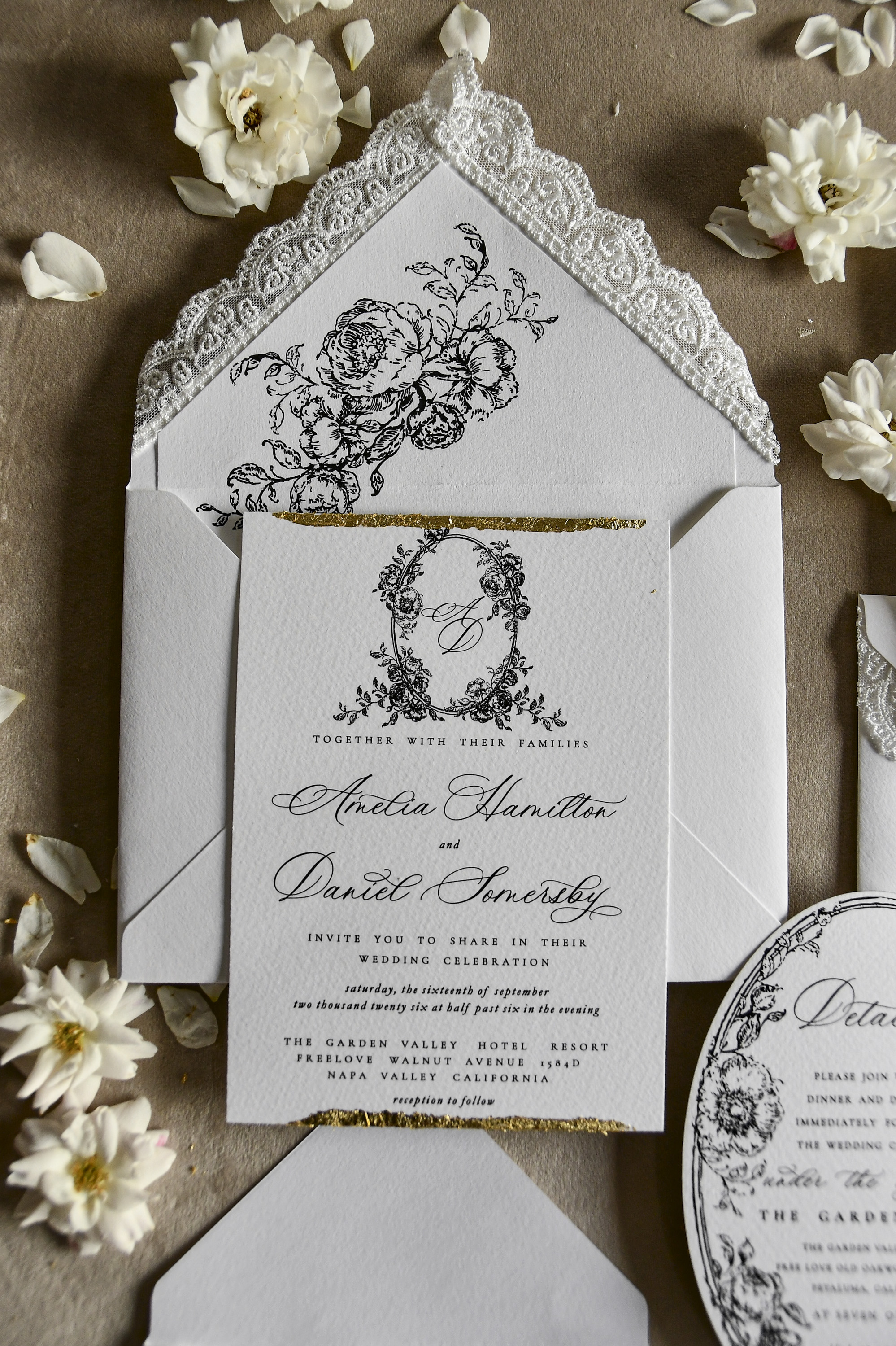
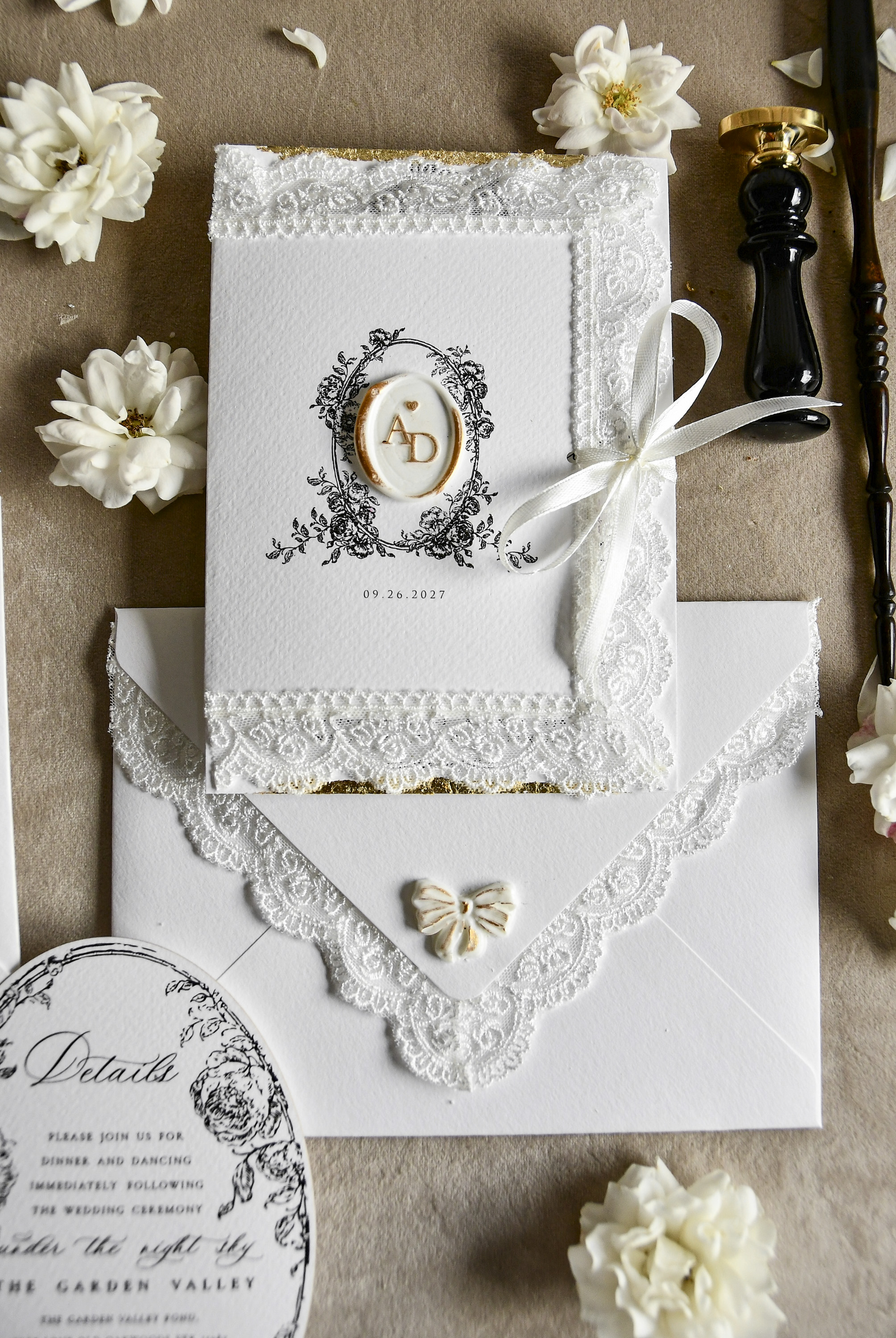
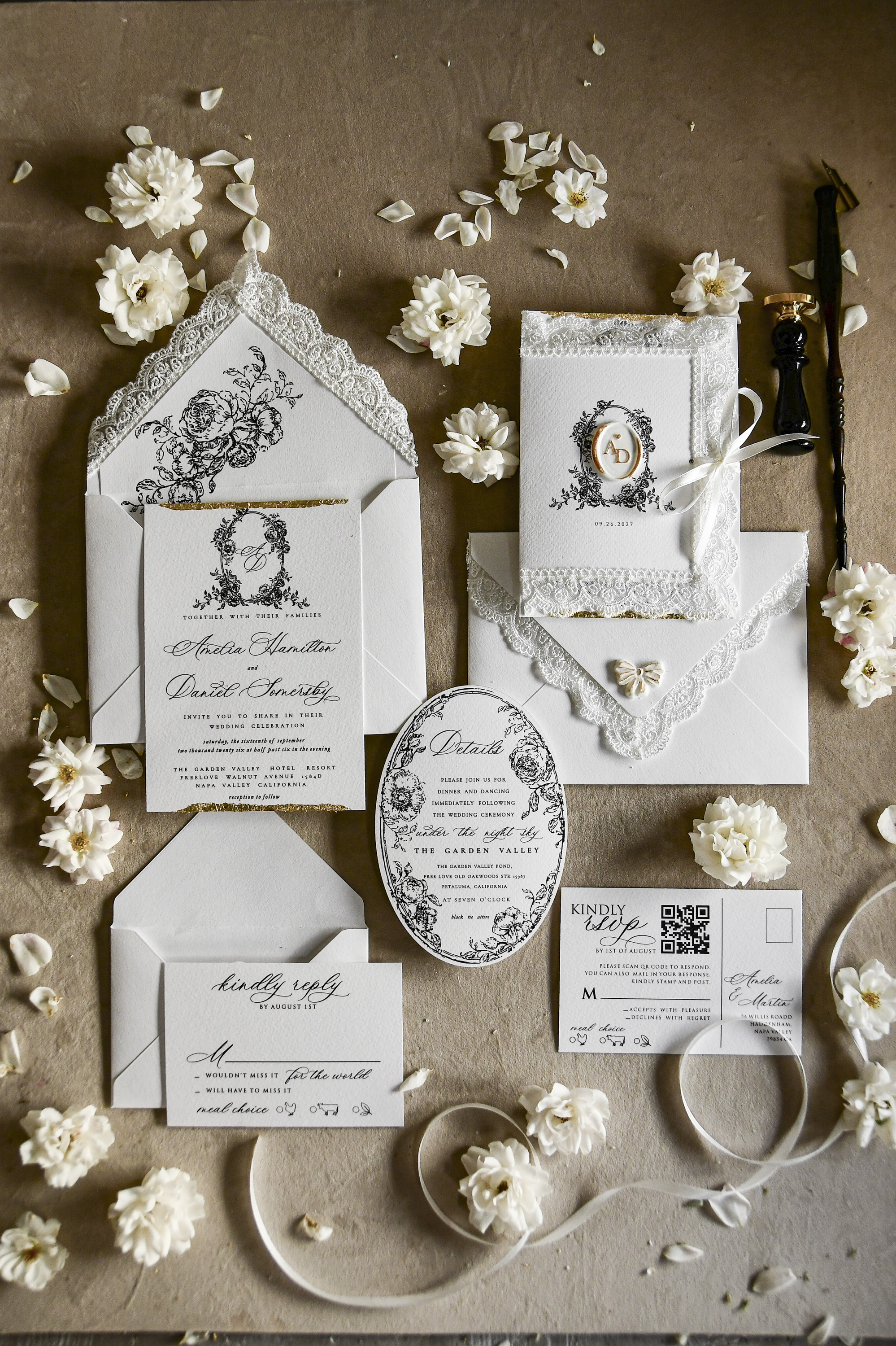
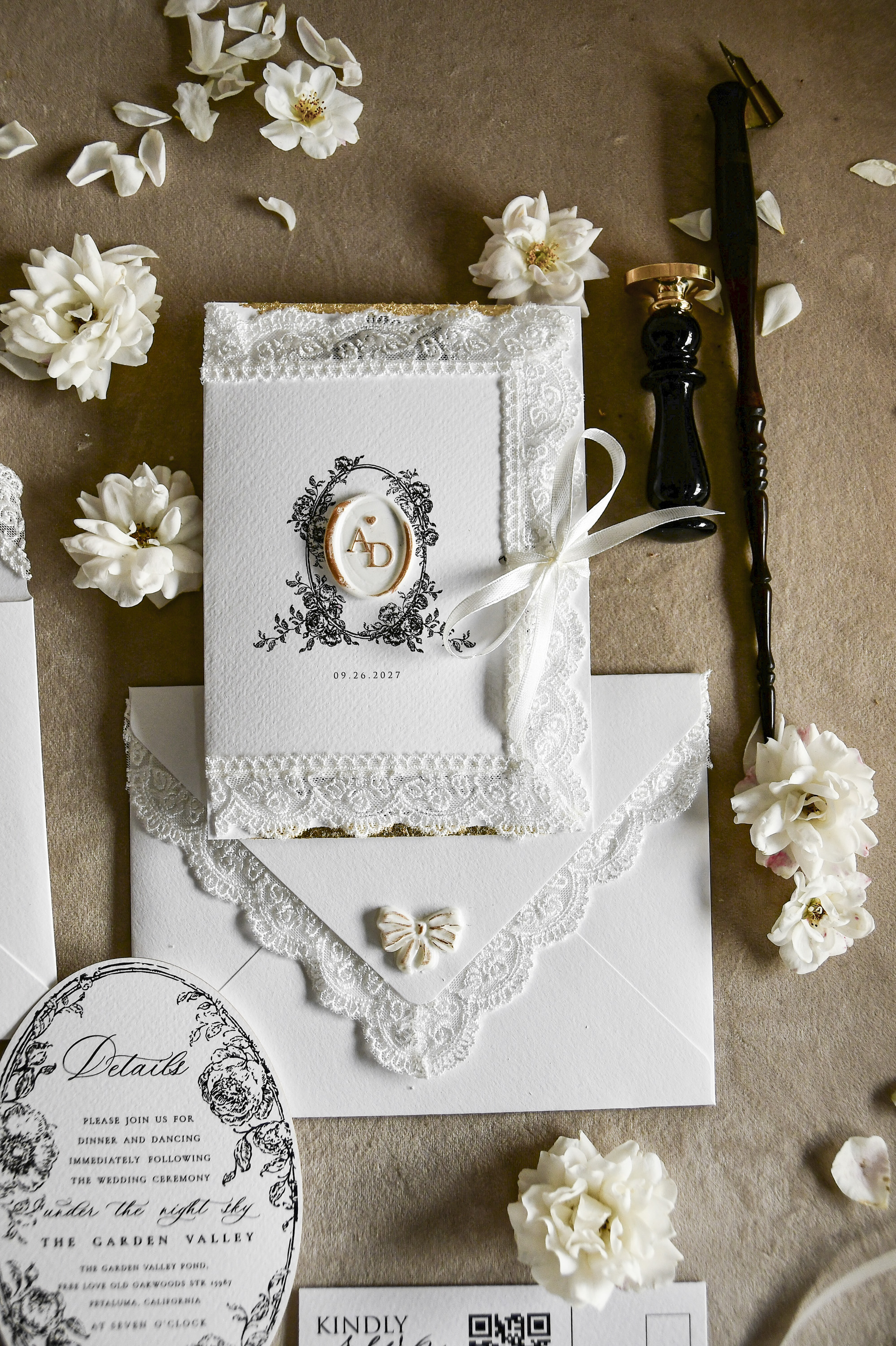
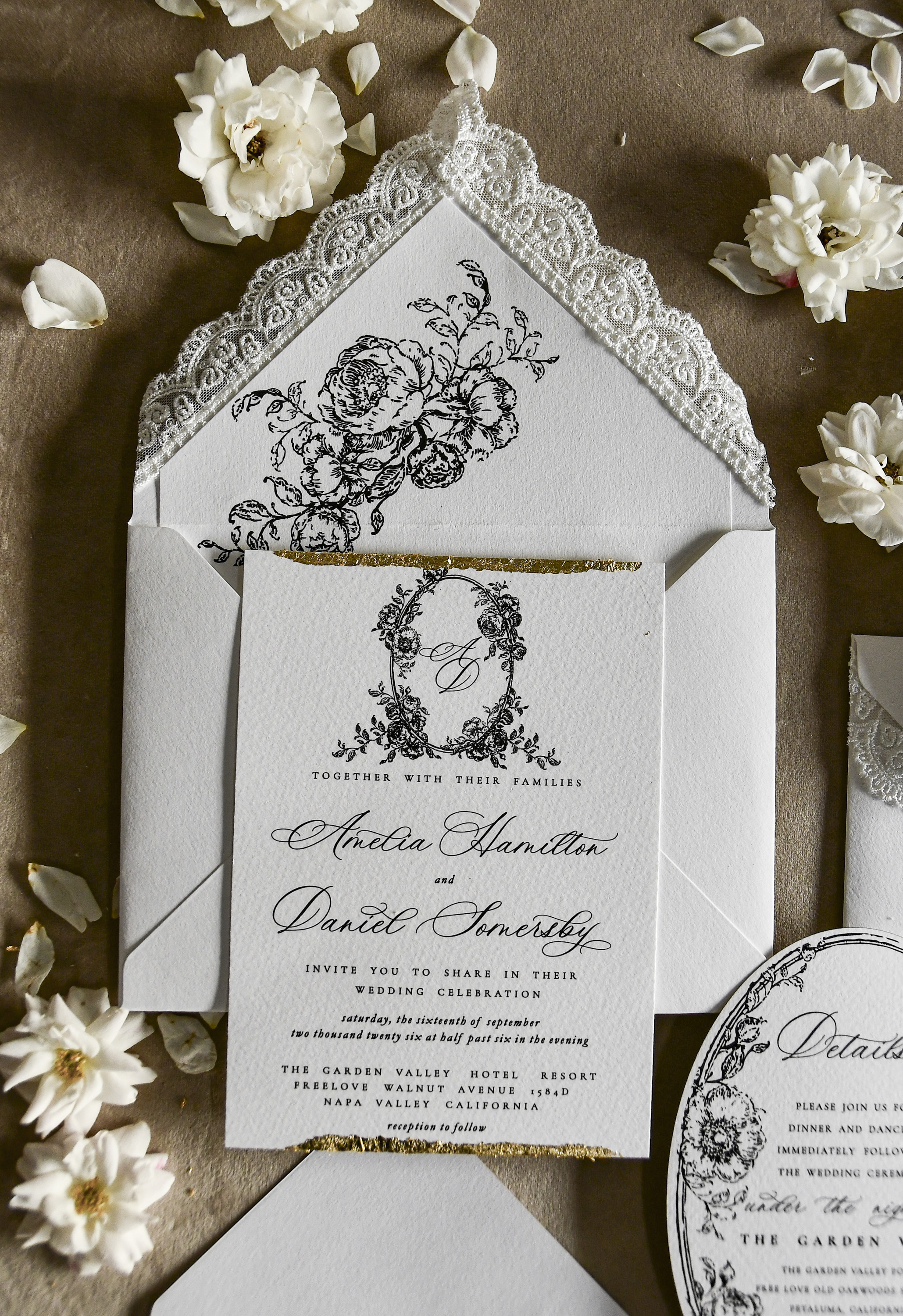
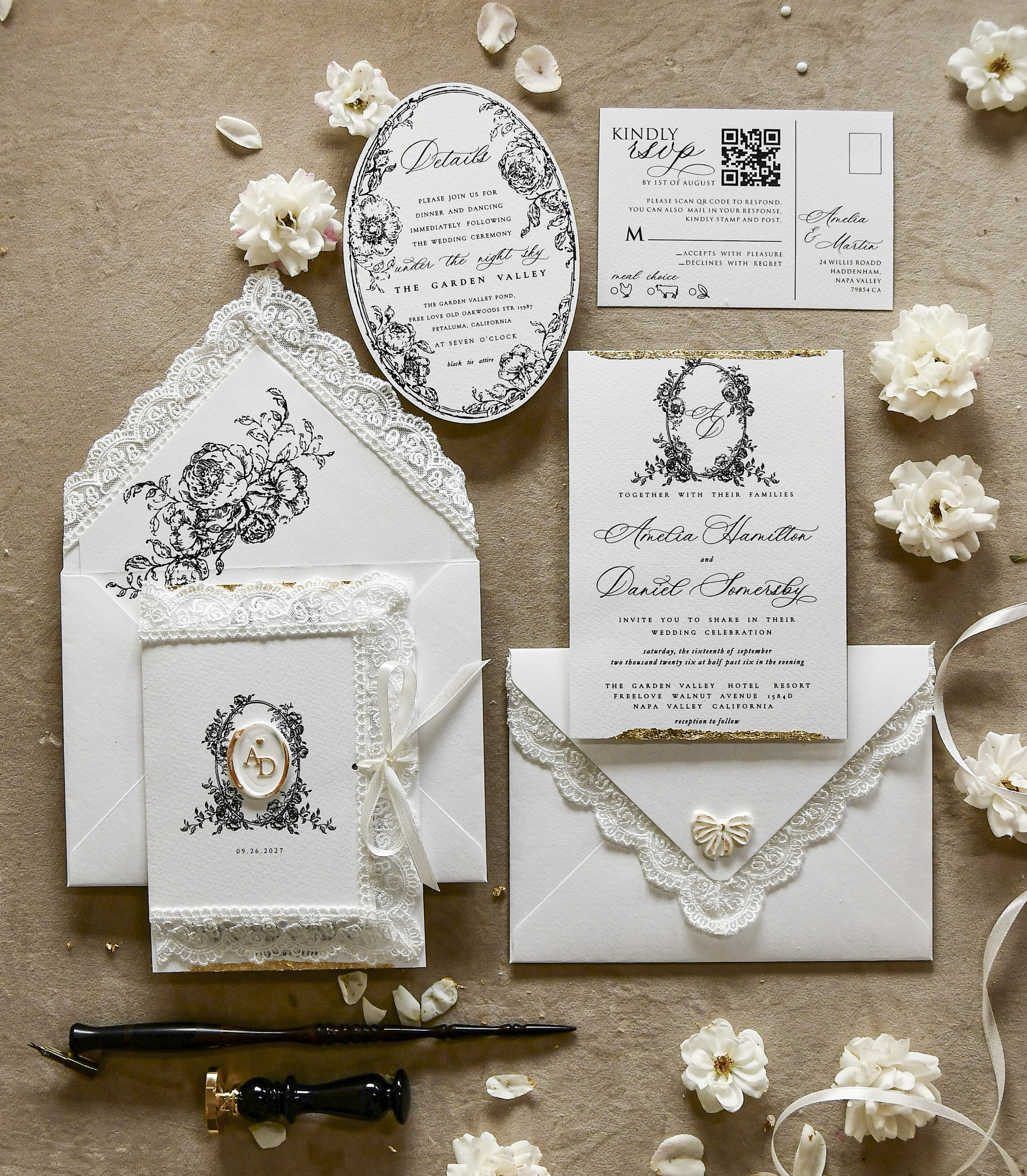
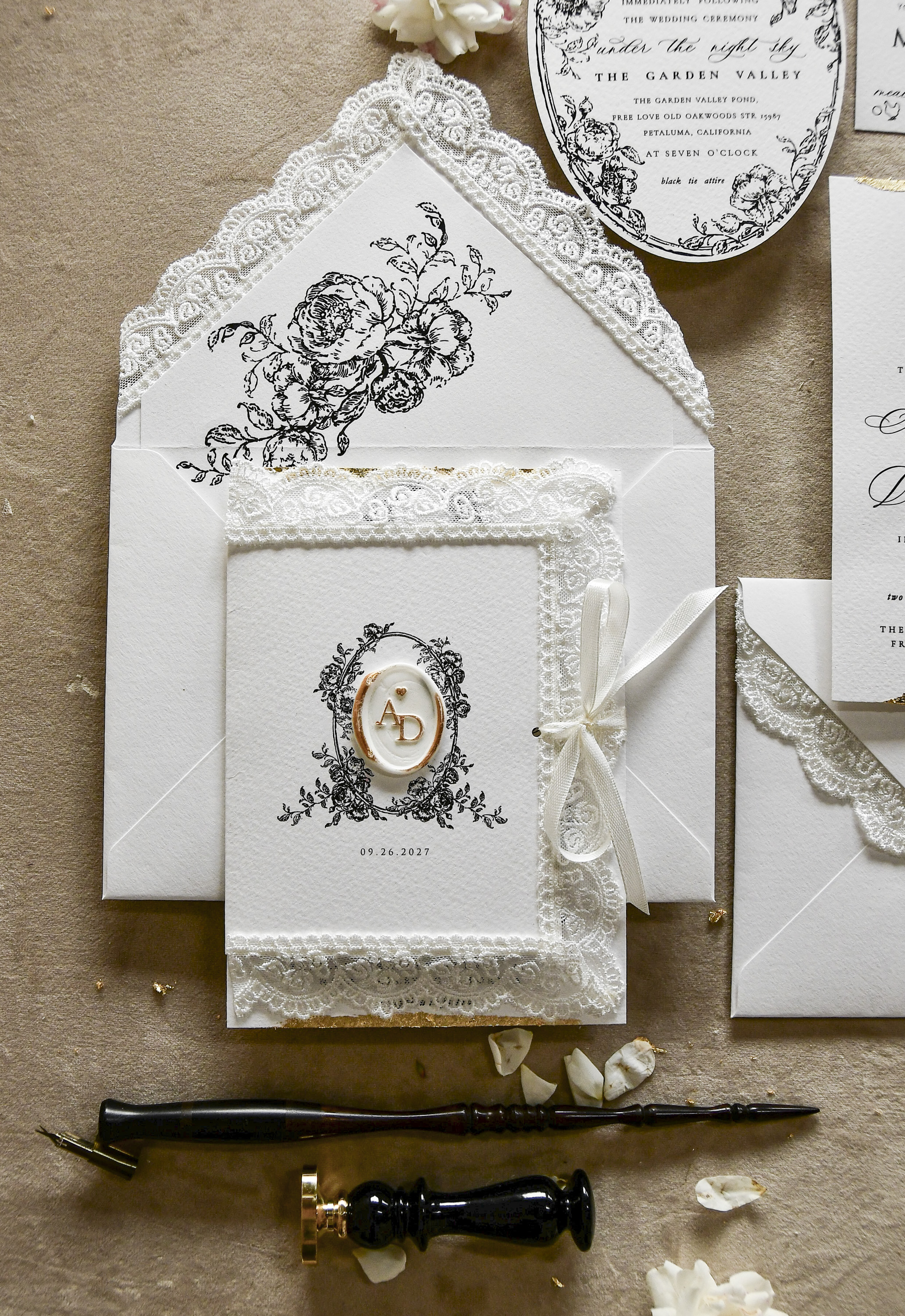
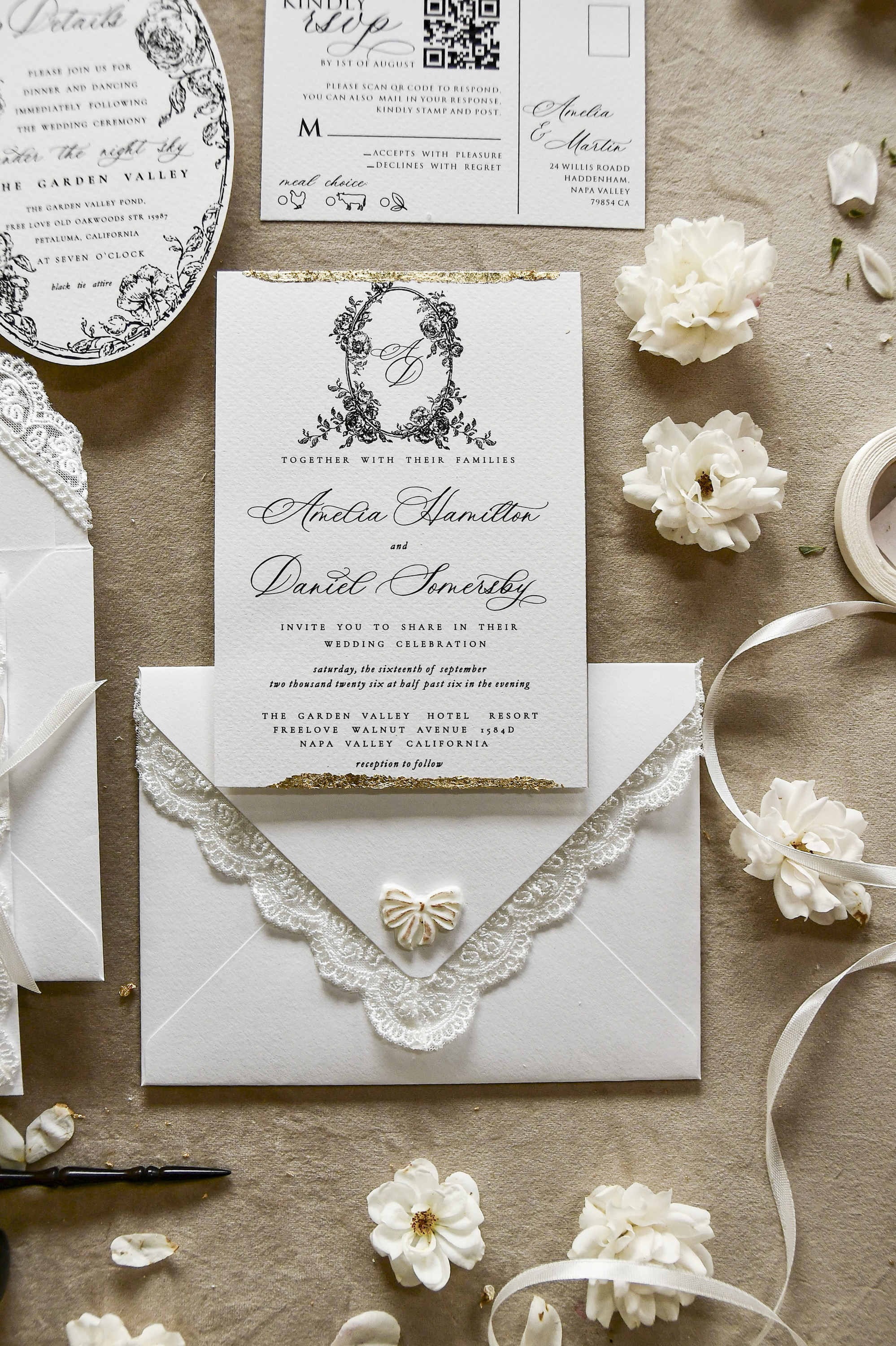
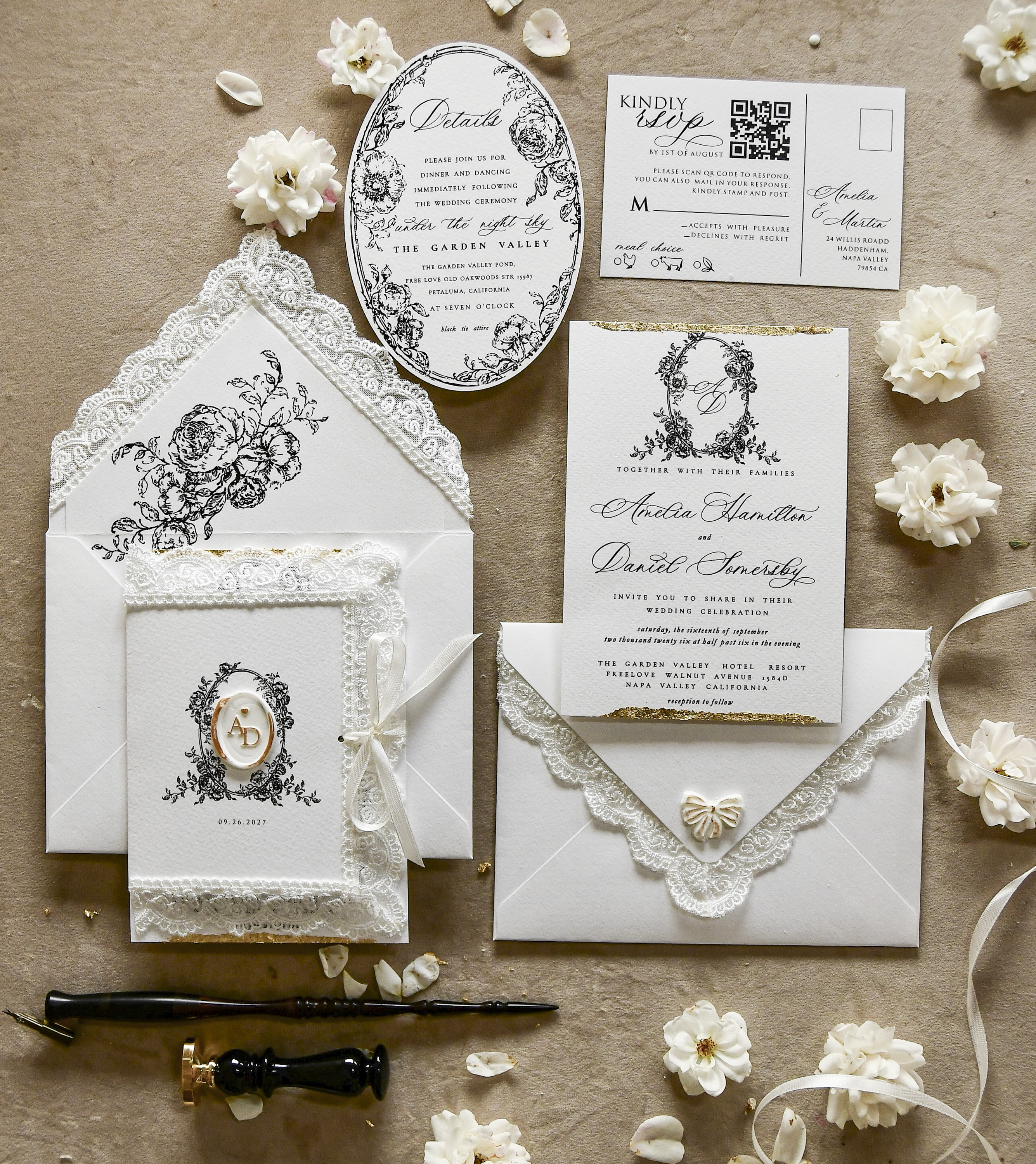
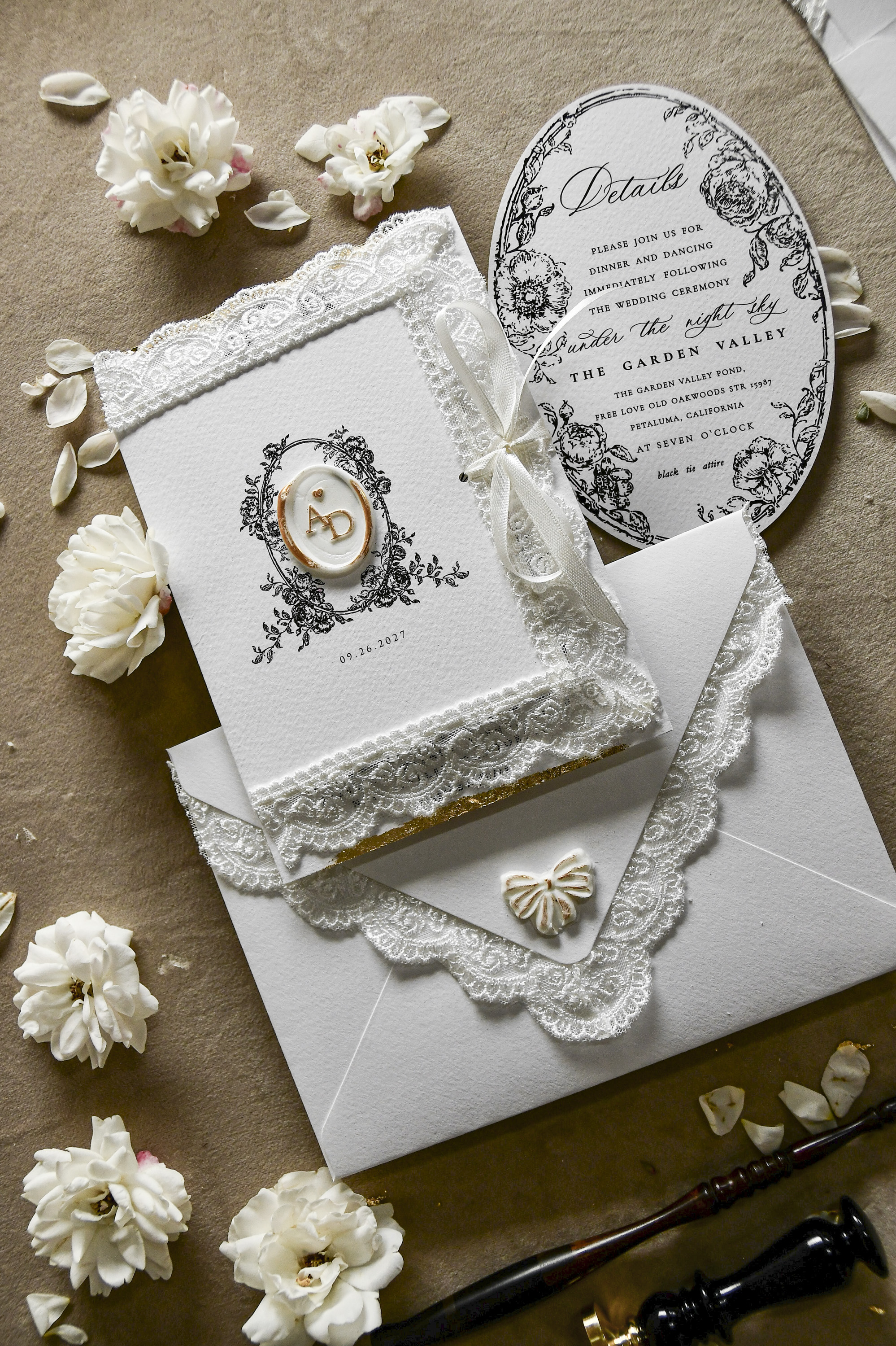
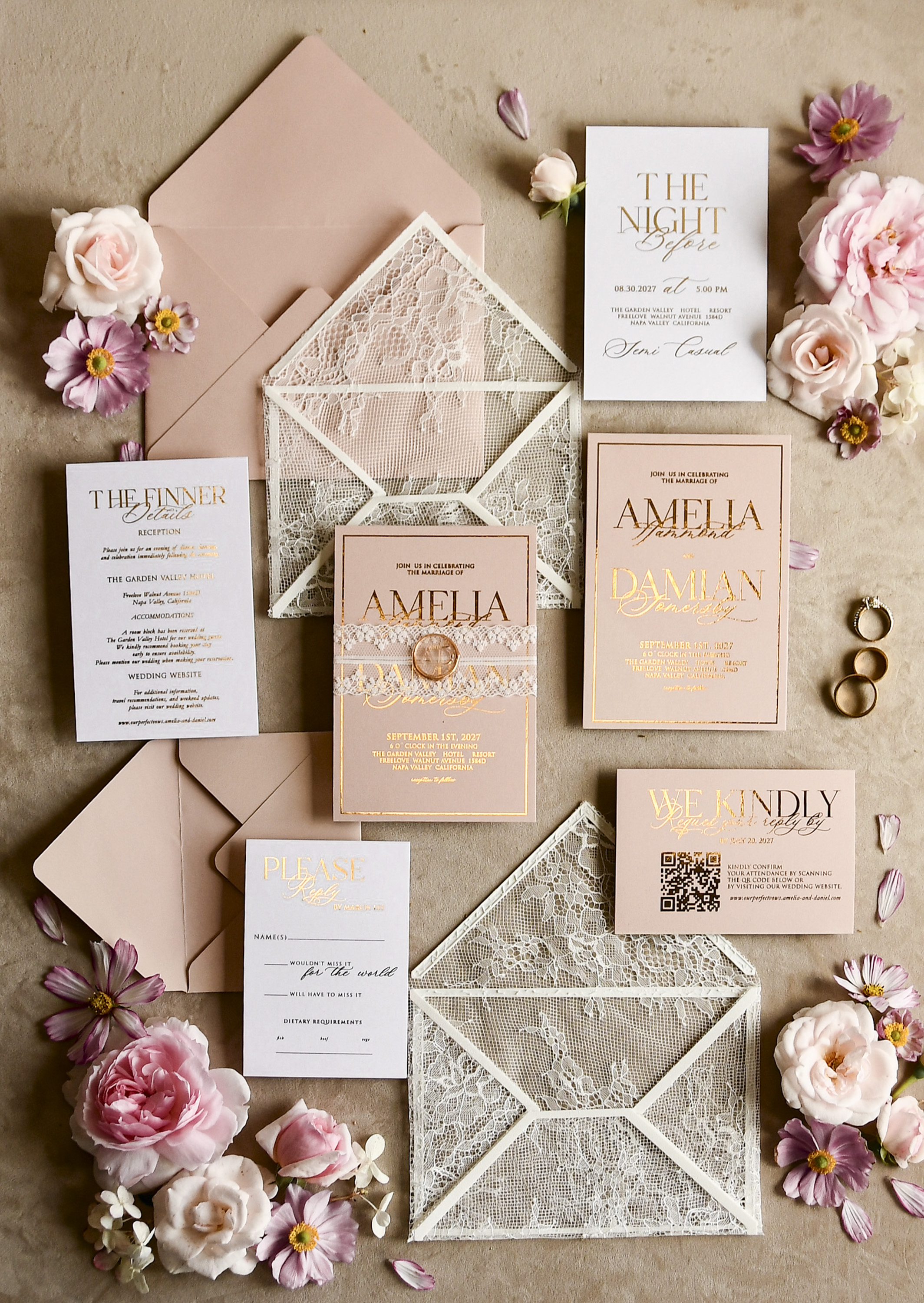
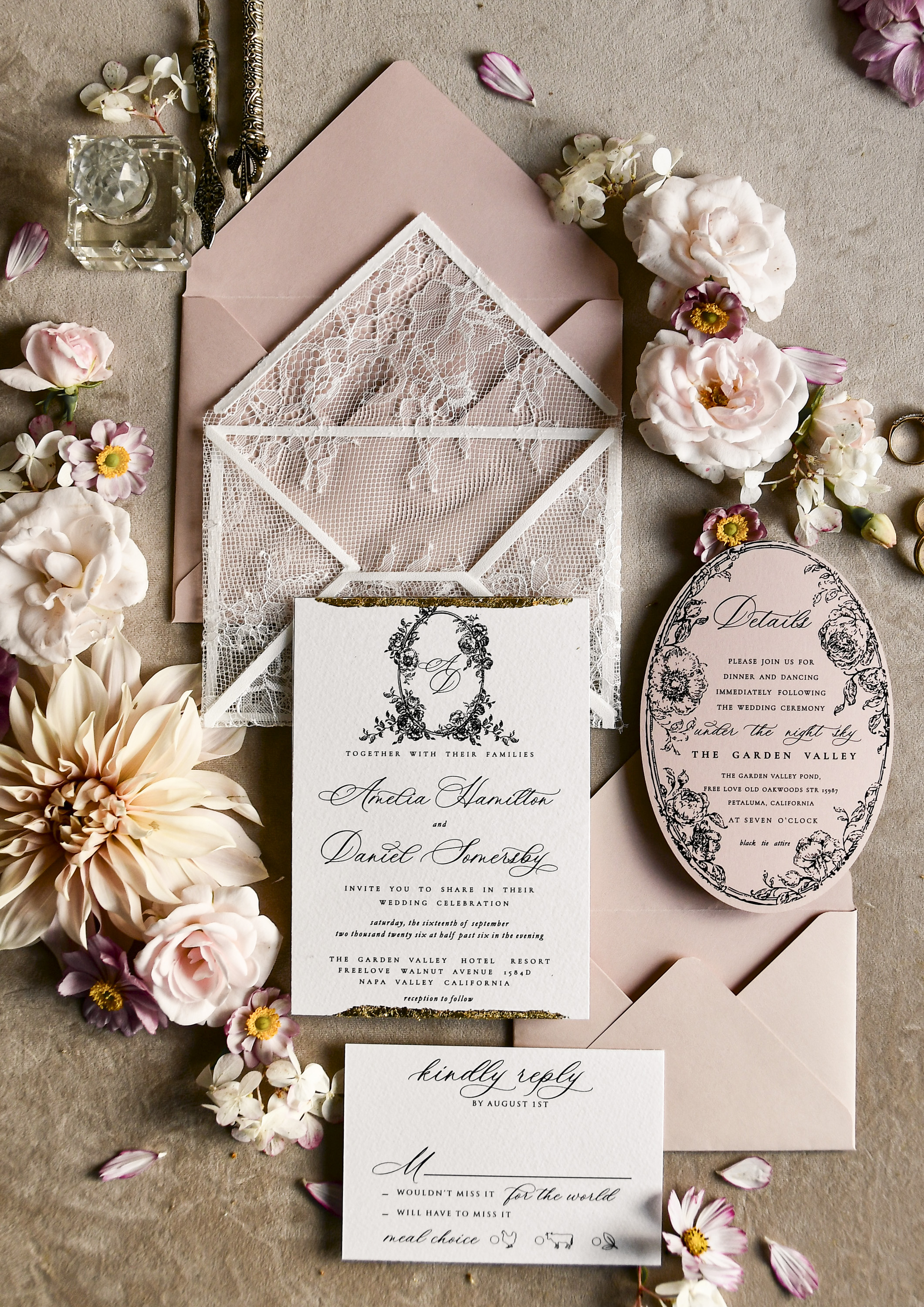
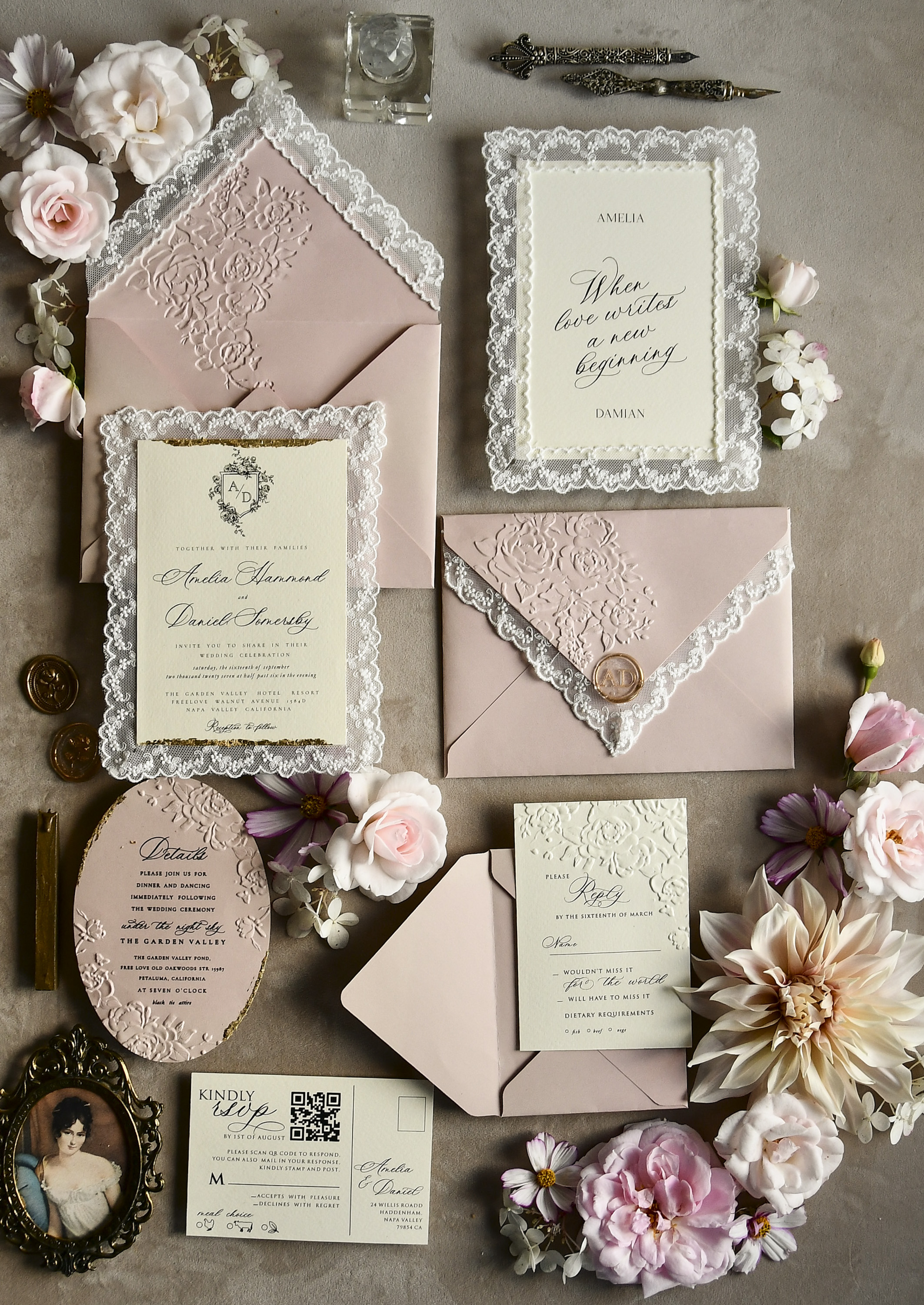
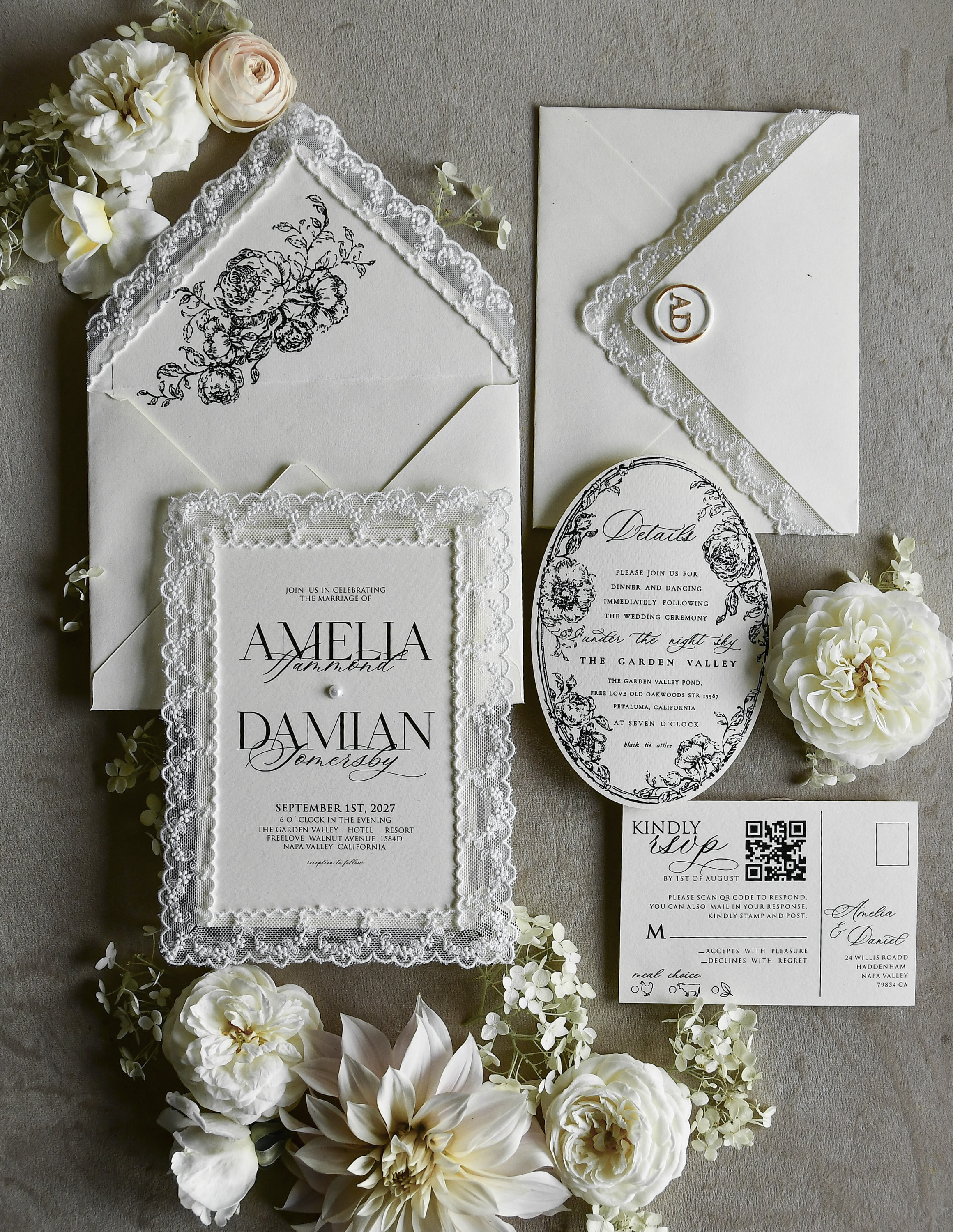
When you do finalize your guest list, sending beautifully considered invitations matters. A design like the vintage-inspired 03/laceTR/z from Margo&Bees signals warmth and intentionality — especially meaningful when you're being selective about who receives one.
When the Request Crosses a Line
If your fiancé is asking you to exclude your parents or close family members not because of budget or venue, but because they want to control your relationships, that's worth taking seriously. Signs this may be the case include:
- The request applies only to your family, not theirs
- They can't articulate a specific reason beyond general dislike
- You've noticed other instances of them discouraging your family contact
Your wedding day is one of the most significant days of your life. Starting a marriage by cutting off the people who love you — at someone else's insistence — can set a difficult precedent. Talk to a trusted friend, family member, or counselor before agreeing to something you'll carry regret about for years.
Moving Forward Together
The goal isn't to "win" the guest list argument — it's to enter your marriage having genuinely worked through a hard conversation. A few practical steps as you move forward:
- Set a date to discuss it calmly, not in the middle of another stressful planning moment.
- Write down your non-negotiables individually, then compare them.
- Agree on a guest list framework before you start sending any invitations.
- If you reach a compromise, honor it — don't quietly add people back in later.
Once you've landed on a guest list you both feel good about, the act of choosing your invitations together can actually be a nice reset. Something like the 03/laceTR/z invitation — with its delicate lace detailing and rustic warmth — is a lovely way to mark a decision you made as a team.
Frequently Asked Questions
Extremely normal — guest list conflicts are one of the most common wedding planning disputes. The key is addressing it early, before invitations go out or venue deposits are made. The earlier you align, the less complicated the fallout.
This is worth a serious conversation about why, and whether the concern is reasonable. If a family member has genuinely behaved badly toward your partner, it may be fair to ask that person to sit this event out — but that decision should feel mutual, not forced.
Absolutely. A post-wedding dinner, backyard party, or brunch is a warm and increasingly common way to celebrate with a wider circle when the wedding itself is kept small. Just be transparent with family about why the wedding is intimate rather than letting them feel quietly excluded.
Be honest, loving, and direct — ideally in person or by phone, not by text. Frame it around the couple's shared decision to keep the event very small, and have a concrete plan for how you'll celebrate with them separately. Give them time to process their feelings.
If the disagreement feels deeply stuck or touches on bigger issues around family boundaries and control, yes — a few sessions with a counselor can be genuinely valuable. It's not a sign of trouble; it's a sign you're both taking the marriage seriously.
Regret over who attended your wedding can linger for years, so it's worth being honest with yourself before you agree to something. If you're only saying yes to keep the peace, that's important to name out loud — ideally before the invitations are sent.
See This Design Up Close





You May Also Like
More Wedding Planning Guides
- → Kids at Your Wedding: How to Decide What's Right for Your Celebration
- → Mailing vs. Hand-Delivering Wedding Invitations: What's the Right Call?
- → When Silence Speaks: How to Handle Guests Who Never RSVP'd
- → The Plus-One Dilemma: How to Handle Dates for Single Guests
- → Ceremony-Only Guests: The Honest Guide to Partial Wedding Invitations
- → Save the Dates and Wedding Invitations: What Each One Does and Why You Need Both
- → Navigating the Parent Guest List: How to Keep the Peace Without Losing Control
- → The Honest Guide to Trimming Your Wedding Guest List Without the Guilt
- → The Graceful Art of Telling Someone They're Not on the Guest List
- → Seating Your Divorced Parents at the Wedding: A Practical Guide
- → When Guests Ghost Your RSVP: What to Do Next
- → The Honest Guide to Deciding Who Gets a Plus One at Your Wedding
- → The Ex Factor: How to Decide Whether a Former Partner Belongs on Your Guest List
- → The Perfect Timing for Mailing Your Wedding Invitations
- → Digital vs. Paper Wedding Invitations: Which Is Right for You?
- → Child-Free Weddings: What's Rude and What's Perfectly Fine
- → Everything Your Wedding Invitation Needs to Say
- → Navigating Guest List Pressure: When Mom Wants to Invite Someone You Don't
- → Online RSVPs vs. Mailed Cards: What Every Couple Should Know
- → Uninvited Plus-Ones and Tag-Alongs: How to Keep Your Guest List Intact
- → When Family Feuds Threaten Your Wedding Plans: A Practical Peacekeeper's Guide
- → Inviting an Estranged Brother or Sister: Finding Clarity Before You Seal the Envelope
- → Cousins, Invites, and Hard Choices: A Practical Guest List Guide