
Navigating the Parent Guest List: How to Keep the Peace Without Losing Control
You've carefully counted seats, crunched the catering numbers, and finally landed on a guest list that feels right — and then your mom hands you a list of fourteen people you've never met. Sound familiar? The question of whether parents get to invite their own friends is one of the most common (and most emotionally charged) conversations in wedding planning. The good news: there's a fair, practical way to handle it that keeps everyone feeling respected.
Understand Why It Matters to Them
Before you push back, take a moment to understand where your parents are coming from. For many parents — especially those contributing financially — the wedding is also a social milestone for them. They've watched you grow up, and inviting their close friends is a way of sharing that joy with their own community. It's not always about control; sometimes it's genuinely about love and pride.
That said, understanding their perspective doesn't mean saying yes to everything. It simply means you can approach the conversation with empathy rather than frustration, which makes compromise a whole lot easier.
Set a Clear Parent Allocation — Before Anyone Asks
The smartest move you can make is to establish guest list allocations before any names are submitted. A common and fair formula looks like this:
- Couple: 50% of total guest count
- Couple's parents (combined): 25–30%
- Partner's parents (combined): 20–25%
For example, if your venue holds 100 guests, each set of parents might get 15–20 slots to use as they wish. Give them a firm number and a deadline. When the allocation is framed as a gift — "We want you to be able to invite the people who matter most to you" — it feels generous rather than restrictive. And critically, it prevents the list from growing indefinitely.
Know When to Hold the Line
There are situations where it's completely reasonable to say no, even if parents are contributing financially. A few examples:
- Your venue has a strict capacity and adding guests creates a safety or cost issue.
- You've never met the person and have no relationship with them whatsoever.
- Adding their guests would mean cutting people from your own list — friends or family you actually want there.
If money is part of the negotiation, be direct: "If we add ten more guests, the catering bill increases by roughly $800 — are you able to cover that additional cost?" Tying guest additions to real dollar amounts often brings the list back to reality very quickly.
For couples who want to keep things intimate but still honor parents' wishes, a beautiful workaround is hosting a separate celebration — a dinner party or backyard gathering — after the honeymoon where parents can celebrate with their wider circle.
Make Their Guests Feel Genuinely Welcome
If you do agree to include some of your parents' friends, make a small effort to make those guests feel included and not like afterthoughts. A few easy ways to do this:
- Seat them with other guests they know, rather than at a random table.
- Ask your parents to introduce you briefly at the reception — a quick hello goes a long way.
- Send them a beautiful invitation that feels personal and polished.
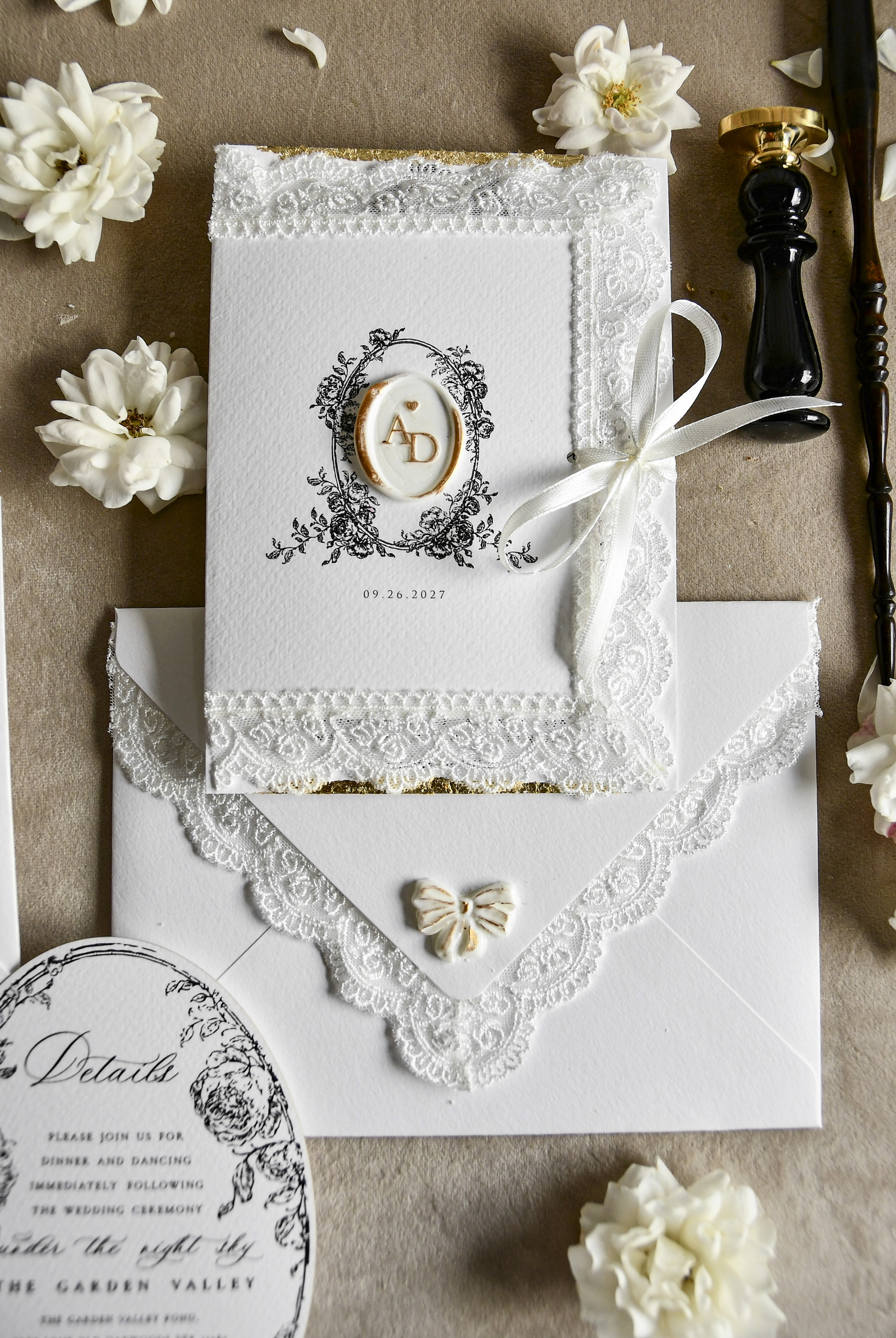
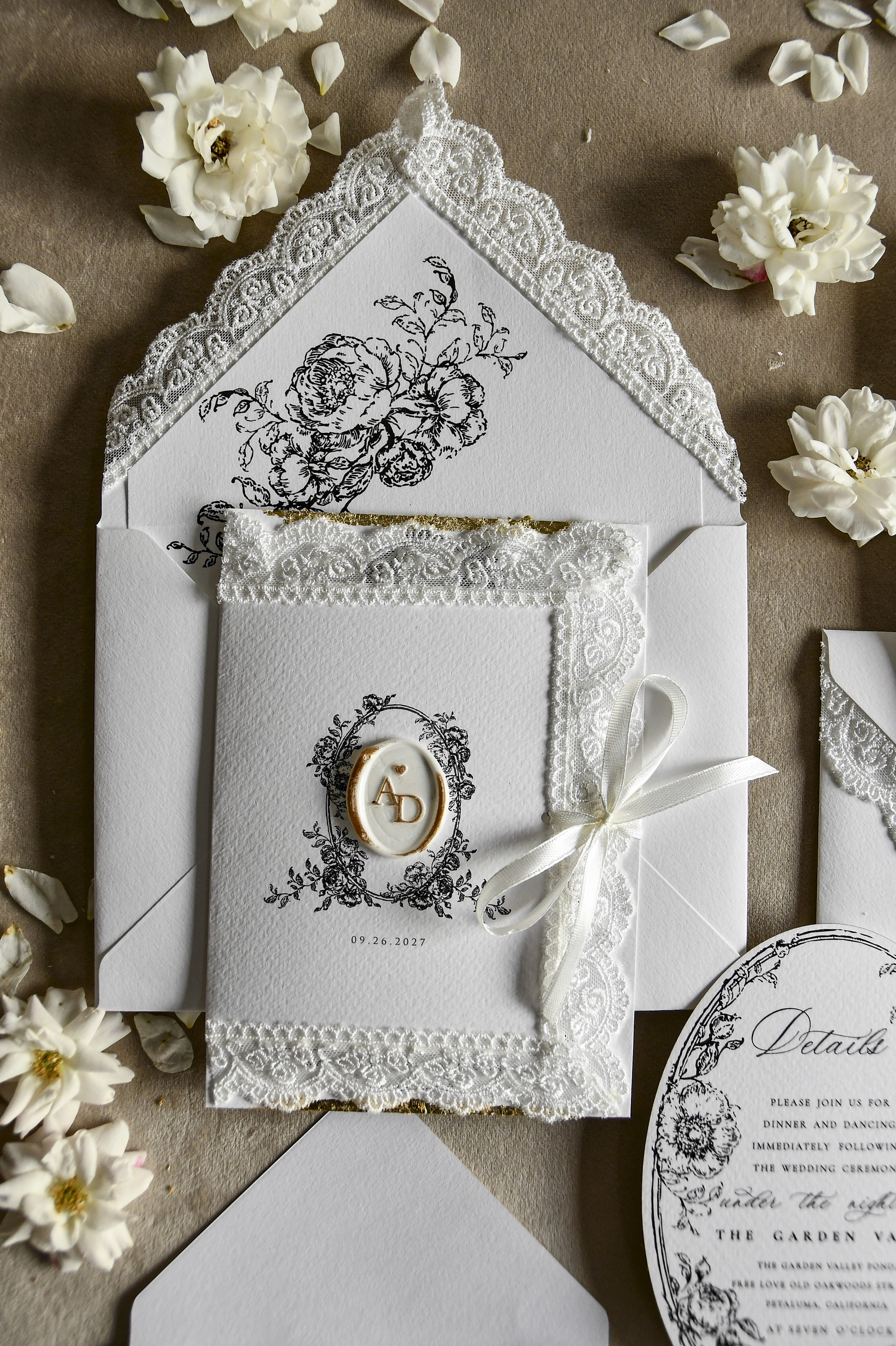
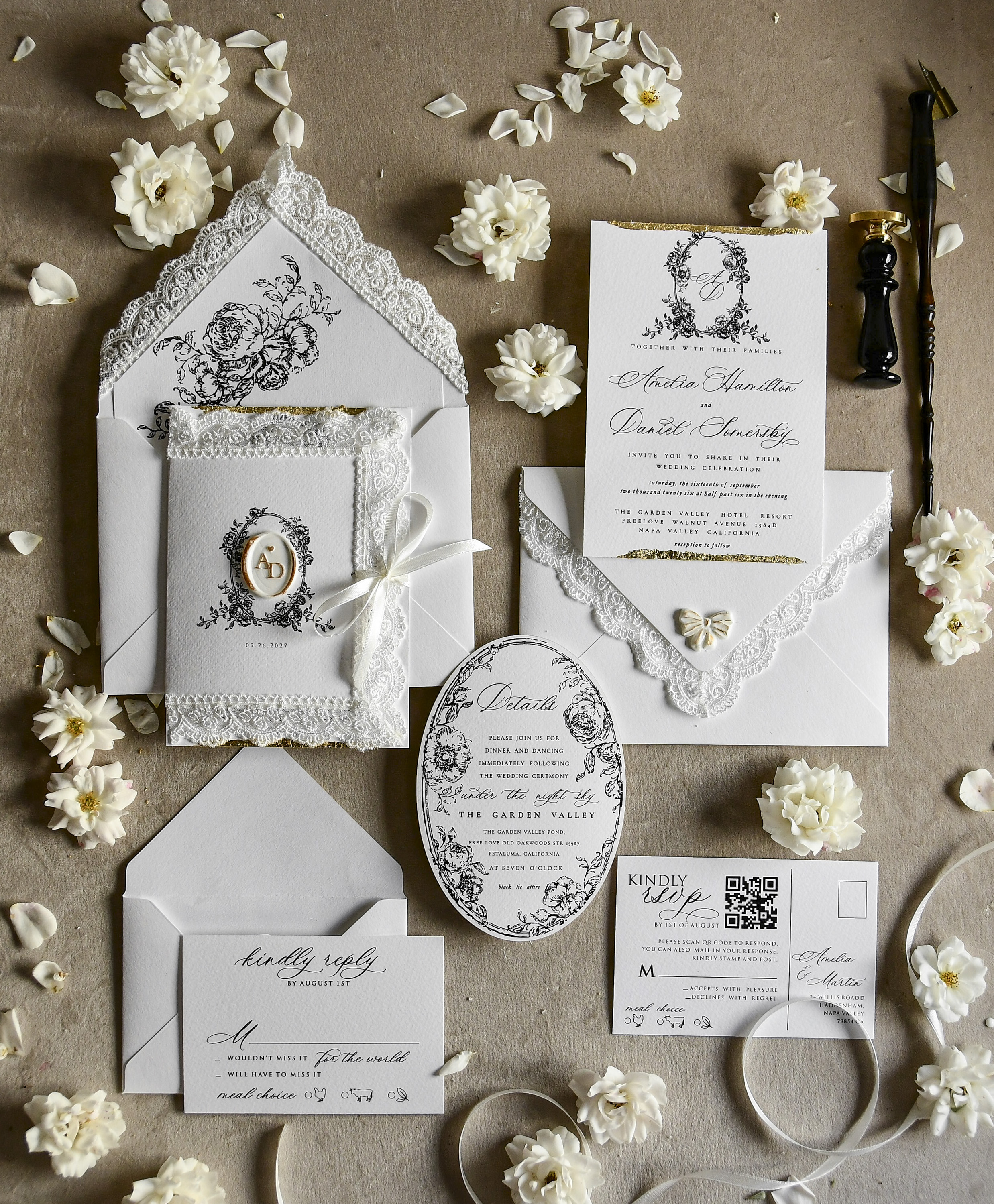
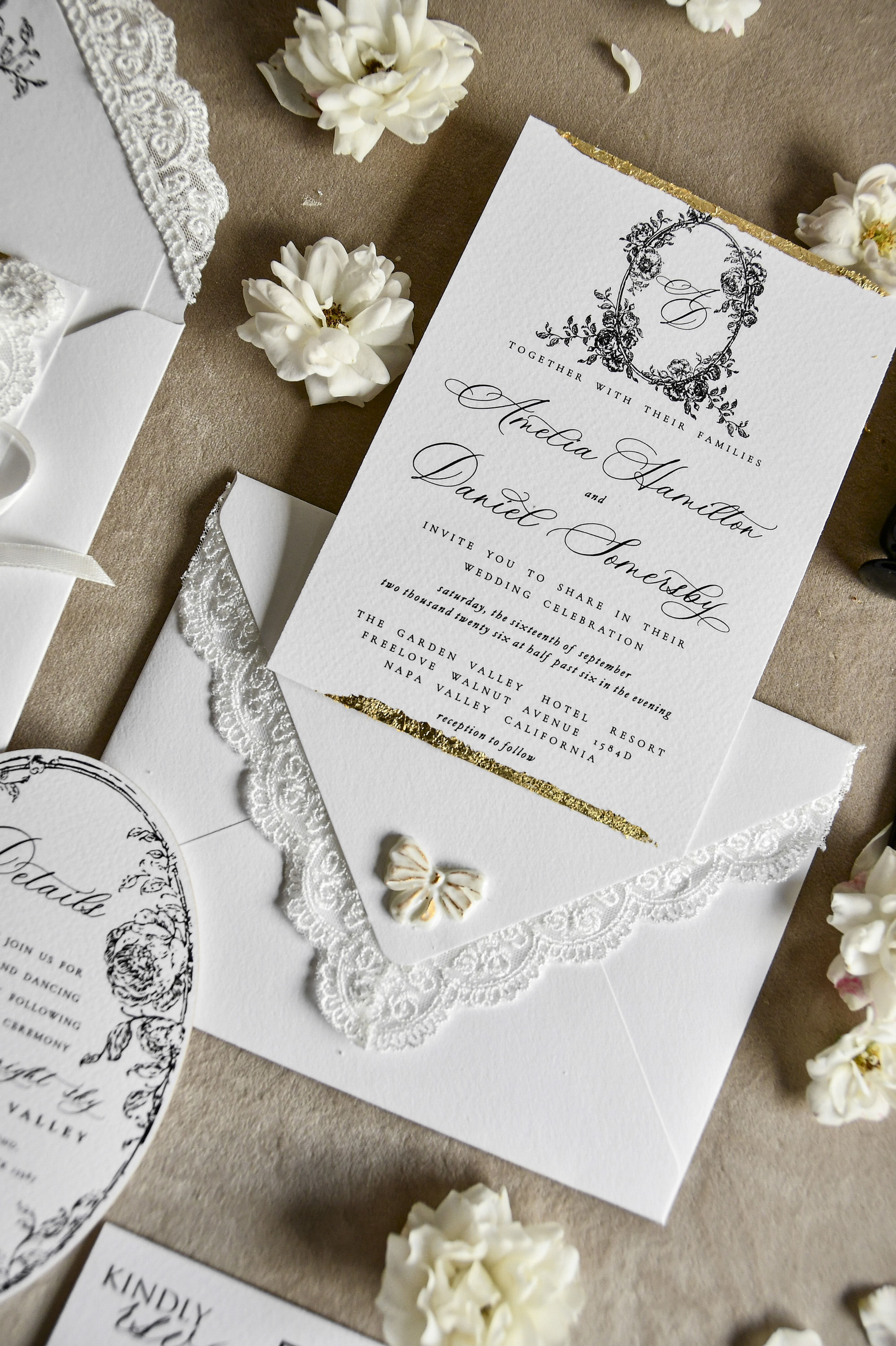
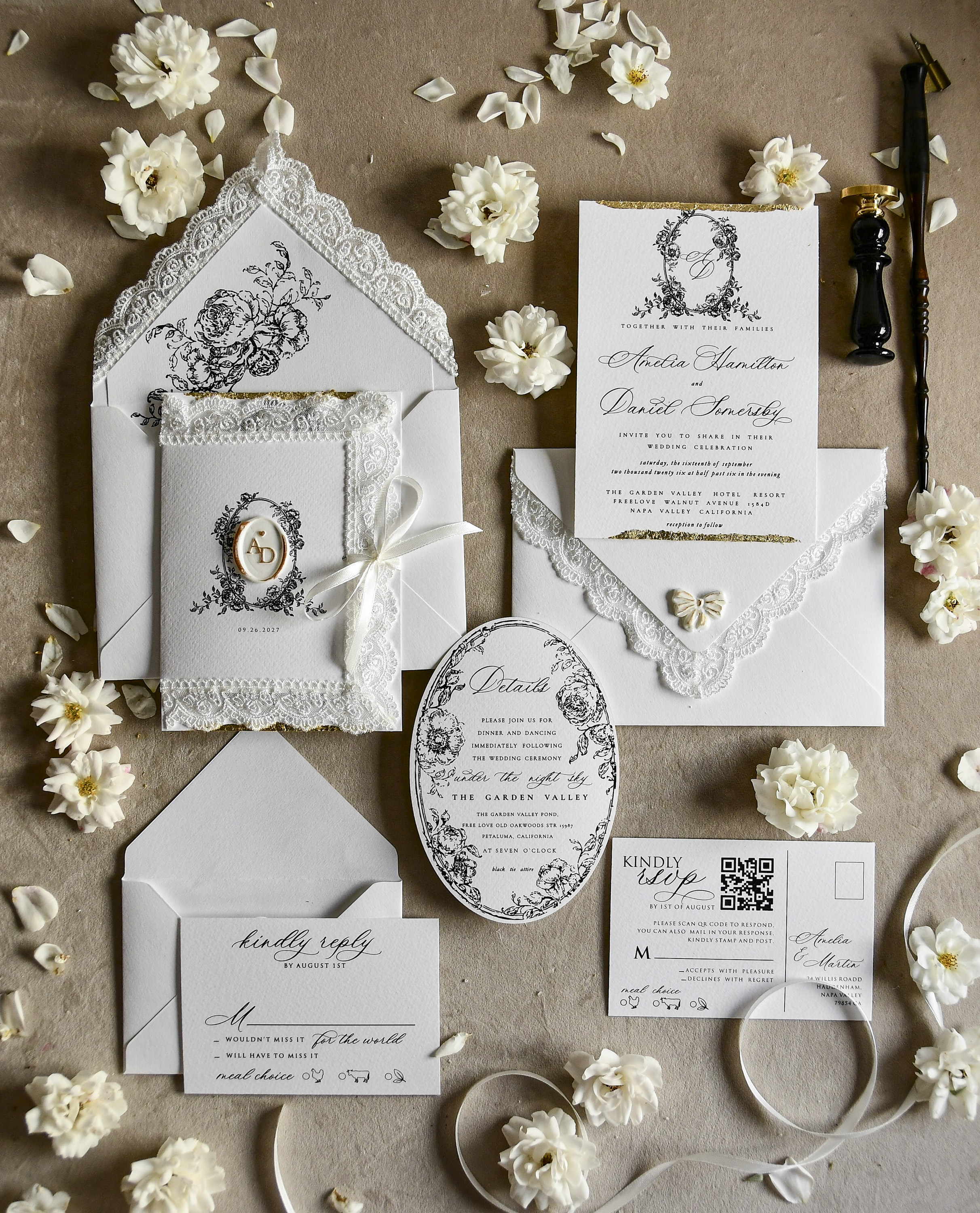
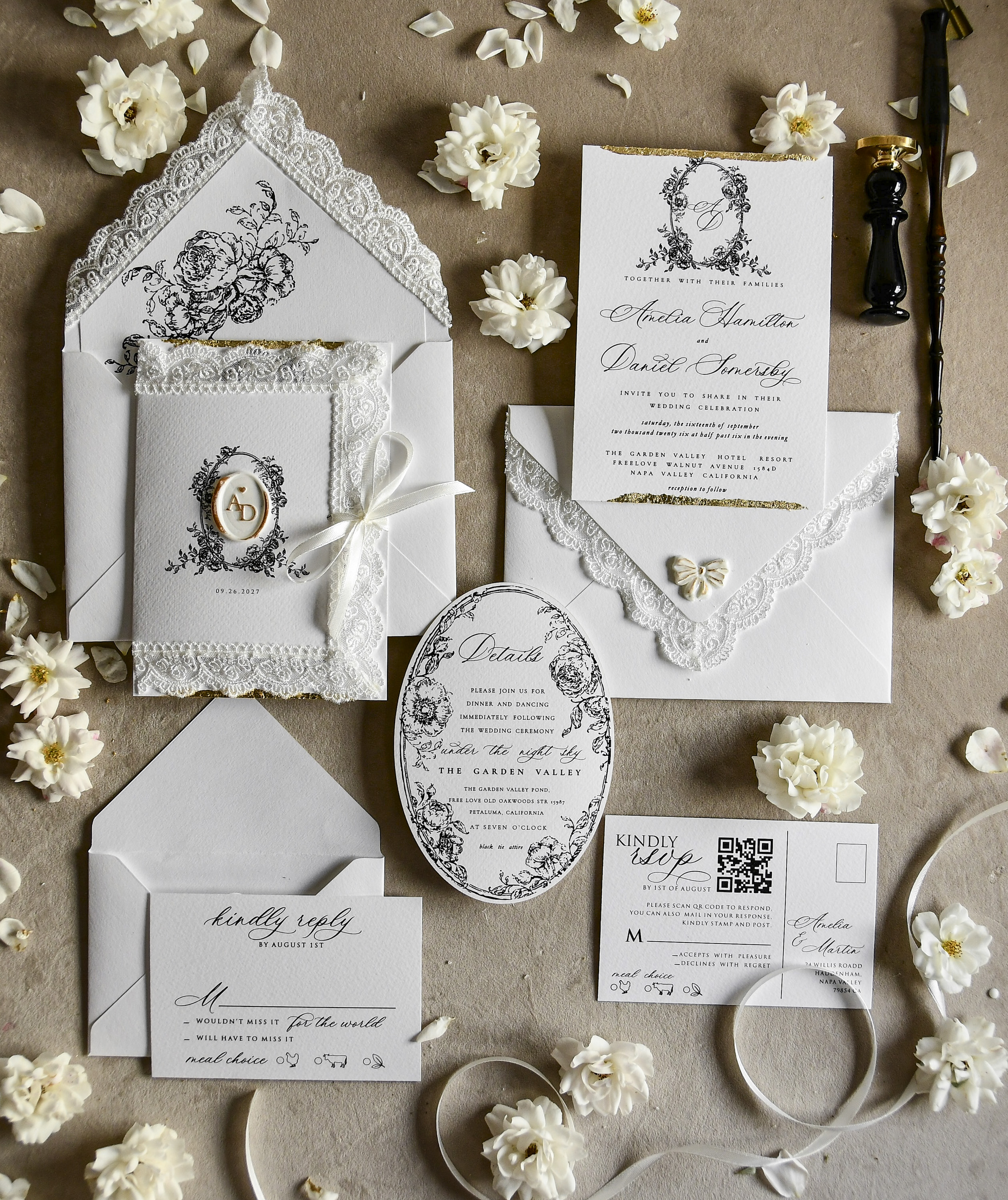
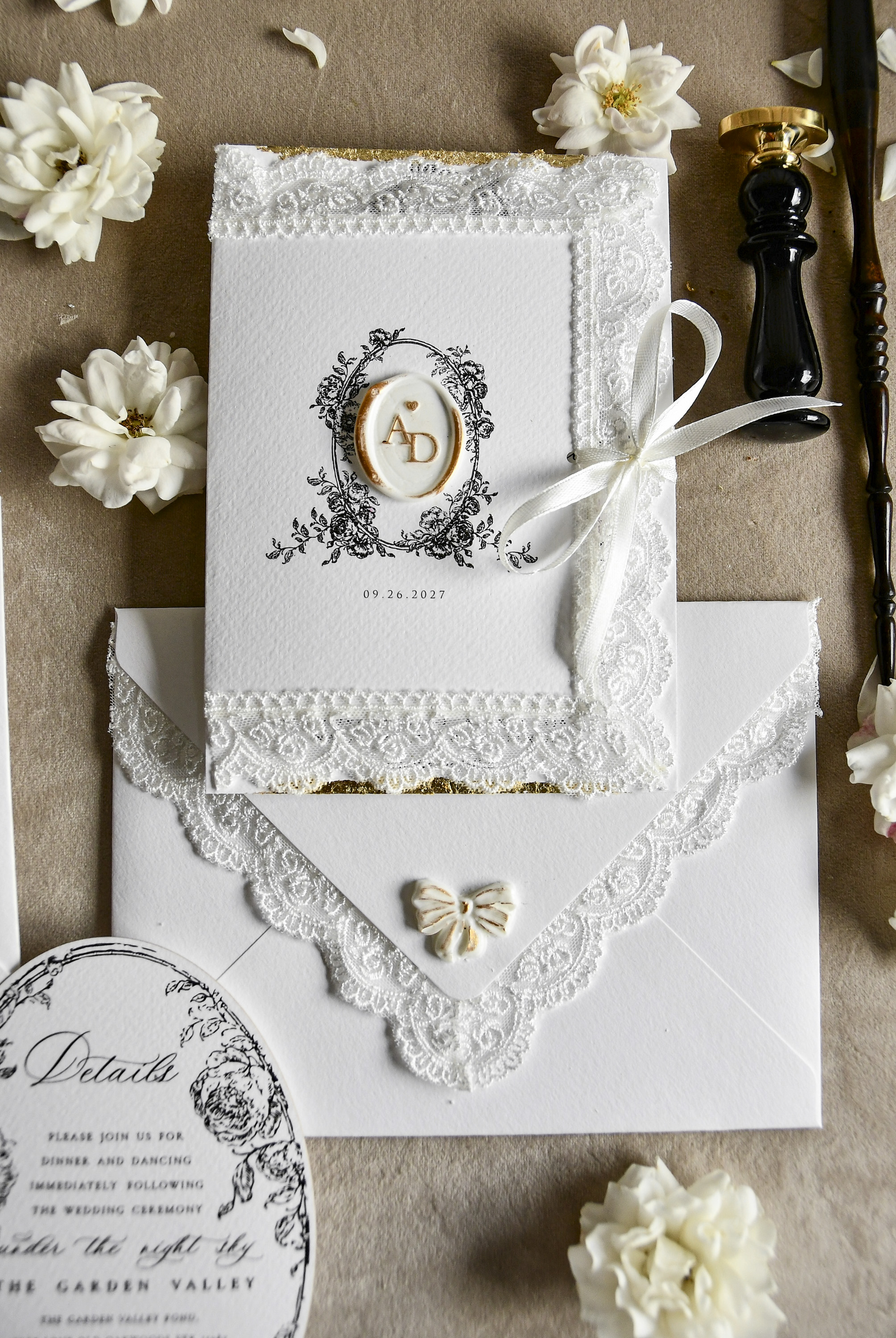
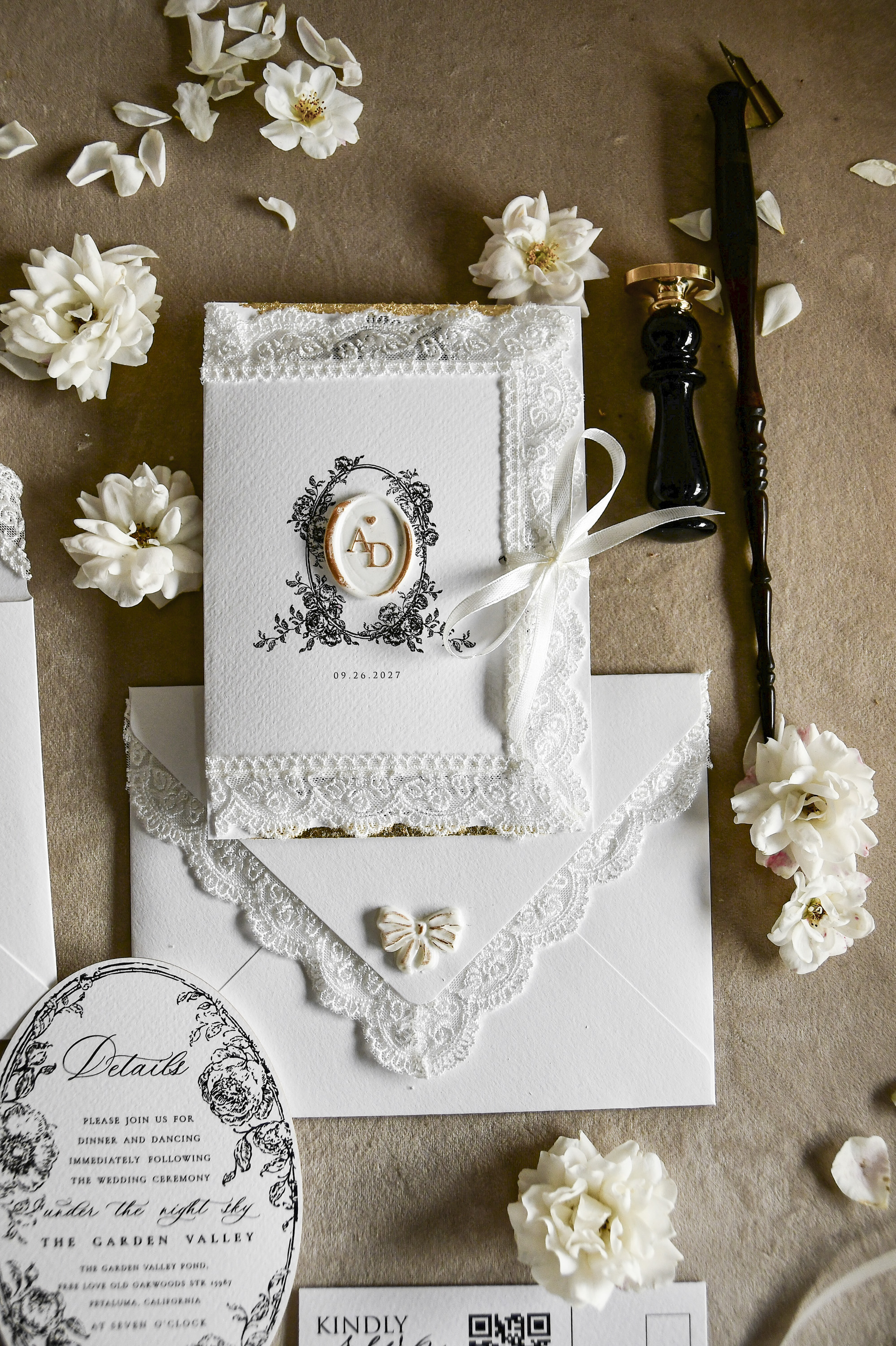
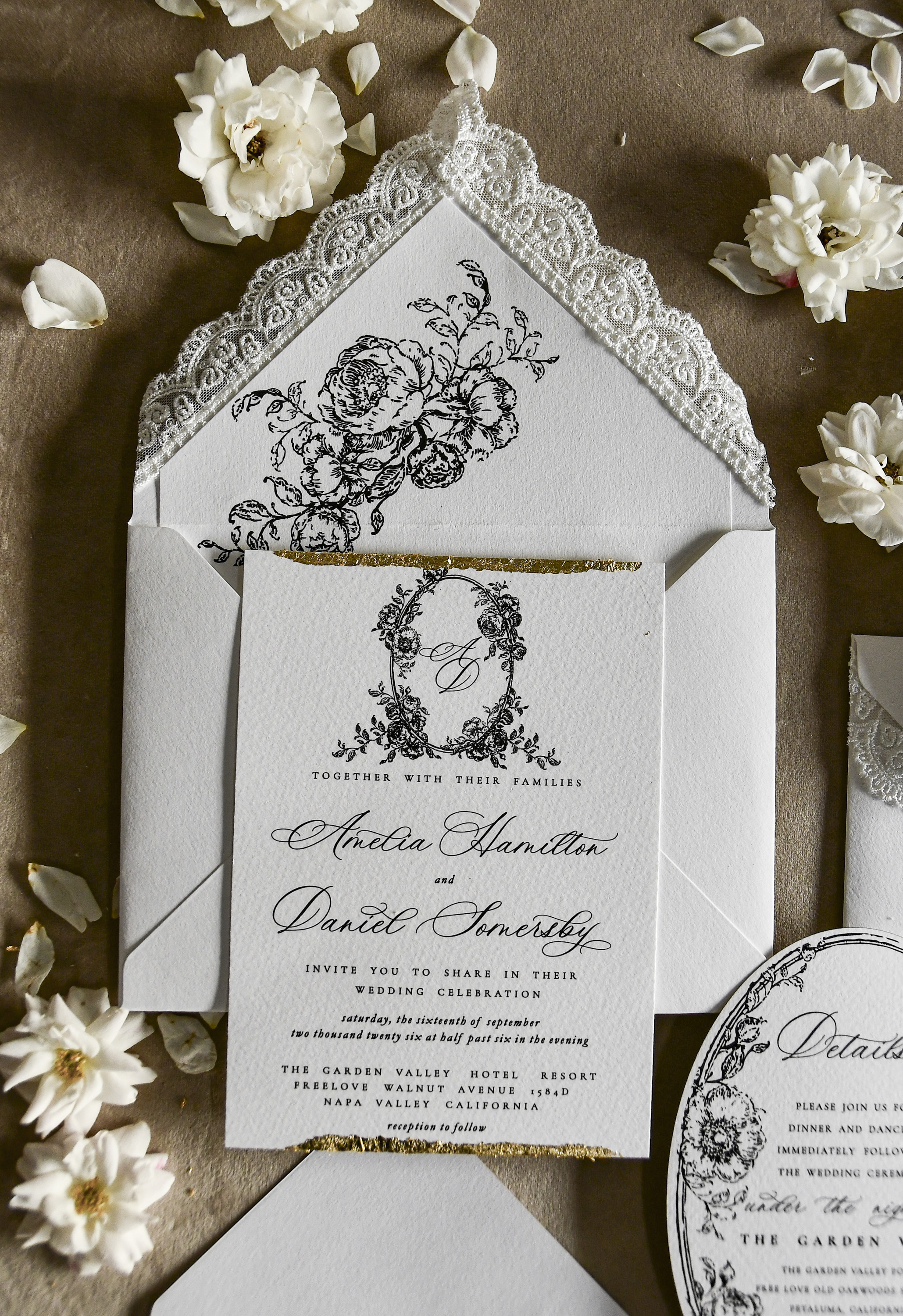
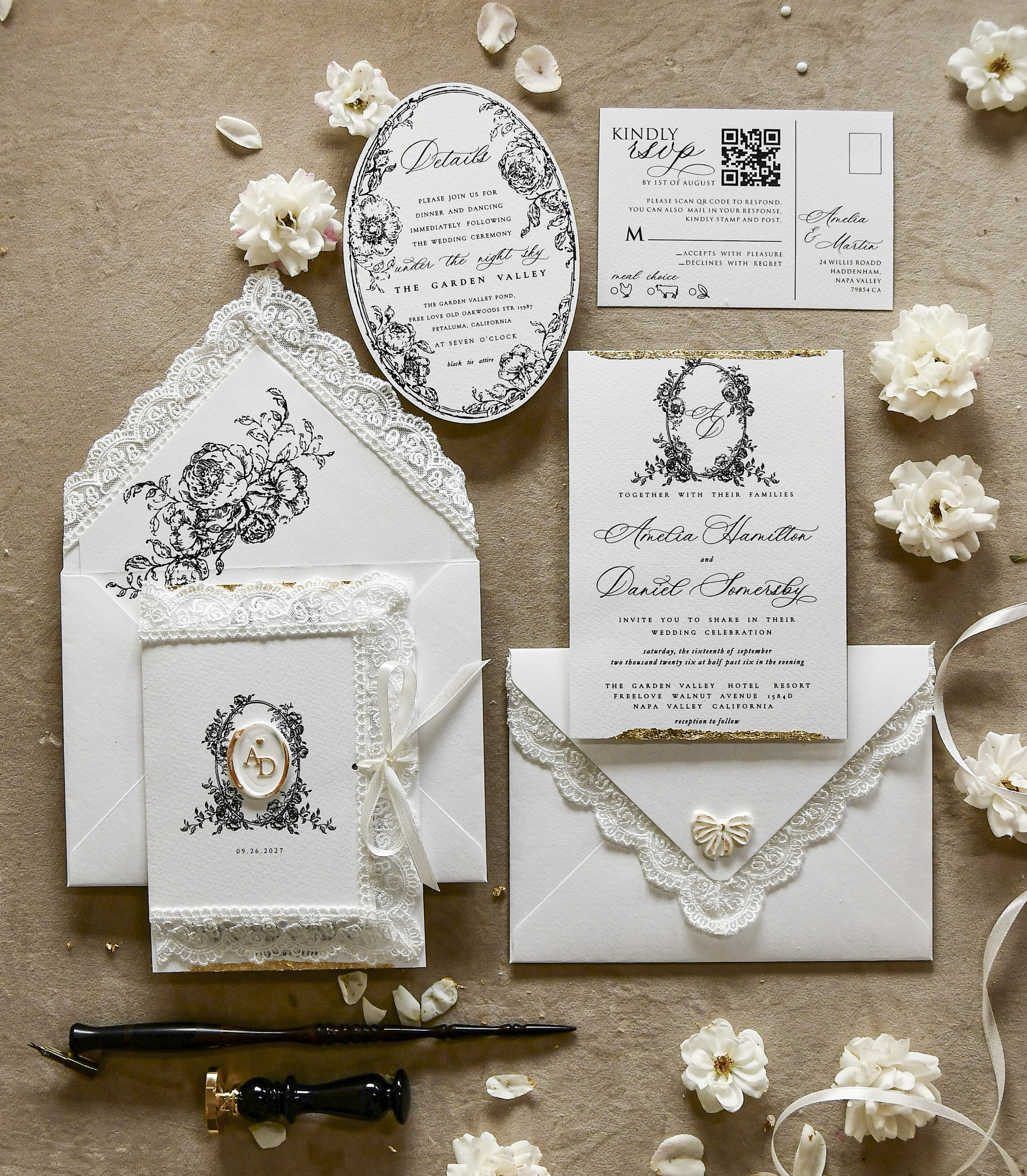
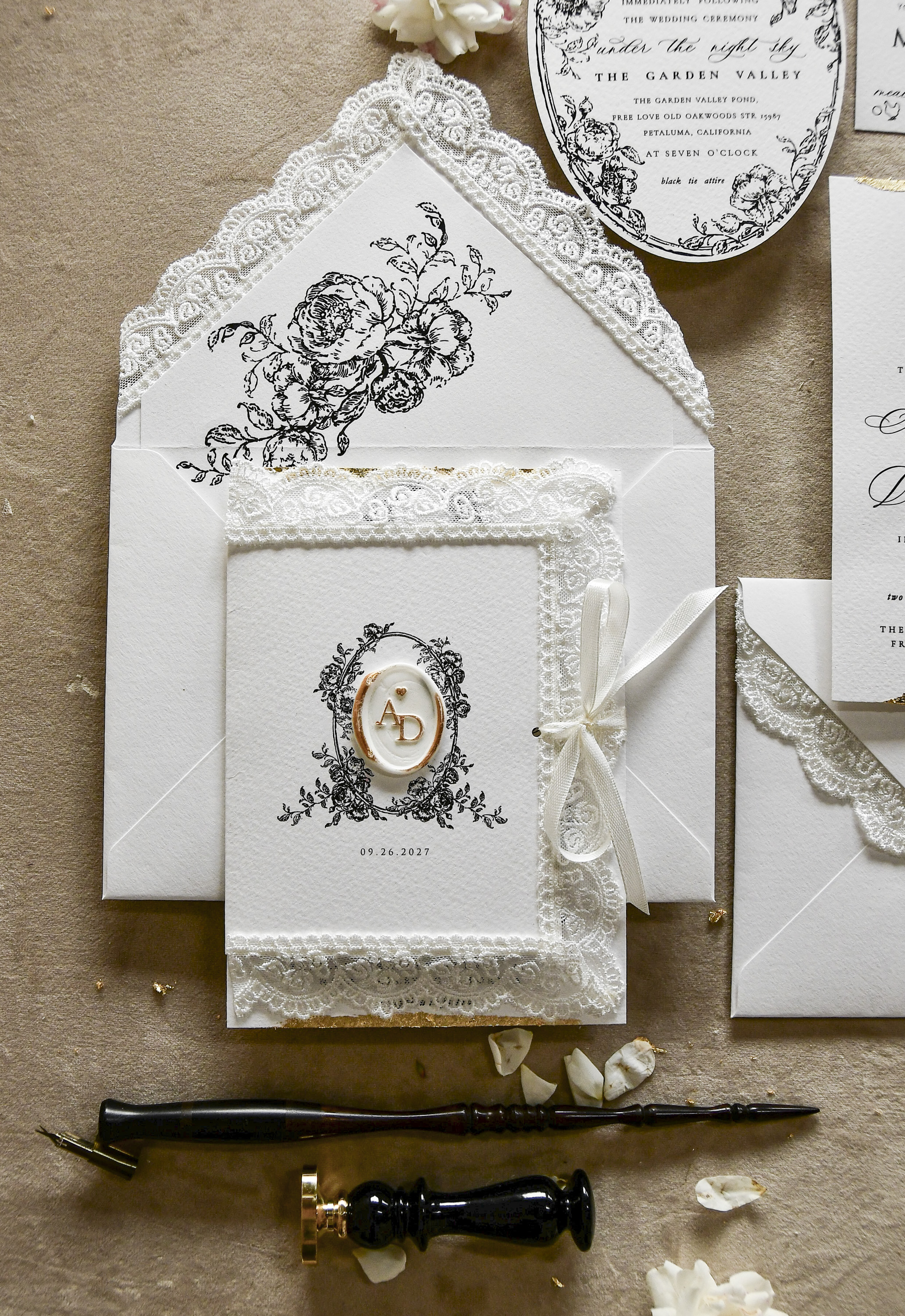
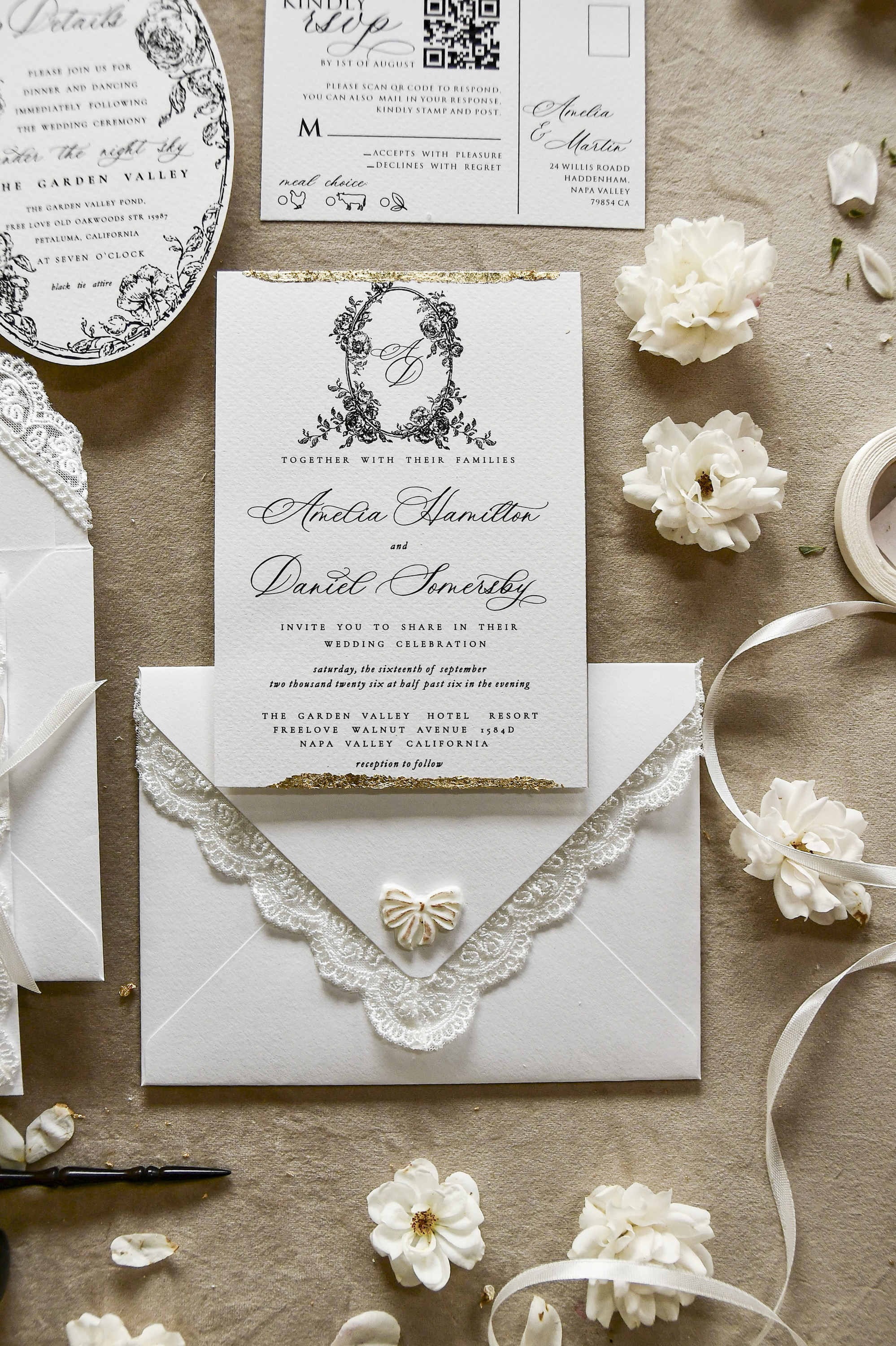
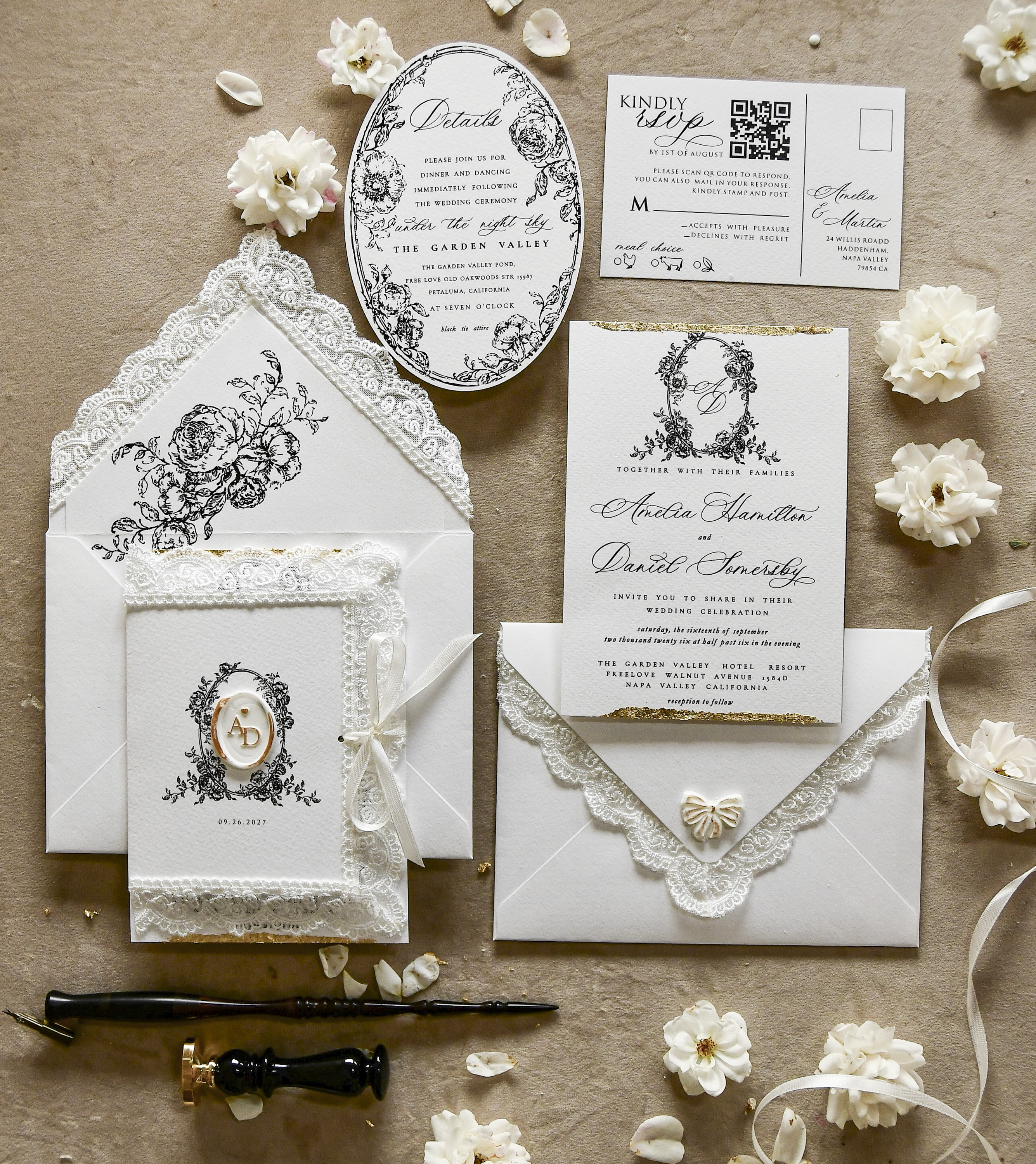
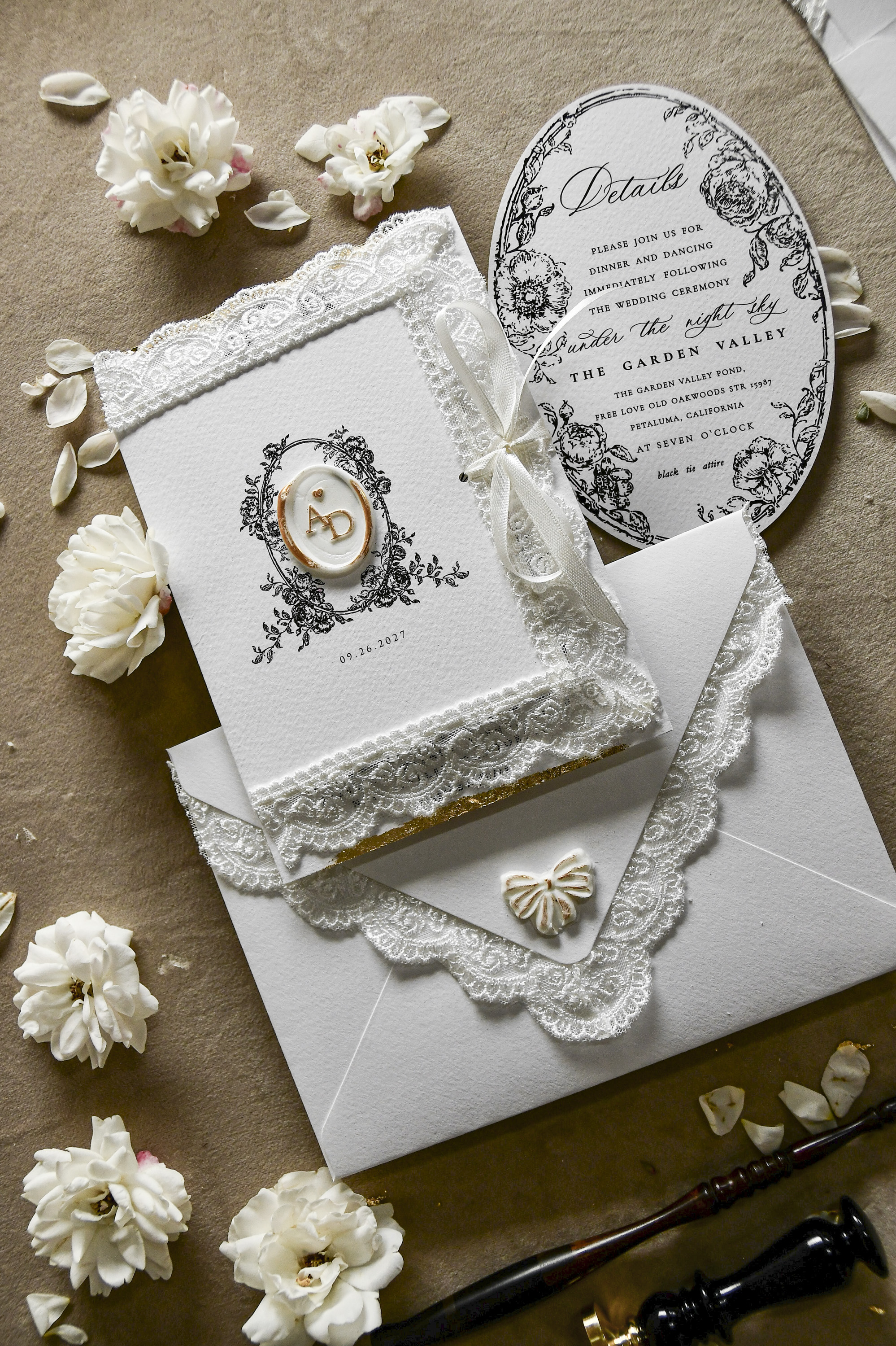
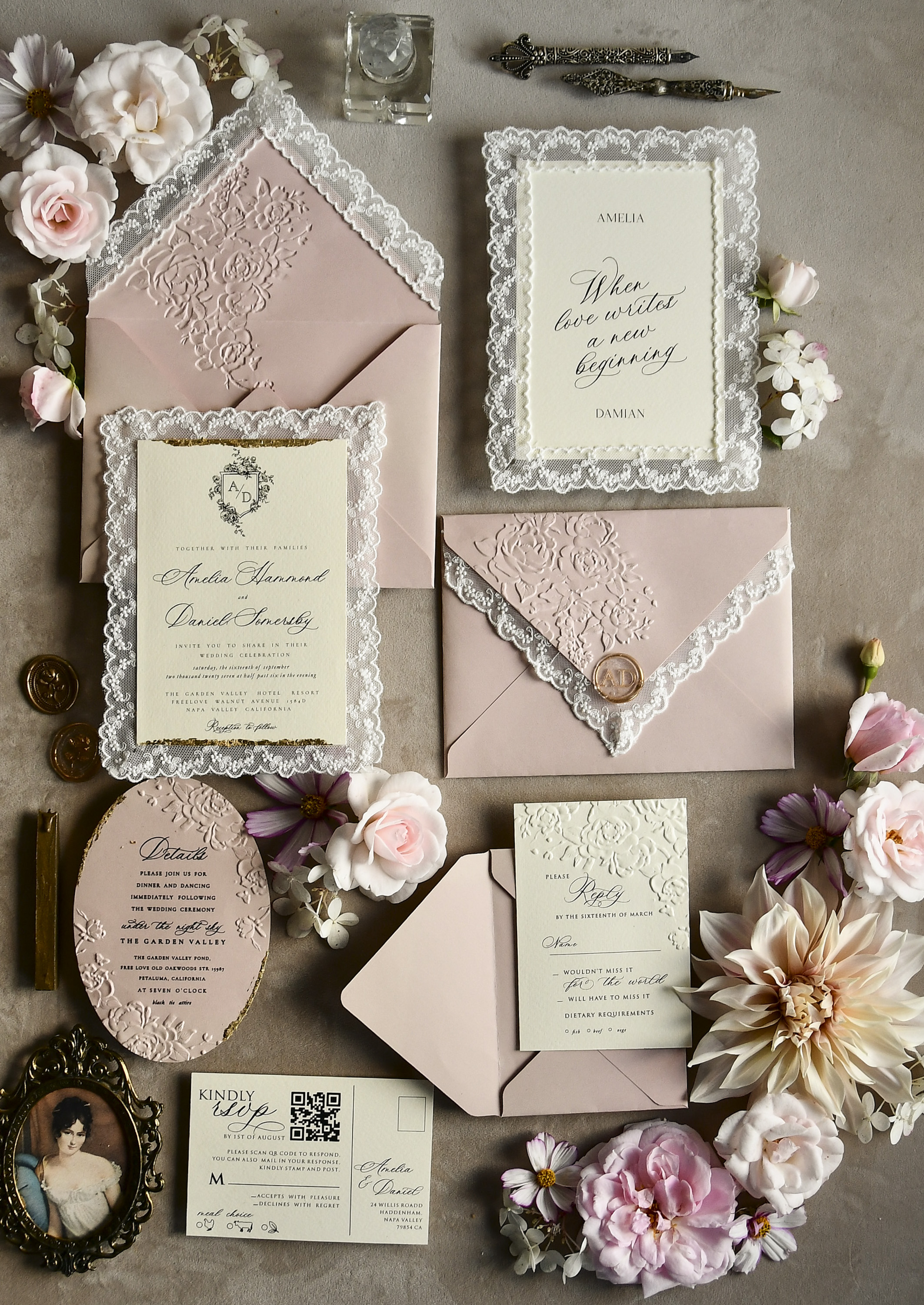
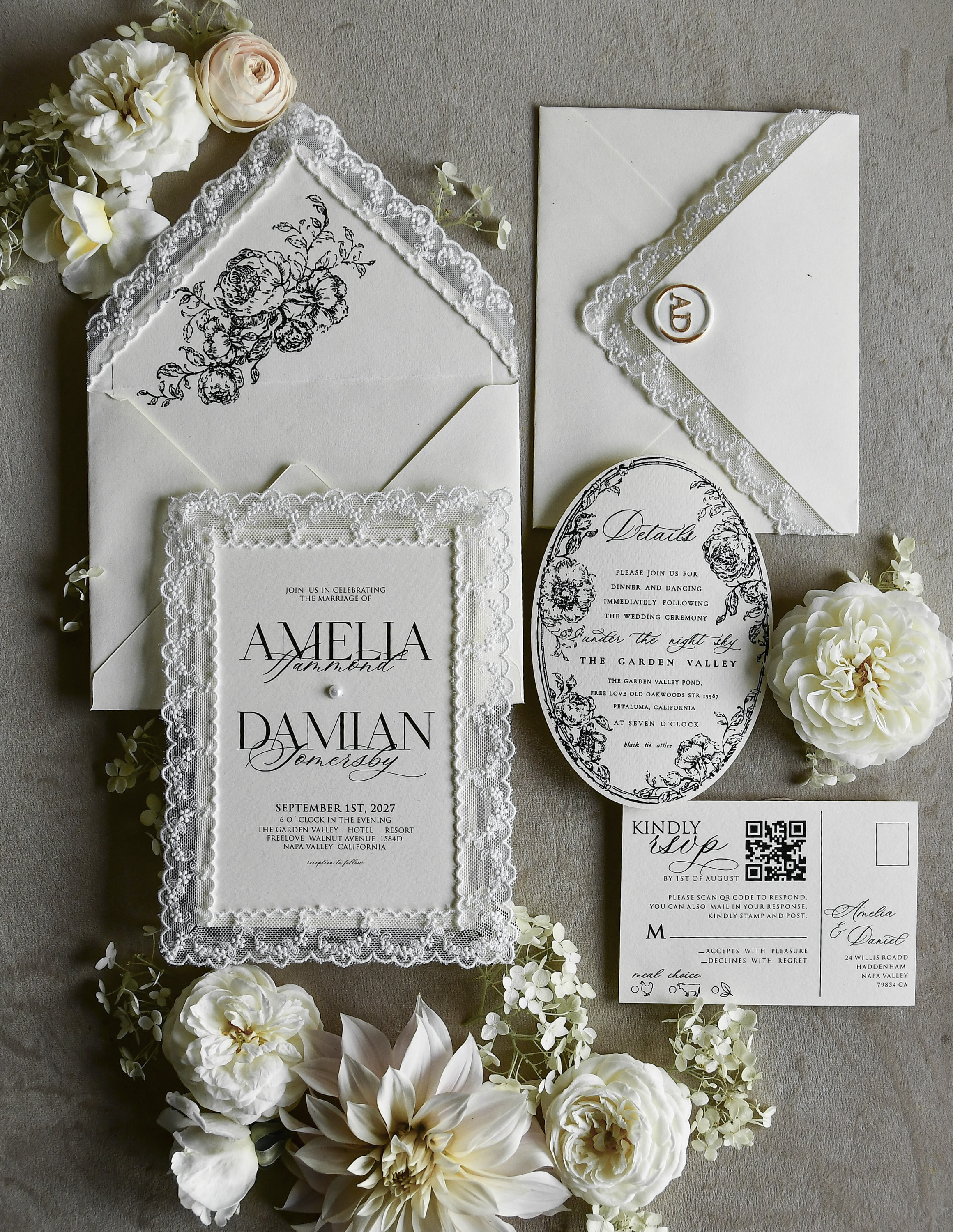
Speaking of invitations: if your parents' friends skew toward a more traditional or classic aesthetic, our 03/laceTR/z wedding invitation — with its elegant vintage lace design — strikes exactly the right tone. It signals care and formality without feeling stuffy, which is perfect when you're inviting guests from an older generation who appreciate the gesture of a proper invitation.
Put It in Writing Early to Avoid Surprises
One of the biggest mistakes couples make is leaving guest list conversations vague. A handshake agreement that "Mom gets to invite some friends" can turn into 25 names if there's no written record of what was agreed. After your conversation, send a quick follow-up text or email: "Just confirming — you have 12 spots for your guest list, and I'll need the names and addresses by March 1st so we can get invitations ordered on time."
This kind of paper trail protects everyone. It also keeps your stationery timeline on track — because once you're ordering personalized invitations like the 03/laceTR/z, you need a final headcount to avoid costly reprints or rushed reorders.
Frequently Asked Questions
Contributing financially does give parents a reasonable stake in the event, but it doesn't give them unlimited control over the guest list. The fairest approach is to agree upfront on a specific number of slots in exchange for their contribution, so expectations are clear on both sides.
Give each set of parents an equal, fixed allocation based on what your venue can realistically hold. Be transparent about the numbers and explain that fairness means both sides get the same amount — it's much harder for anyone to argue with a rule that applies equally to everyone.
It's becoming more common to have a smaller ceremony with an expanded reception, and most guests understand and accept this format. Just make sure the invitation wording clearly states "Reception Only" so there's no confusion about timing or expectations.
Refer back to your original agreement calmly and firmly: "We locked the list on [date] and the invitations are already being printed — we can't make changes at this point." Having a paper trail of the agreed deadline makes this conversation much easier to have without it becoming personal.
Yes — if you're planning to invite them to the wedding, they should receive a save-the-date just like everyone else, especially if they'll need to travel. Leaving them off the save-the-date but including them on the formal invitation can feel like an afterthought and may affect their ability to attend.
Frame it around logistics rather than personal preference: "We have a set number of seats and we've already allocated them — we simply don't have room to add more without removing someone else." Keeping the conversation practical and numbers-based takes the emotion out of it and makes it harder to argue against.
See This Design Up Close







You May Also Like
More Wedding Planning Guides
- → Kids at Your Wedding: How to Decide What's Right for Your Celebration
- → Mailing vs. Hand-Delivering Wedding Invitations: What's the Right Call?
- → When Silence Speaks: How to Handle Guests Who Never RSVP'd
- → The Plus-One Dilemma: How to Handle Dates for Single Guests
- → Ceremony-Only Guests: The Honest Guide to Partial Wedding Invitations
- → Save the Dates and Wedding Invitations: What Each One Does and Why You Need Both
- → The Honest Guide to Trimming Your Wedding Guest List Without the Guilt
- → The Graceful Art of Telling Someone They're Not on the Guest List
- → Seating Your Divorced Parents at the Wedding: A Practical Guide
- → When Guests Ghost Your RSVP: What to Do Next
- → The Honest Guide to Deciding Who Gets a Plus One at Your Wedding
- → The Ex Factor: How to Decide Whether a Former Partner Belongs on Your Guest List
- → The Perfect Timing for Mailing Your Wedding Invitations
- → Digital vs. Paper Wedding Invitations: Which Is Right for You?
- → Child-Free Weddings: What's Rude and What's Perfectly Fine
- → Everything Your Wedding Invitation Needs to Say
- → Navigating Guest List Pressure: When Mom Wants to Invite Someone You Don't
- → When Your Partner Wants a Smaller Guest List Than You Do
- → Online RSVPs vs. Mailed Cards: What Every Couple Should Know
- → Uninvited Plus-Ones and Tag-Alongs: How to Keep Your Guest List Intact
- → When Family Feuds Threaten Your Wedding Plans: A Practical Peacekeeper's Guide
- → Inviting an Estranged Brother or Sister: Finding Clarity Before You Seal the Envelope
- → Cousins, Invites, and Hard Choices: A Practical Guest List Guide