
No-Shows After a Yes RSVP: How to Handle It Gracefully
You carefully tracked every response, finalized your headcount, and paid your caterer for every plate. Then, on your wedding day, a handful of seats sit empty. Guests who RSVP'd yes simply didn't show up. It's more common than most couples expect, and while it stings, there are real, practical steps you can take to minimize the damage—and handle it with grace when it happens anyway.
How Common Are Wedding No-Shows?
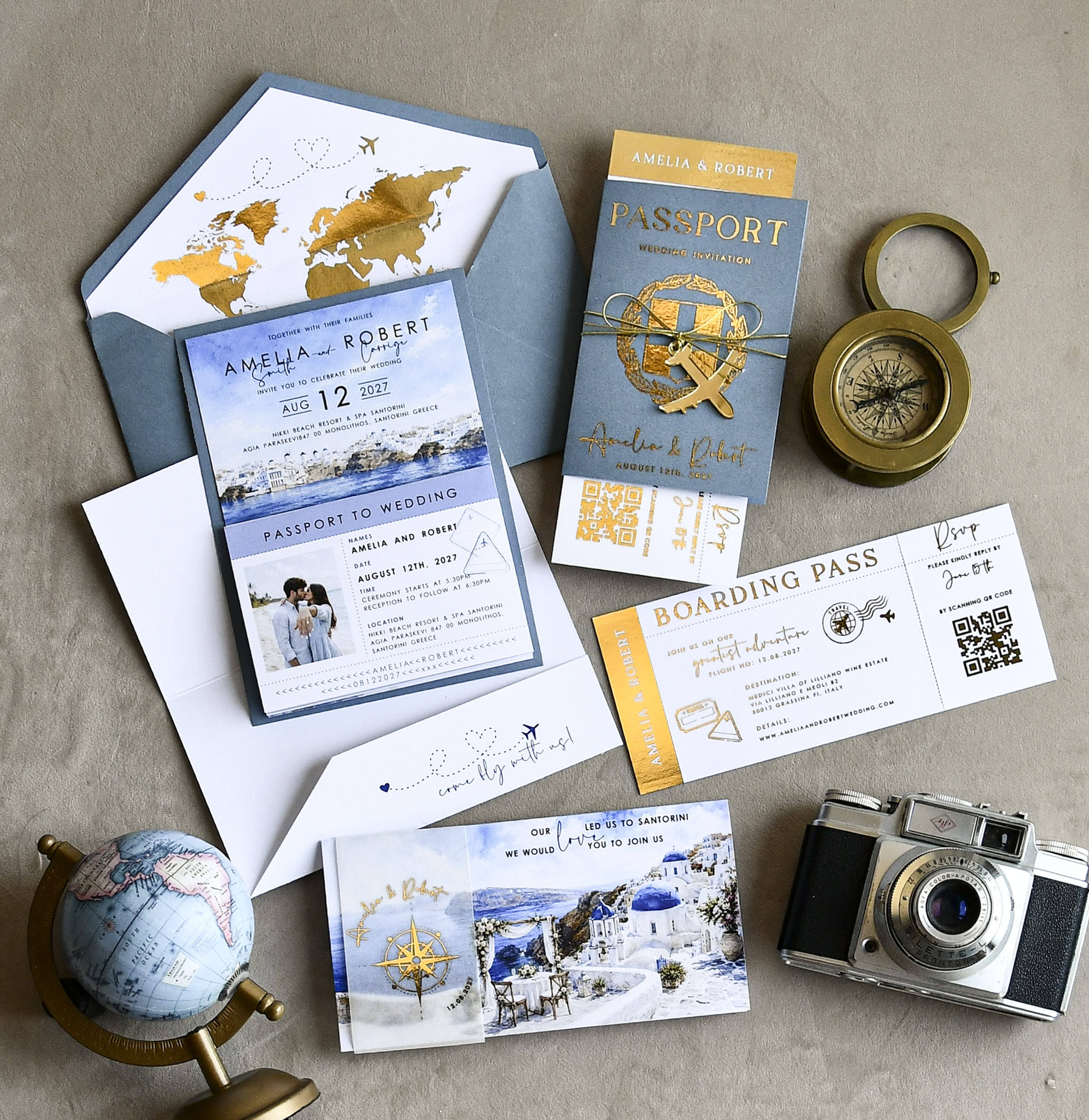
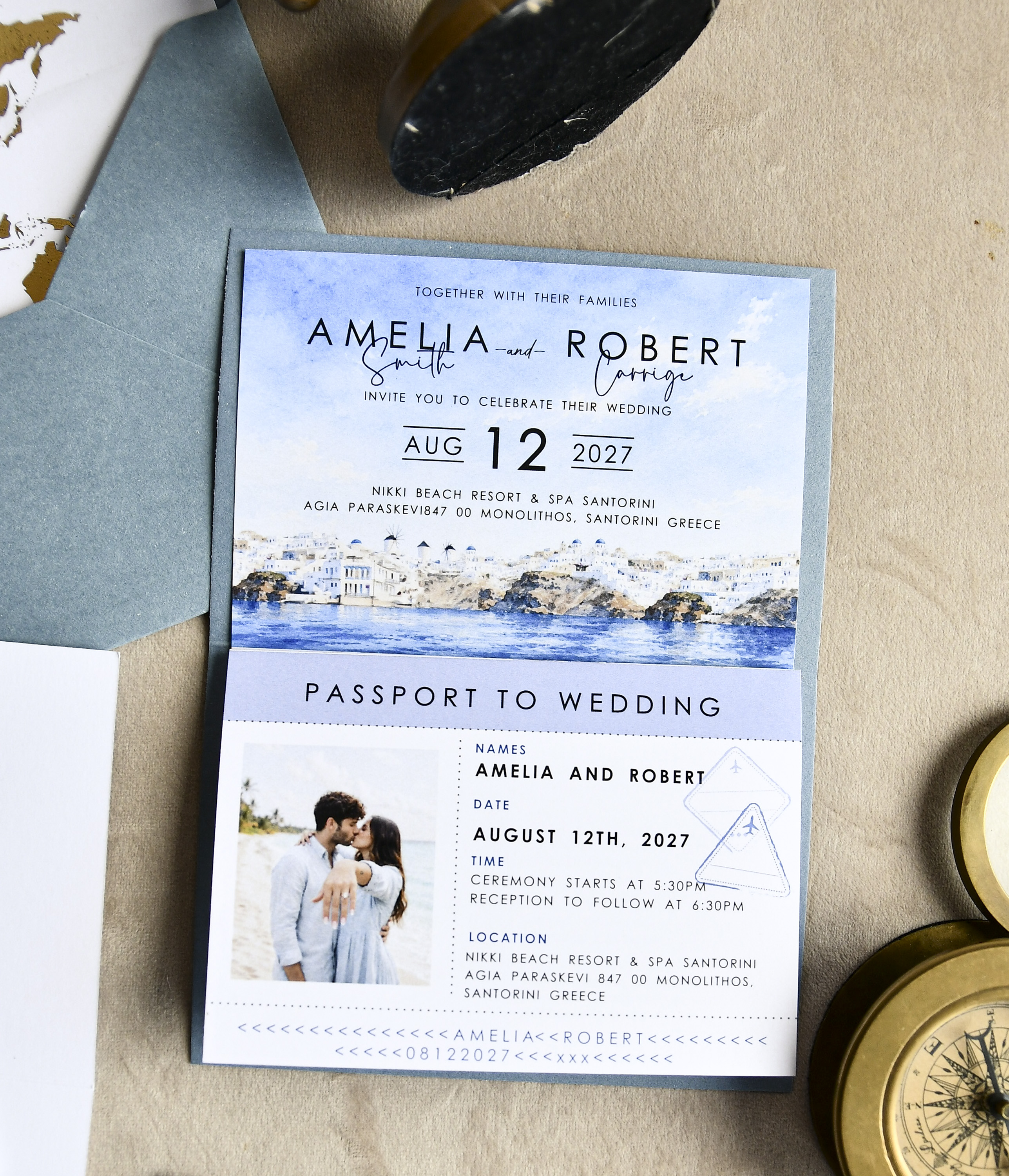
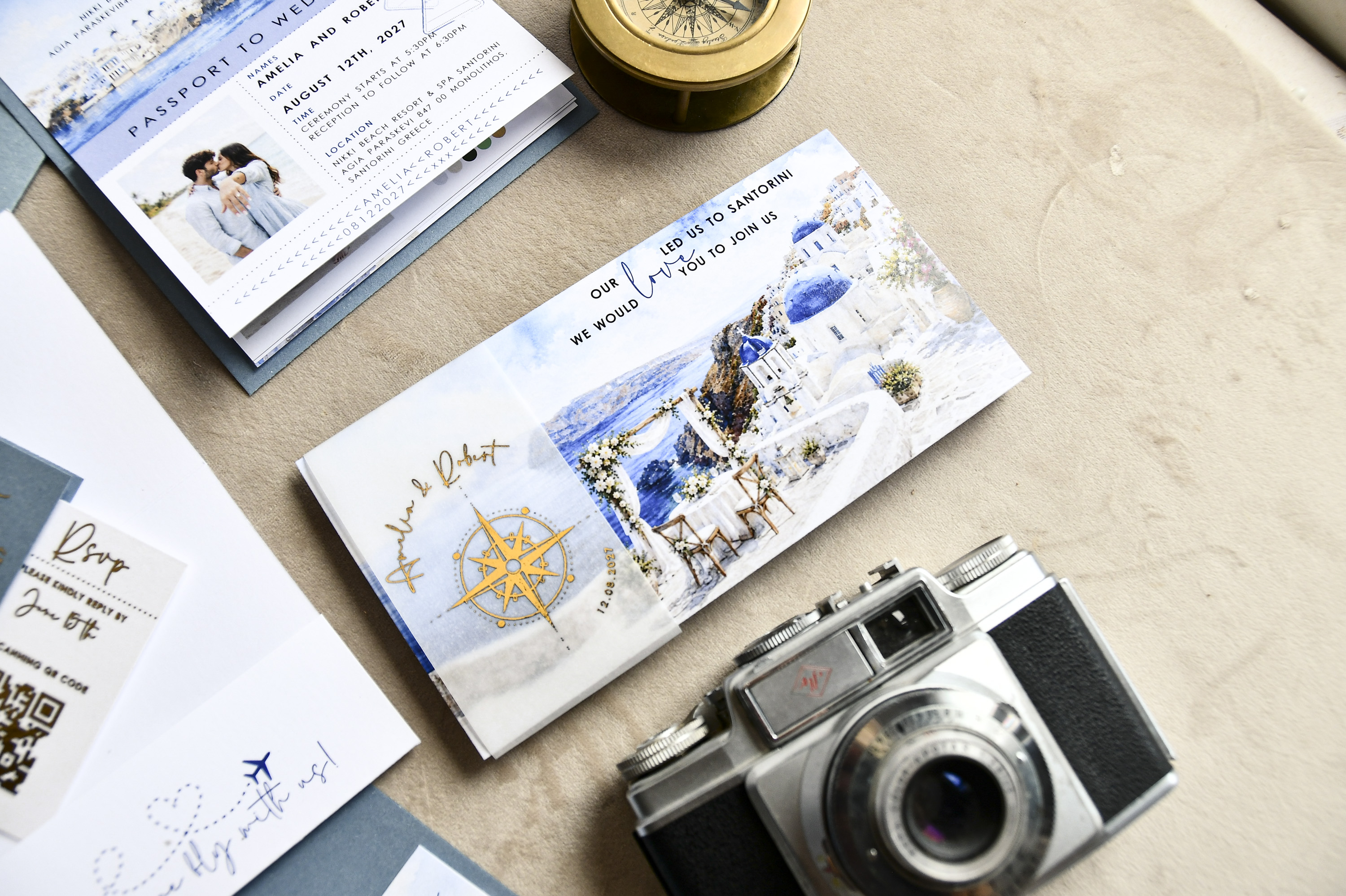
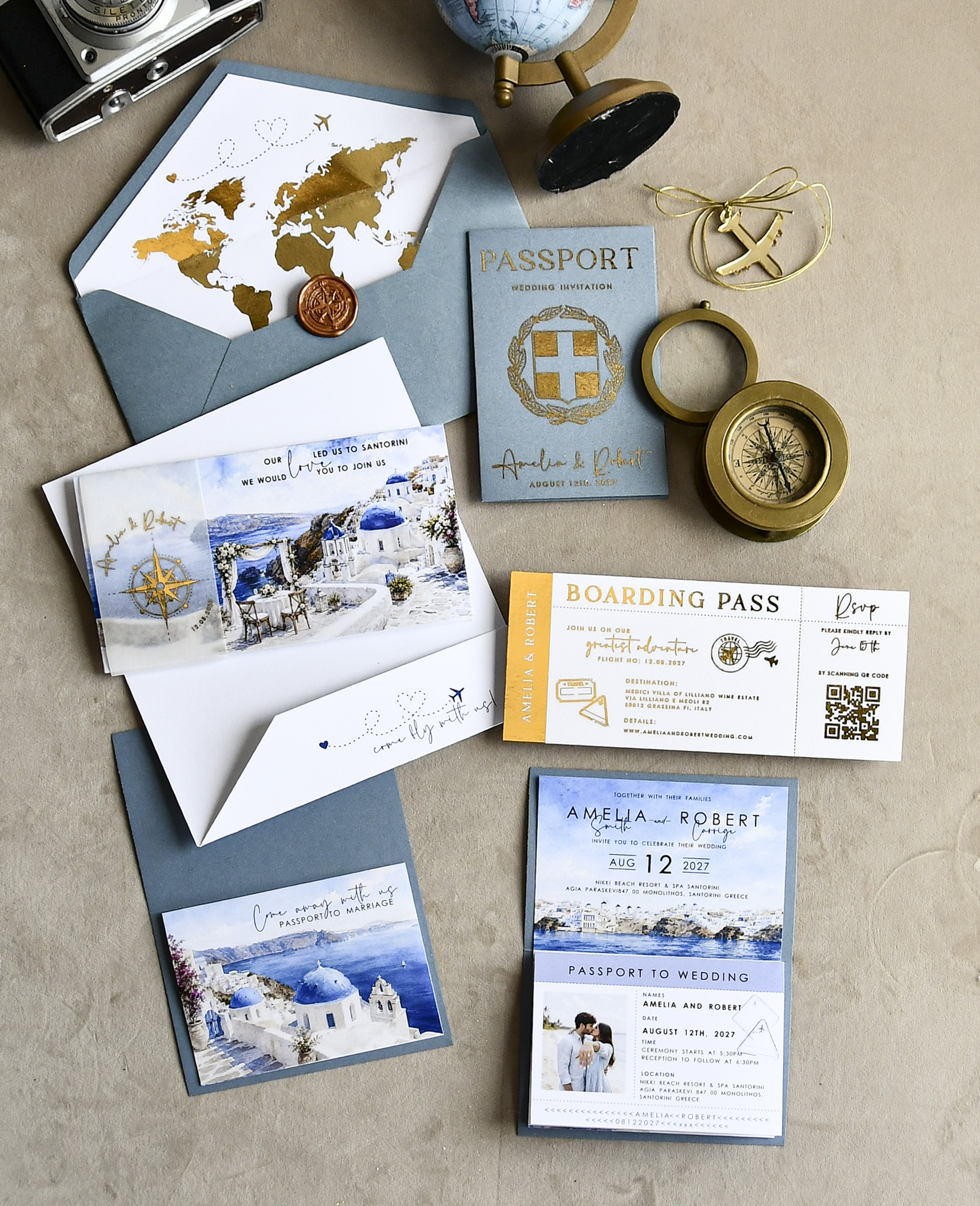
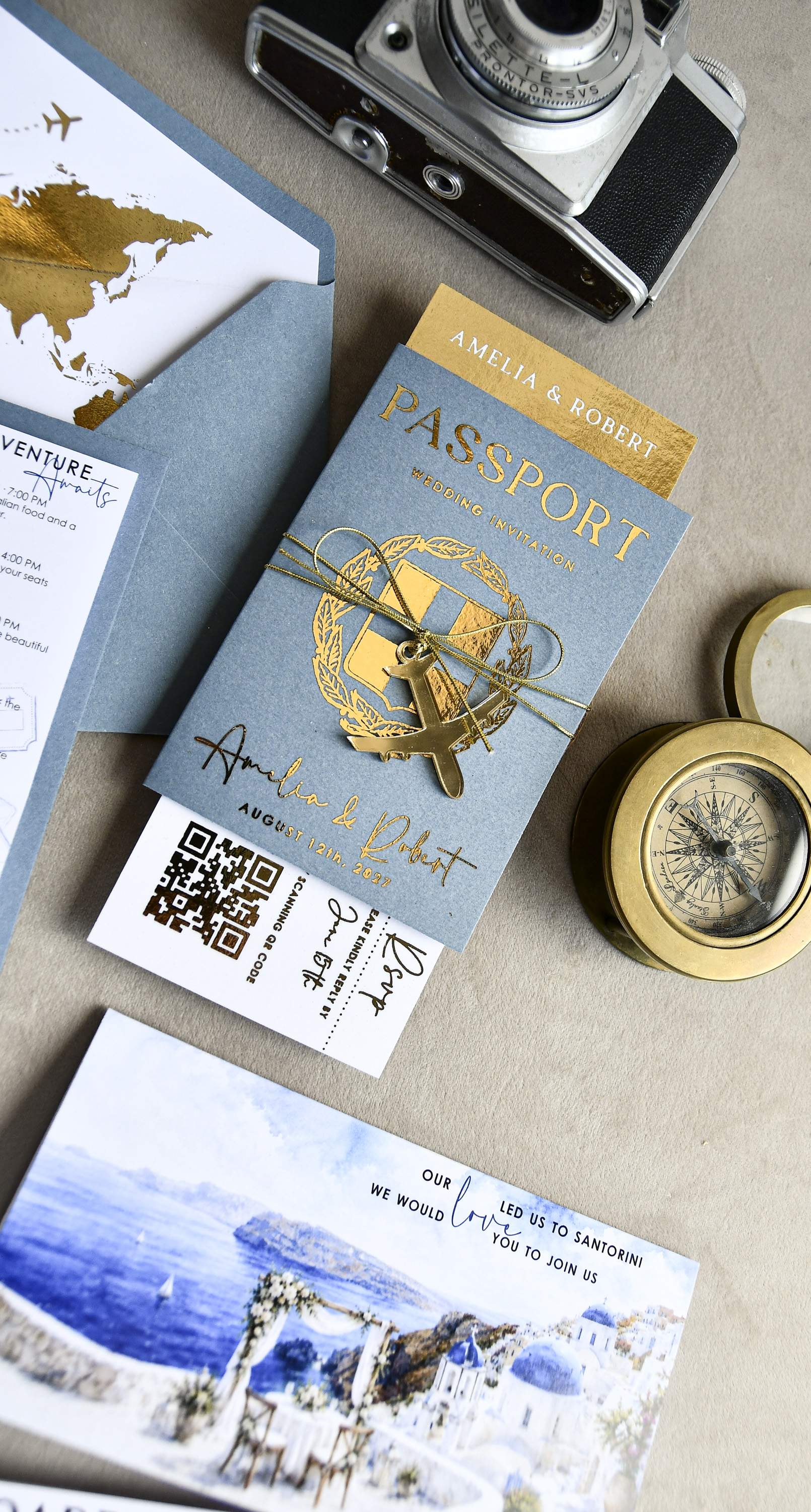
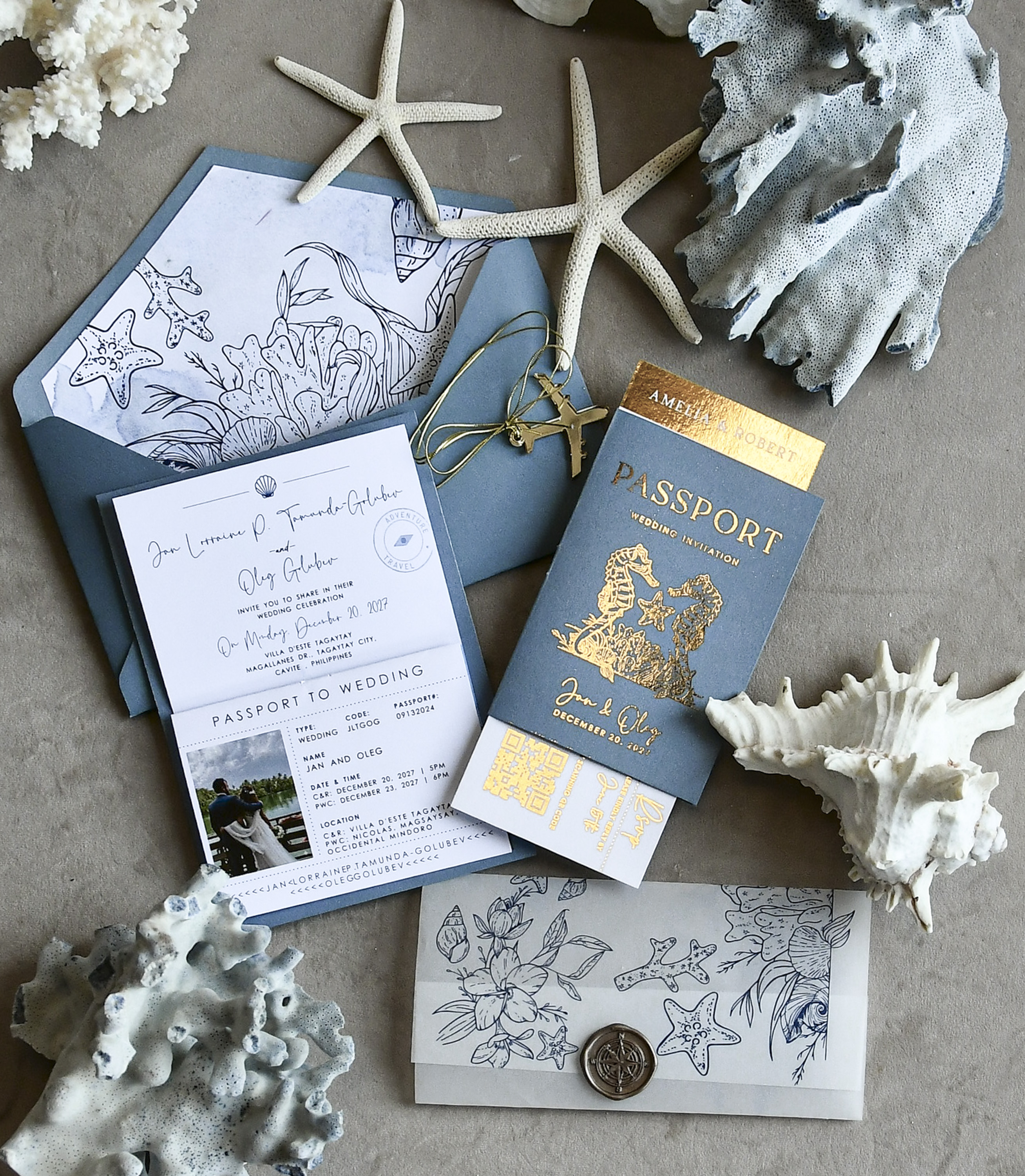
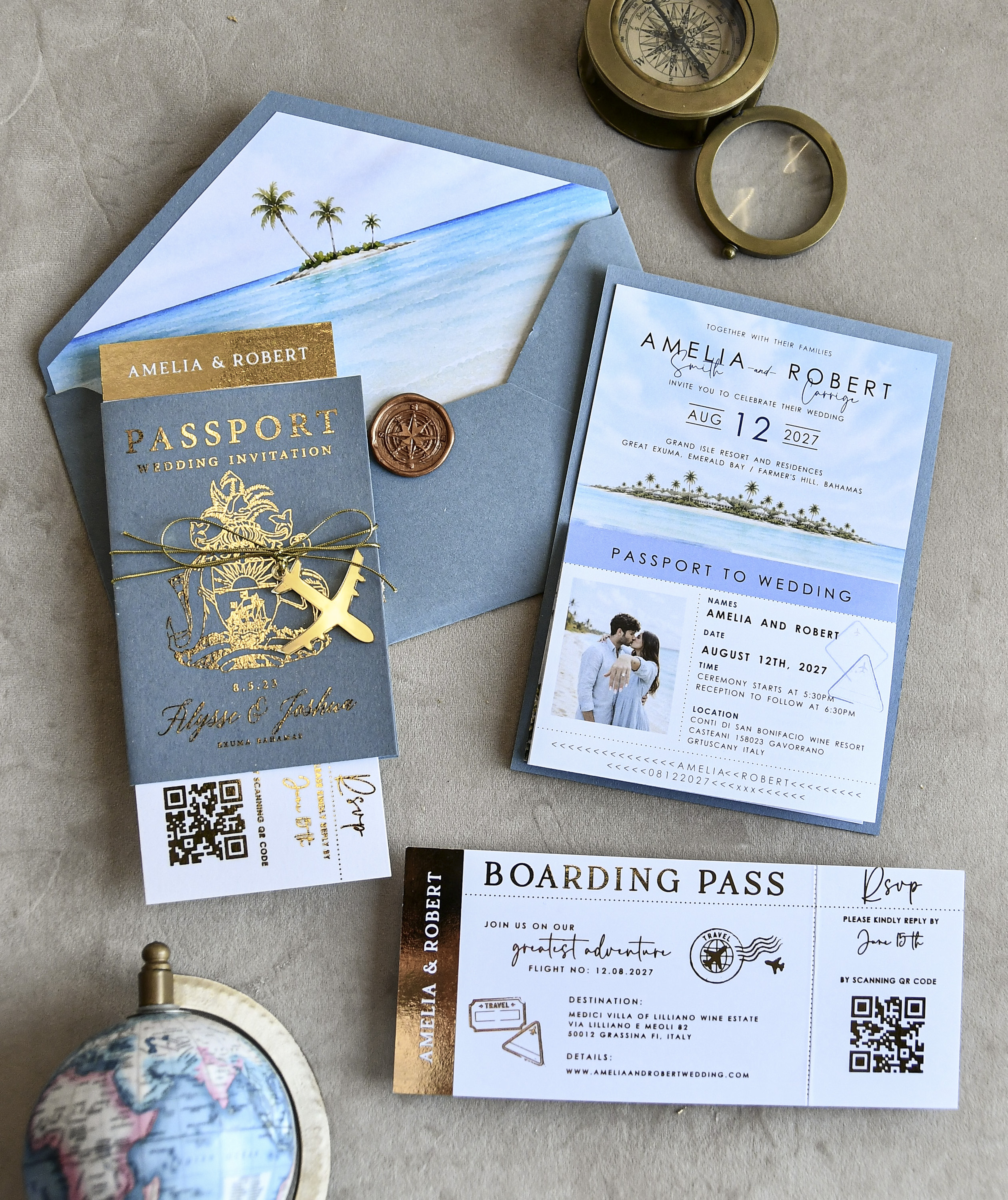
Industry planners estimate that roughly 5–10% of confirmed guests will not attend on the day, even after saying yes. For a 100-person wedding, that could mean 5–10 empty chairs. Reasons range from last-minute illness and travel delays to personal emergencies and, frankly, poor planning on the guest's part. Destination weddings—where guests may have committed optimistically months in advance—tend to see slightly higher no-show rates, which is worth factoring in when you're designing your guest experience and ordering stationery like a passport-style beach wedding invite that sets the travel-themed tone early.
Steps to Take Before the Wedding Day
The best defense against no-shows is proactive communication throughout your planning timeline.
- Set a firm RSVP deadline at least 3–4 weeks before the wedding, giving yourself time to follow up. A clear deadline on your invitation signals that you mean business about headcounts.
- Send a confirmation nudge. About one week before the wedding, a brief text or email to your full guest list—something like "We're so excited to celebrate with you Saturday!"—naturally prompts anyone who has had a change of plans to let you know.
- Build a small buffer into your catering order. Talk to your caterer about their policy. Many allow a final count adjustment 72 hours out. Adding 3–5 extra meals as a buffer is often cheaper than the stress of scrambling.
- Have a standby list. If your venue has a capacity limit, keep a short list of people you'd love to invite if a spot opens up. A no-show after RSVP is a perfect reason to extend a last-minute invitation.
What to Do on the Wedding Day Itself
When you realize seats are empty, the goal is to protect your peace and keep the event flowing smoothly.
- Assign someone to manage it. Your wedding planner, day-of coordinator, or a trusted family member should be the point of contact—not you. They can quietly rearrange seating, alert the catering staff, and field any awkward questions.
- Don't rearrange seating publicly. Quietly remove place cards from empty seats before guests are seated, rather than leaving obvious gaps. If you used escort cards, your coordinator can simply hold the ones for no-shows.
- Enjoy the day. Easier said than done, but truly: the people who showed up chose to be there. Focus on them. The empty seats are not a reflection of your worth or your wedding.
Following Up After the Wedding
Once the honeymoon glow fades, you may feel a mix of hurt and frustration—and that's completely valid. Here's how to handle it afterward.
- Wait before reaching out. Give it at least a week. Emotions are high right after a wedding, and a message sent in anger is rarely one you'll be glad you sent.
- Reach out with curiosity, not accusation. A simple "Hey, we missed you! Is everything okay?" opens the door for an honest explanation. Most no-shows involve circumstances the guest is embarrassed about—illness, a family crisis, a missed flight.
- Decide whether to address the cost. Etiquette does not require you to send a bill, and doing so almost always damages the relationship permanently. However, if the no-show was a close friend or family member with no explanation, a candid private conversation is fair.
- Adjust your expectations going forward. Some relationships will feel different after this. That's okay. You learn who shows up—literally—when it matters.
How Your Invitations Can Set Clear Expectations
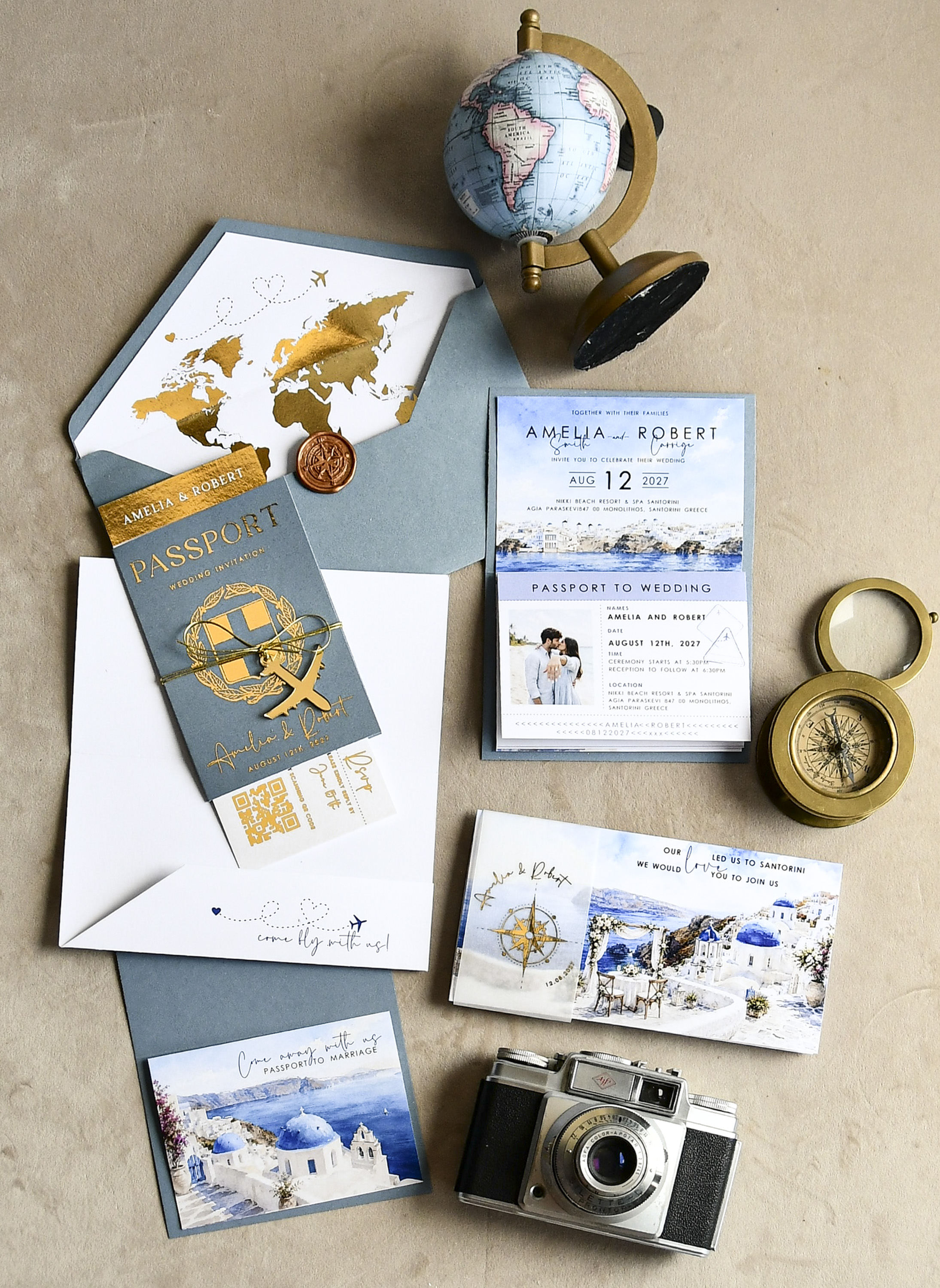
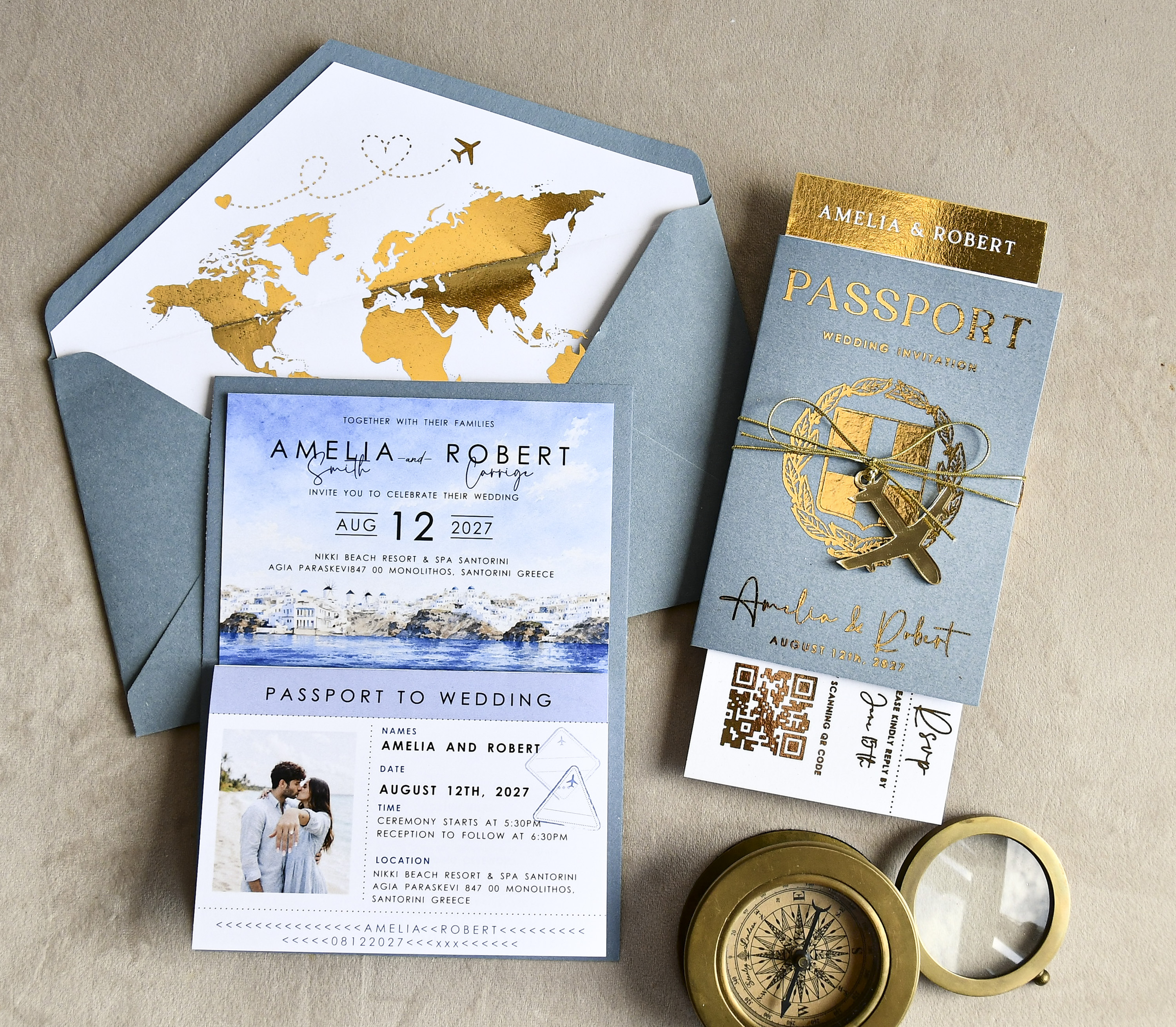
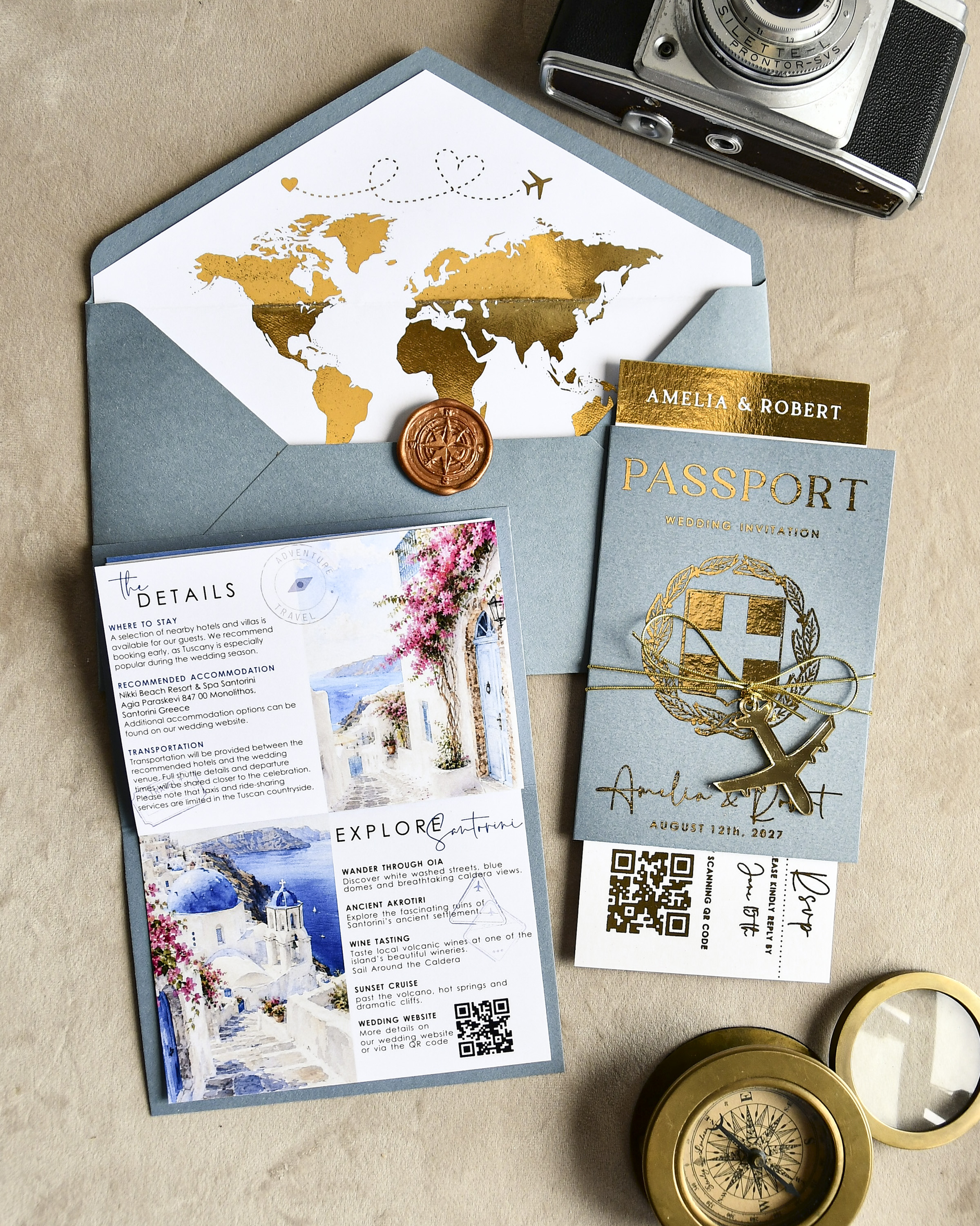
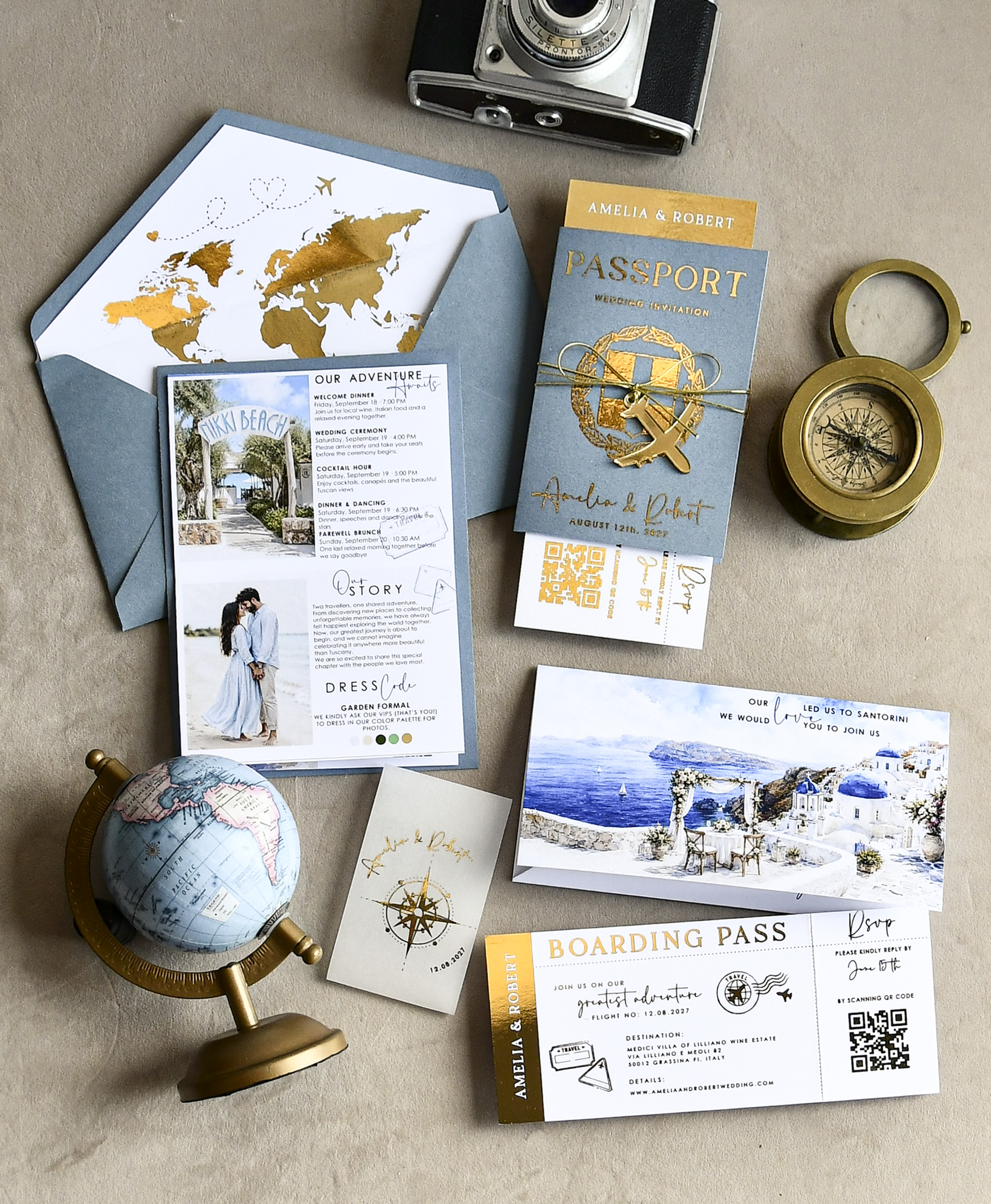
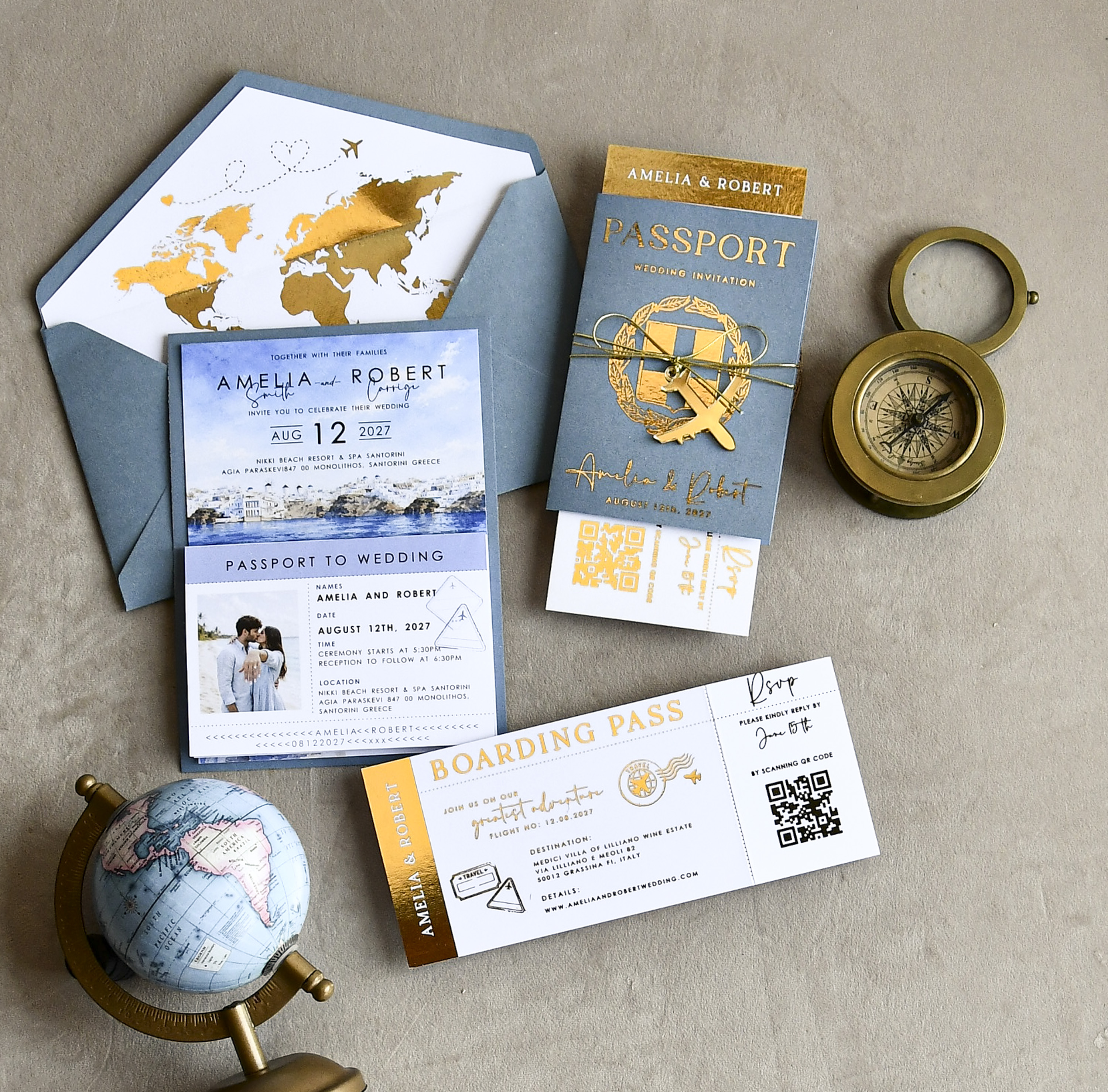
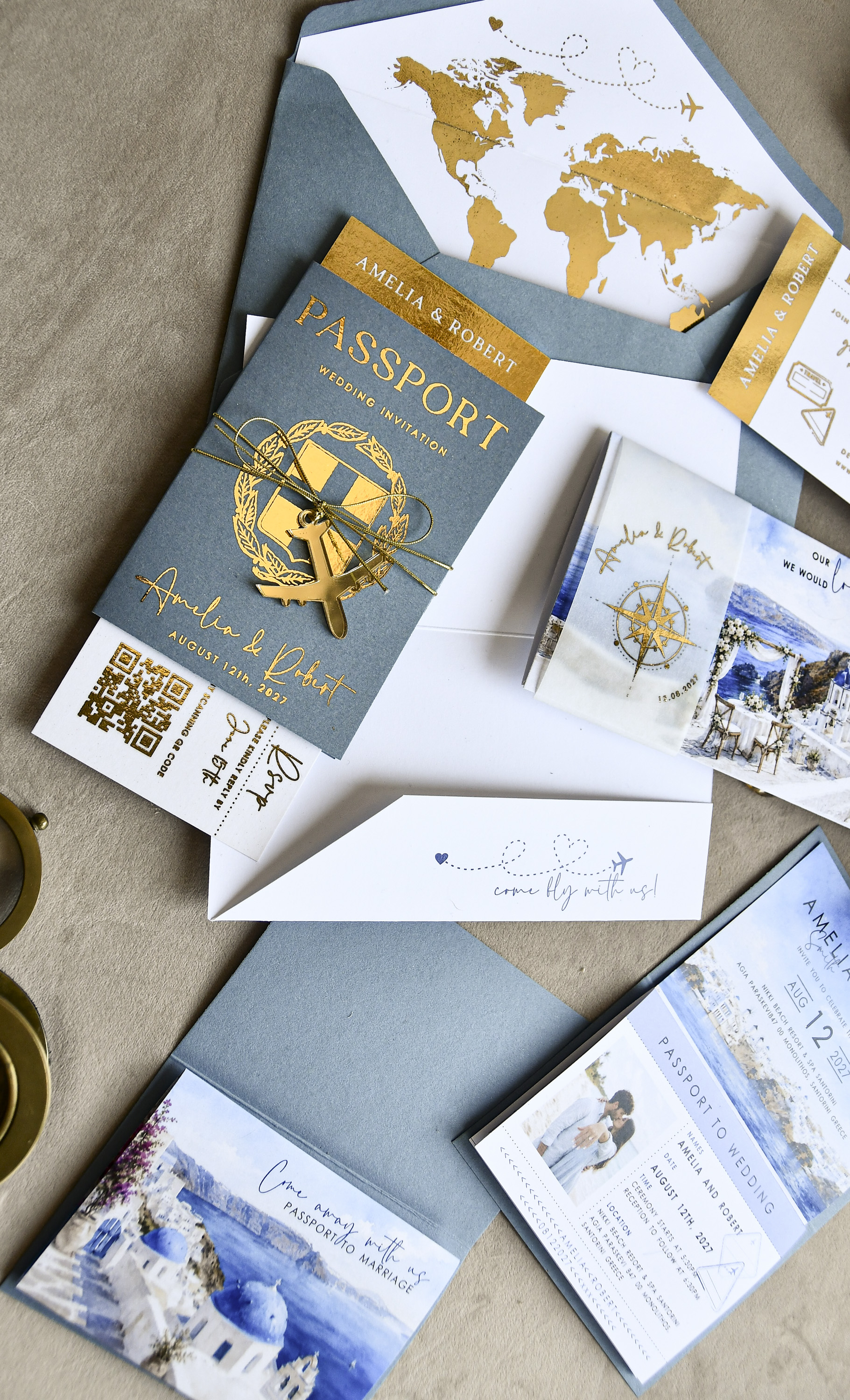
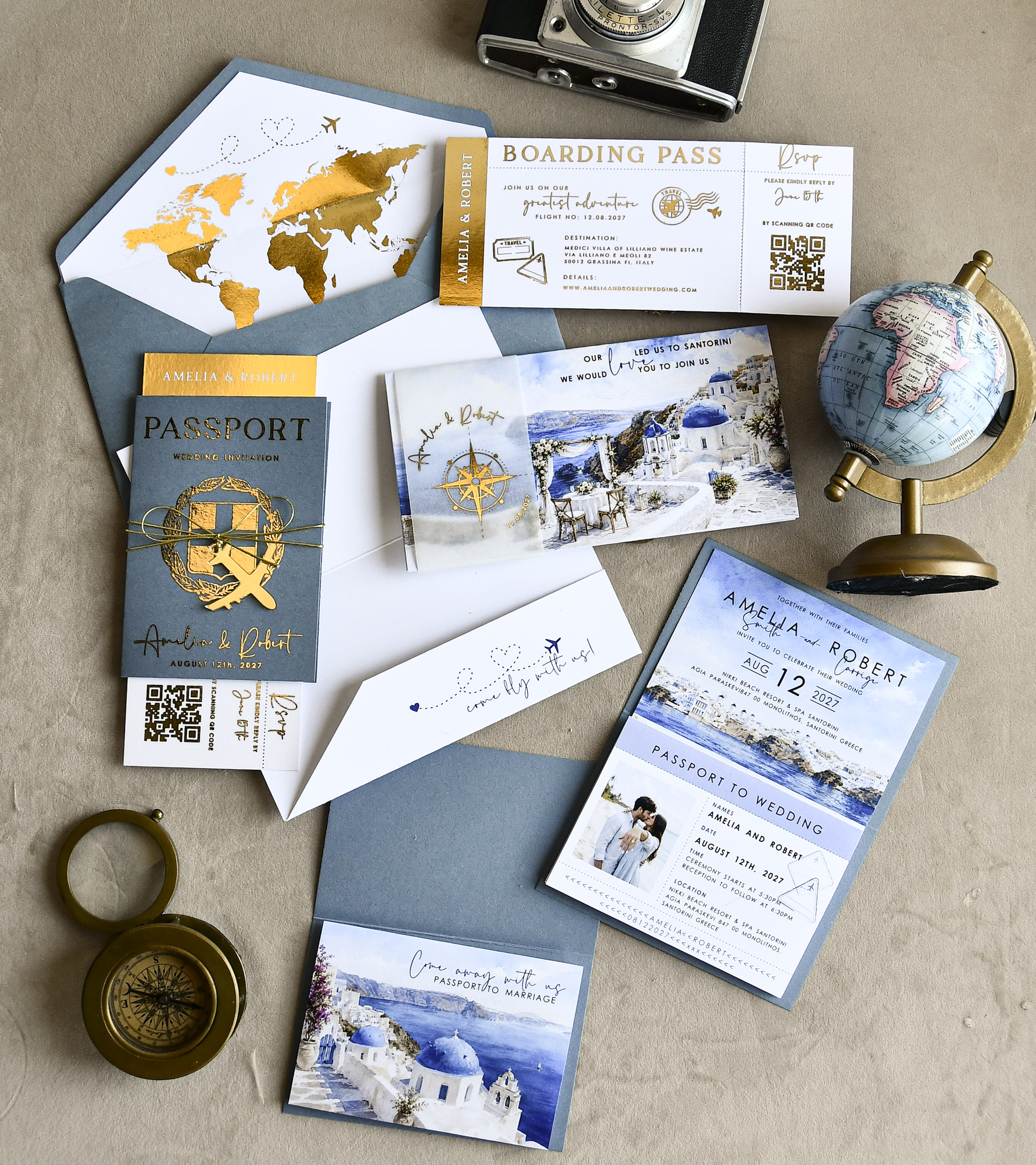
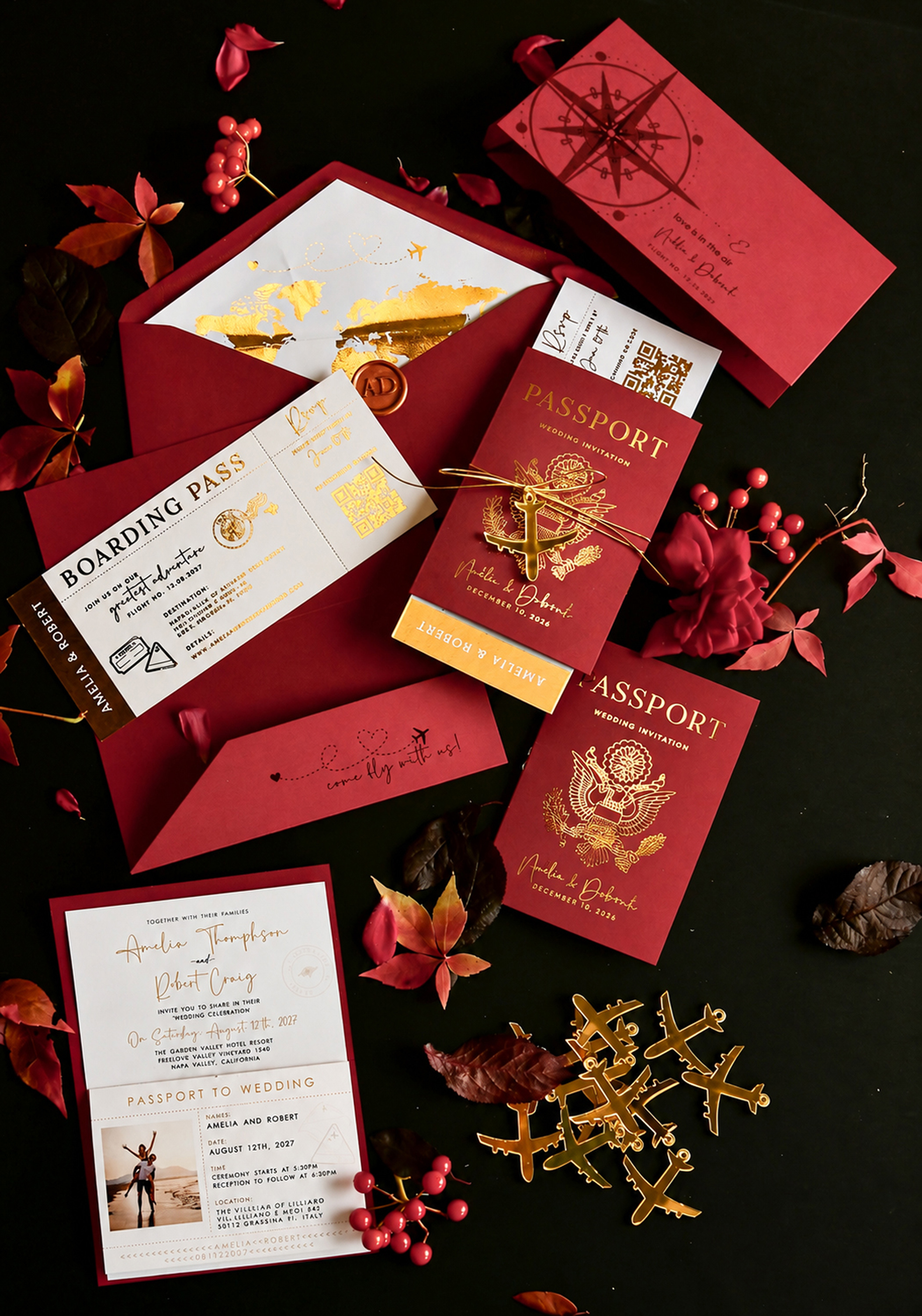
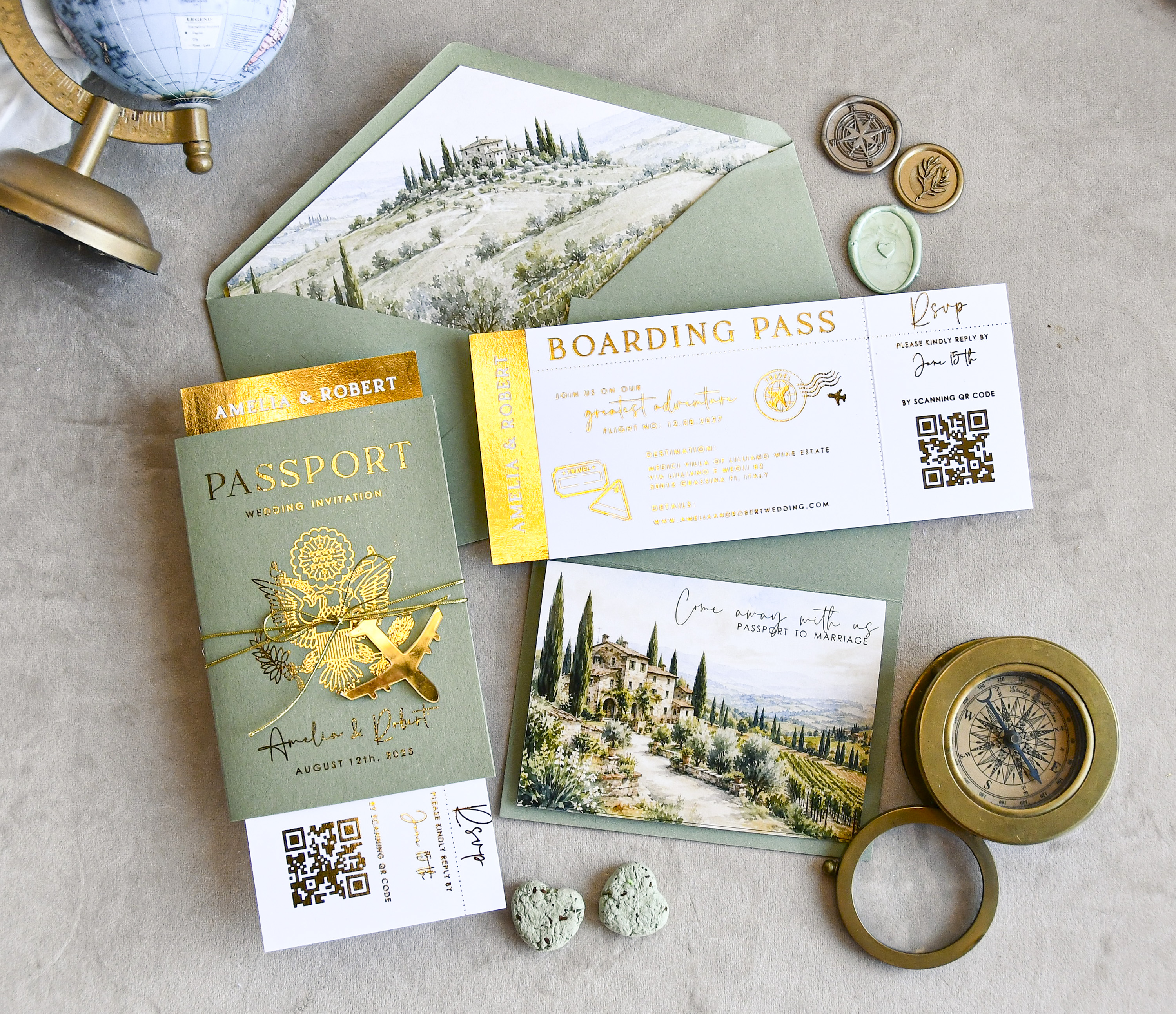
One underrated tool for reducing no-shows is a well-crafted invitation suite. When guests receive something beautiful and intentional—like the 03/passDest/z passport-to-love beach wedding invite—it signals that this event is special and carefully planned. A passport-style design in particular creates excitement and a sense of commitment, which psychologically raises the stakes for guests in a fun, positive way. Make sure your RSVP card includes a clear deadline and, if your venue or caterer requires it, a meal selection—both of which reinforce that their yes has real logistical consequences. The more personal and polished your invitation feels, the more seriously guests tend to take their response.
Frequently Asked Questions
Etiquette does not obligate guests to pay for a missed plate, and requesting reimbursement typically causes lasting damage to the relationship. Reserve that conversation only for extreme cases—like a no-show with zero communication—and even then, weigh whether the money is worth the fallout.
Start with a gentle, open-ended check-in to see if something serious happened. If you receive no response or a dismissive one, it's reasonable to let the friendship naturally cool—you don't need to force a confrontation.
Most caterers lock in the final headcount 48–72 hours before the event and charge for that number regardless of actual attendance. Always ask your caterer upfront about their policy so you can build a realistic buffer into your order.
Not at all—if you have a standby list, quietly inviting someone the week of the wedding is completely acceptable. Just be warm and genuine rather than making them feel like a backup option.
Send save-the-dates 9–12 months in advance and include clear travel logistics so guests can plan realistically. A follow-up confirmation email two weeks before the event also helps guests who may have booked optimistically reconsider whether they can truly make it.
A brief, friendly text or phone call works best—something like "We're finalizing our headcount and would love to know if you can make it!" Avoid making it feel like a guilt trip, and set a clear secondary deadline so you can move forward.
See This Design Up Close










You May Also Like
More Wedding Planning Guides
- → The Complete Guide to What Goes on a Wedding Invitation
- → Plus One Etiquette: Exactly Who Makes the Cut at Your Wedding
- → How to Navigate a Wedding When Your Divorced Parents Are at War
- → Inviting Guests to the Ceremony But Not the Reception: What You Need to Know
- → The Case for a Small Wedding: Everything You Need to Know
- → When to Send Wedding Invitations: A Complete Timeline Guide
- → Who Gets Cut First When Your Guest List Is Too Long?
- → Wedding Invitation Addressing: Etiquette Rules Every Couple Should Know
- → Do You Have to Invite Your Future In-Laws' Friends to Your Wedding?
- → Coworkers and the Wedding Guest List: How to Decide Who Gets an Invite
- → Yes, Guests Can RSVP Online — Here's How to Make It Work Beautifully
- → More Guests or a More Memorable Wedding? How to Choose What's Right for You
- → Inviting Your Ex to Your Wedding: A Practical Guide to Making the Right Call
- → Do You Have to Invite Your Cousins to Your Wedding?
- → How to Figure Out the Right Number of Wedding Invitations to Order
- → Should You Invite an Estranged Sibling to Your Wedding?
- → Going Digital: Everything You Need to Know About Sending Online Wedding Invitations
- → Navigating the 'Them or Me' Wedding Guest Ultimatum
- → When Parents Want to Add Friends to the Guest List: A Practical Guide
- → No Kids at Your Wedding: Navigating the Etiquette With Confidence
- → How to Defuse Family Arguments Without Losing Your Mind Before the Wedding
- → Uninvited Plus-Ones and Tag-Alongs: How to Keep Your Guest List Intact
- → When Family Feuds Threaten Your Wedding Plans: A Practical Peacekeeper's Guide
- → Inviting an Estranged Brother or Sister: Finding Clarity Before You Seal the Envelope
- → Cousins, Invites, and Hard Choices: A Practical Guest List Guide