
Navigating the 'Them or Me' Wedding Guest Ultimatum

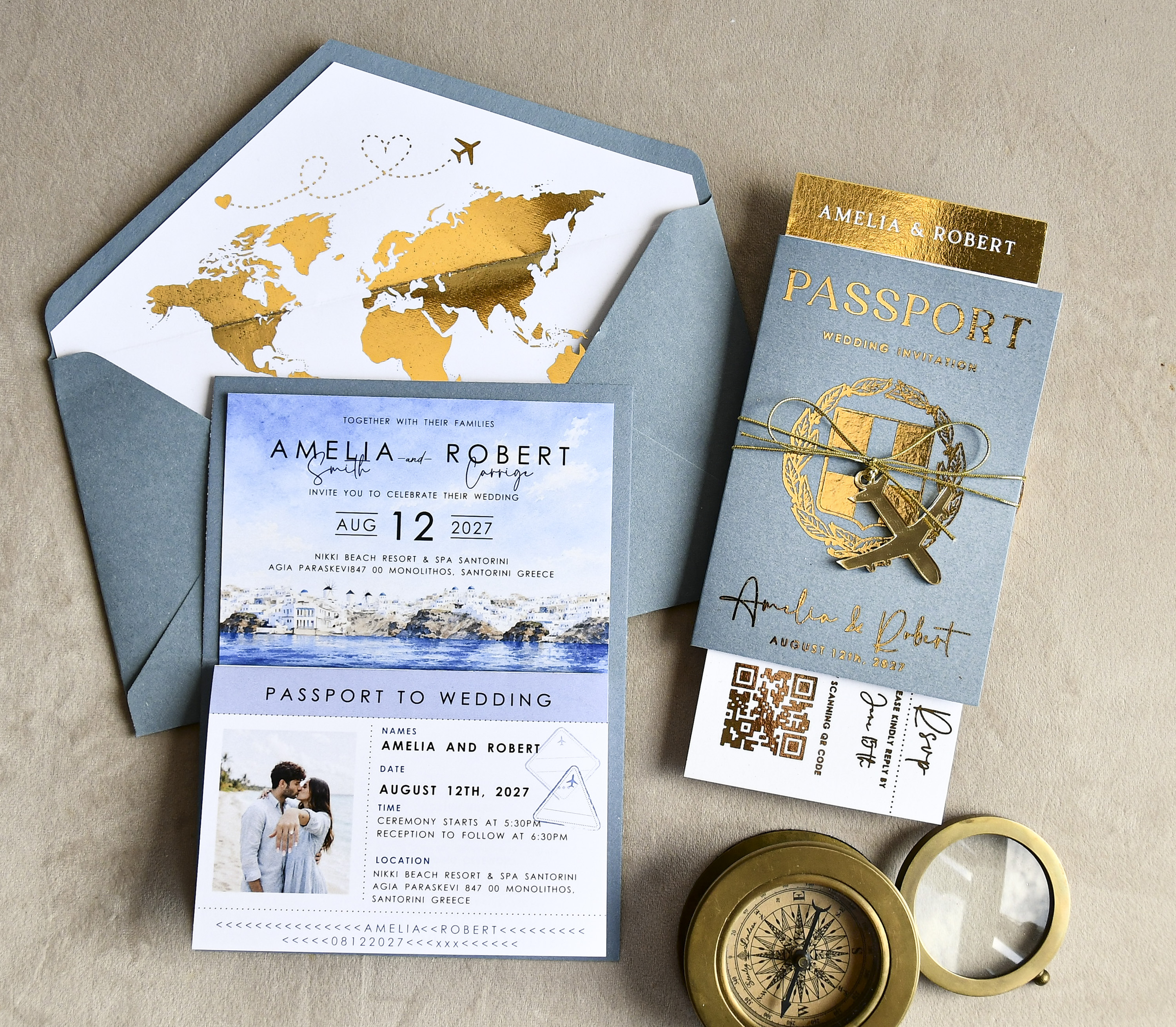
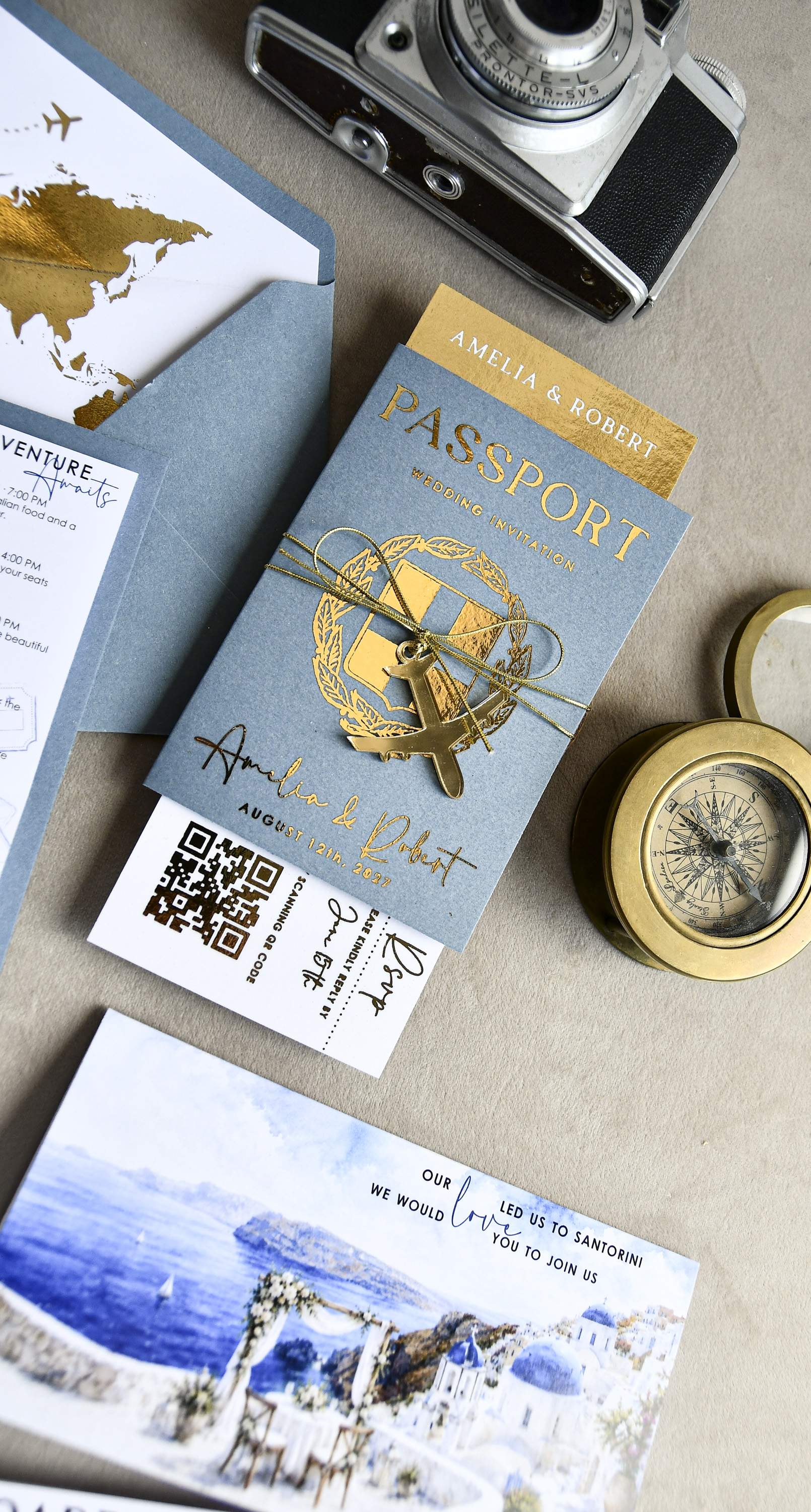
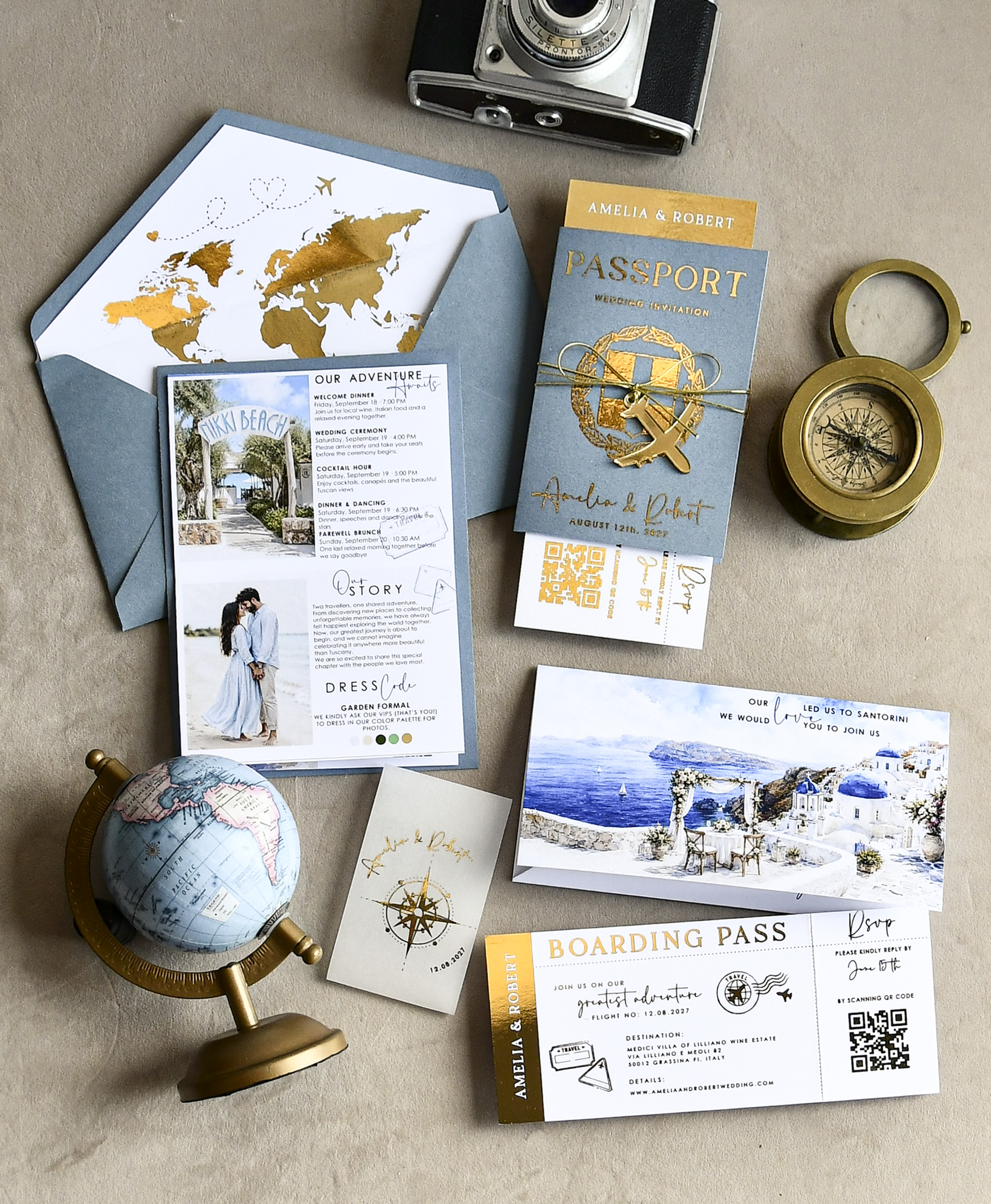
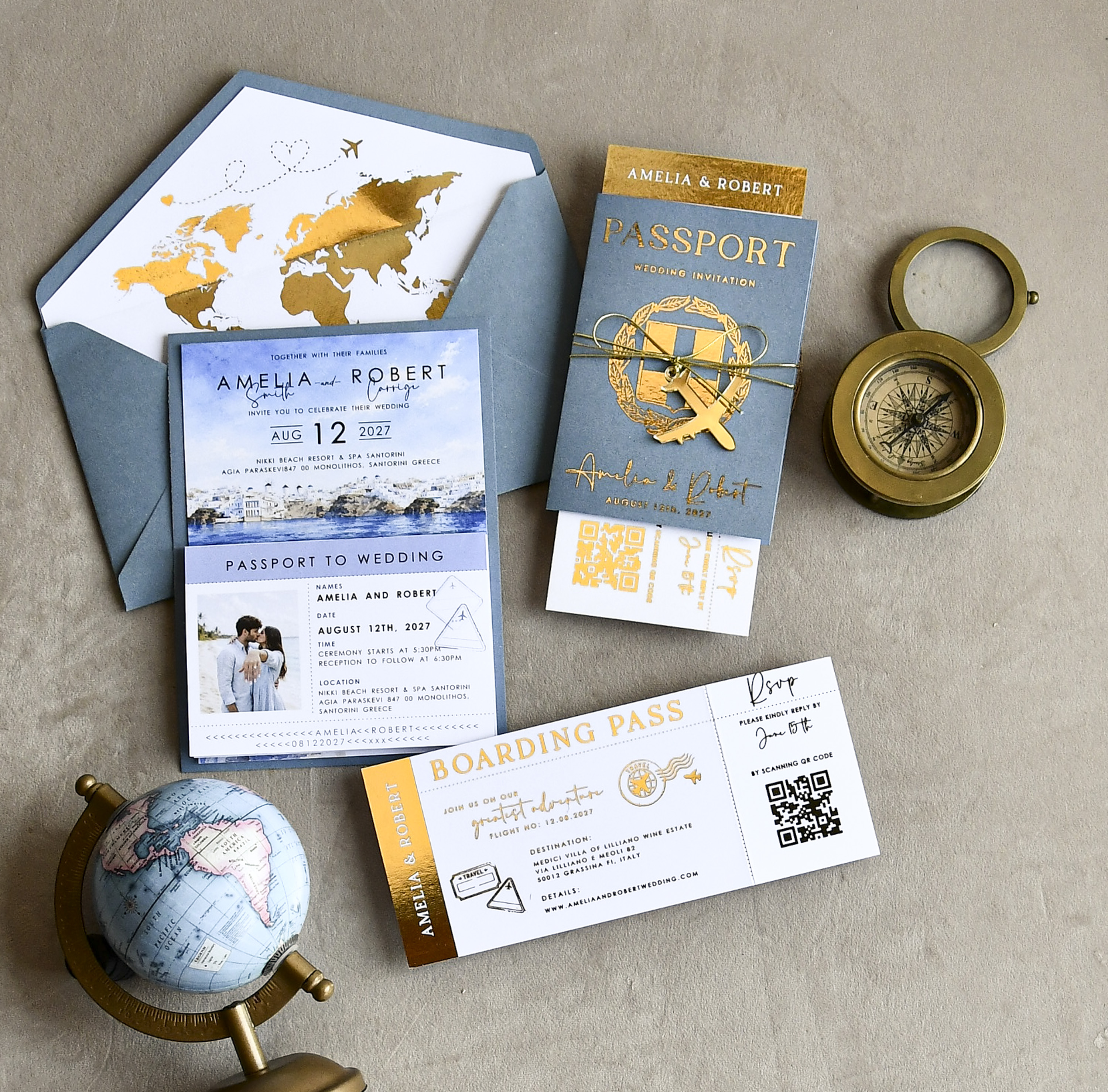
You've just sent out your wedding invitations — maybe those beautiful passport-style beach wedding invites — and instead of excitement, you get a call from Aunt Linda announcing she won't come if your estranged cousin is there. It's one of the most stressful guest-list scenarios couples face, and unfortunately it's more common than you'd think. Here's how to handle it without letting someone else's conflict hijack your wedding day.
Understand What's Really Happening
Before reacting, take a breath and recognize this for what it is: a pressure tactic, whether intentional or not. When a relative issues a "them or me" ultimatum, they are asking you to manage their emotions by altering your guest list. That's a significant ask, and you are under no obligation to comply.
It helps to separate two things: the underlying conflict (which may be real and painful) and the demand being placed on you (which is unfair). You can have empathy for someone's difficult history with another guest while still refusing to let that history dictate your wedding decisions. Acknowledging the conflict without conceding to the ultimatum sounds like: "I understand you two have history, and I'm sorry this is hard. We love you both and hope you'll both be there."
Hold a Calm, Private Conversation Early
As soon as you learn about the conflict, address it directly and privately — not over group text, not through your mom as a messenger. A short phone call or in-person conversation is best. Keep it warm but clear.
A few things to communicate:
- Your guest list is final. Frame it as a decision you and your partner made together, not something open for debate.
- You want them there. Make it genuinely clear their presence matters to you — but that you cannot uninvite another guest.
- You won't be choosing sides. Let them know you're not going to relay messages, negotiate between parties, or take on the role of referee.
If they push back, it's okay to say: "I hope you'll decide to come. The invitation stands, and the decision is yours." Then change the subject or end the call kindly. You've said what needed to be said.
Protect Your Partner and Your Peace
This kind of situation has a way of pulling couples apart if they're not united. Before any conversations with family, make sure you and your partner are fully aligned on your position. Decide together: Is this person's attendance non-negotiable for you? Is uninviting the other guest ever on the table? (Spoiler: it almost never should be, unless there's a genuine safety concern.)
Once you're aligned, present a united front. Don't let one partner's family pressure become that partner's solo problem to fix. Phrases like "We've decided together" and "We both feel strongly" signal that this isn't a crack someone can wedge open.
Also set a boundary on how much mental space this gets. Spending weeks agonizing over one guest's threat robs you of joy during your engagement. Give it one honest conversation, then let it rest.
Plan Practically for Both Outcomes
Hope they come — but plan as if they might not. Here's how to be practically prepared:
- Don't assign them a key role (reader, toastmaker, escort card distributor) that would leave a gap if they don't show. Keep those roles with people you're confident about.
- Brief your venue or coordinator if there's any concern about day-of tension. A good coordinator has seen this before.
- Have a seating plan that minimizes proximity between the two conflicting guests. Strategic table placement can defuse a lot of tension before it starts.
- Decide in advance how you'll respond if they do show up and create drama — or if they don't show up and family members start asking why.
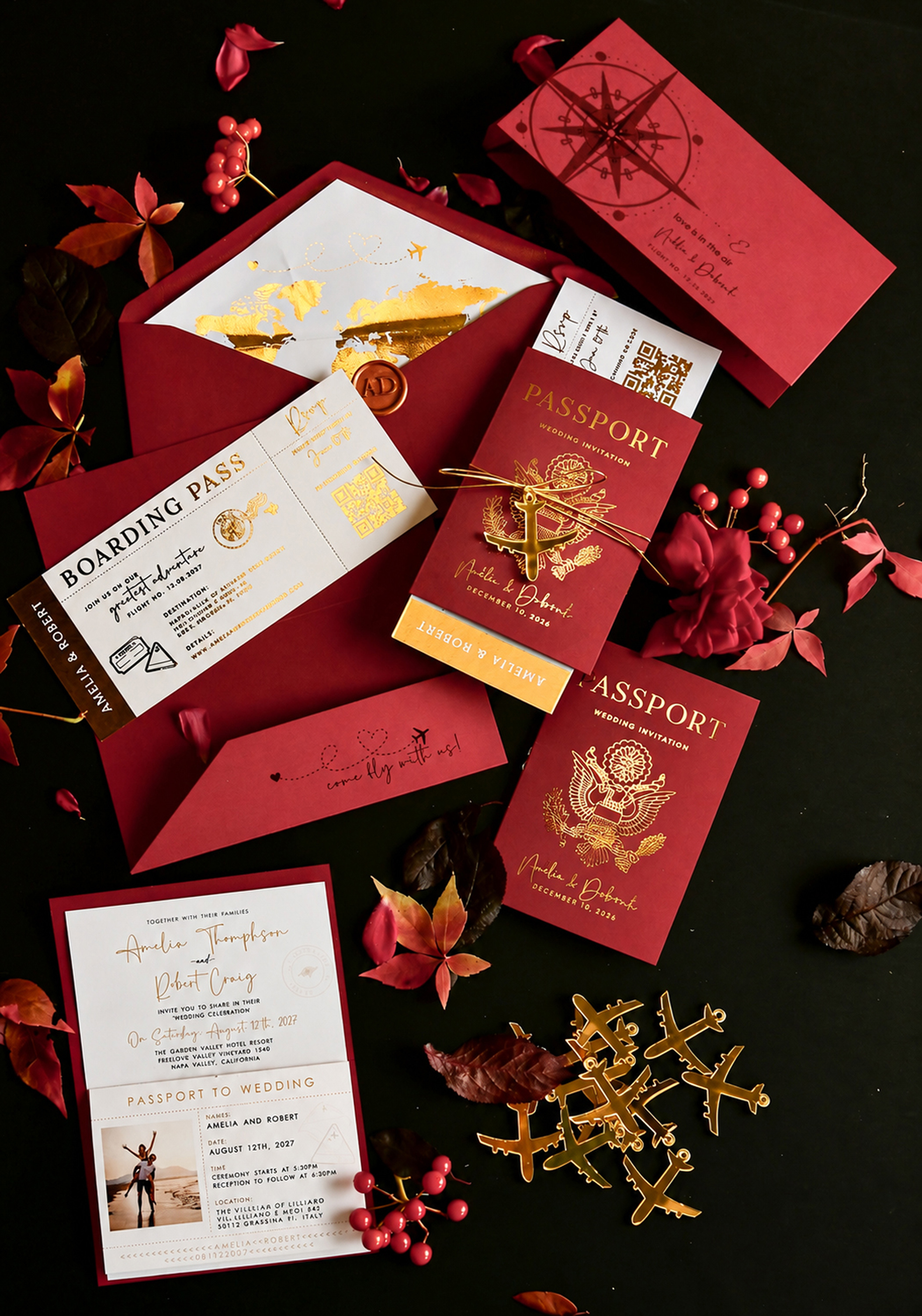
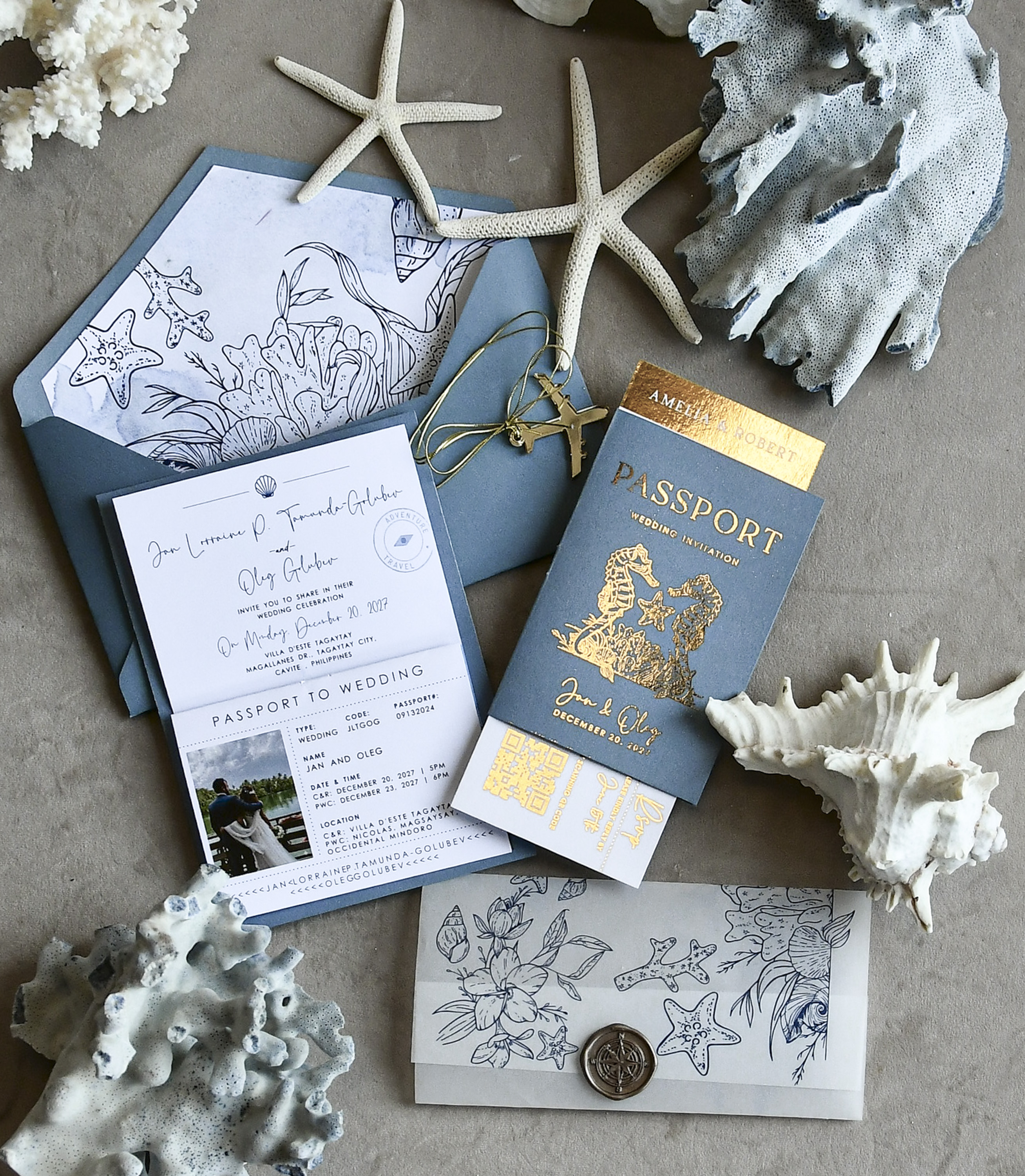
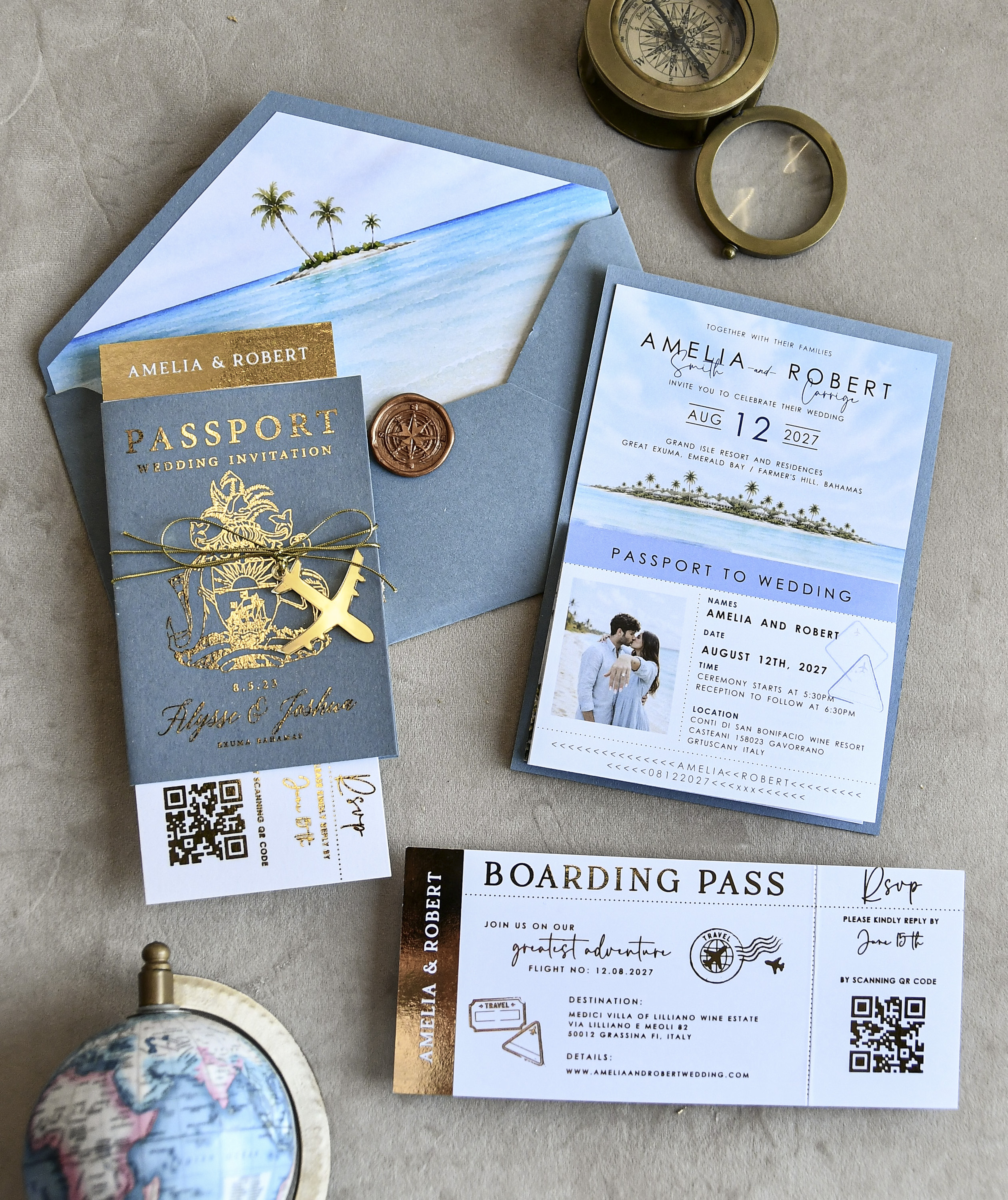
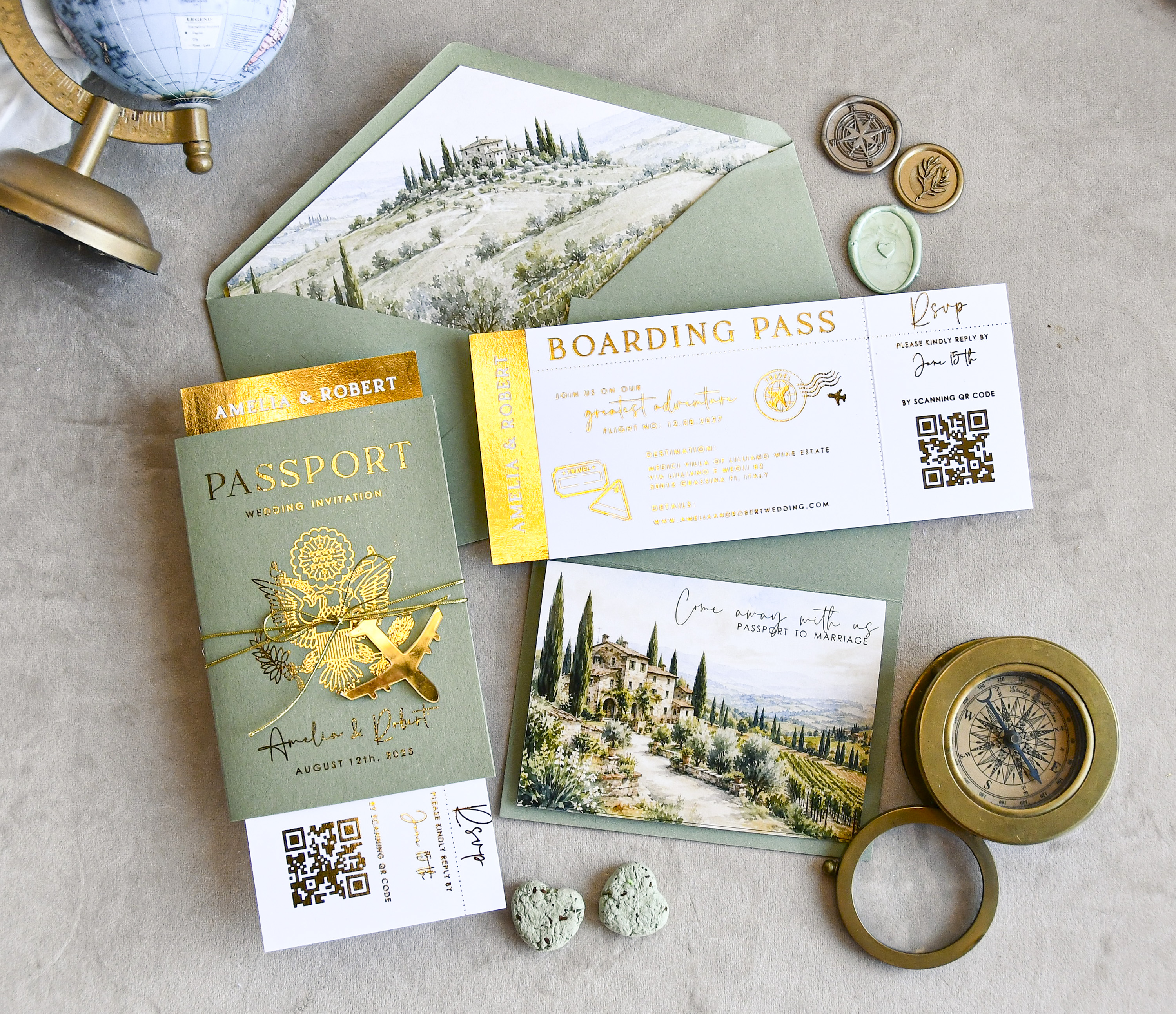
If you're sending destination-style invitations — like our passport-to-love beach wedding invites — consider including a warm personal note to the relative in question. Sometimes a tangible, thoughtful invitation softens things in a way a phone call can't.
After the Wedding: Let It Be Their Regret, Not Yours
If the relative follows through and skips your wedding, that is genuinely sad — but it is their choice and their loss. You did not exclude them. You invited them, you communicated clearly, and you left the door open. What happens after that is on them.
Resist the urge to punish them with silence or over-explain to other family members. Simply say, if asked: "We're sorry they weren't able to make it." That's it. Neutral, gracious, done.
Many couples find that the relative who threatened to skip either shows up anyway (pride often softens closer to the date) or, if they don't attend, eventually regrets it and comes around. Either way, you'll know you handled it with integrity — and that matters long after the wedding day is over.

Frequently Asked Questions
Only in extreme cases — such as a genuine safety concern — should you uninvite an already-invited guest. Removing someone from your list to appease a relative's ultimatum sets a precedent that pressure tactics work, and it can seriously damage your relationship with the uninvited guest.
The stakes feel higher, but the approach is the same: a calm, private conversation where you express love and hold your position. If a parent is threatening not to attend over a guest list dispute, it may be worth a deeper conversation about boundaries — ideally with your partner present.
Keep it brief and neutral: "There's a conflict between them that we're not involved in, and we invited everyone we wanted there." Avoid sharing details or taking sides publicly, as that tends to escalate things.
It's reasonable to privately ask both parties to be civil and keep their distance for the day. Phrase it as a favor to you, not as an accusation. Most adults can manage a few hours of polite avoidance for someone they care about.
Brief your wedding coordinator or a trusted family member in advance to handle any disruptions so you don't have to. Having a designated point person means you can stay present and enjoy your day while someone else manages the situation.
As soon as you become aware of the threat — ideally weeks before the wedding, not days. Early conversations give emotions time to settle and give the relative time to make peace with the situation before the day arrives.
See This Design Up Close
















You May Also Like
More Wedding Planning Guides
- → The Complete Guide to What Goes on a Wedding Invitation
- → Plus One Etiquette: Exactly Who Makes the Cut at Your Wedding
- → How to Navigate a Wedding When Your Divorced Parents Are at War
- → Inviting Guests to the Ceremony But Not the Reception: What You Need to Know
- → The Case for a Small Wedding: Everything You Need to Know
- → When to Send Wedding Invitations: A Complete Timeline Guide
- → Who Gets Cut First When Your Guest List Is Too Long?
- → Wedding Invitation Addressing: Etiquette Rules Every Couple Should Know
- → Do You Have to Invite Your Future In-Laws' Friends to Your Wedding?
- → Coworkers and the Wedding Guest List: How to Decide Who Gets an Invite
- → Yes, Guests Can RSVP Online — Here's How to Make It Work Beautifully
- → More Guests or a More Memorable Wedding? How to Choose What's Right for You
- → Inviting Your Ex to Your Wedding: A Practical Guide to Making the Right Call
- → Do You Have to Invite Your Cousins to Your Wedding?
- → How to Figure Out the Right Number of Wedding Invitations to Order
- → Should You Invite an Estranged Sibling to Your Wedding?
- → Going Digital: Everything You Need to Know About Sending Online Wedding Invitations
- → No-Shows After a Yes RSVP: How to Handle It Gracefully
- → When Parents Want to Add Friends to the Guest List: A Practical Guide
- → No Kids at Your Wedding: Navigating the Etiquette With Confidence
- → How to Defuse Family Arguments Without Losing Your Mind Before the Wedding
- → Uninvited Plus-Ones and Tag-Alongs: How to Keep Your Guest List Intact
- → When Family Feuds Threaten Your Wedding Plans: A Practical Peacekeeper's Guide
- → Inviting an Estranged Brother or Sister: Finding Clarity Before You Seal the Envelope
- → Cousins, Invites, and Hard Choices: A Practical Guest List Guide