
Inviting Guests to the Ceremony But Not the Reception: What You Need to Know

Wedding guest lists are rarely simple. Venue capacity limits, tight budgets, and sprawling family trees can all push you toward a tough decision: inviting some people to the ceremony only, without including them in the reception dinner and dancing that follows. The good news? This is a completely acceptable practice — as long as you handle it with care and clear communication. Here's everything you need to know to pull it off gracefully.
Is It Actually Okay to Do This?
Yes — with some caveats. Inviting guests to witness your vows without extending a reception invitation is socially acceptable, particularly in certain situations. It's most common when the reception is an intimate dinner for close family and friends, when venue capacity is genuinely limited, or when you're hosting a large public ceremony (like one held in a church or outdoor space) followed by a private celebration.
Where it gets tricky is when ceremony-only guests are people who reasonably expect to be included in the full day — think longtime friends, coworkers you see daily, or cousins you're close with. The more intimate the relationship, the more likely a partial invitation will sting. Be honest with yourself about whether the distinction makes sense before you commit to it.
How to Communicate It Without Causing Hurt Feelings
Clarity is your best friend here. The worst outcome is a ceremony guest showing up at the reception venue expecting a seat at dinner. Here's how to avoid that:
- Send separate invitations. Ceremony-only guests should receive an invitation that clearly reflects the scope of the event — no reception card, no RSVP for dinner. If your full-guest invitations include a reception card, simply omit it from ceremony-only suites.
- Be upfront in wording. Phrases like "Join us for the wedding ceremony" or "We joyfully invite you to celebrate our marriage ceremony" signal that the invitation covers the ceremony itself, not an all-day event.
- Consider a personal note or phone call. For close friends or family members, a quick conversation explaining the situation — "We're keeping the reception to immediate family only" — goes a long way toward preserving the relationship.
- Avoid vague language. Don't say "We'd love to celebrate with you" without specifying what that means. Ambiguity leads to awkward moments at the venue door.
Wording Your Ceremony-Only Invitations
Your invitation wording should reflect exactly what you're inviting guests to attend. Here are a few examples you can adapt:
- "Together with their families, [Names] invite you to witness their marriage ceremony on [Date] at [Venue]."
- "Please join us as we exchange our vows. A private reception will follow for immediate family."
- "We warmly invite you to celebrate our wedding ceremony. Dinner and dancing to follow for close family."
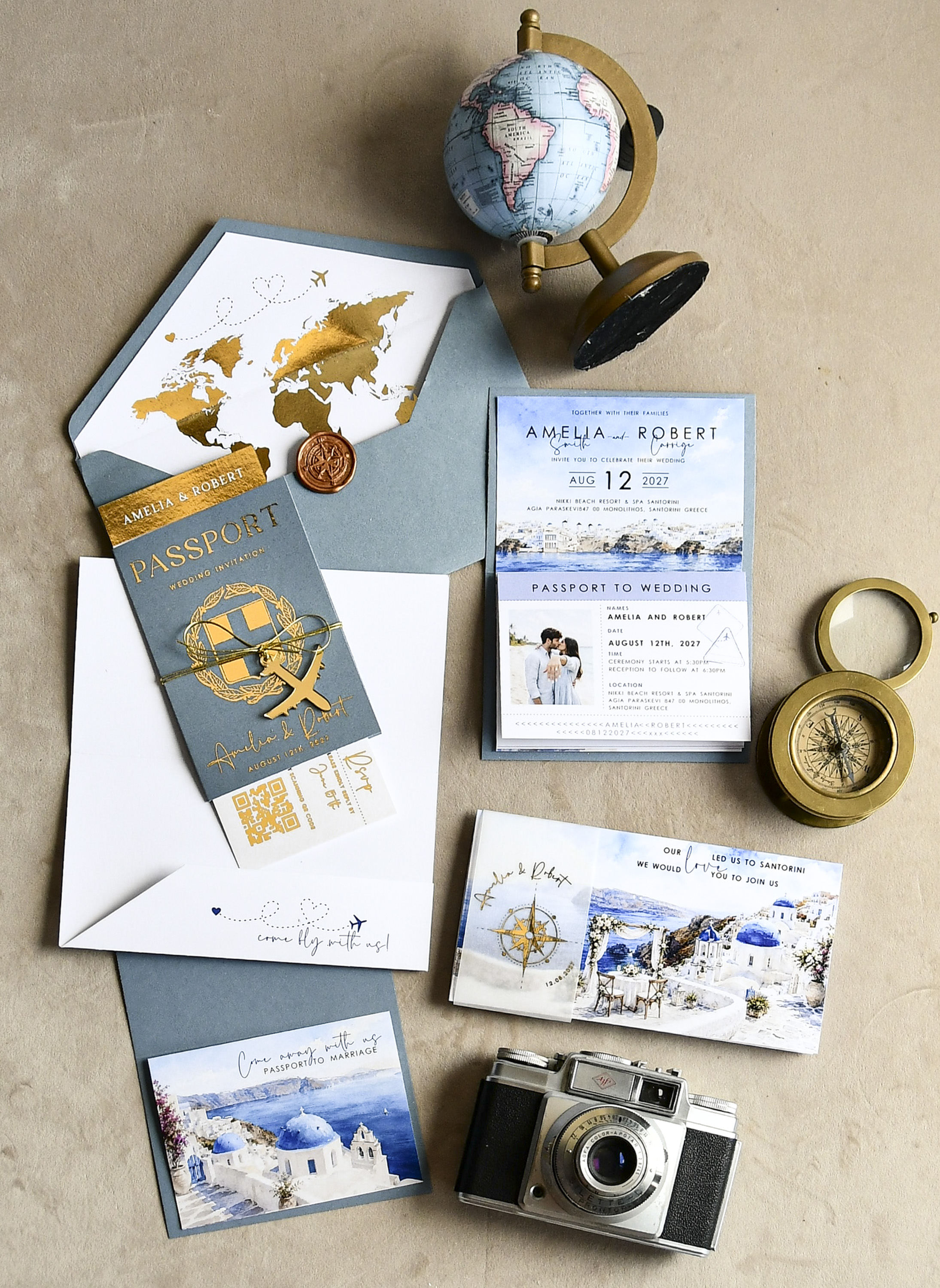
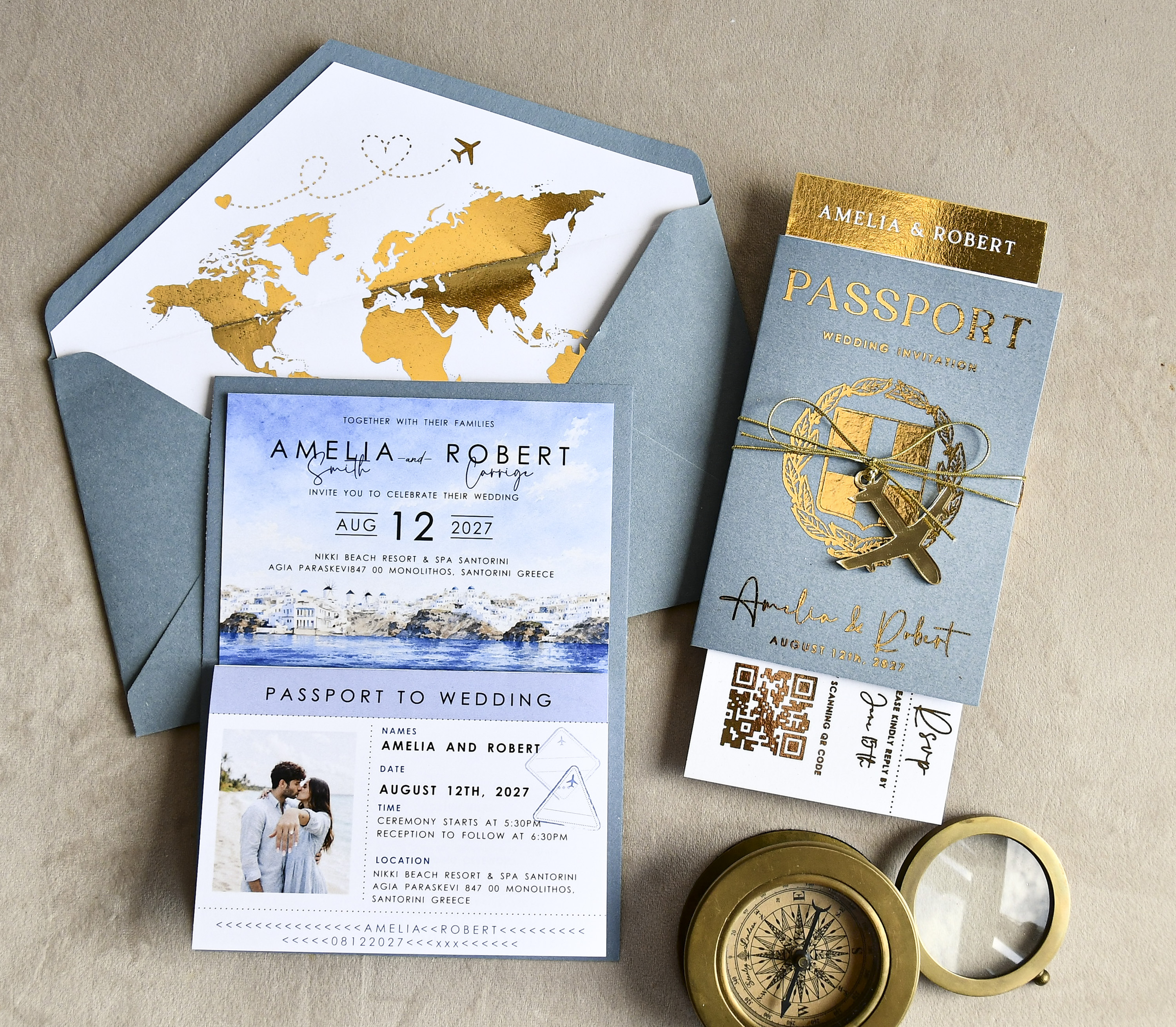
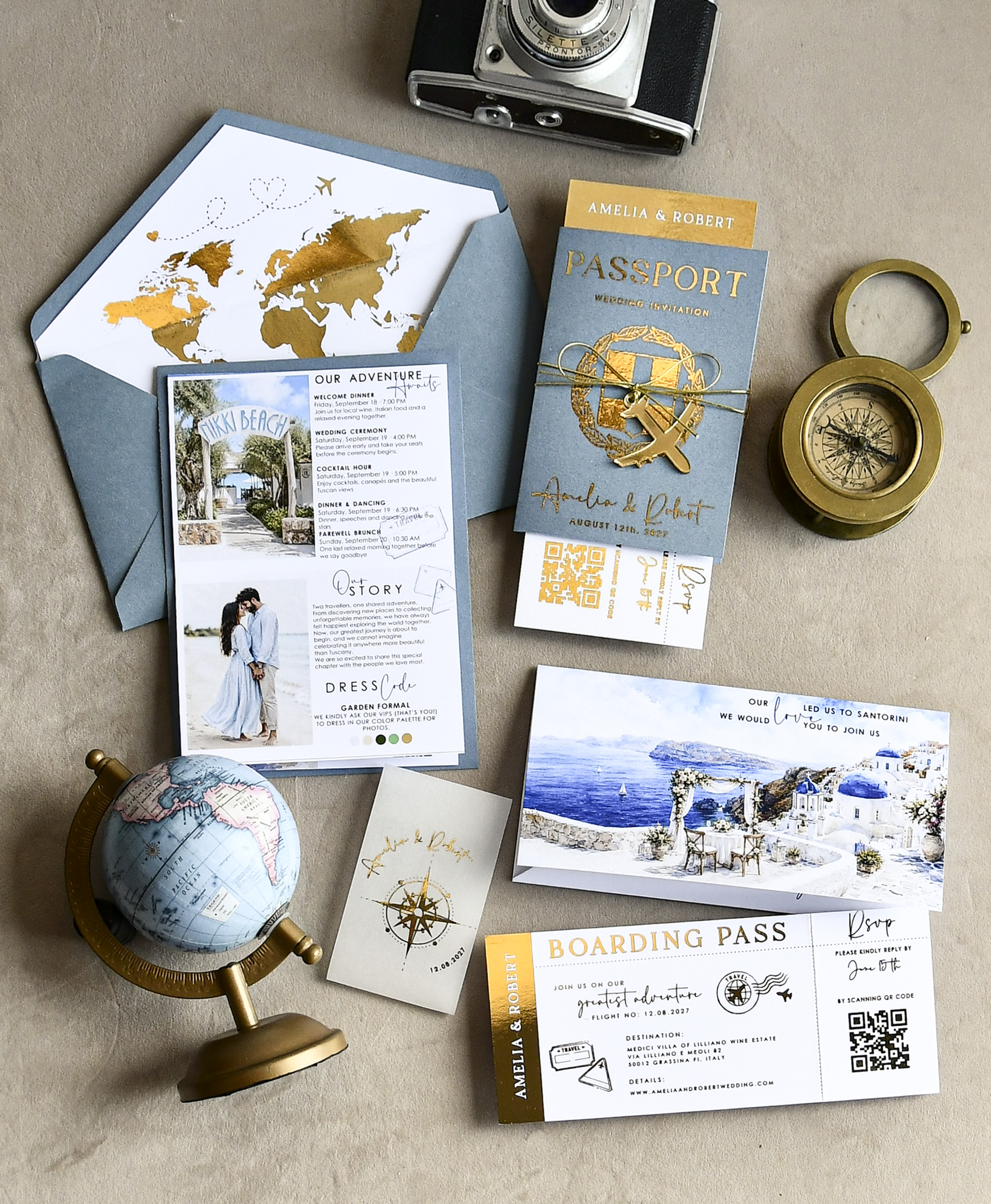
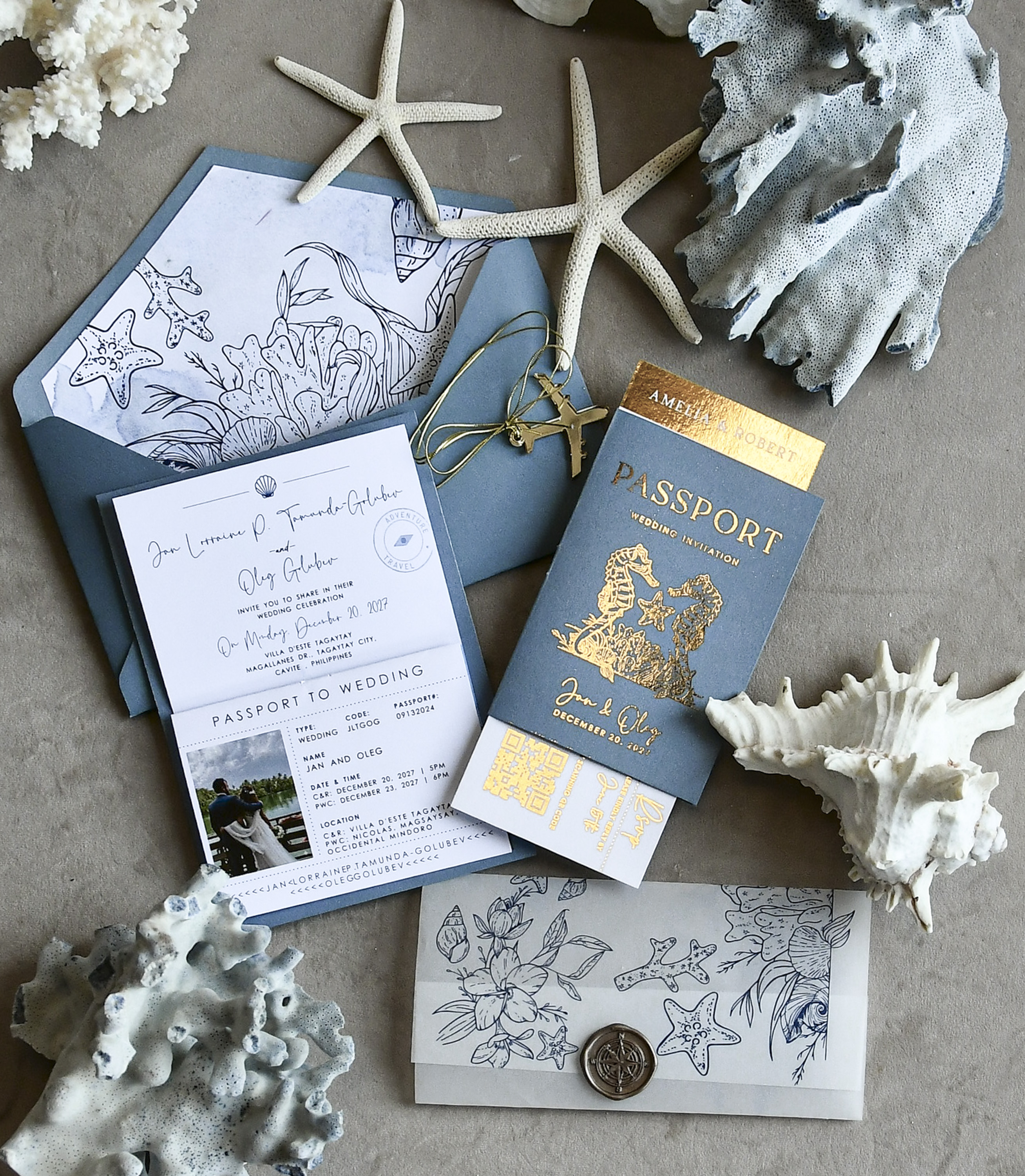
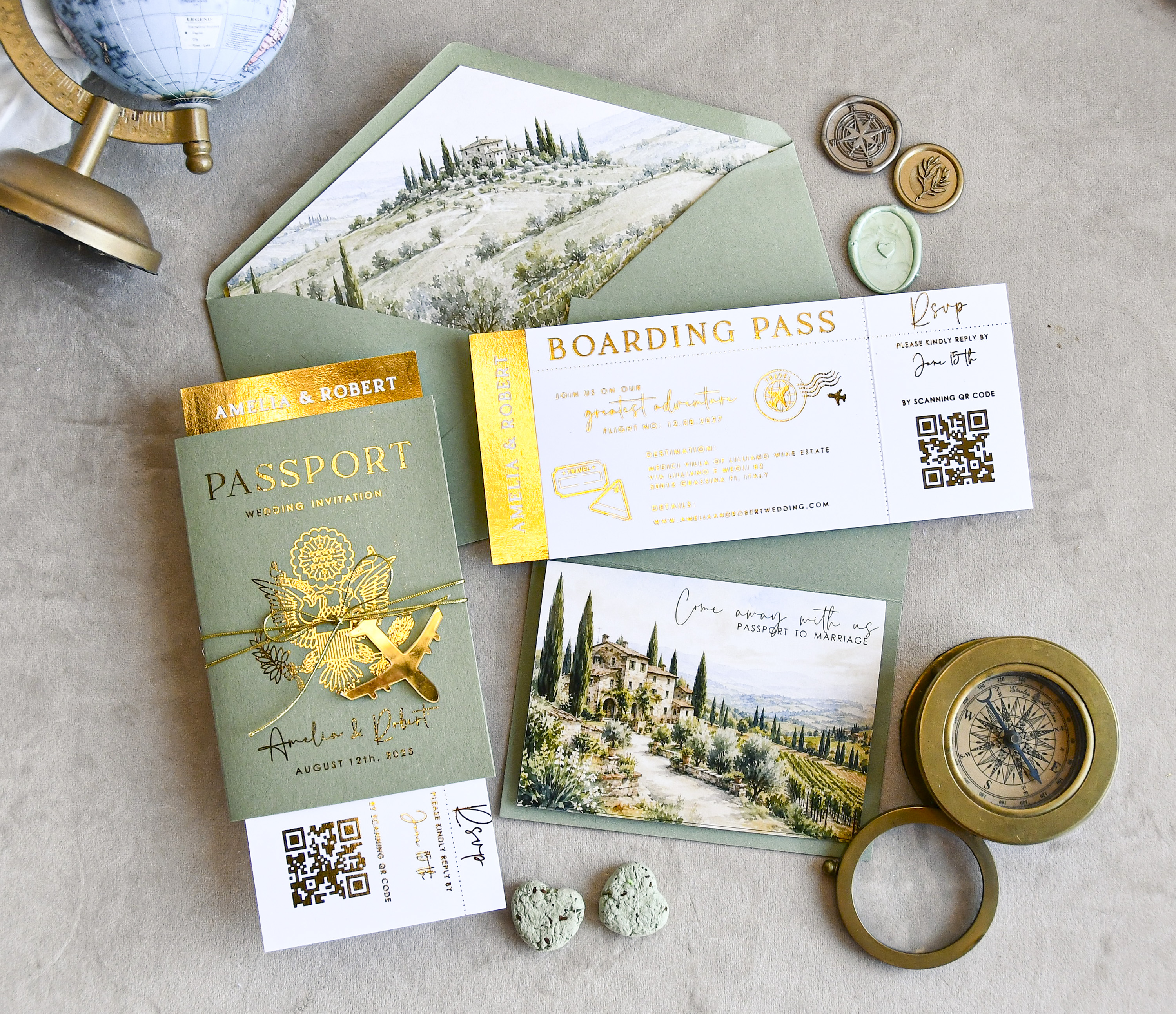
Notice that the last example still mentions the reception — but frames it as a separate, limited event. This transparency prevents confusion without requiring a lengthy explanation on the invite itself. If you're planning a destination beach wedding, a beautifully designed invitation like the Passport to Love beach wedding invite can set a festive, welcoming tone even for ceremony-only guests, making them feel celebrated rather than excluded.
Timing: When to Send Ceremony-Only Invitations
The standard rule for wedding invitations is to mail them six to eight weeks before the wedding date. For destination or travel-heavy weddings, aim for ten to twelve weeks. Ceremony-only guests should receive their invitations on the same timeline as everyone else — don't delay sending them, as that can feel like an afterthought.
If you're hosting a ceremony with a large, open guest list (a church wedding, for example), you may not need formal invitations for ceremony guests at all — a save-the-date or announcement card can suffice. However, if you're distinguishing between two tiers of guests at the same location, formal invitations help set clear expectations for everyone.
What to Offer Ceremony-Only Guests After the Vows
A little thoughtfulness goes a long way. If ceremony guests are leaving while reception guests stay, consider these gestures to make them feel appreciated:
- A cocktail hour or light refreshments immediately after the ceremony, before reception guests move to dinner. This gives everyone a moment to celebrate together.
- A farewell moment — a receiving line or brief mingling period — so you can personally thank ceremony guests for coming.
- A celebration later. Many couples host a casual brunch, backyard party, or open house in the weeks following the wedding to celebrate with a broader circle. This can take the pressure off the guest list entirely.
Whatever you choose, the goal is to make every guest feel genuinely honored to have shared in your day — even if only for part of it.
Frequently Asked Questions
It depends on the relationship and how it's handled. For acquaintances, coworkers, or large community groups, ceremony-only invitations are generally well-received. For close friends or family members, a personal conversation explaining the decision helps prevent hurt feelings.
Yes, if they're guests you're specifically inviting. A formal invitation sets clear expectations about what the event includes and signals that their presence is genuinely wanted. Simply omit the reception card and any dinner RSVP from their invitation suite.
Focus the invitation language on the ceremony itself — "We invite you to witness our marriage ceremony" — rather than using broad phrases like "celebrate our wedding day." If space allows, a brief note such as "A private reception will follow for immediate family" removes any ambiguity.
Absolutely, and this is a wonderful way to bridge the gap. Including ceremony guests in a cocktail hour allows everyone to celebrate together before reception guests move to a more intimate dinner. Just make sure it's clearly communicated on the invitation or program.
You don't owe a detailed explanation, but for close relationships, a brief and honest reason — venue capacity, budget, or a family-only dinner — is appreciated. A warm, personal note or phone call is far better than leaving someone to wonder.
Yes, though it's worth being thoughtful about timing. Consider waiting until after the honeymoon to share reception photos publicly, giving ceremony-only guests some emotional distance from the event. A personal thank-you message to those guests beforehand is a kind touch.
See This Design Up Close


















You May Also Like

More Wedding Planning Guides
- → The Complete Guide to What Goes on a Wedding Invitation
- → Plus One Etiquette: Exactly Who Makes the Cut at Your Wedding
- → How to Navigate a Wedding When Your Divorced Parents Are at War
- → The Case for a Small Wedding: Everything You Need to Know
- → When to Send Wedding Invitations: A Complete Timeline Guide
- → Who Gets Cut First When Your Guest List Is Too Long?
- → Wedding Invitation Addressing: Etiquette Rules Every Couple Should Know
- → Do You Have to Invite Your Future In-Laws' Friends to Your Wedding?
- → Coworkers and the Wedding Guest List: How to Decide Who Gets an Invite
- → Yes, Guests Can RSVP Online — Here's How to Make It Work Beautifully
- → More Guests or a More Memorable Wedding? How to Choose What's Right for You
- → Inviting Your Ex to Your Wedding: A Practical Guide to Making the Right Call
- → Do You Have to Invite Your Cousins to Your Wedding?
- → How to Figure Out the Right Number of Wedding Invitations to Order
- → Should You Invite an Estranged Sibling to Your Wedding?
- → Going Digital: Everything You Need to Know About Sending Online Wedding Invitations
- → No-Shows After a Yes RSVP: How to Handle It Gracefully
- → Navigating the 'Them or Me' Wedding Guest Ultimatum
- → When Parents Want to Add Friends to the Guest List: A Practical Guide
- → No Kids at Your Wedding: Navigating the Etiquette With Confidence
- → How to Defuse Family Arguments Without Losing Your Mind Before the Wedding
- → Uninvited Plus-Ones and Tag-Alongs: How to Keep Your Guest List Intact
- → When Family Feuds Threaten Your Wedding Plans: A Practical Peacekeeper's Guide
- → Inviting an Estranged Brother or Sister: Finding Clarity Before You Seal the Envelope
- → Cousins, Invites, and Hard Choices: A Practical Guest List Guide